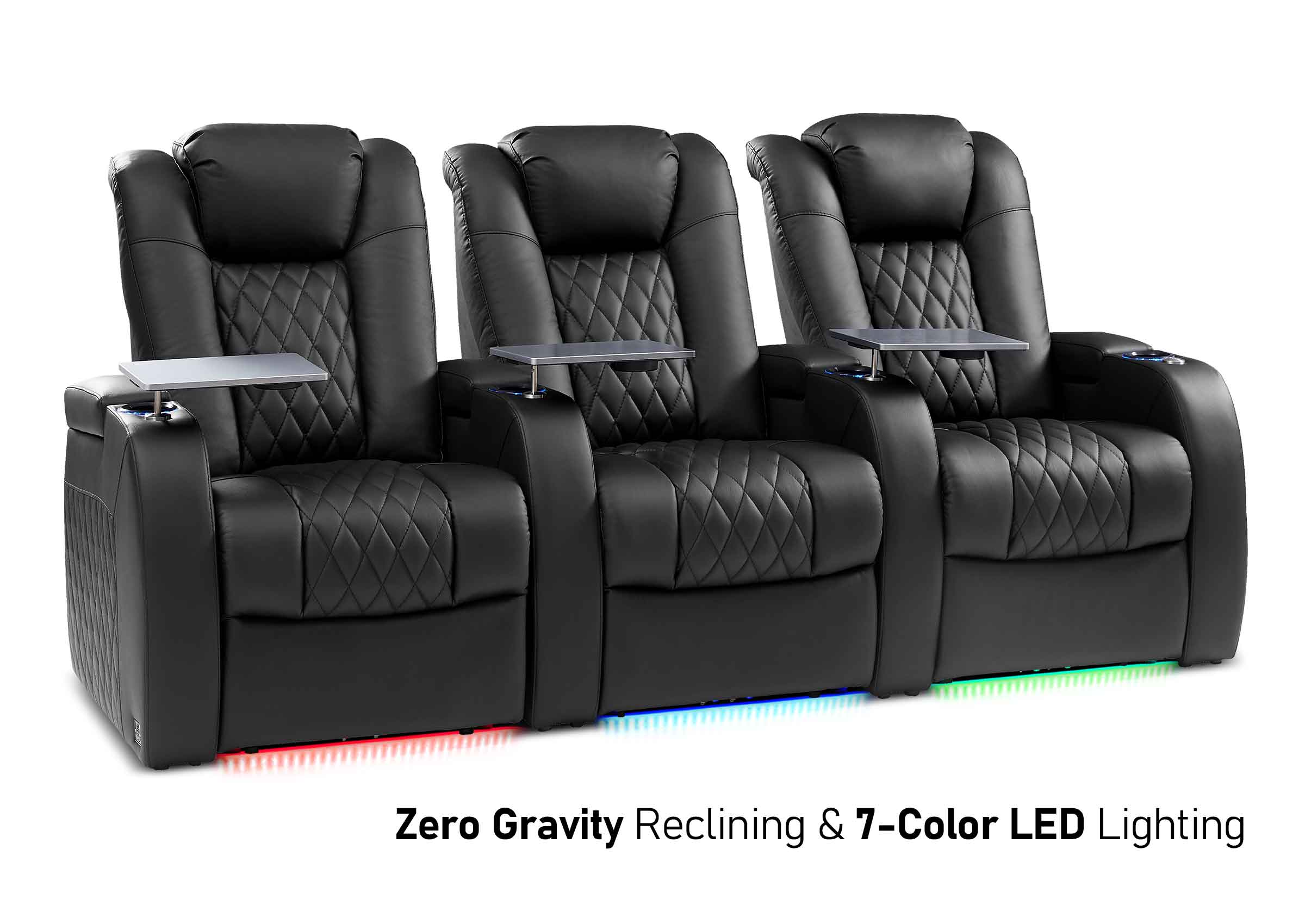
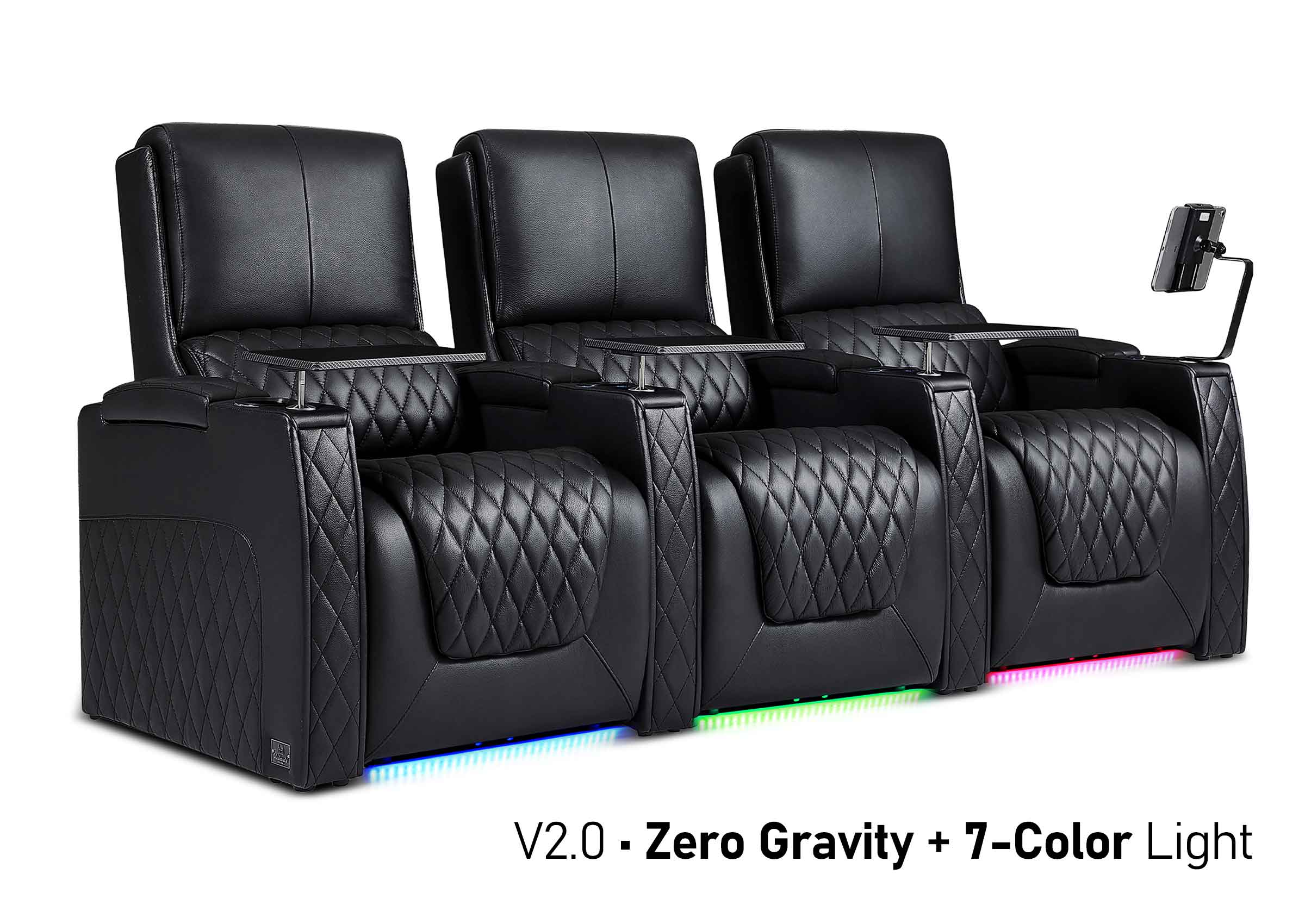
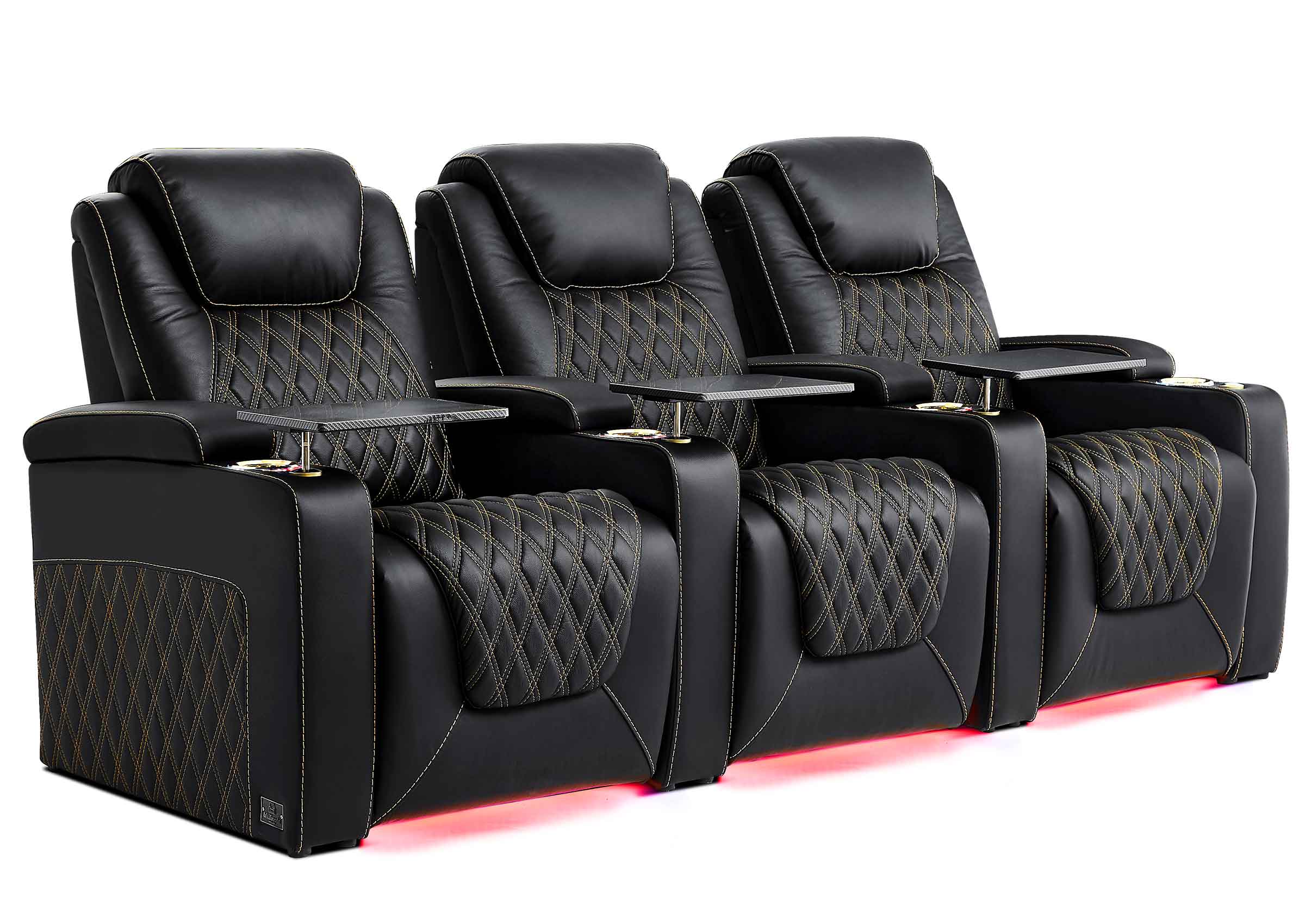
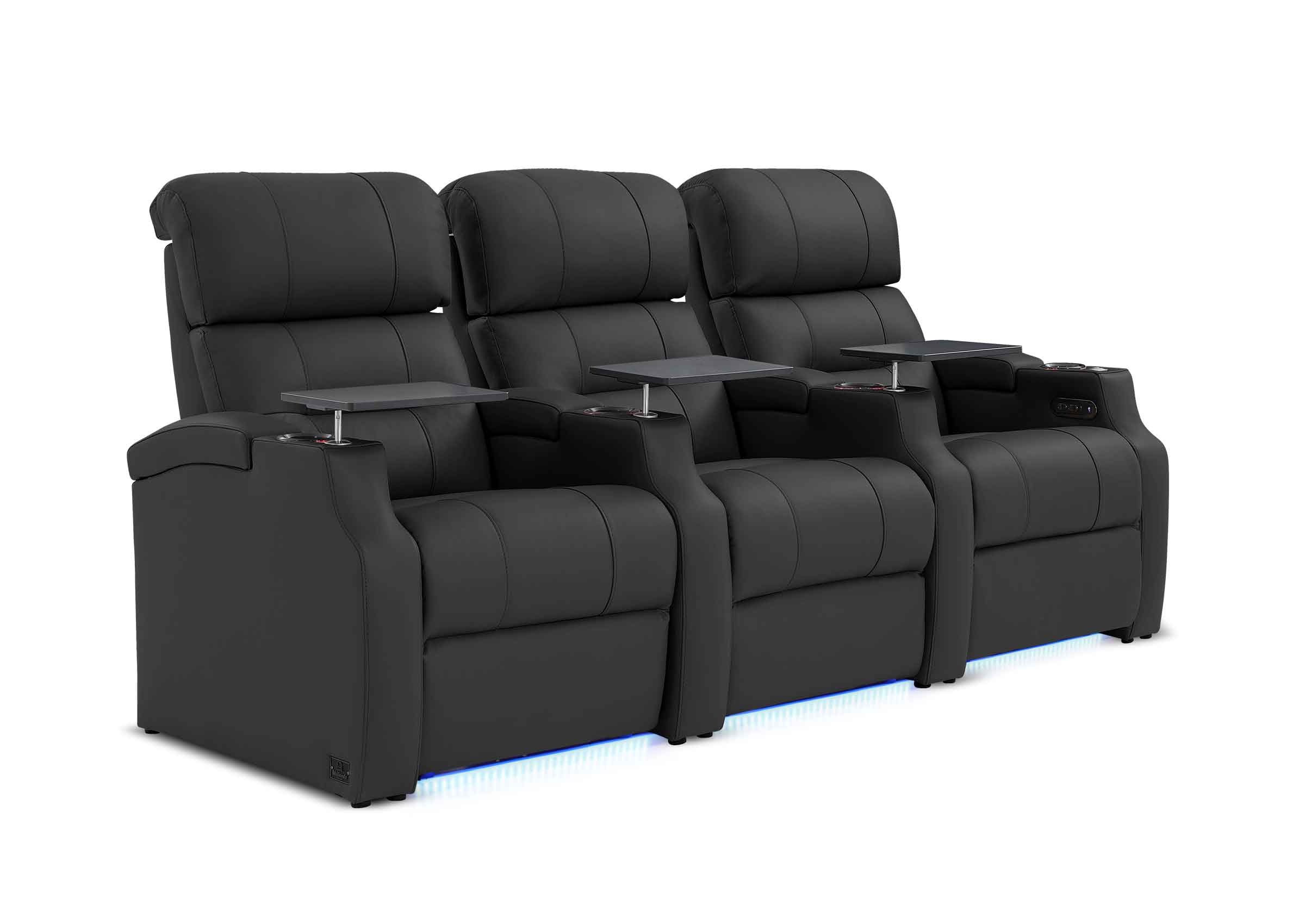
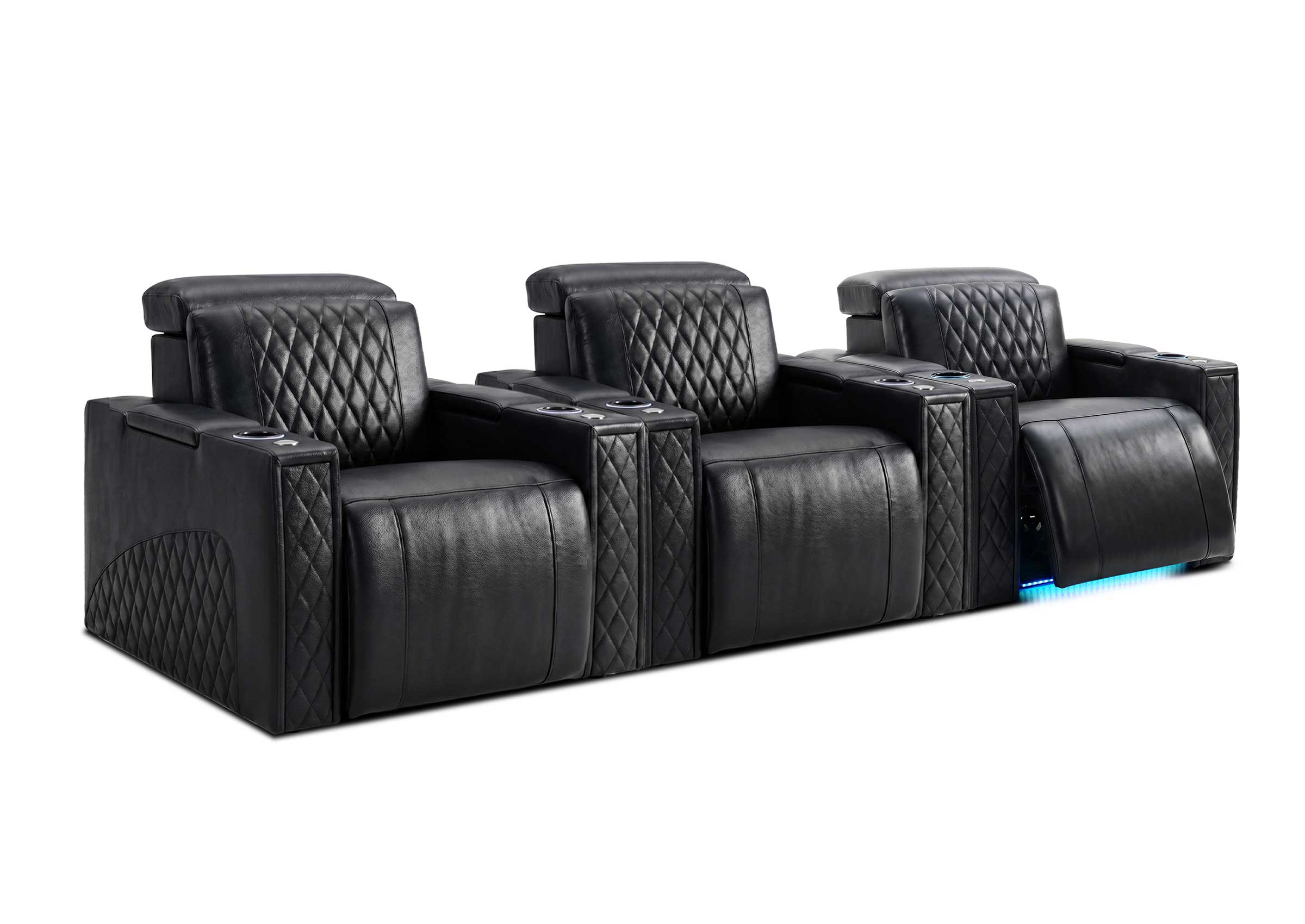

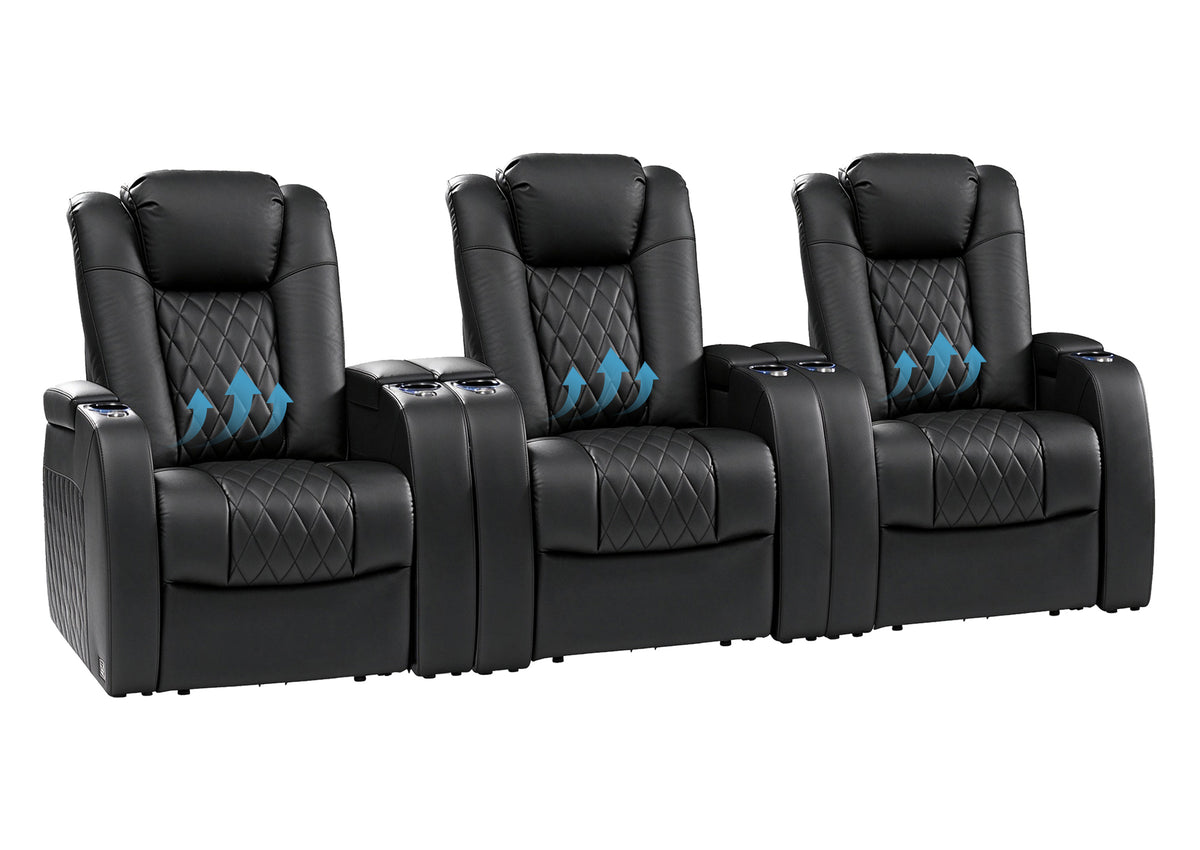
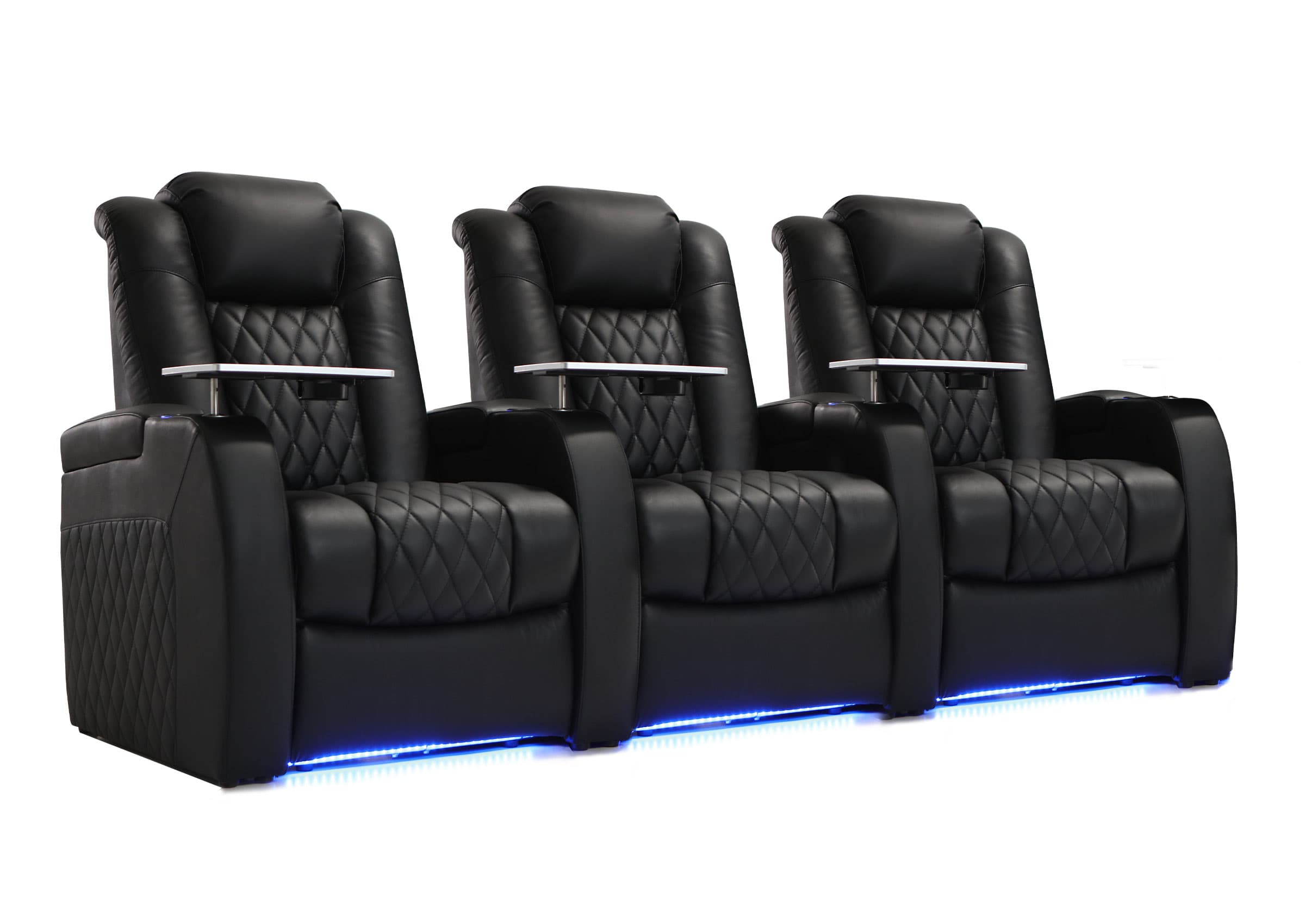
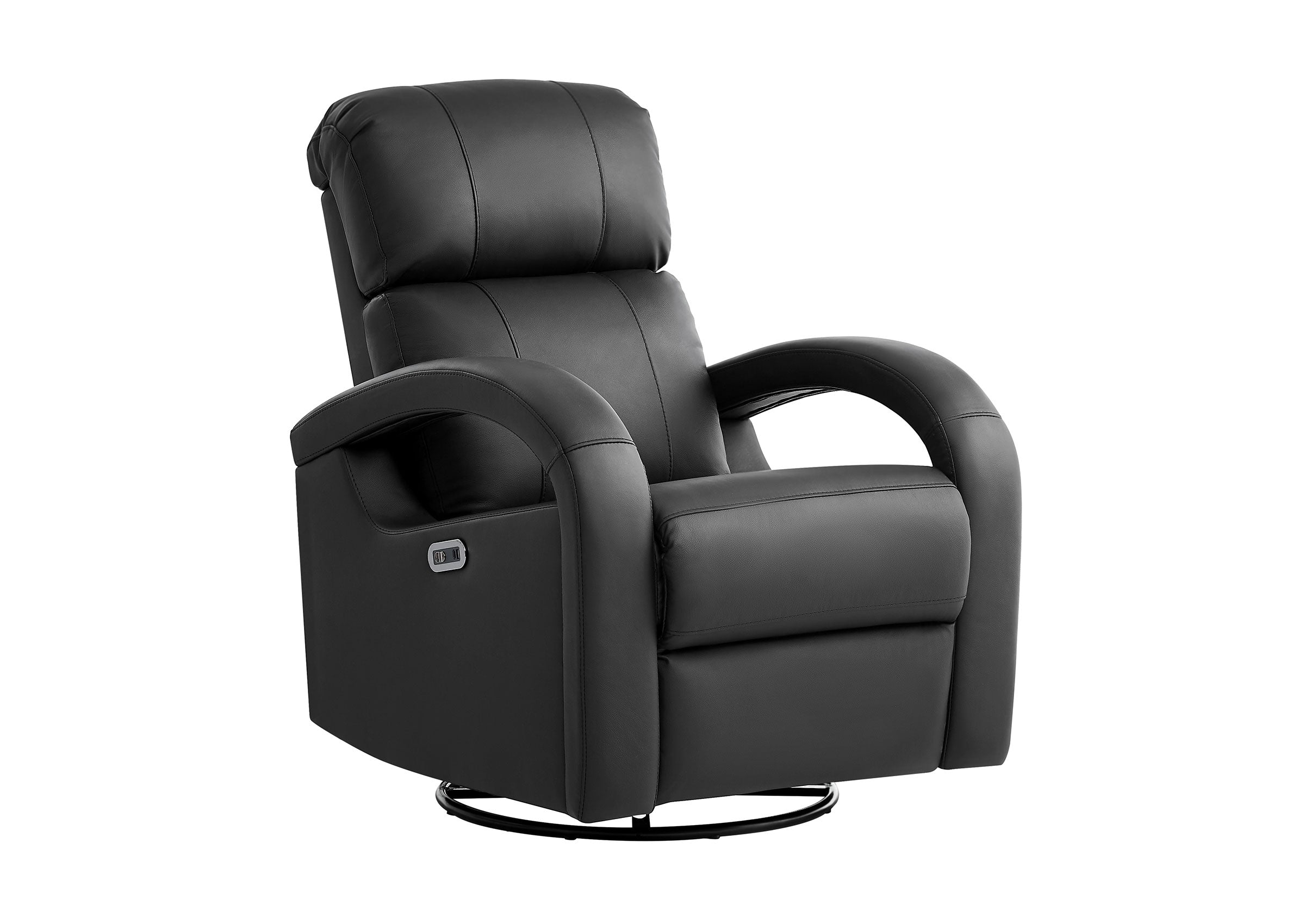
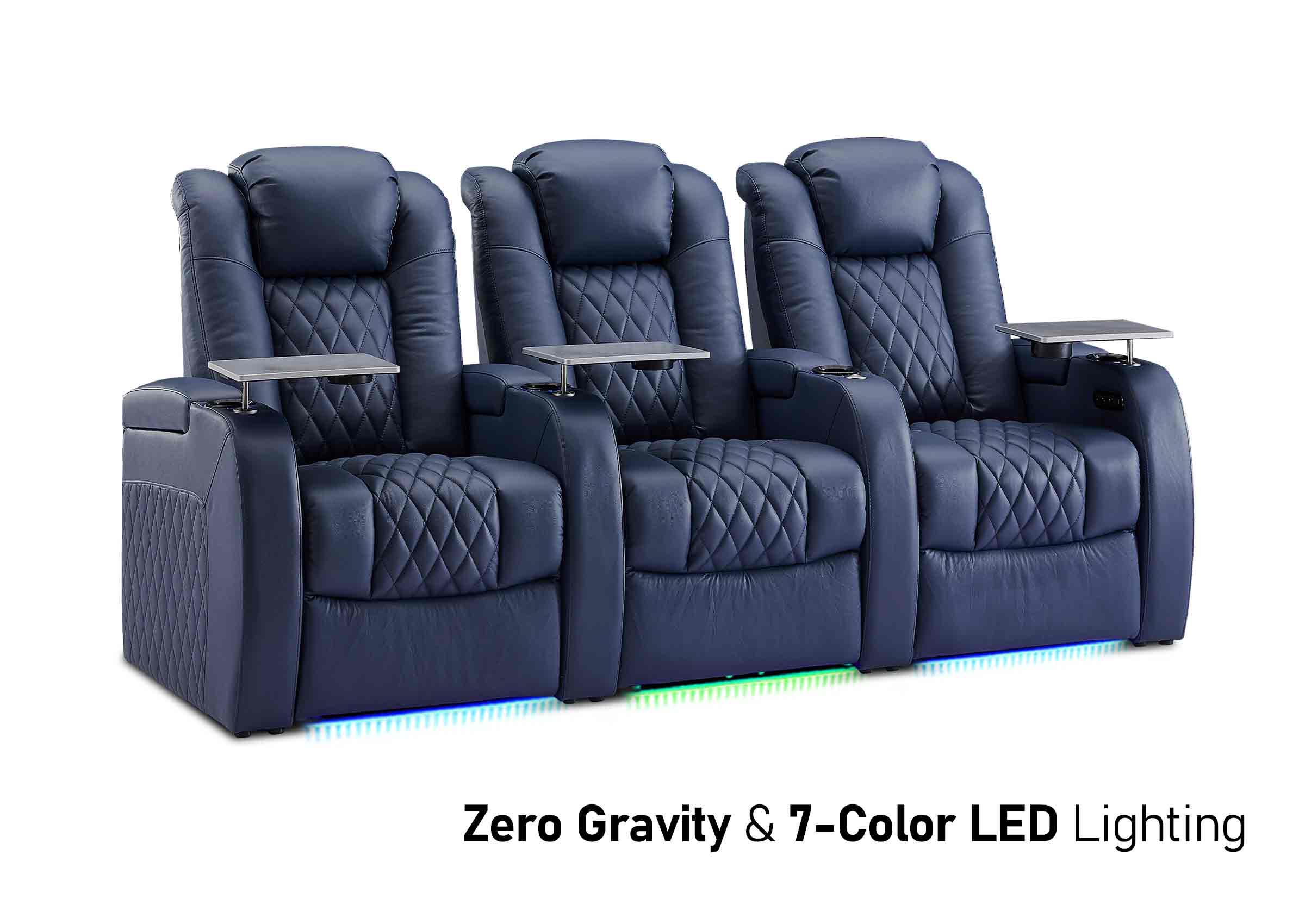
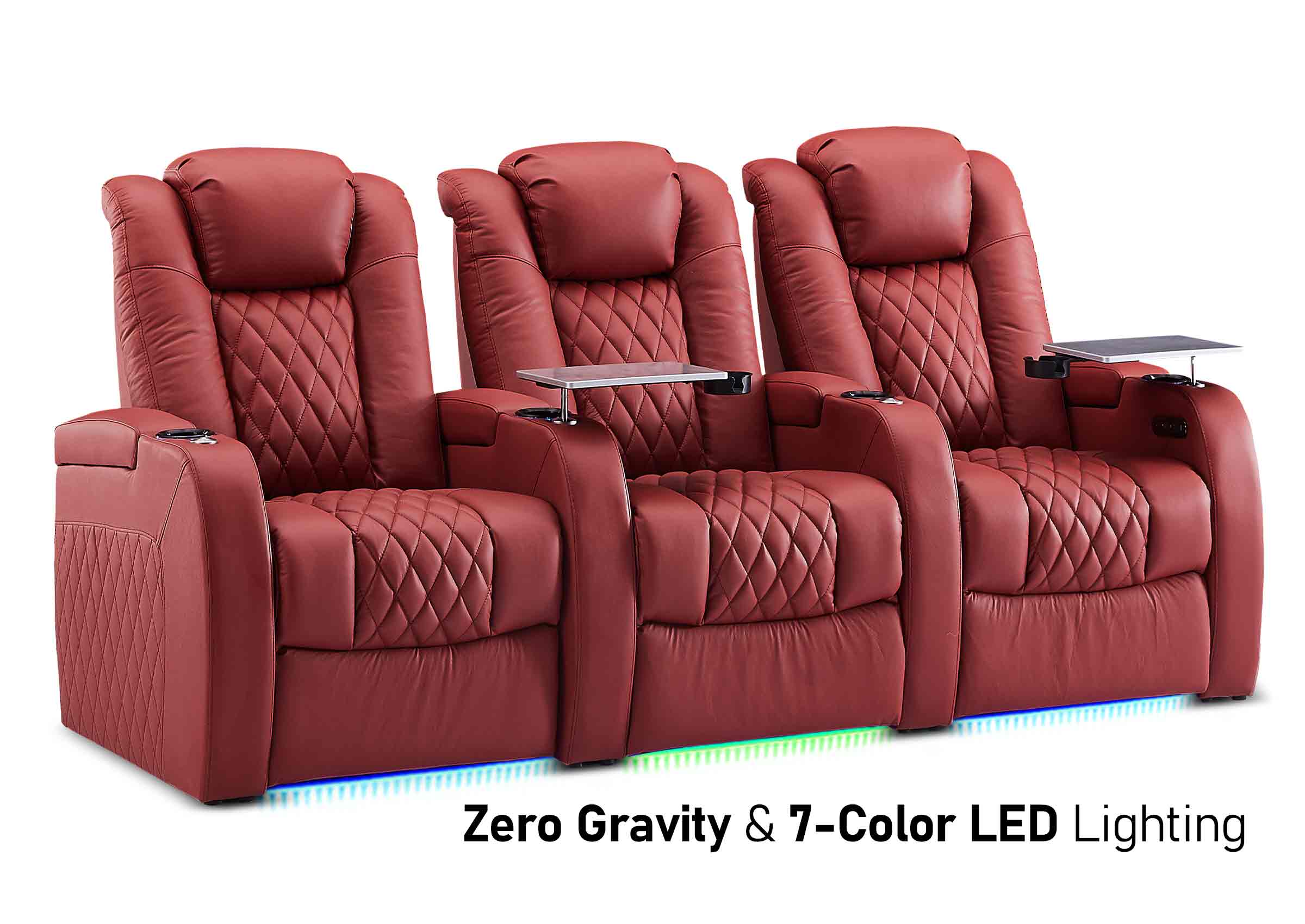
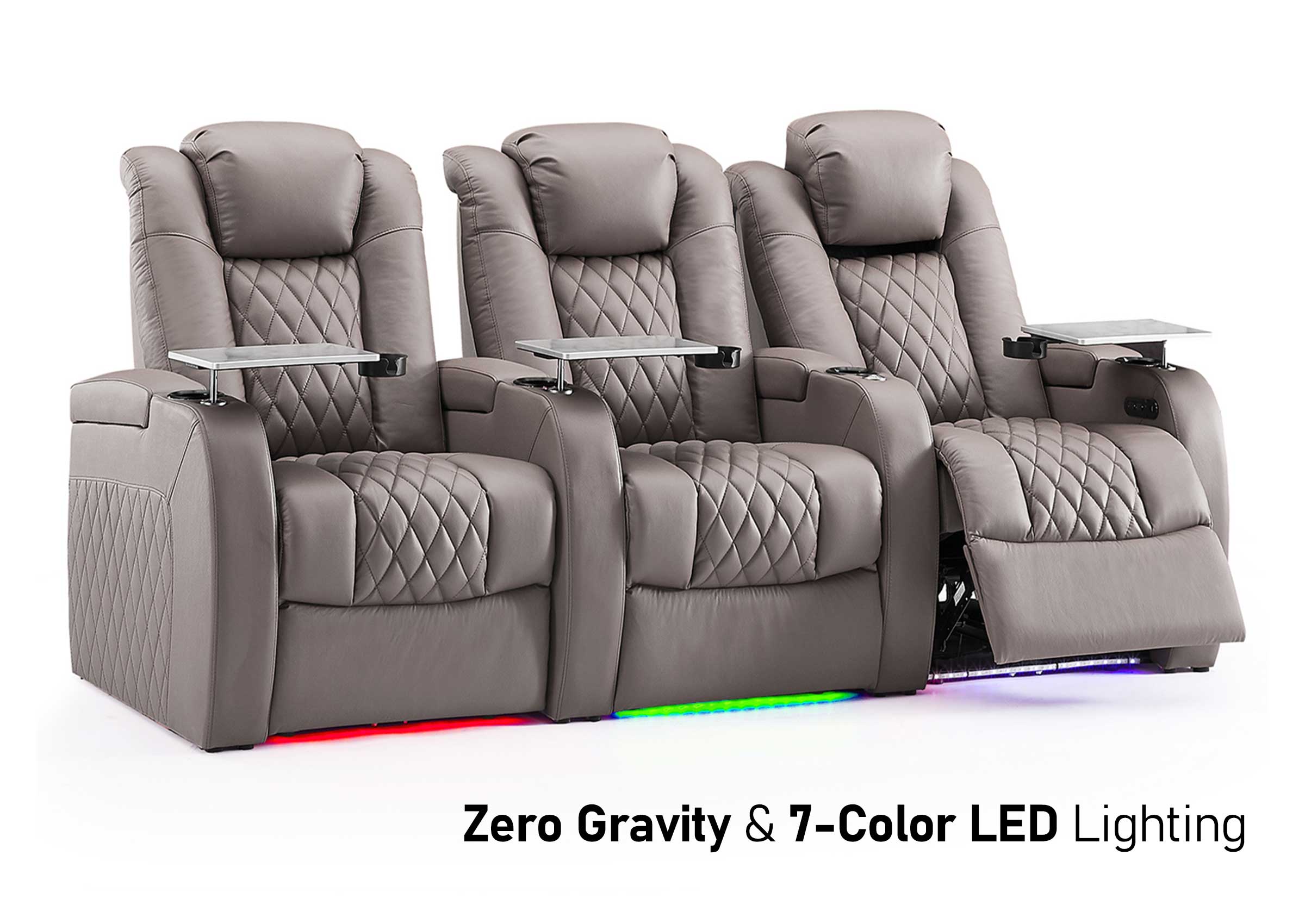
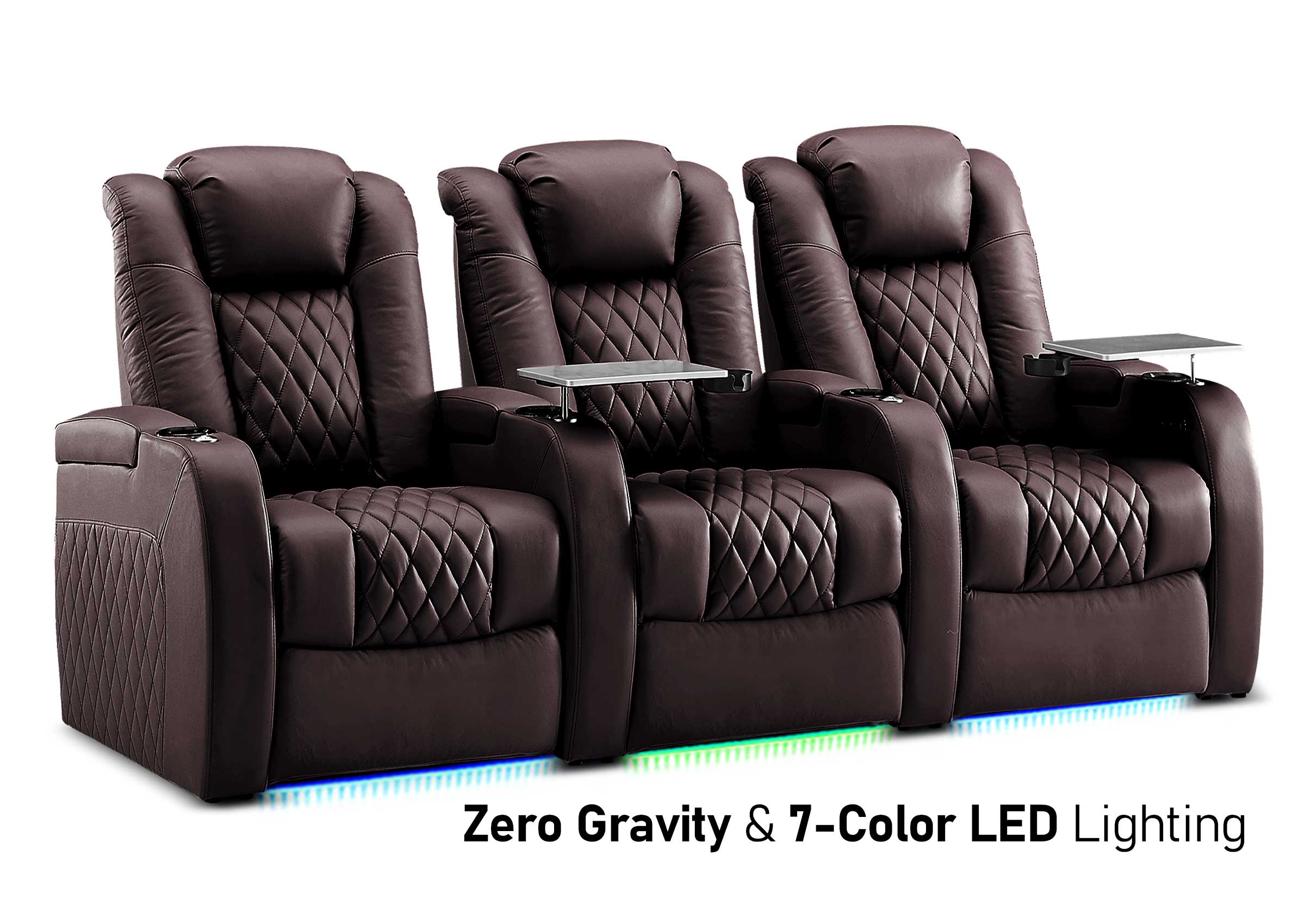

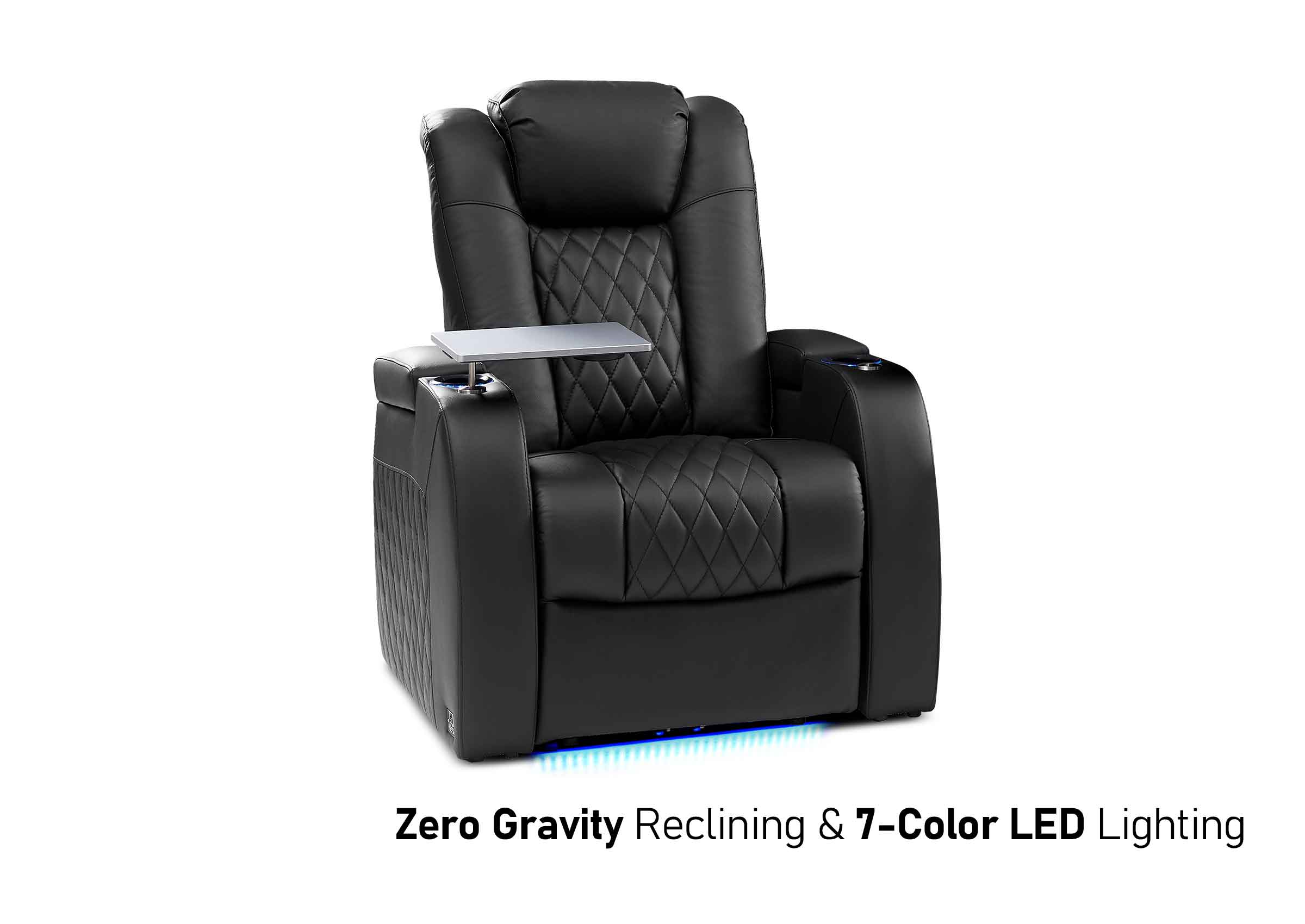
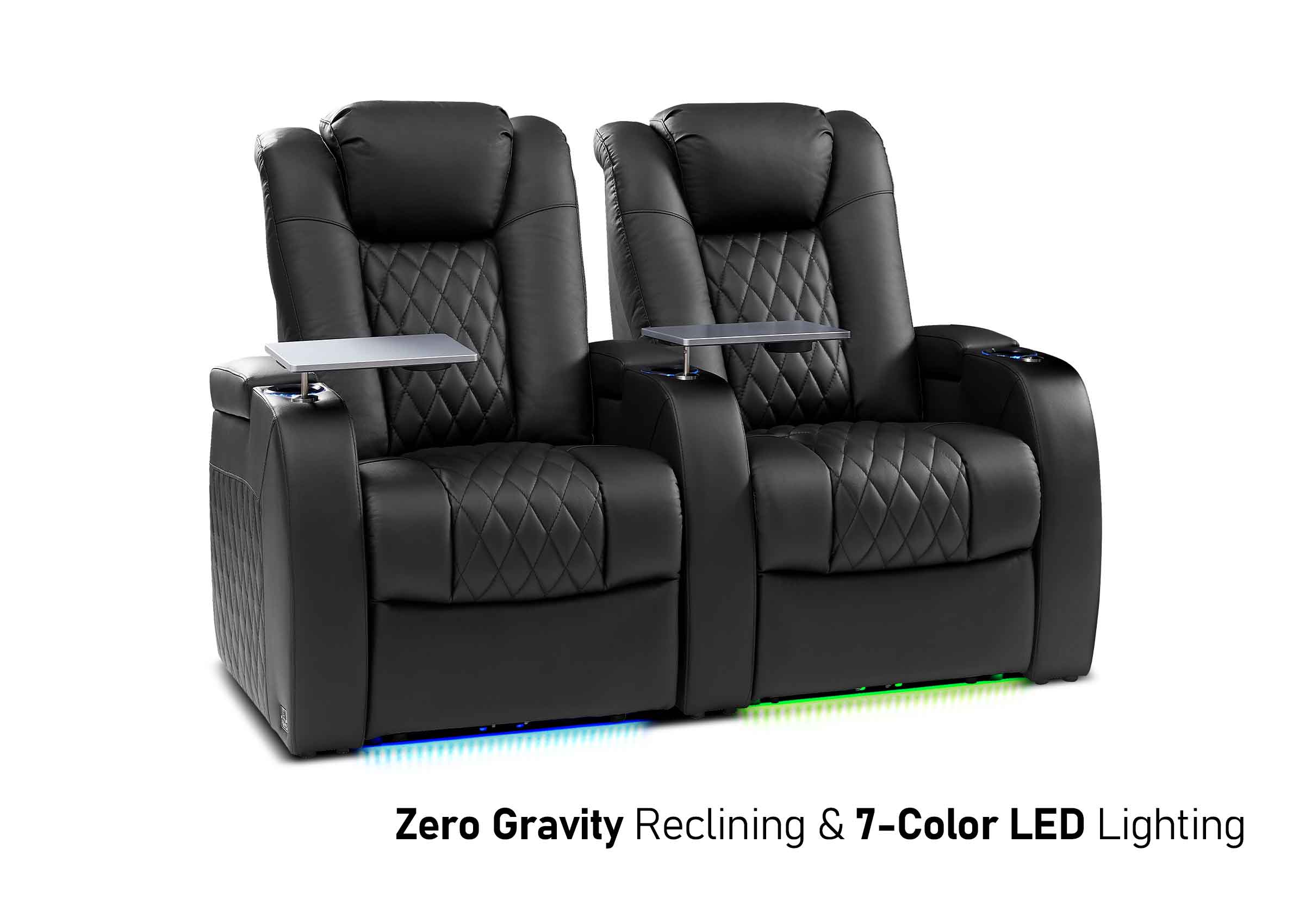
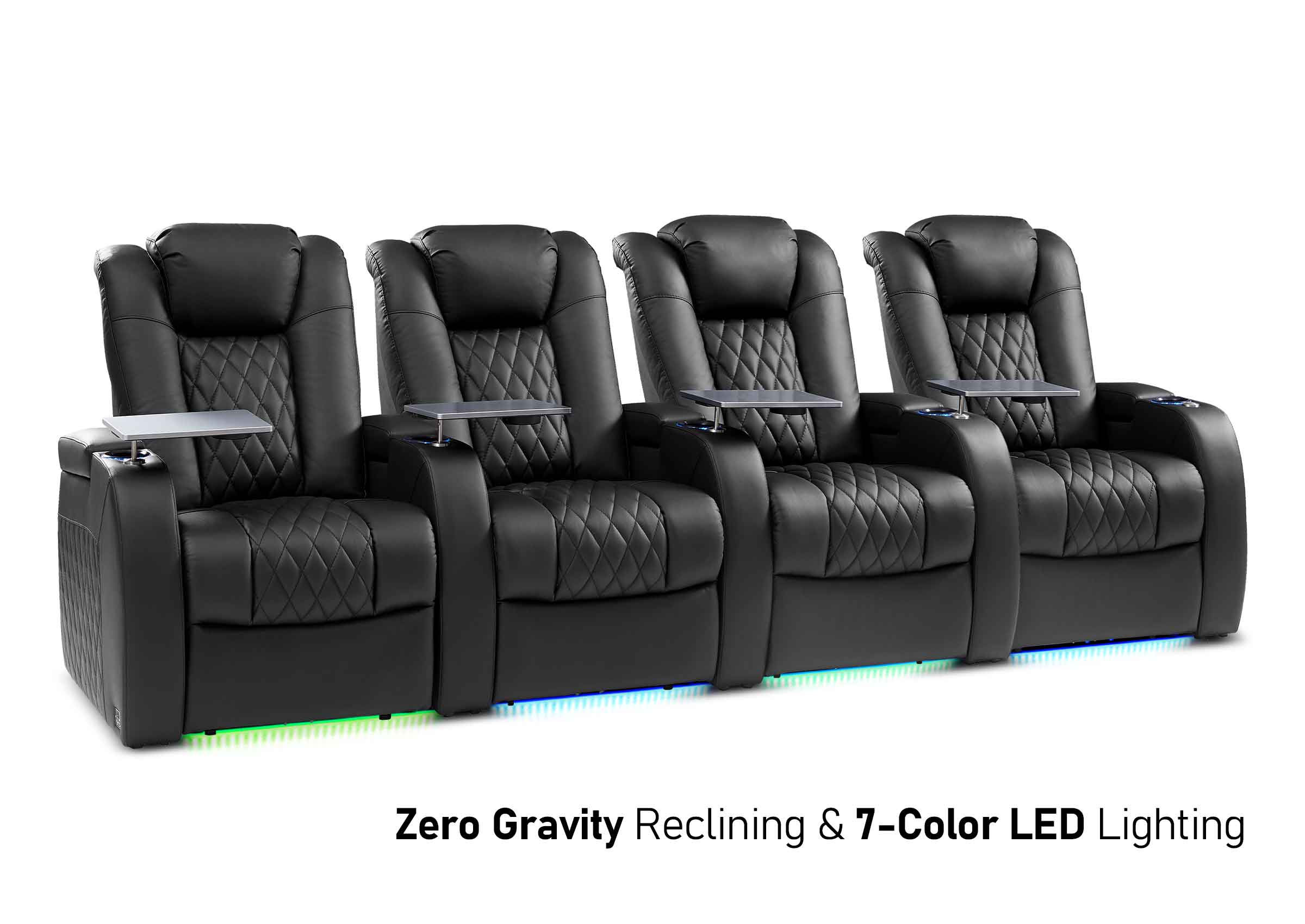
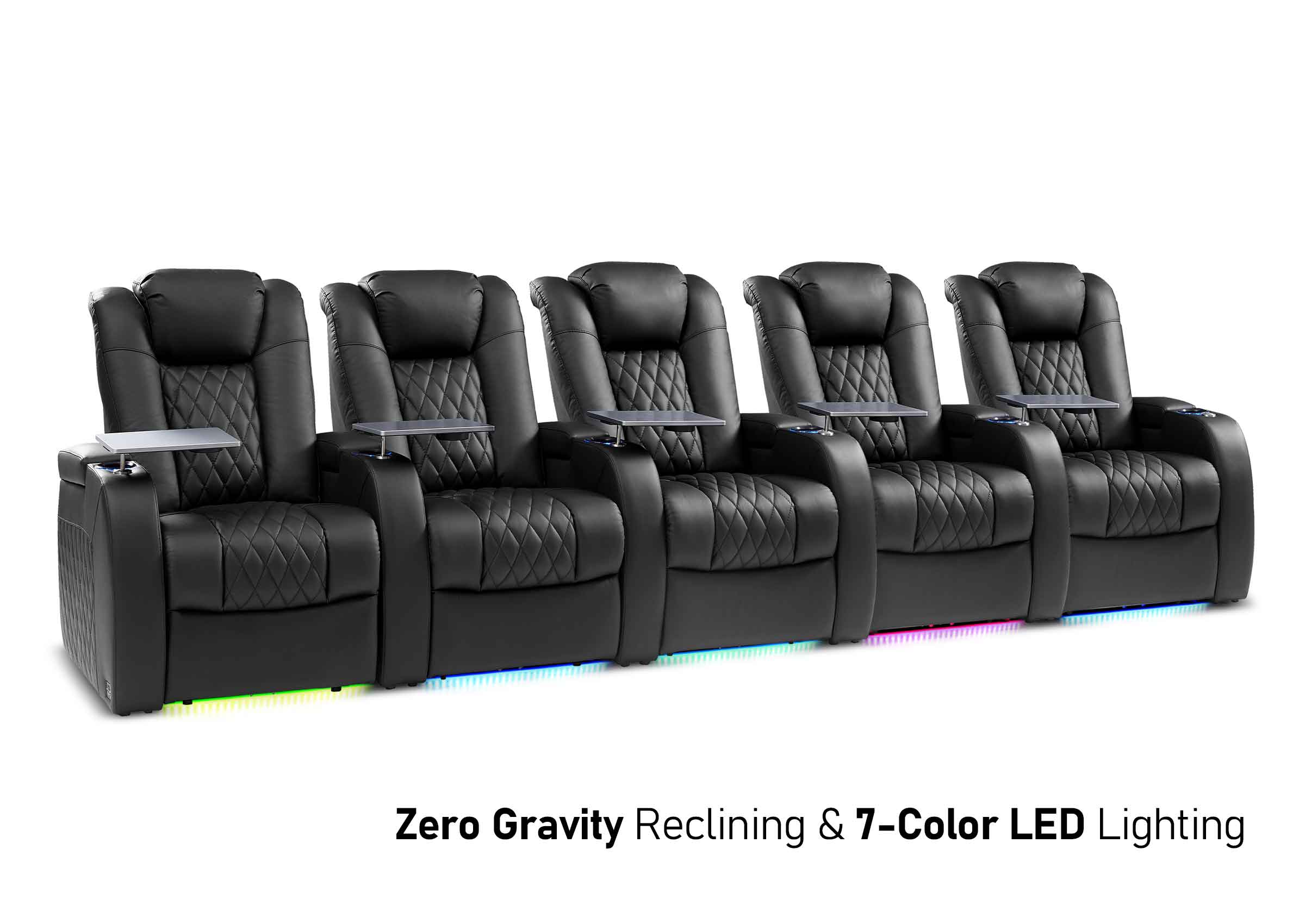
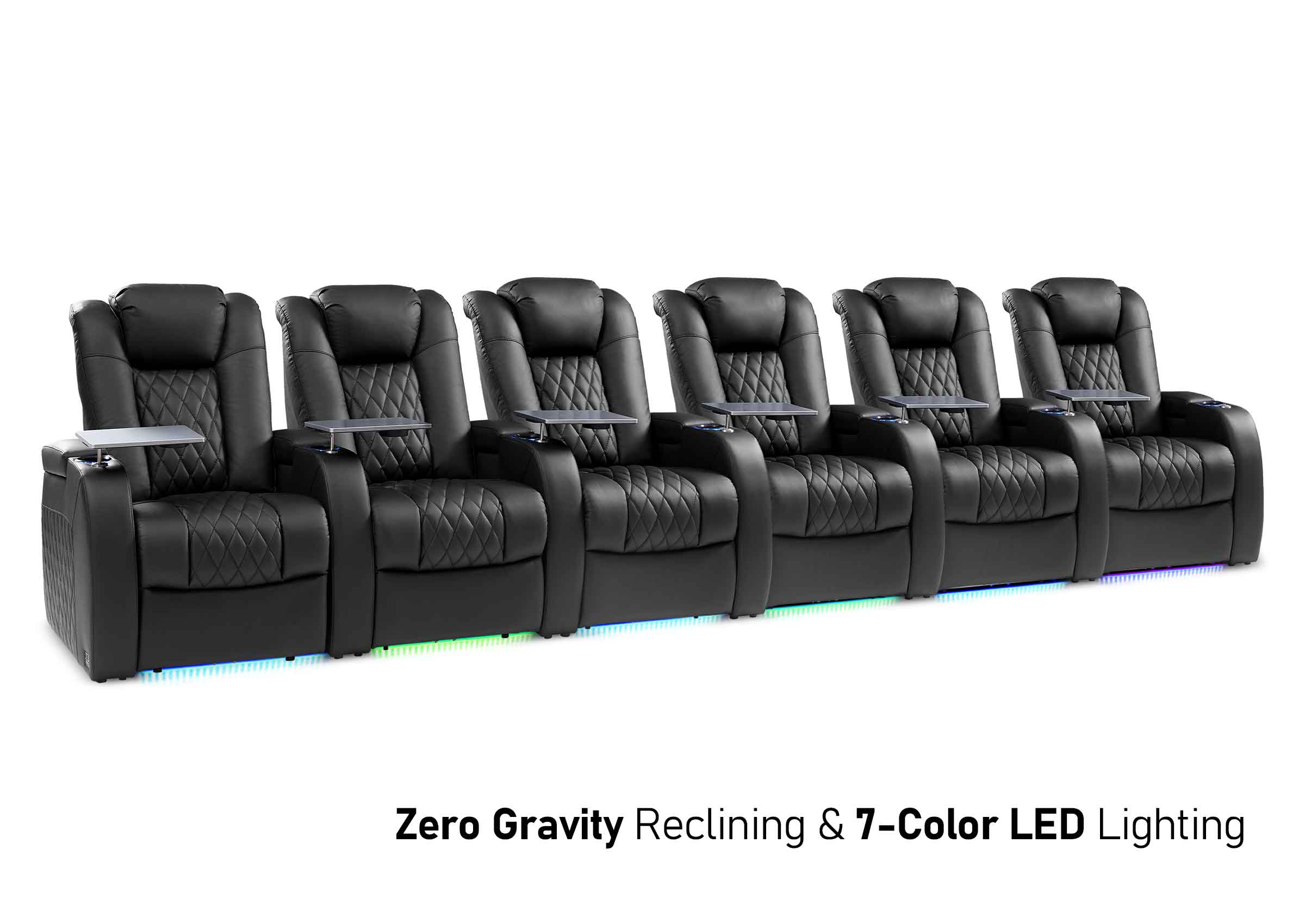
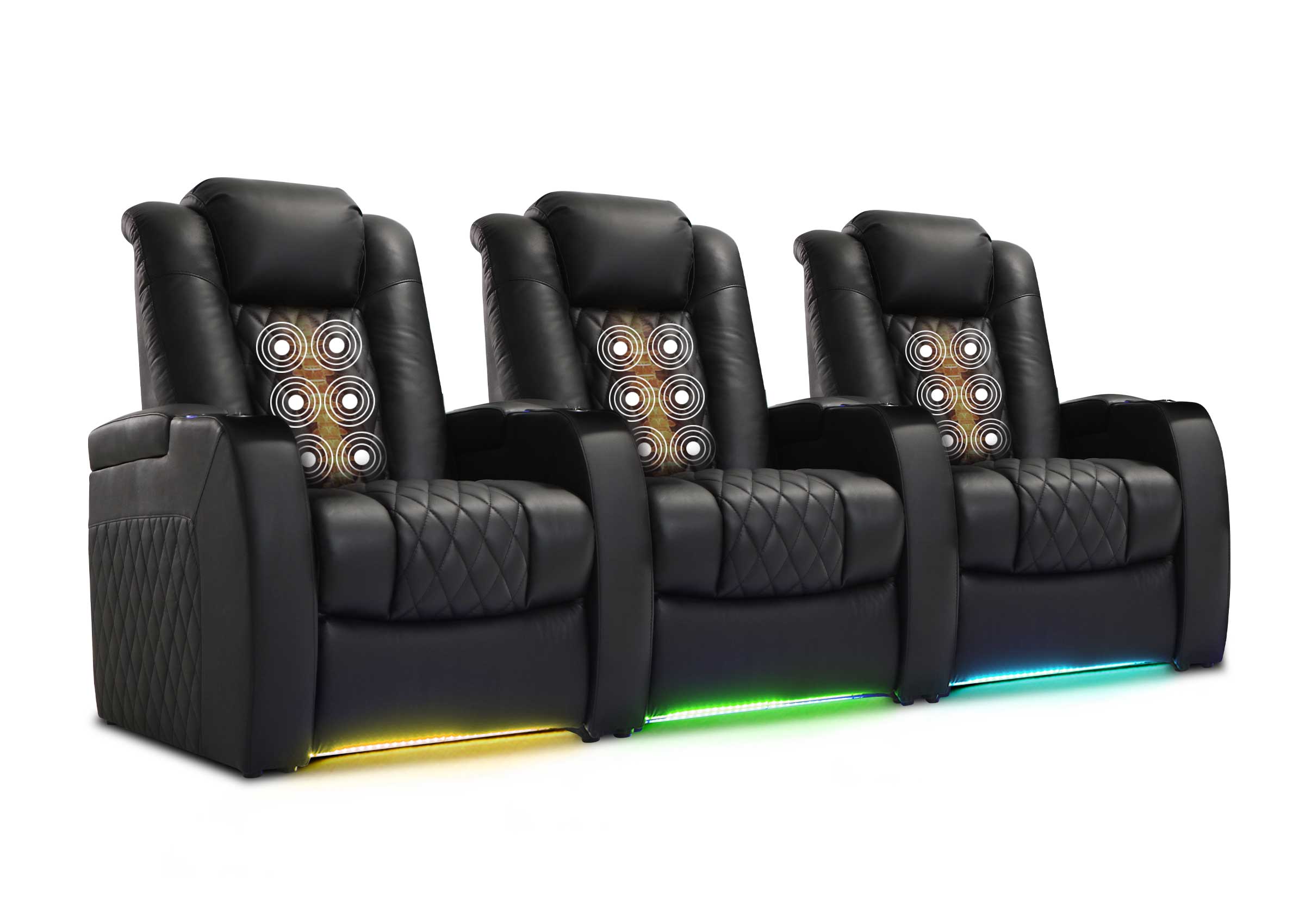

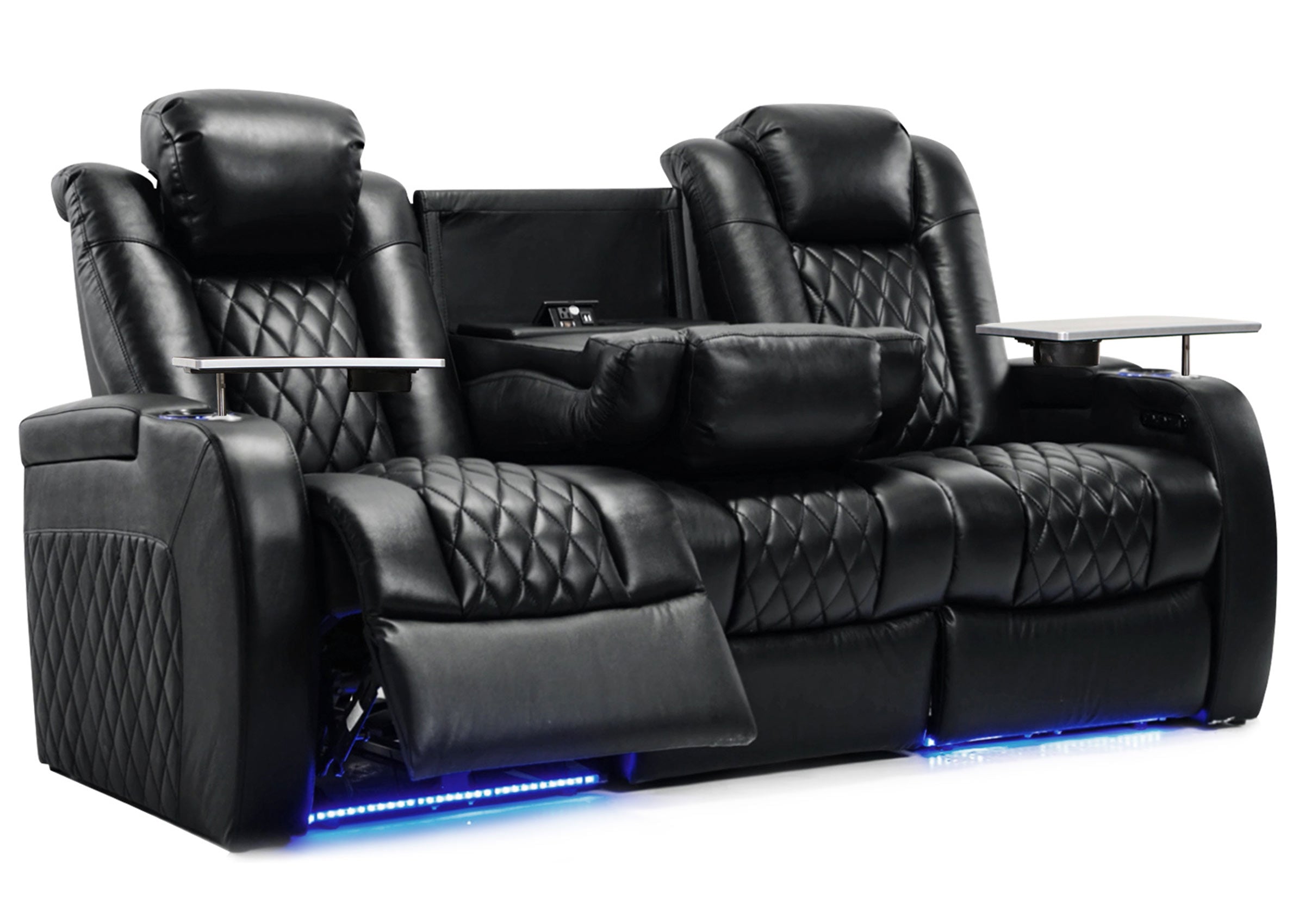
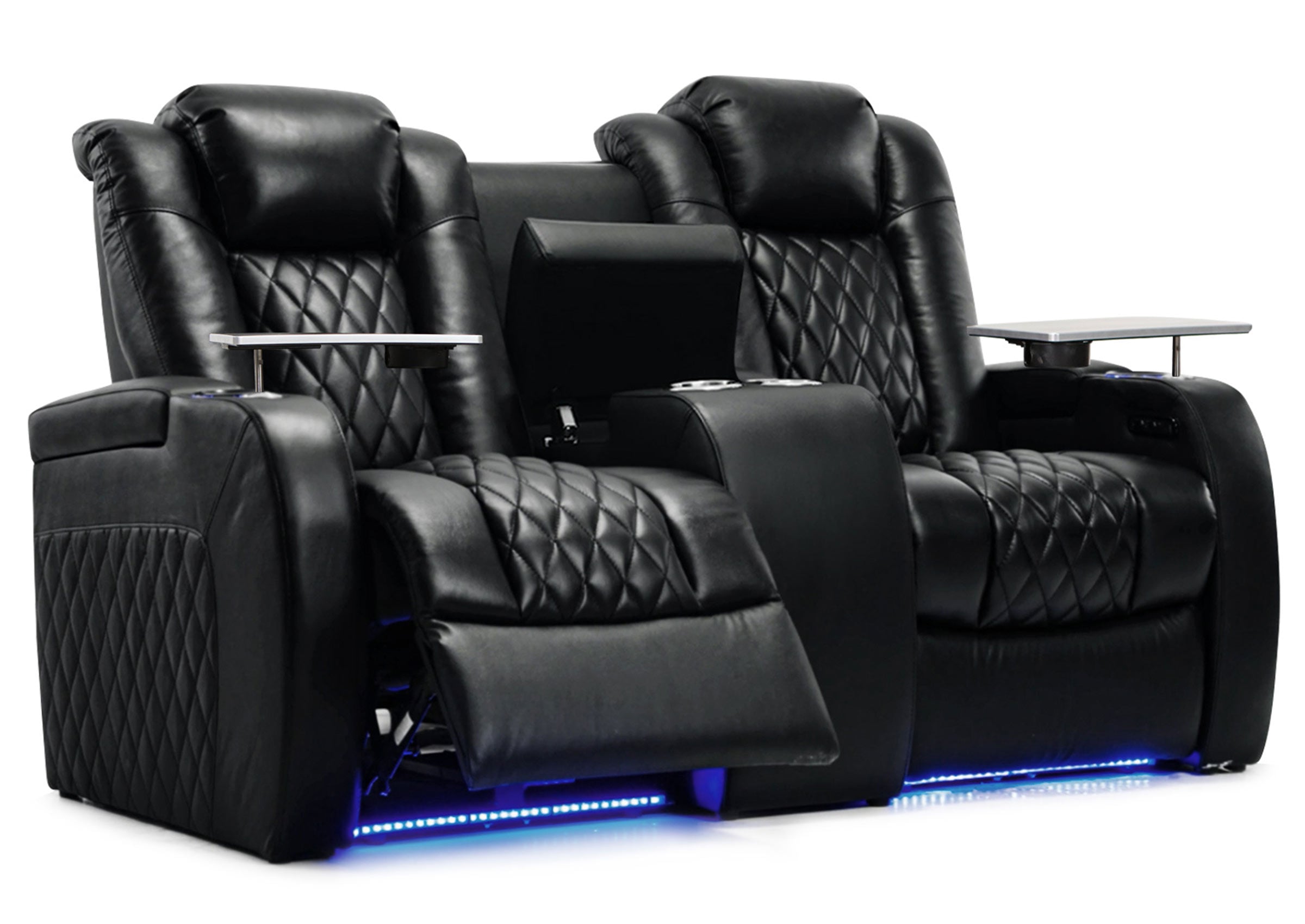



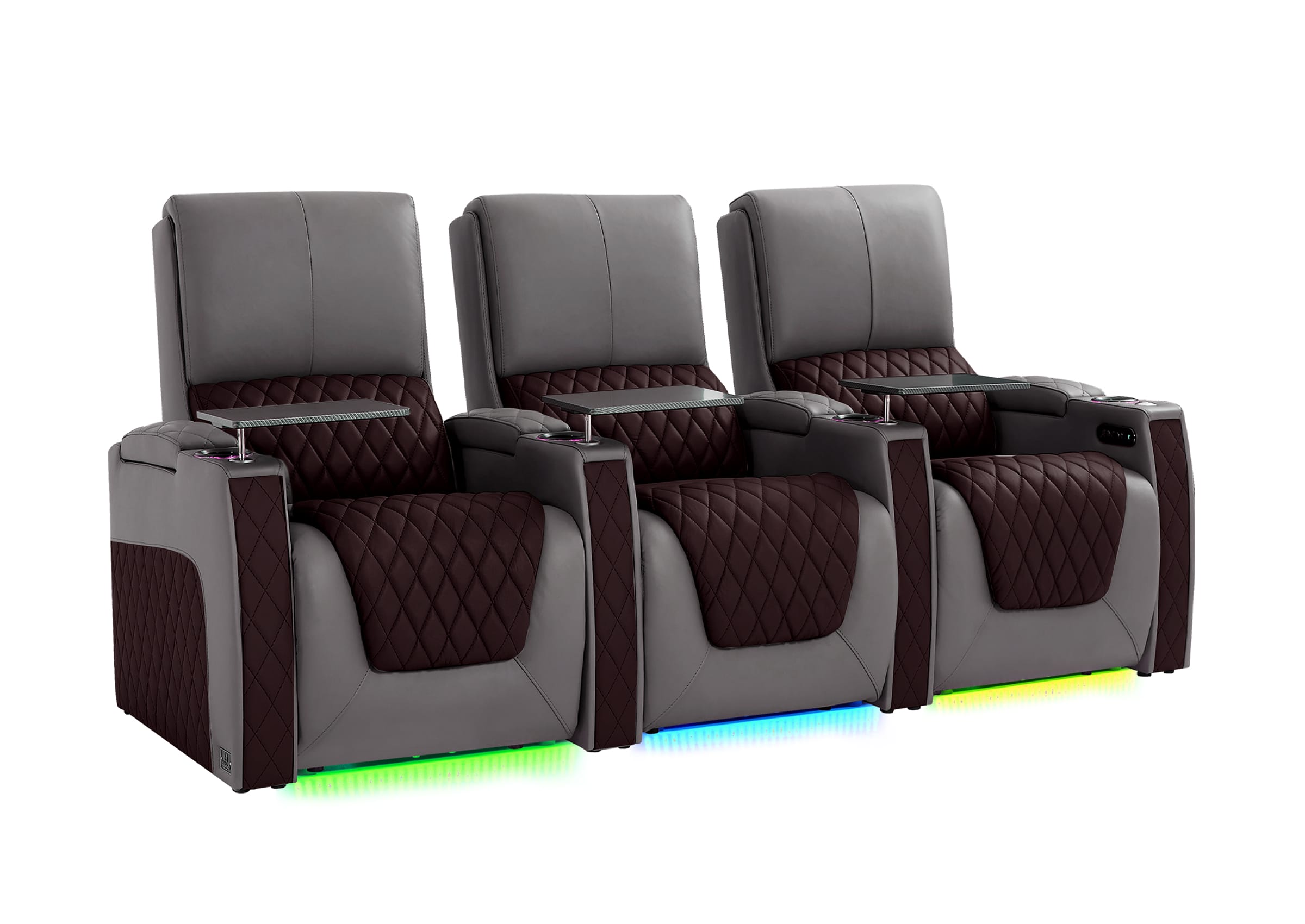
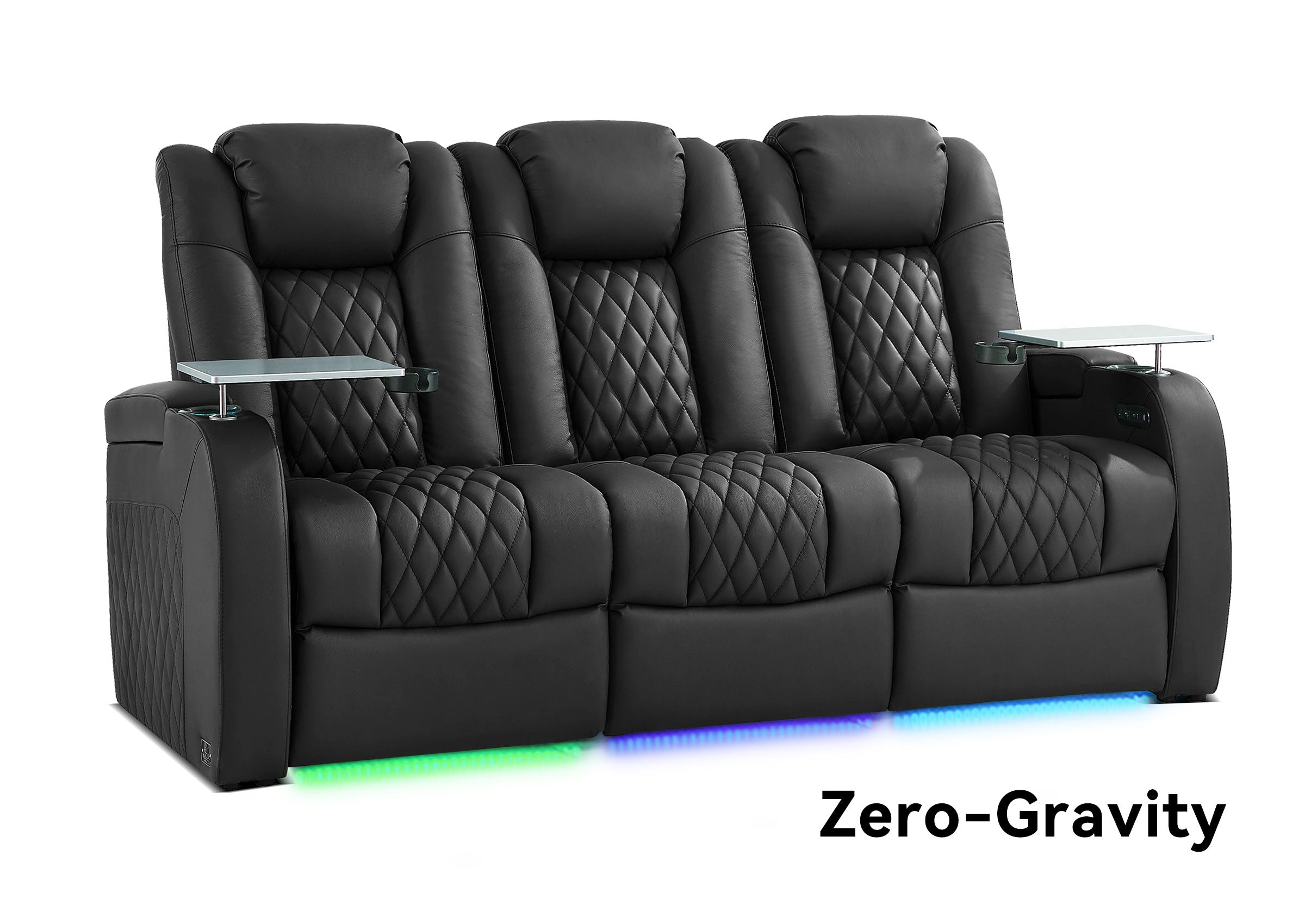


For interior designers, theater seating is not simply a furniture selection. It is an important part of the overall space design, influencing visual balance, comfort, atmosphere, and how people experience the room.
A successful home theater or entertainment space requires seating that works together with the interior concept, room proportions, materials, lighting, and user expectations.
The best theater seating solutions should support the design vision while providing the comfort and functionality users need every day.
This guide explains how interior designers can evaluate theater seating for residential and commercial projects, including design considerations, material selection, customization options, space planning, and collaboration with manufacturers.
Why Theater Seating Matters in Interior Design Projects
In many entertainment spaces, seating occupies a large visual area and becomes one of the most noticeable elements in the room.
Unlike ordinary furniture, theater seating needs to balance multiple requirements:
-
Visual appearance
-
Comfort during long sessions
-
Space efficiency
-
Functional performance
-
Design consistency
For a luxury private cinema, seating may become the centerpiece of the room. For a family media room, it may need to blend comfort with everyday practicality. For hospitality or entertainment projects, it may need to support both guest experience and long-term use.
A well-designed seating solution should feel like a natural part of the room rather than a separate product placed into the space.
Start With the Design Concept Before Selecting Theater Seating
Theater seating decisions should begin with the overall design direction, not only with available chair models.
Before selecting seating, designers should consider:
Interior Style and Visual Language
The seating should match the personality of the space.
Examples:
Modern Entertainment Spaces
May benefit from:
-
Clean shapes
-
Neutral colors
-
Minimal visual details
-
Contemporary materials
Luxury Home Theaters
May prioritize:
-
Premium leather appearance
-
Rich textures
-
Elegant details
-
Customized finishes
Family Media Rooms
May require:
-
Practical materials
-
Comfortable layouts
-
Easy daily maintenance
The goal is not to choose the most impressive chair, but the one that supports the intended design concept.
Room Purpose and User Experience
The same theater seating may not work for every project.
Designers should understand:
-
Who will use the space?
-
How often will it be used?
-
Is it for private entertainment or guest experiences?
-
Does the room need flexibility for different activities?
A private theater for occasional movie nights may have different requirements from a premium entertainment lounge used frequently by guests.
Choosing Materials and Colors That Match the Space
Material selection plays an important role in both appearance and long-term performance.

Leather Selection for Premium Projects
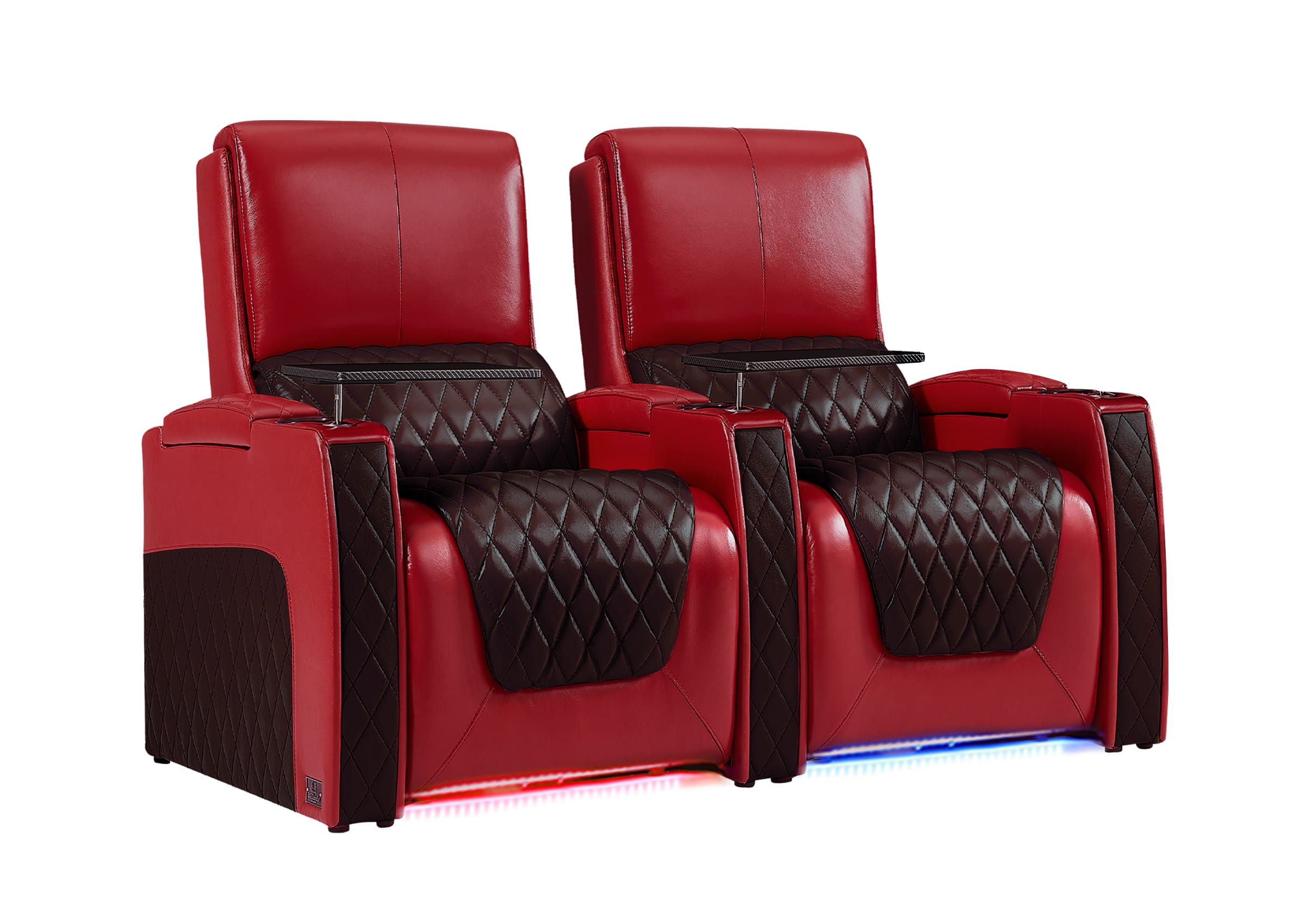
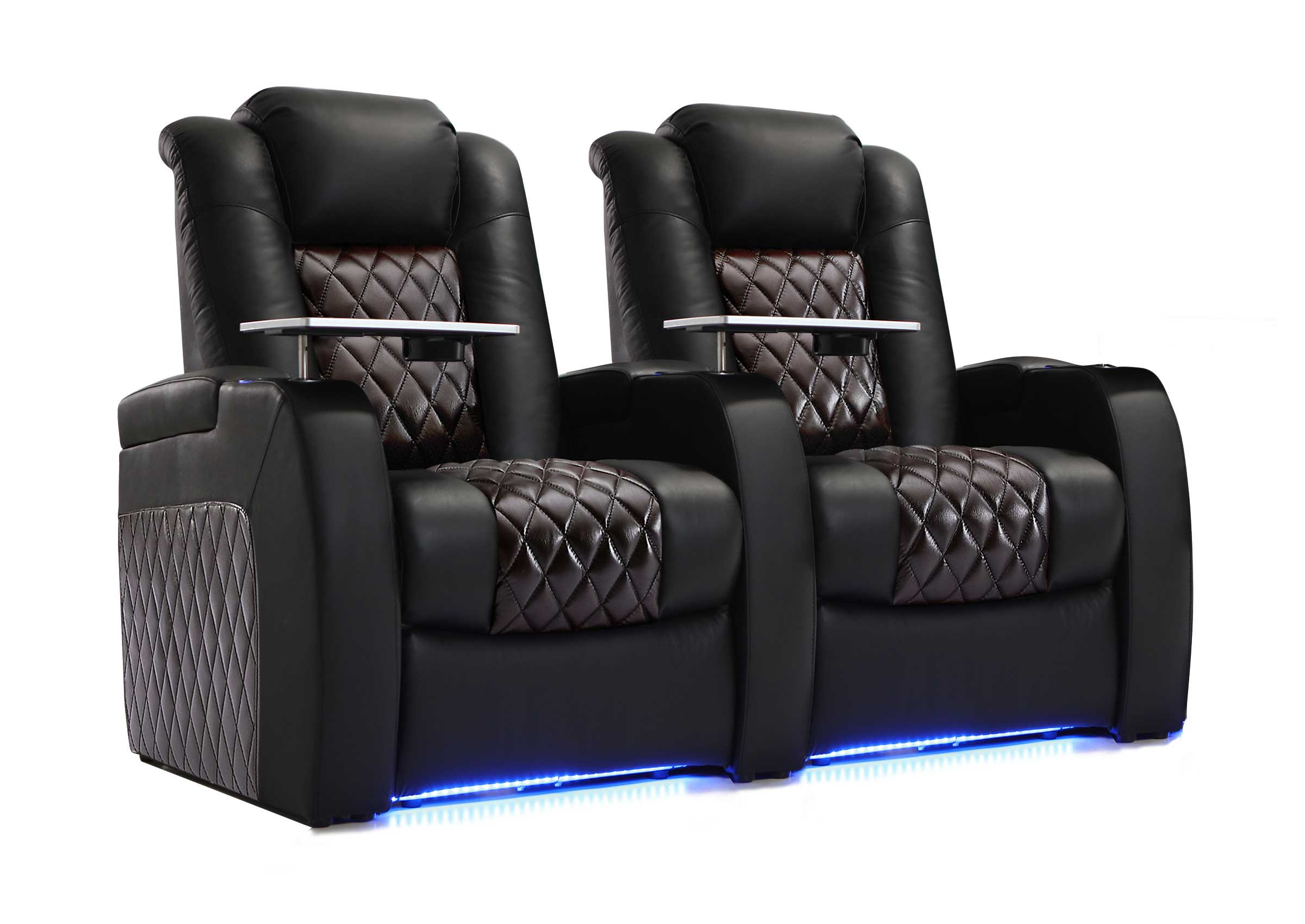
Leather theater seating is often chosen for upscale spaces because it can create a refined appearance while being practical for rooms where drinks, snacks, and frequent use are common.
Designers should consider:
-
Color tone
-
Texture
-
Surrounding materials
-
Lighting environment
-
Maintenance expectations
For products marked as top-grain leather, Weilianda can provide leather material samples and testing reports to support material evaluation.
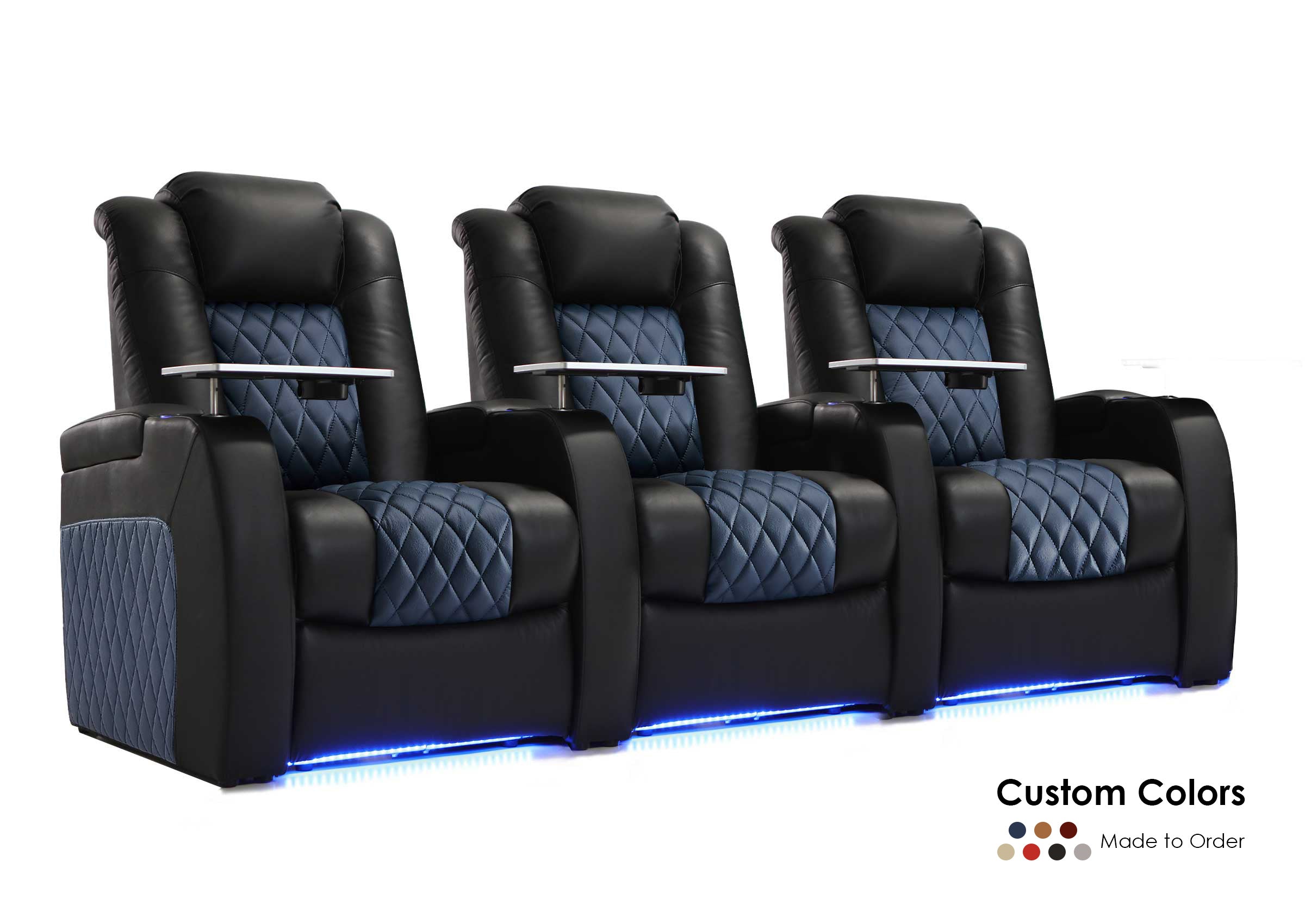
Color Coordination
The seating color should work with the entire room palette.
Common choices include:
-
Black for a classic cinema atmosphere
-
Brown for a warmer luxury feel
-
Grey for modern interiors
-
Custom colors for specific design concepts
A successful design considers how the seating interacts with:
-
Walls
-
Flooring
-
Lighting
-
Acoustic treatments
-
Decorative elements
Design Details and Finishes
Small details can influence the final visual result.
Consider:
-
Stitching style
-
Accent colors
-
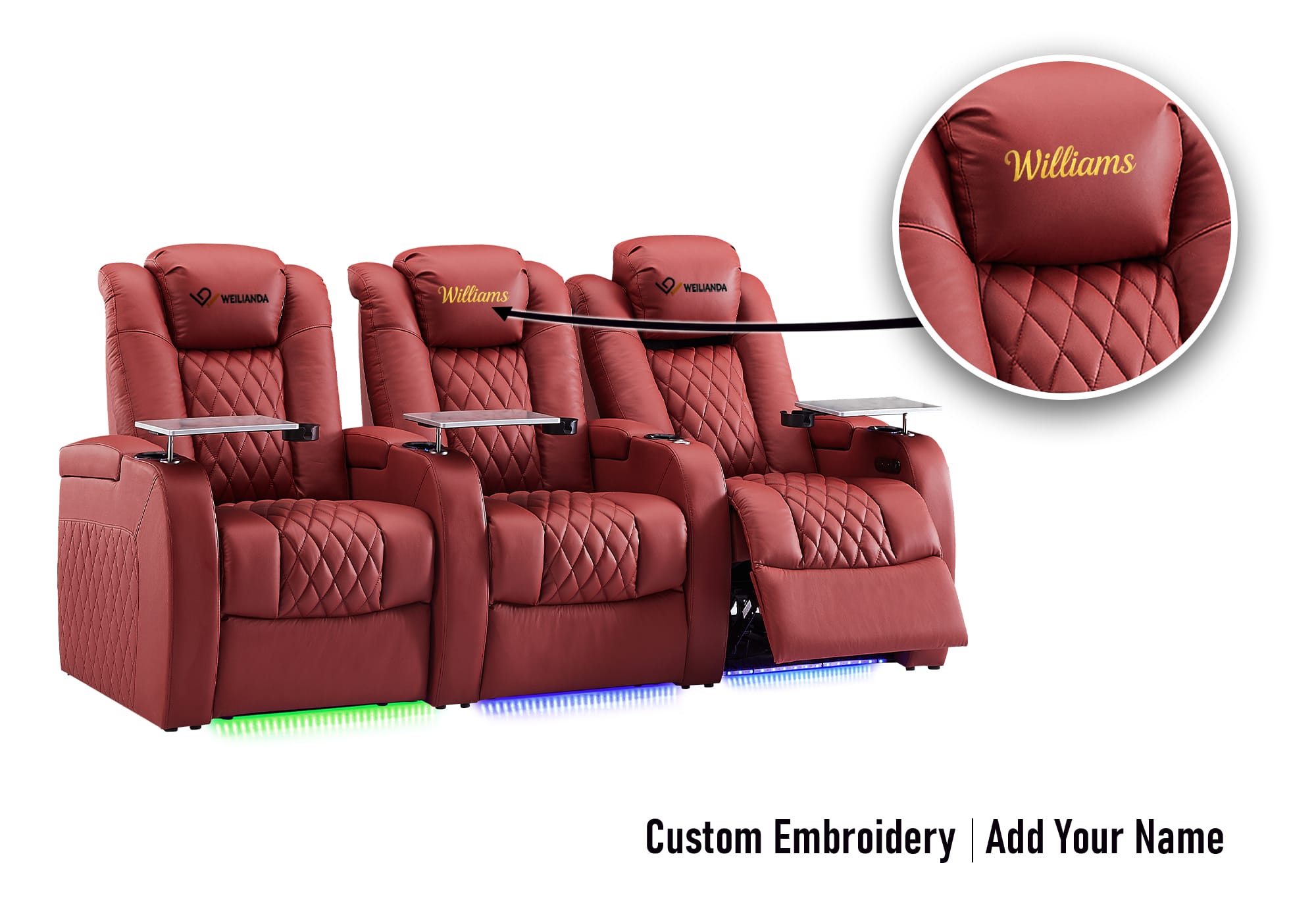
Embroidery details
-
Armrest design
-
Overall proportions
For high-end projects, these details can help create a more personalized result.
Balancing Aesthetic Design and Seating Function
One of the biggest challenges for designers is balancing appearance with real-world usability.
A theater room should look impressive, but the seating also needs to work during actual use.
Important functional considerations include:
Reclining and Viewing Comfort
Power reclining allows users to adjust their position during long viewing sessions.
Useful options may include:
-
Power recline
-
Adjustable headrest
-
Power footrest
-
Lumbar support
The seating position can affect both comfort and viewing experience.
Practical Features
Features such as:
-
Cup holders
-
Storage consoles
-
USB charging
-
Wireless charging
-
Tray tables
-
LED ambient lighting
can improve everyday usability.
However, features should support the design instead of overwhelming it.
Good design is not about adding every available function—it is about choosing features that improve the way people use the space.
Space Planning Considerations Designers Should Know
Theater seating should be planned as part of the room layout.
Designers should consider:
-
Seating proportions
-
Walking paths
-
Recline clearance
-
Viewing angles
-
Relationship with screens and speakers
A common mistake is designing around the upright chair size only.
Reclining seating changes the actual footprint of the furniture.
Important planning considerations include:
-
Fully reclined depth
-
Distance between seating rows
-
Side clearance
-
Access paths
The seating should allow people to move comfortably through the space while maintaining a balanced visual layout.
Customization Options for Interior Design Projects
Interior designers often need seating that matches specific project requirements.
Customization may include:
-
Material selection
-
Color options
-
Seating configuration
-
Functional features
-
Layout adjustments
-
Embroidery details
-
Lighting options
For example, a designer working on a luxury villa theater may require premium materials and custom colors, while a commercial entertainment project may prioritize durability and practical features.
Weilianda supports project-based customization including seating configuration, material selection, color options, function selection, layout customization, embroidery customization, lighting options, and accessory options.

Working With a Theater Seating Manufacturer During a Design Project
A successful seating solution usually requires communication between the designer and manufacturer.
A project-focused manufacturer can support designers through:
Requirement Discussion
Understanding:
-
Project style
-
Room requirements
-
User expectations
-
Functional needs
Material and Configuration Support
Helping evaluate:
-
Material choices
-
Color options
-
Seating arrangements
-
Feature combinations
Production Confirmation
Before production, important details should be confirmed:
-
Final specifications
-
Materials
-
Colors
-
Configuration
-
Functional options
Weilianda supports partners through requirement discussion, seating layout communication, dimension adjustments, material and color selection, configuration suggestions, and pre-production confirmation.
Common Mistakes Interior Designers Should Avoid
Even experienced designers can face challenges when selecting theater seating.
Choosing Seating Only by Appearance
A visually attractive chair may not provide the comfort or functionality required for long-term use.
Consider both:
-
Design impact
-
User experience
Ignoring Recline Space
A recliner may look suitable in a floor plan but require more space when fully opened.
Always consider the actual operating footprint.
Adding Too Many Features
More functions do not always create a better design.
Choose features based on:
-
User needs
-
Project purpose
-
Room atmosphere
Not Confirming Materials Early
Material decisions affect:
-
Color consistency
-
Final appearance
-
Project timelines
Early confirmation helps avoid unnecessary changes later.
Theater Seating Applications for Designers
Interior designers may specify theater seating for different environments.
Luxury Residential Projects
Applications:
-
Private cinemas
-
Villa entertainment rooms
-
Premium media rooms
Priorities:
-
Custom appearance
-
Comfort
-
Interior integration
Hospitality Projects
Applications:
-
VIP lounges
-
Hotel entertainment spaces
-
Premium guest areas
Priorities:
-
Durability
-
Easy maintenance
-
Consistent appearance
Multi-Use Entertainment Rooms
Applications:
-
Family rooms
-
Gaming spaces
-
Media rooms
Priorities:
-
Flexibility
-
Practical functions
-
Everyday comfort
Frequently Asked Questions
What should interior designers consider when choosing theater seating?
Interior designers should consider seating style, materials, room proportions, comfort, functionality, and how the seating integrates with the overall design concept. Theater seating should support both the visual goals and practical requirements of the project.
Can theater seating be customized to match interior design projects?
Yes. Theater seating can often be customized through materials, colors, configurations, functions, and design details. Customization allows designers to create seating solutions that better match specific project requirements.
What materials work well for luxury theater rooms?
Leather is a common choice for luxury theater rooms because of its premium appearance and practical maintenance advantages. The best material depends on the room style, usage frequency, and overall design direction.
How should designers plan theater seating layouts?
Designers should consider room dimensions, viewing position, walking paths, recline clearance, and the relationship between seating, screens, and speakers. Seating should be planned as part of the entire room experience.
What information should designers provide to theater seating manufacturers?
Useful information includes project type, room dimensions, seating quantity, preferred materials, color requirements, desired functions, and design expectations.
Can manufacturers provide support during the design process?
Yes. Project-focused manufacturers can support designers through requirement discussions, material selection, configuration recommendations, and production confirmation.
Is theater seating suitable for commercial interior projects?
Yes. Theater seating can be used in hospitality spaces, VIP lounges, entertainment venues, and other commercial projects where comfort, appearance, and durability are important.
Design Your Next Theater Seating Project
Theater seating can influence both the appearance and experience of an entertainment space. Choosing the right solution requires balancing design goals, user comfort, and practical project requirements.
If you are an interior designer, architect, or project professional planning a residential or commercial entertainment space, Weilianda can provide customization support, factory-direct cooperation, and project consultation.
Contact our team at leon@weiliandahome.com to discuss your theater seating requirements and explore a solution that fits your design concept.