

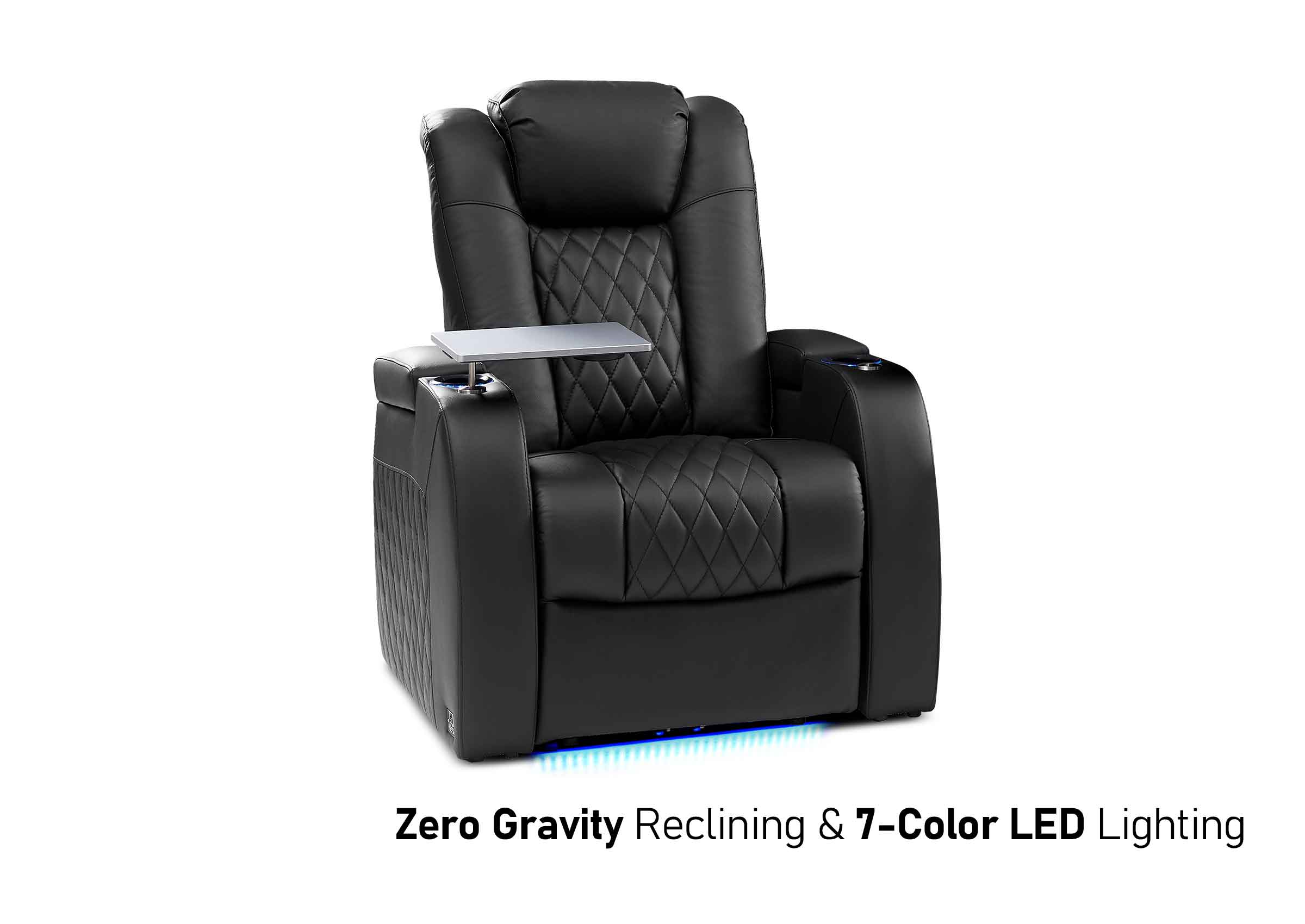
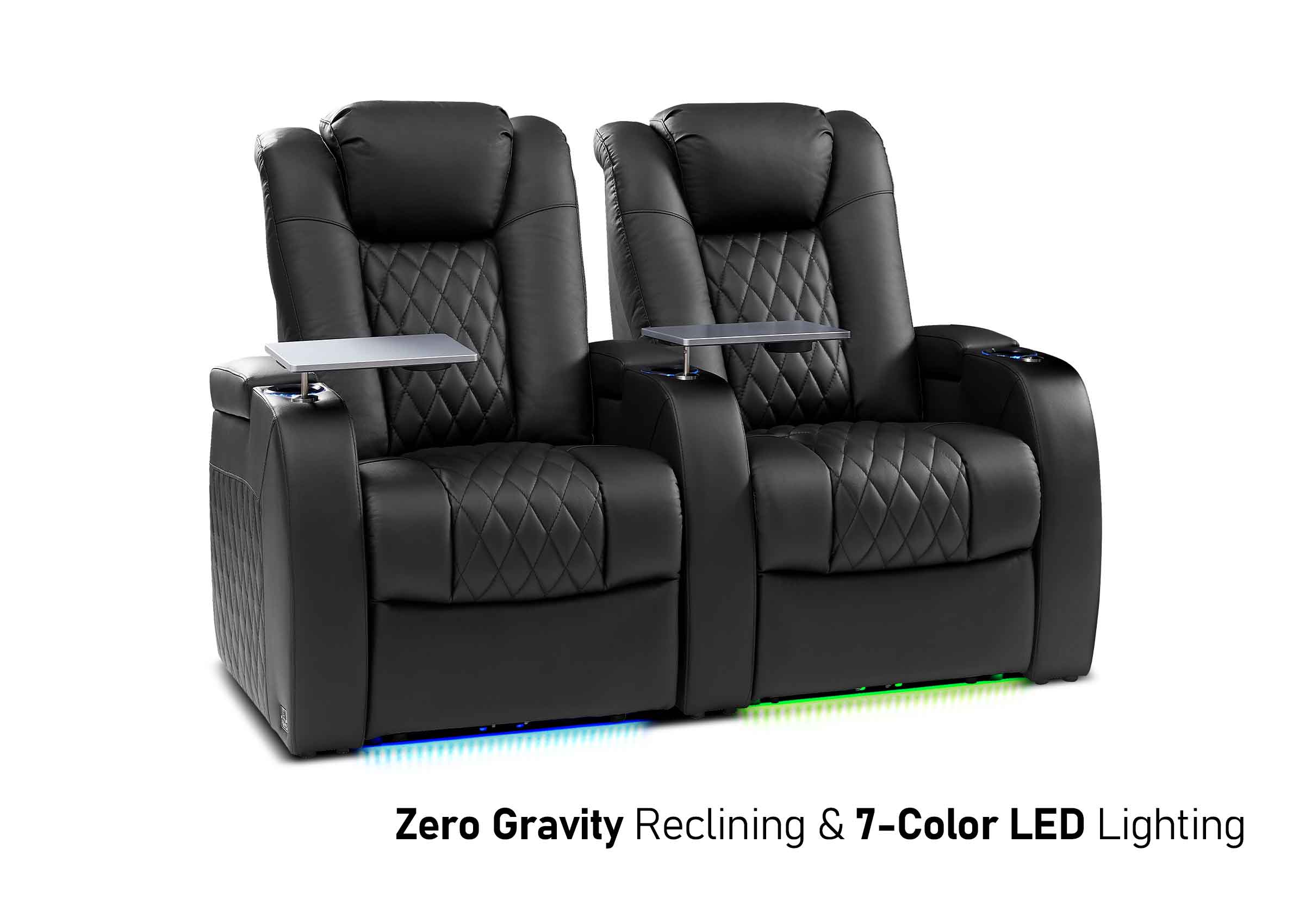
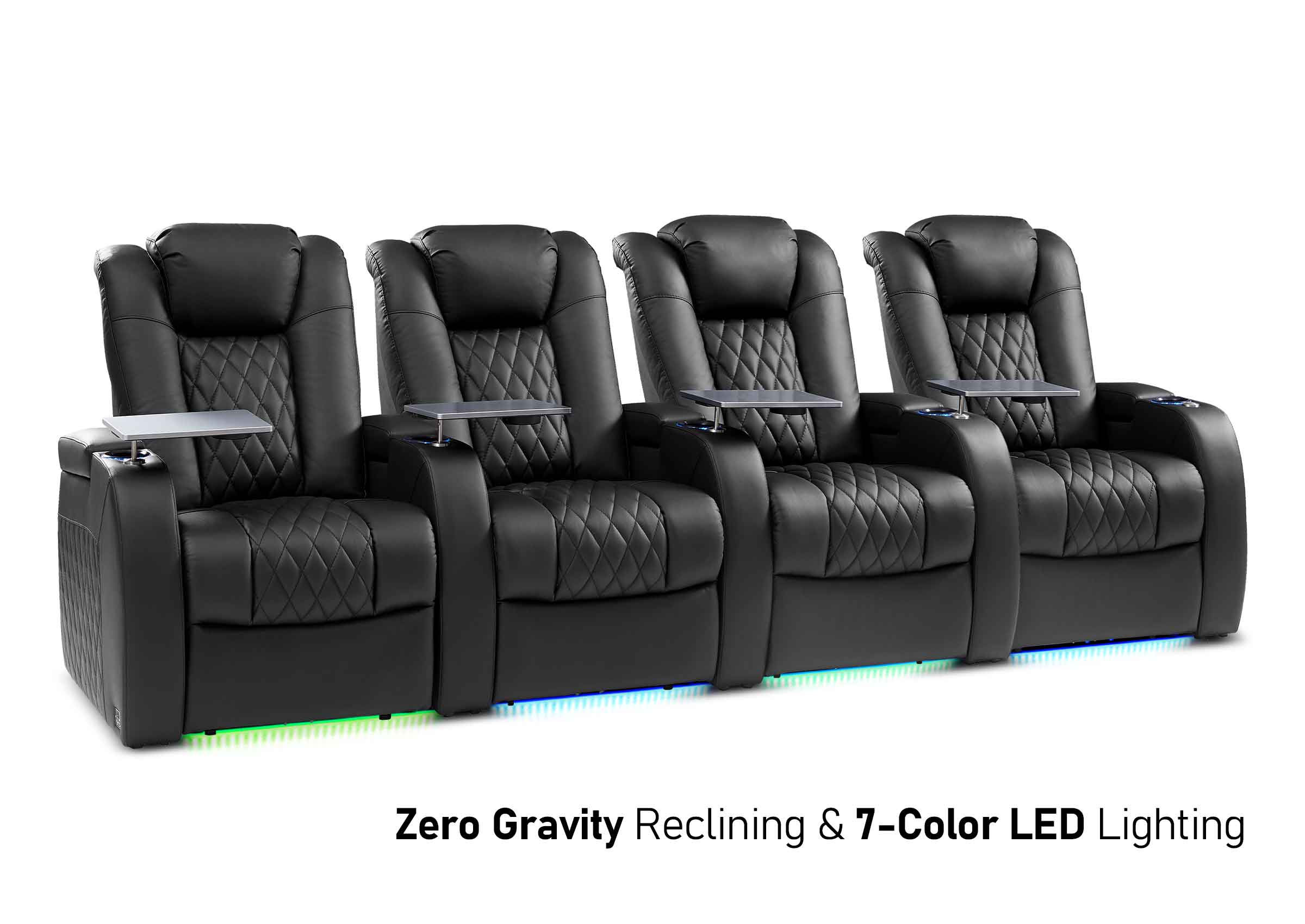
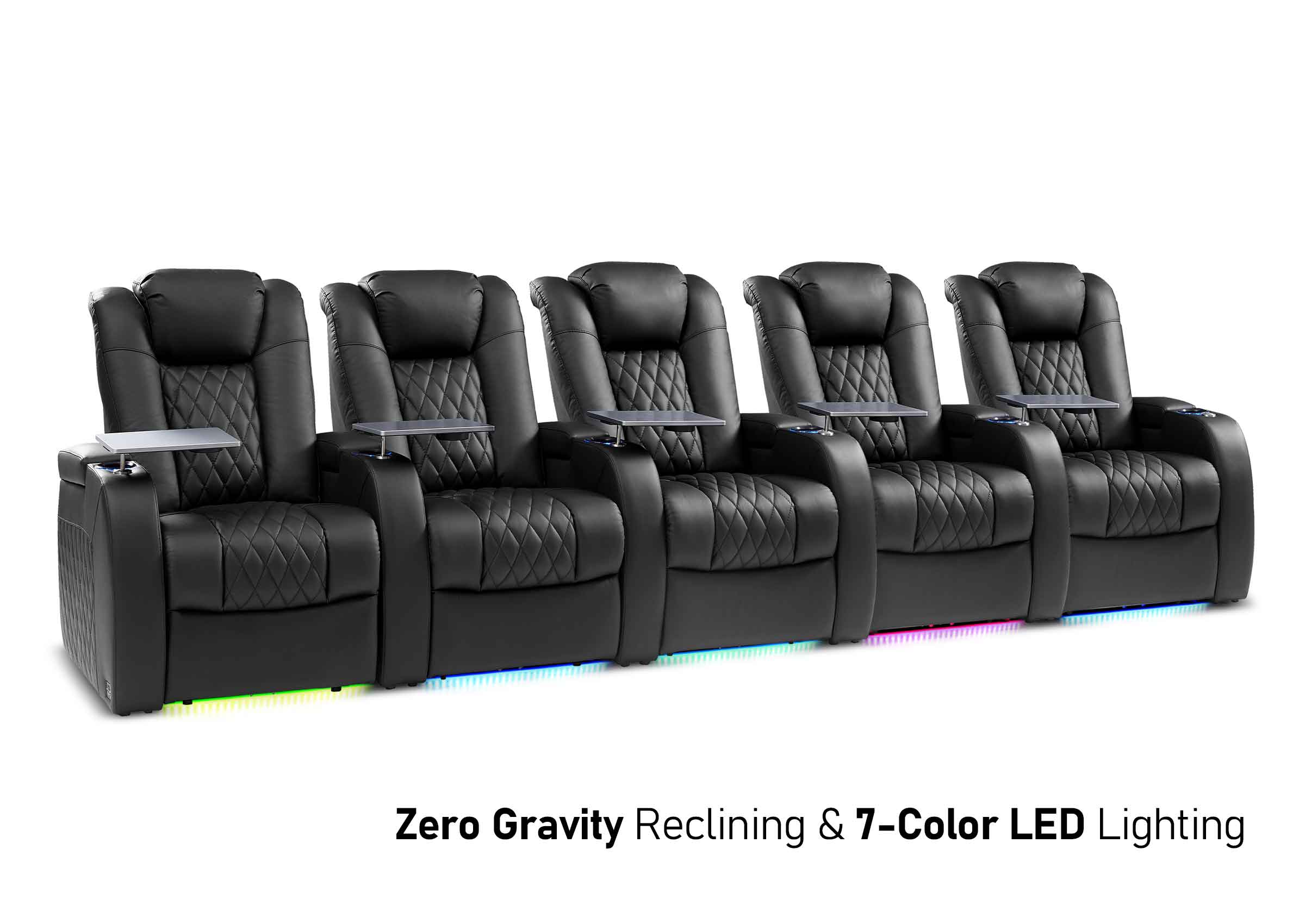




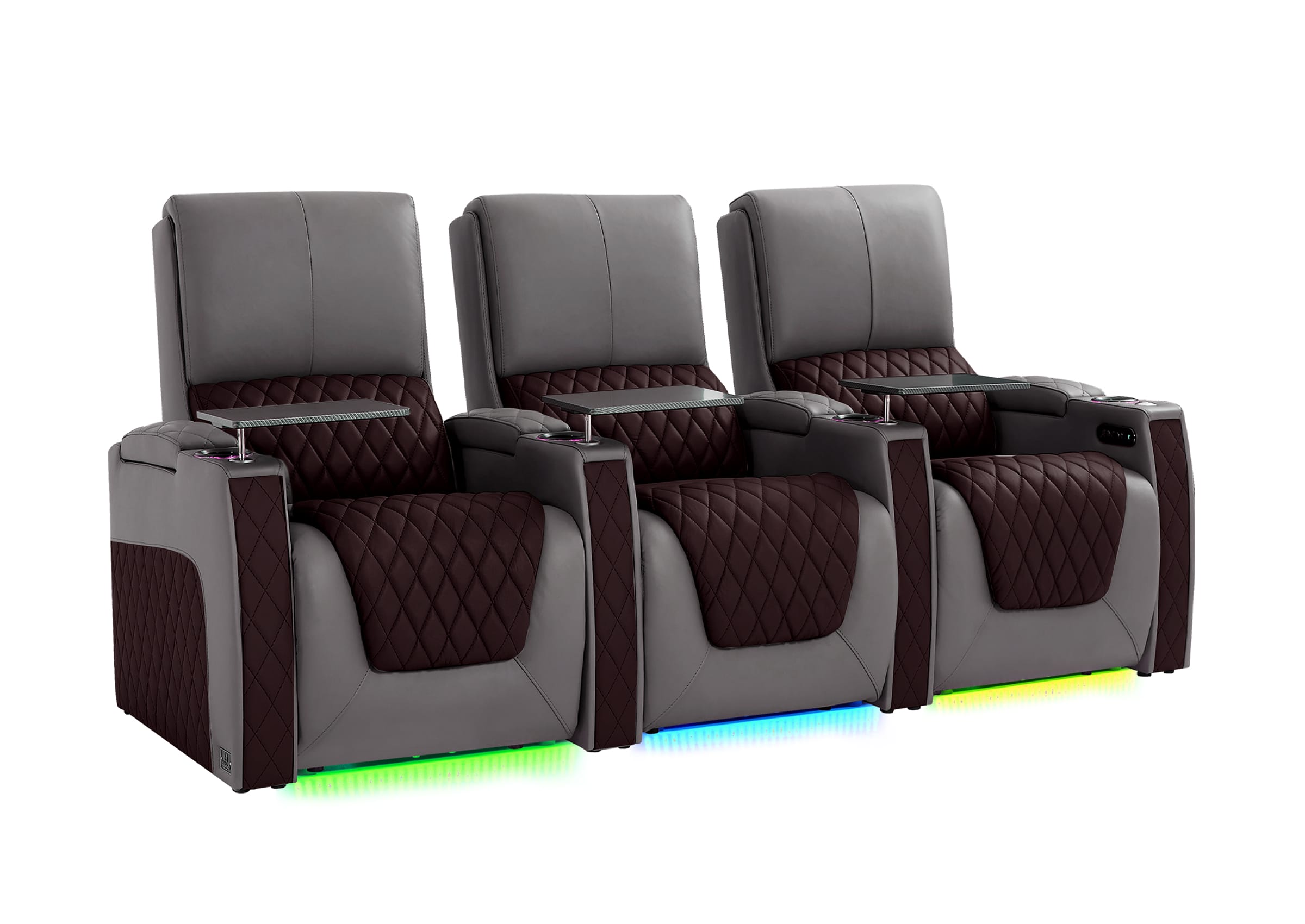
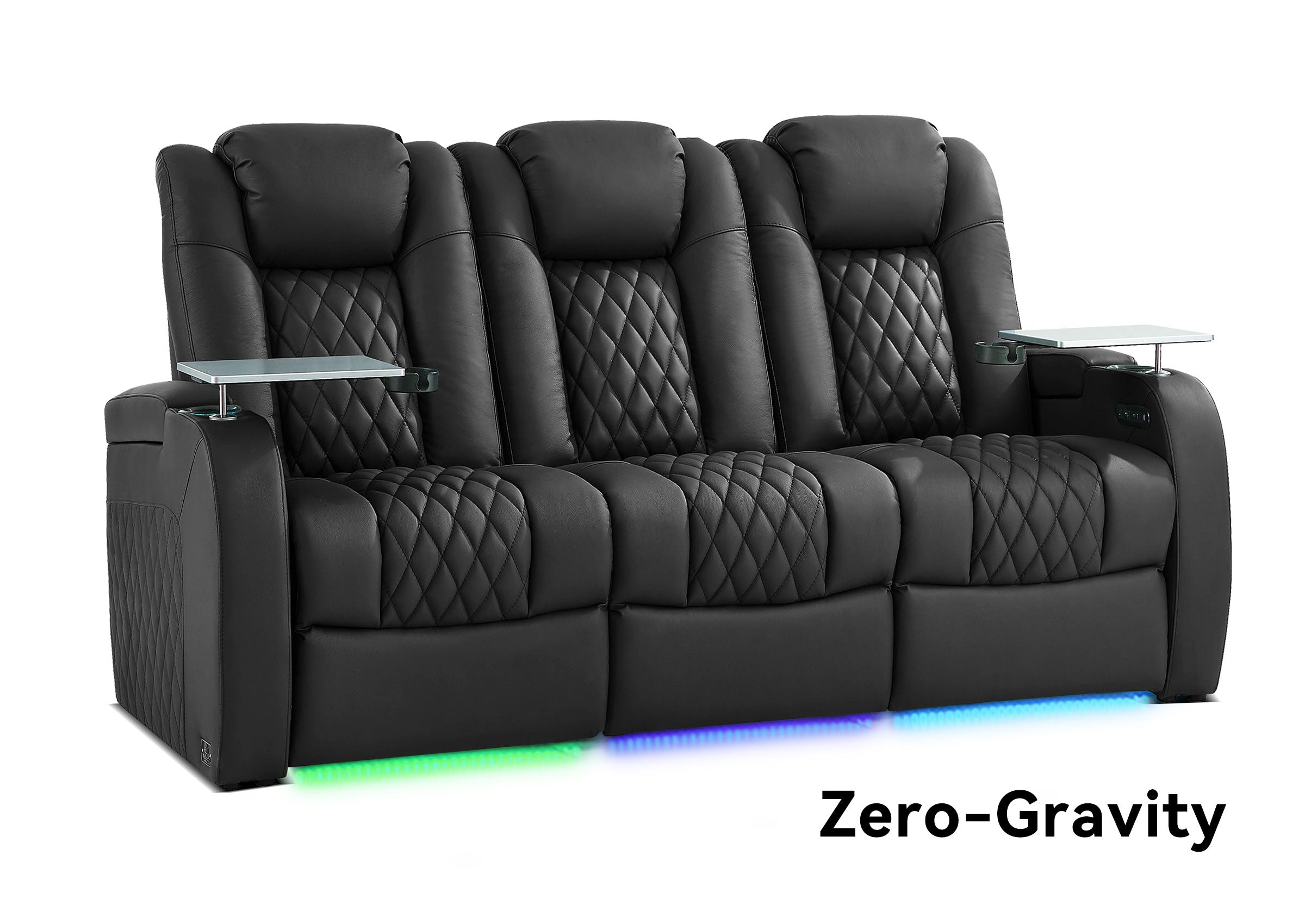


A sectional with chaise can be one of the most comfortable pieces of furniture in a living room—but only when the chaise fits the way the room and the people in it actually work.
The biggest mistake is treating the chaise as a style detail. A chaise changes how people use the sectional, how they walk through the room, where the coffee table can go, and how flexible the layout will be later.
Before choosing a color or upholstery, make sure the configuration itself makes sense. These nine considerations will help you decide whether a sectional with chaise is right for your space—and avoid the problems that are much harder to fix after delivery.
Who Will Actually Use the Chaise?
Start with the people, not the floor plan.
A chaise is most valuable when someone genuinely likes to use it. Maybe one person stretches out there every evening. Maybe it becomes the preferred reading spot, the place where a child curls up during movie night, or where someone works on a laptop with their feet up.
In those situations, the chaise is not wasted floor space. It supports a real habit.
But imagine a household where everyone normally sits upright. Guests prefer separate seats, nobody regularly stretches out, and the chaise gradually becomes a place for blankets, bags, or the dog.
The same sectional can feel much less worthwhile.
Before buying, ask:
- Who is most likely to use the chaise?
- Will they use it daily, weekly, or only occasionally?
- Does someone usually lie down while others sit upright?
- Will children or pets regularly occupy it?
- Do two people both expect the chaise to be their favorite spot?
That last question matters more than it sounds. One chaise creates one especially desirable lounging position. In a household where two people regularly want to stretch out at the same time, a different sectional configuration, movable ottoman, or reclining seating may work better.
Do not buy a chaise because it looks comfortable in a product photo. Buy it because it matches the way someone in your home actually relaxes.
Don't Trust the Seat Count Without Thinking About How People Sit
A sectional may be described by a certain number of seats, but that does not tell you exactly how many people will sit comfortably in every situation.
A chaise position behaves differently from a conventional upright seat.
During a movie, one person may stretch out and use the entire chaise. During a conversation, someone may sit upright on part of it. A child might share it with a parent. At a crowded gathering, someone might perch on the edge.
Those are very different uses of the same space.
That is why the better question is not:
“How many seats does this sectional have?”
It is:
“How many comfortable sitting positions will our household actually have when the chaise is being used the way we normally use it?”
Think through at least two scenarios.
For everyday use, picture everyone who normally occupies the room. Where does each person naturally sit?
Then picture your busiest realistic situation—not the largest party you might host once every few years. If the chaise is occupied by someone lying down, are there still enough comfortable places for everyone else?
This prevents a common buying mistake: choosing furniture around maximum theoretical capacity instead of everyday comfort.
Choose the Chaise Side by Traffic Flow, Not Looks Alone
Left-facing versus right-facing is one of the most important decisions with a fixed chaise sectional.
But do not start by asking which side looks better.
Start with the room.
- The main entrance to the room
- The path people use most often
- The TV, fireplace, or other focal point
- Patio or balcony doors
- Nearby cabinets and storage
- The coffee table
- The long footprint of the chaise
When both orientations technically fit, the better starting point is usually the side that keeps the chaise out of the room's busiest walking path.
| Room condition | Better starting point |
|---|---|
| Main traffic enters from one side | Test the chaise on the opposite side |
| Patio or balcony door needs regular access | Keep the chaise away from that route |
| Sectional floats in an open-plan room | Consider using the chaise to define the seating zone |
| One side has cabinets or frequently opened doors | Preserve access before choosing orientation |
| Both orientations seem workable | Prioritize circulation and future flexibility |
| Furniture moves frequently | Consider a reversible or modular configuration |
These are starting points, not absolute rules. Every room has different doors, windows, focal points, and habits.
There is another easy mistake to avoid: do not assume a left- or right-facing label means what you think it means without checking the seller's diagram and configuration details. Verify the exact position of the chaise for the product you are considering before ordering.
The safest test is simple: stand where the sectional will go and imagine the chaise physically extending into the room. Then walk the routes you use every day.
The best orientation often becomes obvious once you stop looking at the sofa by itself. If placement is still unclear, our guide to where to put an L-shaped couch goes deeper into room position and circulation.

Measure the Space Around the Chaise, Not Just the Sofa
Measuring the overall width and depth of a sectional is necessary, but it is not enough.
What matters is what happens around that footprint after people begin using it.
A chaise extends farther into the room than a normal seat, so check the relationships between:
- Chaise and coffee table
- Chaise and main walkway
- Chaise and doorway
- Sectional and adjacent chairs
- Sectional and cabinets
- Sectional and other frequently used furniture
One of the most useful ways to test this is with painter's tape.
Mark the approximate outside footprint of the sectional on the floor, including the full chaise extension. Then leave it there and use the room normally.
Walk in from the main doorway.
Cross the room.
Sit in the other seating positions.
Open nearby doors and drawers.
Pretend someone is stretched out on the chaise.
Walk past that person while carrying a laundry basket, tray, backpack, or anything else you commonly move through the room.
This exposes problems that dimensions on a product page cannot show by themselves.
A sectional can technically fit between two walls and still be wrong for the room because fitting furniture is not the same thing as preserving usable space.
Also remember the delivery route. The final footprint may fit perfectly while a large section cannot comfortably pass through the doorway, hallway, stairway, elevator, or turn leading to the room.
Room fit and delivery fit are two separate checks.
Plan the Coffee Table With the Chaise
A surprisingly common sectional problem is not the sectional itself. It is keeping a coffee table arrangement that was designed for a regular sofa.
A chaise changes the shape of the usable seating area.
With a conventional sofa, a rectangular coffee table can often sit neatly in front of most seats. Add a chaise, and the table may suddenly compete with the extended seat for floor space.
You may find that:
- The table feels too close to the chaise
- The remaining walkway becomes narrow
- Someone on the inner seat cannot comfortably reach the table
- The person using the chaise has nowhere convenient for a drink
- A large rectangular table makes the entire seating area feel crowded
The solution is not automatically to buy a smaller table. First think about what the table needs to do.
In some rooms, a round or oval table reduces hard corners around the chaise. In others, nesting tables, side tables, or movable surfaces make it easier to serve different seating positions. A rectangular table may still work perfectly when the room has enough width.
The important idea is this:
When the seating footprint changes, the table's job and position may need to change with it.
Do not finalize the sectional and then assume every existing piece of living-room furniture must stay exactly where it is.

A Sectional With Chaise Does Not Automatically Make a Small Room Feel Smaller
A chaise takes floor space, but furniture size alone does not determine whether a room feels cramped.
Circulation and visual competition matter just as much.
A sectional with chaise is more likely to make a room feel crowded when:
- The chaise projects into the main walkway
- The sectional consumes nearly all usable floor space
- Too many additional chairs and tables remain in the room
- The coffee table is oversized for the new layout
- The sectional blocks doors, windows, or frequently used storage
- There is no clear path around the seating area
But a chaise sectional can also simplify a small room.
If it replaces both a sofa and a separate lounge chair or ottoman, the room may actually contain fewer individual pieces. In an open-plan space, the L-shaped footprint can also help establish a clear seating zone without adding another divider.
So when considering a sectional with chaise for a small space, do not ask only:
“Is the sectional too big?”
Ask:
“What furniture will this replace, and what usable circulation will remain?”
A slightly larger piece that performs several jobs may create a more coherent room than multiple smaller pieces competing for the same space.
The painter's-tape test is particularly valuable here. Judge the room with the full footprint marked—not from an empty floor plan where every option appears smaller than it will feel in real life.
Decide Whether You Really Want a Chaise or a Sofa With an Ottoman
If lounging space is the goal, a chaise is not your only option.
A traditional sofa paired with an ottoman can create a similar place to put your feet up while offering much more flexibility.
| Decision | Sectional With Chaise | Sofa + Ottoman |
|---|---|---|
| Lounging position | Always ready | Created when needed |
| Visual continuity | More integrated | More separate pieces |
| Rearranging | Usually more limited | Easier |
| Floor-plan flexibility | Depends on configuration | Generally higher |
| Coffee-table placement | Can require more planning | Ottoman can be moved |
| Moving to a new home | Orientation may become limiting | Easier to adapt |
| Open floor space when not lounging | Chaise remains in place | Ottoman can be relocated |
A chaise makes sense when you value a permanent, dedicated lounging position.
An ottoman deserves serious consideration when you value rearranging, multipurpose space, or the ability to change how the room works from one day to the next.
Think about what happens on a normal Saturday.
If someone always wants to stretch out while watching TV, the convenience of a fixed chaise may outweigh the lost flexibility.
If you regularly move furniture for guests, children's activities, workouts, or other uses, a movable ottoman may serve the room better.
There is no universally superior option. The better choice depends on whether permanence or flexibility matters more in your home.
FIND THE RIGHT CONFIGURATION
Still Deciding Which Sectional Layout Fits Your Room?
Compare chaise direction, room circulation, layout flexibility, and the way your household actually lounges before settling on a sectional configuration.
Know the Difference Between Fixed, Reversible, and Modular Chaise Designs
Not every sectional with chaise locks you into the same layout.
Understanding the configuration before buying can prevent a major regret later.
Fixed Chaise
A fixed chaise is designed for a particular orientation.
This can work very well when the room layout is settled and the chaise has an obvious permanent location.
The trade-off is future flexibility. A sectional that fits perfectly in today's room may become difficult to place after a move or major furniture rearrangement.
Reversible Chaise
A reversible chaise is designed so the lounge portion can be positioned on more than one side, depending on the specific construction.
That flexibility can be especially useful for renters, frequent movers, or anyone who likes to rearrange furniture.
Still, “reversible” can mean different things depending on the design. Check how the conversion works and which parts actually move before assuming the sectional can take any configuration you want.
Modular Chaise Sectional
A modular sectional consists of separate seating modules that can be arranged in different ways when the product is designed to support those configurations.
This can be useful when your household or room changes over time. If flexibility is a major priority, the modular sofa guide explains the broader trade-offs in more detail.
However, modular does not automatically mean unlimited configuration. Module compatibility, connectors, arm positions, and available pieces vary by product.
Choose the amount of flexibility you realistically need rather than paying for flexibility you will never use—or buying a fixed configuration when you already know the room may change.
A Reclining Sectional With Chaise Adds Another Layer of Planning
Some shoppers want the shared lounging space of a chaise but also want other seats to recline.
That can be a useful combination, especially in entertainment-focused rooms, but it introduces considerations that a stationary chaise sectional does not have.
Before choosing a reclining sectional with chaise, confirm:
- The sectional's footprint when reclining positions are in use
- Clearance around moving sections
- The location of available power
- How cords can reach power without becoming an inconvenience
- The relationship between moving seats and the coffee table
- Wall clearance required by the selected model
- The size and number of pieces that must reach the room
Do not assume the stationary footprint tells you how the room will work once people recline.
A sectional that looks spacious with every seat upright may interact very differently with a coffee table or walkway once one or more seats move.
This is also where product-specific information matters. Reclining mechanisms, required clearances, power arrangements, modular construction, and available configurations can vary.
Treat the product specifications as part of the room plan—not as details to check after you have already decided the sectional fits. If reclining is becoming a major part of your decision, the electric reclining sectional buying guide covers that configuration in more depth, while you can browse current L-shaped sectionals with chaise when you are ready to compare specific options.
Common Sectional With Chaise Regrets
Most chaise-sectional regrets are predictable. They happen when shoppers evaluate the sofa as an isolated object rather than imagining how it will function in the room.
Watch for these nine mistakes:
Choosing the chaise side from the product photo.
The orientation that looks best online may point directly into your busiest walkway at home.
Measuring the sectional but not the circulation around it.
A technically successful fit can still create an awkward room.
Buying for maximum guests instead of everyday use.
Furniture should work exceptionally well on ordinary days, not only during occasional gatherings.
Assuming the chaise behaves like a normal seat.
When someone stretches out, the effective seating arrangement changes.
Keeping an oversized coffee table because it worked with the old sofa.
A different seating footprint may require a different table strategy.
Ignoring your next room.
A fixed left- or right-facing chaise may be harder to place after a move.
Choosing upholstery without thinking about who will occupy the chaise most.
The chaise may become one of the highest-use areas of the sectional, particularly in homes with children or pets.
Measuring the room but not the delivery route.
The furniture still has to reach its final location.
Adding reclining functions without planning movement and power.
A powered configuration needs to be evaluated in its active position, not only while everything is upright.
If several of these questions are unresolved, choosing fabric or color is probably not the next decision. The layout still needs work.
The 60-Second Chaise Sectional Check
Before placing an order, see whether you can answer all ten questions without guessing:
- ☐ Who will use the chaise most often?
- ☐ Will that person actually use it regularly?
- ☐ Which chaise orientation keeps the main walkway open?
- ☐ Does the sectional still work when someone is fully stretched out?
- ☐ Can everyone else reach their normal seating position comfortably?
- ☐ Does the planned coffee table work with the chaise?
- ☐ Can nearby doors, drawers, and cabinets still be used?
- ☐ Would an ottoman give the room useful flexibility that a fixed chaise would remove?
- ☐ Can the largest sectional component reach the final room?
- ☐ If the sectional reclines, have you planned its operating space and power location?
If you cannot answer three or four of these yet, do not rush to the finish selection. Mark the footprint, test the walking paths, and resolve the configuration first.
Those decisions will affect daily life far more than whether you choose beige, gray, brown, or black.
Frequently Asked Questions
Is a sectional with chaise worth it?
A sectional with chaise can be worth it when someone in the household regularly stretches out and the extended section fits without disrupting circulation. It is less compelling when the chaise receives little use or permanently occupies space that the room needs for another purpose.
Judge the value by actual lounging habits, not appearance alone.
Are sectionals with chaise good for small spaces?
They can be. A compact chaise sectional may replace several separate pieces and create one organized seating area.
The deciding factor is not simply whether the sofa fits. Check the remaining walking paths, door access, coffee-table placement, and other furniture. In a small room, every piece needs to justify the space it occupies.
Which side should the chaise be on?
Start with circulation.
Choose the orientation that keeps the extended chaise away from the most important walking paths, doors, and frequently used storage while still supporting the room's focal point.
If both sides work, think about future furniture changes before committing to a fixed orientation.
Does a chaise count as a seat?
It can be used as a sitting position, but it does not always function like a standard seat.
Someone may sit upright on the chaise during a conversation, while the same space may be largely occupied by one person during a movie. That is why advertised seat count should not replace thinking through your household's normal sitting habits.
Is a chaise sectional better than an ottoman?
Neither is inherently better.
A chaise is usually better when you want a permanent place to stretch out with no furniture to reposition. An ottoman is more flexible because it can be moved, shared between different seats, or removed from the main seating area when floor space is needed.
Can you put a sectional with chaise in the middle of a room?
Yes, if the room is large enough and the sectional's back and chaise placement work with surrounding circulation.
In an open-plan space, the sectional can even help define the boundary of a seating area. The important test is whether people can move naturally around it without creating awkward dead ends.
What coffee table works with a chaise sectional?
The best coffee table depends on the sectional proportions and available circulation.
Rectangular tables can work in larger layouts, while round, oval, nesting, or movable tables may solve access problems in tighter configurations. Choose based on who needs to reach the surface and how much walking space remains rather than matching shapes by appearance alone.
Is a reversible chaise worth it?
It can be particularly useful if you expect to move, rearrange the room, or are uncertain which orientation will work long term.
If the sectional will remain in one established layout for years, that flexibility may matter less. Always confirm exactly how the specific reversible design works.
Should I get a reclining sectional with chaise?
Consider one if your household wants both a shared chaise lounge and adjustable reclining positions elsewhere in the sectional.
The additional comfort comes with additional planning. Check the full operating footprint, moving clearances, power location, table placement, and delivery route before deciding.
Make the Layout Decision Before the Style Decision
A sectional with chaise works best when the chaise earns the space it occupies.
Someone should genuinely want to use it. Its orientation should protect the room's main walking paths. The surrounding furniture should still function. And the configuration should make sense not only in an empty room, but during movie night, family time, entertaining, cleaning, and everyday movement.
If those pieces fall into place, the chaise can become one of the most-used spots in the room.
If they do not, changing the upholstery, color, or styling will not solve the underlying problem.
Decide how the sectional needs to live in the room first. Then choose how you want it to look.
Want to Double-Check the Fit Before You Order?
If you have a specific sectional in mind, Weilianda Support can help you confirm the product and configuration details that matter for your room, such as overall dimensions, the selected chaise orientation, and—when applicable—reclining clearance. We also provide pre-shipment confirmation, giving you an opportunity to verify the selected configuration details before the order ships.
Share your room dimensions and the sectional configuration you are considering through Weilianda Support or email leon@weiliandahome.com.