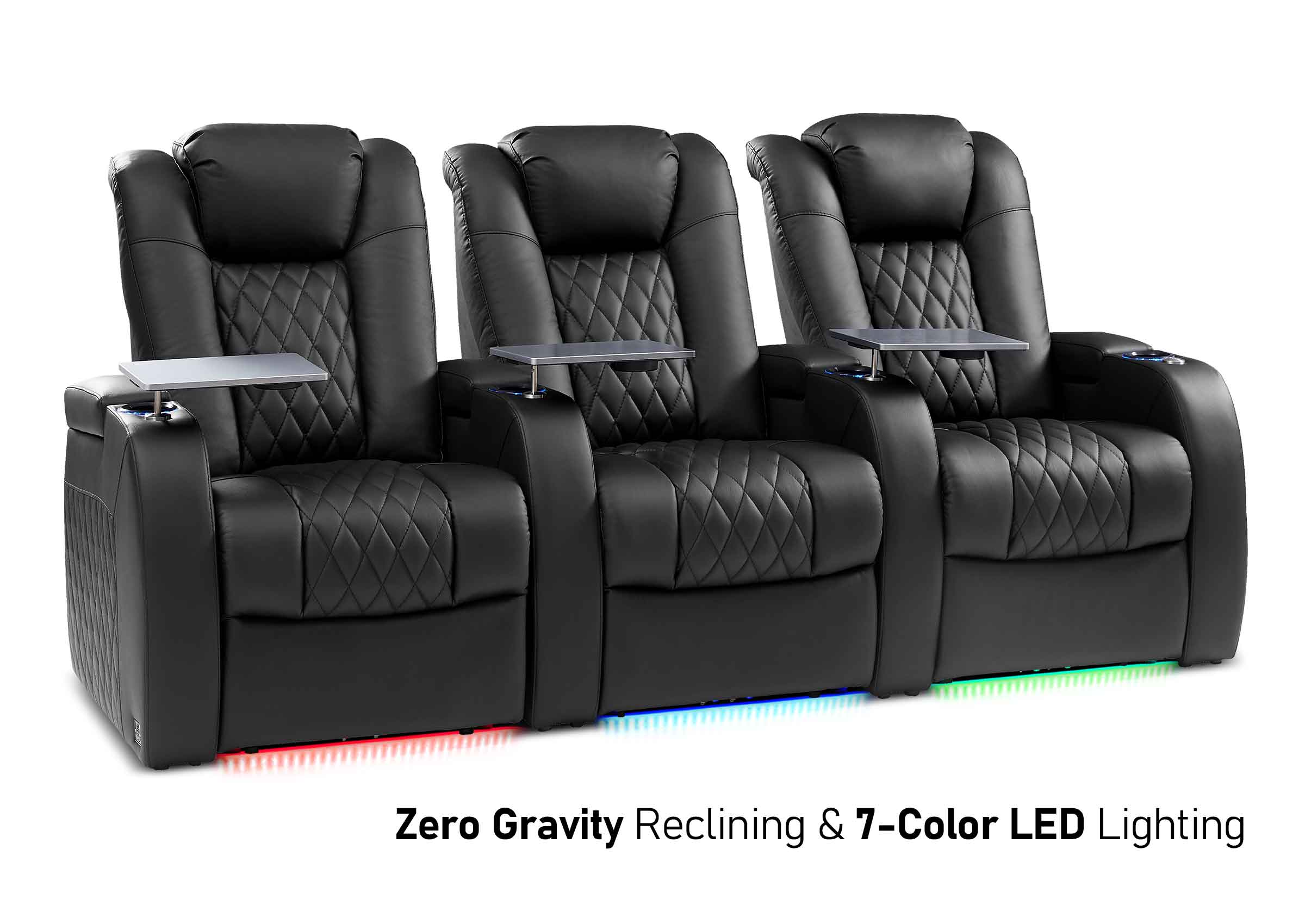
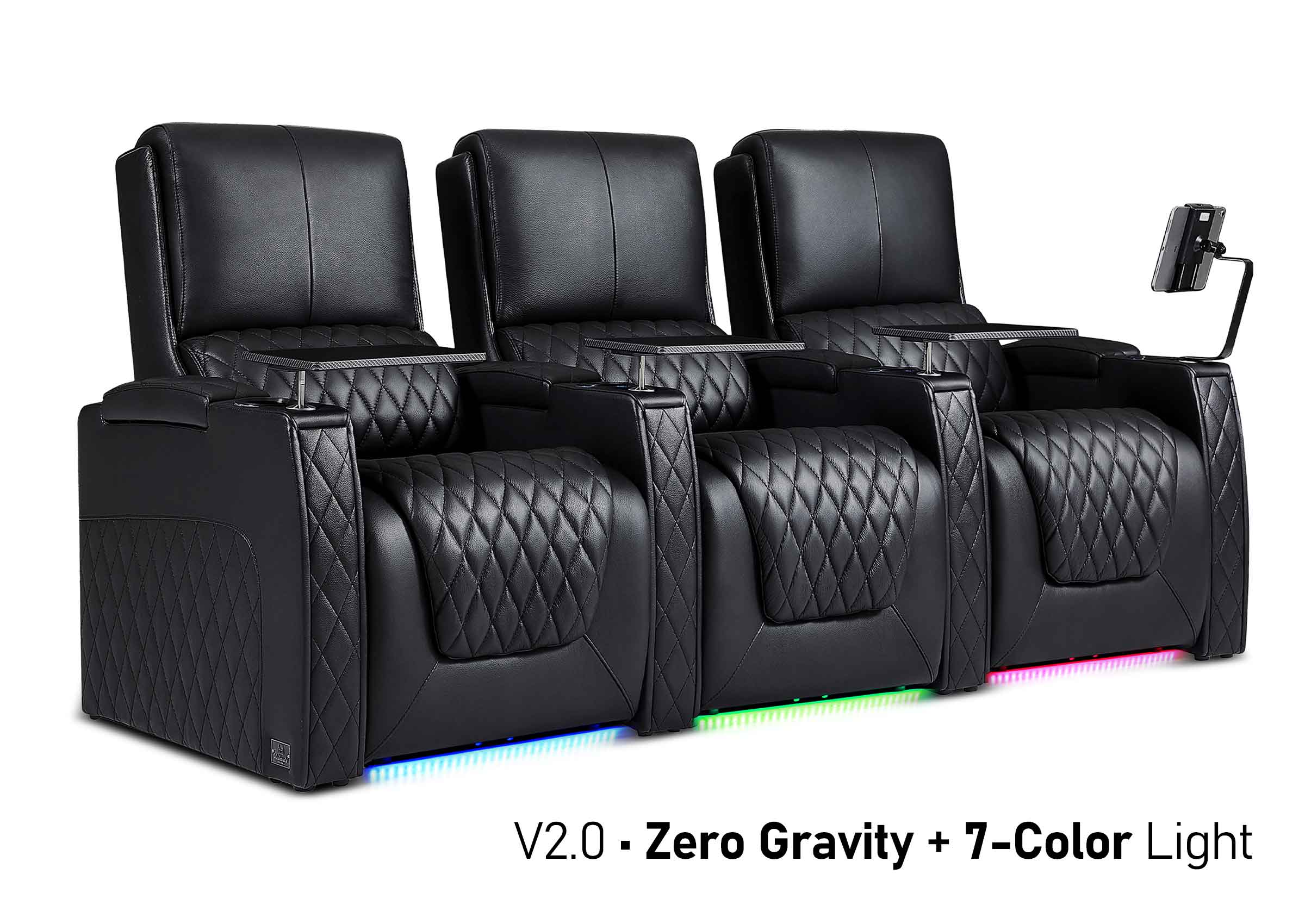
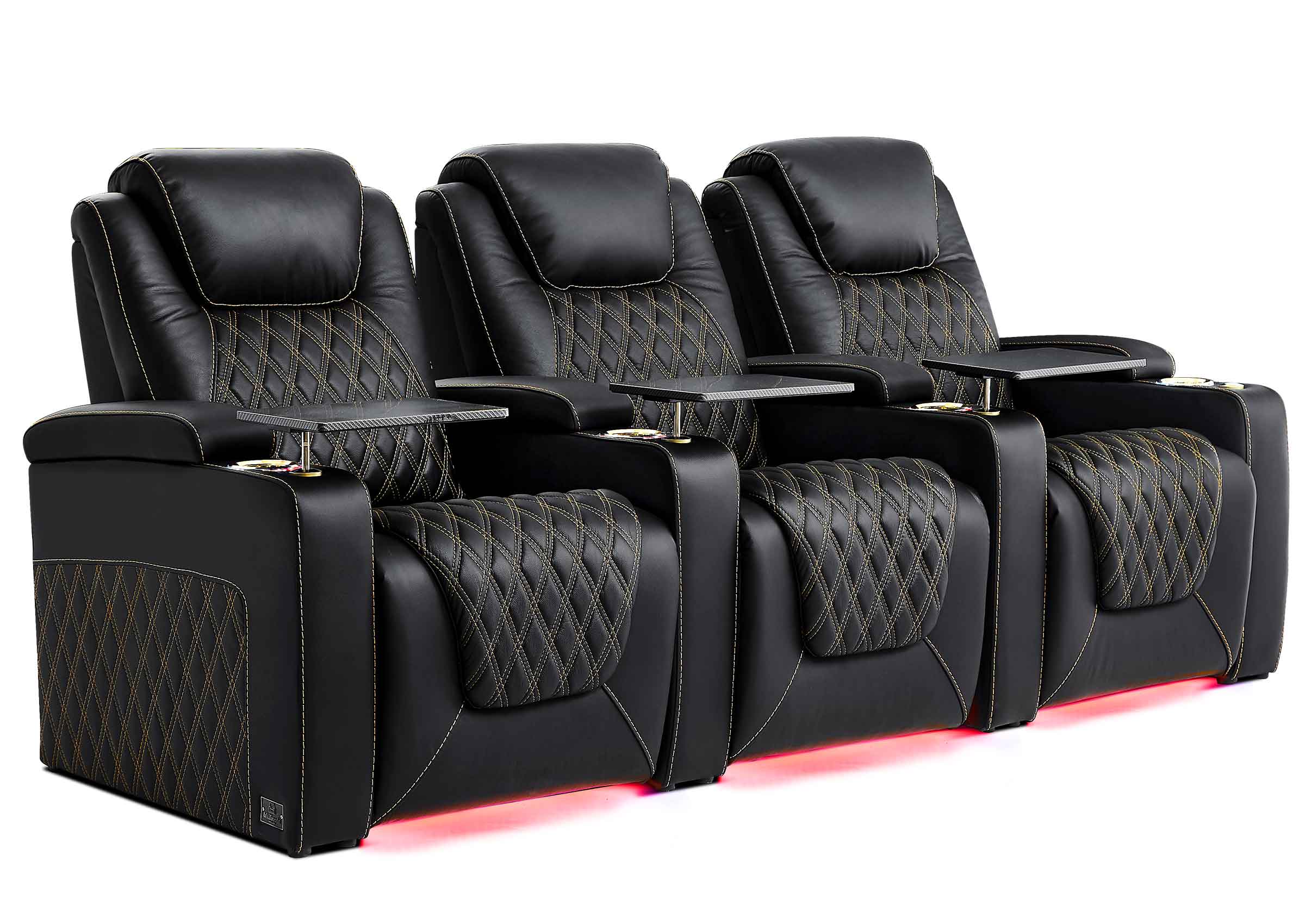
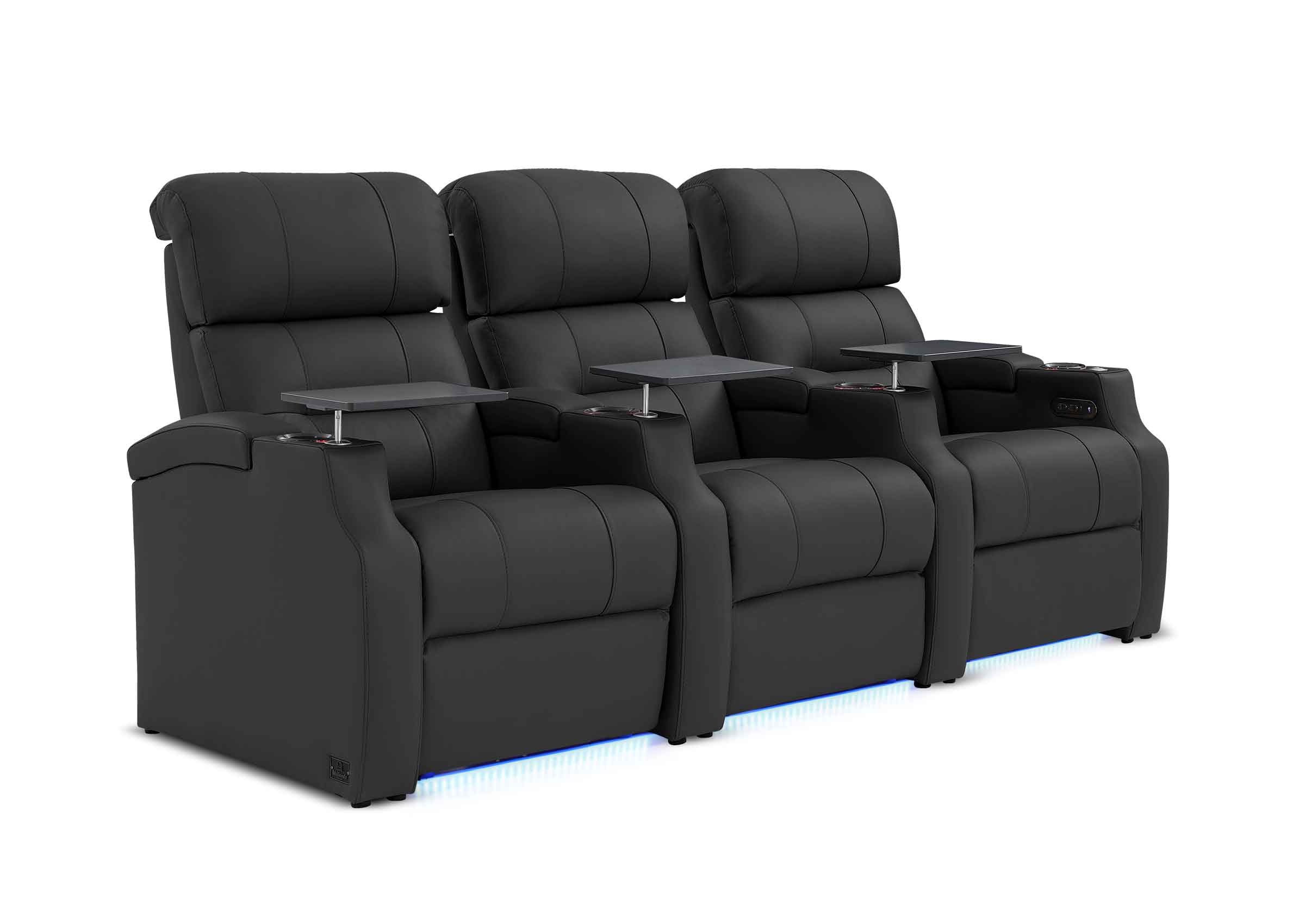
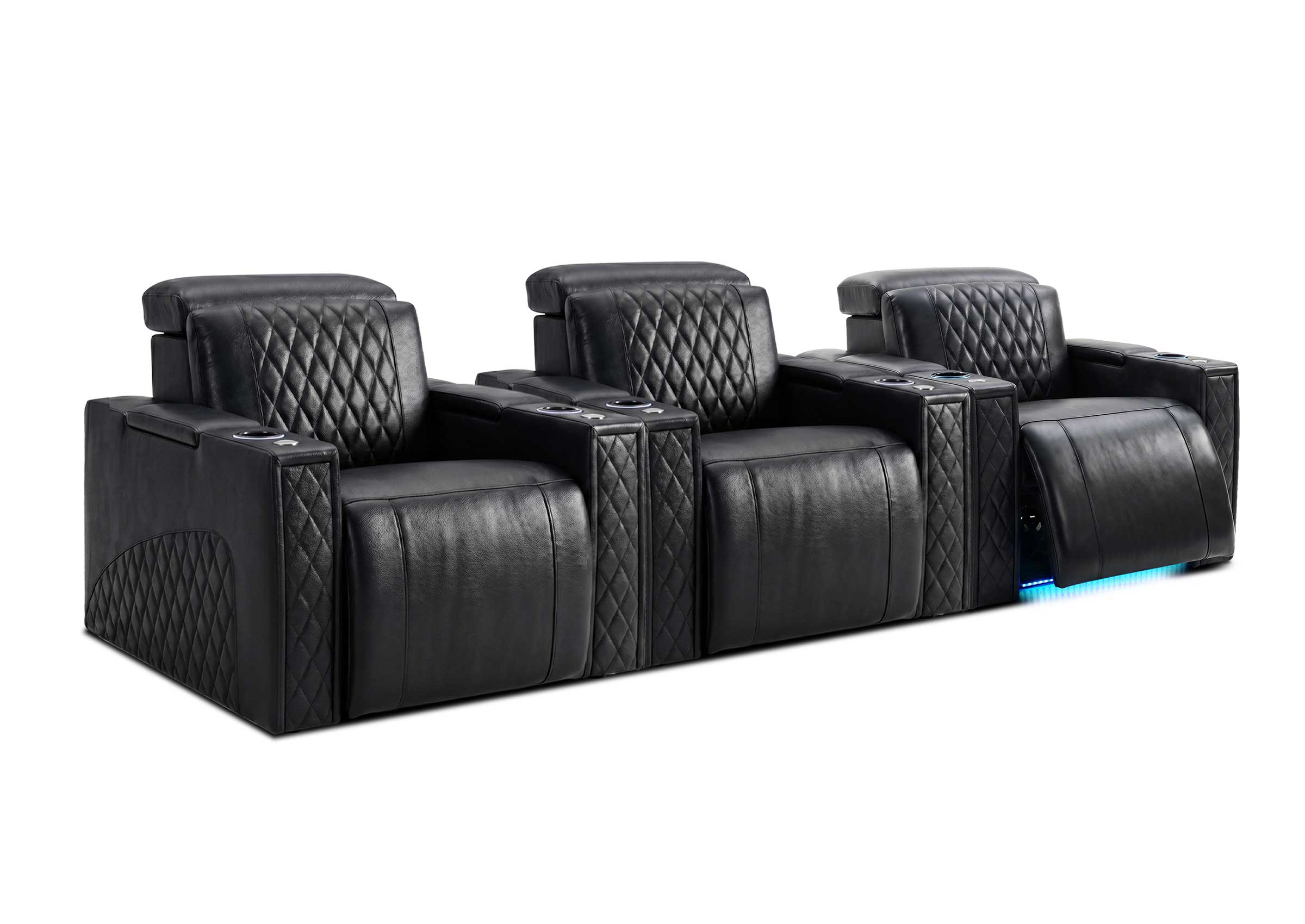

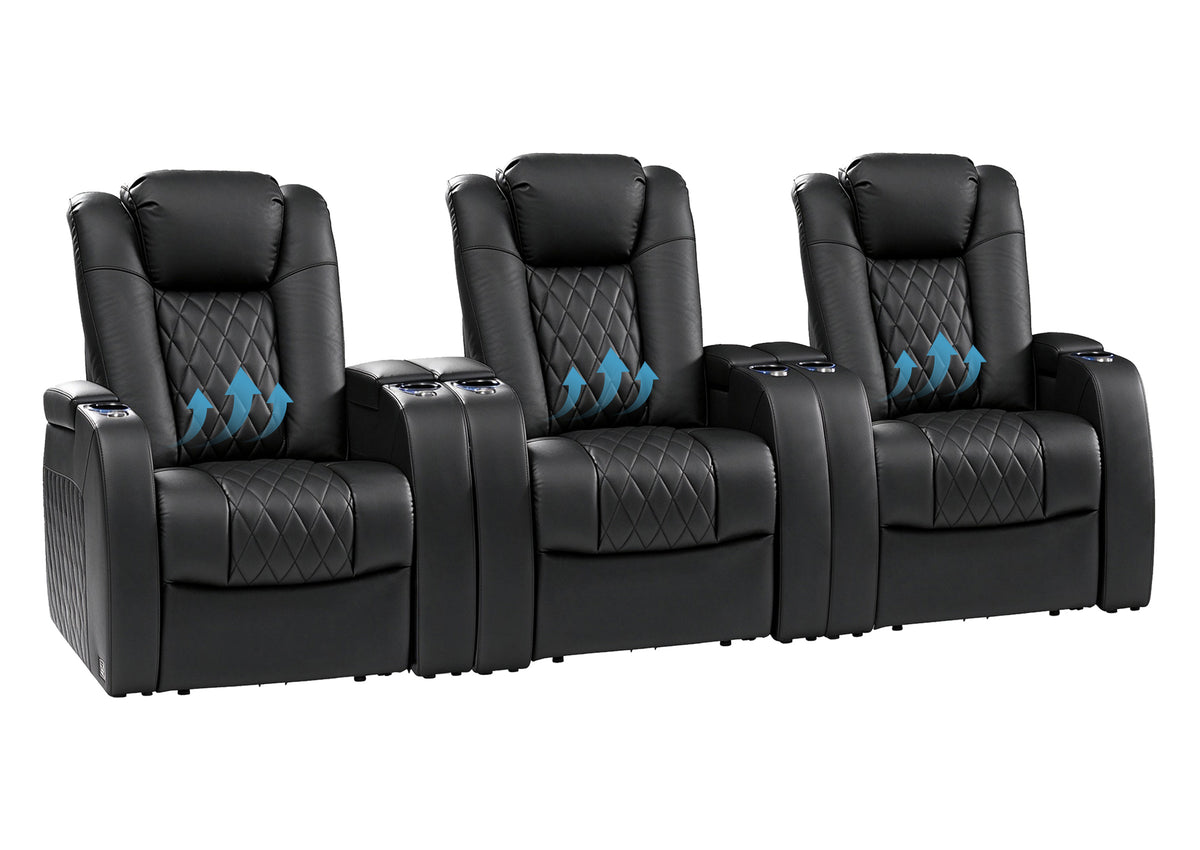
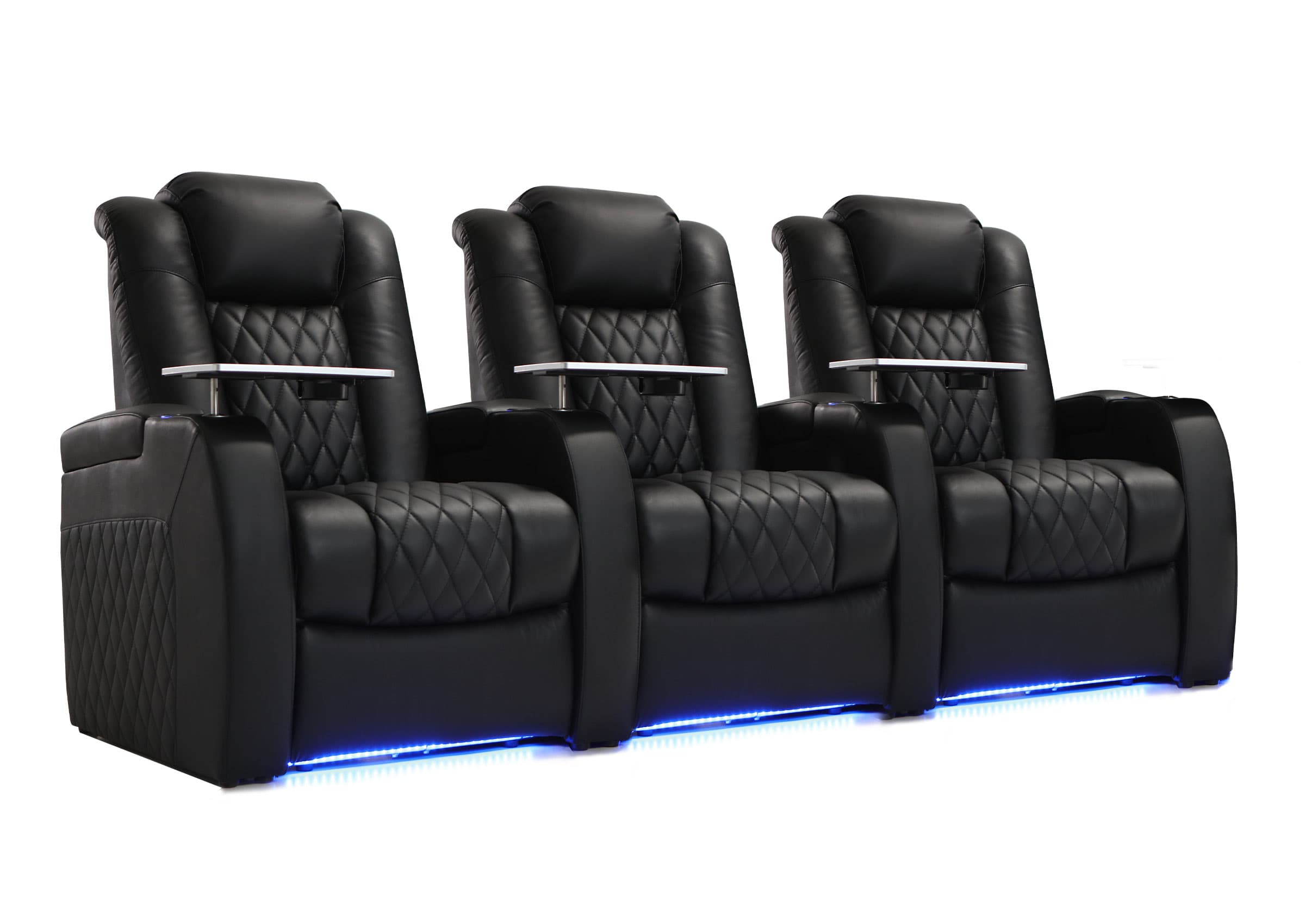
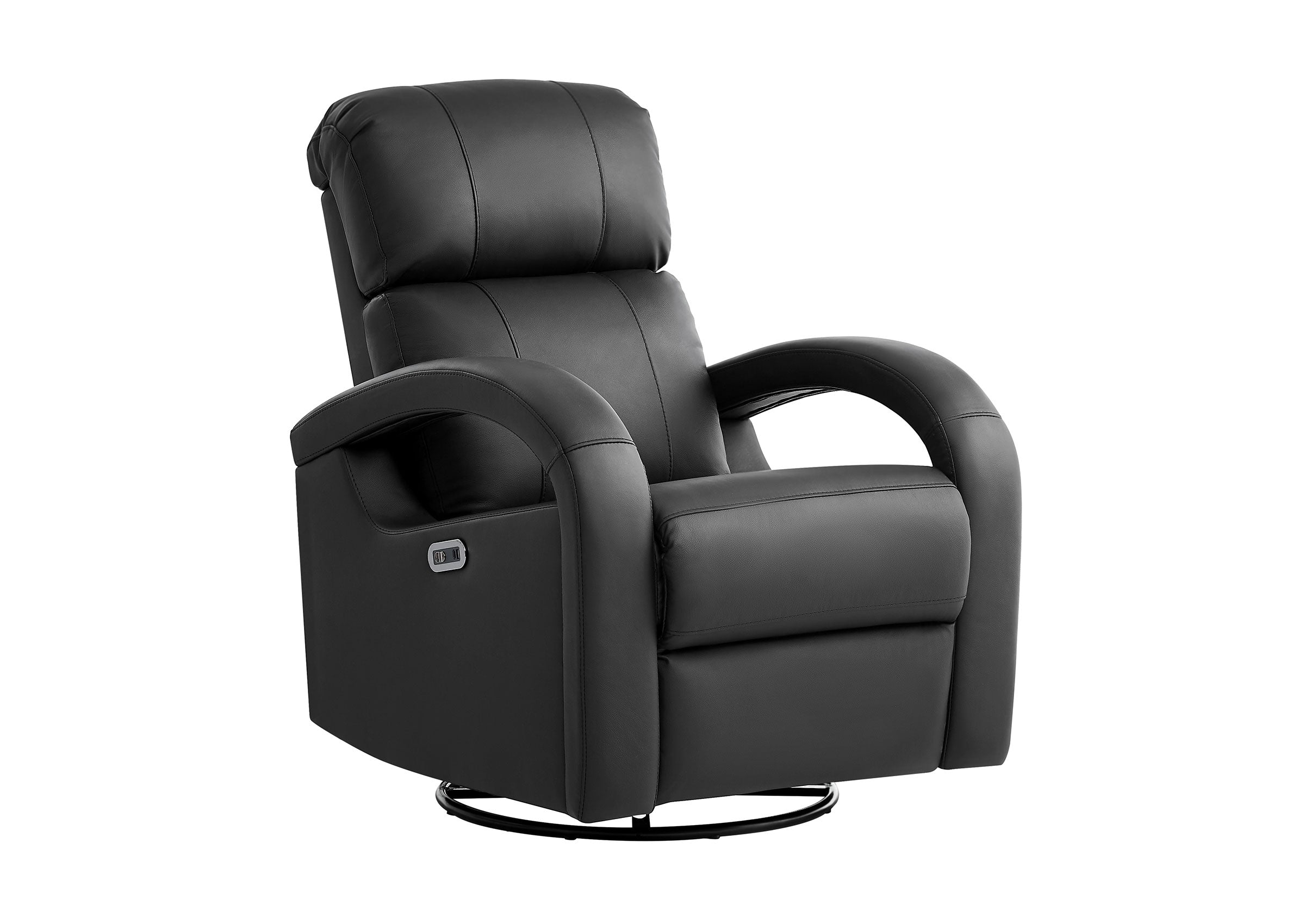
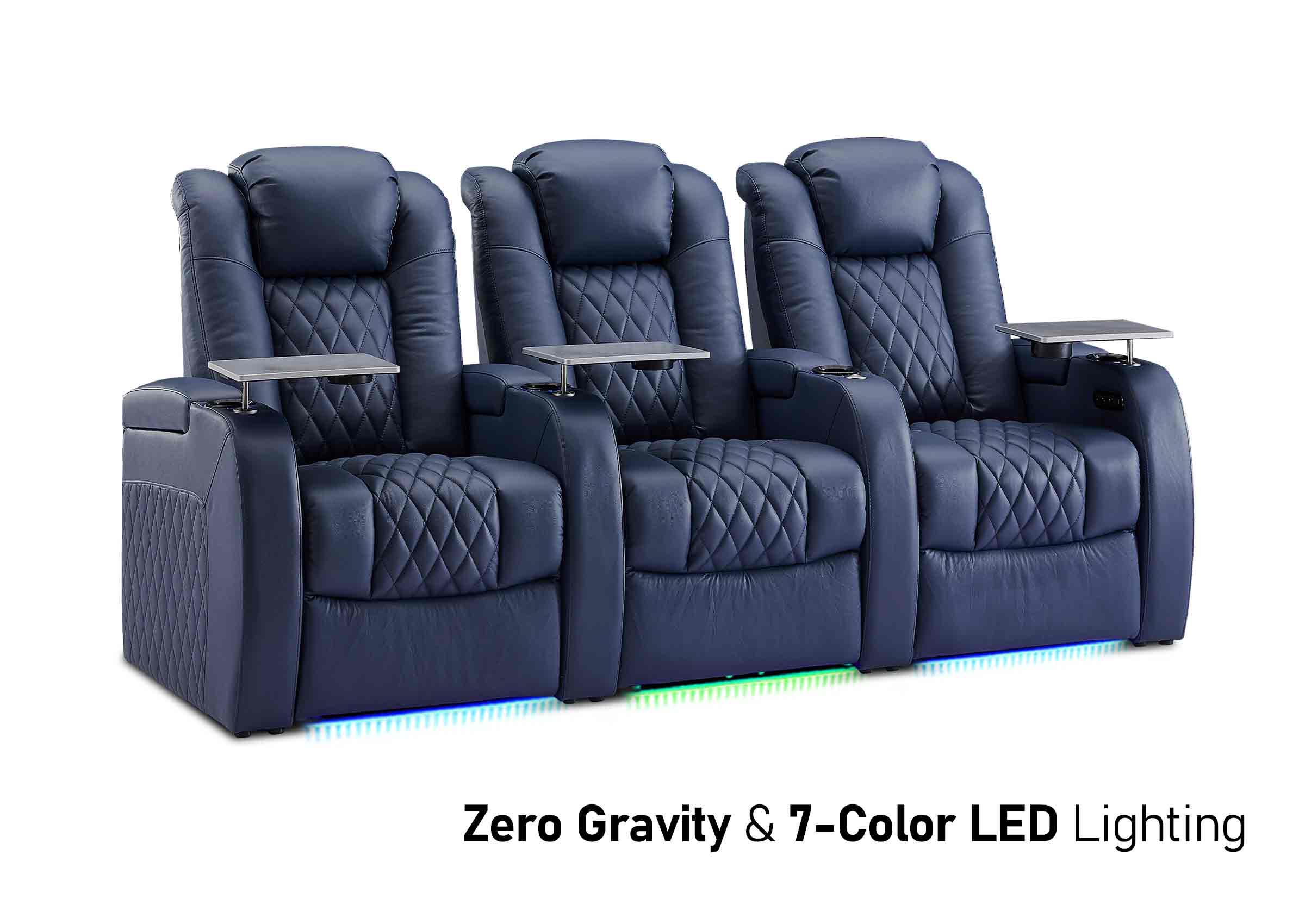
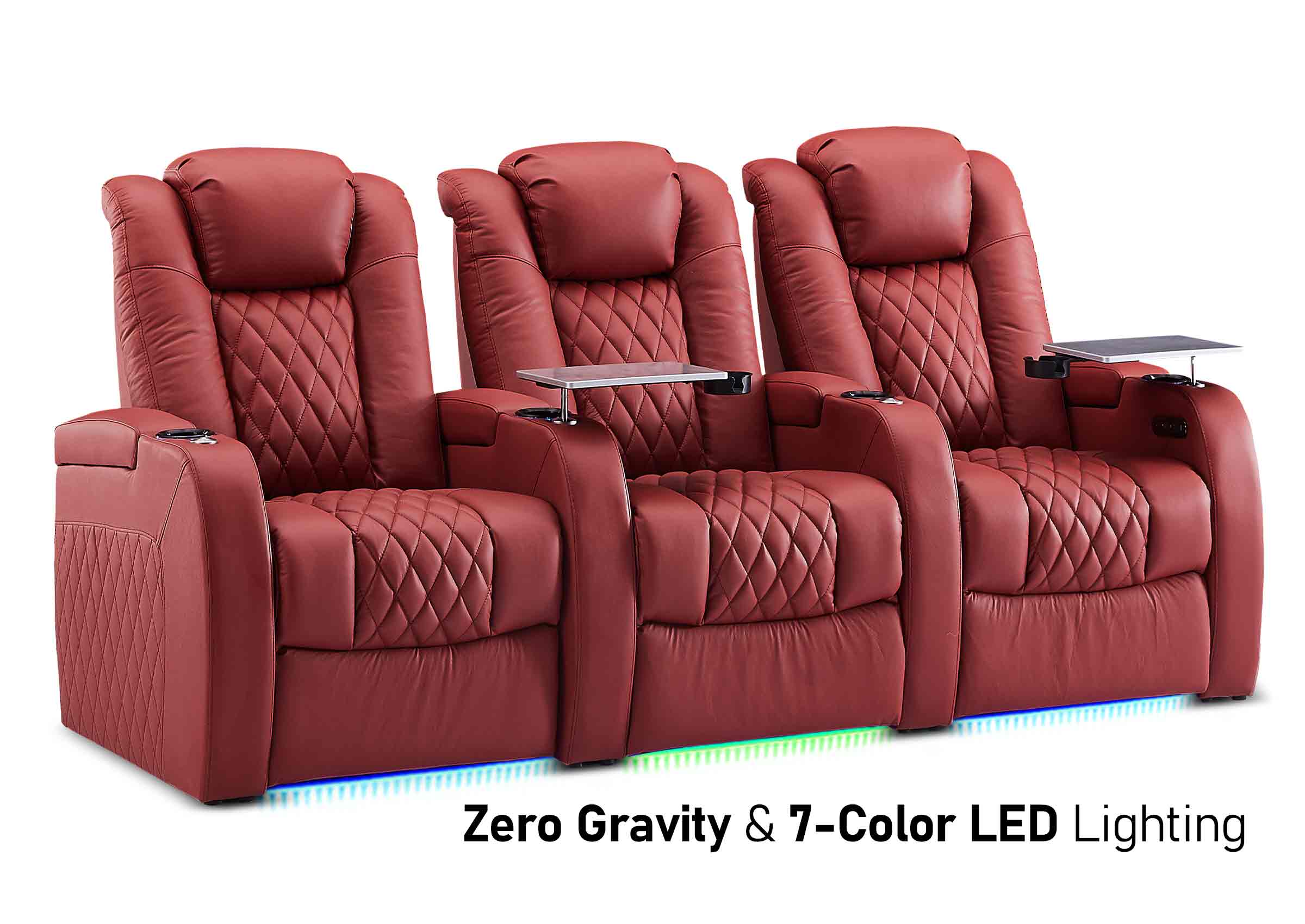
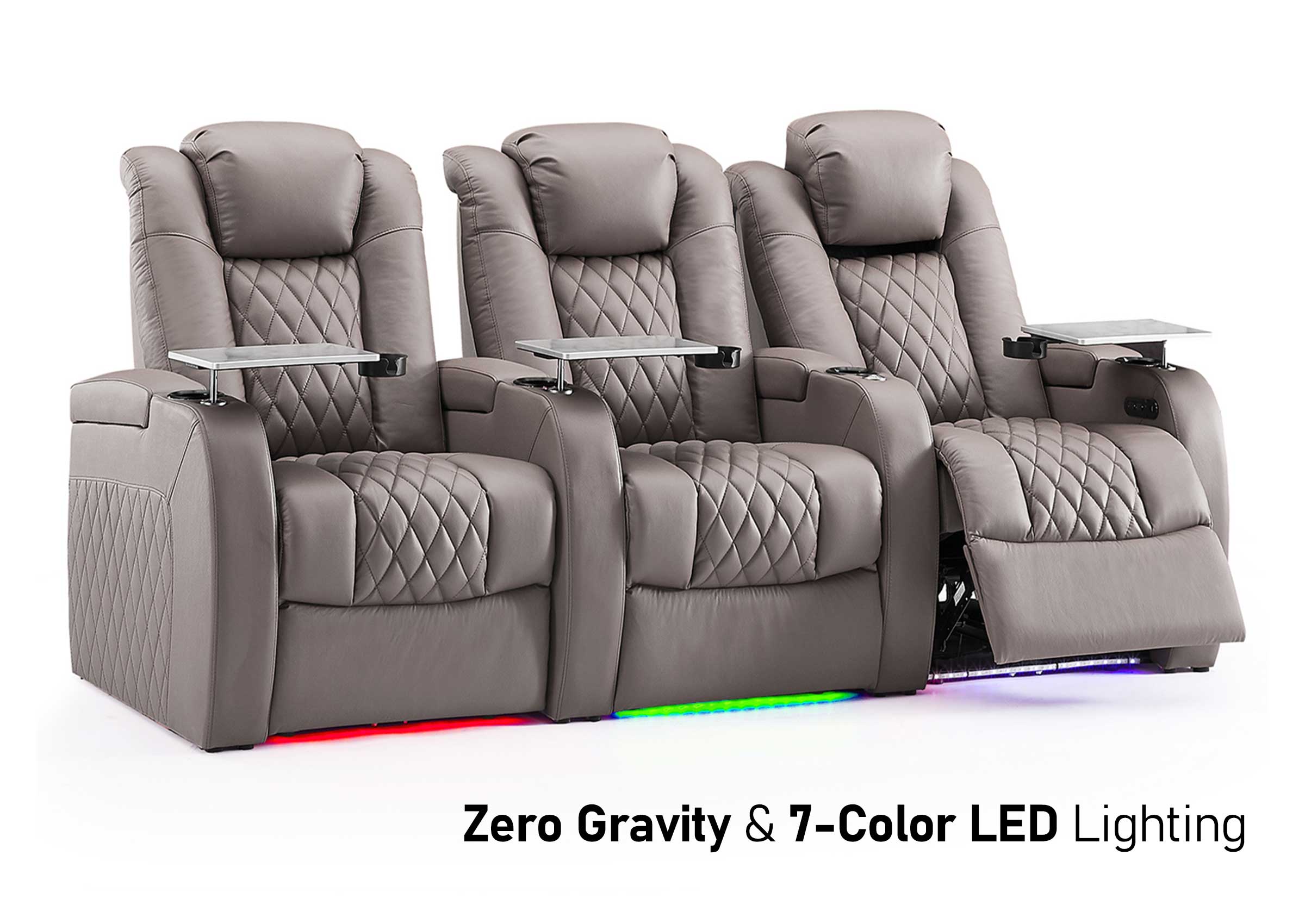
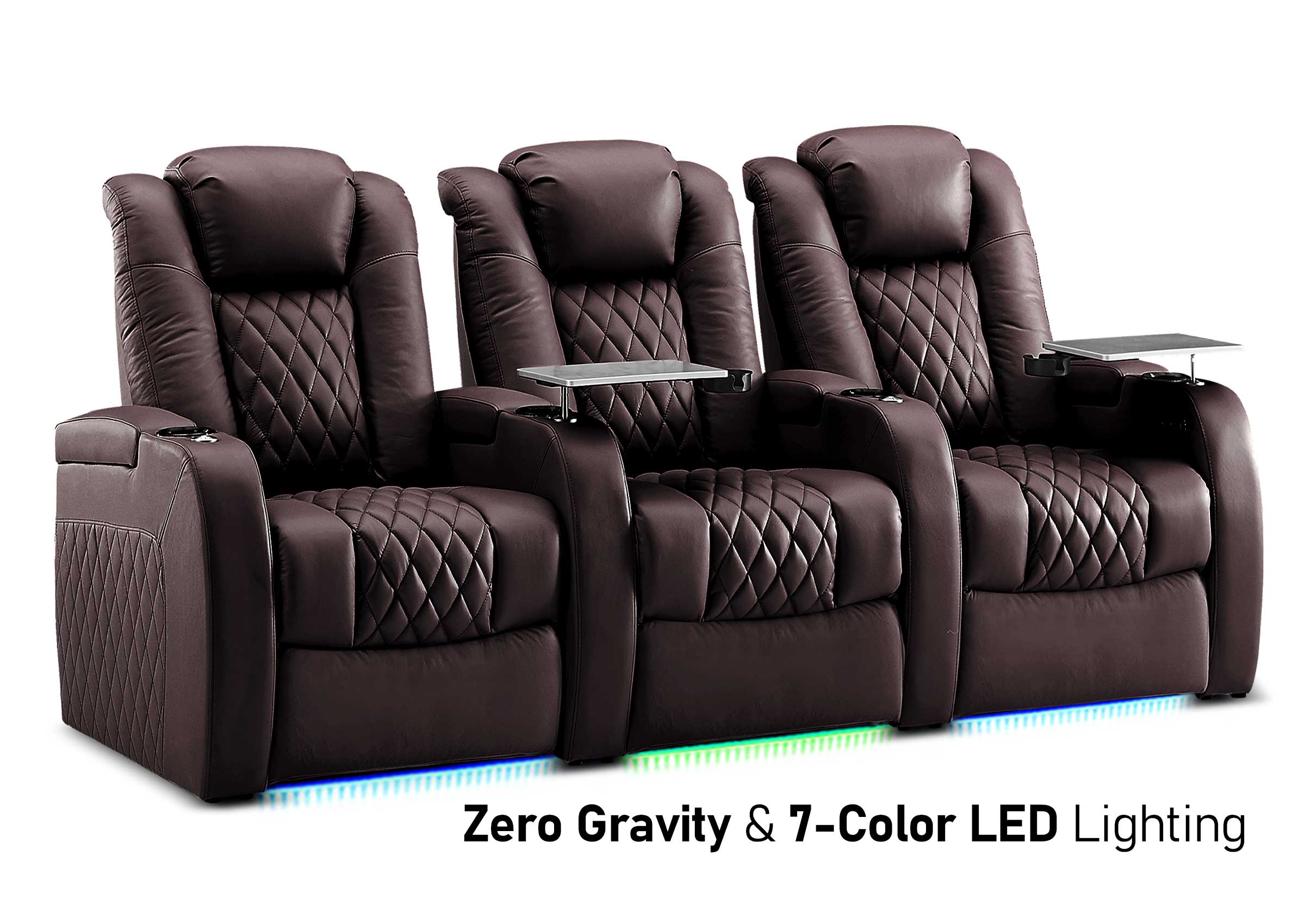

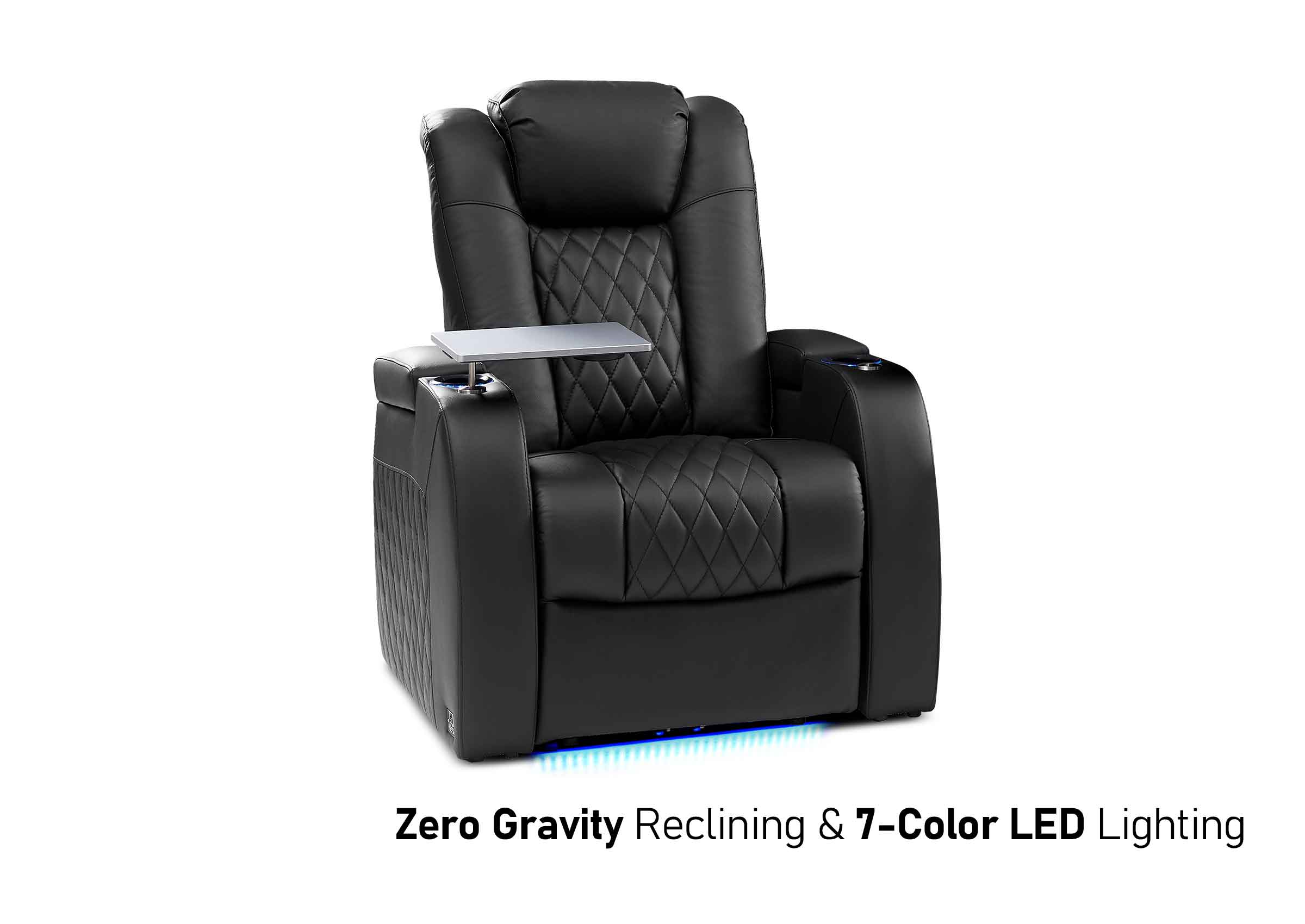
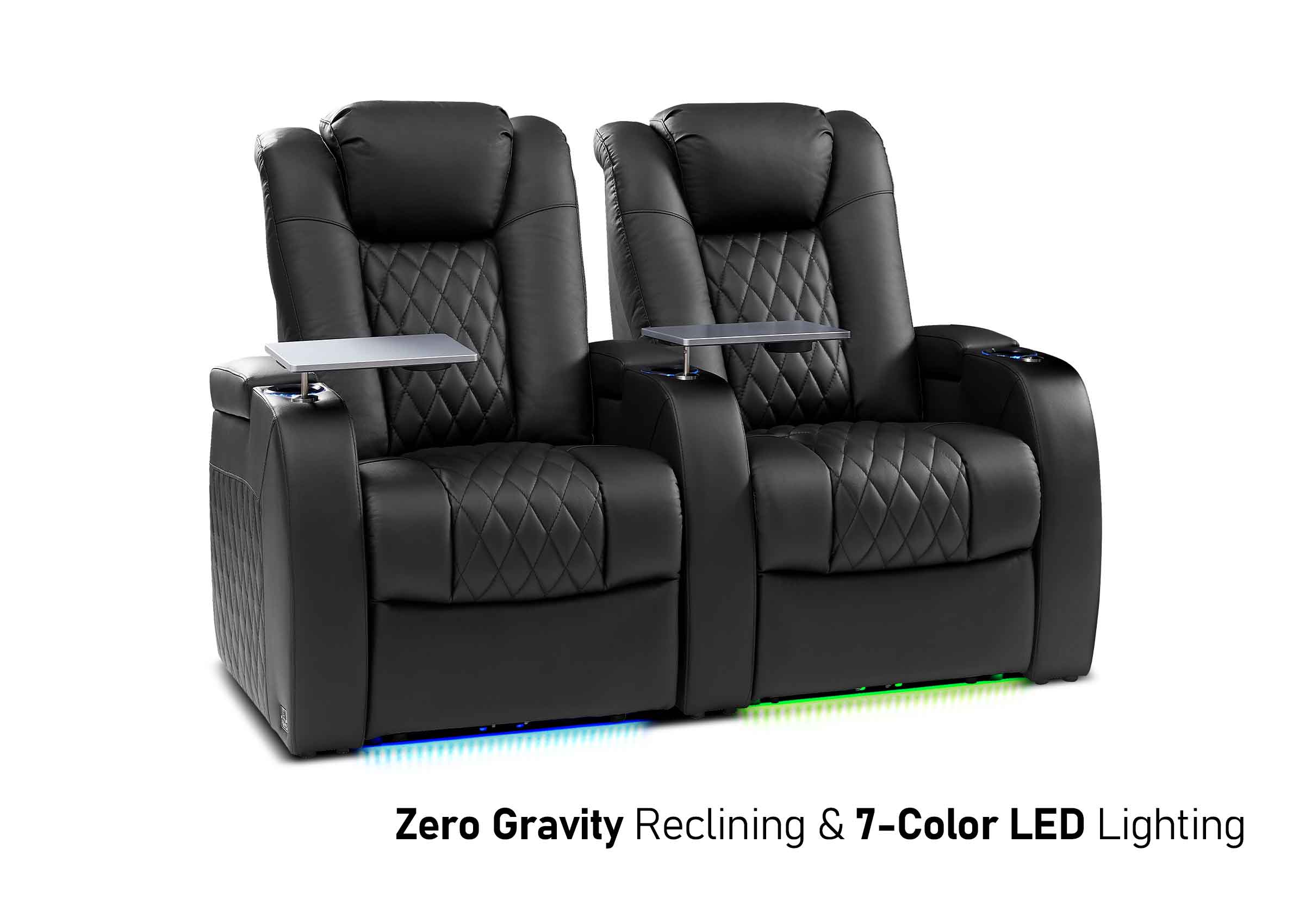
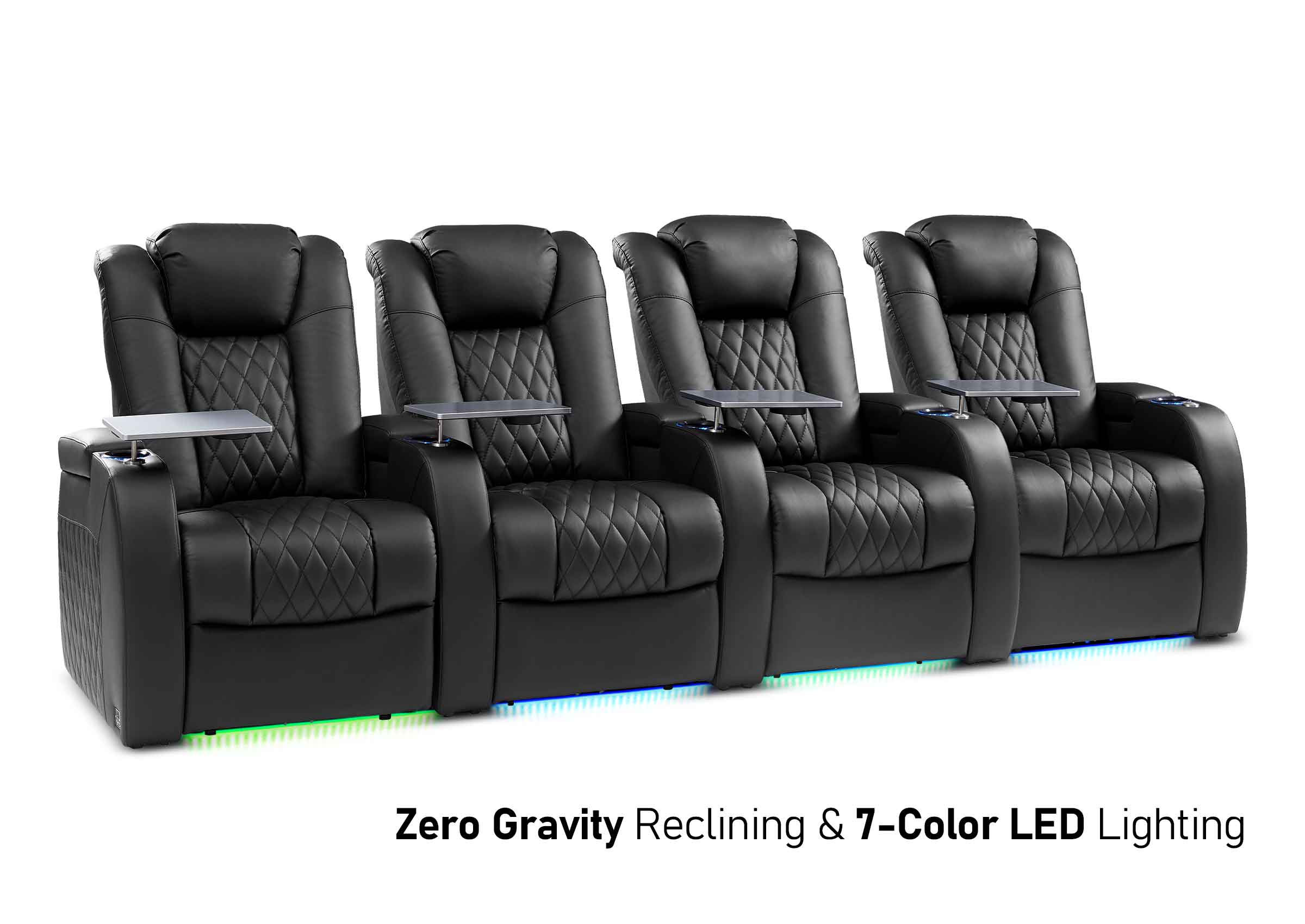
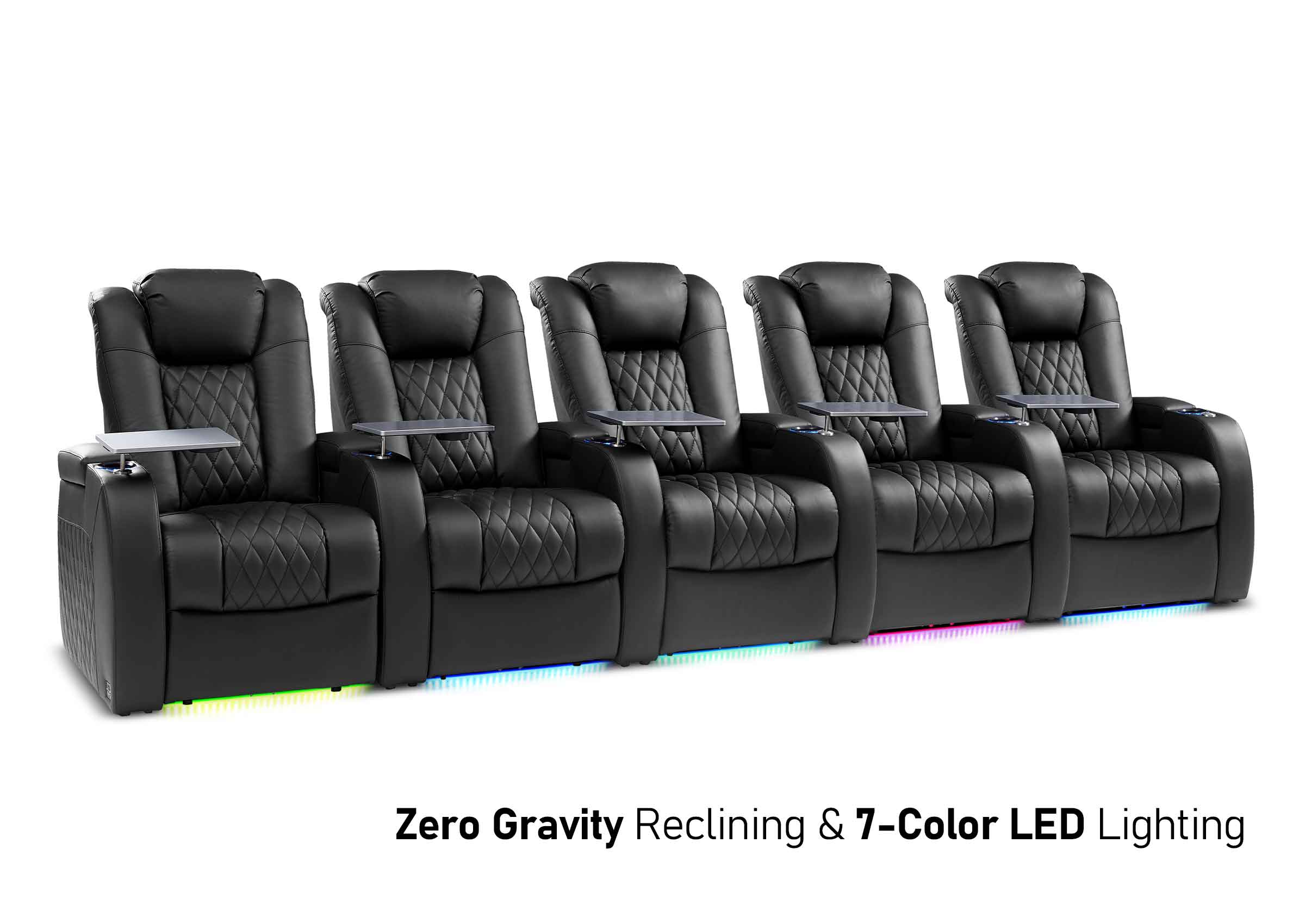
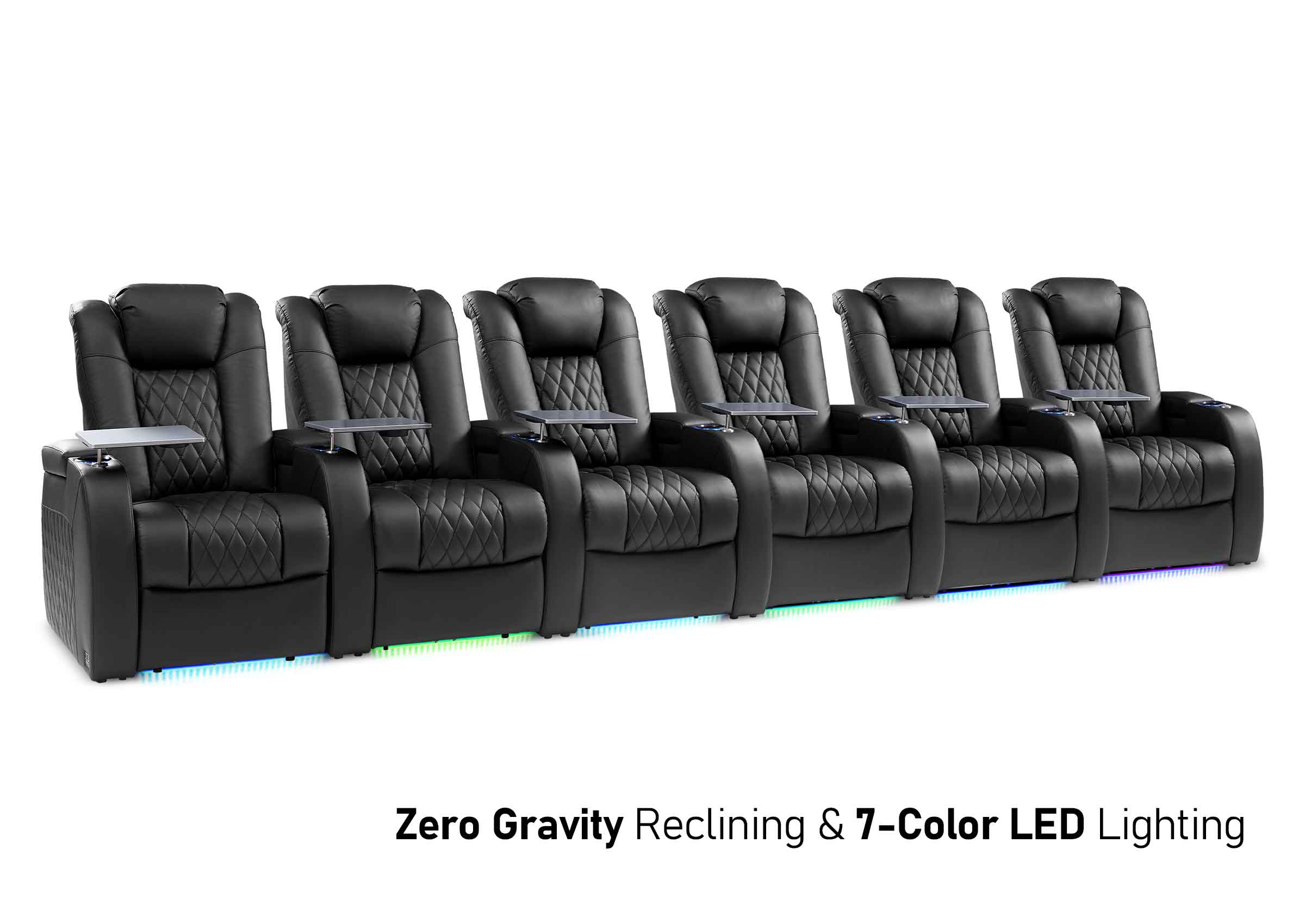
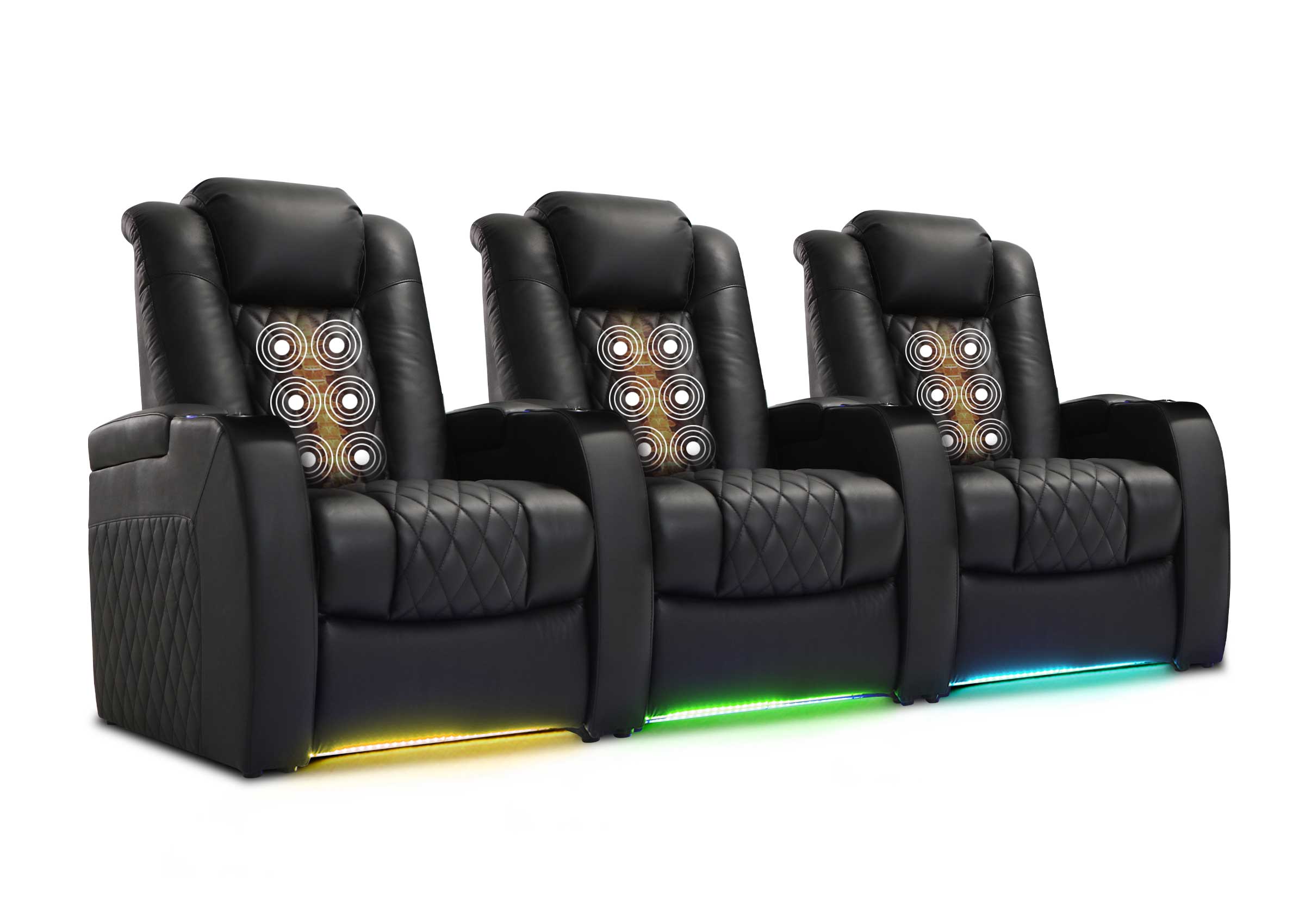

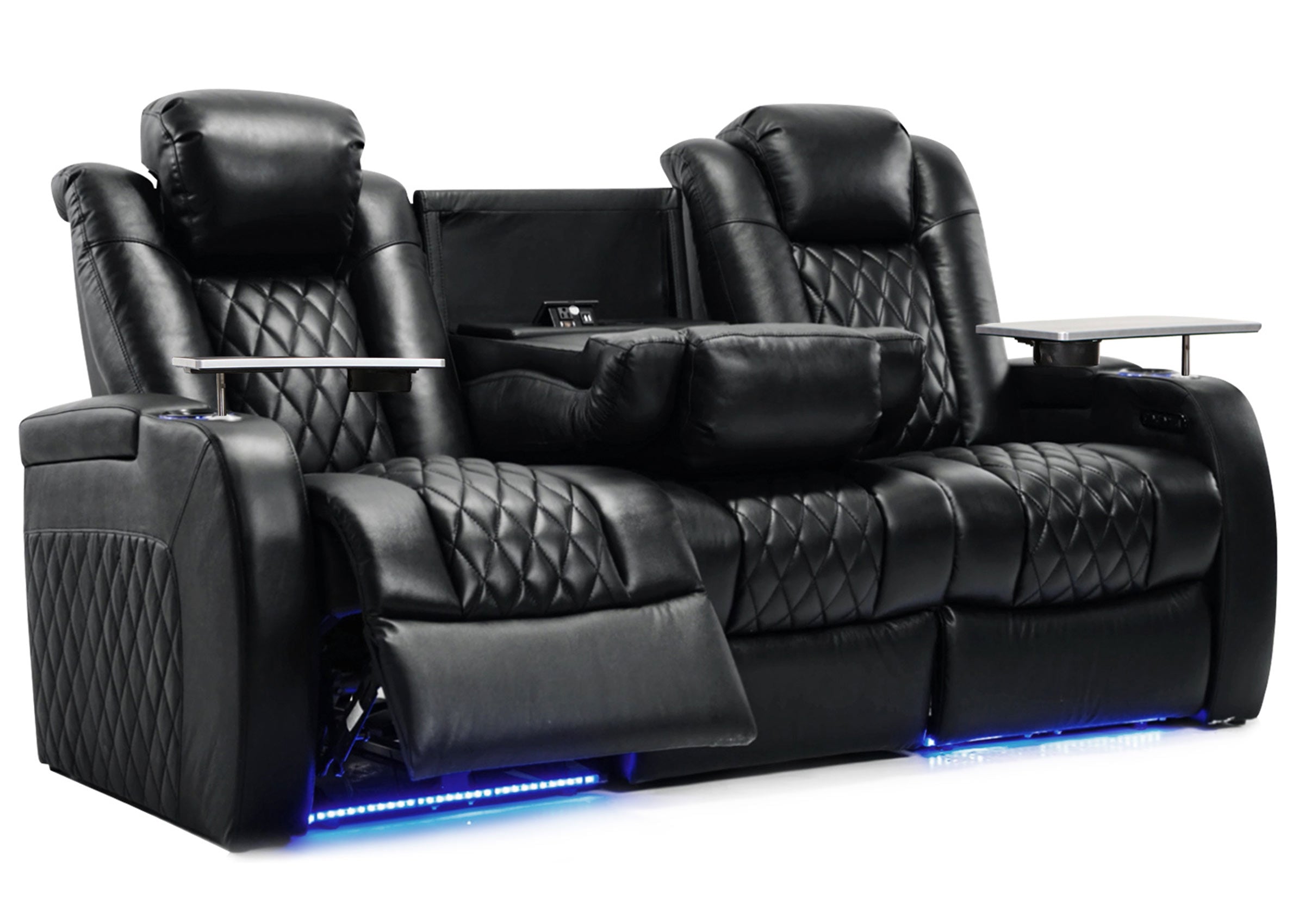
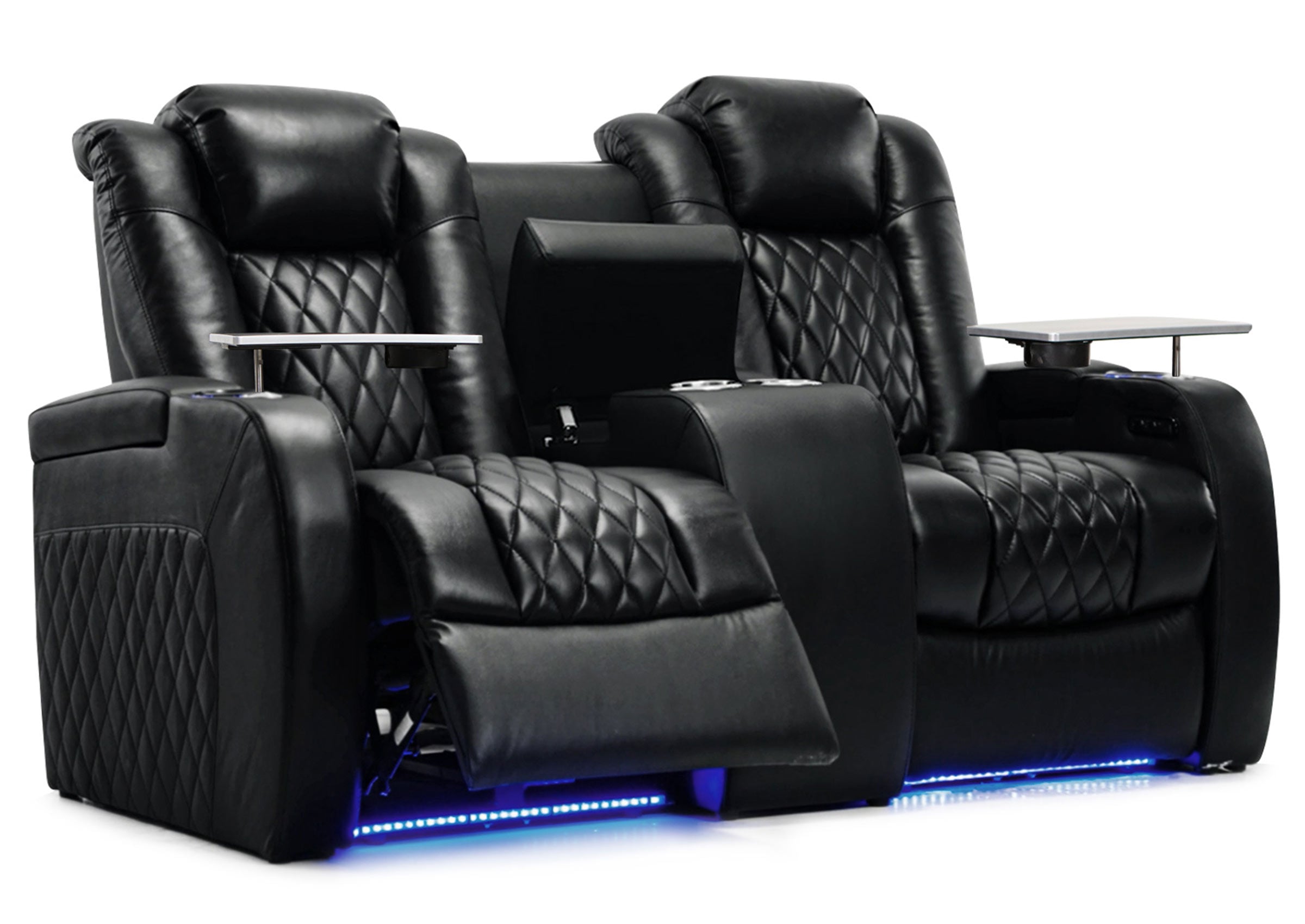

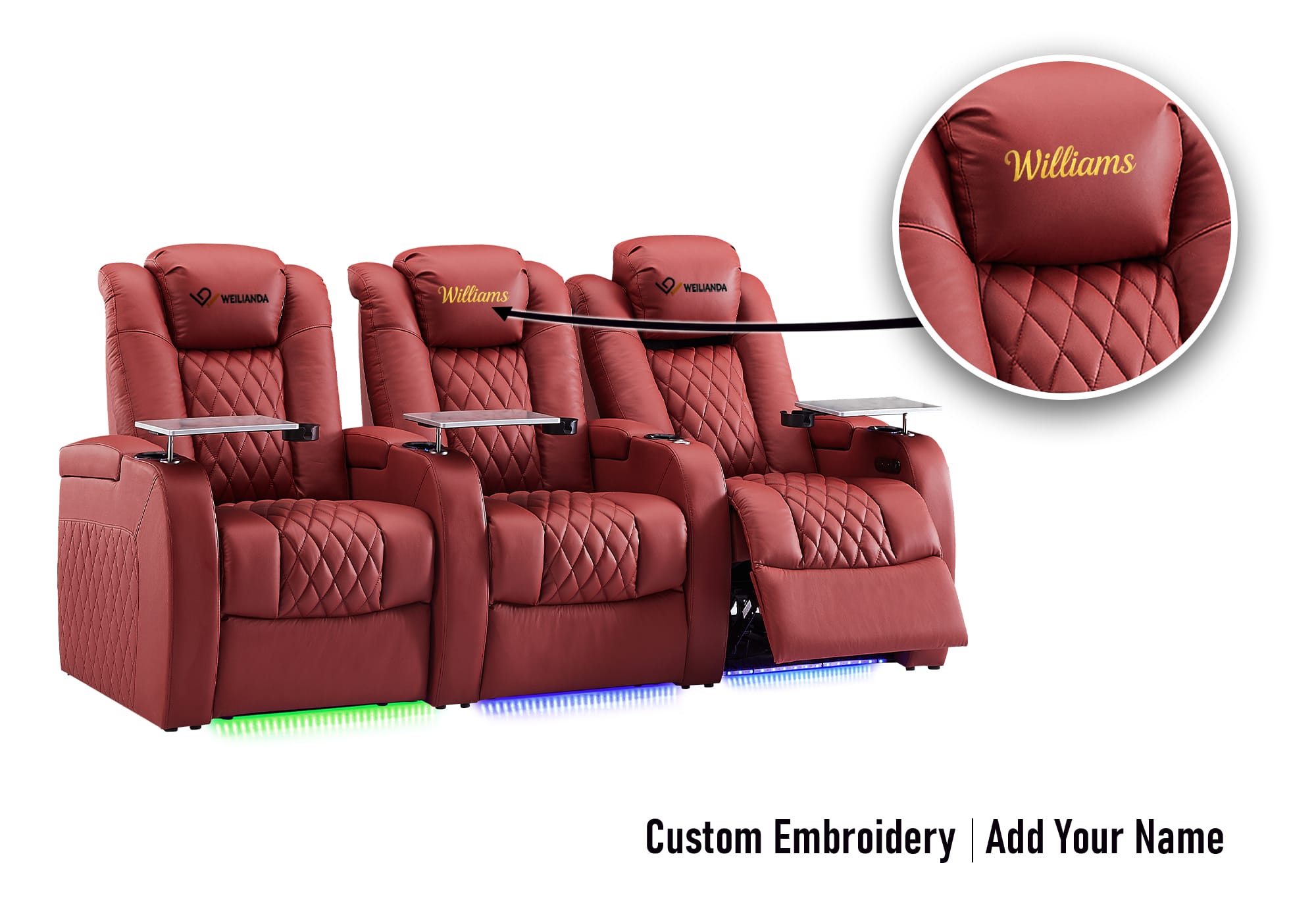

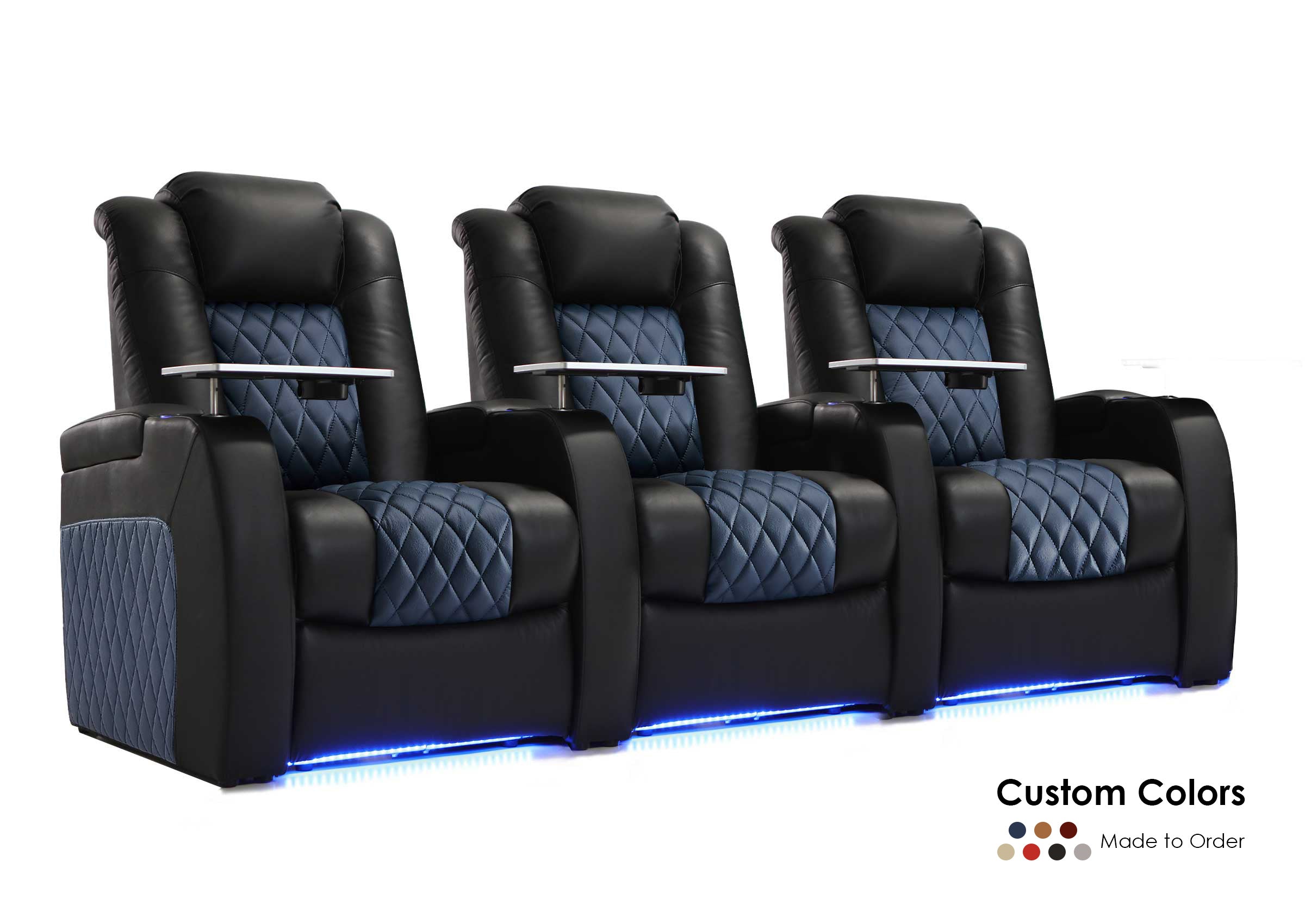

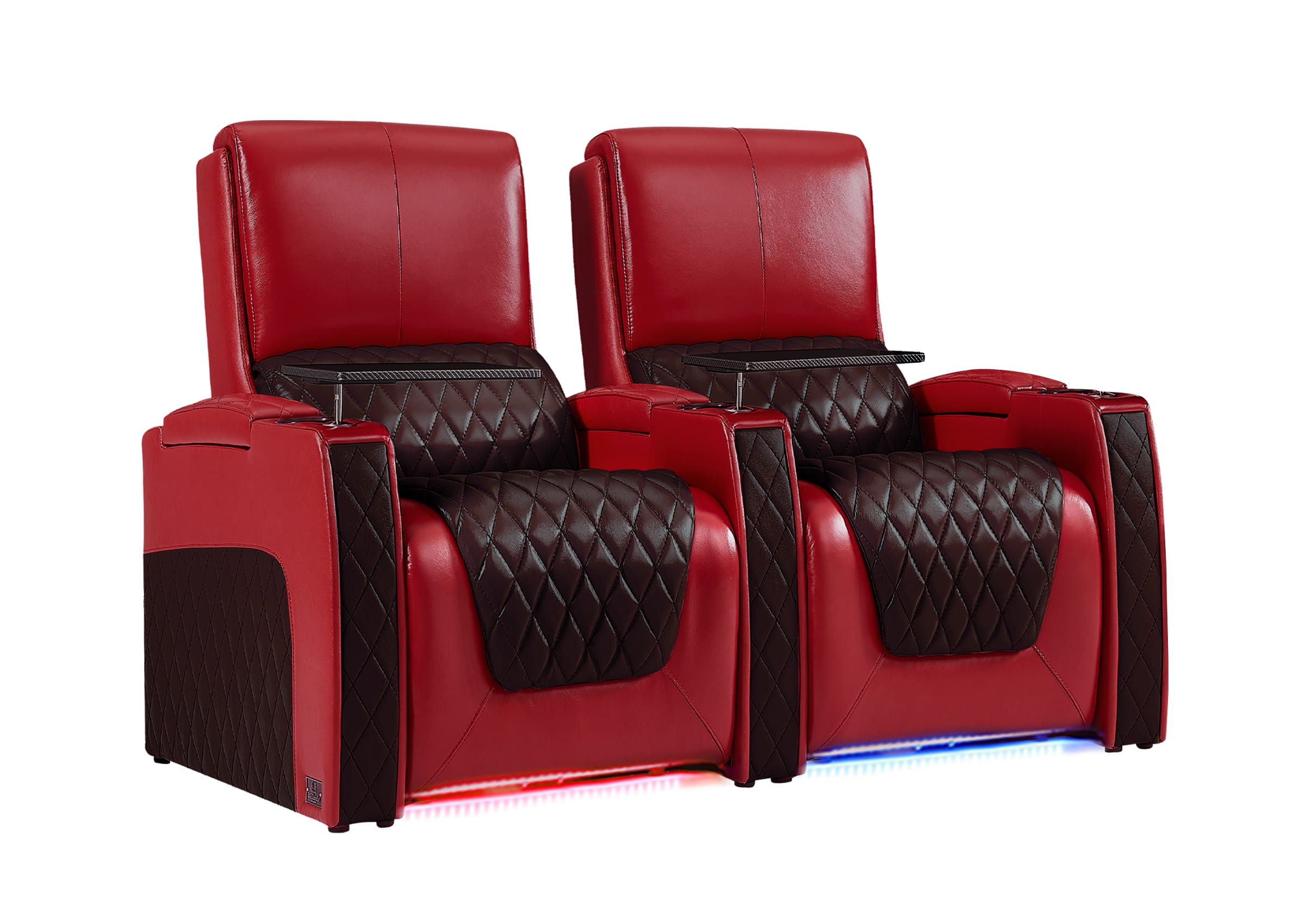
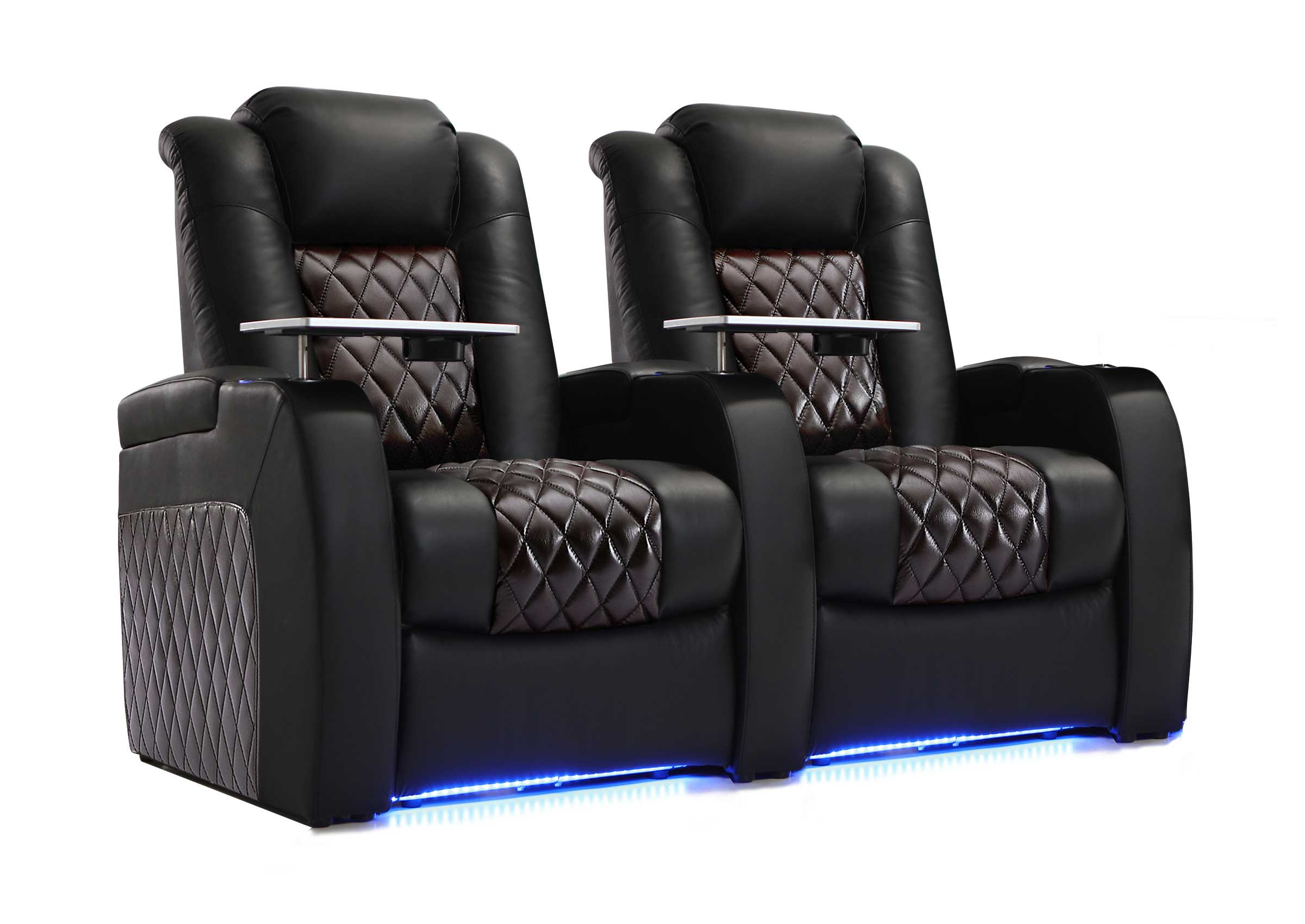
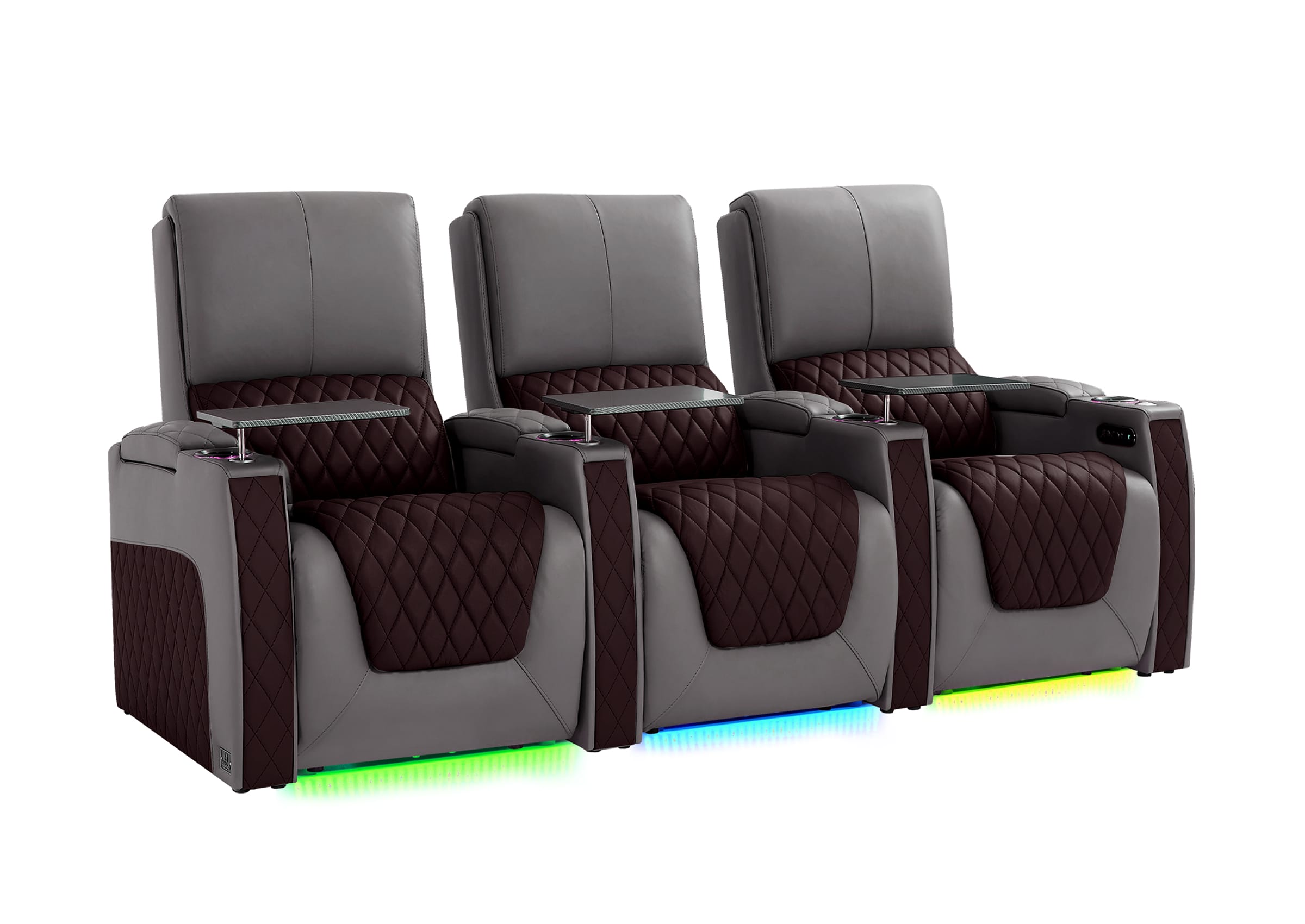
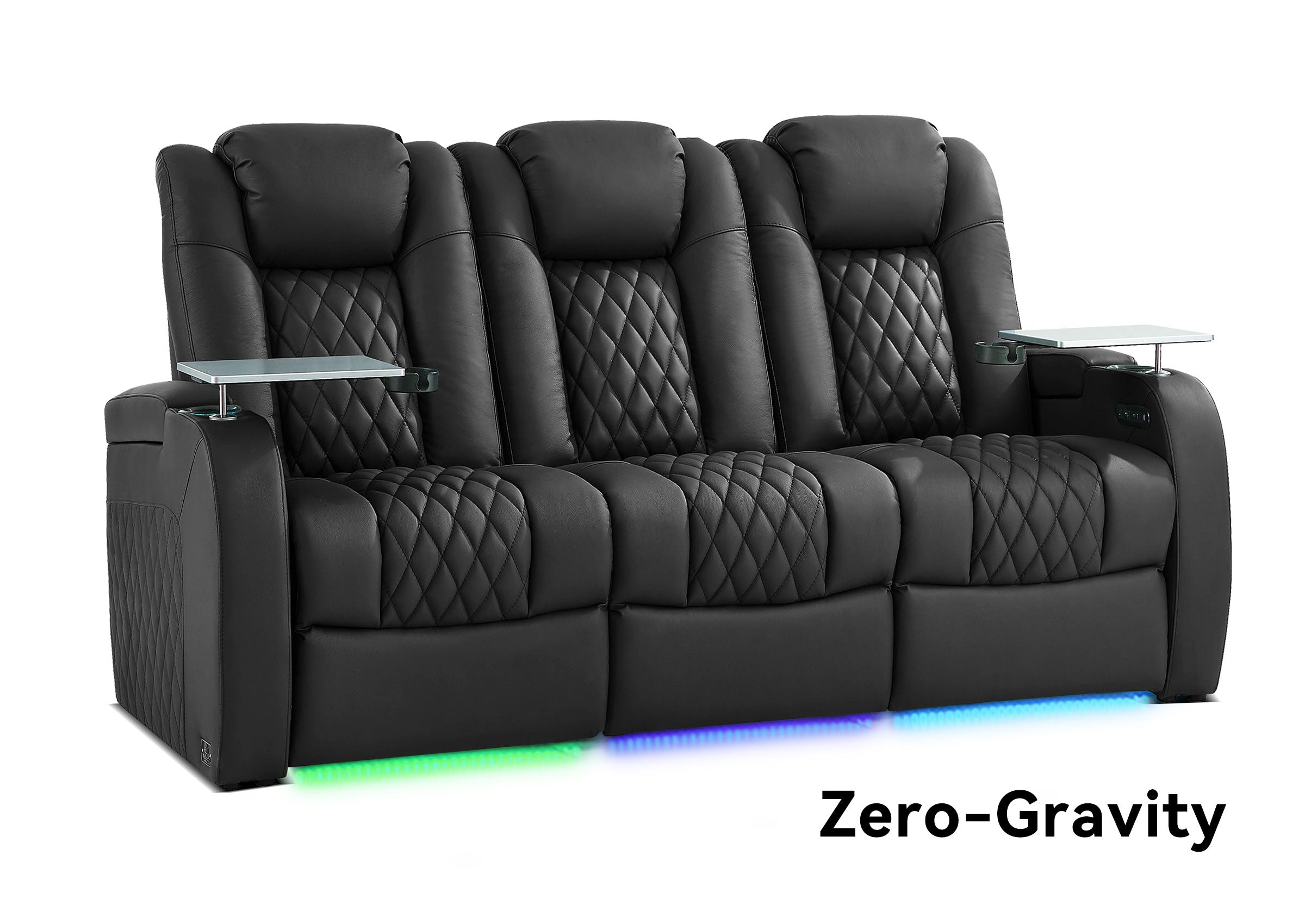


Choosing the best seat theater seating is not only about finding a sofa that looks good in a media room. The real decision is whether the seating fits your room, supports your body during long viewing sessions, works for your family’s daily habits, and still feels like a smart purchase years later.
Many buyers start with a simple question: “How many seats can I fit?”
But the better question is: “How many seats can I fit comfortably without ruining the viewing experience?”
A home theater seat that is too large can block walkways, sit too close to the screen, or leave no room for full reclining. A seat that looks impressive online may feel awkward if the seat depth, headrest angle, material, or layout does not match how you actually watch movies, sports, or play games.
This guide helps you compare seat theater seating options by room size, screen distance, reclining space, material, features, family use, and long-term value. The goal is simple: choose seating that feels comfortable on day one and still works for your room after years of use.
Start With the Right Seating Distance, Not the Seat Count
The biggest mistake many home theater buyers make is choosing the number of seats before checking the viewing distance. If the first row is too close to the screen, the room may feel impressive at first but uncomfortable during long movies or fast-moving sports.
As a practical rule, larger screens need more viewing distance, and 4K screens allow you to sit closer than older lower-resolution screens. Still, comfort matters more than forcing the maximum screen size into the smallest space.
Use this simple guide as a starting point:
| Screen Size | Comfortable Viewing Distance Range | Best Seating Setup |
|---|---|---|
| 55 inches | 6–8 feet | Single recliner, loveseat, compact 2-seat sofa |
| 65 inches | 7–9.5 feet | 2-seat or 3-seat theater seating |
| 75 inches | 8.5–11 feet | 3-seat power recliner sofa or small row seating |
| 85 inches | 9.5–13 feet | 3–4 seat theater row or modular sofa |
| 100 inches projector screen | 10–14 feet | Dedicated theater row or modular layout |
| 120 inches projector screen | 12–16 feet | Larger media room, tiered seating, or two-row setup |

These numbers do not need to be exact for every room, but they help prevent one of the most common regrets: buying seating that forces people too close to the screen.
If your room is narrow or shallow, do not automatically choose the biggest screen and deepest recliners. A smaller screen with properly placed seating usually creates a better experience than a huge screen with cramped seating.
Measure the Seat Width, Recline Depth, and Walking Space Before Buying
Seat theater seating should be measured in three ways: width, upright depth, and fully reclined depth. Many buyers only check the total width and forget the space needed behind and in front of the seat.
That is where problems happen.
A power recliner sofa may look perfect when upright, but once fully reclined, it may block a walkway, hit the wall, or sit too close to the screen. Before buying, measure your usable room depth from the screen wall to the back wall, then subtract walking space and reclining space.
Here are practical planning numbers:
| Measurement | Practical Planning Guide | Why It Matters |
|---|---|---|
| Seat width per person | 24–32 inches | Affects shoulder room and total row width |
| Standard 3-seat theater sofa width | 78–100 inches | Depends on arms, consoles, and seat style |
| Upright depth | 36–42 inches | Helps plan basic floor footprint |
| Fully reclined depth | 62–72 inches | Critical for comfort and clearance |
| Wall clearance | 4–18 inches | Depends on wall-hugger or standard recliner design |
| Front walking space | 24–36 inches | Prevents a cramped room feel |
| Side walkway | 24 inches preferred | Helps daily use, cleaning, and access |
If your room is small, wall-hugger theater seating is often a better choice than a deep traditional recliner. It allows the seat to recline with less space behind it, which can make a major difference in apartments, basements, and compact media rooms.

For larger rooms, deeper reclining seats can feel more luxurious, but they still need proper spacing. More depth is only a benefit when the room can support it.
Choose the Seating Type Based on the Room, Not Just the Look
Different seating types solve different problems. The best seat theater seating for a dedicated cinema room may not be the best choice for a family living room.
| Seating Type | Best For | Choose This If | Avoid This If |
|---|---|---|---|
| Single recliner chair | Solo viewing, gaming, small rooms | You want personal comfort and easy placement | You need shared family seating |
| 2-seat loveseat recliner | Couples, apartments, compact media rooms | You want comfort without using a full wall | You often host larger groups |
| 3-seat power recliner sofa | Families, living rooms, media rooms | You want a balance of comfort and space use | Your room is very narrow |
| Modular theater sofa | Basements, flexible rooms, growing families | You may change the layout later | You want the simplest one-piece setup |
| Row-style theater seating | Dedicated home theaters | You want a cinema-style viewing layout | Your room also needs casual daily lounging |
| L-shaped theater seating | Multipurpose rooms, family spaces | You want lounging and viewing in one layout | Your screen position requires a straight front-facing row |
For most B2C buyers, the strongest choice is usually a 3-seat power recliner sofa or modular theater seating. These options work well for families, movie nights, gaming, and everyday lounging.
For a dedicated home theater, straight row seating or tiered seating usually feels more cinematic. For a casual family media room, modular or L-shaped seating often feels more natural because people can sit, stretch out, talk, snack, and use the room outside movie time.
Match Features to Real Use, Not Just a Feature List
A long feature list can look impressive, but not every feature matters for every buyer. The right features depend on how you use the room.
If you watch long movies, sports, or gaming streams, comfort adjustment matters more than decorative extras. If the room is used by kids, guests, and family members with different heights, independent controls become more valuable. If the room is small, space-saving design matters more than oversized arms.
Here is a practical feature priority guide:
| Feature Level | Features to Expect | Best For |
|---|---|---|
| Essential comfort | Supportive cushioning, stable frame, comfortable seat depth | Casual movie watching and family use |
| Better daily usability | Cup holders, storage arms, easy-clean surface, smooth reclining | Families, snacks, shared media rooms |
| Advanced comfort | Power reclining, power headrest, lumbar support, zero-gravity-style reclining | Long movies, gaming, mixed-height users |
| Premium room experience | Modular layout, LED lighting, USB/Type-C ports, console storage | Dedicated media rooms and entertainment spaces |
| Custom planning | Seat count, row layout, material choice, delivery access planning | Basements, renovations, larger rooms |
Power reclining is useful when different people want different sitting angles. A power headrest is especially helpful because it lets users keep their head and neck supported while still looking directly at the screen.

Zero-gravity-style reclining can also be valuable for long viewing sessions because it helps distribute body pressure more evenly. It should not be viewed as a medical feature, but as a comfort feature for buyers who spend long hours watching, gaming, or relaxing.
USB and Type-C ports are helpful if people regularly charge phones, tablets, or controllers. But placement matters. Ports should be easy to reach without cables crossing the seat or creating clutter.
Pick Materials Based on Cleaning, Appearance, and Long-Term Use
Material choice affects comfort, cleaning, appearance, and how the seating ages. This is especially important for families with kids, pets, snacks, and regular movie nights.
Leather theater seating gives a refined look and is usually easier to wipe clean than many fabric options. It can work well in living rooms and home theaters where buyers want a more premium appearance. With proper care, first-layer genuine cowhide leather can develop richer natural character over time instead of looking worn too quickly.

Fabric seating can feel warm and soft, but it may require more frequent cleaning. It can also absorb odors and stains more easily, depending on the fabric type. For buyers with pets or young children, this matters.
Faux leather or synthetic surfaces may look attractive at first, but long-term performance can vary. Some buyers choose them for appearance and easy wiping, but they should pay close attention to surface feel, stitching, and maintenance expectations.
A practical way to decide:
| Buyer Situation | Better Material Direction |
|---|---|
| Kids, snacks, frequent spills | Easy-clean leather or leather-like surface |
| Pets in the room | Durable, wipeable surface with visible stitching quality |
| Premium media room | Genuine leather for appearance and long-term character |
| Warm casual lounge feel | Soft fabric or mixed-material seating |
| Low-maintenance priority | Smooth surface that can be wiped quickly |
For Weilianda buyers who want a refined look with easier maintenance, first-layer genuine cowhide leather can be a strong option when available on the selected model. It suits buyers who want home theater seating that looks polished but still works for real family use.
Plan the Layout Around People, Not Just Furniture
Good theater seating layout is about how people move, sit, recline, and see the screen. A room can look beautiful in photos but feel frustrating if the layout ignores everyday use.
For a single-row setup, keep the seats centered with the screen. Avoid pushing the row too close to the wall if the recliners need back clearance. If the room is narrow, choose fewer seats with better spacing instead of forcing a wider row.
For two-row setups, the back row often needs a riser so viewers are not blocked by the front row. A second row also needs more room depth, because each row requires both seating footprint and walking space.
For multipurpose rooms, L-shaped or modular seating may work better than strict row seating. This is especially true when the same room is used for movies, gaming, casual conversation, and family time.
Common layout choices:
| Layout | Best Use | Key Check Before Buying |
|---|---|---|
| Straight row | Dedicated screen viewing | Room width and seat count |
| Curved row | Wider rooms and larger screens | Sightline from side seats |
| Two rows | Dedicated theater rooms | Riser height and room depth |
| L-shaped layout | Family media rooms | Screen angle from side seats |
| Modular wall seating | Basements and flexible rooms | Delivery path and assembly space |
| Loveseat + recliner mix | Small rooms or couples | Balance and walking space |
A good rule: every seat should feel intentional. If one seat has a poor viewing angle, blocked recline, or no easy access, the layout needs adjustment.
Understand Value Tiers Without Focusing Only on Price
Many buyers ask, “What level of theater seating do I really need?” The better way to think about value is by expected use.
A room used once or twice a month does not need the same features as a room used every night. A dedicated home theater with a large screen deserves better comfort and layout planning than a rarely used guest room.
Here is a simple value framework without relying on price:
| Value Tier | What It Usually Includes | Best Buyer Type |
|---|---|---|
| Basic comfort tier | Manual or simple reclining, standard arms, basic upholstery | Occasional viewing, guest rooms |
| Family-use tier | Power reclining, cup holders, storage, easy-clean surface | Families, weekly movie nights |
| Comfort-focused tier | Power headrest, lumbar support, smoother adjustment, better materials | Long viewing, gaming, daily use |
| Premium theater tier | Modular layout, leather, advanced comfort features, refined details | Dedicated media rooms and renovations |
| Custom planning tier | Seat count, layout, material, delivery, and room-fit support | Basements, large homes, designers, hospitality spaces |
For most homeowners, the best value is not the lowest-feature option. It is the option that matches real use. If your family watches movies every weekend, uses the room for gaming, and eats snacks there, easy cleaning, cup holders, storage, and power reclining are not luxury extras. They are daily convenience features.
If the room is a serious home theater, power headrests and better reclining comfort become more important because the seating position must work with the screen height and viewing angle.
Consider 2026 Seating Trends, but Do Not Buy Only for Trends
In 2026, buyers are paying more attention to flexible layouts, cleaner designs, better comfort support, and seating that works in multipurpose spaces. Modular theater seating is especially popular because many homes no longer use media rooms for only one purpose.
A basement may be a movie room, gaming room, guest lounge, and family gathering area. A living room may need to look elegant during the day and feel immersive at night. This is why modular combinations, storage arms, understated lighting, power adjustment, and easy-clean materials are becoming more important.
The most useful trends are practical ones:
-
Modular seating that can change with the room
-
Wall-hugger reclining for smaller spaces
-
Power headrests for better screen viewing
-
Leather or easy-clean surfaces for family use
-
Storage consoles for remotes, snacks, and controllers
-
Tiered seating for dedicated home theaters
-
Cleaner designs that do not make the room feel crowded
The trend to avoid is buying oversized seating just because it looks impressive online. Large seats can be comfortable, but only when the room has enough depth, enough walkway space, and the right screen distance.
A more refined, properly sized setup usually feels better than a crowded room filled with oversized furniture.
Avoid These Common Seat Theater Seating Regrets
Many buyer regrets are not caused by poor-looking furniture. They come from small planning mistakes that only become obvious after delivery.
The most common regrets include:
Buying too many seats.
A crowded four-seat row may look better on paper than a comfortable three-seat setup, but daily use tells the truth.
Forgetting the fully reclined depth.
A recliner that fits upright may become a problem when fully extended.
Ignoring delivery access.
Basement stairs, elevators, narrow hallways, and tight corners should be checked before placing an order.
Choosing material only by appearance.
A beautiful surface that is hard to clean may not be the right choice for kids, pets, or frequent snacks.
Skipping headrest adjustment.
Without proper head support, users may lean forward or strain their necks to watch the screen.
Placing seats too close to the screen.
This can make action scenes, sports, and gaming feel tiring instead of immersive.
Choosing features that do not match habits.
LED lighting, USB ports, or storage arms are useful only if they support how the room is actually used.
The best seating choice is not the one with the most features. It is the one that removes the most daily friction.
When Weilianda Makes Sense for Your Seating Project
Weilianda is a practical option for buyers who want home theater seating that balances comfort, room fit, material quality, and family use. It is especially relevant if you are comparing power recliner sofas, modular theater seating, leather theater sofas, or custom media room seating configurations.
For buyers who spend long hours watching movies or gaming, Weilianda’s zero-gravity-style reclining can support a more relaxed seating position by helping distribute pressure more comfortably. For families with different user heights, power headrest adjustment can make the same seat work better for different viewing positions.
For buyers who care about appearance and easier maintenance, selected Weilianda seating options with first-layer genuine cowhide leather can provide a refined look while staying practical for regular home use. Where applicable, models with a thickened metal frame and up to 300 lb weight capacity per seat can also give buyers more confidence in everyday durability.
The most important point is not to choose a seat in isolation. Choose the seat after checking room size, screen distance, reclining depth, material preference, delivery path, and how the room will actually be used.
FAQ About Seat Theater Seating
What is the best seat theater seating for a small room?
For a small room, a wall-hugger power recliner, compact loveseat recliner, or narrow 2-seat theater sofa is usually better than a large sectional. The goal is to preserve walking space and allow full reclining without pushing the seats too close to the screen.
How much room do I need behind a reclining theater seat?
It depends on the recliner design. Some wall-hugger models may need only a few inches behind the seat, while traditional recliners may need much more. Always check the fully reclined depth and rear clearance before buying.
How wide is a typical home theater seat?
Many individual theater seats fall roughly within the 24–32 inch range per person, depending on armrests, storage consoles, and padding style. A 3-seat theater sofa often needs around 78–100 inches of width.
Is leather better than fabric for theater seating?
Leather is often better for buyers who want easier cleaning, a refined look, and strong long-term appearance with proper care. Fabric can feel softer and warmer, but it may need more maintenance in homes with kids, pets, or frequent snacks.
Should I choose straight row seating or modular seating?
Choose straight row seating for a dedicated cinema-style room where everyone faces the screen. Choose modular seating if the room is also used for lounging, gaming, family gatherings, or flexible layouts.
Are power headrests worth it?
Power headrests are worth considering if different people use the same seating or if your screen is mounted higher on the wall. They help users keep their head supported while maintaining a comfortable viewing angle.
How do I know if I need a two-row theater setup?
A two-row setup makes sense if your room has enough depth for the front row, rear row, walking space, and possibly a riser. If the second row feels cramped or sits too close to the back wall, one comfortable row may be better.

Choose Seating That Fits the Way You Actually Watch
The best seat theater seating for 2026 is not simply the biggest, most expensive-looking, or most feature-heavy option. It is the seating that fits your room, supports your body, works with your screen distance, handles real family use, and still feels comfortable after long movies, sports nights, or gaming sessions.
Before buying, measure your room carefully. Check the screen distance, seat width, recline depth, wall clearance, walking space, delivery path, material needs, and the number of people who will use the room most often.
If you are planning a home theater, media room, basement cinema, or family entertainment space, Weilianda can help you compare seating configurations, material options, and comfort features based on your actual room and lifestyle. For help choosing the right seating setup, contact Weilianda at leon@weiliandahome.com.