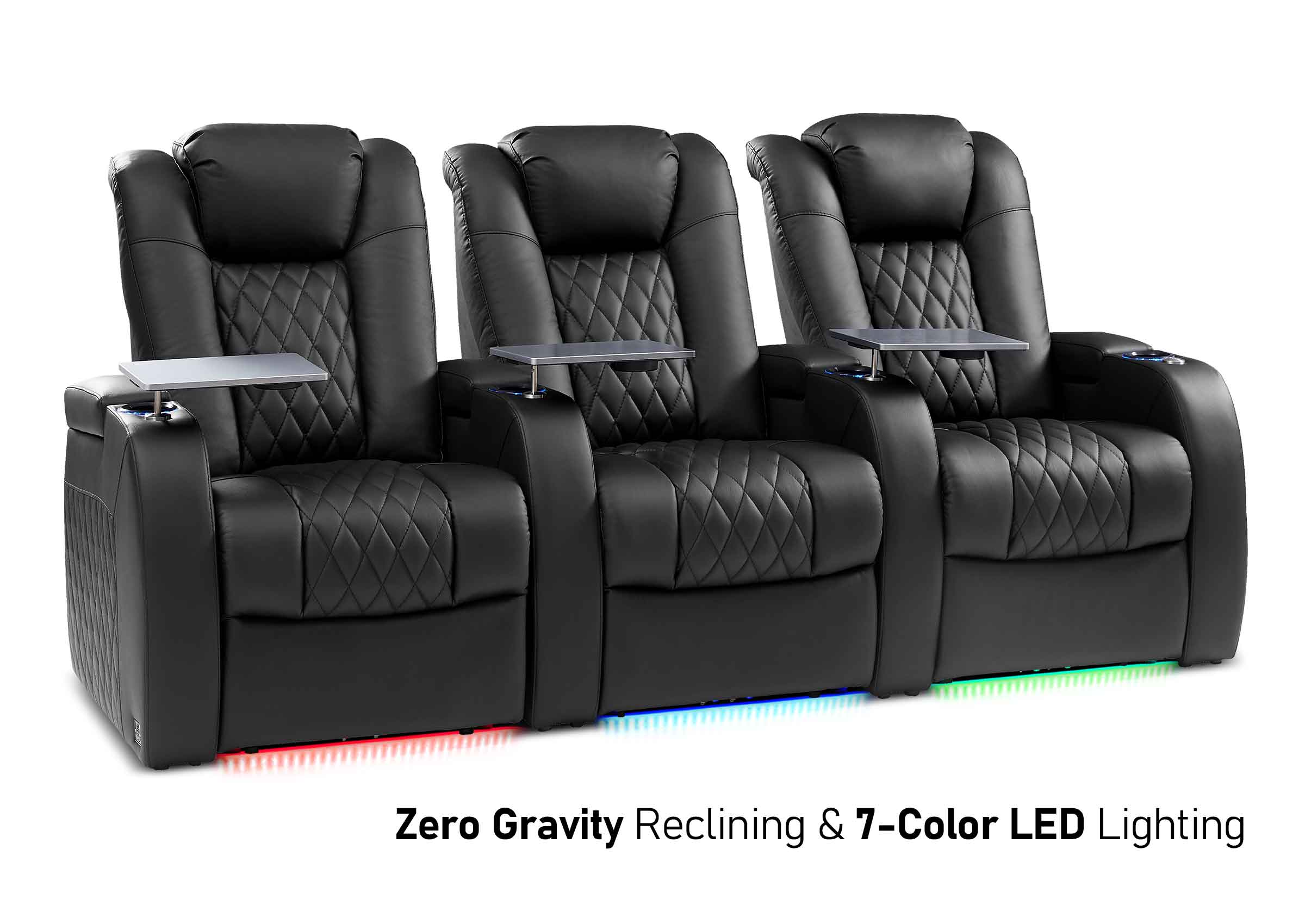
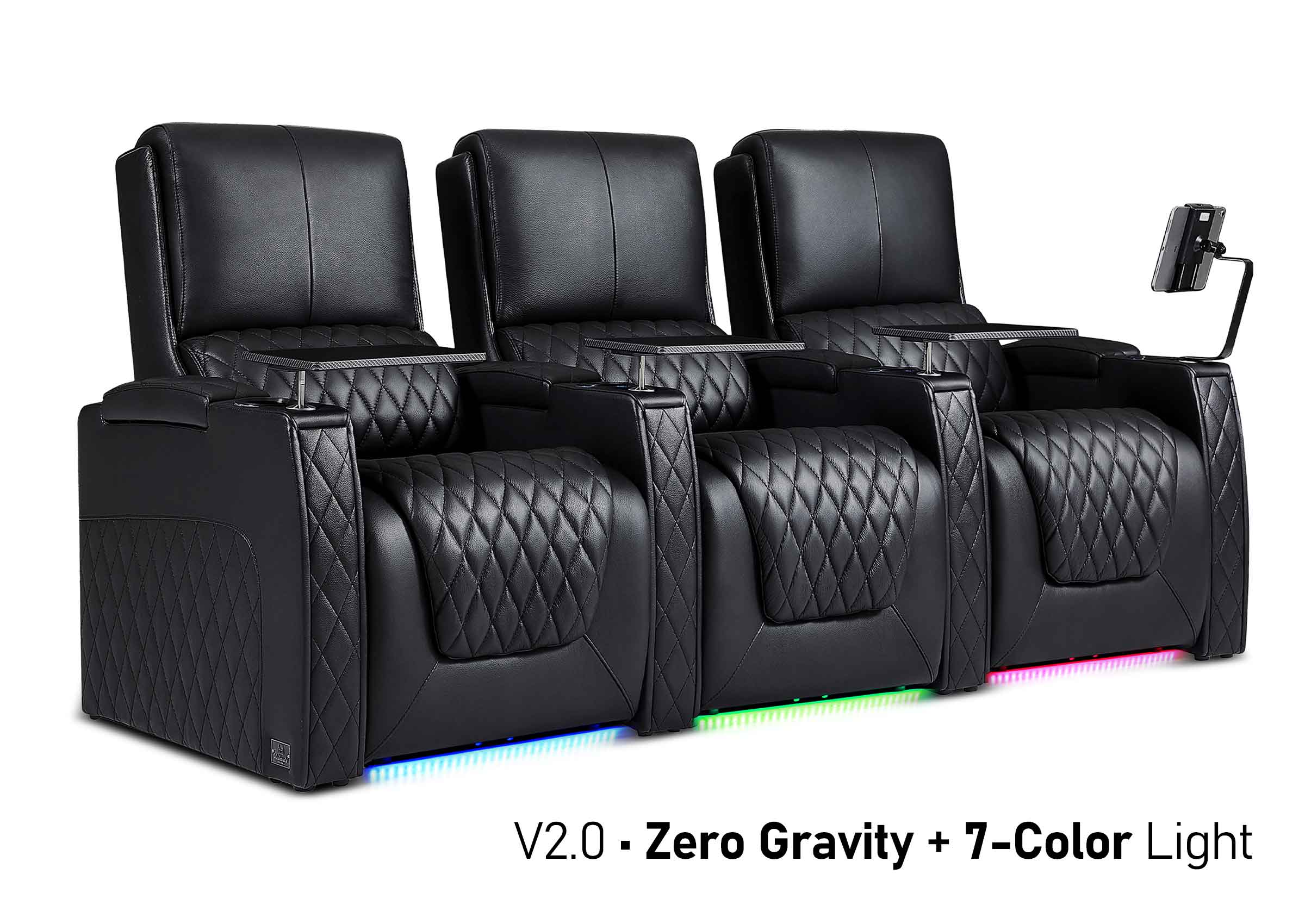
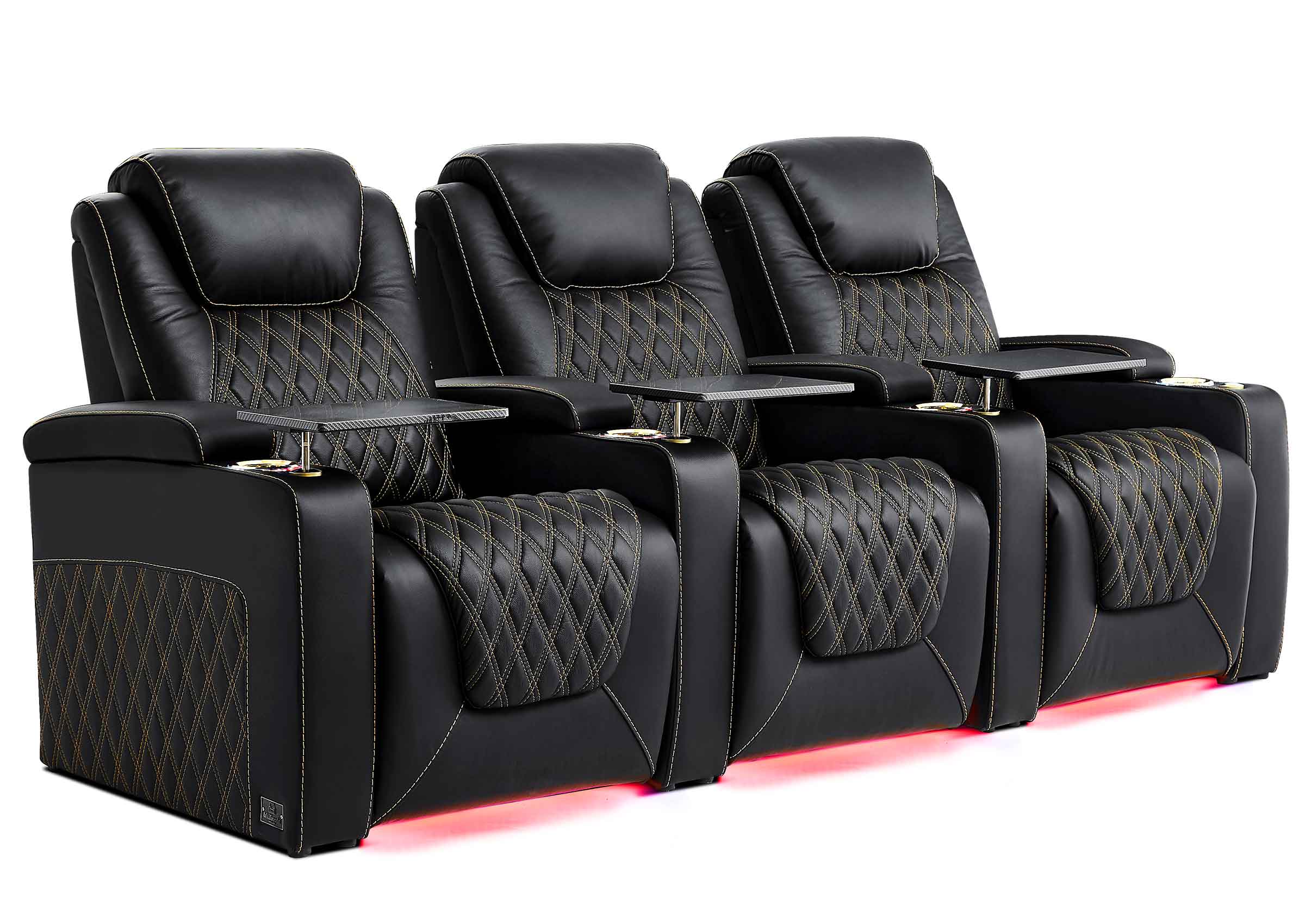
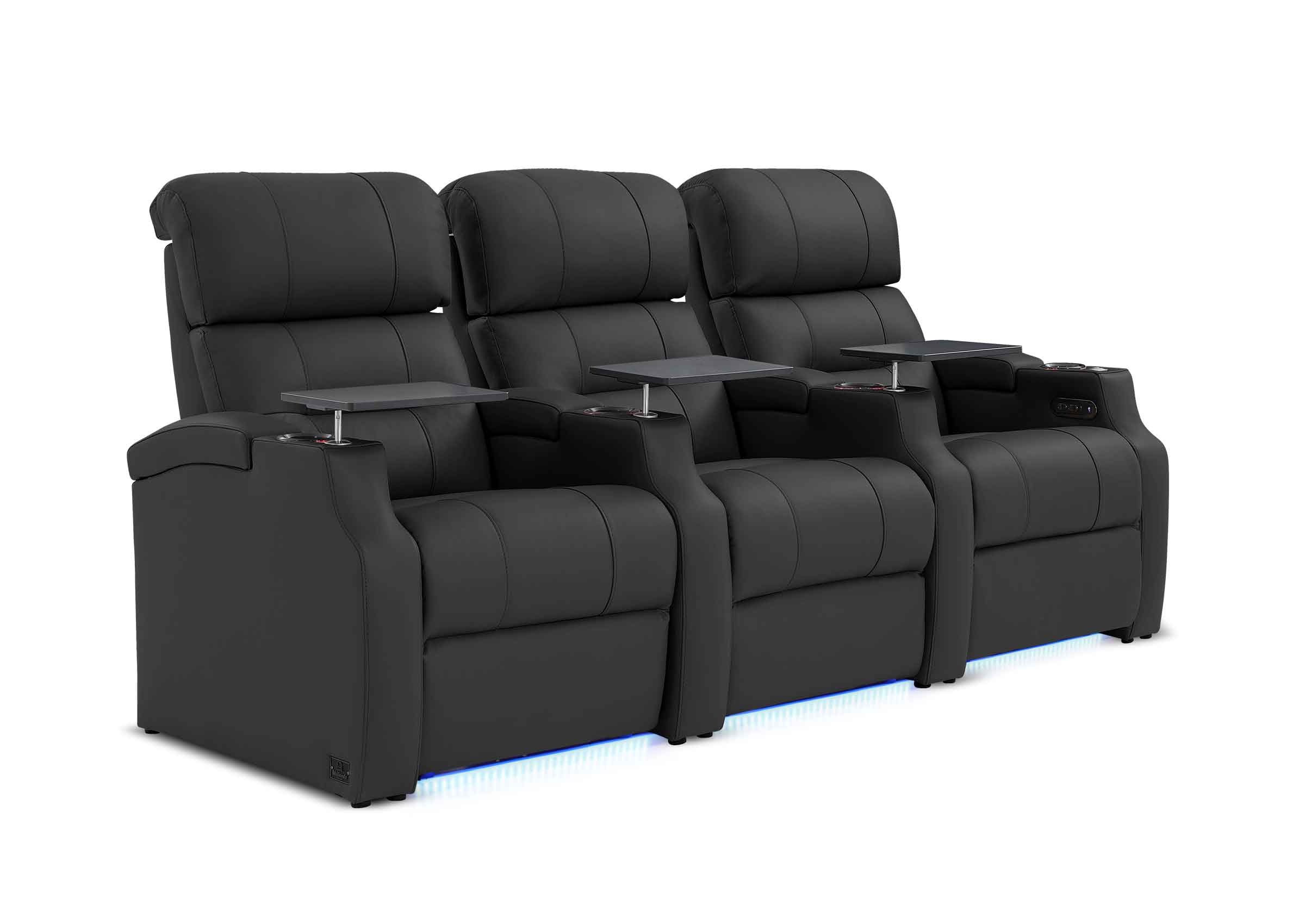
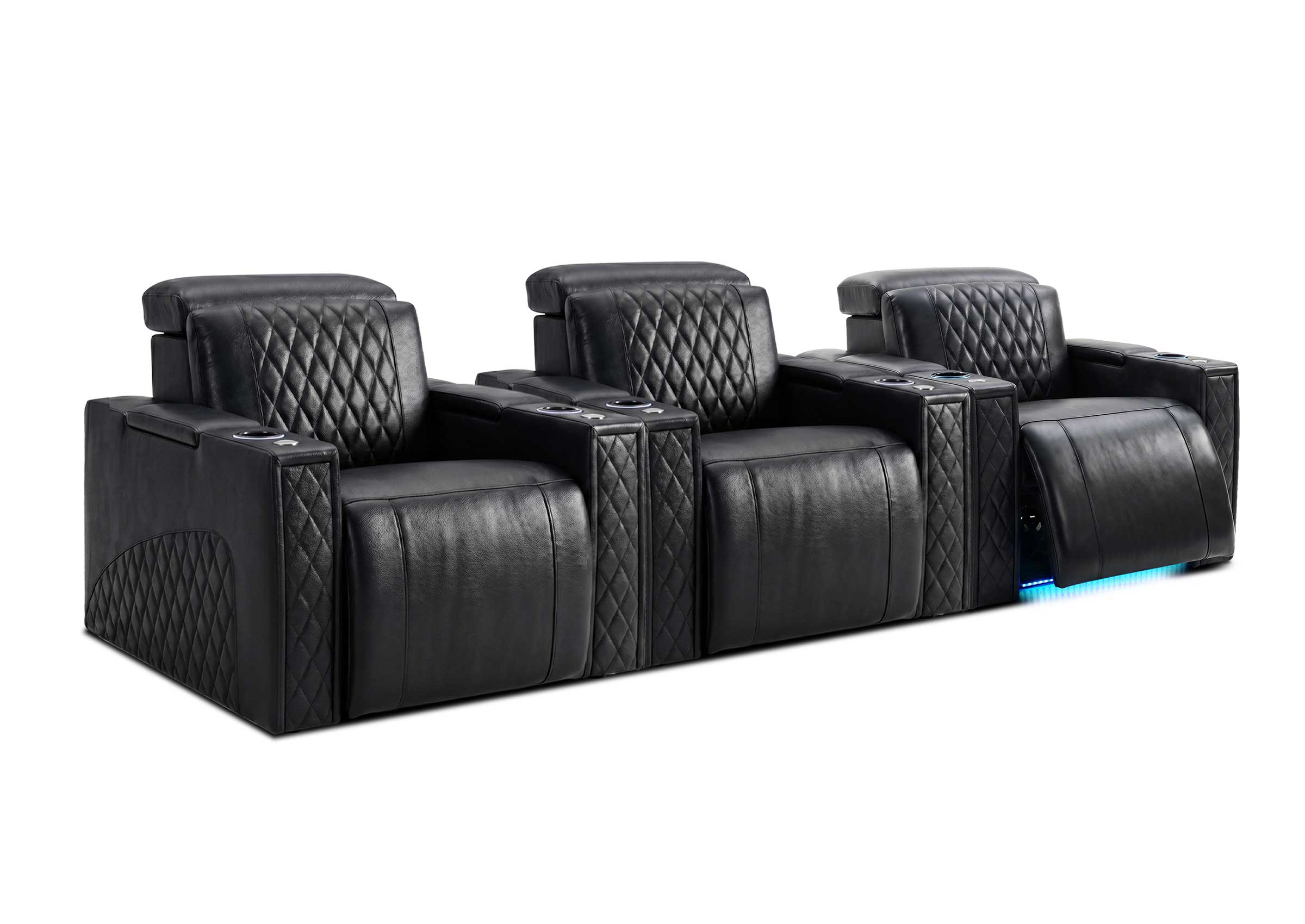

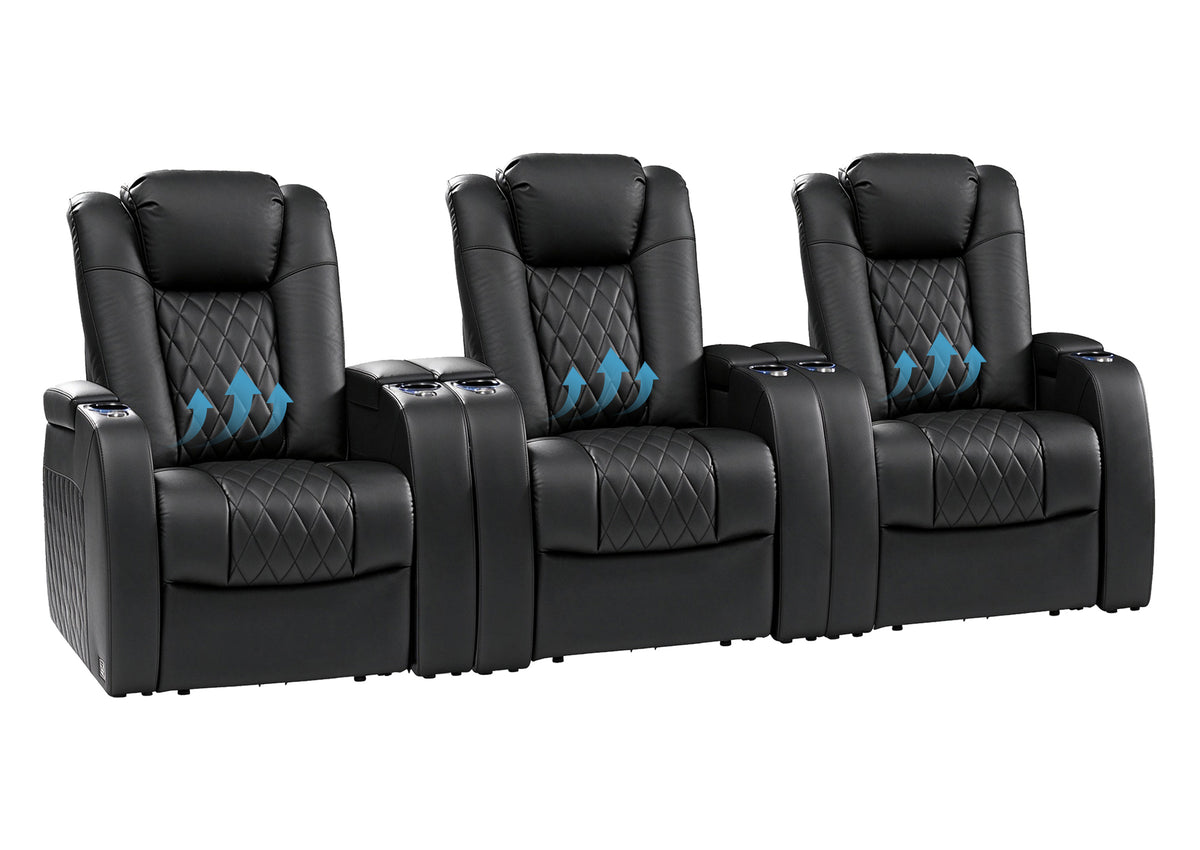
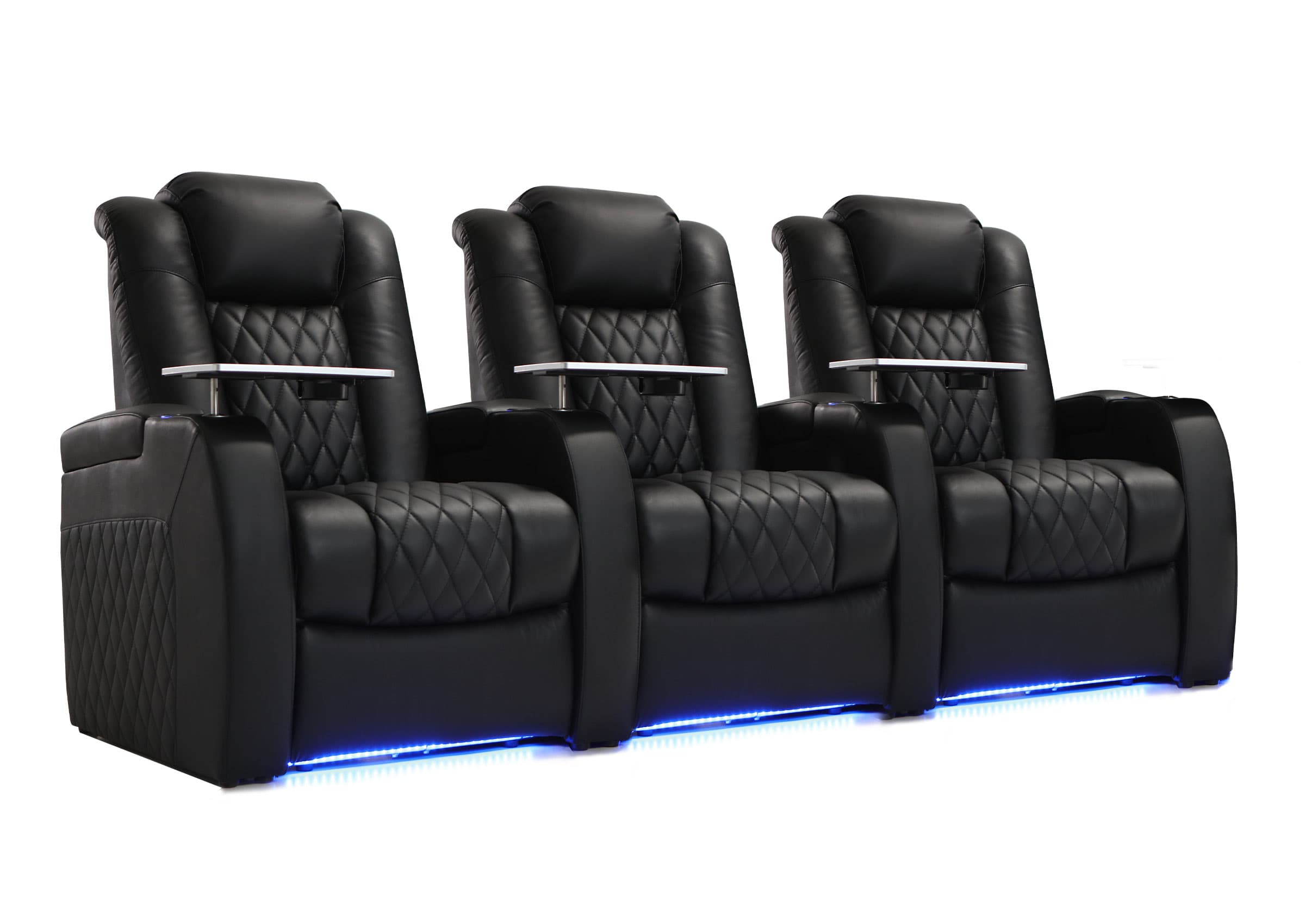
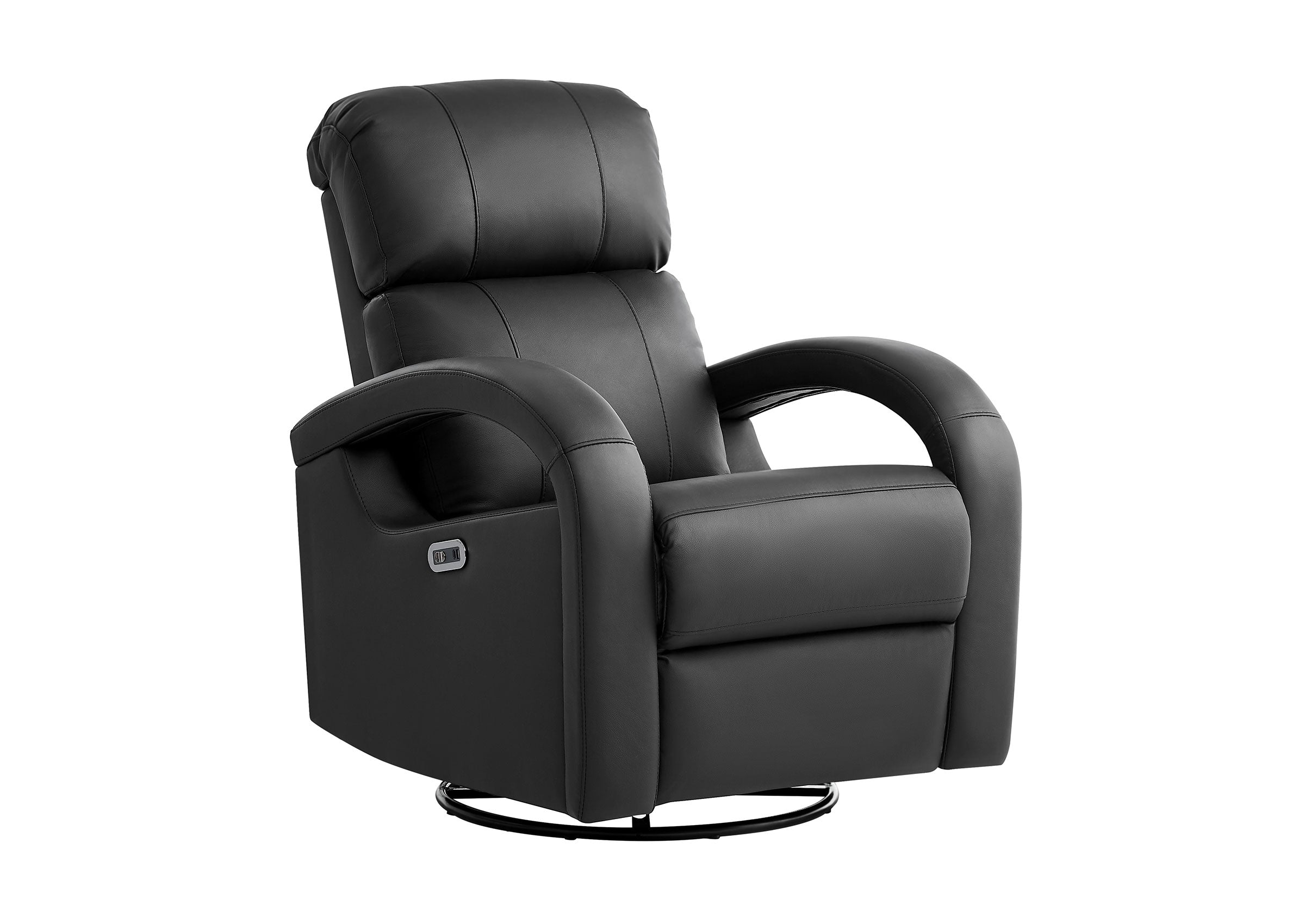
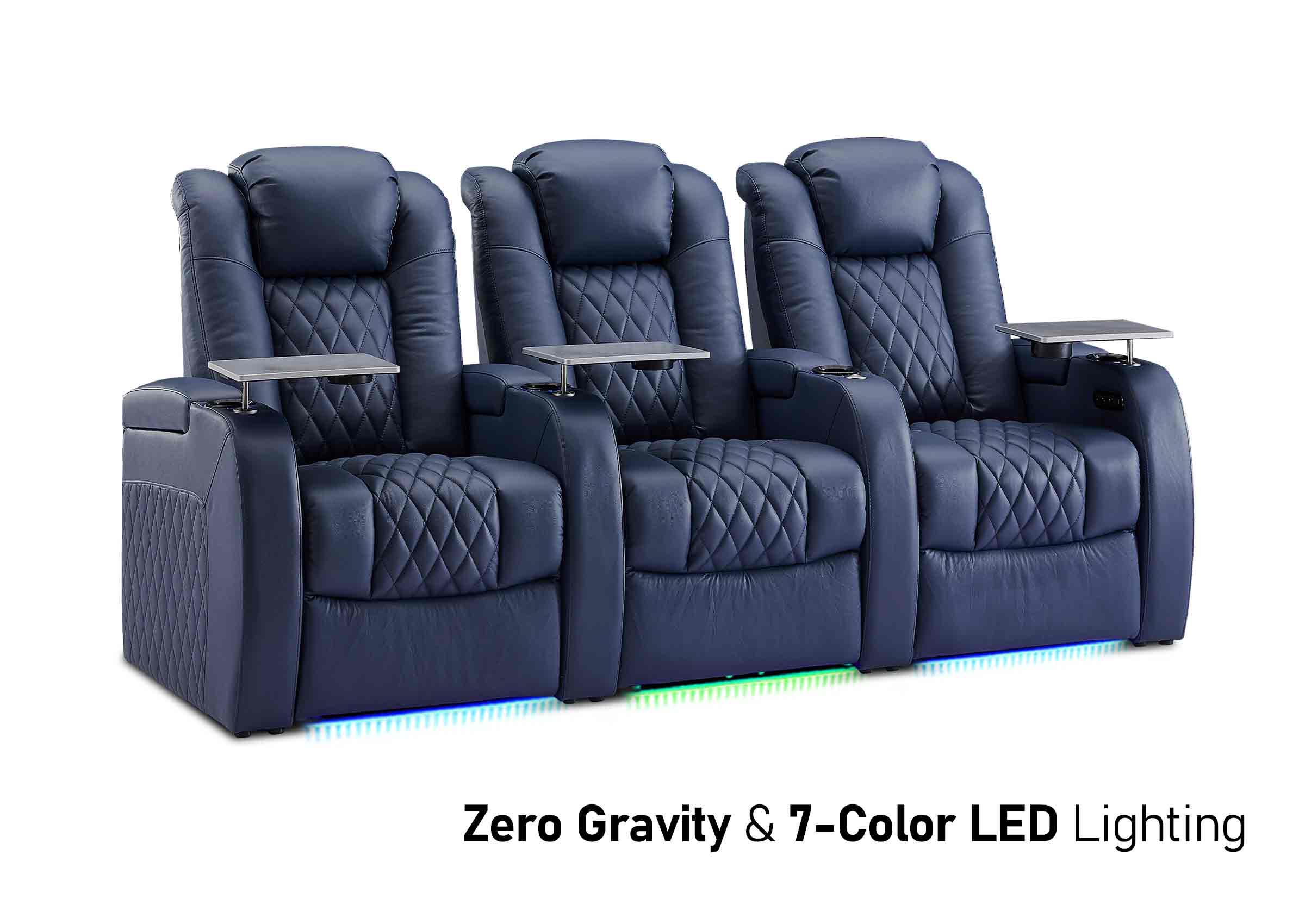
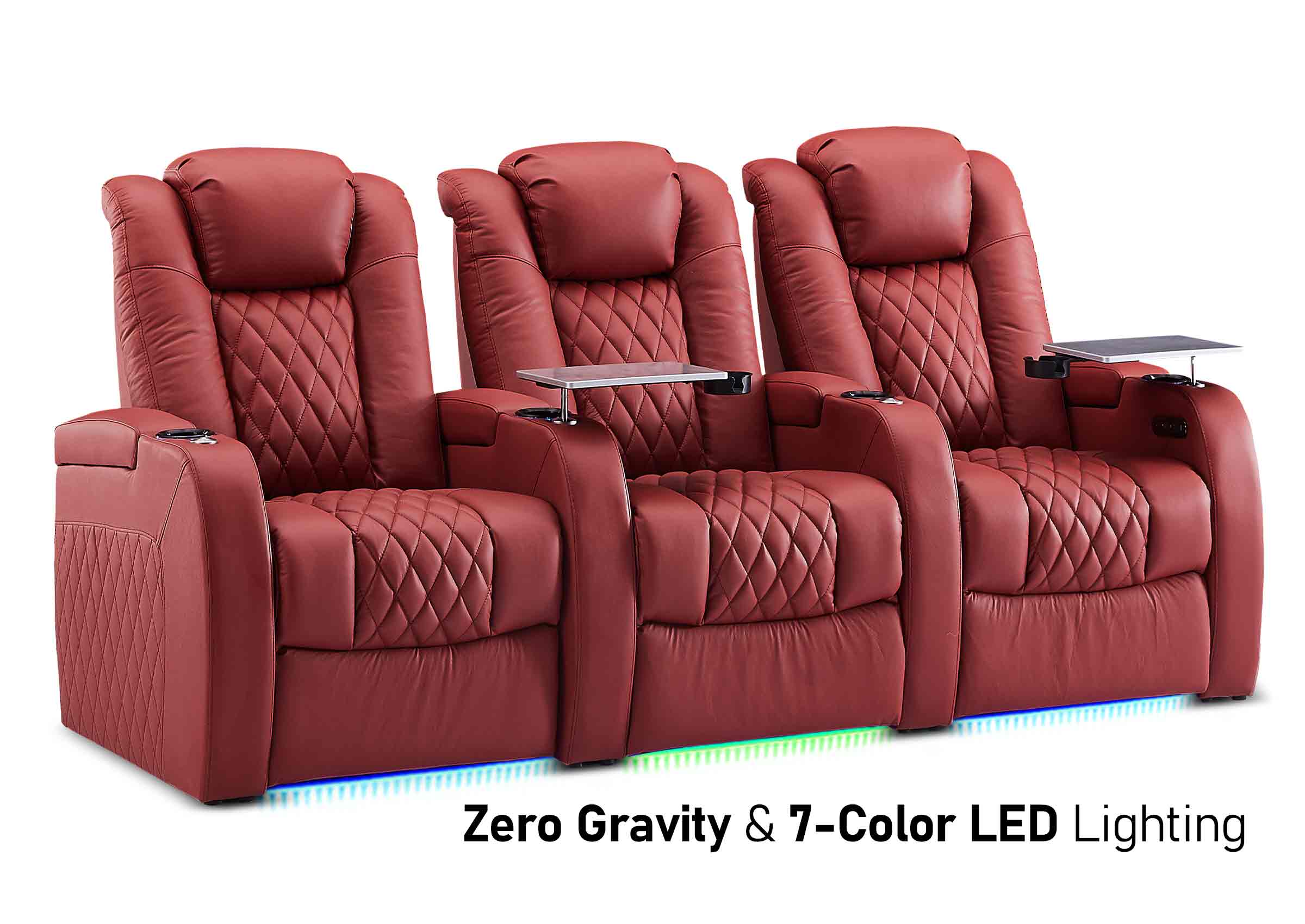
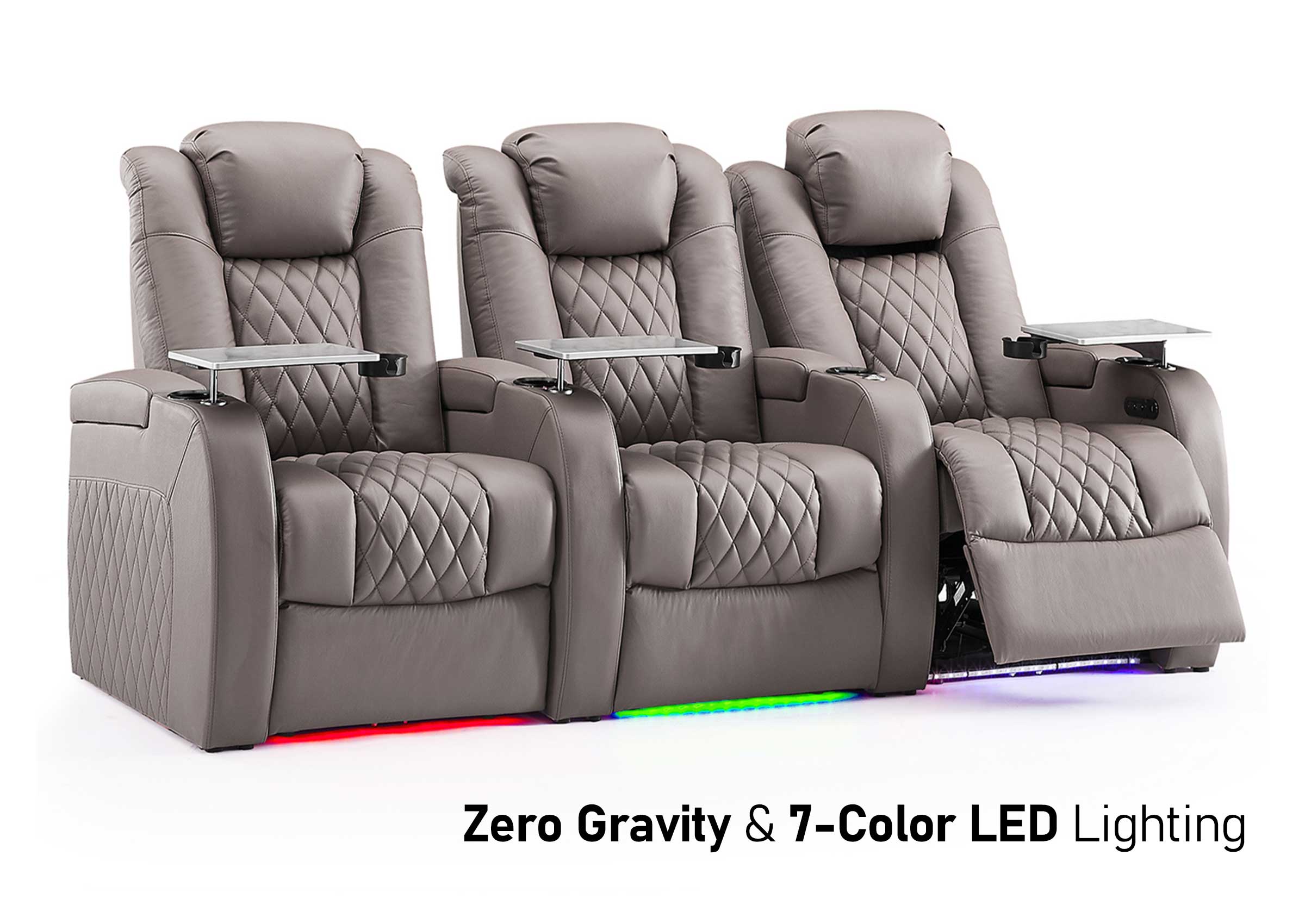
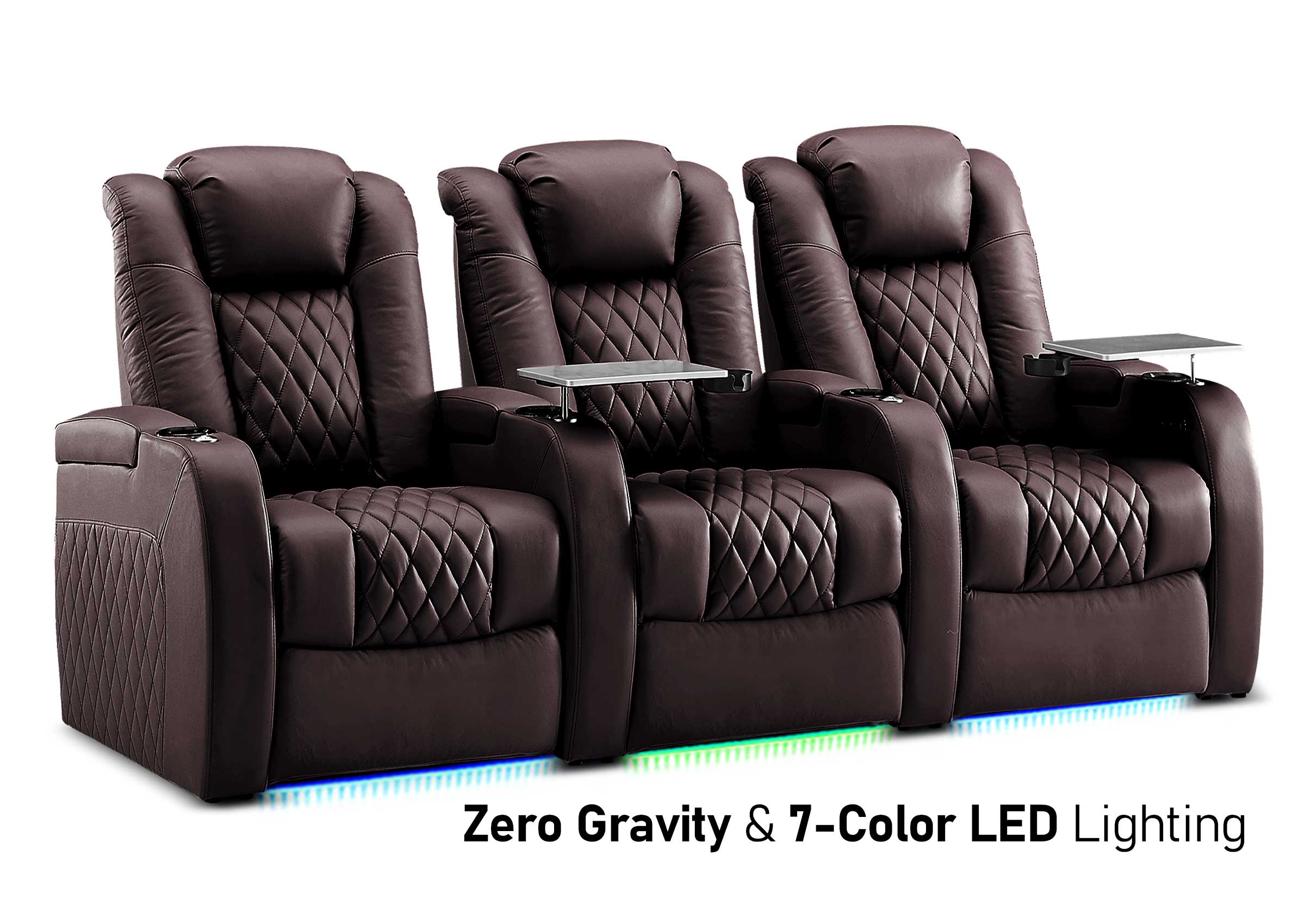

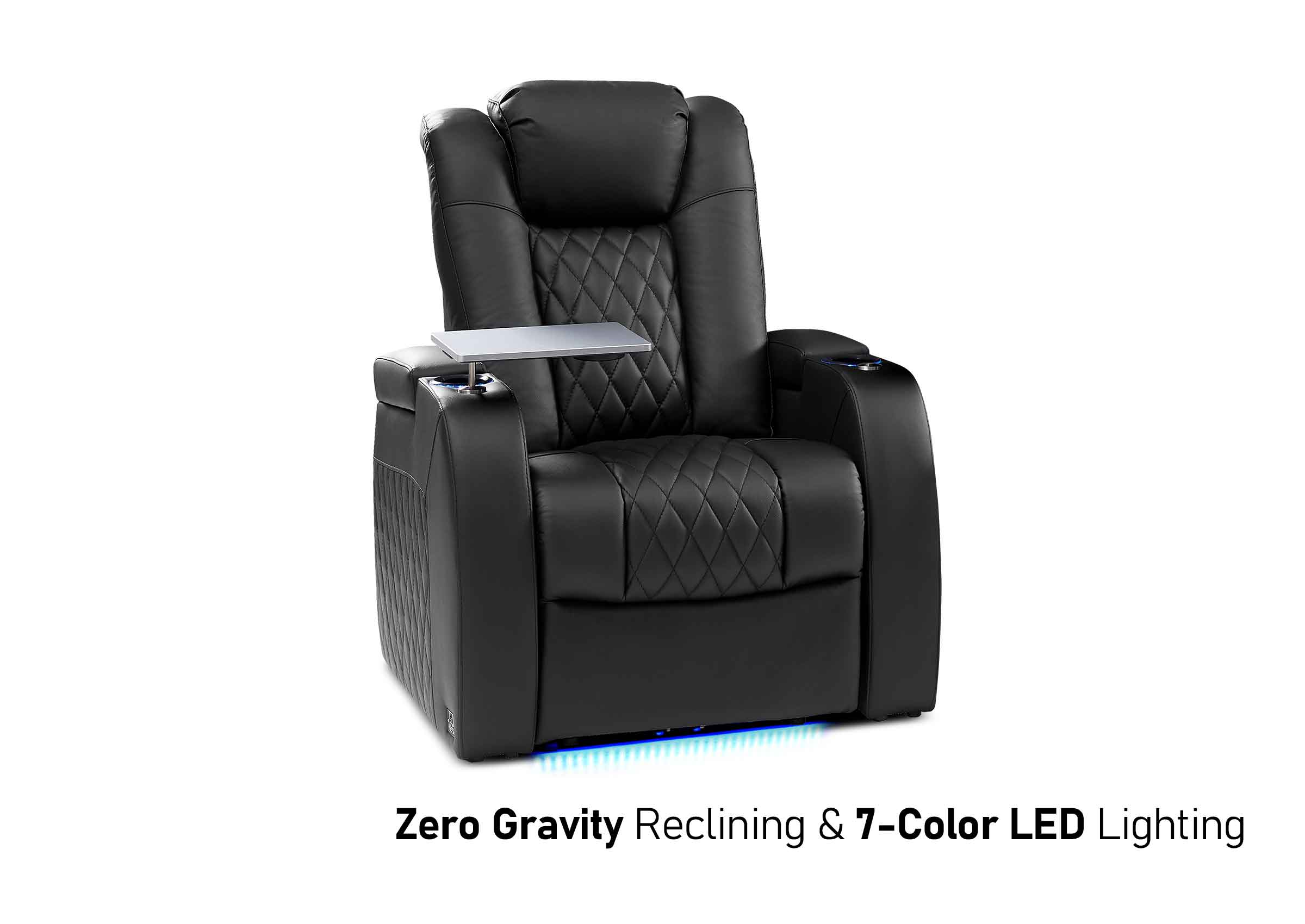
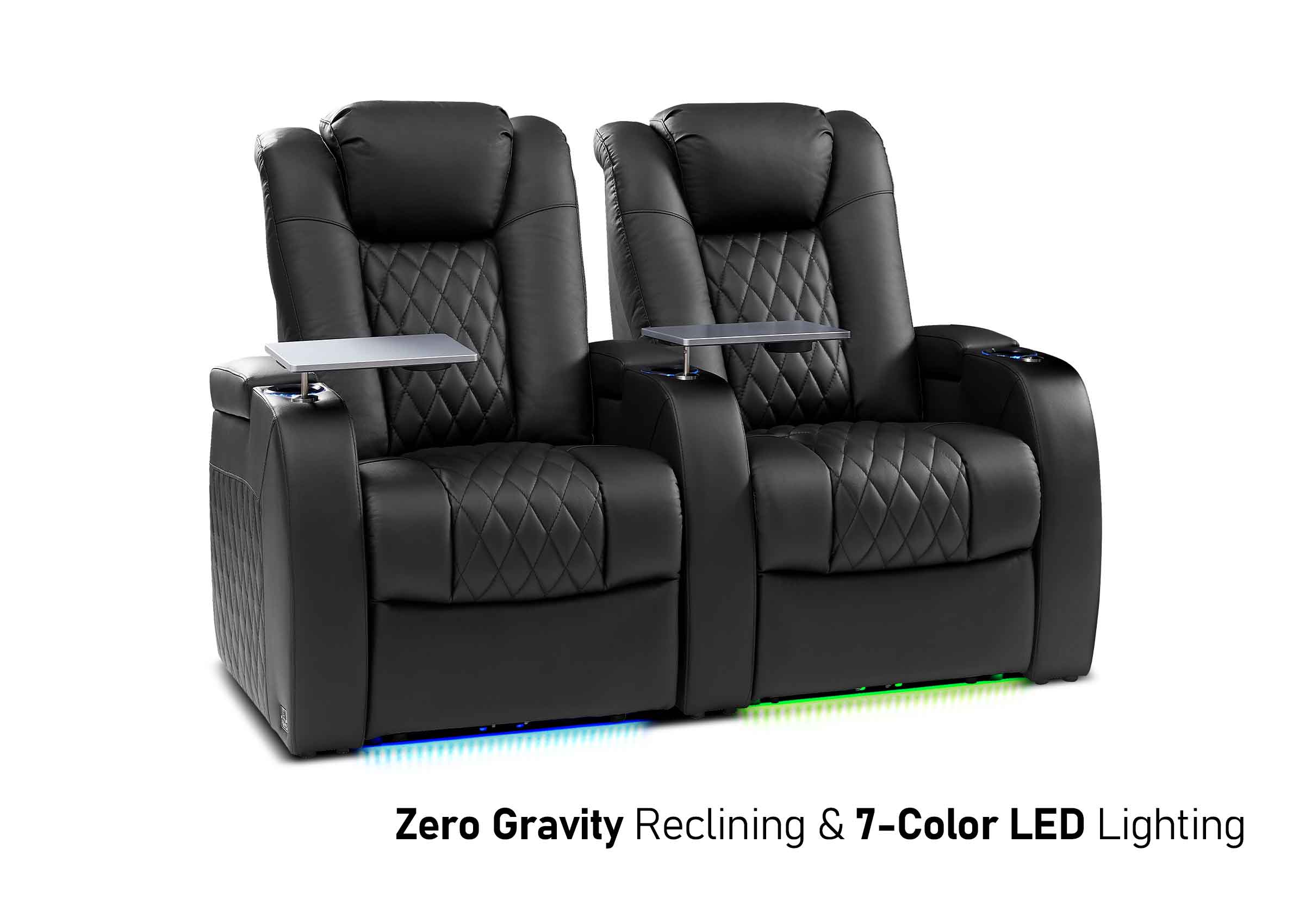
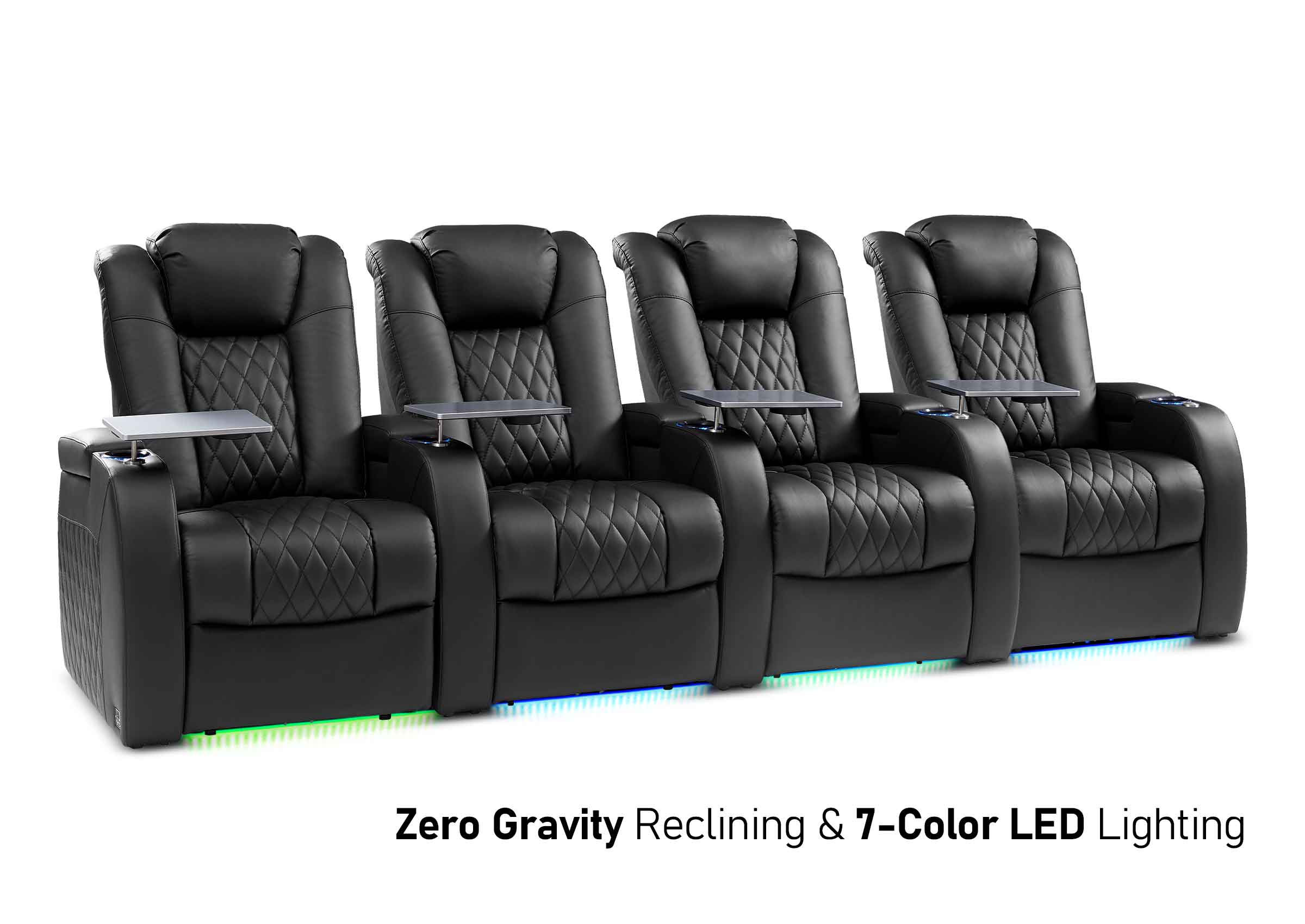
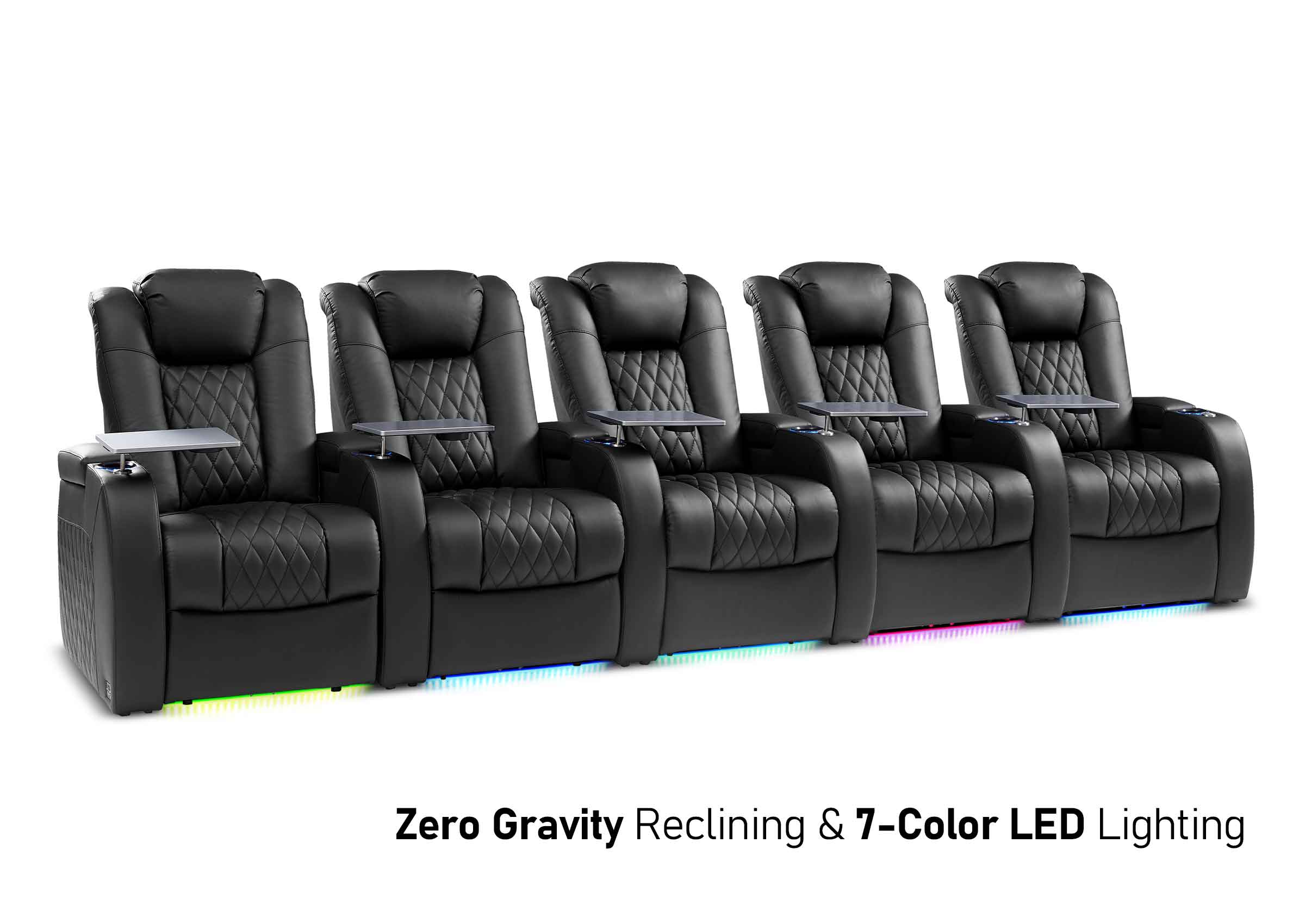
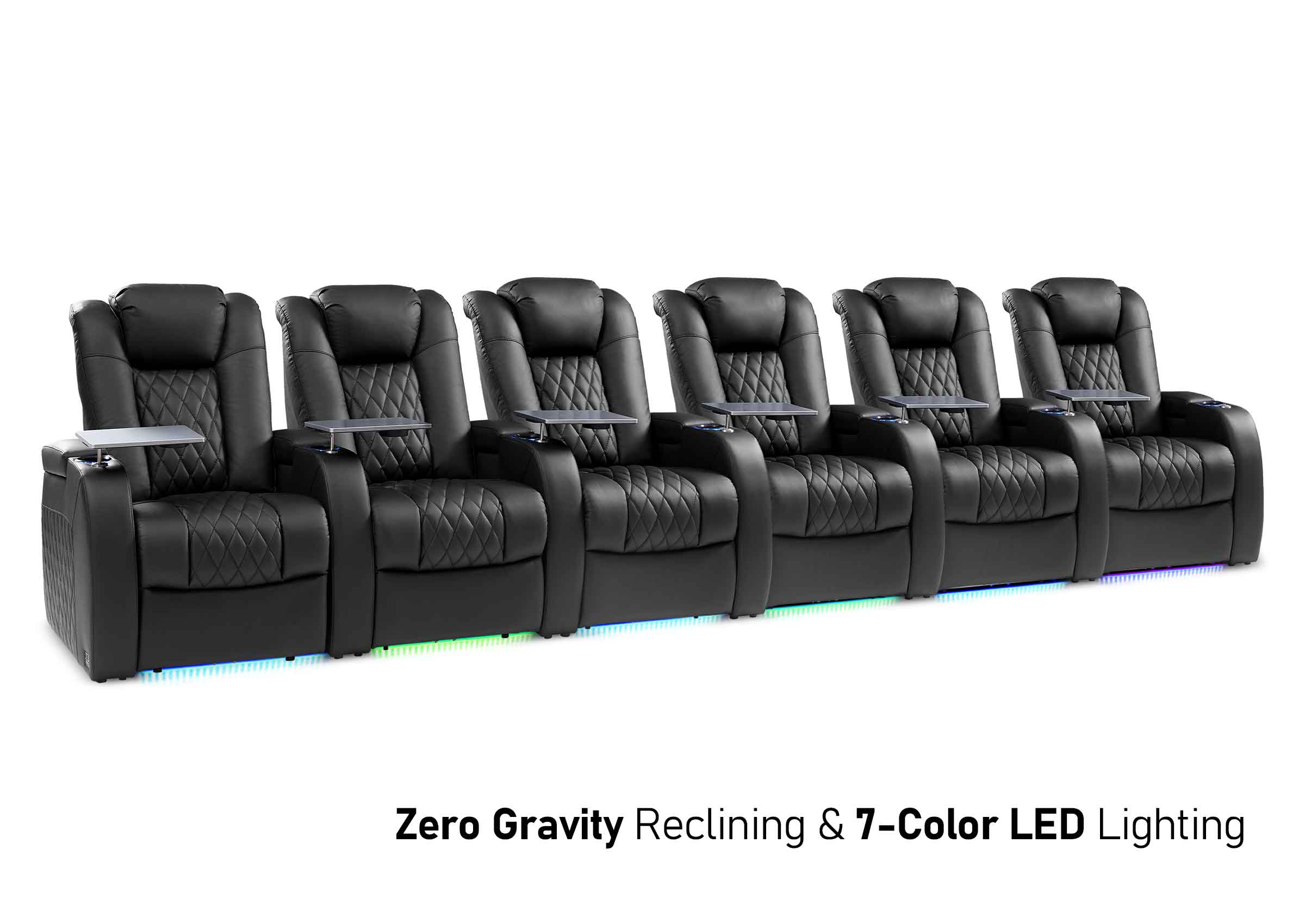
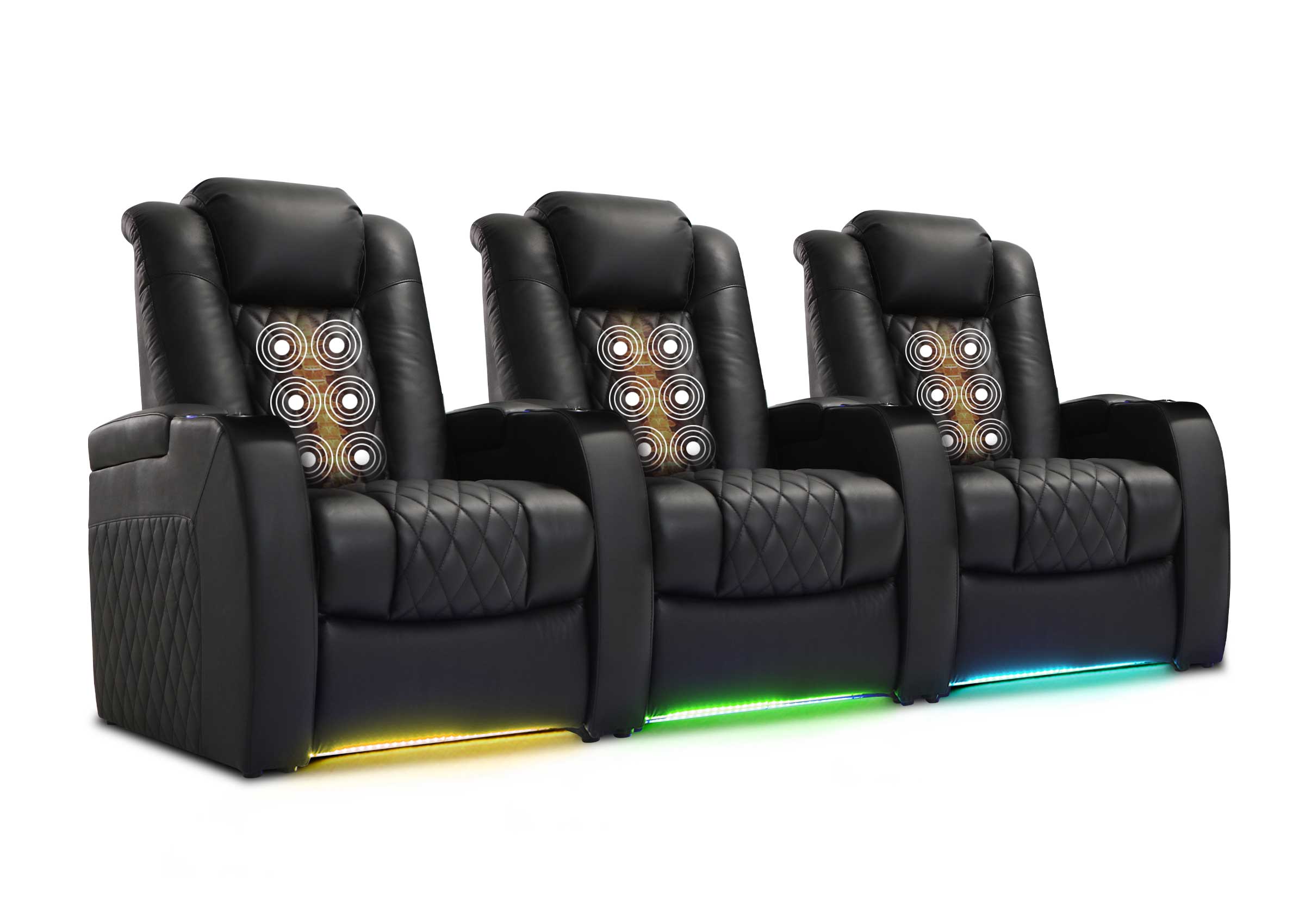

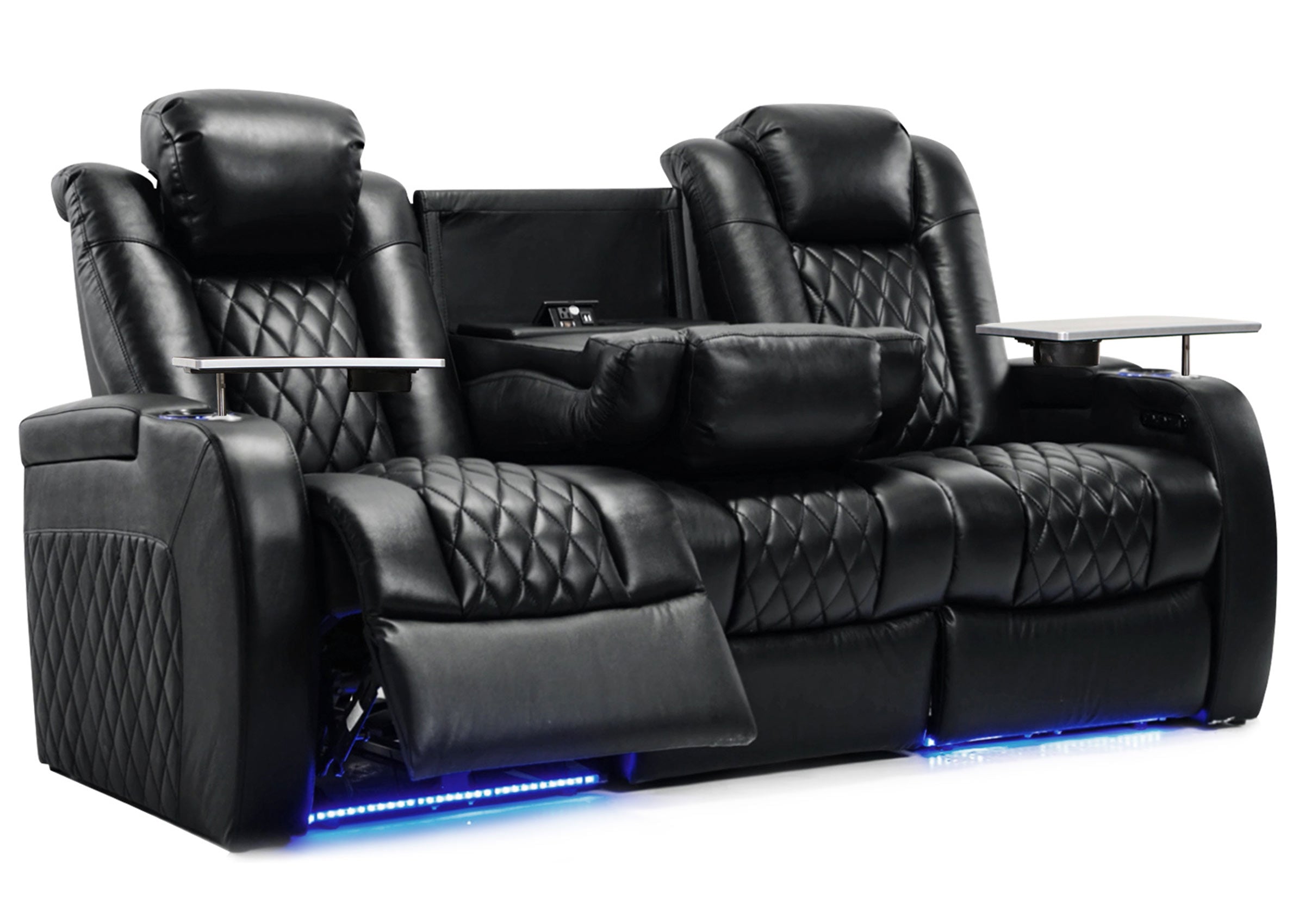
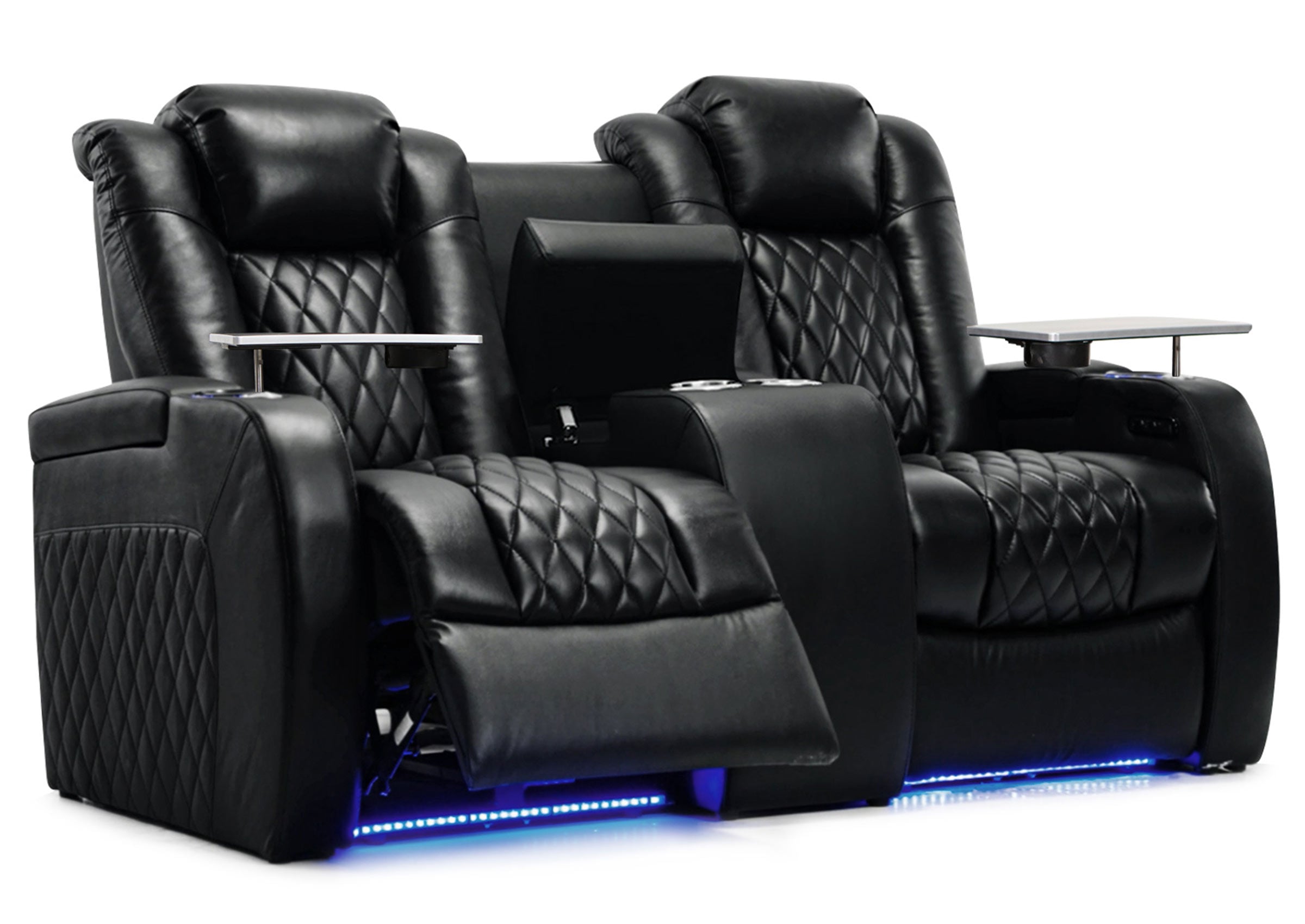



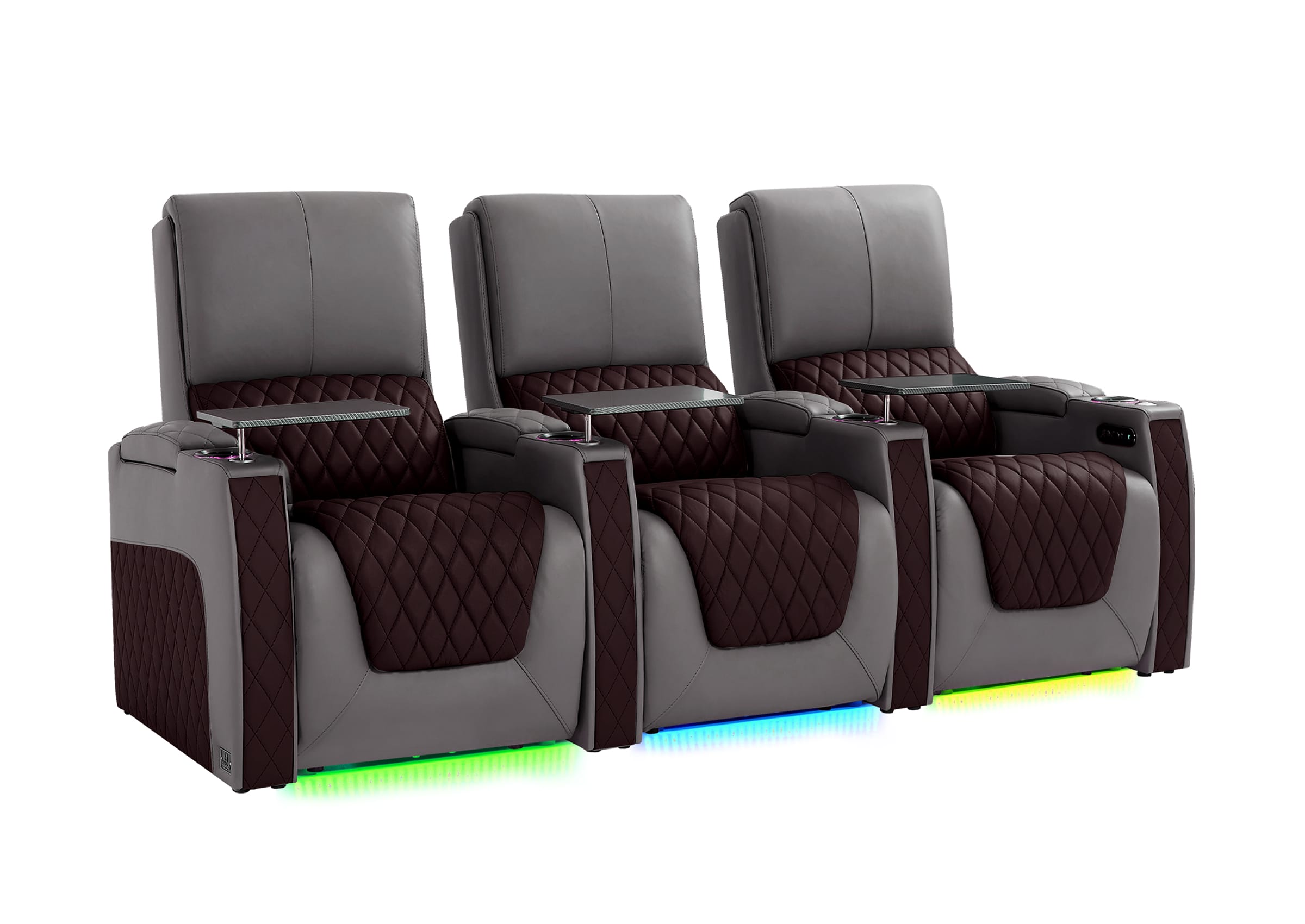
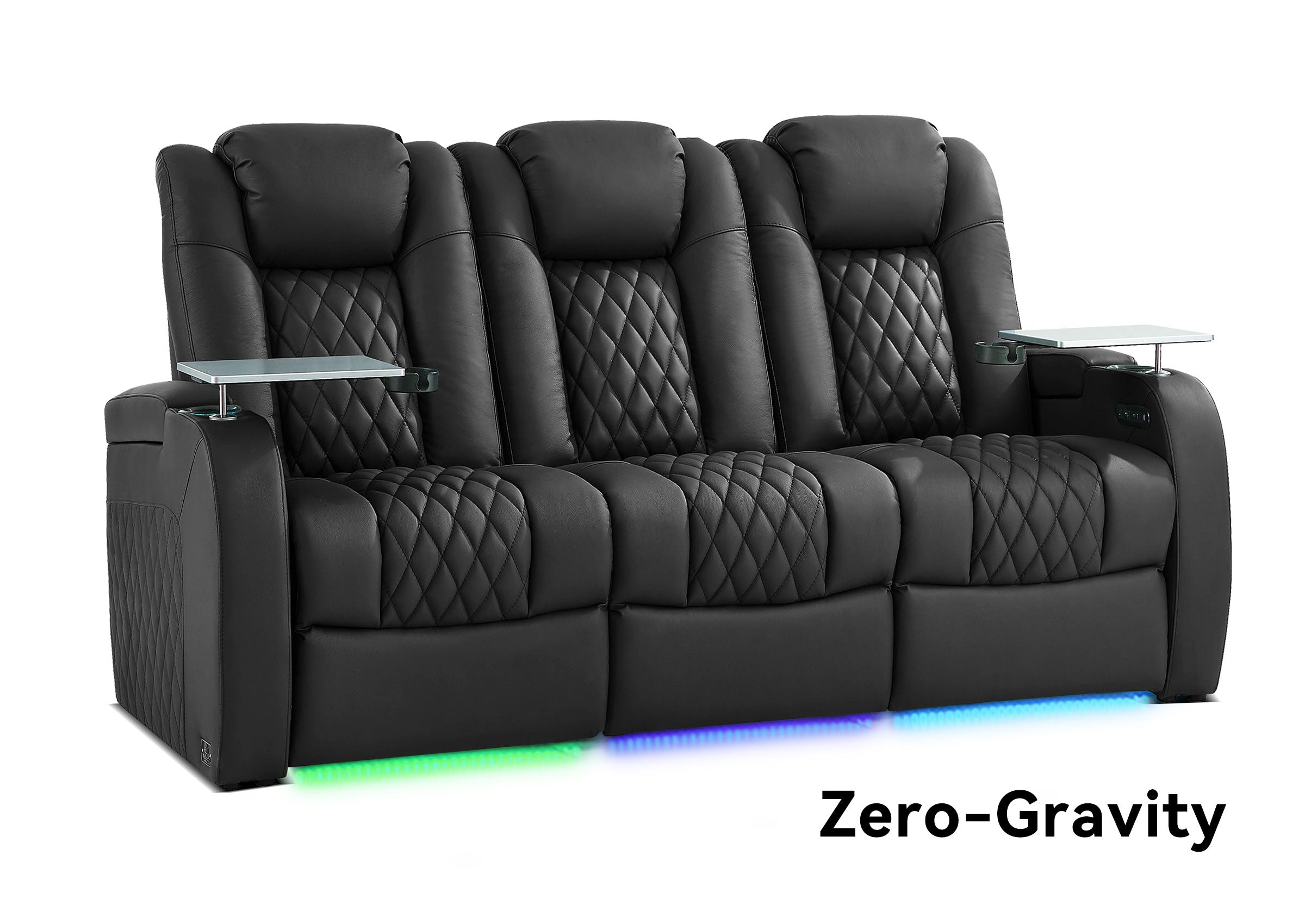


A reclining sectional with a chaise can make sense when your household wants two different kinds of lounging in the same seating arrangement: a permanent place to stretch out and adjustable reclining positions for people who prefer to sit back independently.
But combining those functions changes the planning problem. A stationary chaise occupies floor space all the time, while reclining seats create additional moving space only when they are in use.
That means the most important question is not simply whether the sectional fits when everything is upright. It is whether the chaise, reclining seats, coffee table, walking routes, and power setup can all work at the same time.
If you are already considering a reclining sectional with a chaise, these are the decisions that matter most before you choose the final configuration.
Do You Actually Need Both a Chaise and Reclining Seats?
They can look like two versions of the same feature, but they serve different purposes.
A chaise creates a permanent lounging position. It works well for lying sideways, stretching out, reading, using a laptop, curling up with a child, or relaxing without operating a mechanism.
A reclining seat creates an adjustable lounging position. The user can sit upright when needed and extend the footrest or change the back angle when it is time to relax.
The combination becomes useful when different people relax differently.
For example:
- one person regularly likes to lie across the chaise while another prefers an individual recliner;
- several family members want to put their feet up at the same time;
- the chaise is used for casual lounging during the day while reclining seats are used more during movies or evening TV;
- someone prefers the freedom of a continuous lounge surface while someone else wants adjustable support.
On the other hand, if everyone in the household mainly wants an adjustable footrest, using more of the sectional for reclining seats may be more useful than dedicating a large portion to a chaise.
The right configuration depends less on how many features the sectional has and more on whether each feature solves a different everyday need.
Why Should You Think About Three Different Footprints?
A reclining sectional with a chaise should not be evaluated from one set of dimensions.
Think about three footprints: closed, reclined, and living space.

The Closed Footprint
This is the sectional when every reclining seat is upright.
It tells you whether the furniture fits the basic seating zone, but it does not tell you whether the room works when people actually use the reclining functions.
Confirm the selected configuration's actual:
- overall width;
- standard depth;
- chaise depth;
- individual module widths;
- relationship to doors, walls, and nearby furniture.
The chaise deserves special attention because, unlike a footrest, its extended footprint never disappears.
The Reclined Footprint
Now look at what changes when the reclining seats operate.
Depending on the mechanism, the back, seat, and footrest may move in different directions. The amount of movement also varies by model.
For the exact sectional you are considering, confirm:
- fully reclined depth;
- required rear clearance;
- how far the footrest extends into the room;
- whether adjacent seats can recline simultaneously;
- whether moving sections approach the coffee table or another piece of furniture.
This is where a sectional that looks perfectly proportioned while closed can become awkward.
Do not test only whether one recliner opens. Test the combination your household is actually likely to use.
The Living Footprint
The third footprint is the space that remains after the furniture and its moving parts have taken what they need.
That remaining area has to support normal life:
- walking through the room;
- reaching the sectional;
- getting out of a seat while another seat is reclined;
- opening doors and storage;
- using the coffee table;
- vacuuming and cleaning;
- carrying everyday items through the room.
The sectional does not truly fit if the dimensions work but the remaining room becomes frustrating to use.
Can the Reclining Seats You Use Most Open at the Same Time?
This is one of the most useful checks for a reclining sectional, and it is easy to overlook when viewing furniture online.
Suppose a sectional technically has several reclining positions. That does not automatically mean your room comfortably supports all of them being used at once.
Imagine a typical evening.
If one person is lying on the chaise and two other people recline, what happens?
Check whether:
- both footrests have room to extend;
- someone can still walk past the sectional;
- the coffee table remains usable;
- one reclining seat blocks access to another;
- people can still get into and out of nearby seats;
- a door or cabinet becomes difficult to use.
This matters more than the maximum number of reclining mechanisms listed in the configuration.
A household that almost always uses two reclining seats simultaneously should plan around those two seats being open—not around the sectional's neatest upright appearance.

Where Will the Footrests Go When They Open?
The chaise is easy to see because its footprint is permanent.
The footrests are easier to underestimate because they disappear when the sectional is upright.
That makes the space in front of the reclining positions especially important.
A common layout problem happens when a coffee table looks appropriately positioned while the sectional is closed but becomes too close once the most-used footrest extends.
Before ordering, identify the seats most likely to recline and imagine their movement separately from the chaise.
Then ask:
- Does the coffee table need to move every time someone reclines?
- Does the footrest extend into a major walking route?
- Can a person pass between the open recliner and another piece of furniture?
- Does one moving seat interfere with another?
- Would a smaller, movable, round, or nesting table work better with the active footprint?
The goal is not to keep the room perfectly symmetrical.
The goal is to make sure the furniture can change positions without forcing the rest of the room to stop working.
Have You Planned the Power Before You Plan the Final Placement?
A power reclining sectional adds another requirement that a stationary chaise sectional does not have: the furniture has to reach a suitable power source.
Before finalizing the location, check where the available outlets are and how the selected sectional's power components are intended to connect.
Think about:
- where the nearest appropriate outlet is located;
- whether the sectional will sit against a wall or float farther into the room;
- whether a power cord could cross a walking path;
- whether the room arrangement leaves the connection accessible;
- whether several powered modules require a configuration-specific connection plan.
A beautiful floating sectional arrangement can become inconvenient if power was treated as an afterthought.
Do not assume every reclining sectional uses the same cord routing or electrical arrangement. Confirm the power requirements for the selected product and configuration before deciding exactly where the sectional will sit.
Does Wall-Hugger Reclining Solve the Space Problem?
It can solve part of it.
Wall-hugger designs are intended to reduce the amount of rear space needed for reclining compared with many traditional reclining movements.
That can be especially useful when the sectional needs to remain relatively close to a wall.
But wall-hugger does not mean the sectional has no moving footprint.
The front of the seat still needs room to operate, the footrest still enters usable floor space, and the chaise still keeps its full permanent depth.
So instead of asking:
“Can I put this close to the wall?”
ask:
“What happens in front of the sectional when the seats recline?”
If you need a deeper explanation of the mechanism terminology, the zero-clearance vs. wall-hugger recliner guide covers that question separately.
CHECK THE ACTIVE FOOTPRINT
Will the Sectional Still Fit When People Recline?
Compare the chaise depth, reclining movement, power location, and the seats your household is most likely to use together before settling on a configuration.
Understand Wall-Hugger Reclining • Compare Sofa vs. Sectional
Should You Choose More Reclining Seats or a Larger Chaise?
This is where the configuration becomes a household decision rather than a feature comparison.
Start with the positions people actually use.
| How your household relaxes | What may deserve priority |
|---|---|
| Several people regularly want their feet up independently | More usable reclining positions |
| One person frequently lies down for long periods | A comfortable chaise position |
| One person lounges while another prefers adjustable recline | A chaise + reclining combination |
| The room is frequently used for movies, sports, or gaming | Simultaneous recline and viewing comfort |
| Available floor space becomes tight when footrests open | Fewer active mechanisms or a different configuration |
A useful way to make this choice is to think about your last five evenings at home.
Who actually reclined?
Who stretched out?
Did several people put their feet up at once?
Did somebody lie sideways instead of using a recliner?
Were people constantly moving a table or ottoman?
Real behavior is usually a better configuration guide than a long list of available features.
When Does a Reclining Sectional With a Chaise Work Especially Well?
This combination tends to make the most sense when relaxation is a major function of the room.
Examples include:
- family rooms used heavily for movies and streaming;
- media rooms where several people want different lounging positions;
- gaming spaces where some users sit upright while others stretch out;
- open entertainment spaces with enough depth for active reclining movement;
- households where one person consistently prefers a chaise and others prefer recliners.
It deserves more careful evaluation when:
- the sectional already sits close to the coffee table;
- the primary walkway runs directly in front of the reclining seats;
- the furniture needs to float far from a wall but power access is limited;
- several reclining seats would compete for the same open floor area;
- the room needs to switch frequently between lounging and other activities.
This is an important distinction from simply asking whether a chaise sectional fits.
The issue here is whether the room can support the sectional while its moving functions are being used.
Try the Simultaneous-Use Test Before You Buy
A tape outline is useful, but for a reclining sectional you need to test more than the stationary perimeter.
Mark the basic sectional footprint first.
Then mark the approximate active area required by the reclining positions you expect to use most often, based on the selected product's specifications.
Now simulate a real evening:
- Put one person on the chaise.
- Imagine the two most-used reclining seats fully open.
- Leave the coffee table where you expect to use it.
- Walk from the main entrance to the other side of the room.
- Try to reach every seat without crossing the moving area.
- Check whether doors, cabinets, and other furniture remain usable.
- Identify where the power connection would run.
If the room still works in that condition, you have tested the configuration much more realistically than simply comparing width and depth numbers.
If the layout only works when every reclining seat stays upright, the sectional may technically fit while failing the way you intend to use it.
Frequently Asked Questions
Is having both a chaise and reclining seats redundant?
Not necessarily. A chaise provides a permanent lounging surface, while a recliner provides an adjustable seat that can return to an upright position. The combination makes the most sense when different household members genuinely use those two positions differently.
How much space does a reclining sectional with a chaise need?
There is no universal number. Use the selected sectional's closed dimensions, chaise depth, full-recline specifications, rear-clearance requirements, and footrest movement. Then check how much usable circulation remains when the most-used reclining seats are open.
Can two or more reclining seats open at the same time?
That depends on the product configuration and room layout. Even when multiple seats are designed to recline, you should confirm that simultaneous use does not create conflicts with tables, walking routes, walls, or adjacent furniture.
Does a wall-hugger reclining sectional need space in front?
Yes. Wall-hugger movement can reduce rear-clearance demands, but the seat and footrest still require operating space toward the front. Confirm the actual movement of the selected configuration rather than treating wall-hugger as zero-space reclining.
Where should the power outlet be for a reclining sectional?
The answer depends on the specific sectional and electrical configuration. Before choosing the final placement, confirm the product's power requirements and make sure cords can reach an appropriate outlet without creating an inconvenient route through the room.
Is a reclining sectional with a chaise good for a smaller room?
It can be, but the critical test is the active footprint rather than the room label. A sectional that looks compact while upright may still create conflicts when the footrests open. Check the chaise, the most-used reclining positions, and the remaining circulation together.
Should I choose another reclining seat instead of a chaise?
Choose based on how people relax. More reclining seats make sense when several people want individual adjustable positions. A chaise makes more sense when someone regularly wants a continuous surface for stretching out. Some households benefit from having both.
Do I need to measure the delivery route too?
Yes. Room fit and delivery fit are separate questions. Confirm that the relevant sectional modules and packaging can pass through the doors, hallways, stairs, elevators, turns, and other access points leading to the final room.
So, Is a Reclining Sectional With a Chaise Right for Your Living Room?
It can be an excellent choice when the chaise and reclining seats each have a clear job and the room supports them while they are actually being used.
The chaise should justify its permanent footprint. The reclining seats should have enough room to operate simultaneously in the combinations your household uses most. The coffee table and walking routes should still work. And the power connection should make sense before the sectional reaches the room.
The most useful rule is:
Do not judge a reclining sectional only in its closed position.
Check the room with the chaise occupied, the most-used recliners open, the table in place, and people still moving around the space.
If that version of the room works, the combination is doing more than fitting. It is supporting the way your household actually relaxes.
Ready to Confirm the Reclining Configuration?
If you are comparing chaise placement, reclining movement, power requirements, or which seating configuration makes the most sense for your room, visit Weilianda Support or email leon@weiliandahome.com. Share the room information and the configuration you are considering so the product dimensions, movement, and other details that matter for the selected setup can be clarified before you move forward.