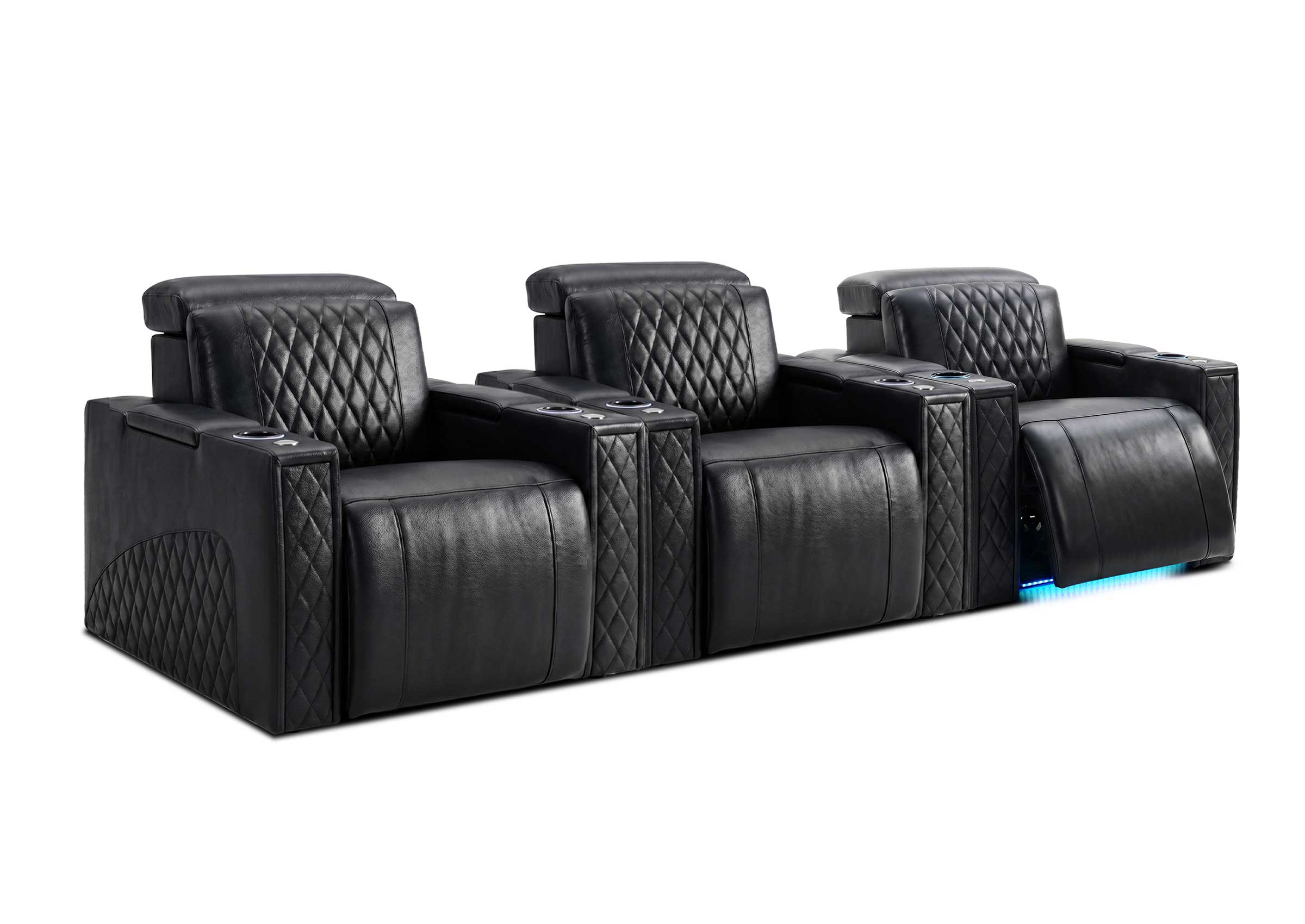

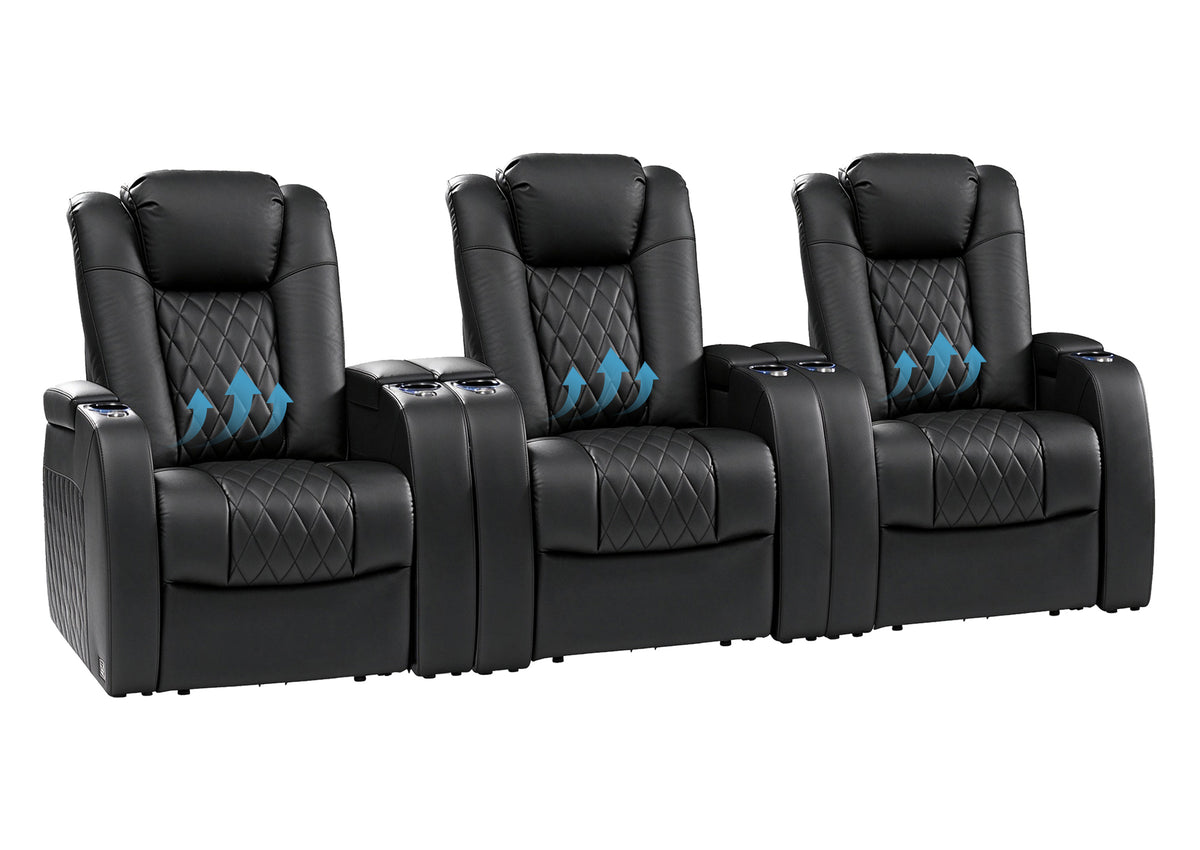
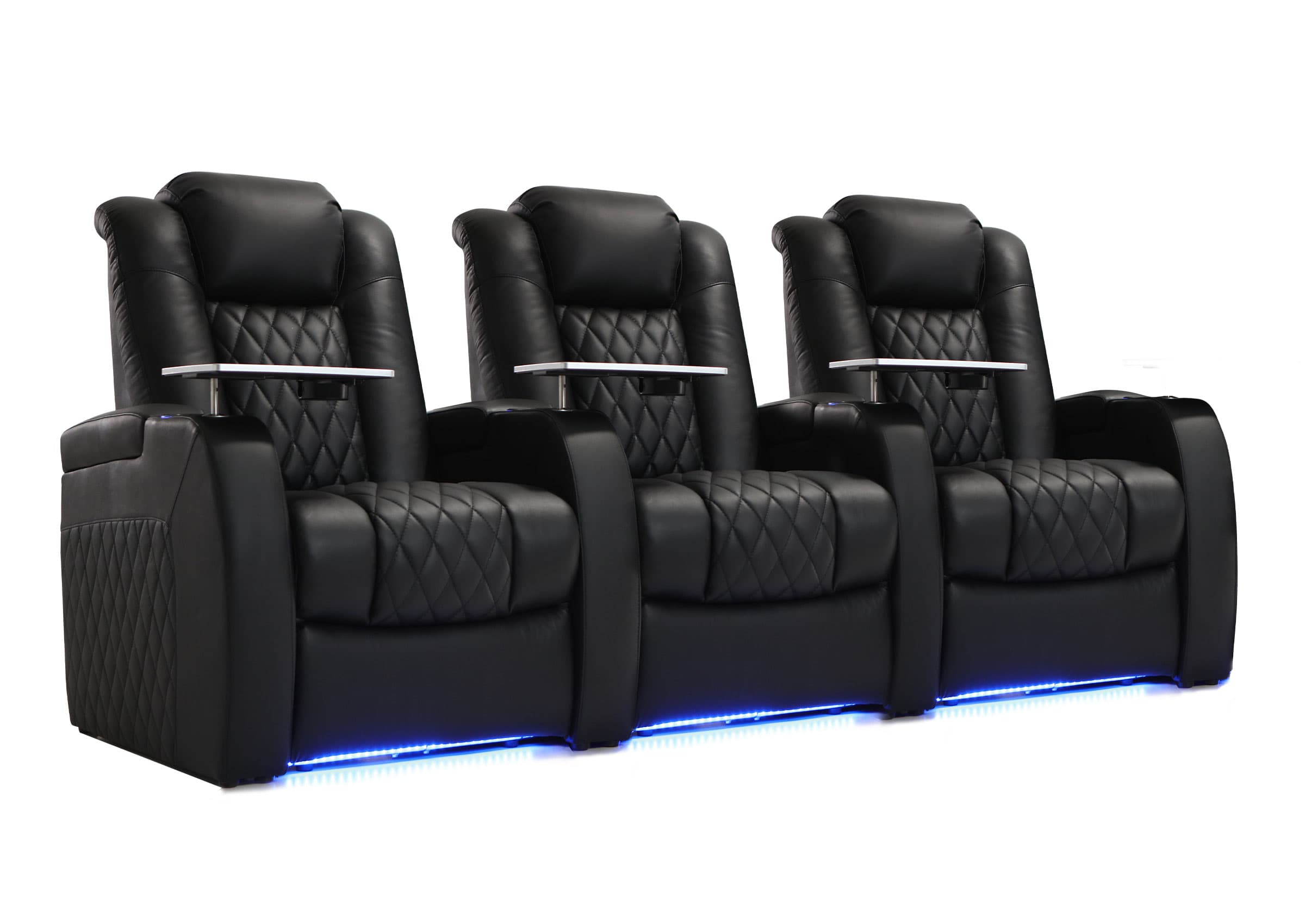
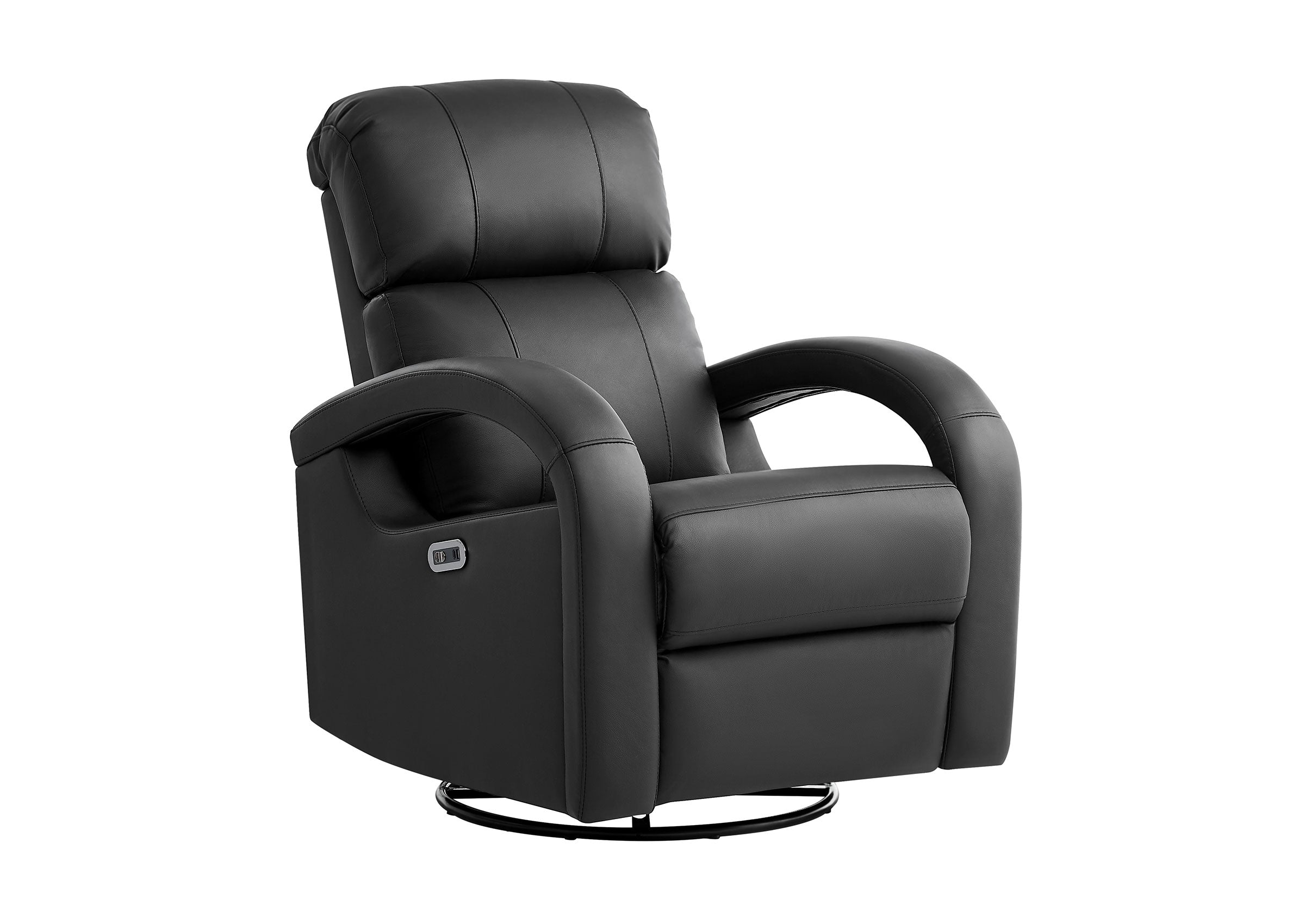








A recliner that will not close can look like one simple problem, but “won’t close” is not one failure mode. A chair that stops at the same point, closes unevenly, stays completely silent, or hums without moving is giving you different diagnostic information.
Before you push harder, flip the chair over, adjust anything, or order a replacement part, start with what the recliner is actually doing.
How it fails to close is often more useful than guessing which part has failed.
The safest approach is simple:
Observe first. Touch second.
Your Recliner Won’t Close—What Should You Do First?
Do not start by forcing the footrest down.
First, make the area around the chair safe. Keep children and pets away from the moving mechanism, remove anything under or directly in front of the footrest, and stop using the recliner if you see damaged wiring, visibly bent metal, or an unstable mechanism.
Then, if there is no grinding, overheating, severe twisting, or obvious damage, observe one normal closing attempt.
Watch three things:
- Motion: How does the recliner move?
- Sound: What happens when you try to close it?
- Symmetry: Do both sides move the same way?
If possible, record the attempt from the front or side before moving or adjusting the chair. Once a recliner has been tilted, unplugged, pushed, or partially repositioned, the original failure pattern may be harder to reproduce.
First, Identify How the Recliner Is Failing to Close
Use the behavior to decide what deserves attention first.
| What you see | What it makes worth checking | Safest first step |
|---|---|---|
| Nothing moves at all | Power/control path on a power recliner, release response on a manual chair, or a hard obstruction | Identify whether the chair is manual or power and check obvious external causes |
| It moves, then stops at the same point every time | Obstruction, interference, or repeatable mechanical resistance | Inspect what enters the closing path at that position |
| One side remains higher than the other | Uneven linkage movement, alignment, hardware, or structural loading | Stop applying pressure and compare both sides |
| It almost closes, then comes back open | Resistance near the end of travel or return/latching behavior | Look for interference during the final part of the movement |
| A power recliner clicks or hums but does not continue | The system may be receiving a command but failing to complete the movement | Stop repeatedly pressing the button and check for resistance or uneven motion |
| The chair opens but will not close | This is different from total power loss | Compare the response in each direction |
| Lights or USB still work but the seat does not move | Some power is present, but the reclining drive may still have a separate problem | Treat it as a powered-movement issue, not a completely dead chair |
The table is not meant to say:
“This symptom means this exact part is broken.”
Recliner mechanisms vary too much for that.
Instead, the symptom tells you which category is worth investigating first.
Use Motion, Sound, and Symmetry Before You Guess the Part
A useful way to diagnose a recliner stuck open is to treat it as a moving system rather than a collection of springs, cables, motors, and latches.

Motion: What exactly happens when it tries to close?
“Won’t close” can mean several things:
- It remains fully open without moving.
- It moves an inch or two and stops.
- It stops at almost exactly the same position every time.
- It moves normally at first but becomes difficult near the end.
- It opens normally but will not return.
- One side starts or stops before the other.
A repeatable stopping point is particularly useful.
If the footrest moves normally through most of its range but consistently stops in the same place, look closely at what changes at that point. A cord, rug, upholstery edge, loose object, or part of the mechanism may only interfere at a certain angle.
That observation tells you more than immediately assuming the recliner needs a new spring or motor.
Sound: Is it silent, clicking, humming, scraping, or grinding?
Sound can narrow the next question, but it usually cannot identify a failed component by itself.
A completely silent power recliner deserves a different first check from one that hums while trying to retract.
A click may mean that some part of the control sequence is responding, but it does not prove the motor, actuator, power supply, or mechanism is healthy.
A hum or strained sound with little movement can mean the system is attempting to move under load. Repeatedly holding the button adds little diagnostic value if the mechanism is already stalled.
Scraping makes visible interference or rubbing worth checking.
Grinding, harsh popping, or metal-on-metal noise—especially with uneven movement—is a stronger reason to stop operating the chair.
Symmetry: Are both sides moving together?
Look at the footrest from the front.
If both sides move and stop together, that is a different failure pattern from a chair where one side is nearly closed while the other remains noticeably higher.
The second condition tells you something important:
The recliner is not simply difficult to close. It is closing unevenly.
Do not try to correct the difference by stepping on the higher side or pushing harder on one corner. Extra force can hide the original symptom while increasing load on the side that is already moving incorrectly.

Why Forcing a Stuck Recliner Can Make the Problem Worse
When a footrest is only a few inches from closed, pushing it down can seem like the easiest solution.
But resistance may be caused by a trapped object, uneven linkage movement, a powered drive stalled under load, or interference near the end of the closing path.
Adding force does not tell you which condition exists.
Instead, it can:
- increase stress on moving linkage;
- pinch upholstery;
- trap or damage a wire;
- worsen an uneven footrest;
- place additional load on powered components.
Some manual recliners normally require deliberate leg or foot pressure to close. That does not mean unusual resistance should be overcome with more force.
If a chair that previously closed normally suddenly becomes much harder to operate, the change itself is part of the diagnosis.
Is Something Physically Blocking the Closing Path?
Start with the least invasive explanation.
You usually do not need to turn the recliner over to look for obvious interference.
Check around the footrest, beneath its visible edge, and around the base for:
- toys or remotes;
- shoes or pet items;
- blankets;
- rugs or thick carpet;
- loose objects under the chair;
- power cords entering the movement path;
- upholstery or lining caught between moving parts.
Also think about what happened shortly before the failure.
Was the chair recently moved?
Was a cable rerouted?
Did something fall beside or beneath it?
Was there a power interruption while the recliner was open?
Did the user hear or feel something unusual immediately before the problem appeared?
The event before the failure can be just as useful as the failure itself.
If you find an obvious removable object, clear it without reaching into a loaded mechanism. Then make one normal closing attempt.
If the chair still stops in the same place, do not keep cycling it.
Does One Side Close Differently From the Other?
Uneven movement deserves more caution than a footrest that remains level but simply stops.
Watch whether one side:
- starts later;
- stops earlier;
- remains higher;
- moves through a different arc;
- causes the footrest to twist as it retracts.
If so, the two sides are no longer following the same movement path.
That makes alignment, linkage, mounting hardware, or another mechanical issue more relevant, but visual asymmetry alone still does not identify the failed part.
The important conclusion is simpler:
Do not use additional force to make an uneven mechanism look level again.
If the recliner is visibly twisting, treat the twist as diagnostic evidence.
What Should You Check on a Manual Recliner?
With a manual recliner, begin by asking what changed from normal operation.
Manual designs differ, so handle-operated, pull-tab, push-back, and other recliners should not all be treated as though they use the same mechanism.
Does the control feel different?
If a handle or release suddenly feels loose, unusually stiff, or noticeably different, record that change.
A control that suddenly behaves differently points you toward a different diagnostic path than a footrest whose release feels normal but stops midway through closing.
Does the footrest begin closing normally?
If it starts moving smoothly and then stops at a repeatable point, focus first on the movement path and visible resistance.
A control that fails to release the mechanism and a mechanism that travels normally through most of its range are not the same problem.
Does it almost close but refuse to stay closed?
Pay attention to the final part of the movement.
Look for:
- resistance appearing only near the closed position;
- fabric being drawn into the mechanism;
- one side arriving before the other;
- a scrape, click, or sudden rebound.
At this point, deeper cable, spring, latch, or linkage diagnosis may require model-specific information rather than generic DIY instructions. For broader mechanical troubleshooting beyond the stuck-open symptom, use the Recliner Repair Guide.
What Should You Check on a Power Recliner?
With a power recliner, first classify the electrical symptom instead of jumping directly to the motor.
The recliner appears completely dead
If there is no movement, no expected indicator, no control response, and no other sign of power, treat the problem primarily as a power-path issue.
The useful first question becomes:
Where does the power response stop?
That is a different troubleshooting path from a chair that clearly still has power.
The chair has power, but the recliner does not move
Lights, USB charging, or another powered feature can show that some electrical power exists.
They do not prove that the reclining control and drive path are functioning normally.
So:
“The USB still works”
is useful information, but it is not evidence that the motor must be the failed component.
The recliner opens but will not close
If the same chair still moves normally in one direction but not the other, total incoming power loss becomes a less complete explanation.
Record which command works and which does not.
Do not immediately conclude that the motor, switch, actuator, or control box has failed. One-direction movement is a diagnostic clue, not a final parts diagnosis.
You hear a click or hum, but the chair does not move
Check whether the footrest remains level and whether anything visible is blocking its path.
If the system is already trying to move against resistance, repeatedly pressing the control is unlikely to give you new information.
Should you reset the recliner?
Only when the manufacturer provides an appropriate reset or power-cycle procedure for that model.
A generic “unplug it and reset it” instruction should not be treated as universal. Power systems, controls, memory features, and actuator arrangements vary.
Follow the instructions for the specific recliner instead of assuming every powered chair uses the same procedure.
What about visible wires and connectors?
With the recliner disconnected from power, inspect only visible, accessible cords and connectors for obvious issues such as:
- a loose visible connection;
- a crushed or pinched cable;
- damaged insulation;
- exposed conductors;
- a cord routed into the reclining mechanism.

Do not open a motor, control box, power supply, or sealed electrical component as part of a basic owner inspection.
TROUBLESHOOT SAFELY
Not Sure Whether the Problem Is Power or the Mechanism?
Use the symptom first: note whether the chair has power, where it stops, what it sounds like, and whether both sides move together. If you need a broader repair path, continue with the Recliner Repair Guide or contact Support with a short video of the problem.
What Do Recliner Sounds Actually Tell You?
Use sound to choose the next question rather than to name a replacement part.
Silent: Check whether the powered system is responding at all or whether a manual control is engaging.
Click: Some control or mechanical action may be occurring, but the rest of the system may still not be completing the movement.
Hum or strained sound: The mechanism may be attempting to move under load. Check for obstruction and uneven motion.
Scrape: Look for visible rubbing, trapped fabric, wiring, or interference.
Grinding or repeated harsh popping: Stop operating the recliner, particularly when the sound is accompanied by jerky or asymmetric movement.
The combination of symptoms matters more than one sound.
For example:
Hum + no movement + level footrest
is more useful information than simply:
“It makes a noise.”
And:
Hum + one side rising + visible twisting
describes a meaningfully different problem.
Why “Just Lubricate It” Is Not a Good First Diagnosis
Lubrication is another common recommendation that can be applied too early.
Friction can contribute to stiffness or noise at appropriate mechanical joints, but lubrication will not correct:
- a trapped object;
- damaged wiring;
- obvious asymmetry;
- a bent component;
- a failed powered command;
- an unidentified hard stop.
Diagnose why the motion changed before treating the mechanism for friction.
If lubrication eventually becomes appropriate, follow the instructions for the specific recliner and use the correct product only at suitable locations.
When Should You Stop Trying to Fix It Yourself?
A useful troubleshooting process needs a stopping point.
Stop operating the recliner if you see, hear, or smell:
- exposed or damaged wiring;
- unusual heat, smoke, or a burning smell;
- visibly bent linkage;
- broken or displaced structural hardware;
- significant left-to-right twisting;
- an unstable frame or mechanism;
- severe grinding combined with uneven movement;
- a spring or mechanism under obvious tension that would need to be removed or repositioned;
- a problem that requires opening a motor, control box, transformer, or other electrical component.
Also stop if every test attempt makes the condition worse.
Troubleshooting should reduce uncertainty.
If the chair becomes more crooked, louder, hotter, or harder to move each time you try it, you are no longer collecting useful diagnostic information.
Should You Flip the Recliner Over?
Not as the first step.
There may eventually be a reason to inspect the underside, but turning the chair over before documenting the original symptom can make diagnosis harder.
Before moving it, record:
- where the footrest stops;
- whether both sides stop together;
- what happens when the control is operated;
- what sound you hear;
- whether it can still open;
- whether other powered features respond.
If underside inspection later becomes appropriate, disconnect powered furniture first and follow the manufacturer's handling instructions. Recliners can also be heavy and awkward, especially with the footrest extended, so do not move one in a way that creates a lifting or tipping hazard.
The goal is not to avoid inspection.
It is to avoid changing the evidence before you understand it.
What Should You Record Before Contacting Support?
If the simple checks do not identify the problem, a clear handoff can reduce unnecessary troubleshooting.
Prepare:
- the recliner model or identifying information available;
- whether it is manual or power;
- a short video showing the movement;
- the exact point where it stops;
- whether both sides remain level;
- any clicking, humming, scraping, grinding, or popping;
- whether the recliner still opens;
- whether other powered functions still respond;
- any visible cord or connector damage;
- when the problem first appeared;
- anything that happened shortly before it started.
A description such as:
“The power recliner opens normally. When I press close, it moves about halfway, makes a low hum, and stops at the same position. Both sides remain level.”
is far more useful than:
“My recliner is broken.”
Likewise:
“The manual footrest starts closing, but the right side stays higher than the left and I hear scraping near the end of travel.”
gives a support or repair professional useful diagnostic information before the chair is even inspected.
What Should You Do Next?
Once you understand the failure pattern, let the symptom determine the next troubleshooting path.
If you find an obvious removable obstruction, clear it safely and test the chair once.
If a manual recliner repeatedly stops at the same point with no visible obstruction, deeper mechanism diagnosis may be needed.
If a power recliner shows no signs of power, move toward power-supply and connection troubleshooting rather than treating it as a generic stuck-footrest problem.
If power is present but the seat does not move, focus on the powered-movement path rather than assuming the wall outlet is the issue.
If one side, one seat, or one powered function behaves differently from everything around it, use that comparison to narrow the problem.
And if you see twisting, bent metal, damaged wiring, unusual heat, or severe grinding, stop operating the recliner and move to professional or manufacturer-supported diagnosis.
Quick Answers to Common Stuck-Open Recliner Questions
Can I just push a stuck recliner footrest closed?
Not as a general fix. Some manual recliners normally require foot pressure to close, but suddenly needing much more force than usual is itself a symptom. Do not assume pushing harder is the solution.
Why does my recliner stop at the same point every time?
A repeatable stopping point makes a repeatable source of resistance worth checking. Look at what enters the movement path at that position before guessing which internal part has failed.
Why is one side of the footrest higher than the other?
Uneven height means the two sides are not following the same movement path. Alignment, linkage, mounting, or structural issues become more relevant, but the symptom alone does not identify the exact part. Do not force the higher side downward.
Why does my power recliner have USB power but still not move?
Because a working USB port only confirms that some power is available. It does not prove that the reclining control and drive system are functioning correctly.
My recliner opens but does not close. Is the motor bad?
Not necessarily. One-direction operation is useful diagnostic evidence, but it cannot by itself identify a failed motor, switch, actuator, or control component.
Can every power recliner be manually closed during an outage?
No. Manual-release and backup arrangements vary by design. Do not assume your recliner has a manual override unless the manufacturer provides one for that model.
Should I keep pressing the close button if it is humming?
No. If the mechanism is already attempting to move but remains stalled, repeated operation adds little useful information. Check for visible obstruction or uneven motion instead.
Should I flip the chair over immediately?
Usually not. Record the original movement, sound, stopping point, and left-to-right symmetry first. Those details may be more valuable than immediately exposing the mechanism.
The Most Useful Question Is Not “What Part Is Broken?”
When a recliner is stuck open, it is tempting to immediately search for a spring, cable, latch, motor, actuator, or reset procedure.
A better first question is:
What exactly happens when the chair tries to close?
Watch the motion.
Listen to the sound.
Compare both sides.
Notice where it stops.
Then decide whether the evidence points first toward an external obstruction, a power-path problem, powered movement, uneven mechanical behavior, or a condition that should no longer be operated.
That approach may not identify the failed component in five minutes.
It does something more useful:
It helps you narrow the problem without turning a manageable recliner fault into a larger repair.
Still Stuck Open After the Safe Checks?
If this is a Weilianda recliner and the problem remains after the safe external checks above, contact Weilianda Support. Include your available model or order information, a short video of the closing attempt, the stopping position, any unusual sound, and whether both sides move together.
For after-sales troubleshooting, you can also email support@weiliandahome.com.