







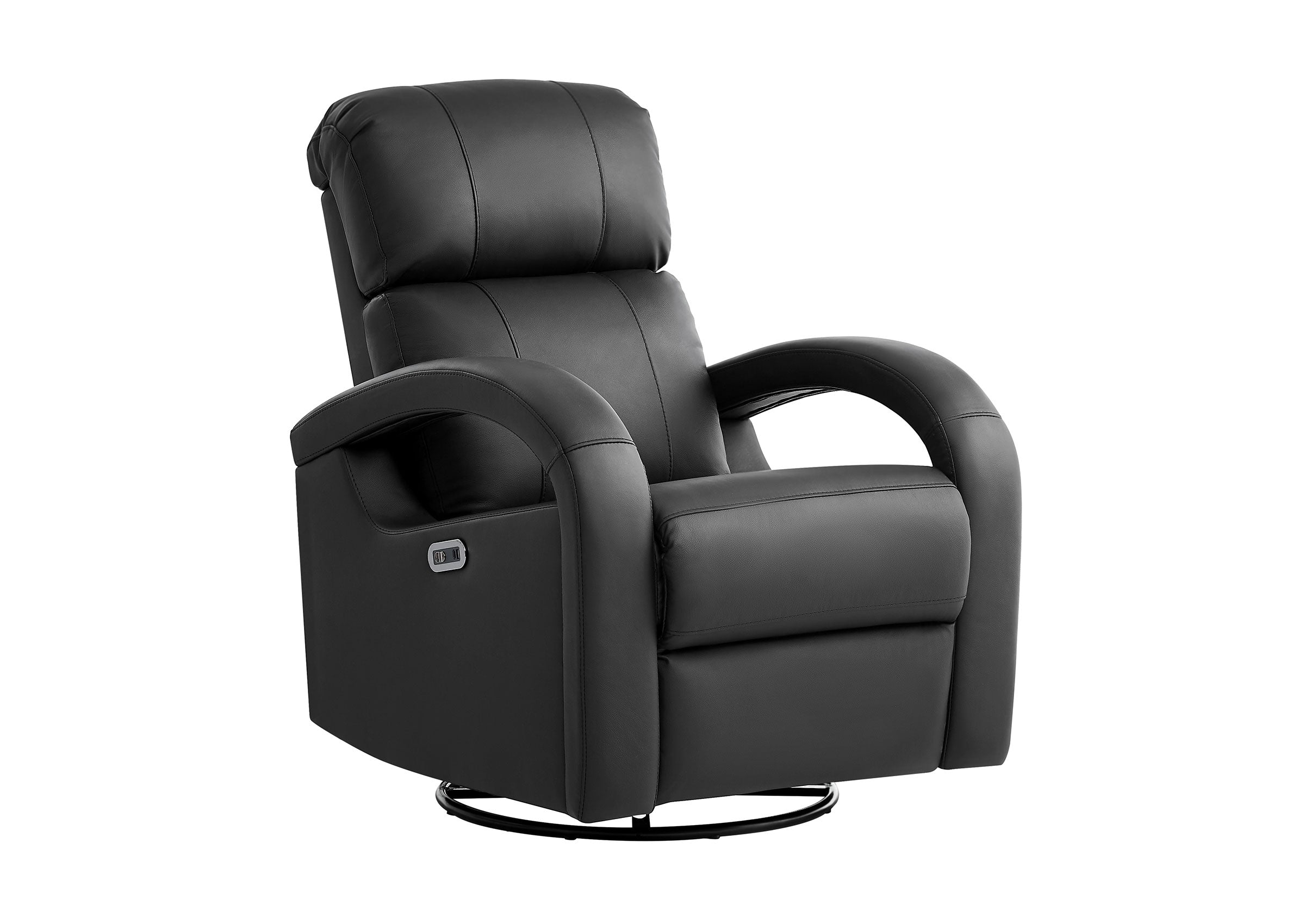





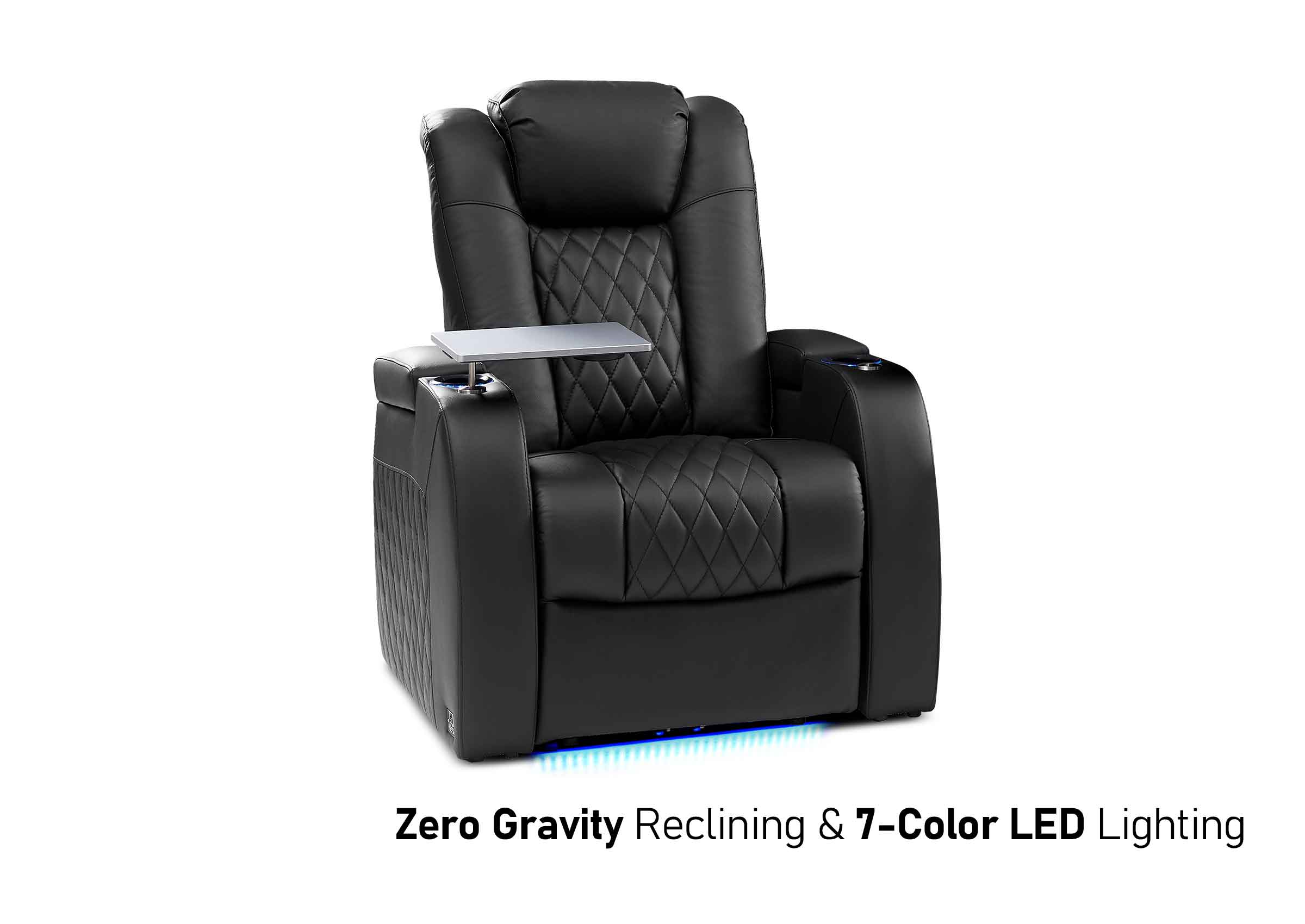




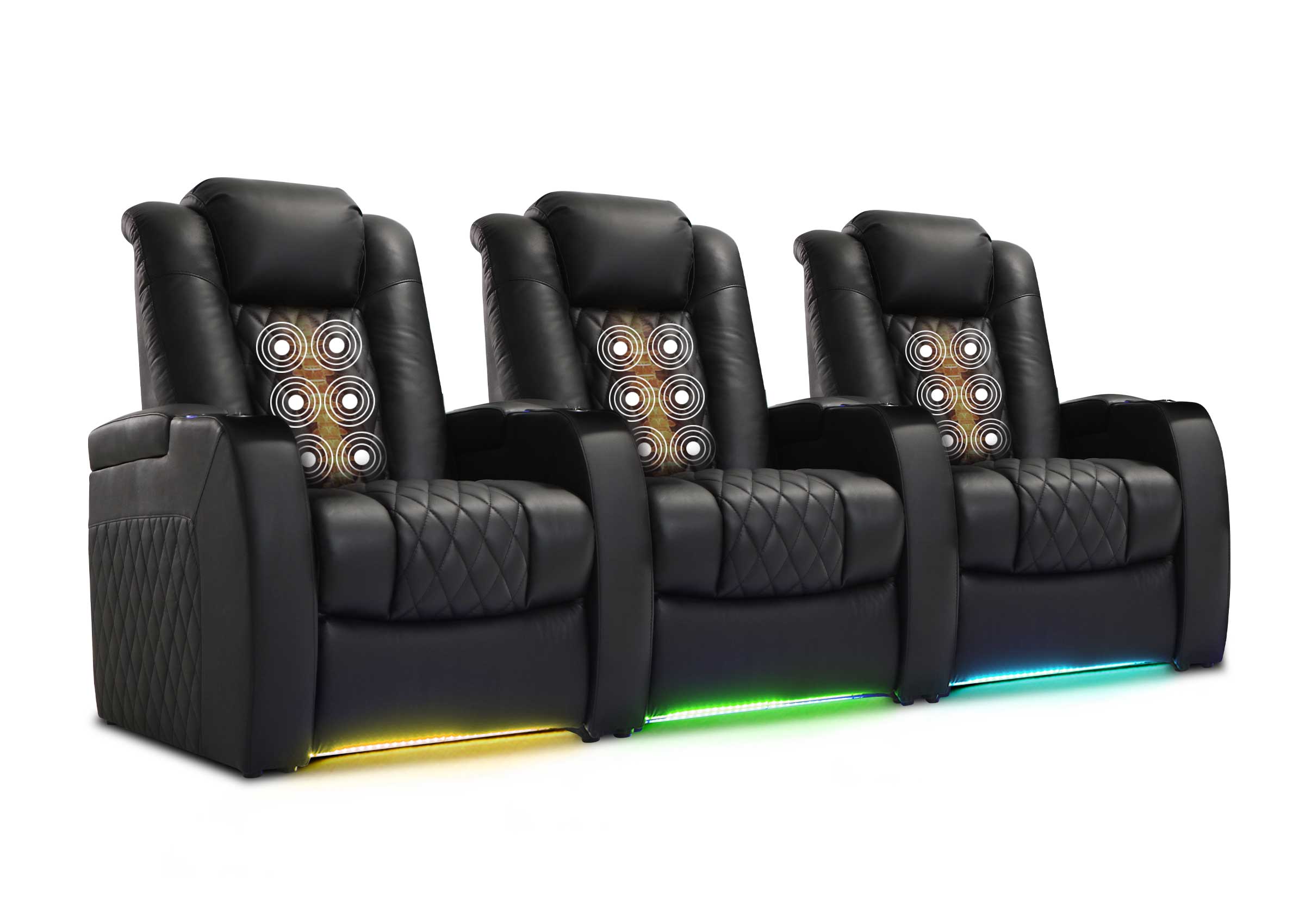

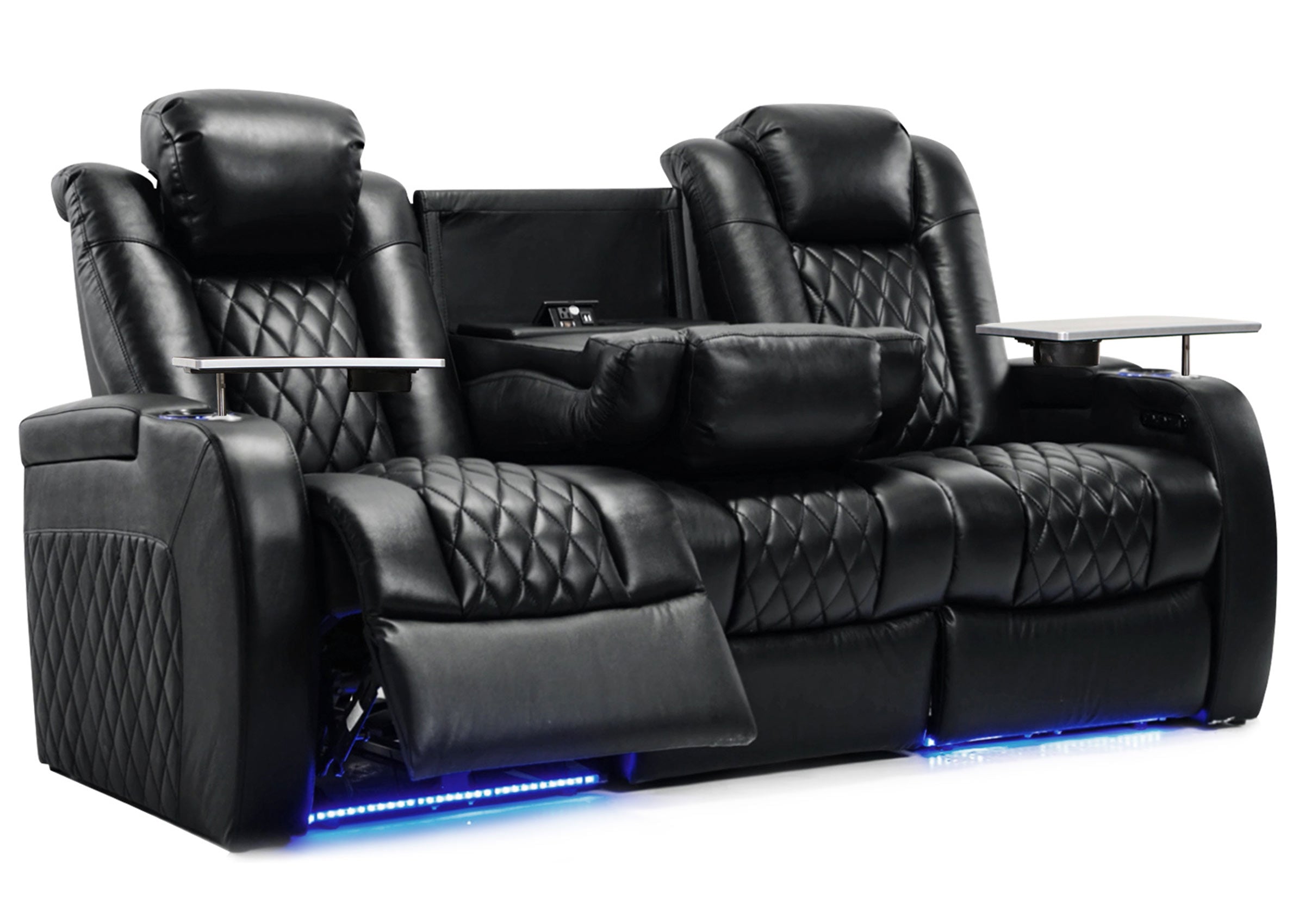
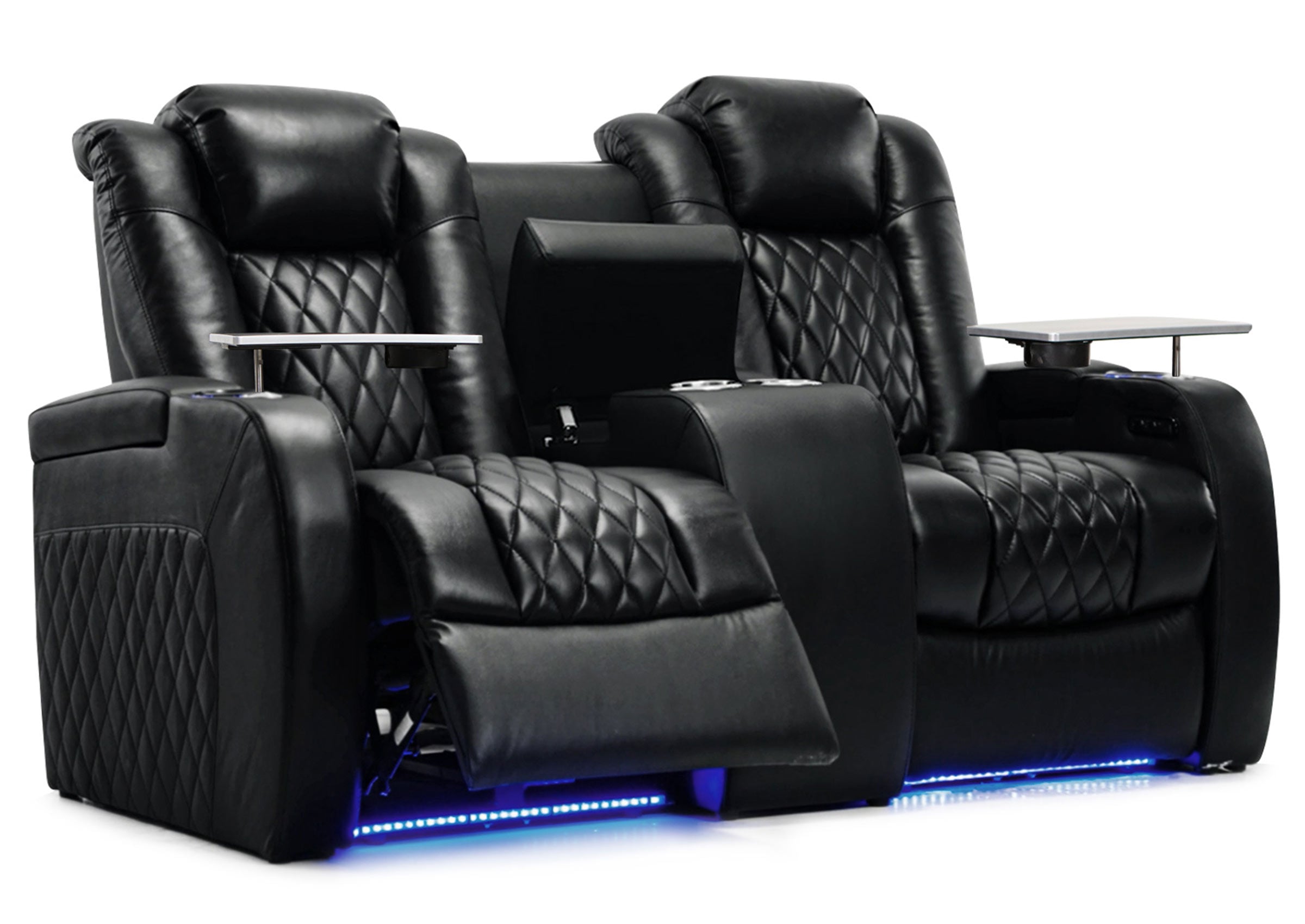








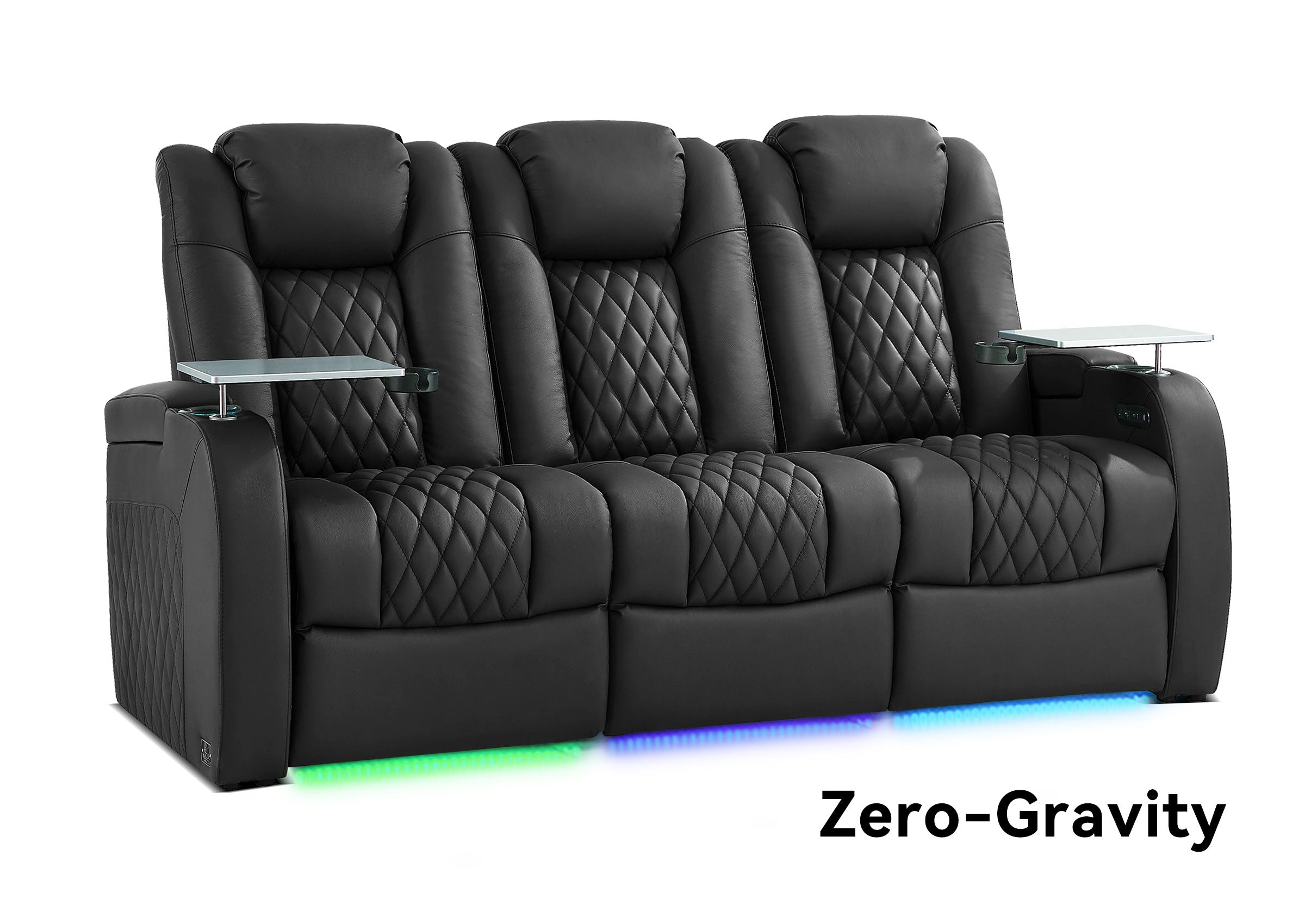


A recliner that suddenly starts leaning, squeaking, clicking, or grinding is giving you useful information—but the sound alone rarely tells you exactly which part is causing the problem.
What matters more is the pattern around the symptom. Does the noise happen only when someone sits down? Only while the footrest is opening? At the same point every time? Does the chair still move smoothly, or has it also started hesitating, twisting, or leaning to one side?
A mild squeak from an otherwise stable recliner is very different from a new grinding sound accompanied by jerky movement. Learning to recognize that difference can help you decide whether to keep observing the chair, perform a basic visual check, or stop using it until the mechanism is inspected.
Which Recliner Warning Signs Matter Most?
The most useful rule is to judge the sound and the movement together.
| Symptom | Usually Less Concerning When | More Concerning When |
|---|---|---|
| Squeaking | Motion stays smooth and the chair remains stable | The squeak is new, worsening, or accompanied by resistance or wobbling |
| Clicking | It occurs consistently at the same point and the chair operates normally | Clicking becomes repetitive, louder, or appears with skipping or lost movement |
| Grinding | The sound can clearly be traced to an external obstruction or trim | It is loud, mechanical, new, or accompanied by slow, jerky, or stalled movement |
| Leaning | The chair becomes level on a flat surface or the difference comes from cushion compression | The empty chair remains uneven, becomes more tilted while reclining, or feels unstable |
The important question is not simply:
“Does my recliner make noise?”
It is:
“Has something changed in the way the chair carries weight or moves?”
That second question is usually much more useful than trying to identify a failed part from sound alone.
Why Is My Recliner Leaning to One Side?
Before assuming the reclining mechanism is bent, separate a true structural lean from a flooring or seat-support problem.
Start by looking at the recliner while it is empty and upright.
If the entire chair already sits crooked on a reasonably level floor, the cause may involve the base, mounting points, frame, or reclining mechanism. Moving the chair temporarily to another flat area can rule out one of the simplest explanations.
If the chair looks level when empty but one side drops noticeably only after you sit down, the issue may be closer to the seat-support system. Uneven cushion compression, springs, webbing, or other support components can make a recliner feel mechanically tilted even when the reclining hardware remains aligned.
A third pattern deserves more attention:
The chair is level upright but begins leaning as it reclines.
That shifts the investigation toward parts involved in the reclining motion. One side of the linkage may be traveling differently from the other, a mounting point may have shifted, or part of the mechanism may be contacting something it should not.
You do not need to identify the exact component yet. The fact that the lean changes with the recline position is already useful diagnostic information.
Look for symmetry, not just tilt
Stand several feet in front of the chair and compare both sides.
- Does the footrest extend to the same height on both sides?
- Does one arm or side of the seat sit visibly lower?
- Do the gaps around moving panels remain similar?
- Does one side begin moving before the other?
- Does the lean become greater at a particular recline position?
Minor upholstery differences can make a chair look uneven without indicating a structural fault. What deserves more attention is a visible change in the geometry of the chair as the mechanism moves.

What Does a Squeaking Recliner Usually Mean?
Squeaking is often less alarming than grinding because it can come from ordinary friction between moving surfaces.
A pivot point, mounting area, spring, trim piece, or another moving component can squeak without the chair being structurally unsafe.
The important question is whether anything else has changed.
If the recliner still opens and closes smoothly, stays level, feels stable under weight, and the squeak has not become progressively louder, the symptom is usually less urgent.
If the squeak appears together with increased resistance, side-to-side movement, scraping, or a change in how the footrest travels, treat it as part of a larger mechanical problem rather than an isolated sound.
Should you lubricate a squeaking recliner?
Do not automatically spray lubricant underneath the chair just because you hear a squeak.
Different recliner mechanisms use different materials and assemblies. A lubricant that may be suitable for an exposed metal pivot does not necessarily belong on upholstery, wiring, connectors, motors, sealed actuators, or other components.
Identify the actual source first and follow the manufacturer’s maintenance guidance when available.
Silencing a sound is not the same as fixing the reason the chair started behaving differently.
What Does Clicking From a Recliner Mean?
Clicking can be harder to interpret because several completely different events can produce similar sounds.
Start by recording when the click happens.
A click that has always occurred at the same transition point while the chair continues moving normally may simply be associated with the way that particular mechanism engages.
A new repetitive clicking sound deserves more attention.
Watch for clicking combined with:
- a small jump through the seat;
- hesitation in the footrest;
- uneven left-to-right movement;
- a position where the mechanism appears to slip and catch again.
Those combined symptoms are much more informative than the clicking sound alone.
What if a power recliner clicks but does not move?
At that point, the main problem is no longer simply “a noisy recliner.”
The chair is receiving some kind of response without producing the expected movement.
That belongs to a more specific power-recliner troubleshooting path involving the control, connections, actuator, or other powered components. Avoid repeatedly pressing the control just to reproduce the click, particularly if the chair appears to be straining or partially stuck.
Instead, note what happens when the button is pressed:
- Do any lights remain on?
- Does another powered function still work?
- Is there one click or repeated clicking?
- Does the seat move even slightly?
Those observations are much more useful than guessing which electrical part has failed.
Is Grinding More Serious Than Squeaking?
Usually, a new grinding noise deserves more attention than a simple squeak.
Grinding suggests substantial friction, interference, or mechanical resistance somewhere in the movement path. The source might be the reclining linkage, a component contacting another surface, an obstruction, or—on a power recliner—a powered component.
Electric-recliner troubleshooting guidance from Living Spaces lists loud grinding during reclining as one possible motor-related symptom. That does not mean every grinding recliner has a failed motor, but it is a good reason not to dismiss a loud new grinding sound as normal furniture noise.
Before assuming a powered component has failed, unplug the chair and visually inspect the surrounding area for an obvious external obstruction.
A toy, loose object, bunched fabric, cable, or other item caught near the moving mechanism can dramatically change the sound.
Do not reach into the linkage while the recliner is moving.
If nothing obvious is caught and the grinding returns as soon as the chair operates—especially with slowing, jerking, or stopping—continued cycling can place additional stress on the mechanism.
When the Noise Happens Can Tell You More Than the Noise Itself
Instead of spending too much time deciding whether a sound is technically a “click,” “clunk,” or “creak,” note the exact moment it occurs.
Noise when you first sit down
If the mechanism is not moving when the noise appears, look first at components reacting to body weight rather than automatically blaming the recline motor.
Seat support, frame connections, mounting points, and the base all behave differently under load.
Noise only while opening
A sound that begins as the footrest starts extending narrows the problem to components moving during that phase.
Watch whether both sides begin moving together and whether the footrest stays level.
Noise only while closing
Closing places the linkage in a different position and under different forces.
If the sound occurs only on return, pay attention to whether the mechanism is meeting resistance or contacting something at a particular point.
If closing has also become noticeably harder, do not force the footrest simply to get the chair back into place.
Noise at the same position every time
A repeatable sound at the same recline position is useful information.
It suggests that something changes when the mechanism reaches that particular geometry. It may not tell you which component is responsible, but it gives a technician or support team a much better clue than “the chair makes a noise.”
Noise only when someone is sitting in the chair
Load-dependent symptoms deserve separate attention.
If the recliner is quiet and symmetrical while empty but clicks, shifts, or leans under body weight, record that difference.
It can help separate a load-related support or structural issue from a problem that appears during unloaded mechanical movement.
A Safer Five-Minute Recliner Check

You can learn quite a lot without dismantling the chair.
First, stop normal use for a moment and clear the area around the footrest and base.
Place the chair on a stable surface and inspect it while empty. Check whether it already leans, rocks, or sits differently from one side to the other.
Next, compare the chair upright and reclined only if it remains stable enough to operate safely. Observe from outside the moving mechanism. Do not put your hands underneath while someone operates the controls.
Watch both sides rather than concentrating only on the sound.
A footrest that travels unevenly or a chair that begins twisting during movement often tells you more than the noise itself.
If you need to look underneath a power recliner, disconnect it from power first. Electric-recliner troubleshooting guidance similarly recommends disconnecting the chair before checking internal connections.
At this stage, limit yourself to visible observations unless you have model-specific repair instructions.
Useful clues include:
- fresh scrape marks;
- a visibly displaced bracket;
- loose-looking mounting points;
- fabric caught in the mechanism;
- damaged cables;
- obvious bending or deformation.
You do not need to remove parts to confirm that something has changed.
RECLINER TROUBLESHOOTING
Identified a Mechanical Problem and Need the Next Step?
If the chair is still stable enough to inspect safely, continue with the common repair paths in our recliner repair guide. If the recliner is leaning, grinding, or moving unpredictably, stop operating it and contact Support before taking it apart.
Repair or Replace? • Explore Home Theater Seating
When Should You Stop Using the Recliner?
Some symptoms should be treated as stop signs rather than invitations to keep testing the chair.
Stop operating the recliner and arrange further inspection if it:
- suddenly leans or rocks on a level surface;
- has visibly bent, cracked, detached, or displaced structural parts;
- grinds while also jerking, slowing, or stopping;
- moves noticeably differently on the left and right sides;
- produces fresh scraping marks or visible metal debris around a moving joint;
- has a footrest or backrest that moves unpredictably;
- has a damaged electrical cord, exposed wiring, unusual electrical odor, or abnormal heat;
- forces part of the mechanism against the frame, upholstery, wiring, or another component.
Repeatedly cycling a damaged mechanism rarely provides much additional diagnostic information. It can, however, make a loose, misaligned, or obstructed component worse.
For power recliners, do not modify wiring, open sealed electrical components, or force the mechanism manually unless the manufacturer provides a model-specific procedure.

Do Not Diagnose a Recliner by Sound Alone
One of the most common troubleshooting mistakes is turning one symptom directly into one part diagnosis:
“Grinding means the motor.”
“Clicking means the gears.”
“Leaning means the spring.”
Real recliners contain several systems that interact with one another, so similar noises can come from different places.
A better way to think about the problem is to combine observations.
For example:
new repetitive clicking + one side hesitating during extension + visible asymmetry
is much more useful than simply “clicking.”
Likewise:
an empty chair that remains level but drops noticeably on one side only when occupied
points you in a different direction from:
a chair that begins leaning farther as the footrest extends.
The goal is not to identify a failed part as quickly as possible.
It is to eliminate the wrong explanations first.
What Should You Record Before Contacting Support?
A short video can often communicate the problem better than a long written description.
If the recliner can still be operated safely, record one movement cycle from the front or side. Try to capture:
- the sound;
- the exact position where it begins;
- whether the left and right sides move together;
- whether the symptom occurs while opening or closing.
Also note whether the problem appears:
- with the chair empty or only when occupied;
- while moving or while sitting still;
- every time or intermittently;
- in one function or several;
- after a recent move, impact, obstruction, or other noticeable event.
Photograph visible damage without placing your hands inside the mechanism.
Keep the product model information, purchase details, and a short description of when the problem started available as well. That can help a support team determine whether the next step is a basic check, a compatible replacement component, or a professional inspection.
If the recliner may still be covered under warranty, review the applicable terms before disassembling or modifying it.
If the problem involves several systems at once—or you are starting to question whether further repair makes sense—the power recliner repair-or-replace guide covers that separate decision in more detail.
Quick Answers to Common Recliner Noise Questions
Is a noisy recliner always failing?
No. Some recliners make mild operational sounds without having a serious mechanical problem.
What matters most is whether the sound is new, worsening, or accompanied by a change in movement or stability.
Why does my recliner lean only when reclined?
If the chair is level upright but leans as it reclines, focus on components whose position changes during reclining.
Uneven linkage travel, shifting mounting points, interference, or misalignment are possibilities worth checking. A significant or worsening lean is a reason to stop repeated operation.
Can I keep using a recliner that squeaks?
A mild, unchanged squeak from a stable chair that still moves smoothly is usually less urgent.
A squeak accompanied by wobbling, resistance, scraping, or asymmetric movement should be investigated.
Why does my power recliner click but not move?
A click without movement should be treated as a power-recliner malfunction rather than simply a noise problem.
Record whether other powered functions still work and avoid repeatedly operating a stalled mechanism.
Can I lubricate a grinding recliner?
Do not assume lubrication will solve grinding.
Lubrication may be appropriate for certain exposed joints when specified by the manufacturer, but it will not correct a bent part, obstruction, damaged mounting point, or powered-component failure.
How Can You Tell Whether a Recliner Noise Is Serious?
Look for a second symptom.
Noise combined with leaning, wobbling, jerking, slowing, resistance, visible damage, or uneven movement deserves more attention than noise by itself.
The more the chair's movement or stability has changed, the less useful it becomes to debate what the sound should be called.
Instead, focus on three things:
where it happens, when it happens, and what else changes at the same time.
Those observations can turn a vague “my recliner sounds wrong” problem into a much clearer diagnosis—and help you know when basic observation is enough and when it is time to stop using the chair and get further support.
Still Not Sure What the Warning Sign Means?
If the recliner is unstable, grinding, moving unevenly, or showing visible electrical or structural damage, stop operating it rather than repeatedly testing the mechanism.
For help with a specific Weilianda product, visit Weilianda Support and share the model information, photos or video, the position where the symptom occurs, and what changed when the problem began. You can also contact the project and support team at leon@weiliandahome.com.