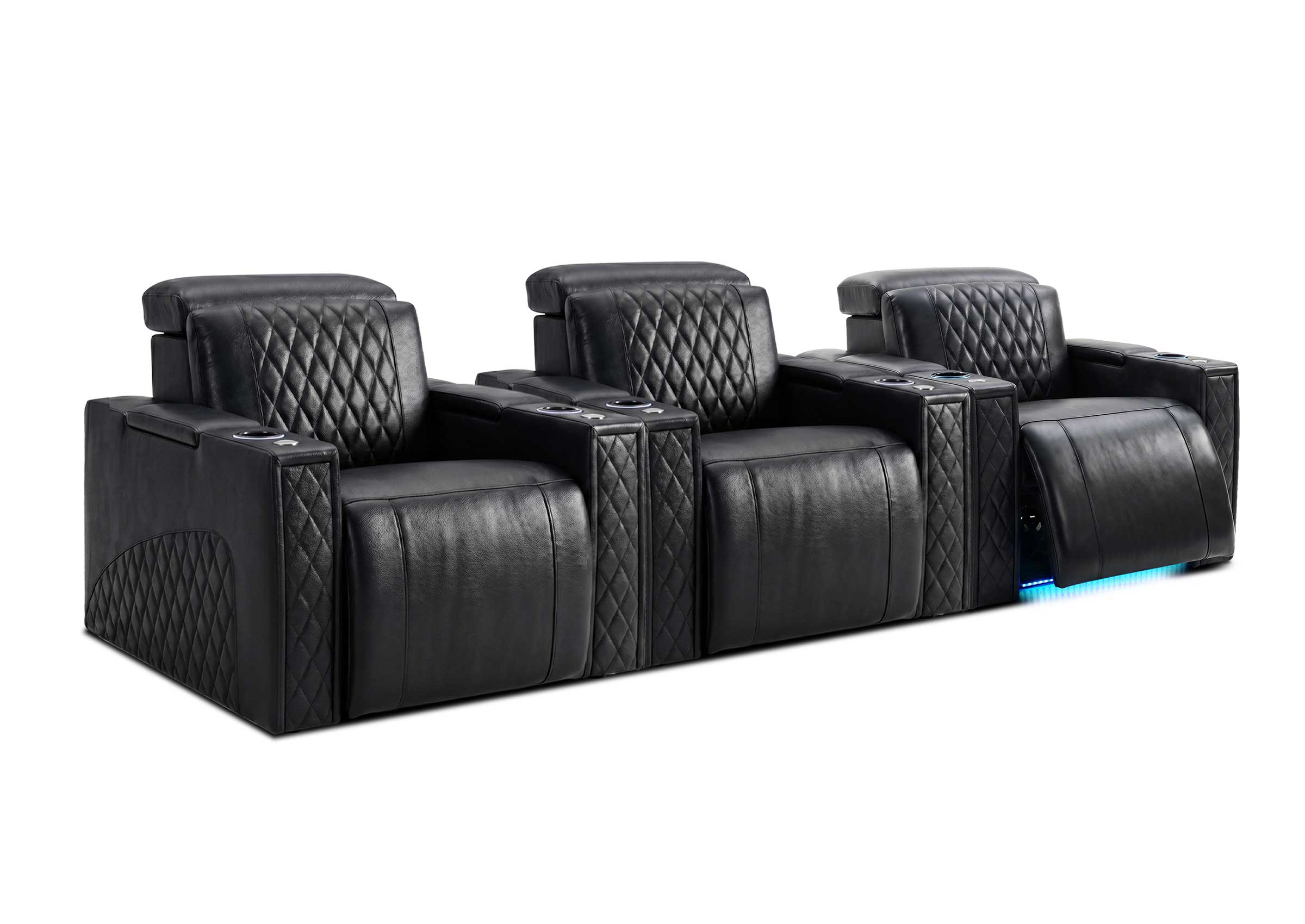

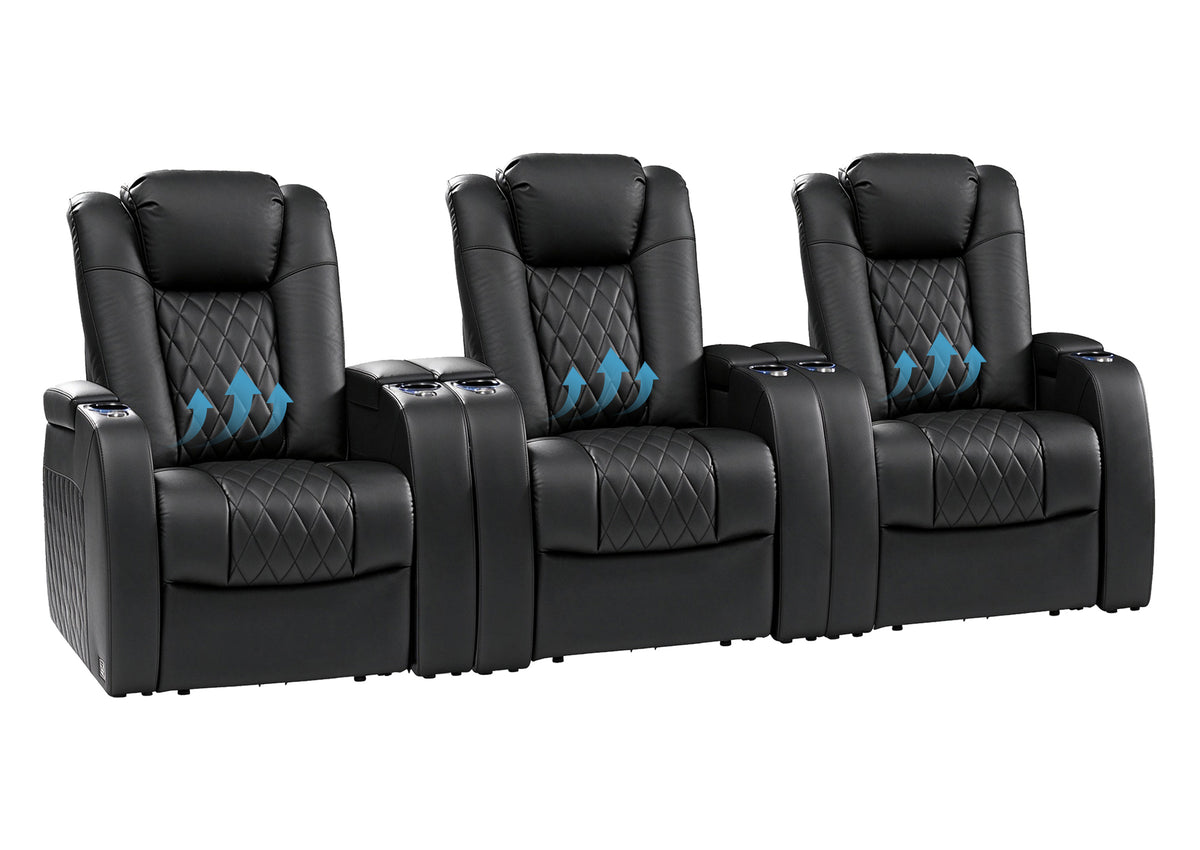
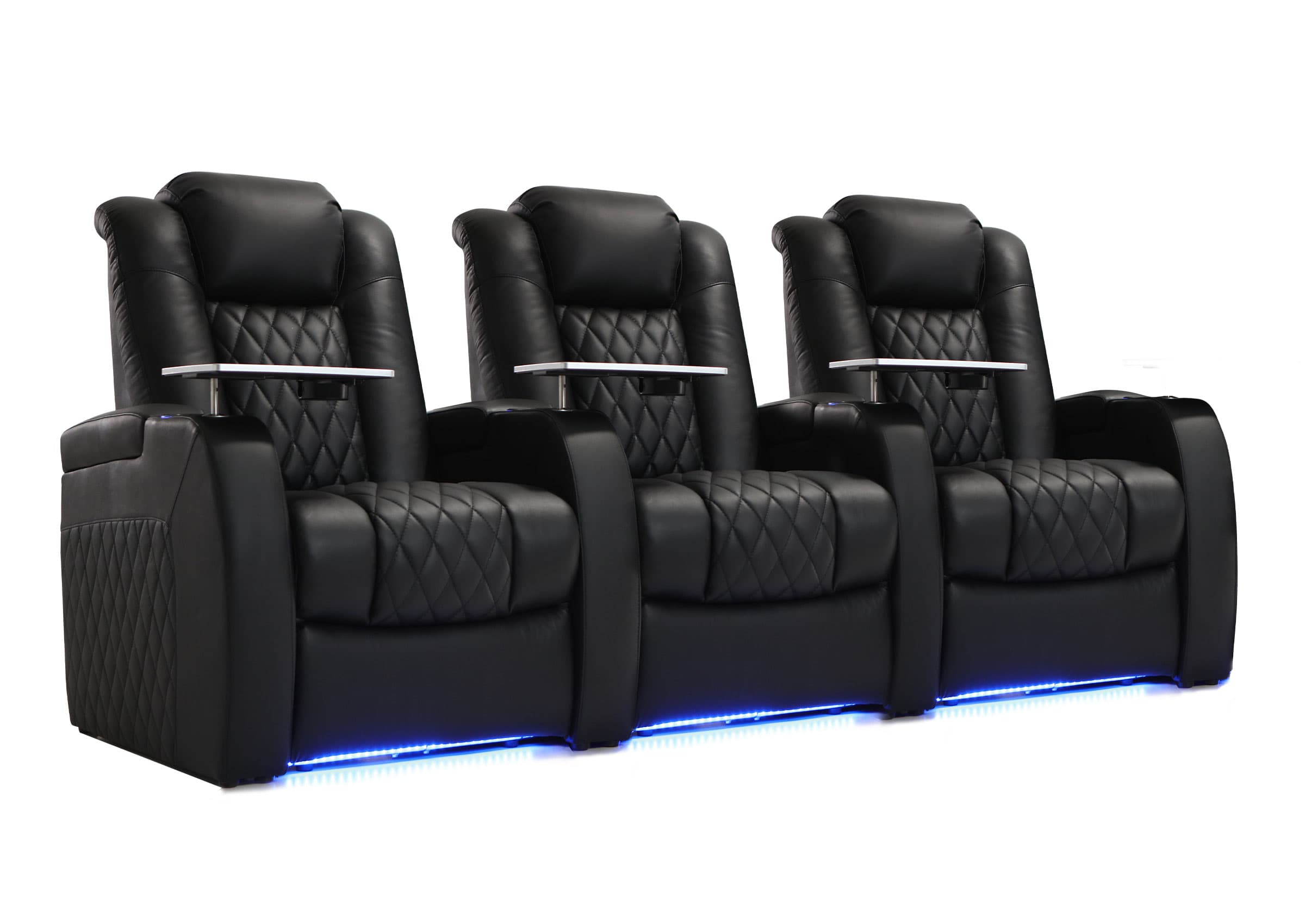
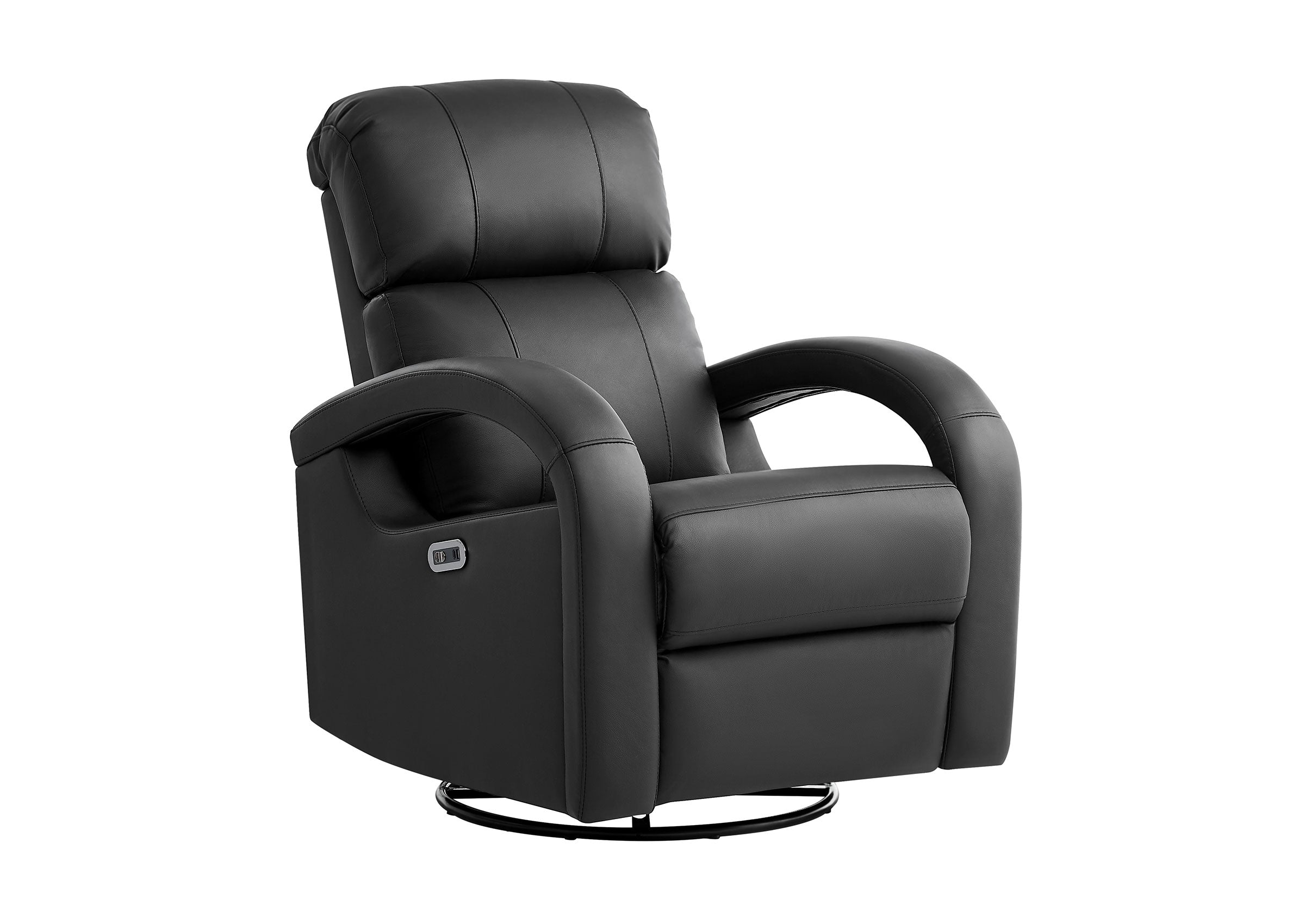
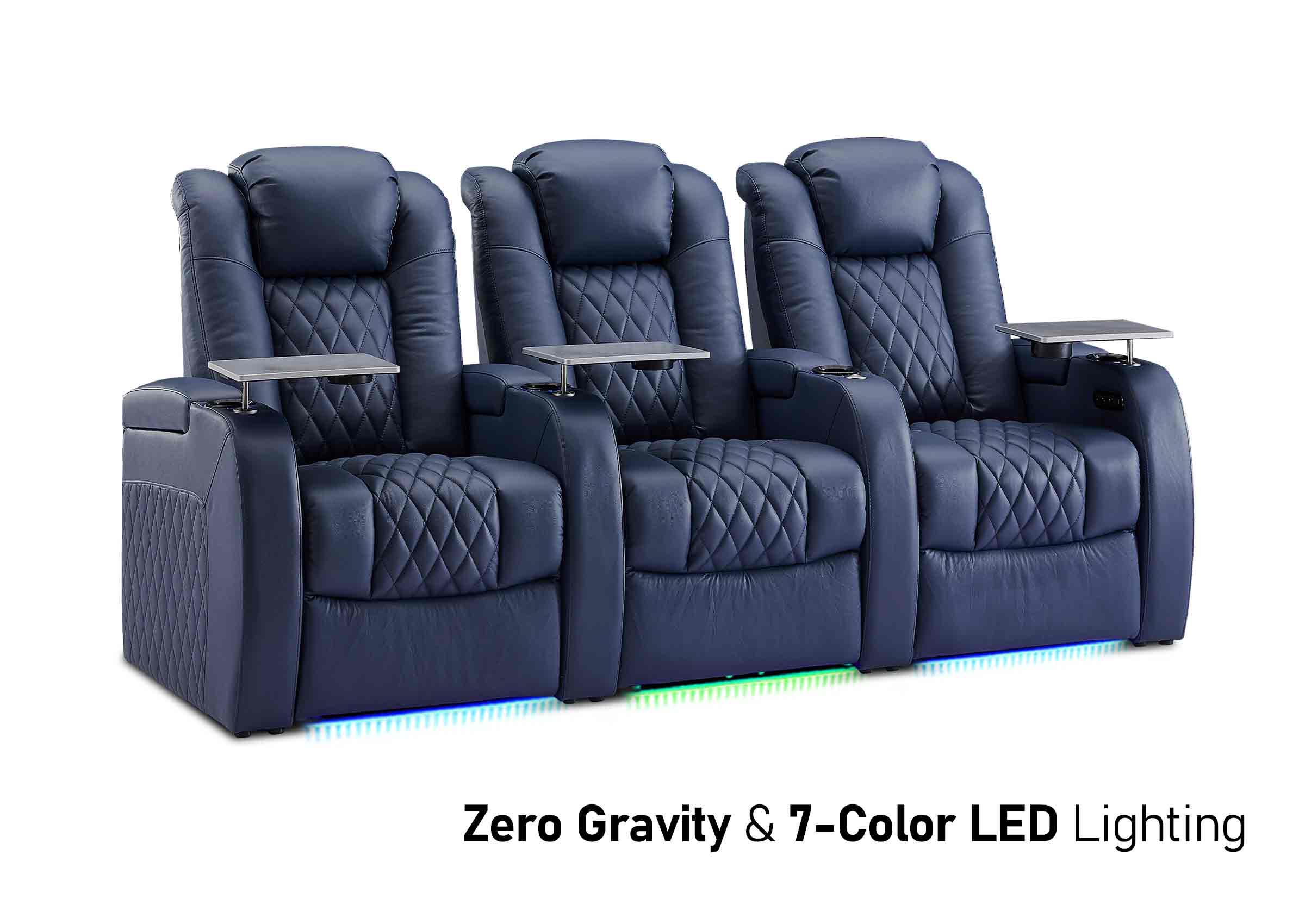
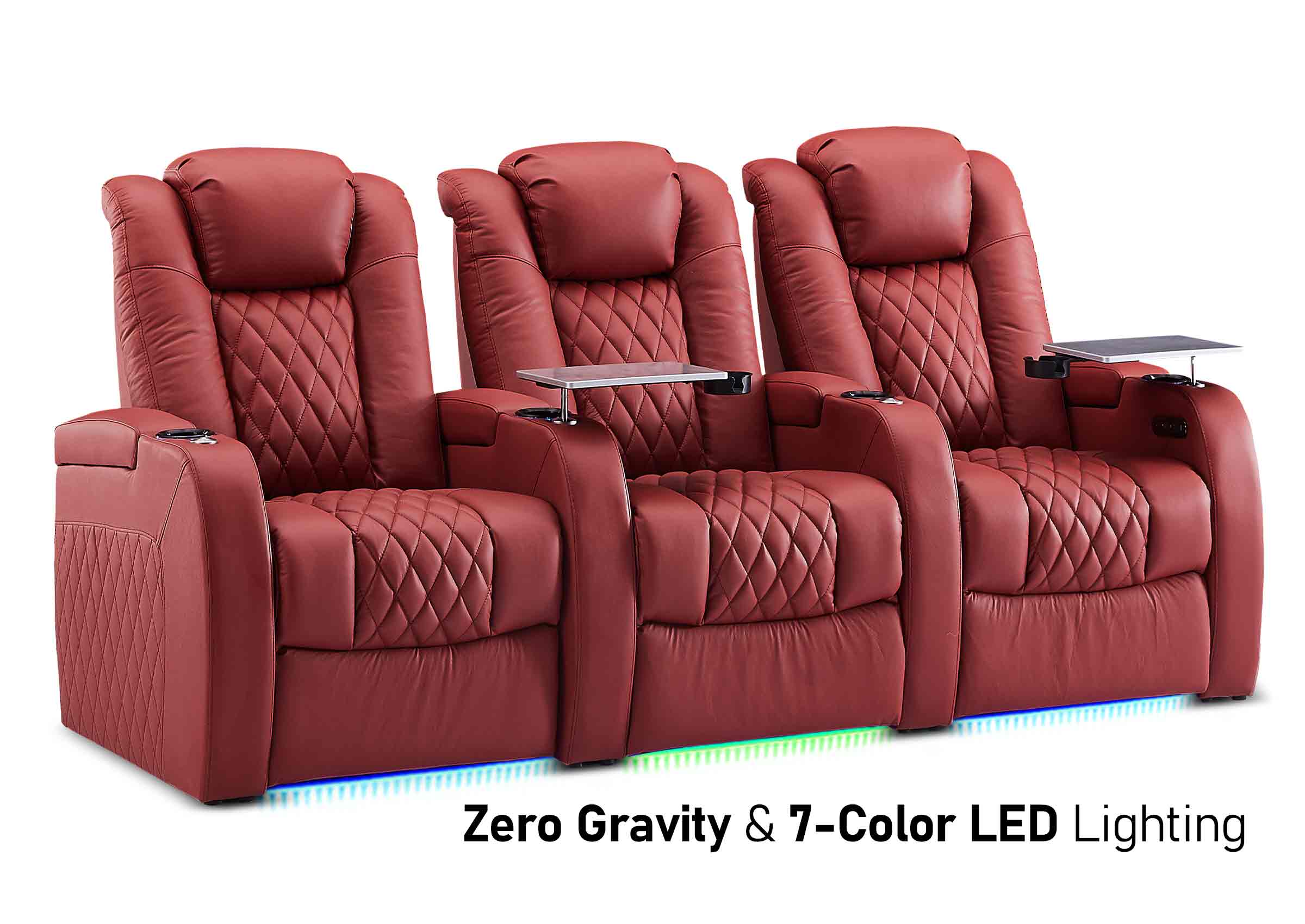
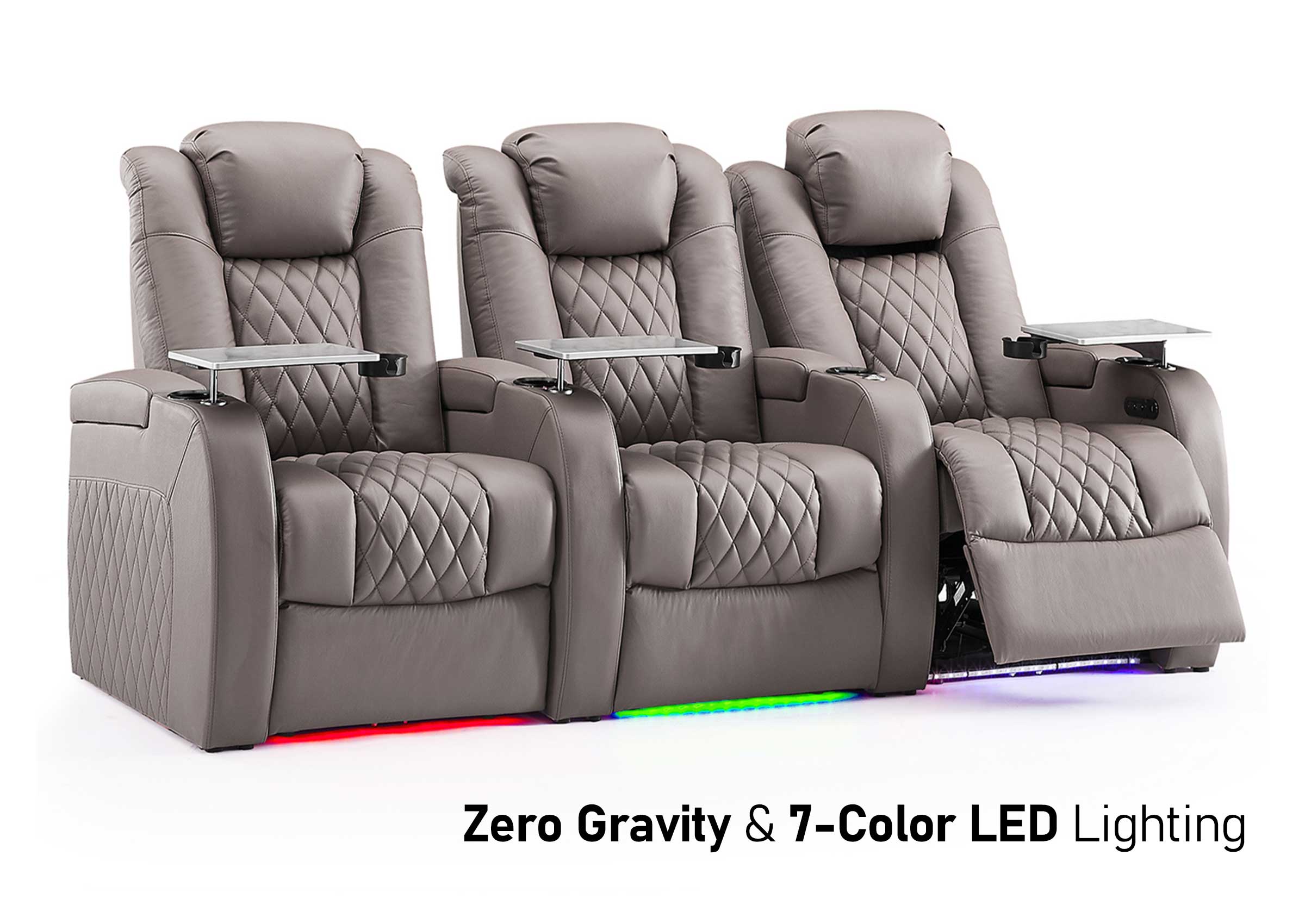
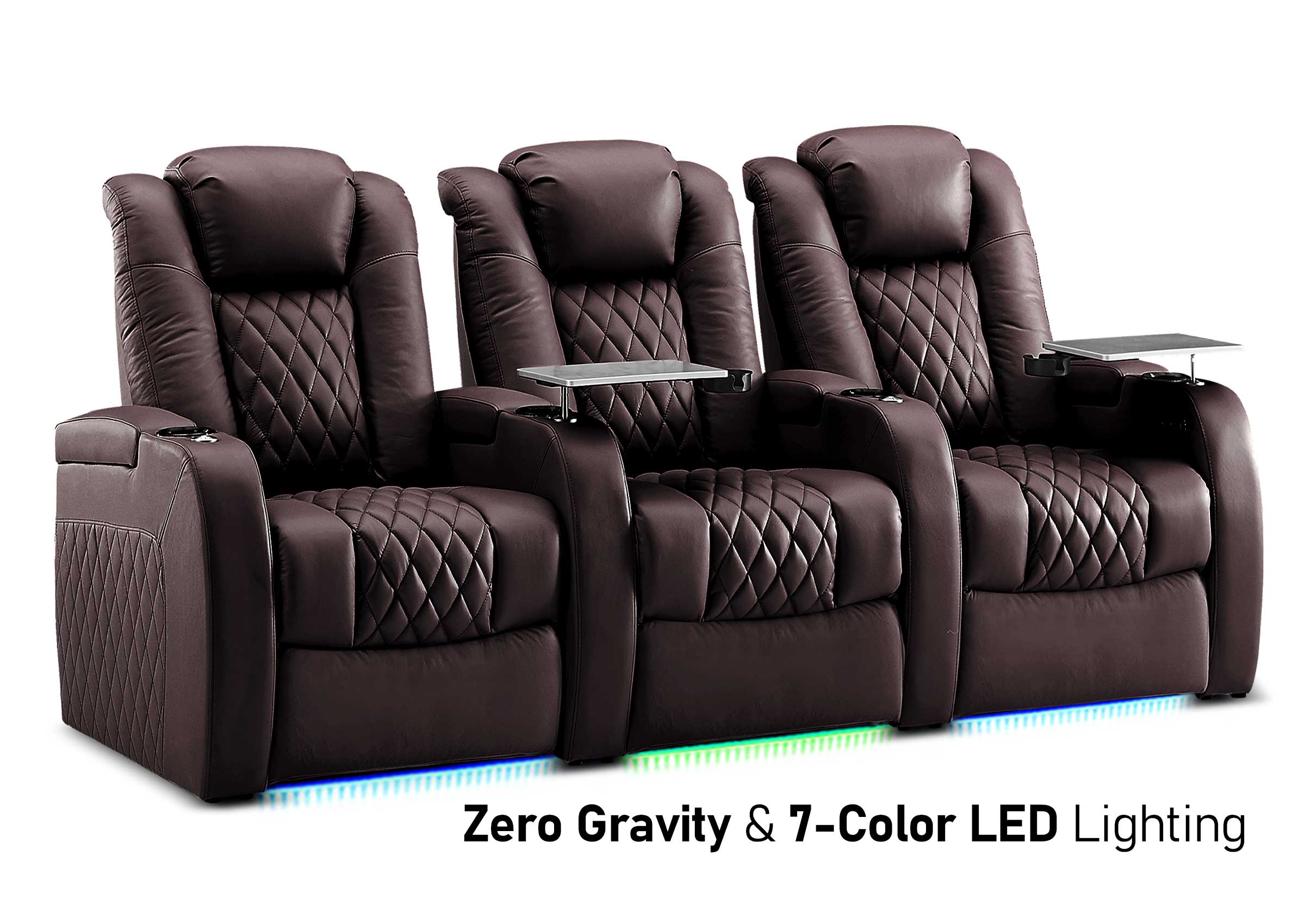

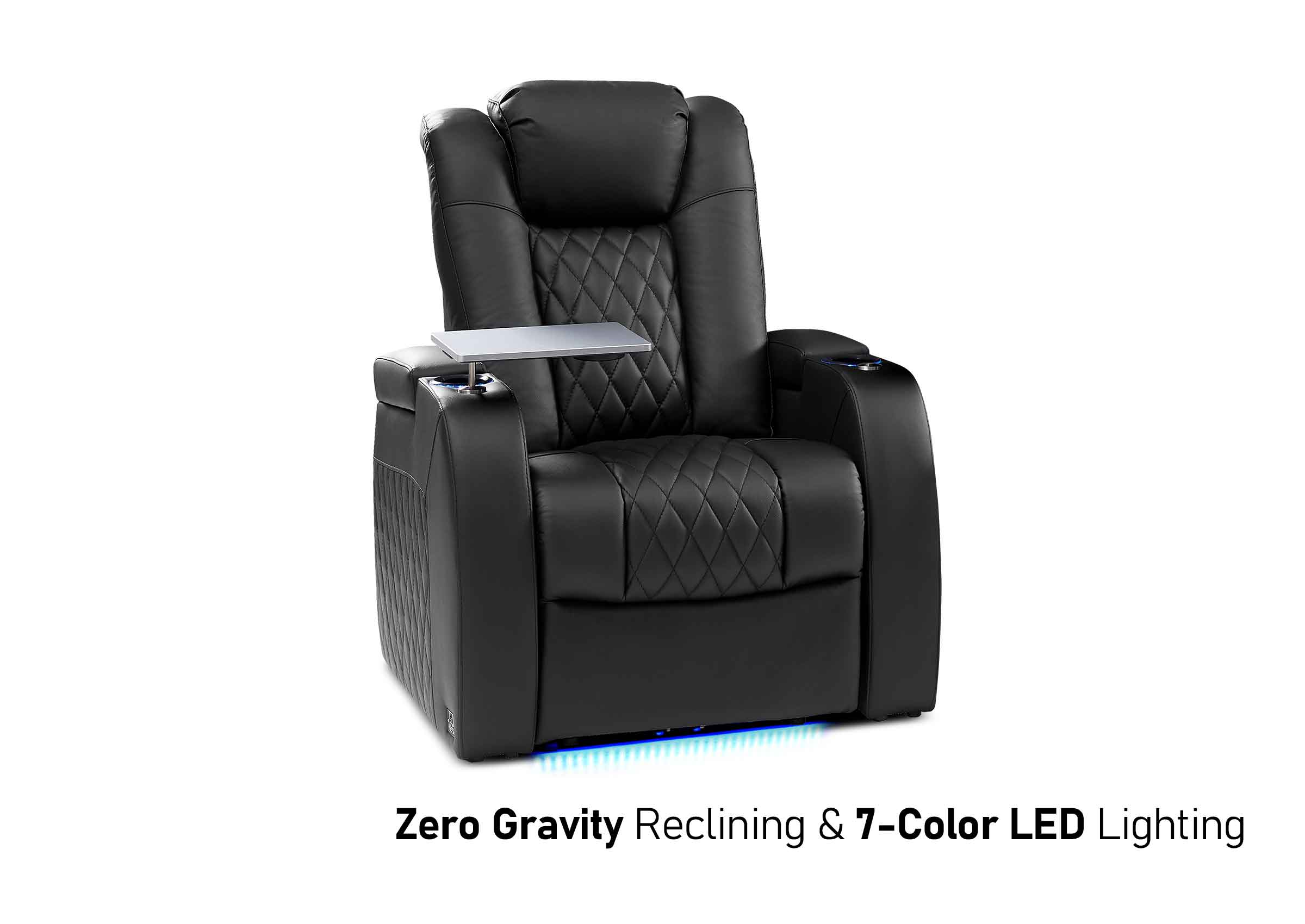
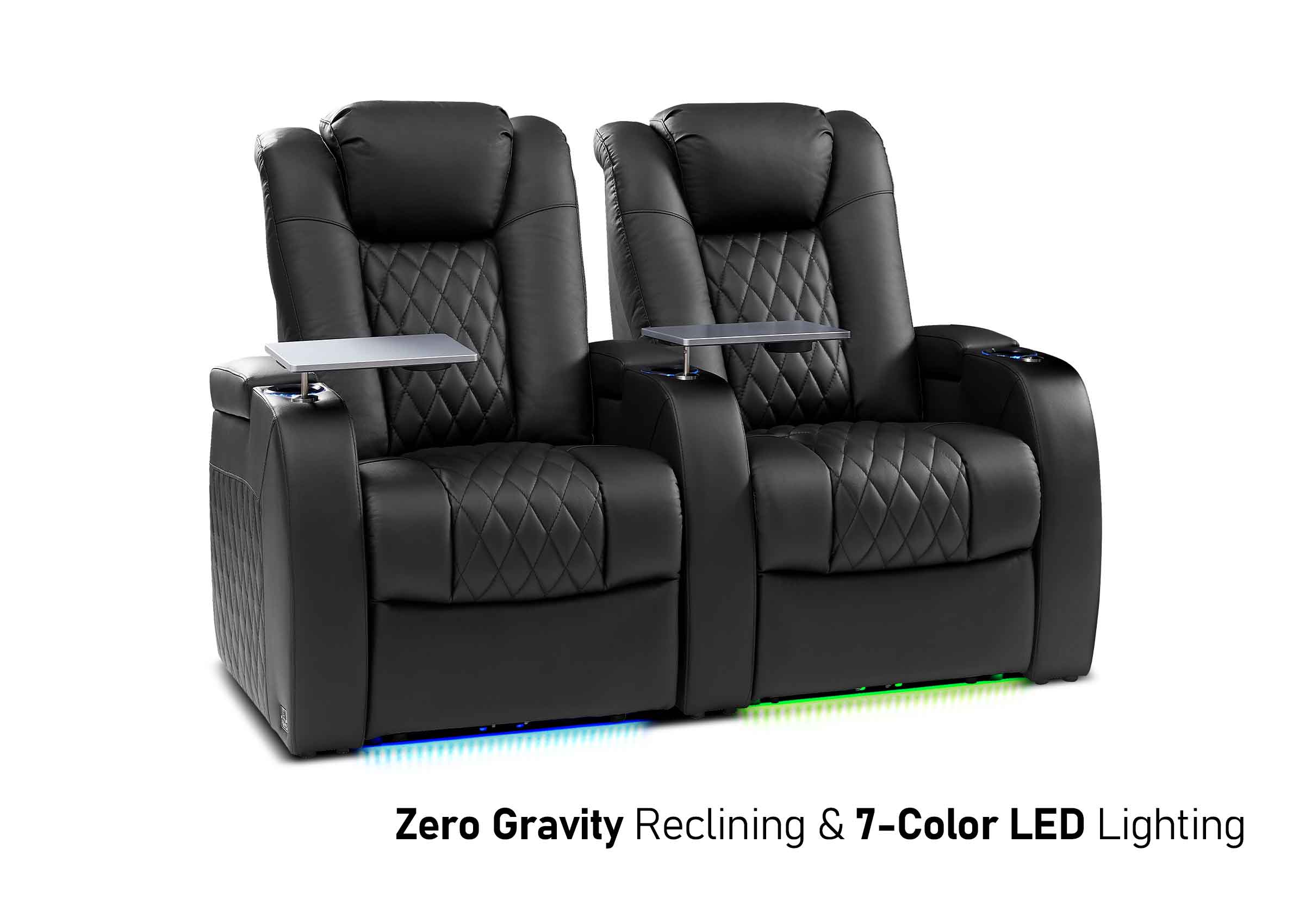
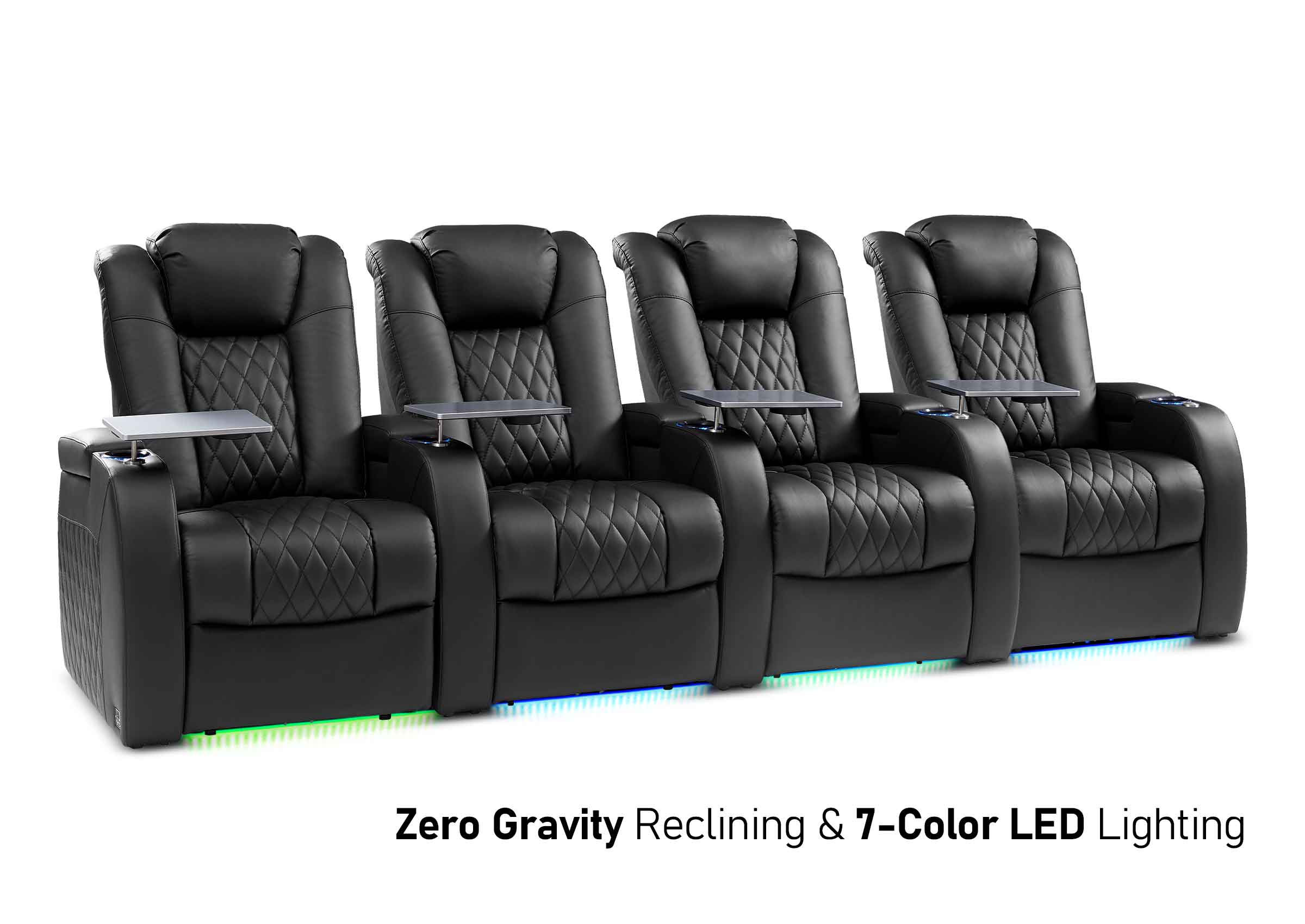
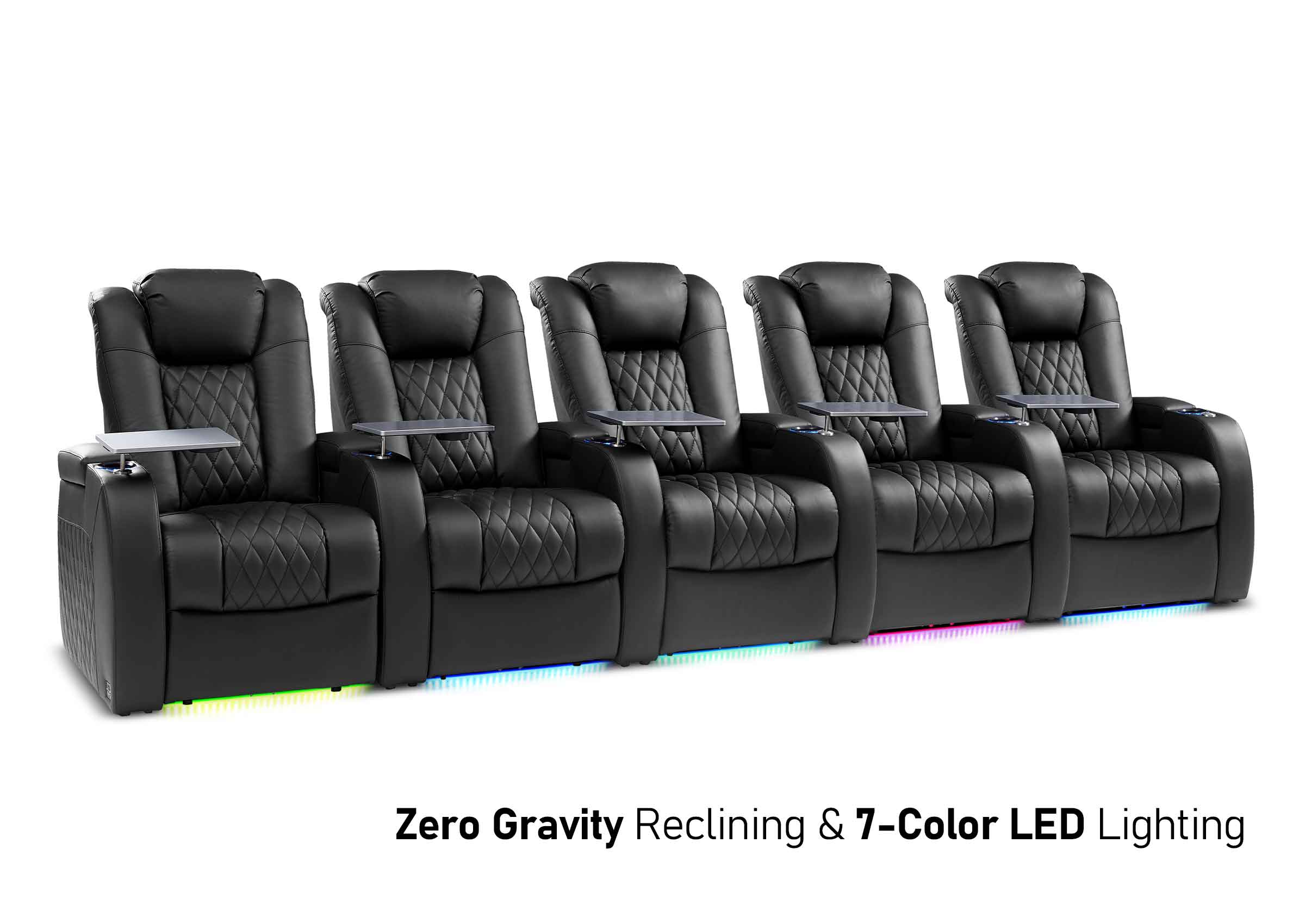




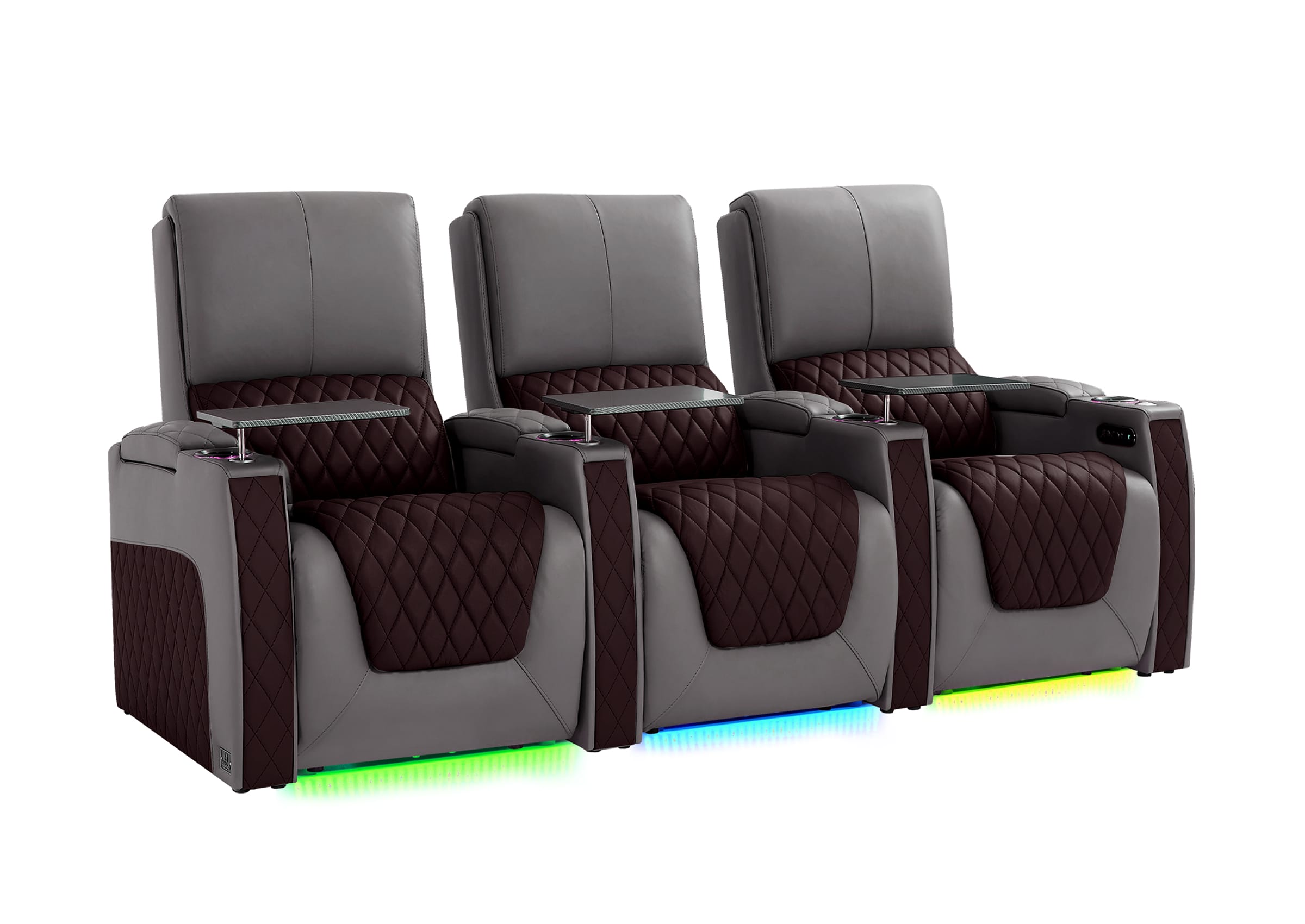
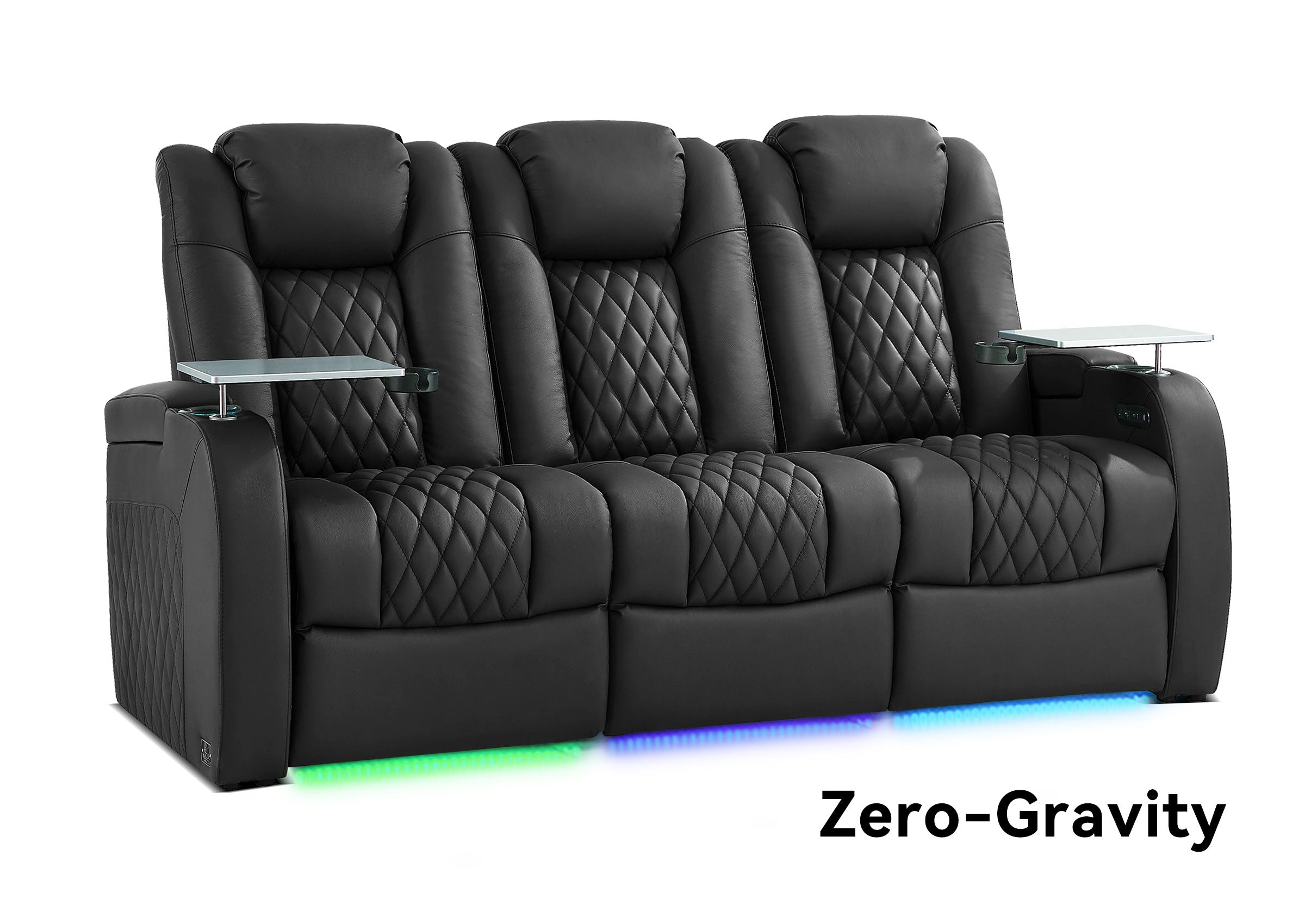


A recliner does not need one universal amount of wall clearance. The correct space depends on its mechanism, full-recline depth, footrest extension, and the walking room around it. The safest rule is to plan for the entire recline zone, not just the gap behind the backrest.
Before you buy, use the manufacturer’s full-recline dimensions as the final authority. A chair that looks compact when upright can still take up far more room once the backrest and footrest are fully extended.
Check the Full-Recline Dimensions First
The upright depth of a recliner is useful for delivery and general furniture placement, but it does not tell you whether the chair will work in daily use.
Look for these measurements on the product page or spec sheet:
- Required wall clearance
- Fully reclined depth
- Footrest extension
- Overall width with armrests
- Seat depth and seat height
- Power cord location, if applicable
- Headrest, lumbar, swivel, or zero-gravity movement
The full-recline footprint is the measurement that matters most. If that number is not listed, ask before ordering instead of estimating from photos.

Wall-Hugger Recliners Save Rear Space, but They Still Need Clearance
Wall-hugger recliners are designed to move forward as they recline, which reduces the amount of space needed behind the chair. They can be especially useful in apartments, small living rooms, media rooms, and narrow home theaters.
However, “wall hugger” does not mean the recliner should sit directly against the wall. You still need room for:
- Baseboards and wall trim
- Upholstery movement
- Power cords and outlets
- Small shifts on hardwood, tile, or carpet
- Smooth recline motion at every position
A wall-hugger mechanism can make a tight room more functional, but it does not remove the need to measure the front walkway and side clearance.
Standard Recliners Need More Planning Behind and in Front
Traditional recliners usually pivot farther backward as they recline. They may work beautifully in a larger room, but they need more careful placement near a wall.
The rear gap is only one part of the decision. You also need to make sure the open footrest does not block:
- A main walkway
- A doorway or closet
- Storage drawers
- A floor vent
- A side table
- Another person’s seat
A standard recliner can be a good choice when you have enough depth and want a specific comfort profile. It is less forgiving when the room has limited circulation space.
Measure the Recline Zone in Four Directions
A reliable layout check takes only a few minutes.
1. Measure from the wall to the front of the open footrest
Use the fully reclined depth, not the upright depth. Mark the front edge with painter’s tape so you can see how much of the room the chair will occupy.
2. Check the path around the chair
Ask whether someone can still walk through the room when the recliner is open. This matters more in a family room, media room, or open-plan space than in a dedicated theater.
3. Check both sides
Armrests, tray tables, consoles, side tables, and nearby furniture can all interfere with the recliner. Leave enough side space for the footrest and any moving parts to operate freely.
4. Check fixed obstacles
Confirm that the chair will not block a door swing, return vent, outlet, window treatment, speaker, cabinet, or drawer. A layout can appear workable until one of these details is overlooked.

Wall-Hugger vs. Standard Recliner: A Quick Planning Guide
| Your room situation | Better starting point | Why |
|---|---|---|
| Small living room | Wall-hugger recliner | Helps preserve rear space and circulation |
| Apartment or condo | Wall-hugger recliner | Better suited to a tighter footprint |
| Dedicated home theater | Either type | Choose based on row depth, aisle space, and viewing layout |
| Open-plan family room | Depends on traffic flow | The footrest should not interrupt everyday movement |
| Narrow media room | Wall-hugger recliner | Makes it easier to keep a usable walkway |
| Large room with flexible spacing | Standard recliner or theater row | Gives you more freedom to prioritize recline style and comfort |
The best option is not always the smallest one. A compact chair that feels too narrow or shallow may be less useful than a larger model that fits the room properly.

Plan Reclining Sofas and Theater Rows as One System
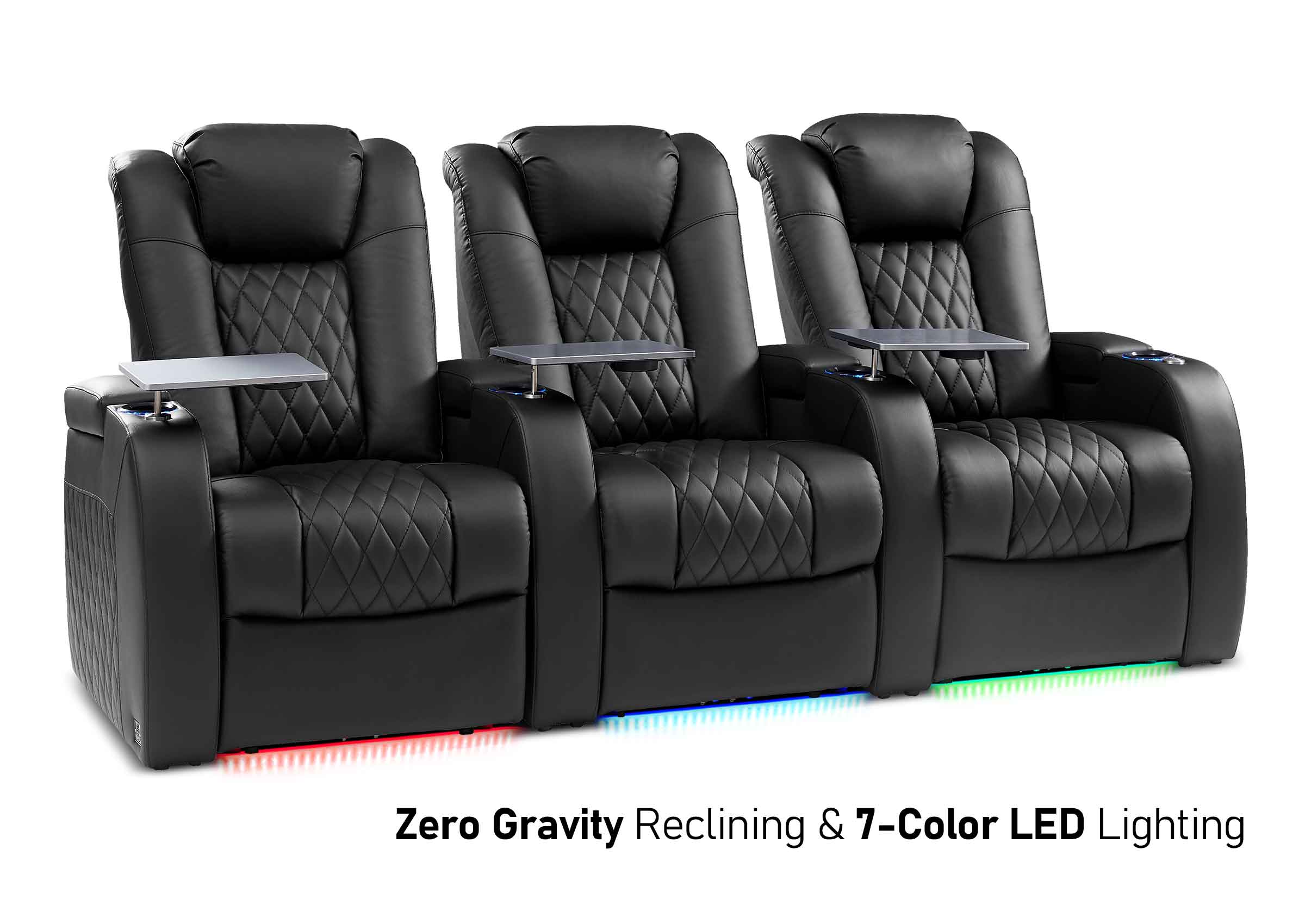
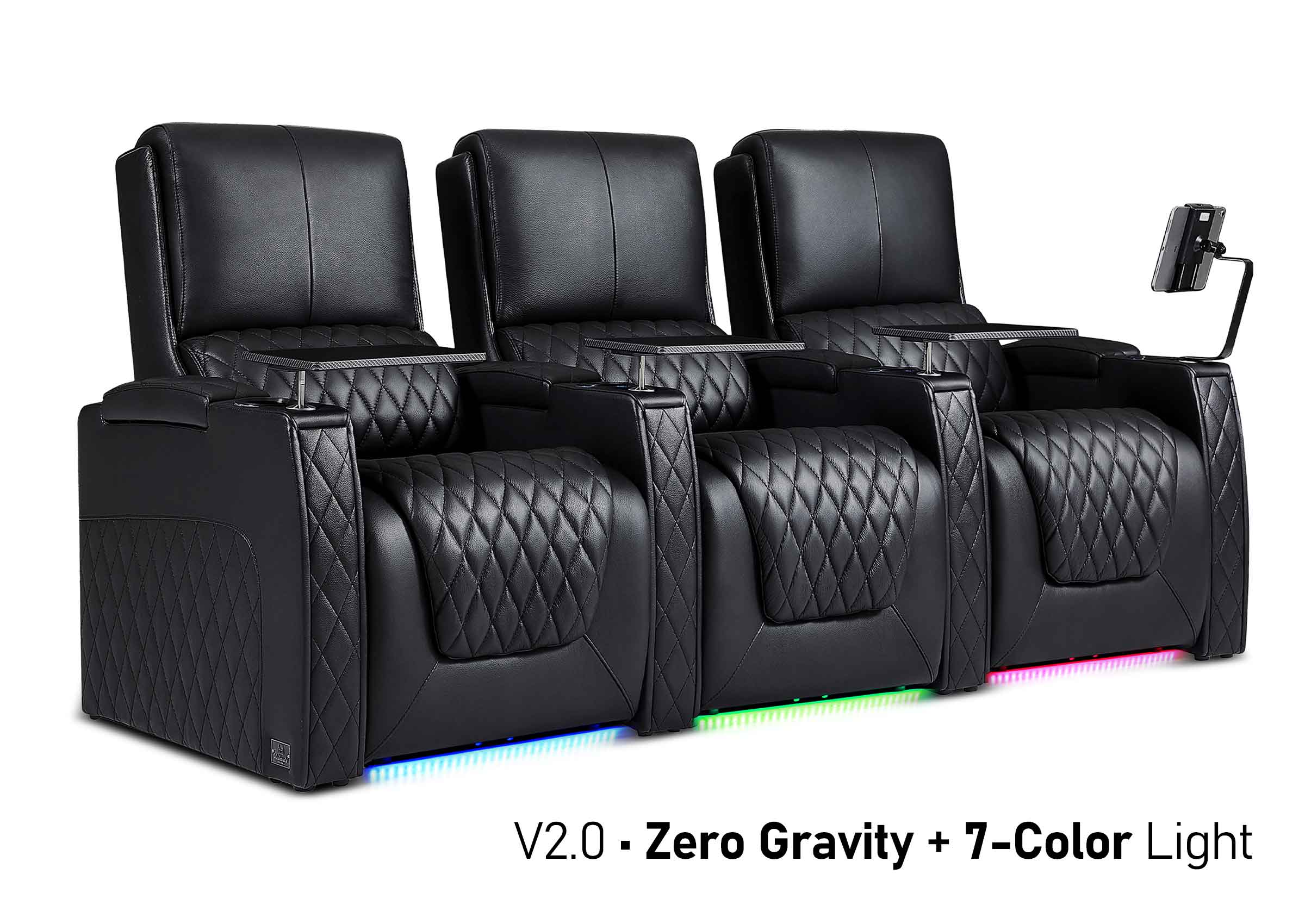
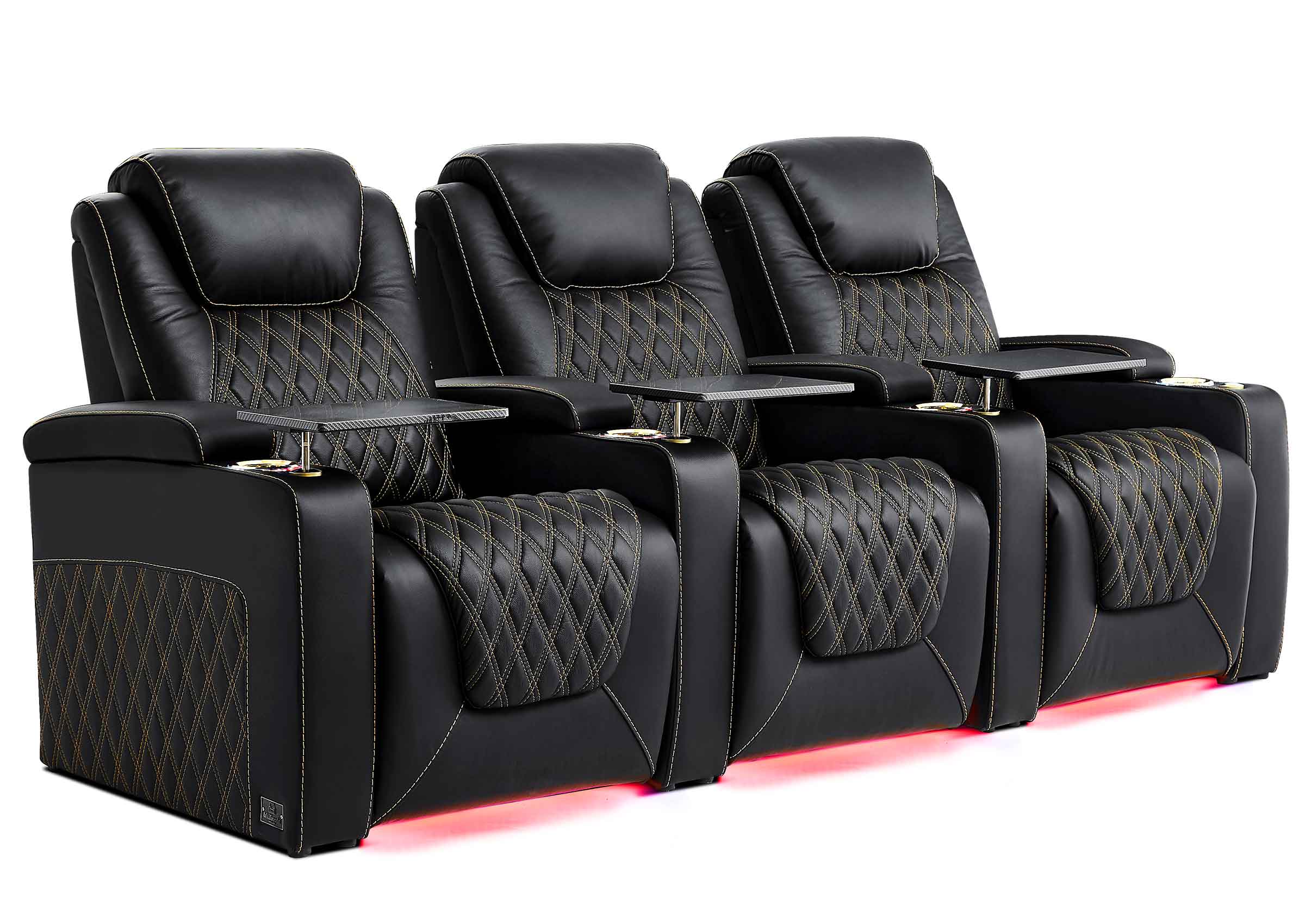
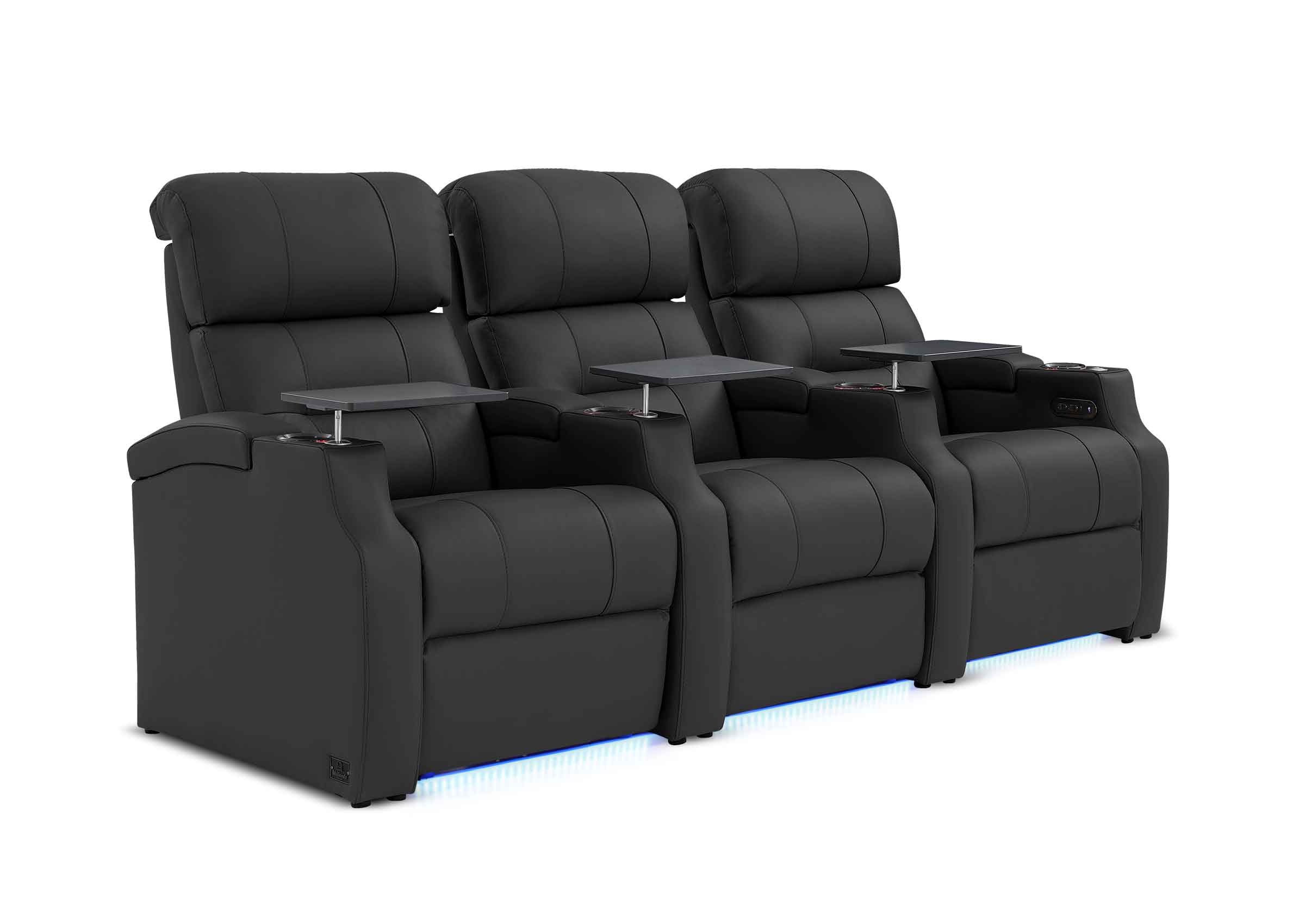
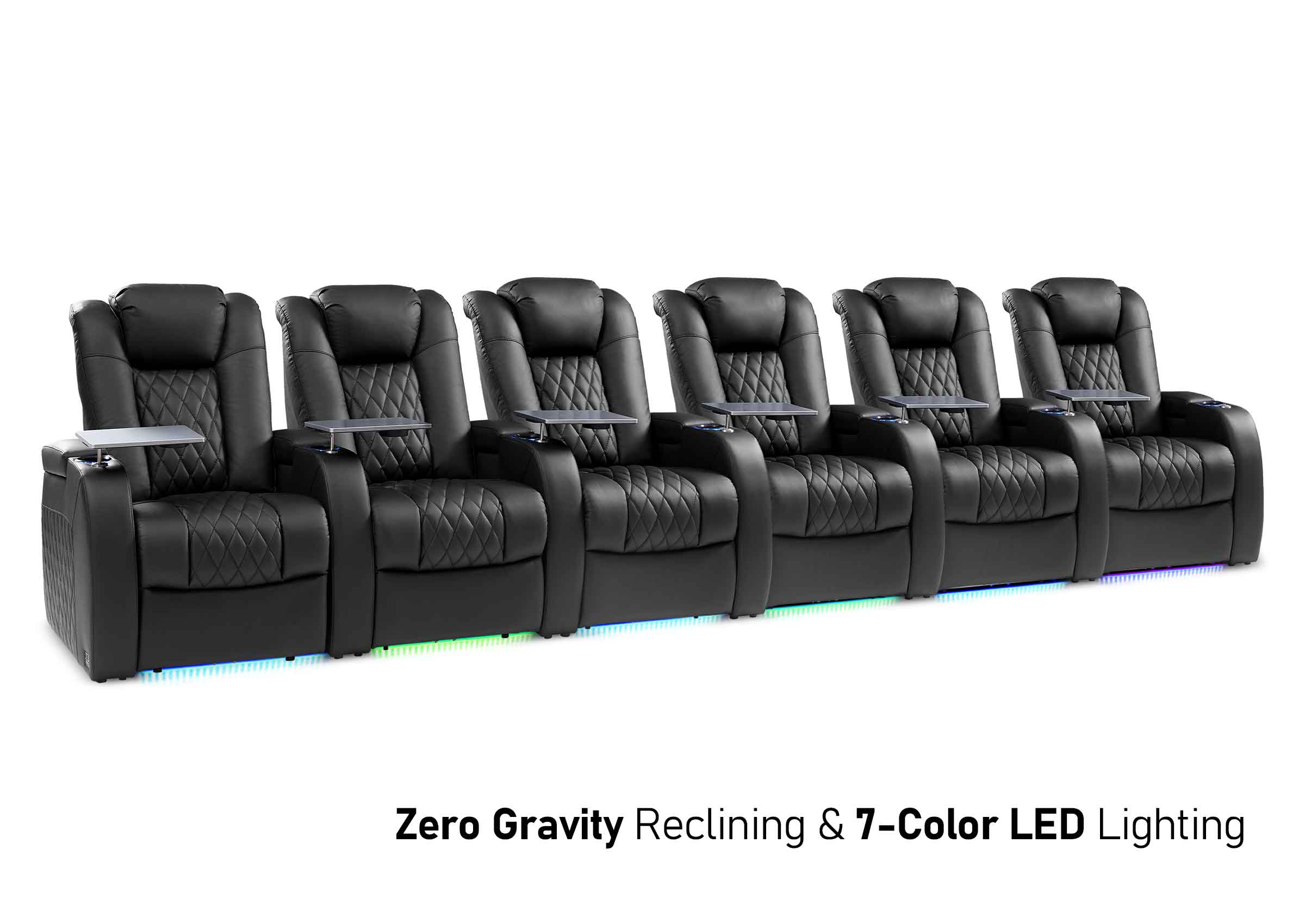
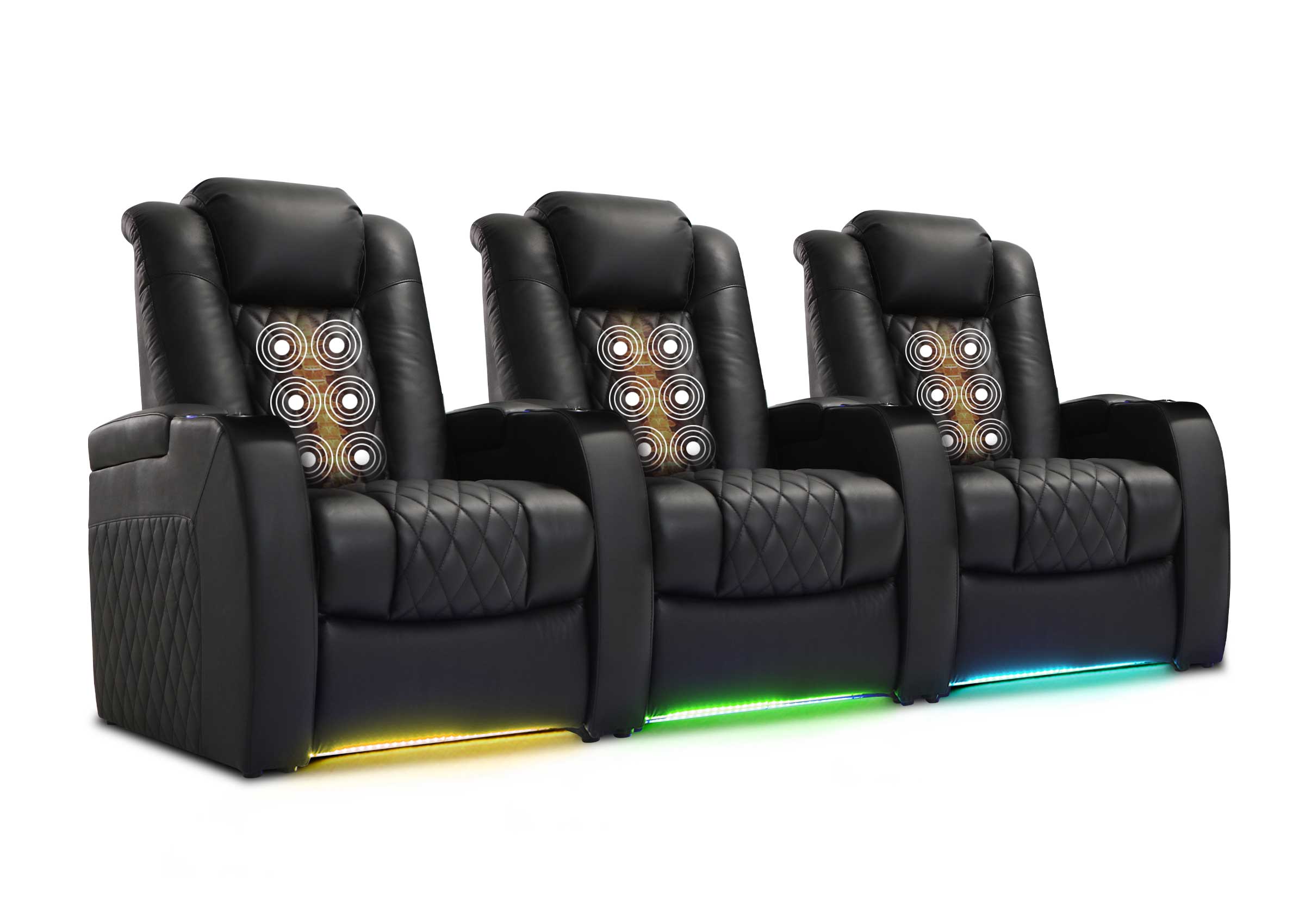
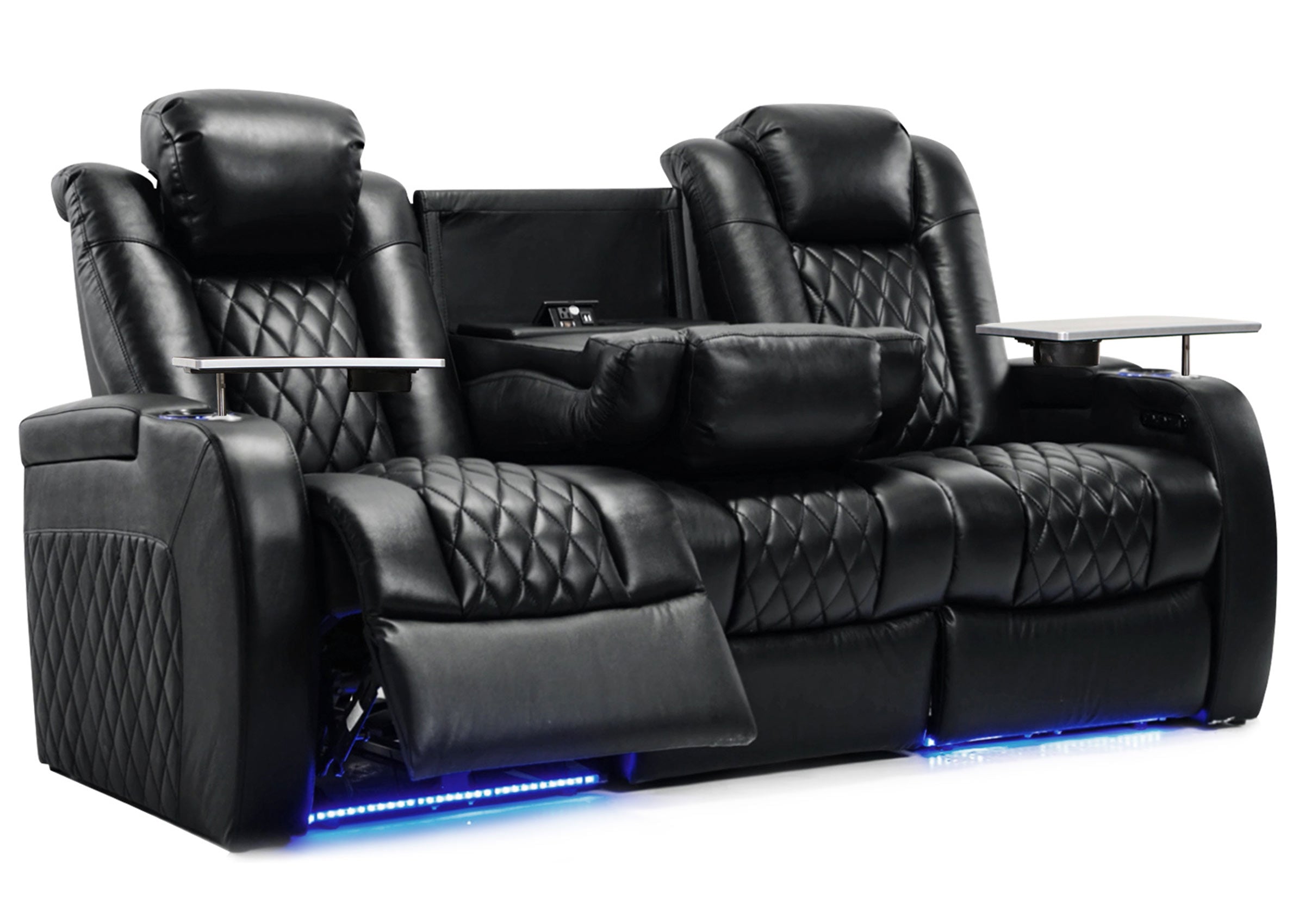
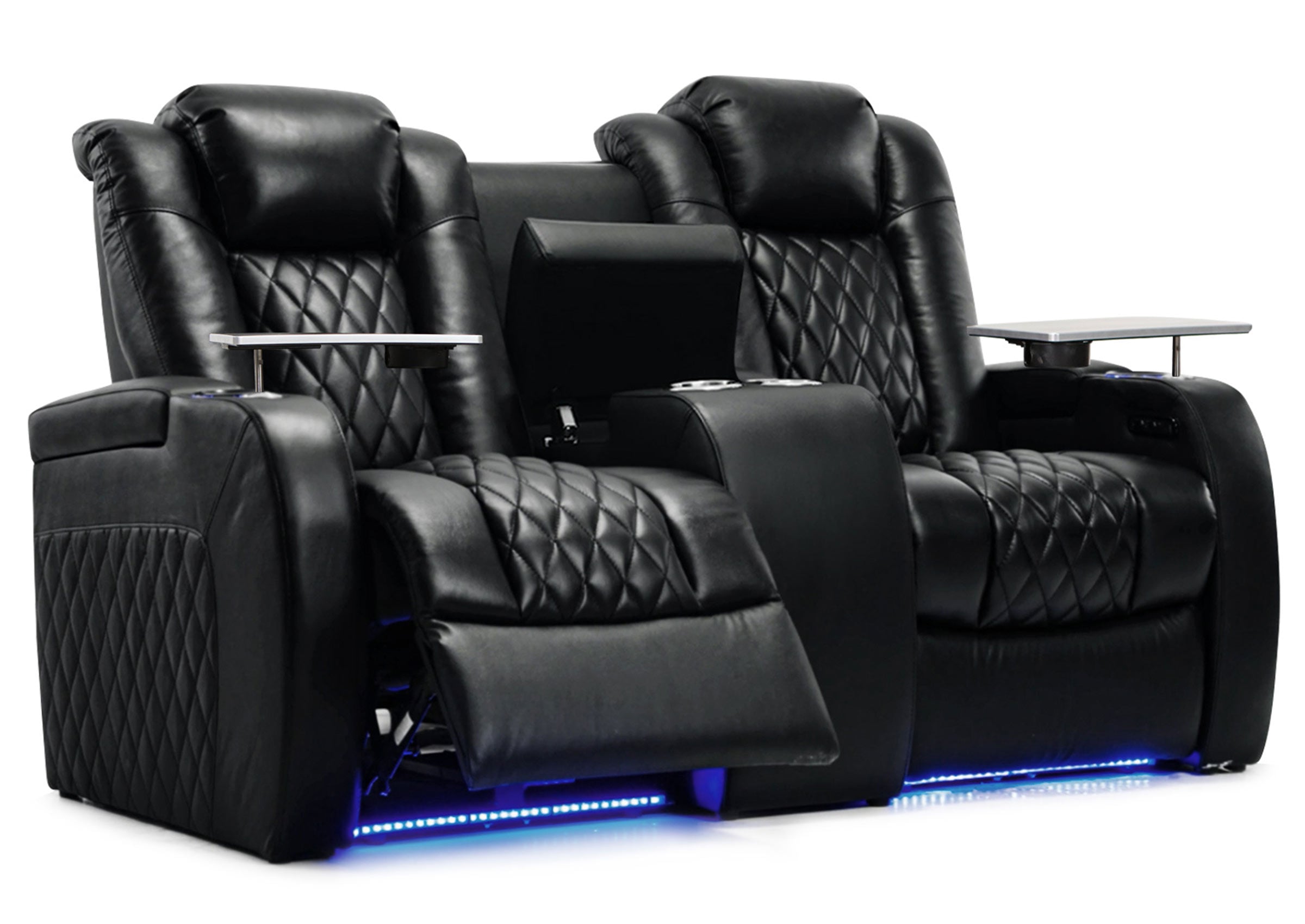
A reclining sofa or theater seating row needs more than a single-chair measurement. Multiple seats may recline at the same time, and center consoles, cup holders, powered headrests, and tray tables can change the usable footprint.
For a row of seating, check:
- Full reclined depth for every seat
- Screen distance and viewing comfort
- Space behind the row for entry and exit
- Aisle width with footrests open
- Door, riser, platform, and speaker placement
- Whether guests can reach their seats without asking others to close their recliners
A room should work when everyone is relaxed, not only when every seat is upright.
Common Recliner Clearance Mistakes
Measuring only the upright chair
This is the most common mistake. The chair may fit against the wall when closed but become impractical once the footrest and backrest are open.
Treating “zero clearance” as a guarantee
Mechanisms vary. Always follow the clearance listed for the exact model.
Forgetting the walking path
A footrest that reaches into a doorway or central route can make the room feel cramped every day.
Ignoring delivery and setup
A recliner may fit the room but still be difficult to move through stairs, corners, narrow hallways, or doorways.
Buying a seating row before measuring the room depth
A multi-seat row can look excellent in photos but overwhelm a shallow media room. Check full recline, aisle, screen, and entry space together.
A Simple Pre-Purchase Checklist
Before ordering, confirm:
- The exact model’s wall-clearance requirement
- Fully reclined depth
- Available floor depth from wall to walkway
- Side clearance from furniture and walls
- Door, vent, outlet, and storage locations
- Delivery path into the room
- Whether all seats can recline at the same time
- Whether the layout still works for daily family use
When a Wall-Hugger Recliner Makes Sense
A wall-hugger recliner is often a smart choice when you want reclining comfort without sacrificing the room’s function. It can work especially well in smaller homes, apartments, media rooms, and rooms where a clear walkway matters.
The goal is not to fit the maximum number of seats into the room. The goal is to create a layout where people can recline, walk, watch, and relax without constantly moving furniture.
FAQ
How close can a recliner be to a wall?
Use the exact clearance listed for that model. Wall-hugger recliners typically need much less rear space than standard recliners, but they still need room for trim, movement, and power cords.
Do wall-hugger recliners really save space?
Yes. Their mechanism generally moves the seat forward as it reclines, reducing the rear clearance needed. You still need to plan for the extended footrest and walking space in front.
How much space should be left in front of a recliner?
Measure the open footrest and then make sure people can still move through the room comfortably. The required path depends on whether the area is a main walkway or a low-traffic corner.
Can a reclining sofa sit directly against a wall?
Usually not. Even compact reclining sofas need the model-specific clearance recommended by the manufacturer.
Are power recliners harder to fit in small rooms?
Not necessarily, but they require careful planning. Check the full-recline depth, cord location, powered headrest movement, and any lumbar adjustment.
Is a wall-hugger recliner better than a standard recliner?
A wall-hugger is often better for tight spaces. A standard recliner may be a better fit when you have more depth and prefer its comfort profile or motion style.
Plan Your Recliner Layout With Confidence
The right amount of recliner clearance is the amount that lets the seat operate fully without compromising the room around it. Measure the full motion, protect the walkway, and use the product’s actual specifications before making a decision.
If you are planning a more comfortable media room, living room, or home theater, Weilianda can help you compare seating layouts, recliner configurations, and space-saving options for your room. Email support@weiliandahome.com to discuss your space and seating needs.