








Projection in movies is the process of displaying moving images onto a large screen so audiences can watch films in a shared, immersive environment. While it may look simple from a viewer’s seat, movie projection is a carefully engineered system that combines light, optics, and digital processing to create a clear and consistent cinematic image.
Understanding how projection works helps explain why movies feel so different in a theater compared to a TV or phone screen—and why factors like brightness, screen size, seating position, and room layout all affect the viewing experience.
What “Projection” Means in Movies
In movies, projection refers to the method of casting an image onto a screen using light. Instead of the image being emitted directly from the surface (like a TV or LED panel), a projector sends light through film or digital imaging systems and reflects it onto a large surface.
The key idea is simple: projection = light + image + screen.
But in practice, it involves precise alignment between:
-
The projector (light source and imaging engine)
-
The screen (reflective surface)
-
The theater environment (darkness, distance, seating layout)
This separation between image generation and display is what allows cinemas to create very large visuals without building giant physical screens.
How Movie Projection Works Today
Modern movie theaters mostly use digital projection rather than traditional film reels. The process involves converting a movie file into a high-resolution light image that is projected onto a cinema screen.
Digital projection process (simplified):
-
A digital movie file is stored on a secure server.
-
The projector reads the file frame by frame.
-
A light source (often laser or high-powered lamp) shines through imaging chips.
-
The image is rapidly refreshed many times per second.
-
The lens projects the image onto a large screen.
To the audience, this creates the illusion of smooth, continuous motion.
Unlike older film projectors that physically ran reels through a light gate, digital projection is more stable, consistent, and easier to scale across different theater sizes.
Types of Movie Projection Systems
Different projection technologies are used in cinemas depending on brightness, color accuracy, and budget.
1. Digital Light Processing (DLP)
DLP projectors use tiny mirrors to reflect light and create images.
-
Known for sharp contrast and deep blacks
-
Common in many commercial theaters
-
Good motion handling for fast scenes
2. Liquid Crystal Display (LCD)
LCD projection uses light passing through liquid crystal panels.
-
Strong color accuracy
-
Slightly softer contrast compared to DLP
-
Often used in smaller cinema setups
3. Laser Projection
Laser projectors use laser light instead of traditional lamps.
-
Extremely bright and long-lasting
-
Better performance in large theaters
-
More consistent color over time
-
Becoming the new standard in premium cinemas
Each system aims to solve the same problem: delivering a bright, detailed image across a very large screen without distortion.
Why Projection Feels Different in a Cinema
Projection in movies is not just about the image itself—it’s about how the entire environment supports it.
Several factors make cinema projection feel unique:
1. Screen size and immersion
Movie screens are significantly larger than home TVs. This increases peripheral vision engagement, making viewers feel more “inside” the scene.
2. Controlled lighting
Cinemas are designed to eliminate ambient light. Even small amounts of stray light can reduce contrast and make projected images look washed out.
3. Viewing distance
Seats are positioned at calculated distances to balance clarity and immersion. Sitting too close or too far can change how the image feels.
4. Sound synchronization
Projection is tightly synced with surround sound systems, reinforcing the realism of the image.
Together, these elements make projection feel more immersive than standard displays.
Projection vs LED Cinema Screens
Some modern theaters use direct-view LED screens instead of projection systems. This creates a key difference in how images are displayed.
Projection systems:
-
Use reflected light
-
Require a dark environment
-
More flexible for very large screens
-
Traditional cinema standard
LED screens:
-
Emit their own light
-
Higher brightness and contrast
-
Less affected by ambient light
-
More expensive for large-scale installations
While LED screens are growing in premium cinemas, projection remains widely used because it scales efficiently and maintains a classic cinematic look.
Home Theater Projection vs Cinema Projection
Many homeowners try to recreate the cinema experience using projectors in dedicated media rooms or home theaters.
However, home projection works differently because the environment is less controlled.
Key differences:
-
Brightness control: Home rooms often have some ambient light
-
Screen size: Typically smaller than commercial theaters
-
Seating distance: More flexible and personal
-
Room layout: Depends heavily on furniture placement
In a home setup, projection quality is not only about the projector—it also depends on how the room is designed.
This is where seating and layout become surprisingly important. If seats are too close, too far, or improperly angled, even a high-quality projector will feel less immersive.
Common Misconceptions About Movie Projection

“The projector creates the image on its own”
In reality, the projector only delivers light and image data. The screen surface plays a major role in clarity and brightness.
“Bigger projection is always better”
A larger image can reduce sharpness if viewing distance and resolution are not properly balanced.
“Home projectors match cinema quality”
While home projectors have improved significantly, commercial cinema systems still have advantages in brightness, calibration, and screen scale.
“Seating doesn’t matter much”
Seat position affects viewing angle, perceived sharpness, and comfort over long movies. This is often underestimated in home setups.

How Projection Connects to Home Viewing Experience
Even though projection is a visual technology, it directly influences how people design their viewing spaces.
In home environments, the best projection experience depends on:
-
Proper screen-to-seat distance
-
Correct screen height alignment
-
Controlled lighting conditions
-
Comfortable long-session seating
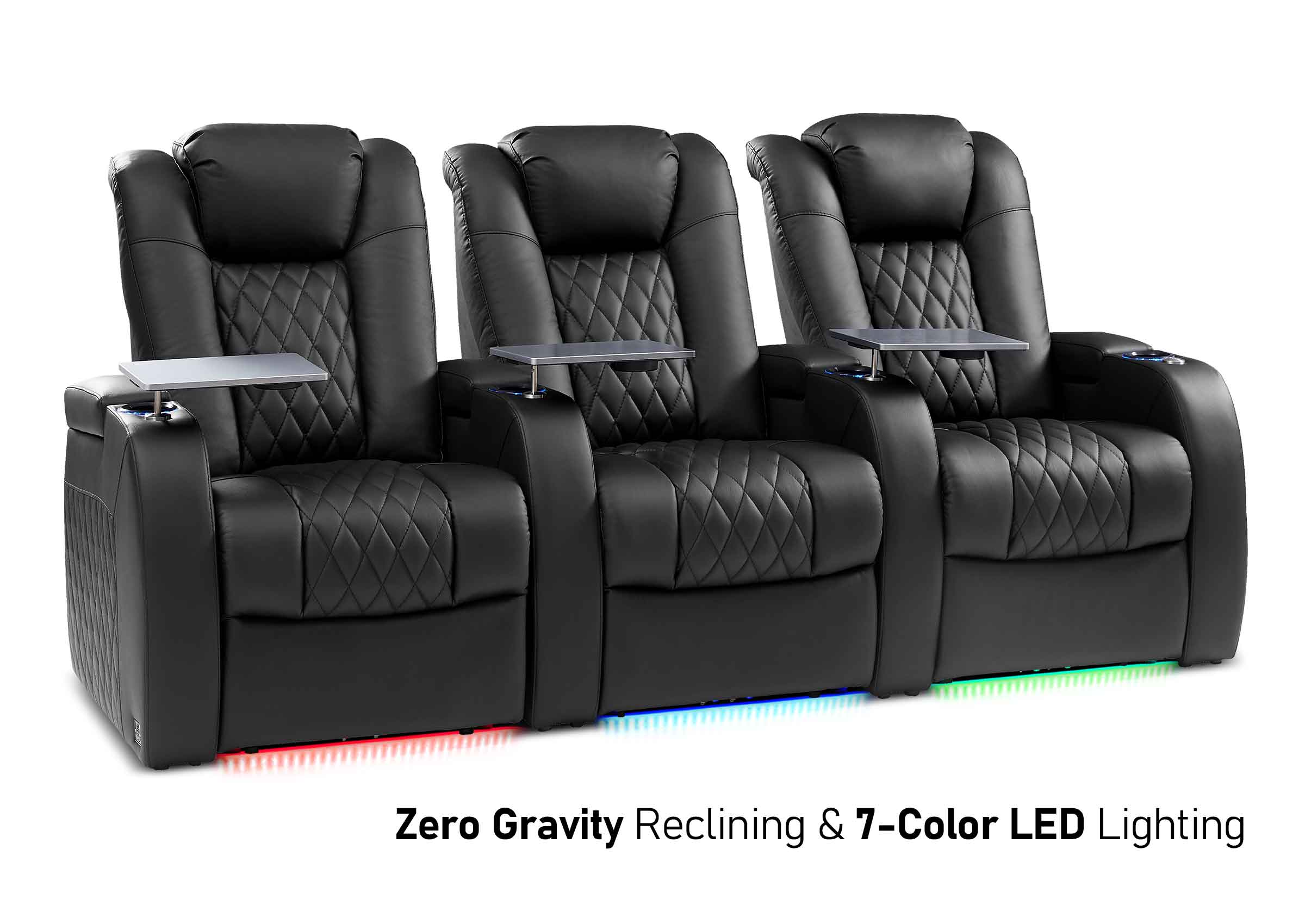
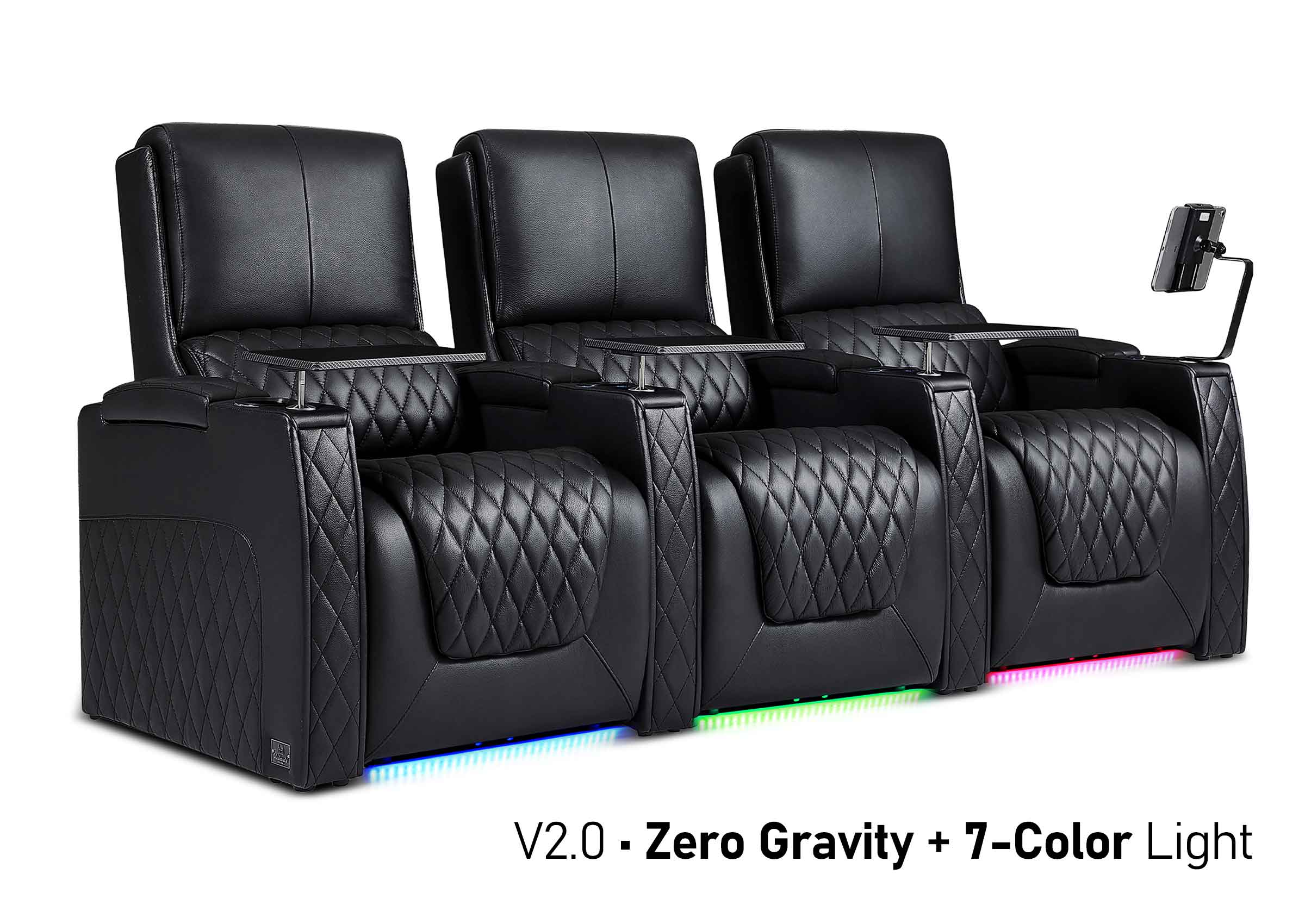
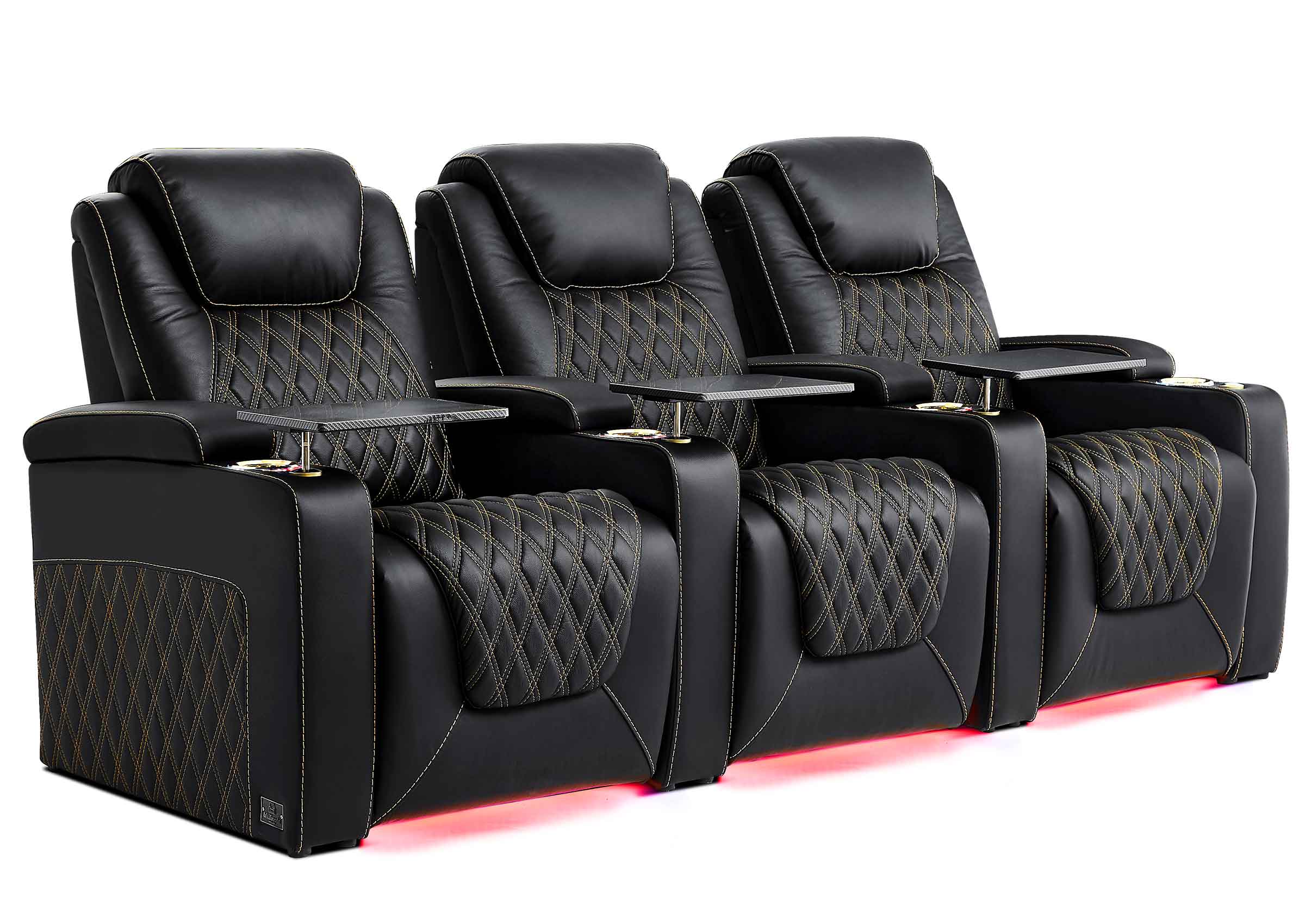
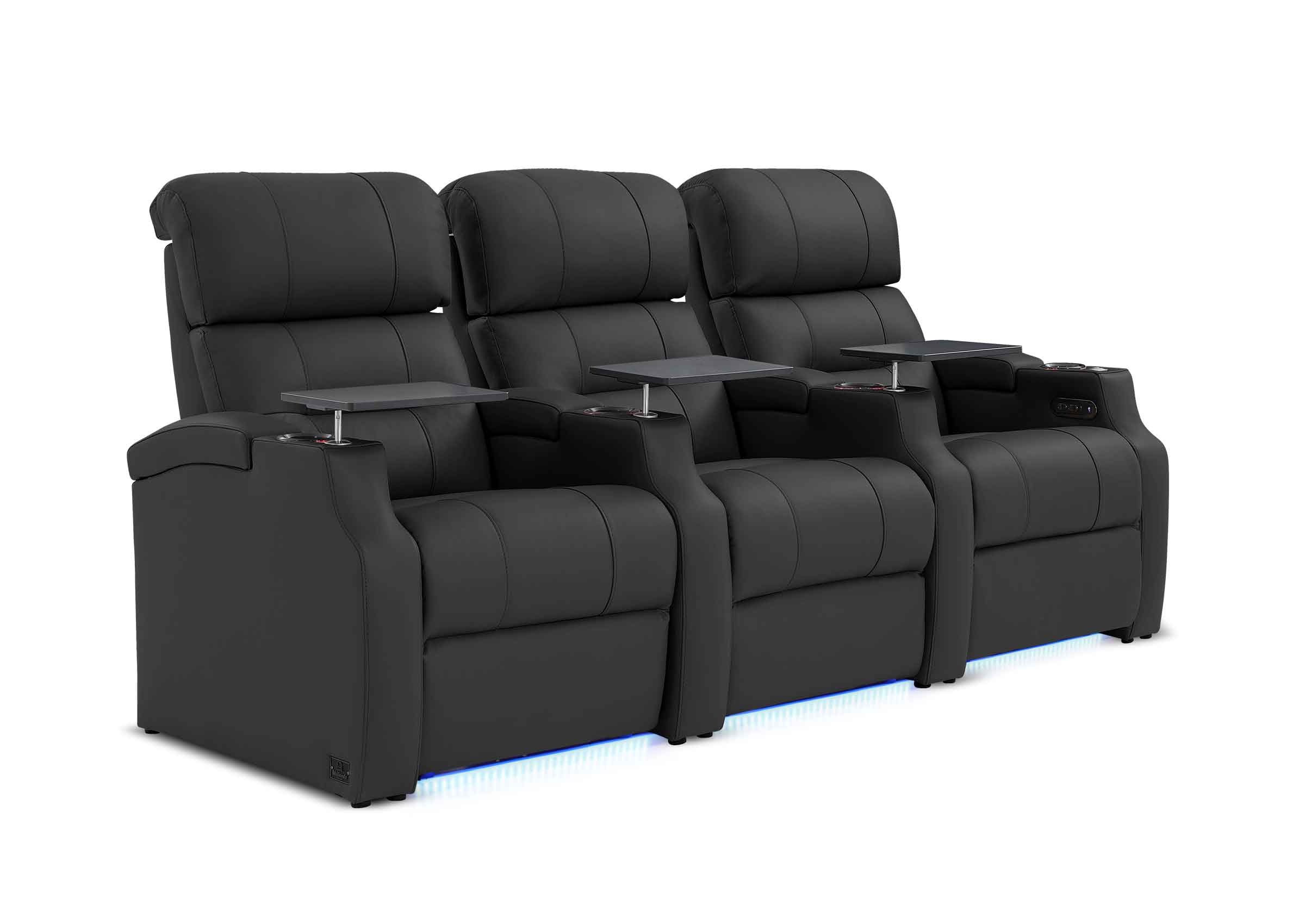
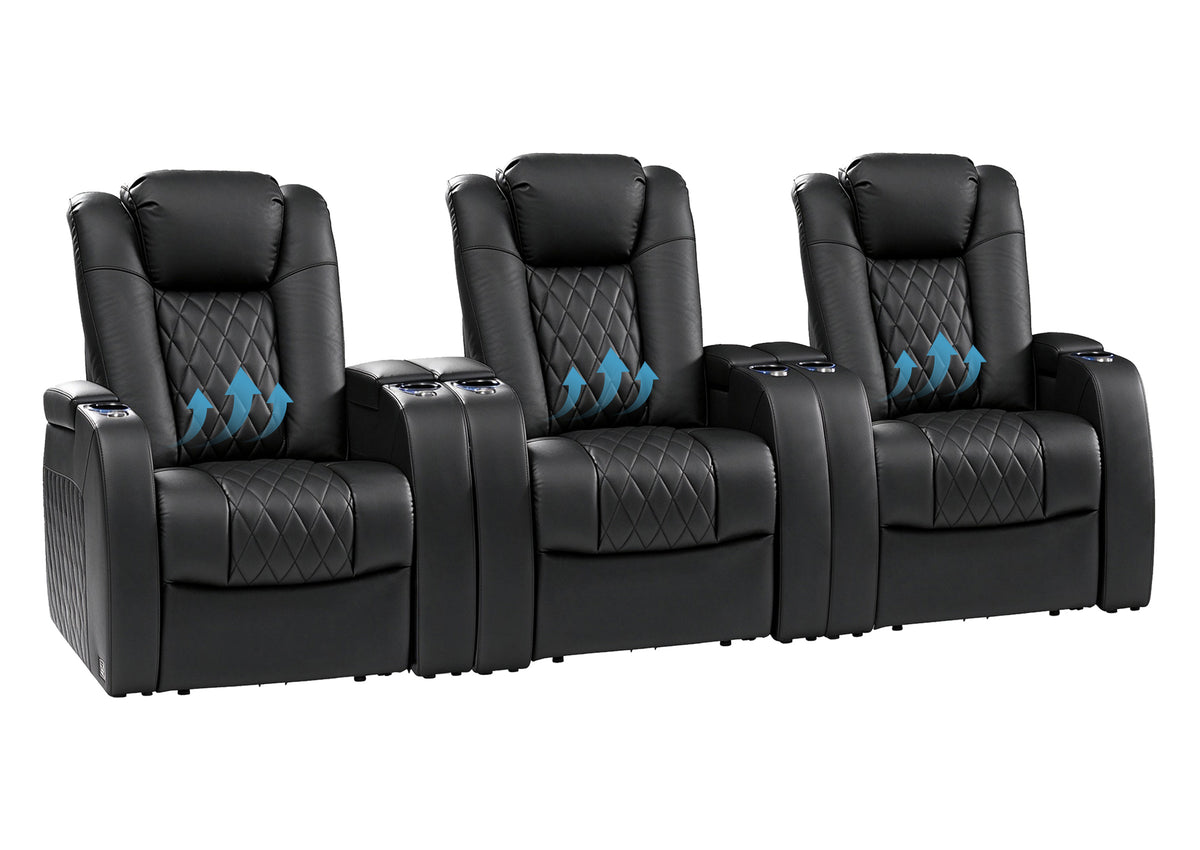
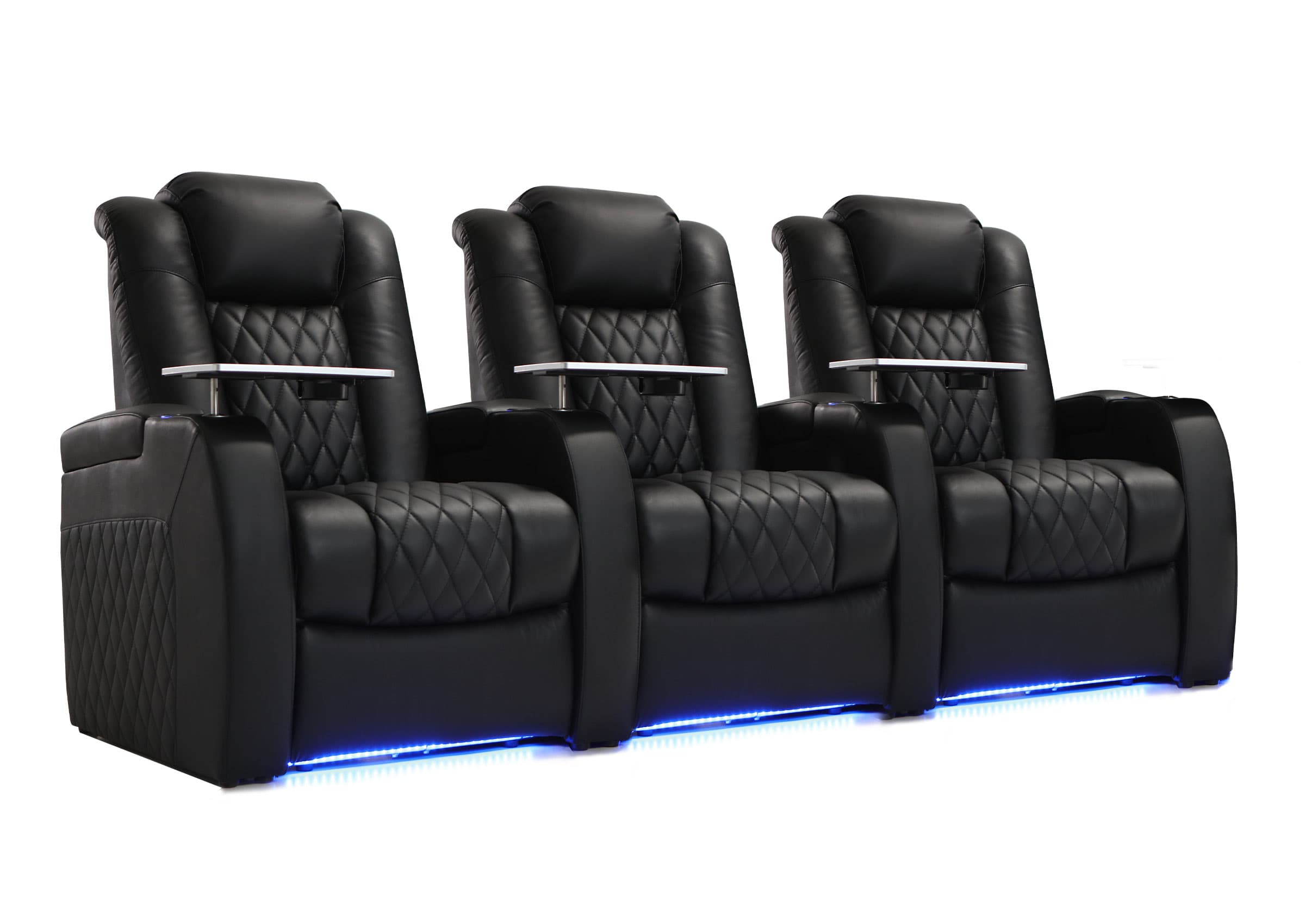
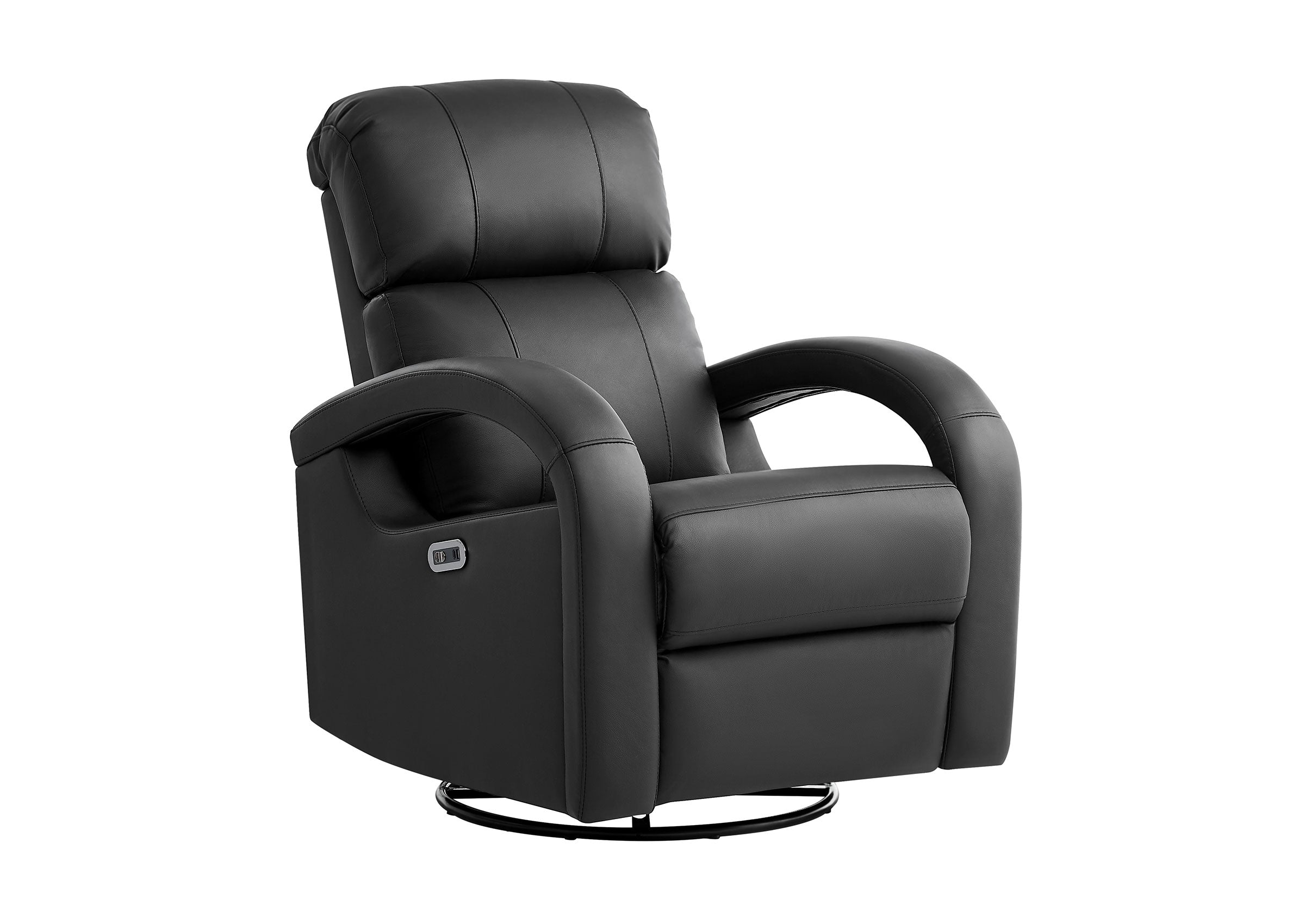
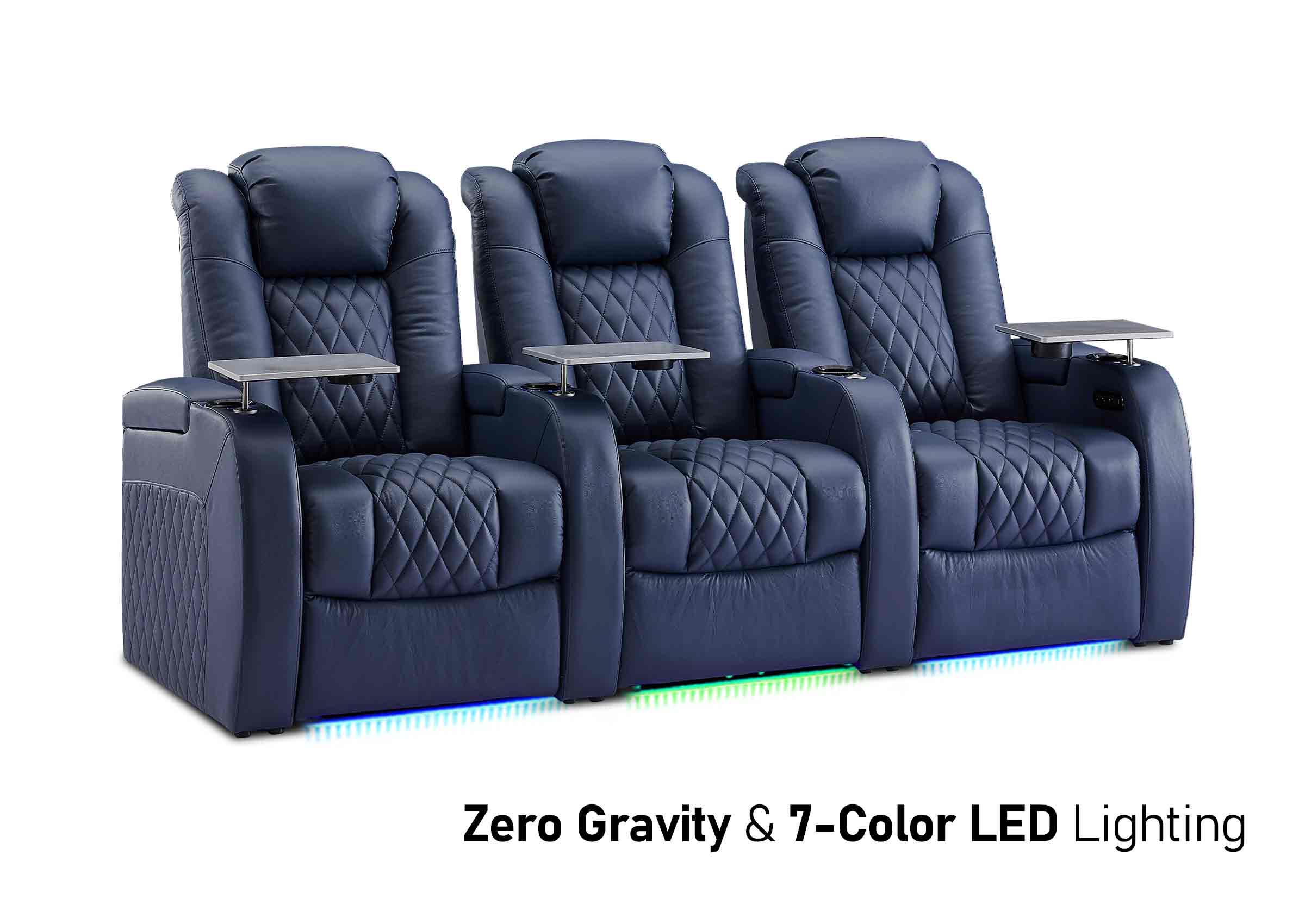
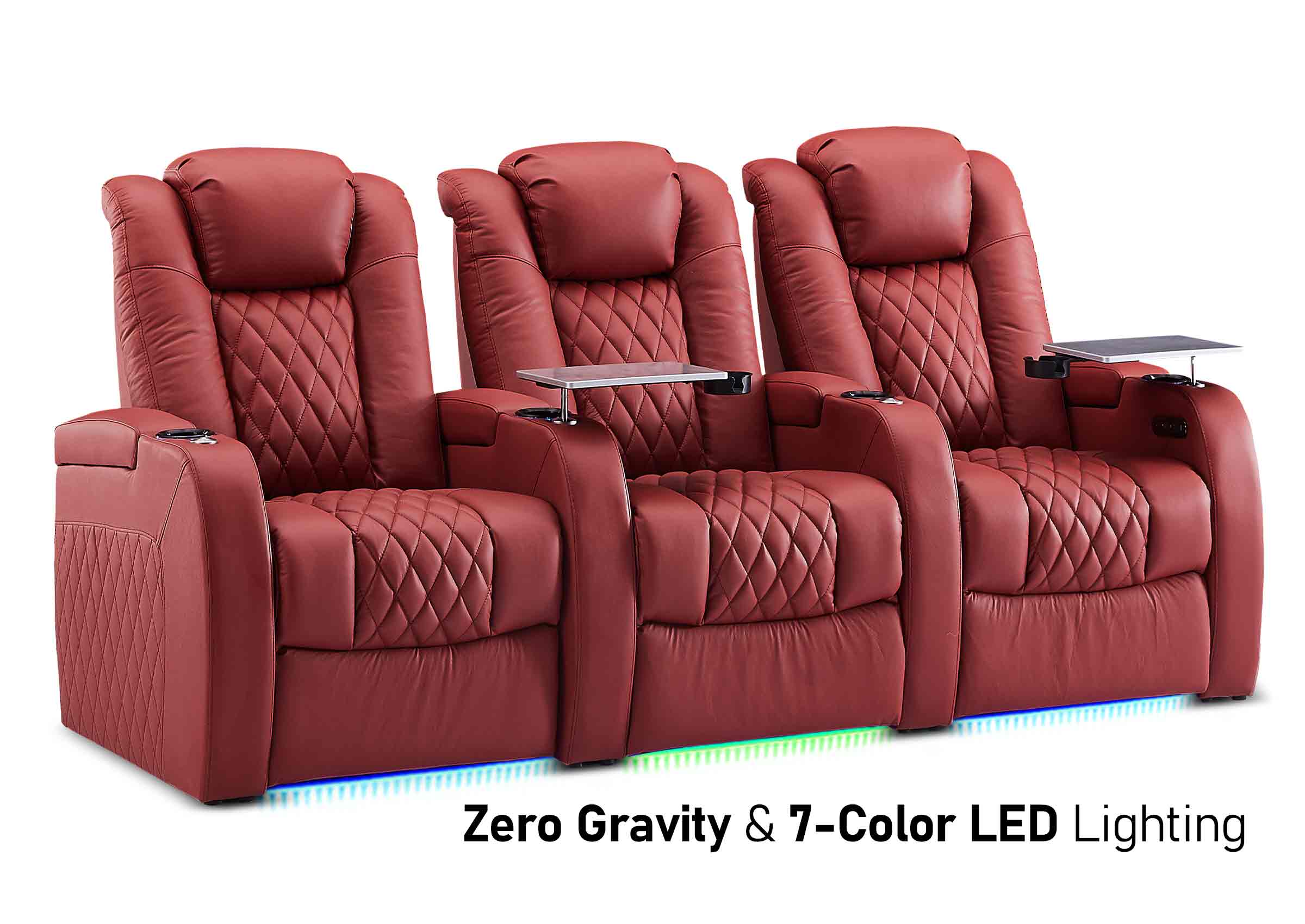
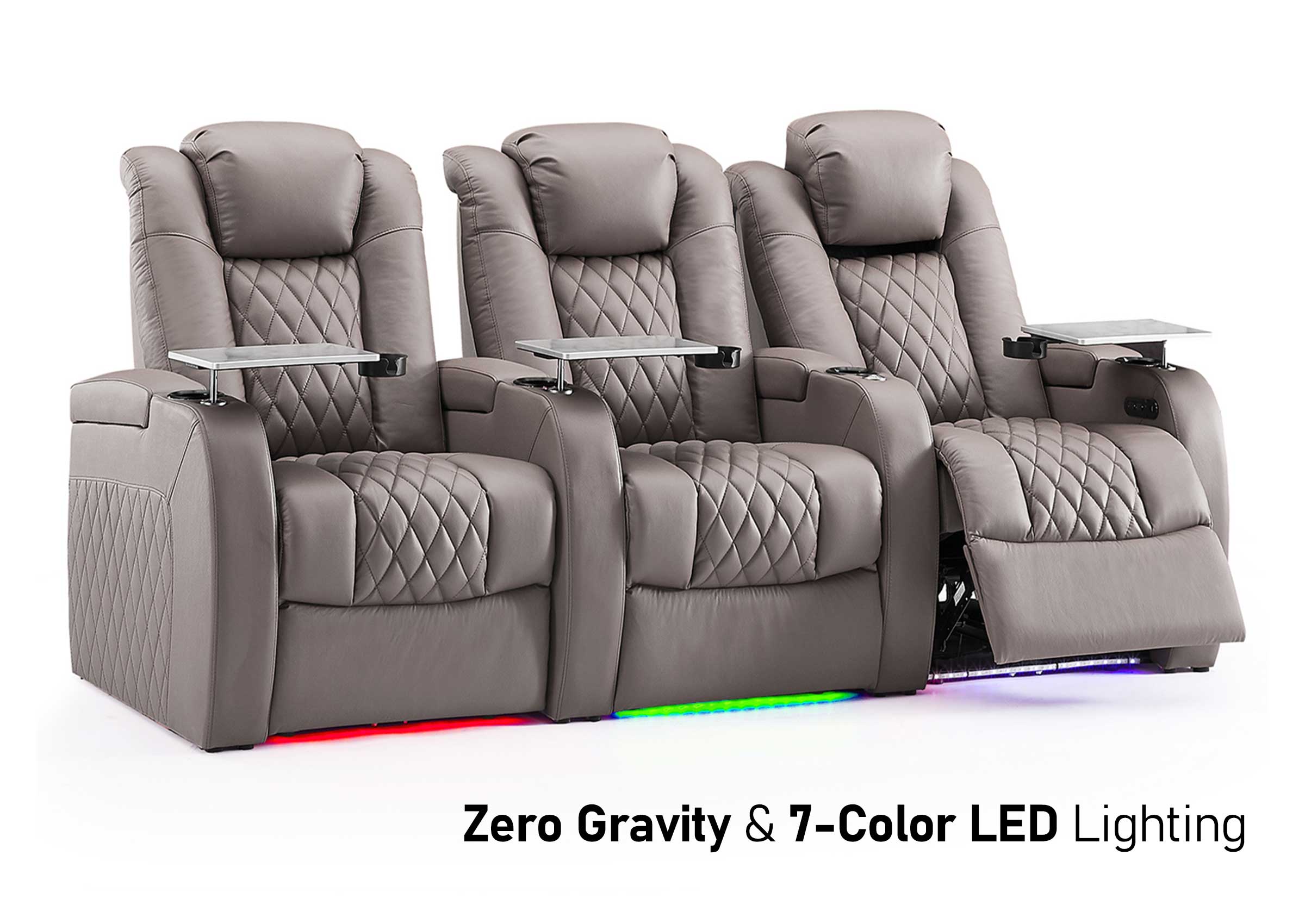
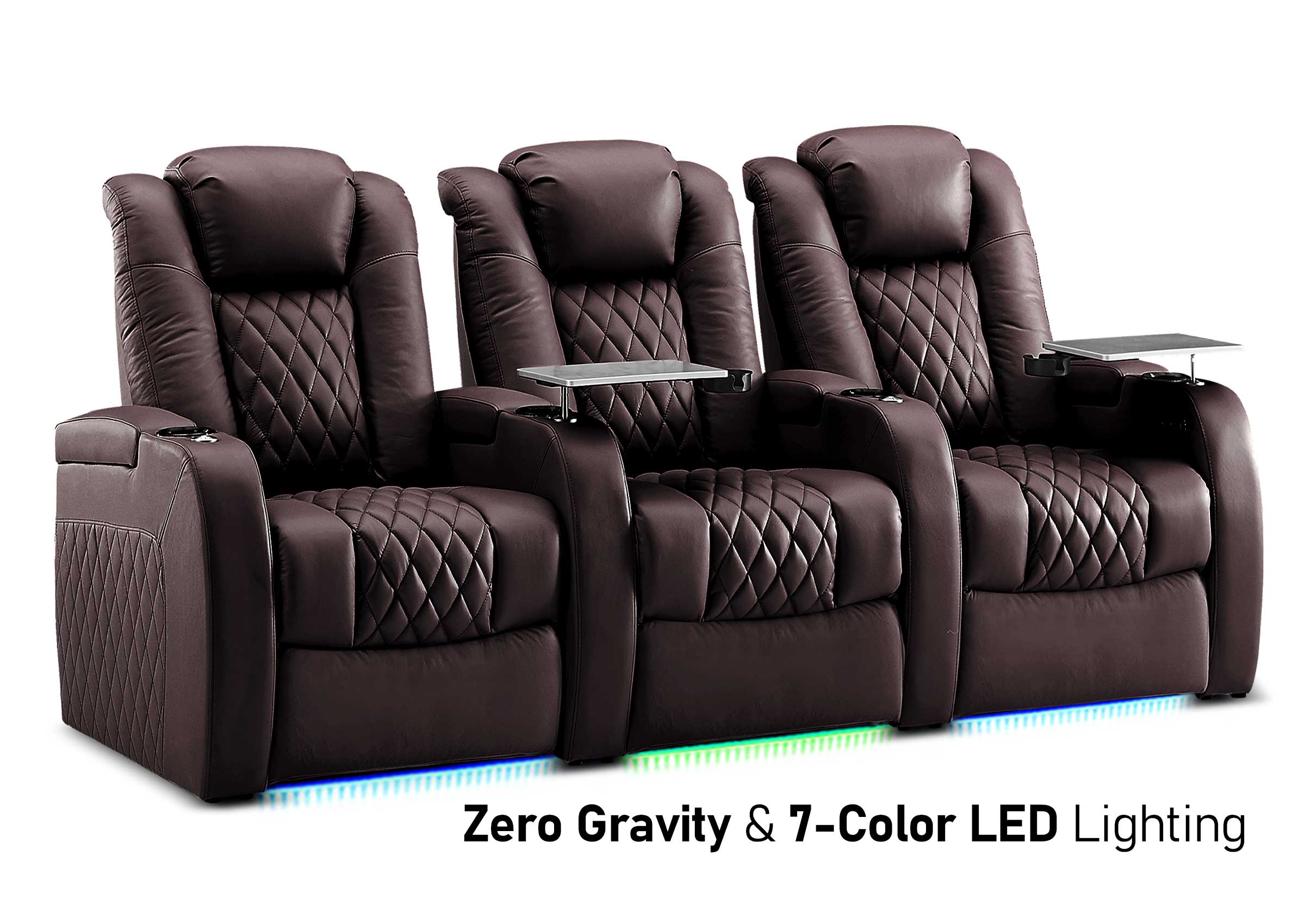
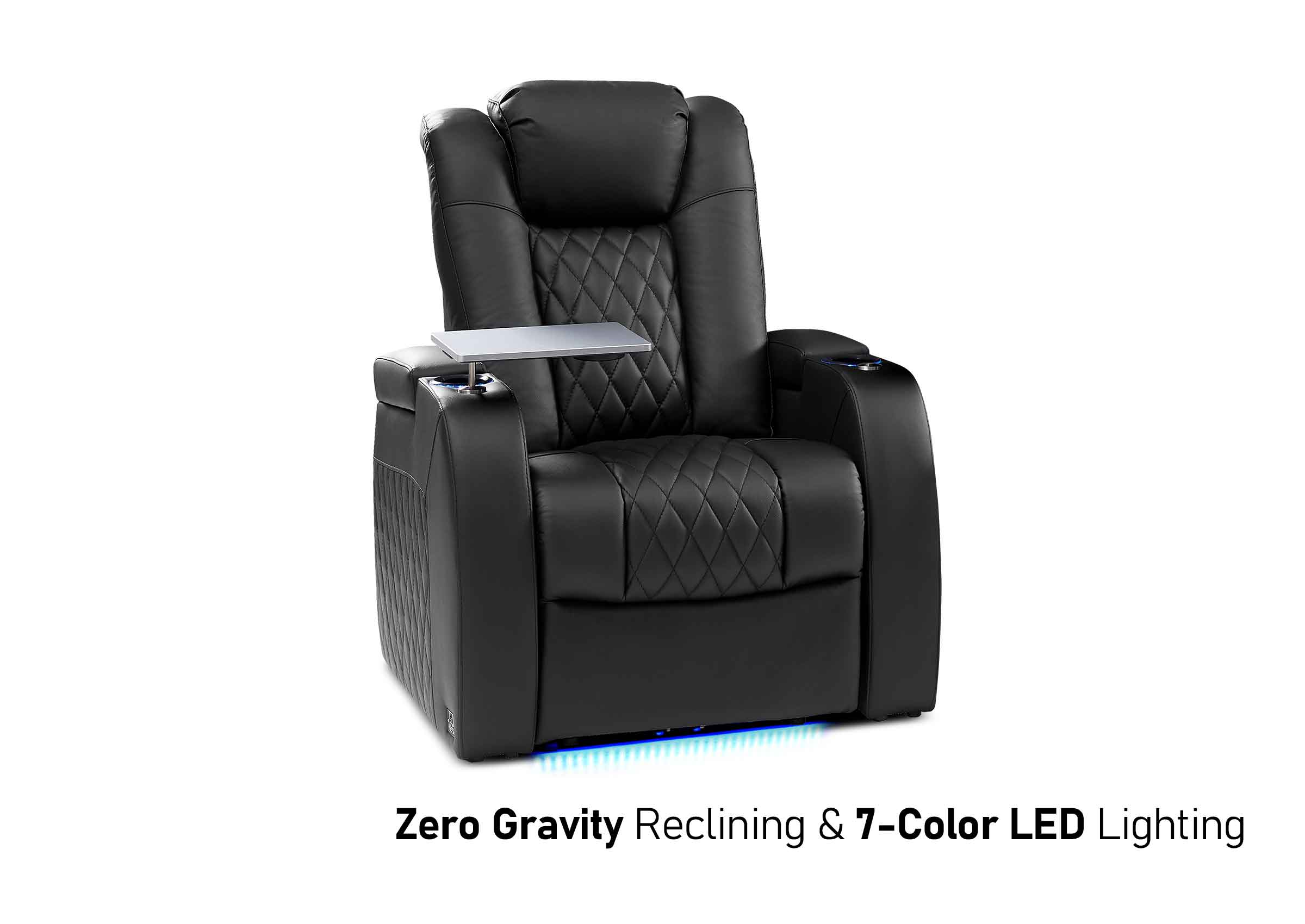
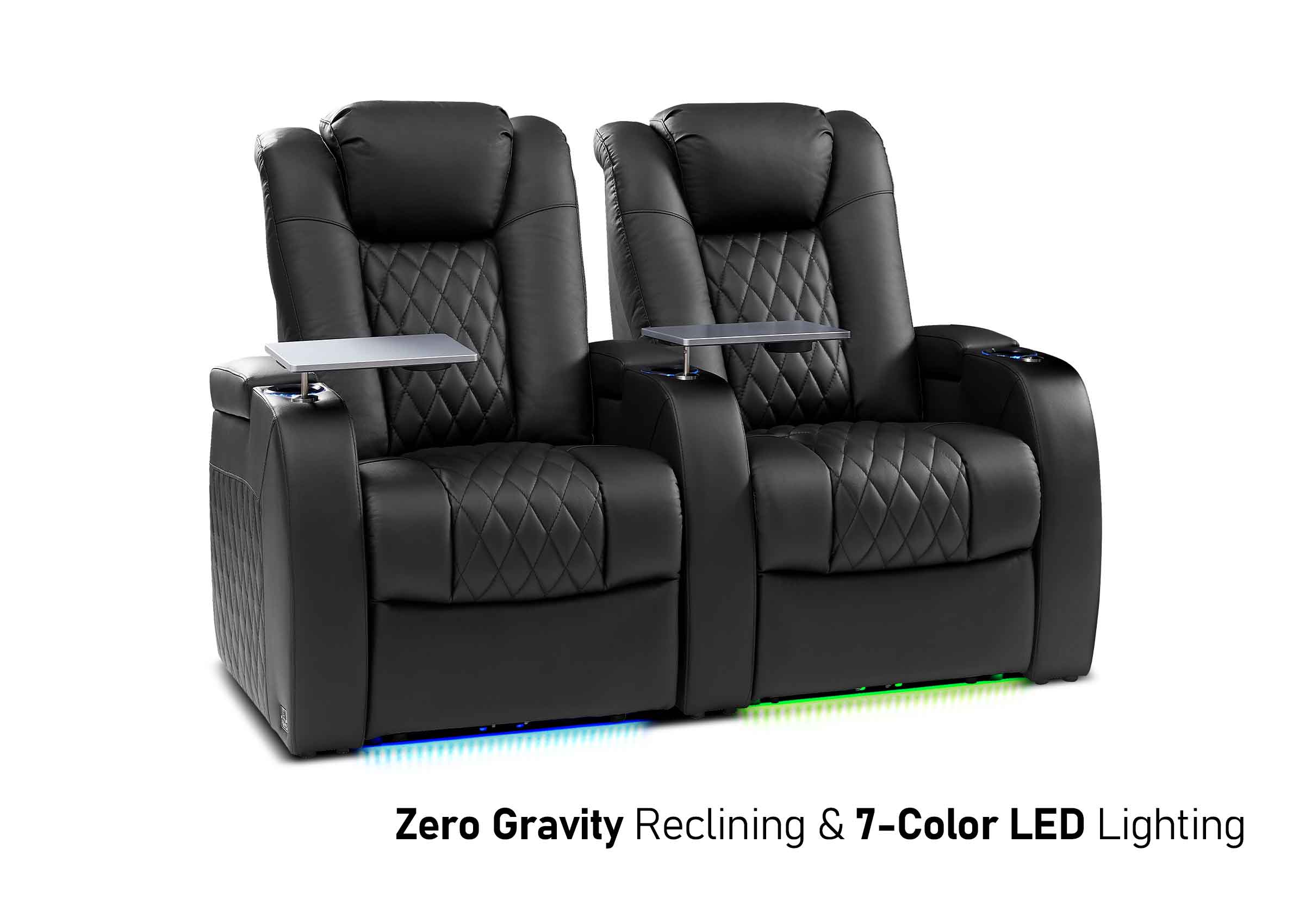
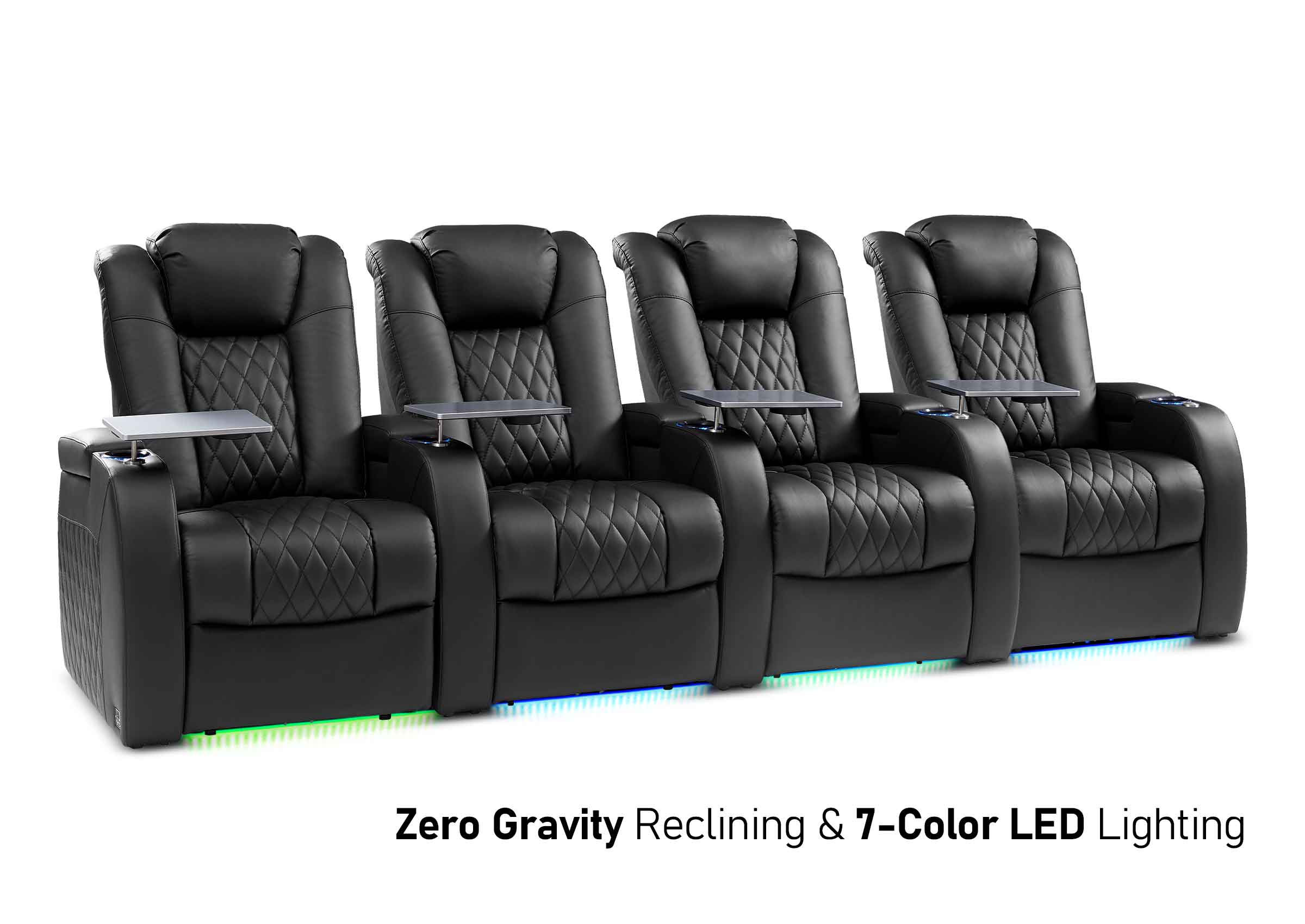
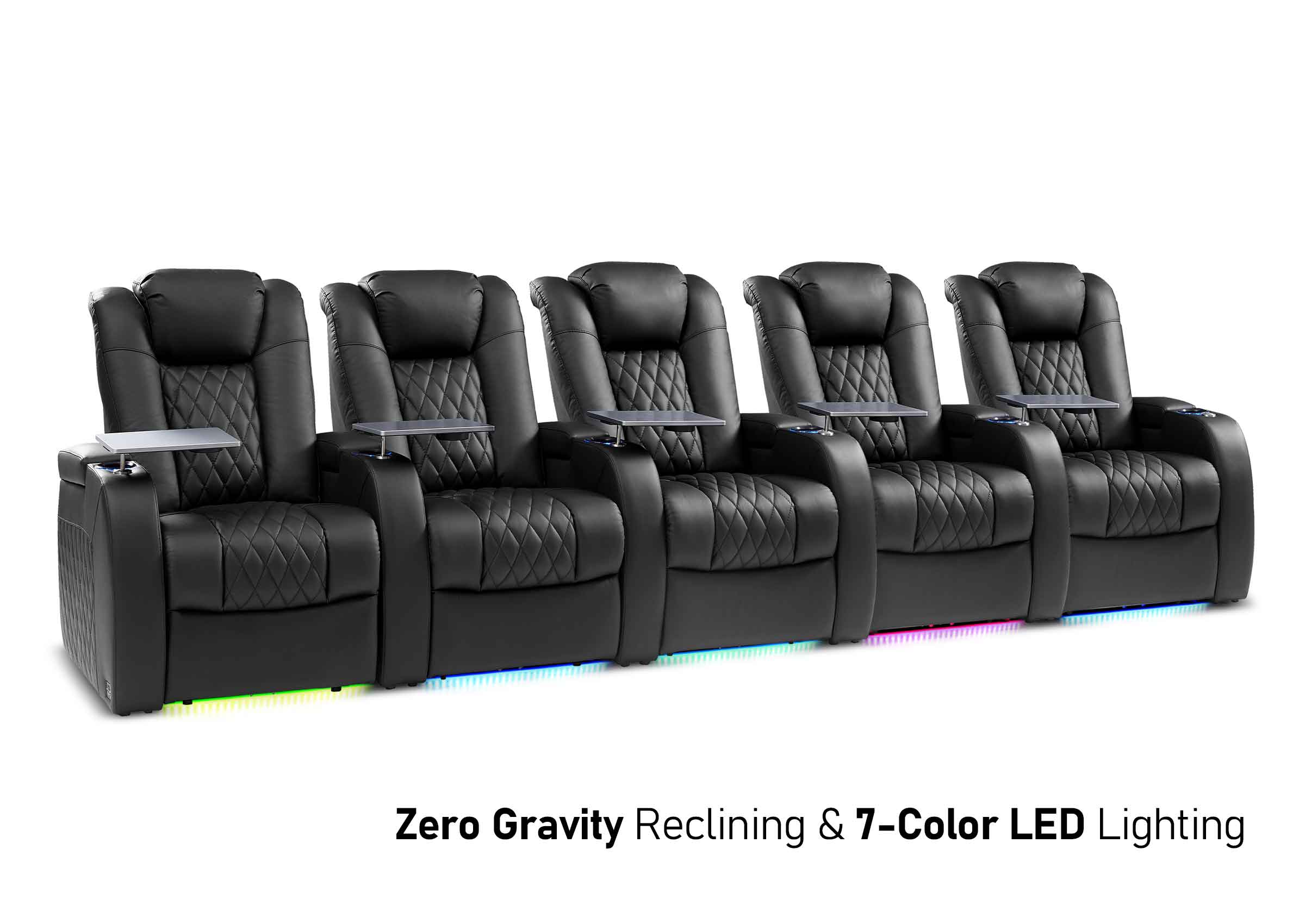
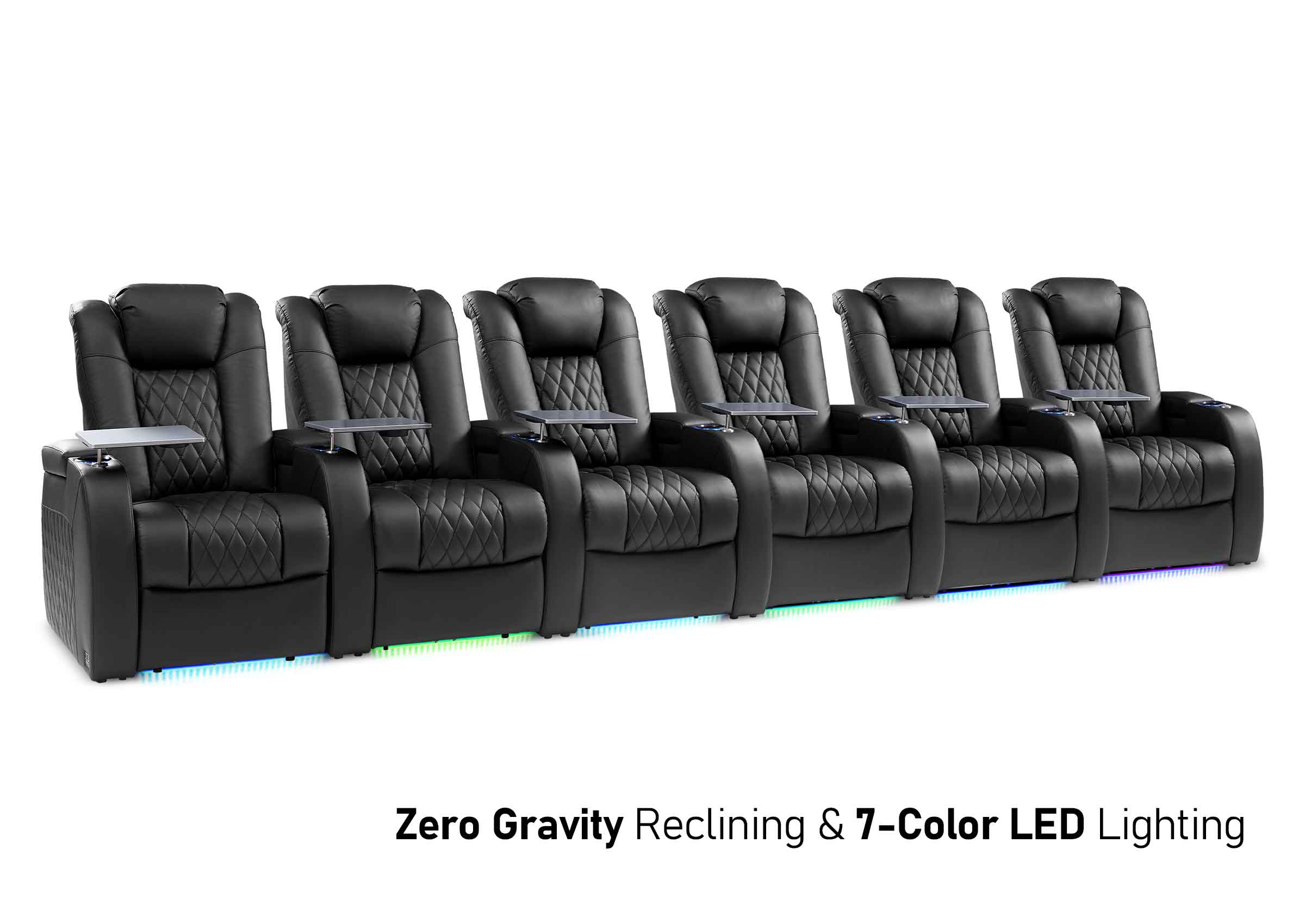
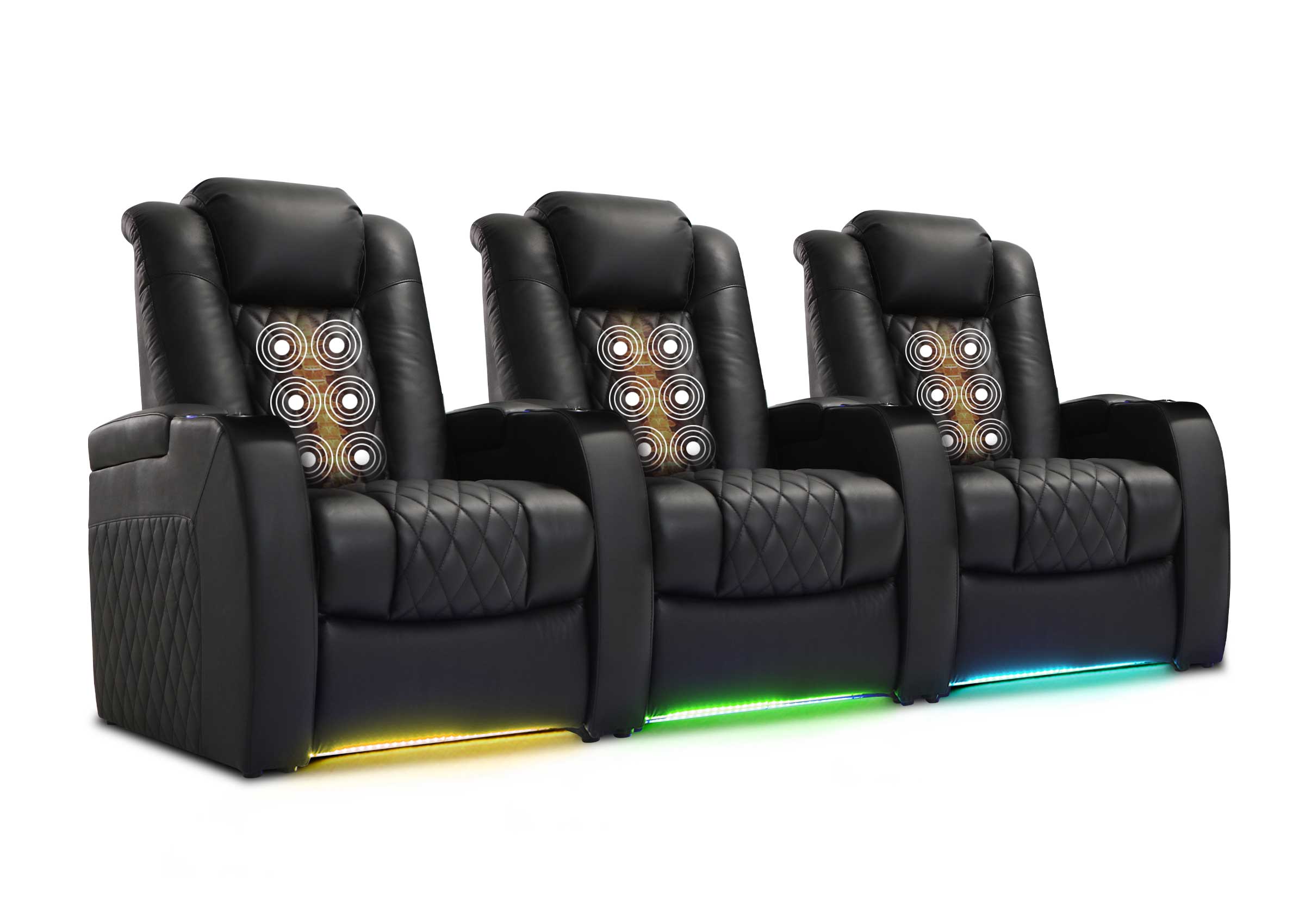
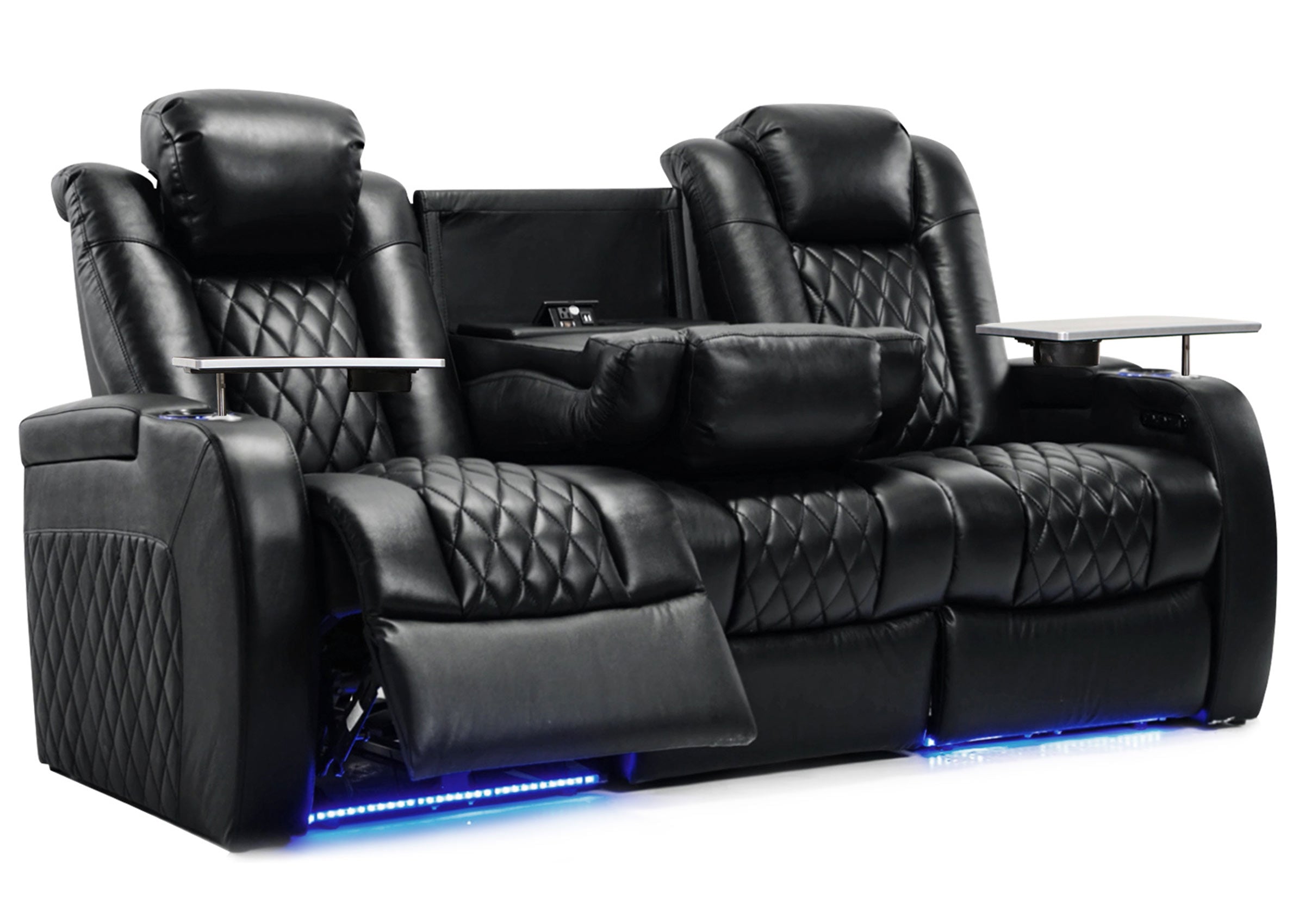
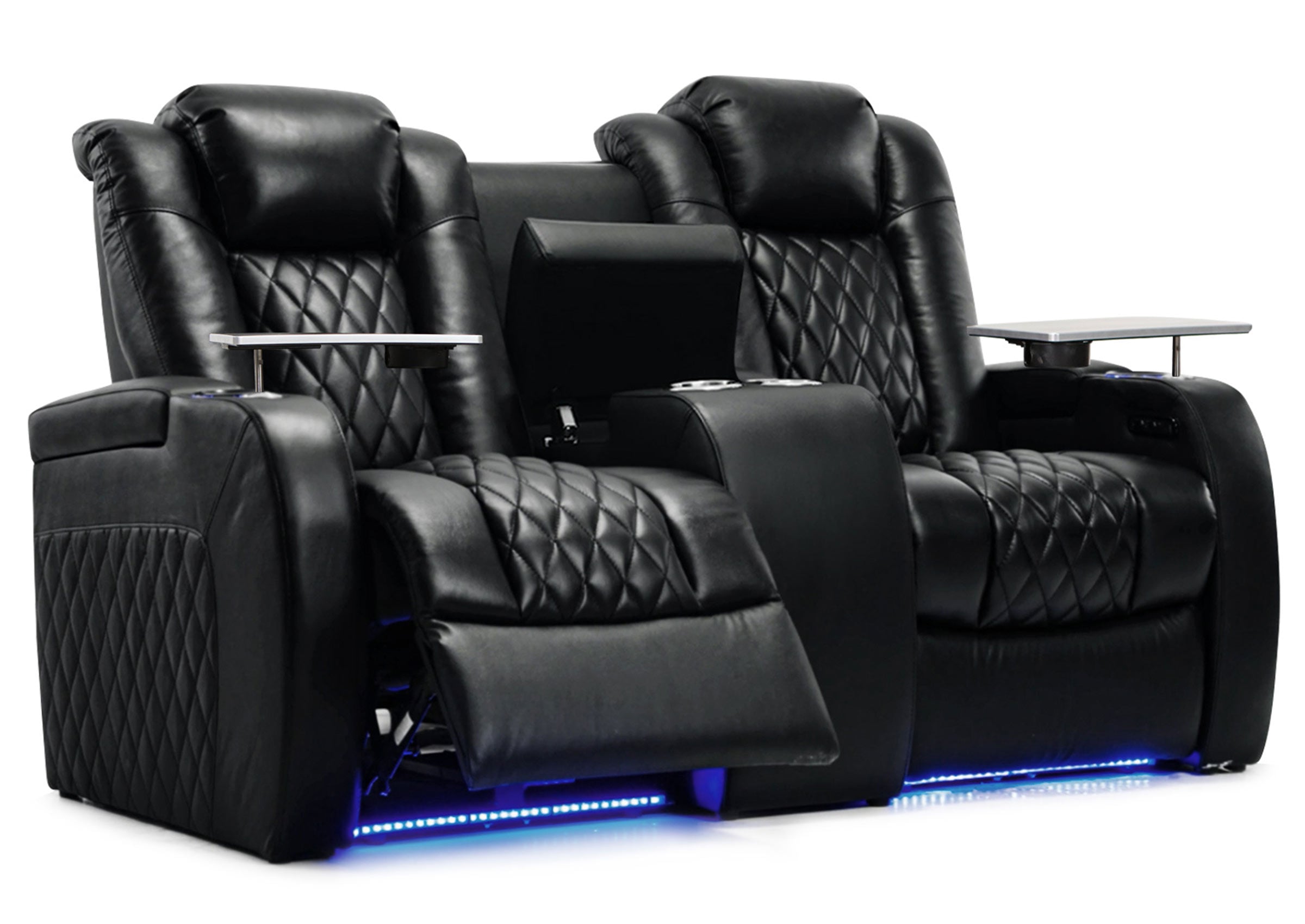
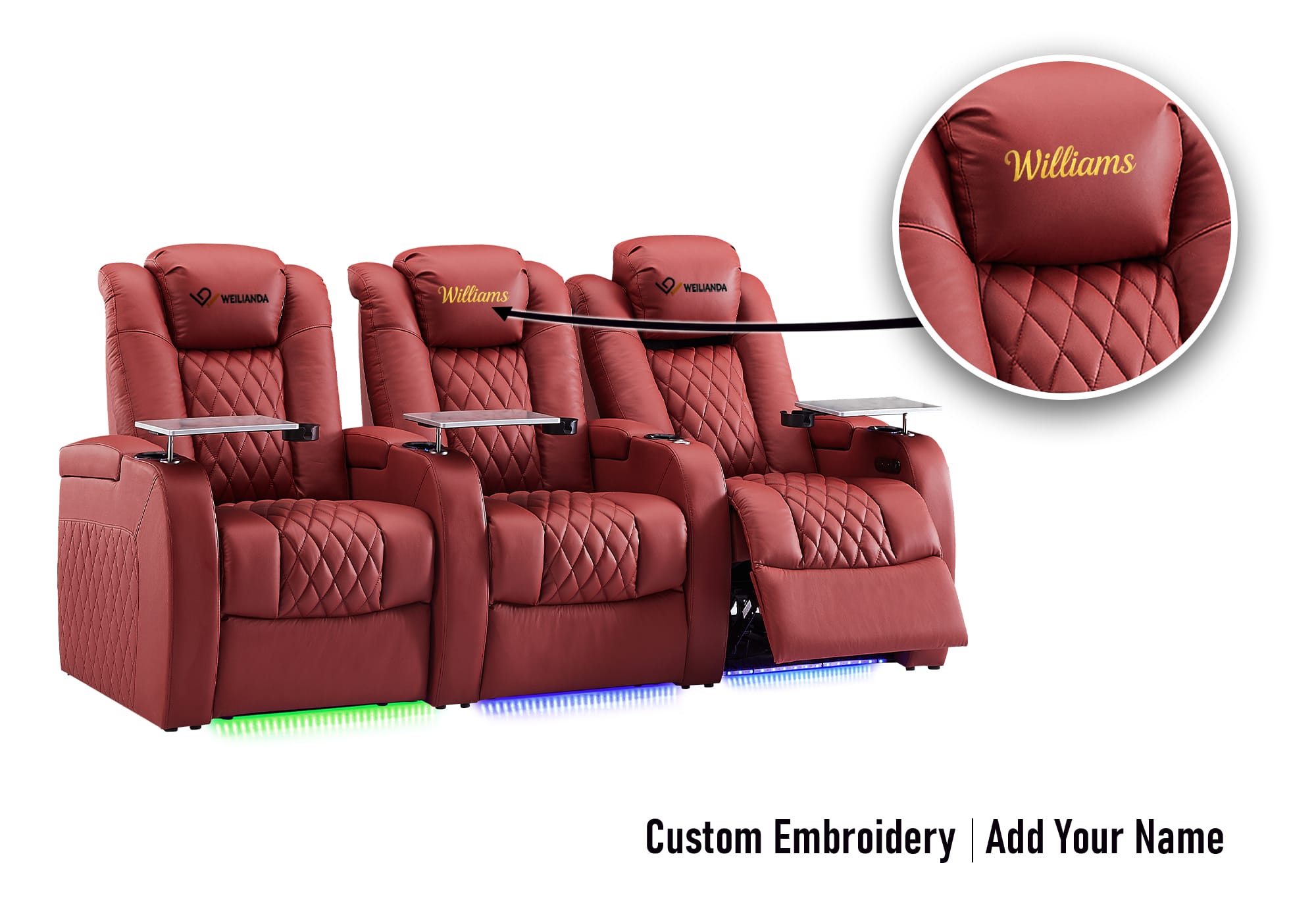
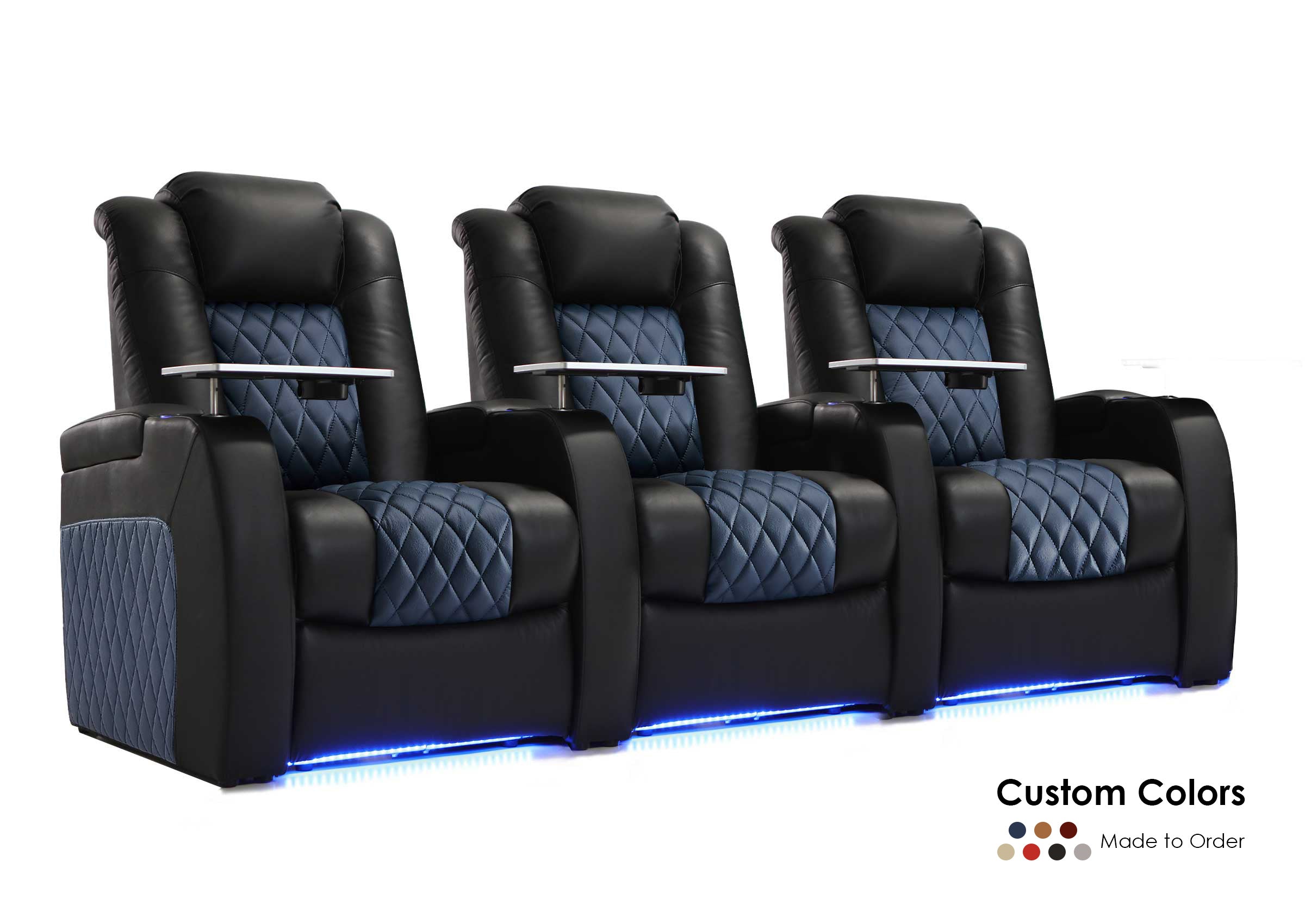
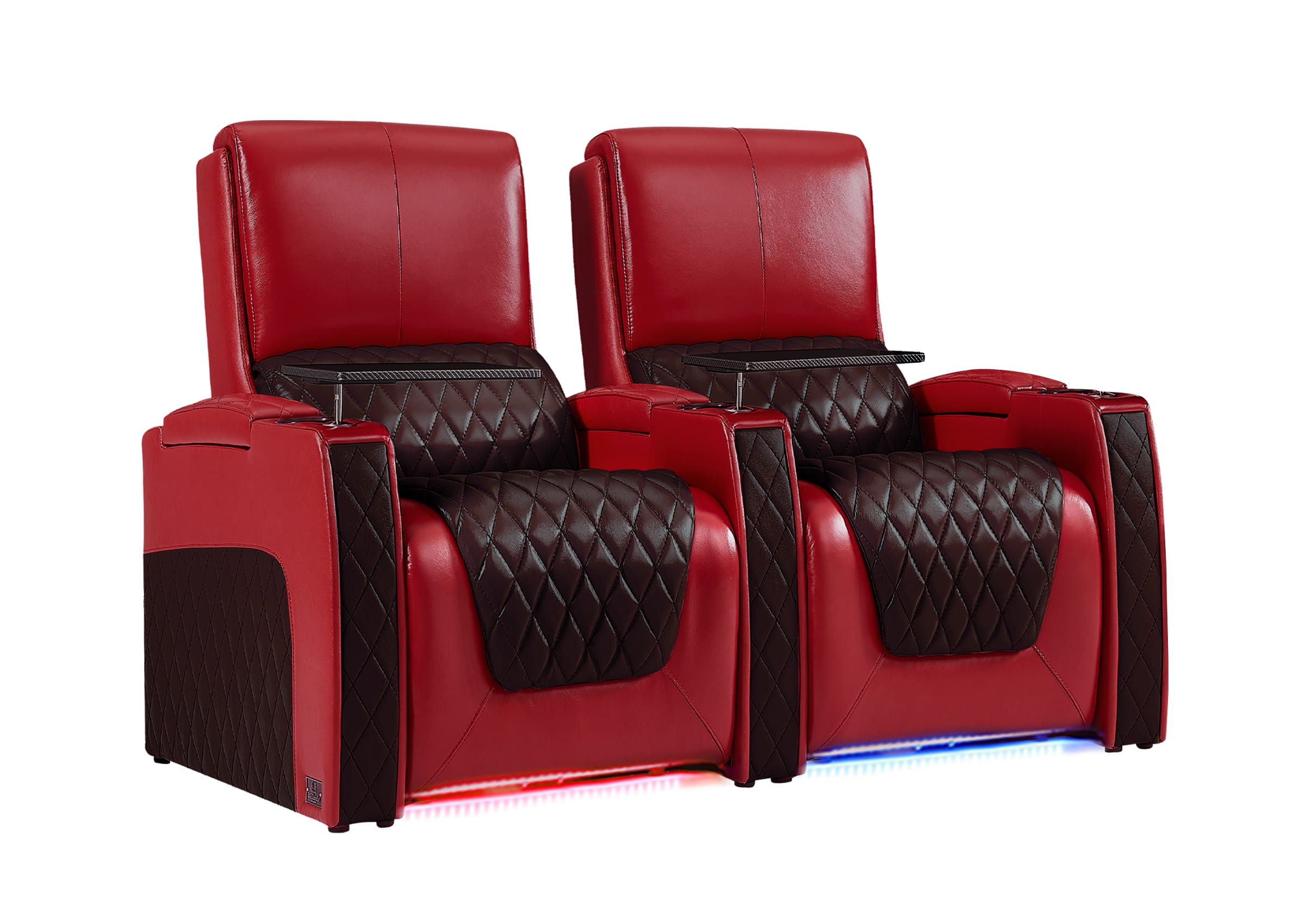
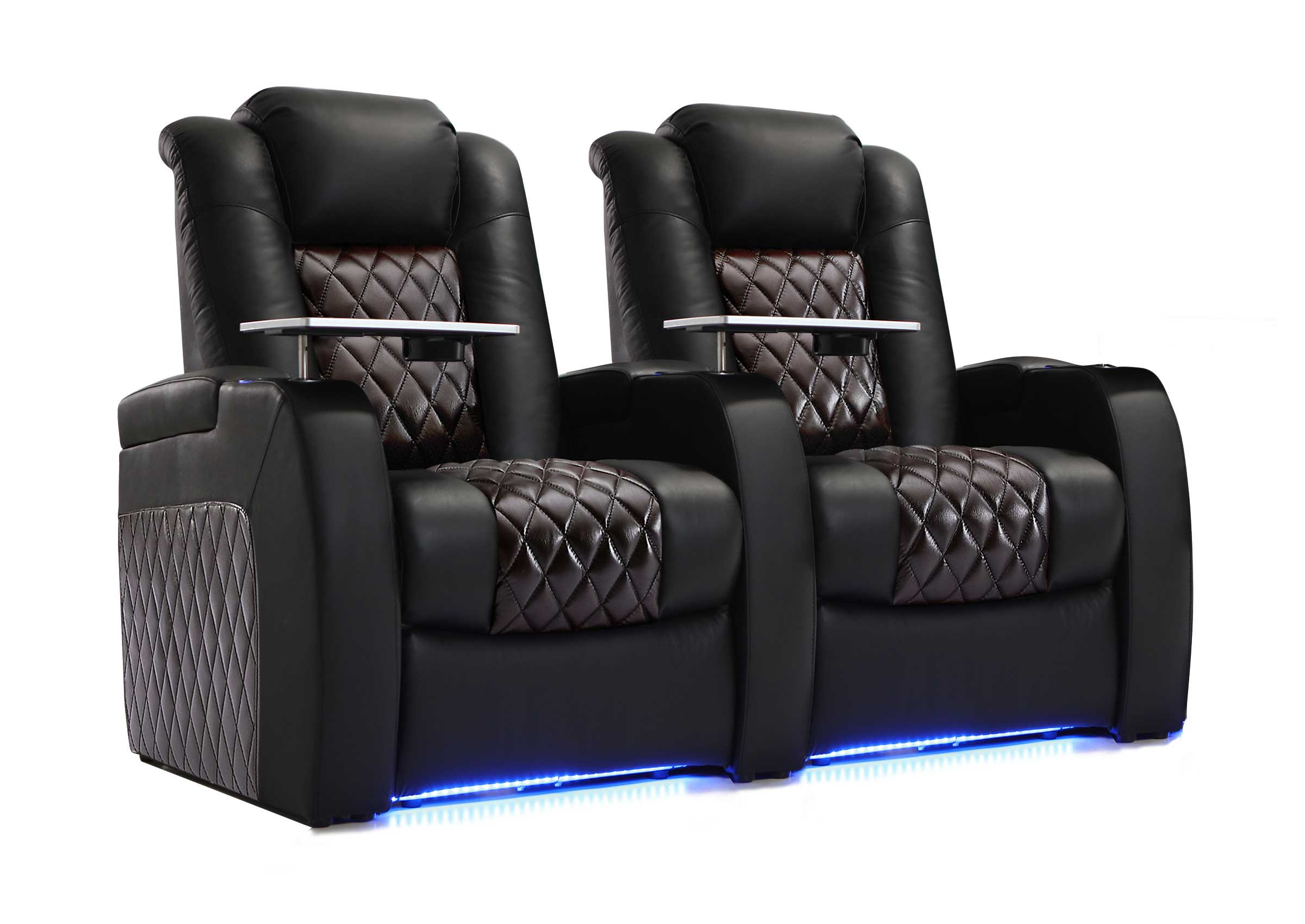
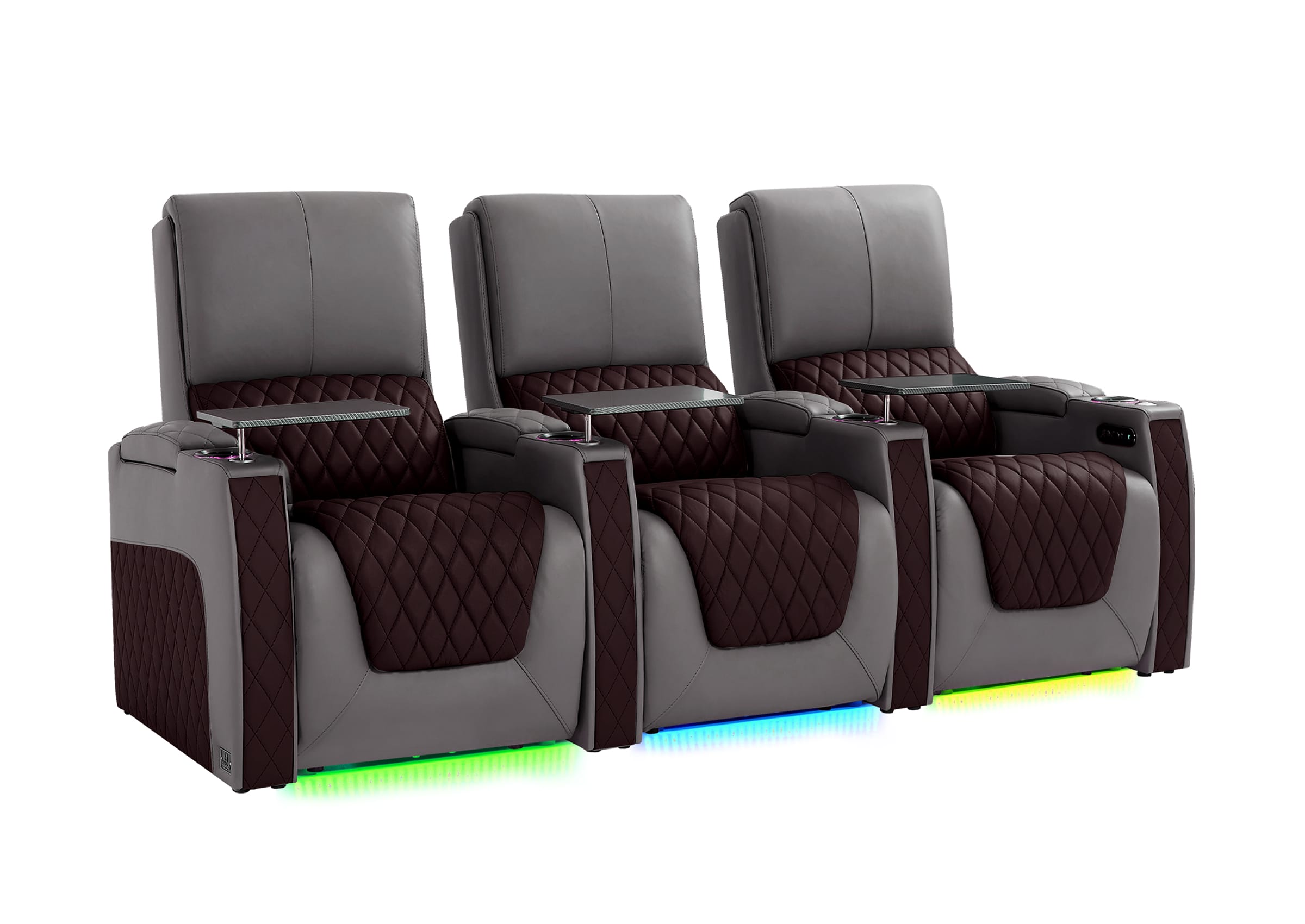
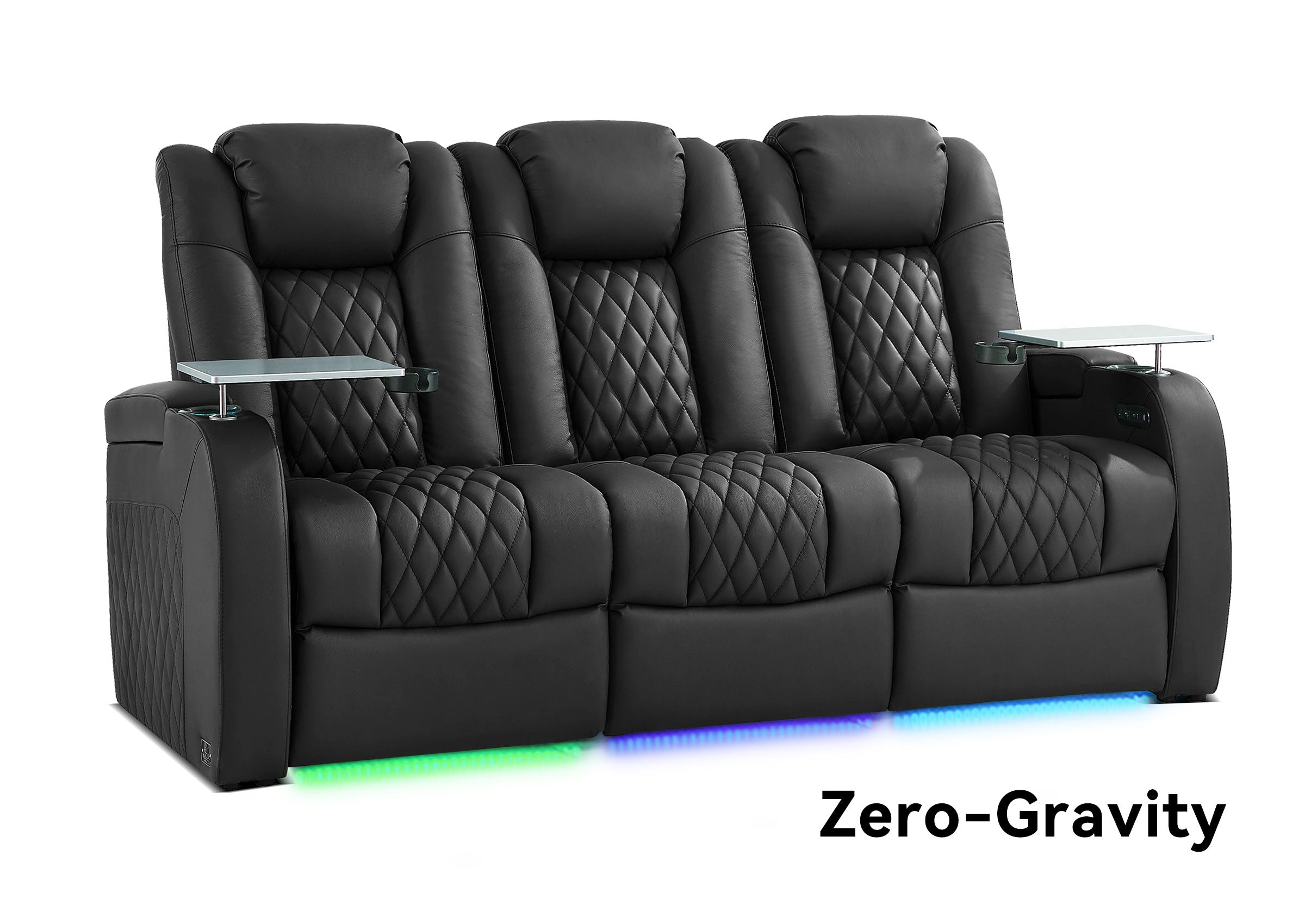
For example, a well-designed media room often pairs projection systems with recliner seating that supports long viewing sessions without neck or back strain.
In real-world use, comfort becomes just as important as image quality—especially for movie nights, sports events, and gaming.
A projection setup only feels truly cinematic when the seating, layout, and screen work together as one system.
FAQ: Projection in Movies
What is projection in movies in simple terms?
Projection in movies is the process of using light to display moving images onto a large screen so audiences can watch films in a theater environment.
Is movie projection still used today?
Yes. Most cinemas still use digital projection systems, although some premium theaters are transitioning to LED screens.
Why do movies look better in theaters than at home?
Theaters combine large screens, controlled lighting, calibrated sound, and optimized seating distance, which together enhance immersion.
What is the difference between film and digital projection?
Film projection uses physical reels of film, while digital projection uses digital files displayed through imaging chips and light sources.
Can home projectors replace cinema experiences?
Home projectors can create a strong viewing experience, but results depend heavily on room design, lighting control, screen size, and seating layout.
Does seating position matter for projection?
Yes. Viewing angle and distance directly affect clarity, comfort, and immersion, especially during long movies.
Creating a More Comfortable Viewing Experience at Home
Projection in movies is more than just a technical system—it’s a carefully balanced combination of light, screen, and environment design. While technology has evolved from film reels to laser digital systems, the goal remains the same: creating an immersive visual experience that feels larger and more engaging than everyday screens.
In home environments, achieving a similar feeling depends not only on the projector itself, but also on how the space is designed around it. Screen placement, lighting control, and seating comfort all shape how the final image is experienced.
If you are building a home cinema or media room, consider projection as part of a complete system—not just a device. The right layout and seating choices can make the difference between a simple movie setup and a true cinematic experience at home.