








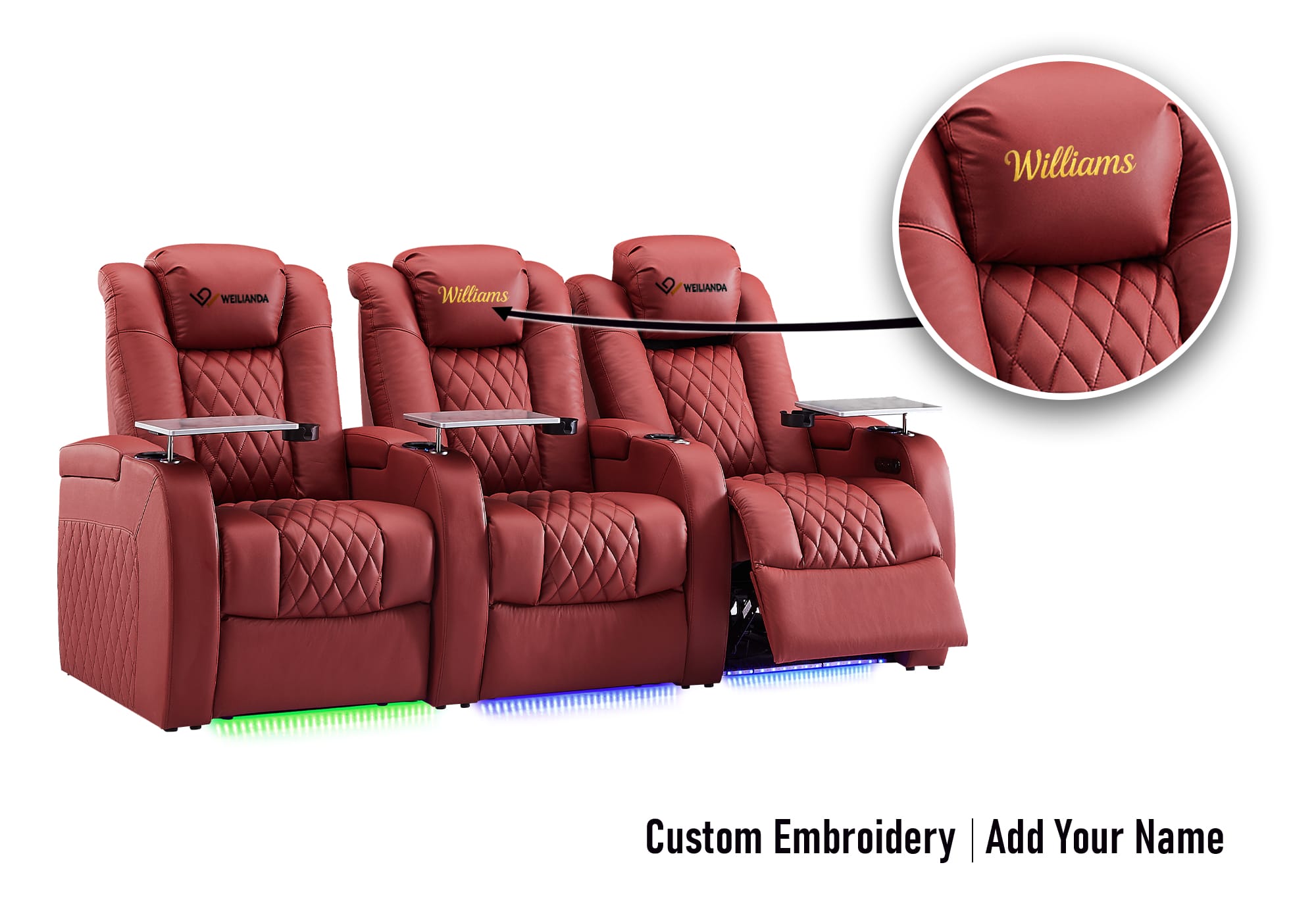

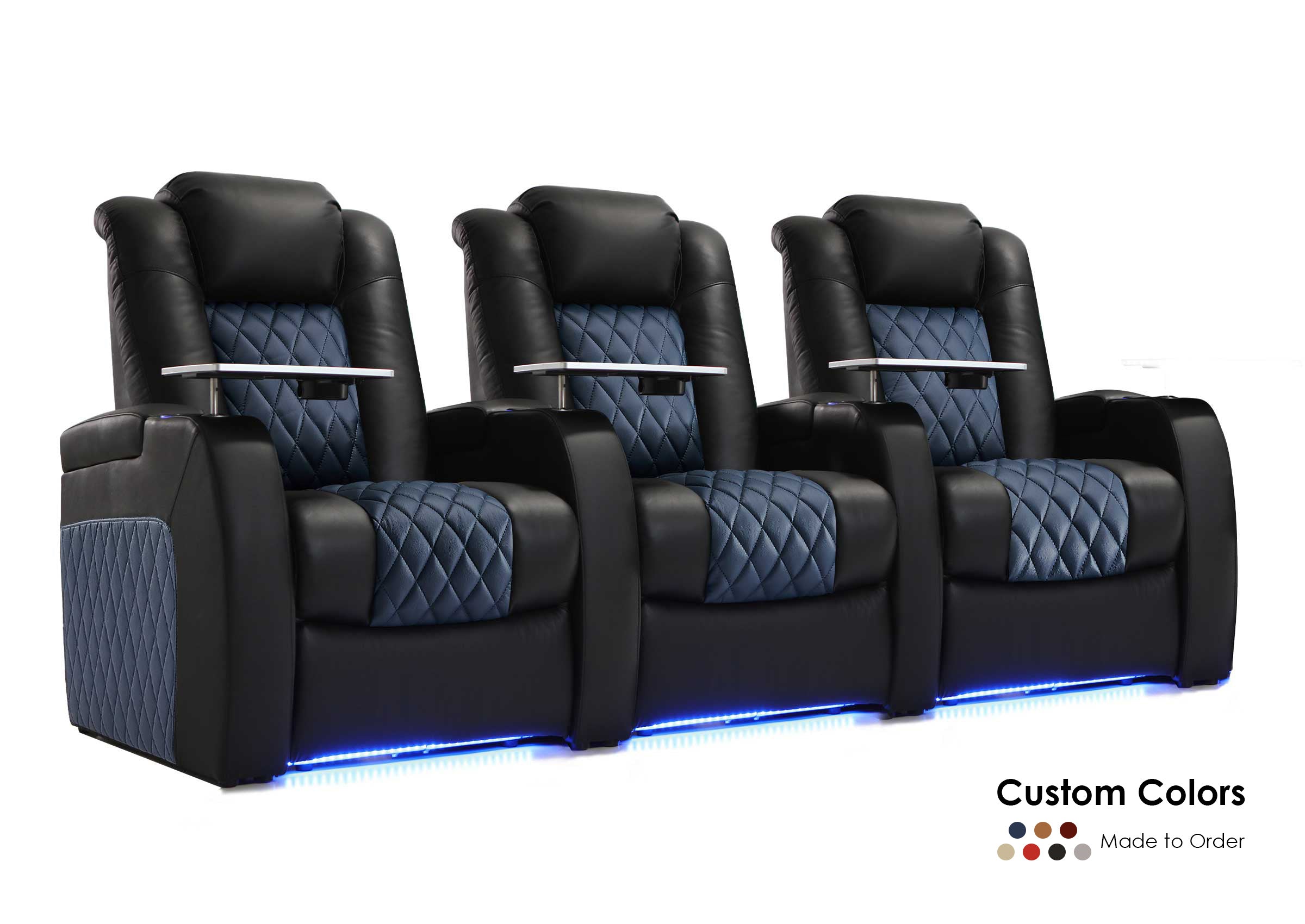

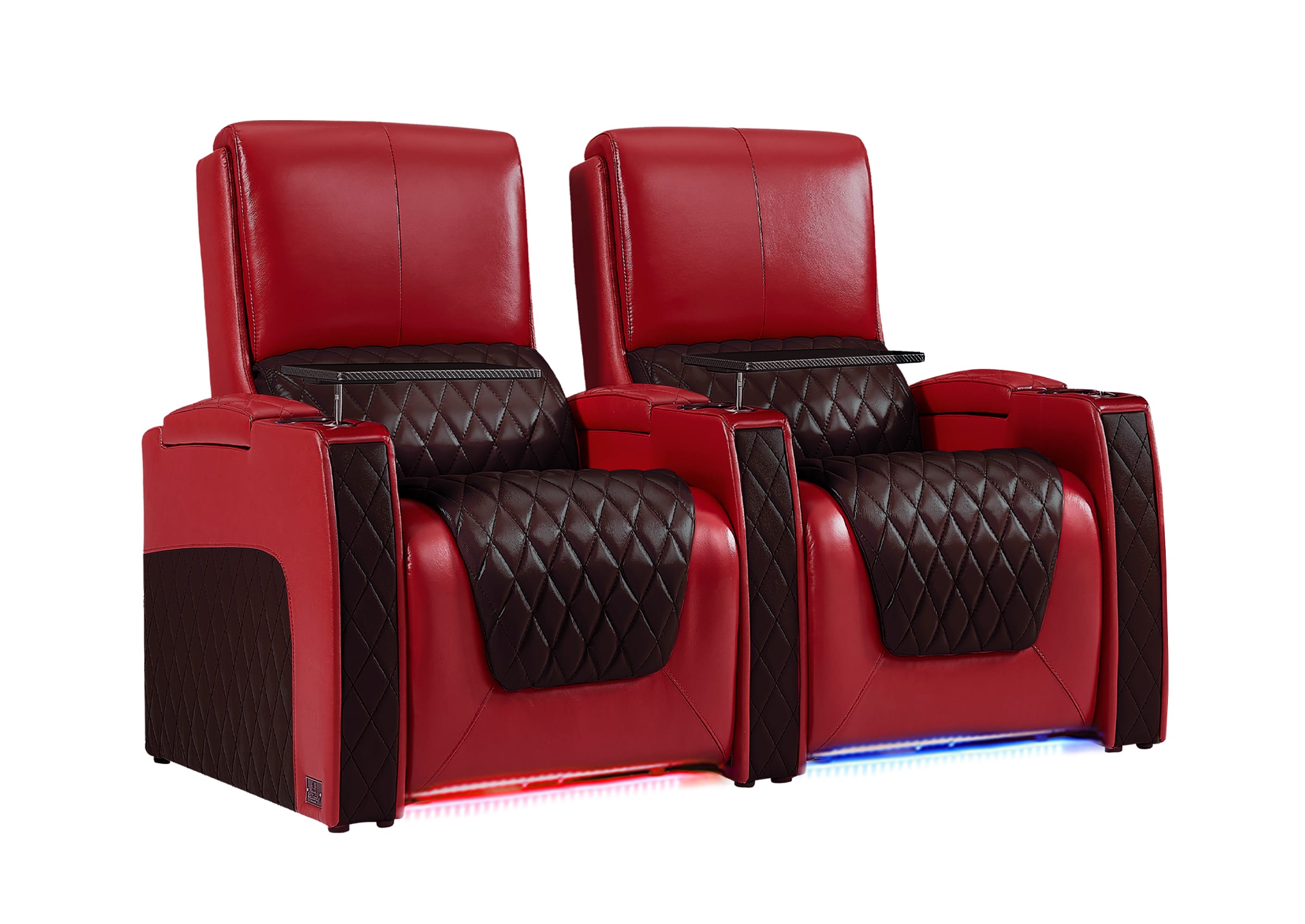
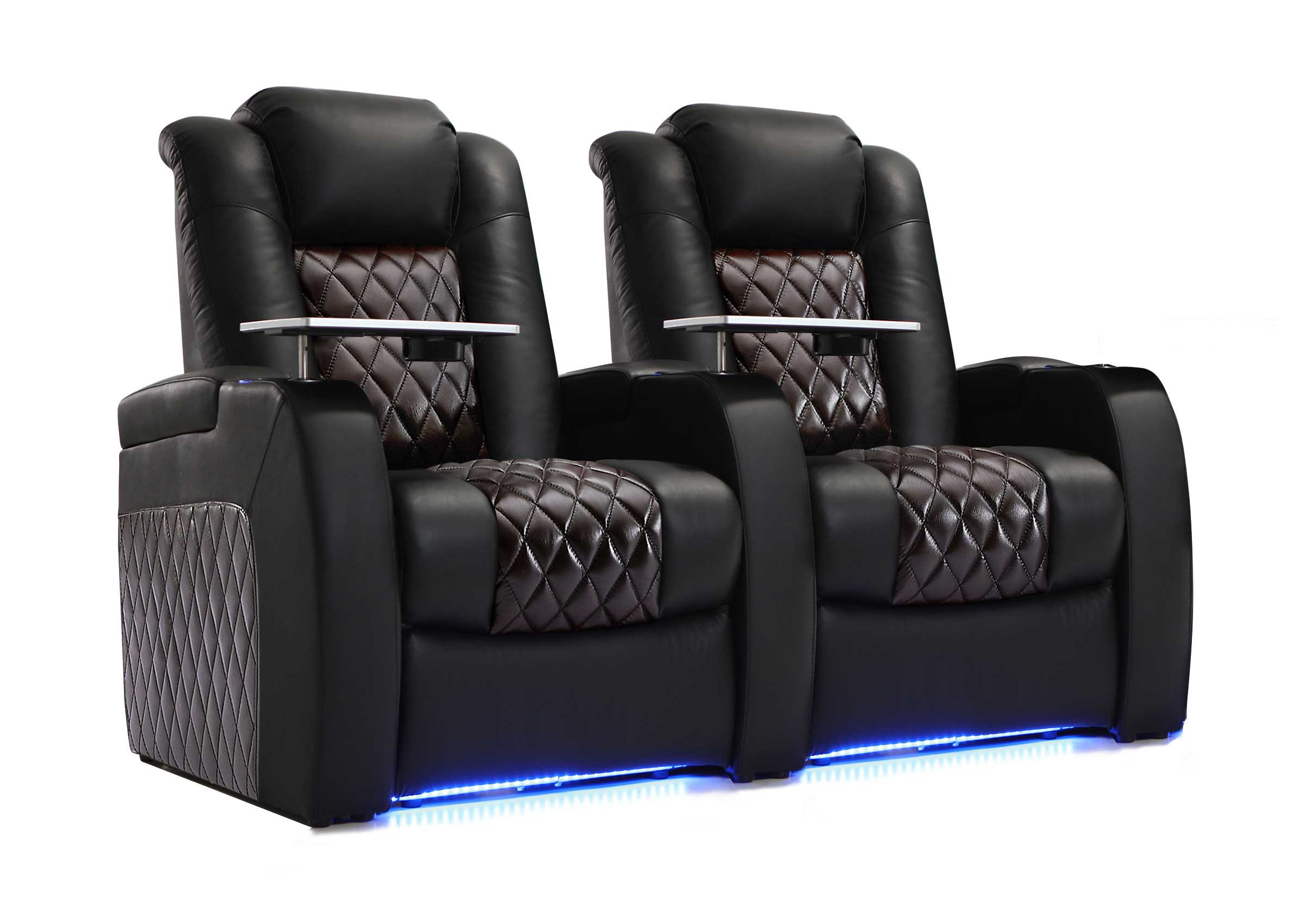


Yes—some power recliners can run on a rechargeable furniture battery pack, provided the exact chair, pack, connections, and functions are compatible. It is not a universal upgrade, and a backup battery intended to close a chair during an outage is not necessarily suitable for everyday cordless use.
Before buying, establish what the approved pack will power, how you will recharge it, and what happens when its charge runs low. Removing the cable to the wall does not remove the need for a charging plan.
Decide Whether You Need Cordless Use or Outage Backup
These are different jobs. Everyday cordless use means operating the furniture from a rechargeable pack between charges. Outage backup means retaining a specified level of operation when the normal supply fails.
| Power arrangement | Intended task | What to establish |
|---|---|---|
| Rechargeable furniture pack | Run compatible furniture away from a wall connection between charges | Supported chair, functions, connections, charging process, and low-charge behavior |
| Emergency return battery | Provide the limited movement described in the furniture manual | Whether it closes the chair only, which features stop, and replacement requirements |
| Dedicated backup system | Supply the approved furniture during an interruption | Transfer behavior, supported loads, and the manufacturer's installation instructions |
A concrete example shows why the distinction matters. The battery-backup section of this La-Z-Boy operating manual describes a two-9-volt arrangement intended to return the reclined furniture to its closed position, rather than repeatedly recline it. The manual also describes reduced operating speed and a disabled USB port in that backup mode. Those conditions belong to the system covered by that manual, not every chair bearing the brand name.
For a floating chair you will use daily, ask specifically about an approved rechargeable supply for normal operation. For someone who needs dependable powered assistance to get up, discuss a suitable backup arrangement with the furniture supplier. Do not treat an untested cordless pack as assurance that the chair will always return upright.
Confirm Compatibility Beyond the Plug Shape
A connector that fits is not proof of electrical compatibility. Similar-looking plugs can belong to different power arrangements, and the furniture may include controls or accessories that change the requirement.
Start with the chair's model and its existing power-supply information. The mains input printed on a transformer describes the electricity it receives from the wall; its output label describes what it supplies to the furniture. Do not confuse those two sides when asking about a battery replacement.
| Information to provide | What the supplier needs to confirm |
|---|---|
| Exact furniture model and configuration | Whether battery operation is supported for that version |
| Existing power-supply label | Required supply characteristics and the approved replacement arrangement |
| Clear connector photos and part numbers | Correct connector, polarity, lead, and any specified adapter |
| Number of powered seats and adjustments | Whether the proposed pack and wiring support the intended load and operation |
| Lights, controls, USB, heat, massage, or console features | Which functions are supported and which restrictions apply |
| Pack and charger model numbers | The approved charging equipment and instructions |
Ask for confirmation of the complete combination, including required voltage, current capability, polarity, and control compatibility. A higher capacity printed on a pack does not resolve a mismatch in those characteristics. Likewise, adding a connector adapter does not establish that the electrical system is suitable.
For example, Enouvation's compatibility FAQ requests information about the furniture, controls, power connection, and visible wiring for its system assessment. Its product-specific connection guidance is useful evidence that the whole arrangement matters; it is not blanket approval for an unspecified recliner.
If the necessary information is missing, keep the original approved supply and obtain the model-specific answer before connecting a pack. Do not cut cables, change pins, splice a lead, or test unknown combinations to see whether the chair moves.

CONFIRM BEFORE CONNECTING
Check the Battery Arrangement for Your Recliner
Share the model, power-supply label, connector photos, and powered features before choosing a pack for your Weilianda seating.
Check Which Features Will Still Work
Separate the motion functions from everything else attached to the furniture. Reclining, headrest adjustment, lumbar adjustment, lights, charging ports, and a powered console may not have identical supply requirements.
An approved pack may support the motion you need while other features have restrictions. A console with its own mains-powered equipment is not automatically powered just because a neighboring seat reclines from a battery. Identify each supply rather than assuming the entire sofa has become cordless.
Ask about idle consumption as well as active use. A control, indicator, or accessory can draw power while the chair is sitting still. Removing a phone from a USB port does not, by itself, prove that the furniture's electronics draw nothing.
Enouvation's pack-selection guidance distinguishes basic motion furniture from feature-rich arrangements and flags the effect of continuously powered features. Its guidance also restricts accessory use while connected to its packs. Follow the restrictions for the exact selected system rather than treating extra battery capacity as permission to run every feature.
This is a practical buying tradeoff. If you regularly want phone charging, illuminated controls, or other powered accessories, compare the approved battery arrangement with keeping the furniture on its normal supply. Cordless motion can be useful without reproducing every part of the plugged-in experience.
Estimate Time Between Charges From Your Use
There is no reliable universal answer such as a fixed number of weeks per charge. The result depends on the pack, the mechanism and load, the adjustments used, and any idle consumption.
Read advertised function or cycle counts carefully. One button operation may not mean a complete open-and-close sequence, and adjusting a headrest separately adds another operation. A number tested under stated conditions is not automatically your household's result.
Ask what the published figure counts and which features were operating. Compare ratings only when the units, test conditions, and intended furniture are meaningfully comparable. A larger mAh number alone does not establish compatibility or a guaranteed number of evenings.
After compatibility has been confirmed, keep a simple record during normal use: when the pack was charged, which functions were used, and when its specified low-power indication appeared. That gives you a useful charging routine for your own configuration. Reassess if usage changes or the interval becomes unexpectedly short.
Plan to recharge before the chair becomes unusable. If returning upright is important for getting out, do not deliberately exhaust the battery with an occupant relying on that movement. Follow the furniture instructions for low-power operation and assistance.
Make Charging and Placement Practical
Find out whether the pack charges in place, must be disconnected, or uses a dedicated charging connection. Also establish whether the furniture is allowed to operate during charging. These answers come from the specific system's instructions, not from the fact that its battery is rechargeable.
For example, Enouvation's support instructions state that its cordless pack output is disabled while charging and prohibit using the wall transformer and cordless pack as simultaneous power sources. Do not apply an improvised two-source connection to another system either; use only the arrangement its manufacturer approves.
A different example is Smith Brothers' Limoss charging document, which describes its charging sequence and tells users to disconnect after charging. It also shows that charging-port locations differ on selected furniture styles. Do not transfer its indicator colors or connection sequence to an unrelated pack.
Use the specified charger and keep the pack and leads in their approved location. The entire movement of the chair matters: a pack that is clear when the chair is upright may still interfere when the mechanism moves. Keep the arrangement accessible for inspection and charging, away from moving parts as instructed, without placing cables where they can be pinched or damaged.
Check the full recline zone together with the pack's placement. That guide helps with the occupied furniture layout; it does not establish battery compatibility. If access would require moving or tipping heavy furniture, ask the supplier about a suitable service or charging arrangement rather than improvising access underneath an operating mechanism.

Set Up the Approved System Before Relying on It
Once the exact combination is approved, use the supplied installation instructions. Identify the specified connection point, charging method, and location before starting. Follow the furniture's instructions for positioning and disconnecting it; do not reach into a powered mechanism to identify a lead.
Inspect accessible cables and connectors for damage. Do not install a damaged pack or use a mismatched charger. If a connection does not seat normally, stop and confirm the parts rather than forcing it.
Charge as directed, then verify normal operation with the furniture assembled and its movement area clear. Check the supported adjustments, the return to the closed position, and the low-power indicators described by the manufacturer. Do not assume that one successful movement proves every feature or a multi-seat configuration is supported.
For a sofa or sectional, use only the approved distribution leads and configuration. Confirm whether multiple seats may operate together and whether charging access remains practical after the sections are connected. A splitter is part of a power system, not a generic way to add unlimited seats.
Keep the original model information, approved pack and charger details, and instructions together. That makes replacement, service, and future compatibility questions easier to resolve without guessing from a connector photograph alone.
Know When to Recharge and When to Stop
If the furniture stops responding, first use the documented indicator and troubleshooting instructions. A low charge, an incorrectly seated accessible connector, or an unsupported arrangement can require different actions. Do not repeatedly press the control or bypass protection to force movement. A battery conversion is not a repair for an existing movement fault; have that fault assessed before changing the supply.
Unexpectedly frequent charging is a reason to review the features drawing power, the number of adjustments, the pack's condition, and whether the approved configuration has changed. Ask the supplier to assess the information rather than assuming a larger replacement pack is the answer.
For unusual heat, swelling, a damaged case or lead, leakage, or an abnormal smell, stop using and charging the pack and seek the manufacturer's instructions. Do not open the battery case or try to repair or rebuild it. The U.S. Fire Administration's battery guidance identifies swelling, punctures, hissing, and smoke as reasons to stop use. If there is smoke or fire, move away and contact emergency services rather than handling the pack.
For long periods without use, follow the pack's own storage and maintenance-charging instructions. A switched-off or unused chair is not proof that its battery needs no attention. Arrange suitable battery recycling through the manufacturer or local waste service when replacement is needed; do not treat an old pack as ordinary furniture waste.
Frequently Asked Questions
Can I Use a Regular USB Power Bank?
Do not assume a phone power bank is a recliner supply. The connector, electrical output, control arrangement, and intended load must all be supported. Use a furniture-approved solution; do not improvise a USB adapter or cable modification to make an unknown combination fit.
Can One Battery Pack Run Two Reclining Seats?
Some approved systems can supply multiple seats, but the pack, leads, furniture, and operating limits must be confirmed together. Count the powered adjustments as well as the seats, and ask whether simultaneous movement is supported. Do not choose a splitter solely by matching its plugs.
Can I Recline While the Battery Is Charging?
Only if the instructions for the exact system permit it. Some cordless packs disable output while charging. Determine how the chair will remain available during that interval before making battery operation your everyday arrangement.
Can I Leave the Pack Plugged In All the Time?
Follow its charging instructions. A pack intended for cordless operation may require disconnection after charging; a dedicated backup system can have a different design. Do not infer continuous-charge permission from the rechargeable label.
What Happens if the Battery Runs Out While Reclined?
Do not assume the chair has a manual closing method or a separate reserve. Check its documented low-charge and power-loss procedures in advance. Recharge before relying on a depleted pack, and contact the supplier if the chair cannot return normally. Do not force the footrest or reach into the mechanism.
Will a Battery Pack Affect My Warranty?
Ask the furniture and battery suppliers about the exact proposed combination and retain their answer. Compatibility, approved accessories, installation, and coverage are separate questions. A third-party pack's warranty is not evidence that the furniture maker covers that installation.
Plan for Charging Before You Remove the Wall Cord
Confirm the complete system, not just the battery. The useful cordless arrangement is one that supports the required motion, fits safely through the chair's movement, and can be recharged without disrupting the way you need to use the furniture.
Before choosing a pack for Weilianda seating, bring the furniture model, power-supply label, accessible connector photos, powered features, and number of seats to Weilianda Support or email leon@weiliandahome.com. For a chair you already own, include the order or model details through Support so the team can address the specific configuration before you replace its supply.