


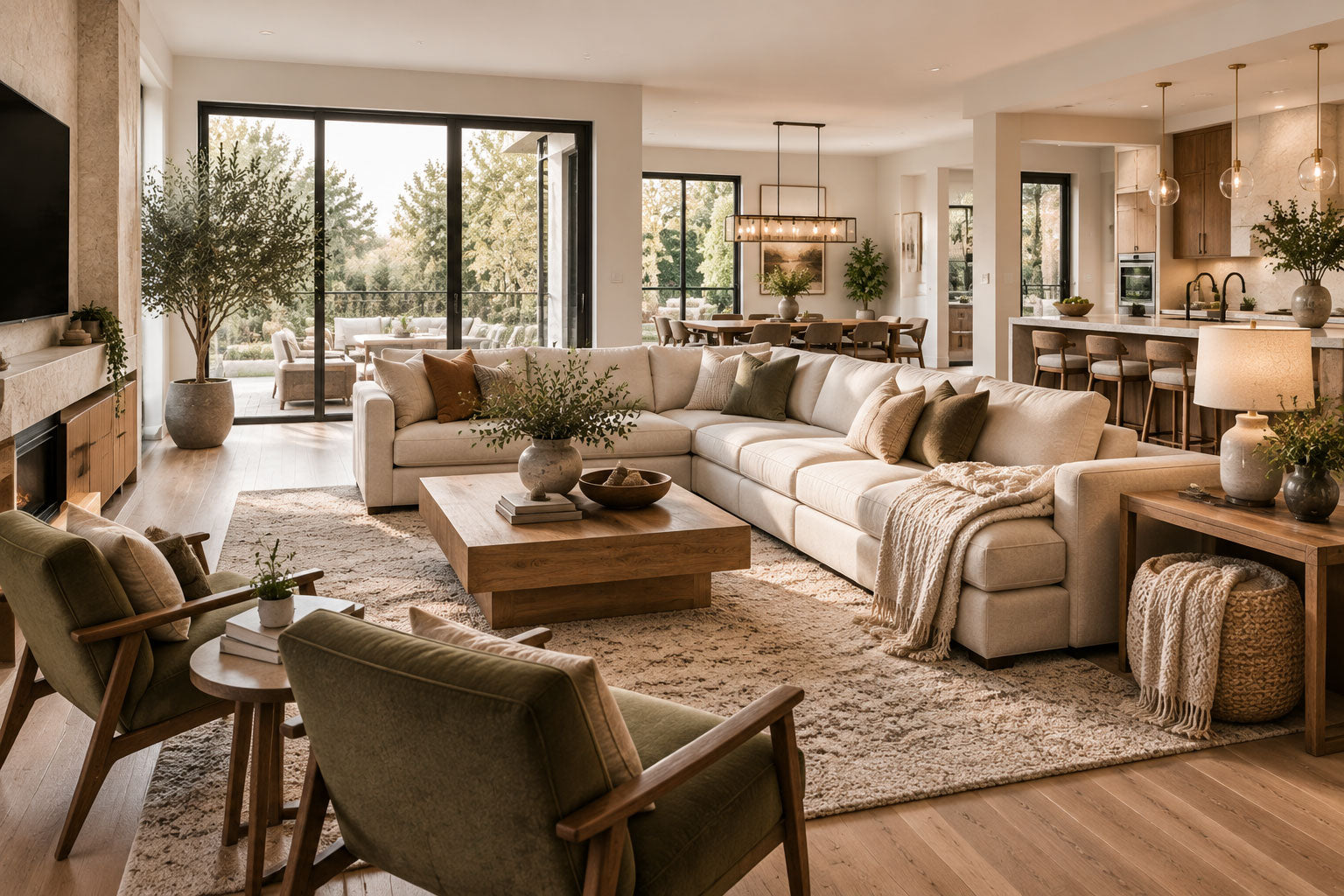

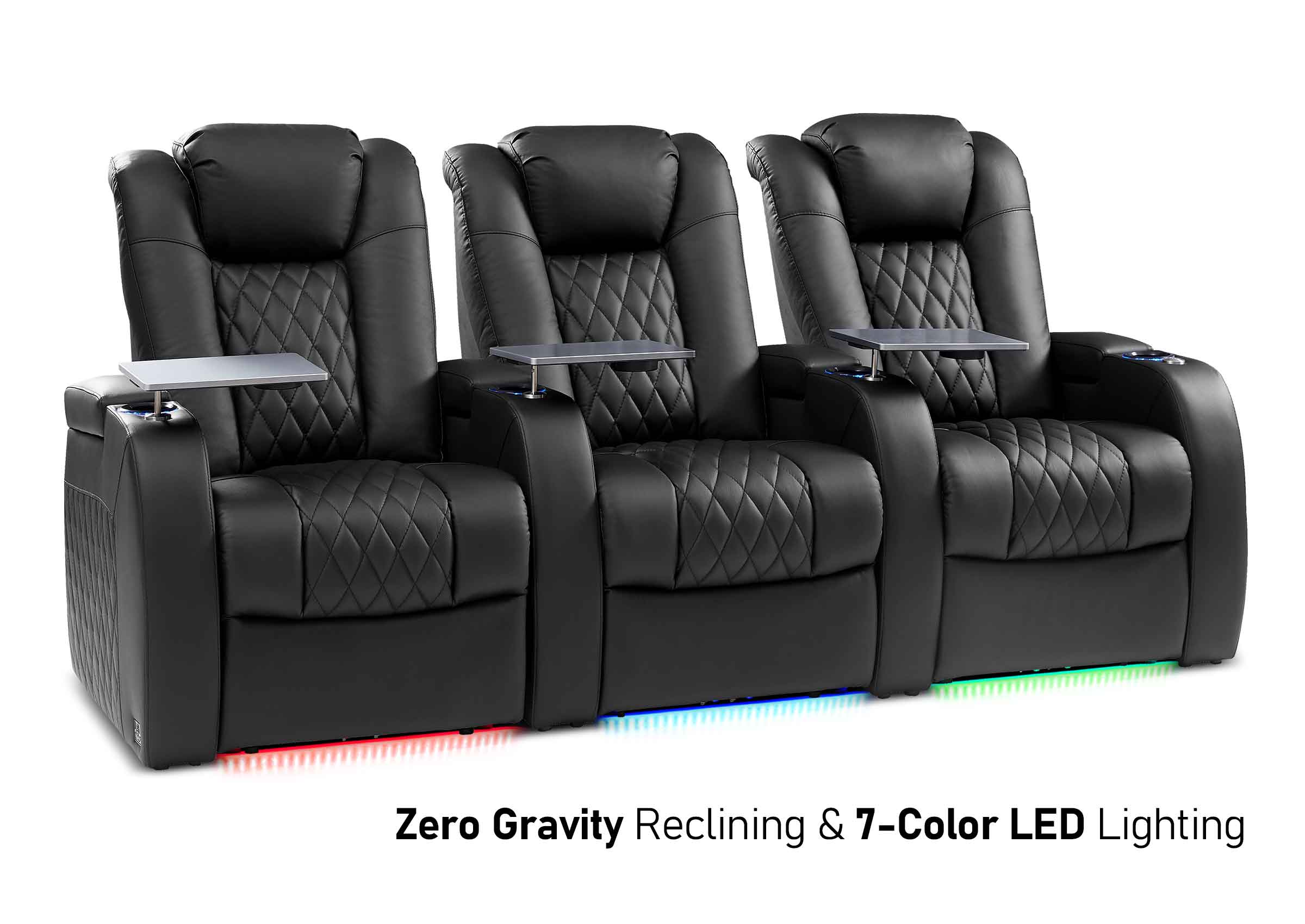
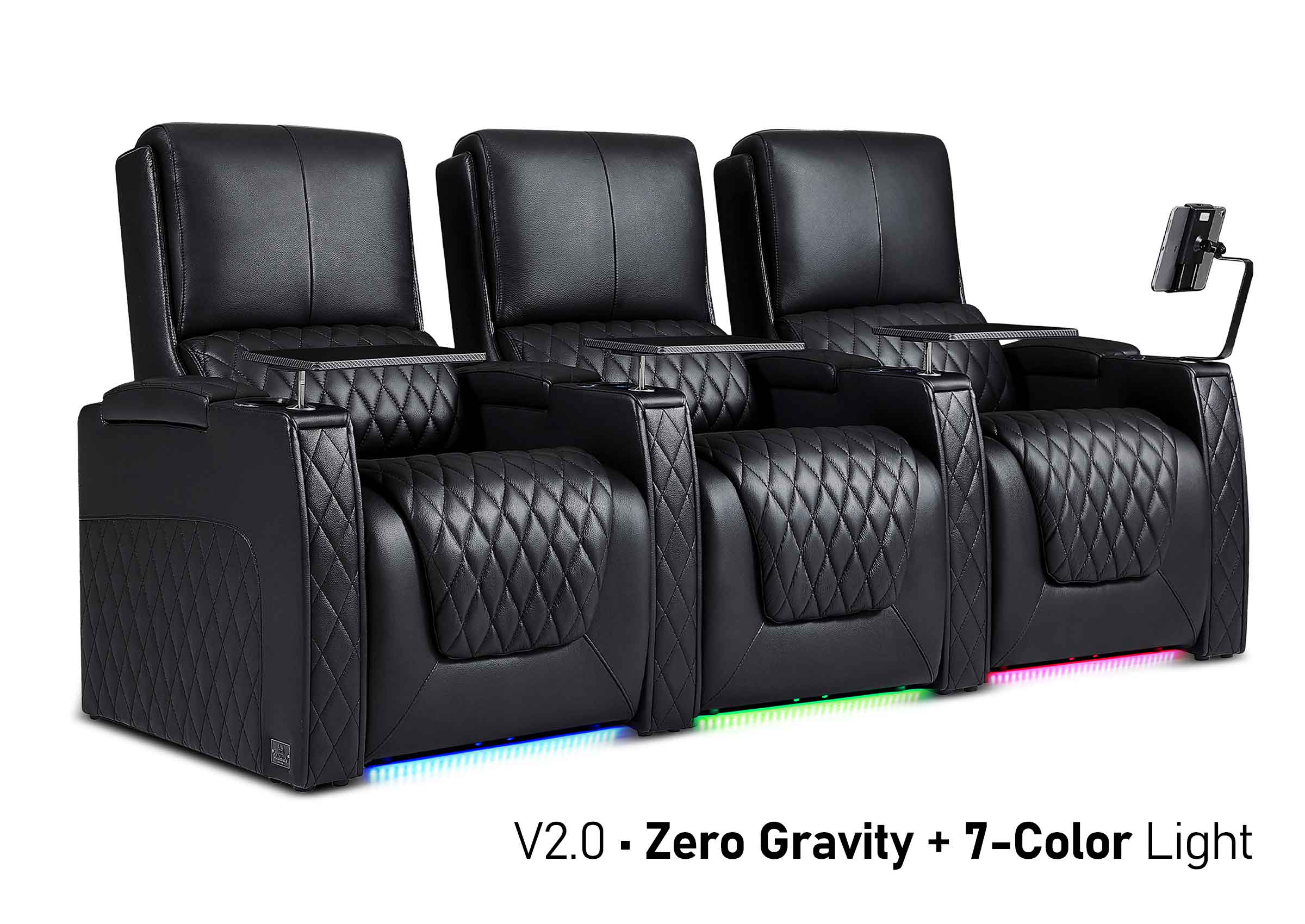
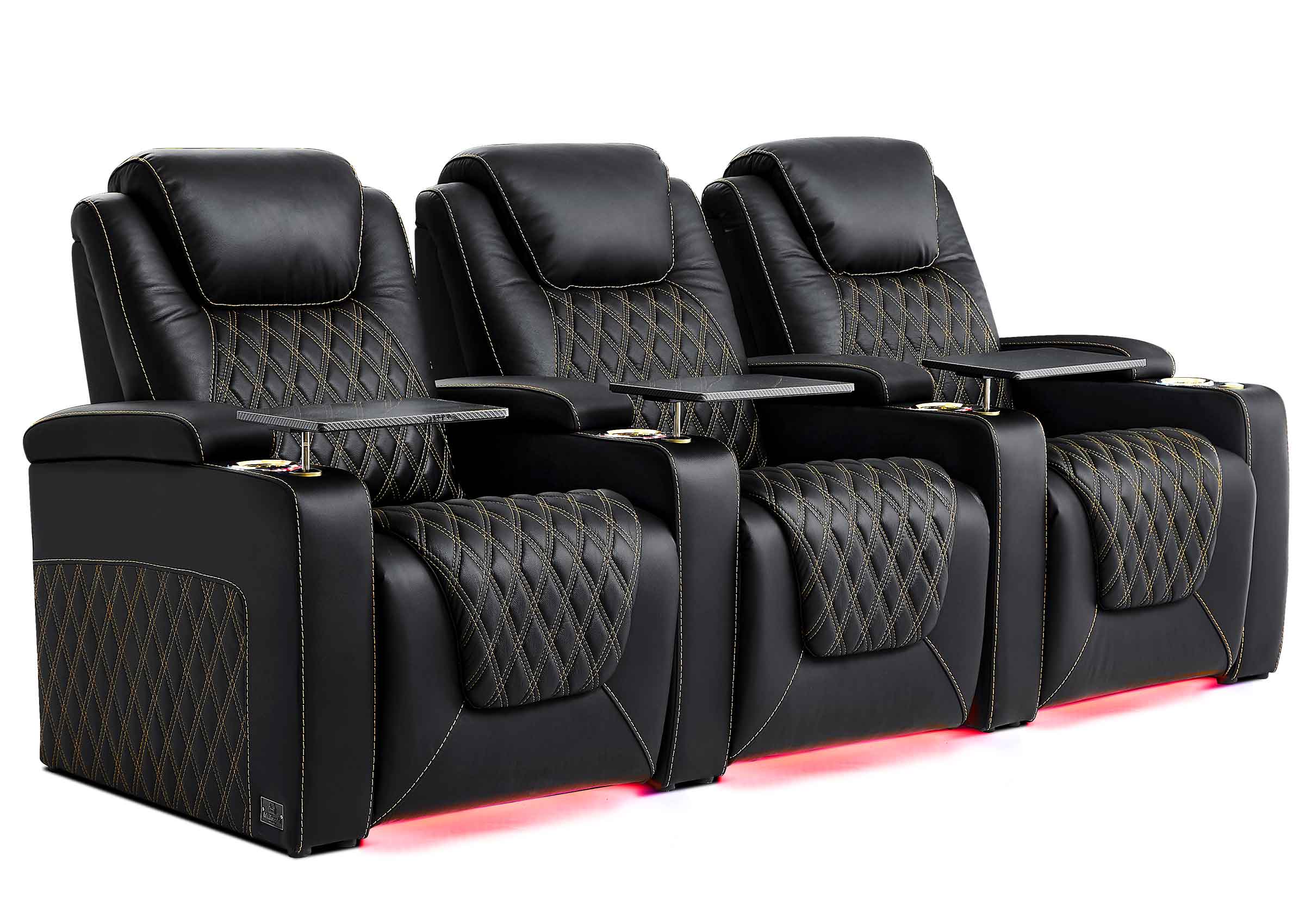

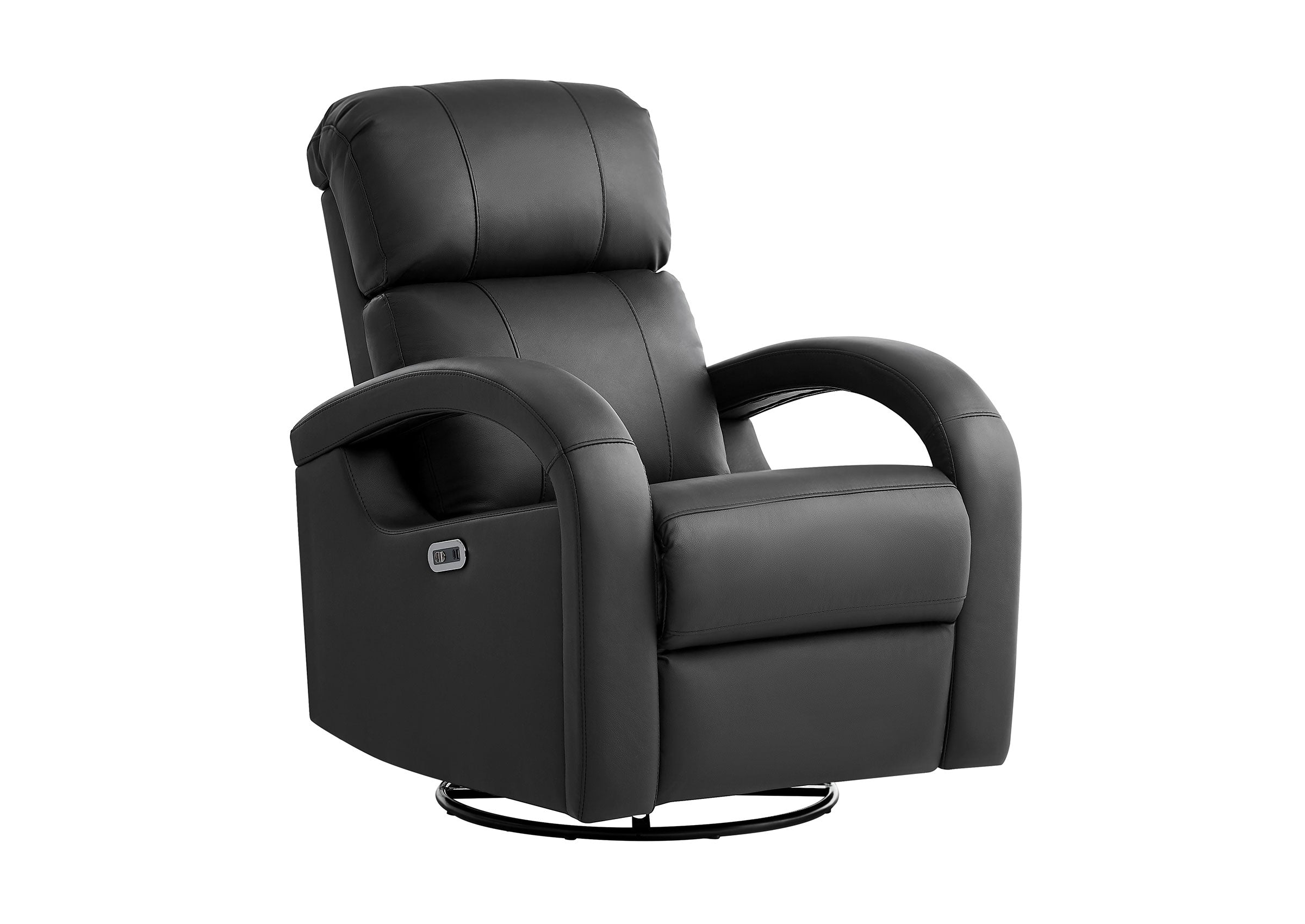
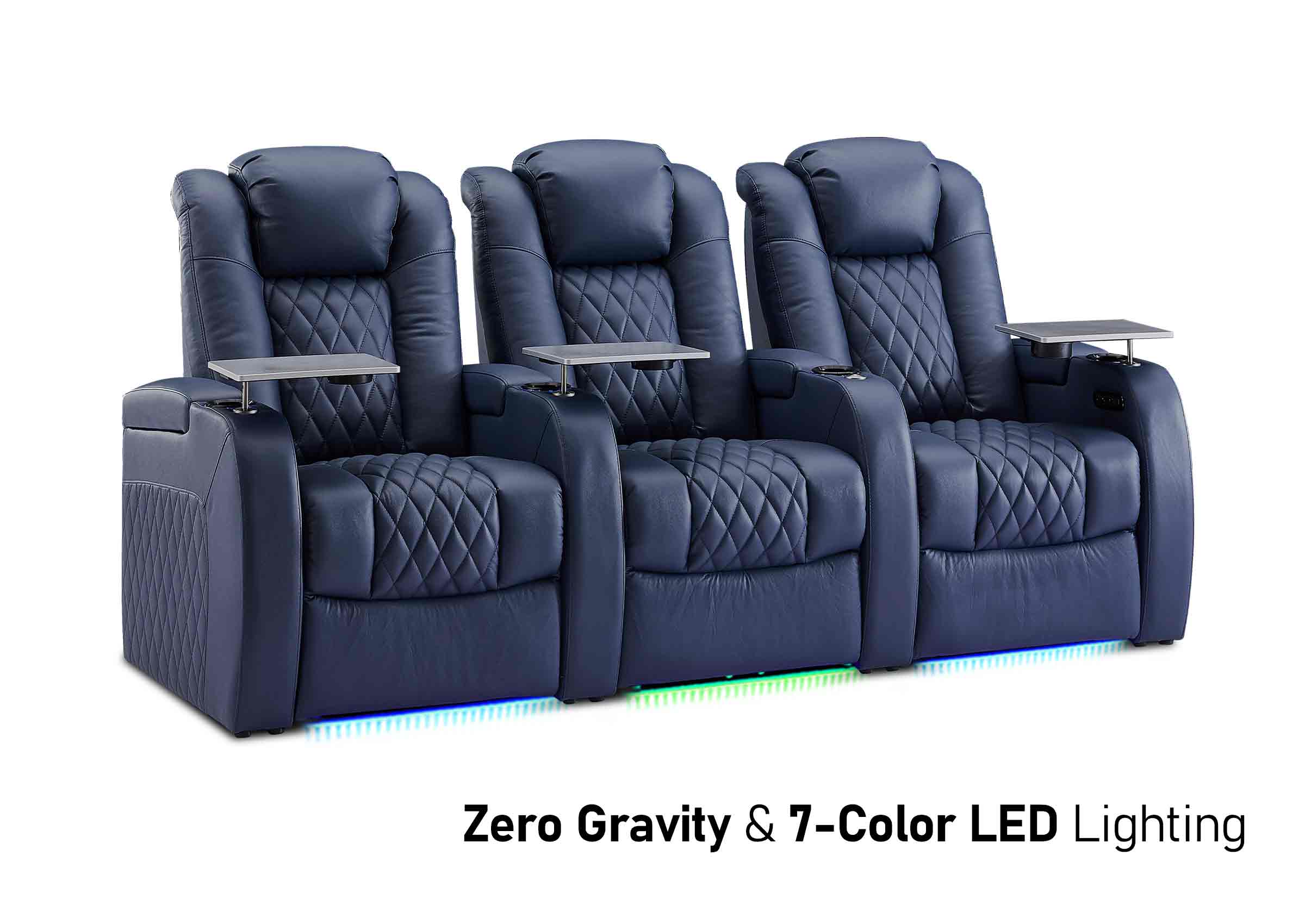
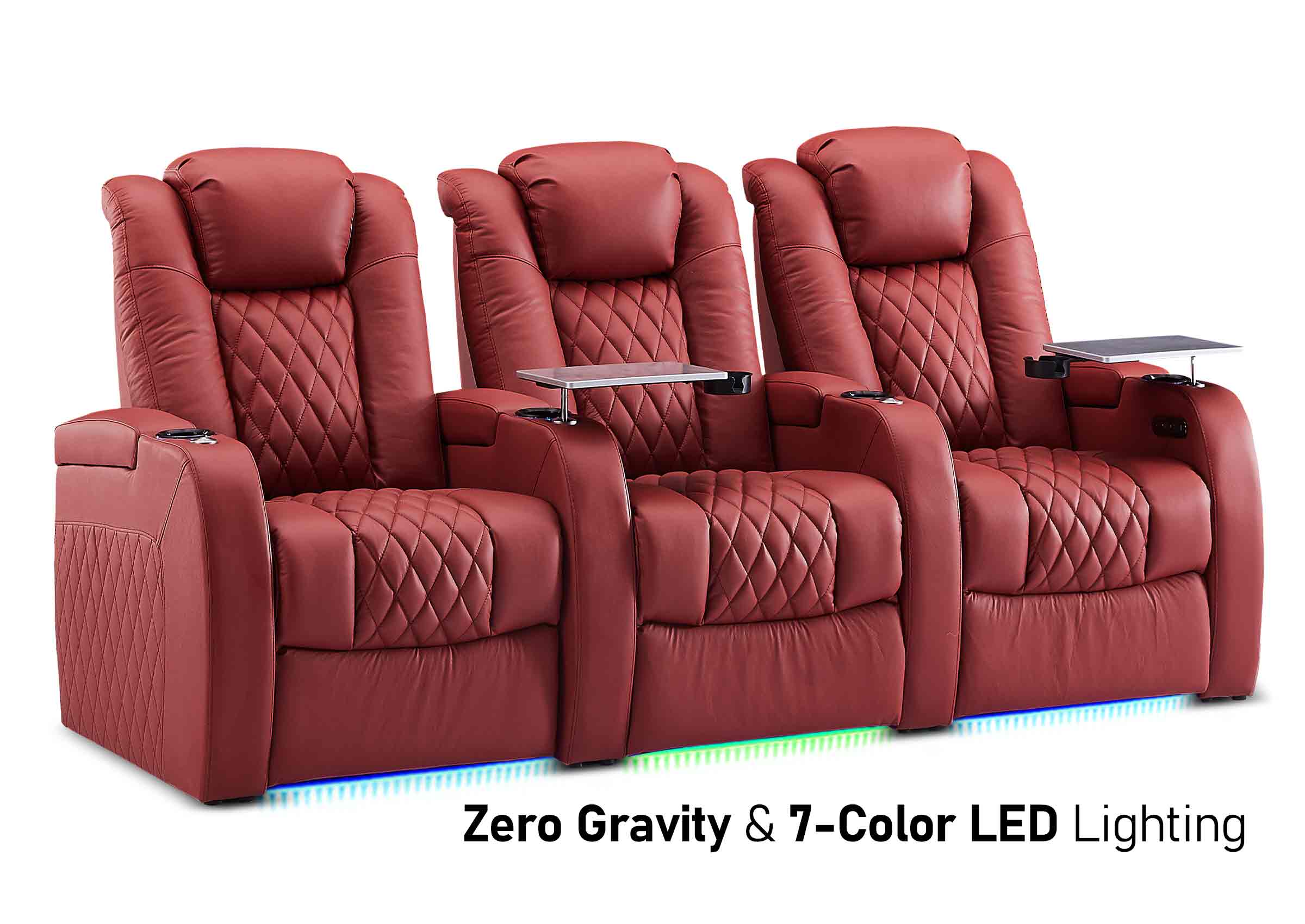
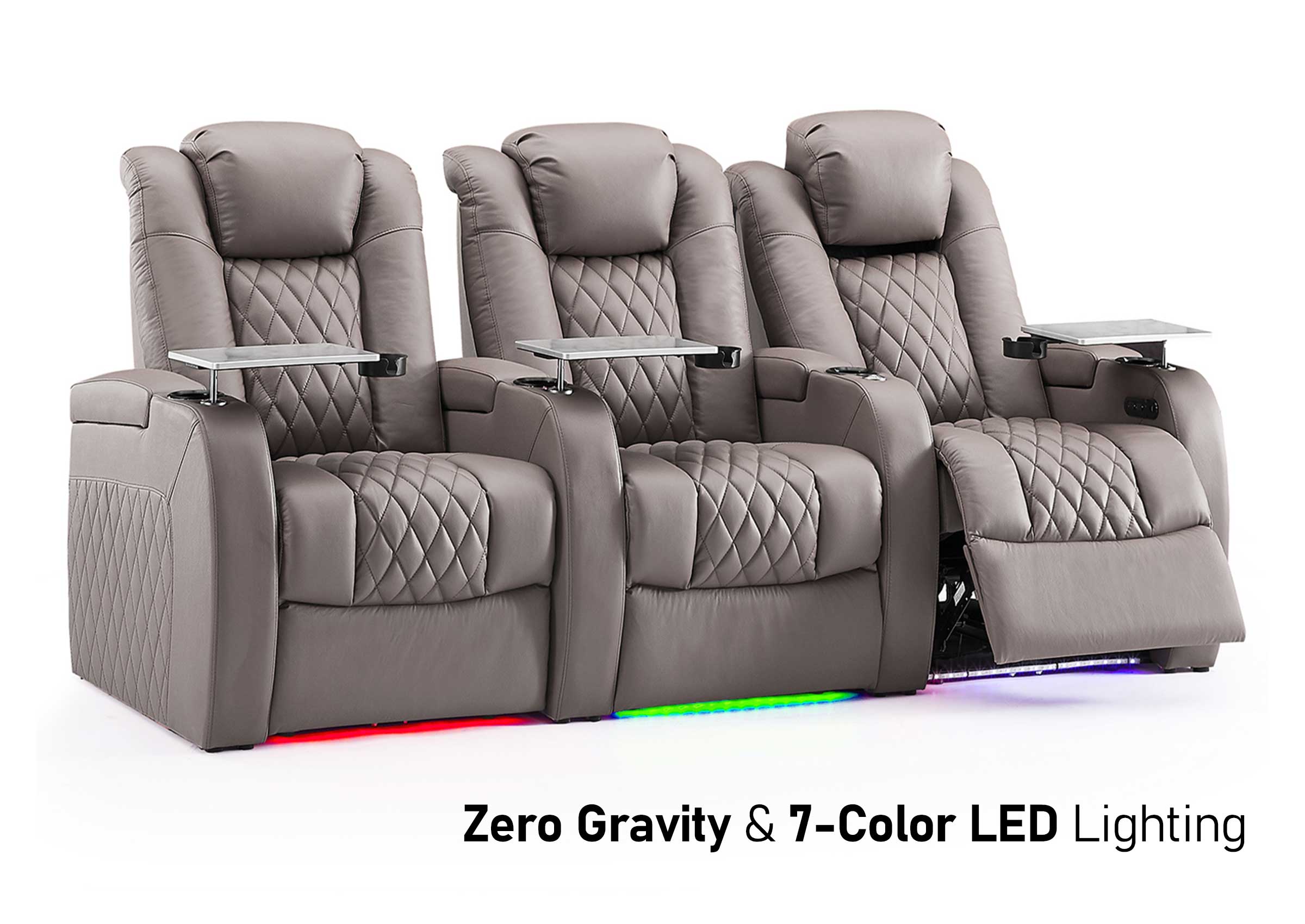
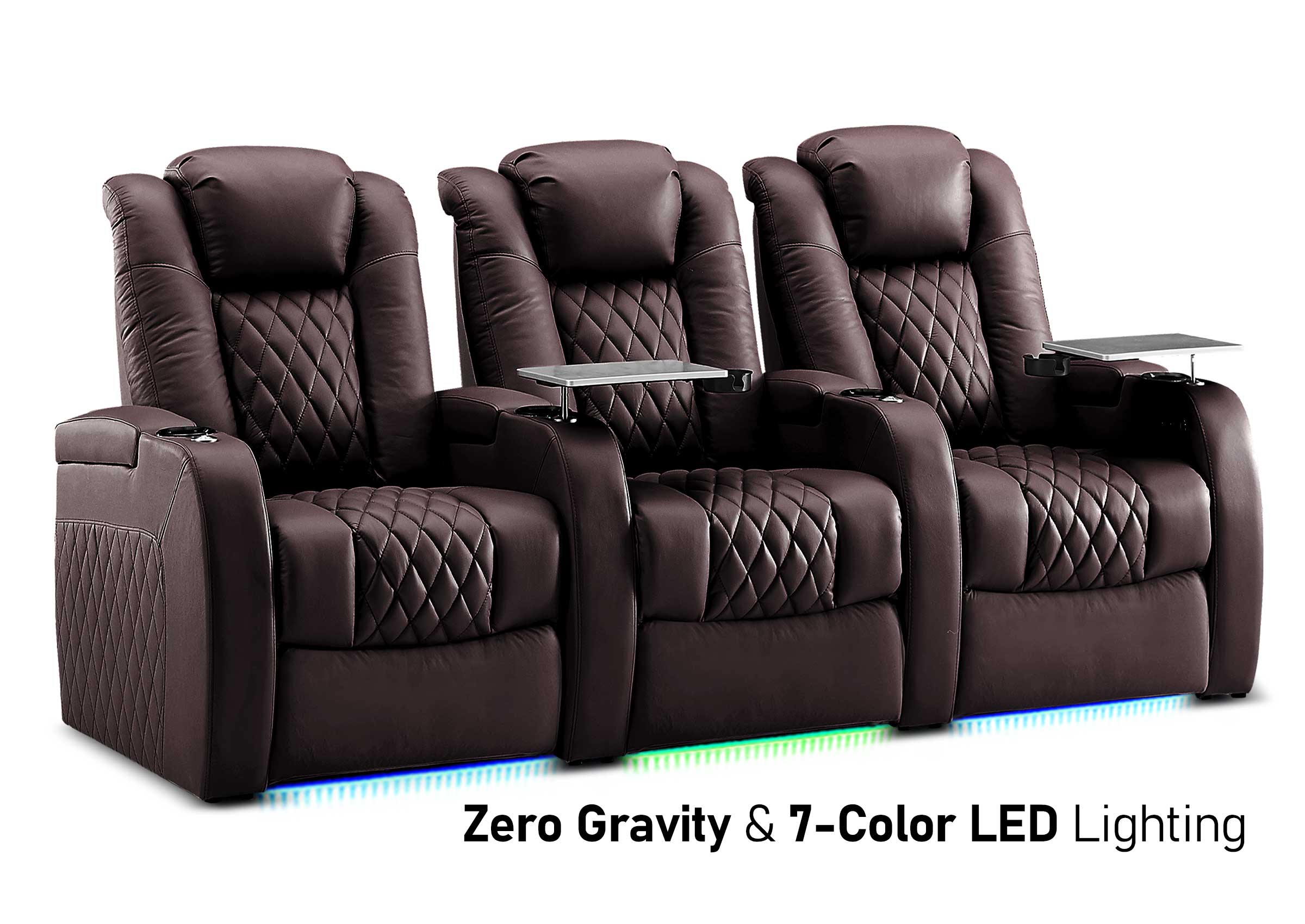

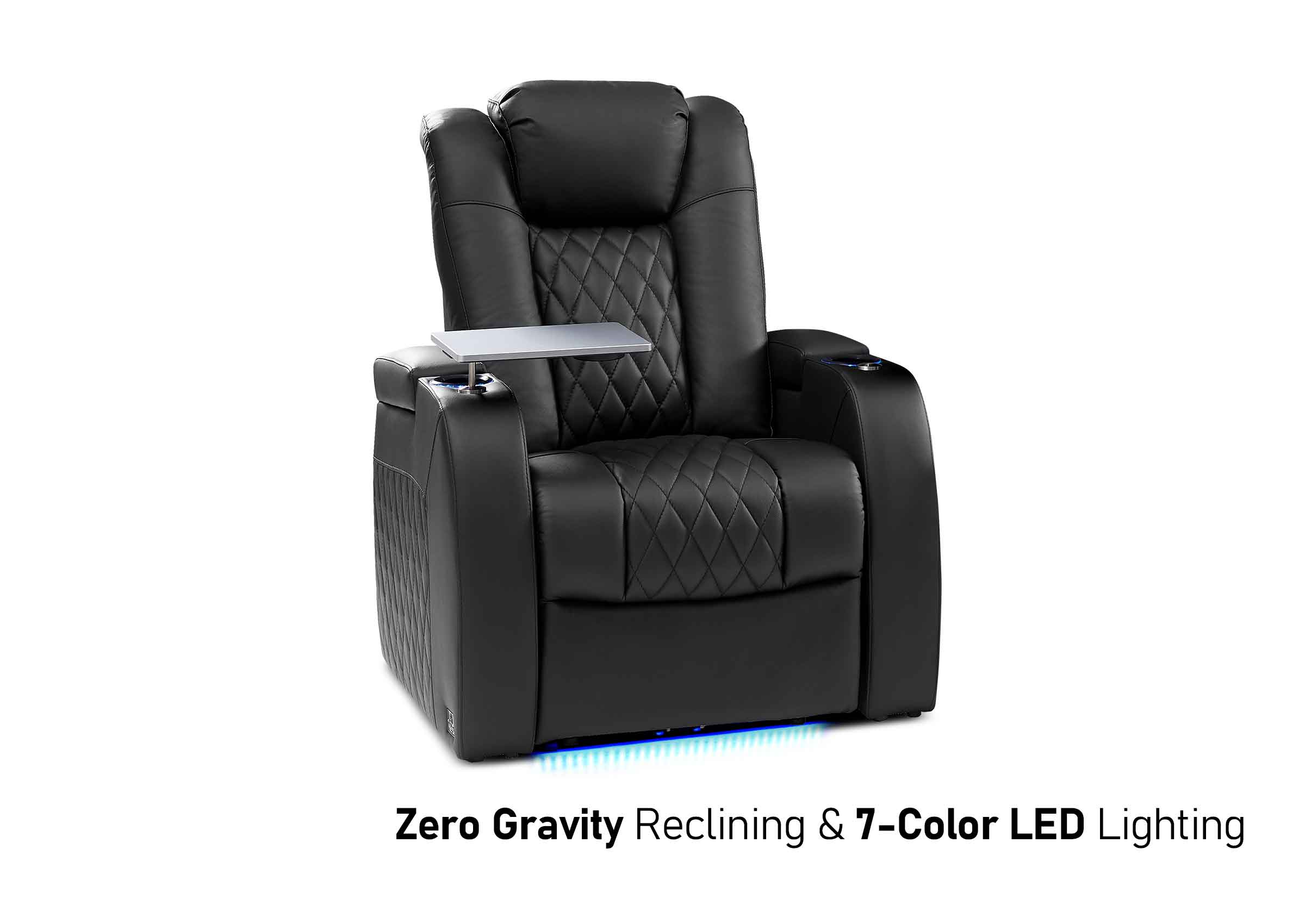
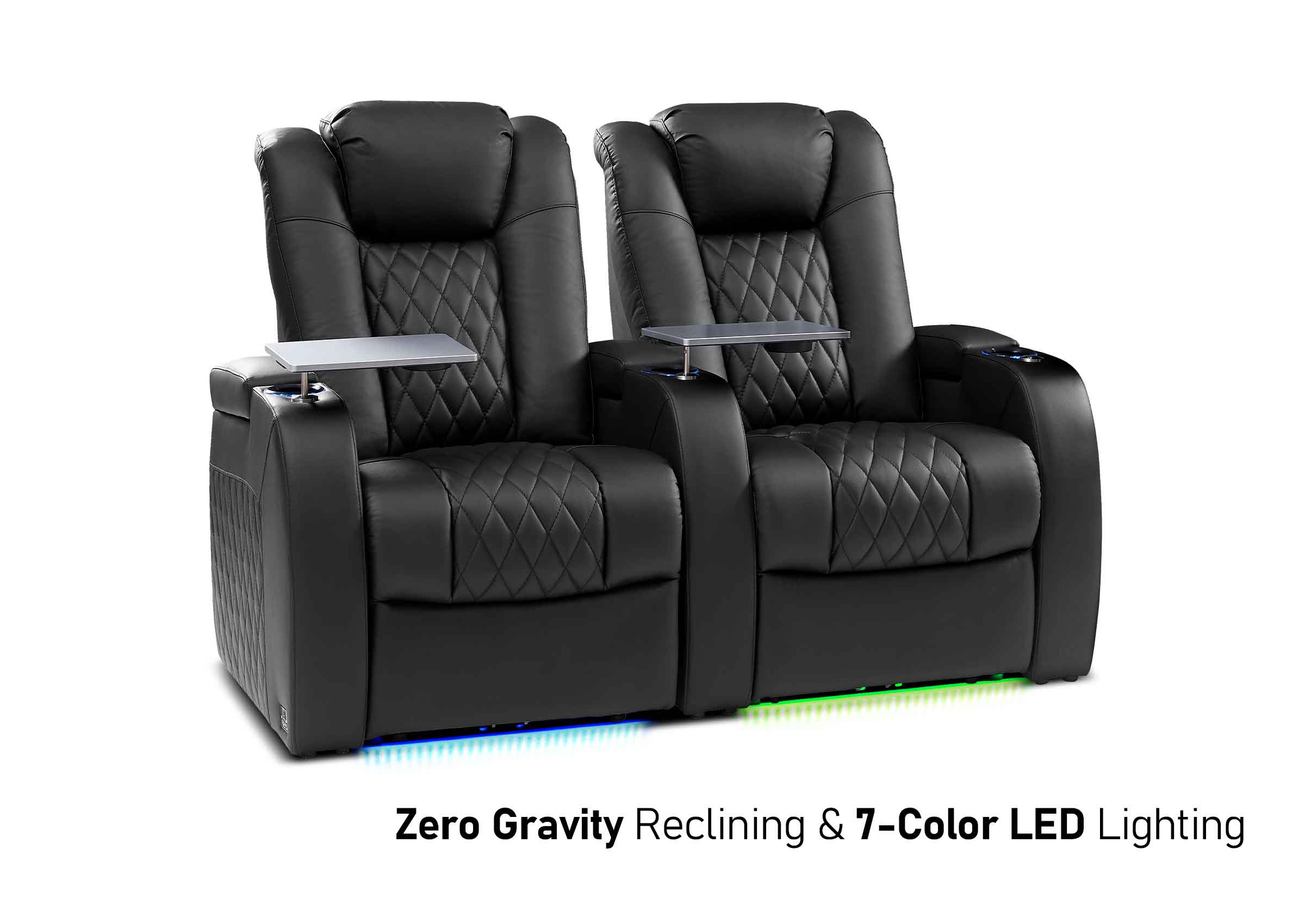
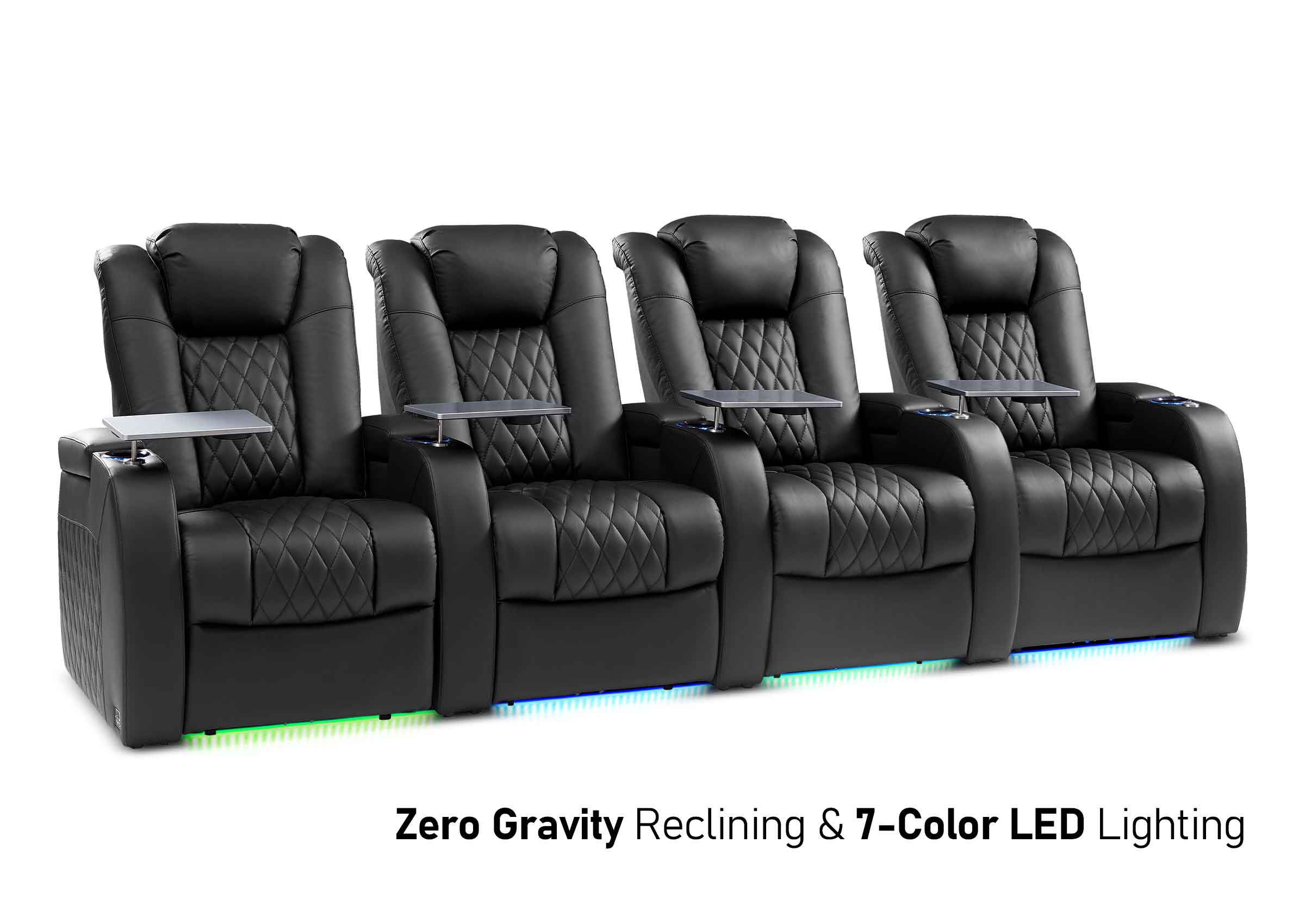
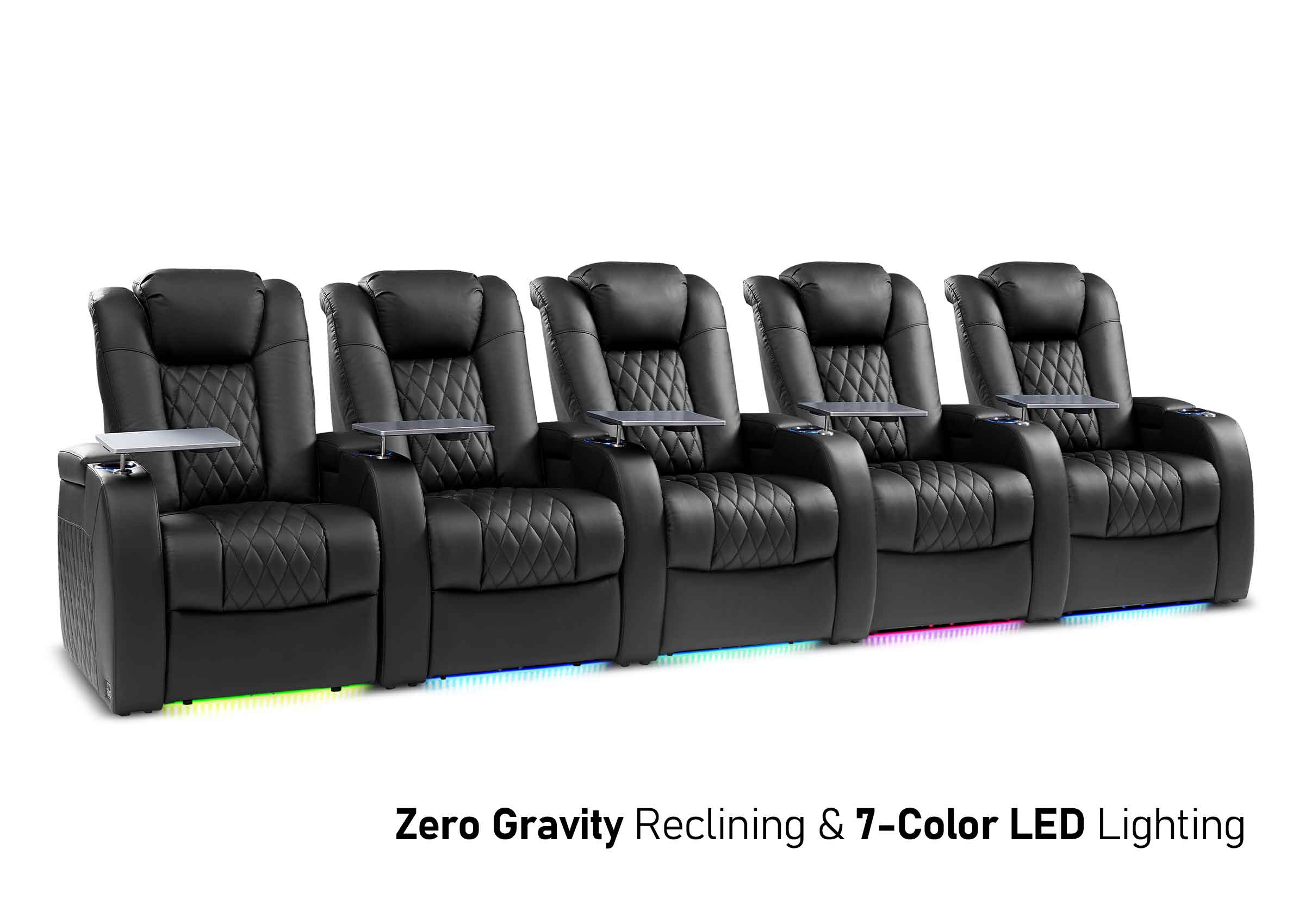
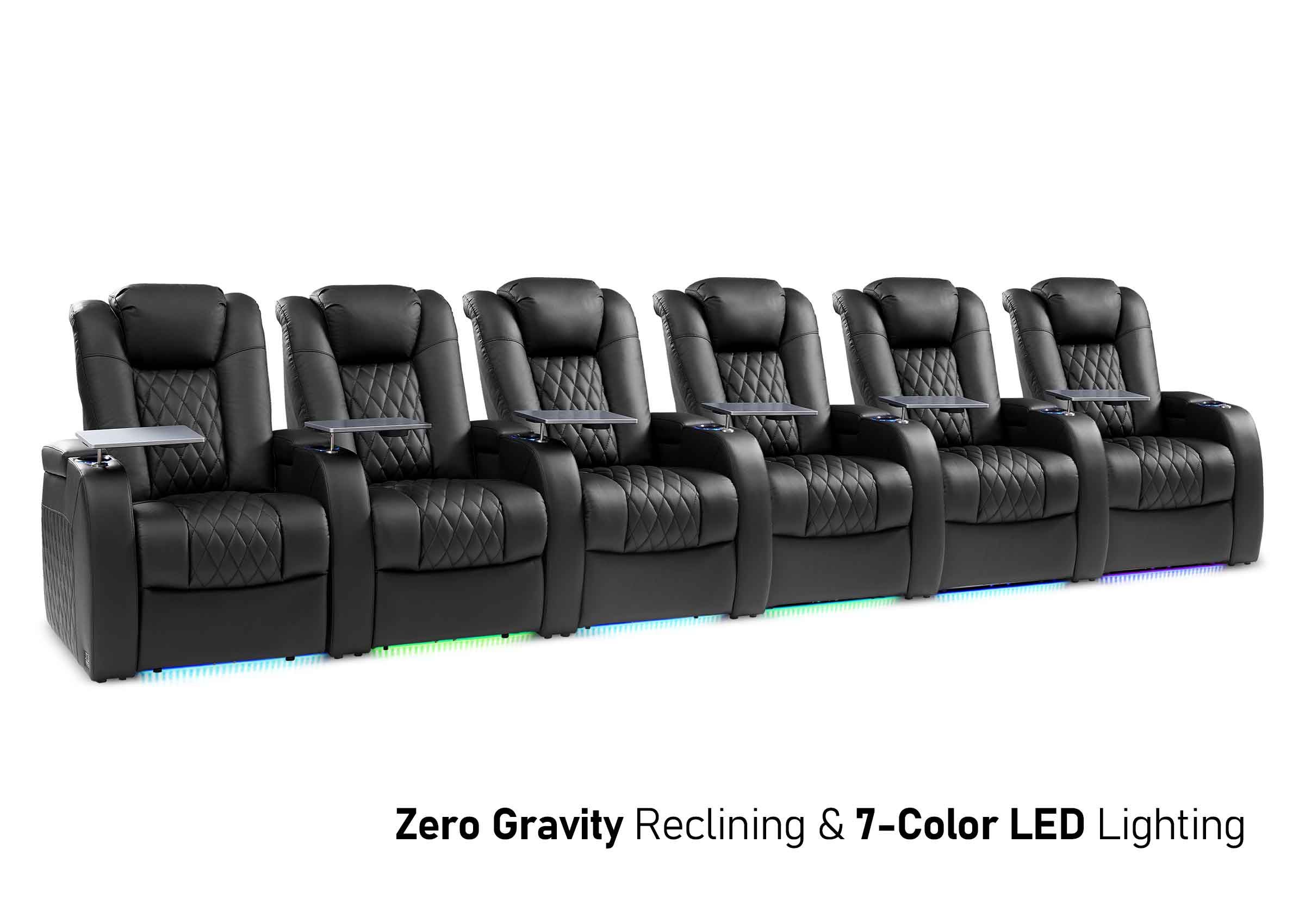
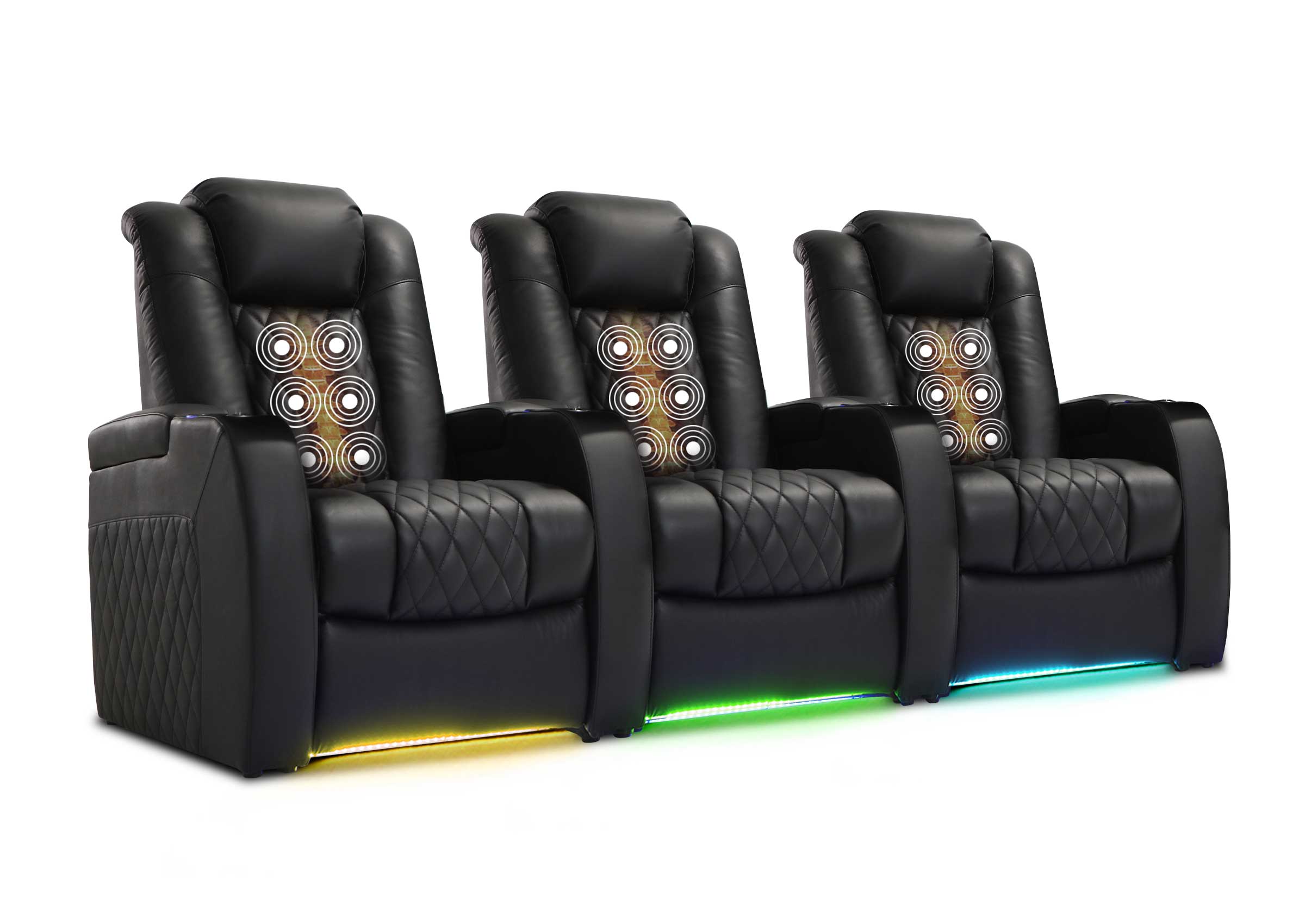
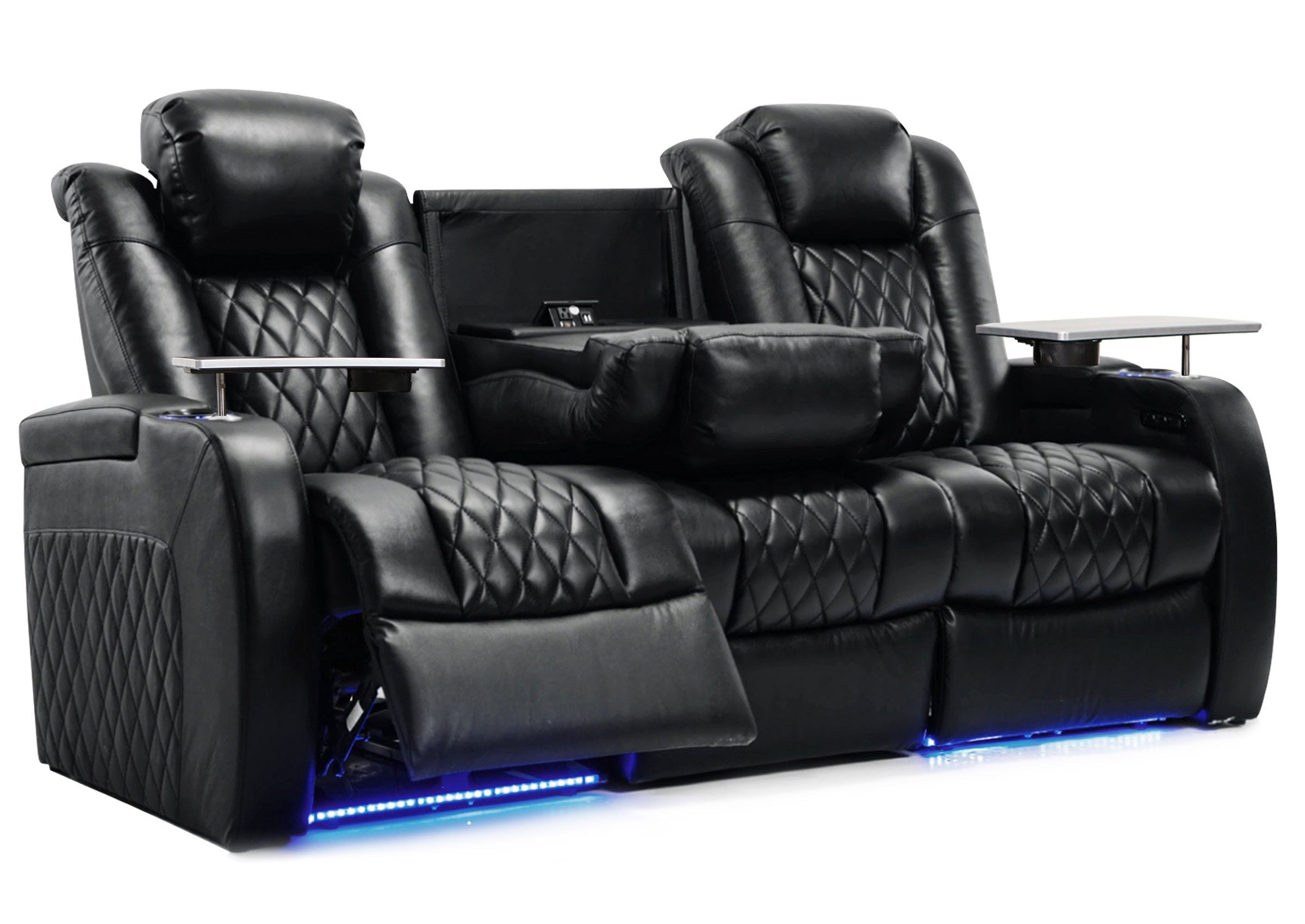






Choose a pit sectional if movie night means sharing a broad cushioned surface, curling up together, and changing positions as you watch. Choose theater recliners if each regular viewer wants an adjustable seat facing the screen, with a clearer personal space. The deciding question is whether your household wants to share a lounging area or control separate sitting positions—and whether the room works while everyone is using it.
A pit can look irresistible with blankets spread across the cushions. A recliner row can look equally appealing with every footrest extended. Before choosing either, picture someone getting up halfway through the movie while everybody else stays comfortable.
What are you actually comparing?
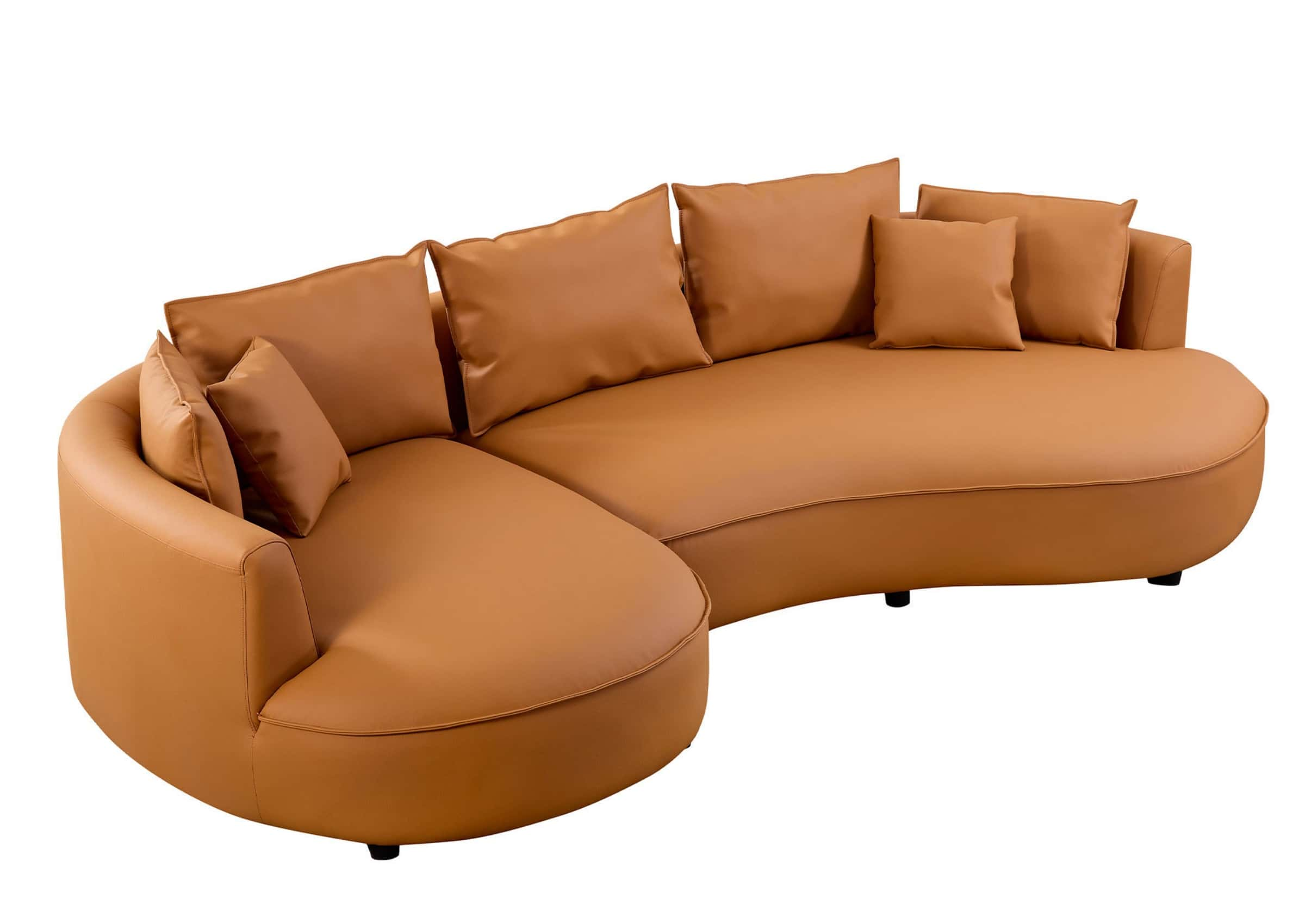
A pit sectional usually brings seating modules and ottomans together into a deep, largely filled-in lounging area. The word “pit” describes the furniture arrangement; it does not require a sunken floor. Unlike an ordinary L-shaped sectional with open floor in front, a pit uses much of that central space as a cushioned surface.
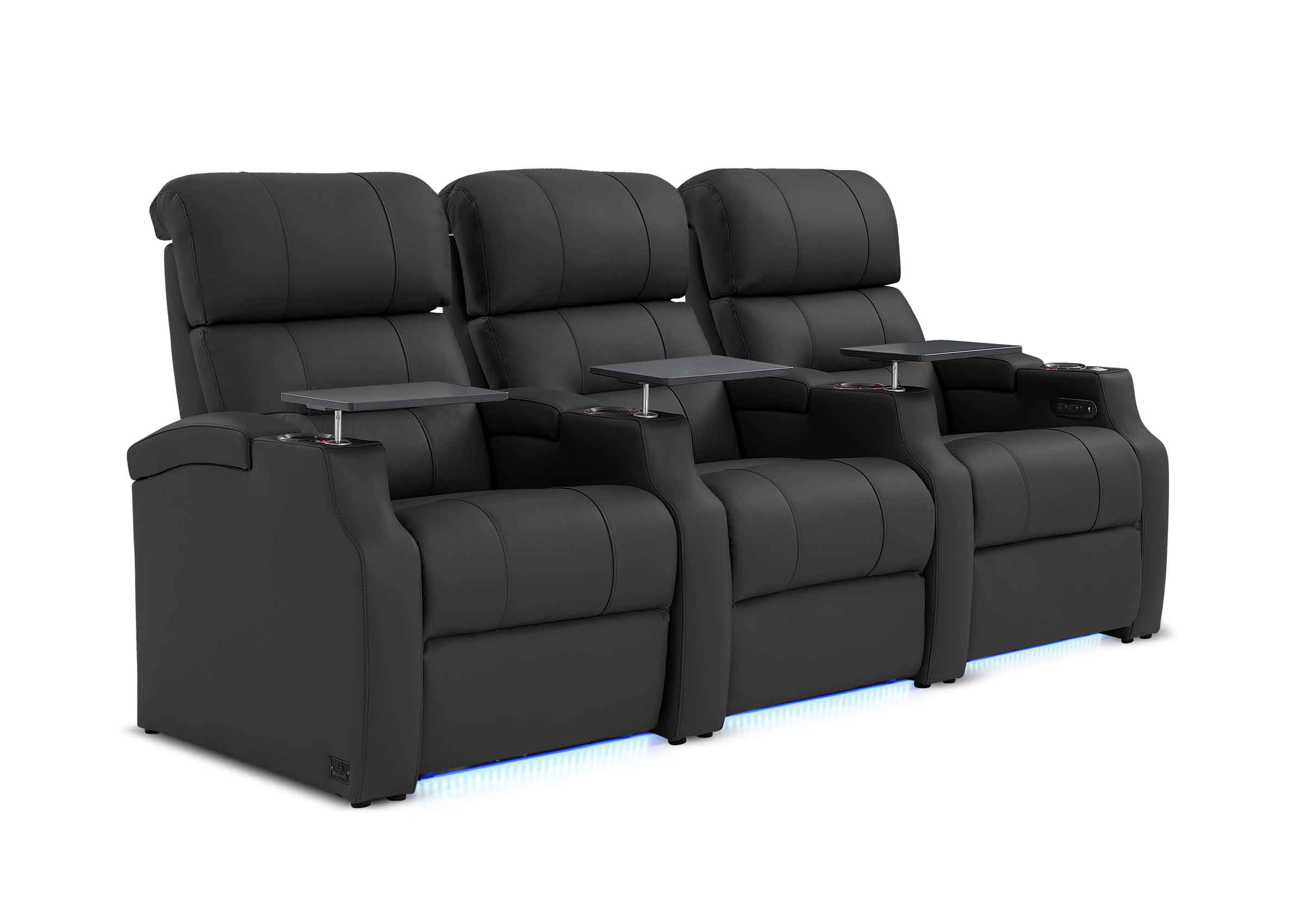
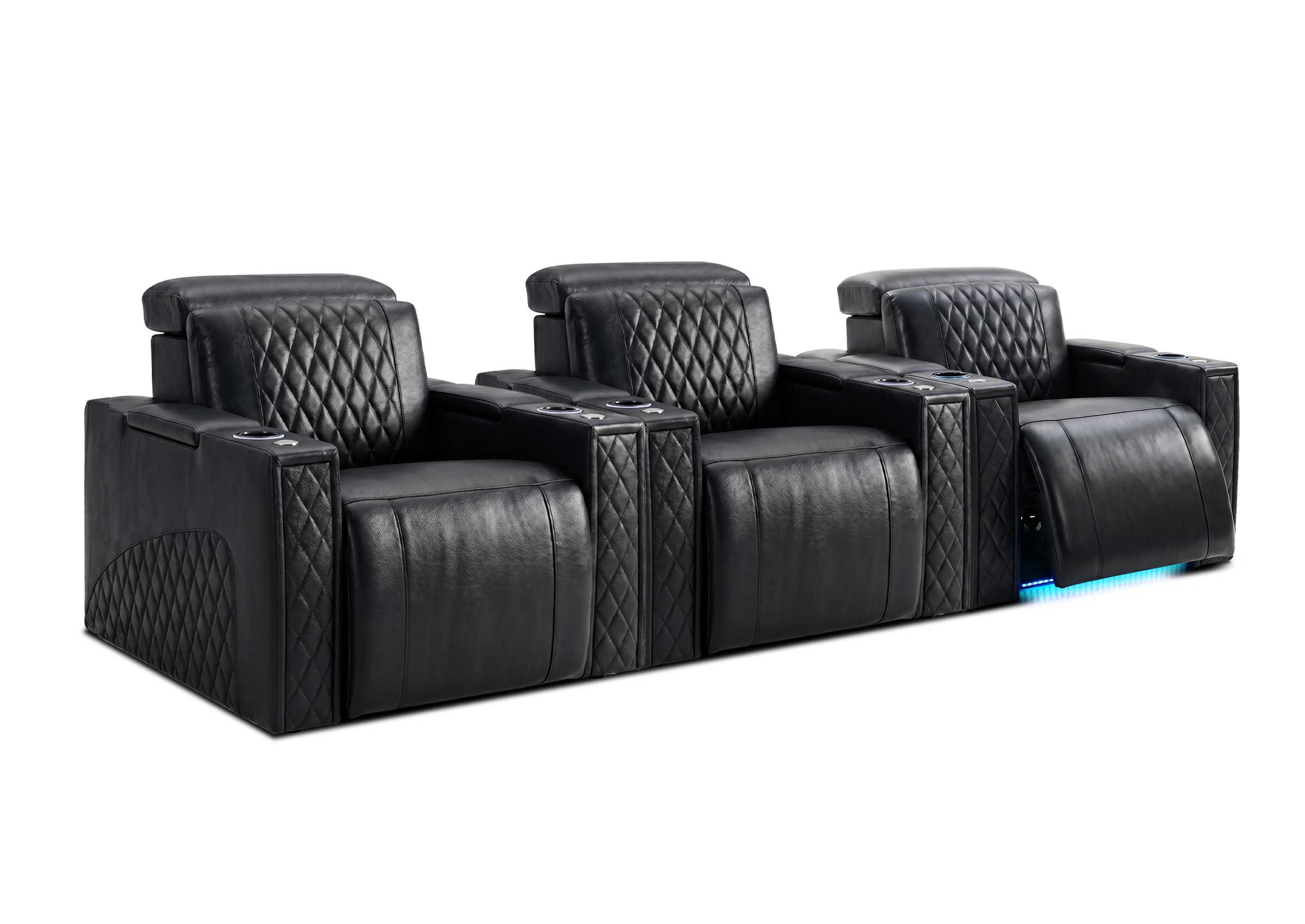
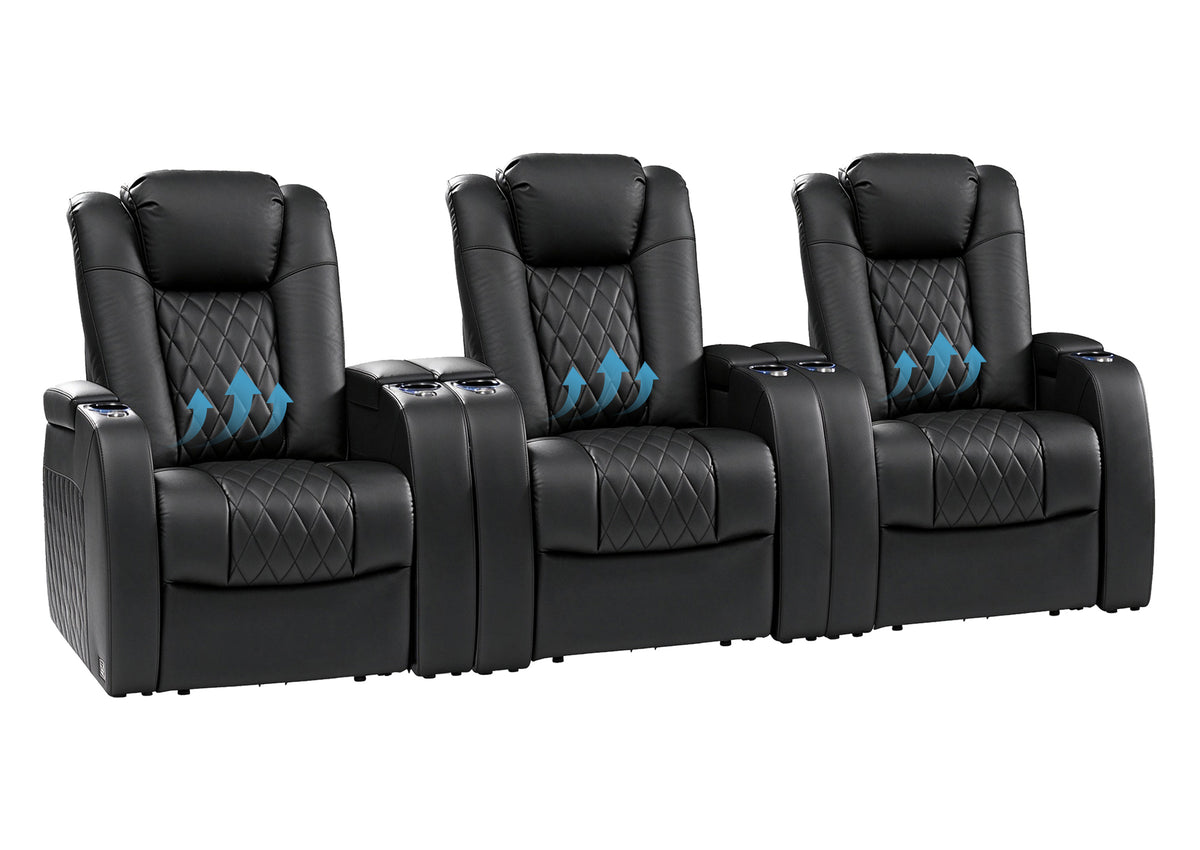
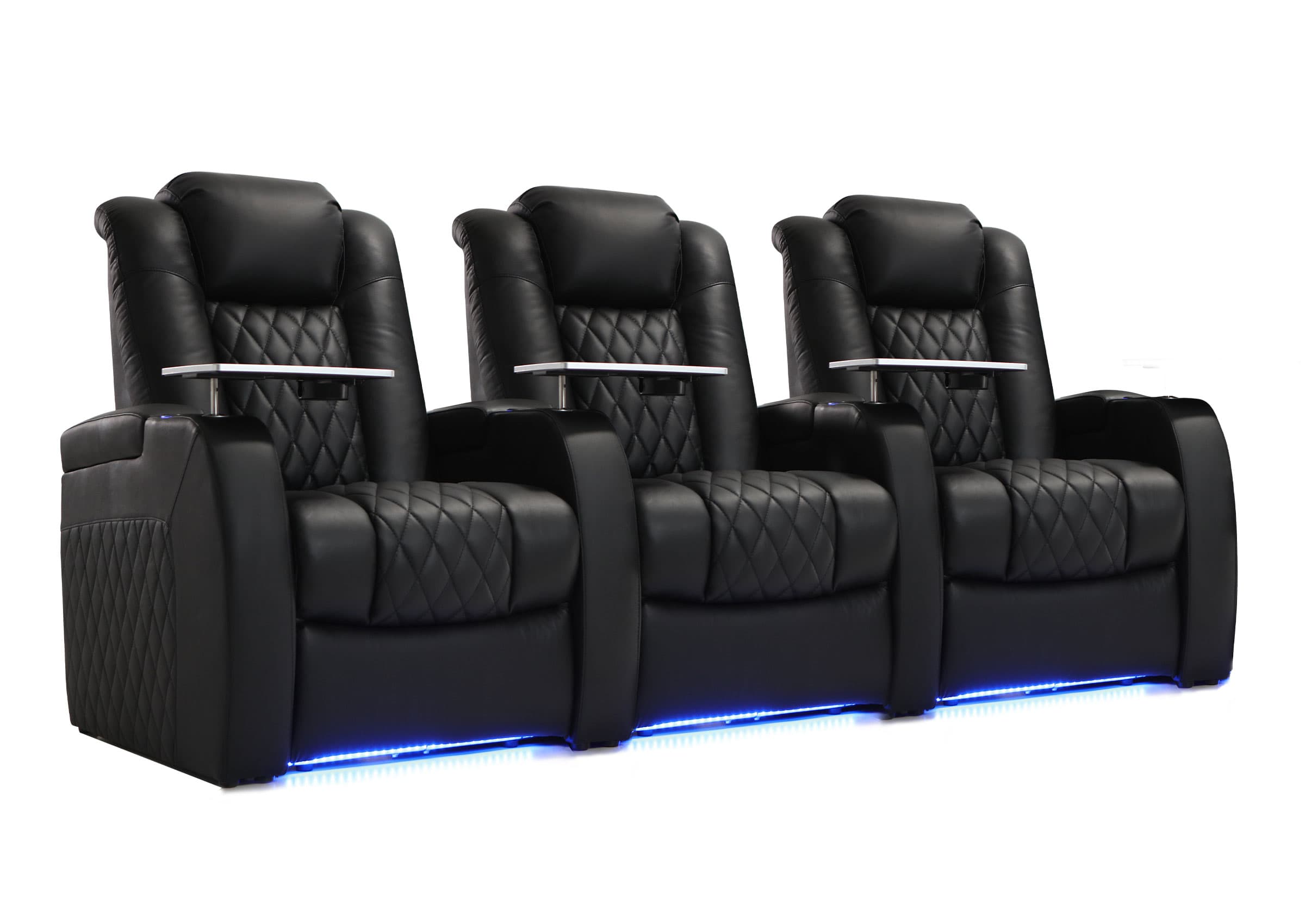
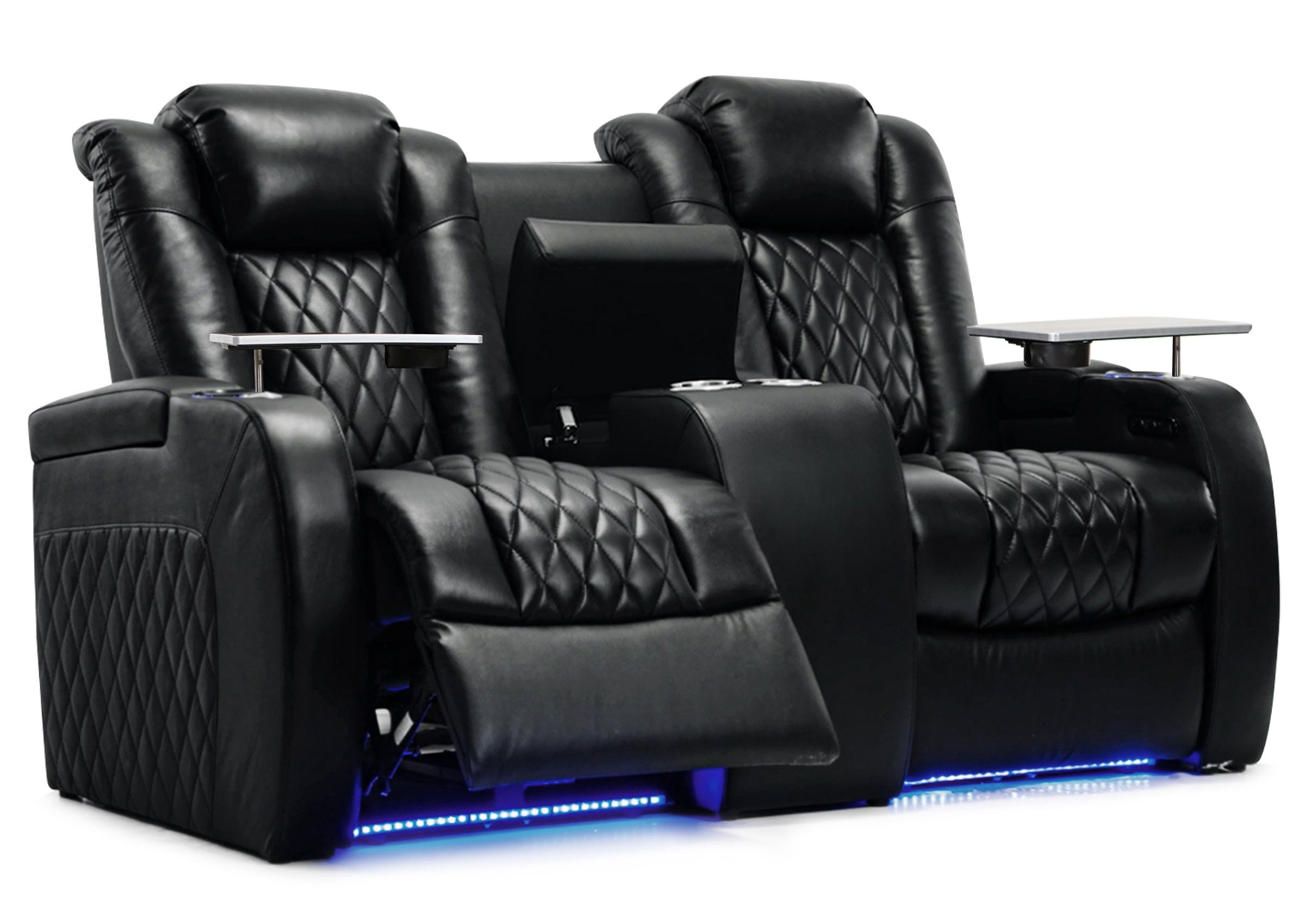
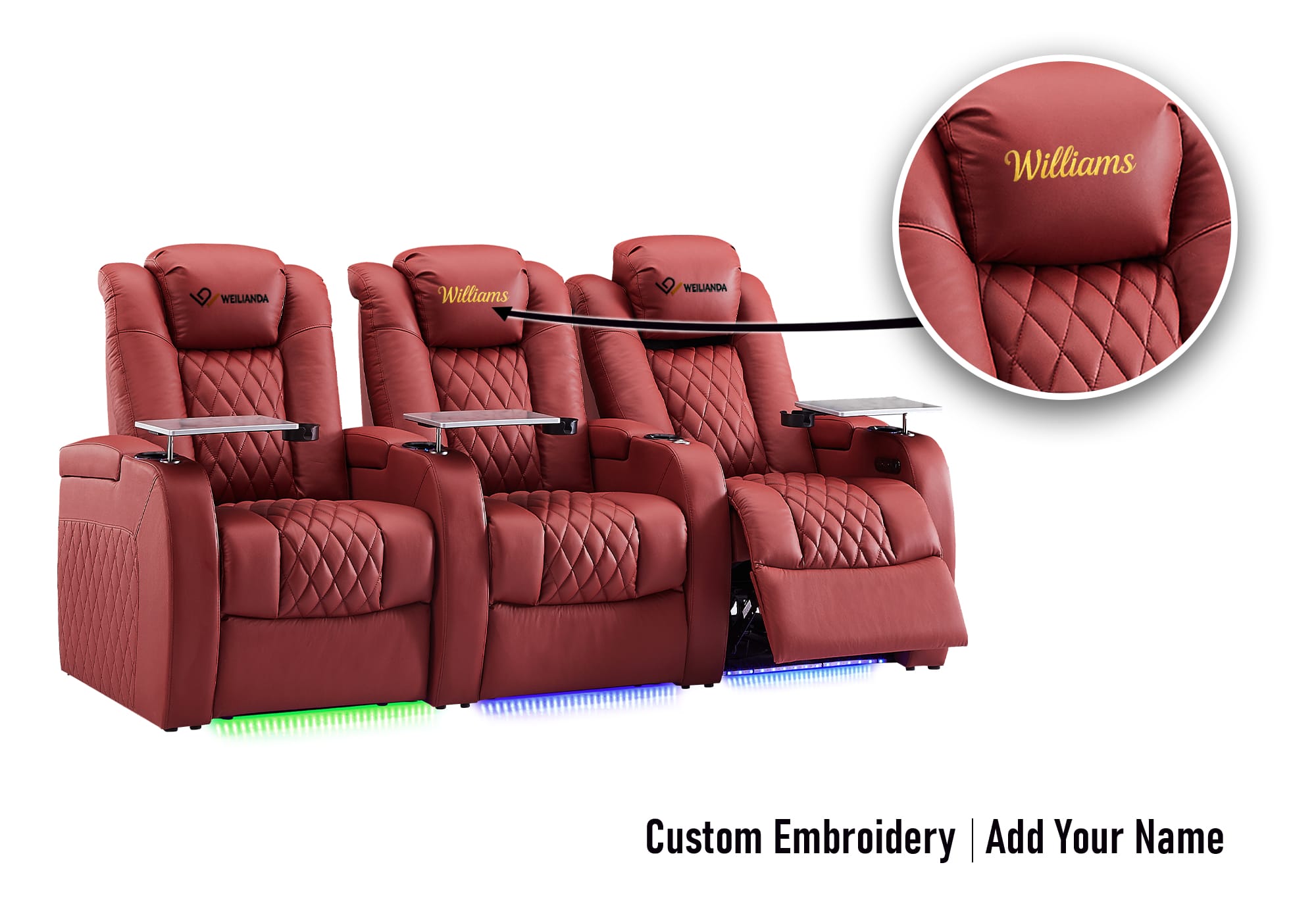
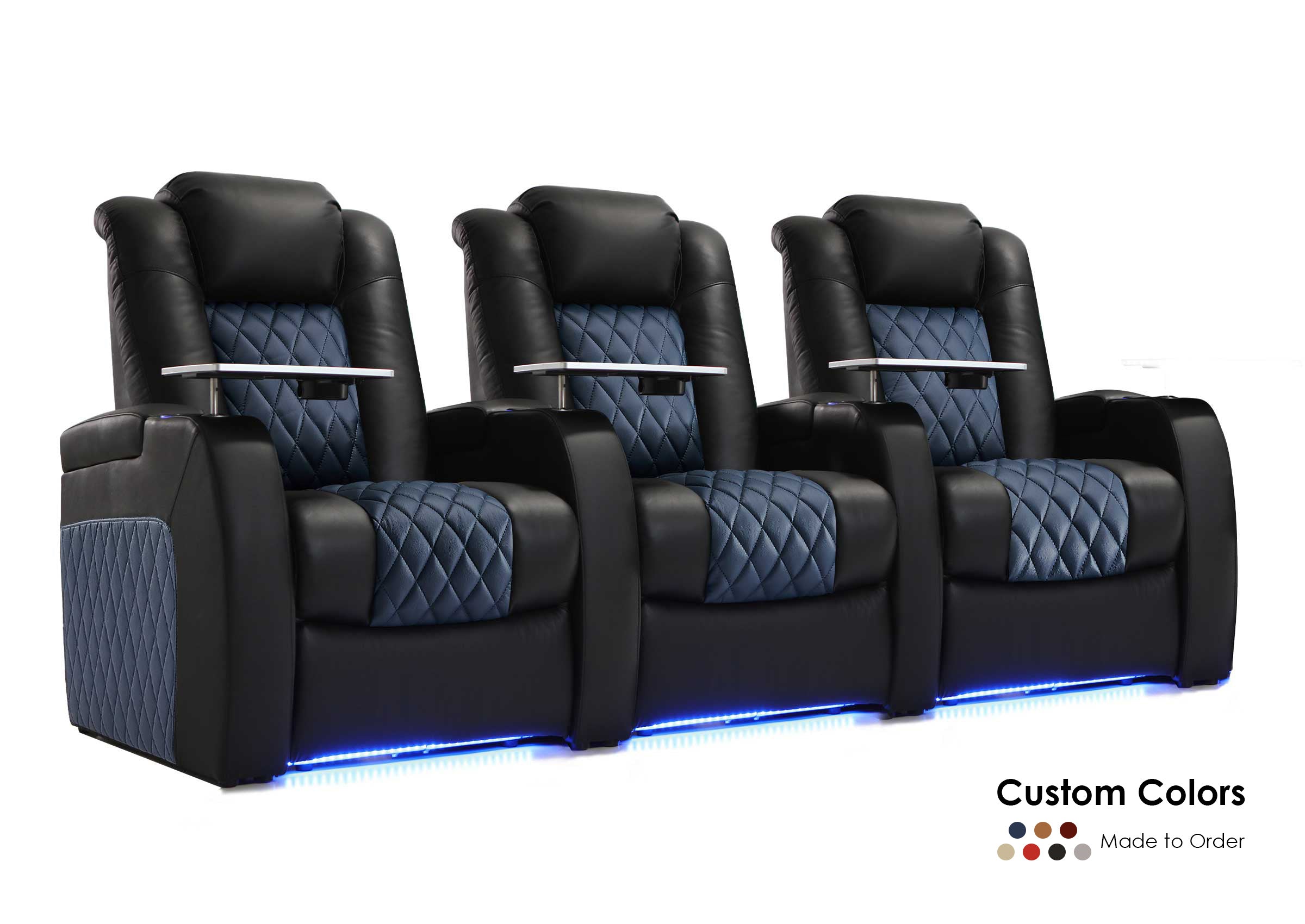
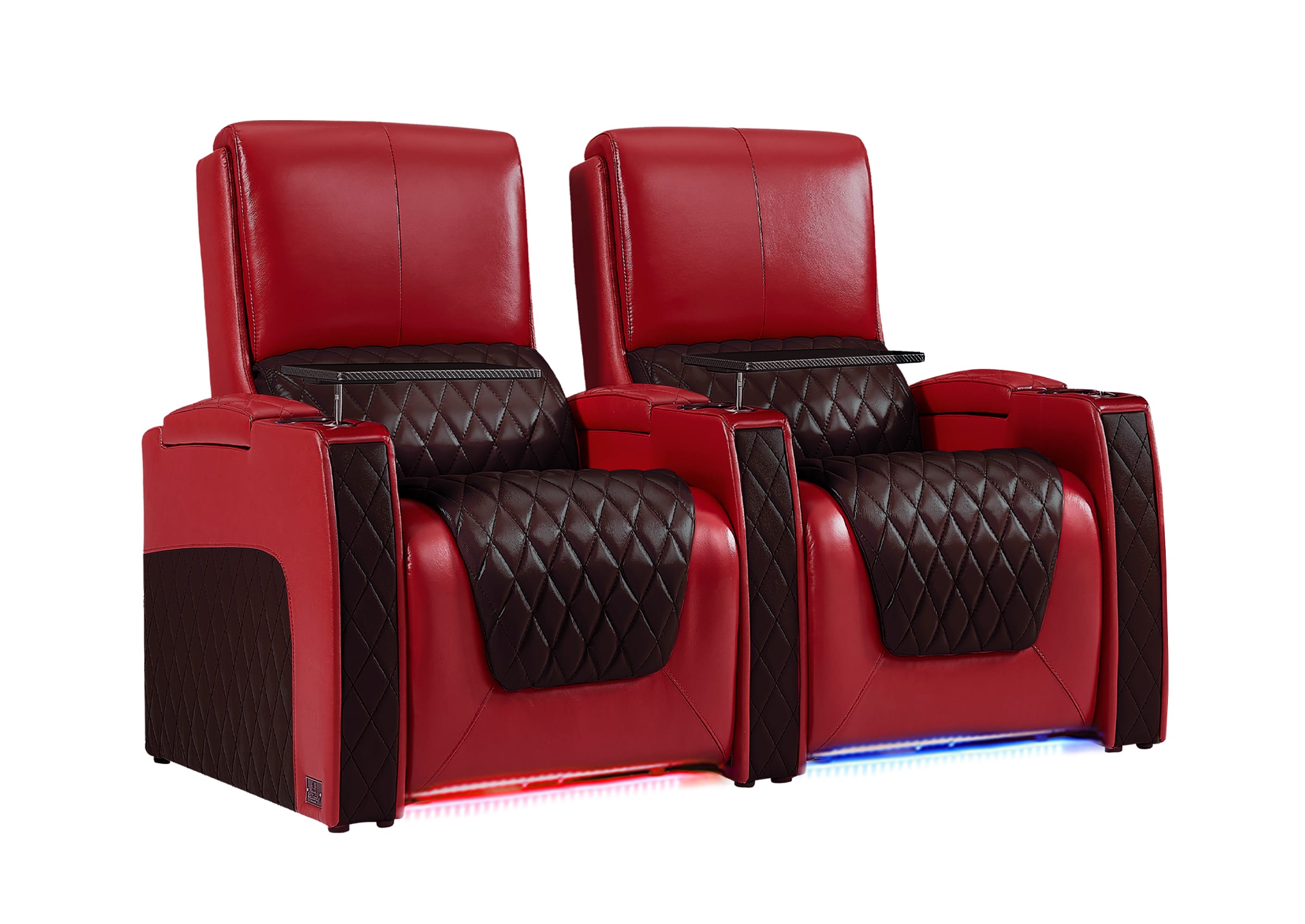
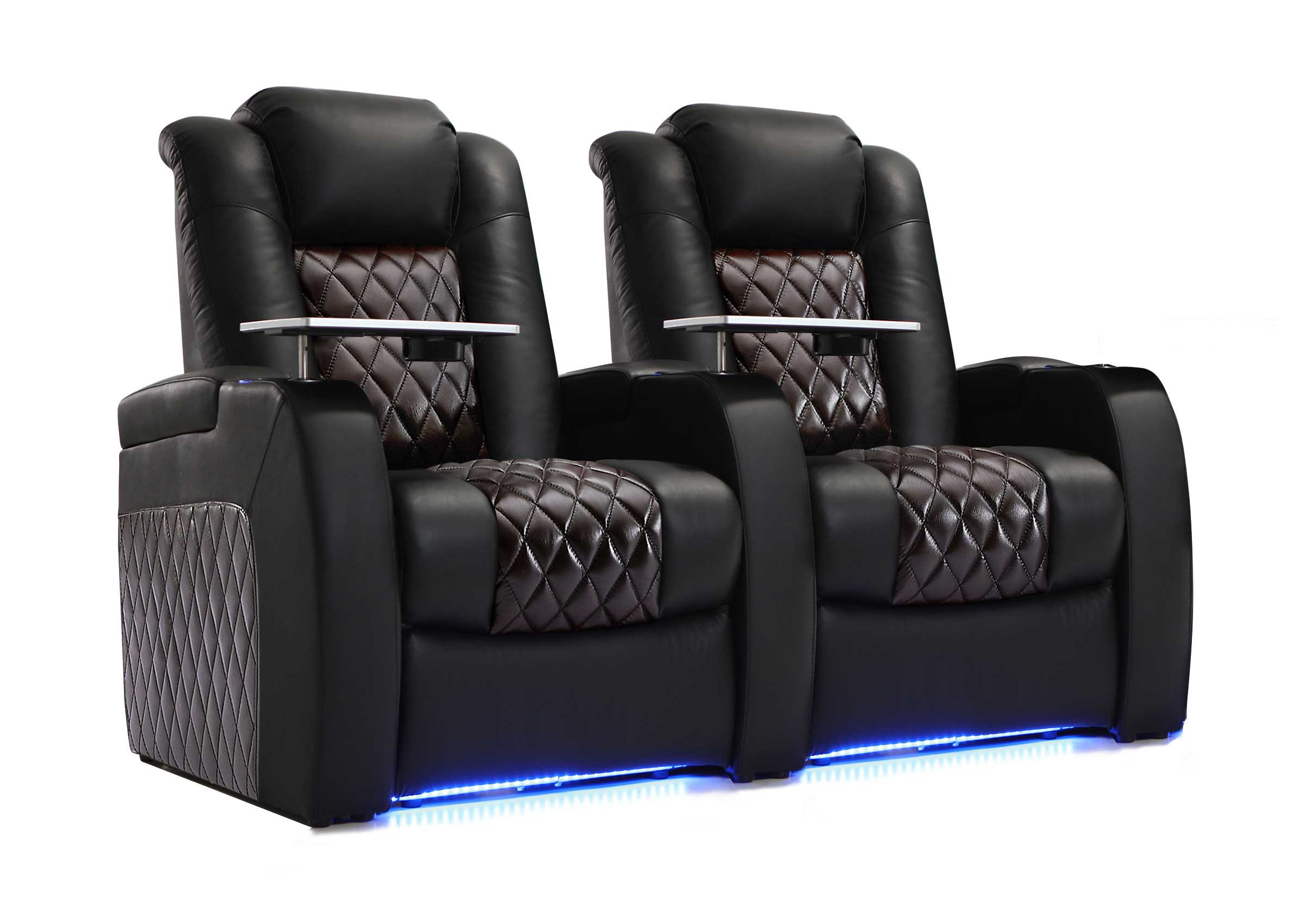
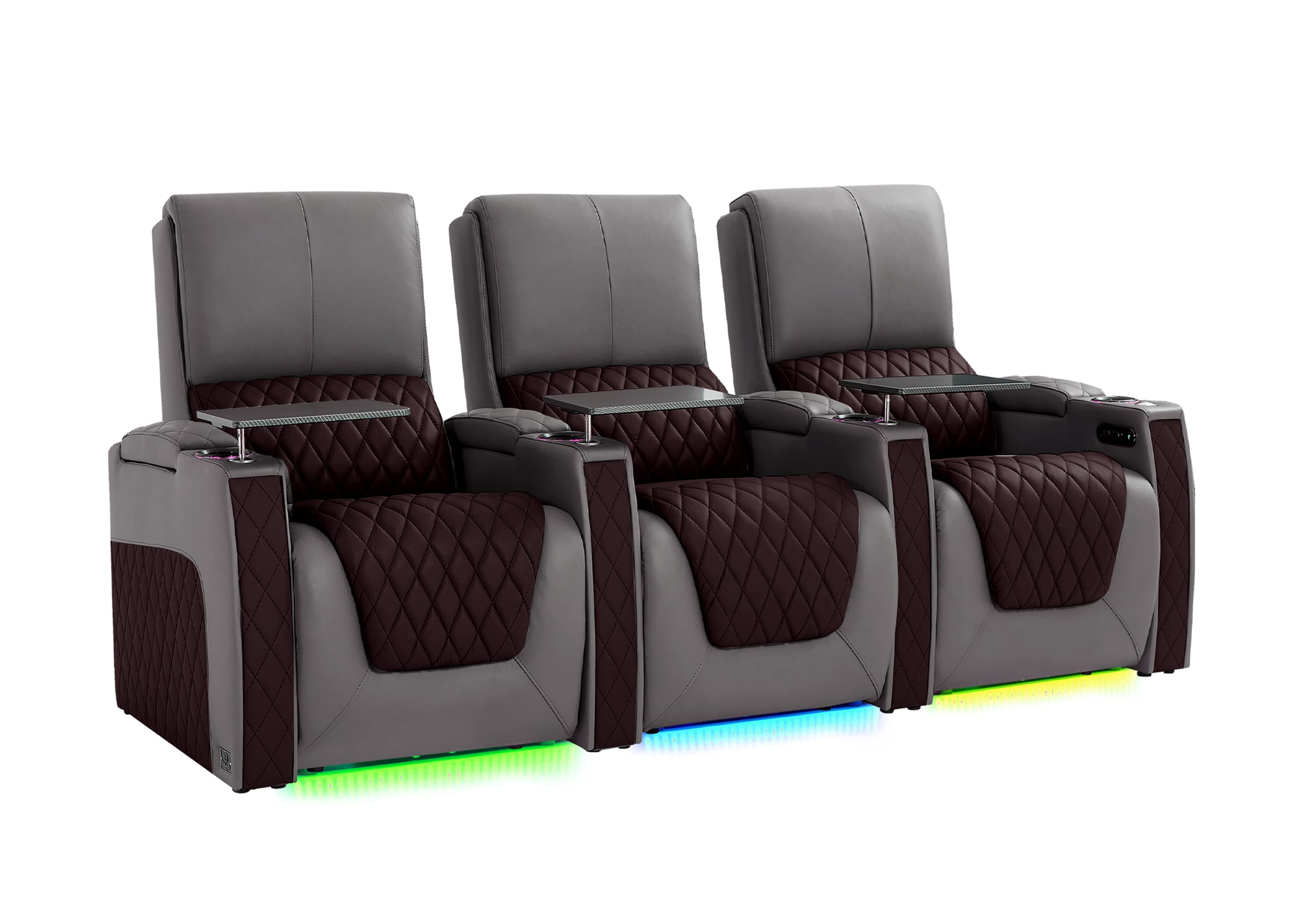
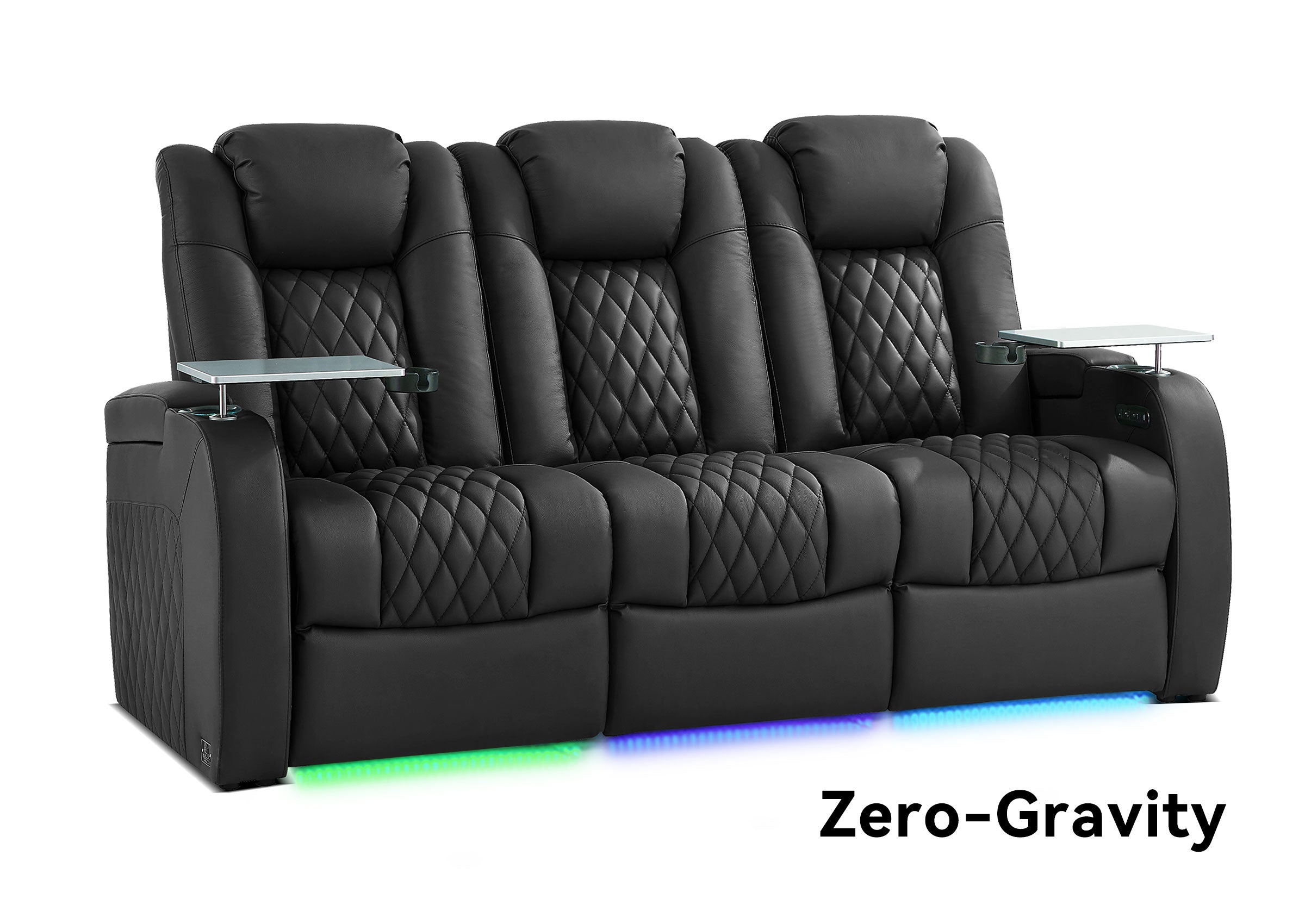
Theater recliners provide individual reclining positions, either as separate chairs or connected rows. Armrests, consoles, headrests, and adjustment controls vary by configuration. Some rows include an open loveseat area, so choosing theater seating does not always mean putting an armrest between every pair of people.
This comparison concerns a stationary shared pit and individual theater recliners. A reclining sectional combines parts of both ideas; check which positions actually move before treating it as a substitute for either.
| What matters during a movie | Pit sectional | Theater recliners |
|---|---|---|
| Sitting close or lying across cushions | A shared surface is the main attraction | Depends on the row and loveseat arrangement |
| Different preferred leg and back positions | Usually achieved by changing posture or cushions | Each reclining position can be adjusted within its available controls |
| Getting out from an inner position | May require moving legs, people, or an ottoman | Depends on access around the row and open footrests |
| Space to plan | The complete pit and any displaced modules | The complete row and every moving seat’s clearance |
| Changing the room between uses | Check connectors, module weight, and somewhere to put each piece | Check whether the selected chairs or row can be rearranged |
Which kind of comfort will you use most?
A pit is worth considering when the shared surface is something you actively want, rather than a feature that only looks inviting in a photograph. Perhaps two people like watching under one blanket, or the room is used for relaxed conversation before anyone chooses a film. Having fewer divisions can matter more than individual adjustment.
The compromise appears when preferences differ. One viewer may want to sit upright while another stretches across the same cushions. A person lying sideways may occupy space another viewer expected to use. Loose back cushions can help someone find a position, but they also change usable seat depth and may need repositioning.
Recliners make more sense when the regular viewers want different back and leg positions at the same time. Someone can keep their seat relatively upright while the next person reclines. That benefit depends on the controls the selected model provides; independent headrest or lumbar adjustment should be confirmed rather than assumed.
Test the posture you expect to use through a movie. On a pit, try sitting against the back cushions as well as lying down. On a recliner, try the position between fully upright and fully open. Notice where your head rests and whether you can watch without continually propping yourself up or changing position to make room for someone else.
How many people can use the layout at the same time?
Count the people who can comfortably watch together in their normal positions, not the number of modules in the product name. An ottoman can add legroom without adding a backed, screen-facing seat. A six-piece pit is not automatically six equivalent movie seats.
Try the arrangement with the usual group. If two people stretch out, where does the third sit? Can everyone see the screen without looking around another person? Can the person in the middle put their legs where they want without moving someone else’s blanket, feet, or cushions?
With recliners, make the equivalent check with all occupied seats in their preferred positions. A row of three is only a useful three-person arrangement if each person can adjust their seat and still get in and out as agreed. A console may improve separation while using width that could otherwise support a closer seating arrangement.
Also compare actual eye positions. Dolby’s home theater setup guide recommends keeping viewers as close to the screen’s centerline as practical. Neither a pit nor a theater row guarantees that result. Test the places people will choose, including a low lounging position and an outer recliner, rather than judging the room from one centered upright chair.
Which takes more space: a pit or open recliners?
There is no reliable category-wide winner. Compare the pit in its normal filled-in arrangement with the recliners in the positions people will actually use. Comparing a pit’s full depth with a recliner’s closed depth gives you an incomplete picture.
A current example shows why dimension labels matter. Albany Park lists its Kova Box Modular 6-Piece Pit Sectional at 113 inches long by 73 inches deep. That is about 9 feet 5 inches by 6 feet 1 inch before allowing any surrounding access. Its listed seat depth with a back cushion is 25 inches, which describes a different measurement from the full pit depth.
Those figures apply to that configuration, not to all pit sectionals or to Weilianda seating. For either option, obtain the selected arrangement’s complete dimensions and draw the space around it.
Trace the way out from each regular pit position. An open edge is useful only if the person can reach it without crossing occupied cushions. A filled center may make a side or corner the easiest entry point, so check how that edge lines up with the door.
For recliners, include footrest extension, backrest movement, and the route around the occupied row. A wall-hugger label addresses part of the movement problem; it does not mean the footrest occupies no space. Keep drinks tables, loose ottomans, and cords clear of the movement and access areas specified for the selected configuration.
FIND THE RIGHT CONFIGURATION
Does Individual Recline Fit the Way You Watch?
If separate adjustable seats suit your household, compare available configurations and check the selected seats’ open dimensions against your room plan.
Where will the ottoman go when you open the pit?
If your solution to an awkward pit entrance is “we’ll move one piece,” draw that piece in its temporary position too. The room has to accommodate both the newly opened entrance and the displaced module.
Otherwise, you may solve one obstruction by creating another beside the door, in front of storage, or along the only route around the sofa. A modular layout is flexible only when the alternative arrangement is usable in the same room.
Try the change with the actual piece if possible. Check whether it is manageable to move, how its connections release, and whether you would realistically reset it after an ordinary evening. Do not assume every modular pit uses the same connectors, or add hardware without the manufacturer’s approval.
Recliners have their own version of this compromise. If the walking route exists only with footrests closed, decide whether viewers are happy to close them whenever somebody leaves. Make that a conscious household choice rather than a surprise after installation.

What will be easier to live with after movie night?
Compare the upkeep of the actual products. A pit may mean repositioning back cushions, reaching between modules, or moving an ottoman to clean. Removable covers are useful only if the care instructions allow the cleaning method you intend to use.
A recliner adds moving mechanisms and, for powered models, electrical connections that need to remain accessible. Storage arms and cup holders may be convenient, but they also create places to clean. Neither “fabric pit” nor “leather recliner” tells you the whole maintenance story.
Keep the everyday room in mind. A shared pit may suit a lounge where the furniture remains in place all week. A row may suit a room where everyone has a regular viewing position. If the space must switch frequently between activities, the effort of moving modules or closing footrests matters as much as how the empty room looks.
Make the final choice with a full-use test
Use the same regular viewers, screen location, and nearby furniture when comparing your two options. Rehearse a normal evening:
- Have everyone settle into the position they would actually choose, including anyone who usually lies down.
- Check the picture from each eye position and see whether each person has the support and personal space they want.
- Ask the person in the least accessible position to leave and return while the others remain seated.
- For the pit, place any moved ottoman in its proposed parking spot. For recliners, test the agreed route with footrests in their normal watching positions.
- Check how you would reach controls, drinks, cleaning areas, and the product’s connections without turning a clear path into storage.
Floor tape helps compare outlines, but it cannot reproduce cushion softness, getting up from a deep seat, connector behavior, or a recliner’s moving parts. Confirm those details with the selected furniture and its instructions before ordering.
Choose the pit when shared lounging survives the full-use test without making access or regular seating awkward. Choose theater recliners when individual adjustment improves the way your household watches and the open layout preserves a workable route. If you want elements of both, compare an open loveseat configuration or a reclining sectional—and check the actual positions and movement rather than expecting the label to settle the decision.
For a specific Weilianda configuration, prepare your room dimensions, regular viewer count, and questions about the seats’ open positions. Contact Weilianda Support or email leon@weiliandahome.com to confirm the selected arrangement’s dimensions and features before ordering.