


























Dogs don’t watch movies the same way humans do, but certain types of visual and audio content can help reduce stress when they are left alone. “Movies for dogs” is less about entertainment and more about creating a calm, familiar background that can ease anxiety and reduce destructive behavior.
This guide explains what dogs actually perceive on a screen, what types of videos work best, and how to use them as part of a calm home environment.
Do Dogs Actually Watch Movies?
Dogs don’t understand movies as stories, but they do respond to motion, sound, and patterns.
Some dogs will:
- Look at the TV when movement is fast or high-contrast
- React to barking, doorbells, or animal sounds
- Ignore screens completely if they are relaxed or sleepy
The key point is that dogs respond to stimulation, not storytelling.
So “movies for dogs” work best when they act as background comfort, not active entertainment.
How Dogs See TV and Screens
Dogs perceive screens differently from humans due to their vision system.
Important differences include:
- Dogs see fewer colors (mostly blues and yellows, not full RGB range)
- They are highly sensitive to motion
- Fast flickering or movement grabs attention more than static images
- High-pitched or sudden sounds matter more than visuals
This is why slow, steady visuals often work better than action-heavy content.

What Types of Videos Calm Dogs the Most?
Not all content helps reduce stress. Some types are more effective at creating a calm environment.
1. Nature scenes
- Forests, rivers, rain, ocean waves
- Slow movement and predictable sound patterns
2. Other calm animals
- Dogs lying down, sleeping, or gently interacting
- Soft background barking or ambient noise
3. Slow-paced visual loops
- Fireplace videos
- Aquarium-style fish movement
- Soft lighting transitions
The goal is not engagement—it is emotional stability.
Dog TV, YouTube, and Dedicated Channels
Many pet owners use curated content from platforms like:
- Dog-specific TV channels (designed for pets)
- YouTube playlists for calming dogs
- Streaming “pet relaxation” videos
These are usually designed with:
- Reduced sharp sound spikes
- Smooth motion flow
- Repetitive calming visuals
However, results vary depending on the individual dog’s temperament.
If you also have a cat at home, our guide to videos for cats to watch includes bird, fish, and mouse video picks, along with practical viewing tips. Preview each clip and choose content separately for each pet based on their response.
When Should You Use Movies for Dogs?
This approach is most useful in specific situations:
- When leaving your dog alone for short periods
- During work-from-home hours when the dog is restless
- For dogs showing mild separation anxiety
- As background stimulation during naps or rest time
It works best as part of a routine, not a one-time fix.
What to Avoid When Playing Videos for Dogs
Some content can actually increase stress instead of reducing it:
- Sudden loud sound effects (sirens, explosions)
- Fast-cut action scenes
- Aggressive animal behavior
- High-pitched repetitive noises
- Overstimulating flashing visuals
If your dog becomes more alert or agitated, the content is likely too intense.
Creating a Calm Environment Matters More Than the Video
The screen alone is not the solution. The environment around your dog plays a bigger role.
Helpful setup tips:
- Keep volume low and consistent
- Avoid leaving lights flickering or overly bright
- Provide a comfortable resting space nearby
- Maintain a predictable daily routine
Dogs feel safer when their environment is stable and familiar.
In a room shared with the family, give your dog a resting spot away from the main walkway and keep remotes and charging cables in designated places. Our guide to organizing a media room covers walking paths, storage, and the space reclining furniture needs during use.

How Long Should You Leave Movies On?
There is no fixed rule, but general guidance:
- Short absences: 30–90 minutes is often enough
- Longer periods: use with breaks or other calming tools
- Overnight: not recommended as a primary solution
Dogs may eventually ignore the TV completely once they relax, which is normal.
Limitations of Movies for Dogs
While helpful, videos alone cannot solve deeper behavioral issues.
They do NOT:
- Replace training
- Fully eliminate separation anxiety
- Work for all dogs equally
- Prevent all destructive behavior
If your dog shows severe anxiety, behavioral training or veterinary guidance may be necessary.
FAQ: Movies for Dogs
Do dogs actually enjoy watching TV?
Some dogs respond to movement and sound, but they don’t understand movies like humans. It’s more about stimulation and comfort than entertainment.
What is the best “movie” for dogs?
Slow nature scenes, soft animal videos, or calm ambient visuals tend to work best because they reduce overstimulation.
Can TV help with separation anxiety?
It may help mild cases by providing background comfort, but it is not a complete treatment for separation anxiety.
Should I leave TV on all day for my dog?
No. Continuous exposure can reduce effectiveness and may overstimulate some dogs. It’s better used in short, controlled periods.
Do all dogs react to screens?
No. Some dogs ignore TVs completely, while others are highly responsive. It depends on personality and sensitivity.
Is sound or image more important for dogs?
Sound is usually more impactful than visuals, especially barking, doorbells, or high-pitched noises.
Calm Home Environments Make the Biggest Difference
Movies for dogs can be a simple tool to help reduce stress, but they work best when combined with a comfortable and predictable home setup.
A quiet space, stable routine, and comfortable resting area often matter more than the screen itself.
For many households, this also ties into how the living space is designed for relaxation—whether for pets, family movie nights, or long hours of unwinding at home.
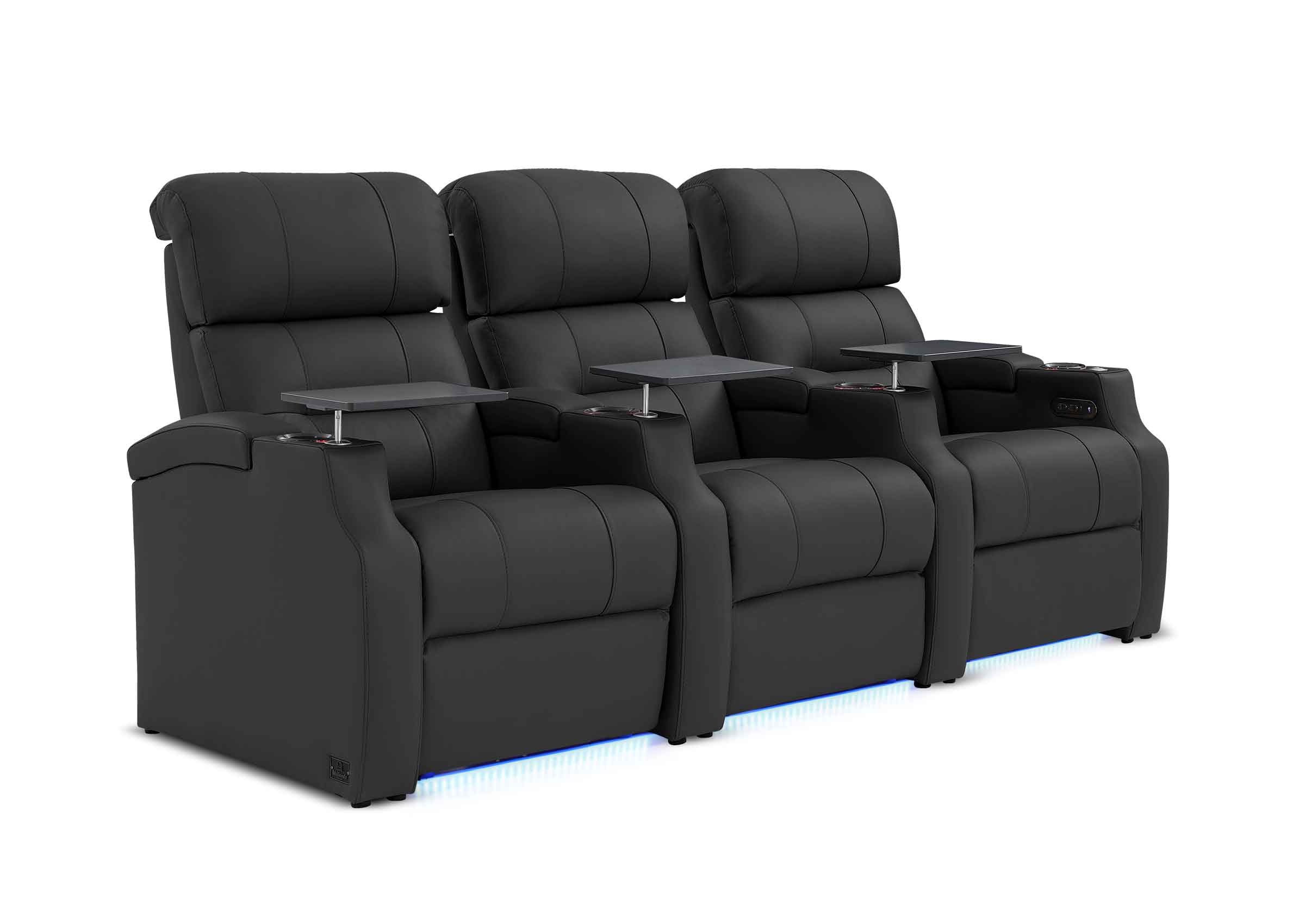
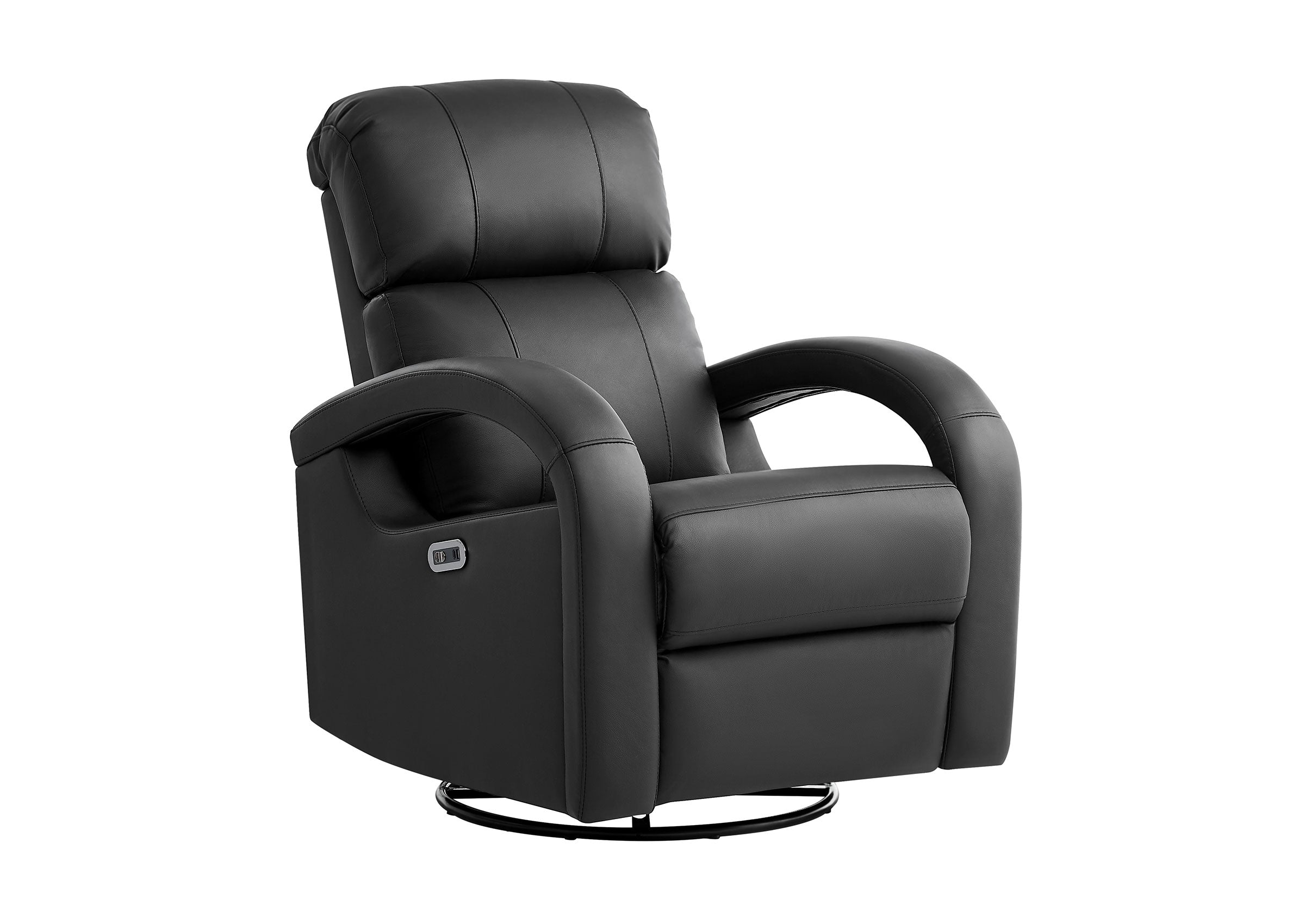
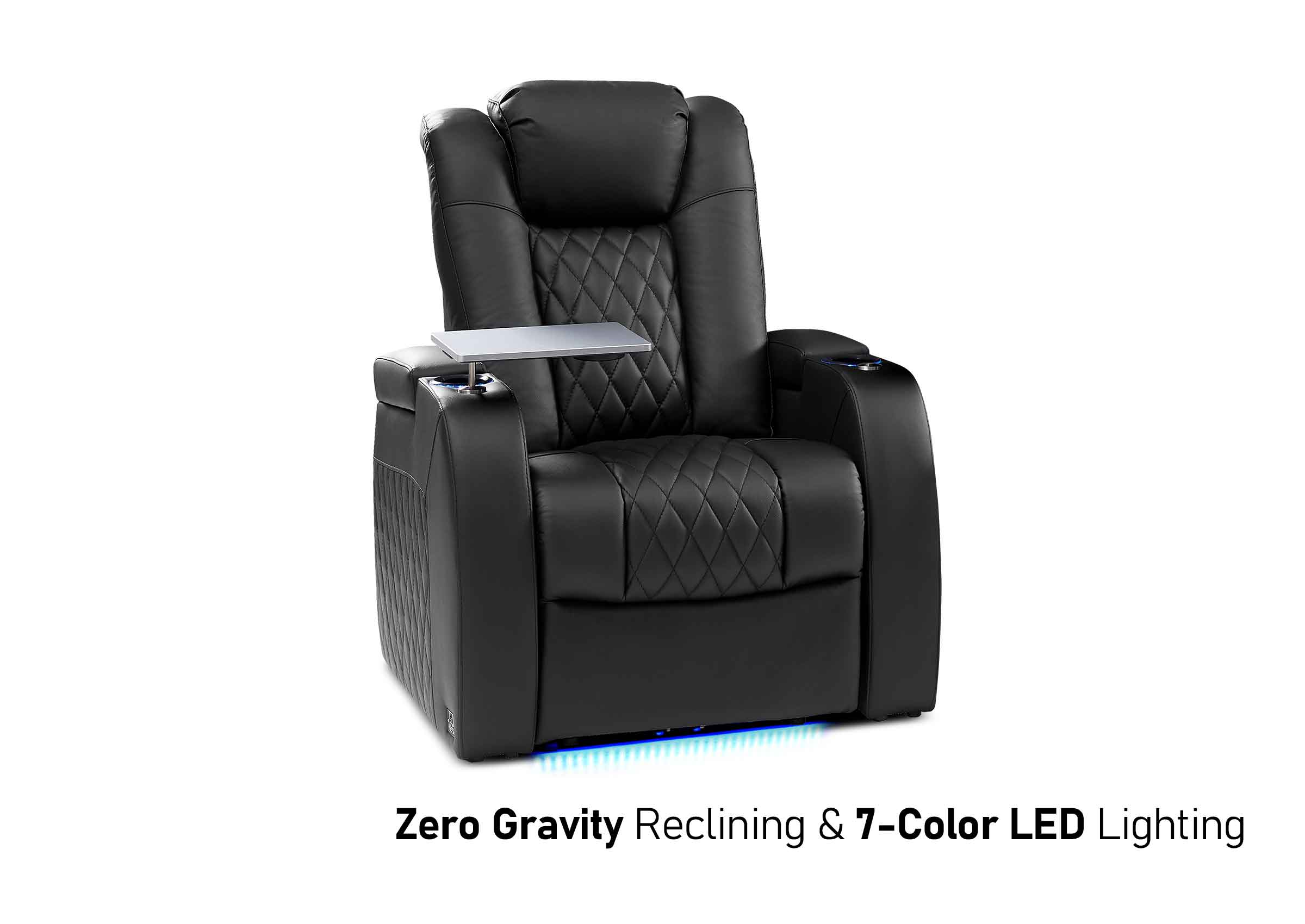
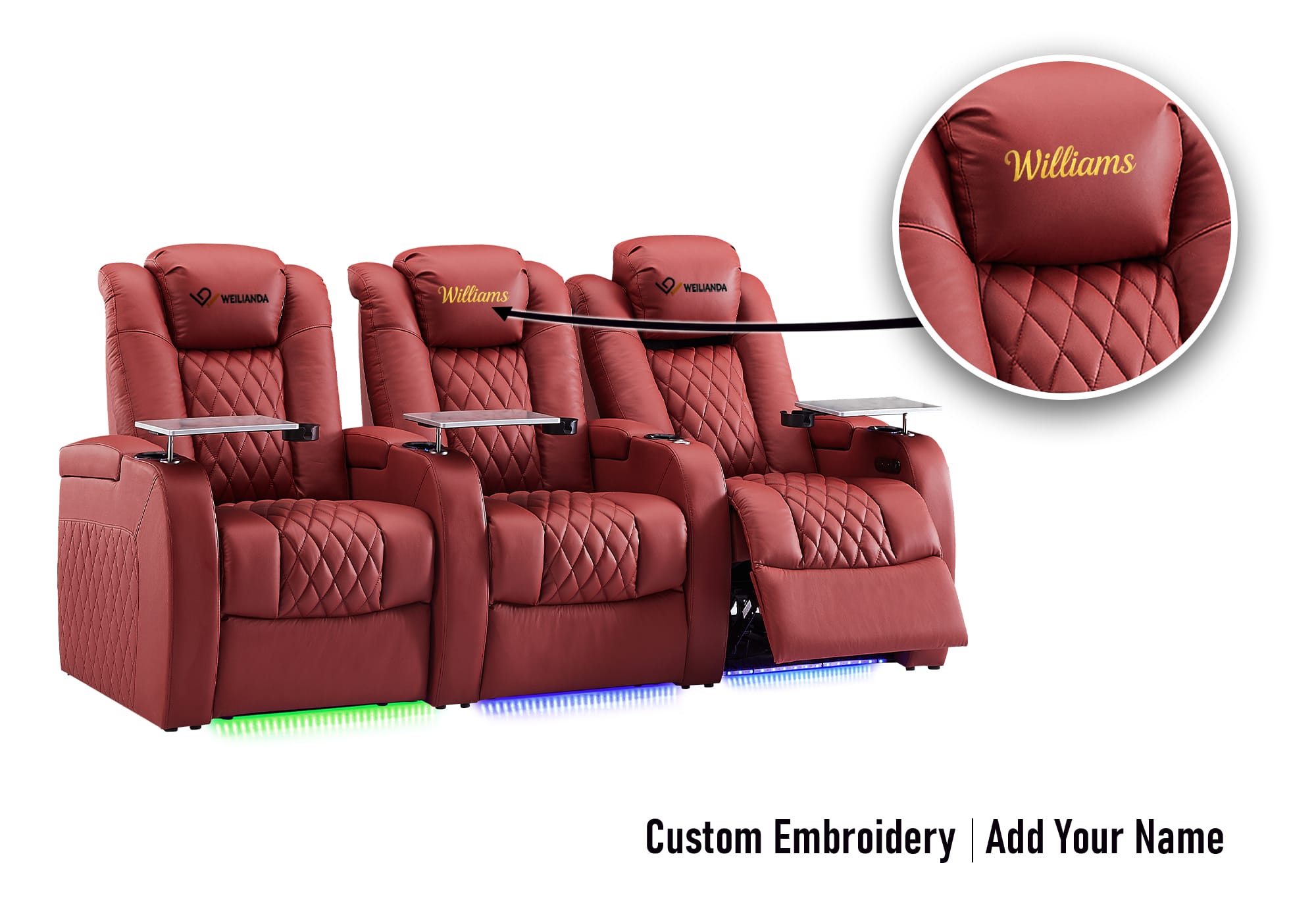
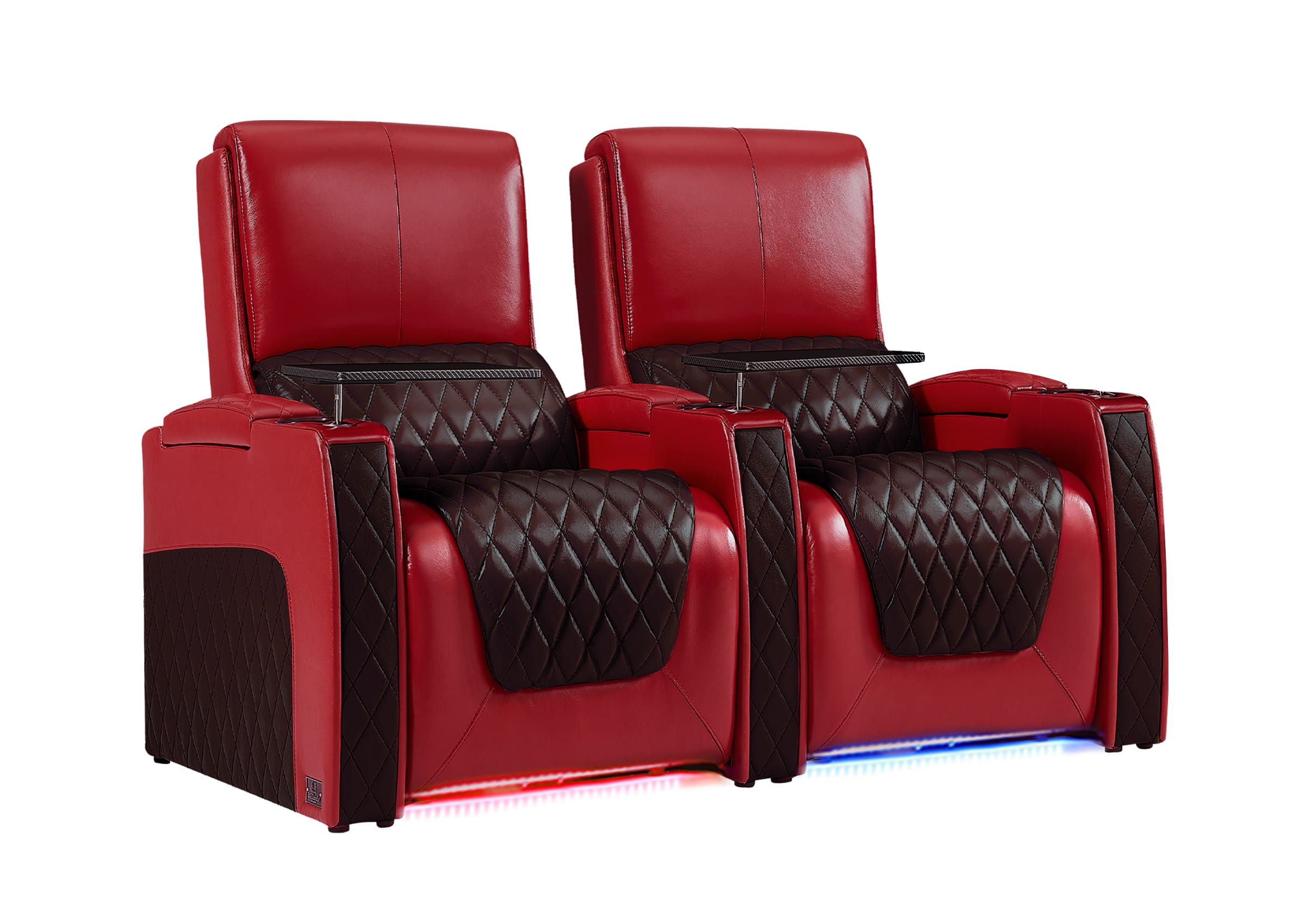
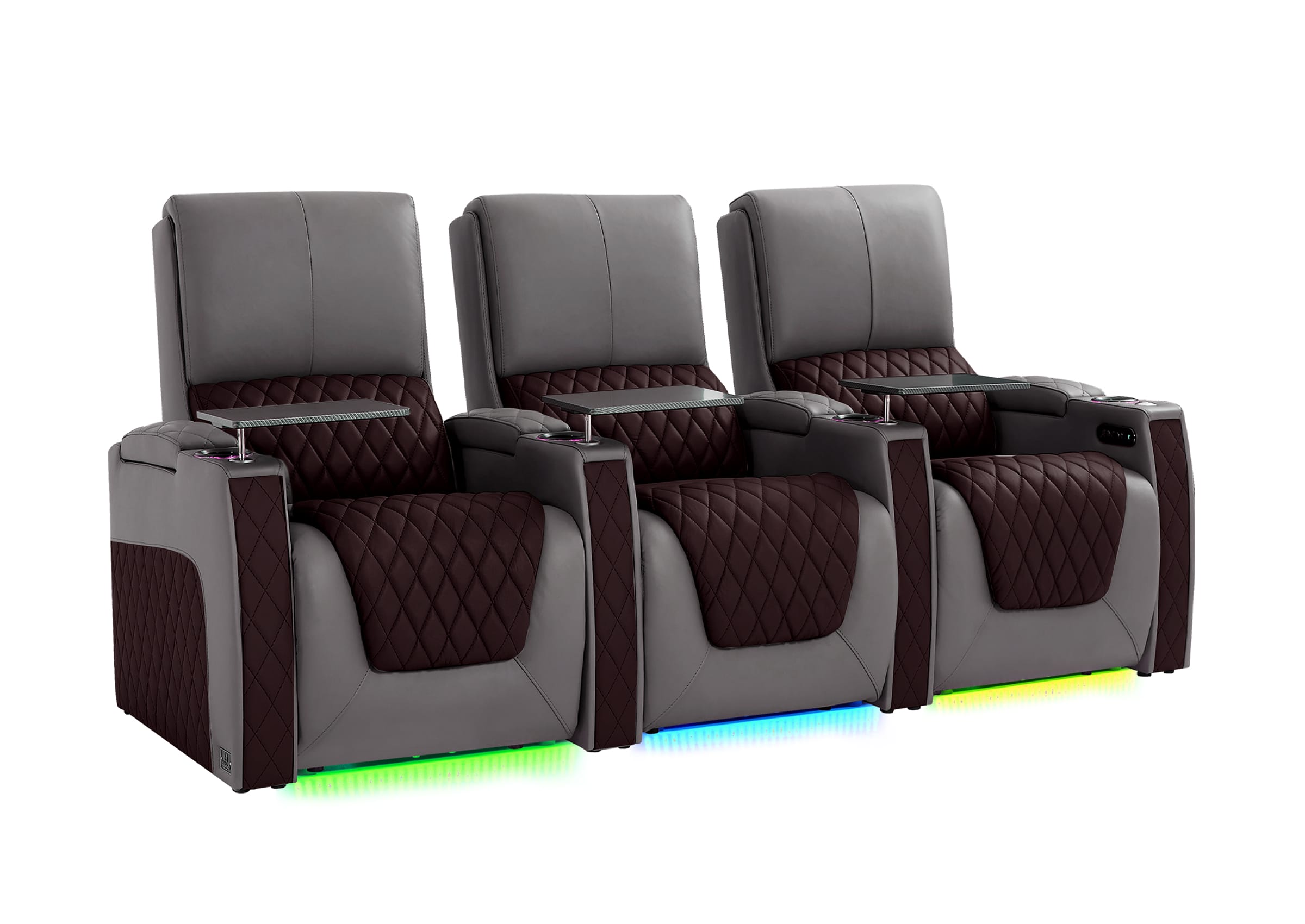
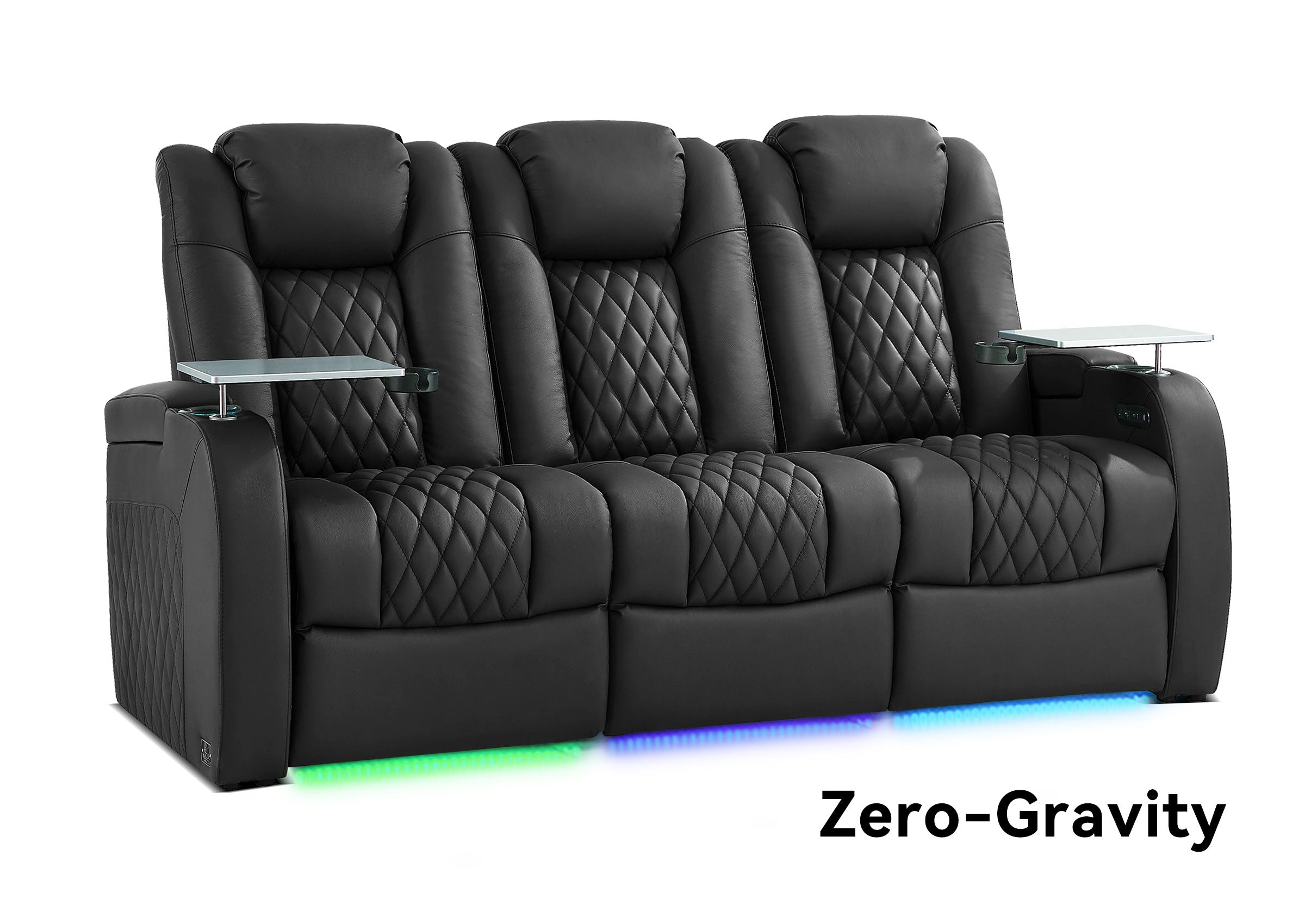
If you are also choosing furniture for that shared space, our pet-friendly home theater seating guide explains upholstery finishes, cleaning considerations, and recliner design details. Keep your dog’s resting spot clear of moving footrests and check where your pet is before operating a reclining chair.
Questions About Seating for Your Shared Living Space?
For questions about a specific Weilianda seating model, its dimensions, or operating instructions, visit Weilianda Support or email leon@weiliandahome.com.