


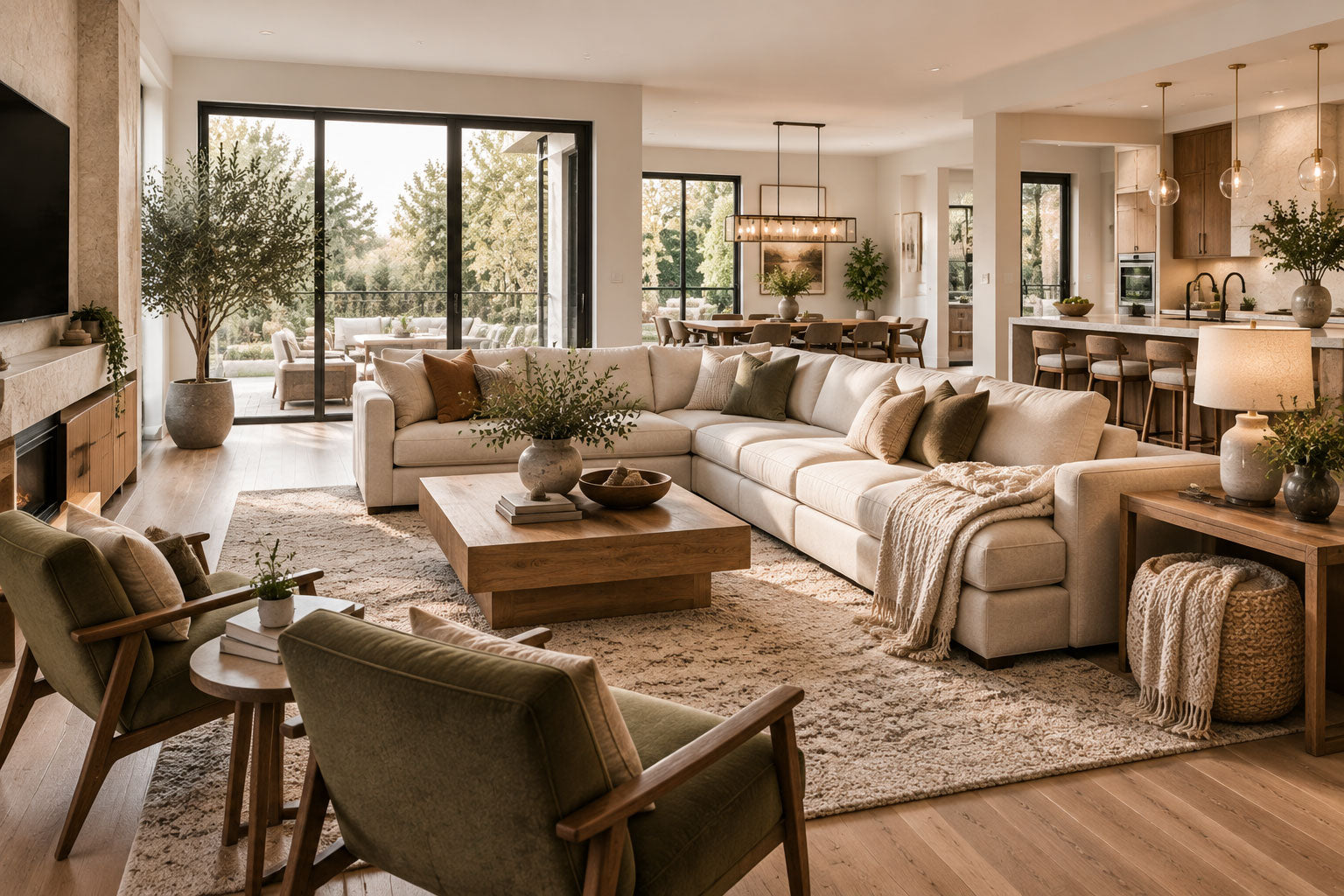

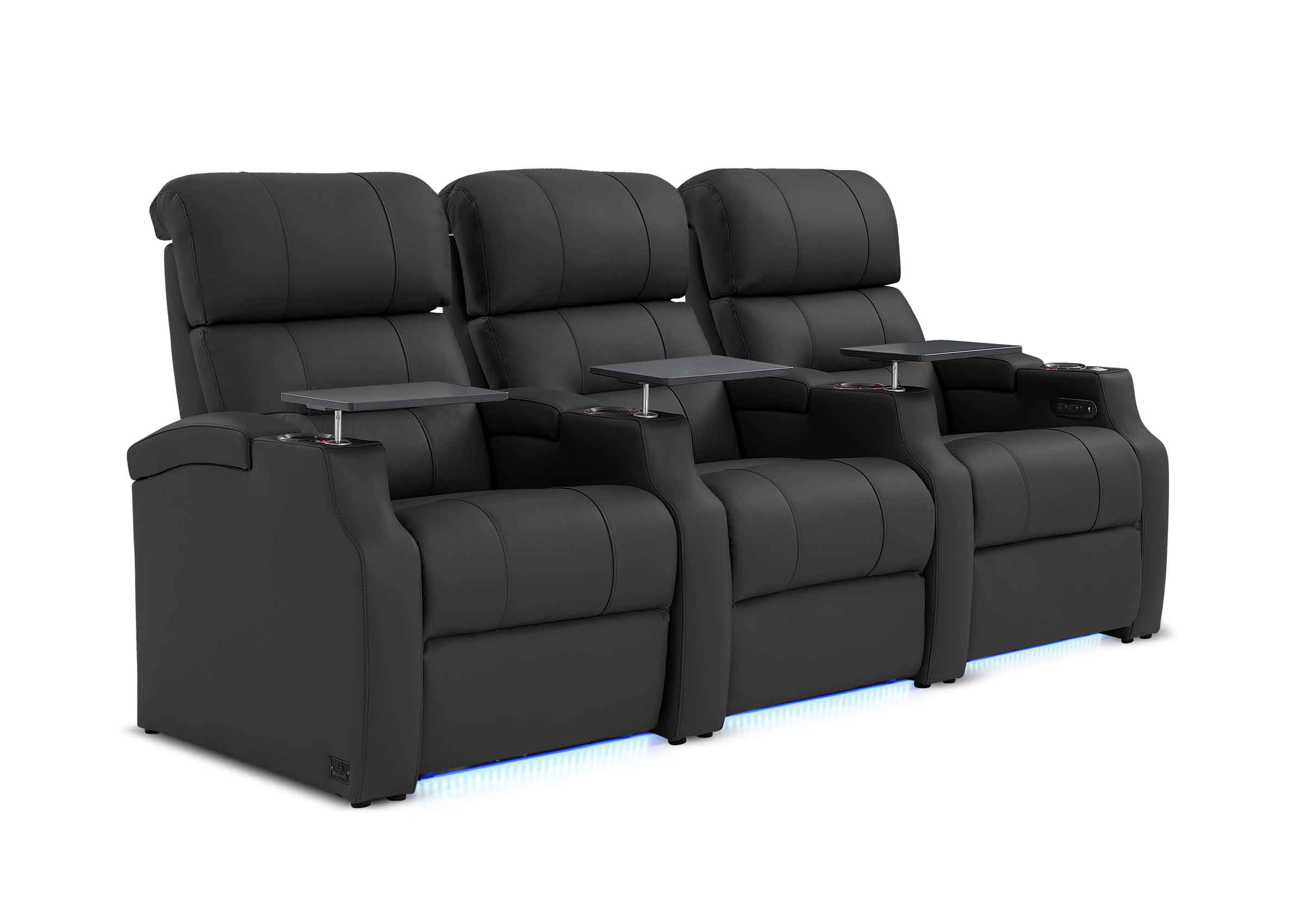
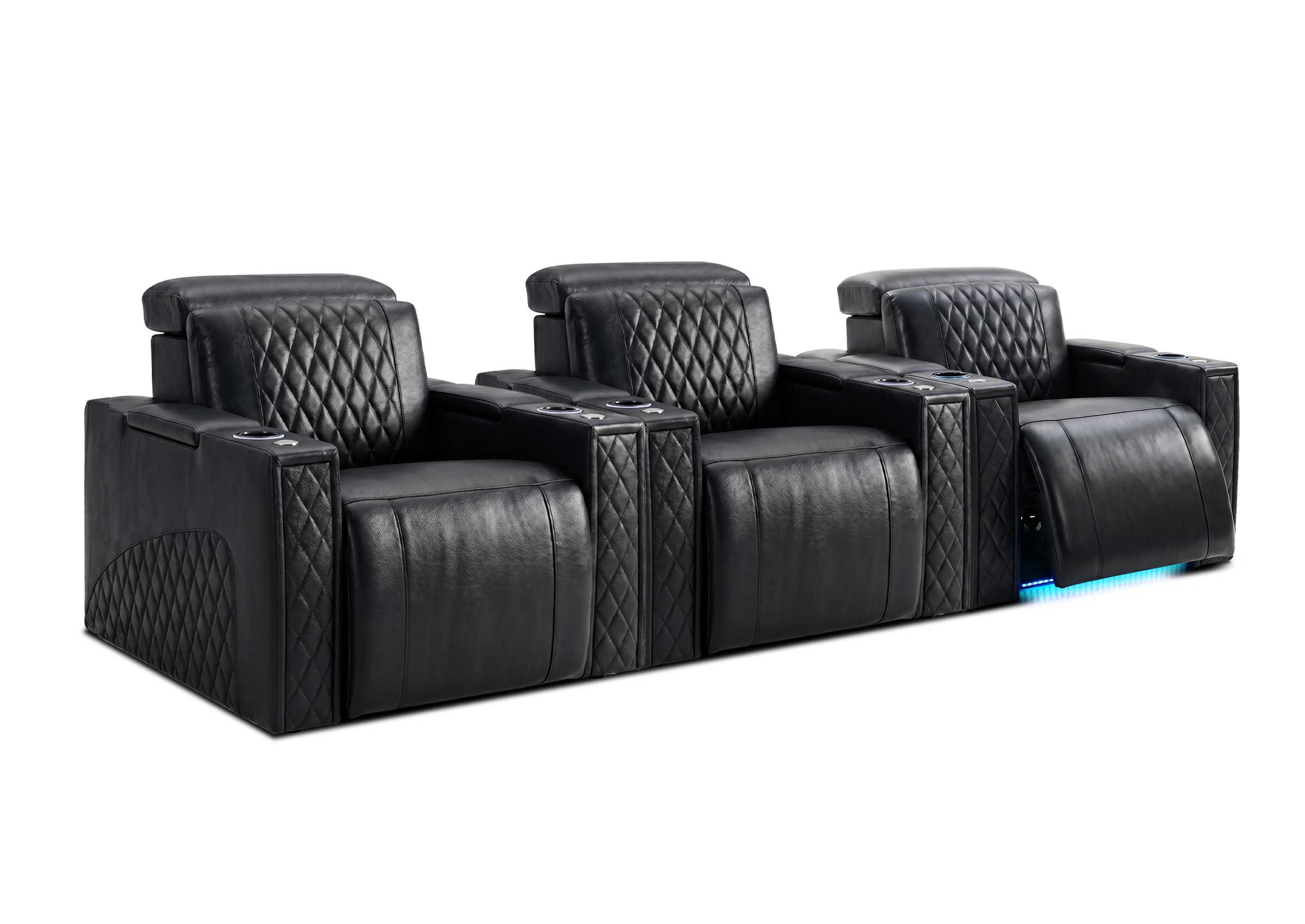

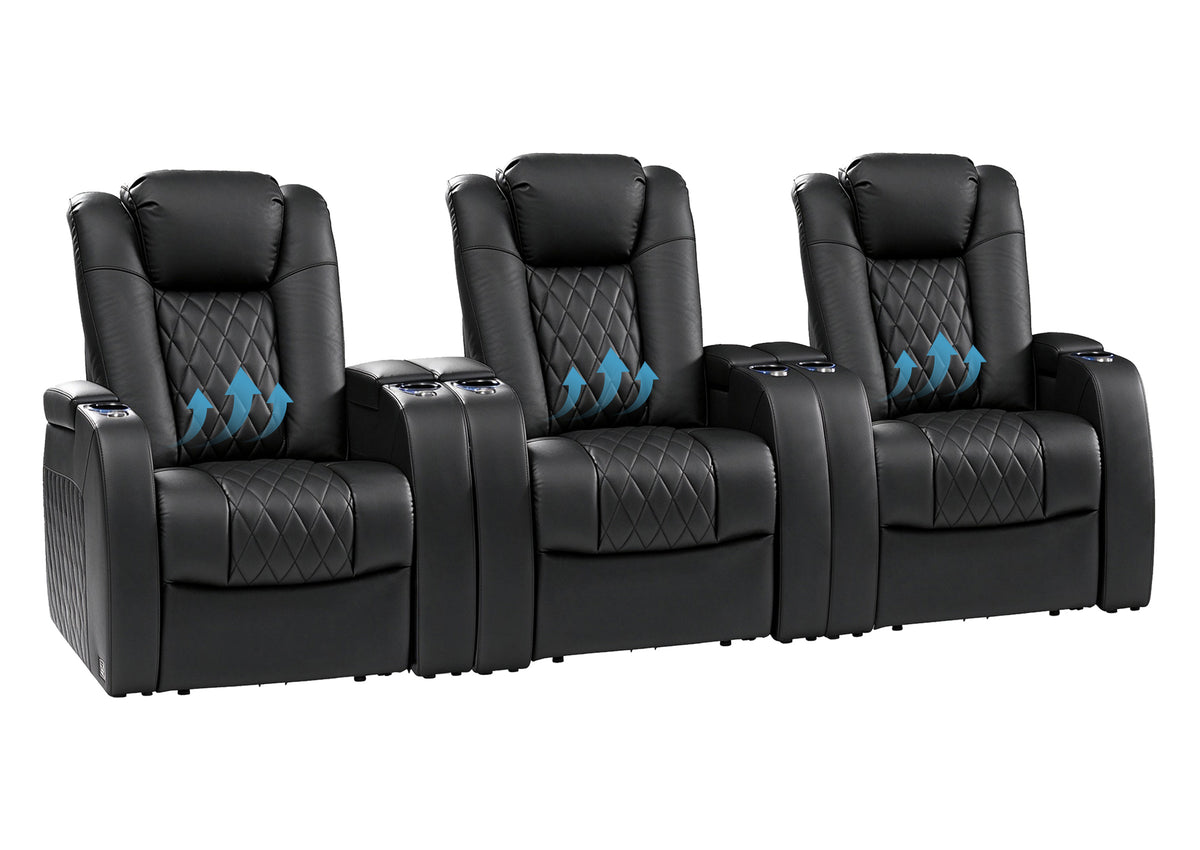
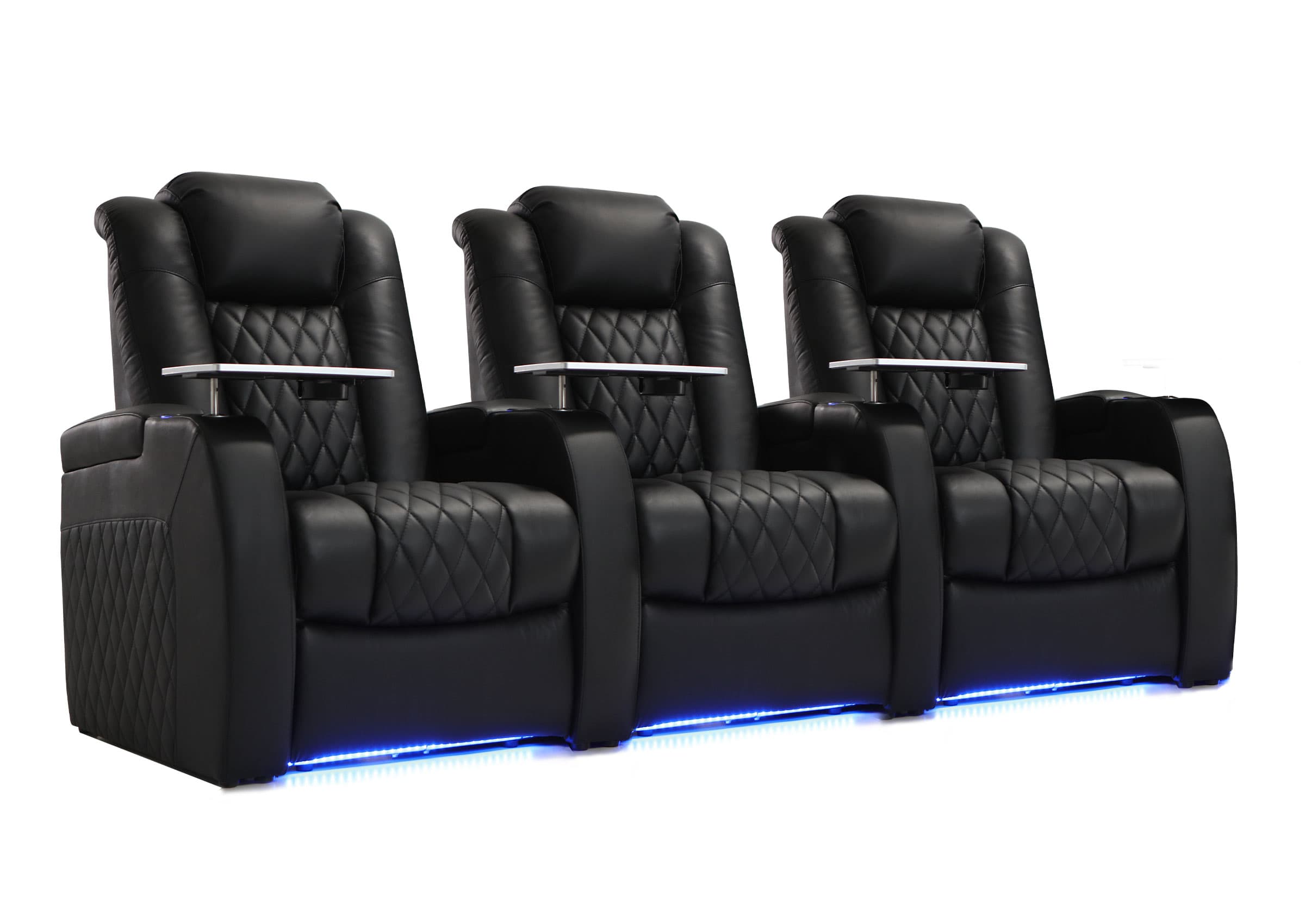




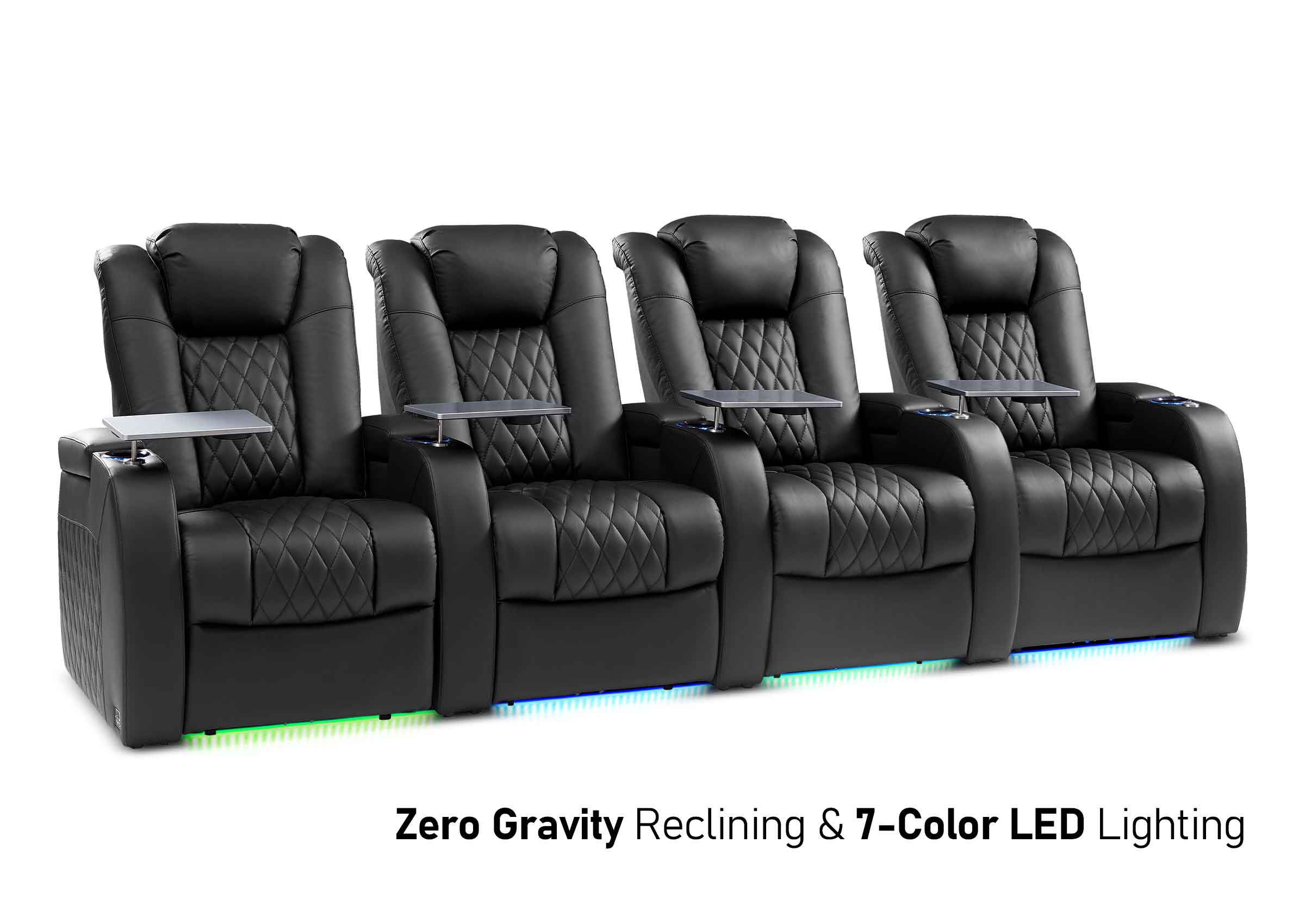
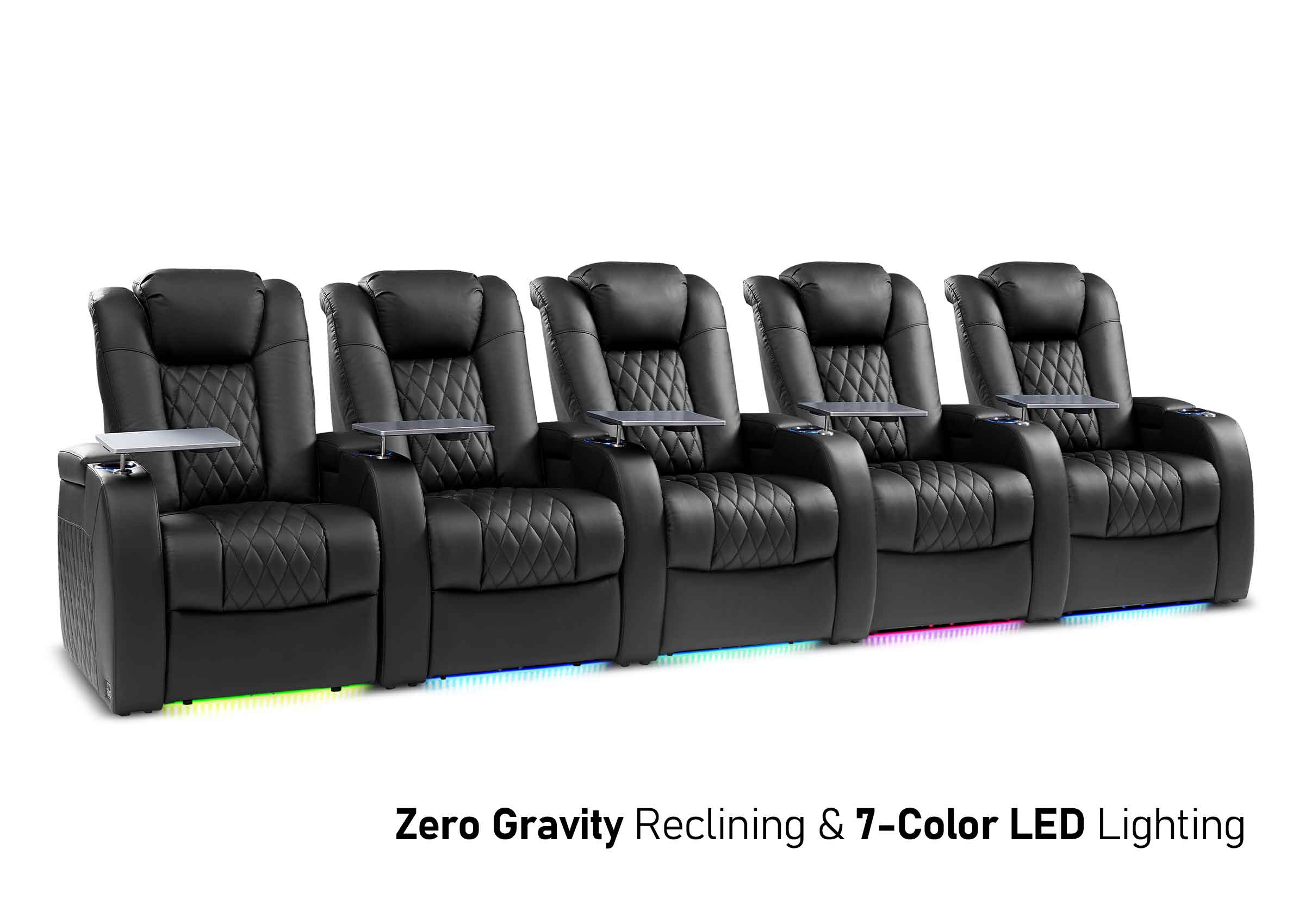
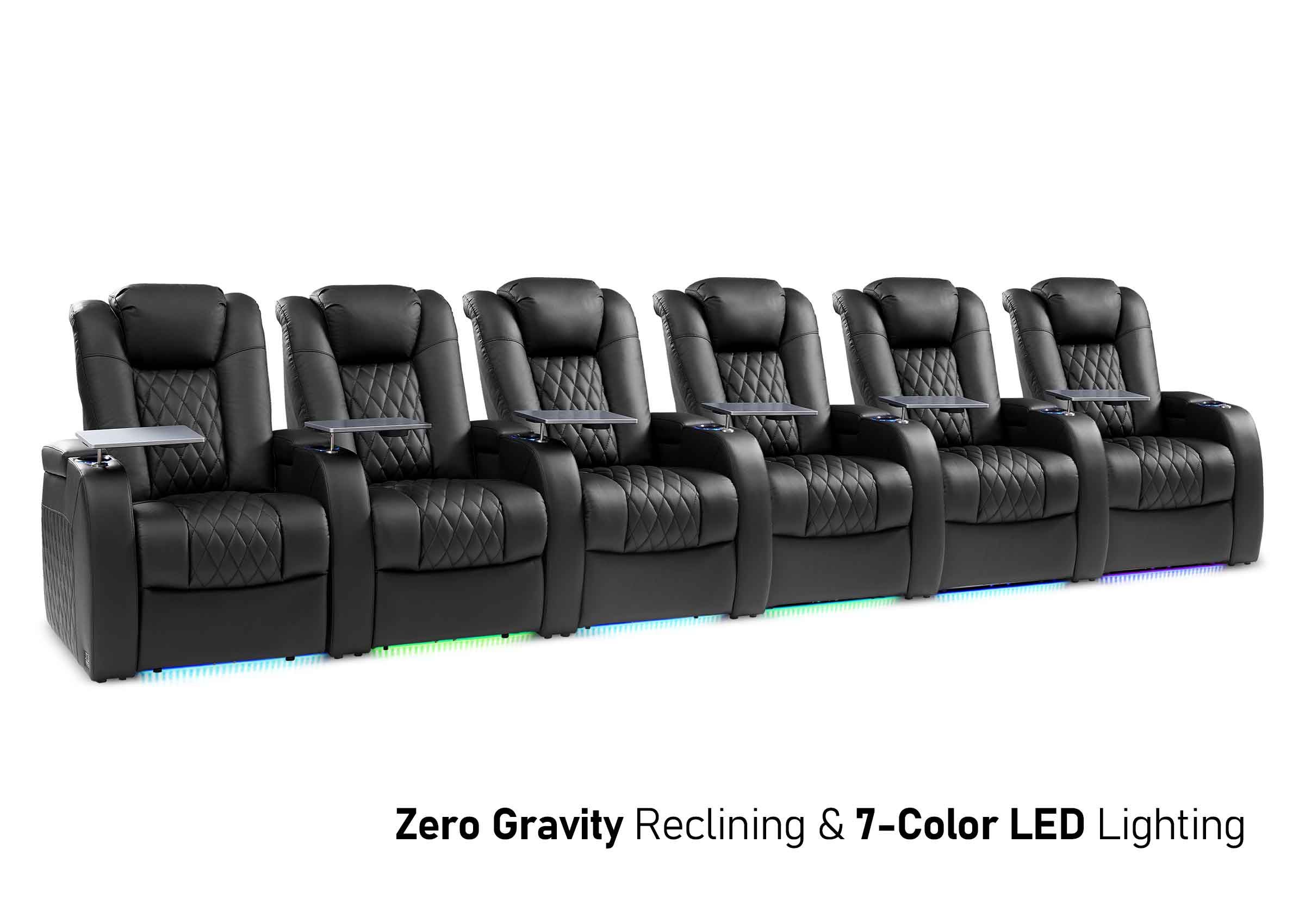
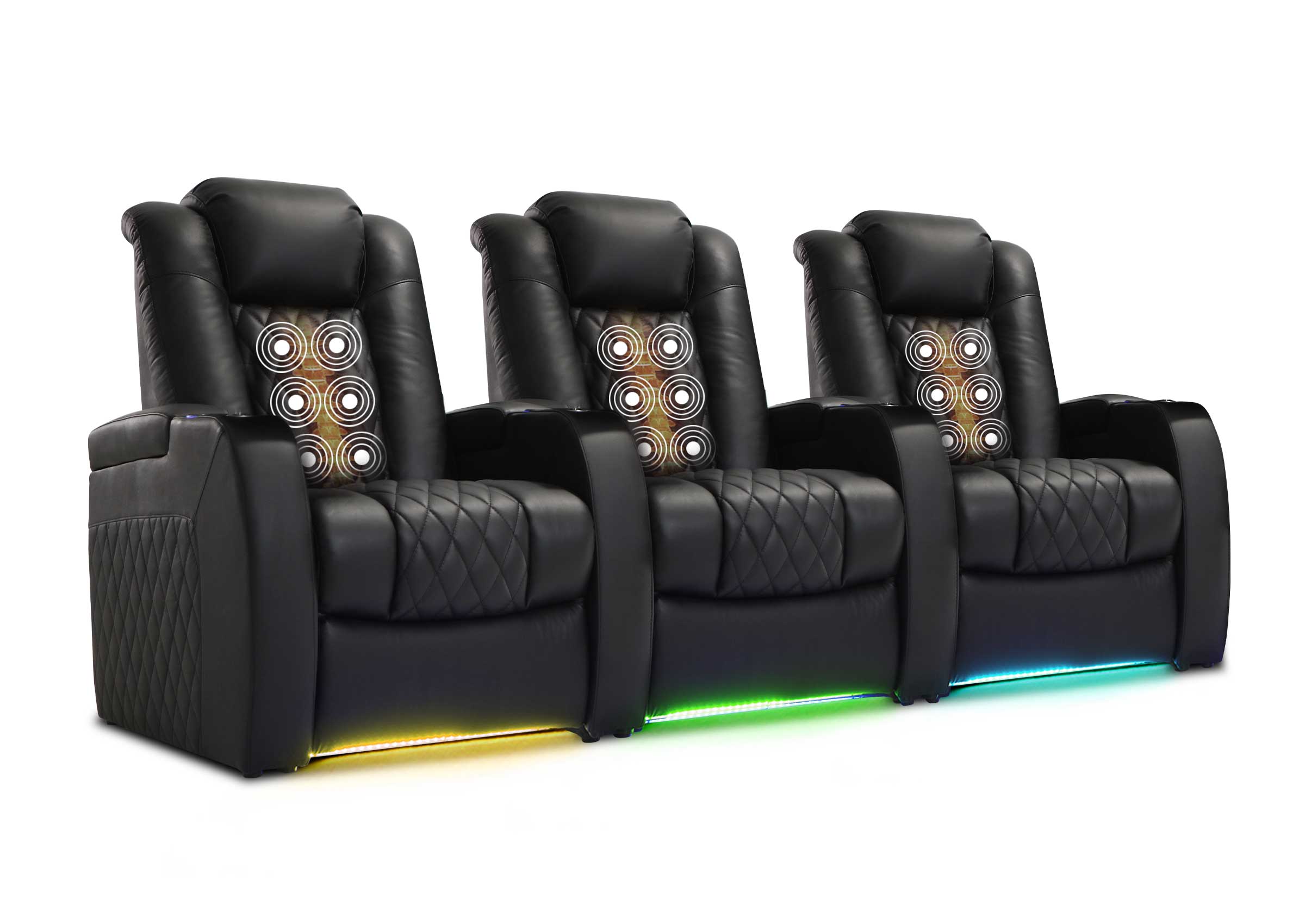
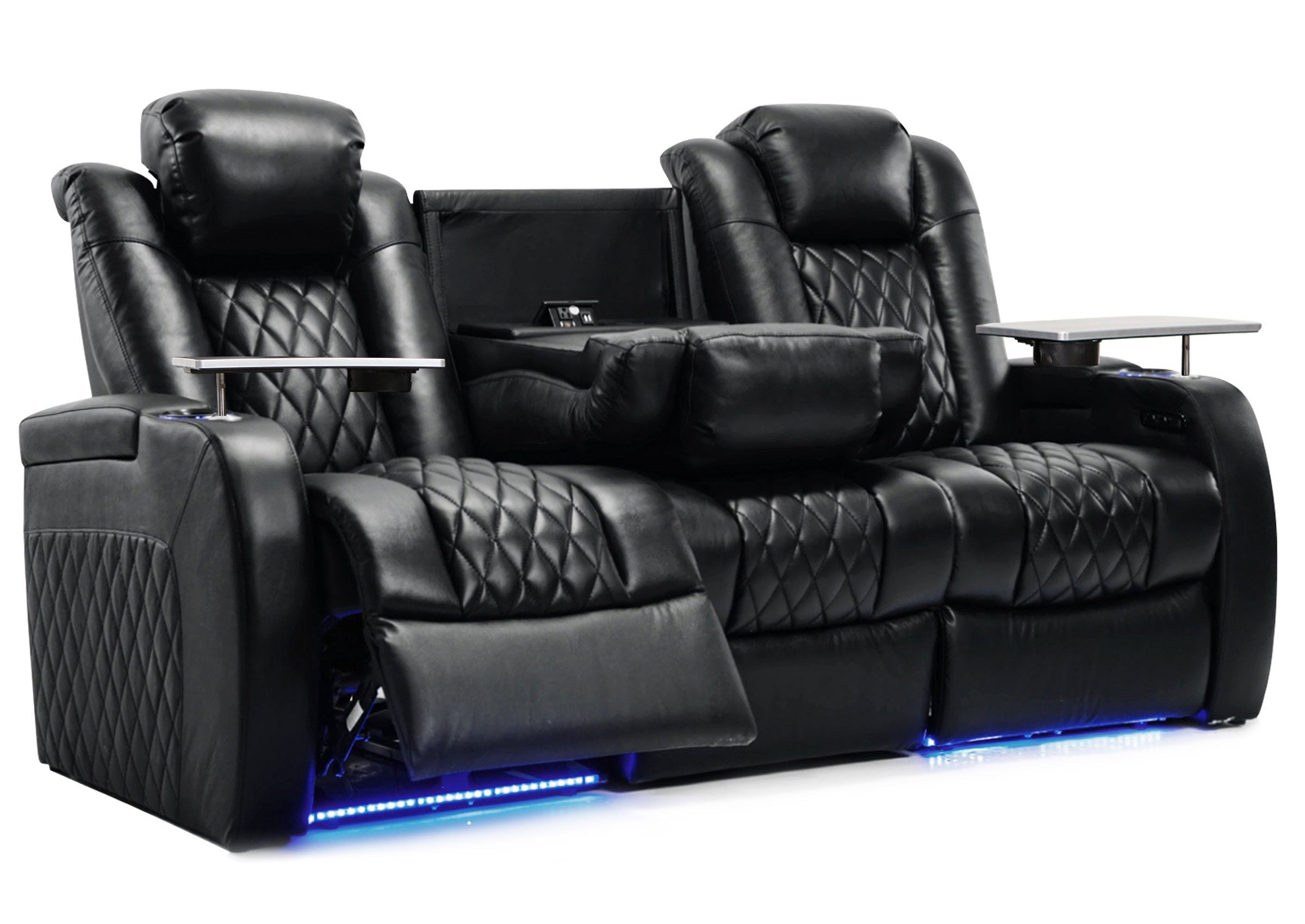
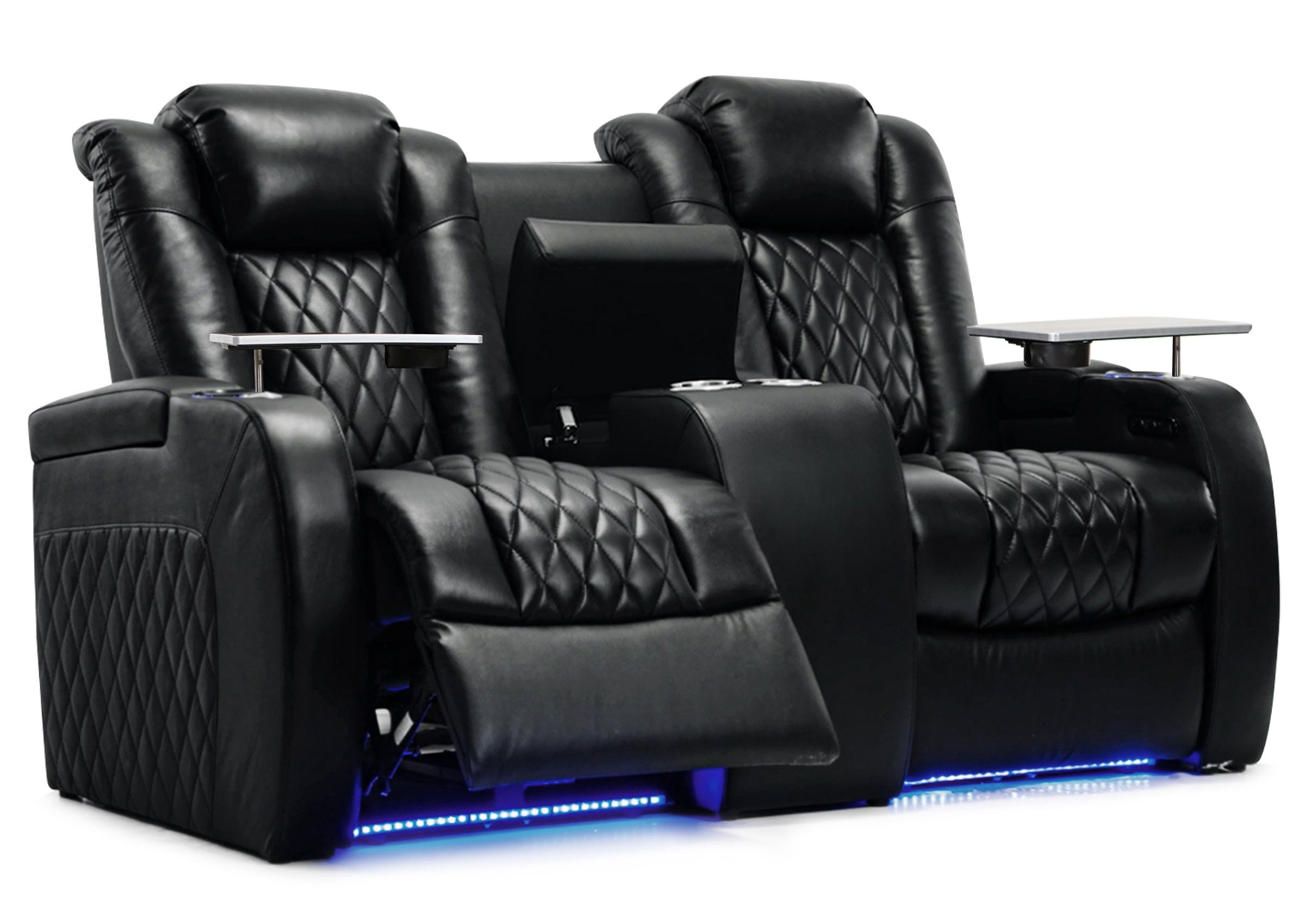




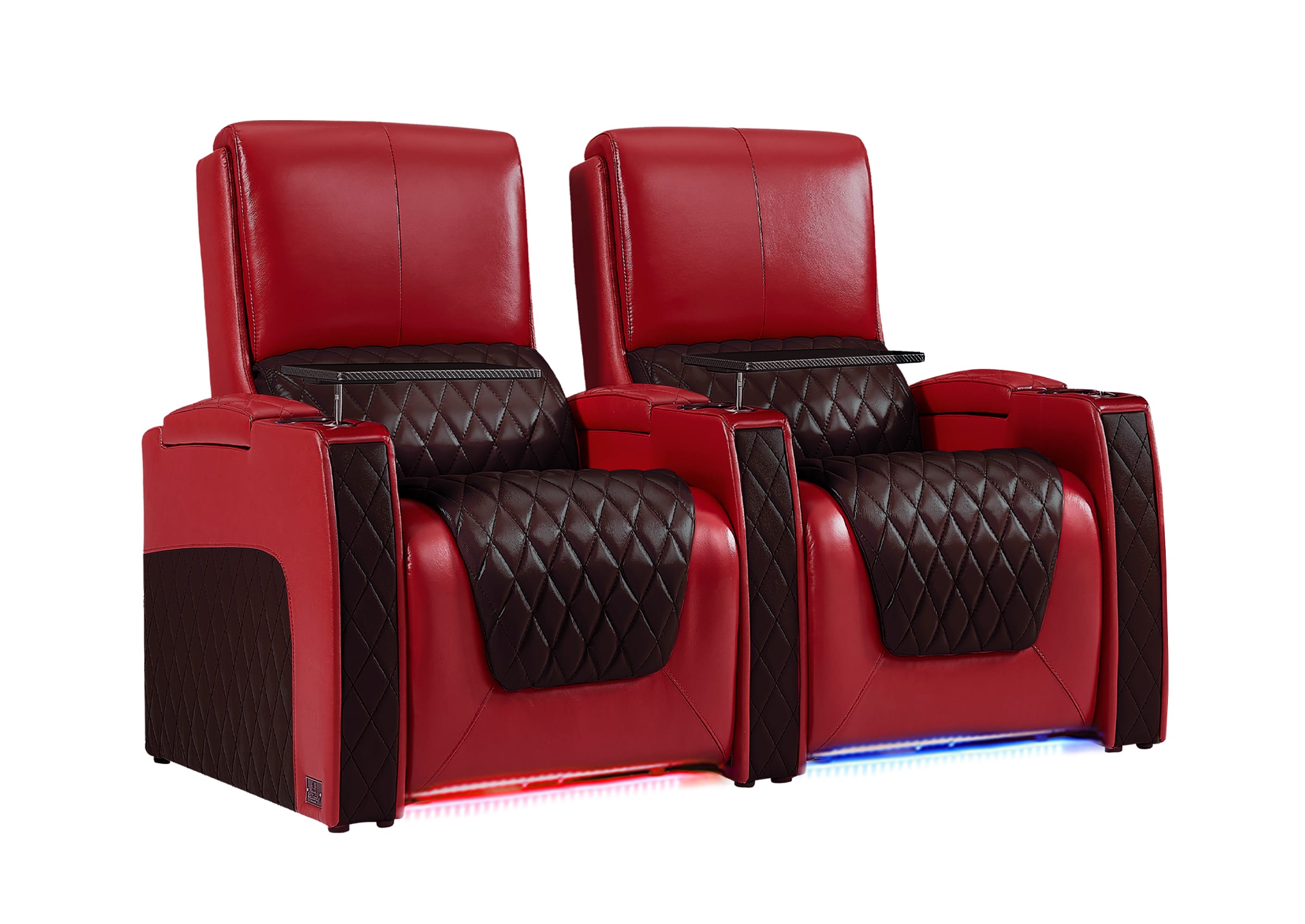
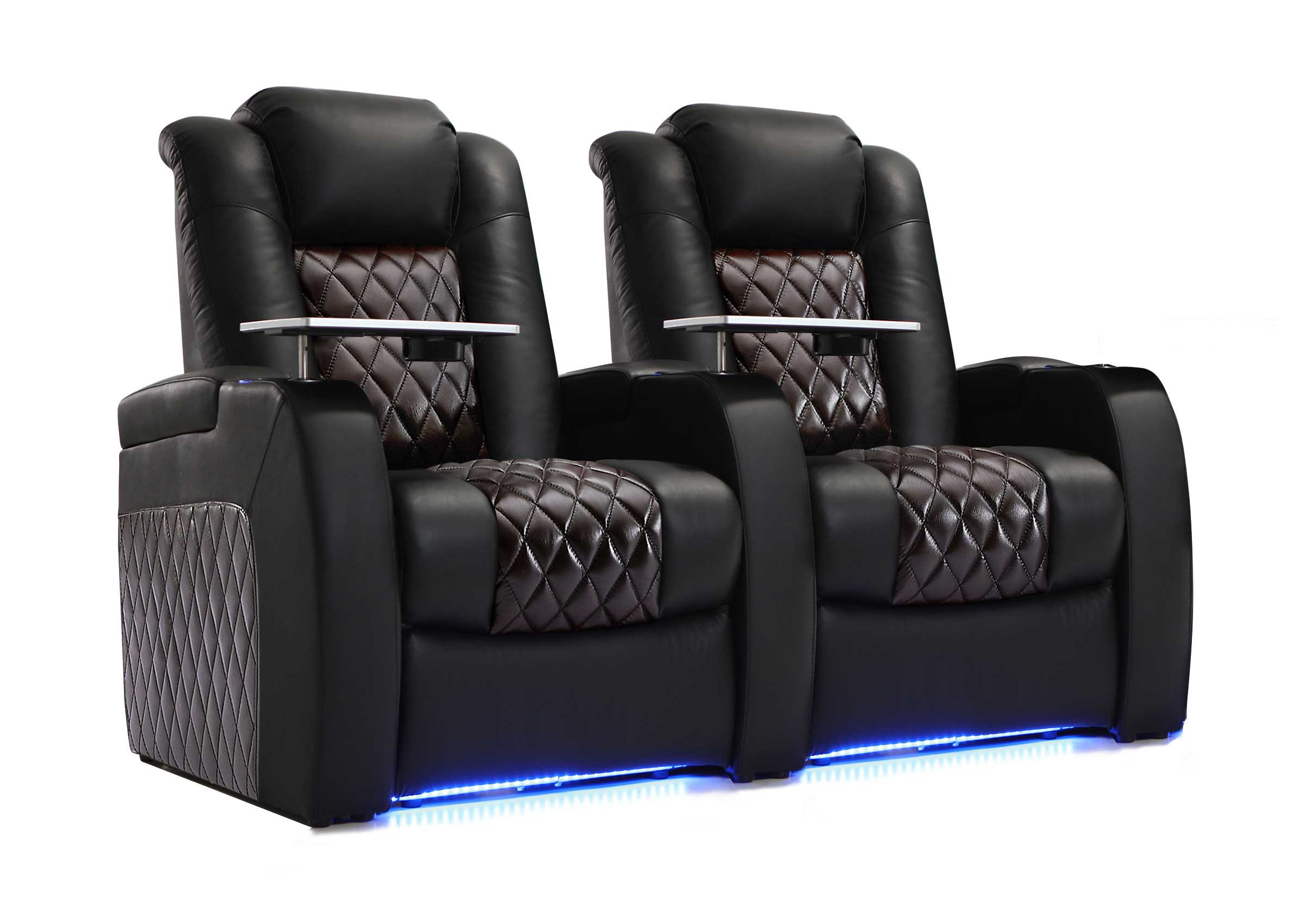
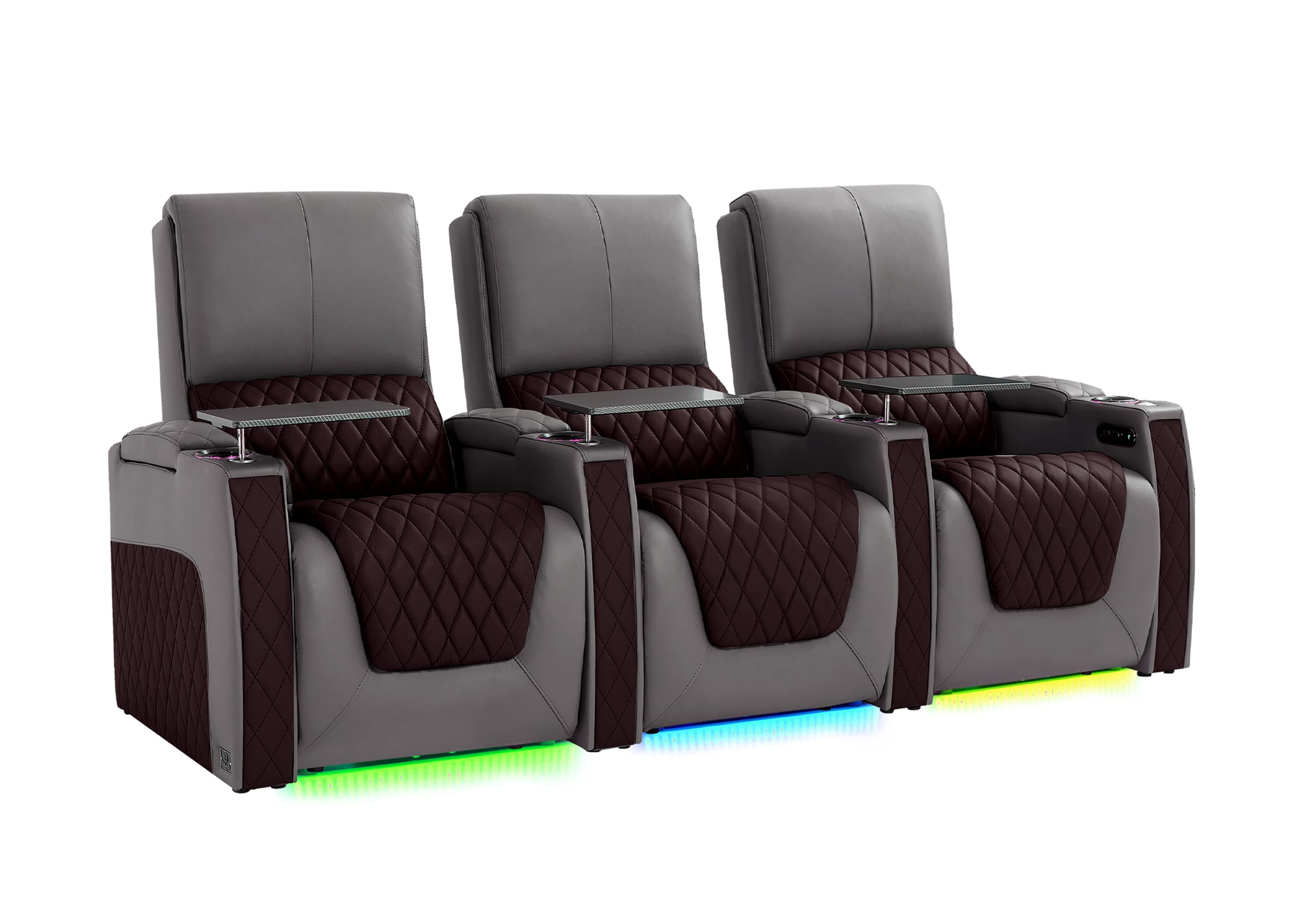
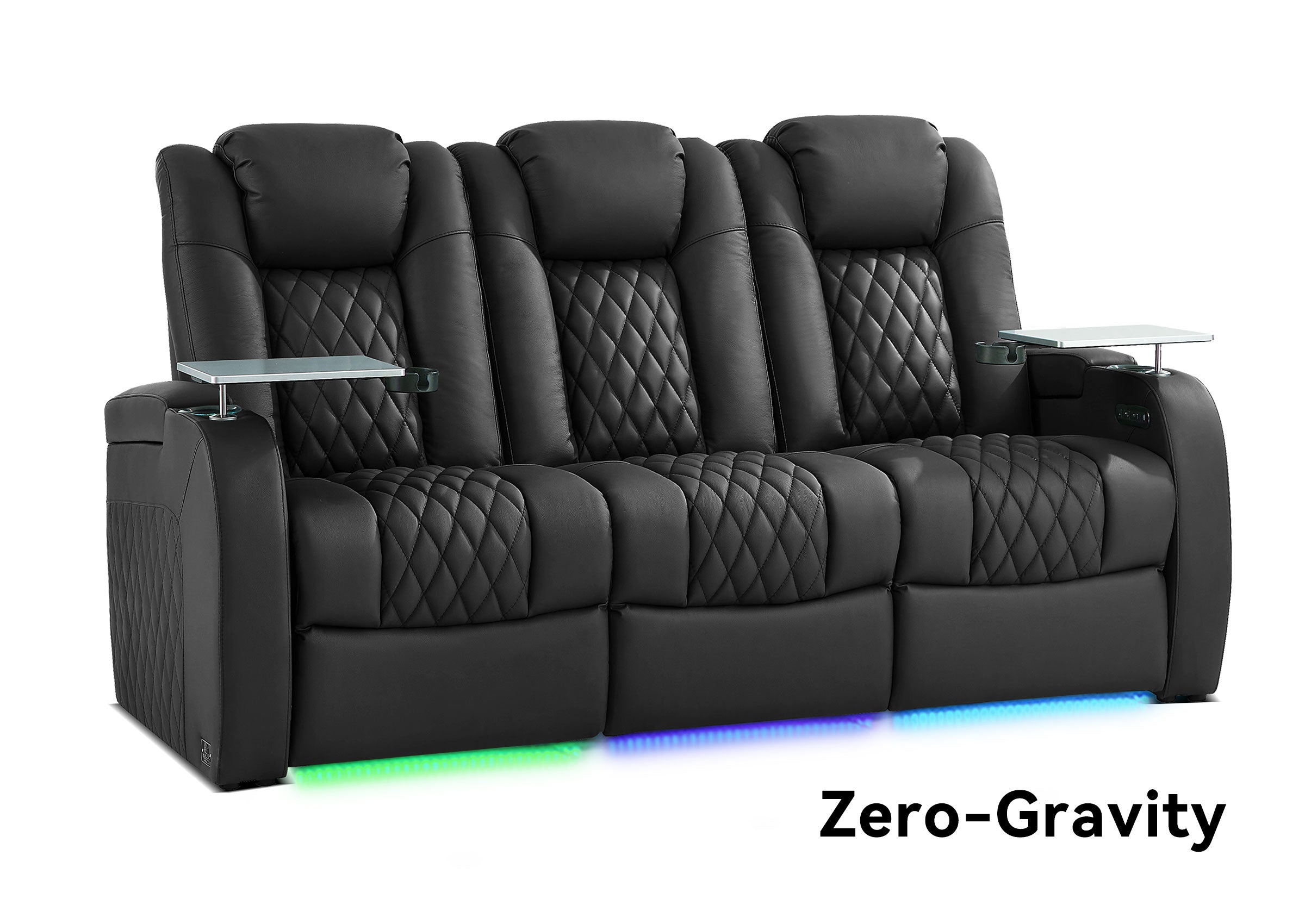


Plan a media room that doubles as a guest room around two usable arrangements: one for watching and one for sleeping. Choose furniture intended for the proposed sleeping use, draw its complete open footprint, and give every table, cushion, and blanket a place during the changeover. The room works only if guests can settle in without turning the rest of the furniture into an obstacle course.
Start with an ordinary visit rather than a showroom photograph. Someone arrives with a suitcase, wants to change clothes, and gets up during the night. The next morning, your family may want the television back while the guest still needs somewhere to leave their belongings. Those moments reveal more than an empty sofa or a neatly folded bed.
Will the room be available for movies while guests are staying?
Decide this before buying furniture. If the room becomes the guest’s private space for the whole visit, the family needs another place to watch or play games. Folding the bed away each morning does not automatically make the room available again.
For an occasional overnight stay, a modest conversion may be acceptable. During a longer visit, rebuilding the bed every evening and packing away belongings every morning can become tiresome. Discuss the arrangement with the people likely to use it: how many need to sleep there, what sleeping surface suits them, and whether they are comfortable converting it themselves.
This also sets the priority for your regular seating. A room used for movies most evenings should still offer a viewing position your household enjoys. Frequent or longer guest stays may justify keeping a proper bed in place and accepting a smaller entertainment area. Hosting frequency helps frame the choice; it does not determine the right bed by itself.
Which sleeping solution fits your viewing habits?
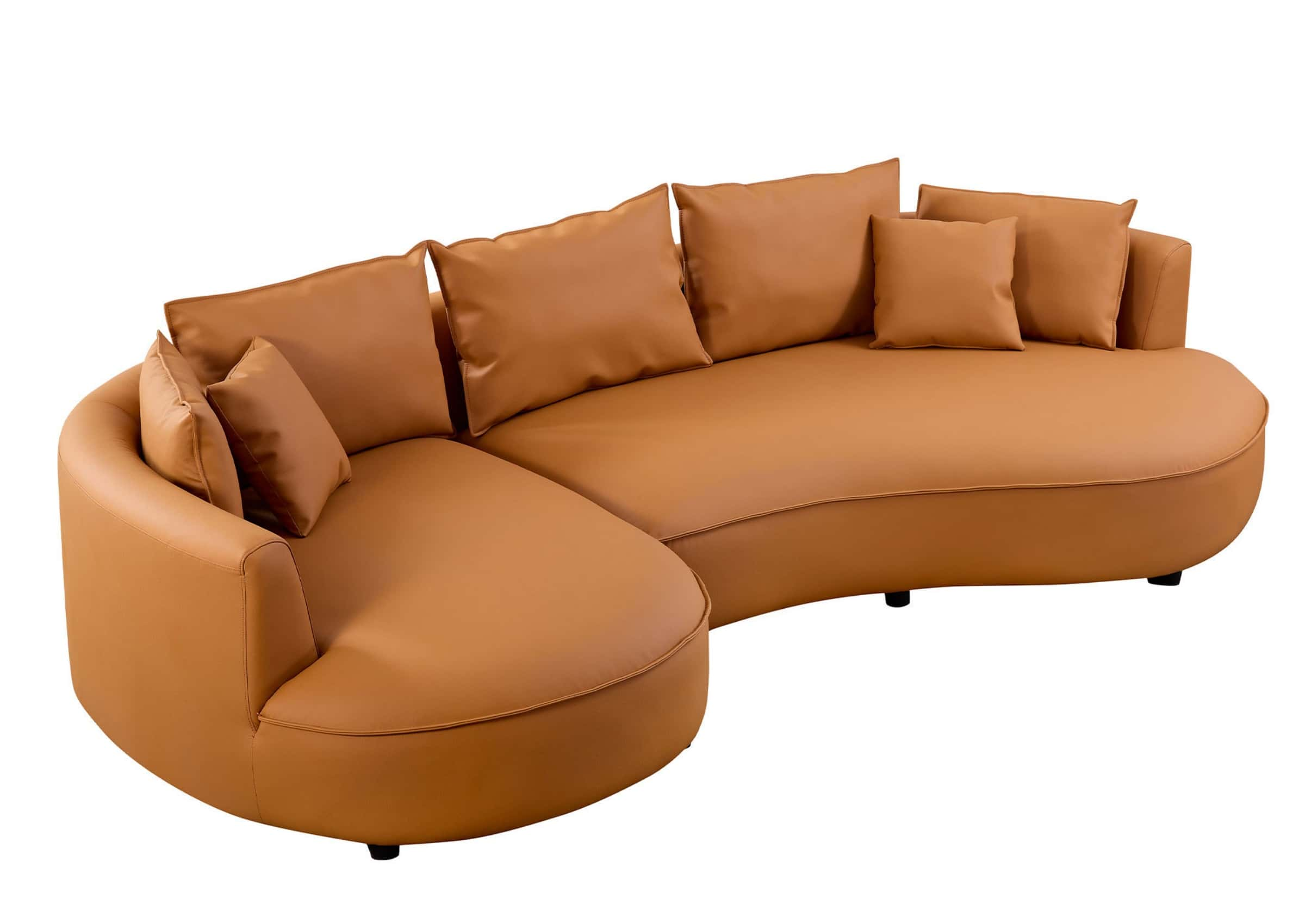
Choose by the way the furniture works in both positions, not by whether the listing calls it multifunctional. A sofa can be pleasant for a film yet awkward to convert, while a suitable guest mattress may come with a seated position that does not support the way you watch.
| Arrangement | Why it may work | What to check before choosing |
|---|---|---|
| Sleeper sofa or convertible sectional | The main viewing seat also provides the guest bed | Seated support, actual sleeping surface, opening direction, and where loose cushions go |
| Wall bed with separate viewing seats | Sleeping and watching can use different furniture | Complete bed projection, installation requirements, and whether chairs can stay in place |
| Daybed or permanent bed with a viewing area | Reduces the amount of furniture conversion | Whether the back support and screen position work for sitting, plus the floor space permanently occupied |
| Separate guest bed stored elsewhere | Lets the media room keep its usual seating | Storage location, carrying route, setup effort, and the complete occupied layout |
Try both uses where possible. Sit in the position you would choose for a movie, then check the sleeping surface’s dimensions, support, seams, and bedding requirements. If the guest has particular comfort or access needs, include those in the choice rather than assuming a large cushion area will suit them.
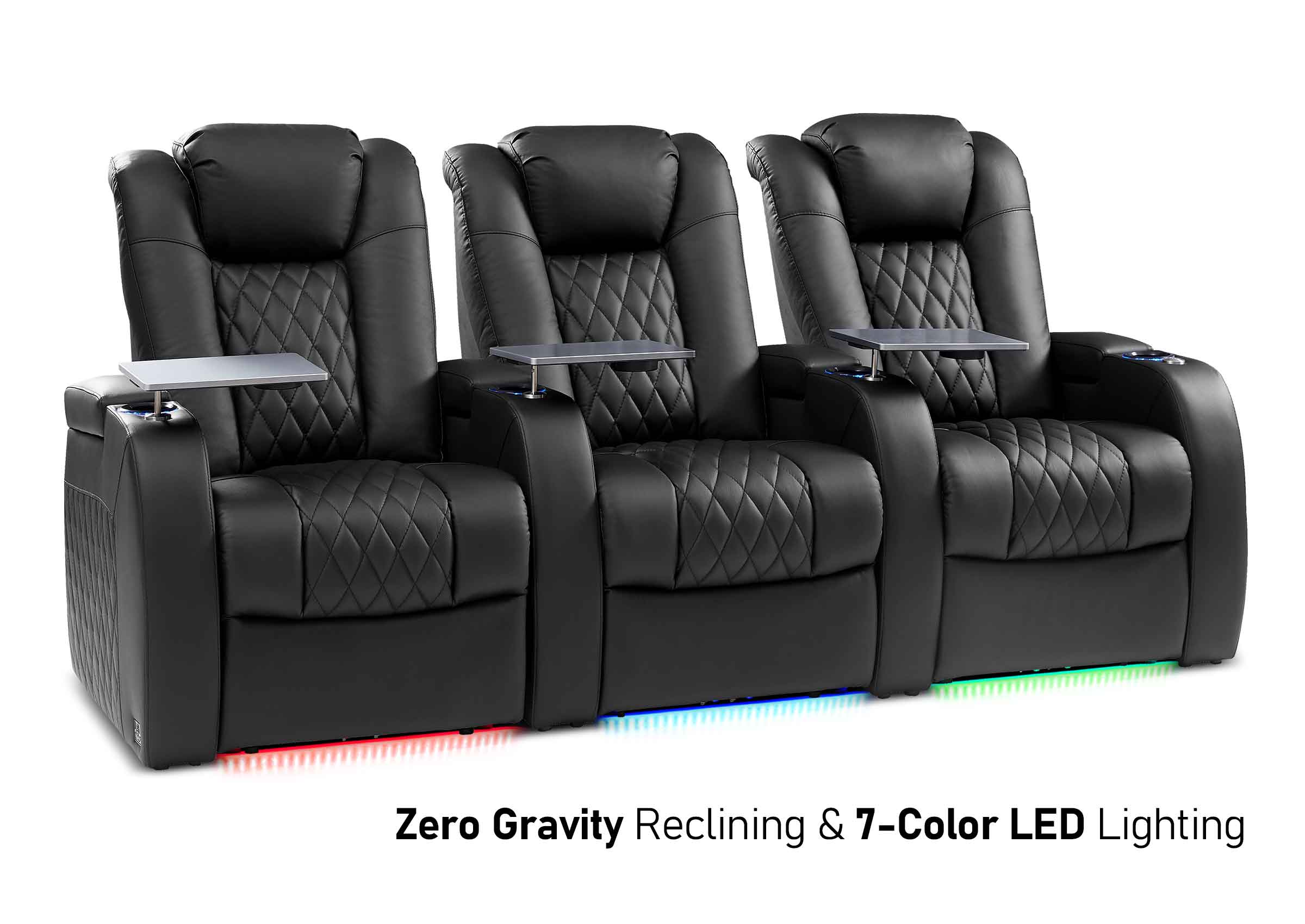
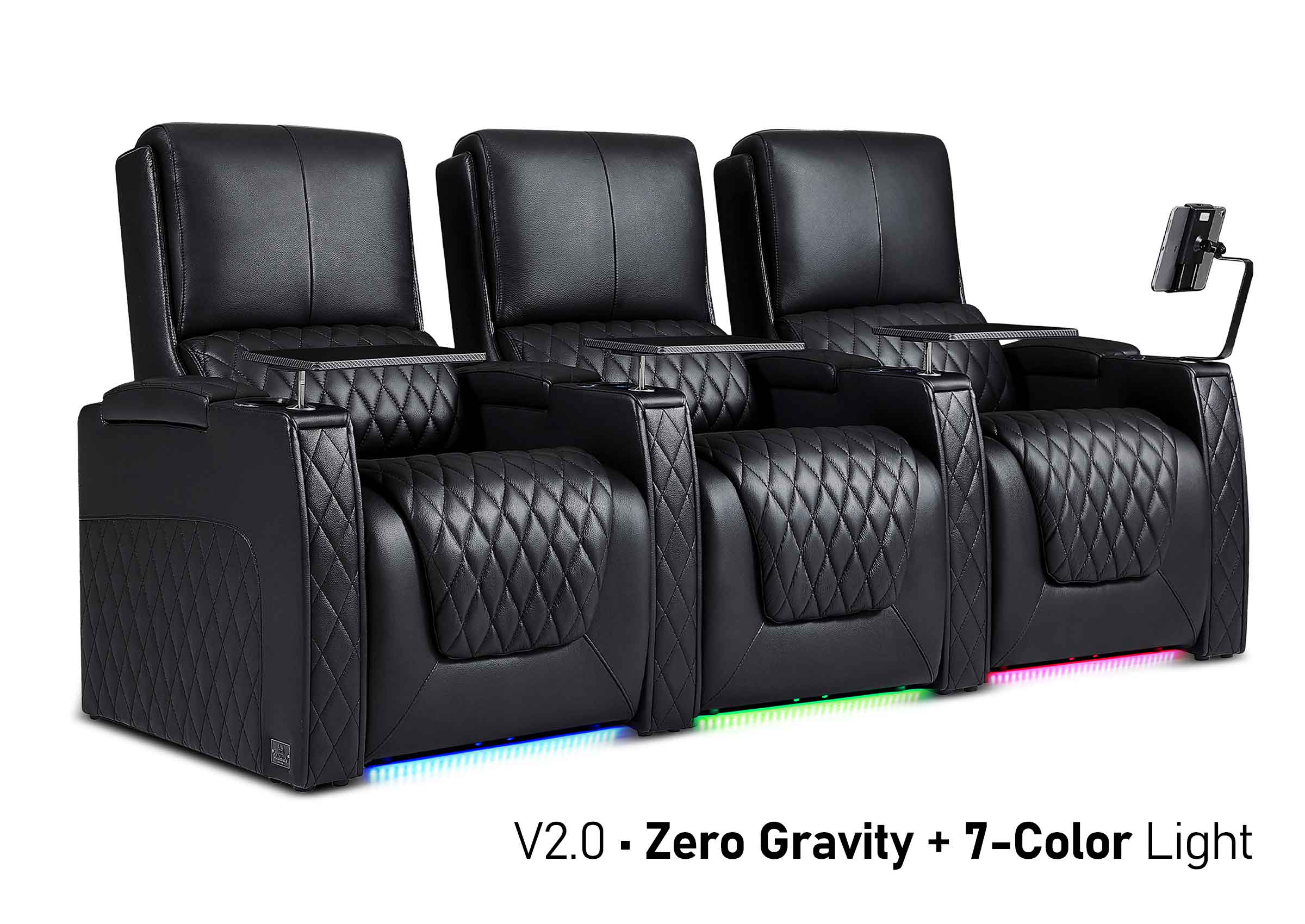
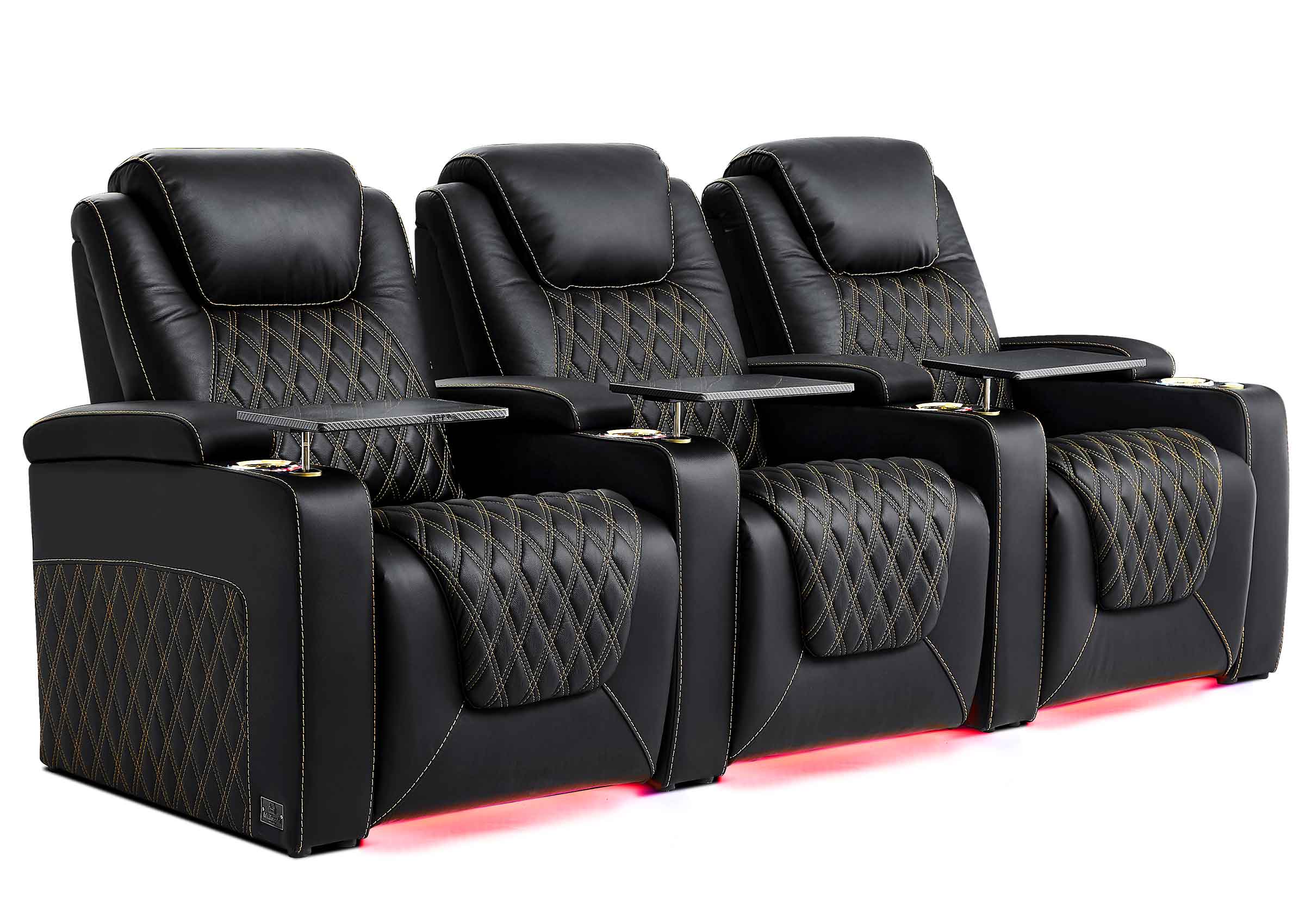
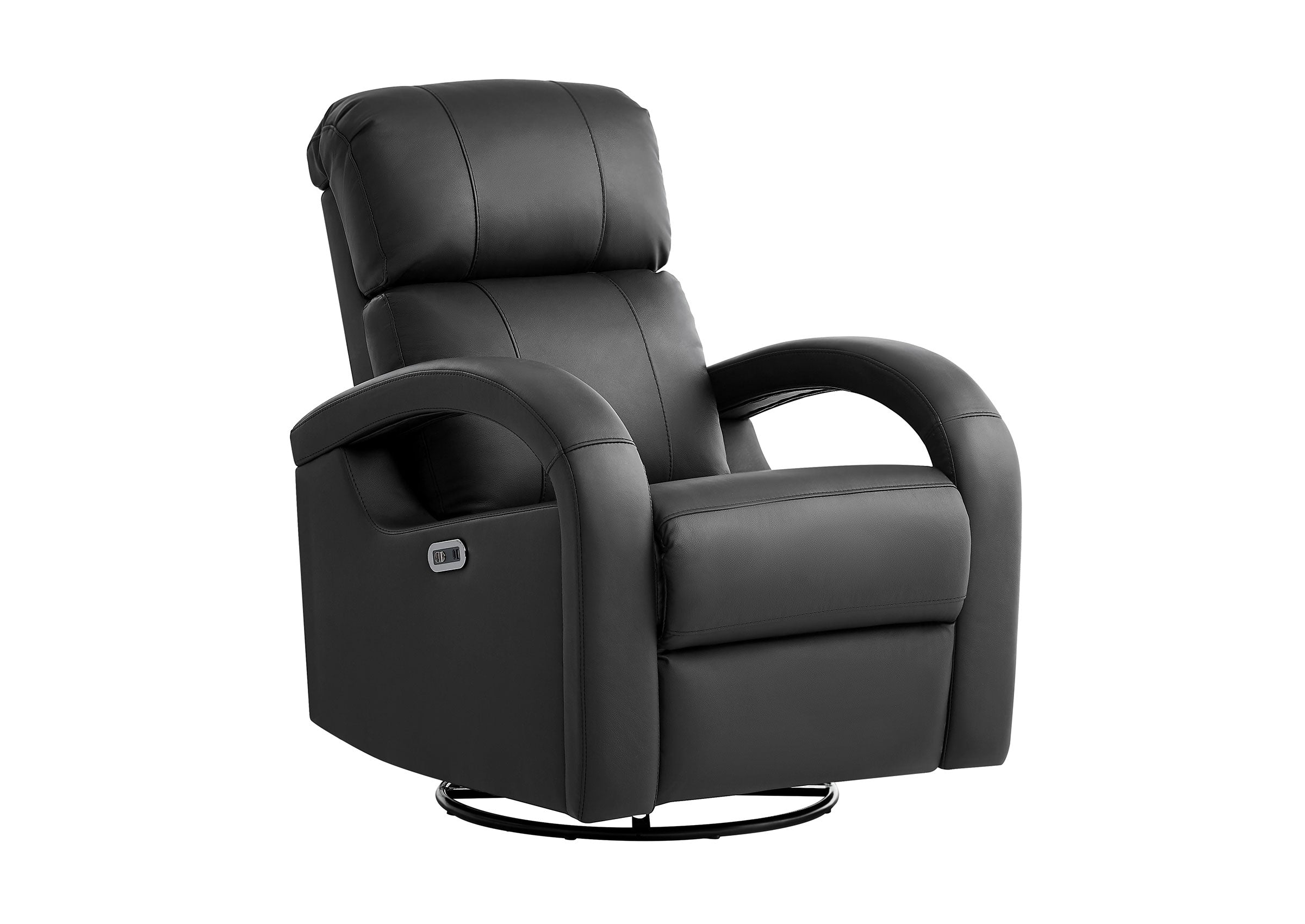
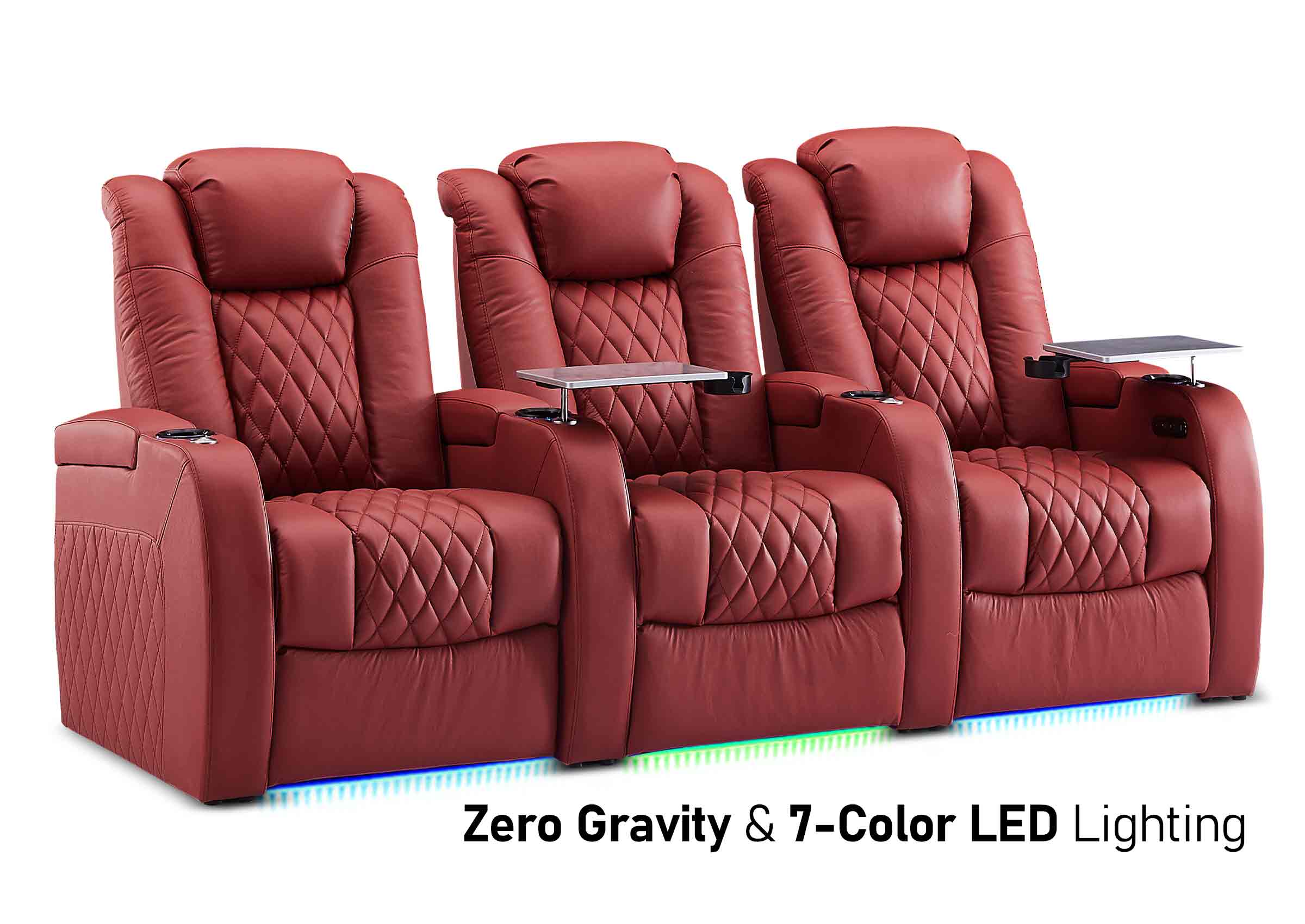
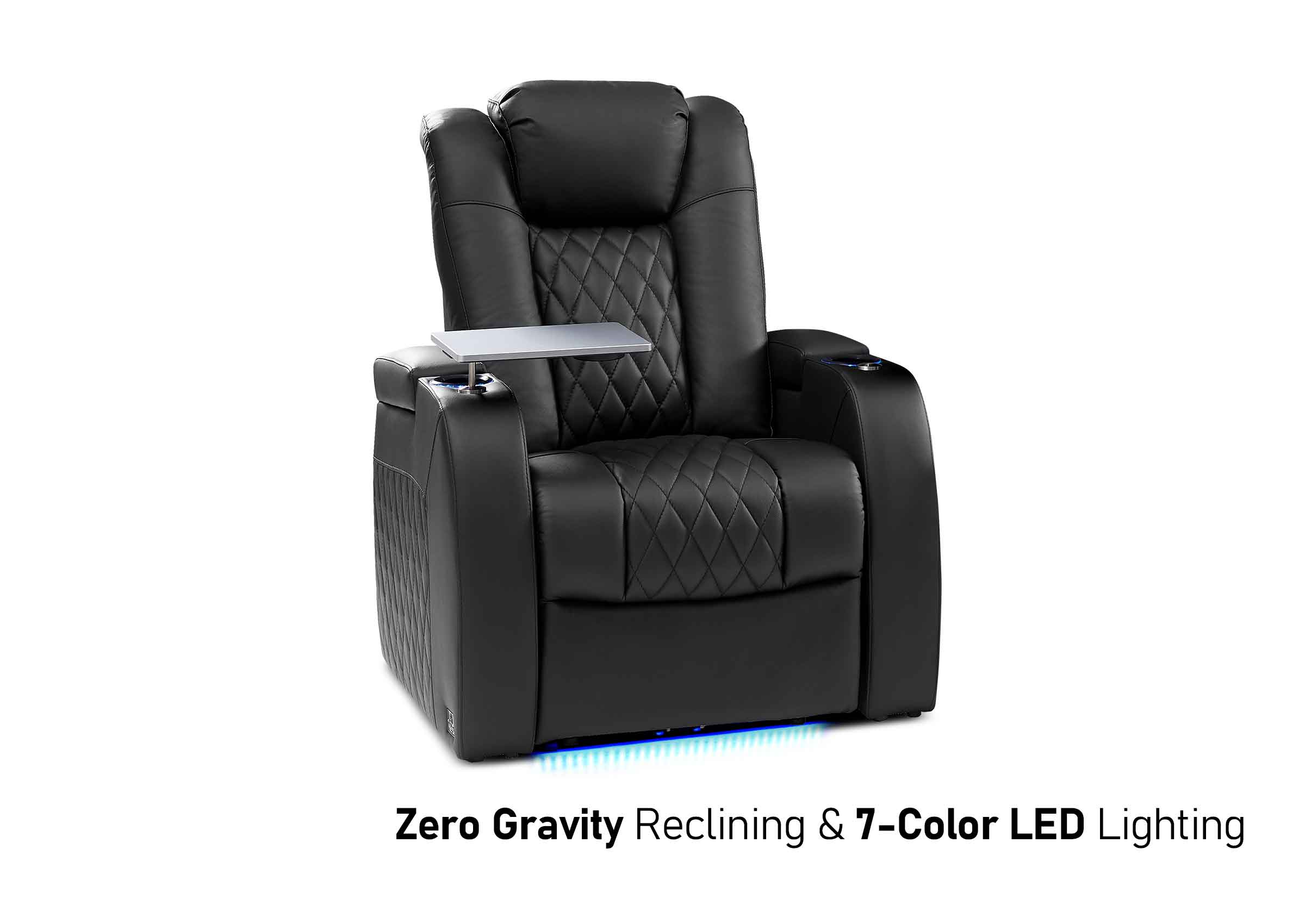
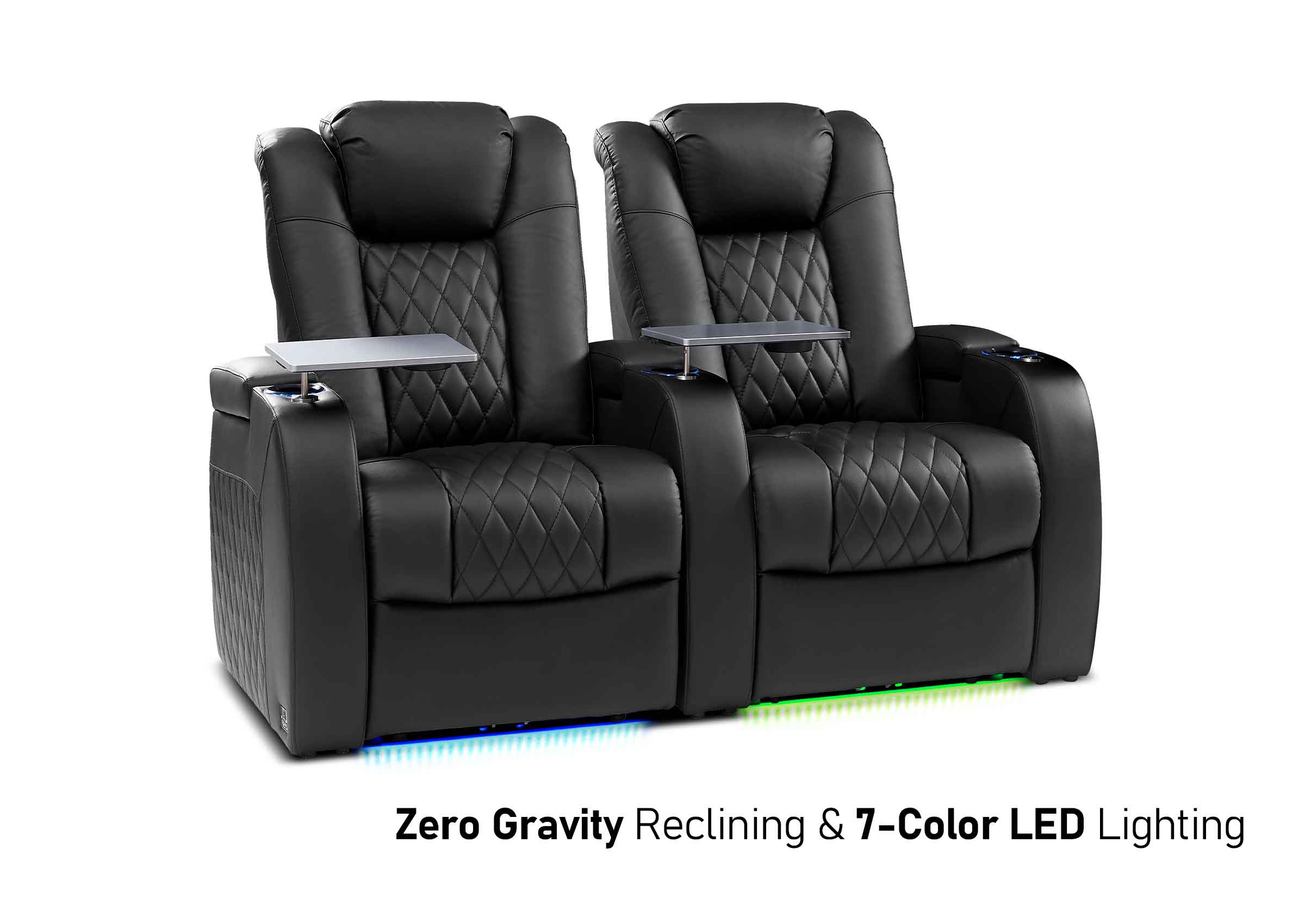
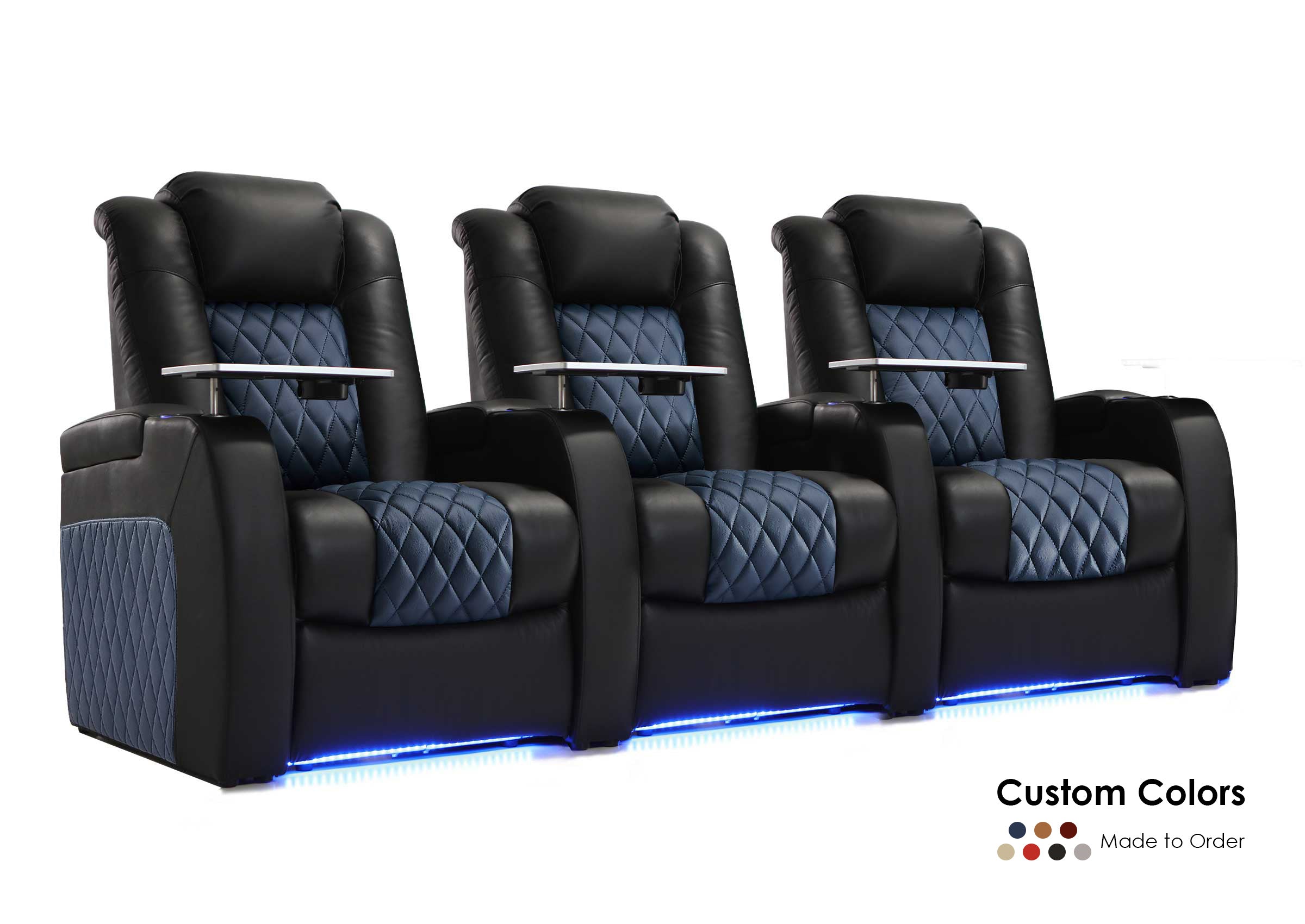
A reclining chair or a pit sectional is not automatically a guest bed. Confirm that the selected product is intended for the proposed sleeping use. If you want to keep individual theater recliners, draw them alongside a separate bed instead of assuming they can be pushed together into one.
What needs to fit when the bed is open?
Measure the complete furniture in each operating position. Mattress dimensions describe the sleeping surface; they do not necessarily describe the frame, cabinet, or space needed to unfold it.
For example, IKEA’s NYHAMN sleeper sofa lists a sofa depth of 38¼ inches and a bed surface of 55⅛ by 78¾ inches. Those are different measurements. You still need to confirm how the selected mechanism opens and what its complete footprint occupies in your room.
Draw the walls, doorway and door swing, windows, storage fronts, media cabinet, and any furniture that will remain. Make a second drawing with the sleeping furniture fully open. Keep the screen and fixed equipment in the same places, and show any moved pieces in their new positions. You are checking two arrangements of one room, including everything it still has to hold.
An open-depth calculation can expose a problem early. Expand Furniture lists its standard Hover Queen wall bed at 85.8 inches deep when open. In a hypothetical room measuring 120 inches along that direction, the arithmetic leaves 34.2 inches between the bed’s outer end and the opposite wall. A 16-inch-deep media cabinet projecting into that same band would reduce it to 18.2 inches.
That remainder is an illustration, not a recommended aisle or proof of a workable layout. Check the actual route, door movement, installation instructions, and the space people need to open the bed and get around it. The figures describe that specific wall bed, not other models or Weilianda seating.
In the movie arrangement, check seats with footrests and backrests in their normal watching positions. In the guest arrangement, check the bed with bedding and a person using it. A plan that works only with the recliners closed or the bed folded away has not yet demonstrated both uses.
PLAN BOTH USES
Keeping Separate Recliners in Your Guest-Room Plan?
Compare viewing-seat configurations with your guest bed drawn fully open. Check the selected seats’ dimensions and movement before deciding what can remain in place.
Where does everything go during the changeover?
Give each displaced item a real destination. “Move the coffee table” is incomplete until you know where it lands and whether that position blocks a door, drawer, or route around the bed.
A compact changeover note can be more useful than another furniture purchase:
| Item | Guest-stay location | Check before relying on it |
|---|---|---|
| Coffee table or ottoman | A marked position elsewhere in the room or a nearby storage area | It can be moved there without obstructing another regularly used space |
| Loose sofa cushions | A designated cupboard, shelf, or suitable storage space | They fit without filling the guest’s luggage area |
| Bedding and pillows | A cupboard or dedicated compartment | They remain accessible when the bed is open |
| Guest’s suitcase | A clear luggage spot | The guest can open it without placing it across the walking route |
Storage built into the seating can be helpful, but test when you can reach it. If opening the bed covers the compartment you need for pillows, retrieve them before conversion. Everyday items such as remotes and chargers should also have a reachable home so the guest does not need to search under bedding.
Walk through the intermediate steps, too. The finished bed may fit perfectly even though there is nowhere to stand while pulling it out. Check the selected mechanism’s operating space, and try the sequence with the person who will normally handle it. Avoid a plan that depends on dragging a powered seating row or repeatedly disconnecting equipment just to make the room usable.
For a wall bed, installation is a separate requirement from fitting its outline on paper. Health Canada’s foldaway-bed guidance advises following the manufacturer’s instructions, securing the bed to structural components, and using professional installation where possible. Confirm the selected system’s requirements before arranging furniture around it.

Can a guest use the room without learning your theater setup?
Provide simple control over light, privacy, and personal belongings. The guest should be able to reach a lamp from the sleeping position and find the way to the door without locating a cinema-lighting remote.
Check window coverings in morning daylight as well as during a movie. A door or other suitable privacy arrangement matters when someone is changing clothes or going to bed before the household. Curtains can help with light and visual privacy; do not assume they prevent conversation, games, or television sound from travelling through the home.
Give the guest an accessible charging point and somewhere for a phone, glasses, or water. Keep the chosen location outside the bed’s moving parts and the walking route. A small surface that remains usable beside the open bed may help more than a larger table that must leave the room.
Before the visit, check what stays active overnight. Equipment lights, automated startup routines, and other household members reaching for stored games can disturb the room’s sleeping use. Agree on what can wait until the guest has finished using the space.
Rehearse one complete guest stay before you commit
Test the whole sequence, not just the two finished layouts. Use the actual furniture where possible; floor tape can compare outlines, but it cannot prove mattress comfort, lifting effort, or how a mechanism moves.
- Set up a normal movie evening with the usual viewers and seats in use.
- Put tables and loose cushions in their proposed guest-stay locations.
- Open the bed according to its instructions, retrieve the bedding, and make it up.
- Place a suitcase where the guest would use it. Check access to the door, light, charging point, and necessary storage.
- Reverse the process, including where bedding goes after use and when the family can reasonably use the room again.
If a step repeatedly requires moving heavy furniture or borrowing space someone else needs, change the arrangement before adding decorative finishing touches. You may need a smaller viewing setup, a different bed orientation, or a sleeping solution with less daily conversion.
The strongest media room and guest room combination is one your household can keep using as intended. Protect the regular viewing experience, give the guest a suitable sleeping arrangement, and make the change between them manageable for the people who actually use the room.
Media Room and Guest Room FAQ
Is there a minimum room size for a media room and guest room combination?
There is no single room size that establishes whether the combination will work. Draw the selected bed fully open, include the viewing seats in their operating positions, and check the door, storage access, and route around the furniture. The bed's mattress dimensions alone cannot establish the space needed for the complete arrangement.
Can I keep theater recliners and still accommodate overnight guests?
Yes, if a separate sleeping solution fits alongside the recliners in the guest arrangement. Confirm that the bed is intended for the proposed sleeping use and check whether the seats can remain in place during conversion. Do not rely on pushing recliners together to create a bed or moving a powered seating row for every visit.
Should I fold the guest bed away every morning during a longer visit?
Decide with the guest before the stay. Folding the bed away may free floor space, but it does not remove the guest's need for privacy or somewhere to keep belongings. If daily conversion would be inconvenient, consider leaving the bed open and using another room for movies until the visit ends.
What should I test if guests will set up the bed themselves?
Check whether they can follow the selected bed's instructions, reach its handles, and complete the conversion without moving heavy furniture or disconnecting equipment. Leave bedding accessible and show where loose cushions and tables belong. If the setup needs more effort than the guest can comfortably manage, prepare the bed before arrival or choose a different arrangement.
Check Your Seating Against Both Room Layouts
Keep your movie layout and fully open guest-bed layout together, with the door swing, furniture parking spots, and walking routes marked. Use both plans to decide which viewing seats can stay in place and what must move during conversion.
If your plan includes Weilianda seating, share those layouts, your room dimensions, and intended viewing-seat count with Weilianda Support or email leon@weiliandahome.com. Ask the team to confirm the selected seats' dimensions, recline clearances, and configuration details, then check them against your guest bed's operating footprint before ordering.