












A massage chair can make regular relaxation easier to fit into your day. A massage therapist offers hands-on adjustments, conversation about your needs, and attention that a programmed chair cannot fully reproduce. The better choice depends on what you want from the session, how the chair feels on your body, and whether owning one would actually change your routine.
Perhaps you love a good massage but keep putting off the appointment. Or you already go regularly and wonder whether the money would be better spent on a chair at home. Those situations lead to different answers, even with the same budget.
Start with the experience you want to keep. Then work out what you would use, what you would still book, and what the purchase would really cost.
Massage Chair vs. Massage Therapist: What Are the Main Differences?
The biggest difference is how the massage adapts. A chair delivers the movements and adjustments its system supports. A therapist can discuss what you are feeling and change the session in response to your feedback.
| What matters to you | Massage chair | Massage therapist |
|---|---|---|
| Access | Available at home, within the model's use instructions | Usually requires an appointment; some offer home visits |
| Adjustments | Programs, intensity, position, and coverage vary by model | Pressure, technique, position, and focus can be discussed and adjusted |
| Experience | Private, familiar, and easy to repeat | Human touch and a session shaped around communication |
| Spending | Upfront purchase plus ownership costs | Payment for each visit or an agreed package |
| Practical commitment | Floor space, delivery access, cleaning, and possible servicing | Scheduling, appointment time, and travel when applicable |
| Main limitation | Mechanical settings cannot fully reproduce a therapist's judgment and touch | The right practitioner, availability, and experience may take time to find |
Neither column guarantees a good experience. An expensive chair can feel wrong on your shoulders. A highly recommended therapist may use a style you do not enjoy. Personal fit matters on both sides.
Why Does a Therapist Feel Different From a Massage Chair?
During a hands-on session, you can explain that one side feels sensitive, ask for less pressure, or request more time on a particular area. A therapist can change the work as the conversation develops, within their training and scope of practice.
The American Massage Therapy Association's guide to a massage session describes an intake conversation and ongoing checks on pressure and comfort. That feedback is part of the service you are paying for. You should not have to quietly tolerate an uncomfortable session.
A chair offers a different kind of control. You may be able to select a body area, lower the intensity, move the rollers, or turn off a feature without asking anyone. Depending on the model, rollers, air compression, or other mechanisms create repeatable movements. However, the available adjustments remain limited by the chair's design.
Body scanning and a long program menu do not tell you whether a machine understands why an area hurts or whether pressure there is appropriate. They also do not guarantee that the massage will land where you want it.
For some people, being alone in a familiar room is the main appeal. Others value stepping away from home responsibilities and having someone else manage the session. If privacy is your concern, ask a therapist about clothing, draping, and session preferences before ruling out the option. Professional massage does not require you to accept a level of exposure or conversation that makes you uncomfortable.

Can a Massage Chair Replace a Massage Therapist?
A massage chair may replace some relaxation appointments if you enjoy its feel and no longer want those visits. It cannot be assumed to replace a therapist's individualized work, and it should not replace medical assessment or prescribed care.
That distinction helps set a realistic expectation. If the part you love is a predictable back massage whenever your schedule allows, a suitable chair may meet much of that preference. If you value a therapist changing the focus, working around sensitive areas, or using techniques the chair cannot provide, you may still want appointments after buying it.
Research needs the same careful distinction. A 2020 randomized trial involving 56 people with low-back pain compared a massage chair with basic physiotherapy over three weeks. Both groups improved on measured outcomes, while physiotherapy produced greater improvements in pain and disability. It was not a comparison with a hands-on massage therapist, and it does not establish that home chairs and professional massage are interchangeable.
For pain, expectations should stay modest on both sides. NCCIH notes that evidence for massage varies by condition and is sometimes limited. Persistent, worsening, or unexplained pain calls for a health care professional rather than a purchase based on a promise of relief. If you have a health condition or are unsure whether massage is appropriate, discuss it before using either option.
Which Option Costs Less Over Time?
The chair's purchase price is easy to see. The harder number is how many paid appointments you would stop booking.
Suppose the chair's delivered total is $3,000, and a massage appointment costs you $100 out of pocket. These are example inputs, not average market prices.
| What changes after you buy? | Monthly spending avoided | Simple time to recover $3,000 |
|---|---|---|
| You replace one appointment each month | $100 | 30 months |
| You replace one appointment every two months | $50 | 60 months |
| You keep all your appointments | $0 | No payback from avoided appointments |
The calculation is:
Chair purchase cost ÷ monthly appointment spending actually avoided = simple payback in months.
This first pass leaves out repairs, financing, operating costs, and any resale value. Include those when comparing a real purchase. Use your actual appointment bill after any applicable coverage or discounts, and count travel savings only when you really incur them.

Ten chair sessions in a month do not equal ten appointments saved. You might never have paid for those extra sessions. They can still be enjoyable and worth buying access to; they simply represent added convenience rather than money returned to your budget.
The same applies to a shared household. A second user can add enjoyment without adding savings. Count that person's avoided appointment costs only if they would otherwise have paid for those visits.
Before committing, run the numbers using your current habits. If the purchase only looks affordable when you assume years of daily use and no maintenance, give yourself more room in the budget.
What Will You Actually Use After the Novelty Wears Off?
Picture an ordinary weekday. Where would the chair sit? When would you use it? Would you have to move a table, leave the family room, or climb a flight of stairs first?
An after-work routine beside your reading lamp is easier to imagine than a general intention to “use it more.” That does not guarantee a habit, but it gives you something concrete to test.
Convenience also means different things. A short session at home may be exactly what you want between dinner and bedtime. If your appointment is the one hour when nobody asks you to do anything, a chair in a busy living room may not provide the same break.
You can choose a combination, too. For example, someone might enjoy occasional chair sessions while keeping a professional appointment for the experience they prefer. There is no need to reduce visits just to justify the purchase. Keep that plan in the budget from the start.
What Should You Test Before Buying a Massage Chair?
Try the settings you expect to use, rather than judging the chair by its strongest demonstration program. Follow the manufacturer's instructions during the trial and check these details:
- Where the massage lands. Notice whether the contact feels comfortable at your shoulders, back, hips, and any other areas the model covers. Check what you can adjust when it misses the spot you want.
- The lowest useful setting. You need an intensity you enjoy repeatedly. Having to brace against pressure is a reason to adjust or stop.
- Controls within reach. Find pause, stop, and intensity controls while seated. Decide whether you can operate them comfortably without twisting or searching through menus.
- Fit for each intended user. Test separately if the chair will be shared. One person's shoulder position or preferred pressure tells you little about another person's experience.
- Comfort when the massage stops. If you plan to read or watch TV there, sit with the massage off. Check the seat, head position, arm support, and any noticeable mechanism beneath the padding.
- The space and service commitment. Compare upright and fully reclined dimensions, check the delivery route, and read return costs and service arrangements before ordering.
Noise deserves a moment of attention as well. A motor you barely notice in a showroom may bother you during quiet television dialogue. Ask for a demonstration with background audio lowered if possible.
When an in-person trial is unavailable, a clear demonstration and written specifications help, but they cannot confirm how pressure will feel on your body. The return policy then becomes especially relevant. Find out who pays for return freight and whether collection, packaging, or other conditions apply.
Where Does a Massage Recliner Fit Into This Decision?
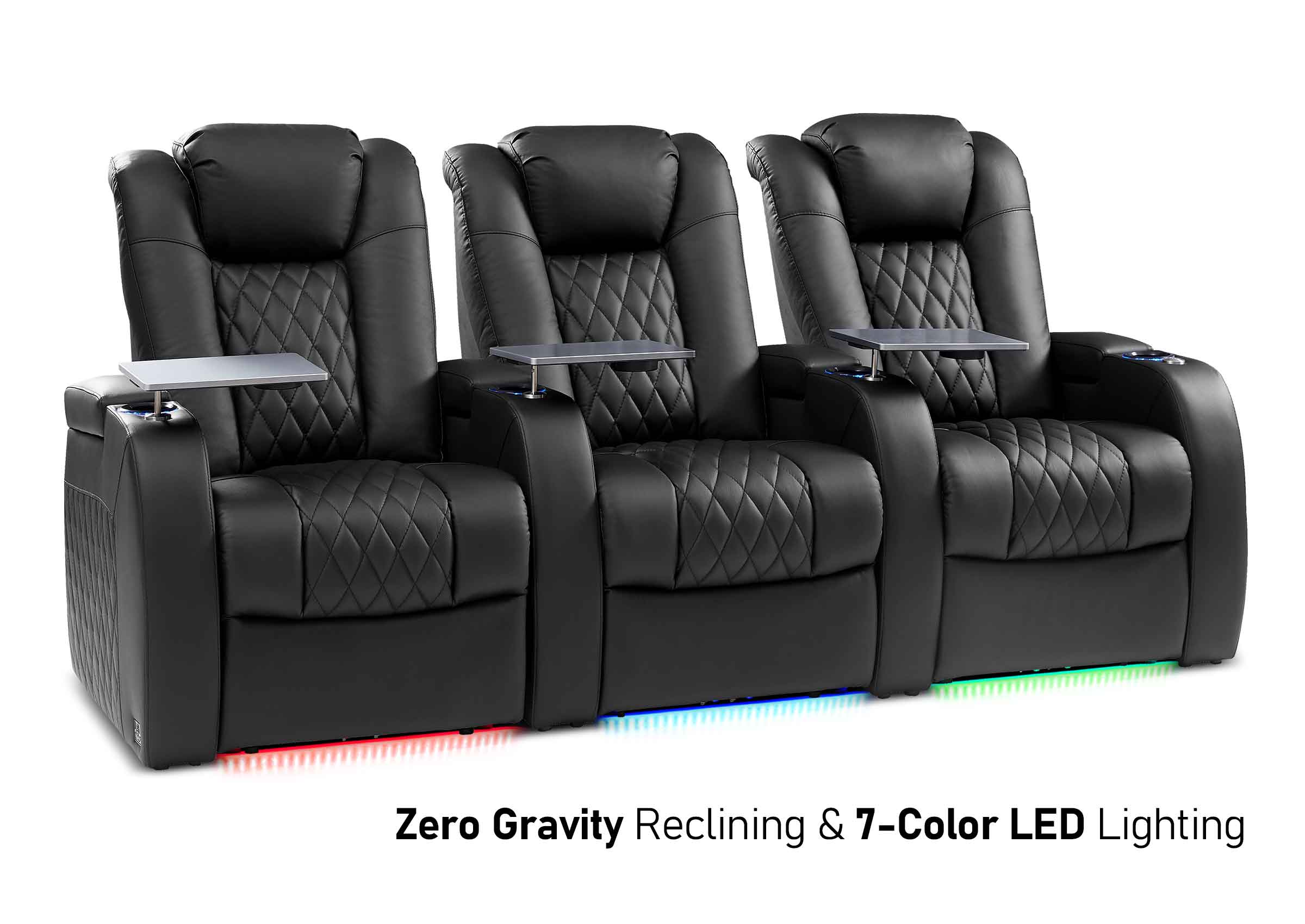
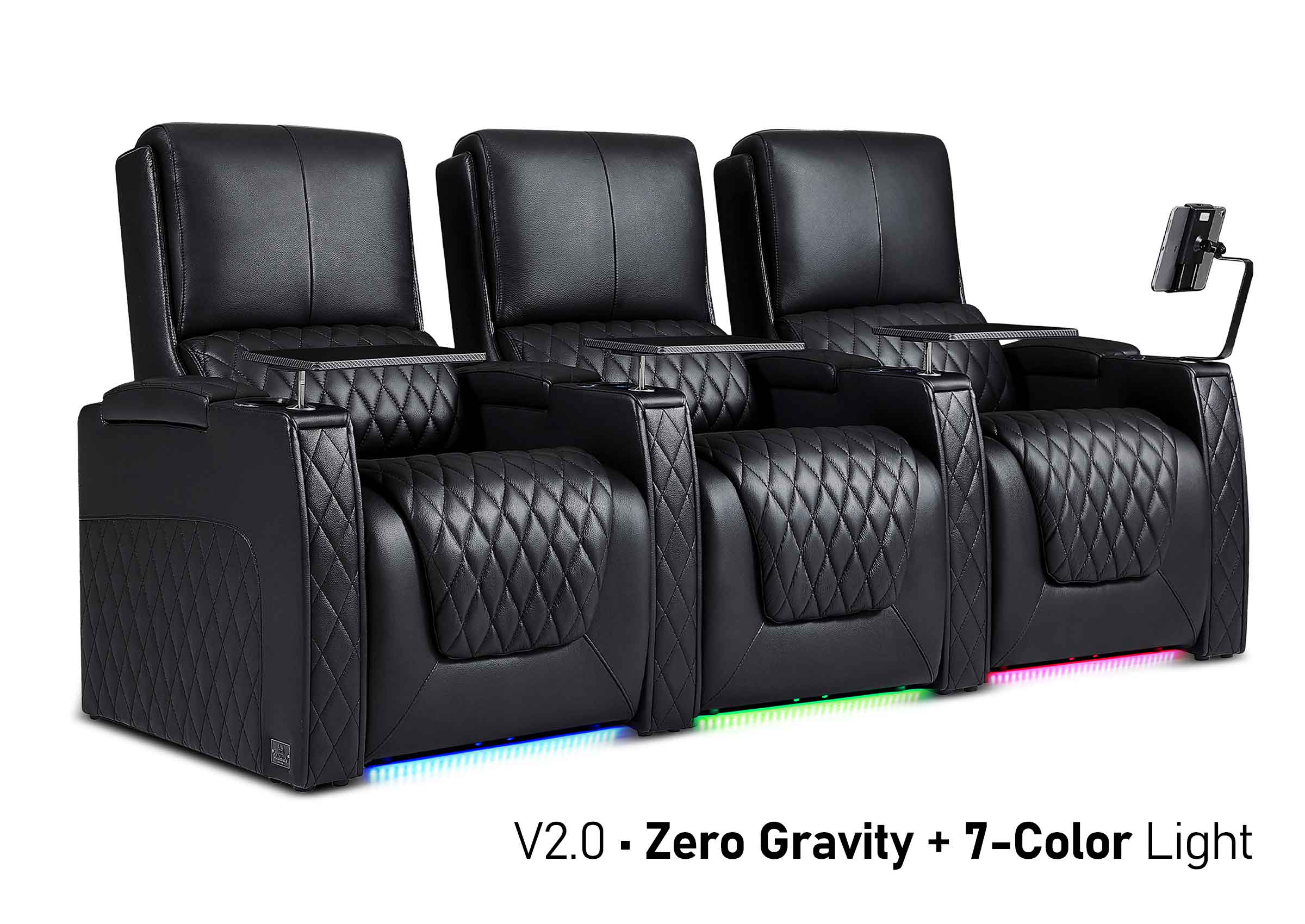
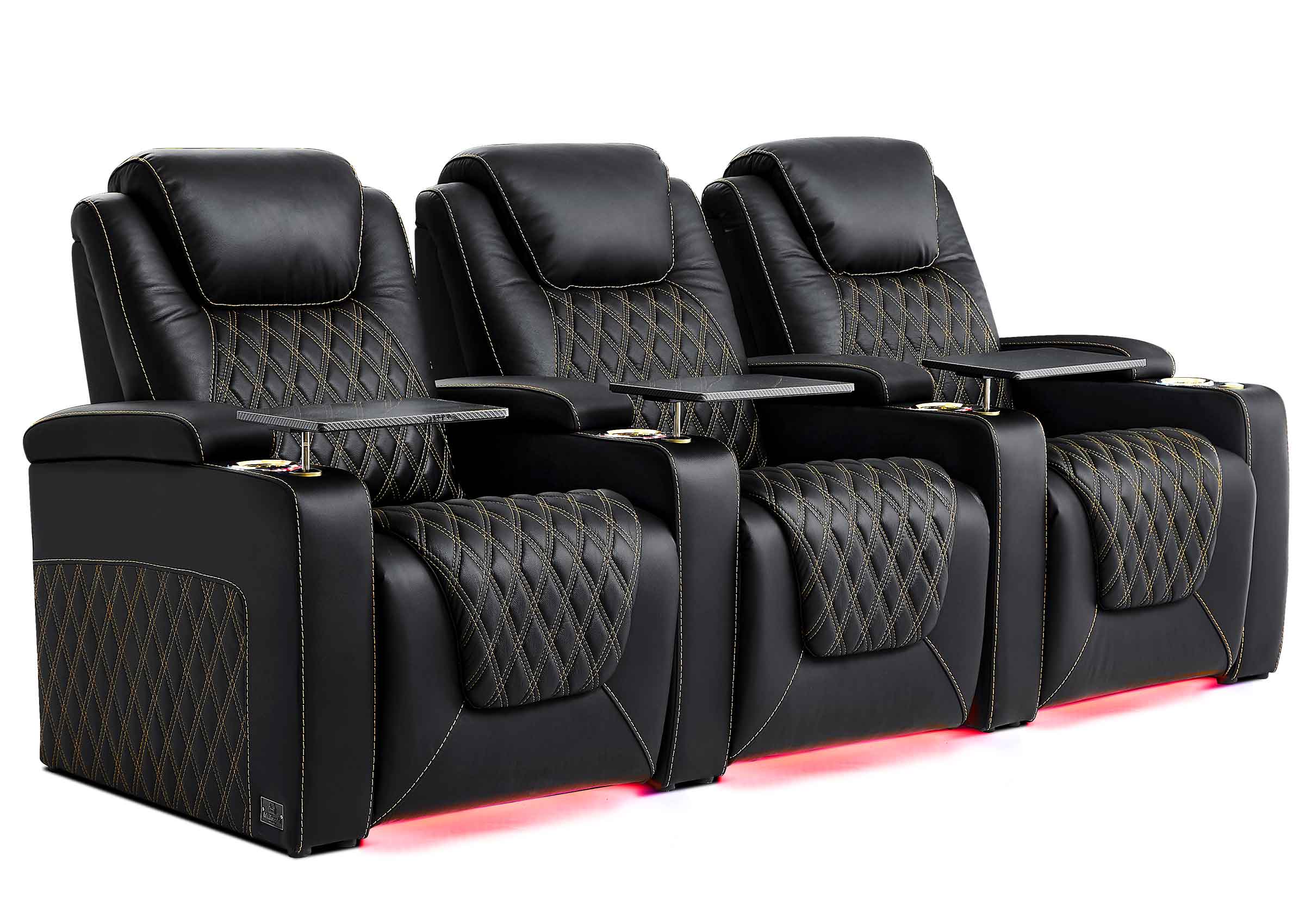
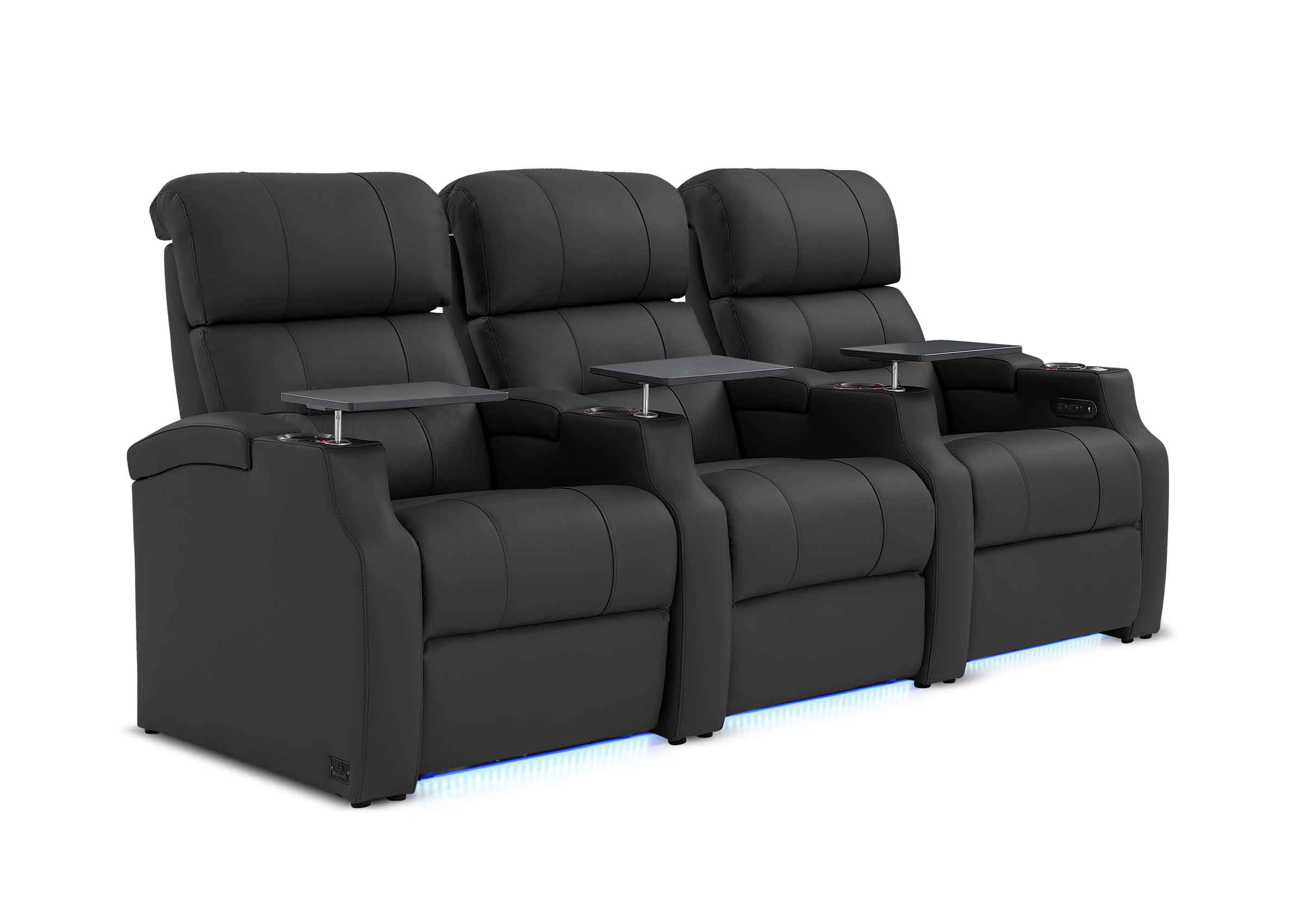
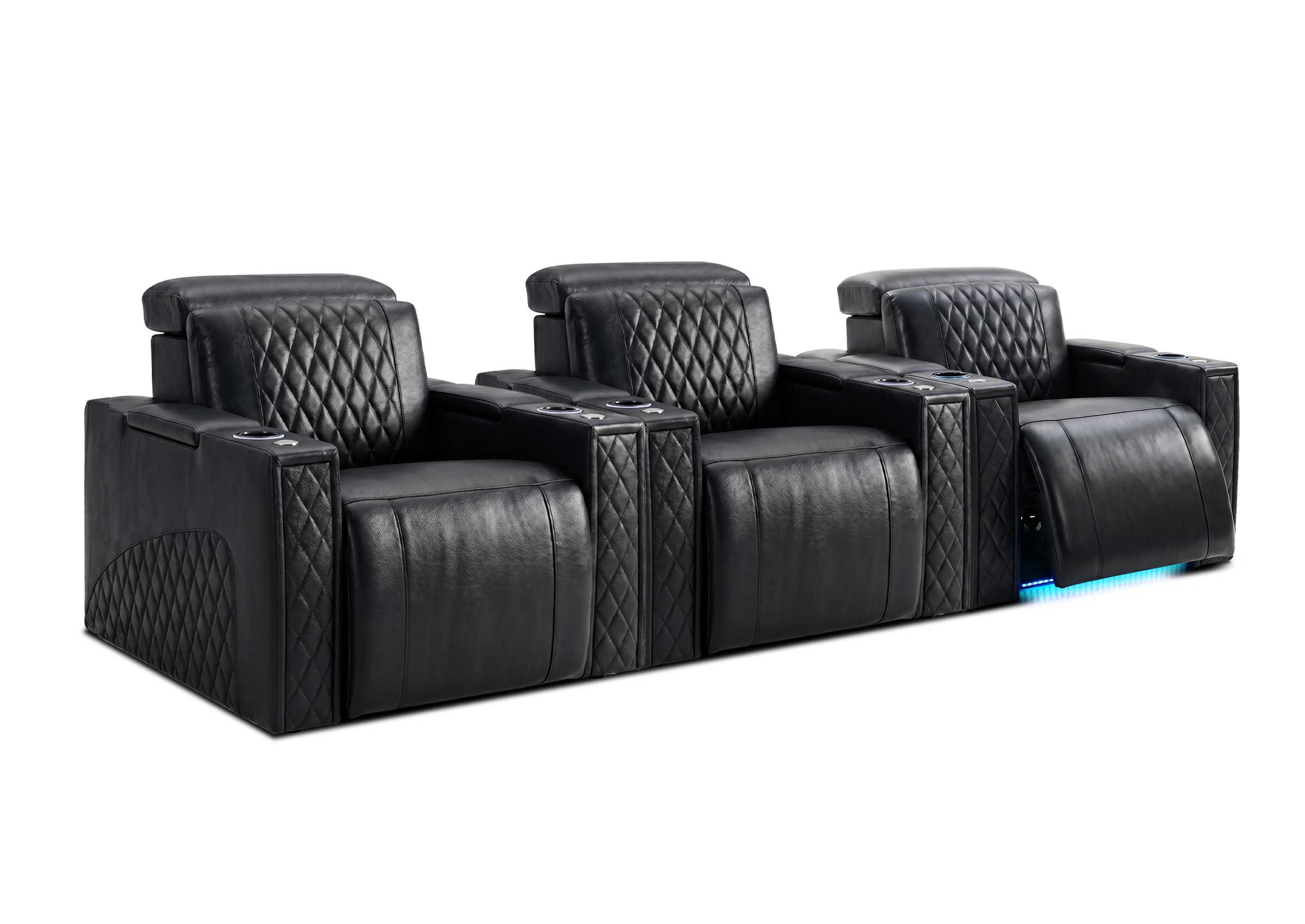
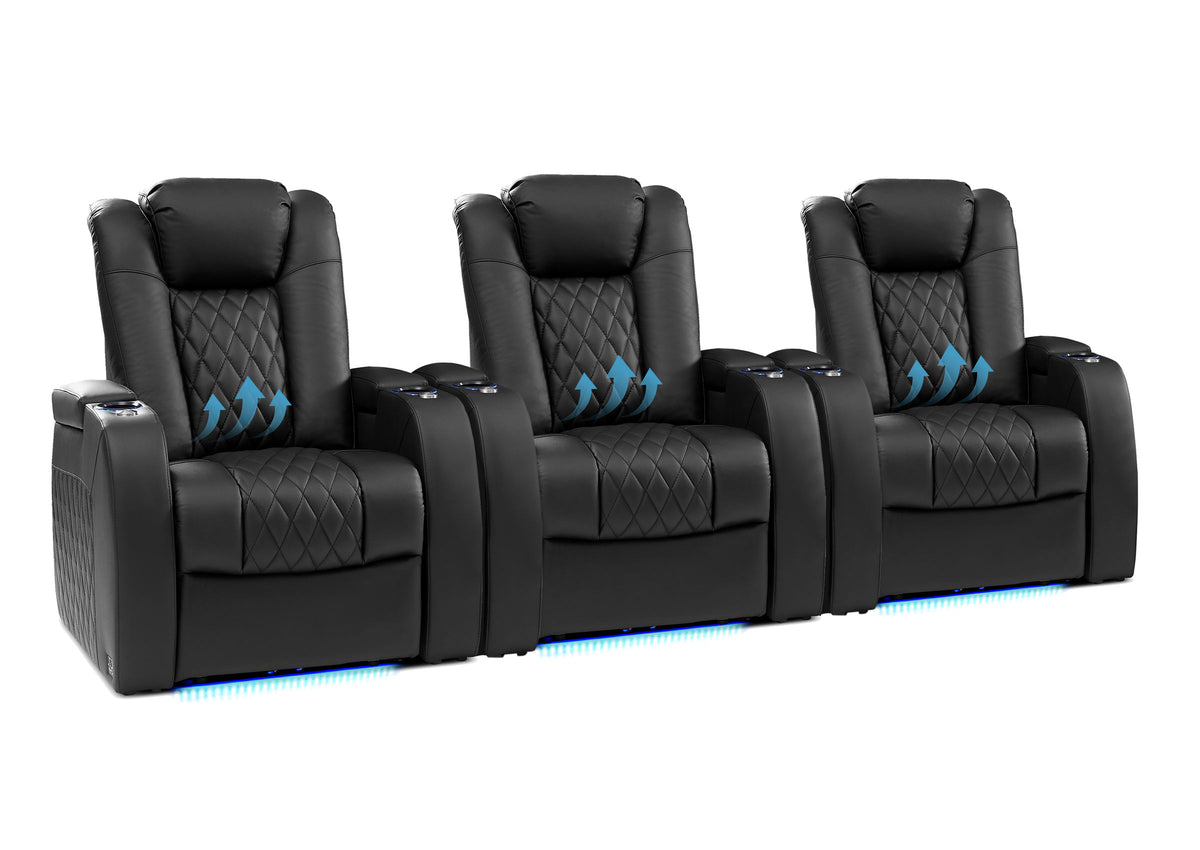
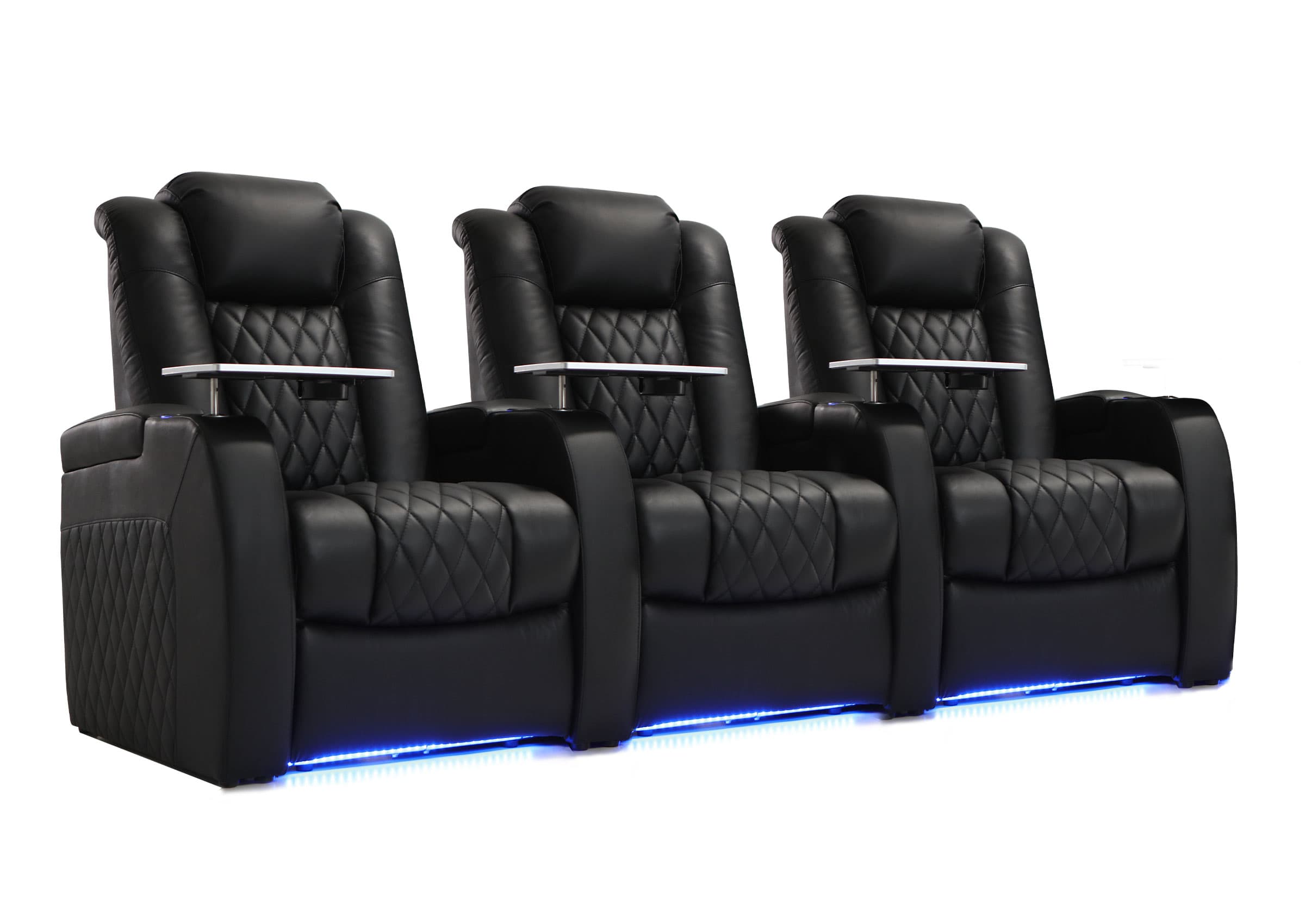
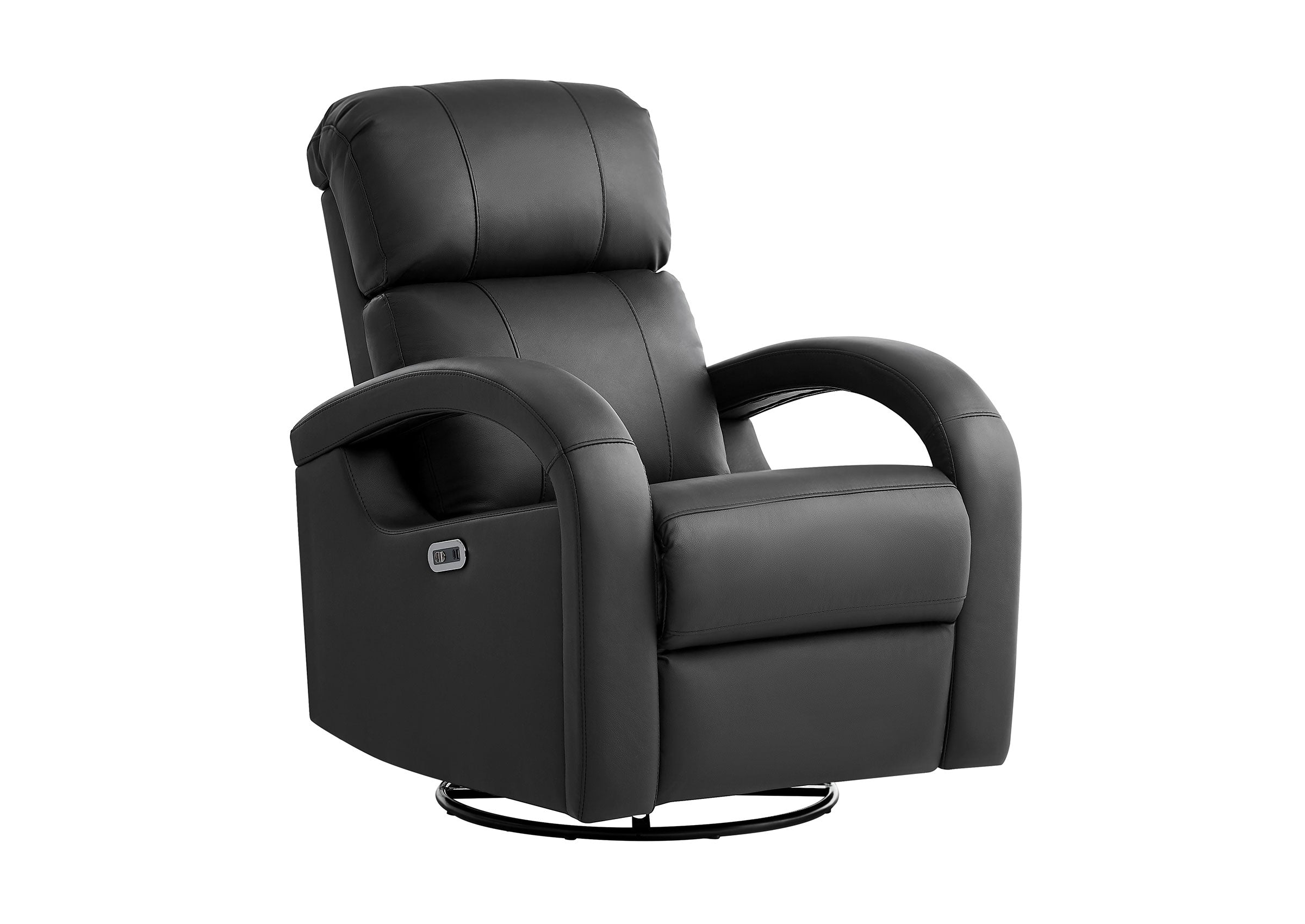
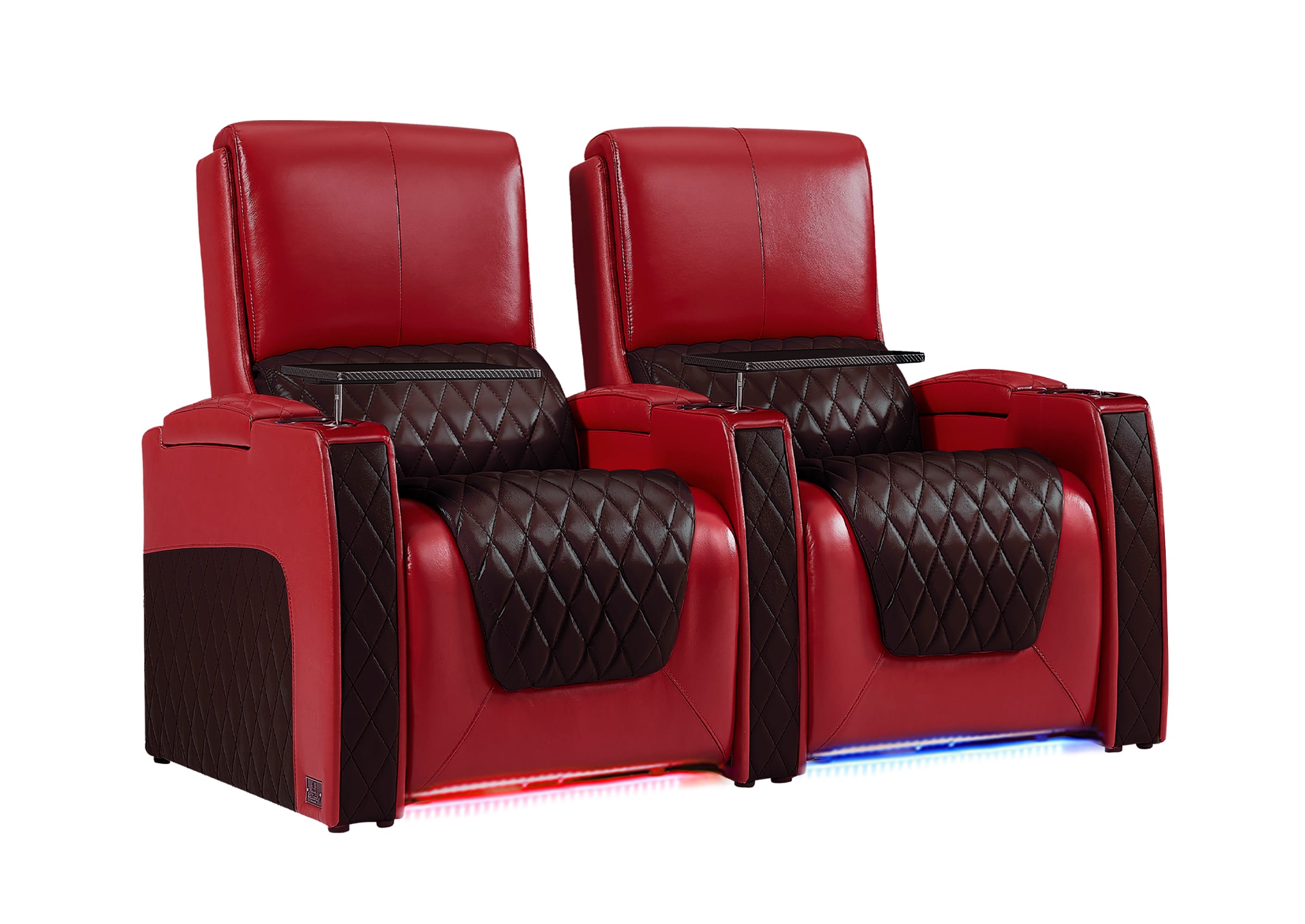
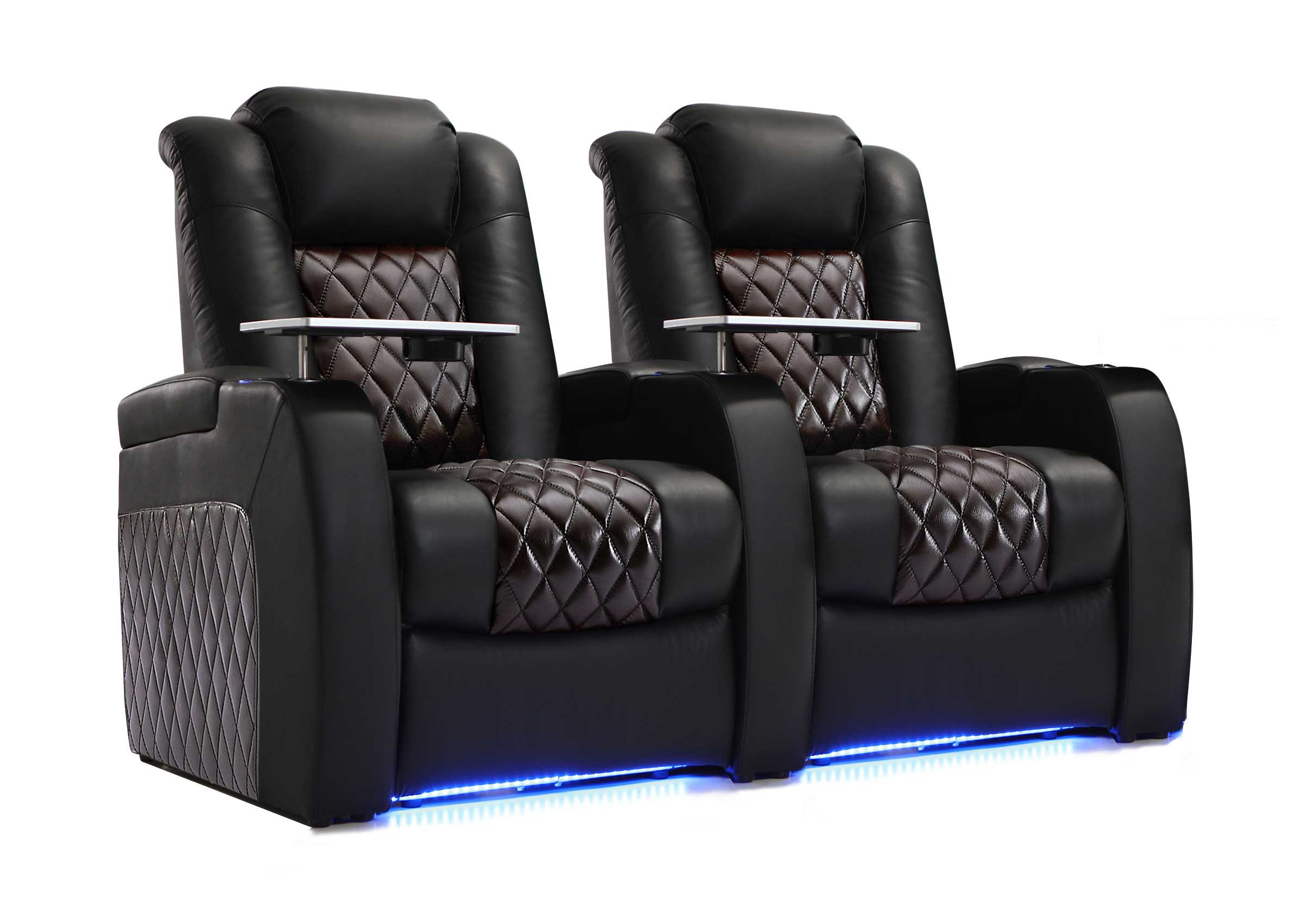
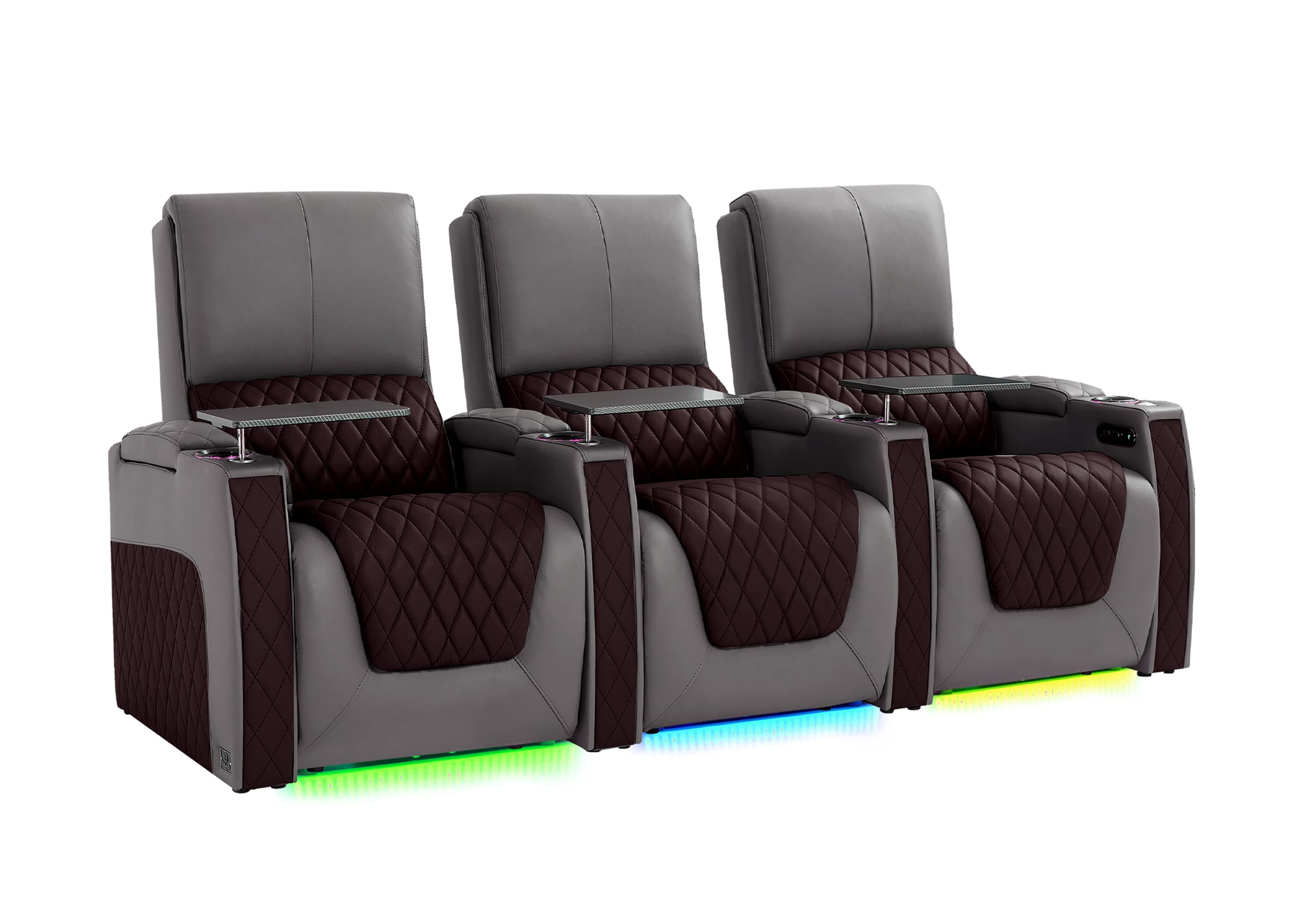
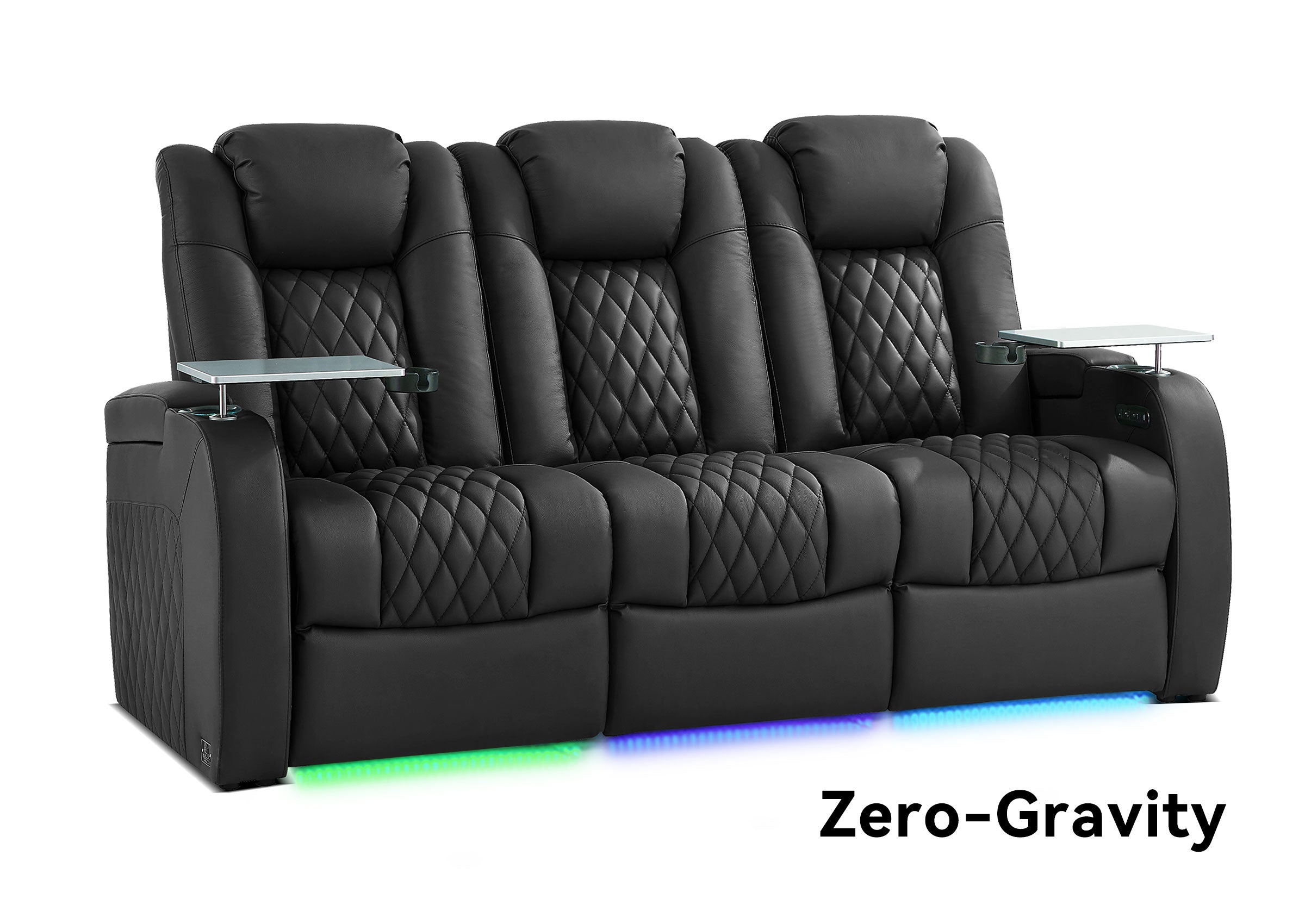
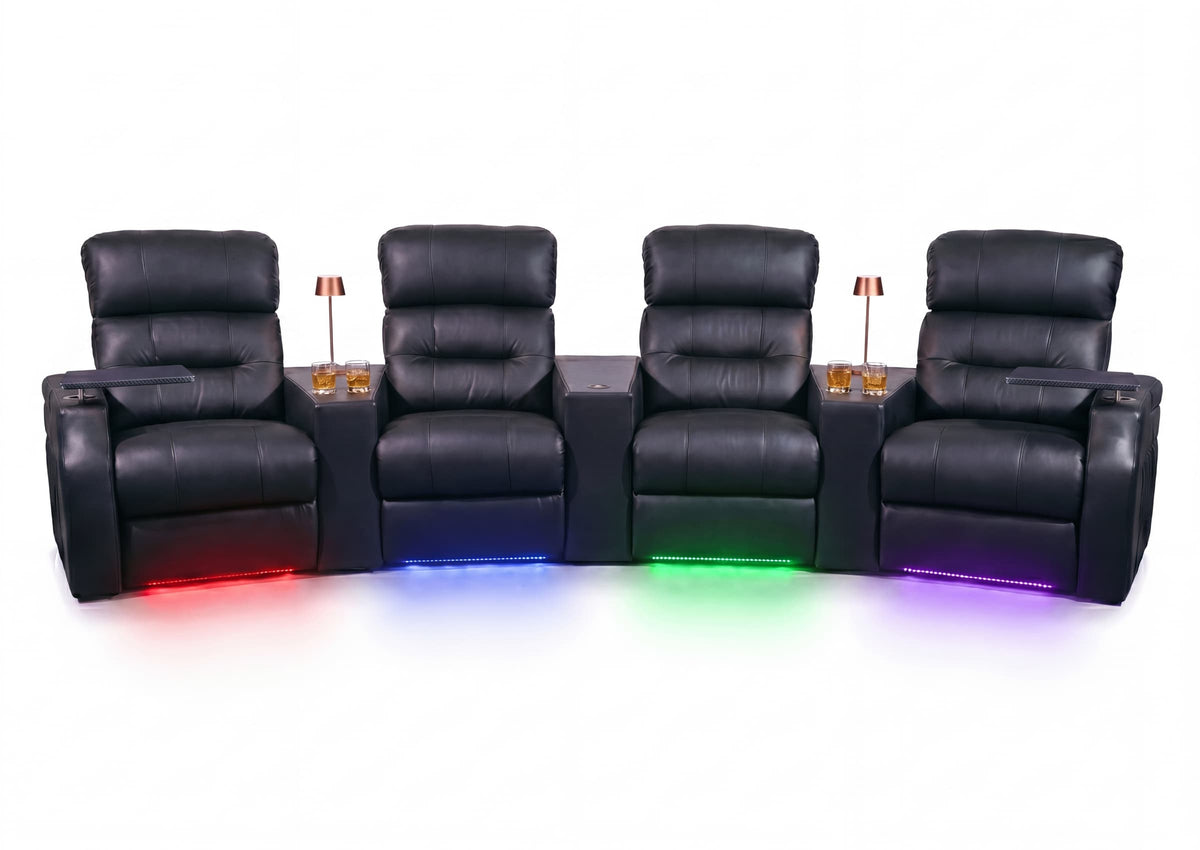
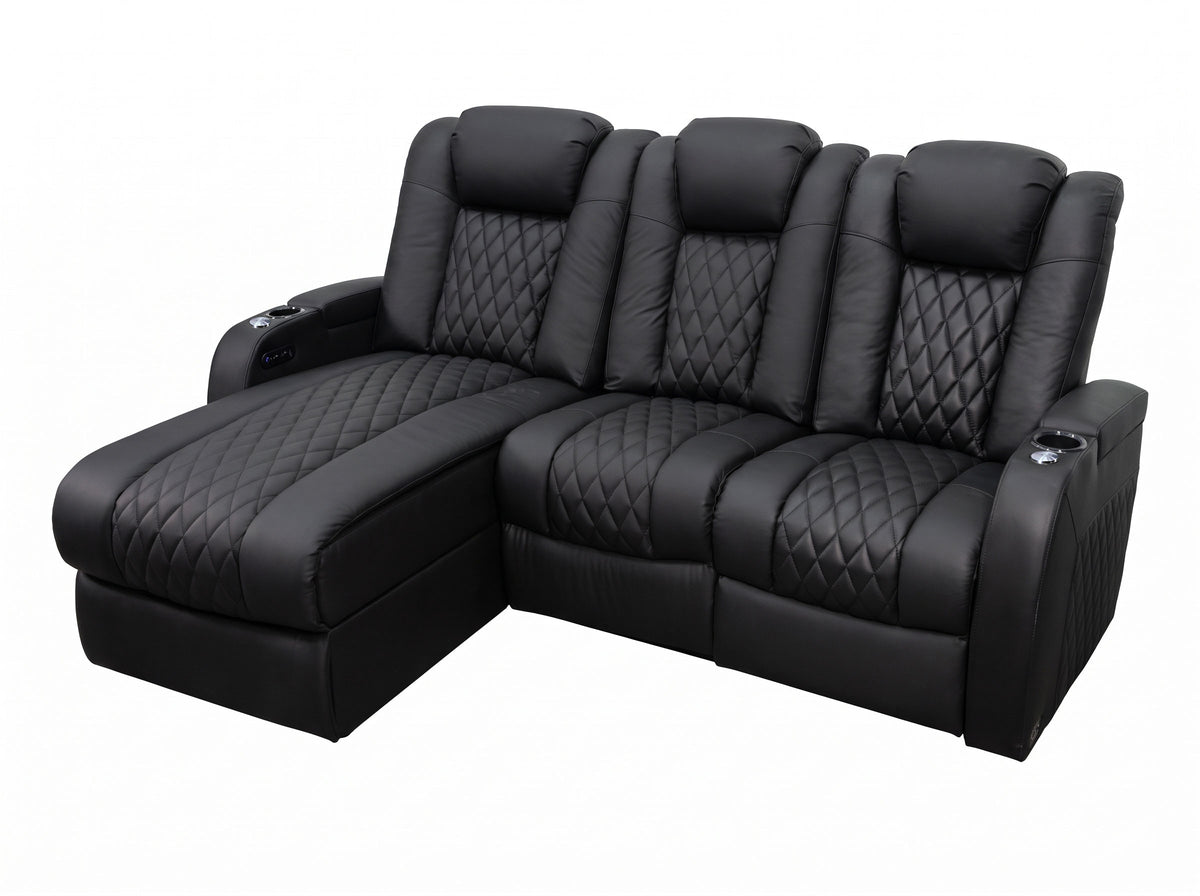
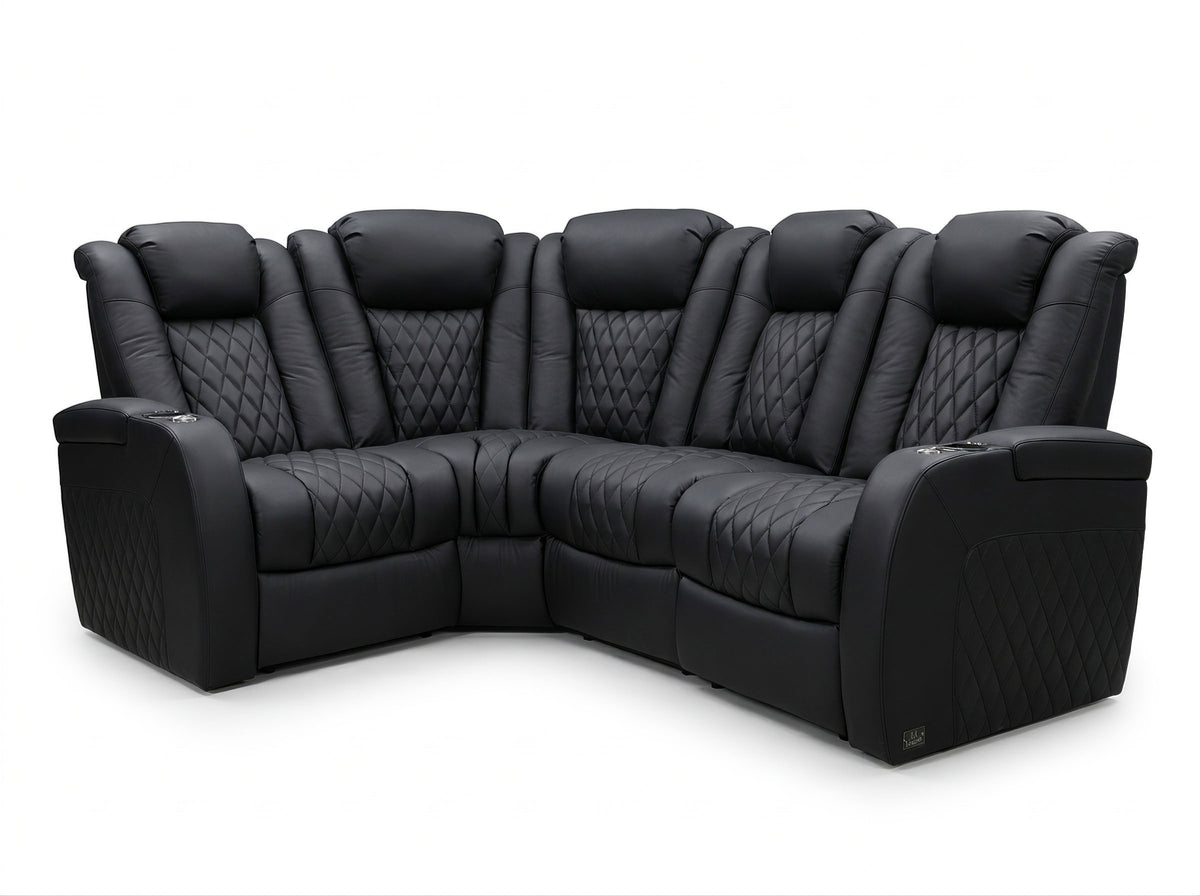
You may finish this comparison realizing that you want a comfortable seat for evenings at home, with massage available when you feel like using it. A massage recliner can suit that routine, especially when the chair also needs to work for movies, reading, or time with family.
Look at the seating and massage features together. Can you find a comfortable head position while watching the screen? Do you enjoy the available massage settings? Does the chair still feel good once the massage stops? Those details matter more than choosing the strongest program.
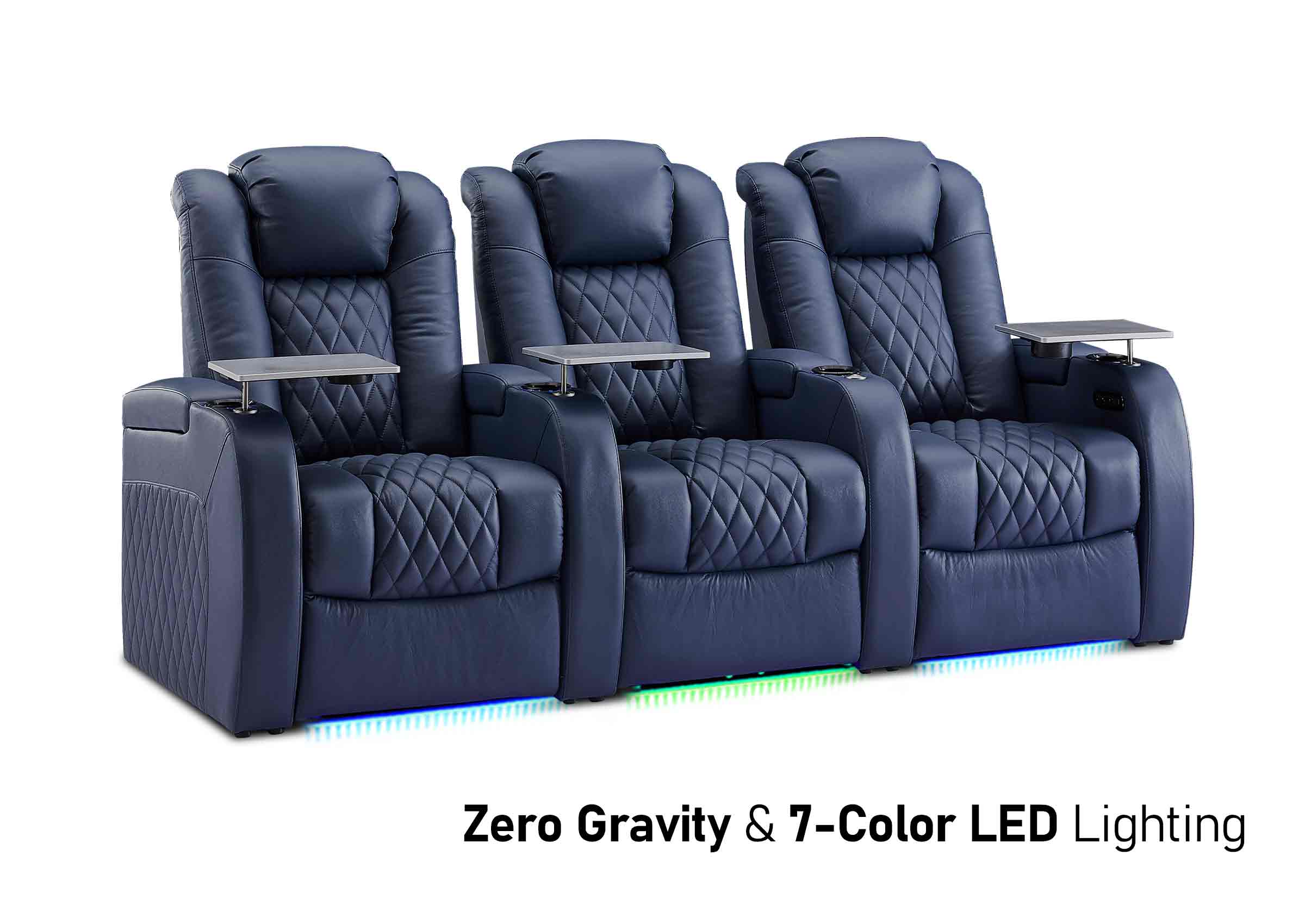
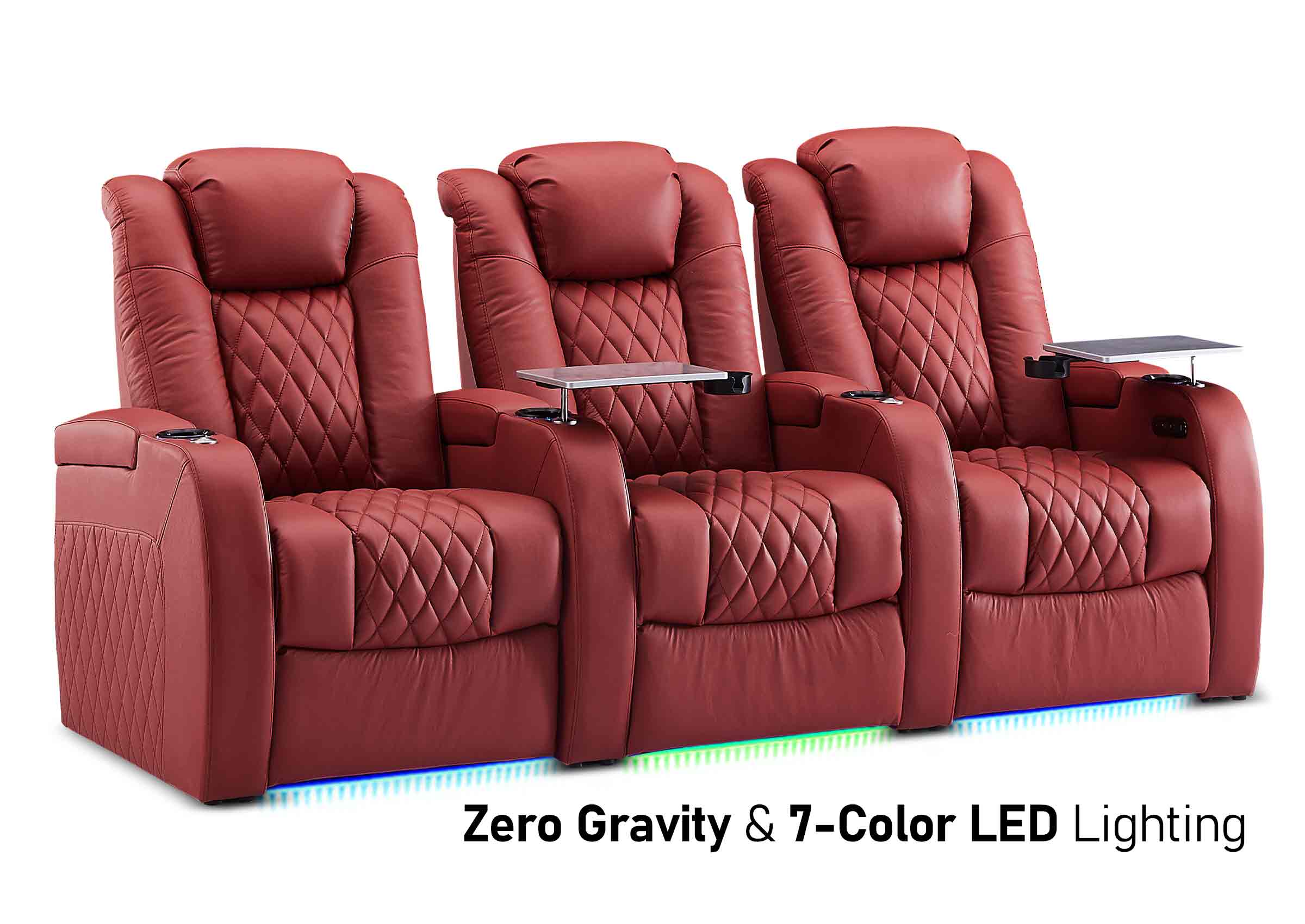
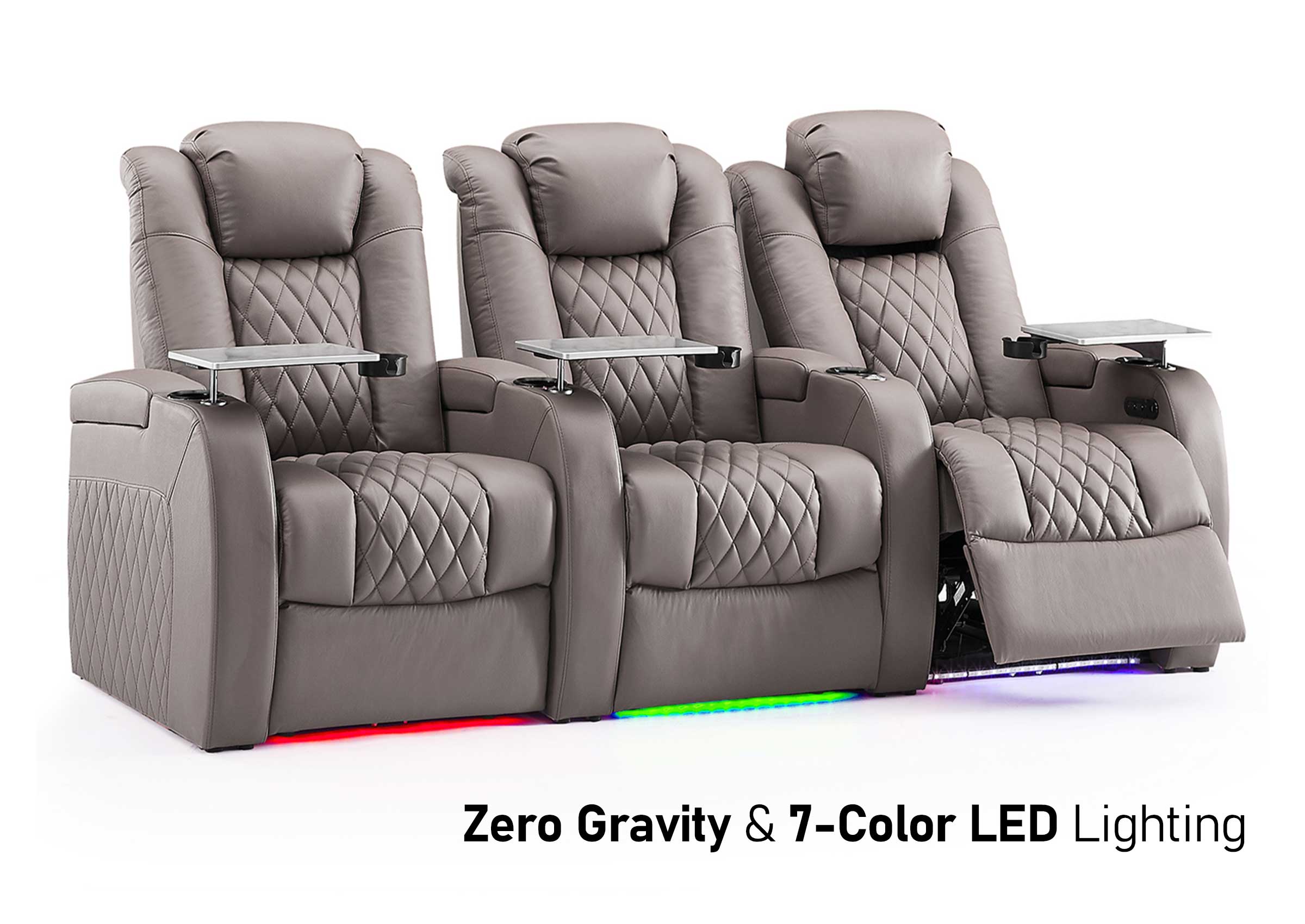
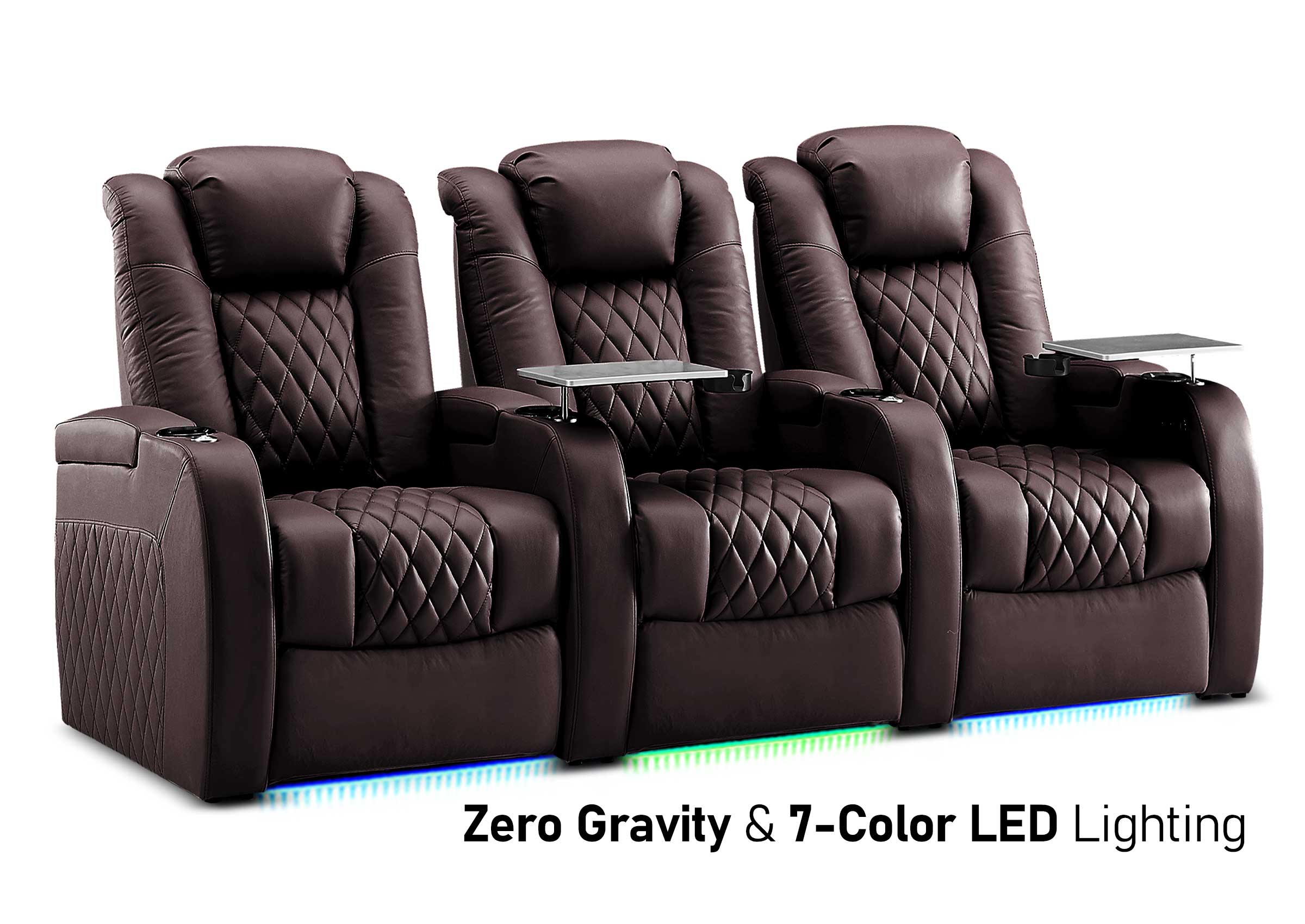
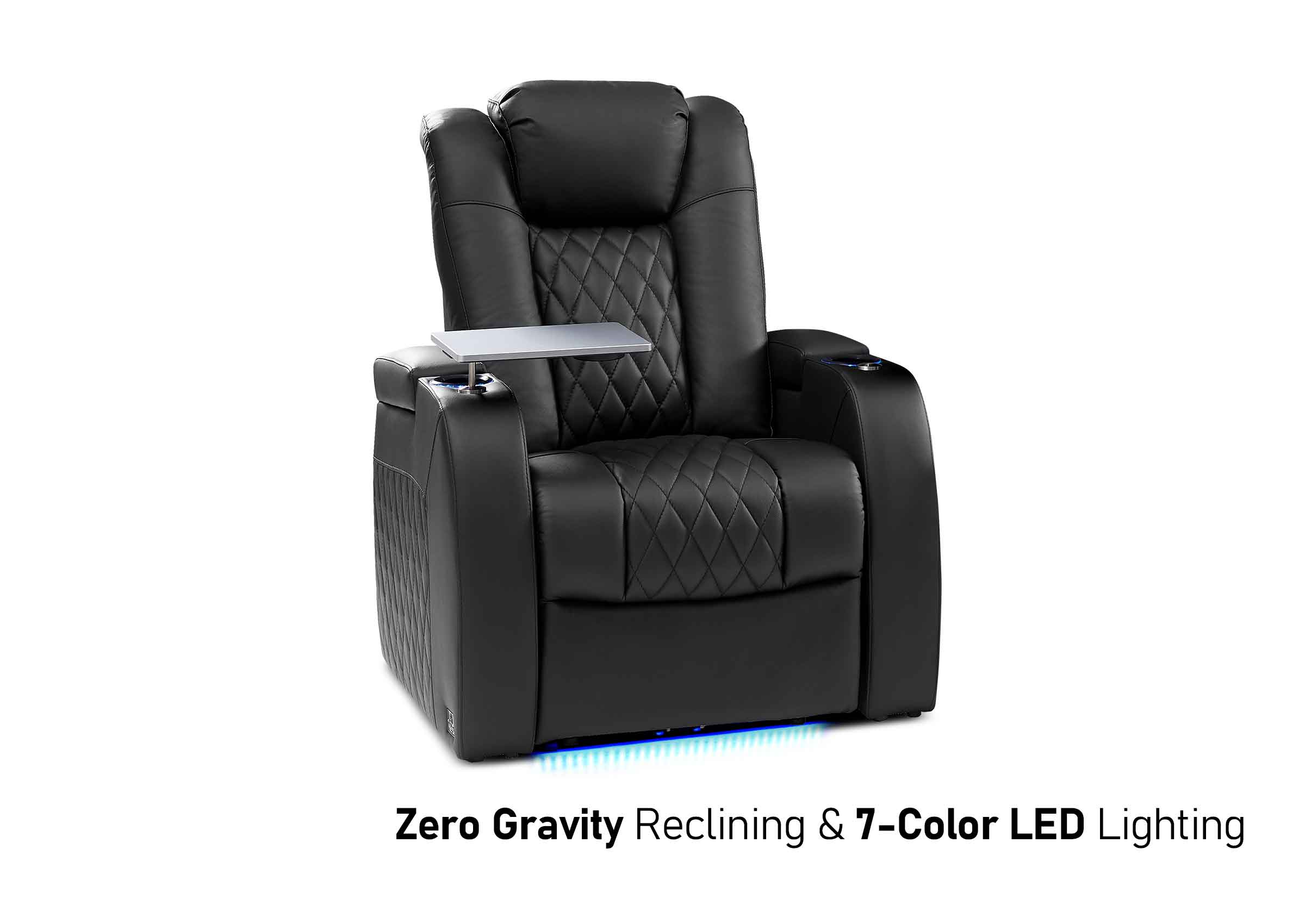
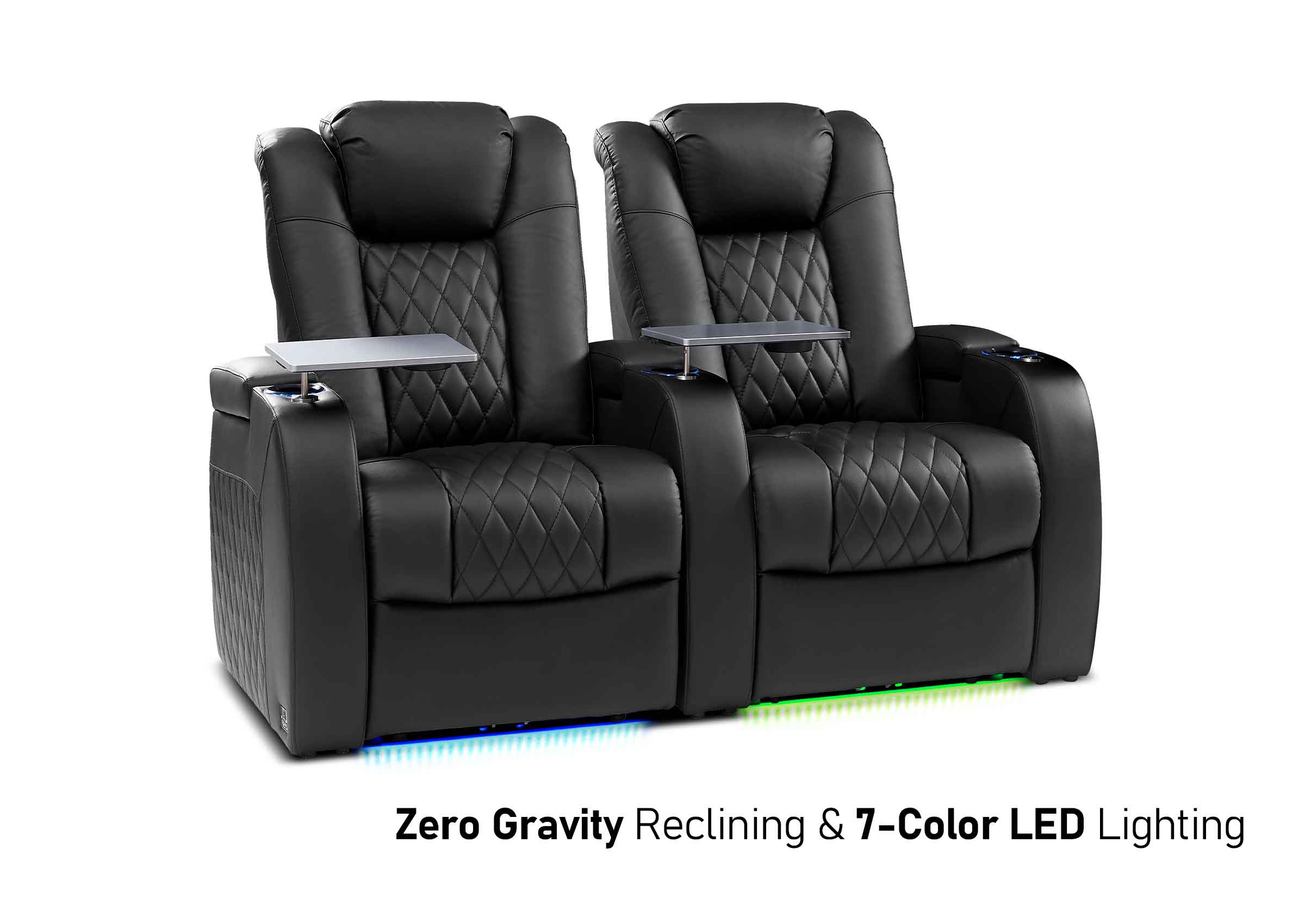
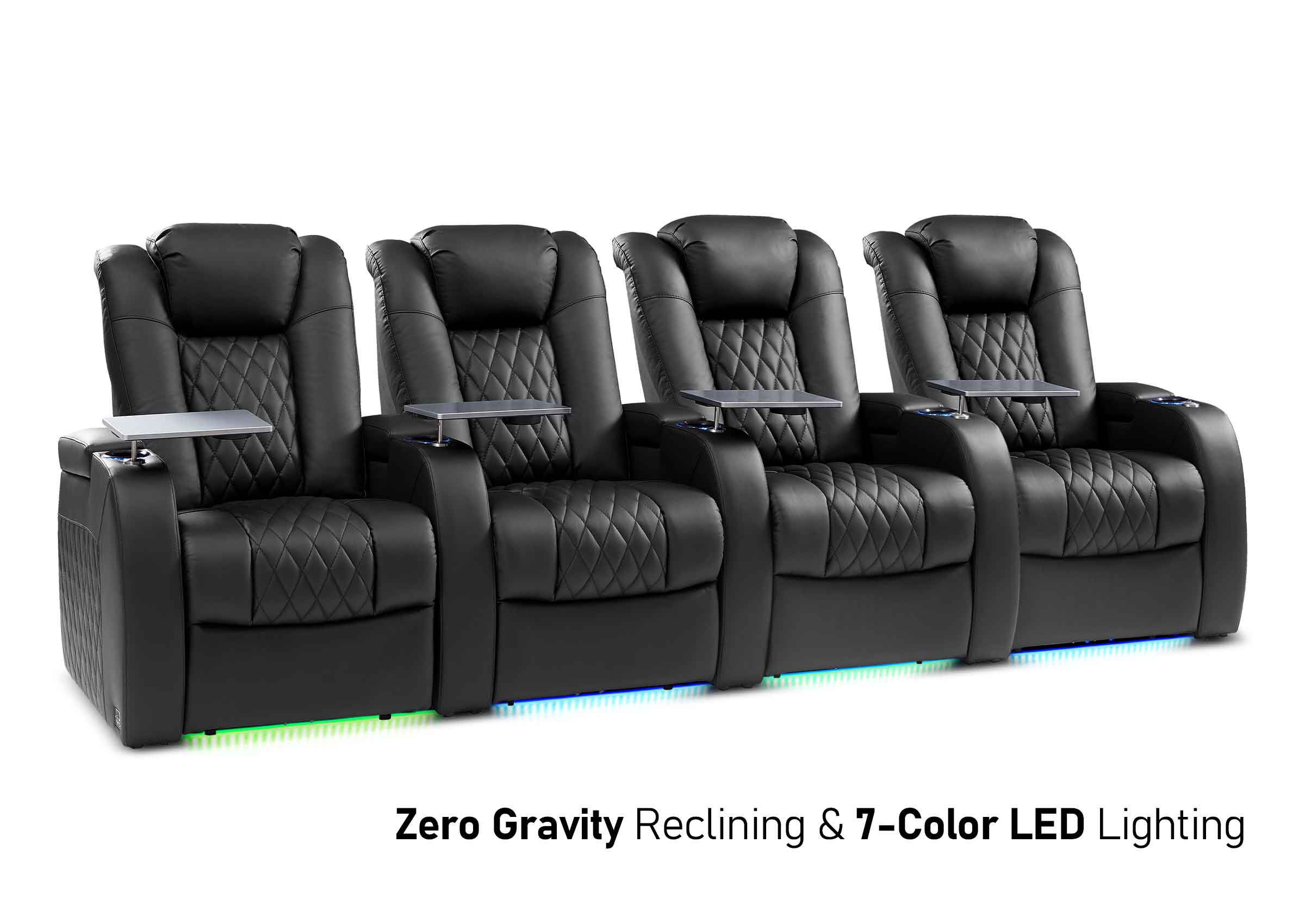
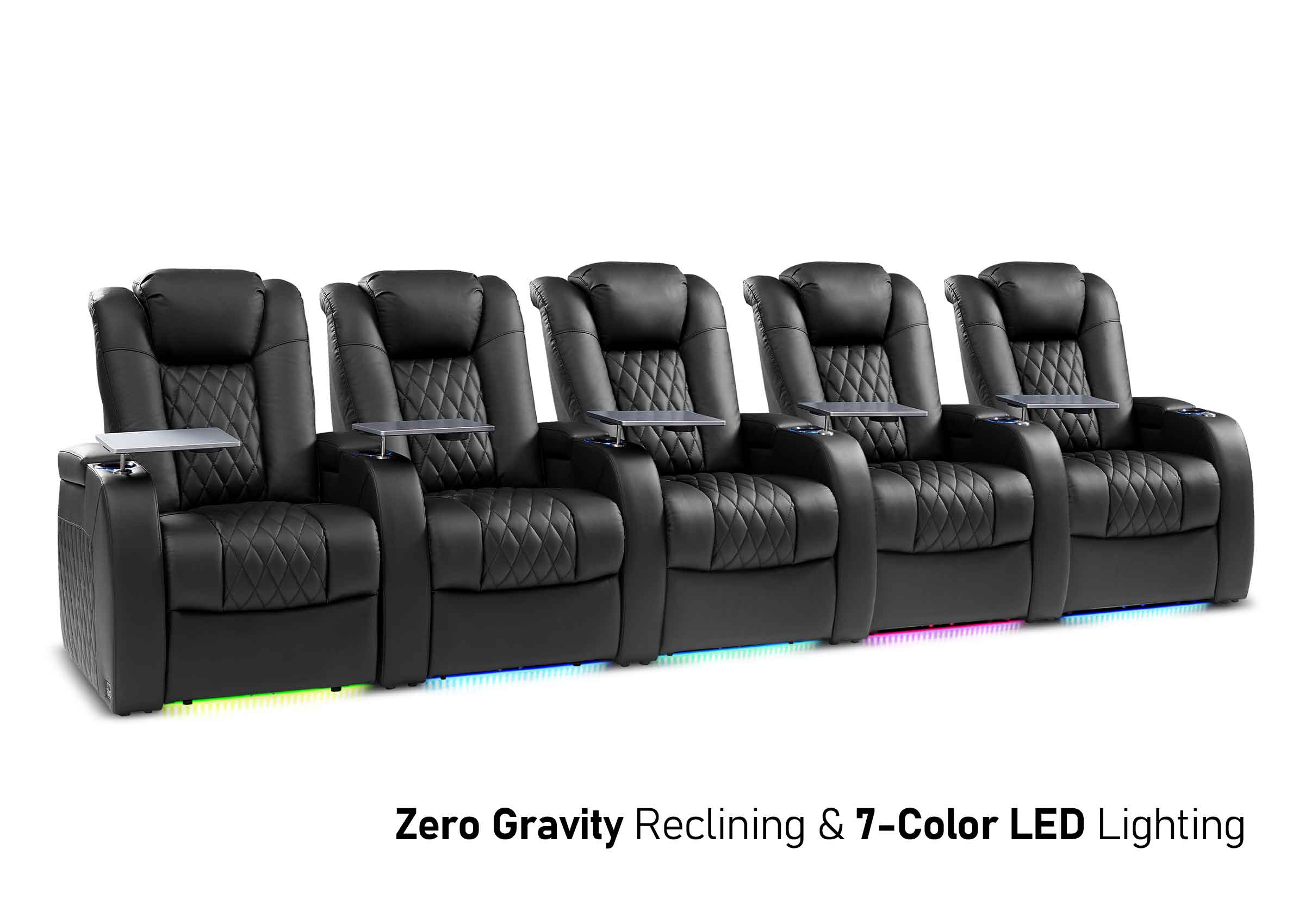
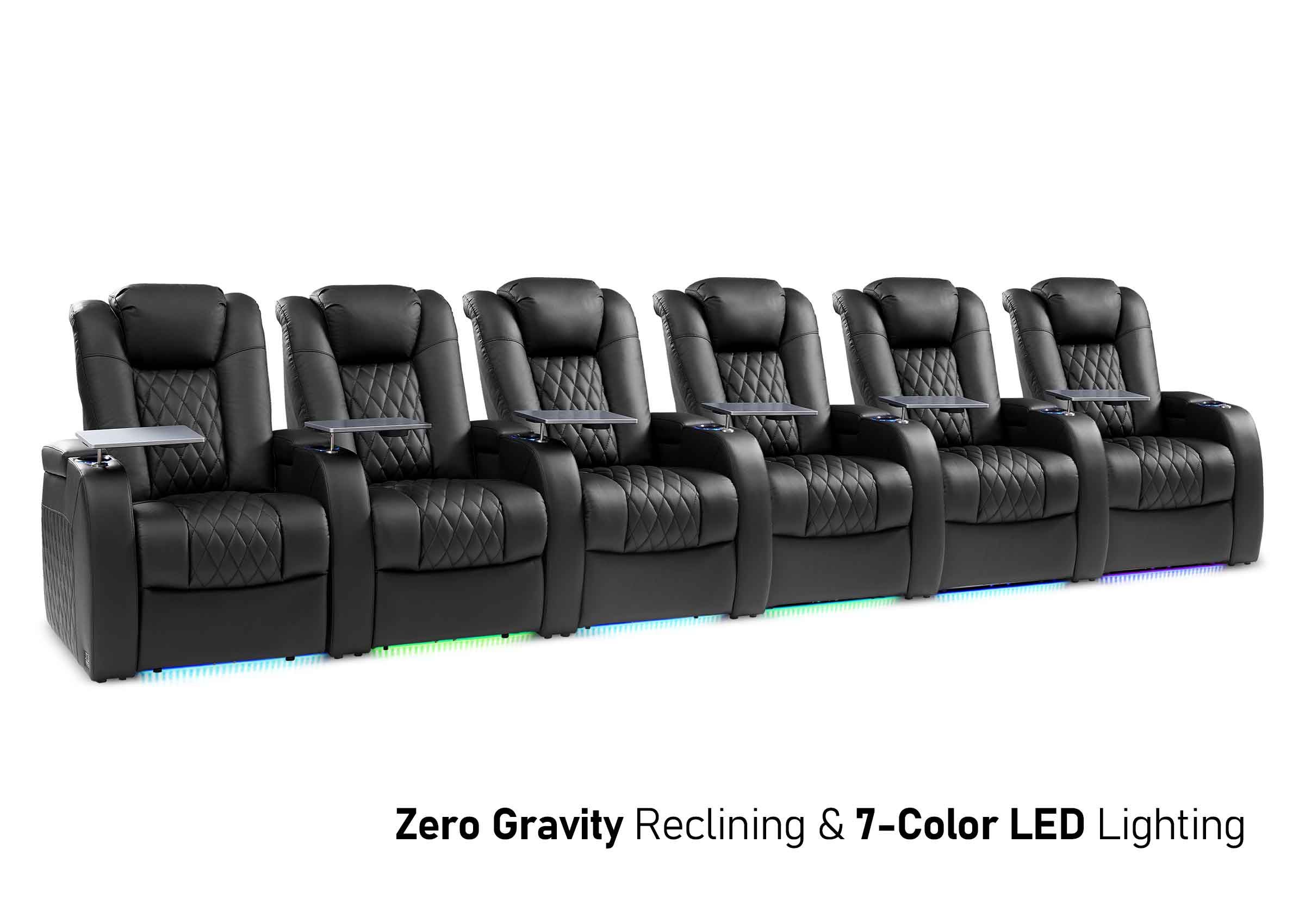
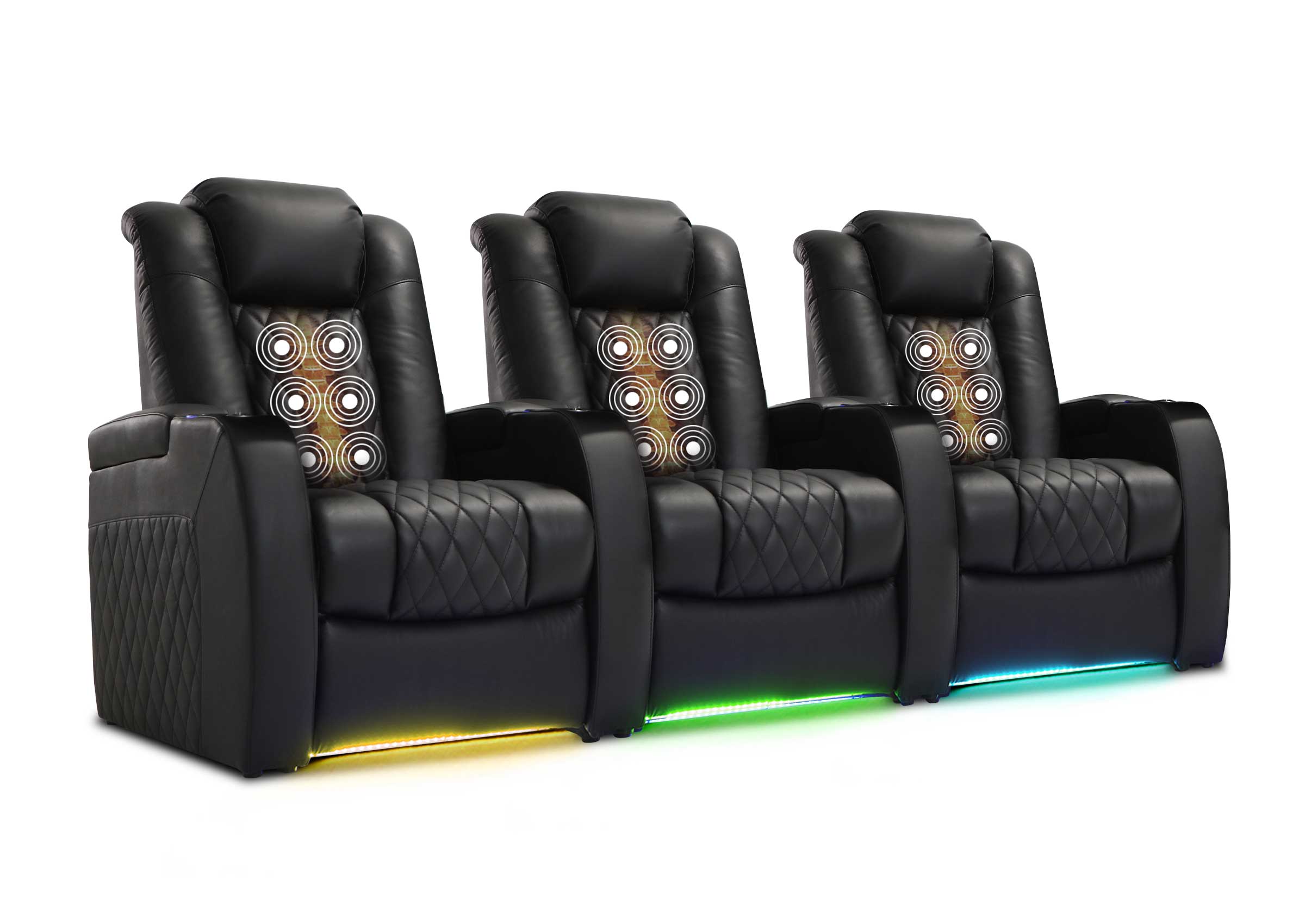
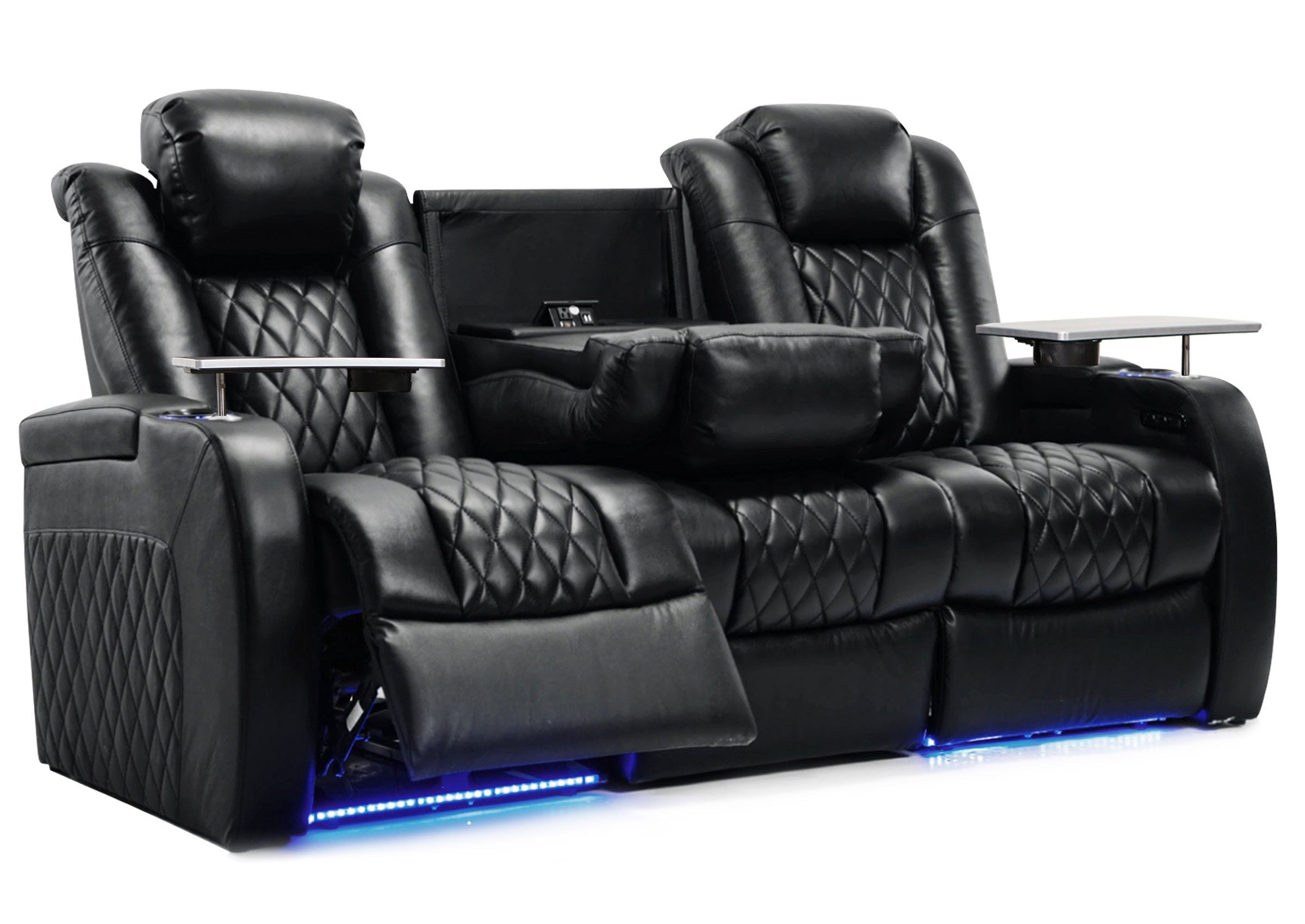
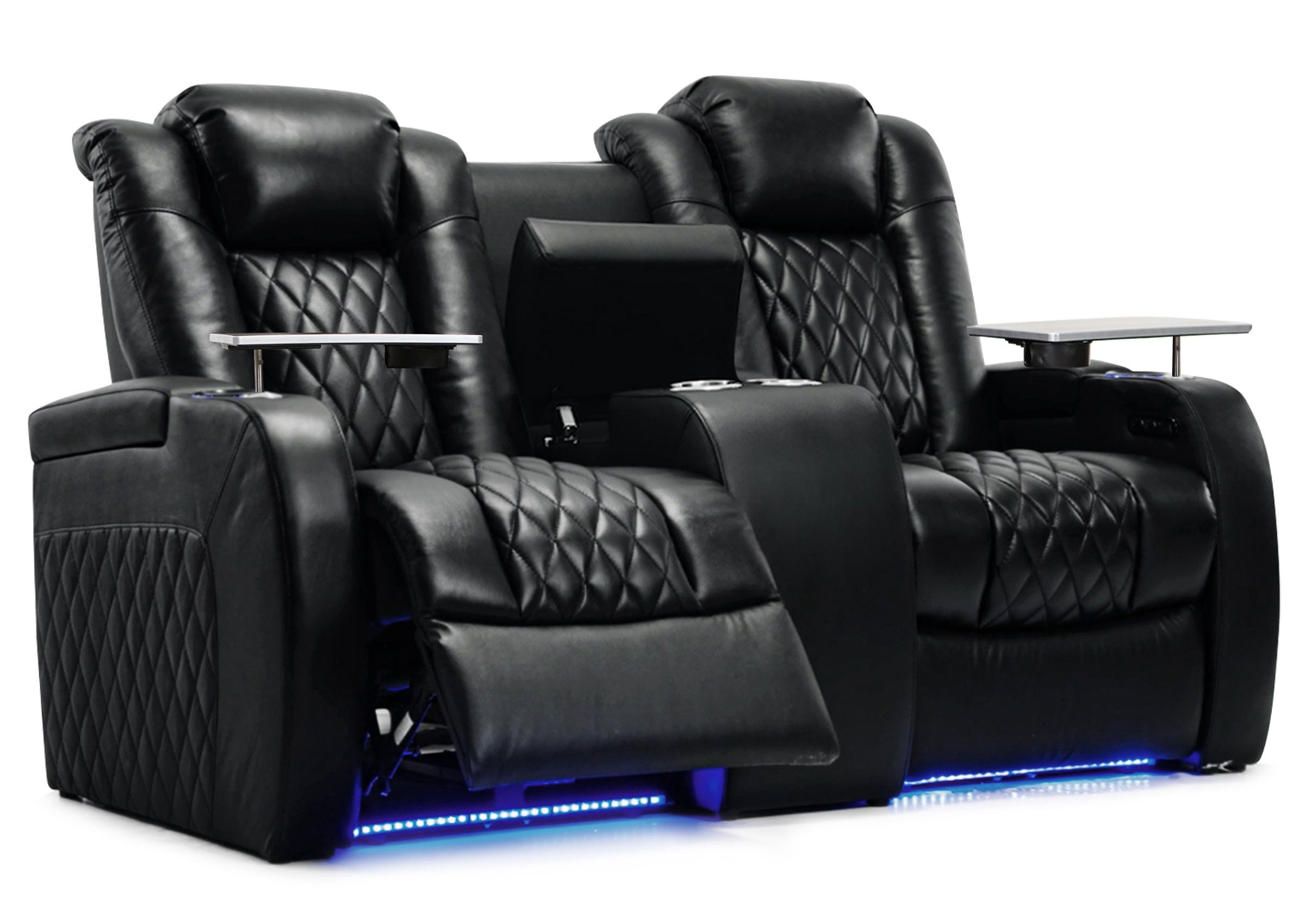
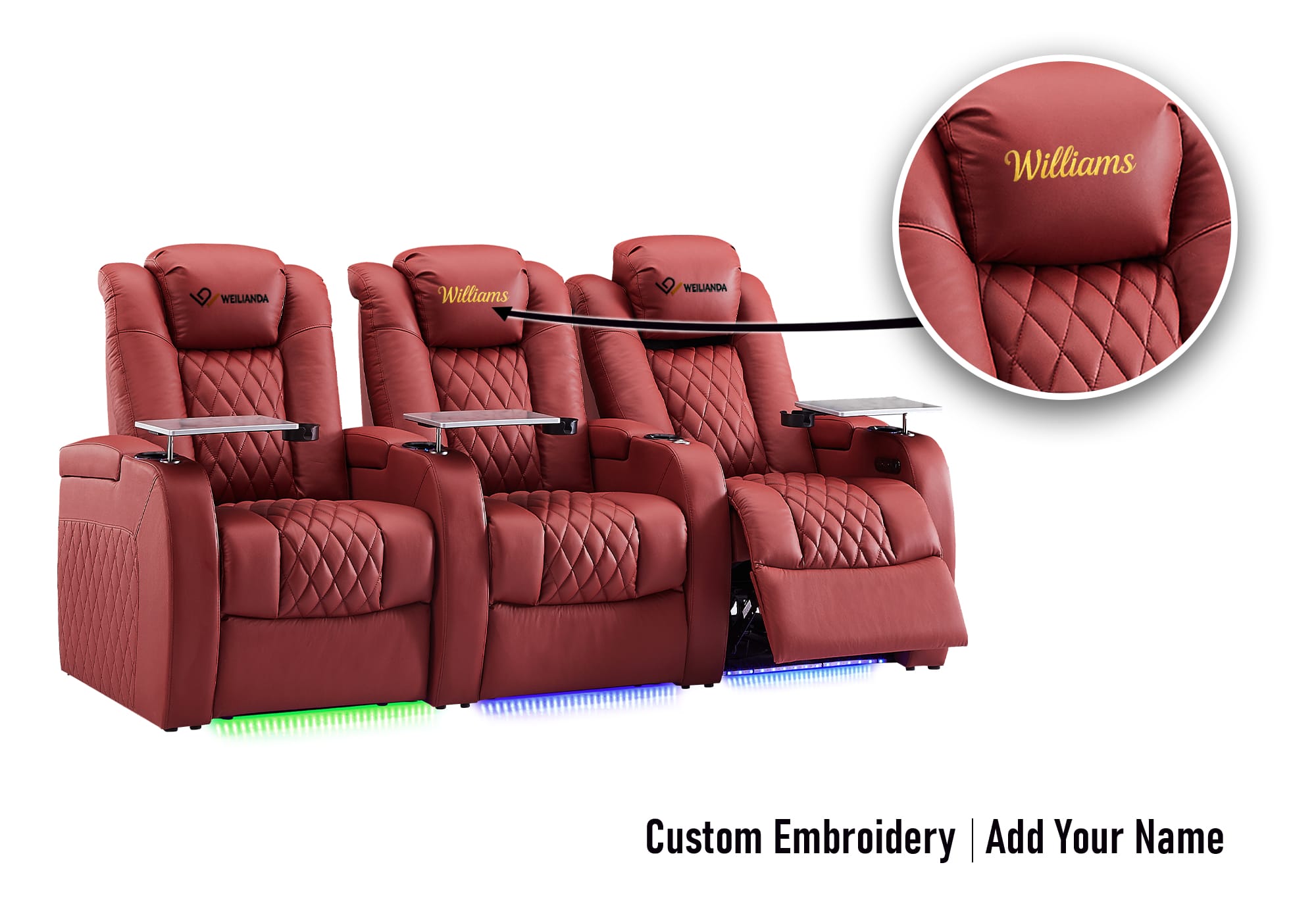
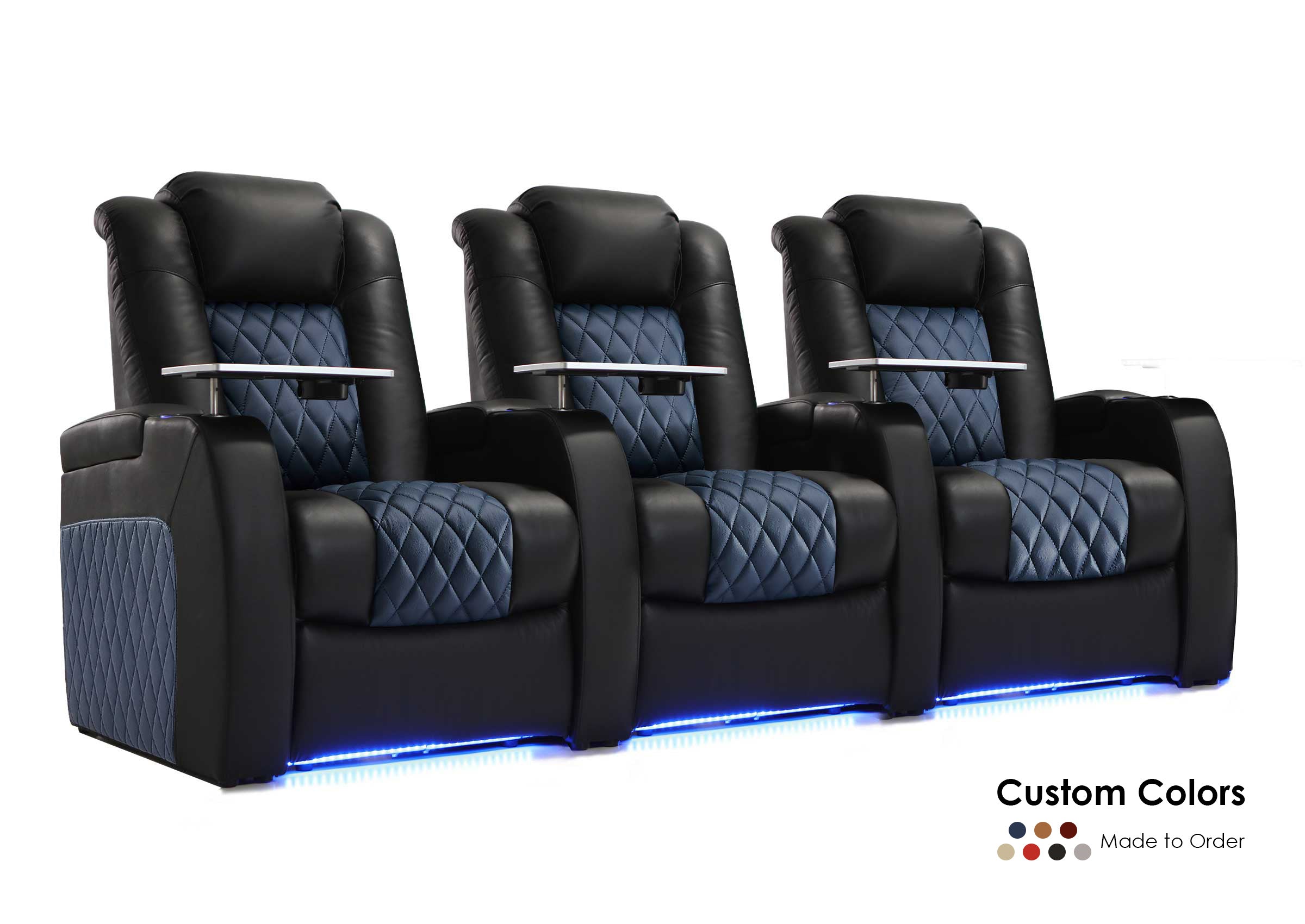
For example, the Weilianda FortLux Massage recliner combines three massage levels with zero-gravity reclining and a power headrest. It offers an option for buyers who want massage alongside adjustable home theater seating. Check the selected configuration for its exact features, coverage, and use instructions.
If you are still unsure which product category fits your expectations, our massage recliner chair vs. massage chair guide explains the differences in more detail.
COMFORT AT HOME
Want Massage Comfort in Your Everyday Seat?
Explore reclining seating for movies, reading, and relaxing, with an added massage function. Compare the available configurations to find the features you would use most.
Frequently Asked Questions
Can I use a massage chair every day?
Check the model's instructions for session length, frequency, and restrictions. Owning a chair gives you access without an appointment, but it does not mean more use is always better. Start within the stated guidance, stop if it causes pain or unusual discomfort, and ask your health care professional about suitability if you have a medical concern.
Can I watch a whole movie in a massage recliner?
Sitting time and massage running time are separate. A chair may serve as movie seating while its massage function has a shorter programmed session or use limit. Confirm both with the manufacturer. Also test comfort with massage switched off, since that is how you may spend most of the film.
Is a stronger or 4D massage chair automatically better?
No. A technology label does not tell you whether the chair fits your body or whether you like its pressure. Compare the actual range of movement, coverage, gentlest useful setting, and available adjustments. Pay more for an improvement you can feel and want to use, rather than a label alone.
Does zero-gravity reclining make a chair equivalent to professional massage?
No. Zero-gravity reclining describes a supported reclining position; it does not establish massage quality or therapeutic equivalence. Test whether the position feels comfortable and whether the massage contacts the areas you want. Features and positions vary by model.
Is it reasonable to own a chair and still see a massage therapist?
Yes. You may prefer a chair for convenient relaxation and a therapist for a different, more individualized experience. Budget for both if that is your likely routine. Do not include the appointments you plan to keep when calculating purchase savings.
Choose the Experience You Want to Come Back To
A chair earns its place when you enjoy using it, have room for it, and understand what it adds to your routine. You can still keep the professional massage appointments you value.
For movie-night seating with a massage option, share your preferred seat count, room space, and comfort priorities with our seating support team. We can help you check the features available on your selected Weilianda configuration. You can also email leon@weiliandahome.com.