




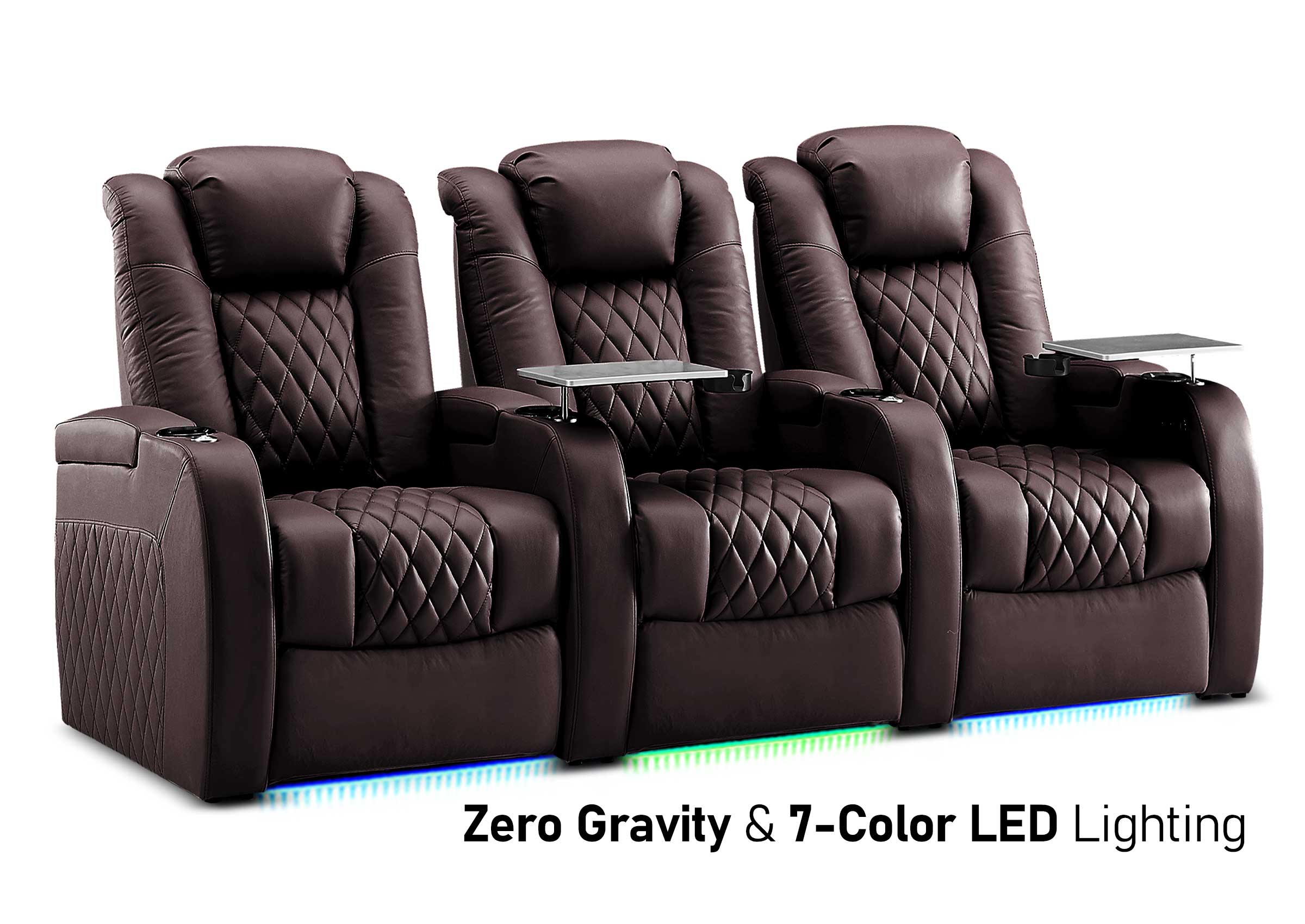

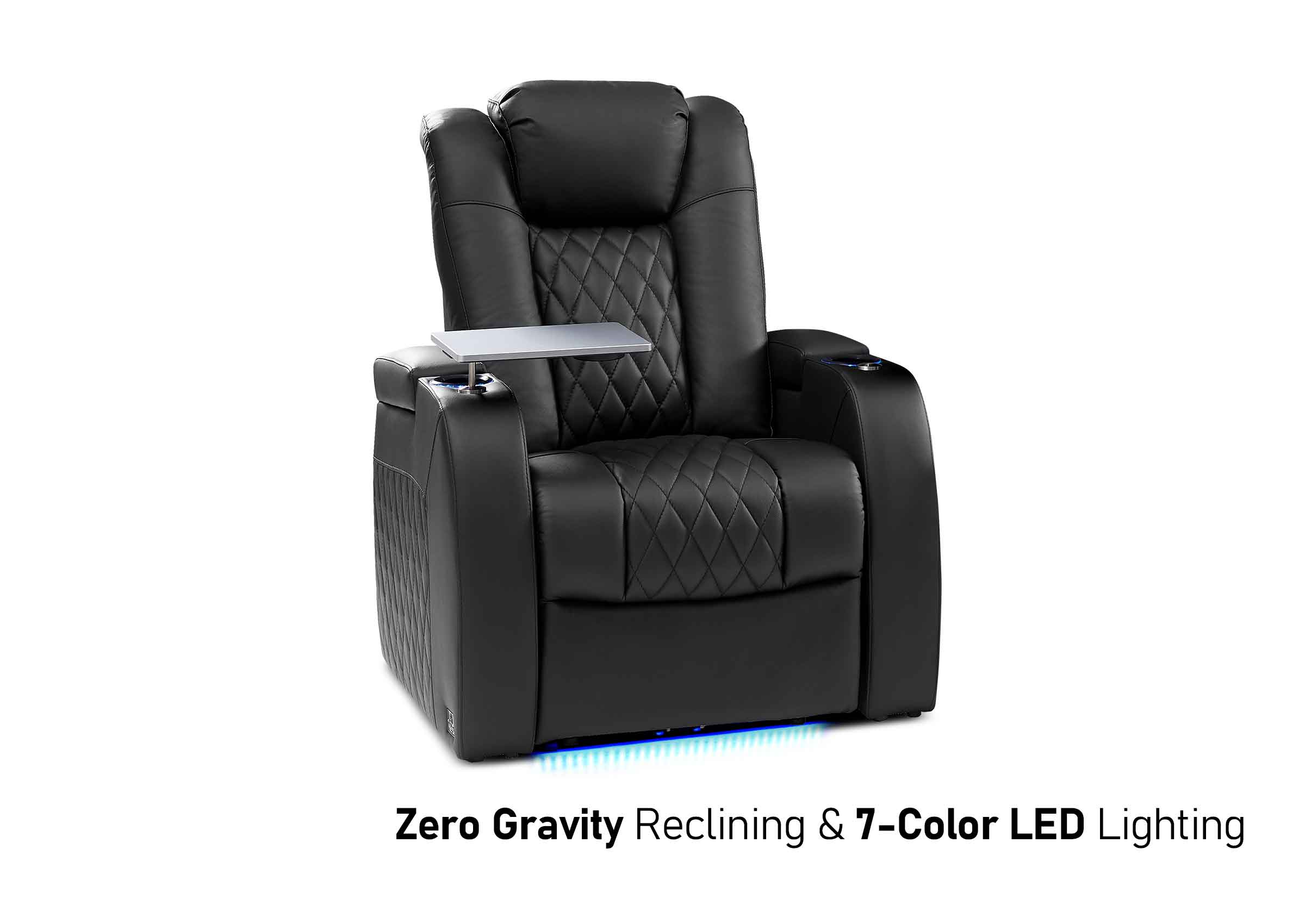
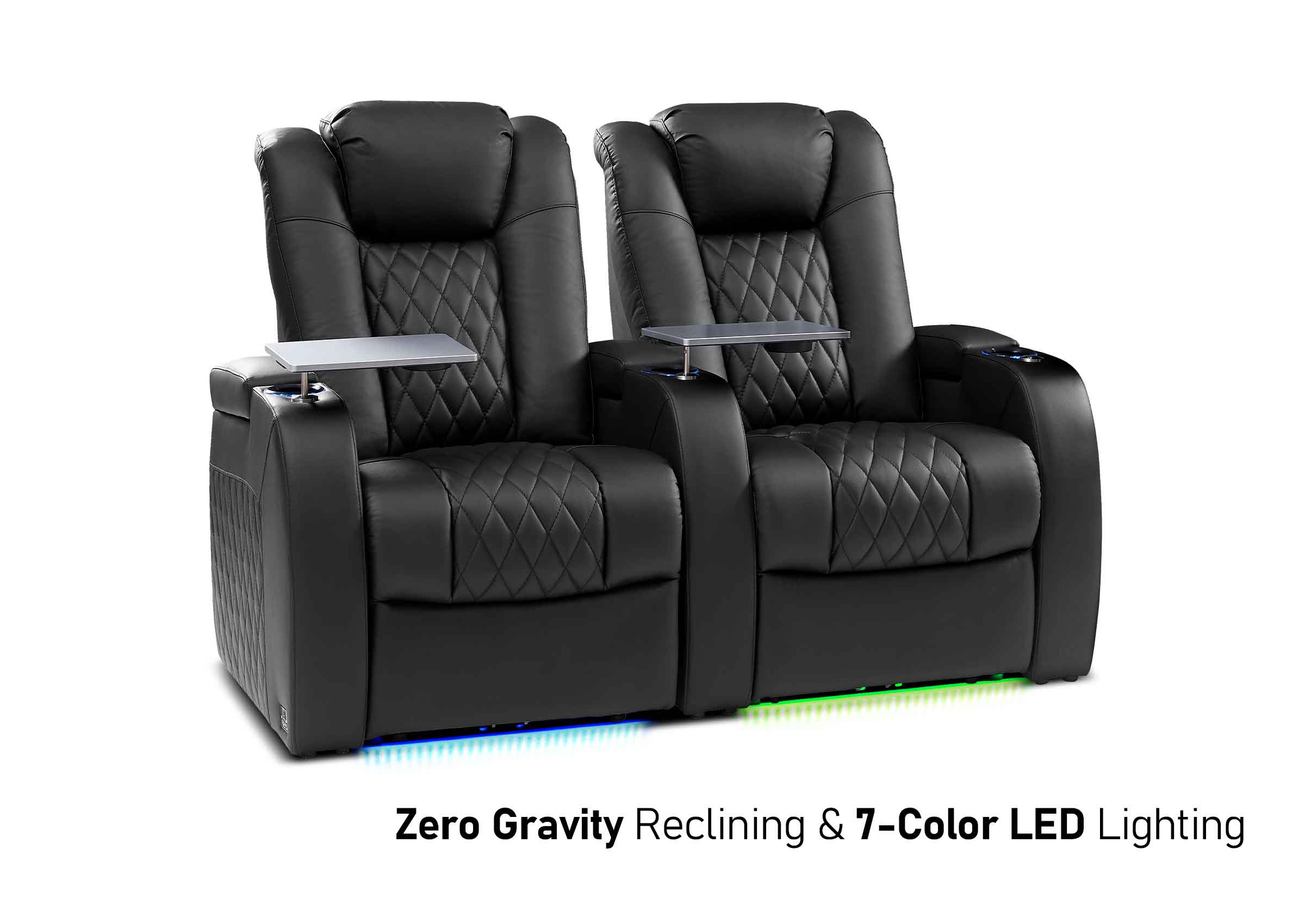
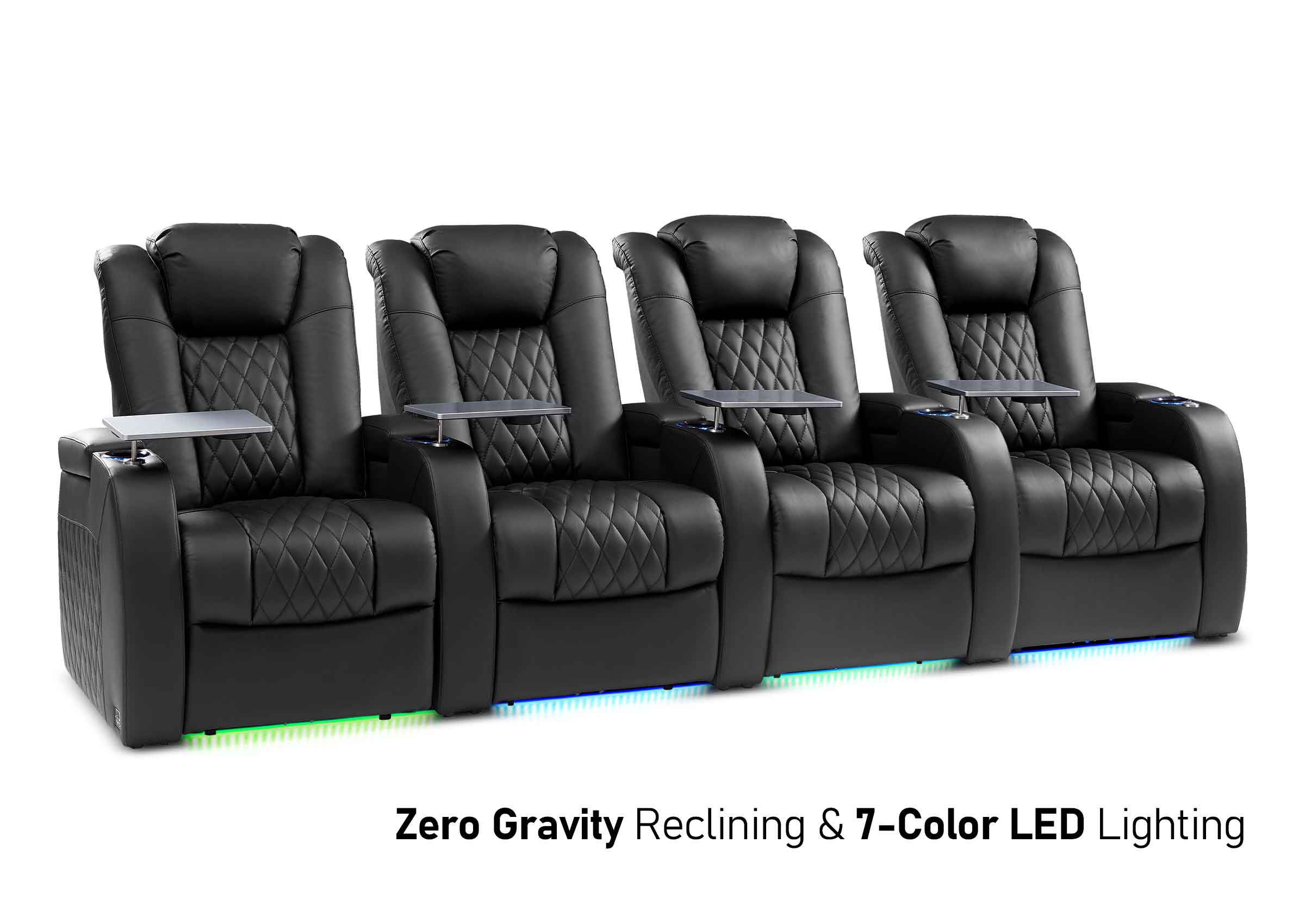
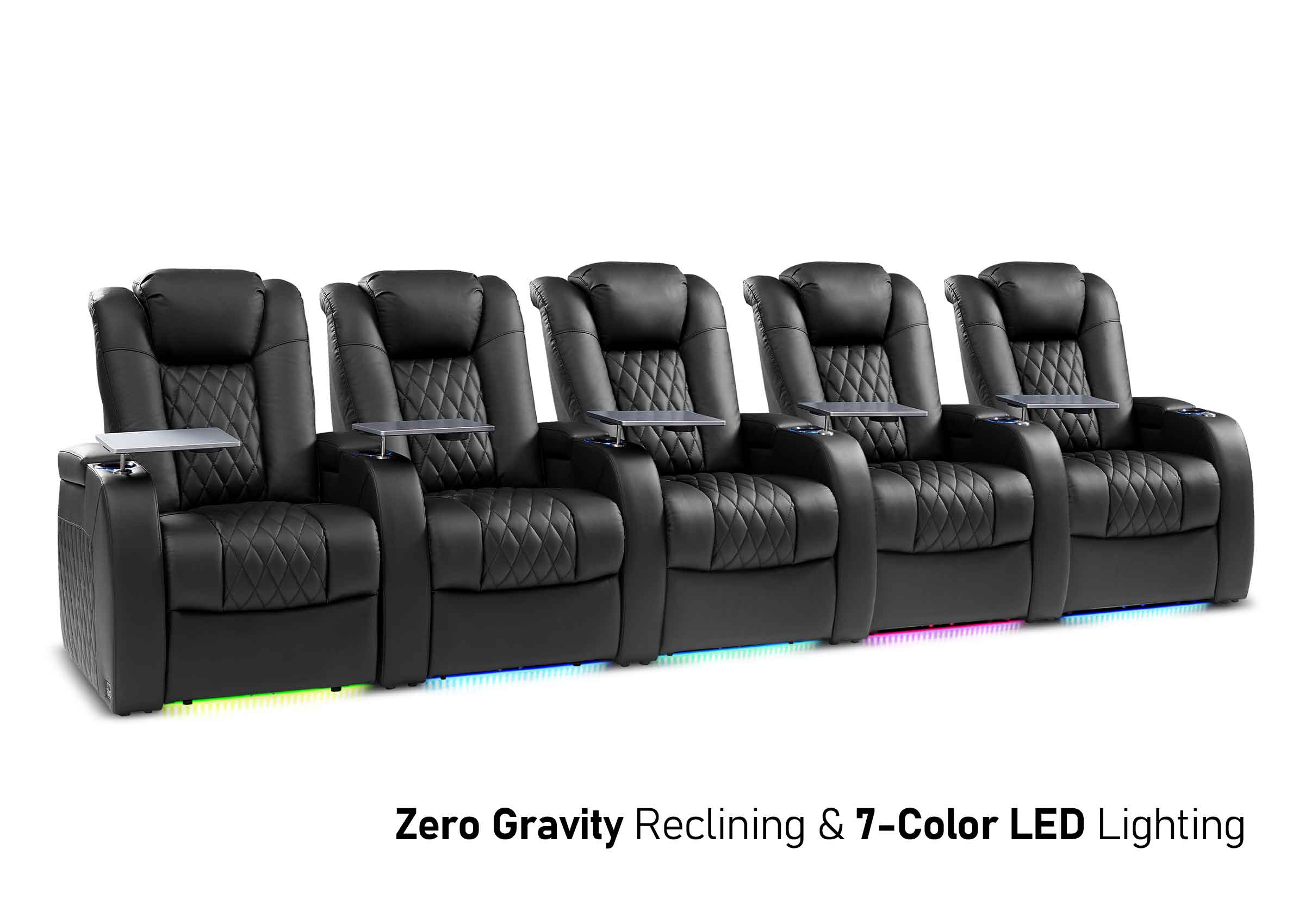
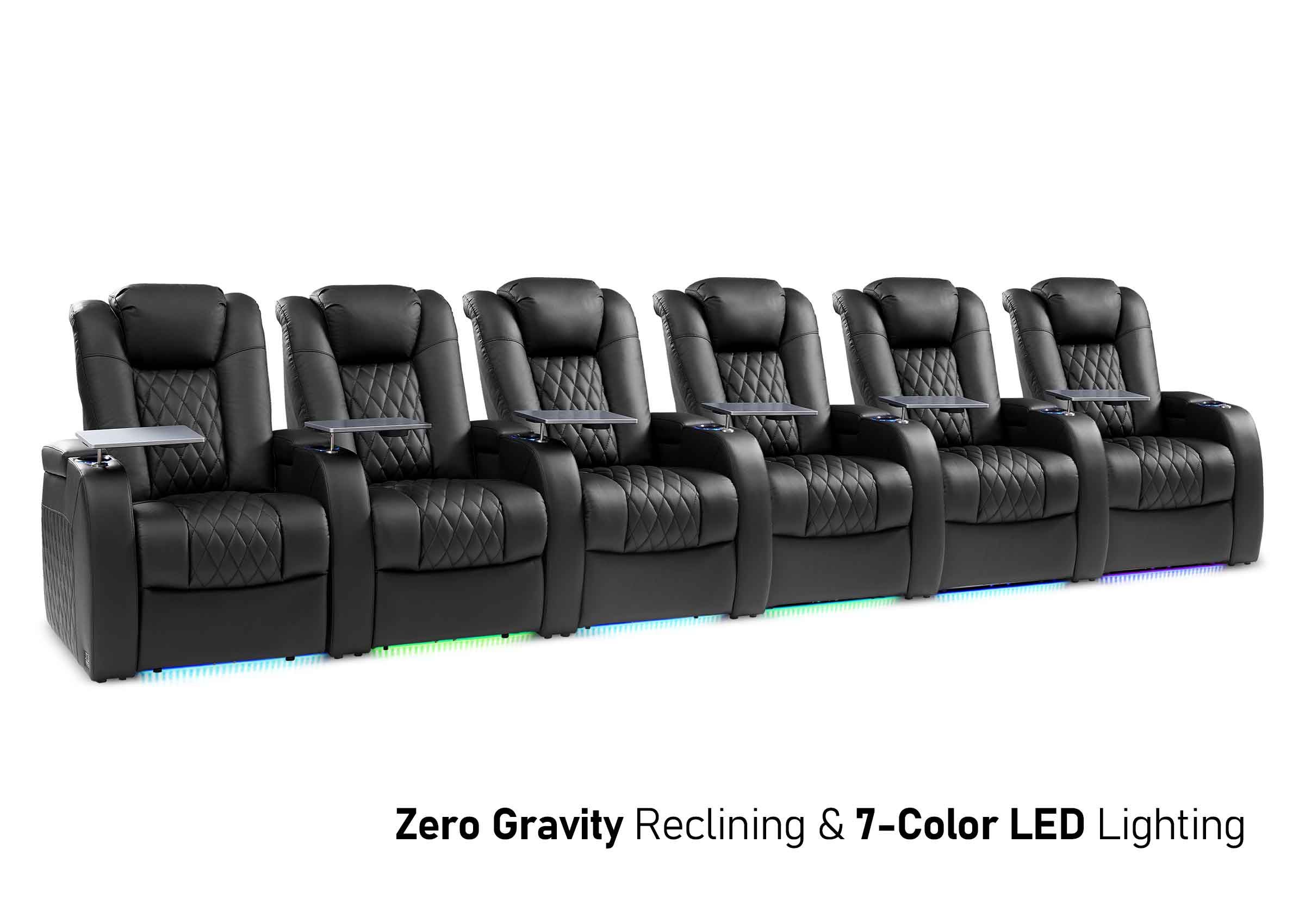
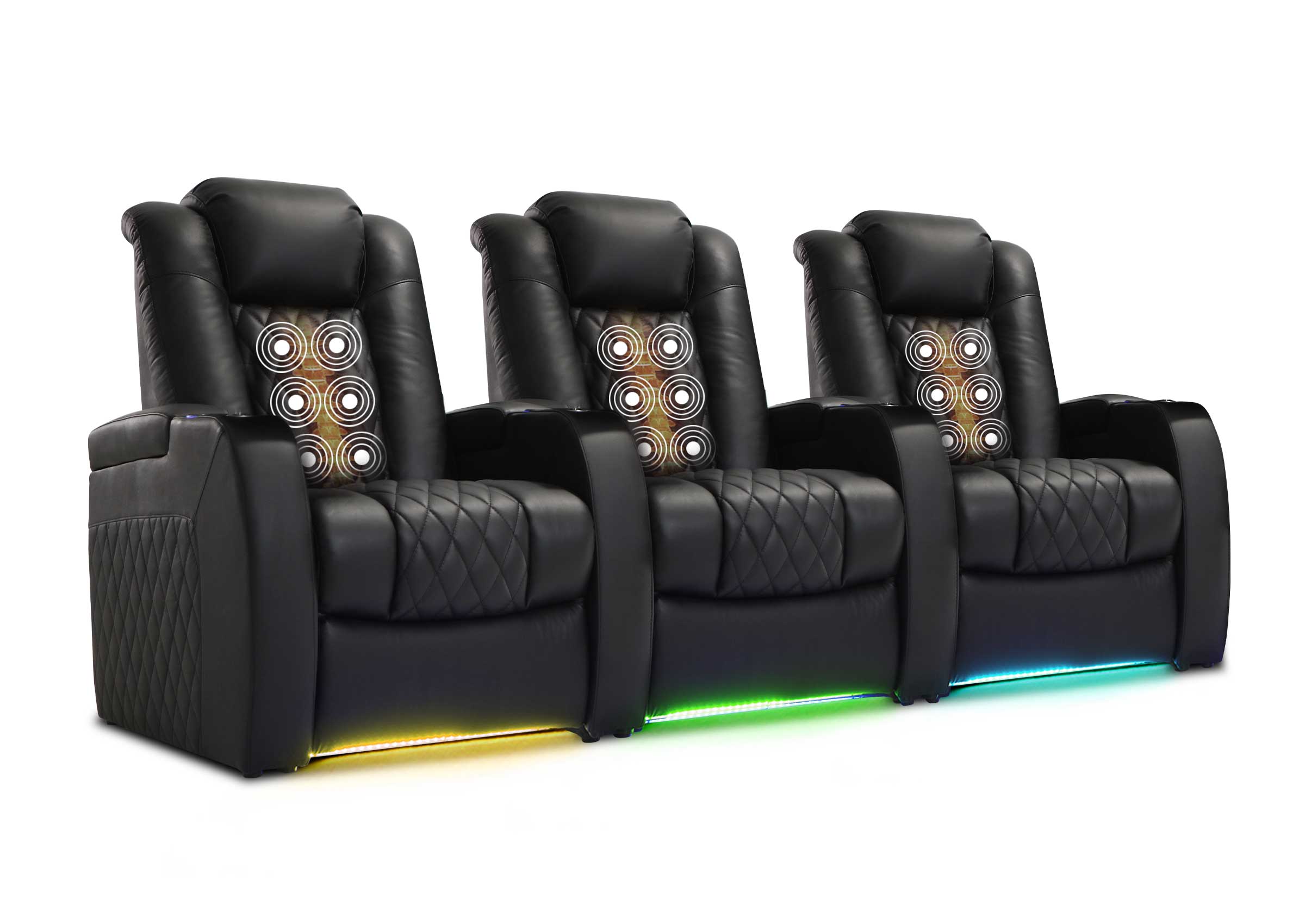
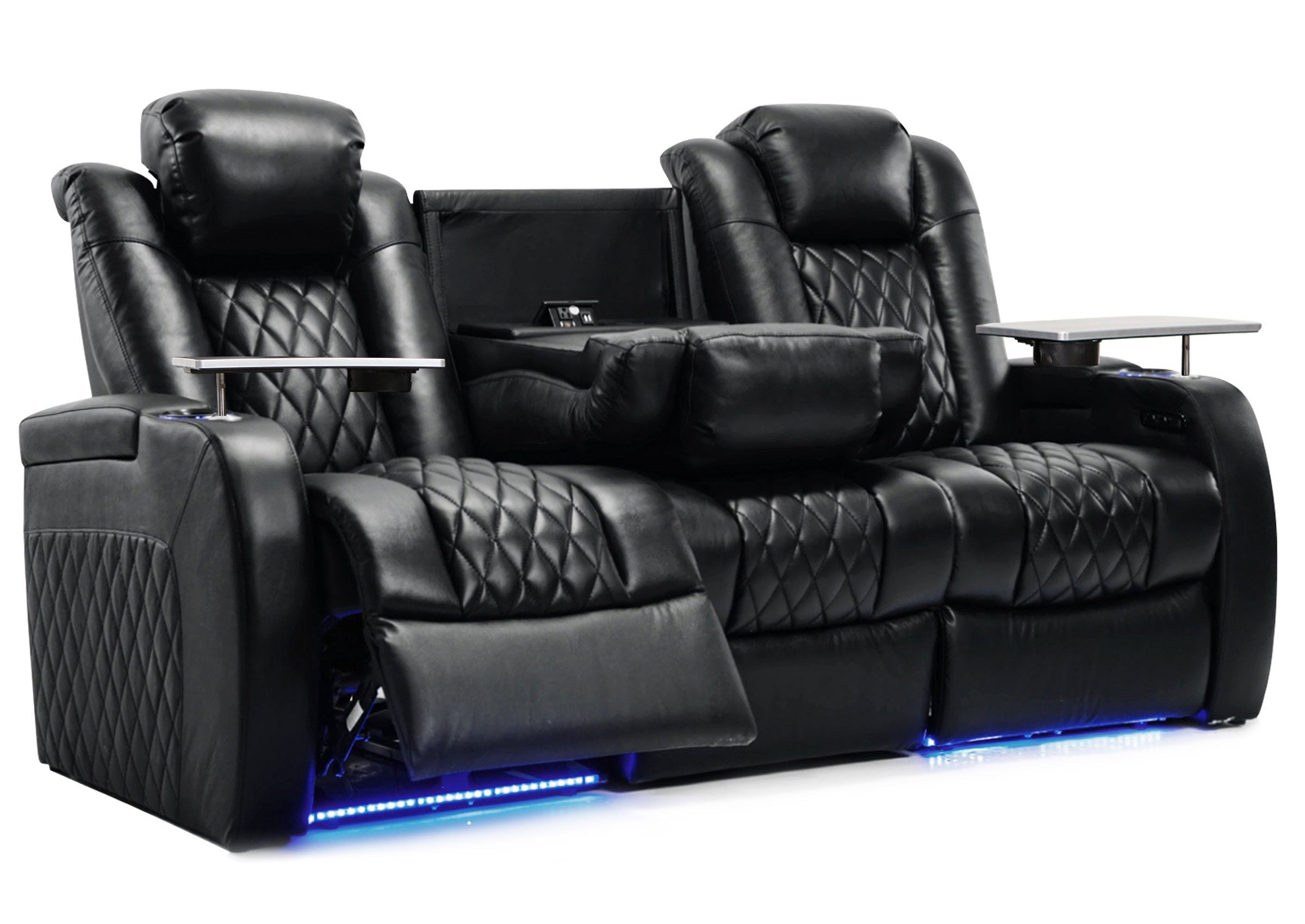






A man cave can be a movie lounge, a place to play records, or simply the room where friends settle in for a long conversation. Start with the way you enjoy spending time, then borrow the colors, furniture combinations, and personal details that make that activity feel at home.
These 18 man cave ideas range from complete room concepts to corners you can add to an existing space. Browse by interest, pick one main idea, and let a second one complement it. You do not need a TV, a bar, and a game table to make the room feel complete.
Movie-Night Man Cave Ideas
A Retro Cinema Lounge
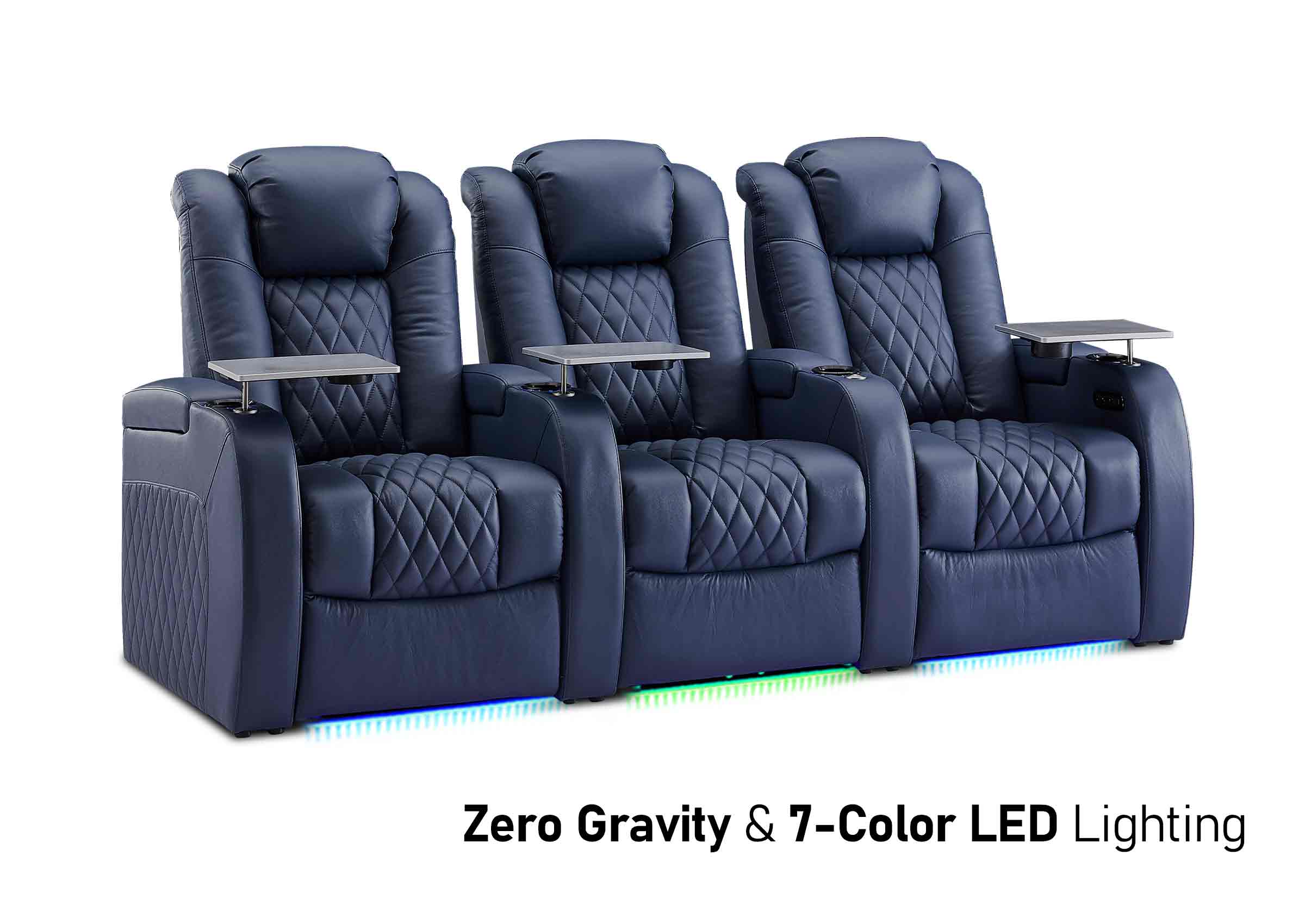
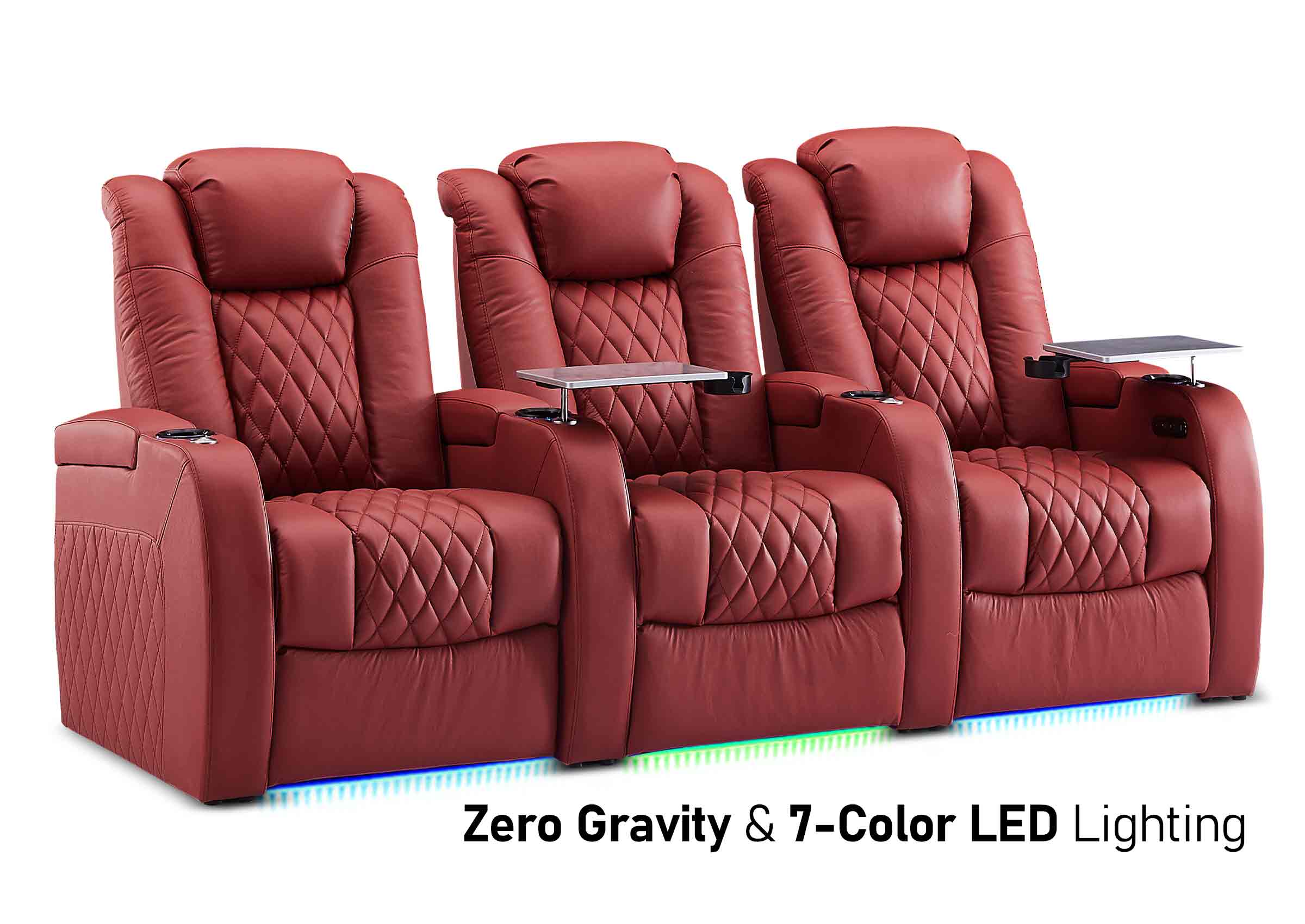
Deep burgundy or navy, warm wood, and framed movie artwork can give a room the atmosphere of an old cinema without turning it into a miniature commercial theater. Pair a brown sofa with dark curtains and a wood side table; repeat the artwork's accent color in a cushion or throw.
Keep the most expressive details around the entrance or seating rather than surrounding the screen with competing lights. A small cabinet can hold snacks and remotes, while a shaded lamp gives the room a welcoming look before the movie starts. If you are keeping a light-colored sofa, use the darker palette in curtains and artwork instead of replacing the main seat. That gives an existing room some cinema character with fewer changes.
A Two-Recliner Movie Nook
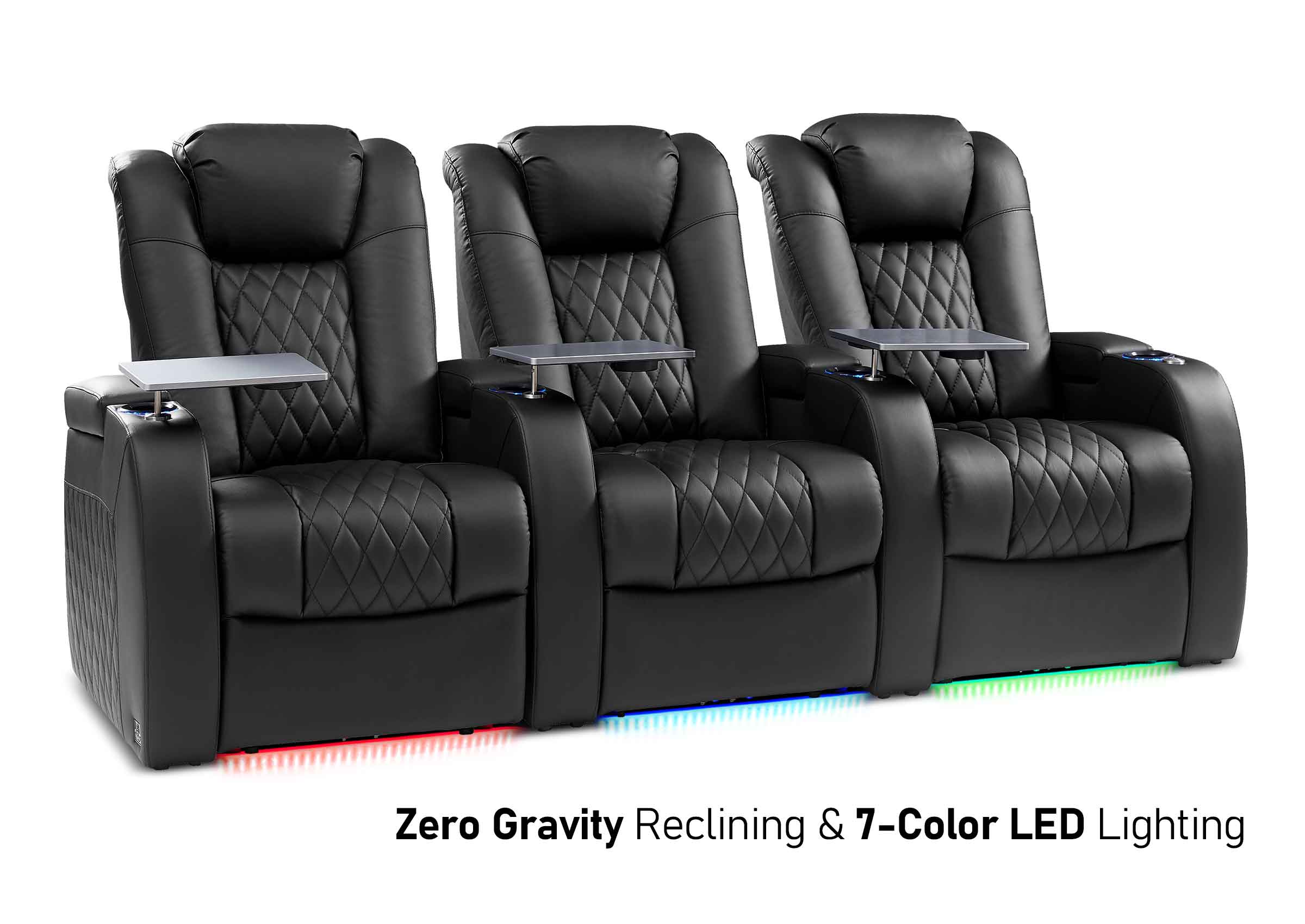
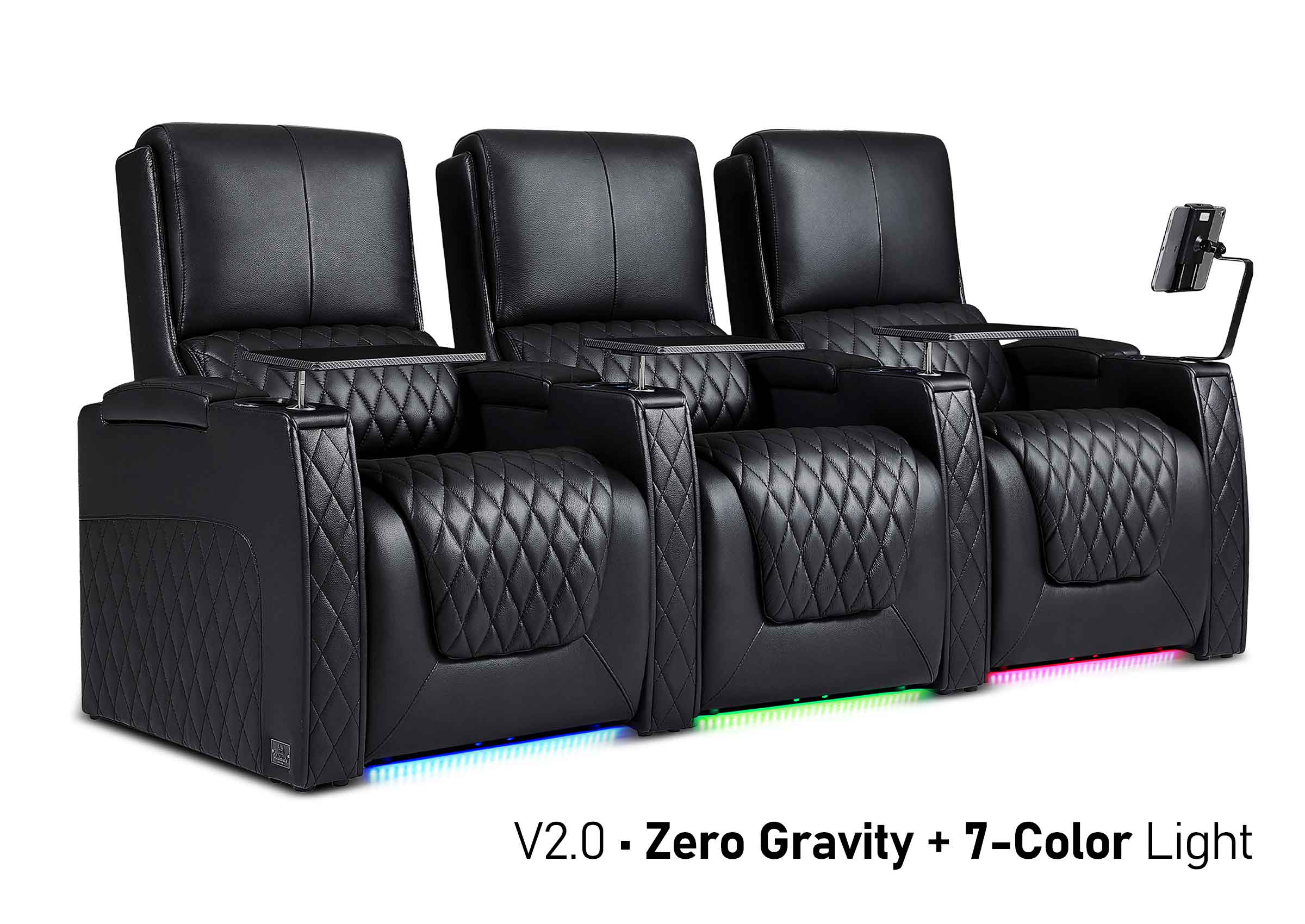
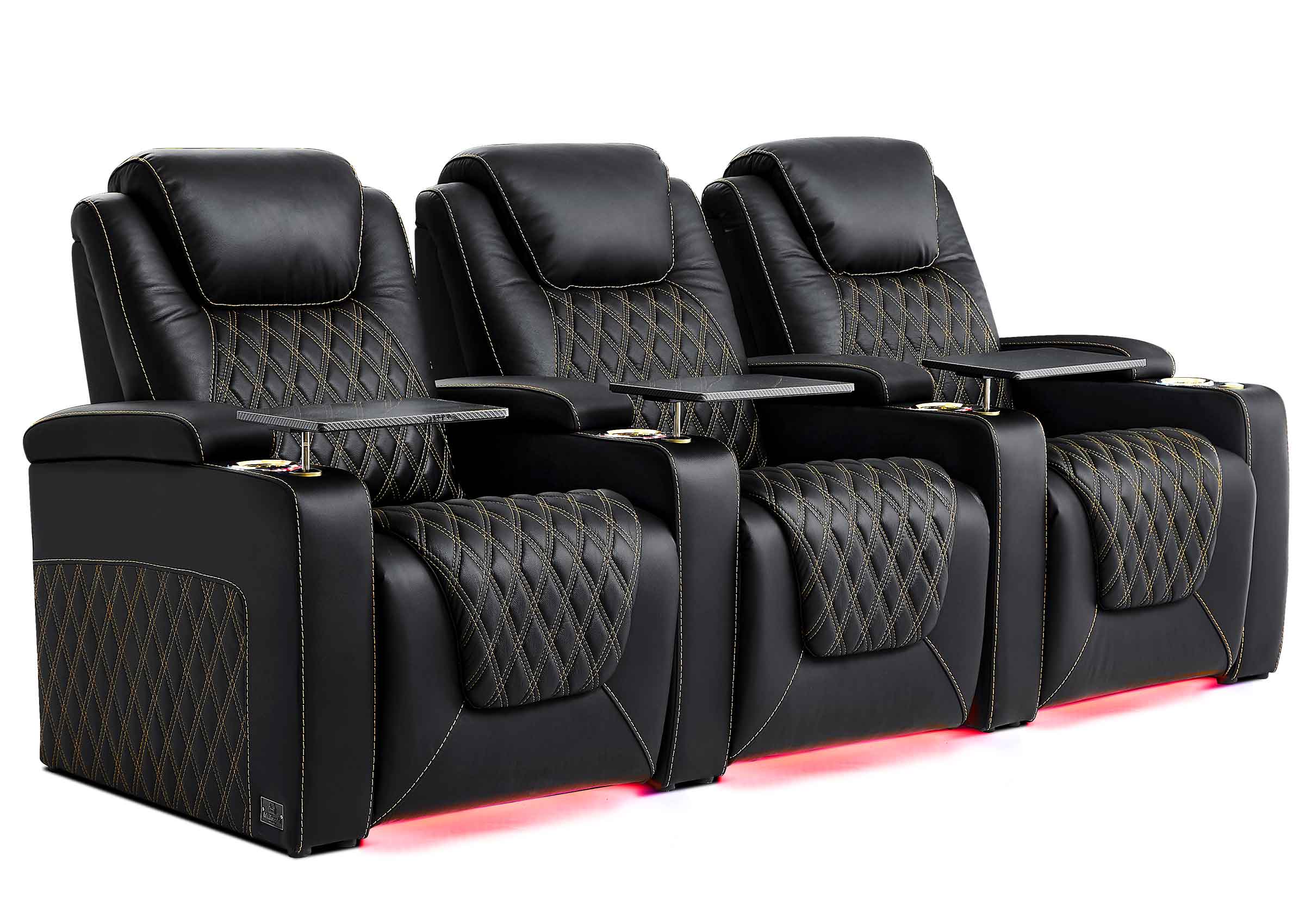
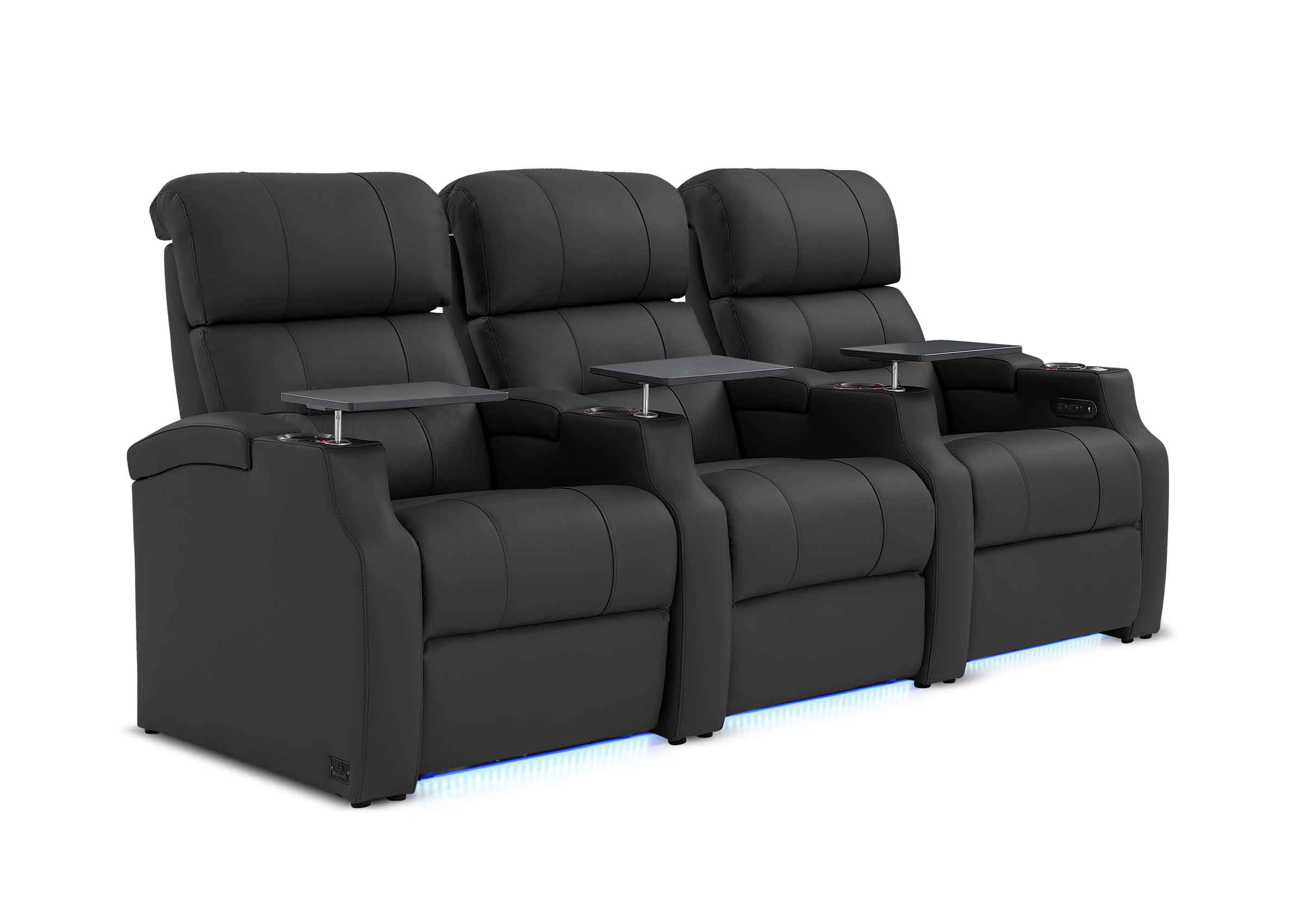
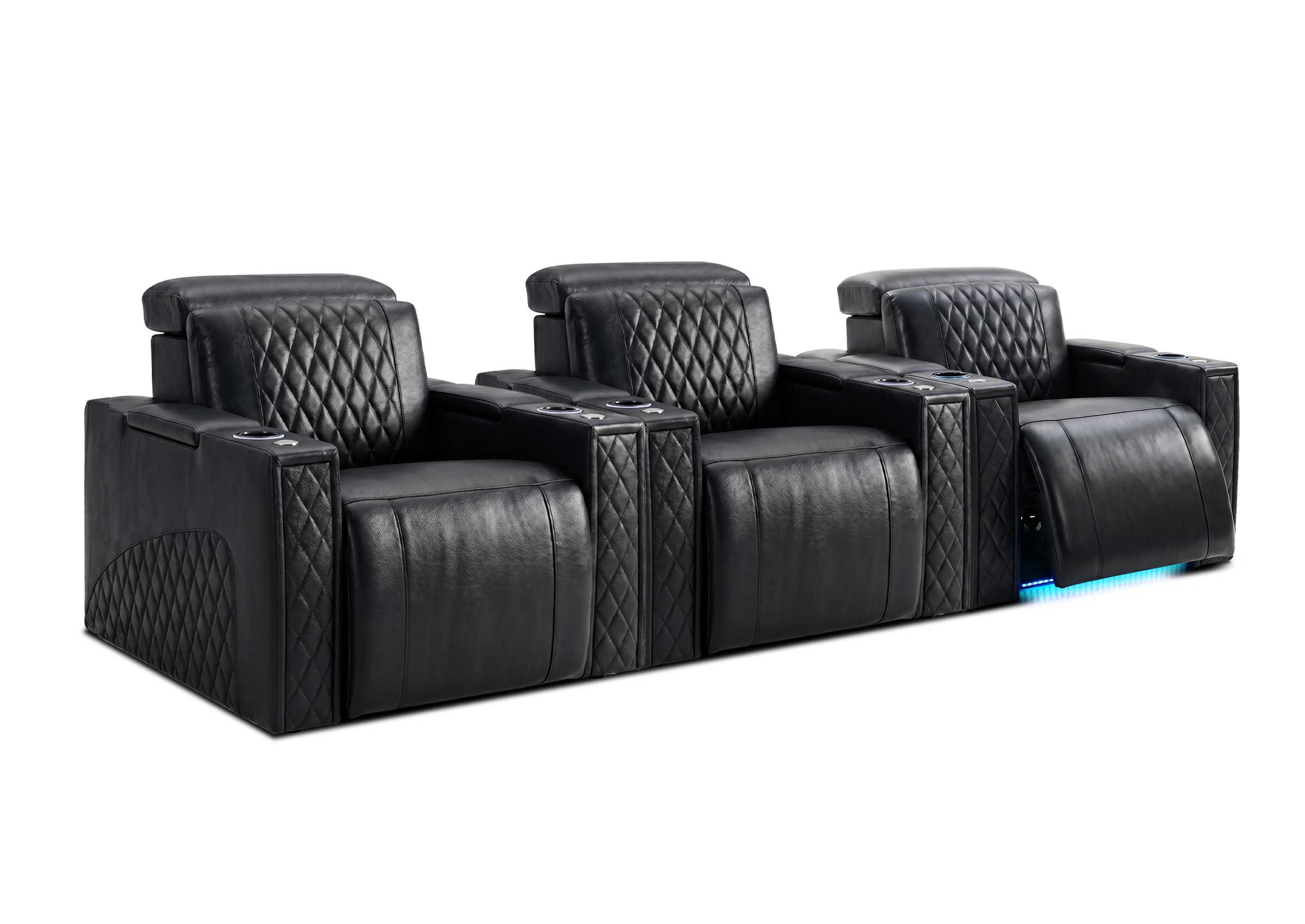
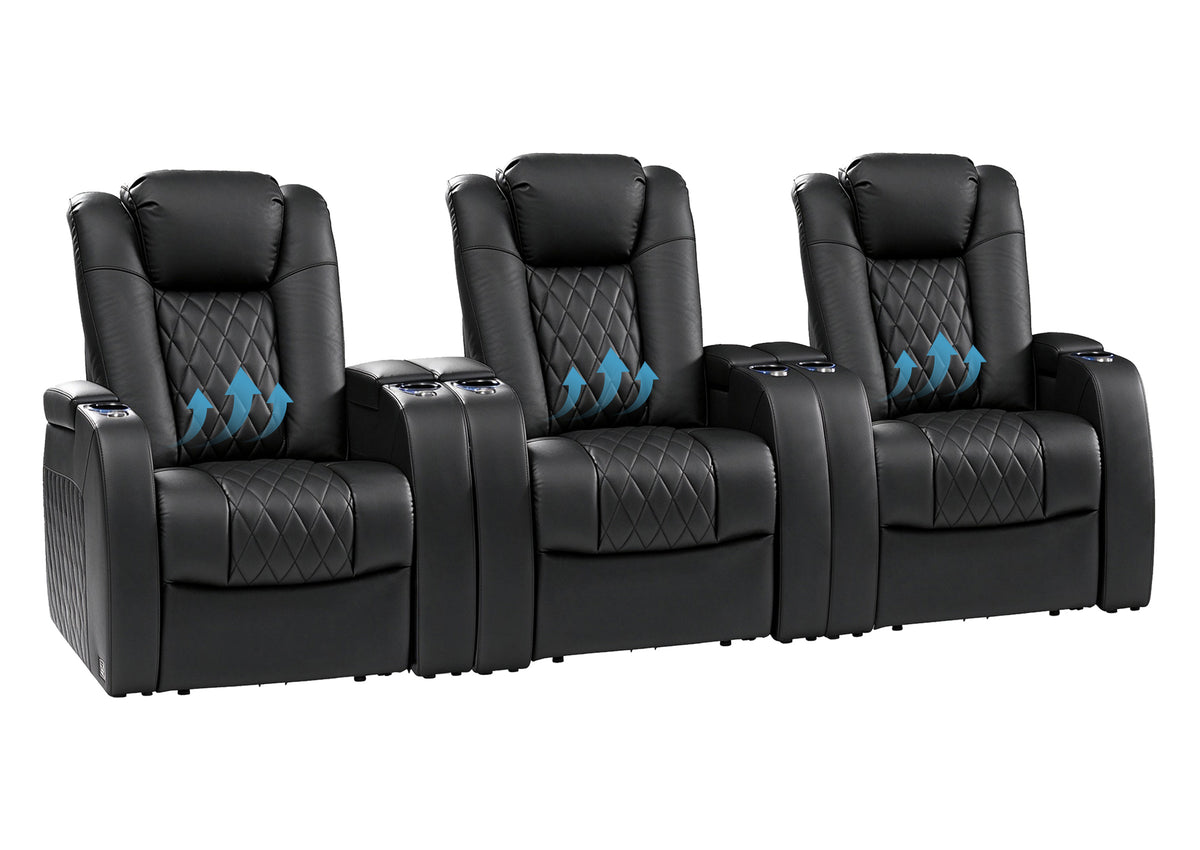
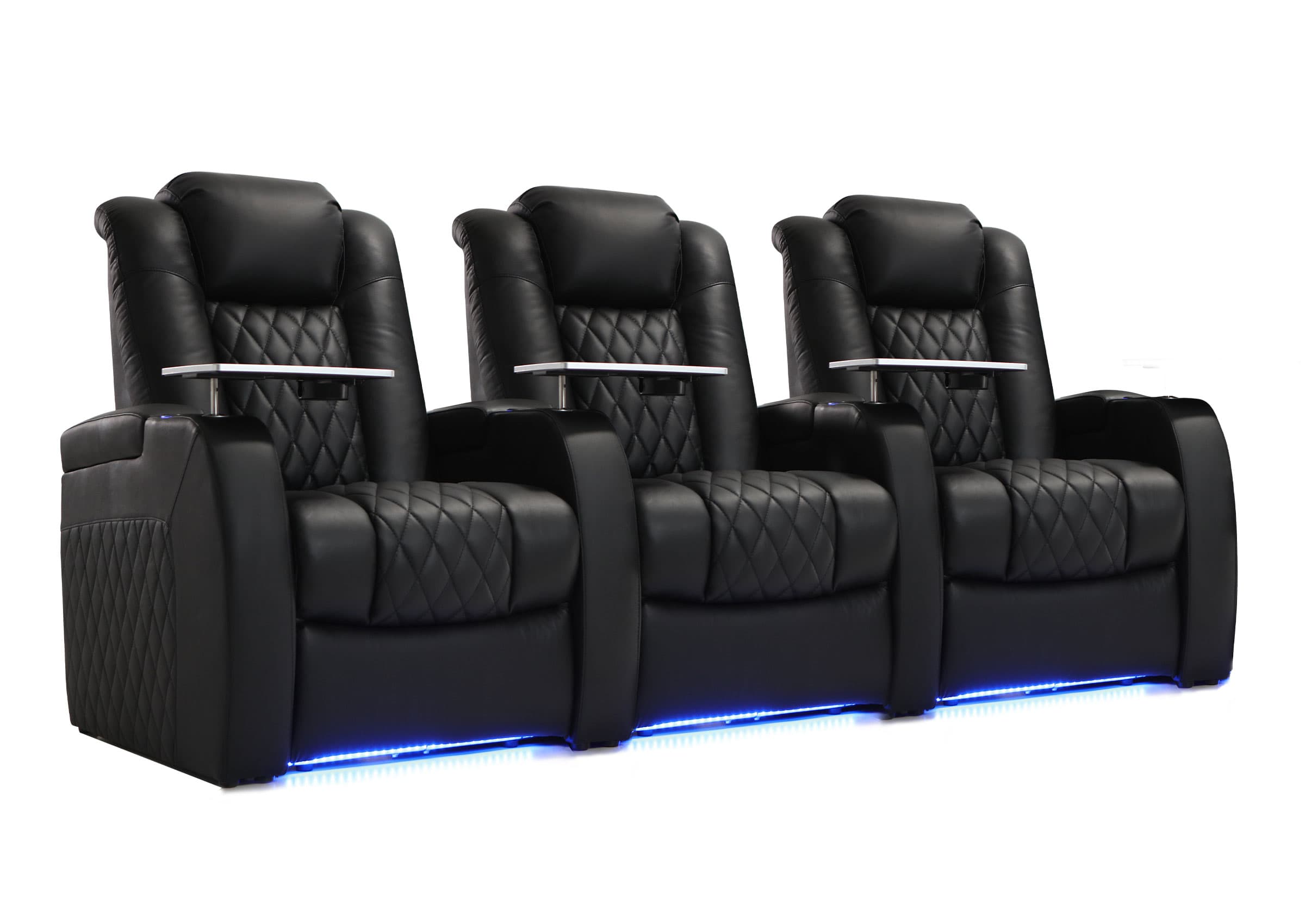
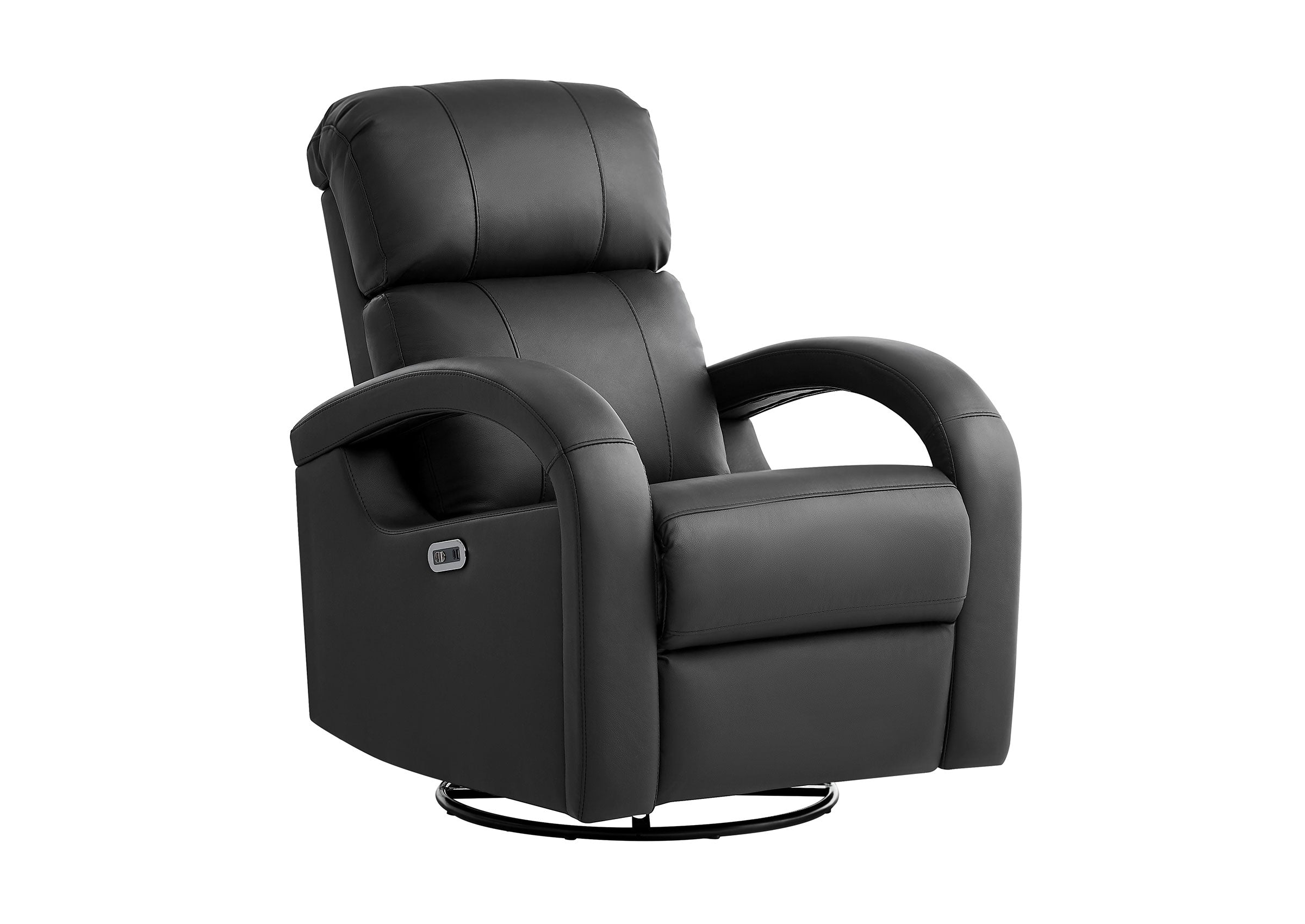
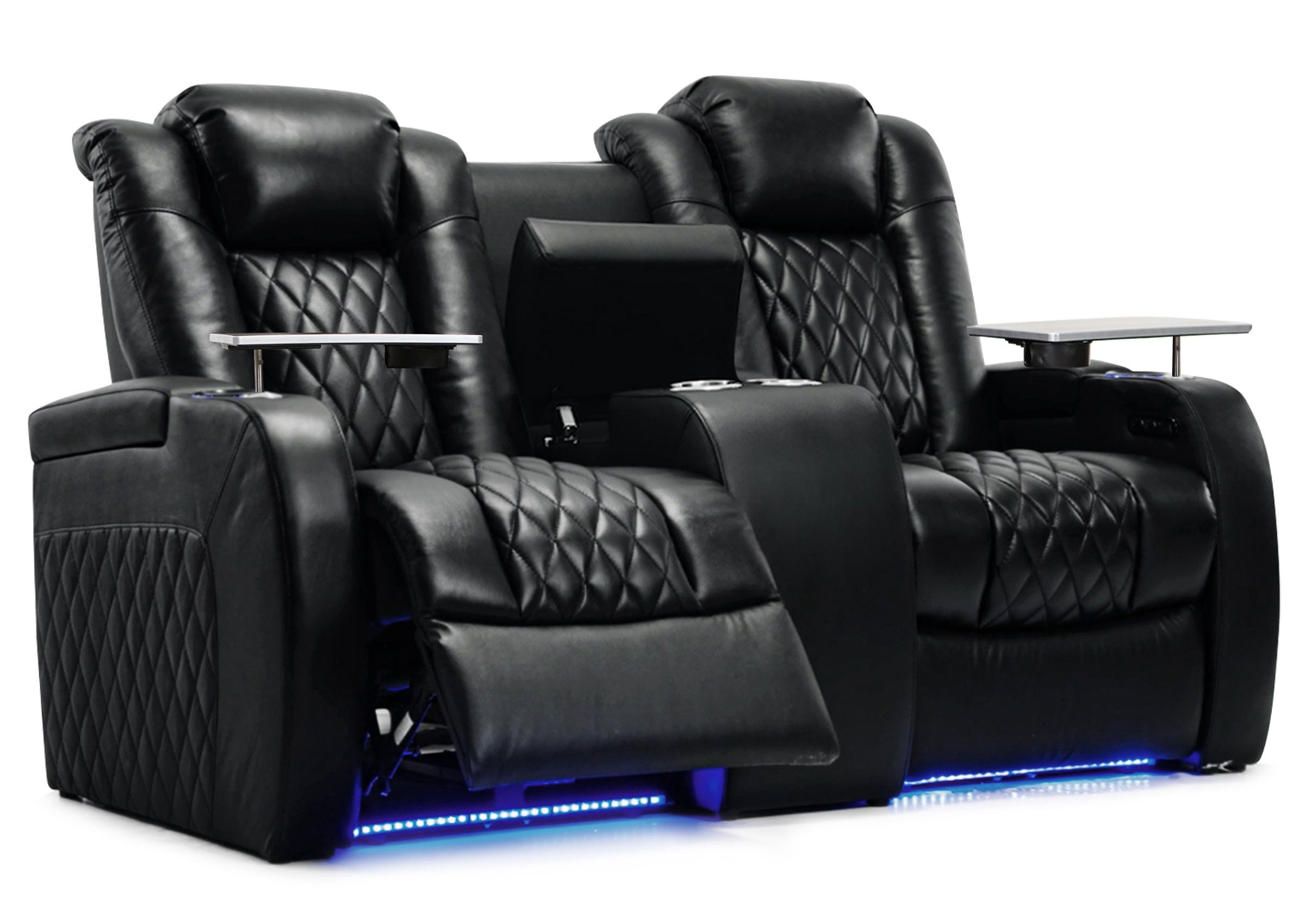
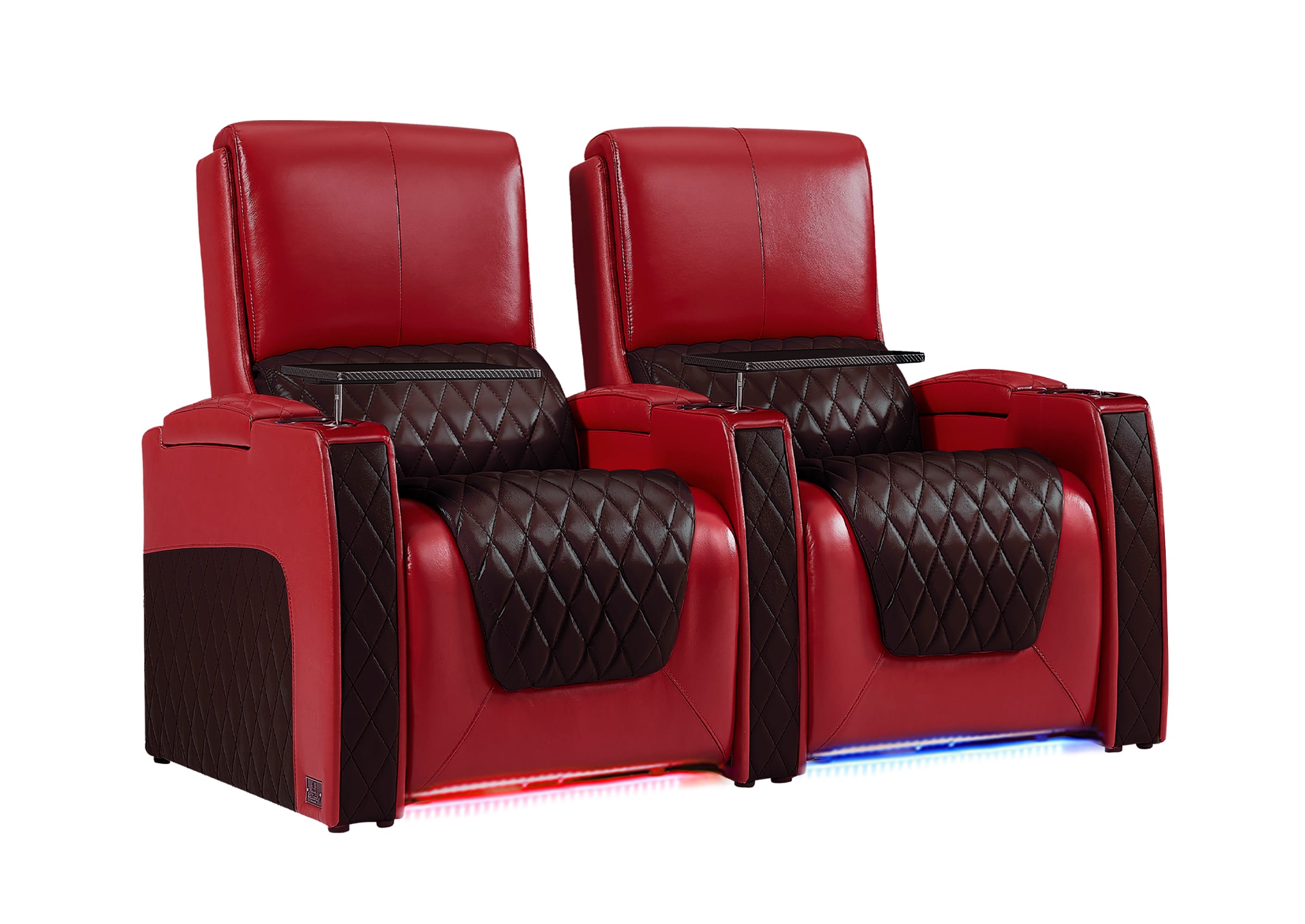
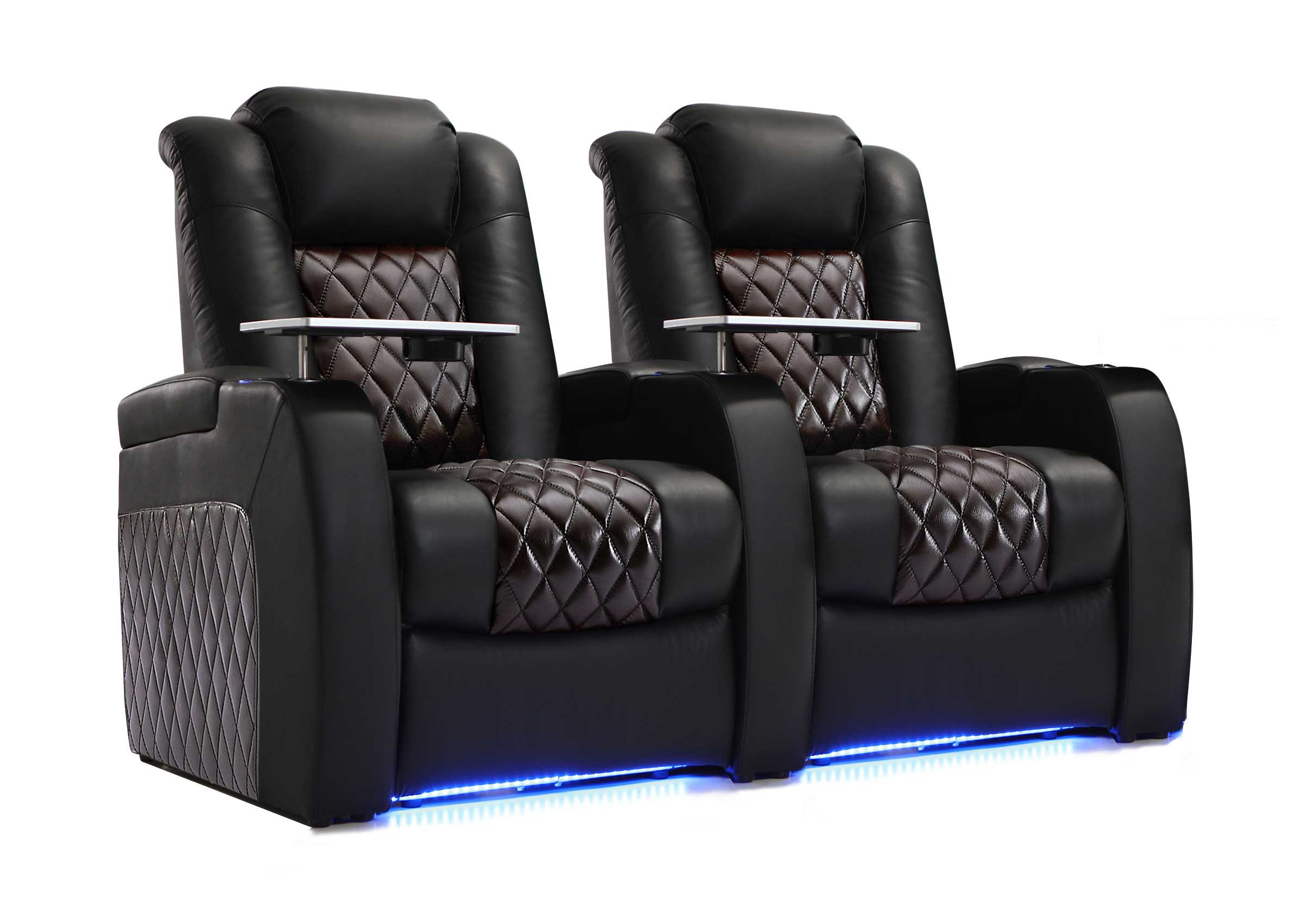
Two recliners and a shared side table make a clear, compact-looking arrangement for a couple or two friends. Try charcoal upholstery against warm white walls, with a walnut-toned table and one larger piece of art behind the seats. Each person gets a place to lean back without rearranging a shared sofa.
Check the actual chairs in their open positions before calling this a small-space solution. Footrests, back movement, and the path into each seat matter as much as the closed width. Keep the table where both people can reach a drink without putting it in the footrests' path.
A Sofa-and-Ottoman Movie Den
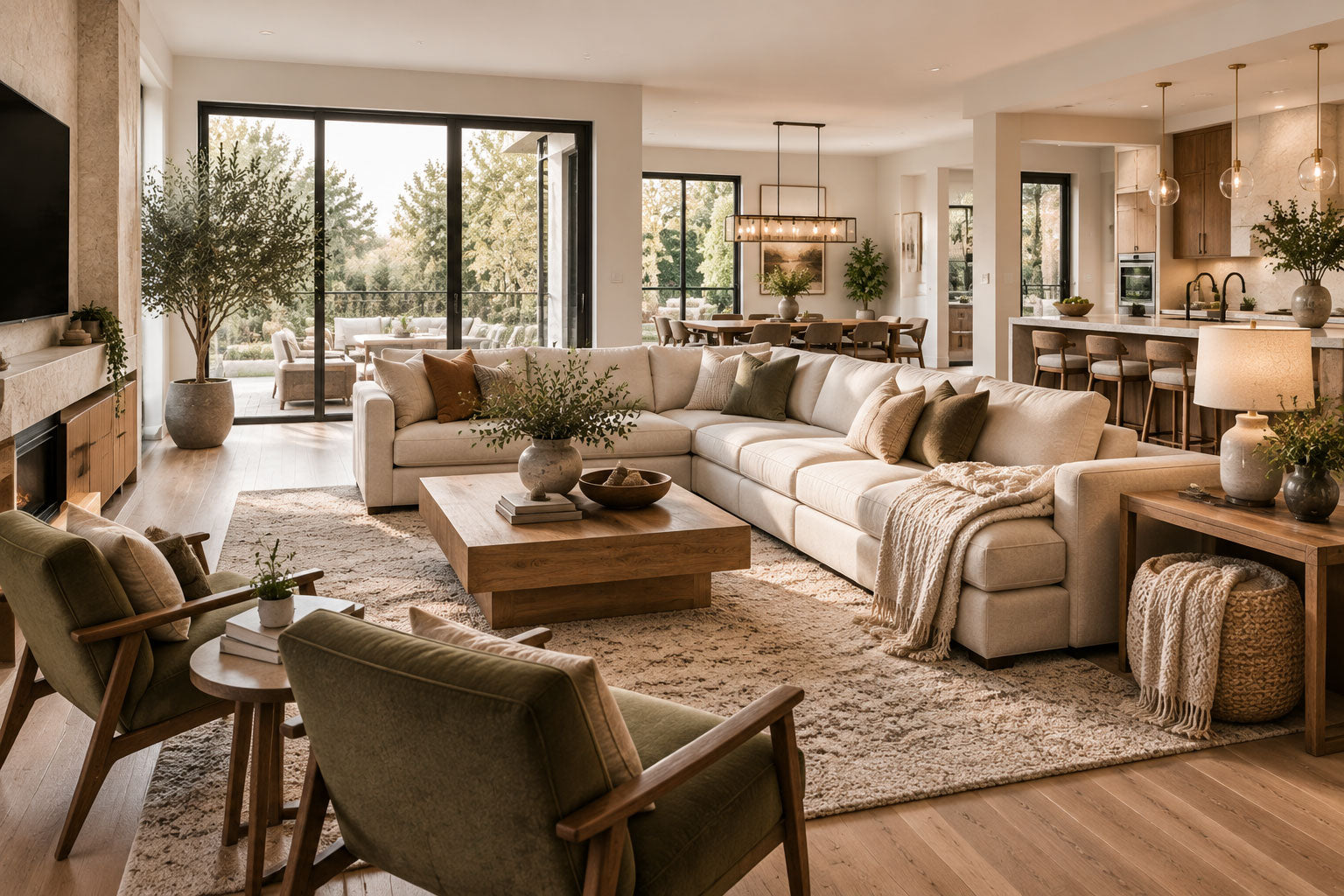
For a room that also gets used on quiet afternoons, choose a sofa and movable ottoman rather than a dedicated theater row. An olive sofa, an oatmeal-colored rug, and a dark wood media cabinet create a softer, everyday look. A tray gives the ottoman a temporary surface when nobody is putting their feet up.
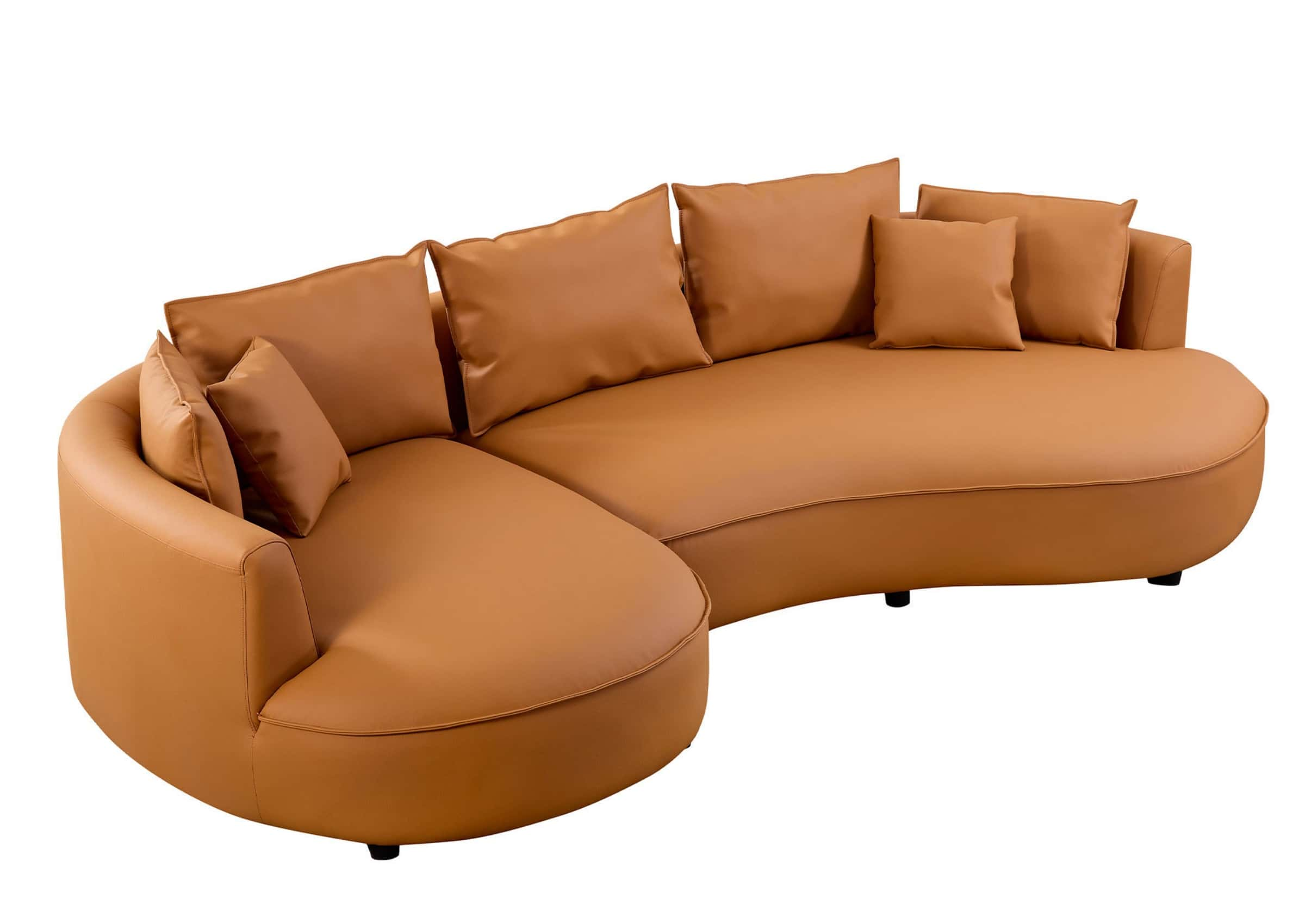
This arrangement suits people who like to curl up together or change positions during a film. Move the ottoman aside when guests need more floor space; use it as an extra seat only if it is designed for sitting. Our media room seating guide compares sofas, sectionals, and recliners when you are deciding between shared lounging and individual seats.

Sports Man Cave Ideas
A Lounge Built Around Team Colors
Use your team's colors as accents instead of covering every surface with them. A neutral sofa, a cream rug, and wood furniture give a bright jersey, a striped cushion, or a framed print room to stand out. Repeat one accent in two or three places so the room feels connected.
This is an easy approach when the space also serves as a family lounge. The team identity stays visible, but the room still feels comfortable on days when no game is on. Start with memorabilia you already own before shopping for themed signs and accessories.
A Jersey-and-Ticket Gallery
Build a wall around the games you attended, not just the team you follow. One framed jersey can be the centerpiece, with tickets, photographs, and smaller pieces arranged nearby. Consistent frame colors help objects from different years look like a collection rather than unrelated wall decorations.
Place a bench or low cabinet underneath to give the display a visual base and somewhere to keep items you are not showing. Avoid filling every gap immediately. A gallery that grows around meaningful objects usually feels more personal than a wall purchased all at once.
A Game-Day Lounge with a Drinks Counter
If some guests watch every play while others prefer to chat, separate the main viewing seats from a drinks area behind or beside them. A sofa can anchor the screen-facing zone, while a narrow counter provides a place to set snacks and pause for conversation.
Keep the finishes related: the same wood tone on the counter and side tables, for example, with a shared accent color in the seating. Check the view from any stools you add; a taller seat does not automatically create an unobstructed view over a sofa. Leave a route to the drinks that does not pass directly across the screen.

MOVIE NIGHTS AND GAME DAY
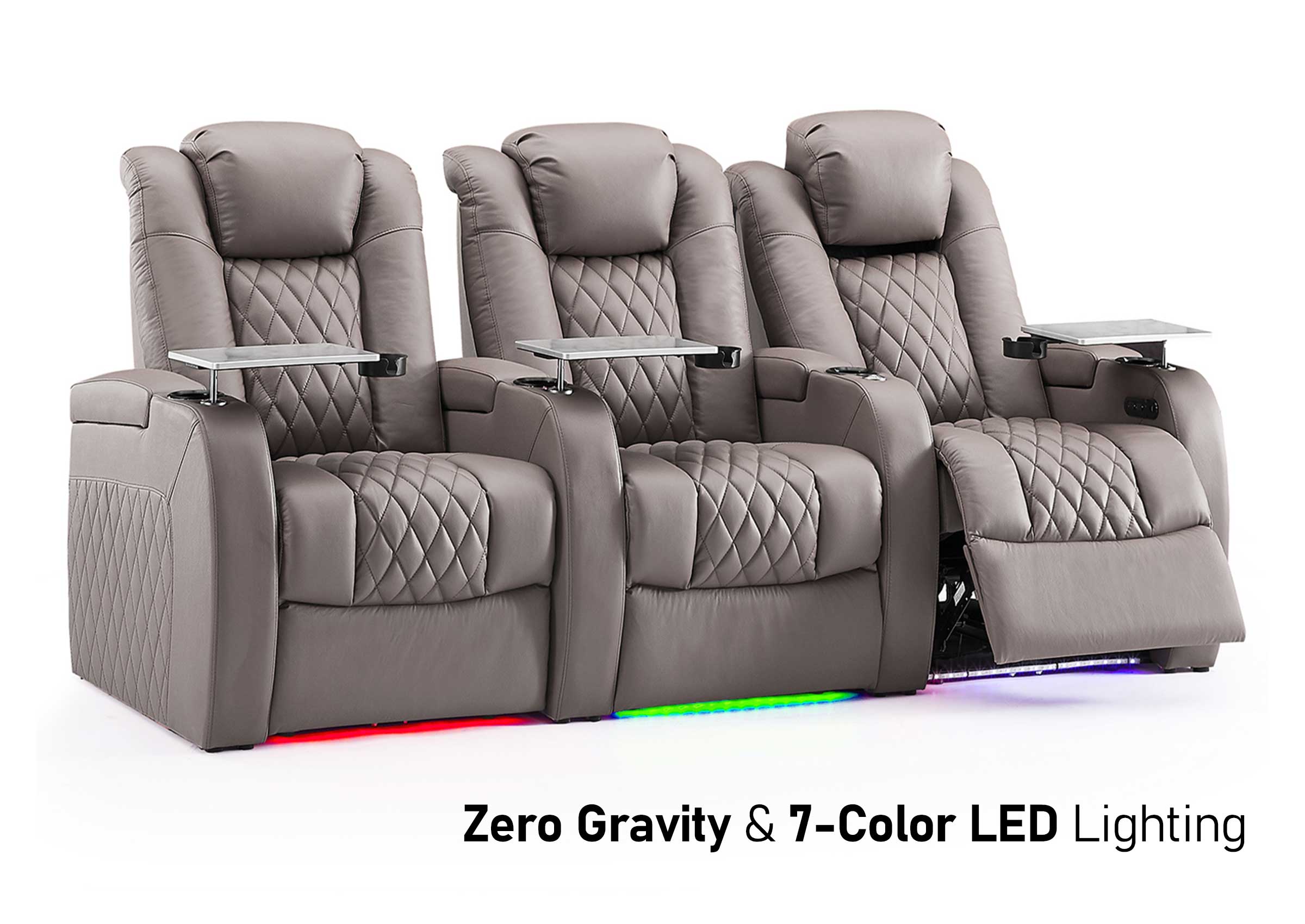
Planning seats for movie nights or game day?
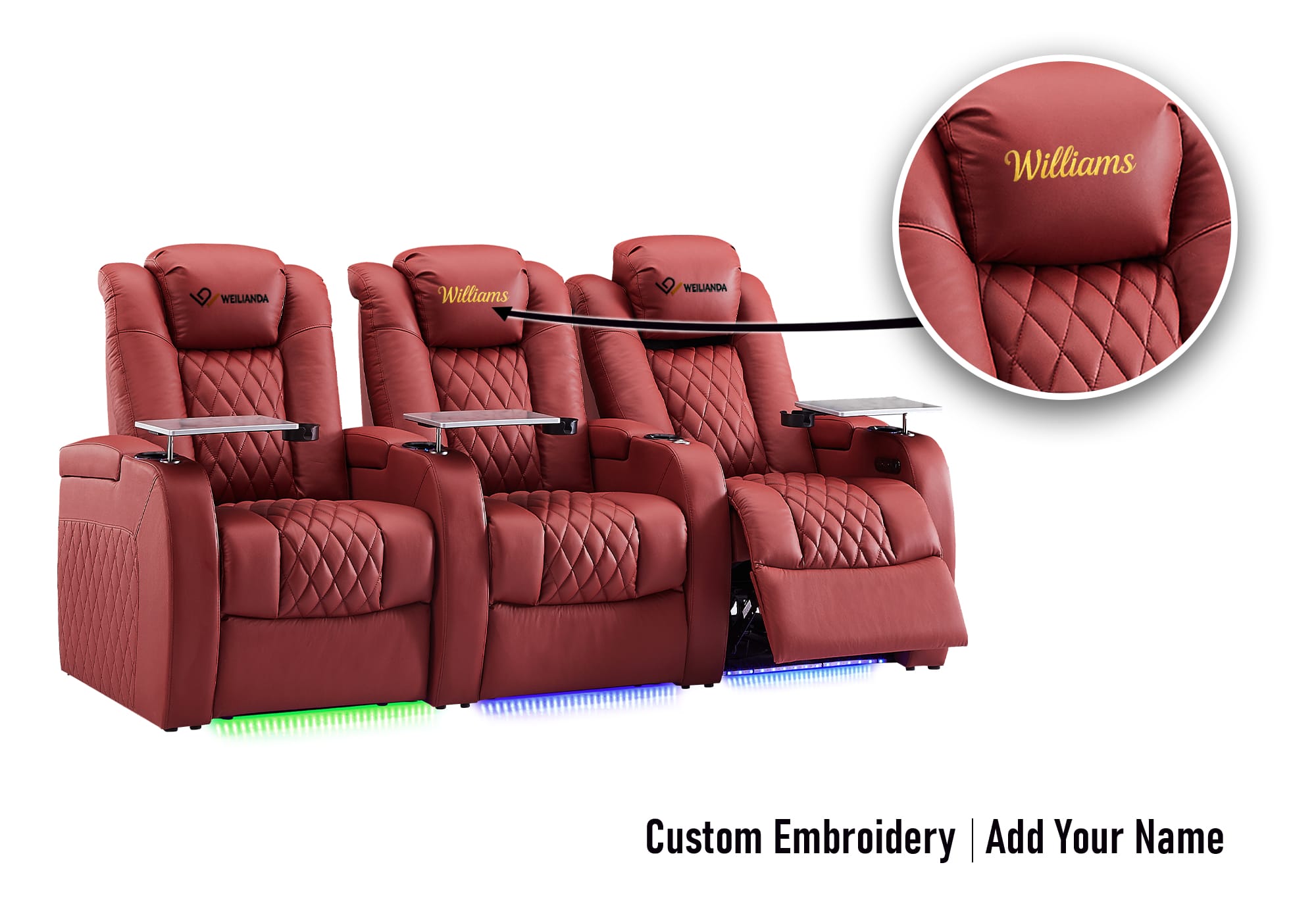
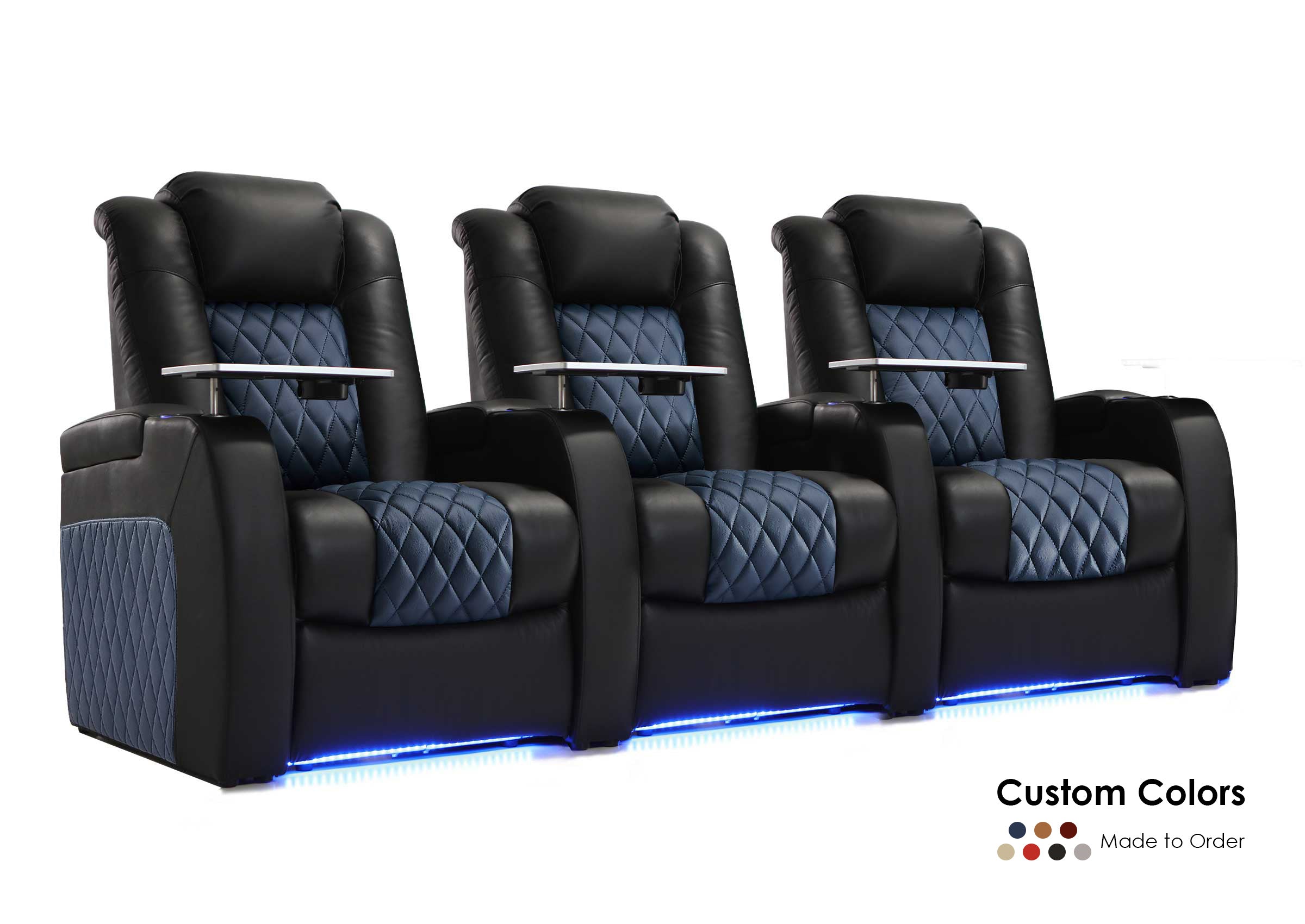
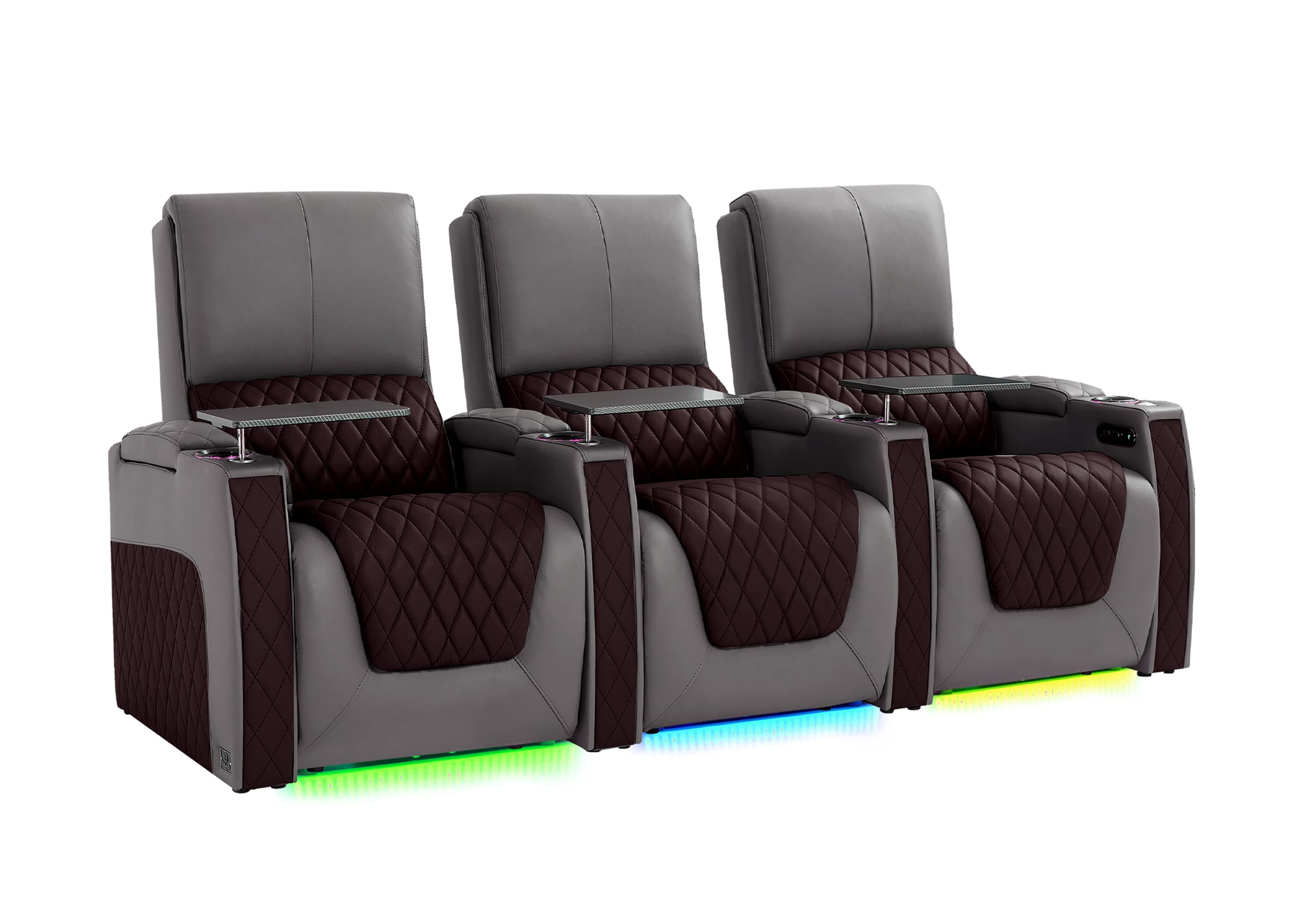
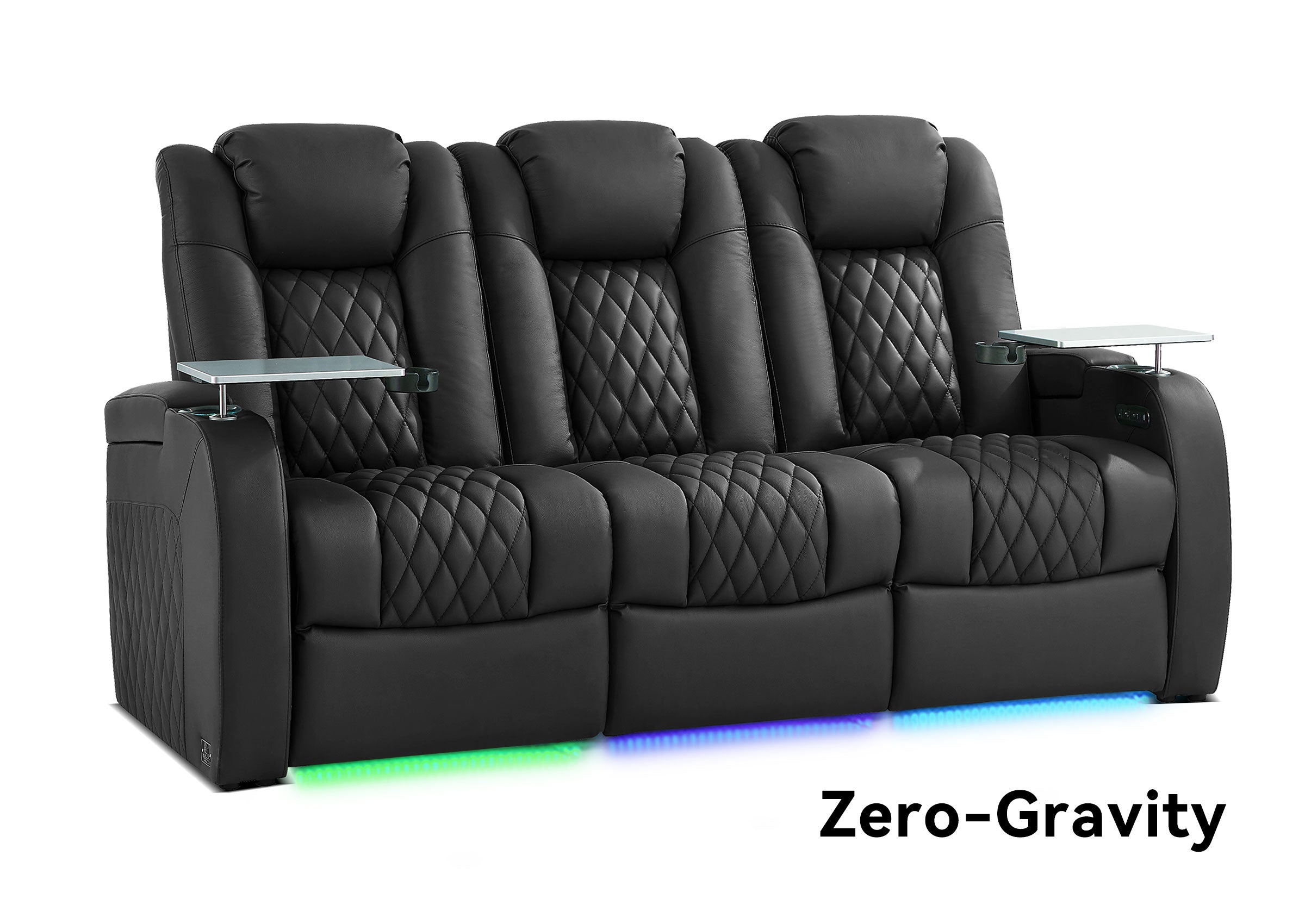
Browse configurations, then compare their actual width and open footprint with the area you have available. Choose the seating around your room and the way you watch.
Gaming and Game-Night Ideas
A Retro Arcade Corner
A single arcade cabinet or pinball machine can set the tone for a room without requiring an entire wall of games. Give it a clear corner, add a small piece of retro-inspired artwork, and pick up one color from the cabinet elsewhere in the room. Keep nearby furniture simple so the game remains the focal point.
Think about playing, not just displaying: the person at the controls needs room, and another guest should be able to pass or watch without blocking the main seating. Choose a game you actually enjoy returning to. Nostalgia works best when the machine gets used.
A Console Lounge with Closed Storage
A sofa, screen, and low cabinet make a relaxed alternative to a desk-based gaming room. Try a dark media unit, a soft gray sofa, and one muted accent color rather than lighting every surface. Baskets or drawers can give controllers, chargers, and extra games a home between sessions.
Keep operating consoles in a location that meets their manufacturer's ventilation guidance; closed storage is useful for accessories, but a shut cabinet is not automatically suitable for running electronics. If you mostly play with a keyboard and mouse, build around a suitable desk and chair instead. The best-looking console lounge will not fix an uncomfortable playing position.
A Tabletop and Card-Game Room
Make the table the center of this room. Upholstered upright chairs, a useful overhead light, and a cabinet for games can feel more inviting than rows of screen-facing seats. Forest green, medium-toned wood, and small brass accents give the space a familiar game-room character without making it overly formal.
Check the table with chairs pulled out and people moving around it. A setup that looks spacious with every chair tucked in may feel cramped during play. Keep one nearby surface free for drinks so the board or cards have room. For longer games, a dedicated table also lets you leave a session in progress without taking over the everyday coffee table.

Music and Quiet-Hobby Ideas
A Vinyl Listening Lounge
Build this idea around a low record cabinet and two comfortable chairs rather than a TV wall. Walnut tones, a textured rug, and a warm shaded lamp create a room that feels ready for an unhurried evening. Display a few favorite sleeves and store the rest where they are easy to browse.
Give the audio equipment its own stable surface and follow its placement guidance. Treat the furniture and color palette as a starting point for the room's appearance, not a promise of better sound. Move the chairs to suit listening and conversation; the room can be enjoyable without looking like an equipment showroom.
A Guitar-and-Music Corner
Let instruments supply the personality. Natural wood finishes can work with a faded-pattern rug, a simple chair, and a small cabinet for music and accessories. The room feels like yours before you add any themed decoration.
Choose a seat that leaves room to hold and play your instrument; large arms that feel comfortable for watching a film can get in the way here. Use instrument-appropriate supports and follow their mounting or storage instructions. Keep a favorite guitar accessible while giving cases and cables a proper home. If others share a wall, plan practice times as well as the room's appearance; decorative soft furnishings do not guarantee sound isolation.
A Library-Inspired Reading Den
Bookshelves, one generous chair, and a reading lamp can make a satisfying man cave with no screen at all. Dark blue or warm brown walls suit this look, but white walls work too when the shelves, rug, and upholstery provide the color. A small side table completes the place to sit.
Mix books with a few personal objects rather than filling every shelf with identical decor. This is also a useful second identity for a music room: the same chair and lamp can serve both listening and reading. Keep the reading light positioned for the page rather than relying only on dim ambient lighting.

Collection and Display Ideas
A Curated Collectibles Room
Give the collection a clear focal point instead of distributing every item across every wall. A group of models, vintage games, or signed pieces can sit together in a display cabinet, with a simple seat nearby and closed storage for the rest. Choose a cabinet finish that relates to your existing furniture.
Grouping by subject, color, or era makes the display easier to take in. Rotate some pieces when you want a change rather than continually adding shelves. Valuable or delicate objects may have specific light, temperature, or storage needs; choose their display conditions around those requirements rather than assuming any decorative cabinet will protect them.
A Motorsport-Inspired Lounge
You can enjoy a motorsport theme without turning the room into a working garage. Try charcoal seating, a metal-framed side table, and racing photographs or model cars against a restrained background. A single red, yellow, or blue accent can connect the pieces without reproducing an entire race-car color scheme.
Keep the memorabilia at a scale that suits the room. A small collection above a low cabinet can be as convincing as a full wall display. A framed circuit map, a model on a low shelf, and one well-used lounge chair make a smaller version of the same idea. This is a room for watching races, talking cars, and enjoying objects; vehicle maintenance and storage introduce different practical requirements.
A Hobby Retreat Built Around Your Own Work
For model builders, sketchers, or people who enjoy light handcrafts, let a worktable and finished projects define the room. Pale wood, a comfortable task chair, and organized materials can look just as personal as sports memorabilia. Add a separate lounge chair if you want somewhere to step back and look at your work.
Use drawers or boxes for supplies and keep the table available for the activity. This concept suits clean, light hobbies. Dust-producing tools, spraying, soldering, or other processes with specific ventilation and safety needs require an appropriately equipped workspace; a lounge corner is not a substitute.

Social Man Cave Ideas
A Conversation-First Lounge
Face a pair of chairs toward a sofa, or arrange a small group of seats around a table. With no screen competing for the focal point, a fireplace surround, artwork, or bookcase can give the room its visual center. Try tobacco-colored upholstery with cream textiles and warm wood for a relaxed look.
The important difference is where people face. Guests should be able to talk without continually turning away from a TV. Give each person a convenient place to set a drink and keep the main path outside the conversation group. This can be the entire purpose of the room, not an extra zone added after everything else.
A Self-Service Drinks Cabinet
A cabinet along the wall keeps drinks accessible without putting the host behind a bar. Place glasses and a tray on top, with supplies organized below. A piece of art or a mirror above it can make the arrangement feel intentional even when you are not entertaining.
This works for coffee, sparkling water, and soft drinks as well as cocktails. A cabinet does not need a sink or built-in refrigerator to be useful. If you add an appliance, check its installation, ventilation, and door-opening requirements before enclosing it in furniture. Position the cabinet so someone choosing a drink does not block the seating entrance. In a narrow room, keep this as a standing stop beside the lounge; adding stools would turn it into a second seating area and require more space.
A Warm Home-Pub Corner
For a more social, pub-like atmosphere, combine a small table, comfortable chairs, warm lamps, and a few well-chosen prints. Dark wood against muted green creates one version; lighter wood with cream walls makes a brighter alternative. The setting should invite people to stay rather than simply look impressive in a photograph.
You do not need a full bar to establish the mood. A nearby drinks cabinet and a shelf for glasses can be enough. If you add stools, think about who will use them and how long they will sit there; regular-height chairs may be the more welcoming main seats for your group.

Choose the Ideas You Will Actually Use
Start with the activity you already enjoy, not the equipment you imagine a man cave ought to contain. A listening lounge can share a reading chair. A sports room can incorporate a memorabilia display. A movie den can double as a console lounge. These combinations reuse the same furniture instead of competing for the whole floor.
Look at what you can keep: a comfortable sofa, a useful cabinet, favorite artwork, or a table that already suits your hobby. Then choose a small palette that connects those pieces. Repeating a wood tone or one accent color can make existing furniture feel like a considered combination.
Before buying the largest new piece, mark its footprint and the space needed to use it. Include open recliners, pulled-out chairs, doors, and paths. In a small room, one convincing main setup is often more useful than miniature versions of a theater, arcade, and pub crowded together.
The room itself matters too. A finished spare room and an unfinished basement or garage can involve very different preparation. Resolve unsuitable moisture, temperature, or utility conditions before treating the space as ready for lounge furniture. Keep room preparation, the main activity and seating, and decorative finishing touches as separate budget categories. For example, if the room is ready and the sofa works, you might start with lighting and controller storage for a console lounge, then add artwork later. If the room itself needs work, establish that cost before buying furniture for it.
If the room also needs to work for the rest of the household, our media room ideas offer broader ways to combine everyday lounging and entertainment. You can keep a personal theme without making every part of the room serve it.
Man Cave Ideas FAQ
What works in a small man cave?
Choose one main activity and furnish for it first. For movies, that might be a small sofa and movable footrest; for music, a chair and record cabinet; for tabletop games, a table with usable chair space. Add a secondary function only when it shares furniture or fits without obstructing access. Wall storage can help, but it does not create the floor space needed to open a recliner or pull out a chair.
How can I create a man cave without replacing all my furniture?
Start with the piece you most enjoy using and build the palette around it. A brown sofa could work with a wood cabinet, a cream rug, and framed prints you already own. Rearrange first, then spend on the missing element that changes how you use the room: a suitable lamp, a game table, or better storage. Price any necessary room preparation separately so decorating purchases do not use money needed for essential work.
What if I cannot paint the walls?
Put the theme into movable elements: furniture, a rug, curtains where permitted, lamps, and artwork displayed on suitable furniture or approved fixings. For a music room, record sleeves and a wood cabinet can establish the look against plain walls. Check any rental or household restrictions before attaching items; adhesive products are not universally damage-free. You can achieve a clear style without covering every wall.
How do I combine two interests without making the room feel crowded?
Choose interests that can share the main furniture, then give each its own storage or display area. Movies and console games share a screen and sofa; music and reading share a comfortable seat; conversation and cards may share a suitable table. If two activities need separate large setups, prioritize the one you use most. Sound matters too: a quiet listening area beside an active game table may work at different times rather than simultaneously.
Does a man cave need a TV or a bar?
No. A reading den, music room, hobby space, or conversation lounge can be complete without either. Use the room's main activity to choose its focal point: books, records, a worktable, or seating facing other people. A simple shelf or cabinet for refreshments can be enough when entertaining. Avoid adding a screen just to fill a blank wall if nobody will use it.
How do I display collectibles without making the room look cluttered?
Choose a visible group that tells a clear story and give the rest proper storage. Use a common frame color, cabinet finish, or arrangement to connect different objects, leaving some clear space around the pieces you want people to notice. Rotate displays instead of expanding them indefinitely. For items with specific preservation requirements, check those needs before choosing lighting or a cabinet; appearance alone does not establish protection.
Choose One Idea and Make It Yours
Pick the scene you would use this week, identify the furniture you can keep, and choose one change that brings the room closer to that feeling. A personal space does not need to be finished in one shopping trip.
If your plan includes Weilianda seating, bring your available seating width, intended number of seats, and preferred configuration to Weilianda Support, or email leon@weiliandahome.com. Ask for the specific model's dimensions and relevant setup details before deciding how it fits your room.