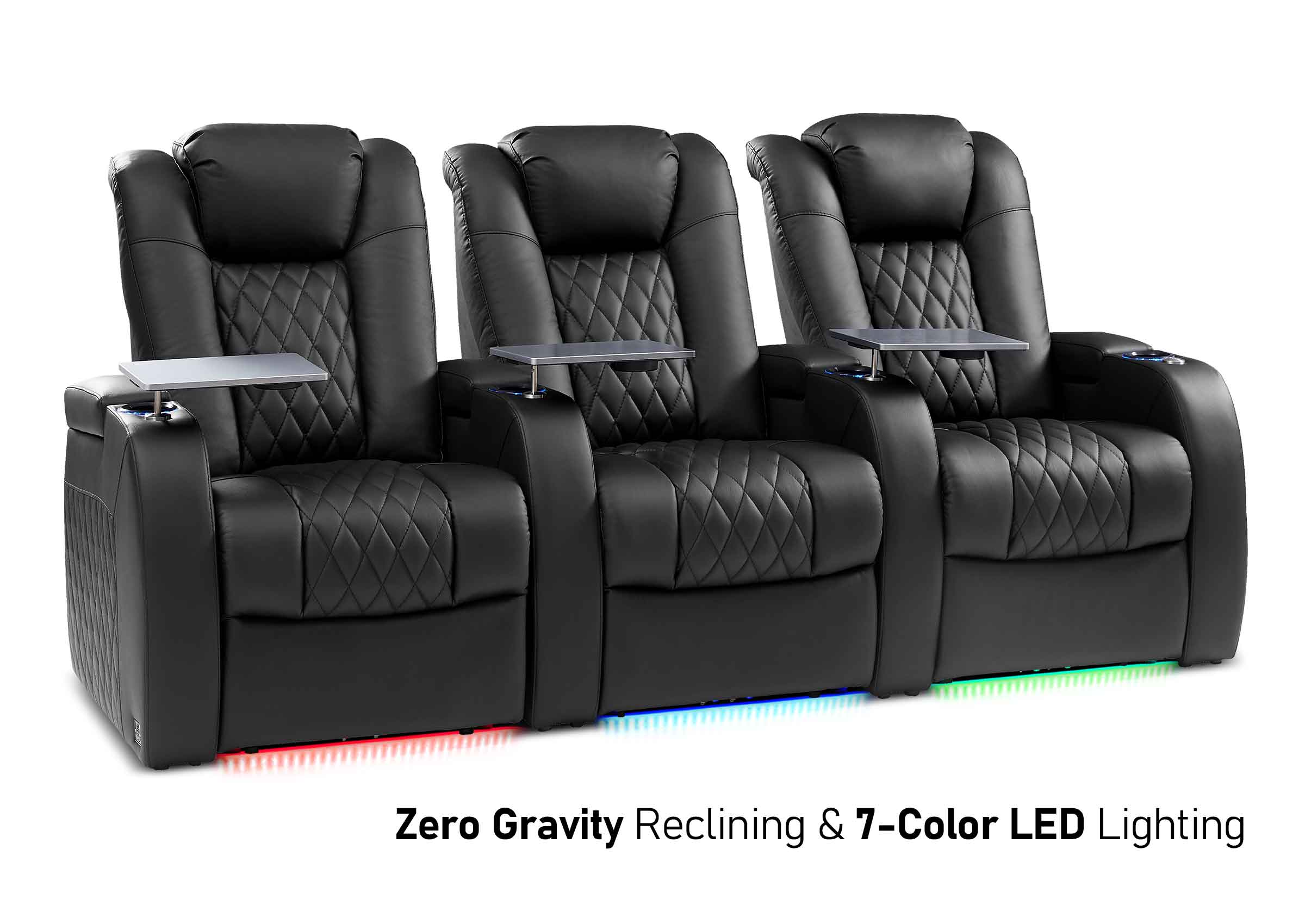
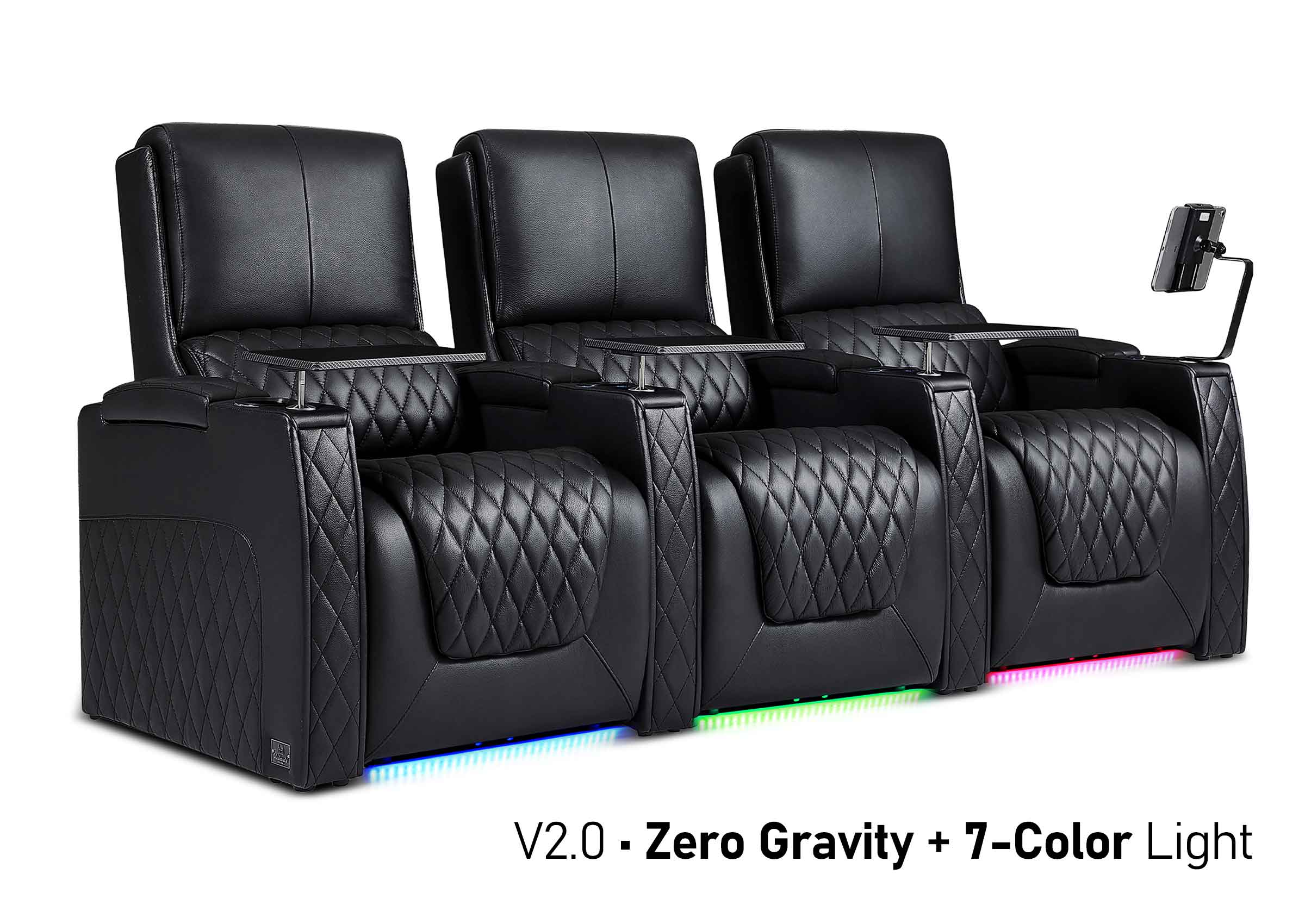
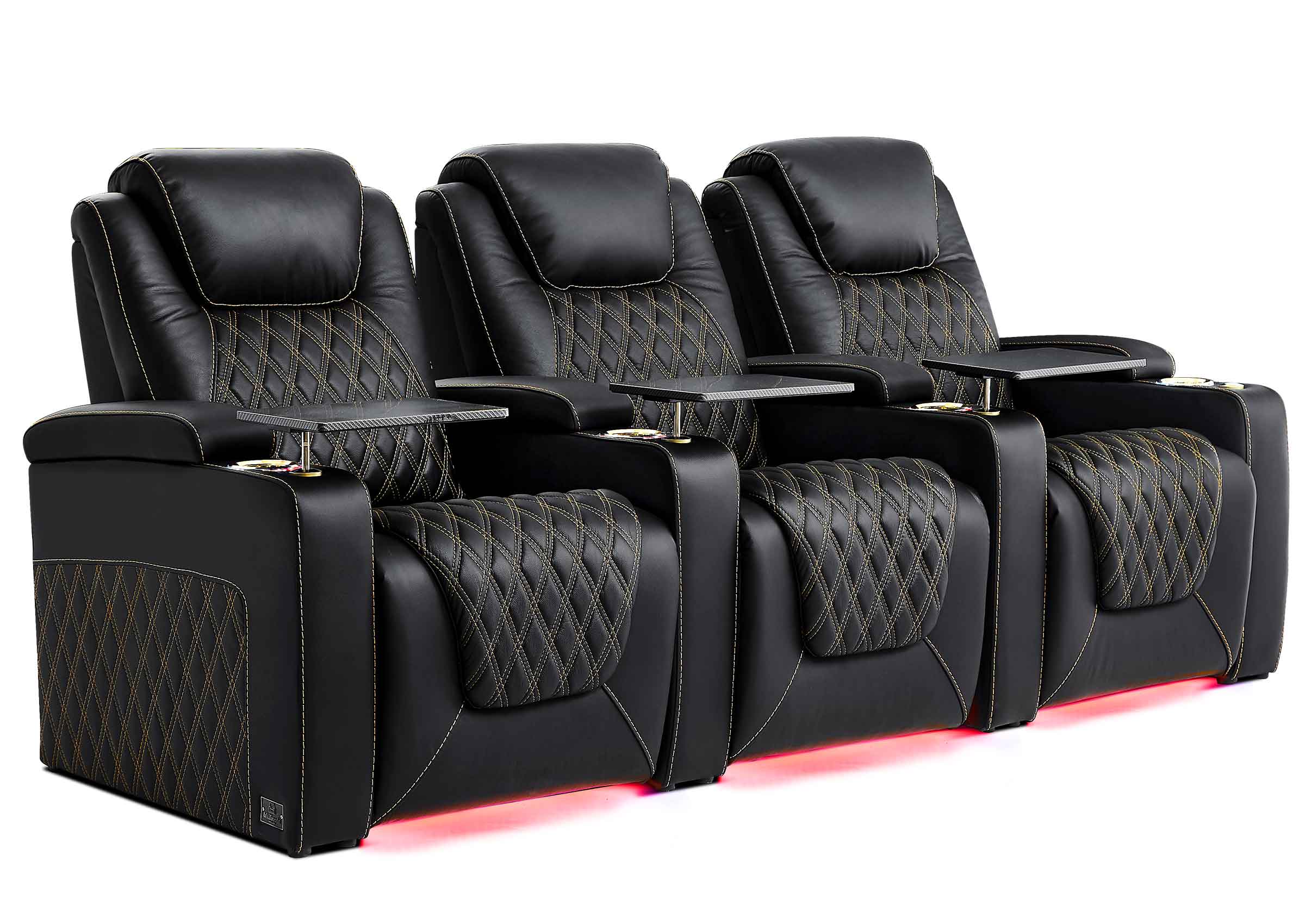
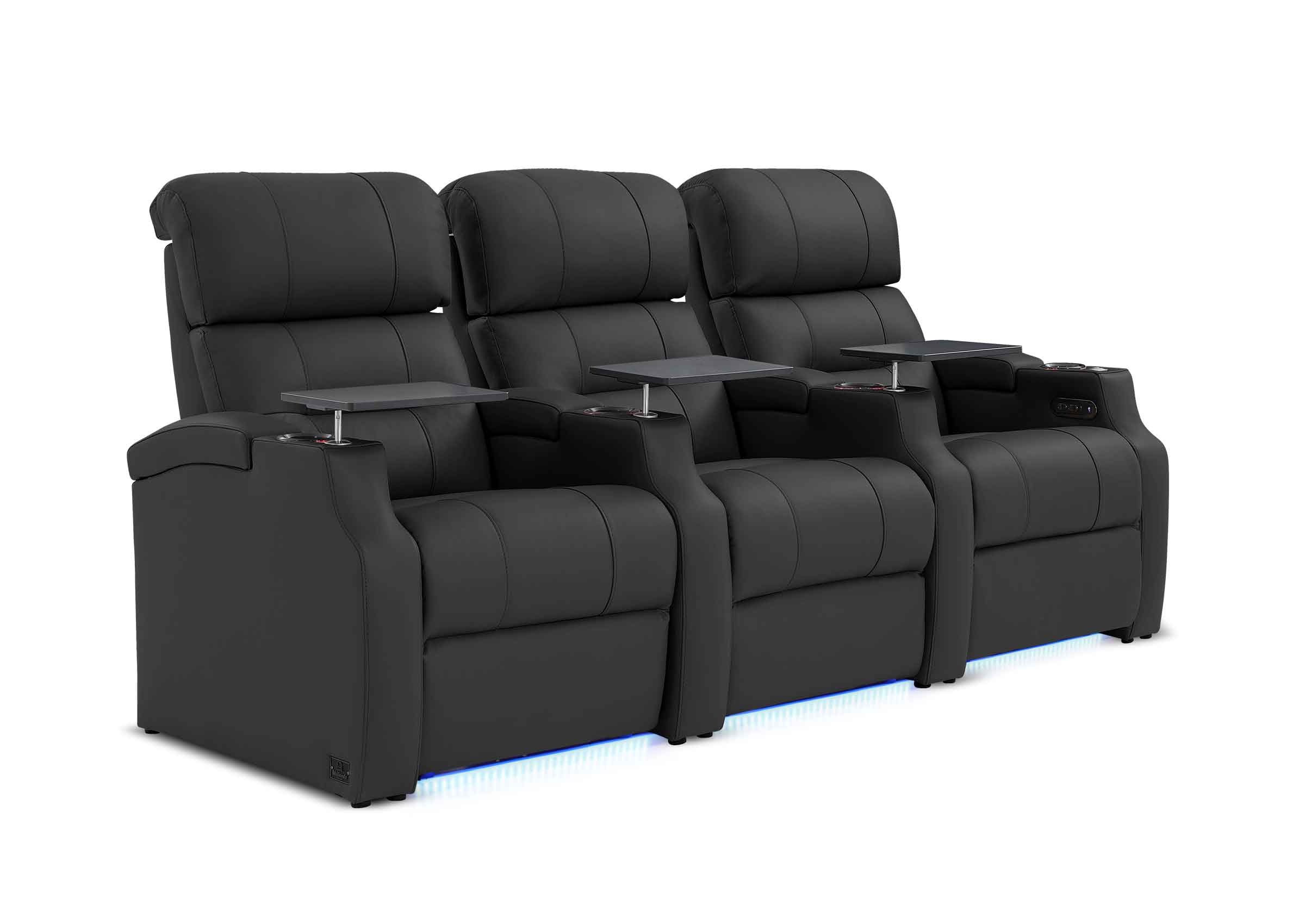

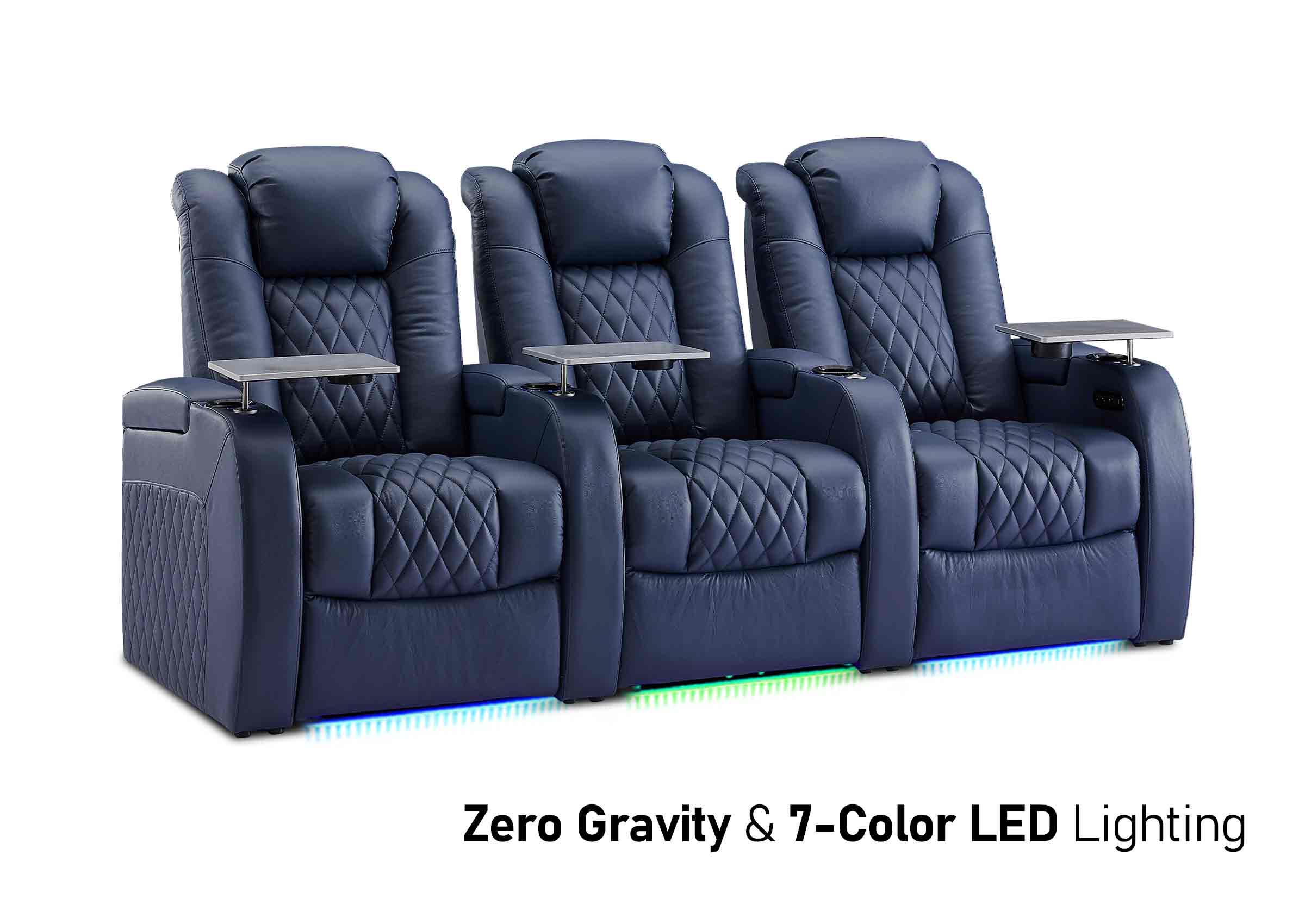
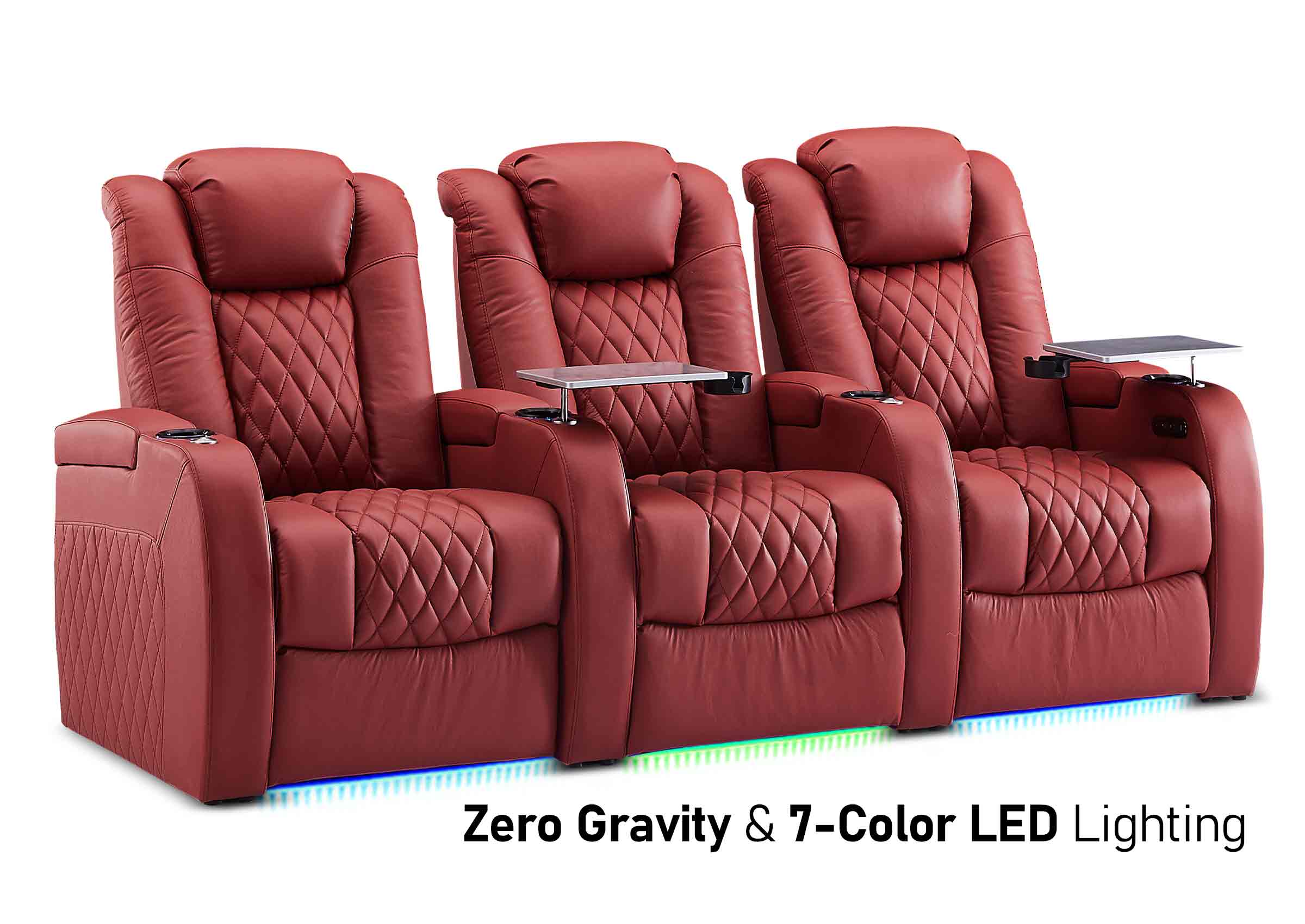
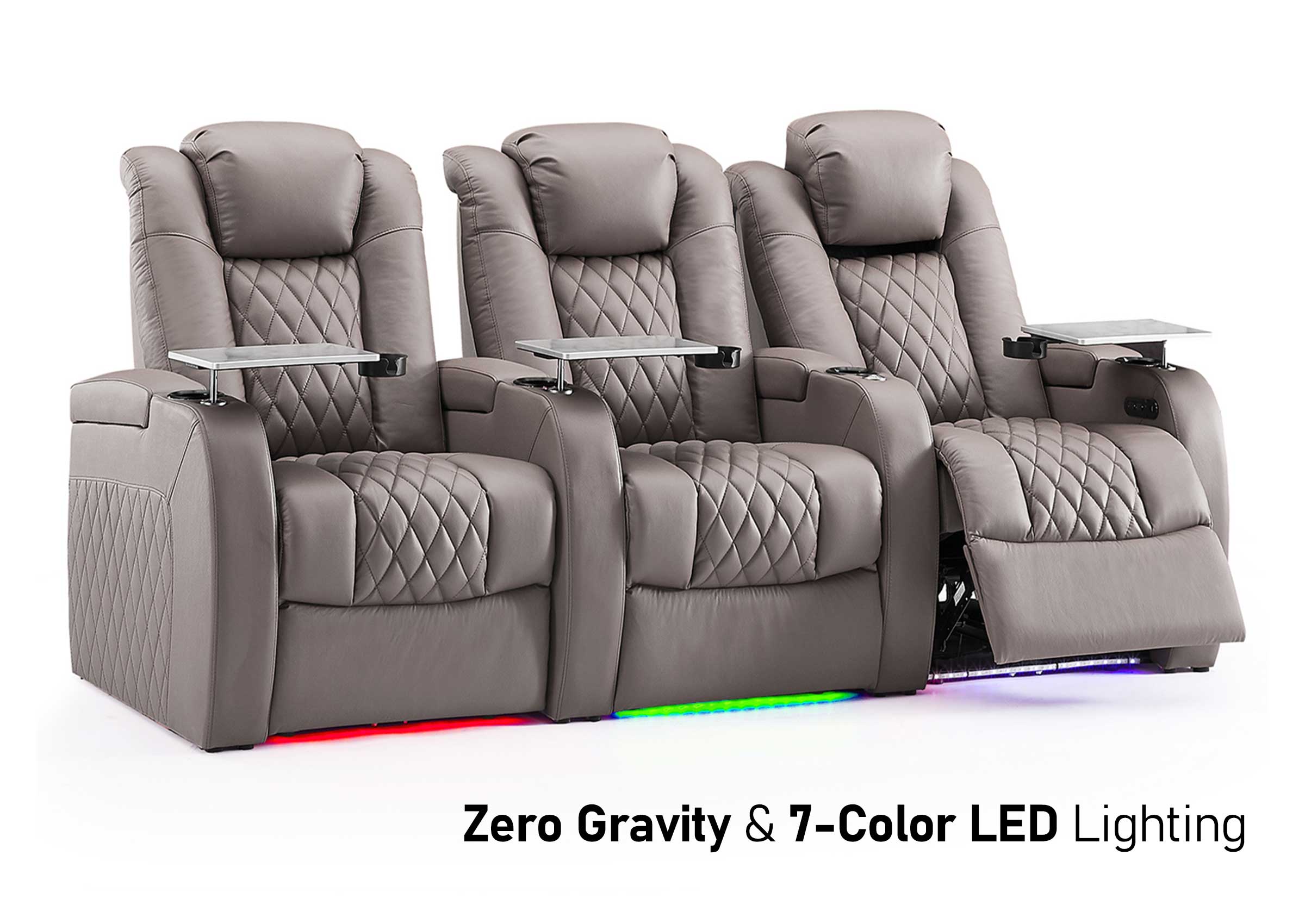
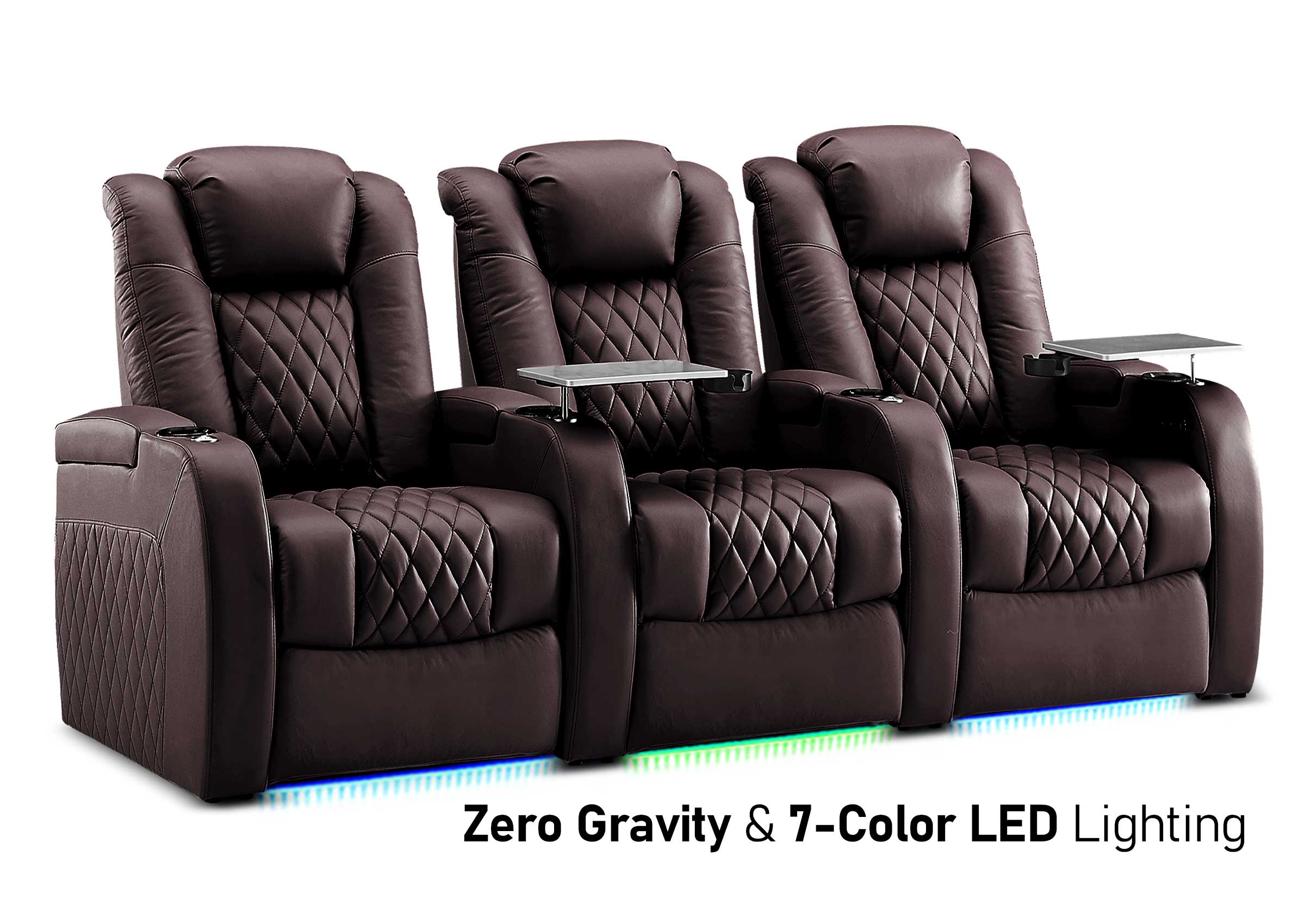





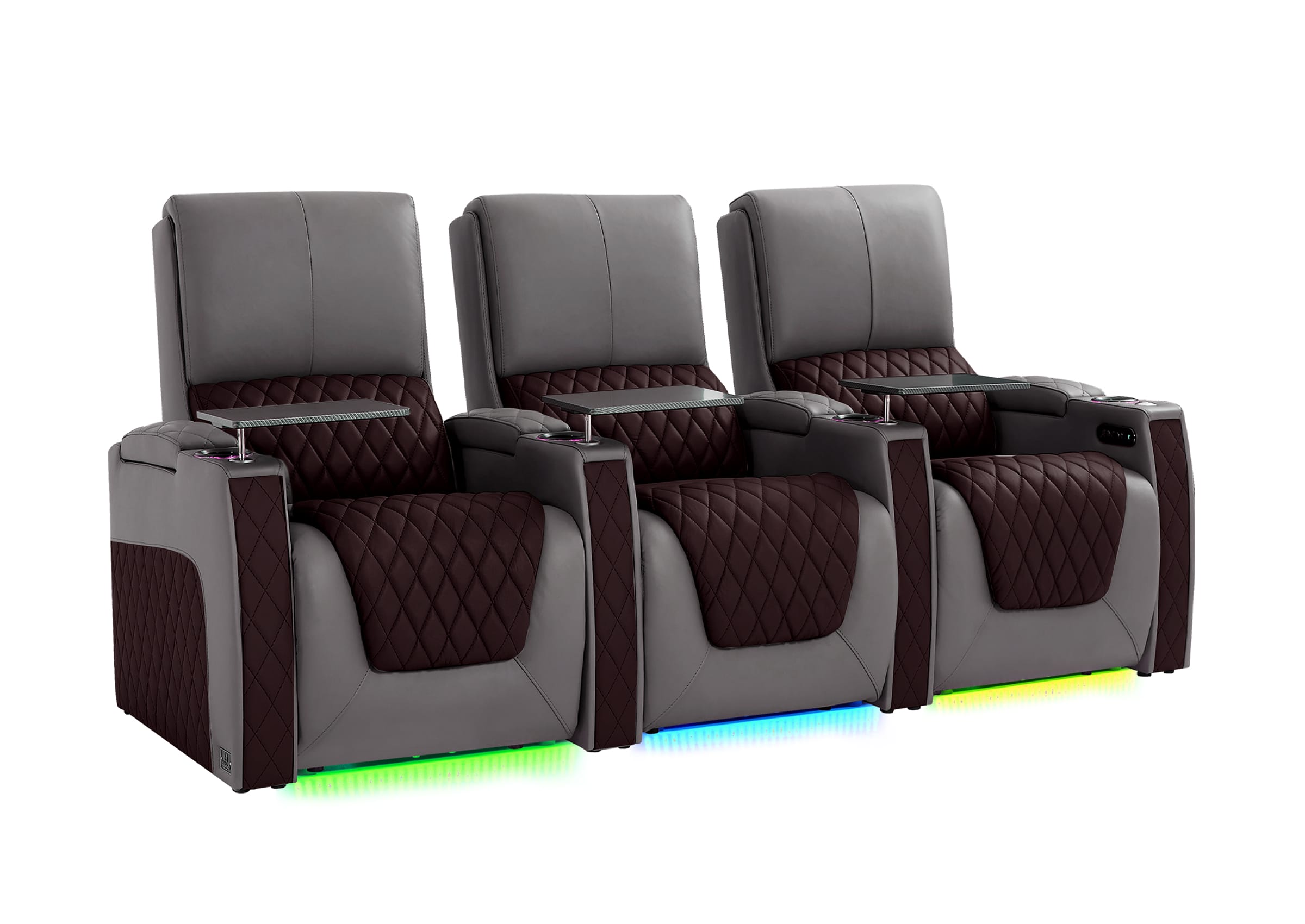
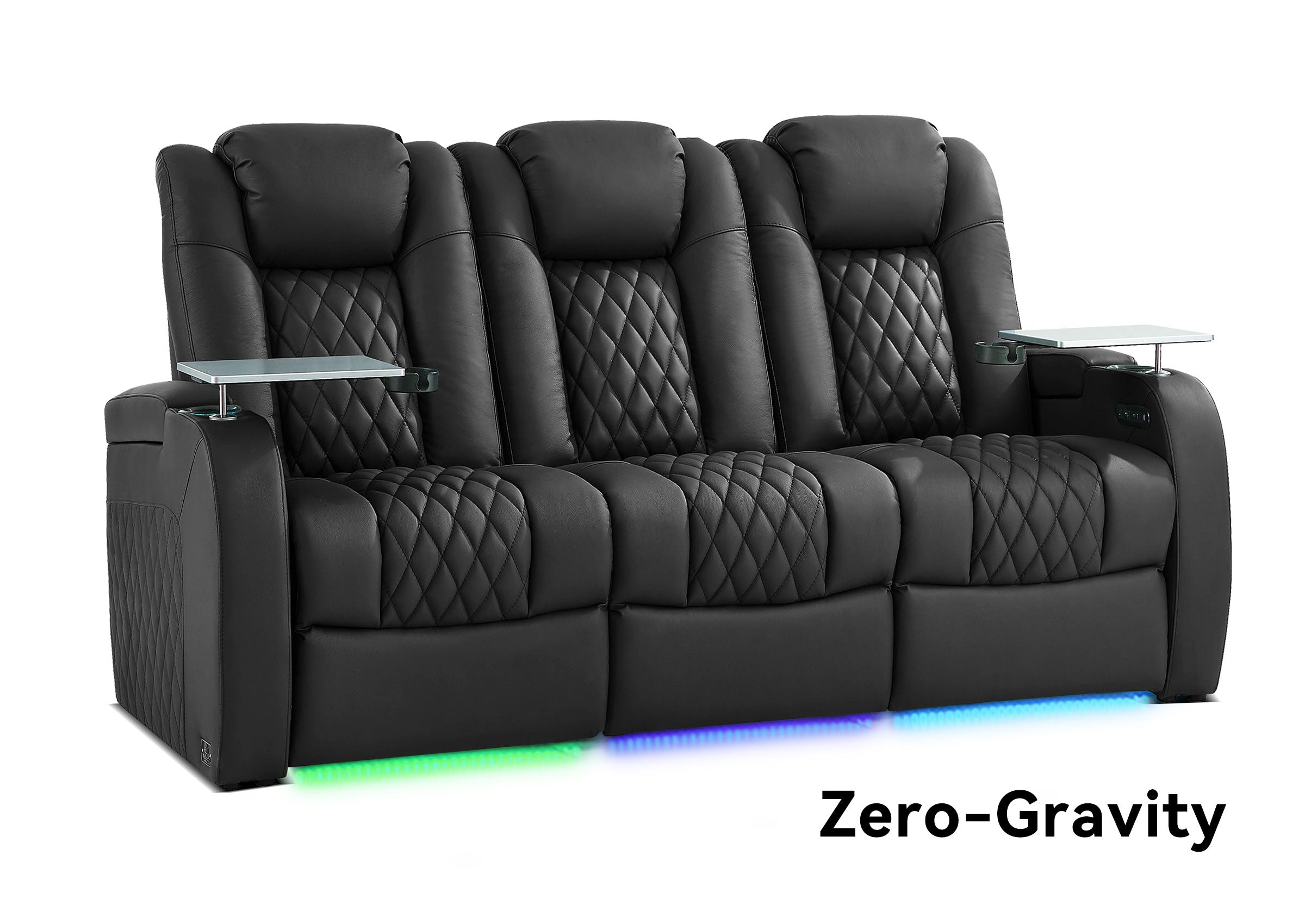


Choosing between a loveseat recliner and a standard 2 seater sofa can feel tricky, especially when both seem to offer similar seating for two. They share a compact footprint, but they serve very different purposes. While the terms "loveseat" and "2 seater" both refer to furniture that seats two people, the real choice is between a fixed structure and a reclining mechanism. One is built for comfort and relaxation, while the other leans toward social sitting and style. Here is what sets them apart.

Defining the Traditional 2 Seater Sofa
To see the difference clearly, it helps to start with the basics of what a traditional 2 seater sofa actually is.
Structure and Design
A 2 seater sofa, sometimes called a loveseat, is a compact upholstered seating piece designed to comfortably hold two people. It typically measures between 50 and 65 inches wide. Loveseat recliners can sometimes be slightly wider than fixed 2-seaters due to the bulk of the reclining mechanism and wider armrests. The frame is fixed, the back is stationary, and the seat cushions do not move.
The design tends to prioritize appearance as much as function. Many 2 seater sofas are made to complement a larger sectional or anchor a small sitting area. They work well in living rooms, home offices, bedrooms, or entryways where space is limited.
Who It Is Best For
A standard 2 seater suits people who want a clean, showroom aesthetic. It is a good option for formal sitting rooms or households that prefer upright seating. If you often host guests and want seating that feels polished rather than casual, a traditional 2 seater delivers that.
The difference between a loveseat and a sofa mainly comes down to size. A loveseat seats two, while a sofa typically seats three or more. But both share the same fixed, non-reclining structure.

What Makes a Loveseat Recliner Different
Now that the 2 seater baseline is clear, it is easier to see where a loveseat recliner diverges, both in mechanics and in how it feels to use.
The Reclining Mechanism
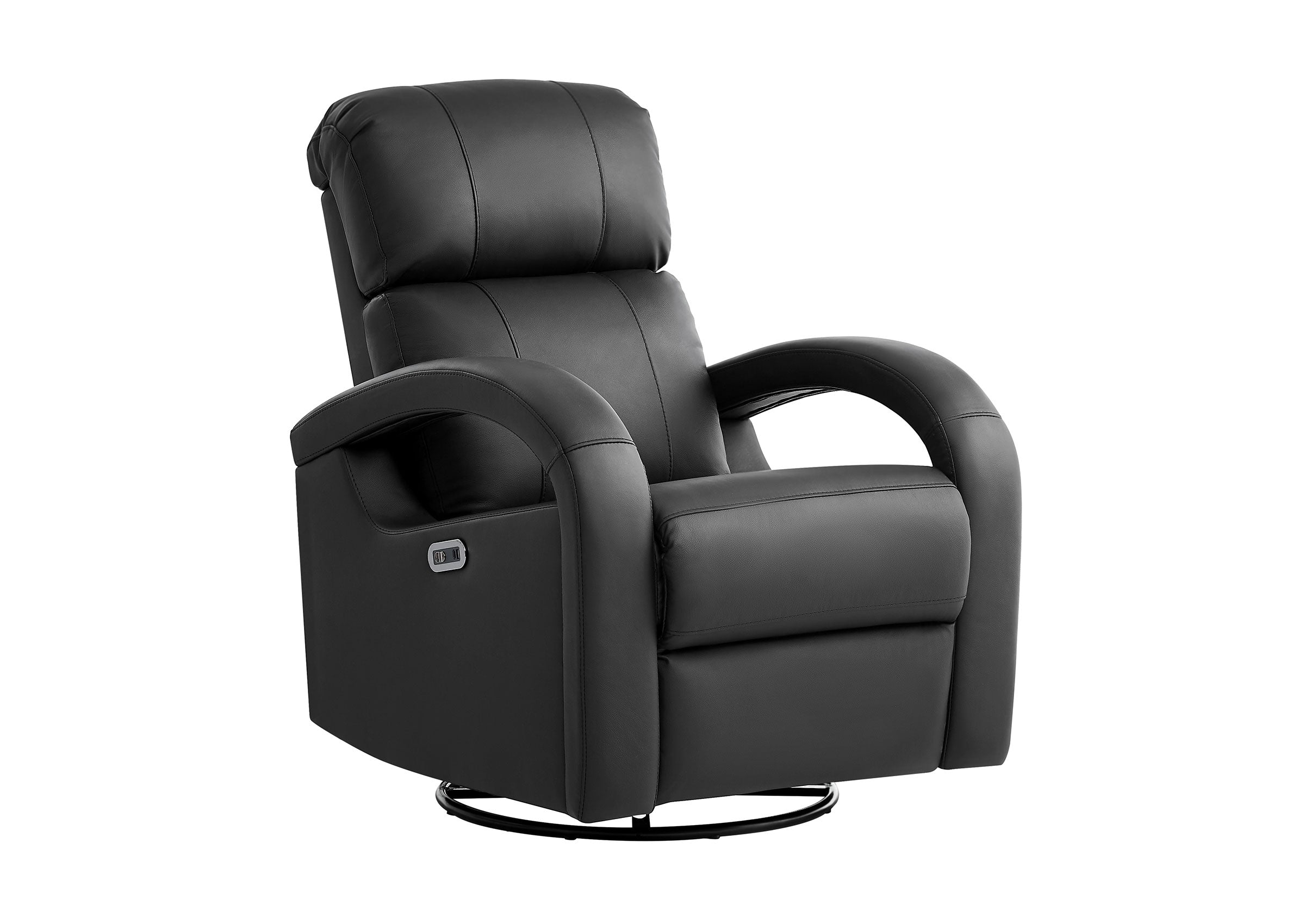
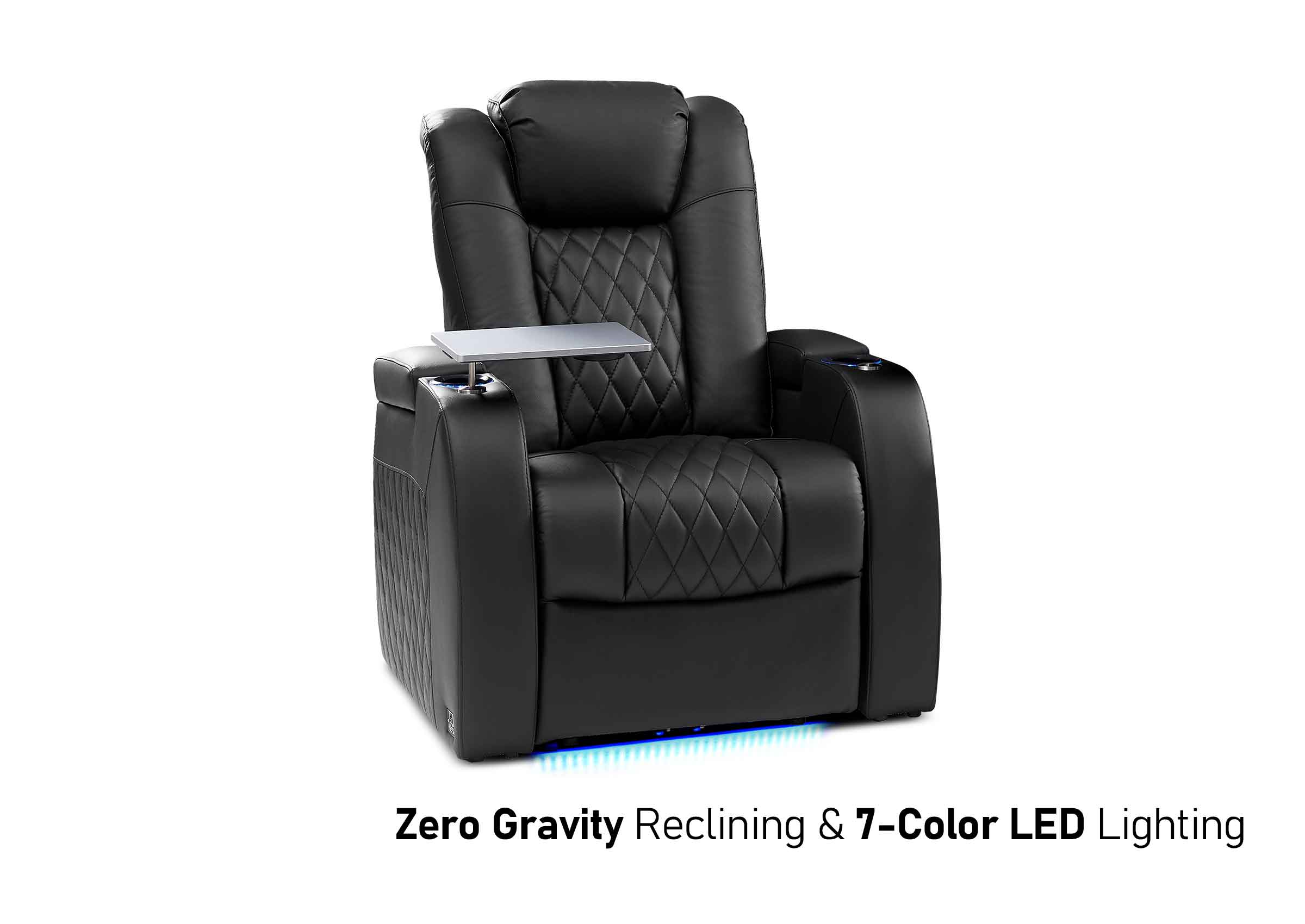
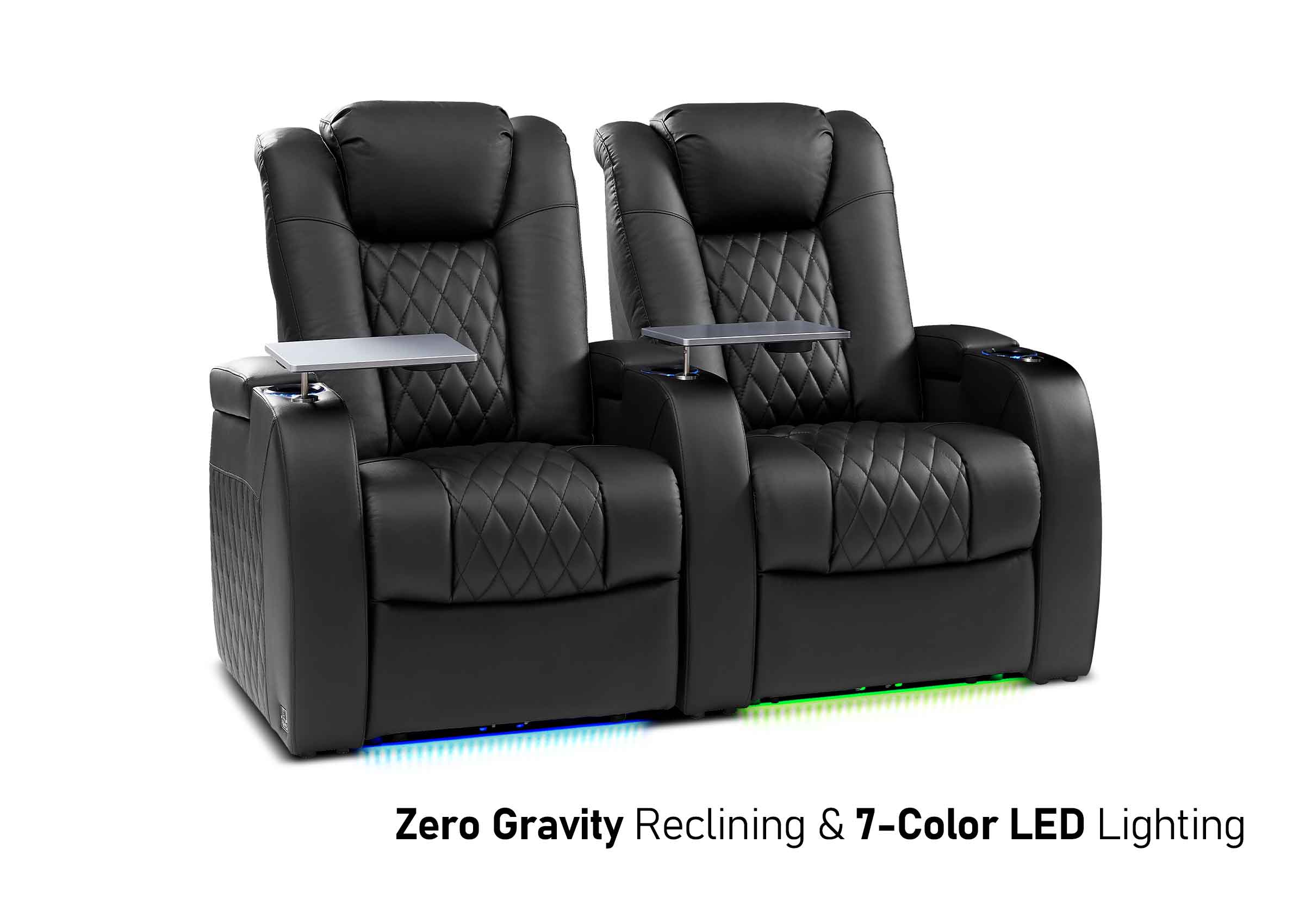
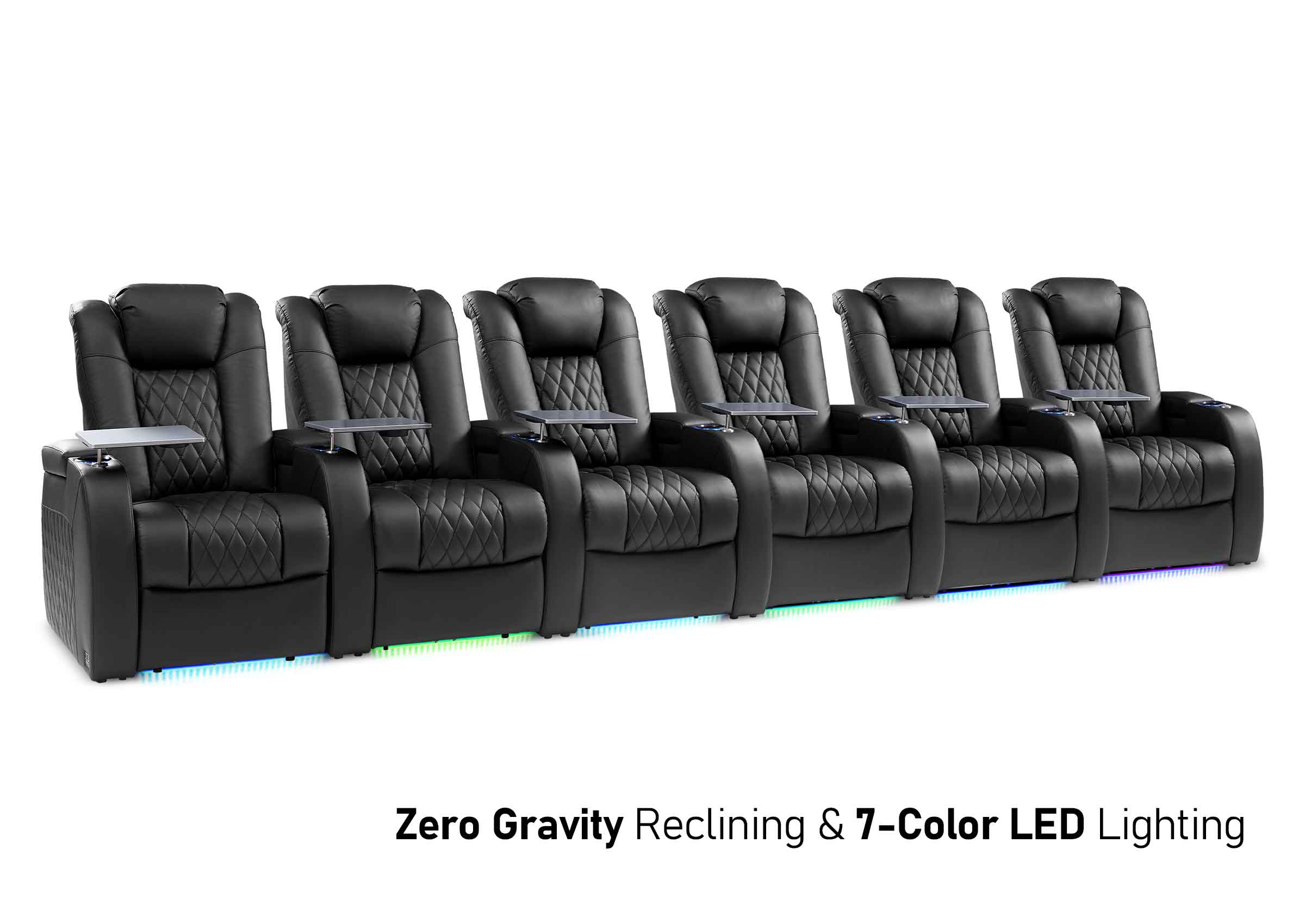
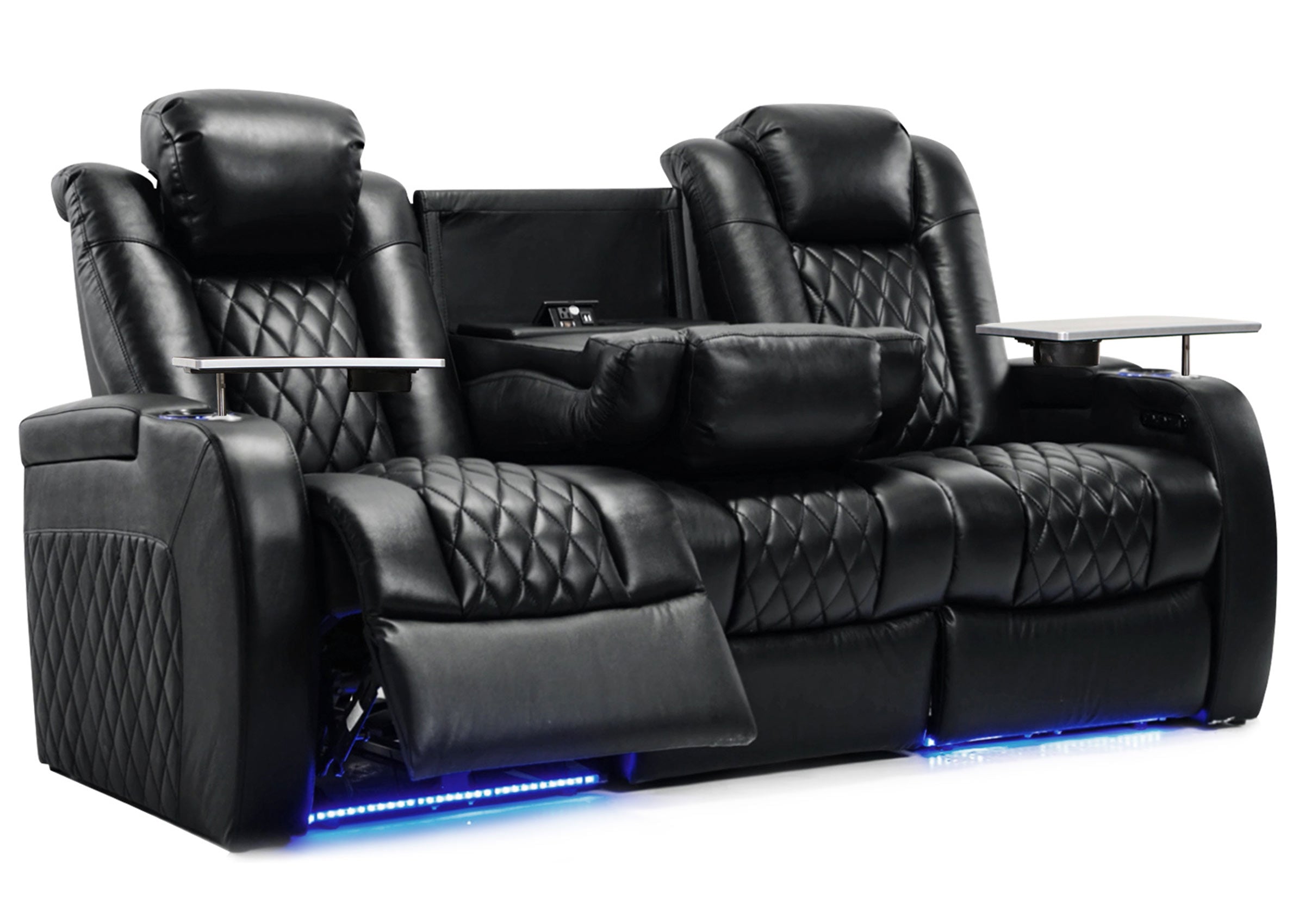
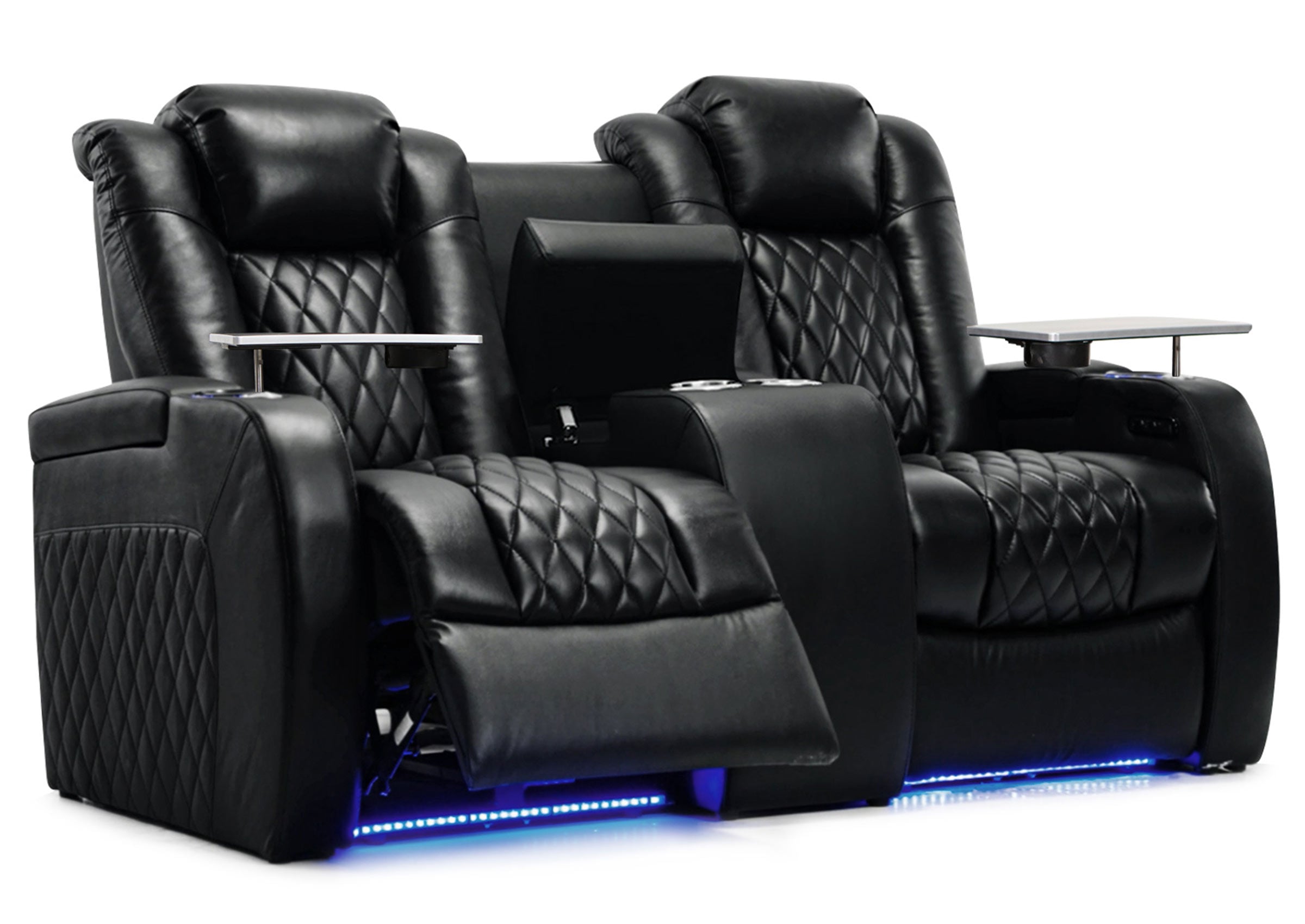
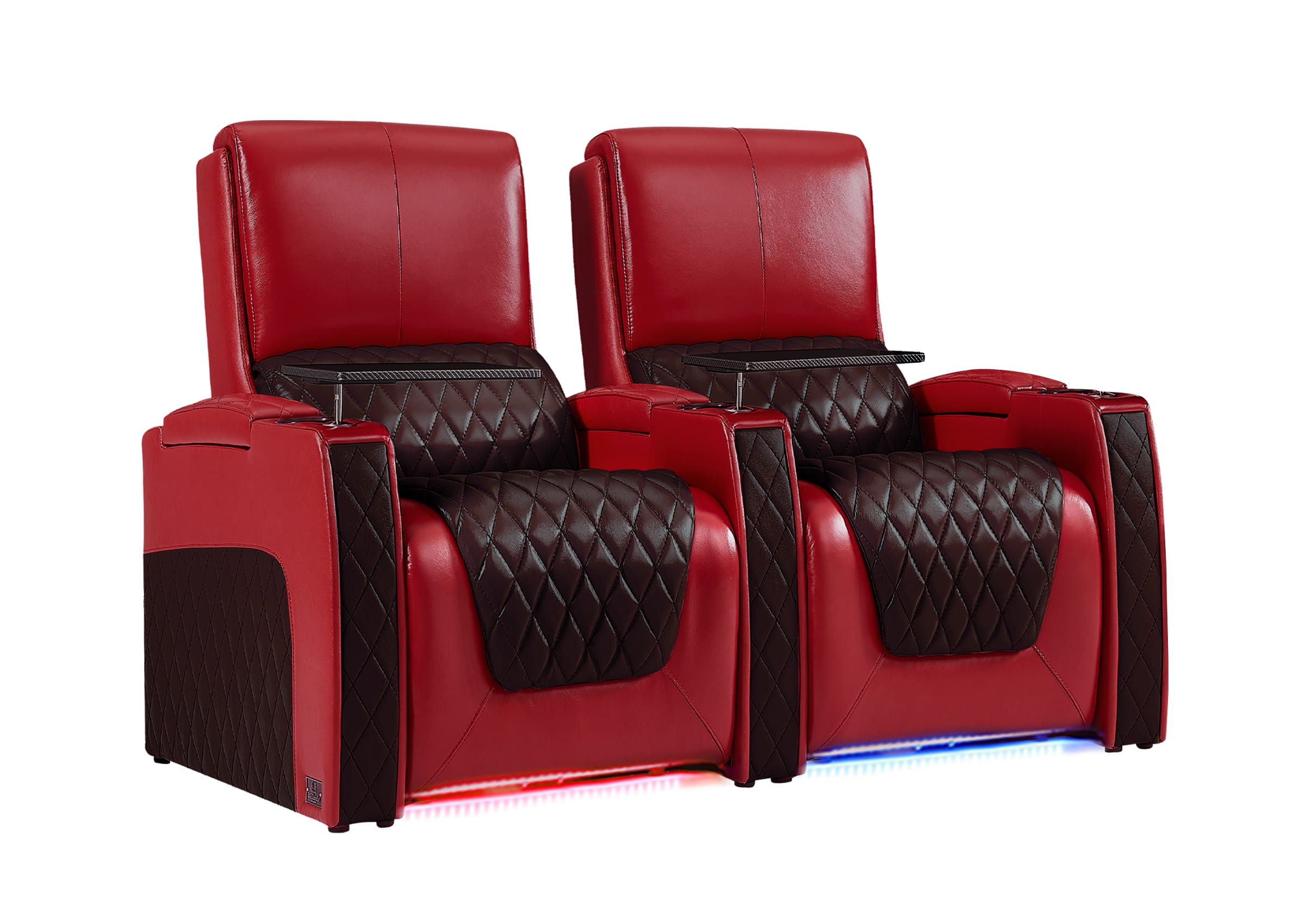
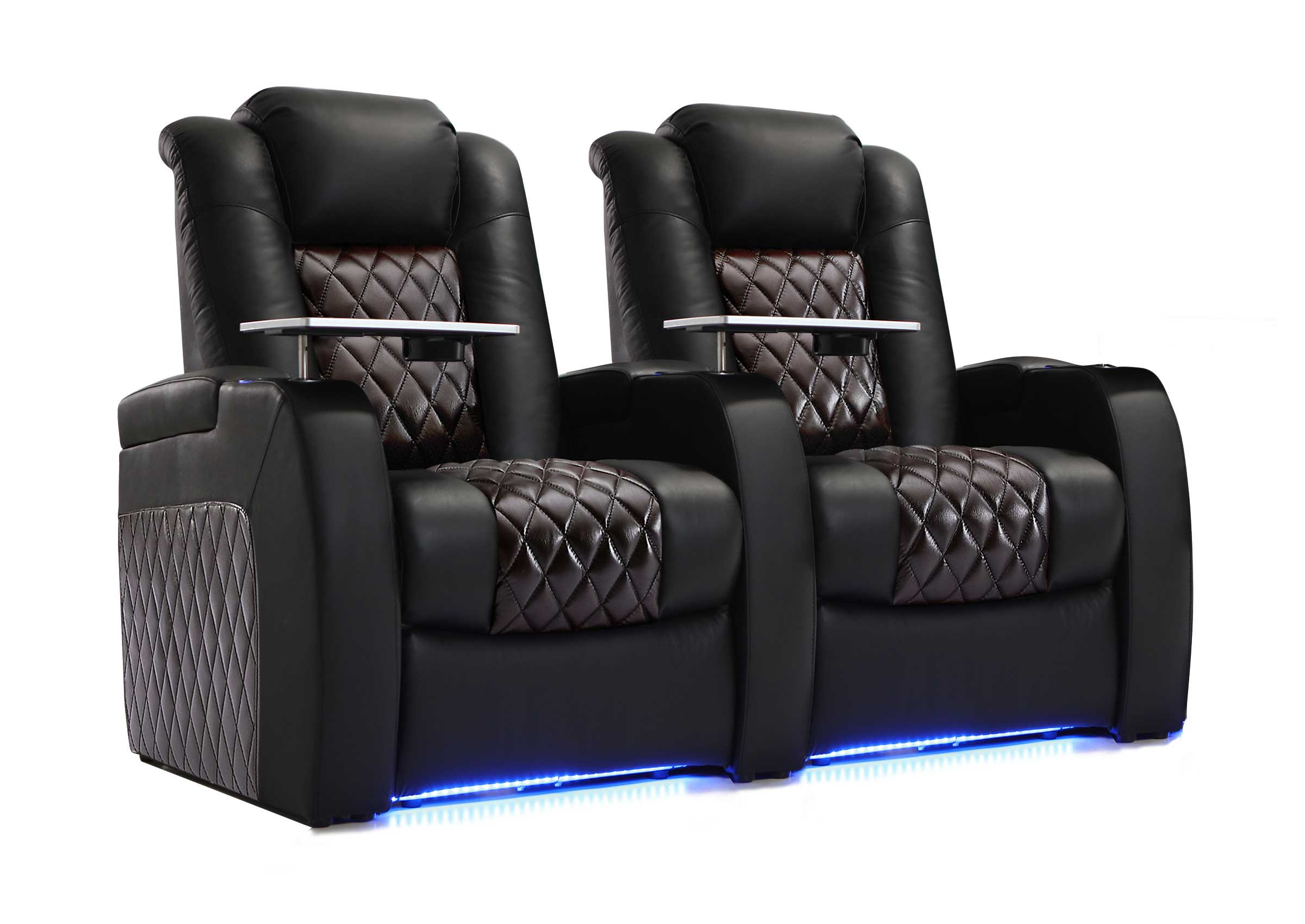
A loveseat recliner is a two-seat sofa where each seat can recline independently. The backrest tilts back and a footrest extends out, allowing the occupant to shift into a more horizontal position. Most models use either a manual lever or an electric motor to trigger the recline. Power recliners require proximity to an electrical outlet, which may limit where you can place them in the center of a room unless you use a battery pack.
What is a 2 seater recliner exactly? It is this type of piece. In this context, a "2 seater recliner" and a "loveseat recliner" are essentially the same thing. They offer two seats and two independent reclining functions built for full-body relaxation. The internal frame is more complex than a fixed sofa, and the piece tends to sit a bit further from the wall to allow the backrest to drop.

Comfort Features
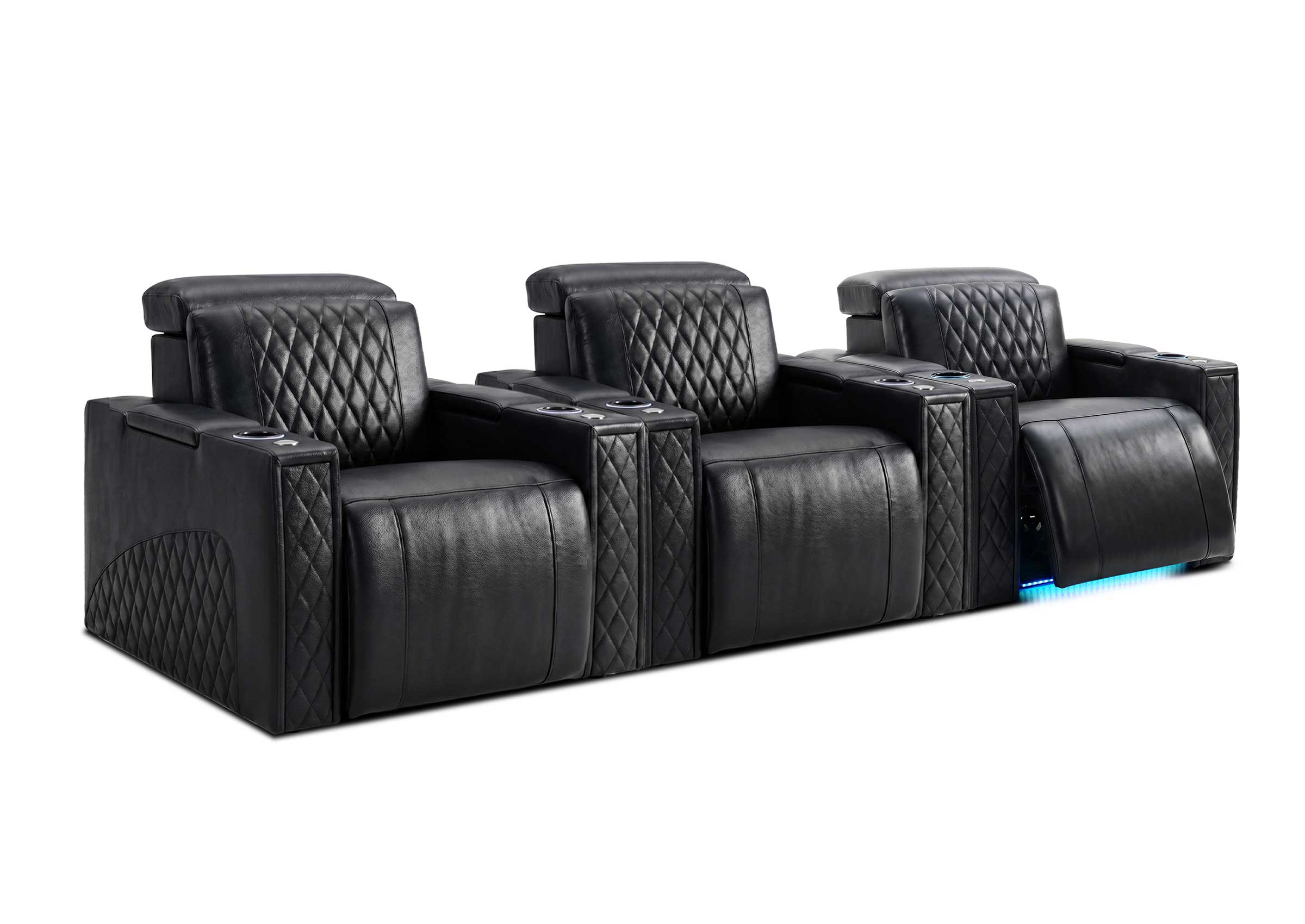
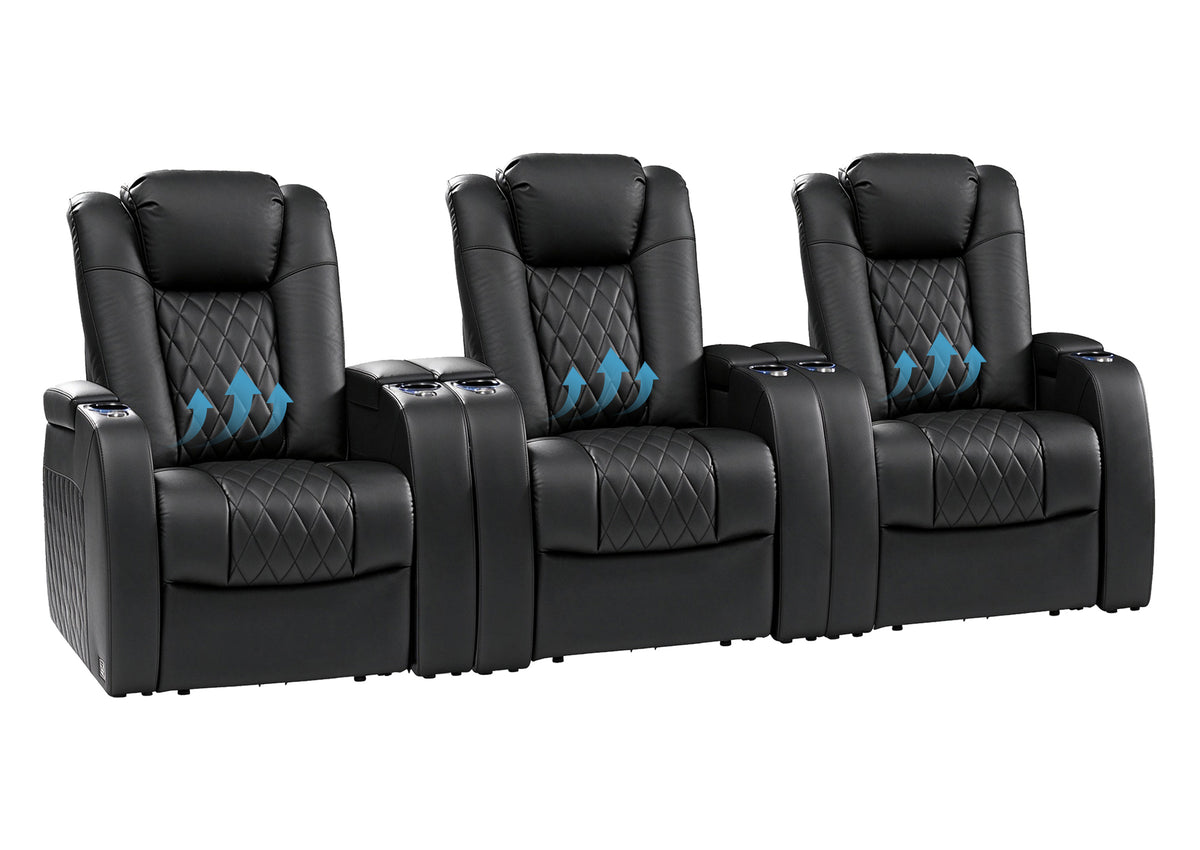
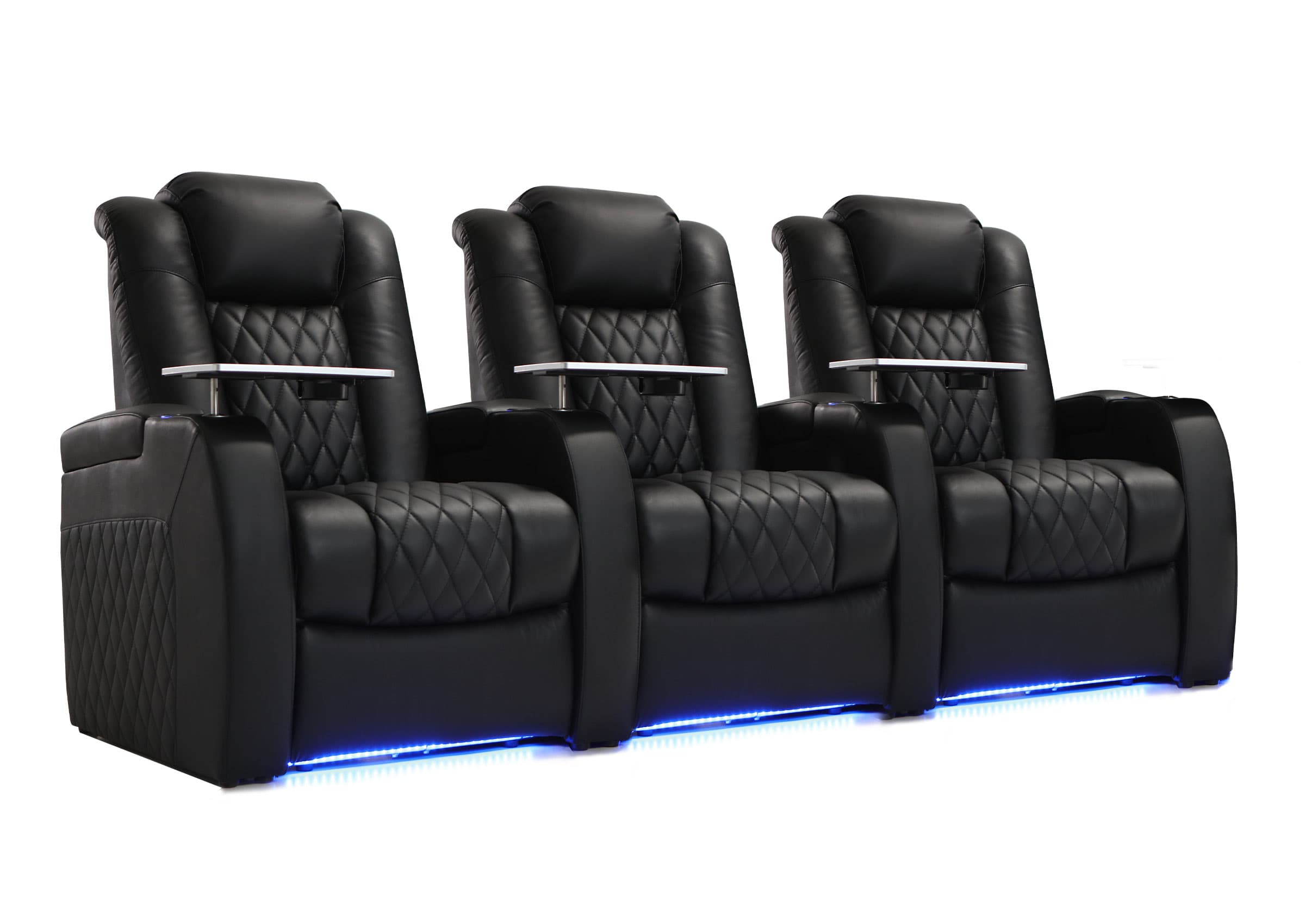
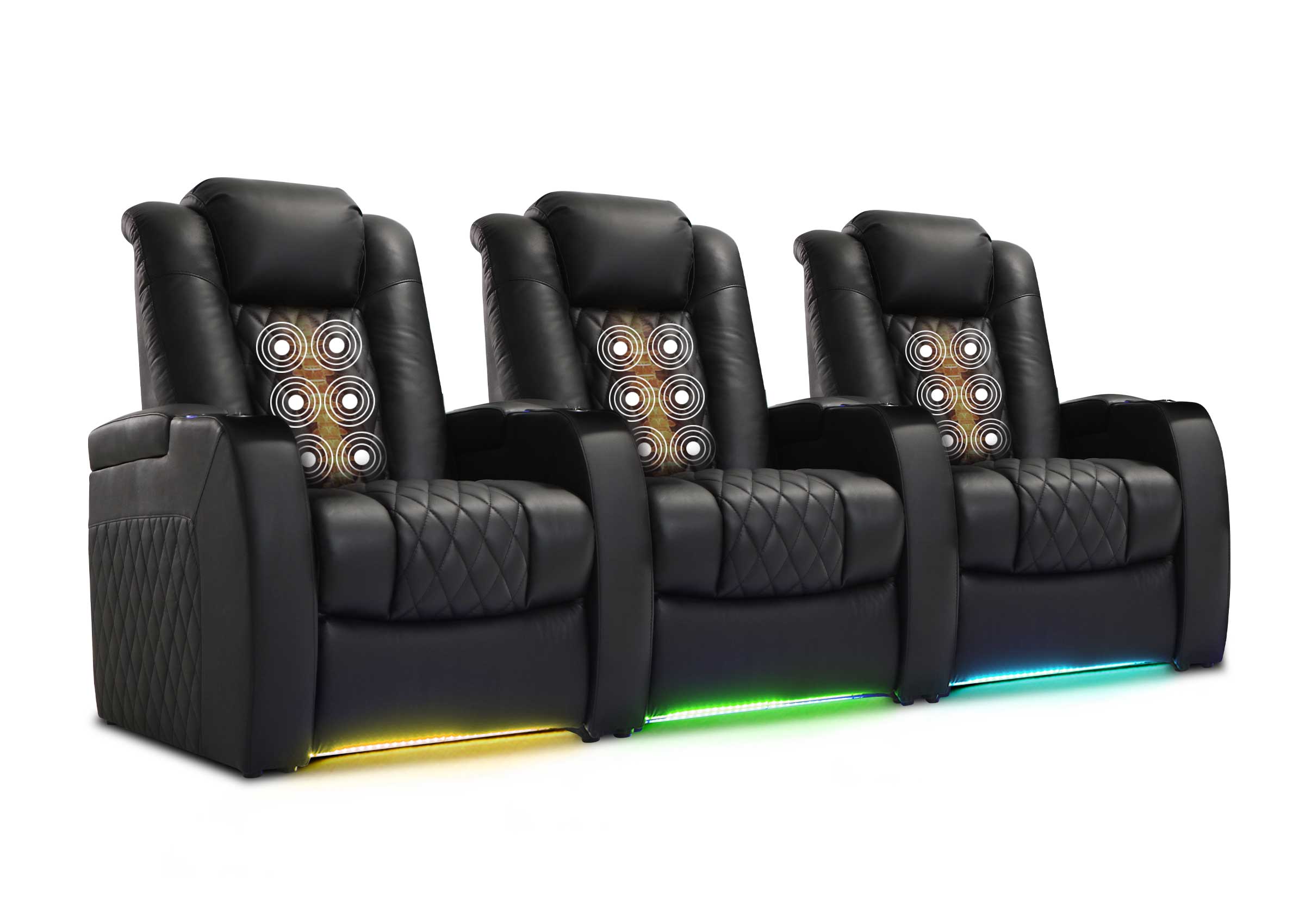
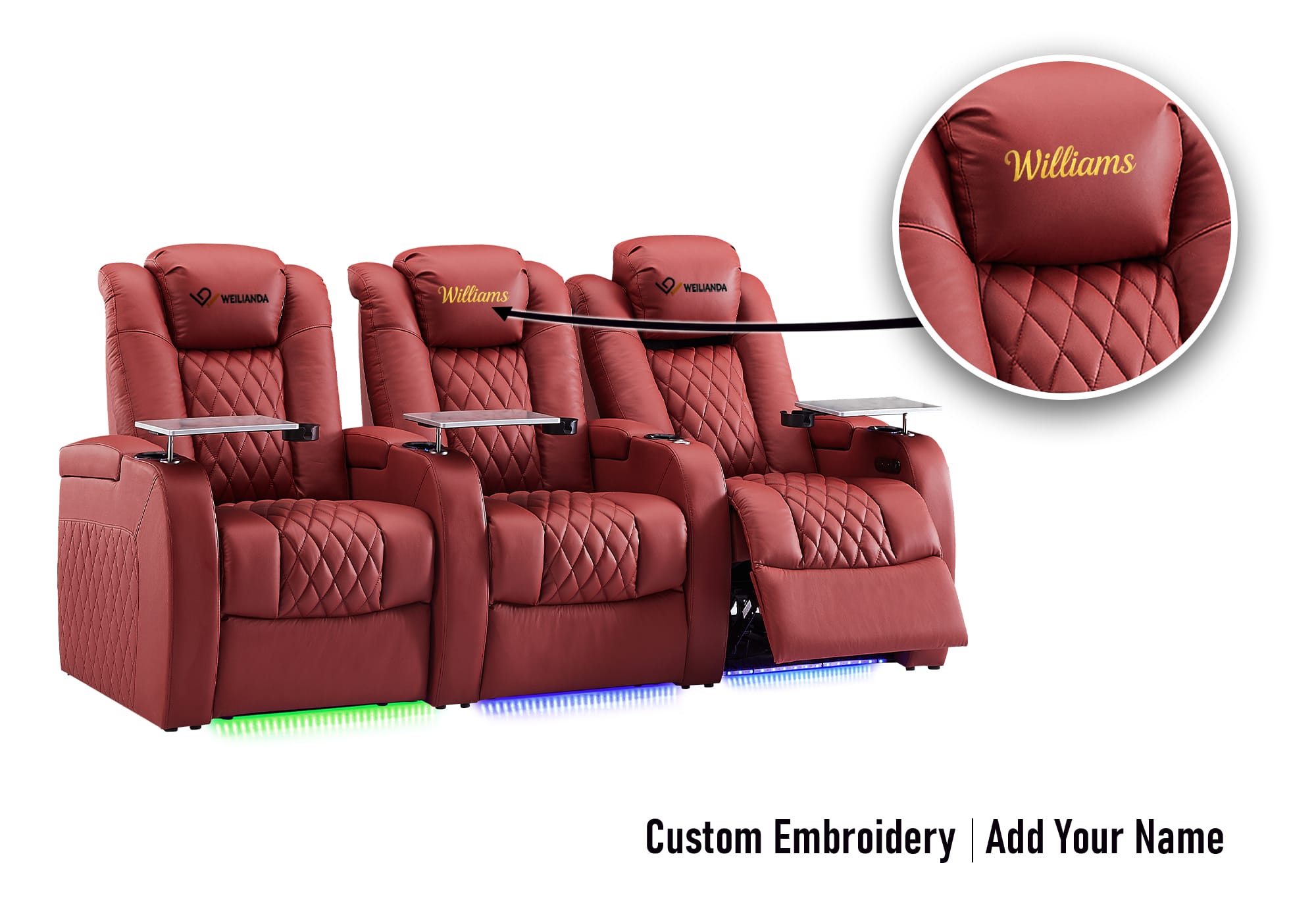
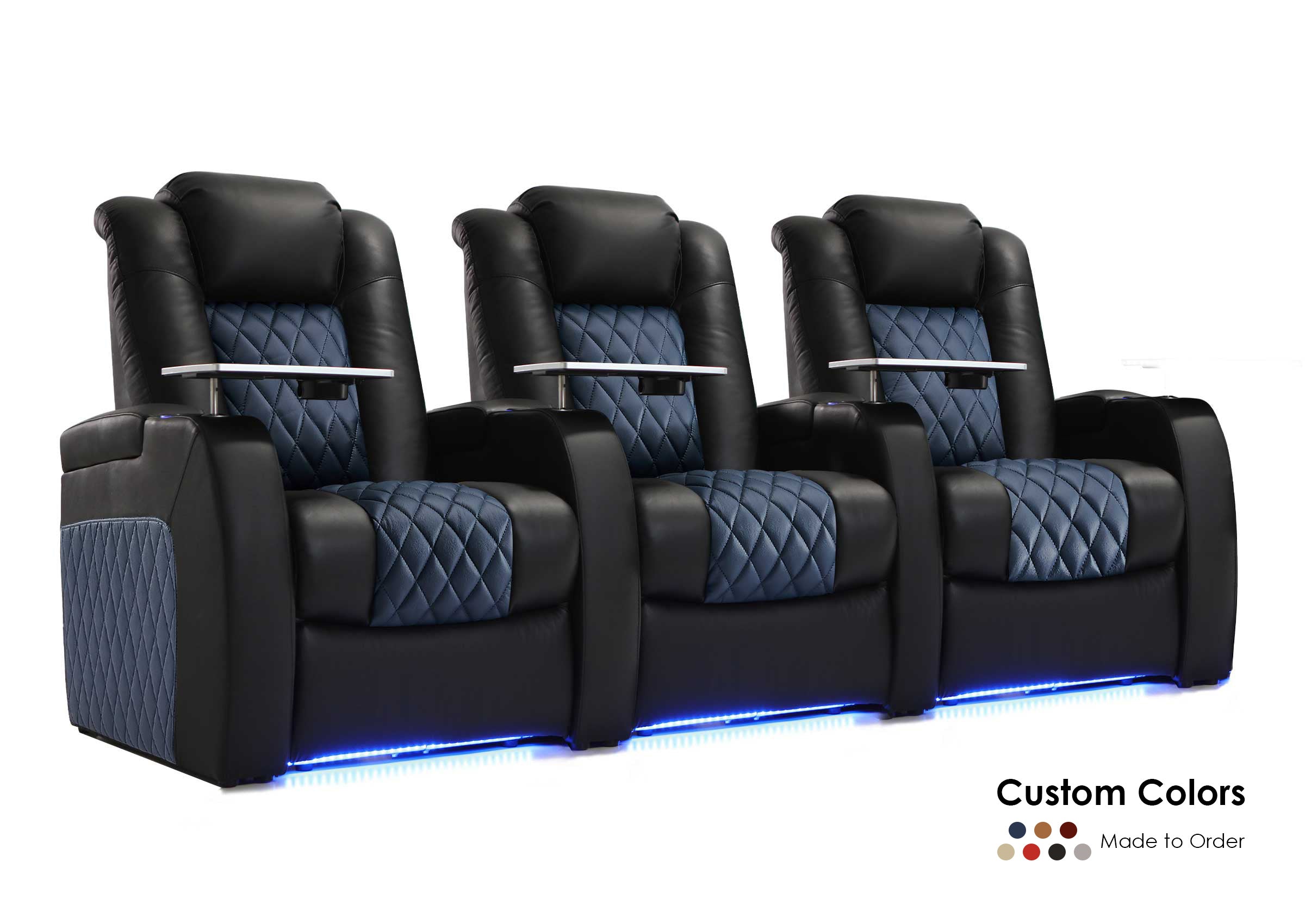
Many loveseat recliners include additional comfort details that standard 2 seaters do not. Padded headrests, lumbar support zones, and thick cushioned armrests are common. Some higher-end versions add heated seats, massage functions, or cup holders built into the center console.
These features make loveseat recliners a popular choice for media rooms and dedicated relaxation spaces. A home theater loveseat, for example, is specifically designed for long viewing sessions where back and leg support matter more than the sofa's visual presence in a room.
Key Differences in Function and Comfort
With the definitions in place, the functional differences between these two furniture types become easy to compare side by side.
| Feature | 2 Seater Sofa | Loveseat Recliner |
| Backrest | Fixed | Reclines independently per seat |
| Footrest | None | Extends with recline |
| Primary use | Sitting, socializing | Relaxing, resting, media viewing |
| Wall clearance needed | Minimal | 8 to 15 inches (varies by model) |
| Comfort features | Basic cushioning | Often includes headrests, lumbar support, cup holders |
| Typical weight | Lighter | Heavier due to mechanism |
| Style range | Wide, formal to casual | More casual or contemporary |

Everyday Use Patterns
People who use a 2 seater sofa tend to sit upright, lean forward in conversation, or perch on the edge. It is social furniture. A loveseat recliner, by contrast, is personal comfort furniture. People sink into it, recline fully, and stay for extended periods. The two pieces are built around different habits.
If the plan is to watch television, unwind after work, or take afternoon naps in the living room, a loveseat recliner fits that lifestyle better. If the priority is a refined space for conversation and entertaining, a 2 seater holds up more naturally.
Back and Leg Support
A recliner distributes body weight across the back, hips, and legs simultaneously. A fixed sofa does not offer that. For people with lower back discomfort or those who spend long hours sitting, the reclining position can be noticeably more comfortable over time. That said, the upright posture of a standard sofa may suit some people better during shorter sitting periods.
Comparing Size and Room Placement for Both Seating Options
Size and placement decisions often come down to the room itself. Both pieces are compact, but they interact with a space differently.
Footprint and Dimensions
A 2 seater sofa and a loveseat recliner often have similar widths, generally ranging from 52 to 65 inches. The key difference is depth. A loveseat recliner in the fully reclined position extends significantly further into the room. Wall-hugger recliner designs reduce this, but even those need a few inches of clearance behind the back panel.
Height is another factor. Most 2 seater sofas have a lower, uniform profile. A loveseat recliner in its upright position often appears taller and bulkier because of the padded headrests and thicker side panels.
Placement Flexibility
A 2 seater sofa can be pushed flush against a wall without any issue. A traditional loveseat recliner needs 10 to 15 inches of clearance to recline fully. Wall-hugger models slide forward as they recline, requiring only a few inches. This makes them a smarter choice for tighter rooms.
In open-plan spaces, a loveseat recliner can anchor a media corner while a 2 seater sofa handles a separate seating zone. The two pieces can even complement each other in a large living room where you want dedicated relaxation seating alongside conversational seating.

Style Considerations for Modern Living Spaces
Beyond function, the visual personality of each piece plays a role in how a room feels overall.
Aesthetic Profile
Traditional 2 seater sofas come in a much broader range of styles. Tuxedo arms, tight backs, sloped legs, channel tufting, and clean-lined silhouettes are all common. These sofas can sit comfortably in minimalist, mid-century modern, or even formal traditional rooms.
Loveseat recliners tend to have a more casual, contemporary look. The padded arms and thick seat cushions create a softer, rounder silhouette. In recent years, however, manufacturers have improved the design of reclining furniture considerably. Slimmer profiles and more tailored upholstery options now make it easier to fit a loveseat recliner into a modern living room without it feeling out of place.
Upholstery and Color Choices
Both types come in fabric and leather or faux-leather options. Fabric tends to be more forgiving in a casual setting and comes in a wider color range. Leather works well in a more polished room and is generally easier to wipe clean, which is useful in households with children or pets.
The difference between a loveseat and a sofa in terms of design flexibility is worth considering if you have a specific interior style in mind. A 2 seater sofa offers more variety, while a loveseat recliner may require more intentional styling to blend into a curated space.

What Works in a Home Theater Setup
A home theater loveseat is purpose-built for media rooms. These seats are often darker in color, made from easy-clean materials, and include features like armrest storage and integrated cup holders. They are designed to disappear into the room during a film and become all about comfort rather than decor. If creating a dedicated viewing room is the goal, a home theater loveseat typically outperforms a standard 2 seater sofa in most practical way.
Find the Right Seat for How You Actually Live
Both the loveseat recliner and the 2 seater sofa have clear strengths. The right choice comes down to how you use your space. If comfort and relaxation drive the decision, a loveseat recliner delivers more. If style, flexibility, and social seating matter more, a traditional 2 seater holds its own. Think about your daily routine, your room size, and the atmosphere you want, then choose the piece that fits the life you actually have.
Frequently Asked Questions about Loveseat Recliners
Q1: Can a Loveseat Recliner Fit in a Small Living Room?
Yes, but placement requires planning. Wall-hugger recliner models are specifically designed for tighter spaces and need only a few inches of clearance behind the back. Standard recliner models need around 10 to 15 inches. Measure the room carefully and account for the fully extended footrest before purchasing.
Q2: What Is the Main Difference Between a Loveseat and a Sofa?
Size is the core difference. A loveseat seats two people, while a sofa typically seats three or more. Both can be fixed or reclining, but loveseats have a smaller footprint and are often used in secondary seating areas or smaller rooms.
Q3: Is a Loveseat Recliner Good for Watching TV?
Yes, it is one of the best seating options for long viewing sessions. The reclined position reduces pressure on the lower back and legs, making it more comfortable than an upright sofa for extended periods. A home theater loveseat takes this further with added features like cup holders, storage, and USB charging ports.
Q4: Are 2 Seater Recliners the Same as Loveseat Recliners?
Generally, yes. A 2 seater recliner refers to any reclining sofa designed for two people. A loveseat recliner is the same concept, sometimes called by a different name depending on the retailer. Both have two independently reclining seats. The terms are used interchangeably in most furniture contexts.
Q5: Which Option Lasts Longer Over Time?
Both can be durable, but build quality varies. Reclining furniture has more moving parts, so the mechanism needs periodic maintenance and may wear faster with heavy daily use. A fixed 2 seater sofa has fewer mechanical components, which can mean fewer potential points of failure. Choosing a well-built frame and quality upholstery matters more than the type of furniture when it comes to long-term durability.