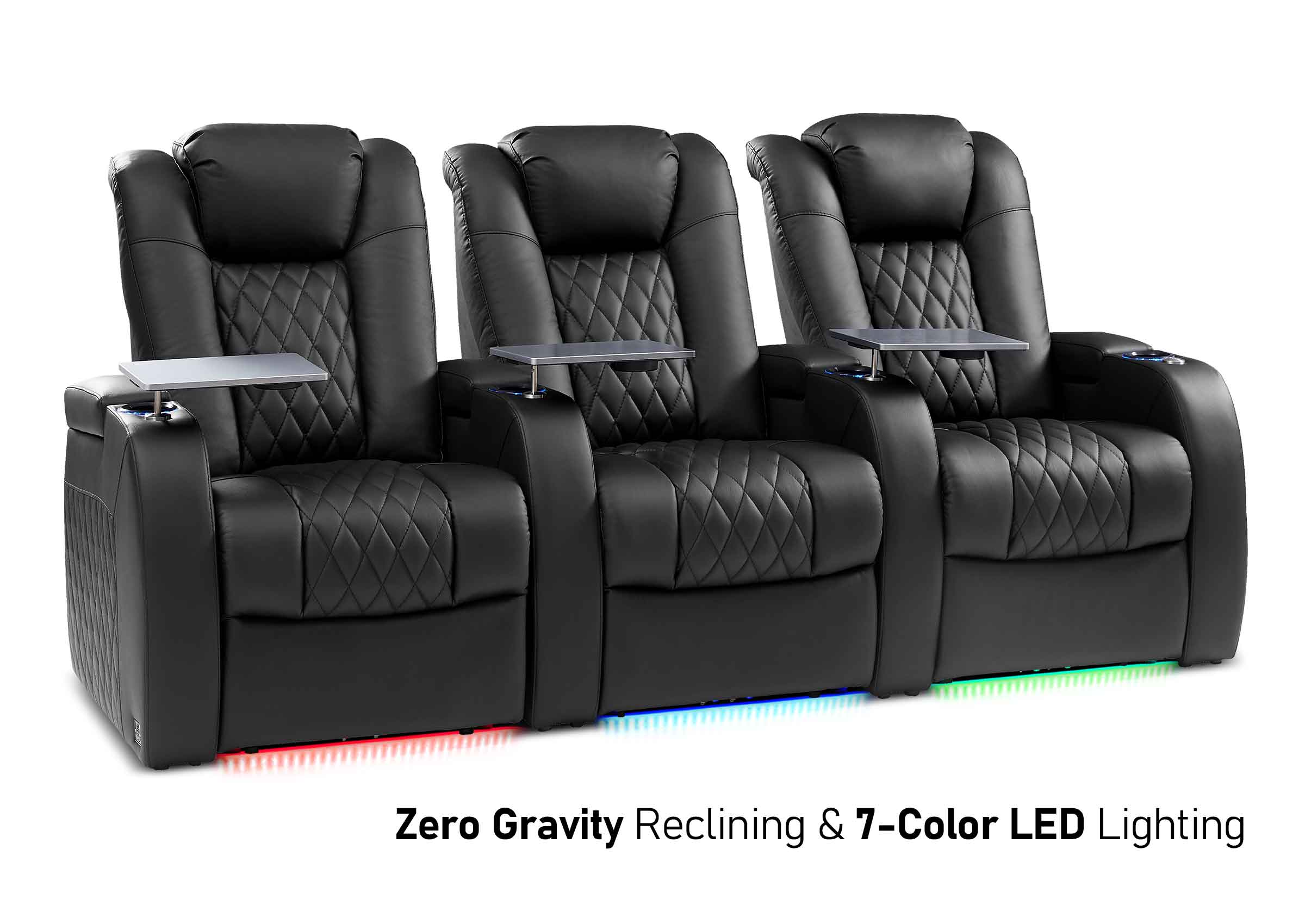
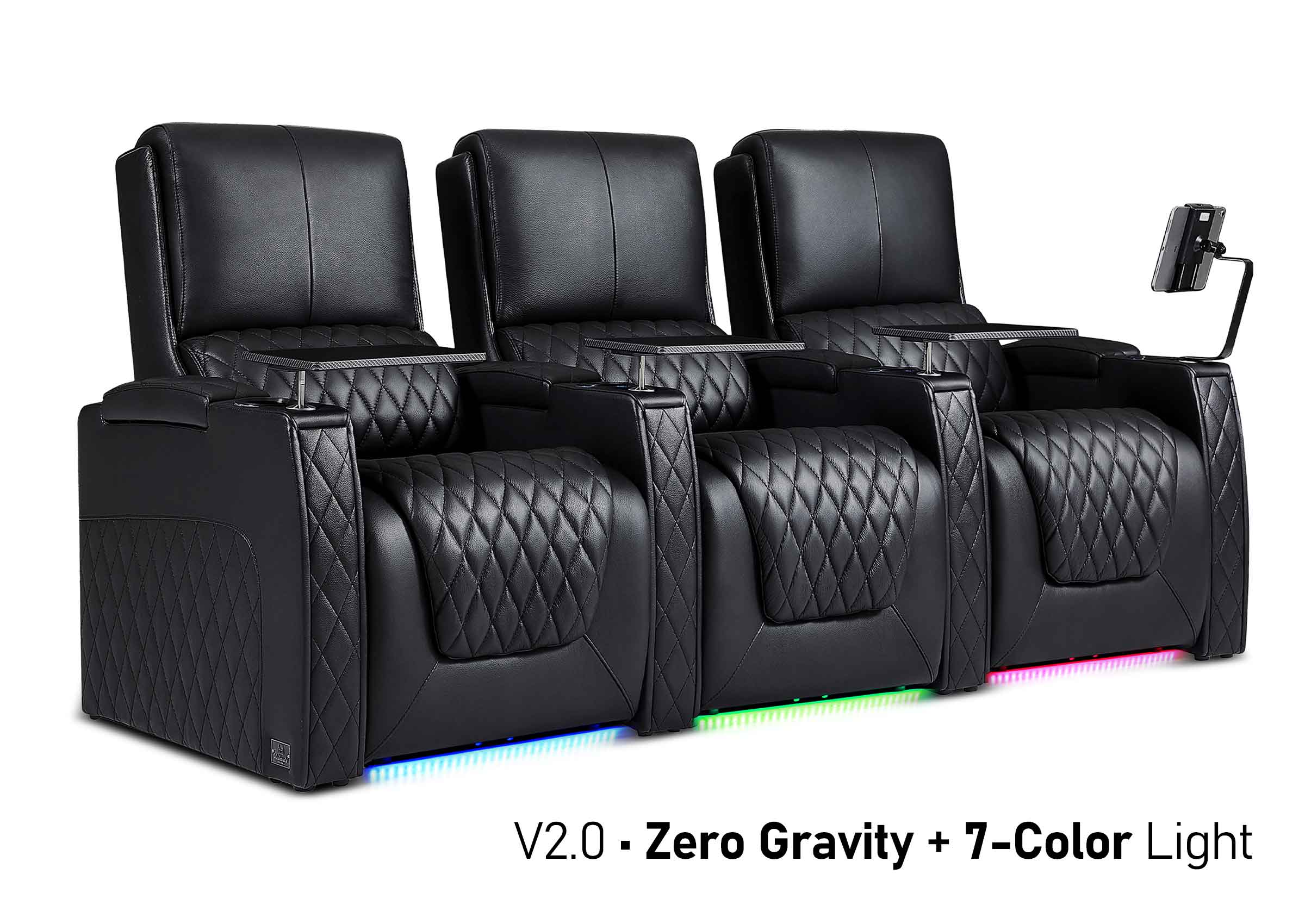
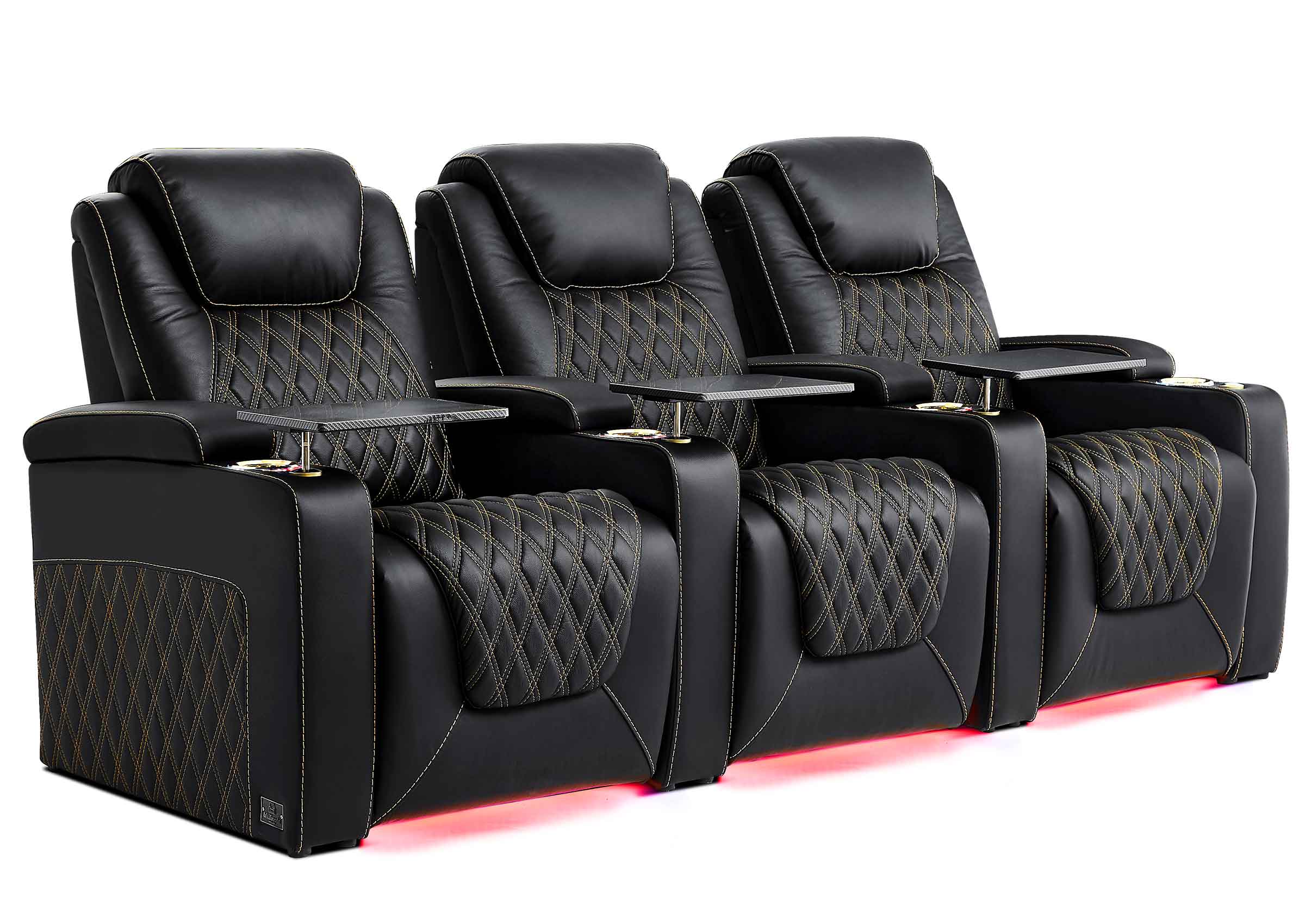
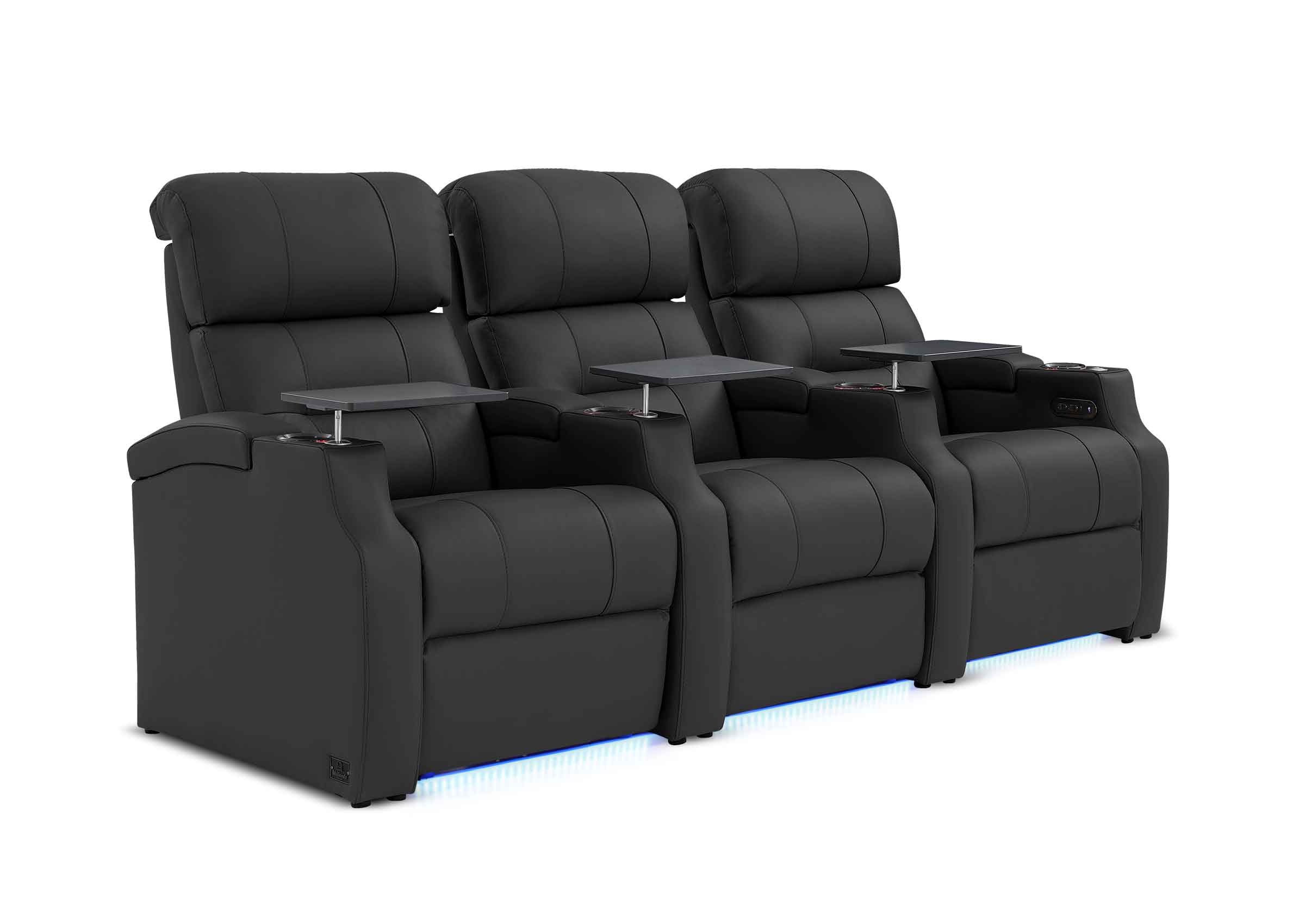

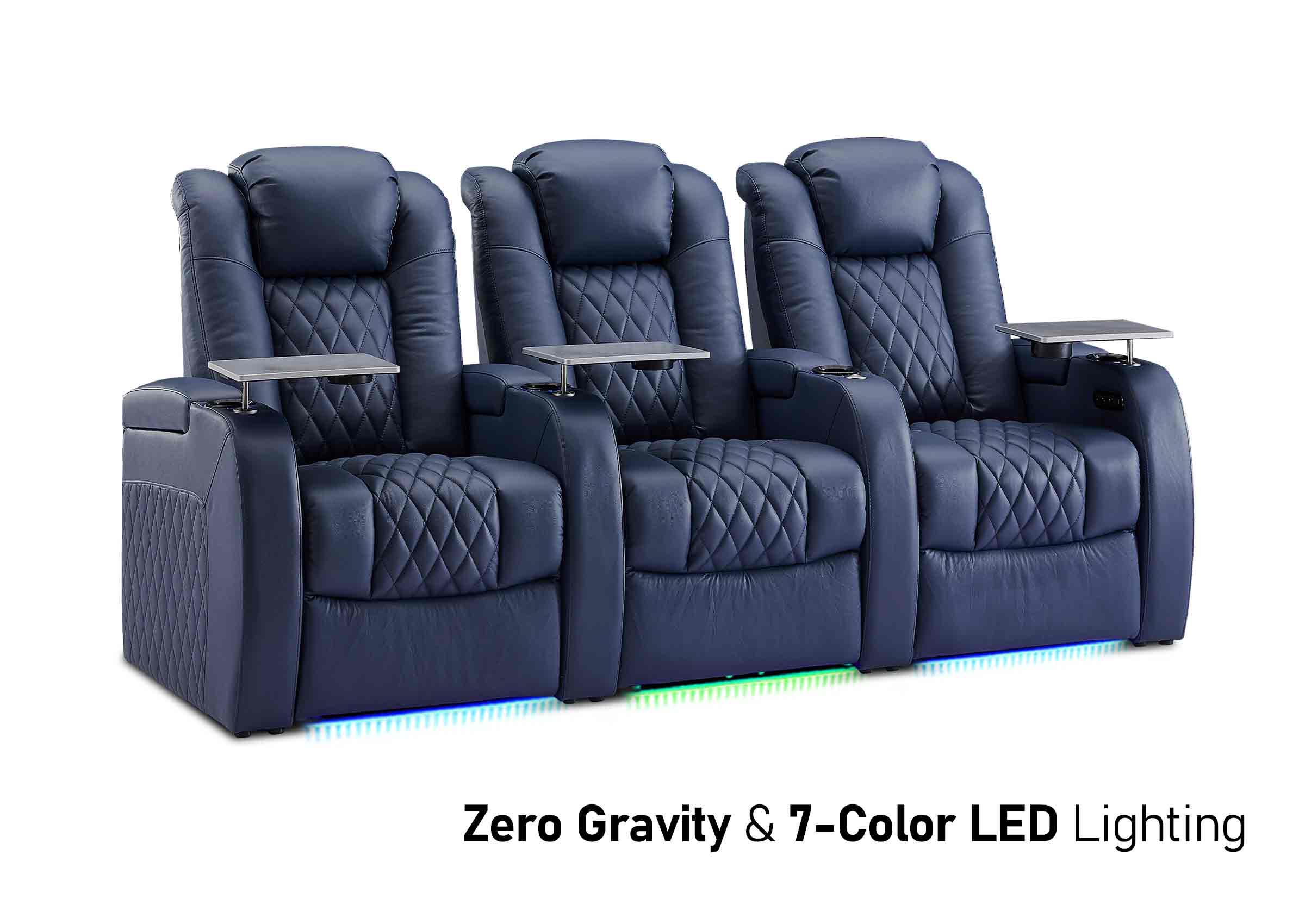
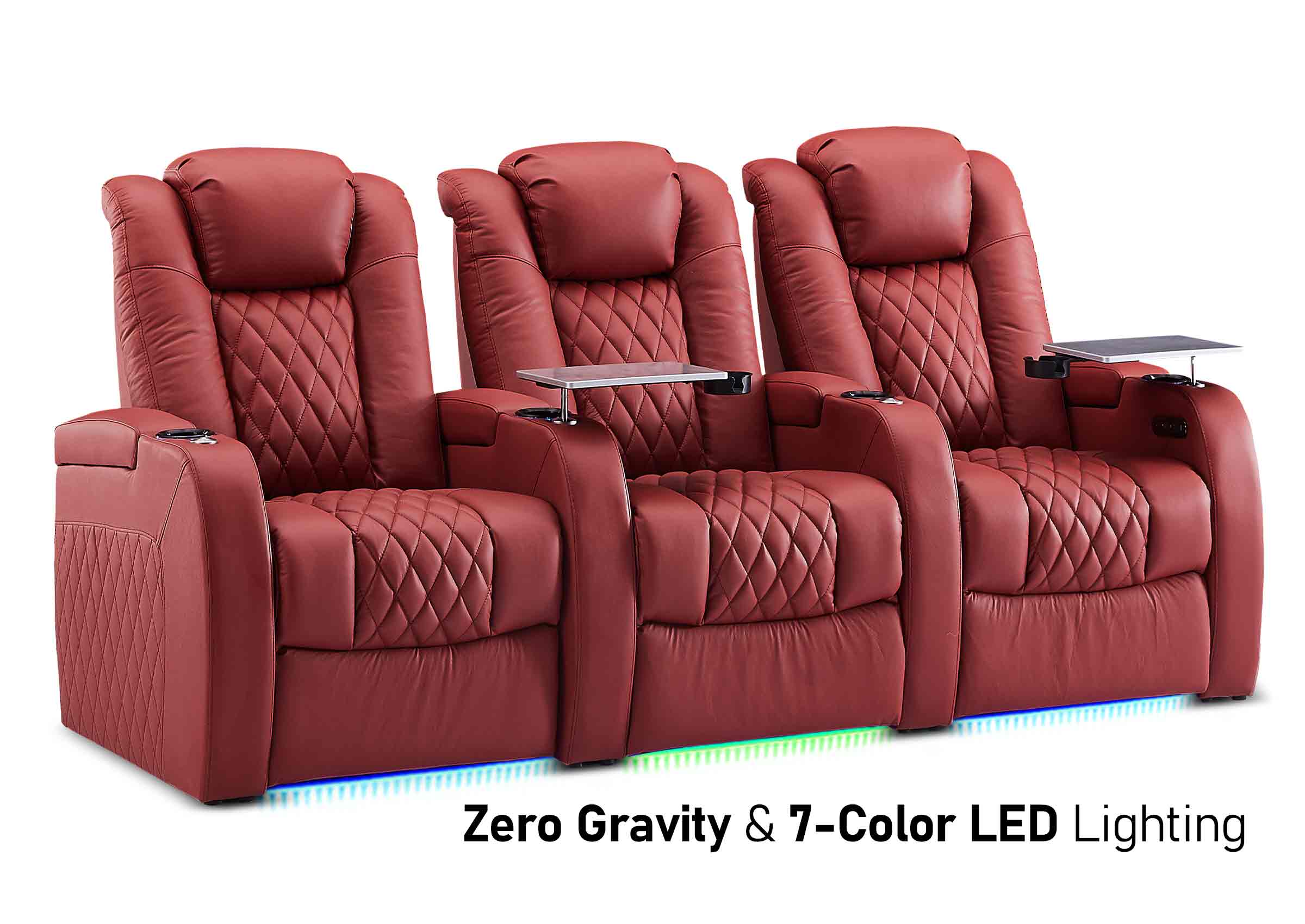
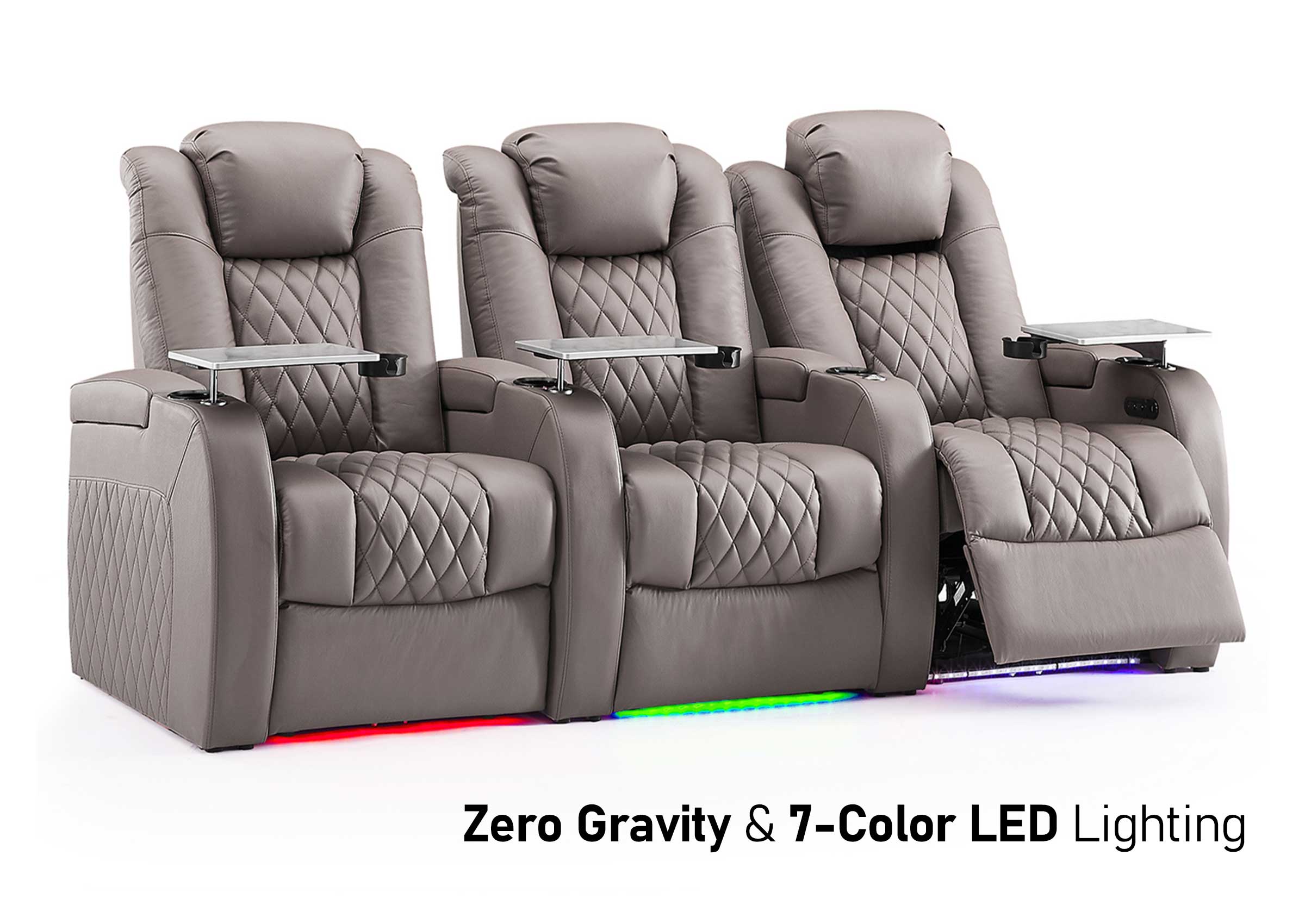
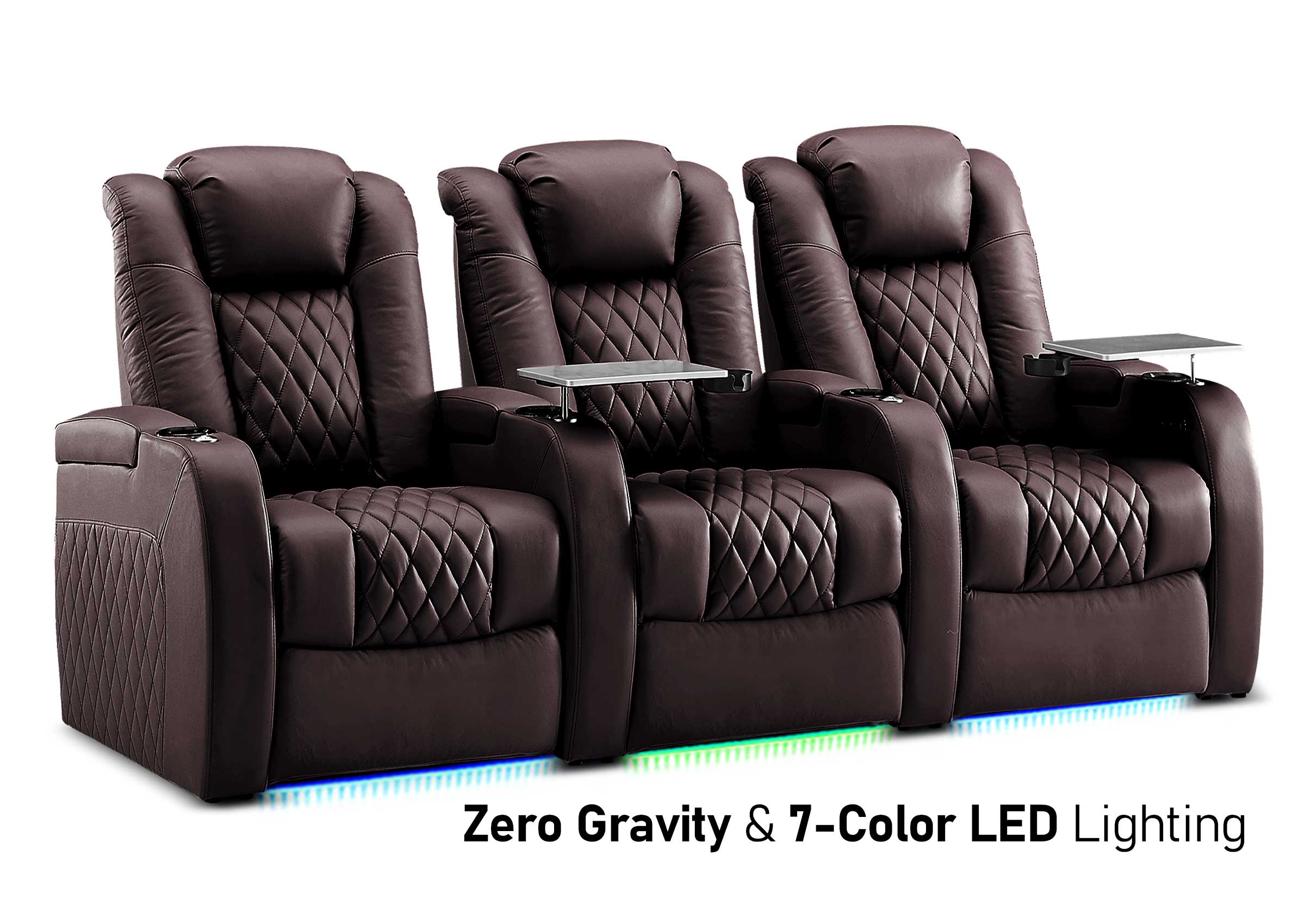

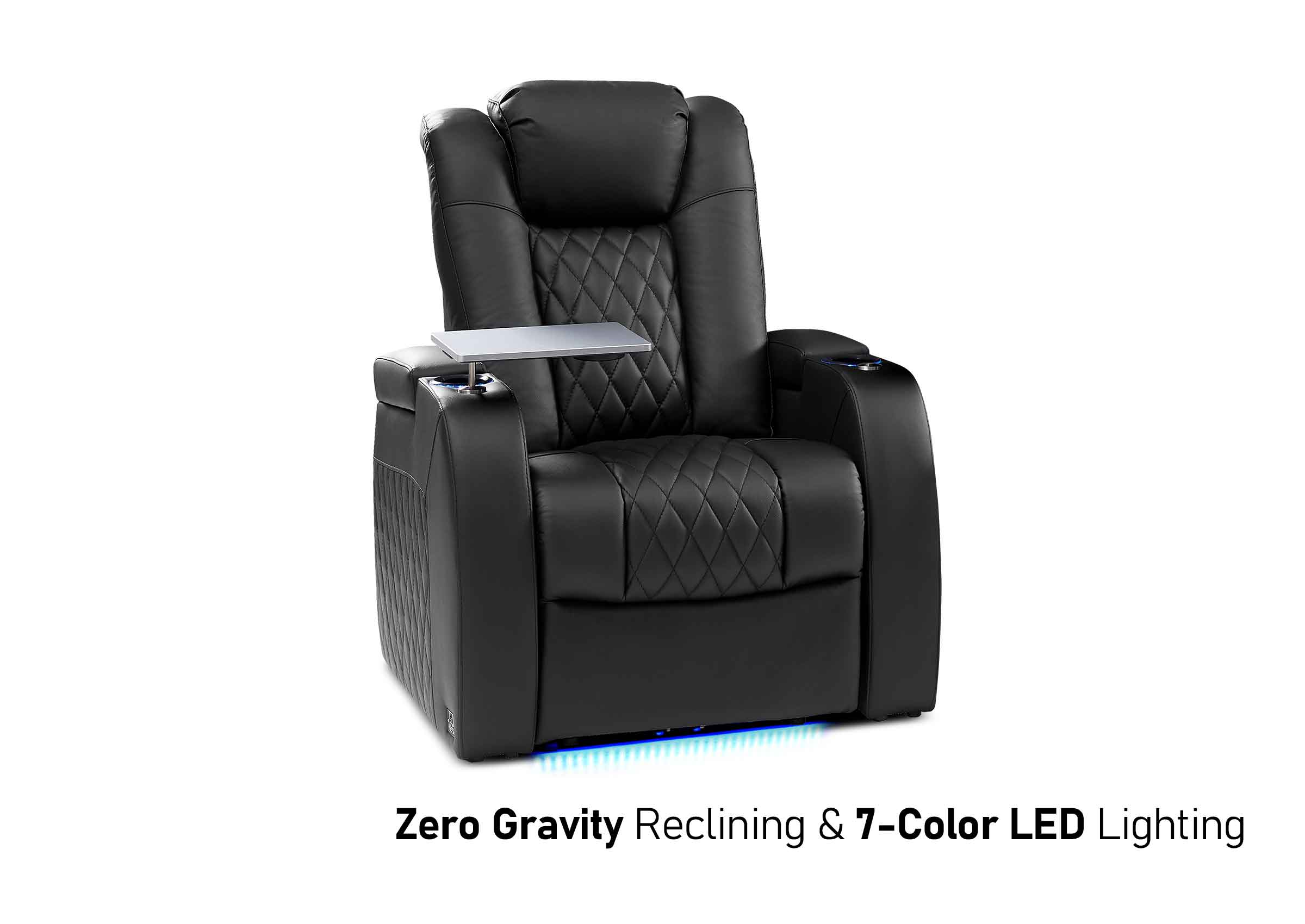
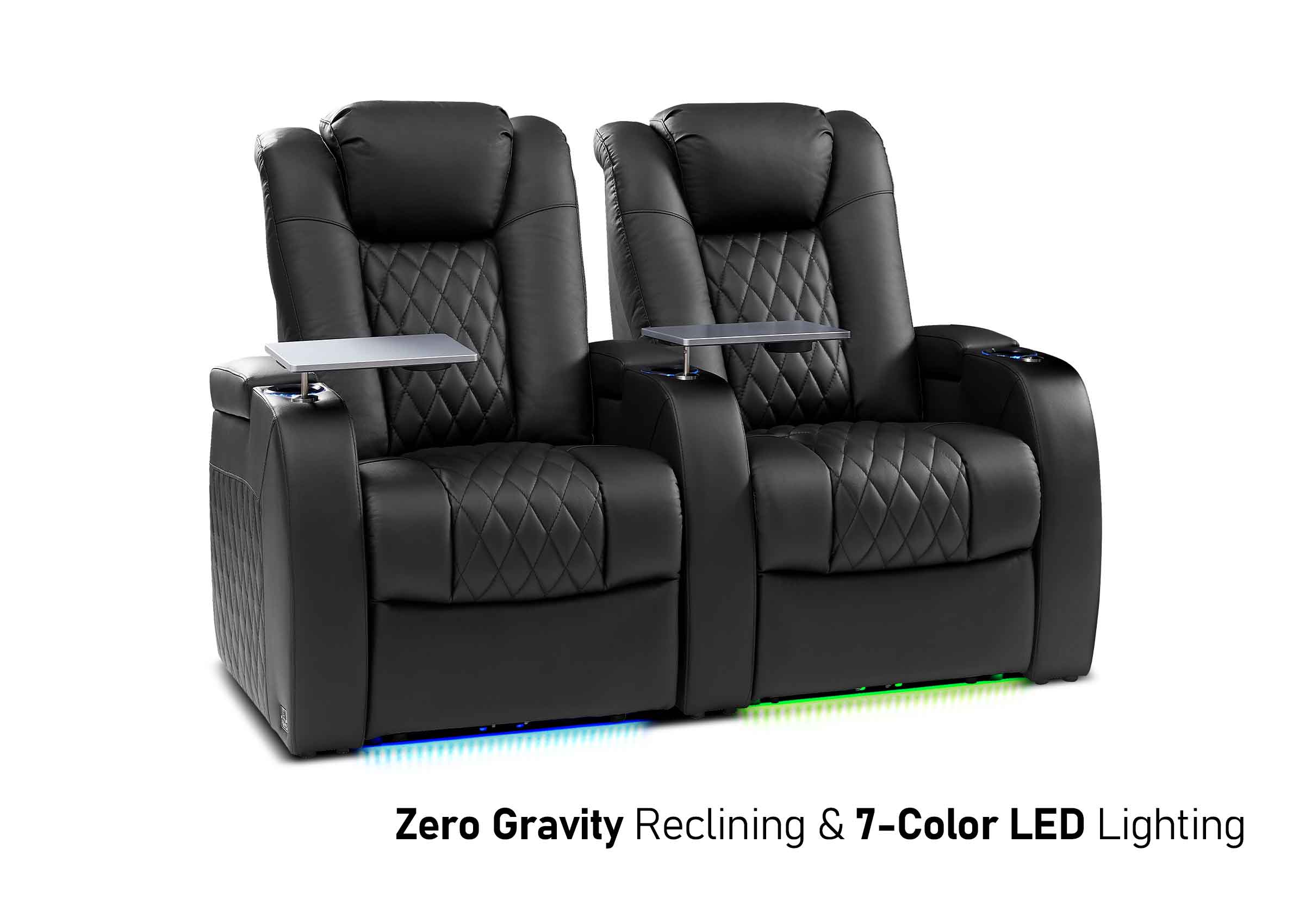
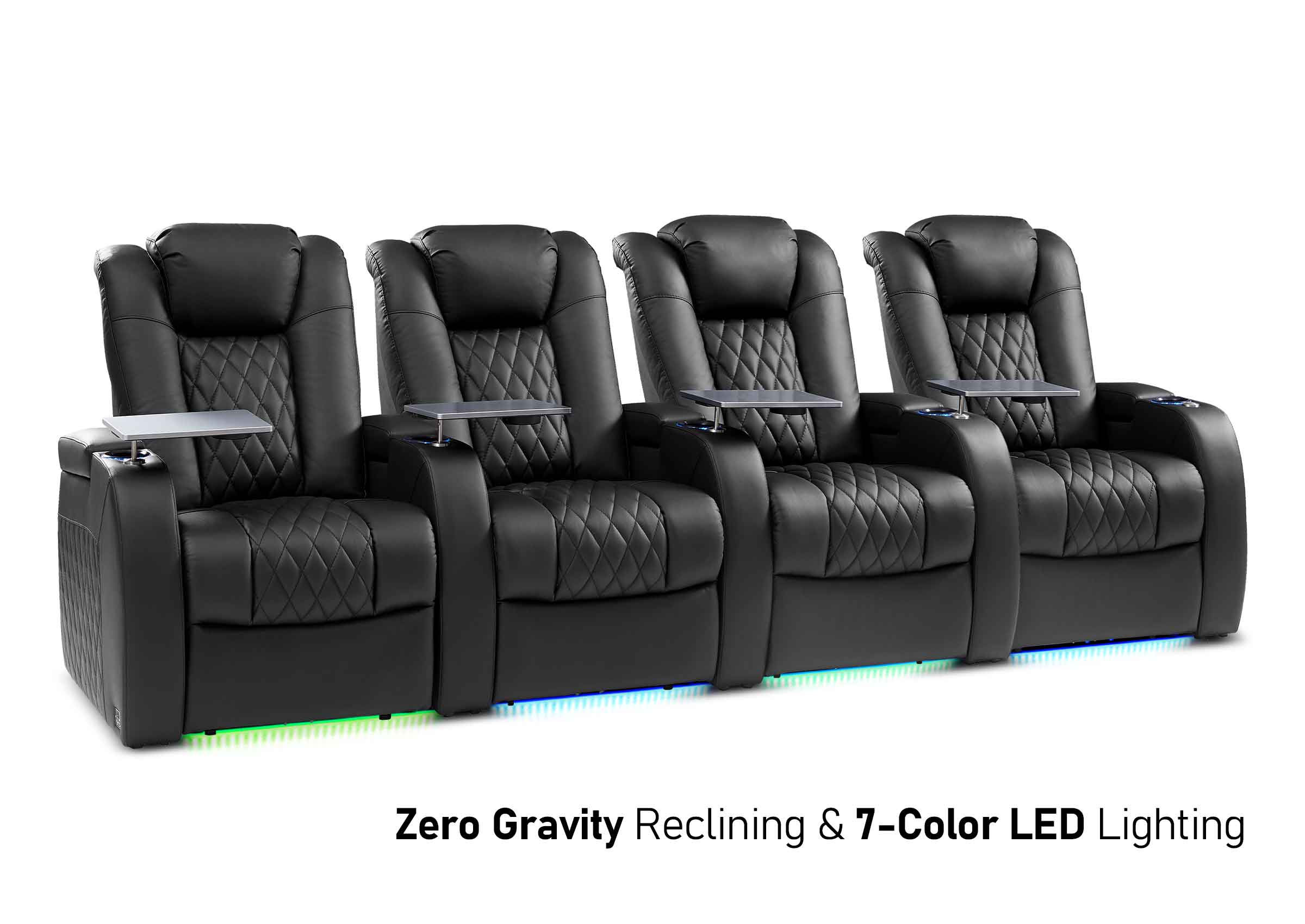
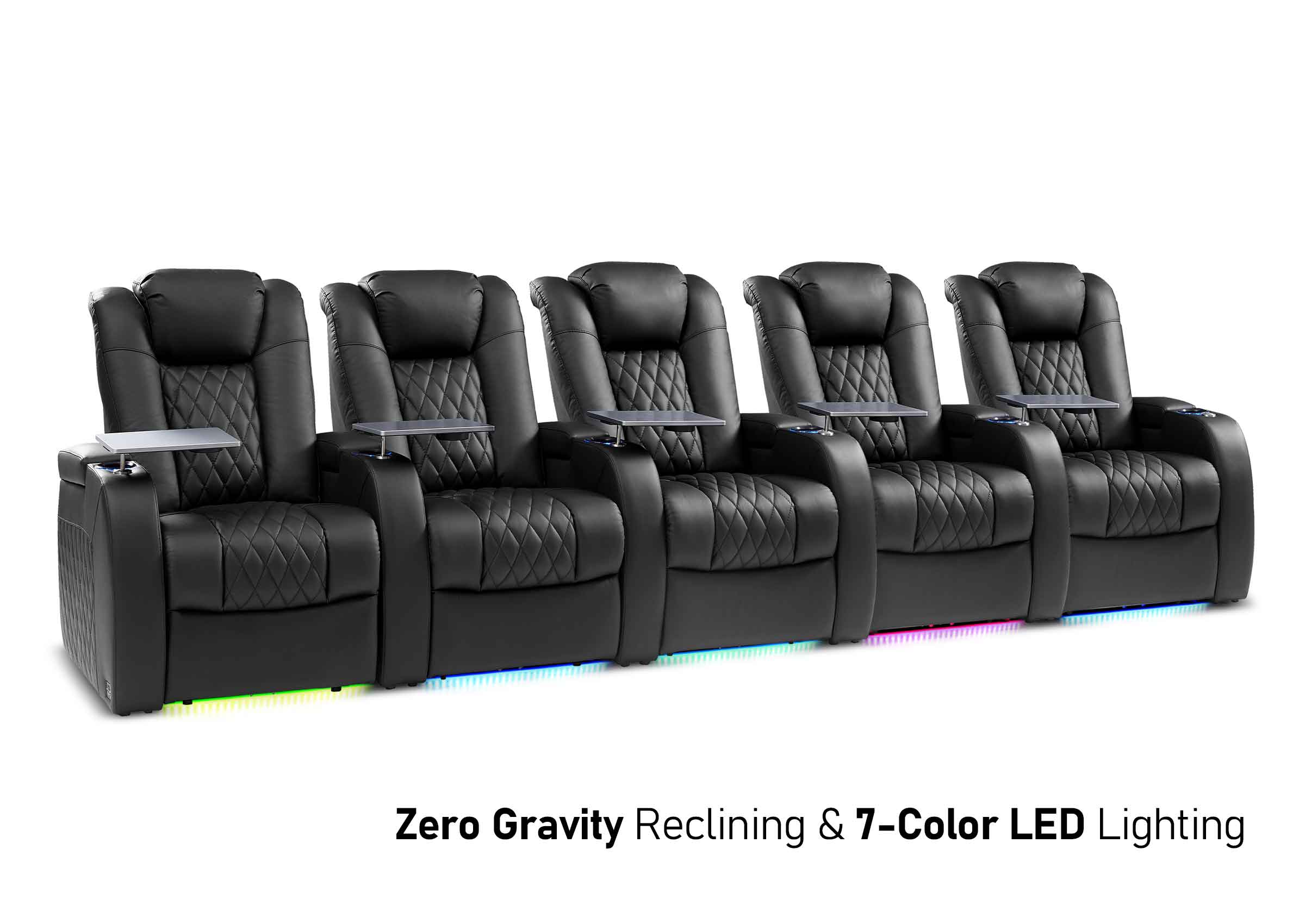
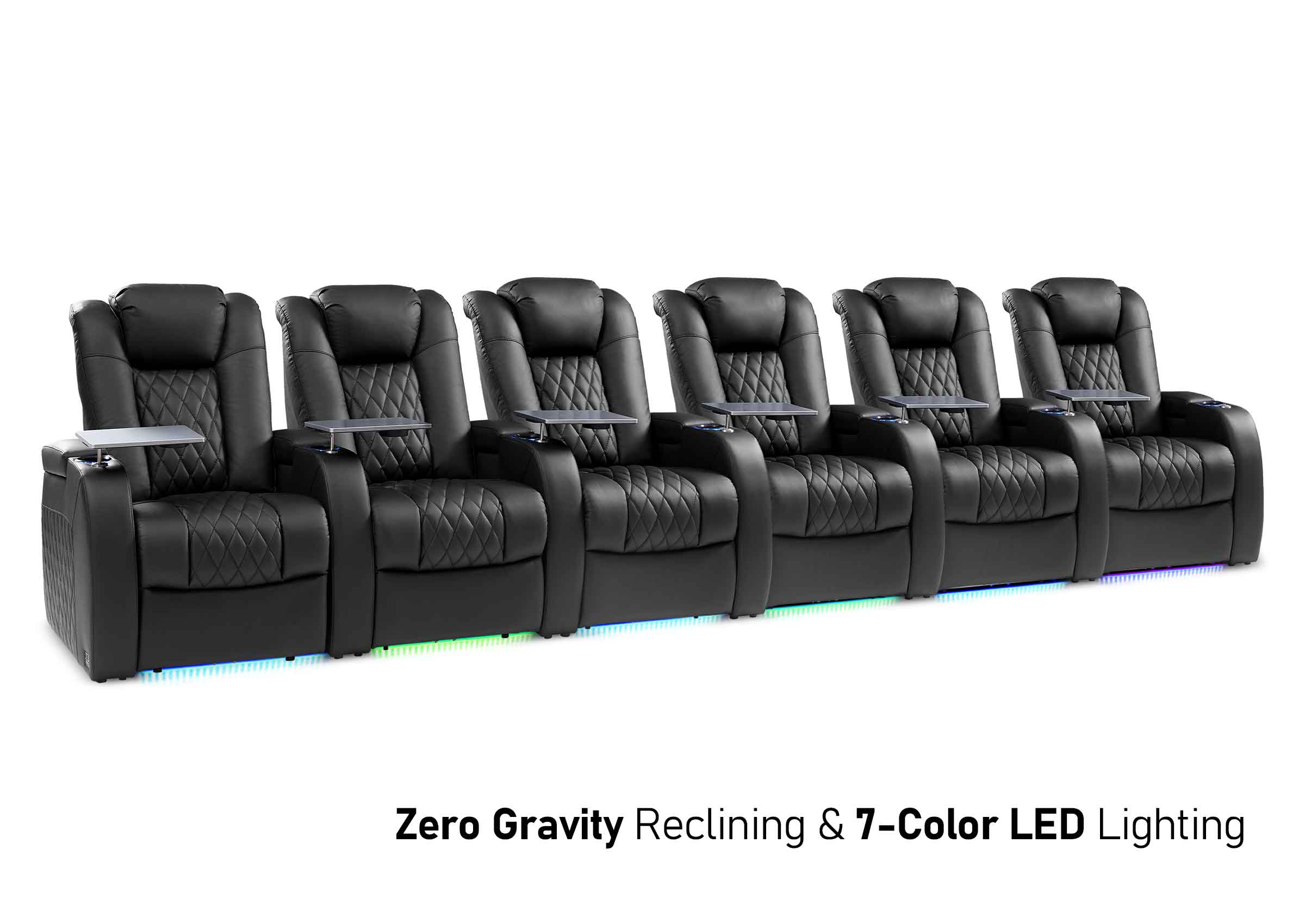
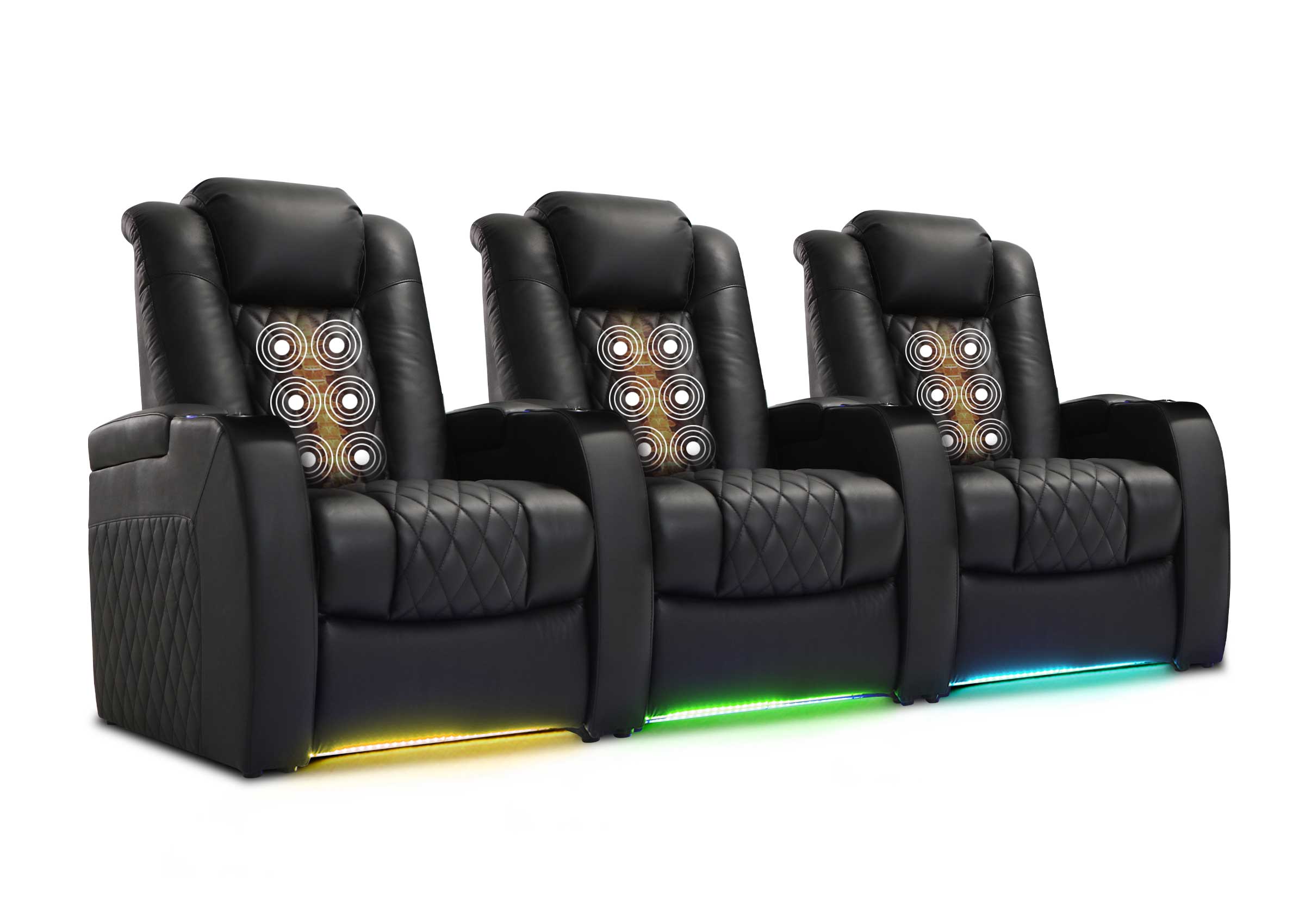

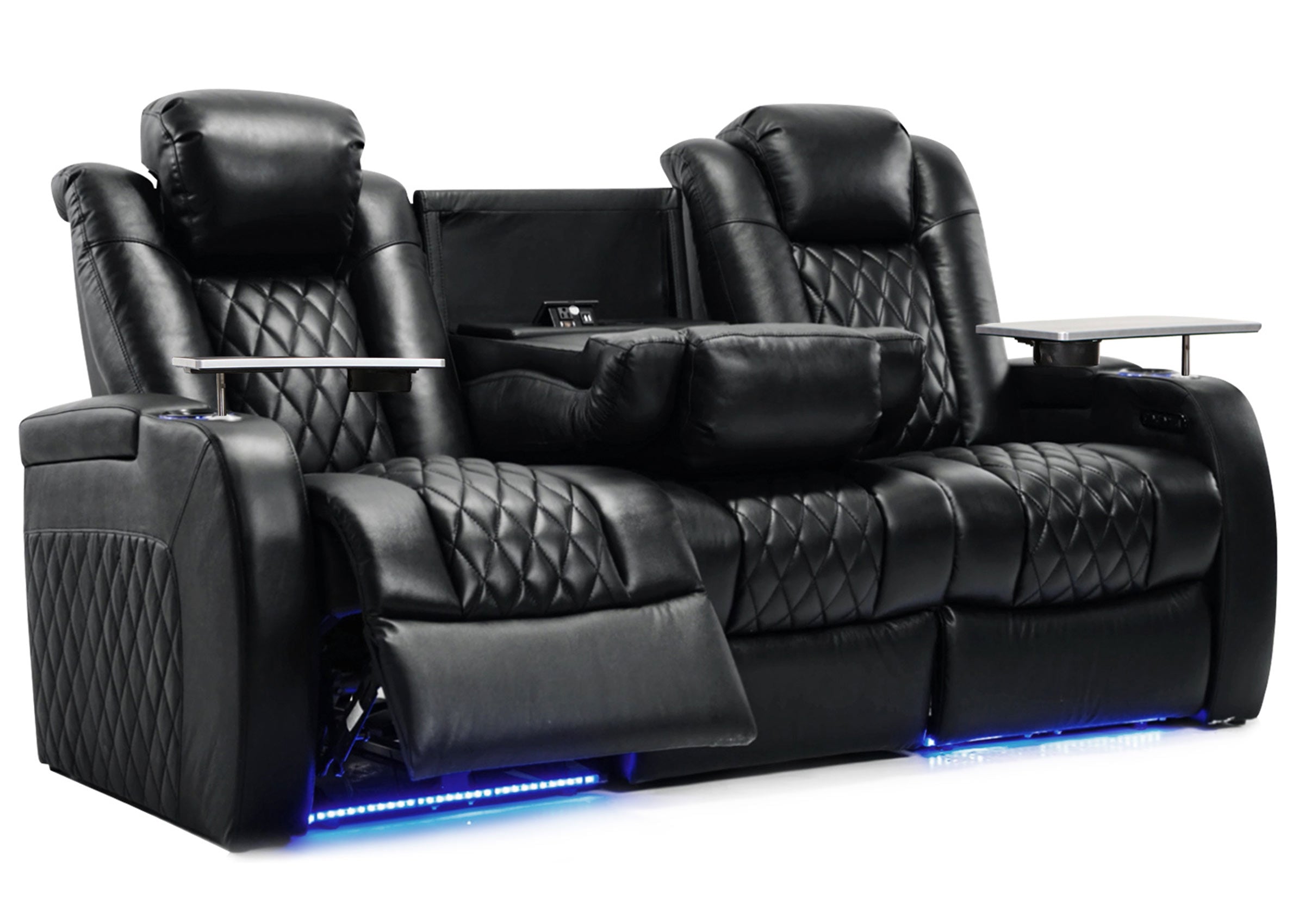
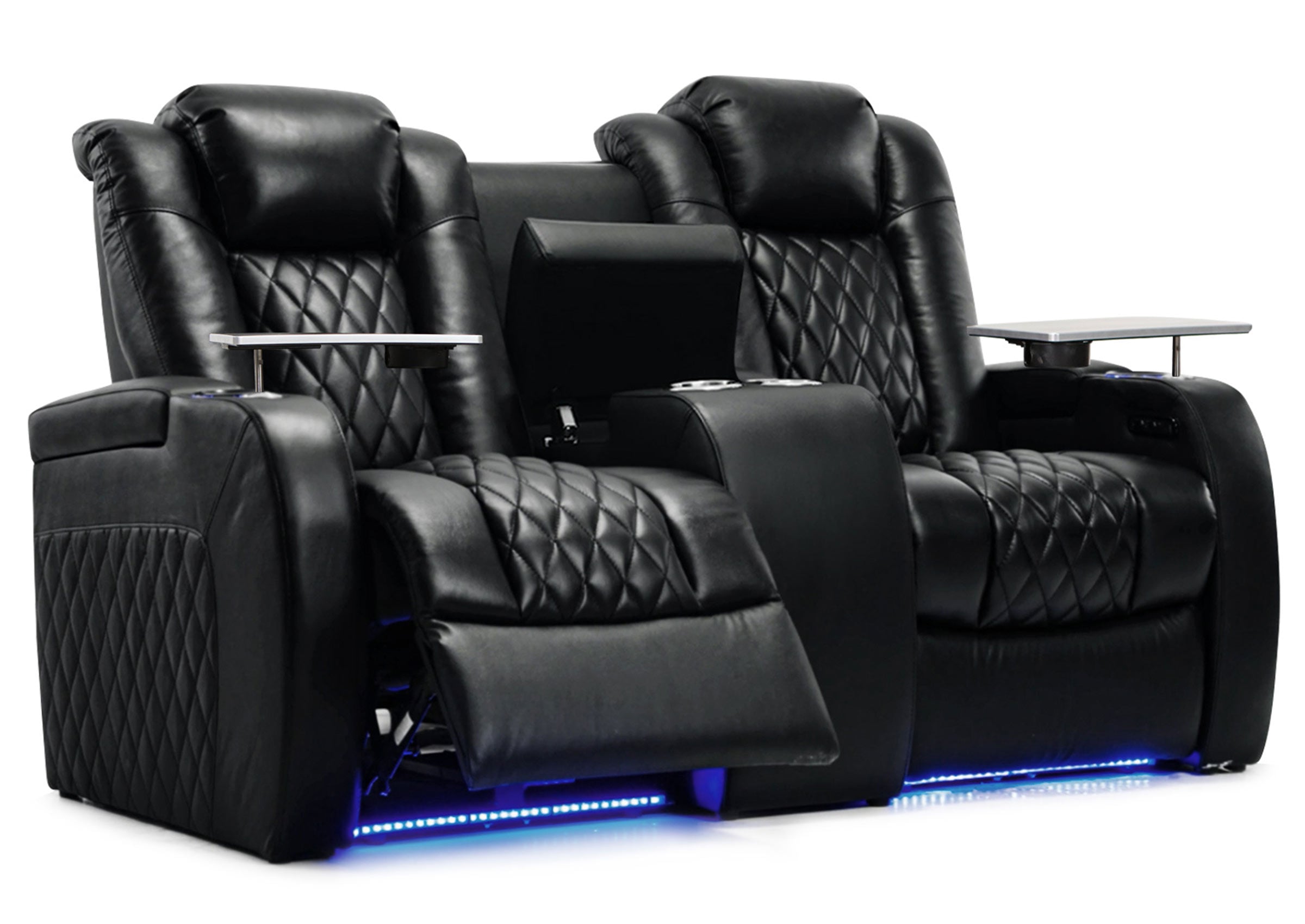





A left-facing or right-facing chaise should be chosen according to how the room works, not which option looks more balanced in a product photo. In most rooms, the better orientation keeps the chaise away from the main walking route while preserving access to doors, storage, and the room’s focal point.
Before choosing either side, confirm how the seller defines “left-facing” and “right-facing.” Furniture terminology is not always presented consistently, and misunderstanding the viewing perspective can result in ordering the mirror image of what you intended.
What Do Left-Facing and Right-Facing Chaise Mean?
Many furniture sellers describe orientation while you are standing in front of the sectional and looking at it:
- If the chaise extends to your left, the sectional may be described as left-facing.
- If the chaise extends to your right, it may be described as right-facing.
However, some listings describe the direction from the seated position. Modular sectional listings may also use LAF and RAF to identify the arm position on an individual component rather than the location of the completed chaise.
That creates three different ideas that buyers can accidentally mix together:
- The seller’s product label
- The side of the room where the chaise will sit
- The side the chaise appears on while you are seated
Do not depend on the directional words alone. The safest approach is to verify all four of the following before ordering:
- The selected product image
- The configuration diagram
- The variant shown in the cart
- The final order summary
If the listing is still unclear, send the seller a marked room plan or screenshot. Instead of saying only, “I need a left-facing chaise,” explain exactly where the chaise should appear when the sofa is viewed from the front.
Should You Choose the Chaise Side Before Deciding the Sofa Direction?
No. First confirm that the sectional itself is facing the right direction.
Users often begin by comparing two mirrored chaise configurations when the more useful solution may be rotating the entire sectional, moving the television to another wall, or reconsidering how the living and dining areas relate to each other.
Before deciding between left and right, ask:
- Is the sectional facing the best television or conversation direction?
- Would rotating it create a more welcoming entrance?
- Could the sofa back help define the living zone without blocking the room?
- Would another television wall reduce glare or improve viewing?
- Does the proposed orientation support how the household uses both the living and dining areas?
A chaise cannot correct a poor overall furniture direction. Confirm the sofa orientation and focal point first; then choose which side should contain the chaise.
Which Side Should the Chaise Be On?
The chaise should usually sit on the side that interferes least with everyday movement.
A useful starting rule is:
Keep the long chaise extension away from the route people use most often.
This rule is more reliable than choosing according to symmetry alone. A sectional can look perfectly balanced against a wall while making it awkward to walk from the entrance to the kitchen, reach a patio door, or move around the coffee table.
The rule is not absolute. In an open-plan home, the chaise can sometimes work well on the more open side because it creates a visual boundary between the living and dining areas. The correct choice depends on whether that boundary organizes the room or makes it feel blocked.
Before comparing left and right, identify these fixed points:
- The main entrance to the seating area
- The most frequently used walking route
- The television, fireplace, or primary focal point
- Windows and the direction of strong daylight
- Patio doors, hallways, cabinets, and other access points
- Furniture that must remain usable when the chaise is occupied
These fixed points usually reveal the better orientation before upholstery, color, or decorative balance needs to be considered.
How Does the Main Entrance Affect Chaise Orientation?
Look at where people enter the room and where they normally go next.
If the entrance is beside the sectional, placing the chaise directly across that route may make the room feel obstructed. People may need to walk around the end of the chaise every time they enter, leave, or move toward another part of the home.
Also consider what someone sees when entering. A tall or visually heavy sofa back directly in front of an entrance can make the seating area feel closed off. Rotating the sectional or changing the chaise side may create a more welcoming approach.
However, a sofa back is not always a problem. In an open-plan room with sufficient circulation space, it can define the living area and separate it from the dining zone. A low console table behind the sectional may make that boundary feel more intentional, but only if it does not narrow the walkway.
Do not judge the entrance in isolation. A chaise placed away from the entrance could still block the route to a hallway, kitchen, or frequently used cabinet. Trace the complete path rather than considering only the first few steps into the room.
A practical test is to imagine carrying something through the space—a laundry basket, serving tray, vacuum cleaner, or large bag. If the chaise makes that normal task awkward, the orientation is probably working against the room.
Which Side Is Better Near a Patio or Balcony Door?
Keep the chaise away from a frequently used patio or balcony route whenever possible.
A chaise may not physically cover the doorway, yet it can still make access uncomfortable if people must squeeze between its end and a table, wall, or another chair. This becomes more noticeable when someone is already using the chaise.
Check more than the door opening itself. Consider:
- The door swing or sliding-panel access
- The route to curtains, shades, or blinds
- Space for carrying food or drinks outside
- The position of floor vents or heating elements
- Whether the chaise blocks part of a window view
If the exterior door is rarely used, visual balance may carry more weight. If it is opened every day, circulation should normally take priority.
How Should You Choose a Chaise Side in an Open-Plan Room?
In an open-plan home, a chaise can either divide the space helpfully or create an unnecessary barrier.
A chaise extending toward the dining area may define where the living zone ends. This can make a shared room feel more organized, especially when the sofa is floating rather than positioned against a wall.
The same arrangement can become frustrating if it cuts across the natural route between the living room, kitchen, and dining table.
| What the Chaise Does | Likely Result |
|---|---|
| Creates a boundary while leaving a clear route around it | Helps organize the open-plan space |
| Extends into the route between frequently used areas | Makes the room feel blocked |
| Keeps the seating area visually open toward the kitchen or dining space | Supports conversation and shared activities |
| Turns the seating group away from the rest of the room | Creates a more private but less connected zone |
Consider how the household uses both areas at the same time. Someone may be watching a movie while another person sits at the dining table, works on a puzzle, prepares food, or talks with guests. The sectional orientation can either support that connection or separate the activities.
For more ways to position an L-shaped sofa around room zones, furniture, and walkways, see these L-shaped sofa layout ideas.
What If the Television Is on a Side Wall?
When the television is not directly opposite the sectional, compare viewing comfort with circulation.
The chaise often becomes a preferred viewing position because it supports the legs without requiring a separate footrest. If one orientation gives the chaise a noticeably better view of the screen, that can be a valid reason to choose it—provided it does not block an essential route.
Do not judge the view from the center of the sofa alone. Check:
- Whether the chaise user must turn the head for long periods
- Whether another seat blocks part of the screen
- Whether people must regularly walk in front of the television
- Whether the coffee table remains reachable
- Whether window glare affects one television position more than another
If sunlight makes the planned television wall impractical, confirm the focal-point location before deciding the chaise side. Moving the television or rotating the sectional can reverse which orientation works best.
Window coverings may reduce glare, but they should not be used to justify an otherwise awkward furniture plan. First compare the available television walls, viewing distance, daylight, and circulation. Then decide whether curtains or shades solve the remaining light problem.
Should the Chaise Go Against a Wall or Face the Open Room?
Putting the chaise against a wall often keeps the center of a small room more open. It can work especially well when the sectional occupies a corner and the chaise follows the room’s perimeter.
Facing the chaise toward the open room can make the seating arrangement feel more intentional in a larger or open-plan space. The extension may help define the lounge area and create a relaxed place to face other seats.
A wall-side chaise may be preferable when:
- Floor space is limited
- The room needs a clear central walkway
- The sectional fits naturally into a corner
- The opposite side contains the main entrance
An open-side chaise may be preferable when:
- The sectional is being used as a room divider
- The chaise helps frame a conversation area
- There is generous space around its end
- It does not interrupt movement between zones
Remember that the chaise is visually heavier than a standard sofa seat because it projects farther into the room. Even when the measurements fit, its direction can change how open the room feels.
How Can You Decide Between Left and Right in Five Steps?
Step 1: Confirm the Overall Sectional and Television Direction
Make sure the sofa is facing the correct focal point and relates properly to the entrance, windows, dining area, and other activities. Test whether rotating the entire sectional would solve more problems than changing only the chaise side.
Step 2: Eliminate Any Side That Blocks Essential Access
Check the entrance, hallway, patio door, cabinets, drawers, vents, and other frequently used areas. If one orientation clearly interferes with access, remove it from consideration.
Step 3: Protect the Main Walking Route
Trace how people move through the room during an ordinary day. Choose the orientation that keeps this route direct and comfortable.
Do not plan only for an empty room. Consider what happens when someone is sitting on the chaise, another person is using the coffee table, and family members are moving between the living, dining, and kitchen areas.
Step 4: Compare Viewing, Conversation, and Room Connection
Check the television, fireplace, window, conversation area, and relationship with adjacent zones from every permanent seat. Determine whether one orientation creates a meaningfully better everyday experience.
Step 5: Test the Complete Furniture Group and Future Flexibility
Include the coffee table, rug, side tables, lamps, accent chairs, and nearby storage. If both sides work, consider whether moving, replacing the television, or rearranging the room could make a fixed orientation inconvenient later.

How Should You Test the Chaise Orientation Before Ordering?
Mark both possible configurations on the floor with painter’s tape.
Start with the sectional’s complete width and depth. Then mark the full chaise extension for the left-facing option. Walk through the room and use nearby doors, tables, cabinets, and chairs as you normally would.
Repeat the test with the chaise on the other side.
Do not compare the two layouts from only one standing position. Check them from:
- The main entrance
- The primary seated position
- The kitchen or dining area
- The hallway or patio route
- The television or fireplace
- Any nearby doorway
Place a chair, ottoman, or box inside the taped chaise area. A physical object makes the obstruction easier to understand than tape alone because it recreates some of the chaise’s visual volume.
Take photographs of both layouts. Comparing two photos side by side can reveal whether one orientation looks more crowded, interrupts an important sightline, or separates the seating area more effectively.
When checking the sectional’s complete footprint, use a reliable method to choose the correct sofa size rather than relying only on the dimensions shown in a lifestyle image.
COMPARE YOUR CONFIGURATION
Ready to See Which Chaise Configuration Fits Your Room?
Use your taped floor plan, main walkway, and preferred viewing direction to compare left- and right-facing configurations before you choose.
Is a Reversible or Modular Chaise a Better Choice?
A reversible chaise is useful when the room may change or when both orientations work.
Depending on the design, the extended cushion or ottoman may be repositioned so the chaise can move from one side to the other. This provides flexibility without requiring a completely new sectional.
A modular sectional can offer broader reconfiguration because individual components may be rearranged. However, “modular” does not automatically mean every left-facing component can become right-facing. Arm placement, connectors, reclining mechanisms, upholstery panels, and power components may limit the available configurations.
A fixed chaise can still be the better choice when:
- The room plan is unlikely to change
- The fixed configuration offers better support or appearance
- The product’s reclining or powered functions require a specific construction
- You have confirmed the exact orientation carefully
Before buying a reversible or modular design, verify how the change actually works. Product photos may show several configurations that require different components rather than one sectional that can be rearranged freely.
If you are still deciding between connected seating formats, compare a recliner sofa and sectional sofa before committing to a fixed chaise configuration.
Does a Reclining Sectional Change the Decision?
Yes. A reclining sectional adds movement and power requirements to the orientation decision.
The chaise itself may be stationary while nearby seats recline, or the design may combine multiple moving components. You need to account for:
- Footrest extension
- Moving backrests
- Clearance from the wall
- Access to power controls
- Cord and transformer placement
- Space between the chaise and coffee table
- Whether an open footrest blocks the route around the chaise
An orientation that works when every seat is upright may fail when the reclining positions are in use.
Mark the moving footprint along with the fixed chaise footprint. Test whether someone can enter or leave the seating area without requiring another person to close a footrest.
Powered sectionals also need a practical outlet plan. Avoid choosing an orientation that forces cords across a walkway simply because the chaise looks better on that side. For a broader comparison of layouts, motion, leather, and features, see the electric reclining sectional buying guide.
What Mistakes Make Buyers Choose the Wrong Side?
The most common mistake is using an unclear viewing perspective. A shopper thinks about the chaise while seated, while the product listing defines it from the front—or the reverse.
Other common mistakes include:
- Choosing according to a product photo without checking the selected variant
- Comparing chaise sides before confirming the sectional’s overall direction
- Considering the wall but not the walking route
- Ignoring patio doors, cabinets, and frequently opened storage
- Choosing symmetry over daily convenience
- Planning the TV position without checking daylight and glare
- Measuring the sectional without placing the coffee table
- Assuming a modular sectional can always reverse direction
- Forgetting the movement of reclining seats
- Planning powered seating without checking the outlet
- Selecting a side for occasional guests instead of everyday users
- Confirming the correct product but selecting the opposite variant in the cart
Do not assume the thumbnail will change accurately when a variant is selected. Read the written configuration, review the associated diagram, and confirm the final order information.

What Should You Confirm Before Placing the Order?
Complete this checklist before purchasing:
- I know which side of the room should contain the chaise.
- I confirmed that the sectional itself is facing the right direction.
- I checked the television wall, windows, daylight, and possible glare.
- I have confirmed the seller’s viewing perspective.
- I checked the exact product image or configuration diagram.
- The chaise does not block the main walking route.
- Doors, drawers, cabinets, and exterior access remain usable.
- The television or focal point works from the important seats.
- The coffee table and other furniture fit around the chaise.
- Reclining components have enough operating space.
- Power cords can reach an outlet without crossing a walkway.
- The sectional can pass through the delivery route.
- I understand whether the orientation is fixed, reversible, or modular.
- The cart and order summary show the intended configuration.
- I saved a screenshot or written confirmation of the selected orientation.
If any of these points remains unclear, pause before ordering. Confirming the layout and product configuration is easier than correcting a mirrored sectional after delivery.
Choose the Side That Makes the Room Easier to Use
The better chaise orientation is not automatically left-facing or right-facing. It is the side that protects everyday movement, supports the main activity, and fits the room’s fixed features without creating unnecessary obstacles.
Begin by confirming the sectional and television direction. Then examine doors, walking routes, window glare, adjacent room zones, and the complete furniture group. Finally, verify the seller’s exact diagram and selected variant instead of relying on the directional label alone.
When both sides appear attractive, choose the one that makes ordinary life simpler. That is usually the orientation you will be happiest to live with.
If you need help comparing a chaise configuration or confirming how a sectional could work with your room, visit Weilianda Support or email leon@weiliandahome.com.