


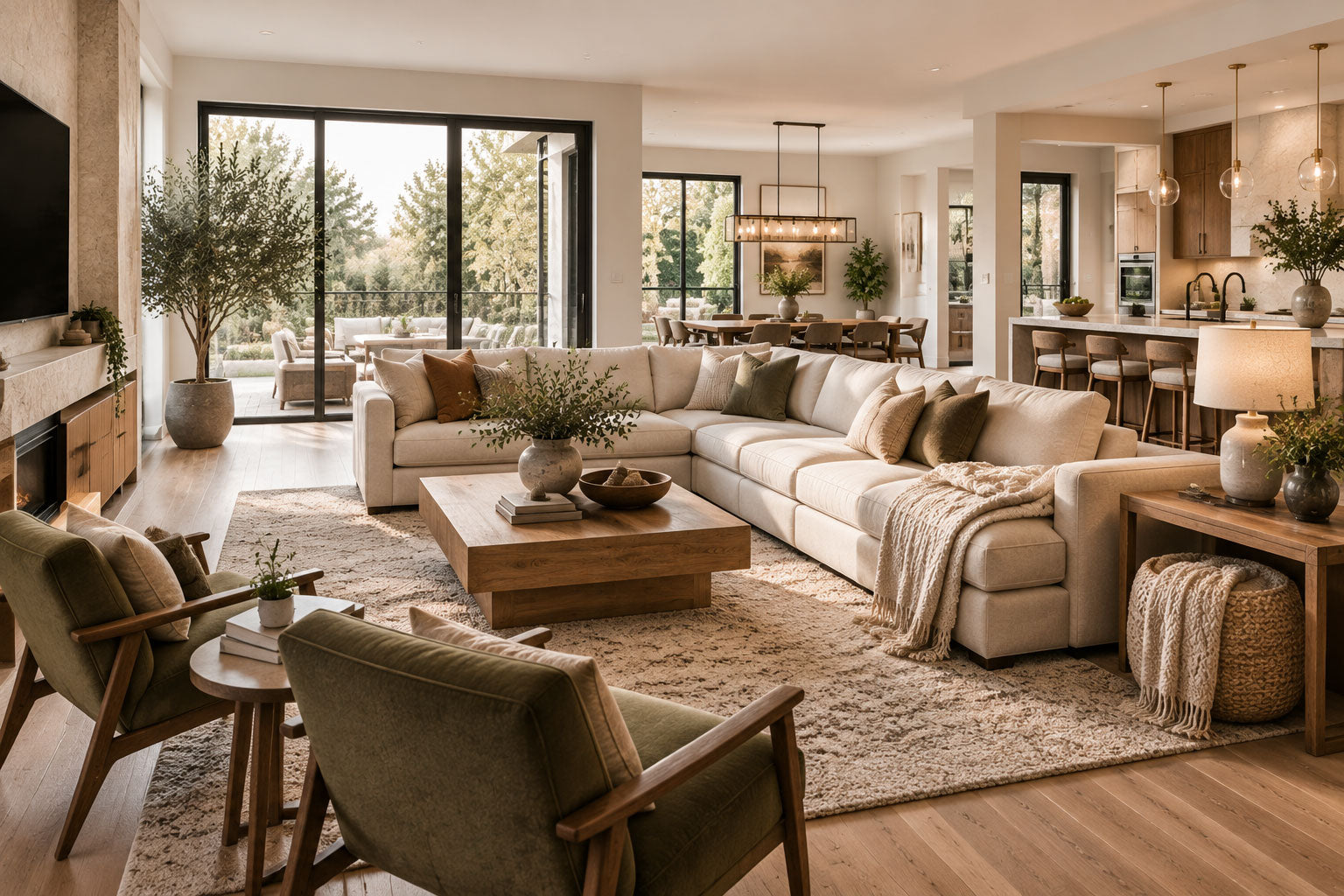

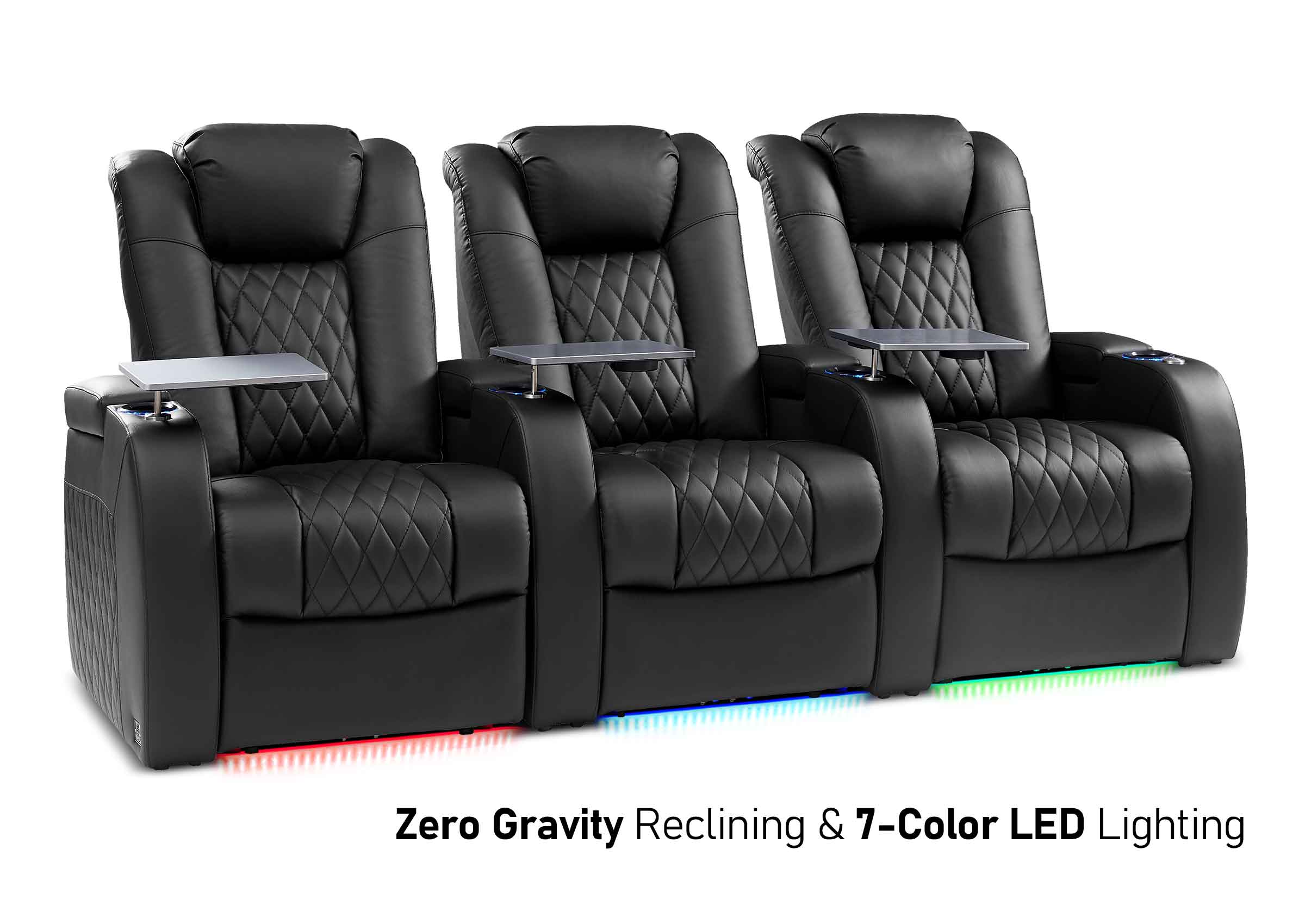
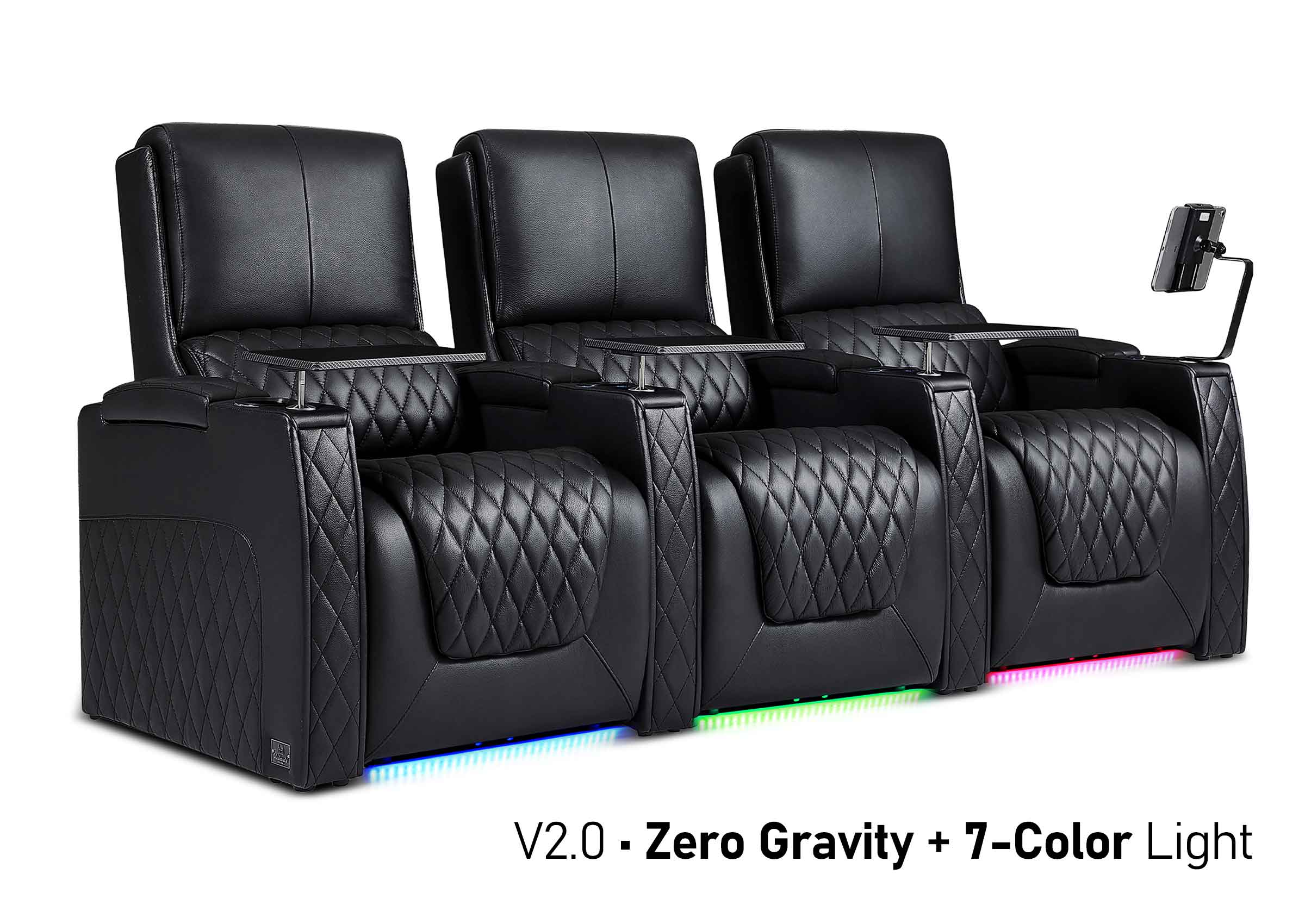
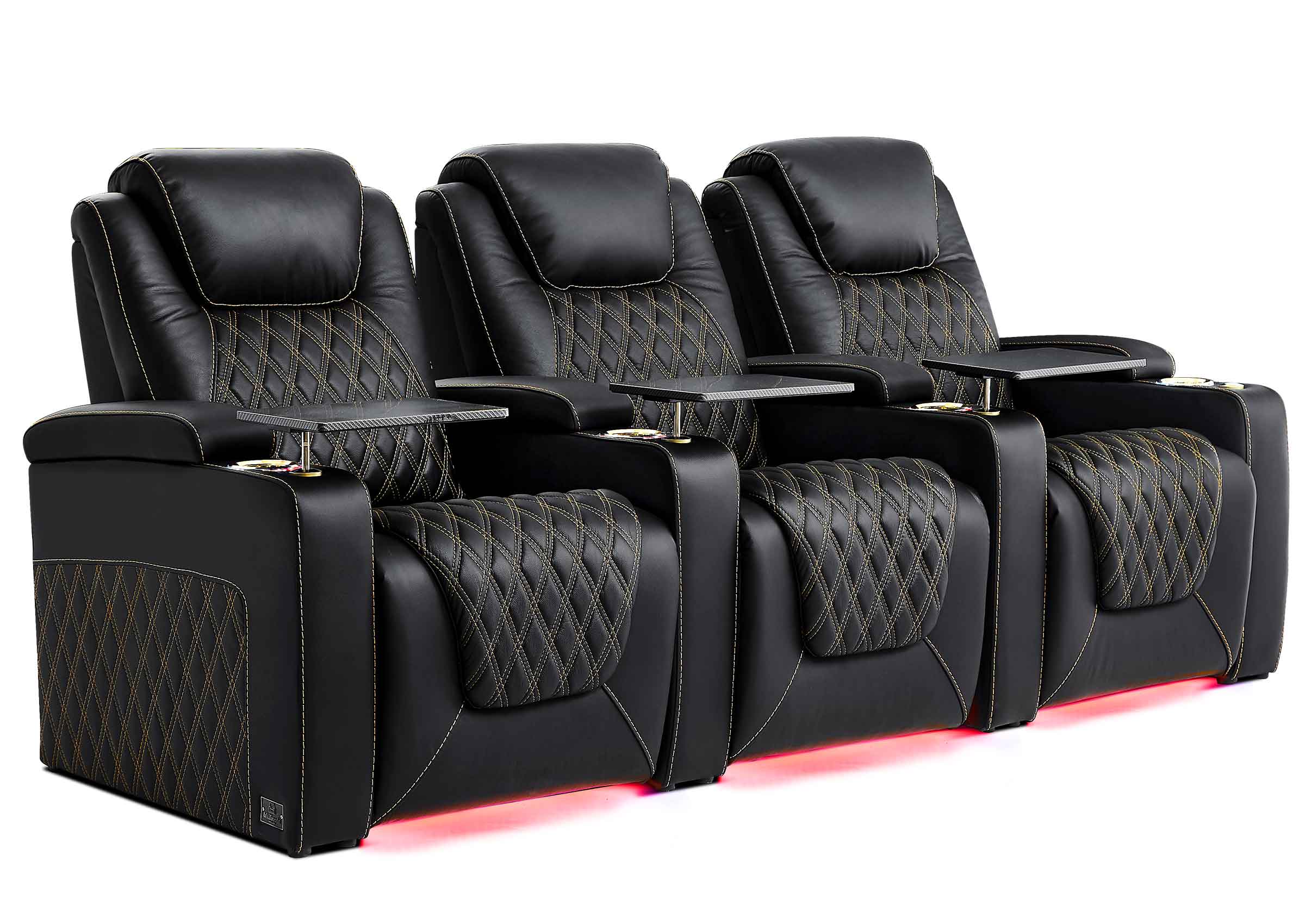

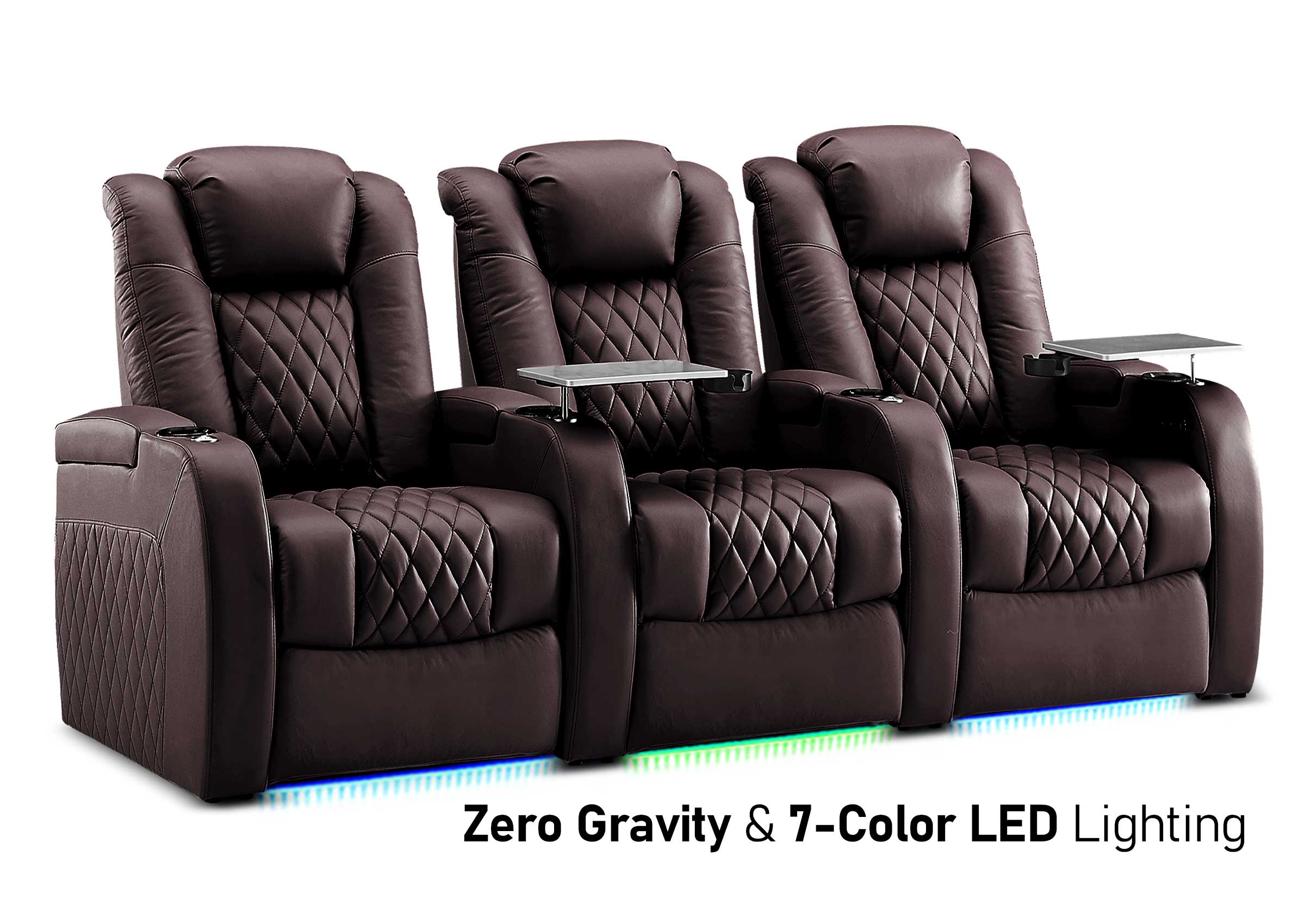

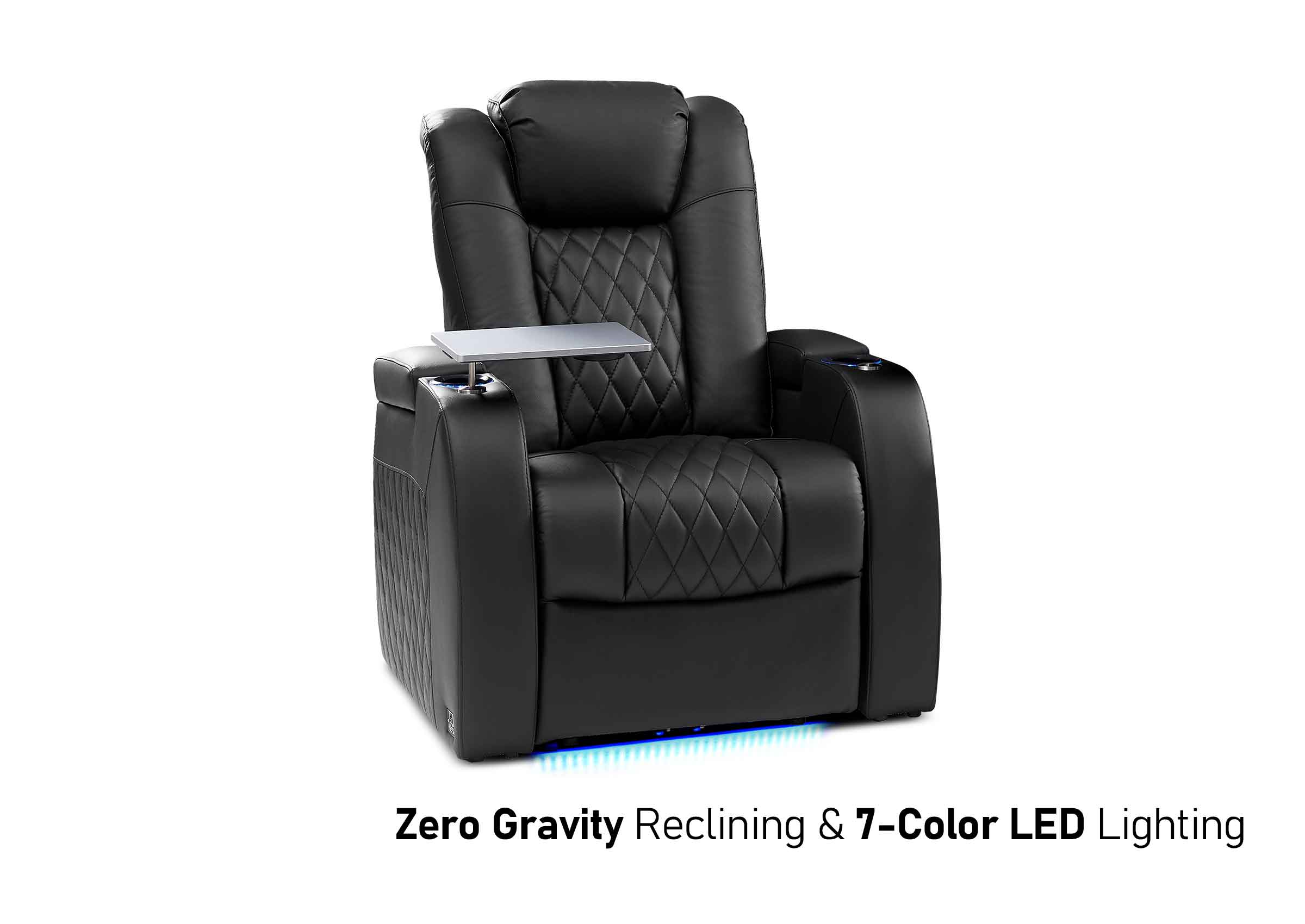
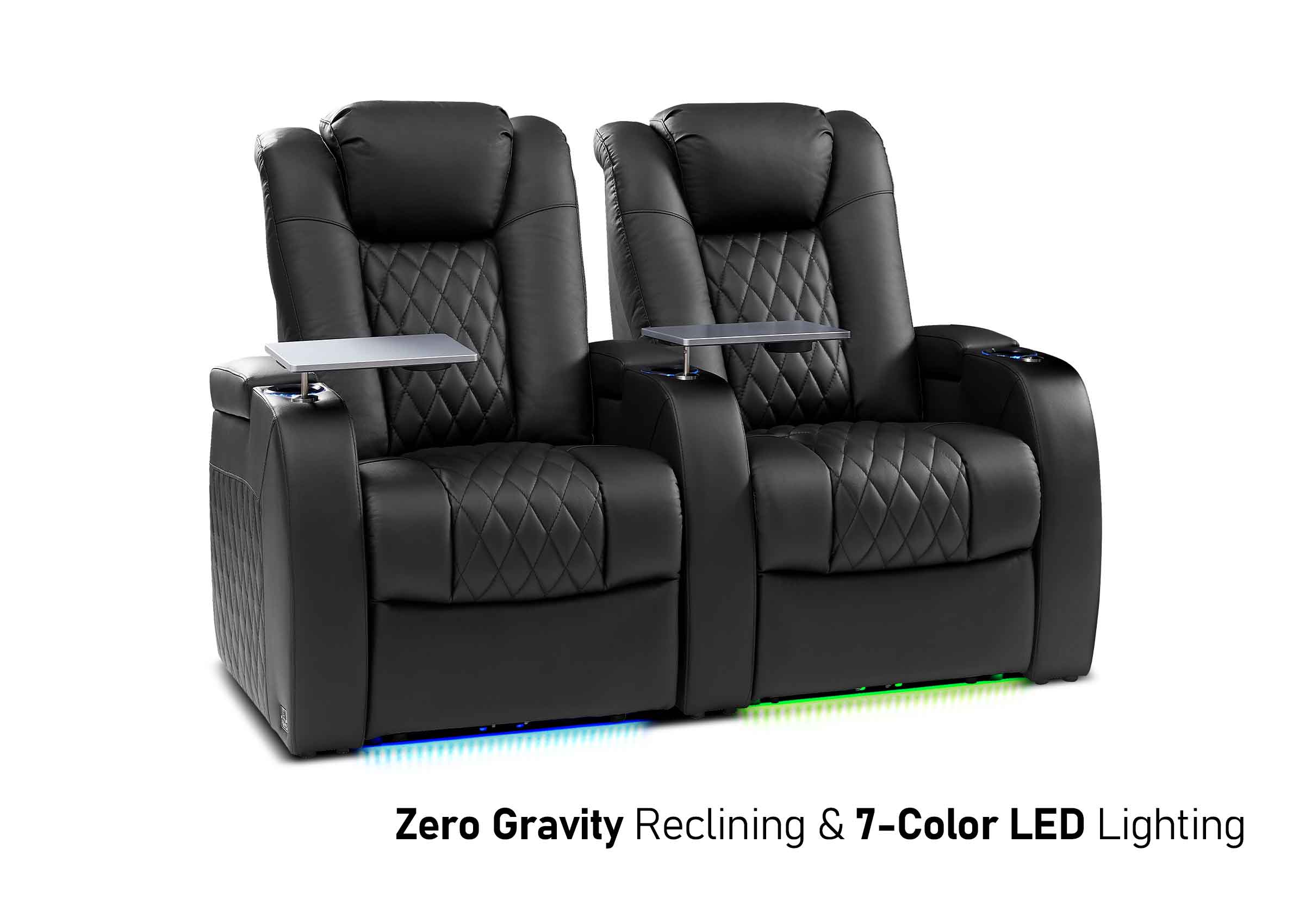
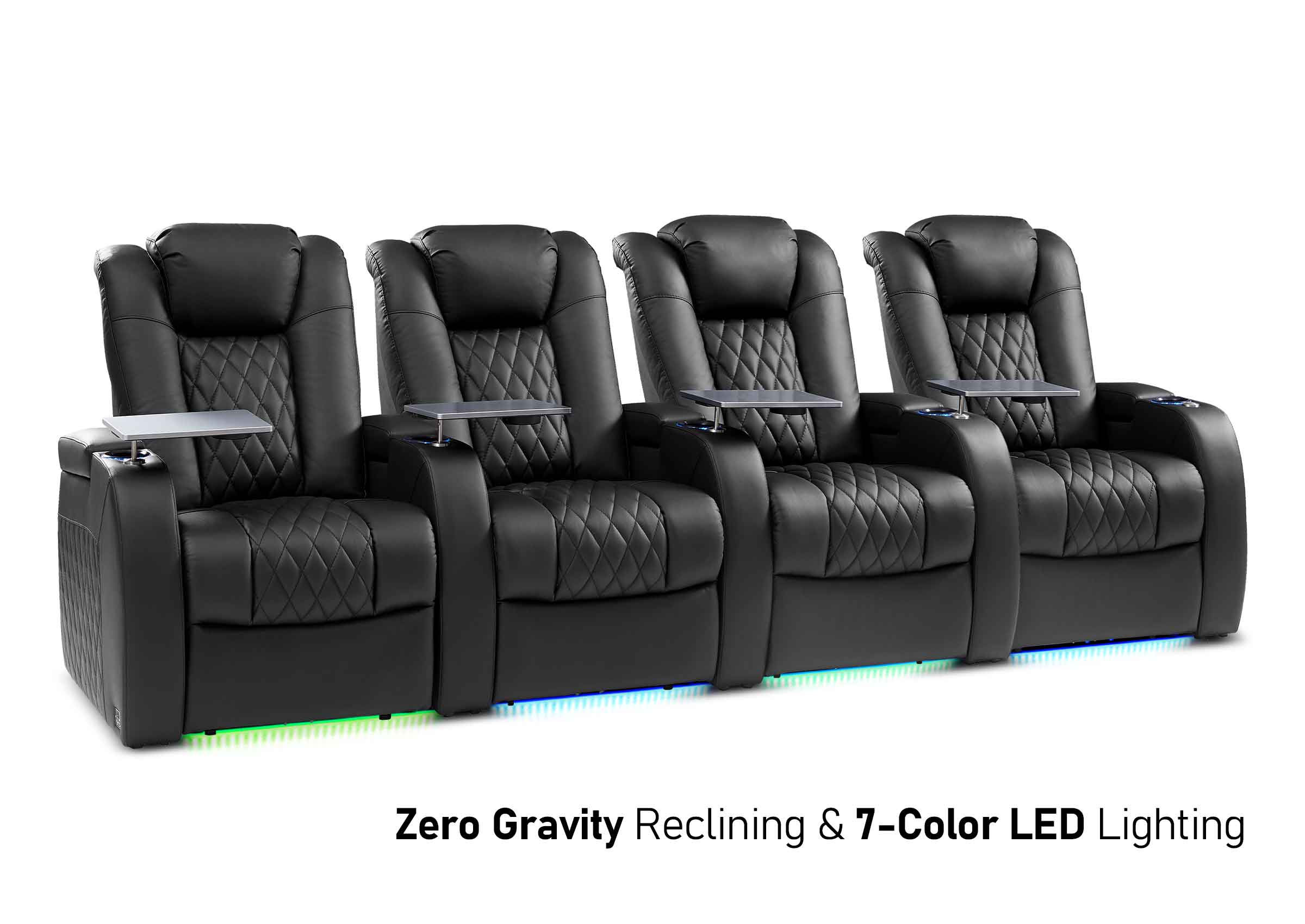




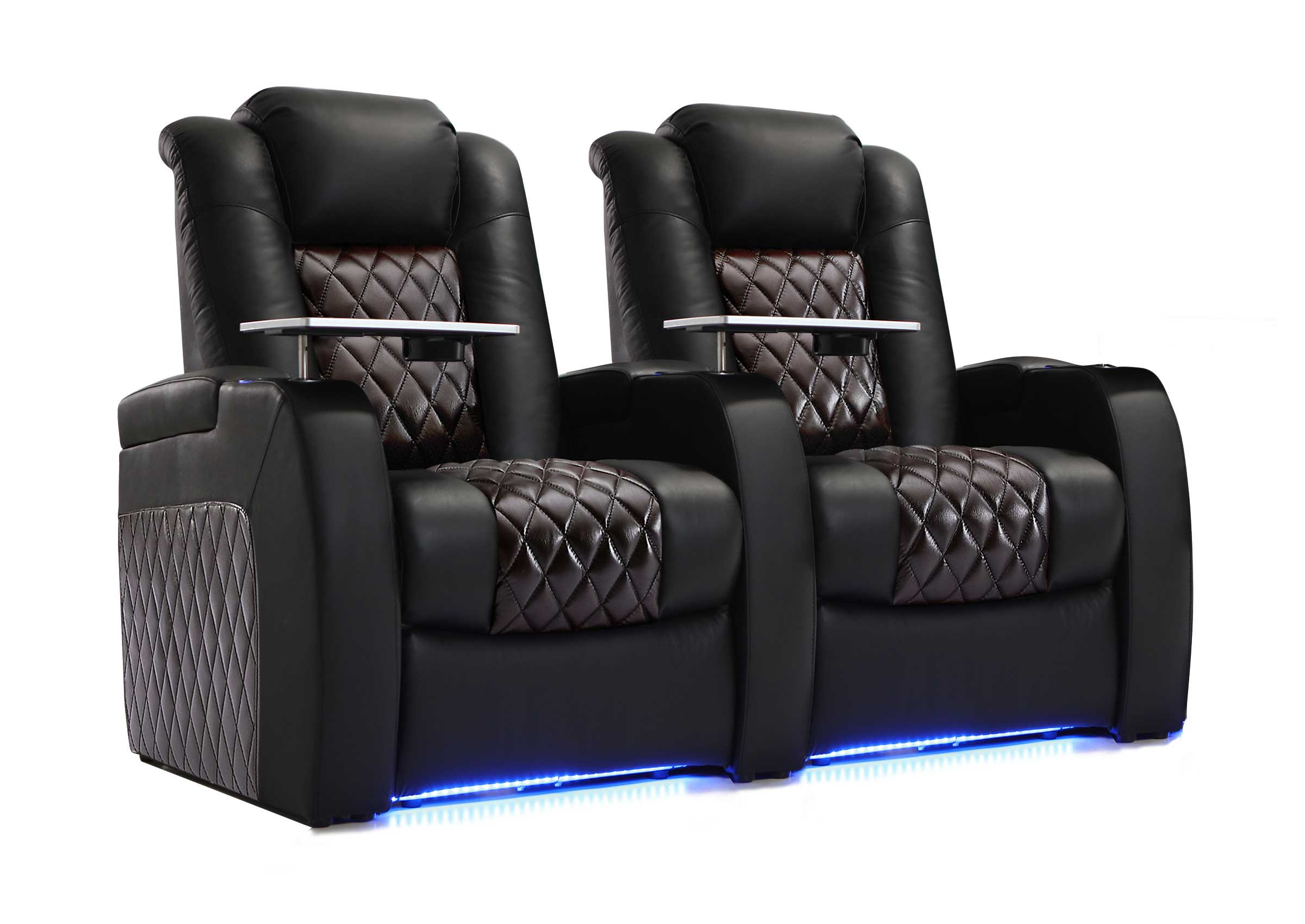
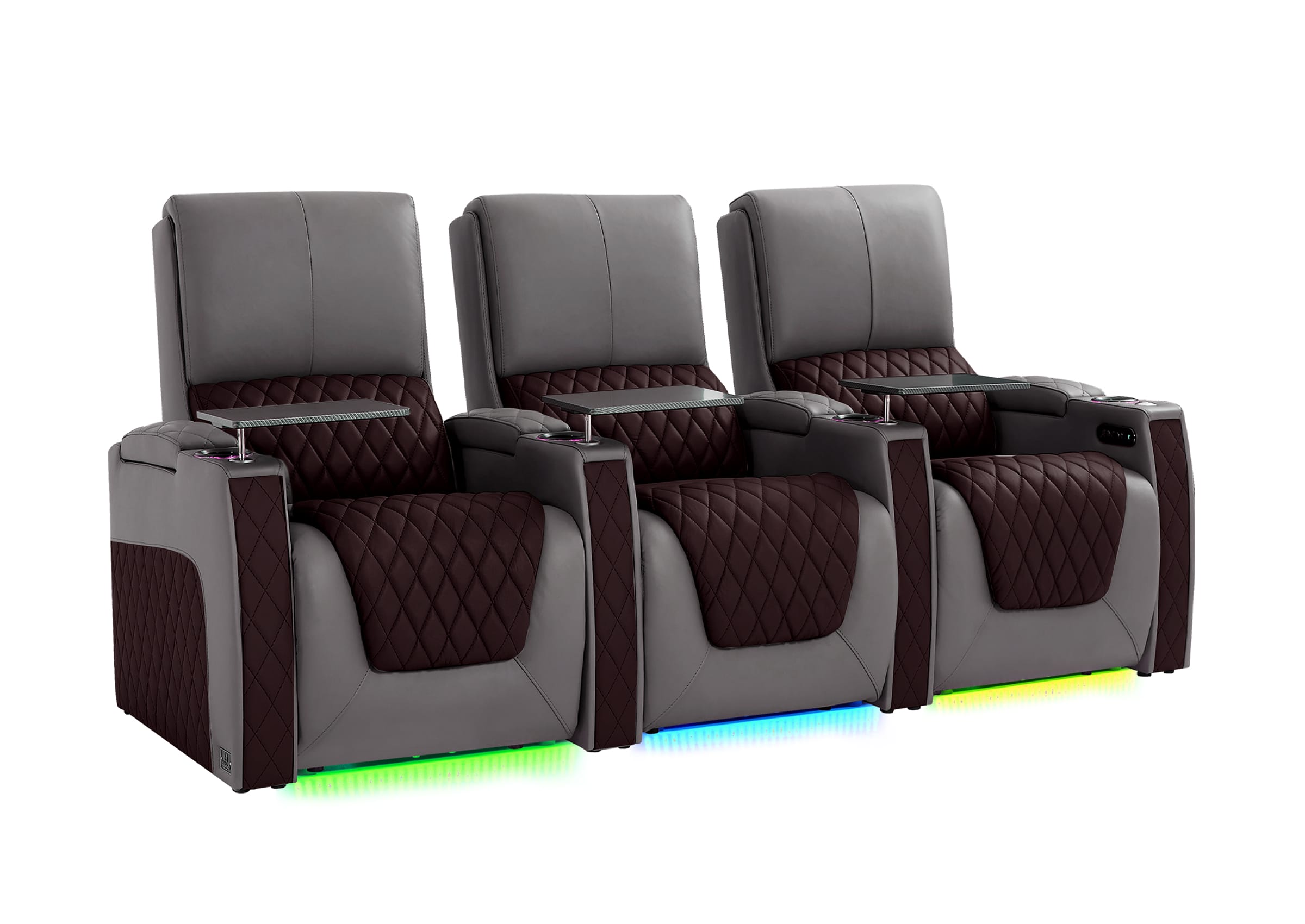
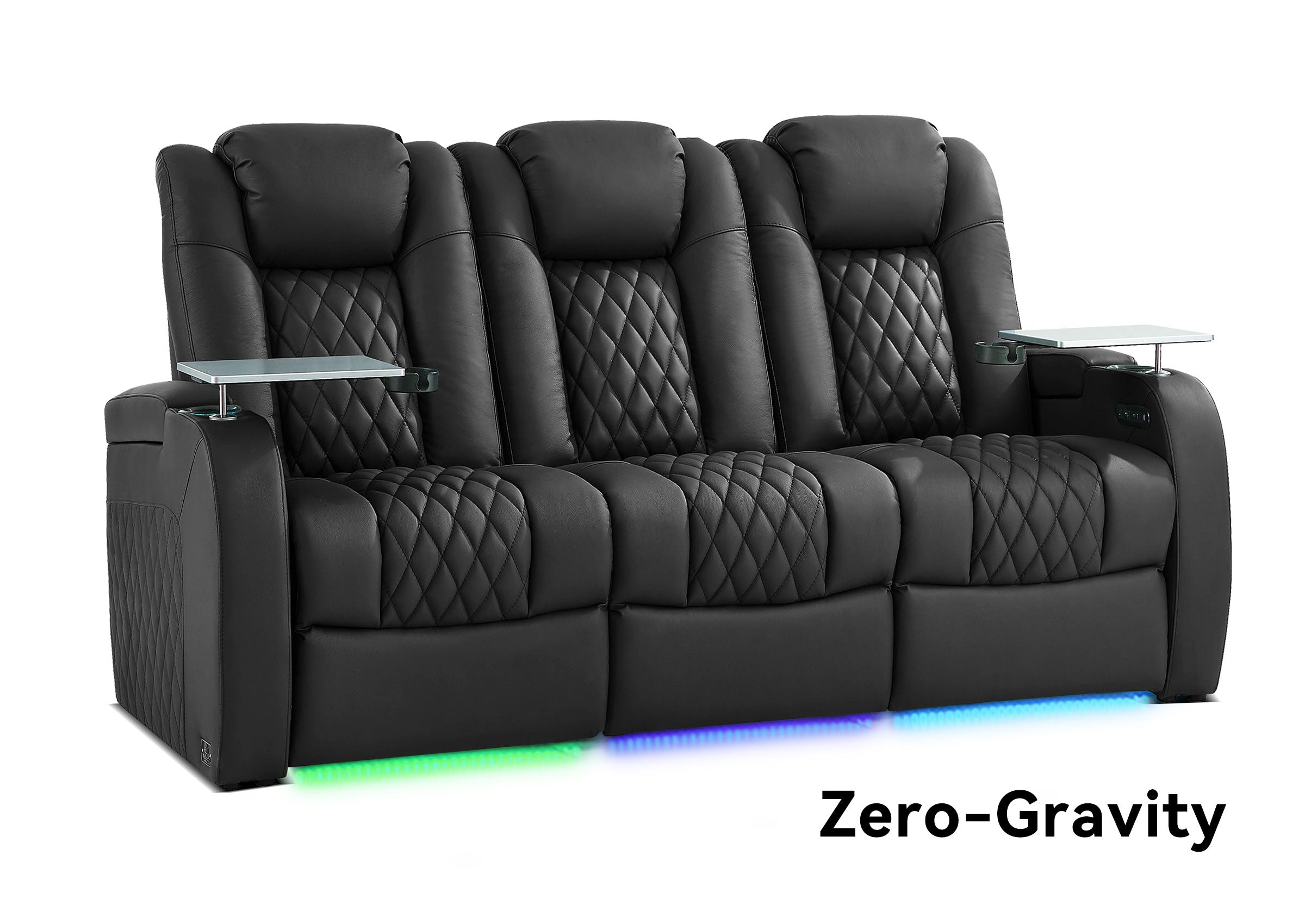
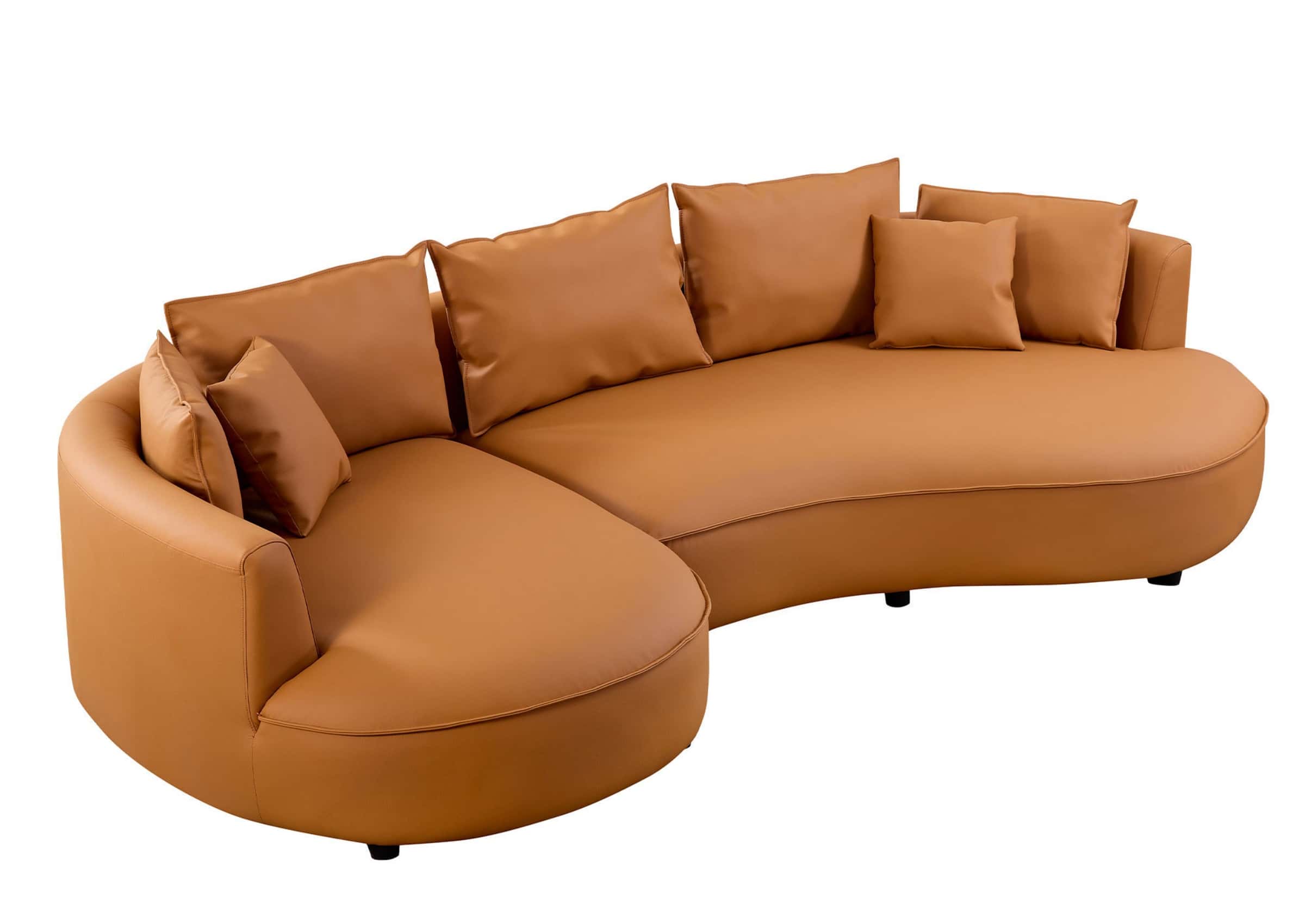

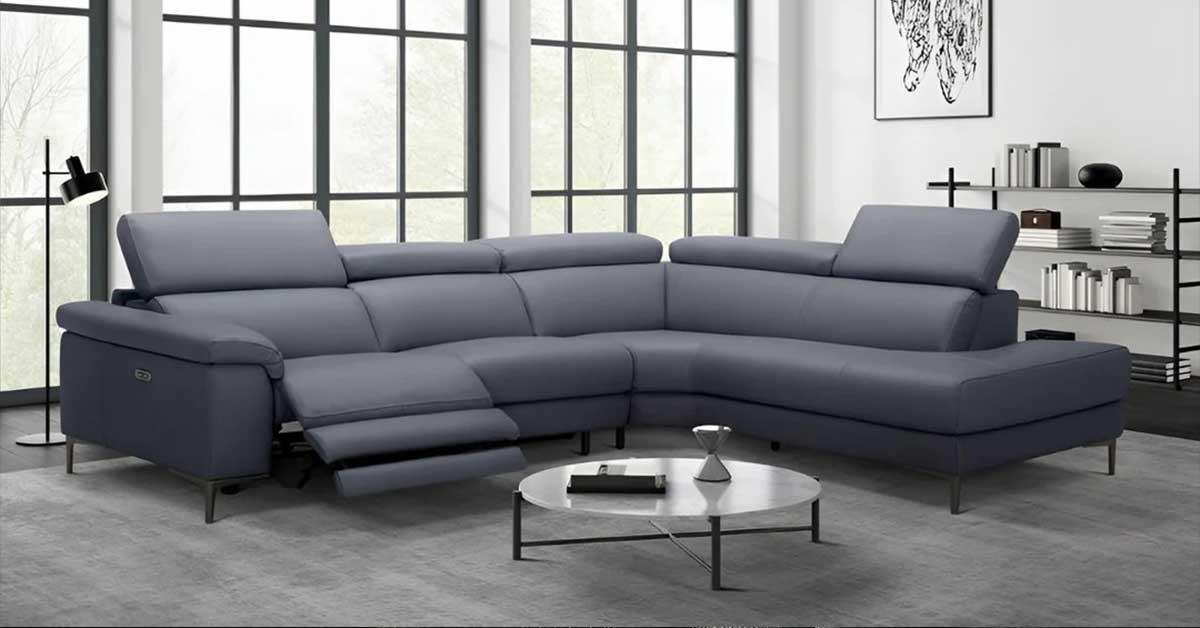
A well-chosen L shaped leather sectional transforms how a living space works. It defines zones in an open floor plan, gives everyone a seat on movie night, and outlasts fabric alternatives when built with quality materials. But the selection process trips up even experienced furniture buyers.
The key decisions are getting the right orientation for your room, understanding what "genuine leather" really means, and knowing which frame and cushion details separate a piece that holds its shape for a decade from one that sags in two years. This guide walks through every step so you can buy with confidence.

What Is an L-Shaped Leather Sofa and How Is It Different from a Standard Sofa?
An L-shaped leather sofa brings two seating pieces together at a 90-degree corner to form an L configuration. One side extends longer than the other, creating a natural chaise or extra seating area. Unlike a sofa paired with a separate loveseat, the corner unit uses the space efficiently and eliminates gaps between seating units.
The corner wedge is the key structural difference. In a well-built sectional, heavy-duty brackets lock the two sides together so the pieces don’t drift apart on hard floors. Leather upholstery adds its own advantages: it develops a patina over time, handles spills better than fabric, and shifts the visual weight of a room.
Sectionals today range from compact two-piece units under 90 inches wide to larger five-piece configurations that exceed 130 inches. Leather options start at corrected split-grain and go all the way up to full-grain aniline hides, which show natural markings and color depth.
How Do I Know If a Corner Leather Sectional Will Fit My Room?
Start with a tape measure, not a catalog photo. The most common regret among sectional buyers is sizing one that overwhelms the room or can’t make it through the front door.
Room dimensions come first. A small L-shape under 100 inches wide needs a room at least 10 feet by 12 feet. Mid-size layouts between 100 and 120 inches require roughly 12 feet by 14 feet for comfortable walkways. Large sectionals over 120 inches demand a room 14 feet by 16 feet or larger.
Clearance rules are non-negotiable
| Clearance Type | Minimum Distance | Why It Matters |
| Coffee table to seat edge | 14 to 18 inches | Leg room and comfortable reach |
| Main walkway behind sectional | 30 to 36 inches | Traffic flow without squeezing past |
| Side clearance from walls | At least 6 inches | Allows recliner mechanisms to work properly |
| Doorway or hallway width | Minimum 32 inches | Delivery access; measure the narrowest point |
Measure every doorway, stairwell turn, and elevator interior before you order. If the L-shaped leather sectional comes in modular pieces, check each box’s width against your tightest passage. Many delivery refusals happen because the assembled footprint fits the room but the packaged modules can’t clear the entry path.
Orientation is not interchangeable. A left-facing sectional extends the chaise or long side on your left as you stand facing the sofa. A right-facing one puts it on your right. Order the wrong orientation and you risk blocking a window or doorway. Look for "reversible chaise" in the description if your room layout might change later.
Leather Grades Explained: Full Grain vs Top Grain vs Bonded

Leather terms confuse buyers because the furniture industry uses words that sound high-end but mean different things for durability. Here is what each grade actually involves:
| Leather Grade | What It Is | Durability | Scratch Resistance | Patina Development | Best For |
| Full-Grain | Outer hide layer, unsanded; natural markings show | 15+ years | Moderate; scratches blend into the character over time | Strong patina; ages beautifully | Anyone wanting an heirloom-quality piece that tells a story |
| Top-Grain | Outer layer sanded smooth for a uniform look | 10 to 15 years | Better than full-grain; the smoother surface resists snags | Mild patina; aging stays more consistent | Families wanting real leather durability with a refined, even appearance |
| Split-Grain / "Genuine Leather" | Lower hide layers; often embossed with a fake grain pattern | 5 to 8 years | Depends on the finish coating | Very little to none | Budget buyers who accept a shorter lifespan |
| Bonded Leather | Leather scraps bonded with glue and topped with polyurethane | 1 to 3 years before peeling | Low; the surface layer separates and peels | None; fails by peeling away, not aging | Budget-friendly entry-level option; suitable for light-use or promotional setups—choose top-grain for heavy everyday use |
What "leather match" really means: Many mid-priced sectionals use real top-grain leather only on the seating surfaces and armrests. The back and sides use color-matched vinyl or polyurethane. This construction lowers cost while keeping the areas your body touches authentic leather. The color matching has improved greatly, and most guests won’t notice. However, vinyl sides can crack in direct sunlight, so position the sectional away from south-facing windows if possible.
For households with pets, a top-grain leather with a pigmented finish gives you the best balance. The finish creates a protective barrier against light scratches, and the sanded surface offers fewer catch points for claws than full-grain’s natural texture.
5 Common Mistakes When Buying an L-Shaped Leather Sectional

- Skipping the door measurement. The L-shaped leather sofa fits your living room but can’t turn the corner in the stairwell. Measure every transition point: front door, hallway width, stairwell diagonal clearance, and elevator interior depth. Modular designs shipped in smaller boxes solve most access problems.
- Confusing bonded leather with genuine leather. "Genuine leather" is a regulated term, but it refers to split-grain—a lower tier than top-grain or full-grain. Bonded leather is not leather in any meaningful sense; it will peel. Read the full specification, not just the marketing headline.
- Choosing the wrong orientation. A left-facing corner leather sectional in a room that needs right-facing creates a permanent layout problem. Tape out the footprint on your floor with painter’s tape before ordering. Live with the outline for a day to confirm traffic flow feels right.
- Ignoring seat depth. Standard seat depth is 21 to 24 inches, which suits average-height adults but feels shallow for anyone over 6 feet tall. Deep-seat sectionals offer 26 to 30 inches of depth for taller users or anyone who likes curling up. Try similar dimensions in a showroom whenever possible.
- Overlooking cushion construction. Foam density and the spring system determine how the sofa feels after three years. High-resiliency foam with a density of at least 2.5 lbs and a pocketed coil spring base will hold its shape. Low-density foam wrapped in soft fiber feels plush in a showroom but collapses permanently within 18 to 24 months.
How to Measure Your Room for a Leather L-Shaped Sectional?

Take your measuring tape, painter’s tape, and a notepad. Follow this sequence:
Step 1 — Measure the room footprint. Get the exact length and width of the area where the L-shaped leather sectional will sit. Account for radiators, baseboard heaters, window ledges, and floor vents—these reduce usable space.
Step 2 — Mark the layout on the floor. Use painter’s tape to outline the sectional’s footprint based on product dimensions. Include the full depth of both sides and the corner wedge. Walk around the taped area. Does the traffic flow feel natural? Can you reach light switches and outlets?
Step 3 — Check clearance zones. Measure 30 to 36 inches from the front edge of the tape outline toward the nearest wall or furniture. This is your walkway. Less than 30 inches feels cramped. Also confirm 14 to 18 inches between the front edge and your coffee table.
Step 4 — Measure the delivery path. Write down the narrowest width along the entire route from the delivery truck to the final room. Include doorways (measure with the door open at 90 degrees), hallway width, stairwell turns, and elevator depth measured diagonally. Compare these numbers with the packaged dimensions of each sectional module.
Step 5 — Confirm orientation. Stand where the TV or focal point will go and look toward the L-configuration leather sofa. Which side should extend? That determines left-facing versus right-facing. If you want flexibility, choose a reversible design.
L-Shaped vs U-Shaped Leather Sectional: Which Works for Your Room?
| Factor | L-Shaped Sectional | U-Shaped Sectional |
| Minimum room size | 10' × 12' for compact; 12' × 14' for standard | 14' × 16' or larger |
| Seating capacity | 4 to 6 people comfortably | 6 to 8 or more |
| Best room type | Open-plan areas, apartments, media rooms | Dedicated family rooms, large basements, home theaters |
| Space efficiency | Fits into corners; leaves two sides open | Needs center-of-room or wall-spanning placement |
| Conversation flow | Good for TV-focused seating | Better for face-to-face conversation |
| Layout flexibility | Easier to reposition if the room changes | Semi-permanent once placed |
An L-shaped leather sectional works best as a space-defining anchor. In an open floor plan, it separates the living zone from the dining area without adding a wall. In a media room, it orients everyone toward the screen while keeping the space open. Pick an L-shape when you want the room to breathe. Choose a U-shape when maximizing seat count is the priority and you have the square footage to support it.
What Are the Best Layout Ideas for a Leather L-Shaped Sectional?

How you position the sectional changes the entire feel of the room. These four setups solve common layout challenges:
- Open-plan space divider. Float the L-shaped leather sofa in the middle of an open living-dining area, with the longer side running parallel to the dining zone. The back creates a visual boundary without blocking light or sightlines. Add a narrow console table behind it for lamps and decorative objects.
- Corner anchor layout. Push the corner leather sectional fully into a corner. This maximizes floor space and works well in apartments or smaller family rooms. Place a round coffee table in front and a floor lamp in the remaining open corner to balance the visual weight.
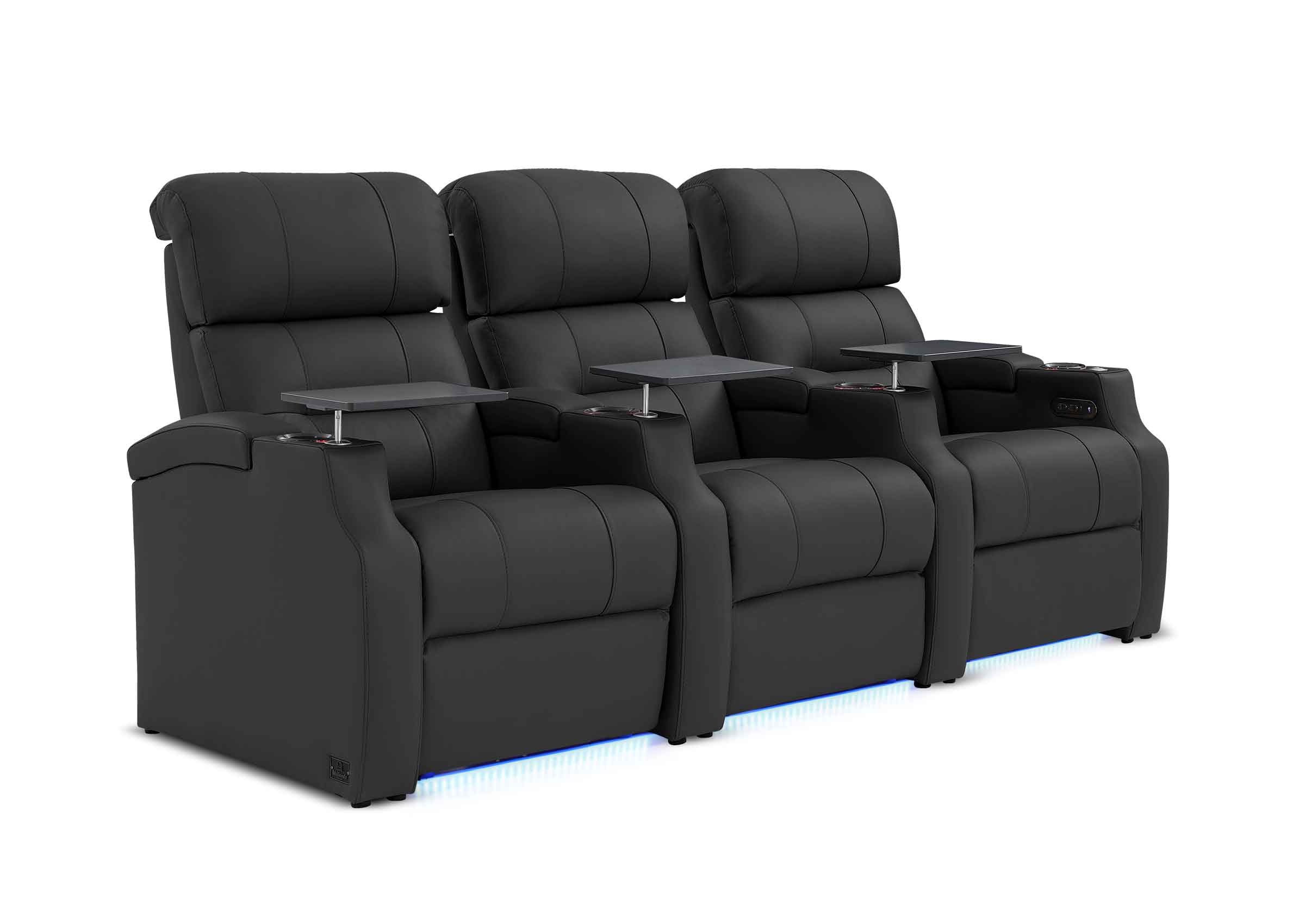
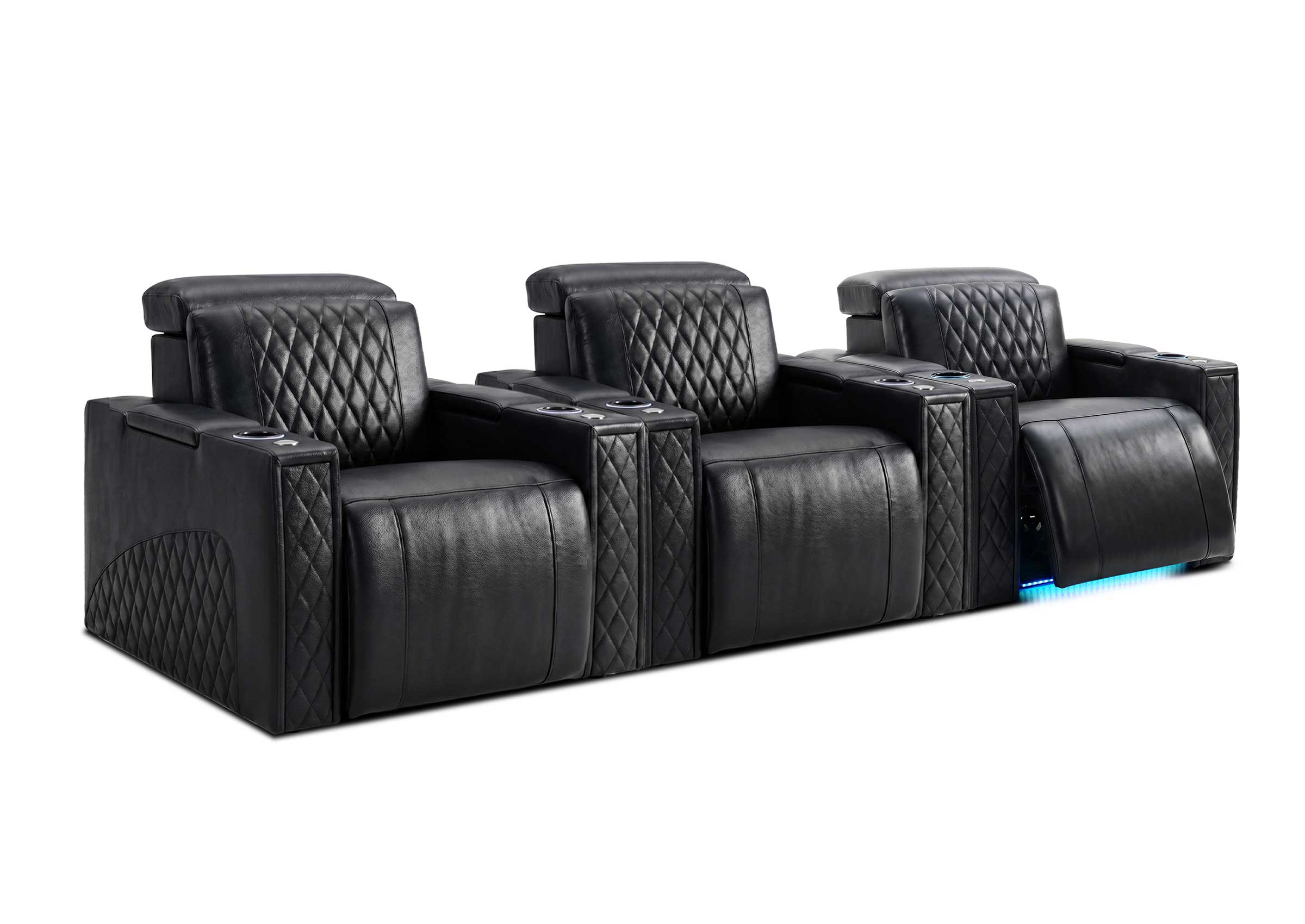
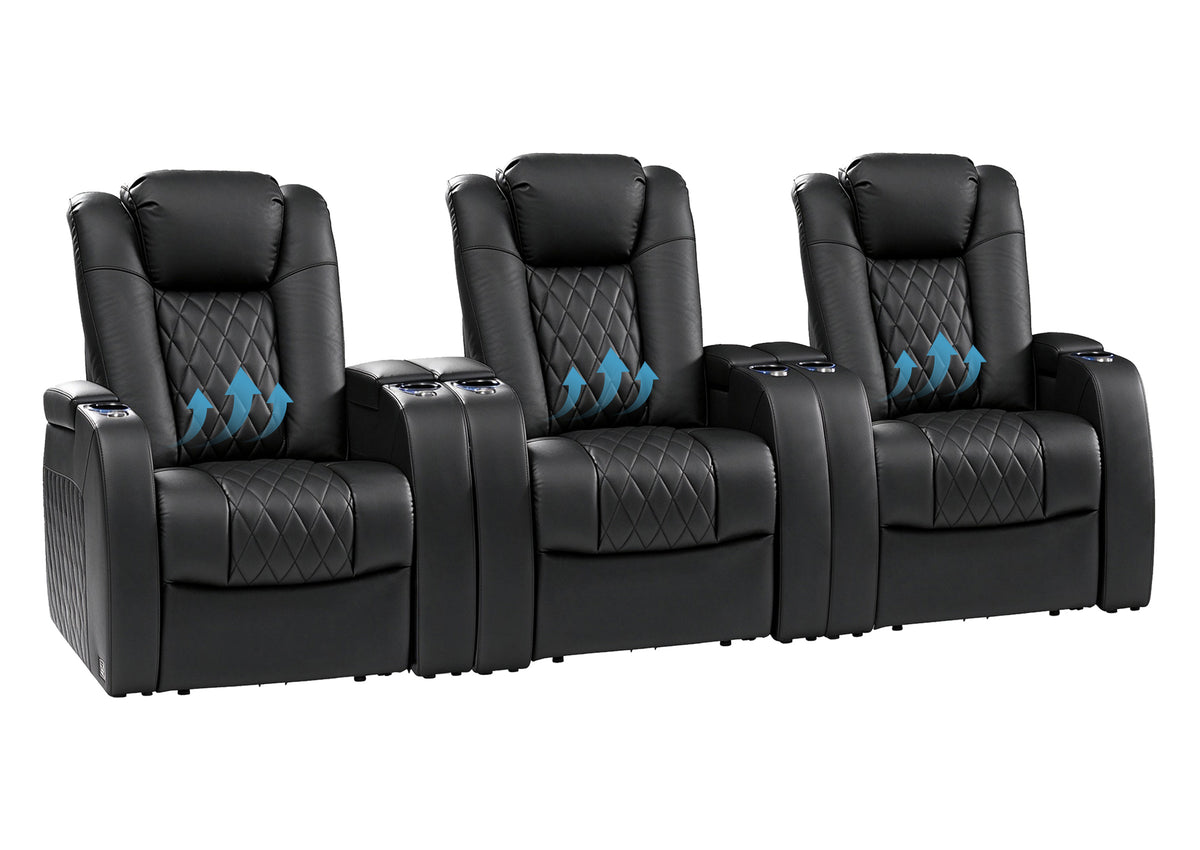
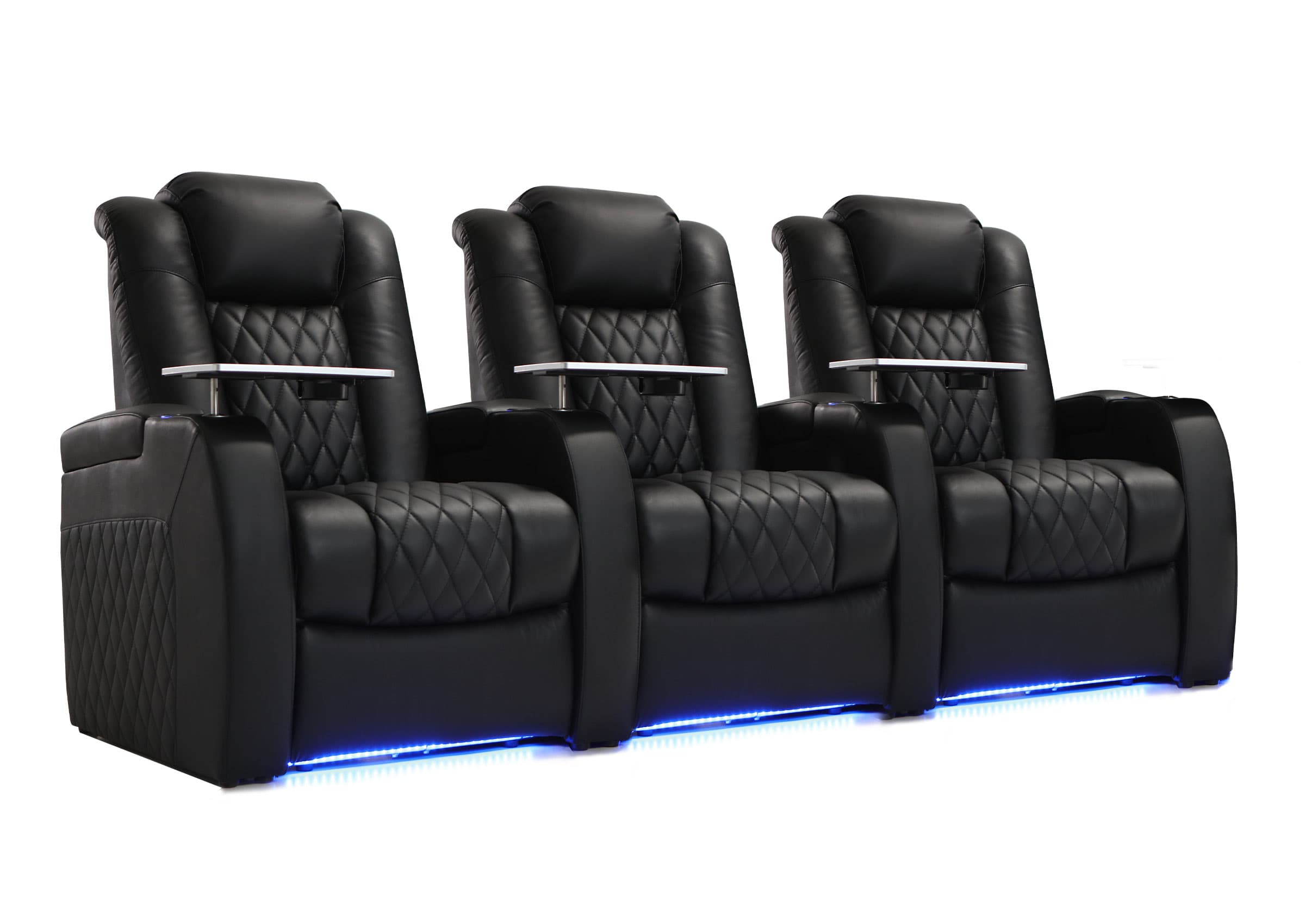
- Media room theater setup. Position the L-shaped leather sectional facing the screen wall with about 8 to 12 feet of viewing distance, depending on screen size. Choose a configuration with power recliners on at least two seats. Add a low media console and blackout curtains. Leather wipes down easily after movie snacks, which is a real advantage over fabric in this scenario.
- Floating room centerpiece. In larger rooms of 14 by 18 feet or more, pull the sectional away from all walls. Leave at least 36 inches of walkway behind it. This creates a cozy seating island and frees up walls for bookshelves or artwork. It suits lofts and open industrial spaces especially well.
Can a Leather Sectional Work in a Home Theater Setup?
Yes, and in several ways a leather sectional can outperform dedicated home theater seating for multipurpose media rooms. Here is the direct comparison:
| Feature | Leather Sectional | Dedicated Theater Seats |
| Seating capacity | 4 to 6 per unit; denser arrangement | 2 to 4 per row; row spacing needed |
| Recline function | Available with power mechanisms on select models | Standard on most units |
| Everyday usability | Works as normal living room seating | Visually dominant; less versatile for daily life |
| Cleaning | Wipe spills immediately; condition annually | Depends on upholstery; many premium models use easy-clean leather or vinyl |
| Acoustic impact | Leather reflects more sound; add an area rug and curtains | Optimized for controlled sound environments; room treatment still recommended |
| Aesthetic flexibility | Blends with non-theater decor | Creates a true cinema atmosphere; works best in dedicated media rooms |
For a room that handles both family movie nights and daily living, the leather sectional wins on versatility. We help you select the right L-shaped leather sectional configuration, leather color, and recliner placement to your specific screen size, viewing distance, and speaker layout from day one.
How Do I Maintain and Clean an L-Shaped Leather Sectional?

Leather care is simple but not optional. Without it, the surface dries, cracks, and eventually fails. Follow this rhythm:
- Weekly. Dust with a clean, dry microfiber cloth. Pay attention to crevices where crumbs and pet hair gather; a vacuum with a soft brush attachment handles these quickly.
- Monthly. Wipe seating surfaces with a slightly damp cloth using distilled water—tap water minerals can leave residue. Dry immediately with a clean cloth. Never let moisture sit on the leather.
- Every 6 months. Apply a pH-balanced leather conditioner to all seating surfaces, armrests, and the front rail. Use a product made for your leather type; aniline leather needs different chemistry than pigmented top-grain. Test on a hidden area first and remove any excess after absorption.
- For spills. Blot immediately with a dry cloth. Do not rub. For oily spills, sprinkle cornstarch or baking soda, let it sit several hours, then vacuum off.
Avoid saddle soap, household cleaning sprays, and direct sunlight. Keep the L-configuration leather sofa away from radiators and heating vents, which speed up drying and cracking.
How Long Should a Quality L-Shaped Leather Sectional Last?
The answer depends on leather grade, frame construction, and cushion core—not just the brand name:
| Component | Entry-Level Lifespan | Mid-Range Lifespan | Premium Lifespan |
| Leather (bonded) | 1–3 years before peeling | N/A | N/A |
| Leather (top-grain) | N/A | 10–15 years | 15–20+ years |
| Leather (full-grain) | N/A | N/A | 20+ years; often outlasts the frame |
| Frame (plywood/particle board) | 3–5 years | 8–12 years | 15+ years |
| Frame (hardwood with corner blocks) | N/A | 15+ years | 25+ years |
| Seat cushion foam (1.8 lbs density) | 2–3 years before sagging | N/A | N/A |
| Seat cushion foam (2.5+ lbs density) | N/A | 8–12 years | 12–15 years |
| Pocketed coil spring base | N/A | 10–15 years | 15–20 years |
A well-built L-shaped leather sofa with a kiln-dried hardwood frame, sinuous or eight-way hand-tied spring suspension, high-resiliency foam cushions, and top-grain leather upholstery should deliver 12 to 18 years of daily use with proper care. Full-grain leather on the same frame can exceed 20 years—the leather gains character while the structure stays solid.
Four Real-World Scenarios Where an L-Shaped Leather Sectional Excels

Family media room with daily use
A household of four needs seating that handles popcorn spills, pet hair, and everyday lounging. A top-grain pigmented L-shaped leather sectional with reversible seat cushions and a pocketed coil base delivers cleanability and comfort that outlasts fabric. Power recliners on two seats bring a theater feel without sacrificing practicality. Our true top-grain leather, sourced in-house at the raw material level, ensures the surfaces your family touches every day are authentic and durable.
Open-concept condo living
A 900-square-foot apartment with a combined kitchen, living, and dining area needs a seating zone that defines the living space without walls. A compact corner leather sectional under 100 inches wide, floated as a room divider, achieves this with a low-profile back that preserves sightlines. We provide detailed dimension checks and layout advice to confirm traffic flow and focal-point alignment before you order.
Basement home theater conversion
A 14-by-16-foot basement is being turned into a dedicated cinema room. An L-configuration leather sofa with power recliners, placed about 10 feet from a 120-inch screen, seats five comfortably. The leather handles snack spills with a quick wipe. We help you choose the right sectional dimensions, leather finish, and recliner configuration with screen size, projector throw distance, and speaker placement.
Vacation rental or furnished apartment
A property manager furnishes three units and needs seating that survives guest turnover. A mid-tone brown L-shaped leather sofa hides minor scuffs between guests, wipes clean in seconds between stays, and helps support higher nightly rates. Our factory-direct supply chain means consistent pricing on multi-unit orders, with ready-to-ship inventory that avoids backorder gaps between property turnovers.

Get an L Shaped Leather Sectional Built Exactly to Your Needs
At Weilianda, we build every L shaped leather sectional on a foundation of genuine top-grain leather, a kiln-dried hardwood frame, and high-resiliency foam cores designed for over 12 years of daily use. Every sectional ships straight from our factory floor—no middlemen or inflated retail margins.
Every piece reflects our commitment to true leather quality at the raw material level. Hides are inspected before cutting, and seating surfaces use full panels, not stitched scraps that pull apart over time. We help you confirm that your sectional works with your screen, viewing distance, and speaker layout. We also walk through your room dimensions to verify walkway clearances and delivery-path feasibility, so you know exactly how the piece will fit before you order. For those needing a budget‑friendly temporary option, we also carry select bonded leather models with clear guidance on expected lifespan and best‑use scenarios. Factory-direct supply keeps lead times short and stock availability transparent because we control production from leather cutting through final assembly. After-sales support includes replacement cushion core availability, leather-care starter kits with every delivery, and direct access to our production team.
When you are ready to talk through a sectional that fits your space, leather preference, and how you actually live, we can walk through the options in detail.
Contact us at leon@weiliandahome.com — include your room dimensions and preferred leather finish, and we will return a configuration recommendation with current availability.
FAQ: Common Questions About L-Shaped Leather Sectionals
What do "left-facing" and "right-facing" mean on an L-shaped leather sectional?
Stand facing the sofa. If the longer side sits on your left, the piece is left-facing. If it’s on your right, it’s right-facing. This determines which corner of your room the corner leather sectional occupies. Getting it wrong can block a window or natural walkway.
Can I separate the pieces and use them as individual sofas?
It depends on the design. Modular sectionals with independent connector brackets can be separated and rearranged. Traditional sectionals with fixed brackets between the corner wedge and each side are not built for reconfiguration. Look for "modular" or "reconfigurable" in the product description if flexibility matters to you.
Will a leather sectional scratch easily with pets?
Full-grain aniline leather shows scratches more easily because there is no heavy protective coating. Pigmented top-grain leather with a surface finish resists light scratches far better. For homes with dogs or cats, choose a top-grain leather with a pigmented or semi-aniline finish, and keep claws trimmed regardless of leather type.
Do leather sectionals feel cold in winter?
Leather adjusts to ambient room temperature. At a normal room temperature of 68°F to 72°F, the surface equalizes within minutes of sitting down. The first touch may feel cooler than fabric because leather conducts heat away faster, but body warmth resolves this almost instantly. A throw blanket eliminates the brief cool sensation completely.
Can I place the L-shaped leather sectional against a wall if it has power recliners?
Yes, but only with a wall-hugger mechanism. Standard recliners need 6 to 12 inches of clearance behind the backrest. Wall-hugger designs slide forward as they recline and need as little as 2 to 4 inches. Confirm this specification before ordering for a tight space.
How do I fix peeling bonded leather?
Bonded leather peeling cannot be permanently repaired. The polyurethane surface layer separates from the backing, and no adhesive will rebond it cleanly. Patch kits exist but look obvious on large seating surfaces. The only real solution is reupholstering the affected panels with genuine leather, which often costs more than the original piece. This is why bonded leather sectionals are best avoided for seating.
Are leather sectionals suitable for humid climates?
Leather absorbs and releases moisture. When indoor humidity stays above 65%, mildew can develop if air circulation is poor. The fix is not to avoid leather but to keep indoor humidity between 40% and 55% with a dehumidifier or HVAC system. Also, position the L-shaped leather sofa away from exterior walls where condensation can build up.