







Star ceilings can look spectacular in a home theater, but that does not mean every theater should have one.
They work best when they deepen the room before the movie, stay visually quiet once the movie begins, and fit around the screen, speakers, projector, acoustics, and seating without forcing compromises elsewhere.
If you love the look but are wondering whether it might feel distracting, become expensive to integrate, or simply be too much for your room, those are the right questions to ask before construction starts. The same questions also matter in designer-led theaters, where a decorative ceiling has to coexist with AV, lighting, HVAC, acoustic, and seating decisions made by different people.
The real decision is not whether a star ceiling looks good in photos.
It is whether it makes your theater better from the seat you will actually watch from.
Is a Star Ceiling Worth It for a Home Theater?
A star ceiling is usually worth considering when the theater fundamentals are already in good shape and you want to add a stronger sense of atmosphere.
It becomes much harder to justify when the ceiling feature starts competing with more important parts of the room.
A useful way to think about it is this:
A star ceiling is an experience layer, not a foundation layer.
Your screen, viewing position, audio system, basic acoustic needs, light control, seating, and room circulation affect nearly every movie you watch. A star ceiling changes how the room feels, especially before the movie begins.
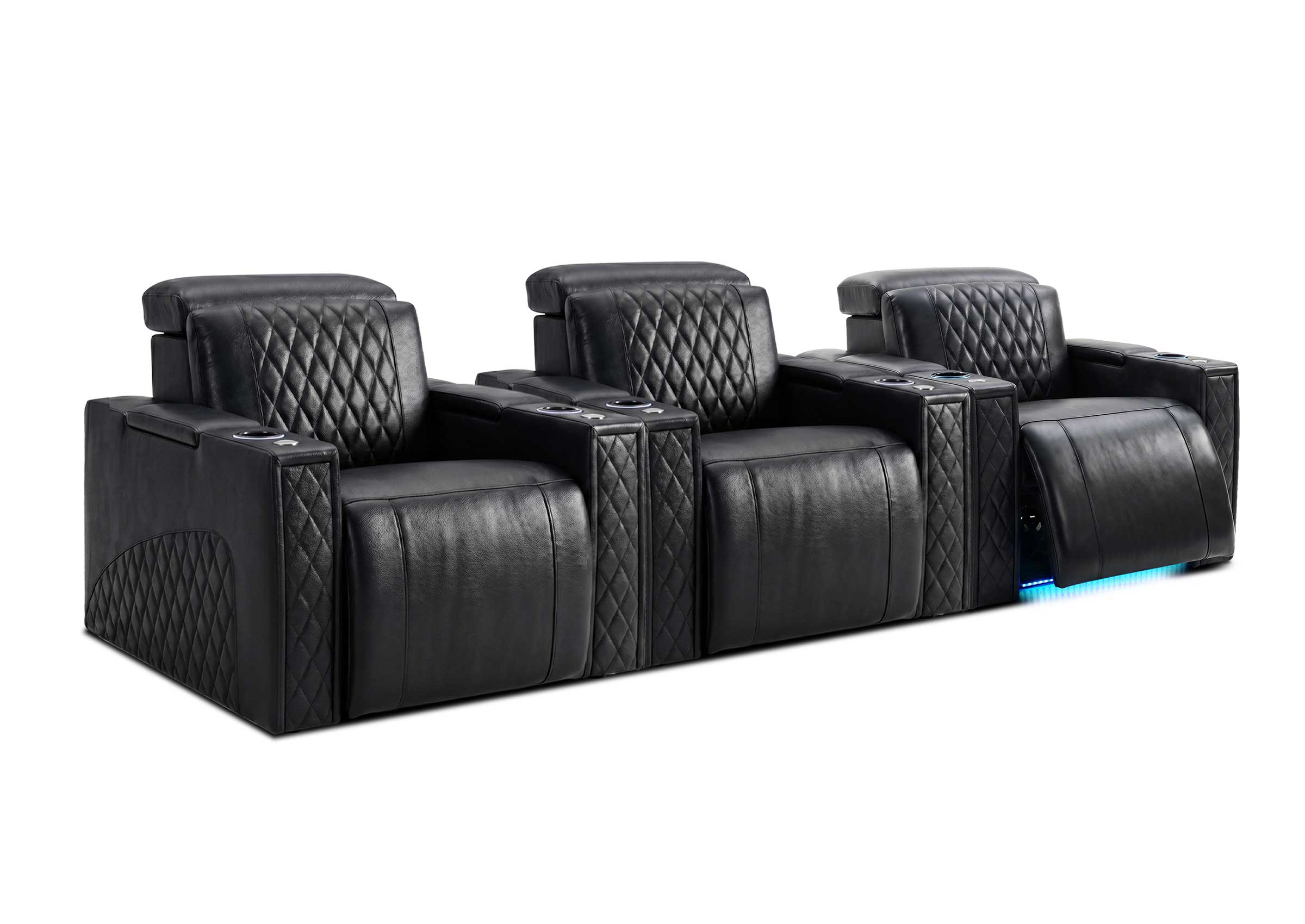
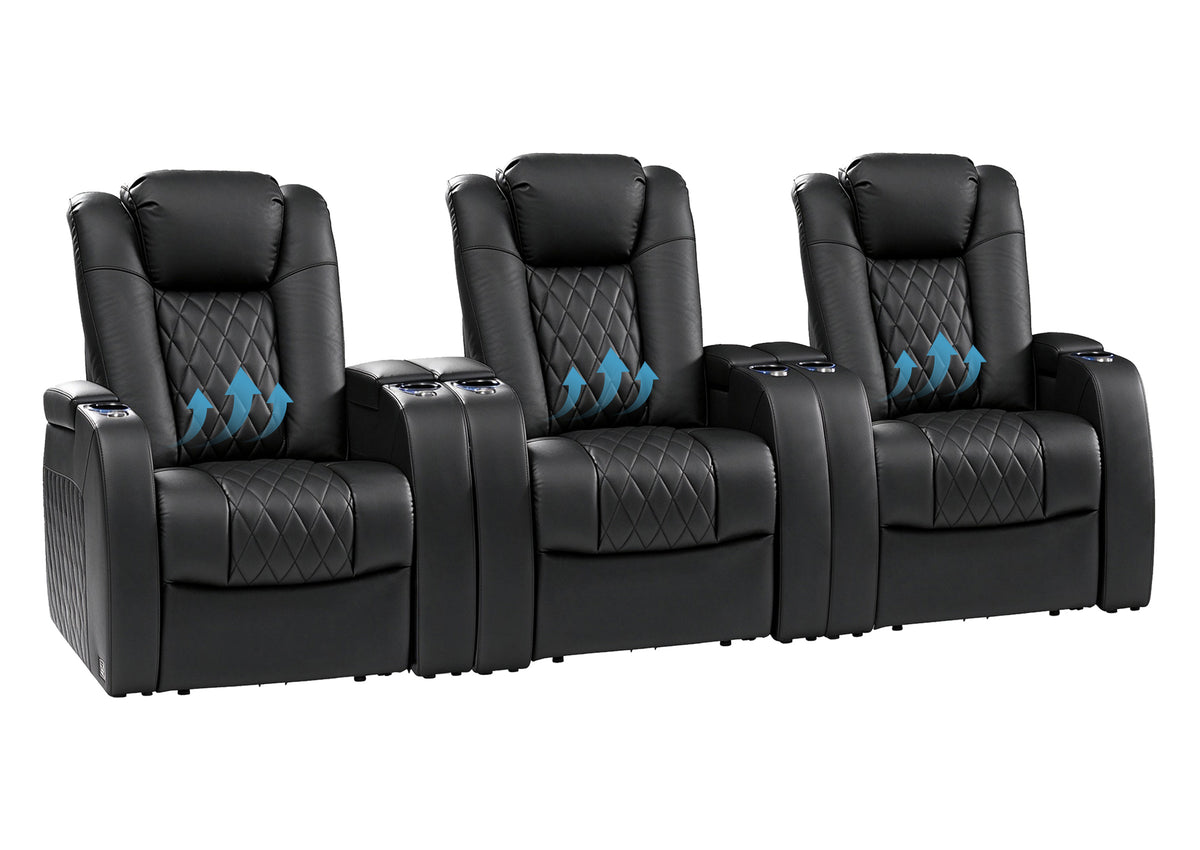
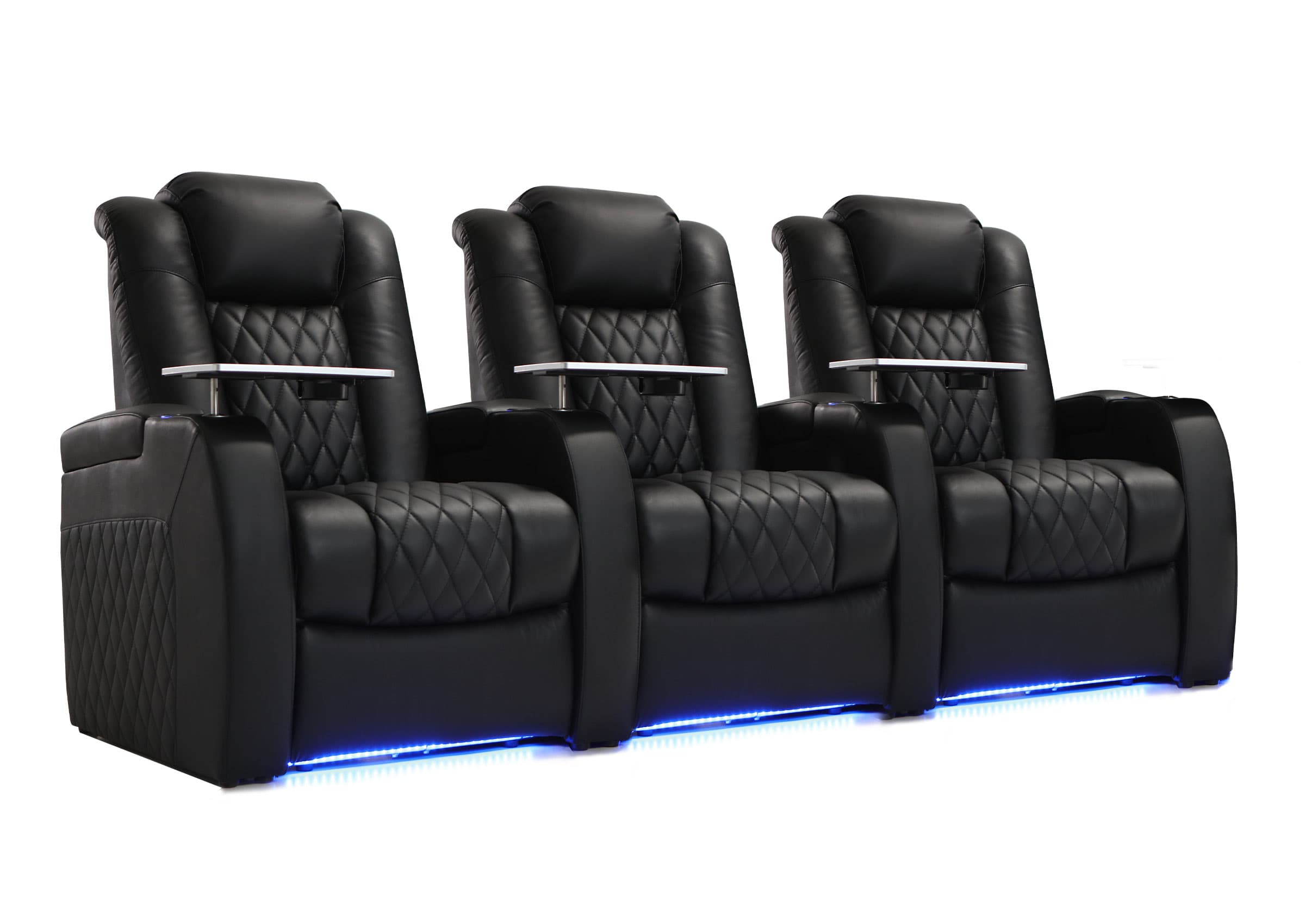
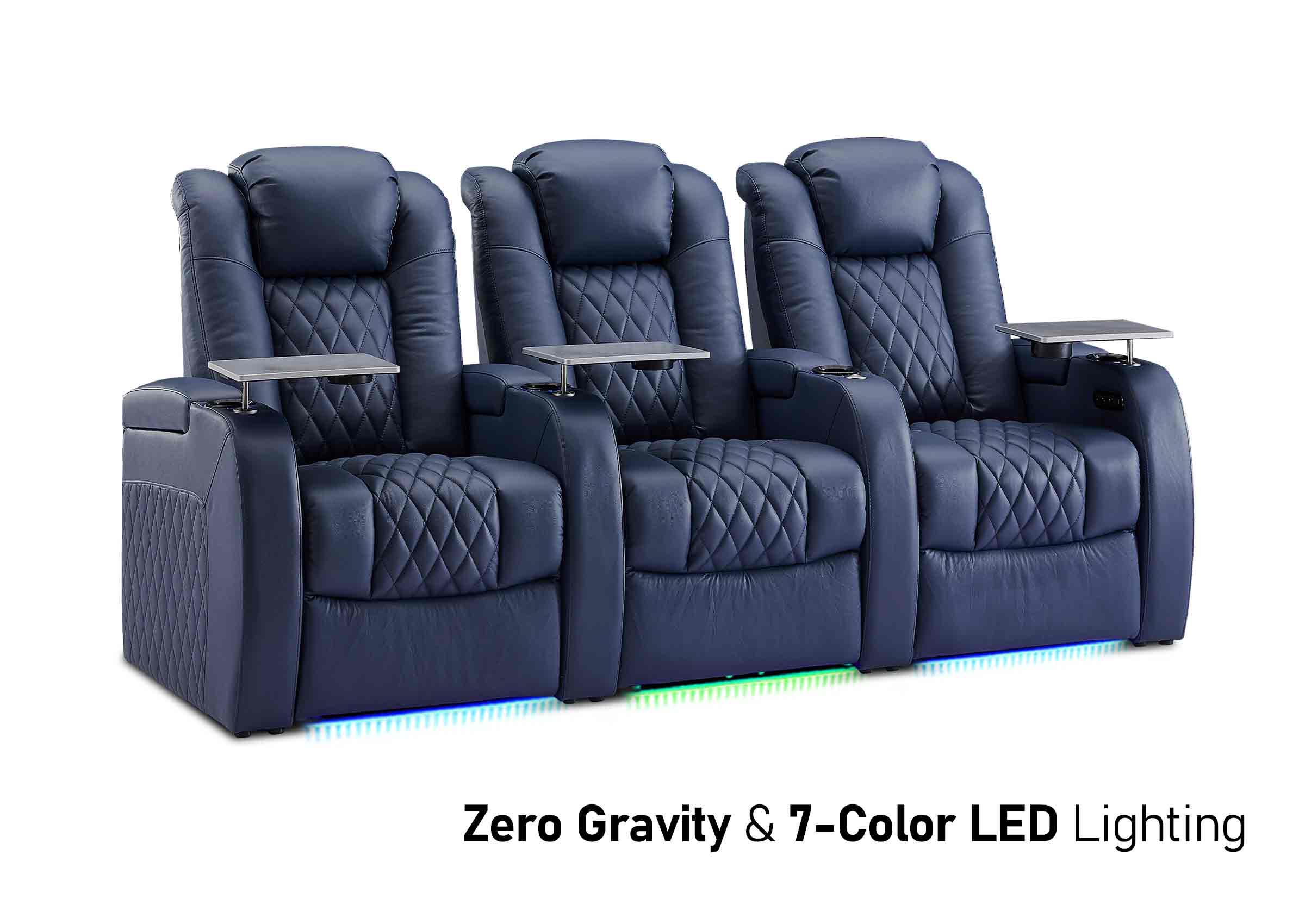
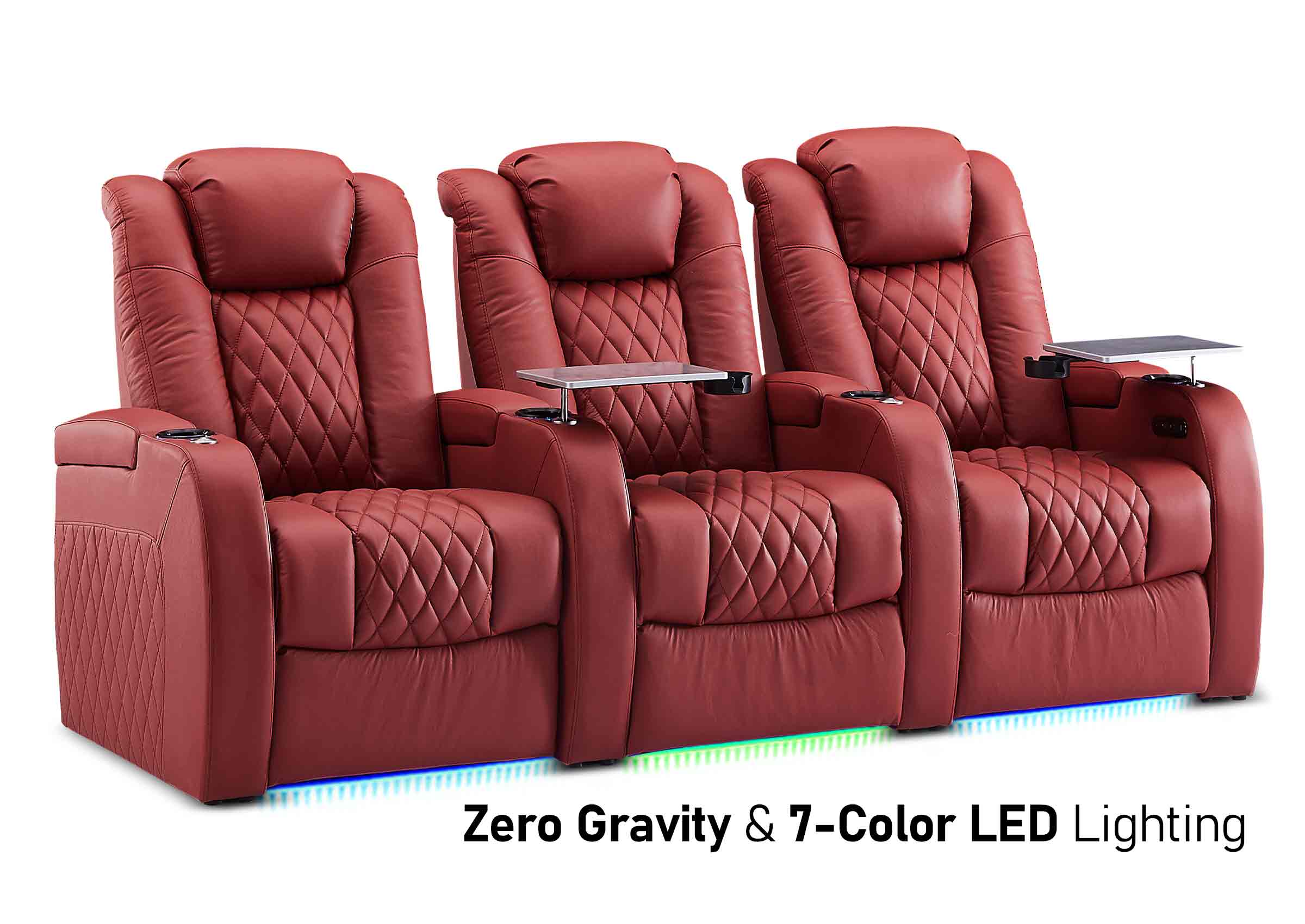
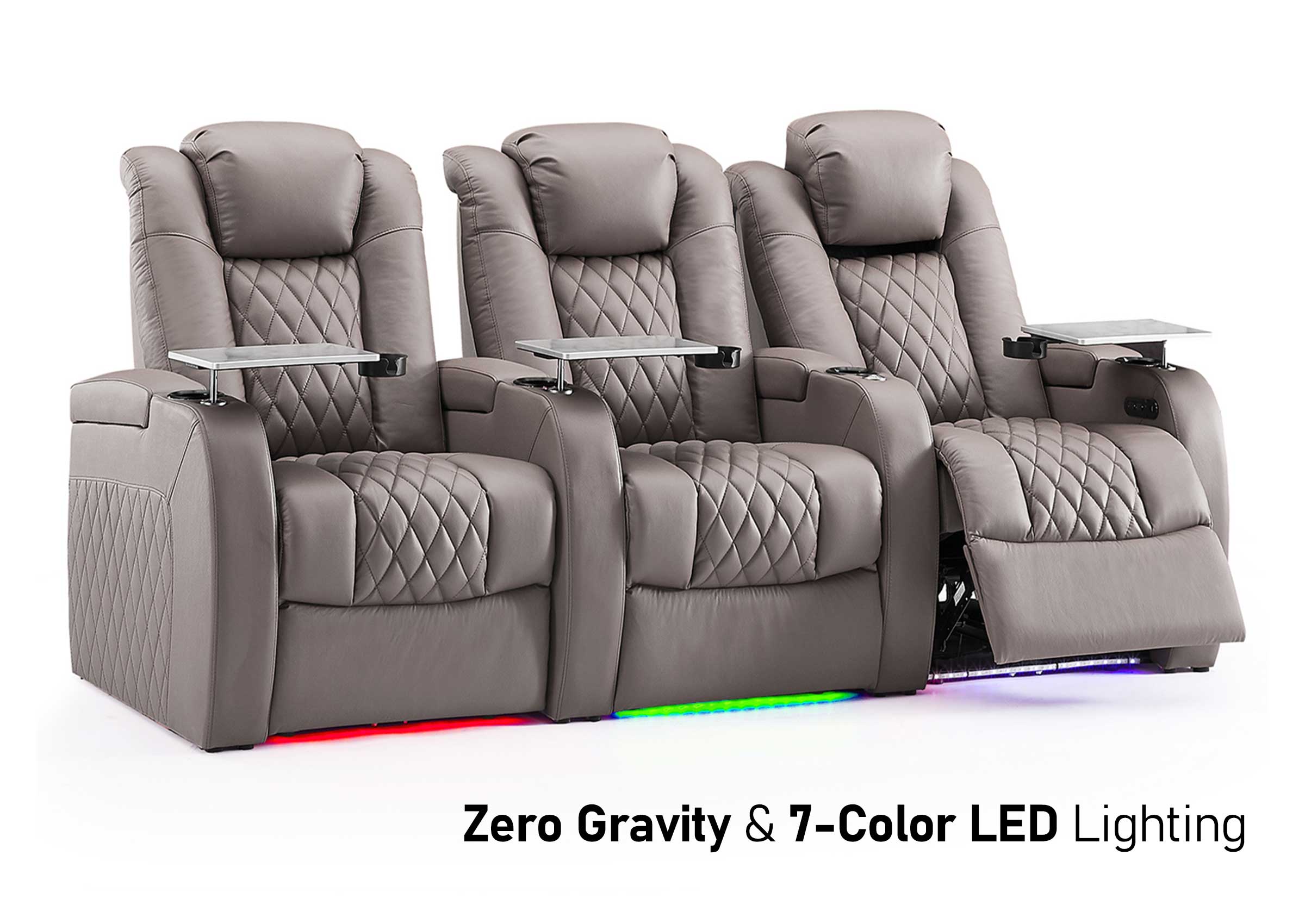
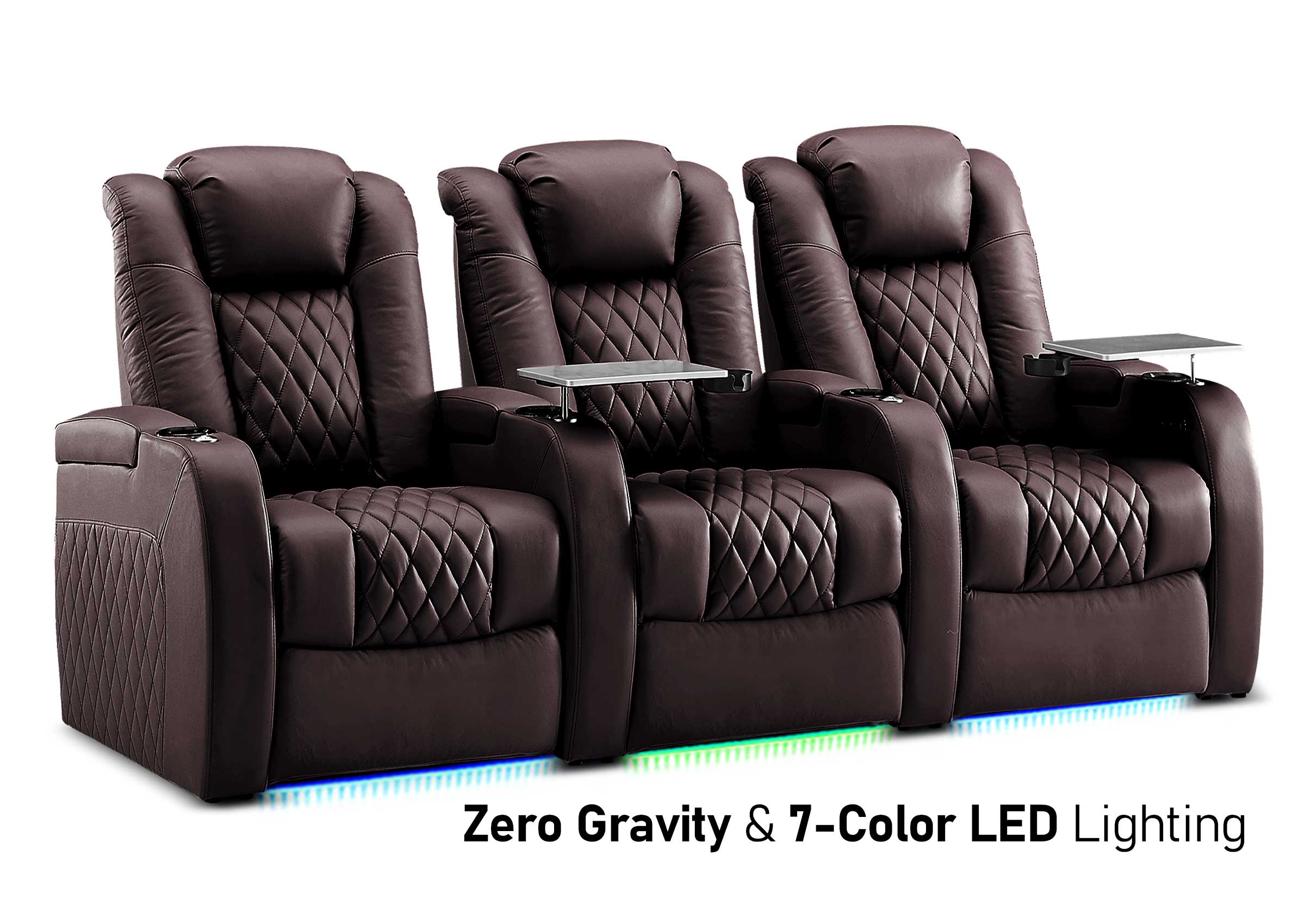
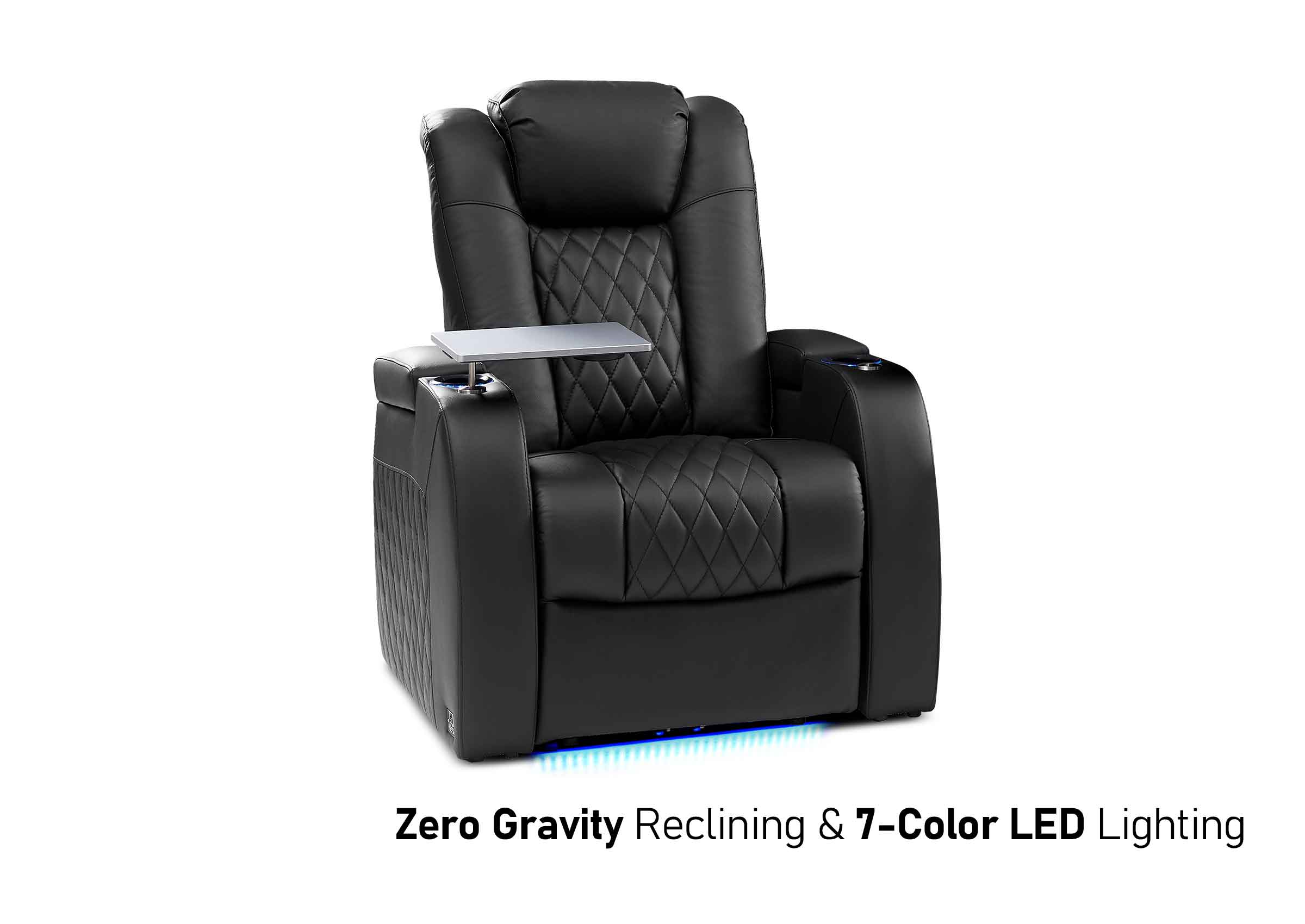
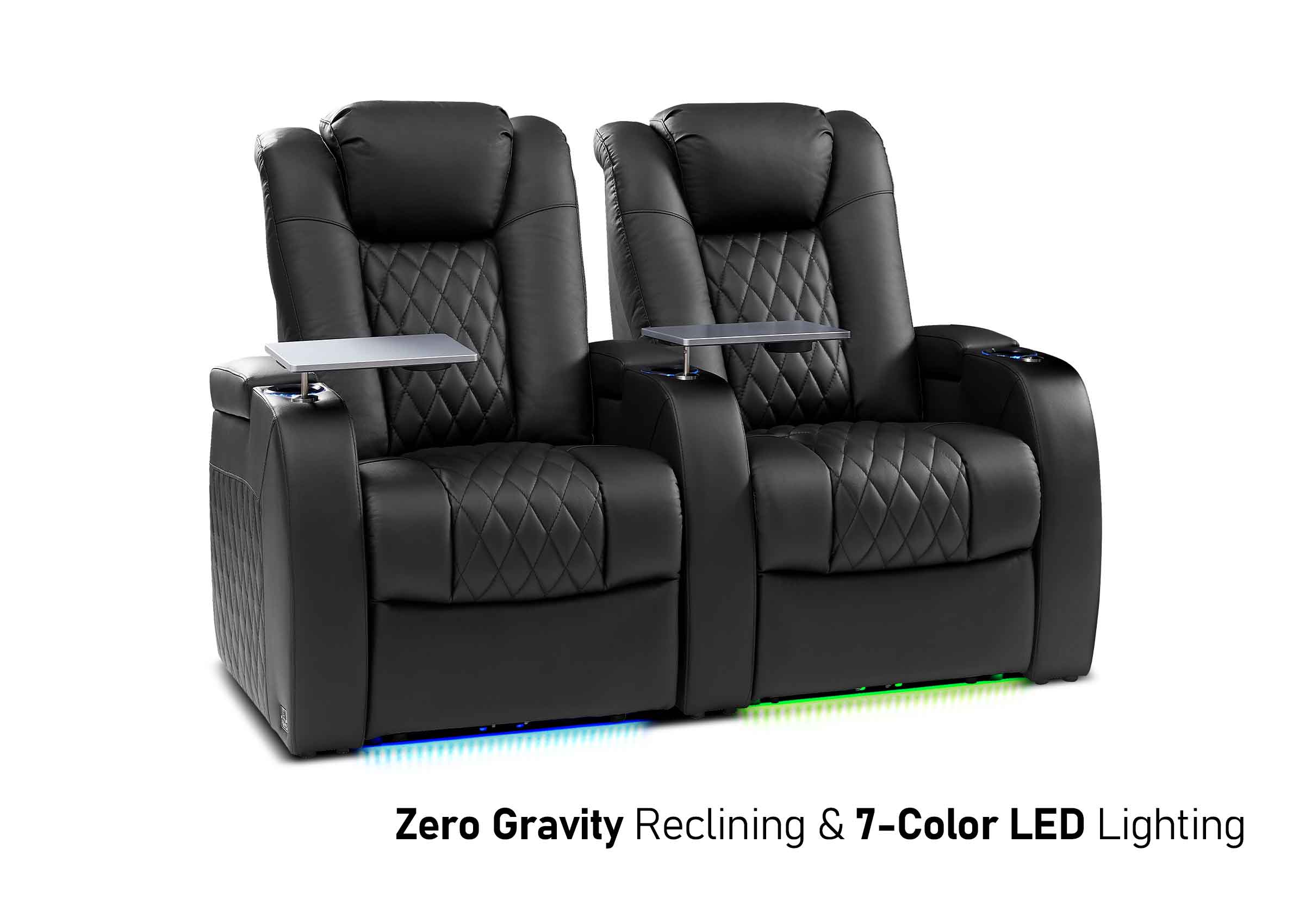
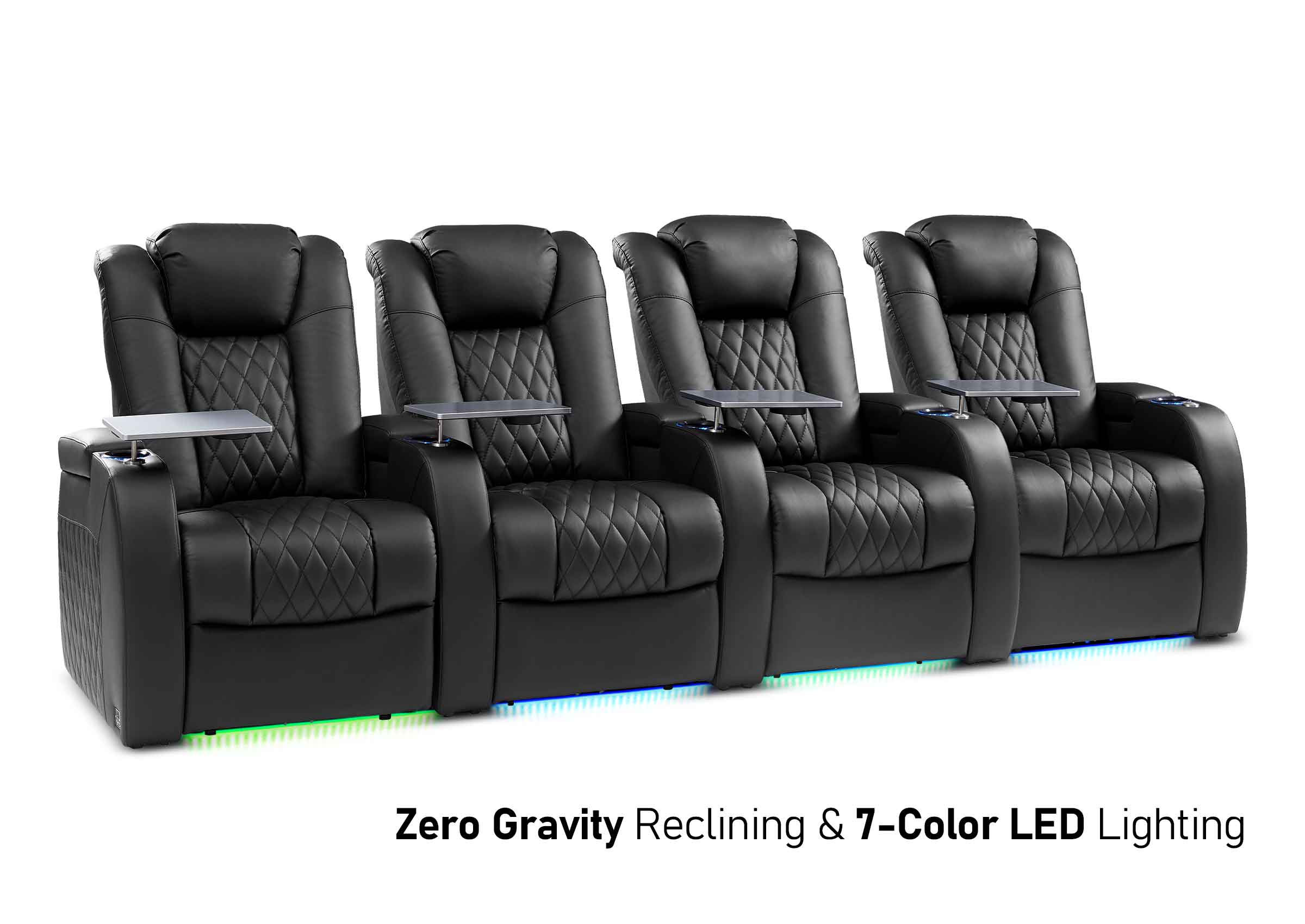
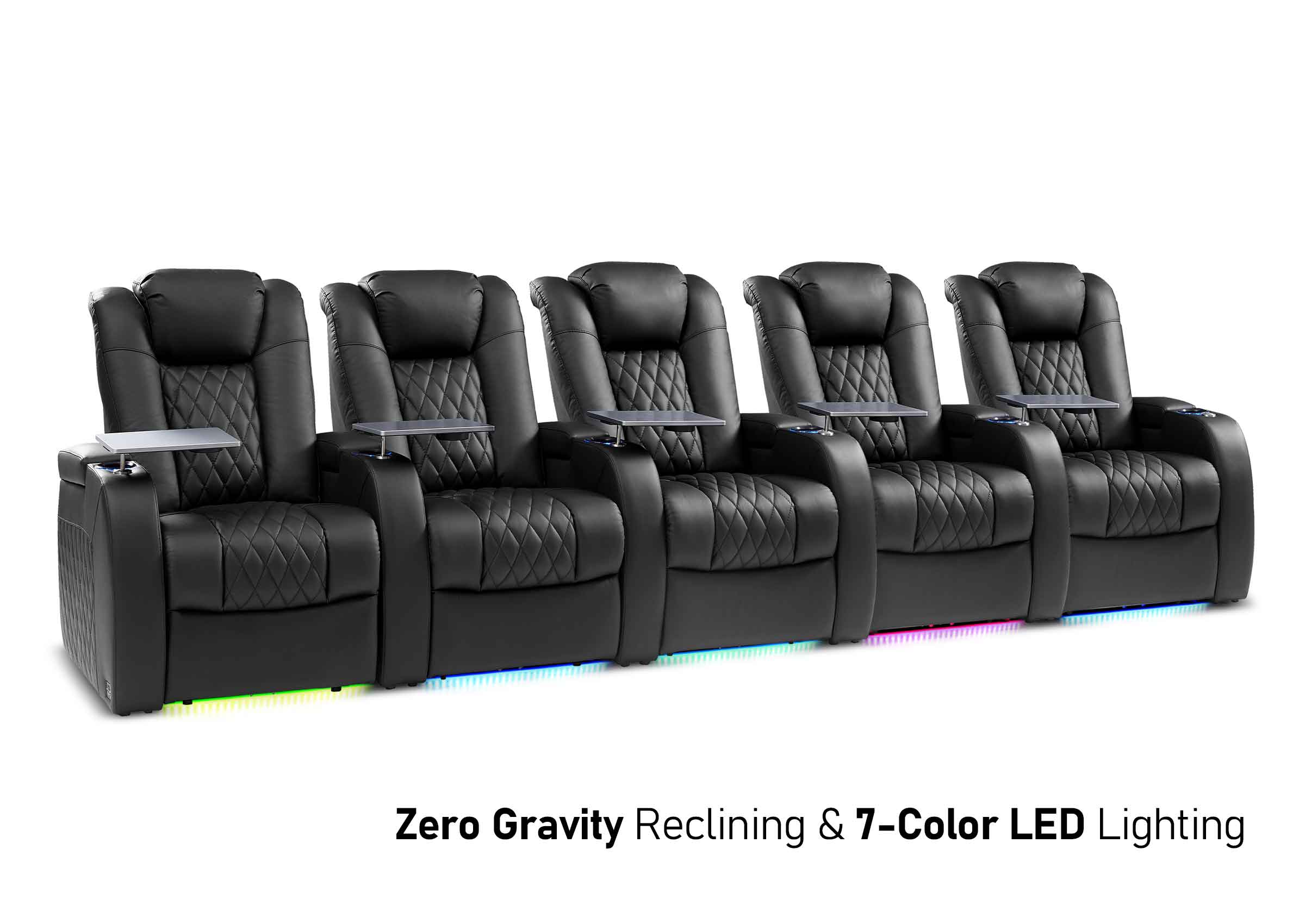
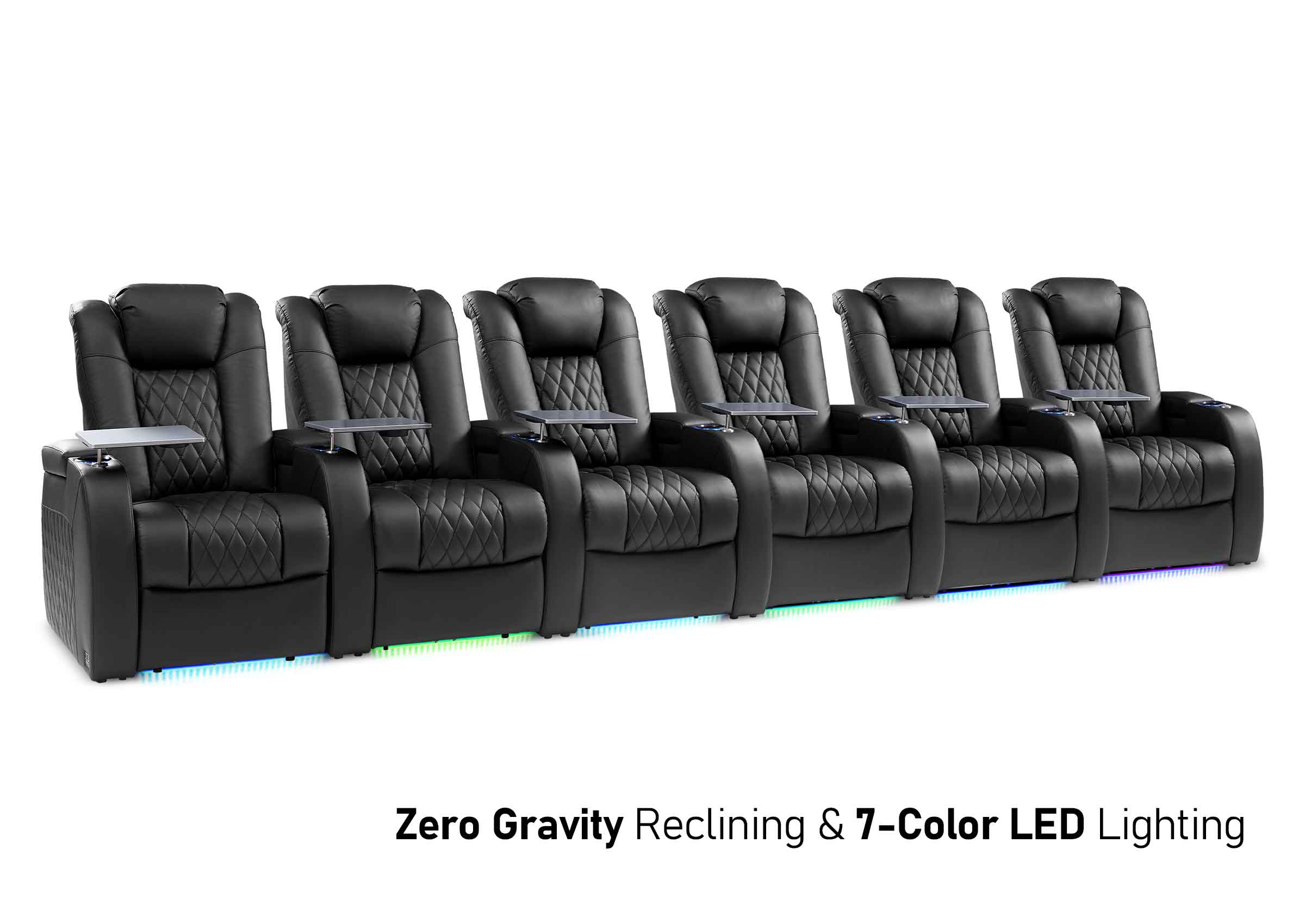
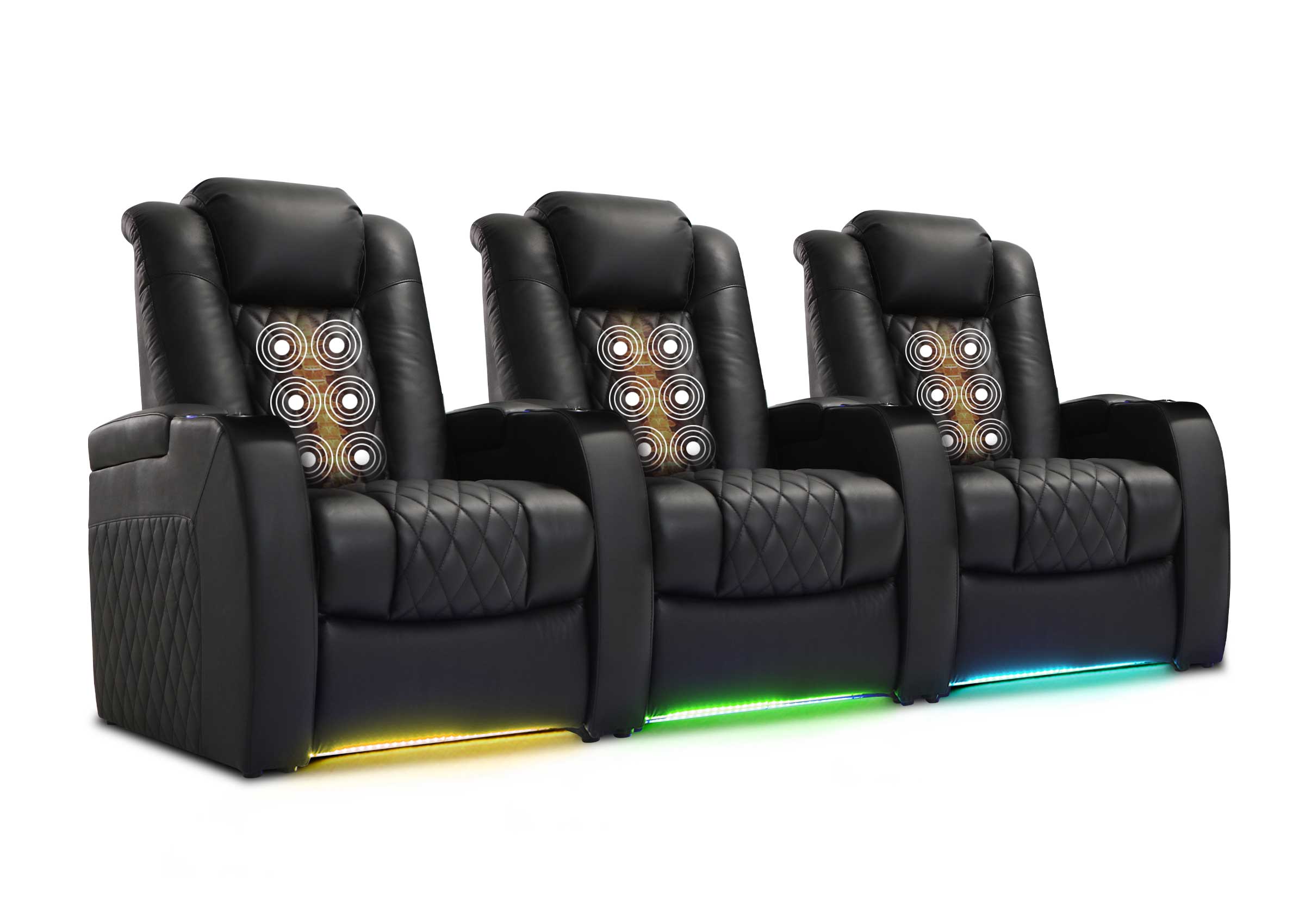
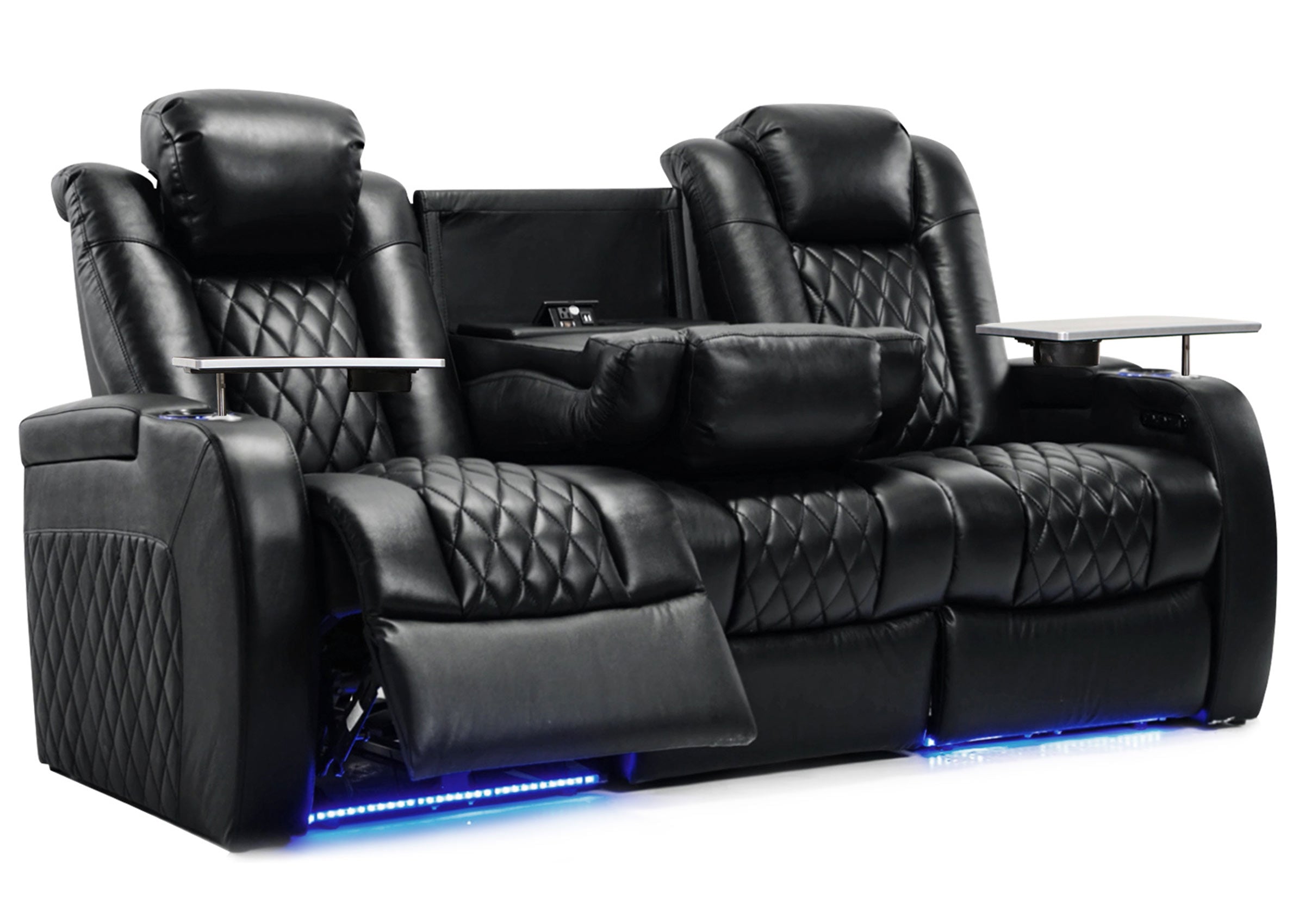
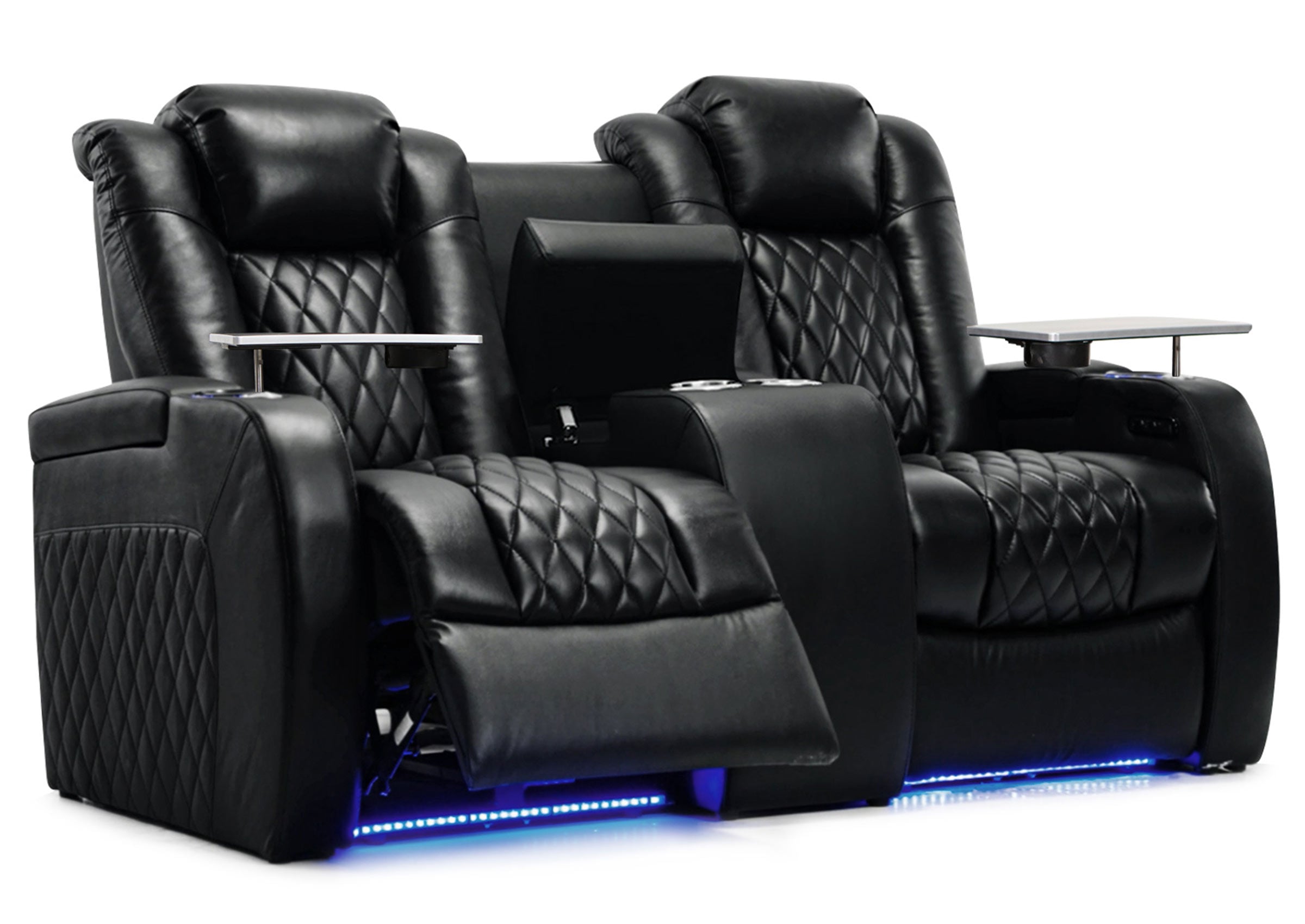
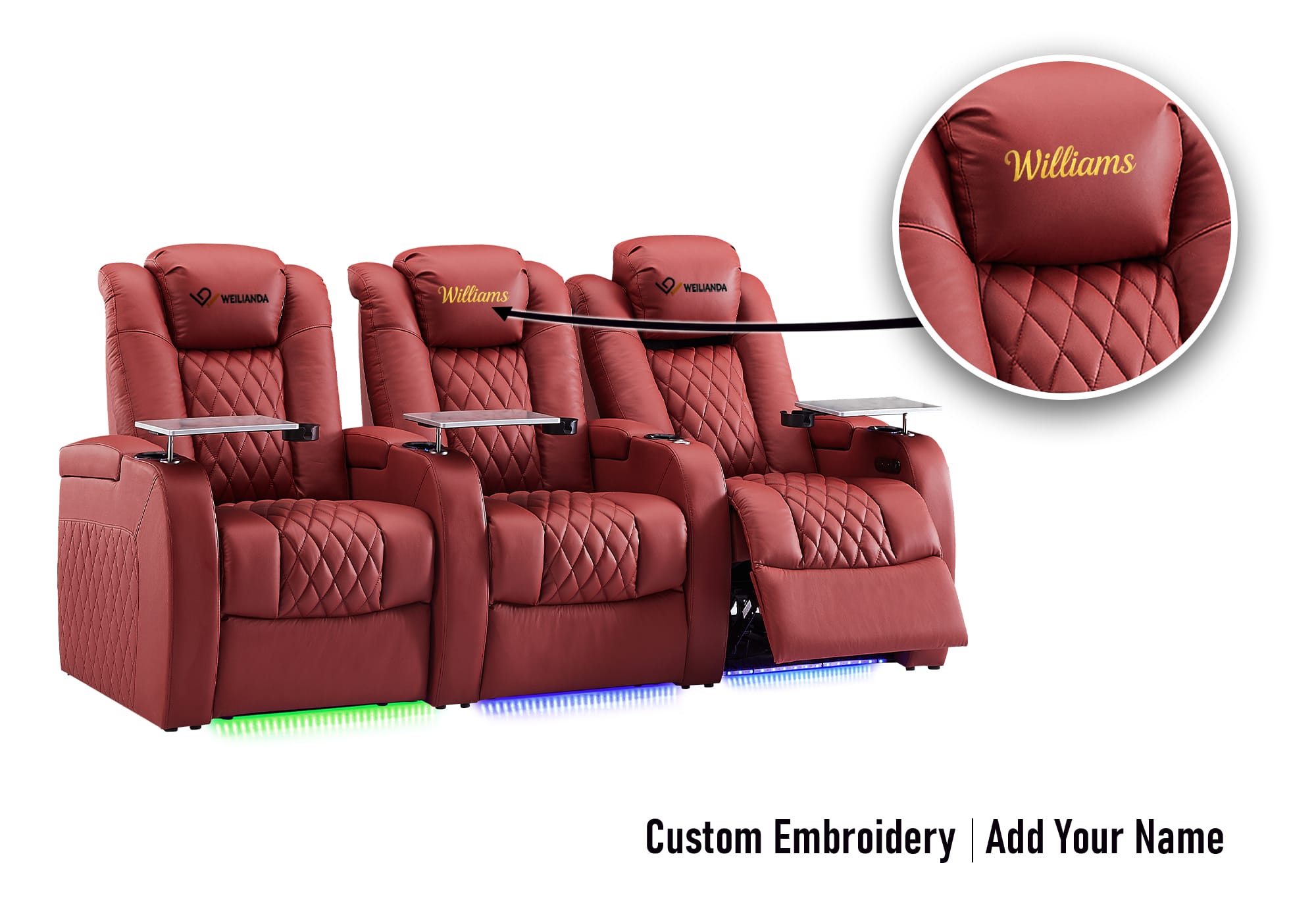
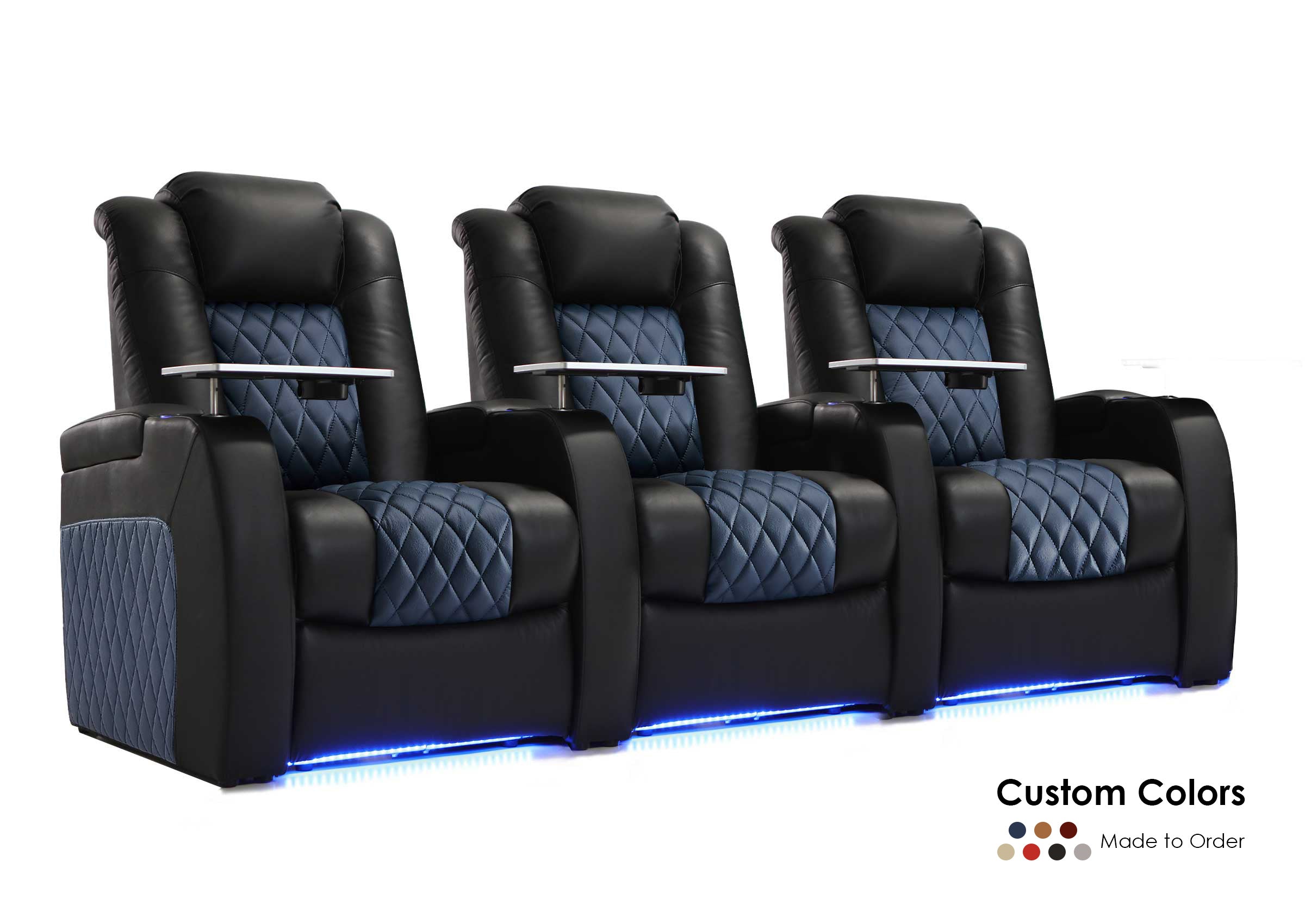
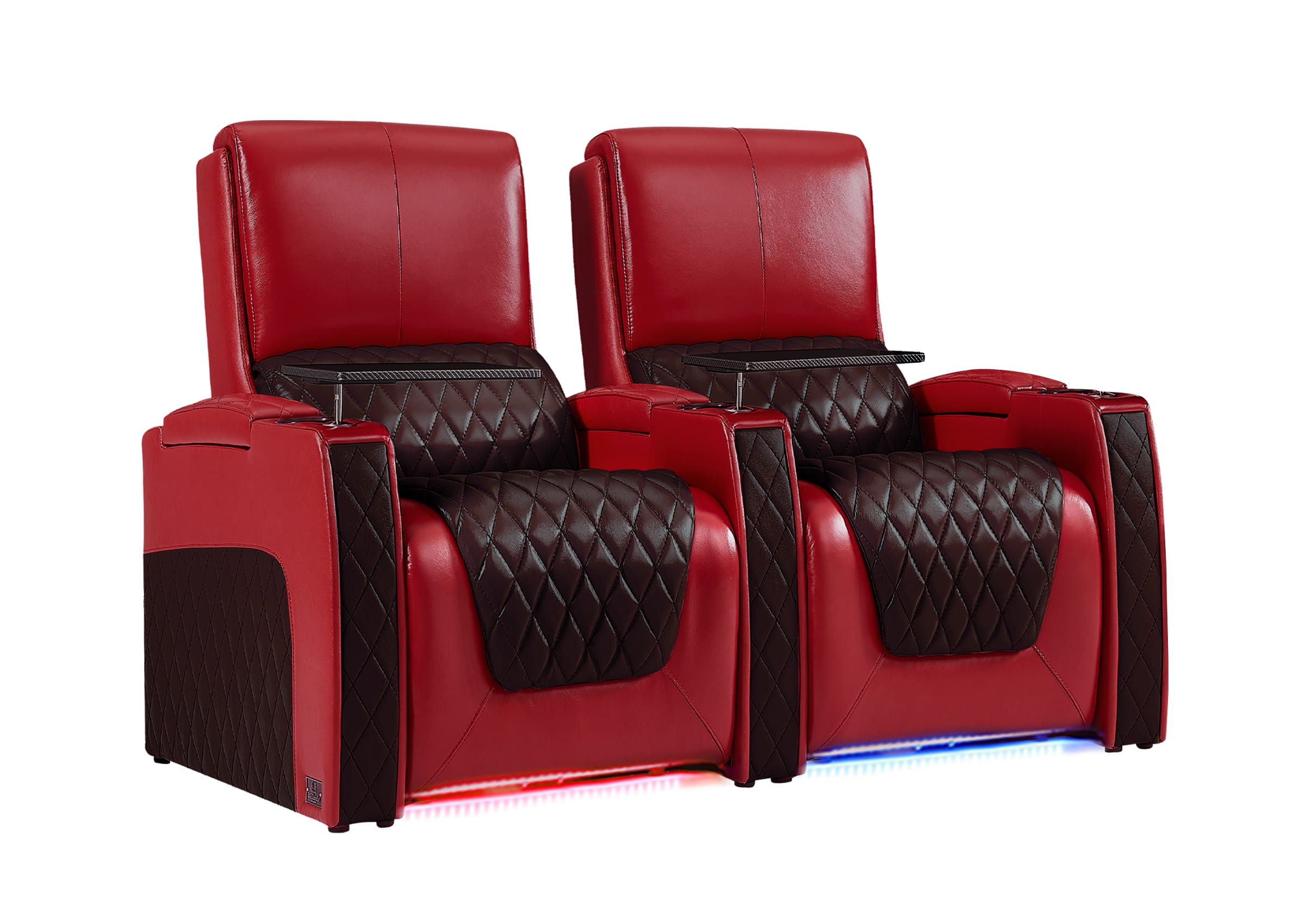
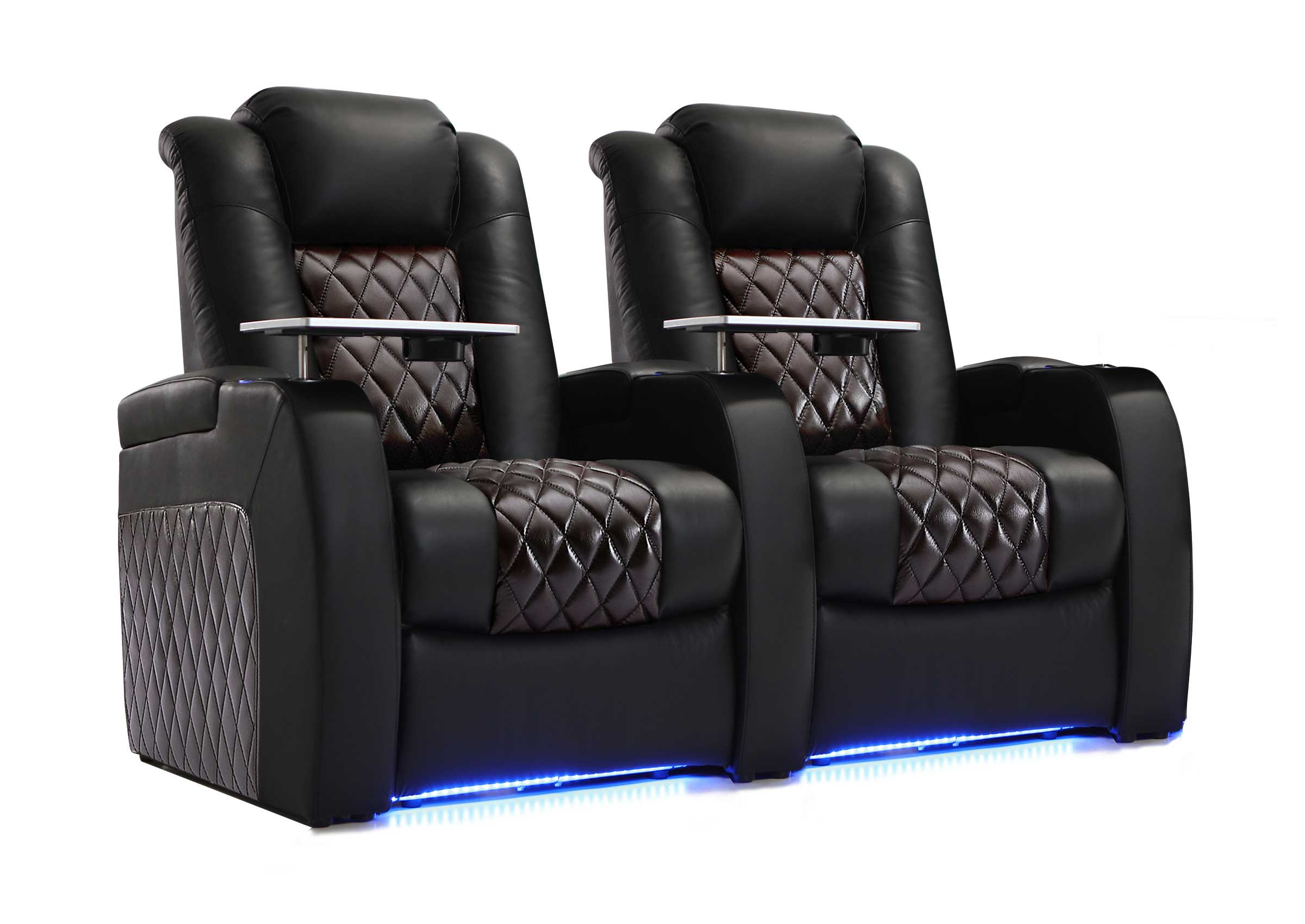
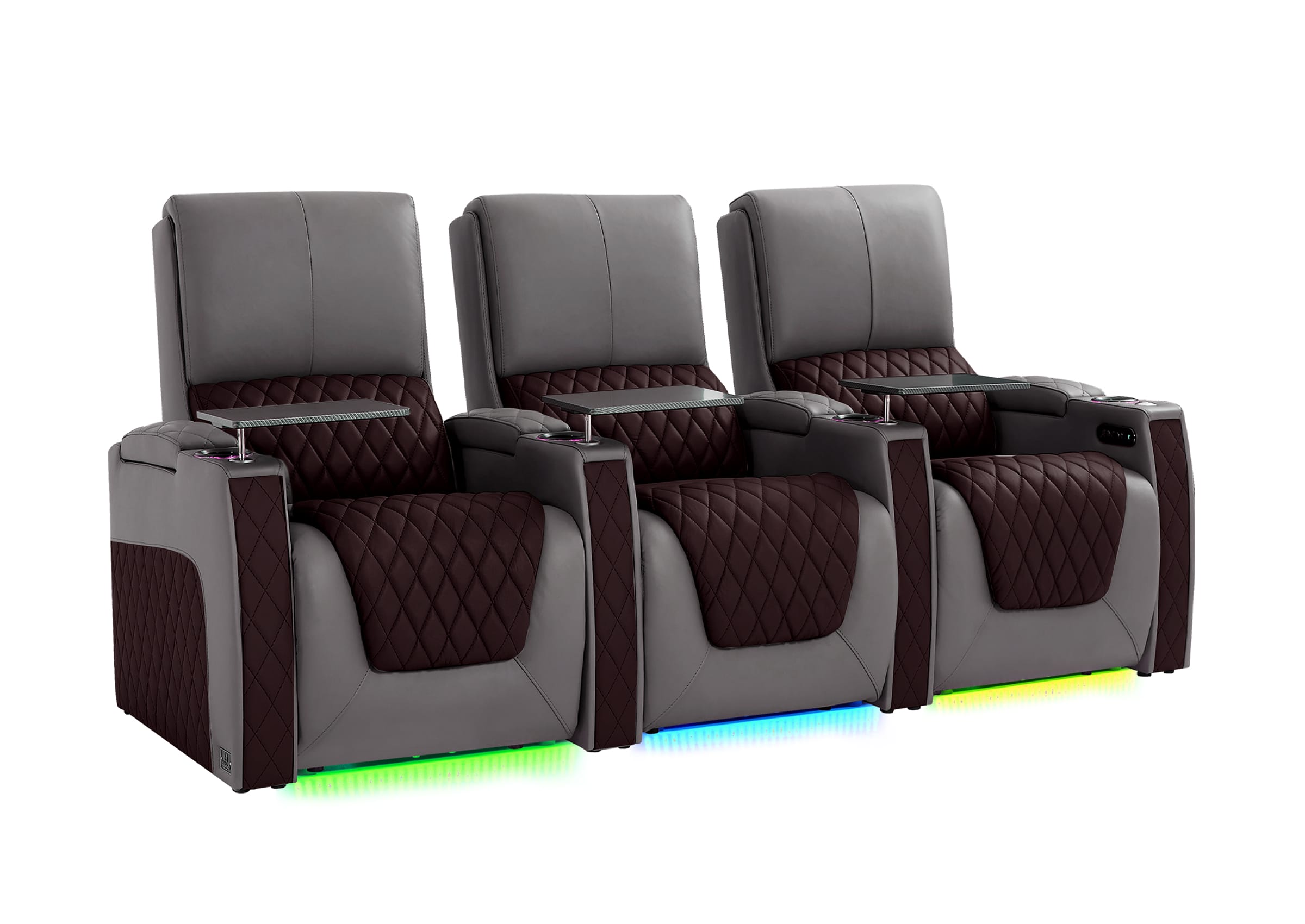
If those fundamentals are still being resolved, start with the relationship between the room and the seats. A clear home theater seating layout helps establish the primary viewing position, circulation, and usable seating area before decorative ceiling decisions are finalized.
That difference matters when you are deciding where the next part of your budget should go.
If adding the ceiling means accepting a worse screen position, compromising speaker placement, losing needed acoustic treatment, choosing seating that does not fit properly, or postponing basic light control, the star ceiling is probably being prioritized too early.
On the other hand, if those fundamentals are already resolved, a well-designed star field can become one of the features that gives a dedicated theater its identity.
For a project team, the same principle becomes a sequencing rule: resolve the systems that determine performance and human comfort before freezing the decorative ceiling design.
A Quick First Decision
| Your situation | Better direction |
|---|---|
| Theater fundamentals are settled and you want a signature visual feature | Do it |
| You like the idea, but the ceiling has speakers, HVAC, soffits, or other conflicts | Modify the idea |
| The star ceiling would consume budget needed for screen, sound, seating, or light control | Skip it for now |
| You want the effect mainly for the pre-show atmosphere and can dim it during movies | Good fit |
| You know moving lights in your peripheral vision distract you | Use a very restrained design—or skip it |
The goal is not to prove that every theater needs stars. It is to identify the rooms where the feature earns its place.
Why Should the Star Ceiling Get Quieter When the Movie Starts?
One of the easiest mistakes is judging a star ceiling only by the moment someone walks into the room.
That is when the ceiling is supposed to impress.
But a home theater has two very different visual jobs:
Before the movie: create anticipation and atmosphere.
During the movie: get out of the way.
That leads to a useful design standard:
The best star ceiling is impressive before the movie and easy to forget once the movie begins.
A bright, animated star field can look fantastic in a photograph or during a room tour. The same effect may be much less appealing two hours into a dark movie if moving points of light keep entering your peripheral vision.
This is why brightness and motion control matter more than the number of lighting effects a system offers. Star-ceiling specialists commonly recommend reducing the effect during movie playback, with slower or disabled twinkle helping keep the screen dominant. See the Starlight Ceiling home theater design guide for one example of this approach.
Think in scenes rather than one permanent setting:
- Showtime: the ceiling can be more visible when guests enter.
- Conversation or intermission: enough light to enjoy the room without turning on harsh overhead lighting.
- Movie mode: dim, restrained, and visually secondary to the screen.
If your ideal star ceiling only looks exciting when it is bright enough to attract attention throughout the movie, that is a warning sign.
The screen should win.

Why Should You Plan the Star Ceiling From the Seat, Not the Doorway?
Most inspiration photos show a theater from the entrance, rear corner, or another wide architectural viewpoint.
That is useful for judging the room.
It is not necessarily useful for judging the movie-watching experience.
There are really three different ceiling compositions:
Standing view: what you see when you walk into the theater.
Seated view: what enters your vision while sitting upright and watching the screen.
Reclined view: what becomes visible when your head and eyes tilt upward during a long movie.
Those three views can be surprisingly different.
A ceiling feature that looks perfectly balanced from the doorway may feel visually concentrated over your head once you sit down. A bright cluster that seems far away in a wide room photograph may move directly into your peripheral vision when the backrest reclines.
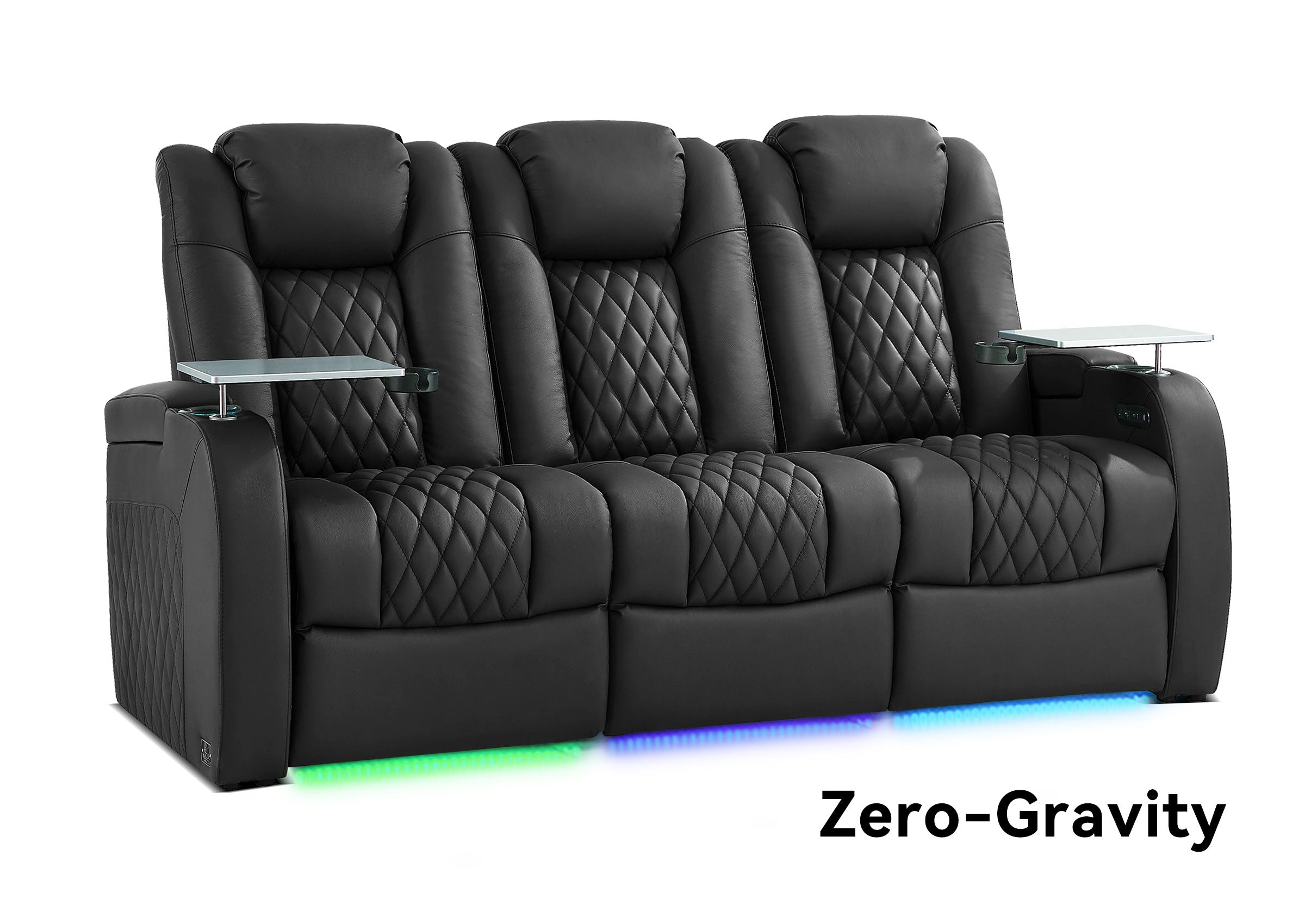
This matters especially in a theater built around reclining seating.
For designers, this is also a reminder that an elevation, reflected ceiling plan, or render does not fully represent the final viewing experience. The ceiling should be checked from the actual eye position of the primary seats before the visual pattern is finalized.
Try the Reclined-View Test
- Sit in the primary viewing seat.
- Look naturally at the center of the screen.
- Notice how much ceiling enters your peripheral vision without deliberately looking upward.
- Move into the reclining position you would actually use for a full movie.
- Look at the screen again rather than at the ceiling.
- Mark the portion of the ceiling that now becomes visually prominent.
- Pay particular attention to the area immediately above and forward of your head.
If possible, temporarily place a few dim points of light in that area or simulate them with removable low-output lights.
Then ask a more useful question than “Does this look cool?”
Would I still want to see this for the last 40 minutes of a dark movie?
That is the test a doorway photograph—or a beautiful rendering—cannot answer.

What Else Needs the Ceiling Before You Place the Stars?
A star ceiling rarely gets an empty surface all to itself.
The same ceiling may already need to accommodate overhead speakers, a projector mount, HVAC, recessed lighting, soffits, acoustic treatment, access points, detectors, wiring, and other fixed elements.
Before designing the stars, create a Ceiling Conflict Map.
| Ceiling element | What to settle before placing stars |
|---|---|
| Projector and projected image path | Final projector position, mount, ventilation, and any physical obstruction risk |
| Dolby Atmos / overhead speakers | Speaker locations based on the listening layout |
| HVAC vents or returns | Locations that must remain open and serviceable |
| Smoke detectors or other life-safety devices | Required clearances and applicable installation requirements |
| Acoustic treatment | Which ceiling areas need acoustic functions rather than decoration alone |
| Recessed, cove, or task lighting | Which lighting layer controls navigation, cleaning, and pre-show use |
| Access panels | What may need inspection or repair later |
| Star-ceiling controller or light source | Where components can be reached after the room is finished |
| Soffits, beams, or tray ceilings | Which ceiling zones are realistically available for the star field |
The rule is simple:
Map the things that cannot move before designing the thing that can.
In a designer-led or custom theater project, this map can also become a coordination document. The designer, AV integrator, electrician, HVAC contractor, acoustic specialist, and seating planner do not necessarily need to make the same decisions, but they do need to be working from the same fixed locations before the ceiling pattern is approved.
Atmos is a good example. Dolby's overhead-speaker guidance begins with the seating position and uses that listening point to establish speaker placement. In other words, speaker locations should follow the listening geometry—not the decorative star pattern. You can review Dolby's 5.1.2 overhead speaker setup guidance for the underlying placement principle.
That does not mean Atmos and a star ceiling are incompatible.
They can work together extremely well. Audio Advice has documented a real theater where in-ceiling Atmos speakers were integrated into the star-ceiling treatment. The lesson is not that everyone should hide speakers in a star field; it is that the two systems need to be planned together rather than treating the ceiling decoration as a finished design first.
A ceiling feature technically fitting into the room does not mean it fits the theater system around it.

PLAN THE VIEW FROM THE SEATS
Is the Ceiling Plan Working With the Seating Plan?
Before the ceiling design is finalized, confirm where viewers will actually sit and recline. Room dimensions, viewing position, circulation, and seating configuration can all change what enters the viewer's field of vision.
Check Theater Dimensions • Explore Custom Options
Should the Star Ceiling Cover the Whole Ceiling?
More coverage is not automatically better.
A full star field can make sense in a dedicated dark theater where the ceiling is intended to visually disappear into the room. It can also create a more continuous effect than a small rectangle of stars surrounded by a visually obvious border.
But a partial star ceiling can be the better decision when the room contains substantial ceiling equipment, architectural details, or multiple lighting layers.
A feature area may also be easier to integrate over the primary seating zone, inside a tray ceiling, or within an acoustic ceiling cloud.
Instead of beginning with:
“How much of the ceiling can I cover?”
try:
“Which part of the ceiling actually improves the experience from the seats?”
That small change prevents the star field from becoming a coverage contest.
It also gives homeowners and designers permission to leave some ceiling areas alone.
If the most visually important zone from the reclined seats can be treated cleanly while the front of the room remains quiet around the screen, projector, or speakers, partial coverage may produce a more deliberate result than forcing stars into every available gap.
Does a Star Ceiling Make More Sense in a Dedicated Theater or a Media Room?
The same star ceiling can feel completely different depending on what the room does during the rest of the day.
Dedicated Home Theater
A star ceiling is easiest to justify in a room designed primarily around movies.
Dark finishes already make sense. Lighting can be tightly controlled. The room does not have to look like a conventional living room at noon.
The ceiling can therefore become part of a deliberately theatrical experience.
Multi-Use Media Room
A media room may also be a family room, gaming room, sports room, conversation space, or everyday lounge.
That does not rule out a star ceiling.
It changes the standard.
You may prefer a smaller feature area, stronger dimming control, a ceiling design that still looks intentional when the stars are off, or another form of indirect lighting that is less dominant during normal daytime use.
Ask yourself:
Do I want the room to feel like a theater every time I walk into it?
For a dedicated cinema, the answer may be yes.
For a multi-use family space, you may want the theatrical effect to appear only when you choose it. If the room needs to support movies, gaming, conversation, and everyday lounging, it is worth considering the broader decisions in a multi-use media room seating plan as well.
For designers working across both decorative and functional requirements, this distinction should be settled early because it affects not only the star field, but also ceiling finish, lighting scenes, material contrast, and how visually dominant the theater elements should be when the room is not in movie mode.
That distinction is more useful than simply labeling star ceilings “luxury” or “immersive.”
When Does a Star Ceiling Not Work Well?
There are several situations where the better design decision may be to reduce the idea or leave it out entirely.
Your Ceiling Is Already Doing Too Many Jobs
A projector, four overhead speakers, multiple HVAC openings, recessed lighting, soffits, access panels, and acoustic treatment can leave surprisingly little visual breathing room.
The question is no longer:
“Can I physically squeeze stars between these things?”
It becomes:
“What am I giving up to make the stars fit?”
If the answer involves moving something more important, rethink the star field.
You Are Sensitive to Visual Distractions
Some viewers enjoy having faint ambient light during a movie. Others want the room as visually quiet as possible.
That difference is personal. Home-theater owners also report different preferences: some find decorative ceiling lighting distracting, while others are comfortable with the effect when it is sufficiently dim.
Neither preference is wrong.
What matters is knowing yours before committing to a permanent ceiling treatment.
Your Budget Still Has Bigger Problems to Solve
If the seating does not fit the room, the screen position is unresolved, the theater cannot get dark enough, or obvious audio problems remain, solve those first.
A dramatic ceiling does not compensate for an uncomfortable seat or a compromised viewing position.
You Love the Reveal More Than the Everyday Experience
Try this question:
Would you still want the star ceiling if nobody else ever saw the room?
If the answer is yes, you probably value the atmosphere itself.
If the answer is no, you may be paying primarily for the first-impression moment.
That may still be worth it to you—but it is better to recognize that before spending the money and construction effort.
Why Is the Space Behind the Finished Ceiling So Important?
Fiber-optic stars look simple from below: small points of light against a dark surface.
The construction above them may be anything but simple.
Installation difficulty depends heavily on the ceiling assembly, access, acoustic layers, fiber routing, surrounding equipment, and how serviceable the finished system needs to remain.
Real DIY projects vary substantially in the time and effort involved. That difference is exactly why generic labor estimates are not especially useful: ceiling construction, finish layers, accessibility, and fiber routing can change the project dramatically.
That gives us another useful rule:
Installation difficulty depends less on how simple the stars look from below and more on what is above and behind the finished ceiling.
Before choosing a system, find out:
- Can the ceiling be accessed from above?
- Is the room already finished?
- Does the design require hundreds of individual fibers to be routed?
- Are there acoustic layers to penetrate?
- Will panels add thickness below the existing ceiling?
- Where will the light source, power supply, or controller live?
- Can those components still be reached later?
- What fixed equipment must the installation work around?
In a professionally coordinated project, these are useful questions to settle before the ceiling specification is signed off. A visually approved concept can still create problems later if service access, equipment locations, or ceiling build-up were never checked against the final drawings.
Preassembled or self-contained panel systems can reduce some of the individual drilling and fiber-routing work, while a direct fiber installation can offer greater freedom in pattern and placement. Neither is automatically the right choice; the better option depends on how much ceiling access, customization, and installation complexity your room can tolerate.
That is enough to influence the should-I-do-it decision. The detailed installation process belongs in a separate build guide.
Try This 10-Minute Star Ceiling Fit Check Before You Commit
You do not need a finished lighting plan to decide whether the idea deserves to move forward.
Sit in the room and work through these questions.
If you are working with a designer, builder, or AV professional, this checklist can also help everyone confirm the same assumptions before the ceiling layout is finalized.
1. Are the Screen and Primary Viewing Position Already Decided?
If not, stop designing the stars.
The viewing relationship should come first. If the room itself is still being planned, use the home theater dimensions guide to separate basic room and seating constraints from decorative decisions.
2. Have the Overhead Speakers and Projector Location Been Resolved?
If not, reserve those zones before drawing a star pattern.
3. Can the Star Field Become Much Dimmer Once the Movie Begins?
If the effect depends on staying bright and active all evening, decide whether you really want that in your peripheral vision.
4. What Changes When You Recline?
Run the Reclined-View Test from the seat you will use most.
5. What Does the Ceiling Look Like With the Stars Turned Off?
This matters especially in a multi-use room.
The ceiling should still make architectural sense during the other hours of the day.
6. Can Every Important Ceiling Component Still Be Serviced?
Hidden is good. Inaccessible is not.
7. What Would You Spend the Same Money on If You Skipped It?
This is often the most revealing question.
Would that money improve the screen, sound, acoustics, light control, seating, or another part of the room you will notice during every movie?
If yes, compare those improvements before committing.
8. Has Everyone Working on the Ceiling Agreed on the Fixed Locations?
For a simple DIY room, this may only involve you.
For a designer-led theater, it may involve seating, AV, lighting, HVAC, acoustics, electrical, and finish work.
A useful milestone is to freeze the primary seating position, screen relationship, projector location, overhead speaker positions, major HVAC openings, and required access points before the decorative star layout is treated as final.
9. Do You Want the Ceiling for Yourself—or Mainly for the Reveal?
There is nothing wrong with wanting a showpiece.
Just make sure the “wow” moment is not the only moment you are designing.
Can a Star Ceiling Work With a Projector?
Yes, provided the projector, mounting position, physical beam path, screen environment, and movie-time lighting behavior are considered first.
The biggest practical mistake is treating the star ceiling as an isolated lighting project.
A projector-based theater usually benefits from keeping the front of the room visually quiet. Bright or moving ceiling effects close to the screen can attract attention even when they do not physically block the projected image.
The better hierarchy is:
screen first, star field second.
During the movie, the ceiling should support the room rather than become another image competing for your eyes.
Can You Have a Star Ceiling With Dolby Atmos?
Yes.
The more important question is which system gets to determine the locations.
Atmos should.
Dolby's setup guidance starts from the seating position, while real theater projects show that star treatments can be designed around overhead speakers afterward.
Do not move an overhead speaker simply because it interrupts a prettier star pattern.
Let the stars move.
Should a Star Ceiling Cover the Entire Ceiling?
Not necessarily.
Full coverage can create a convincing continuous sky in the right dedicated theater. A smaller ceiling cloud, tray insert, or seating-zone feature can be more appropriate when the room has architectural constraints or when you want the effect to feel more controlled.
Judge coverage from the primary seats—especially while reclined—not from the doorway.
Are Twinkling Stars Distracting During Movies?
They can be.
Motion is more noticeable in peripheral vision than a static low-level background, so a setting that looks attractive during a room tour may feel different while you are trying to follow a dark scene.
The safest design is one that gives you control.
Use the more dramatic behavior before the movie. Give yourself a restrained movie setting—or the option to switch the stars off entirely.
Does a Star Ceiling Work With a Low Ceiling?
A lower ceiling does not automatically rule it out.
But it reduces your margin for unnecessary visual and physical complexity.
Some star-ceiling systems add material below the existing ceiling, while other installations require access or construction above it. Projectors, speakers, soffits, HVAC, and acoustic treatment may also be competing for limited ceiling space.
In a lower room, a smaller and quieter feature can sometimes work better than trying to turn every square foot overhead into a focal point.
So, Should You Put a Star Ceiling in Your Home Theater?
Choose one when it adds atmosphere without forcing the rest of the theater to accommodate it.
Modify the idea when the effect is right but the coverage, brightness, movement, or ceiling conflicts are not.
Skip it when it takes budget or space away from parts of the room that affect every movie.
And whether you are planning the room yourself or reviewing it with a designer, stop evaluating the theater only from the doorway or rendering.
Sit down.
Recline the way you normally would.
Look at the screen.
Then notice what the ceiling is doing around it.
Standing view, seated view, and reclined view are three different ceiling compositions.
The right star ceiling works in the one that matters most.
Need Help Confirming the Seating Side of Your Theater Plan?
If your star-ceiling decision is changing the seating position, reclined sightline, room circulation, or overall theater layout, confirm those seating details before the room design is locked in.
You can visit Weilianda Support or email leon@weiliandahome.com. Share your room dimensions, seating configuration, and the viewing position you are planning so the seating details worth confirming can be clarified before you move forward.