

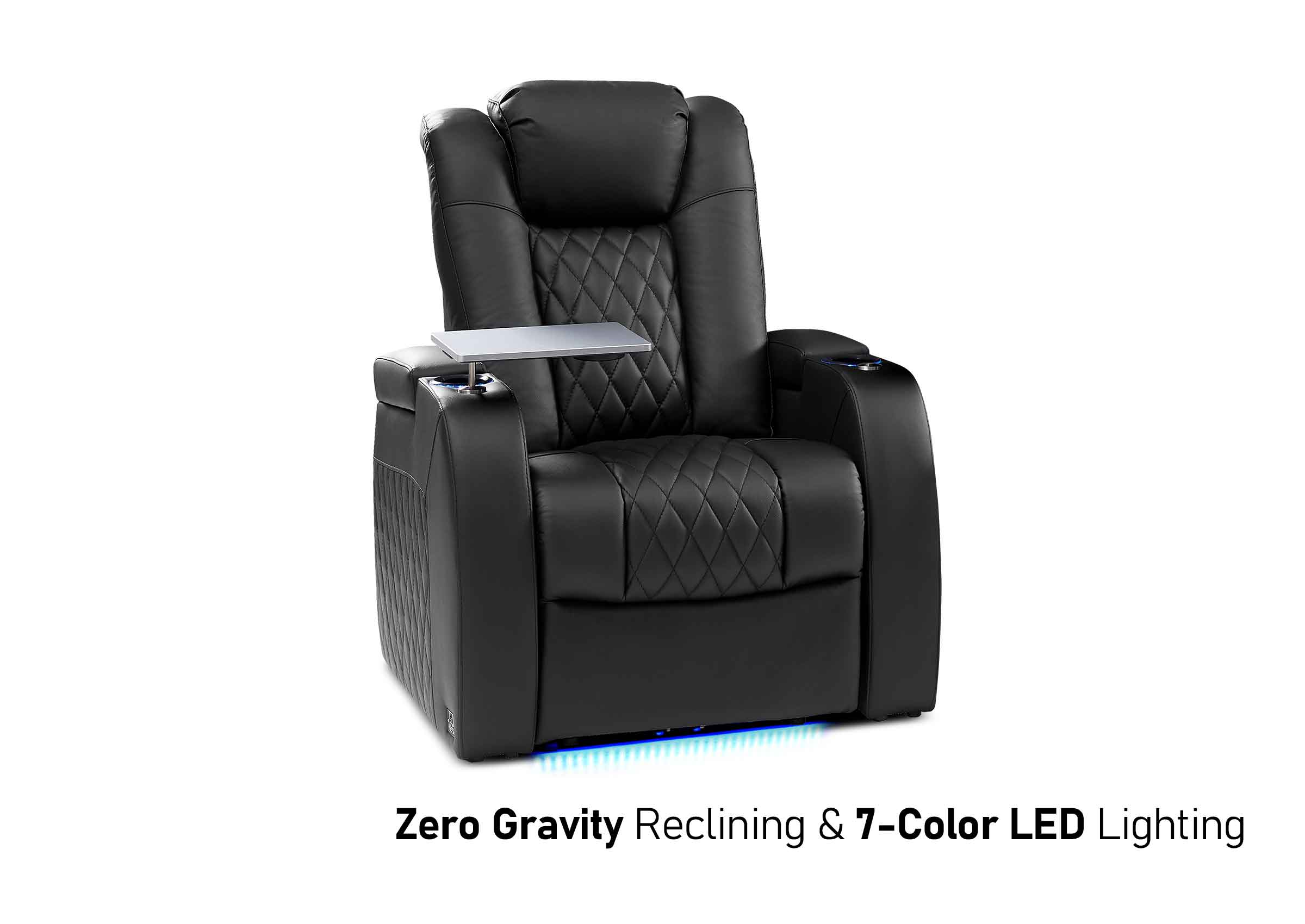
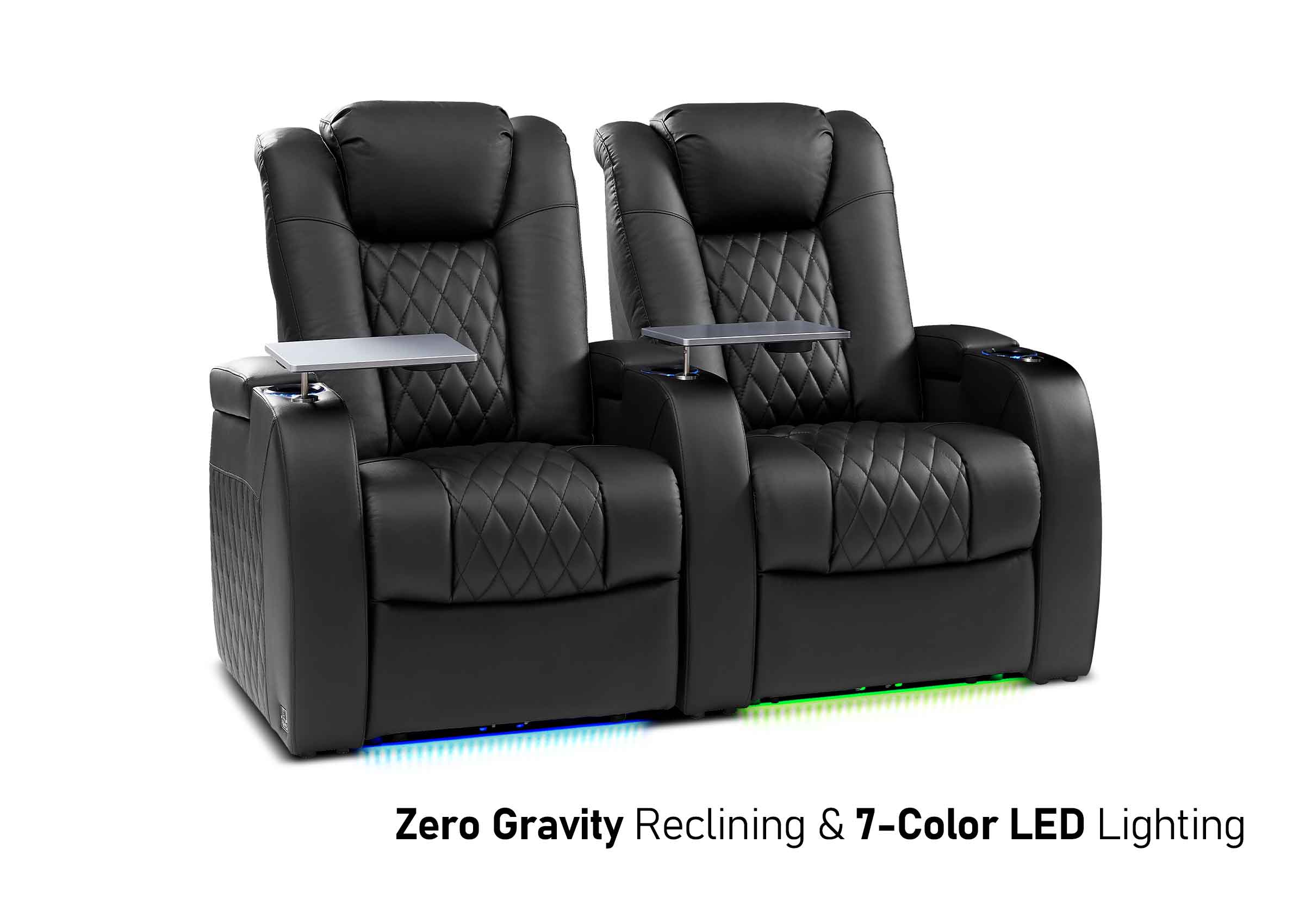
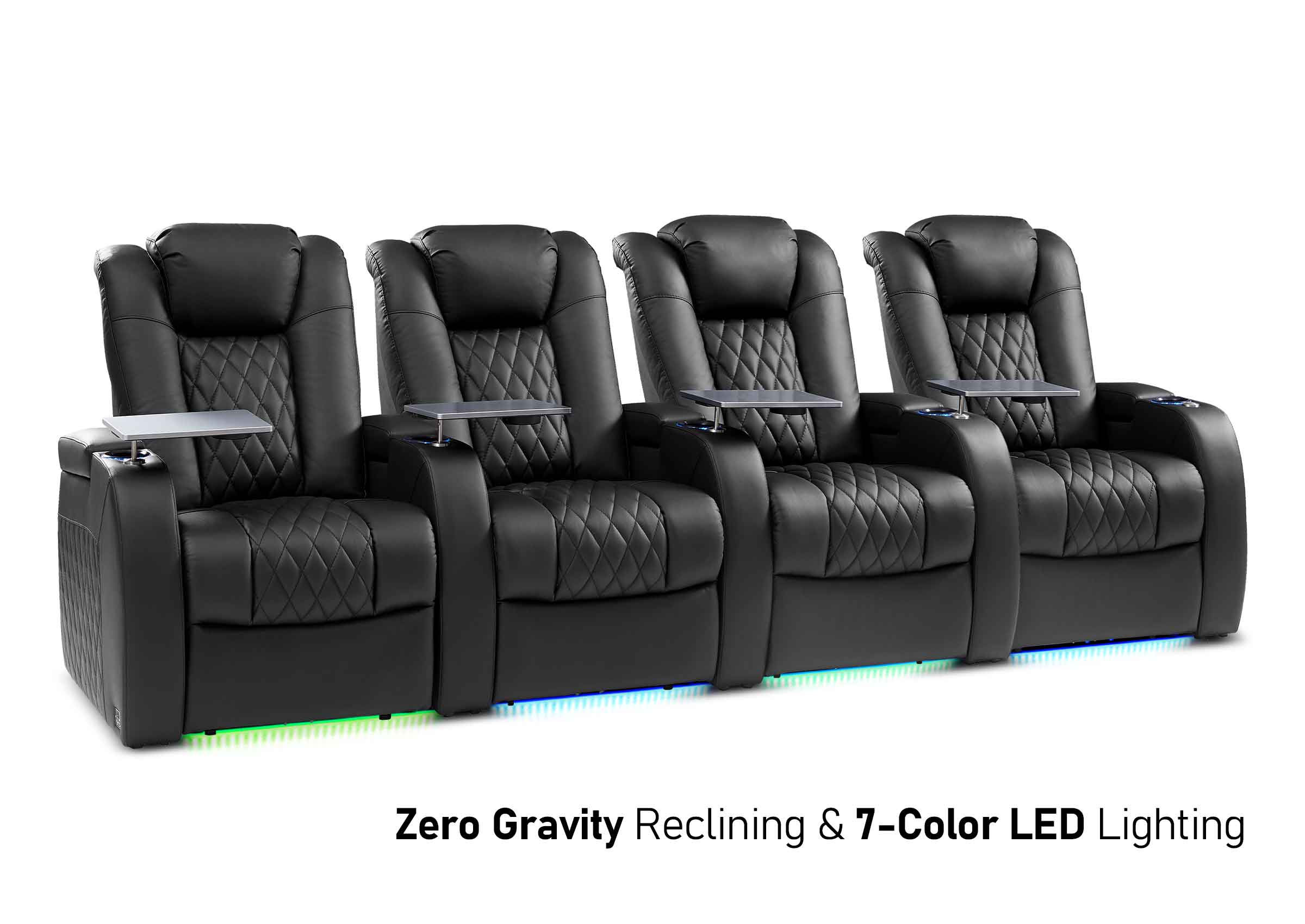
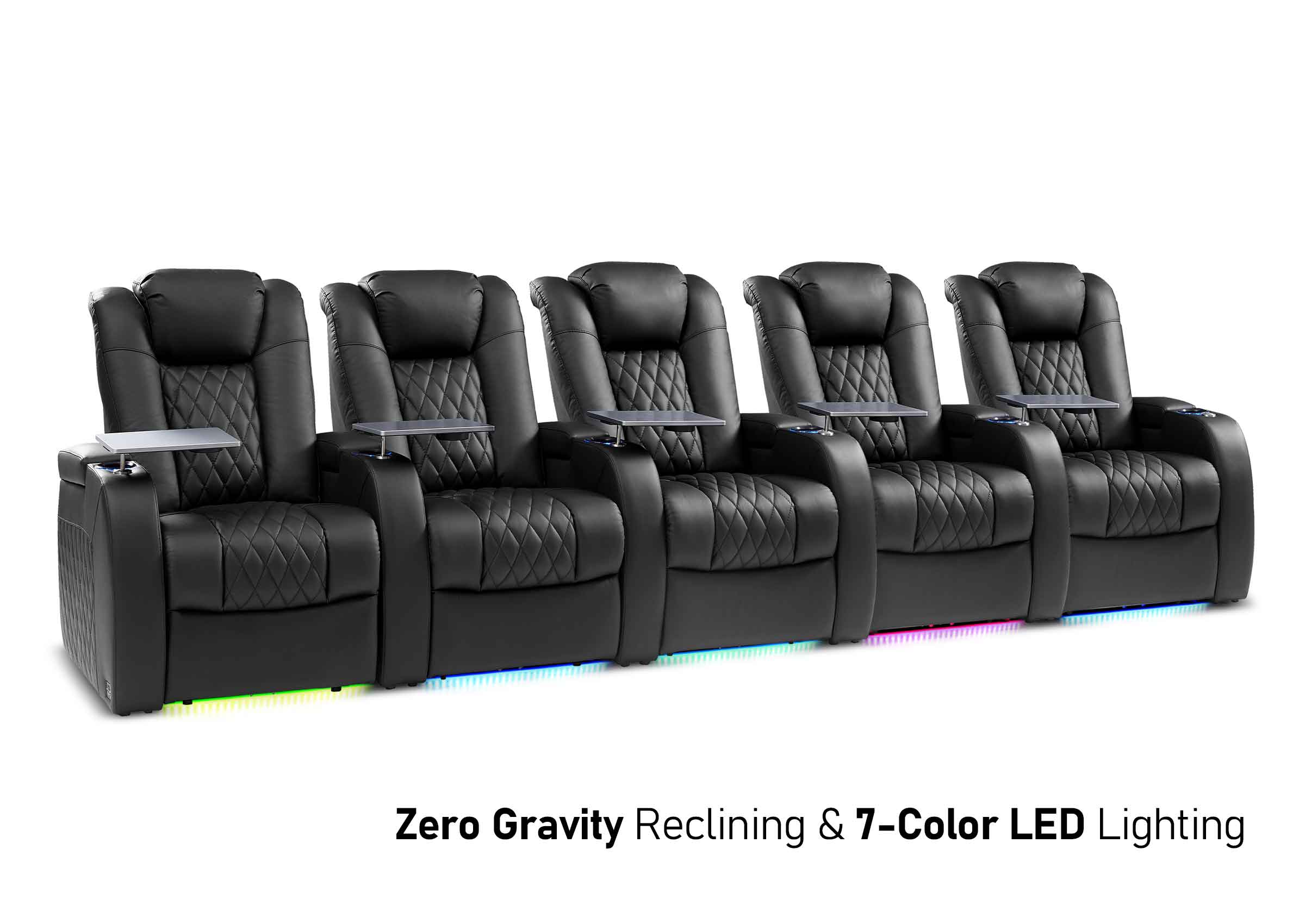
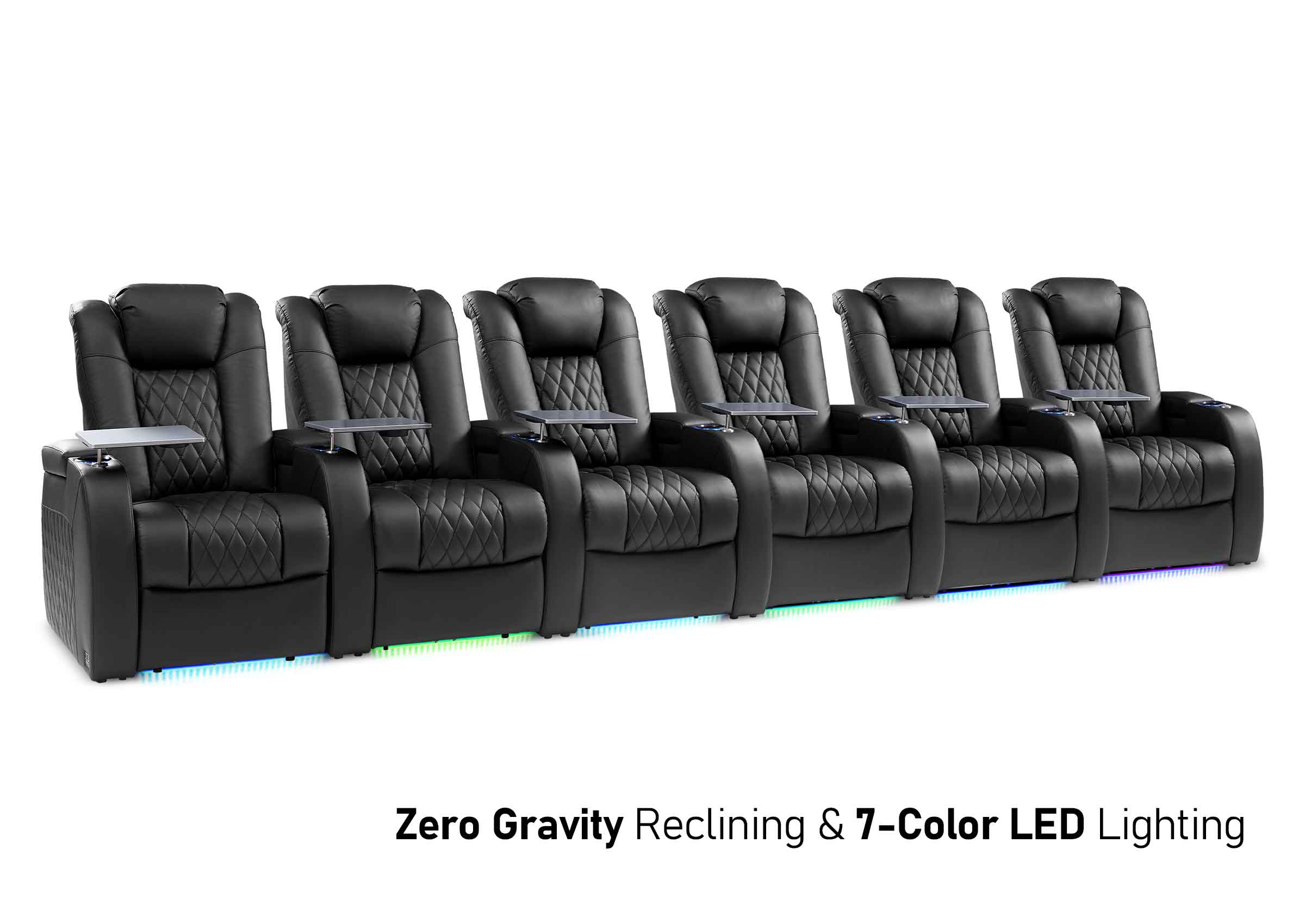
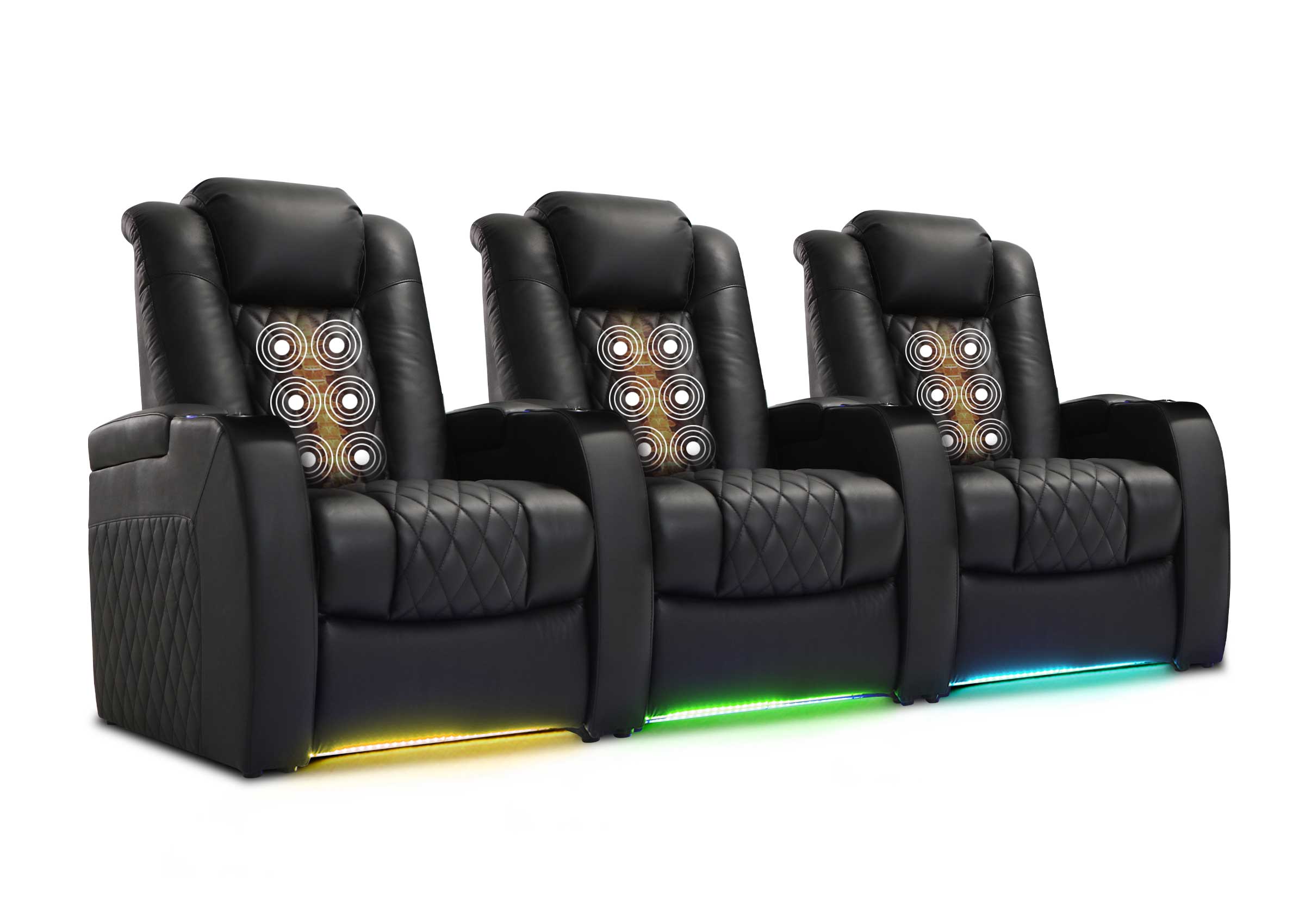

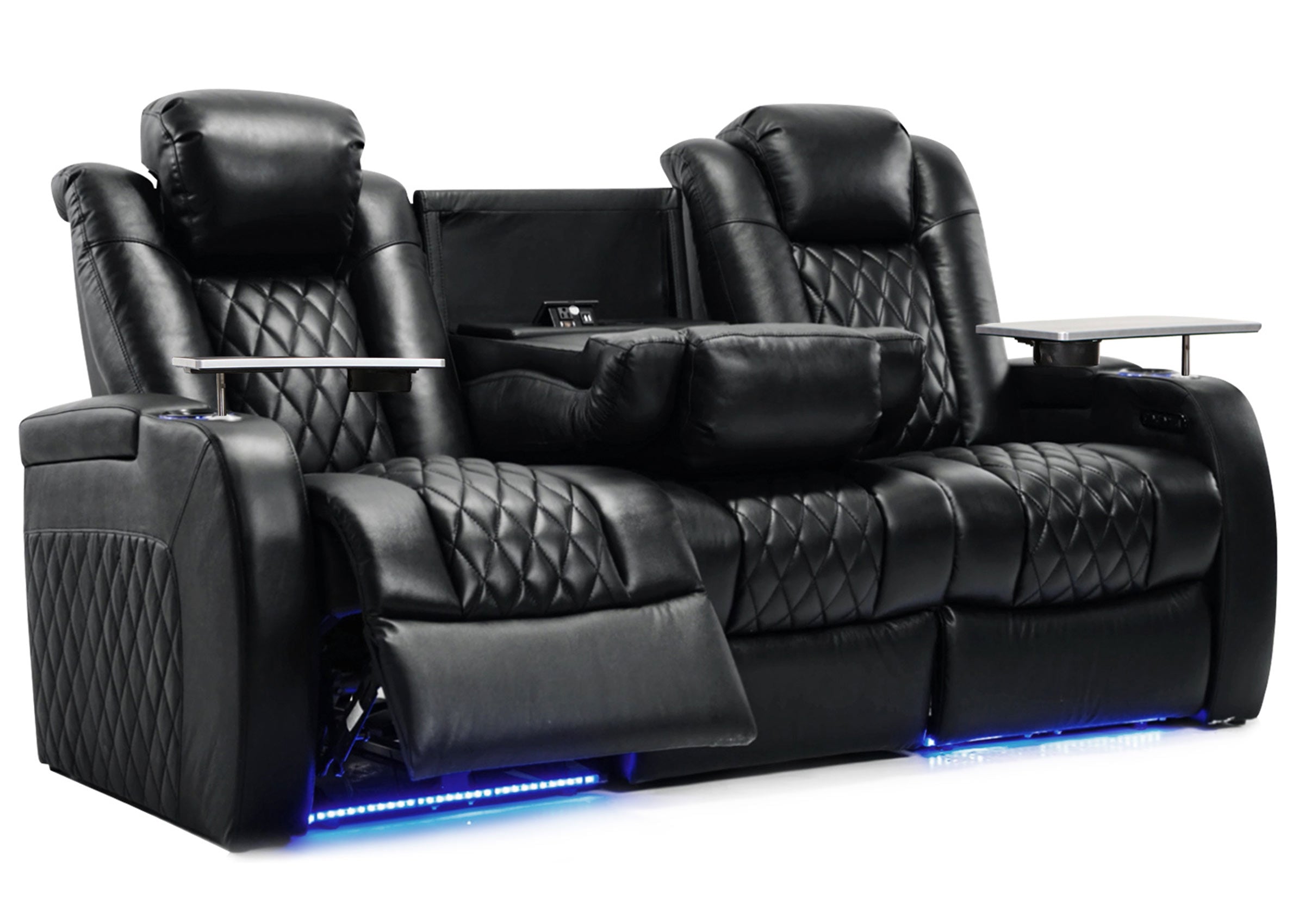
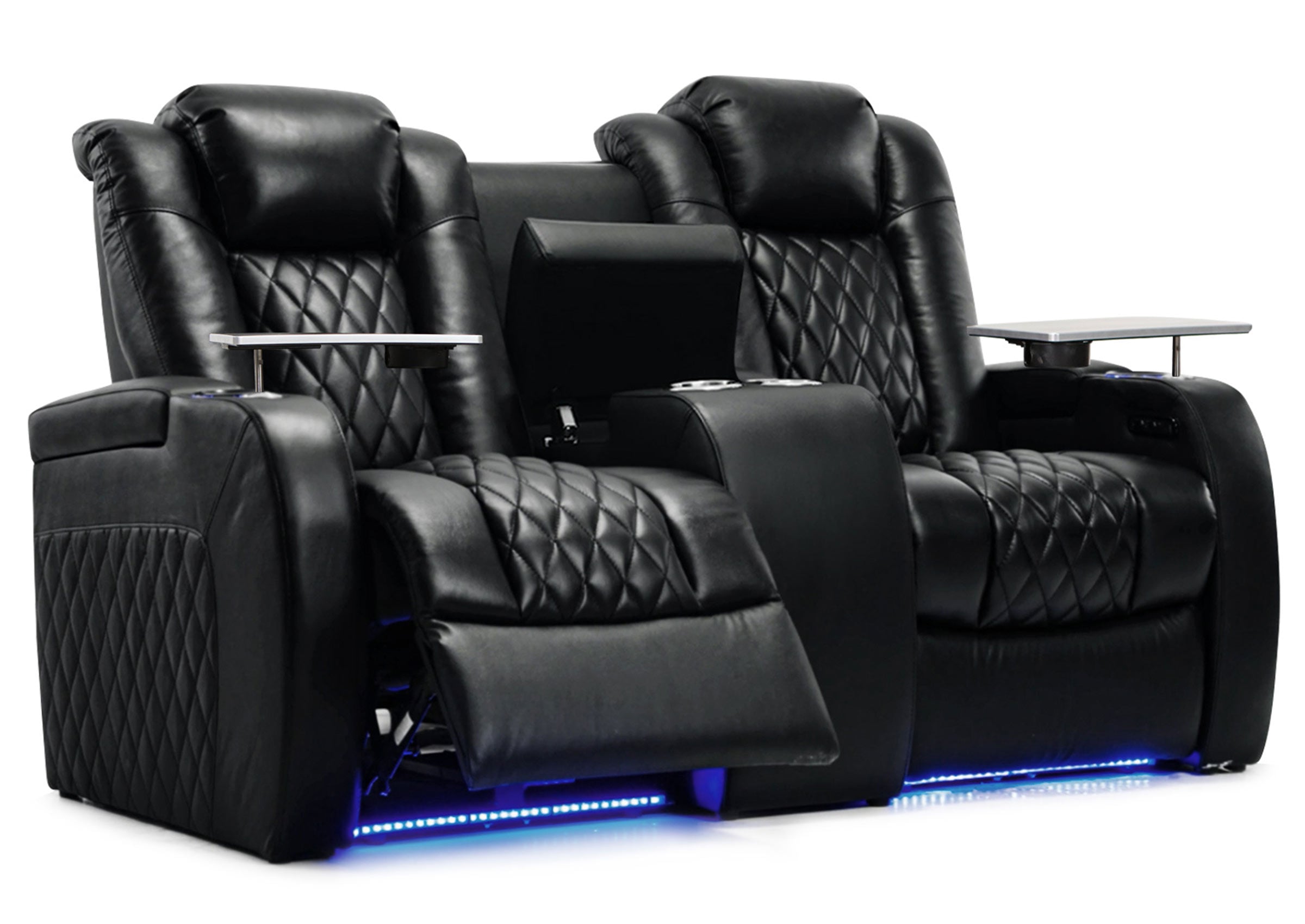



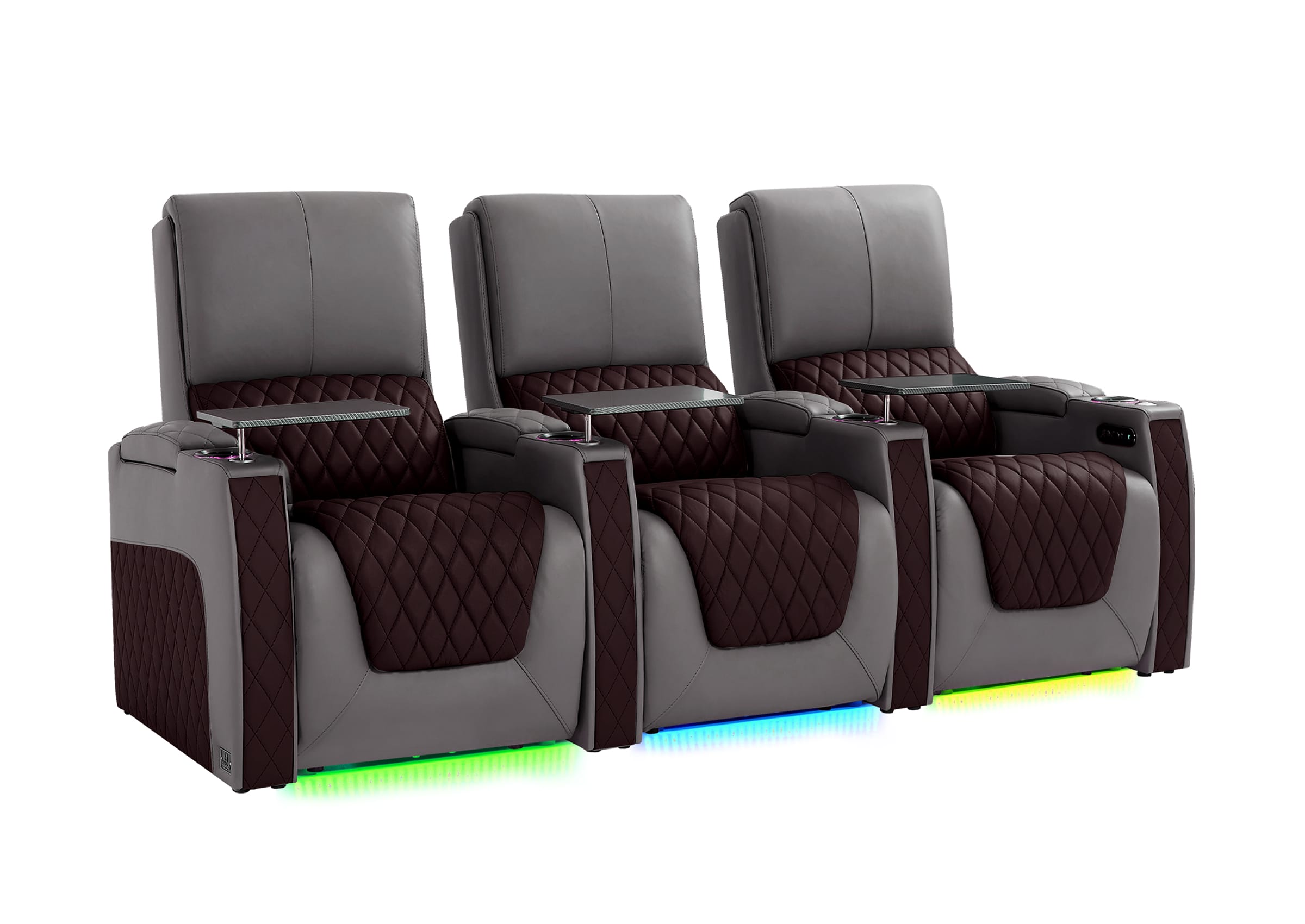
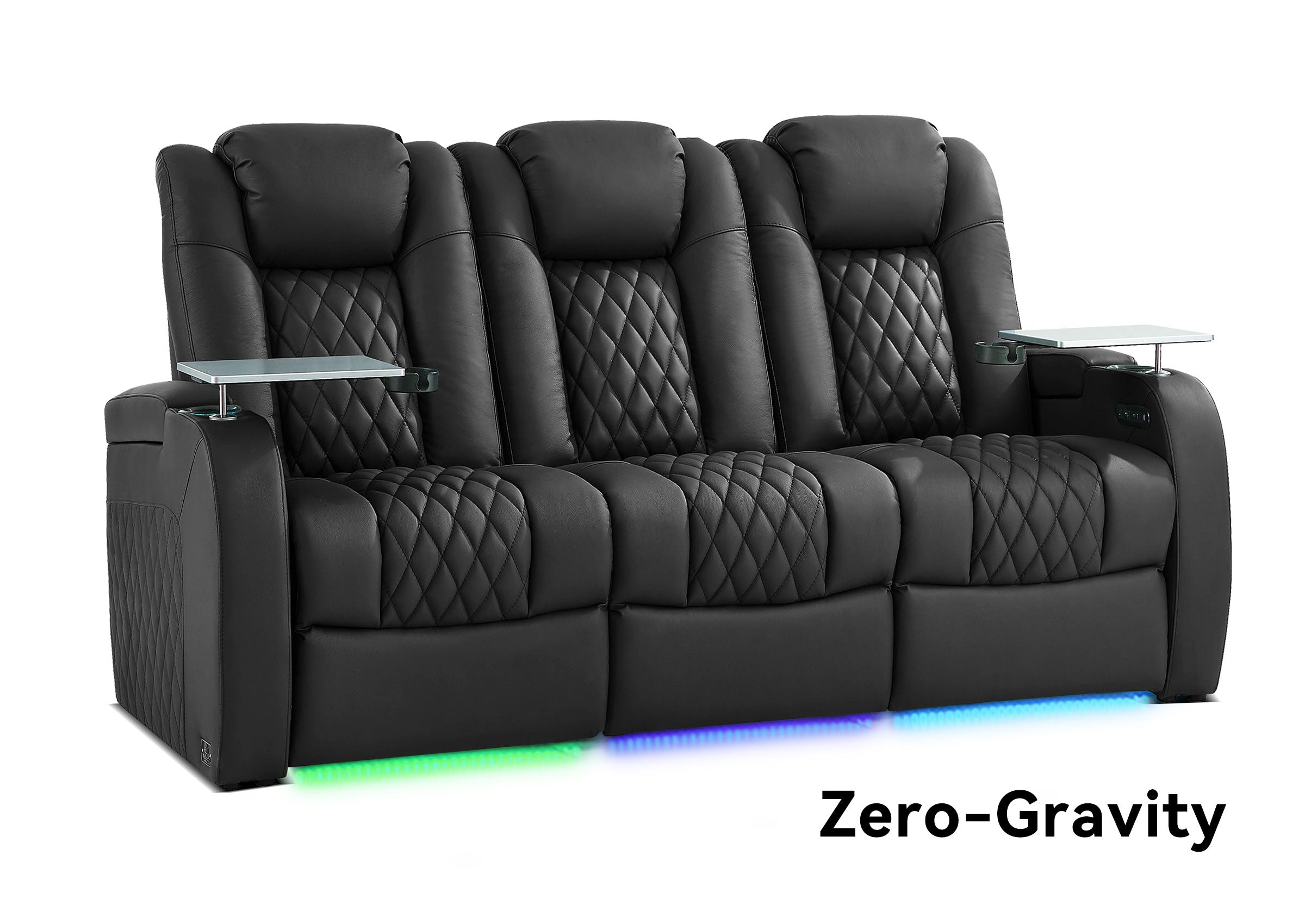


A useful home theater seating quote starts with more than a seat count. For a private theater, designer-led installation, or custom entertainment project, the supplier needs enough information to understand the room, the proposed configuration, and the questions that still need confirmation.
A seating specification package is a simple project document that brings those details together. It does not need to be a formal construction set. Its purpose is to help the homeowner, designer, builder, installer, and seating team discuss the same configuration instead of working from separate notes or assumptions.
What Is a Theater Seating Specification Package?
A theater seating specification package is a project snapshot prepared before requesting a quote or discussing a custom configuration. It records the room information, intended seating arrangement, product direction, finish preferences, and practical constraints that affect the final decision.
The package should make three things clear: what is already decided, what still needs confirmation, and who is responsible for each open question. That distinction is important because a preliminary concept should not be mistaken for a final product specification.
Which Room Details Should Be Included?
Start with the space where the seating will be installed. Include finished room width and depth, screen-wall location, doors, windows, columns, built-ins, floor transitions, and any fixed elements that affect the seating zone. Mark the intended walkway and the path people will use to enter and leave the room.
The home theater seating layout guide can help turn an early room concept into the information needed for a clearer project discussion. The purpose is not to create a generic layout; it is to identify the measurements and circulation decisions that affect the proposed seating.

How Should the Seating Configuration Be Described?
Describe the configuration as specifically as possible. Record the intended number of rows, seats per row, consoles, loveseats, armless modules, and any left- or right-facing components that matter to the layout. If the project is still deciding between two arrangements, include both as separate options rather than combining them into one unclear request.
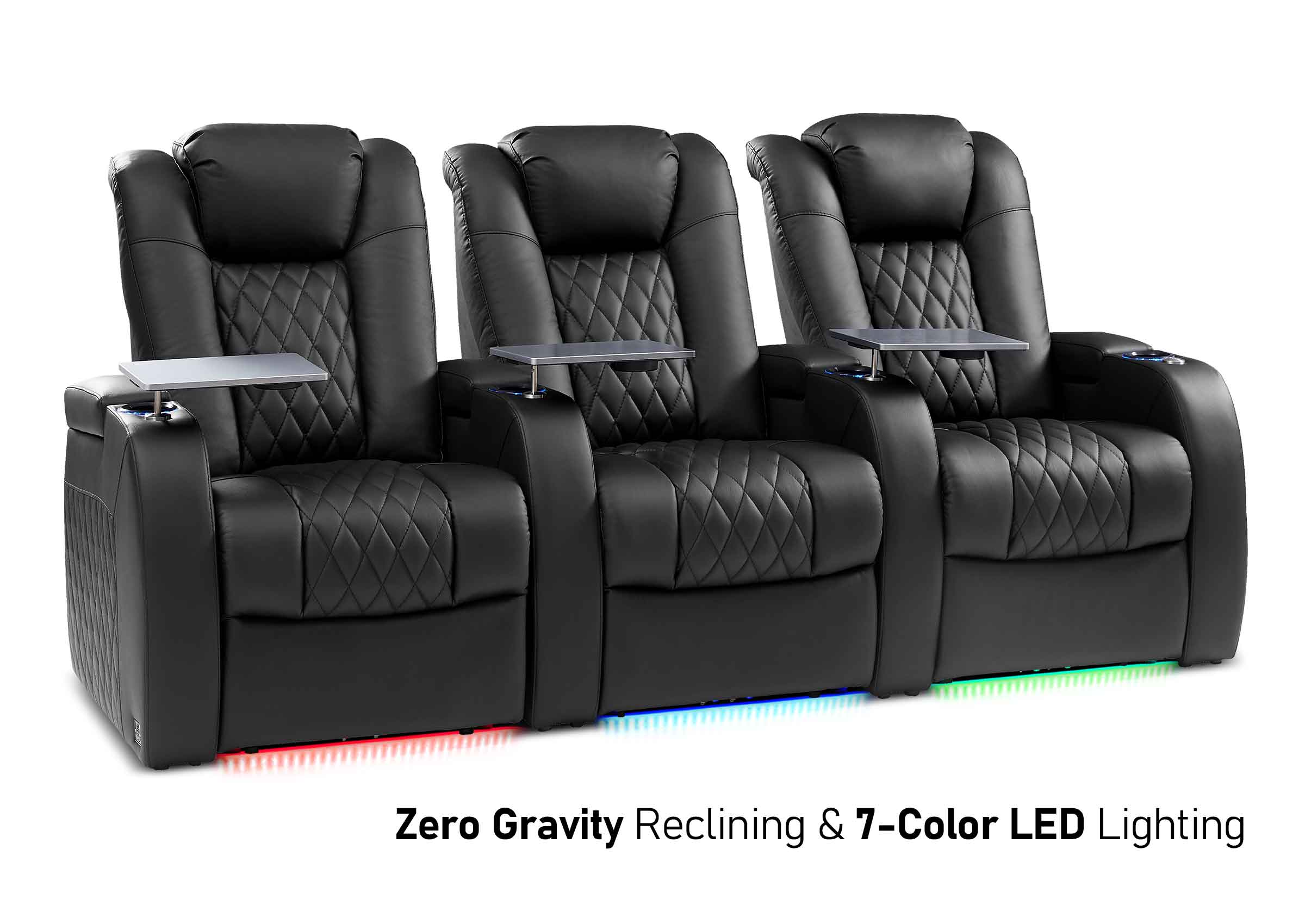
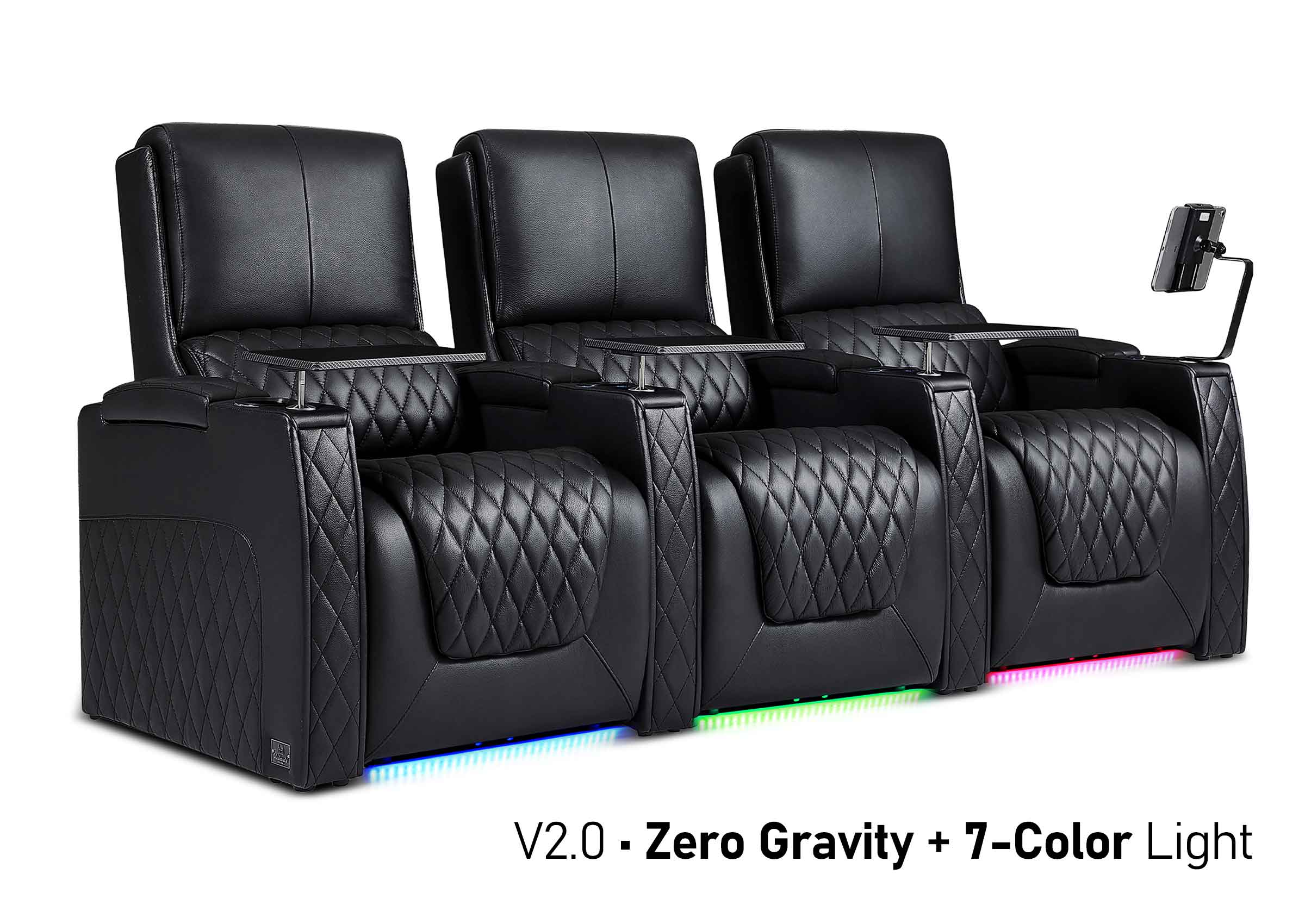
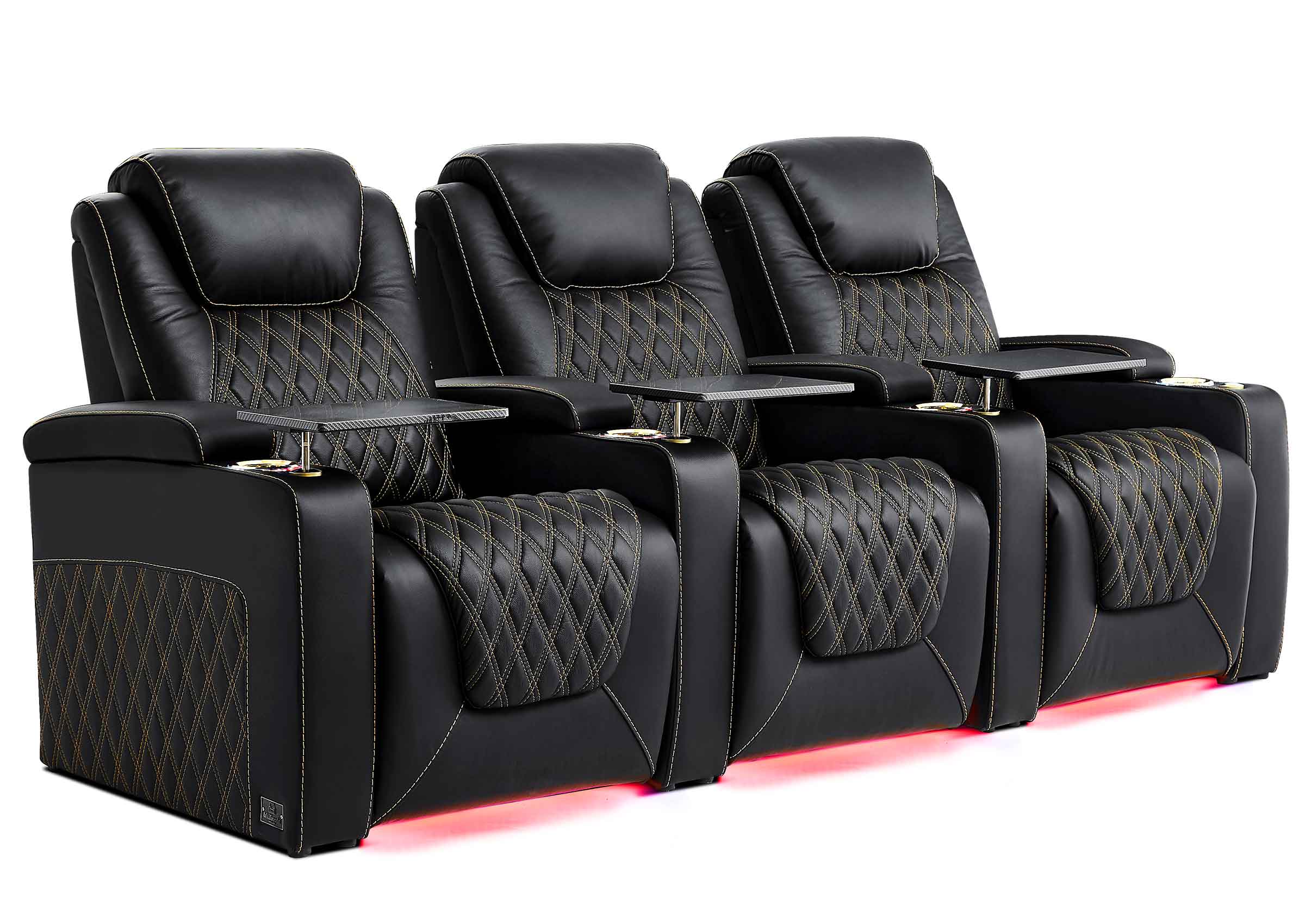
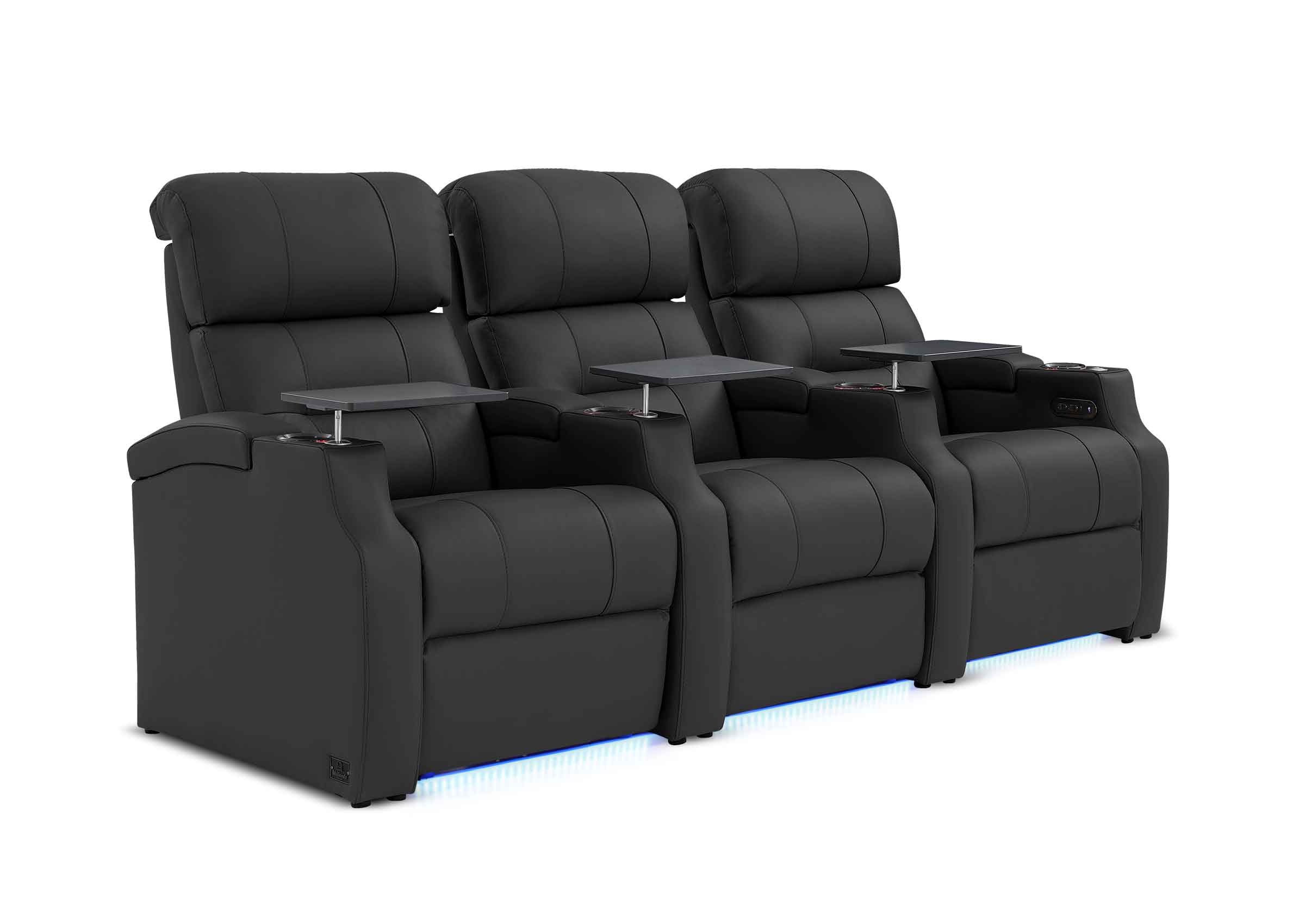
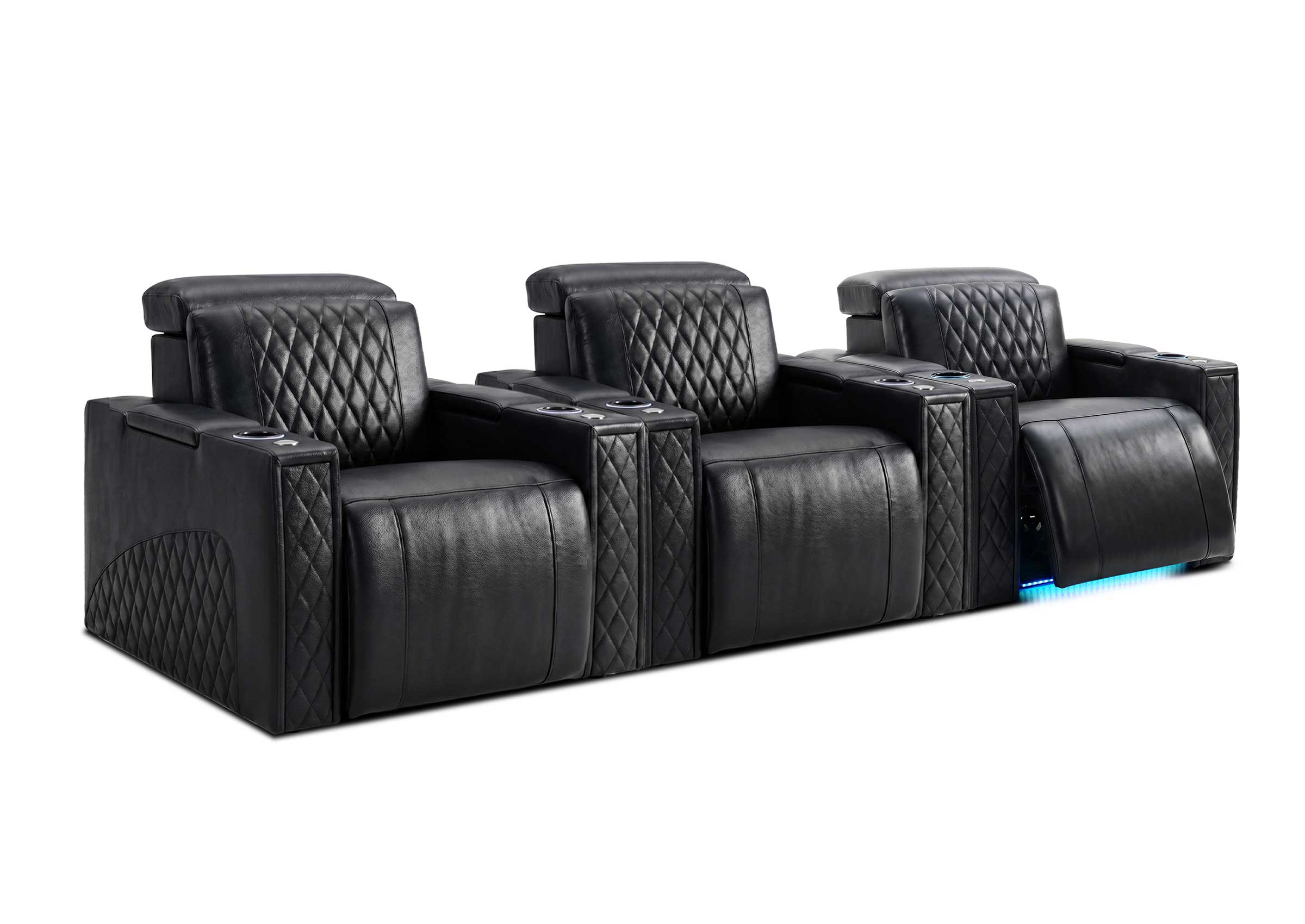
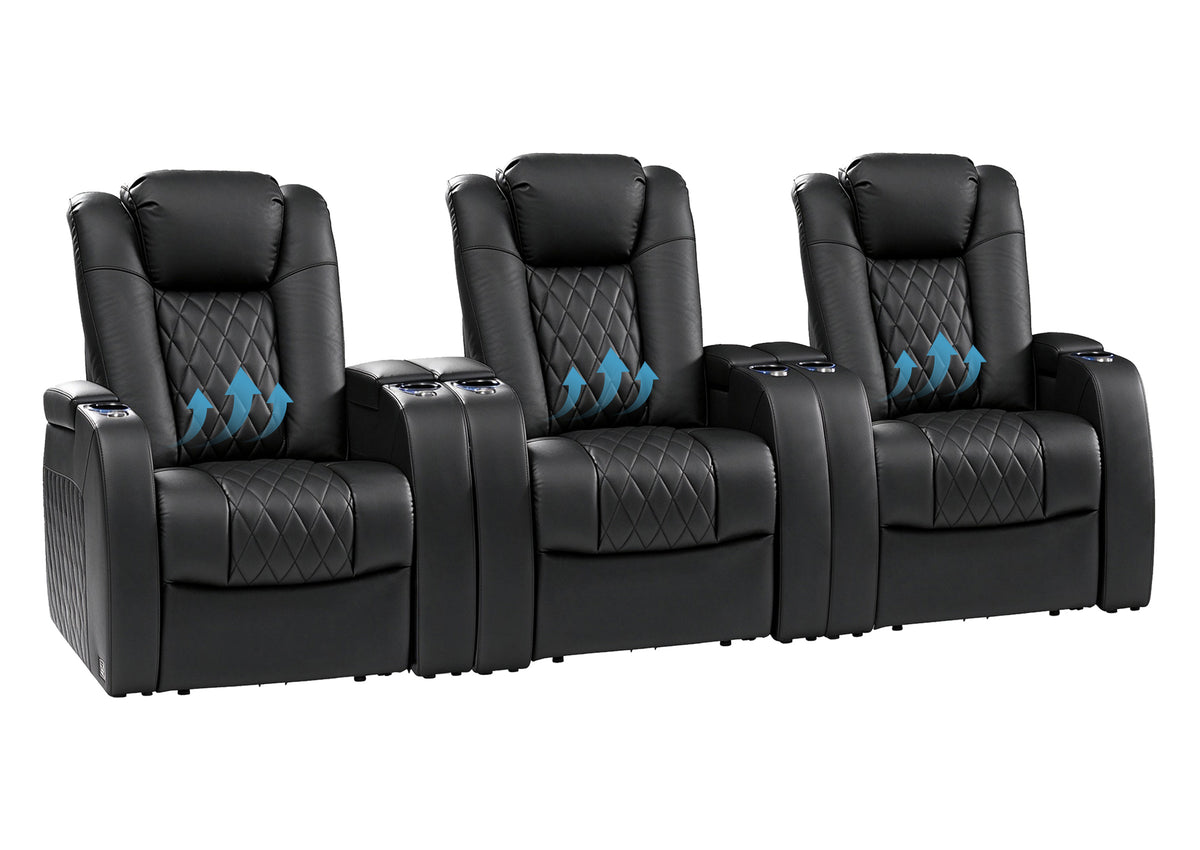
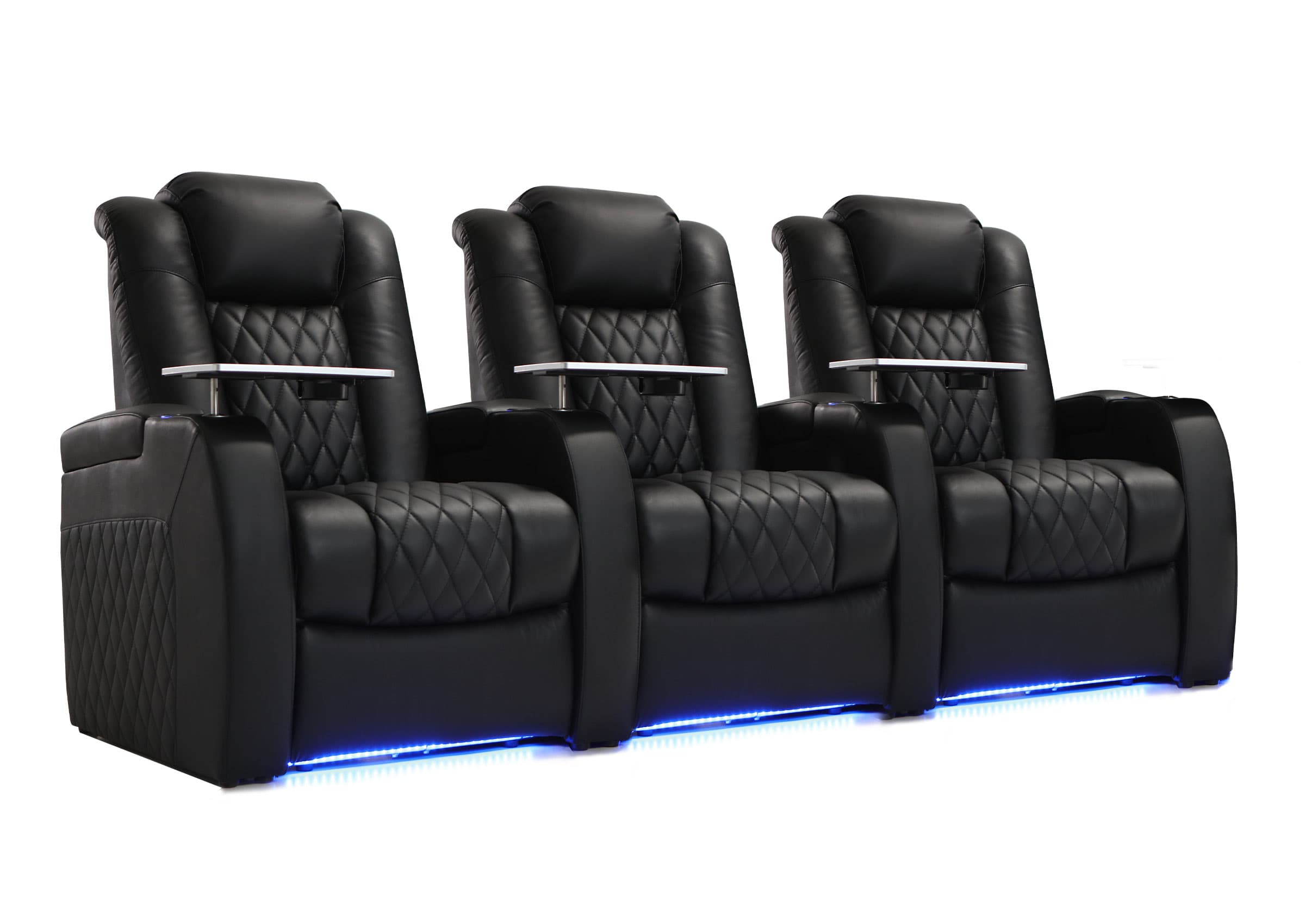
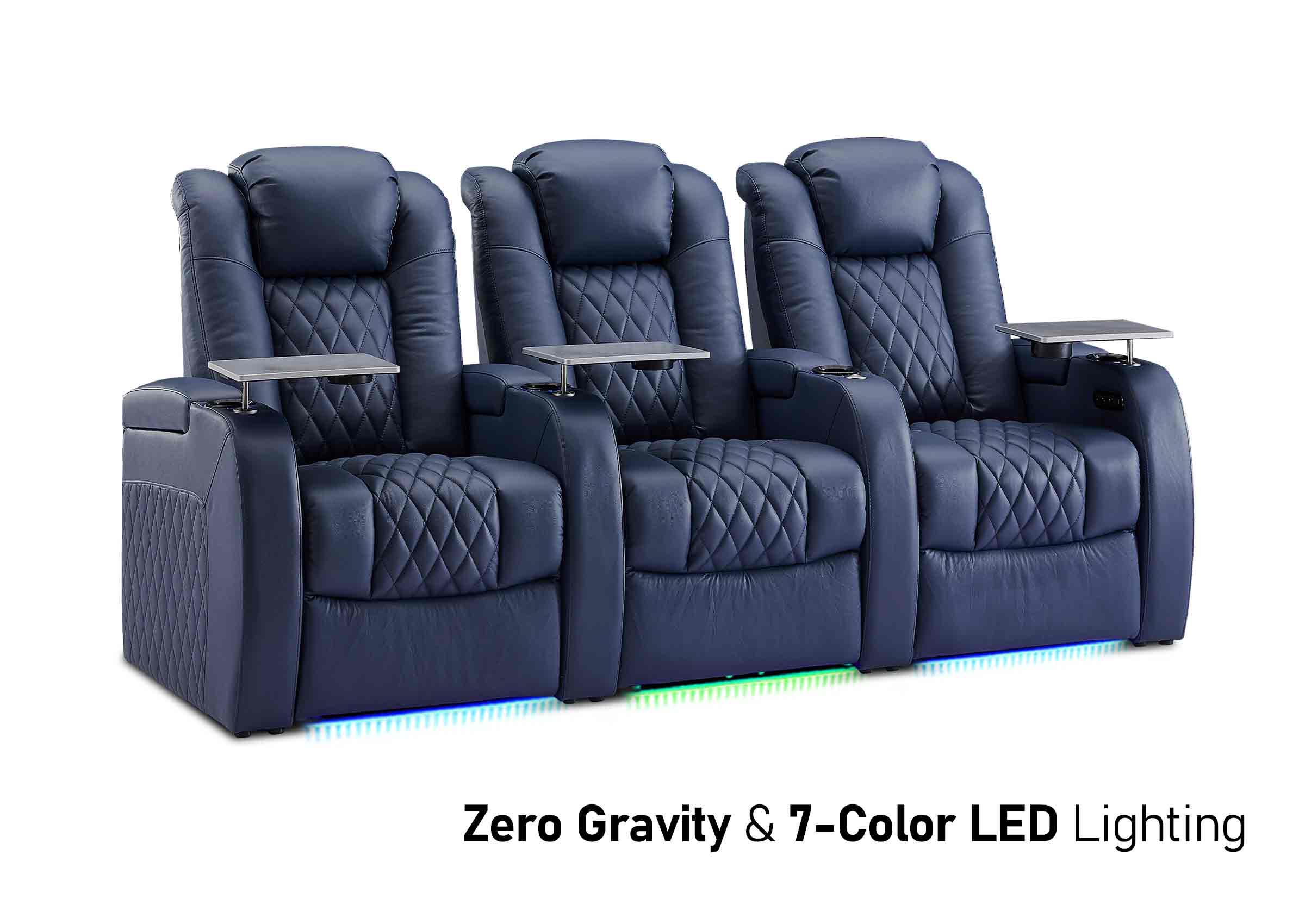
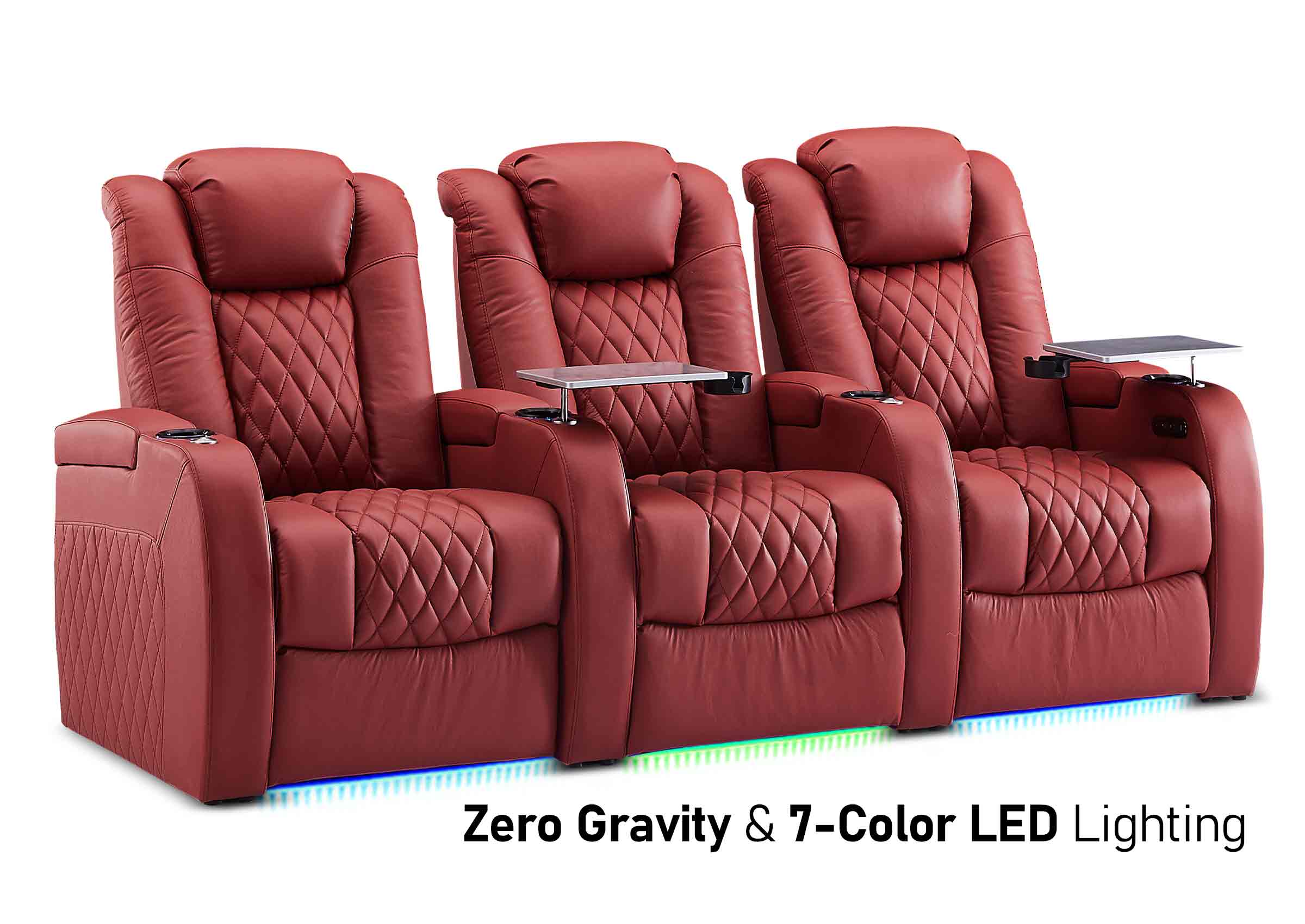
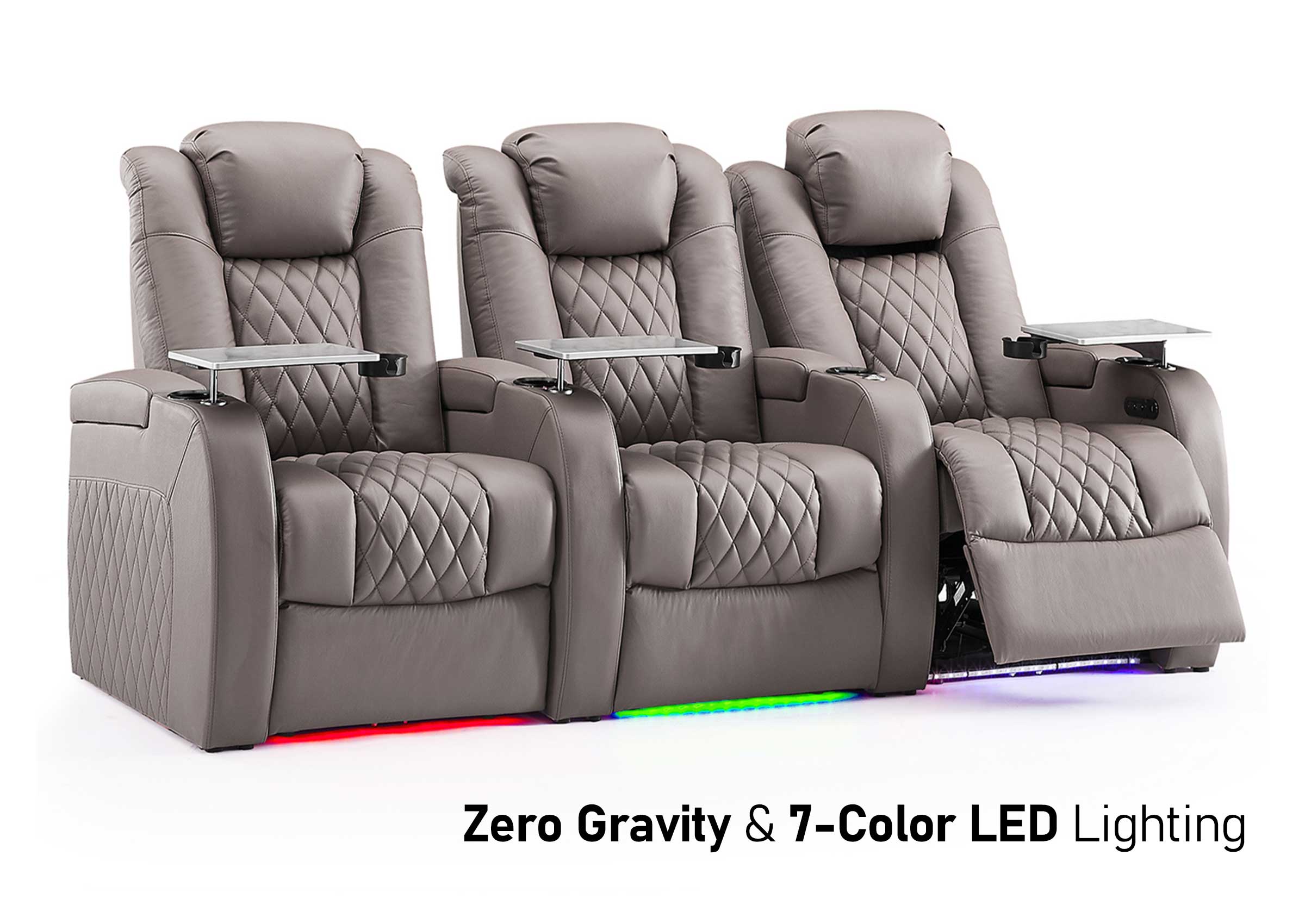
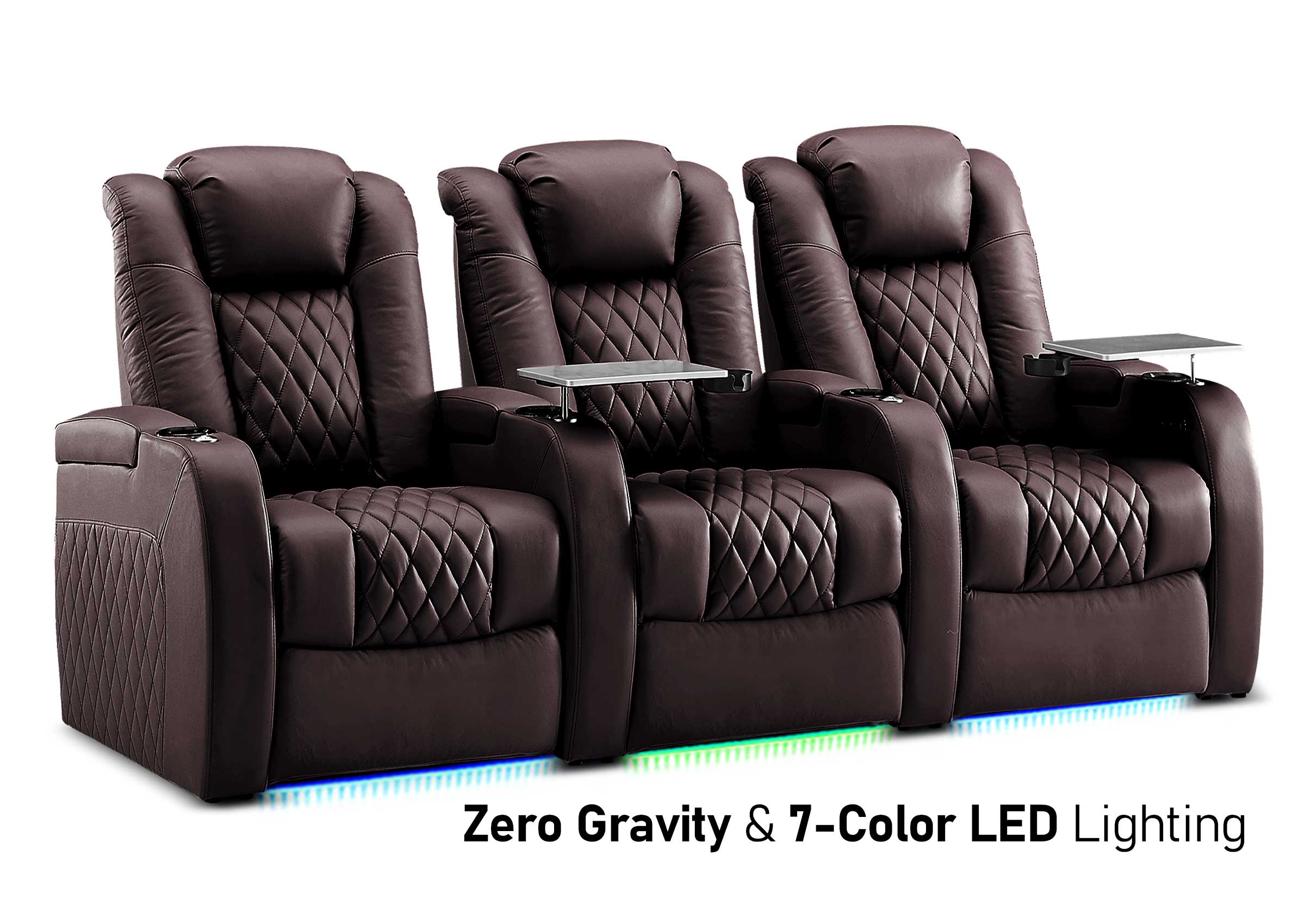
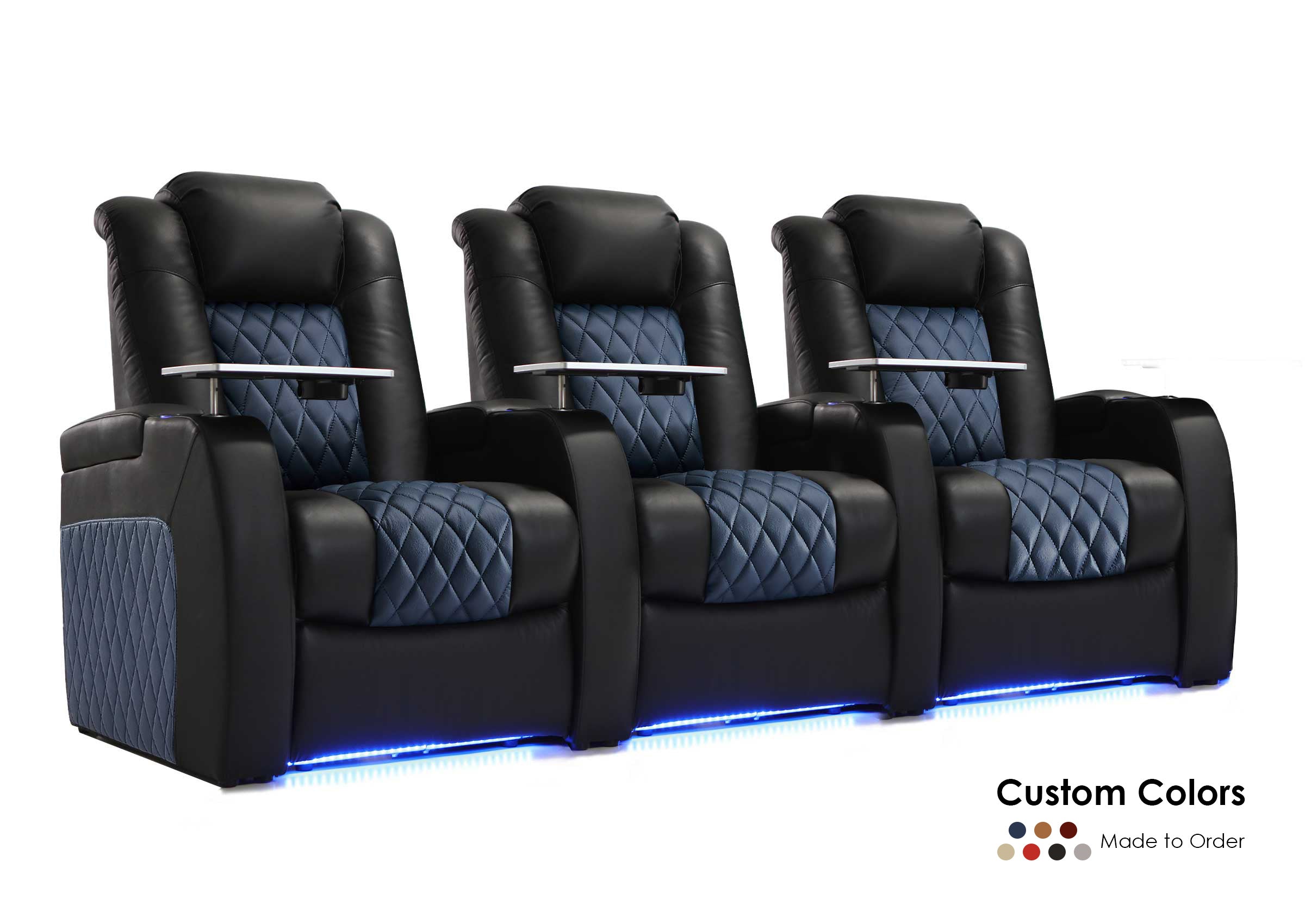
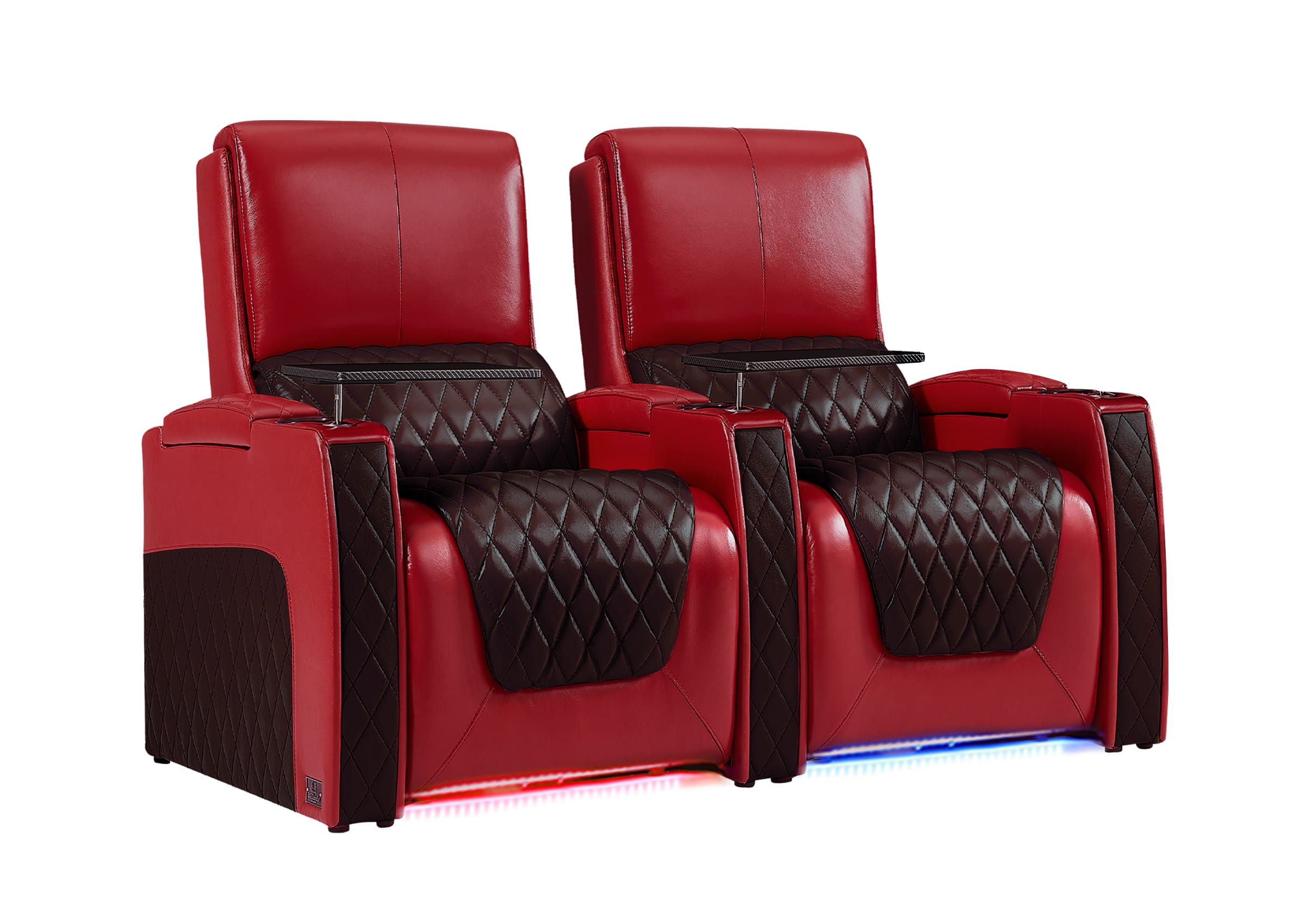
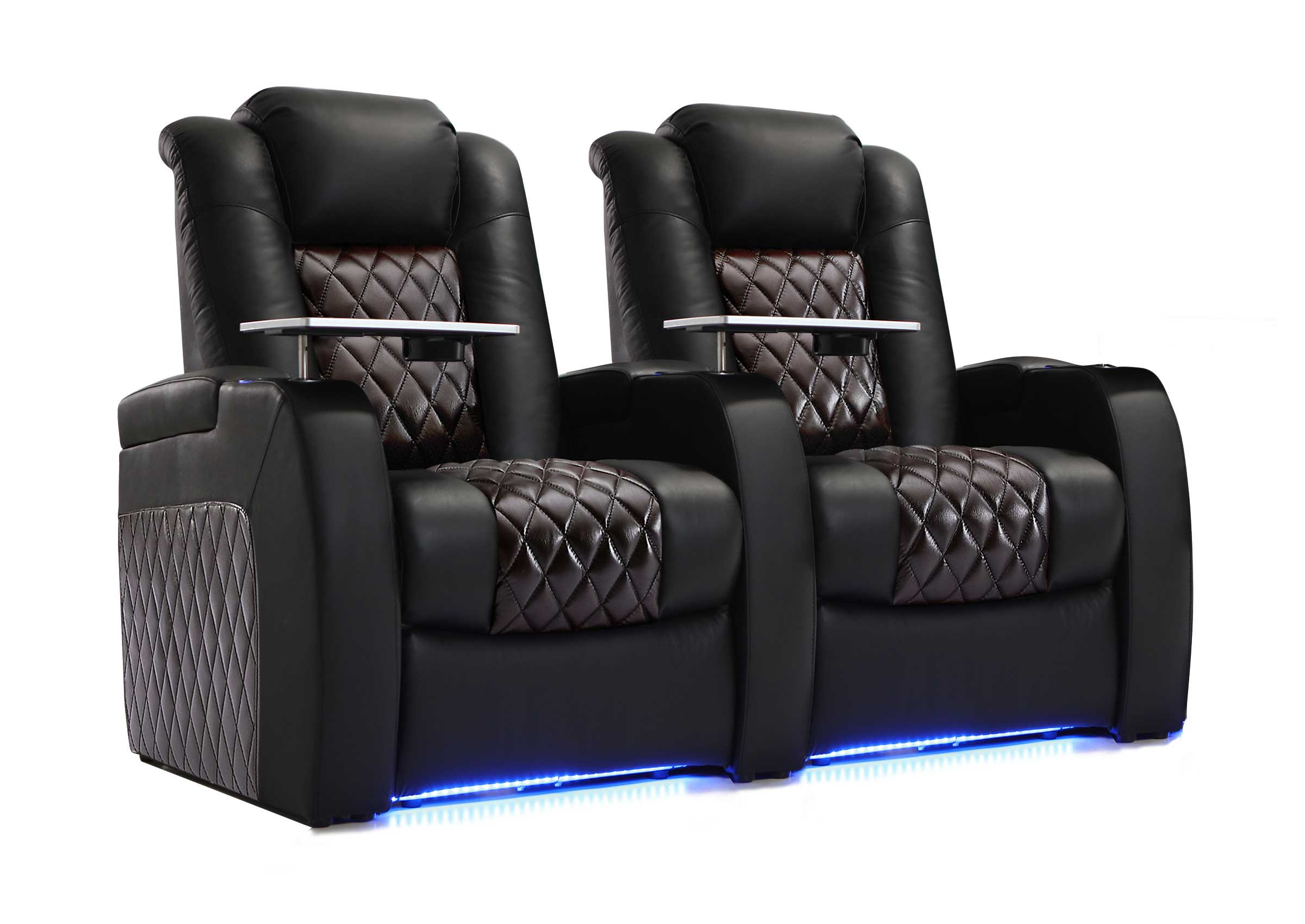
For each option, identify the desired style direction and the product or series being considered, if known. The home theater seating collection and the seating series comparison can help narrow an initial direction. Final options, functions, and dimensions should always be confirmed for the exact product and configuration.
What Product Information Needs to Be Verified?
Separate confirmed product information from preliminary preferences. The project package should identify which details must be checked before the configuration is approved: current product dimensions, upright and reclined footprint, clearance requirements, available features, upholstery direction, color choices, and any configuration-dependent options.
The home theater dimensions guide is useful for early planning. For a project quote or order, use the current information for the selected product rather than applying a general dimension or feature from another model.
How Should Materials and Finishes Be Recorded?
Record a finish direction that can be checked against the exact seating configuration and the room. Include the preferred color family, surrounding materials, important lighting conditions, and whether the direction is provisional or approved. If samples are available for the selected product, note which sample was reviewed and where it was reviewed.
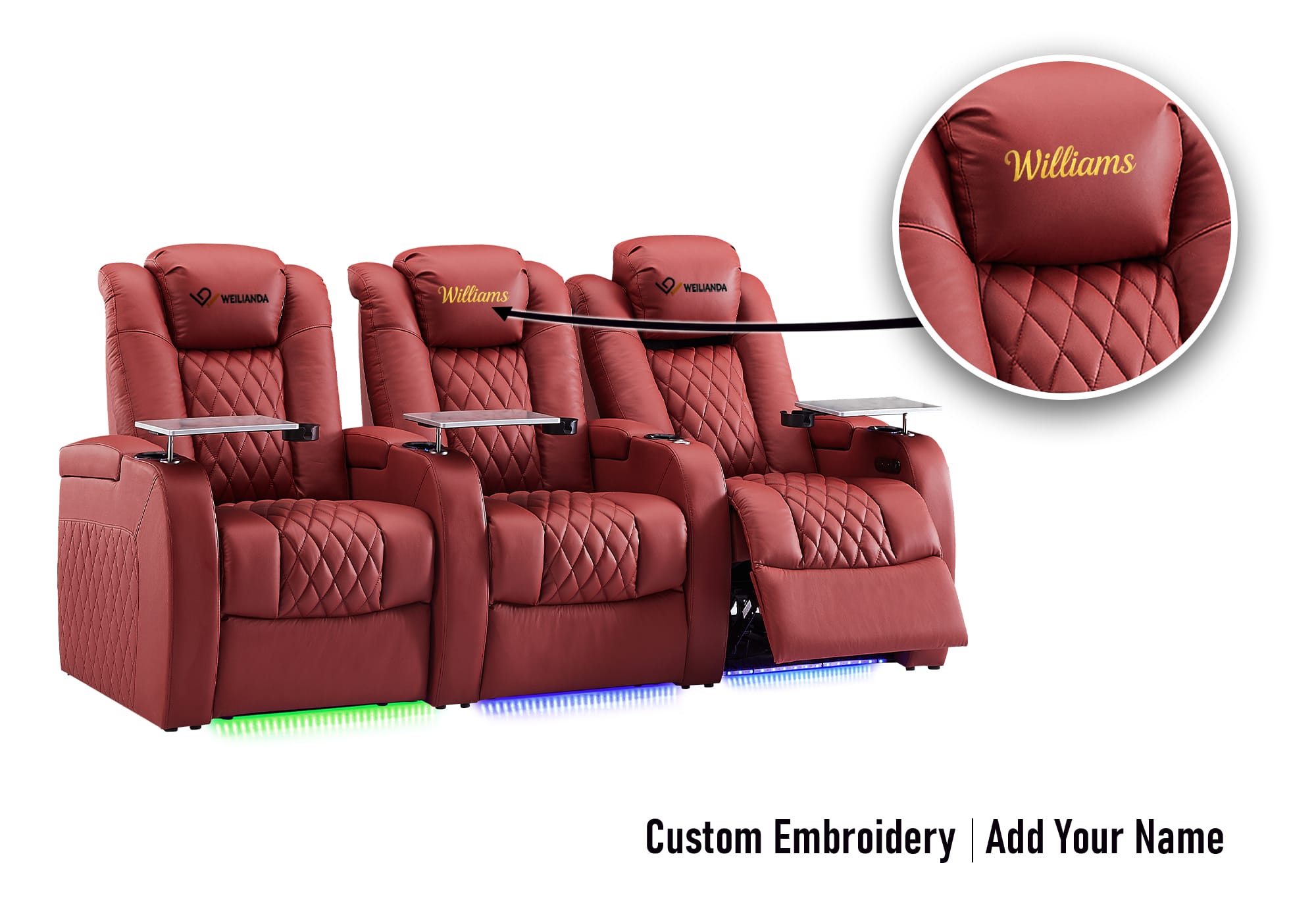
For a custom request, describe the required result rather than assuming every material, color, or detail can be changed. The custom home theater seating page can be used as a starting point for the conversation; the exact available options and applicable order details still need confirmation.
What Site and Access Information Should Be Added?
Include the details that affect installation and delivery: doorway openings, hallways, turns, stairs, elevators, the route to the final room, and any site restrictions. For powered seating, also identify where electrical access is planned and which project contact is coordinating that part of the room.
Do not leave these points as informal notes. A configuration can fit on a floor plan while still creating a problem along the delivery path or at the final installation location. Recording access information early gives the project team an opportunity to clarify it before an order is finalized.
Who Should Confirm Each Part of the Package?
Different people can own different decisions. The homeowner may confirm intended use and visual direction; the designer may coordinate layout and finishes; the builder or installer may confirm site conditions, electrical planning, and access; the seating team can help clarify product-specific information. The package should show who will answer each open question instead of treating all decisions as one person’s responsibility.
A project moves faster when every open item has an owner and every approved item is recorded.
What Should Be Included Before You Request a Quote?
| Package Section | Include | Status to Mark |
|---|---|---|
| Room plan | Finished dimensions, screen wall, doors, fixed elements, and walkways | Confirmed or to be measured |
| Seating configuration | Rows, seat count, modules, consoles, and layout options | Preferred or approved |
| Product direction | Model, series, or style reference and feature priorities | Under review or confirmed |
| Finish direction | Material, color, sample reference, and lighting notes | Provisional or approved |
| Site coordination | Power questions, delivery route, installation access, and contacts | Open, confirmed, or requires follow-up |
Keep the package concise enough that it can be reviewed quickly. A clear one-page overview supported by a room plan, finish references, and access notes is more useful than a long request with missing measurements or unclear decisions.
PROJECT QUOTE PREPARATION
Ready to Turn Your Seating Package Into a Clear Project Inquiry?
Share your room plan, preferred configuration, finish direction, and any access or installation questions. We’ll help you identify the details worth confirming before you move forward with a project quote.
Plan Your Layout • Check Room Dimensions • Compare Seating Series
How Should You Use the Package When Requesting a Project Quote?
Use the package as a shared reference for the project conversation. Ask which information applies to the exact product you are considering, which assumptions need confirmation, and what additional details are needed before a quote or custom configuration can be discussed.
For designer-led, trade, wholesale, custom, or other project-oriented seating inquiries, use the Weilianda project seating page as the next step after the room and configuration information has been organized.
What Should the Project Inquiry Say?

Keep the cover message short and make the attached information easy to understand. State the project type, room location or stage, intended seating configuration, preferred product direction, and the specific questions that need an answer. Then attach or link the room plan, finish references, and access notes.
- Project: private theater, media room, designer-led installation, or other stated use
- Current decision: product direction, configuration, finish, site coordination, or quote request
- Attached information: room plan, seating option, finish direction, and access notes
- Questions to confirm: only the details that remain open for the exact product and project
A concise inquiry with a complete package is easier to review than a broad request for “the best seating option.”
Frequently Asked Questions
Do I need a completed room before requesting a seating quote?
No. An early project conversation can begin with a room plan, intended seating layout, and the main questions that still need confirmation. Final product and configuration decisions should be checked against the finished room information before ordering.
Can I submit more than one seating layout option?
Yes. Label each option clearly and explain what changes between them. This is more useful than combining multiple possibilities into one unspecified request.
What if the material or color has not been decided?
Mark it as provisional and include the preferred direction, room finishes, and any sample questions. The final order should reflect the exact options that have been confirmed for the selected product.
Why should access information be part of a quote package?
Access information helps the project team identify potential delivery and installation constraints before the order is finalized. Finished seating dimensions alone do not describe every doorway, turn, stair, or final-room condition.
Prepare the Project Before the Conversation
A clear seating specification package gives every project participant a better starting point. Bring together the room plan, intended configuration, product direction, finish notes, access information, and open questions before contacting the team.
For help organizing a Weilianda seating project or clarifying the next step, contact Weilianda Support.