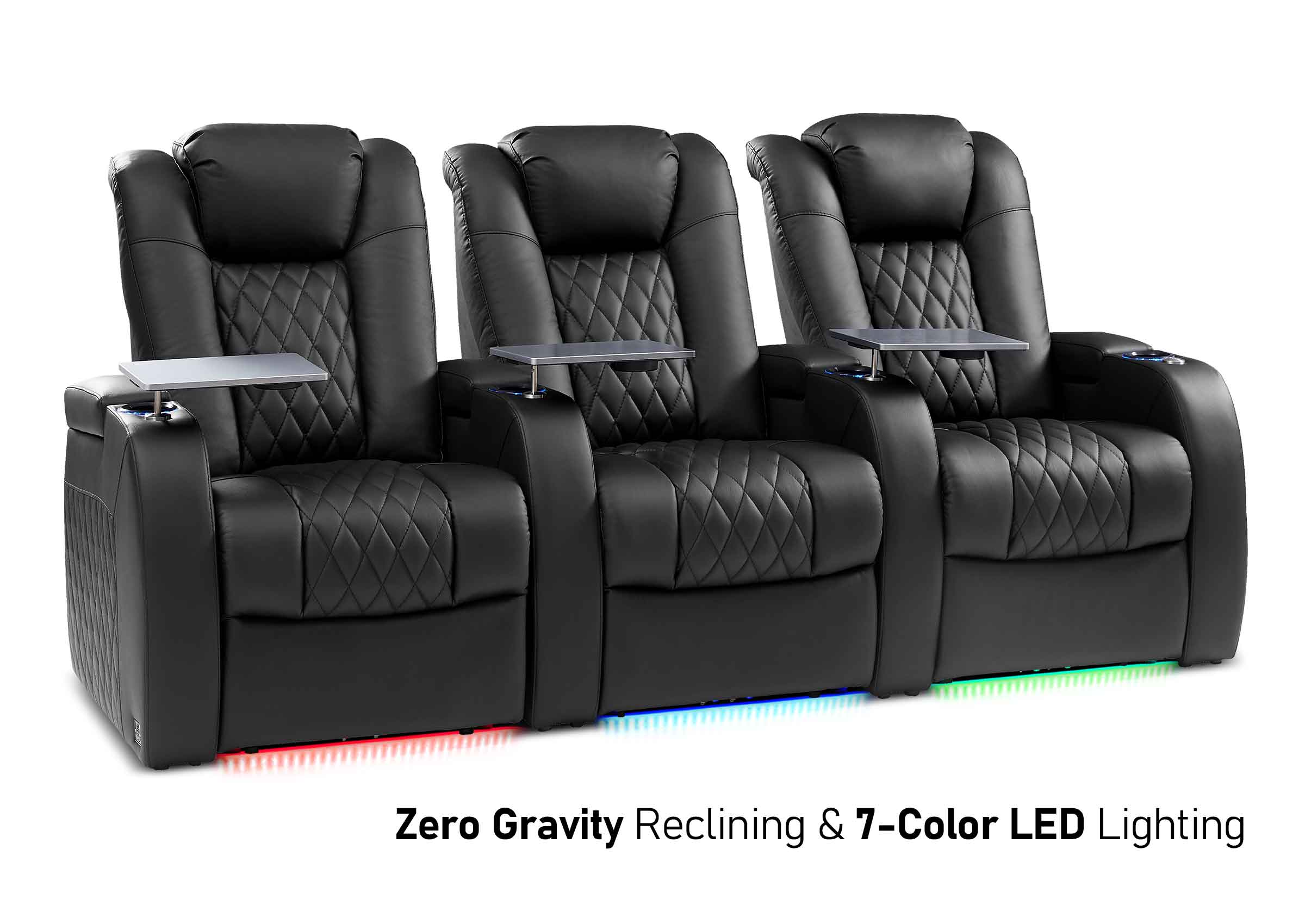
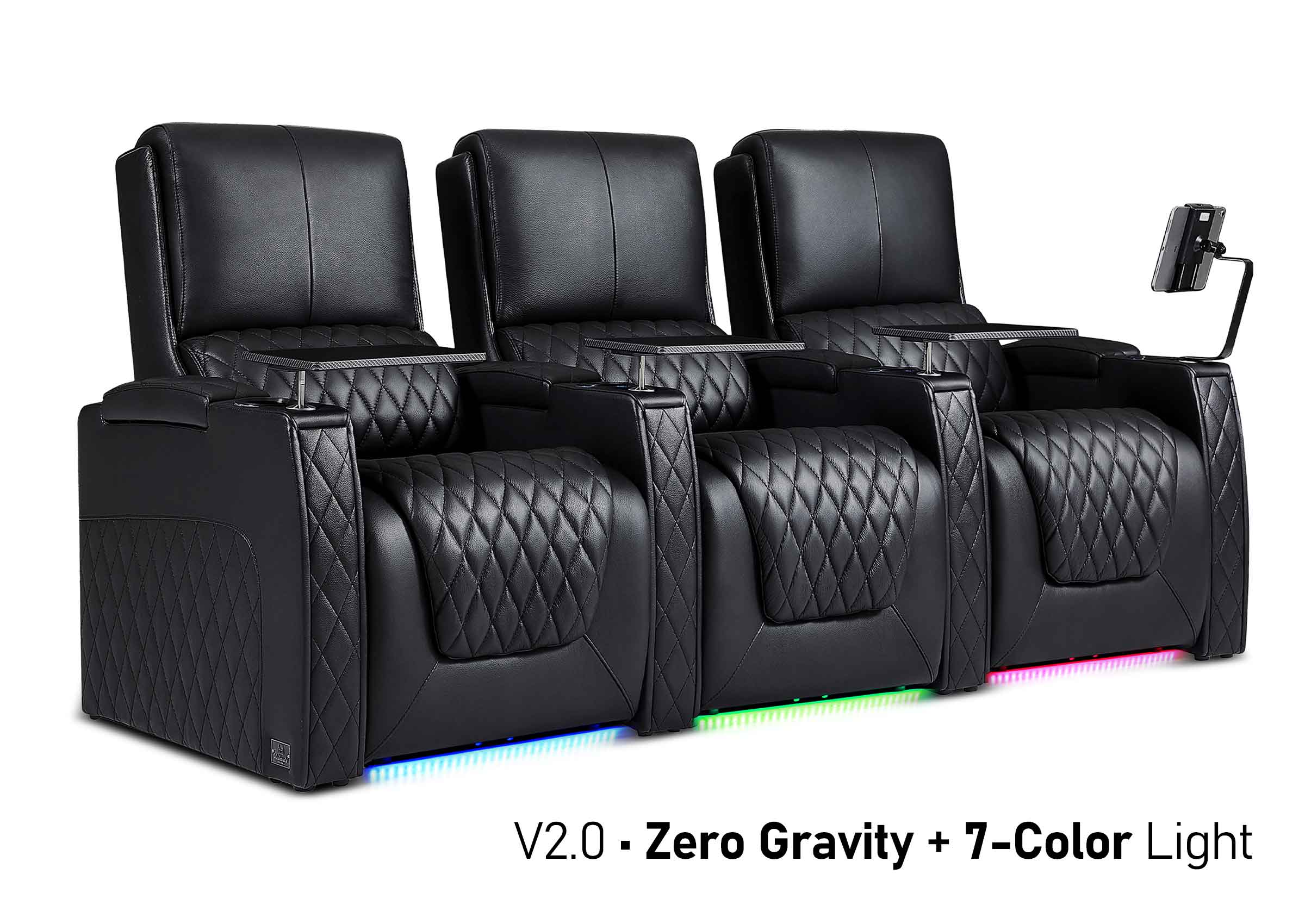
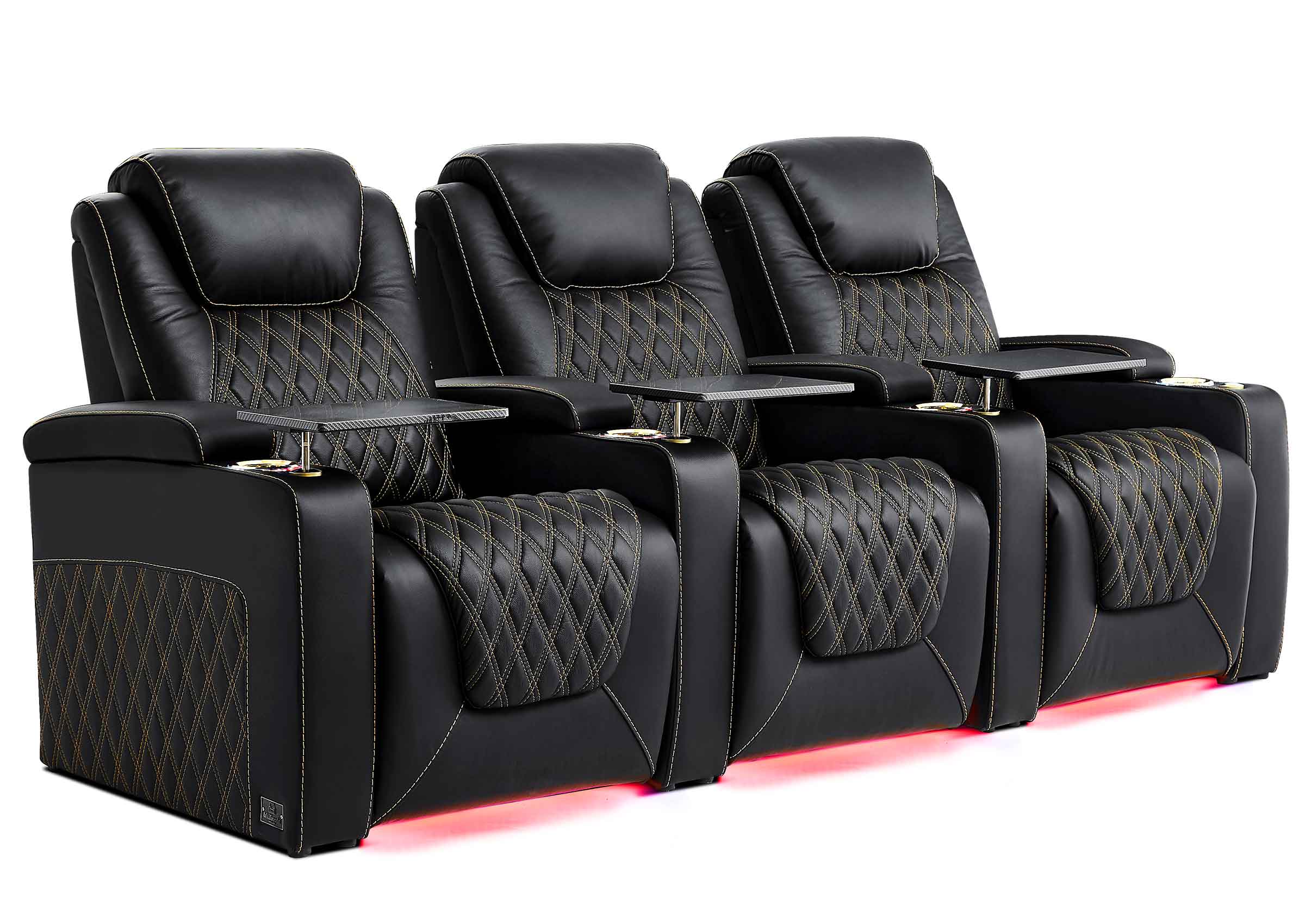
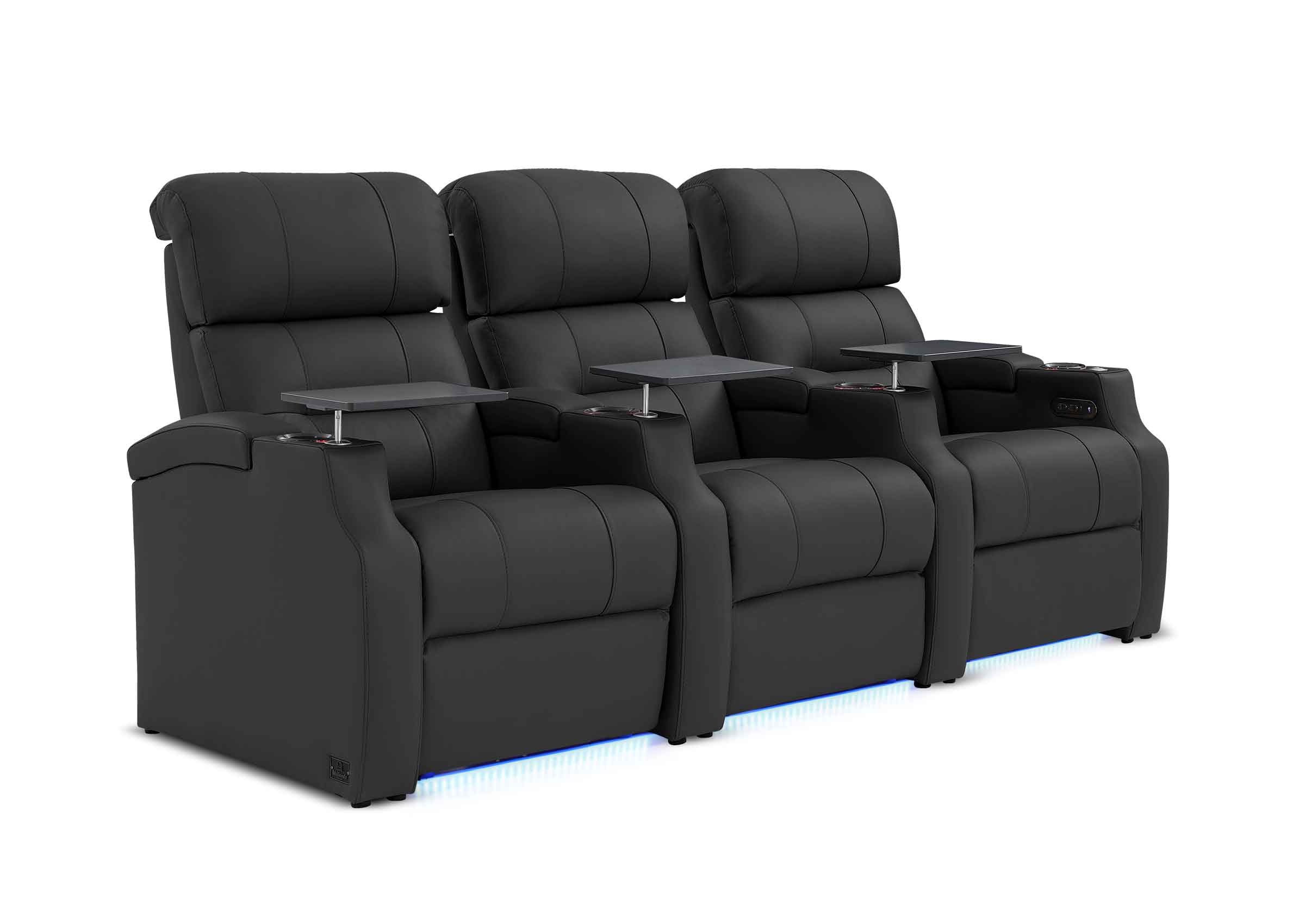


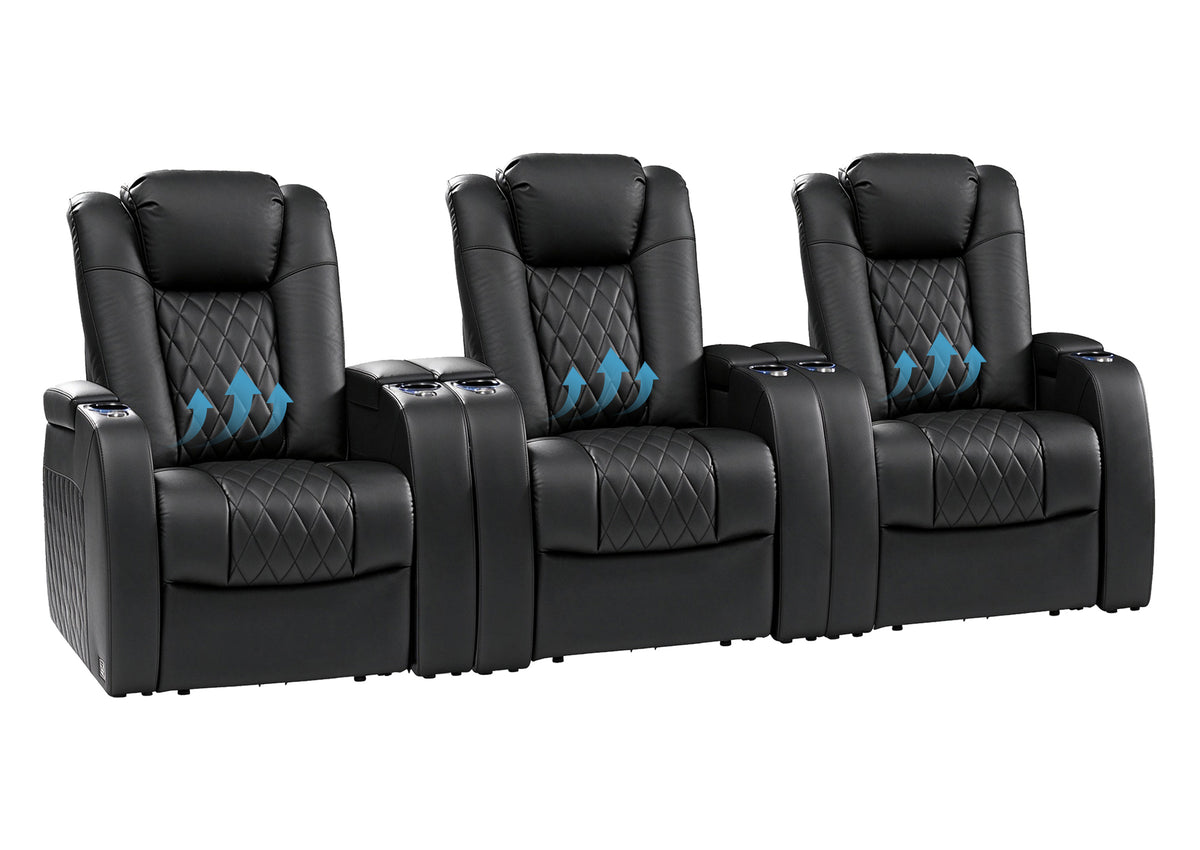
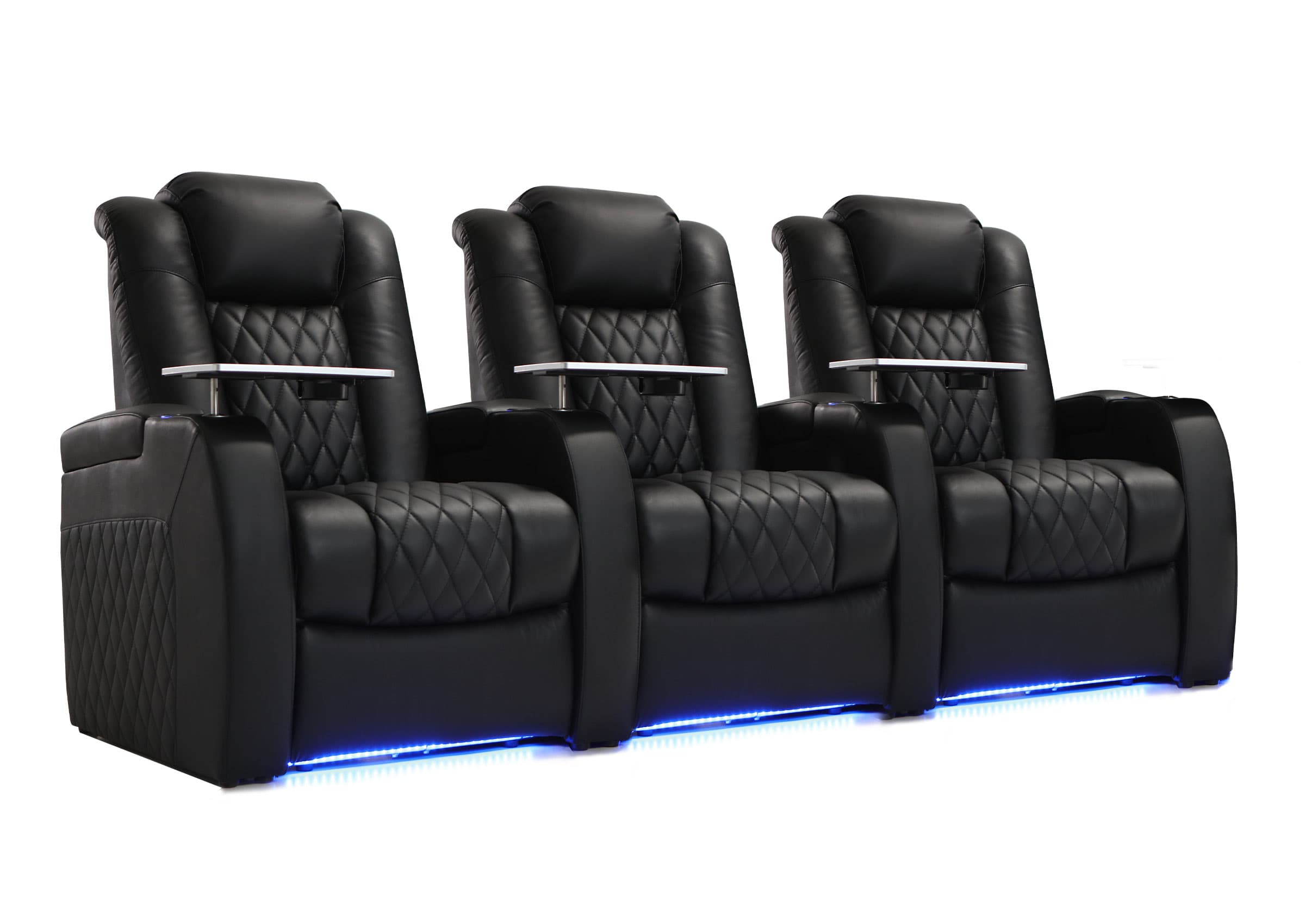
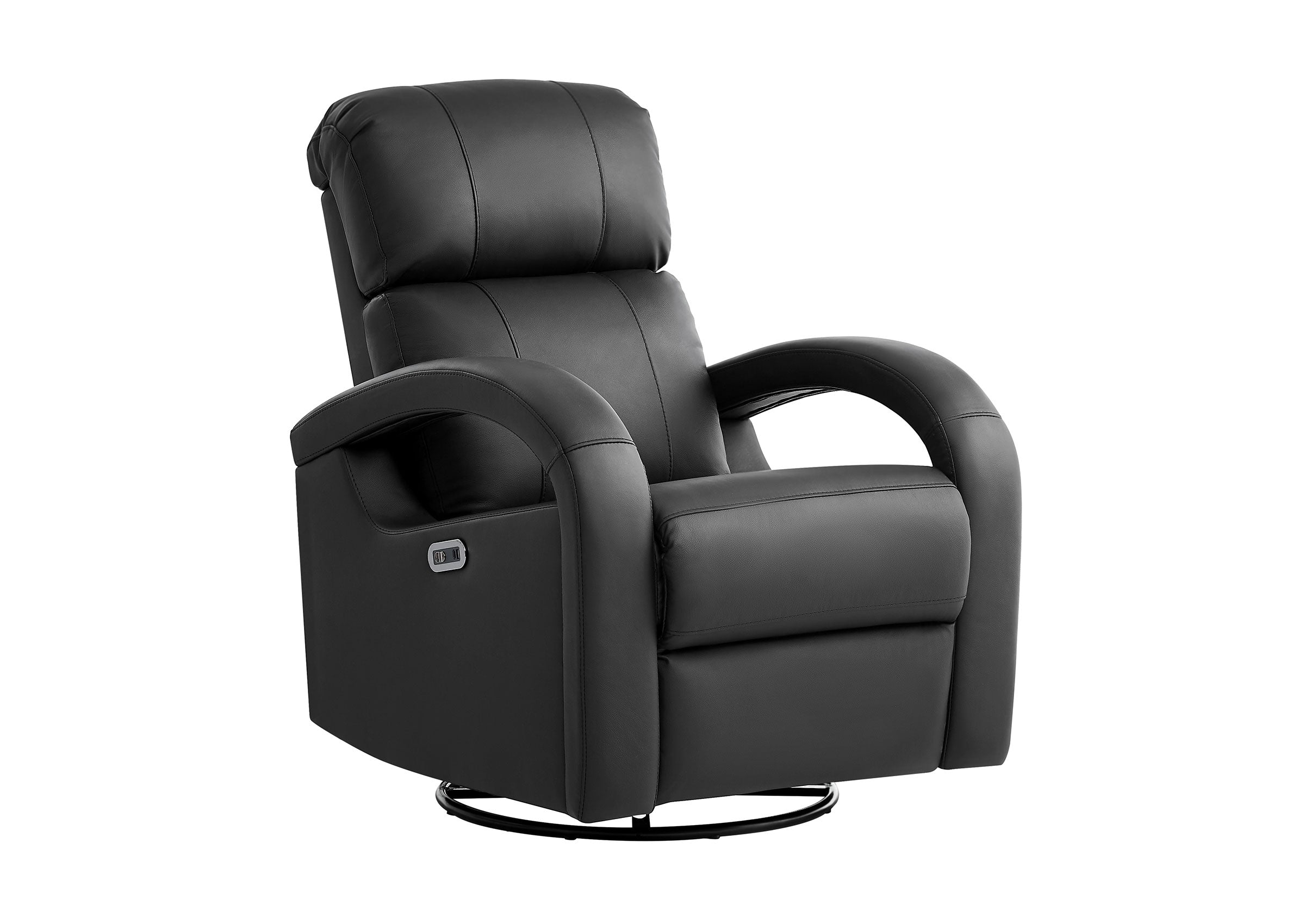

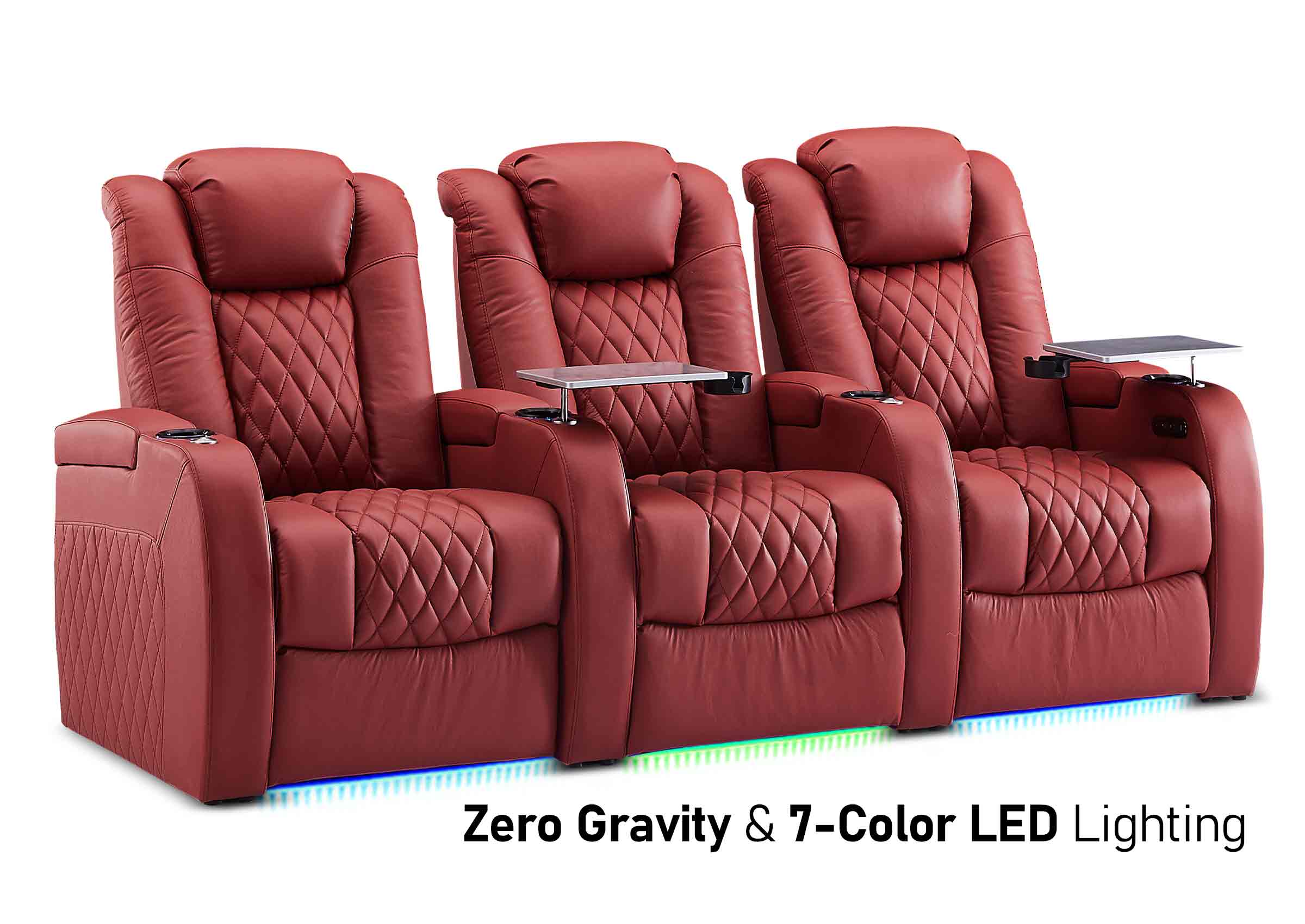

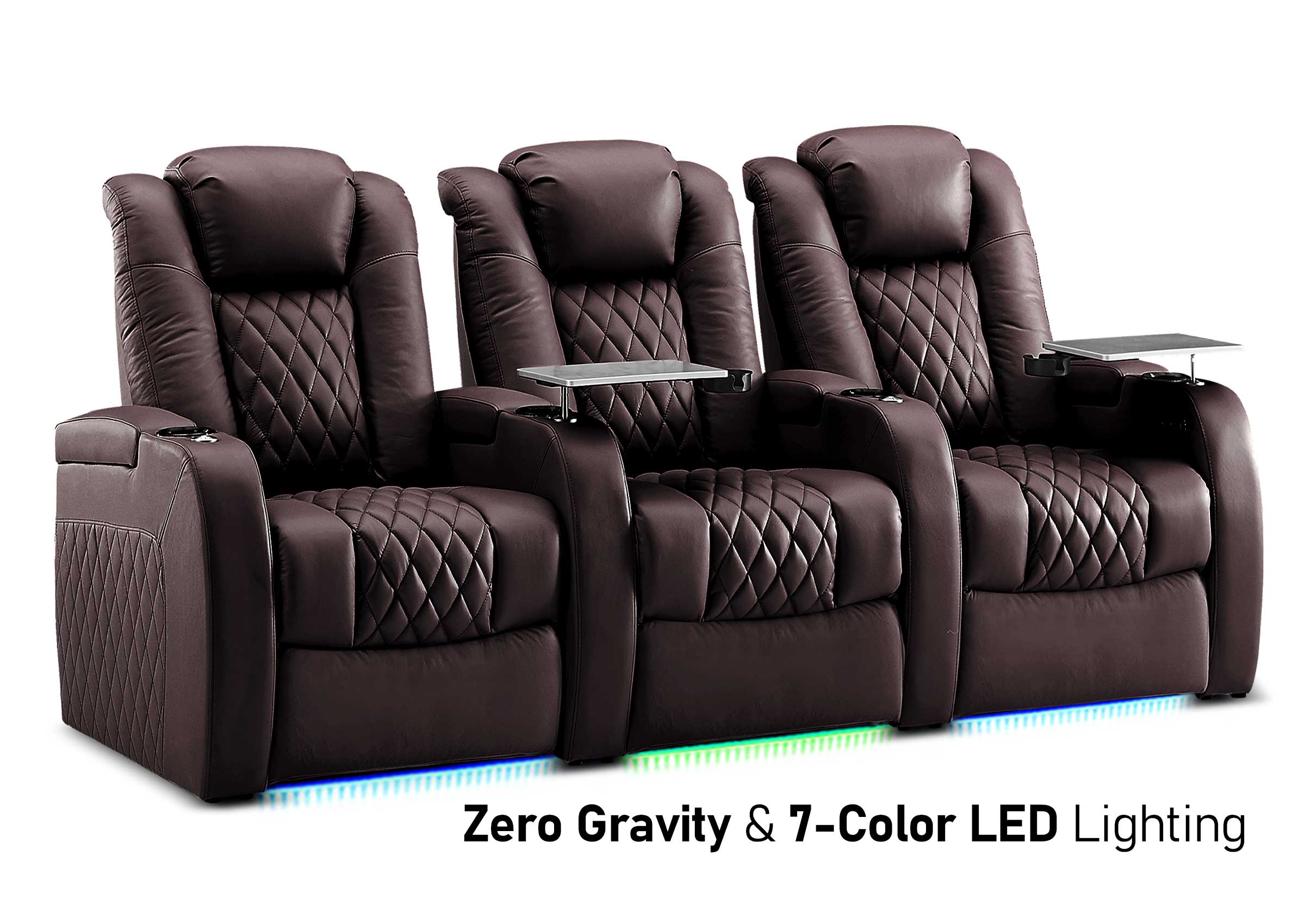

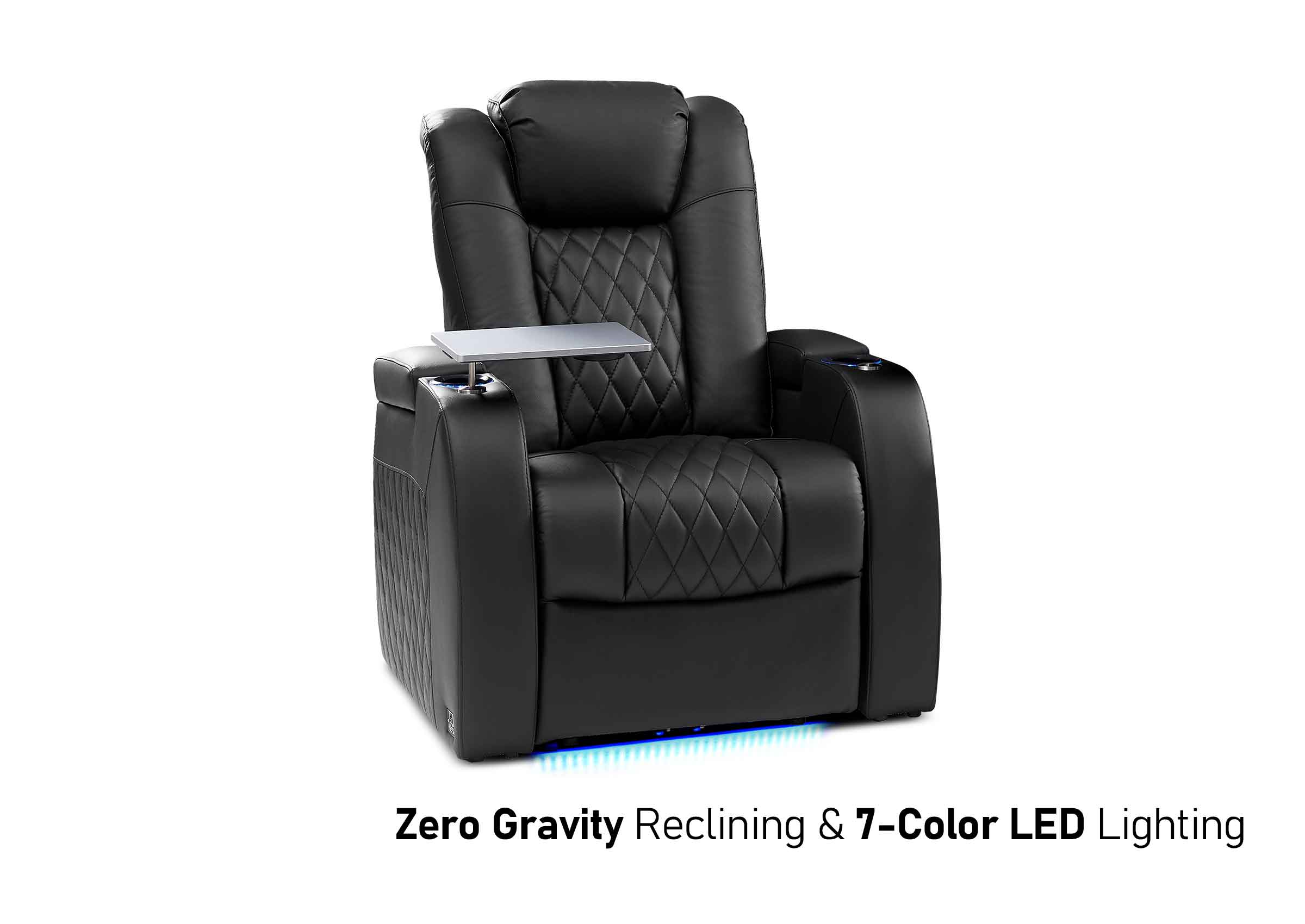
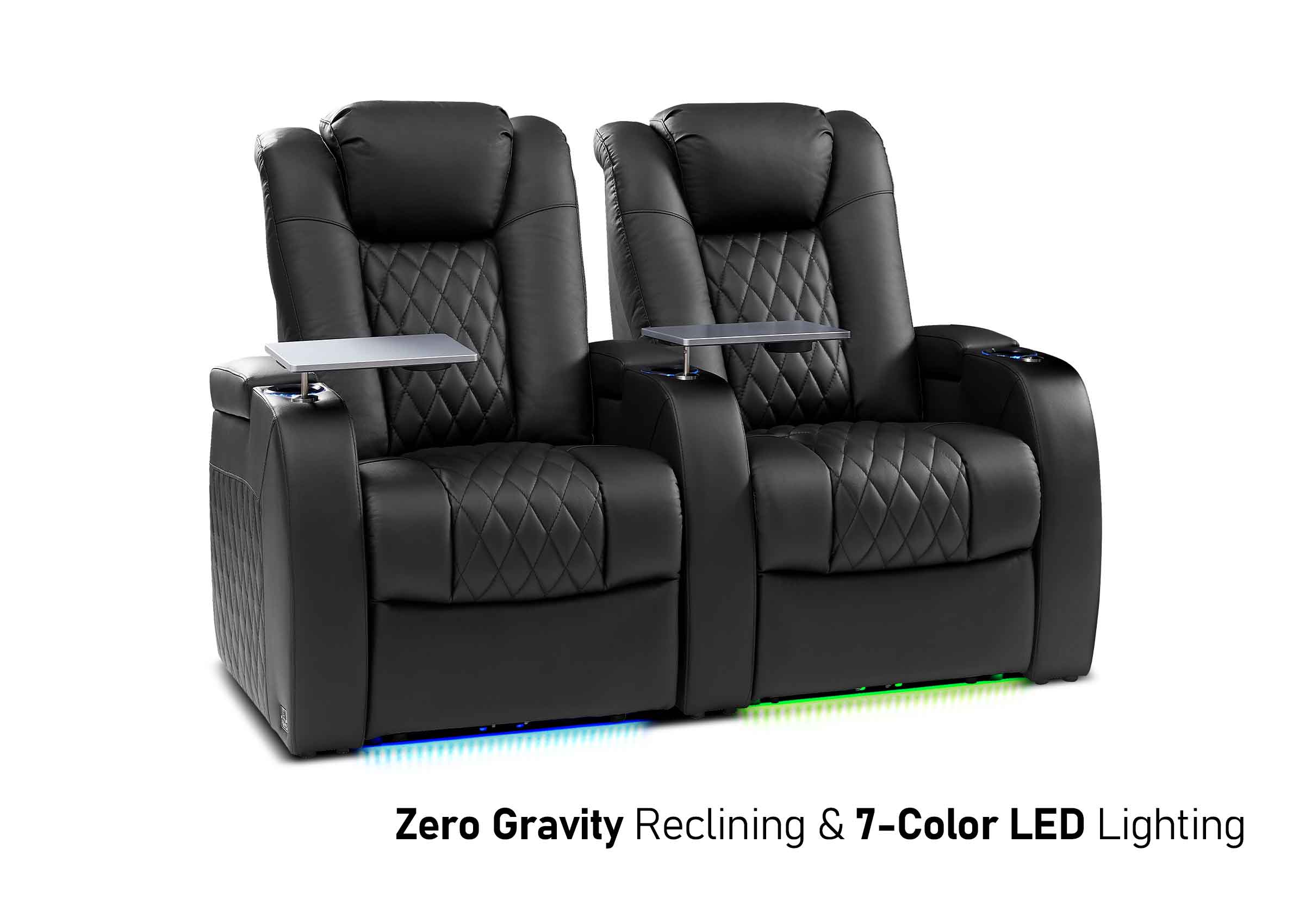
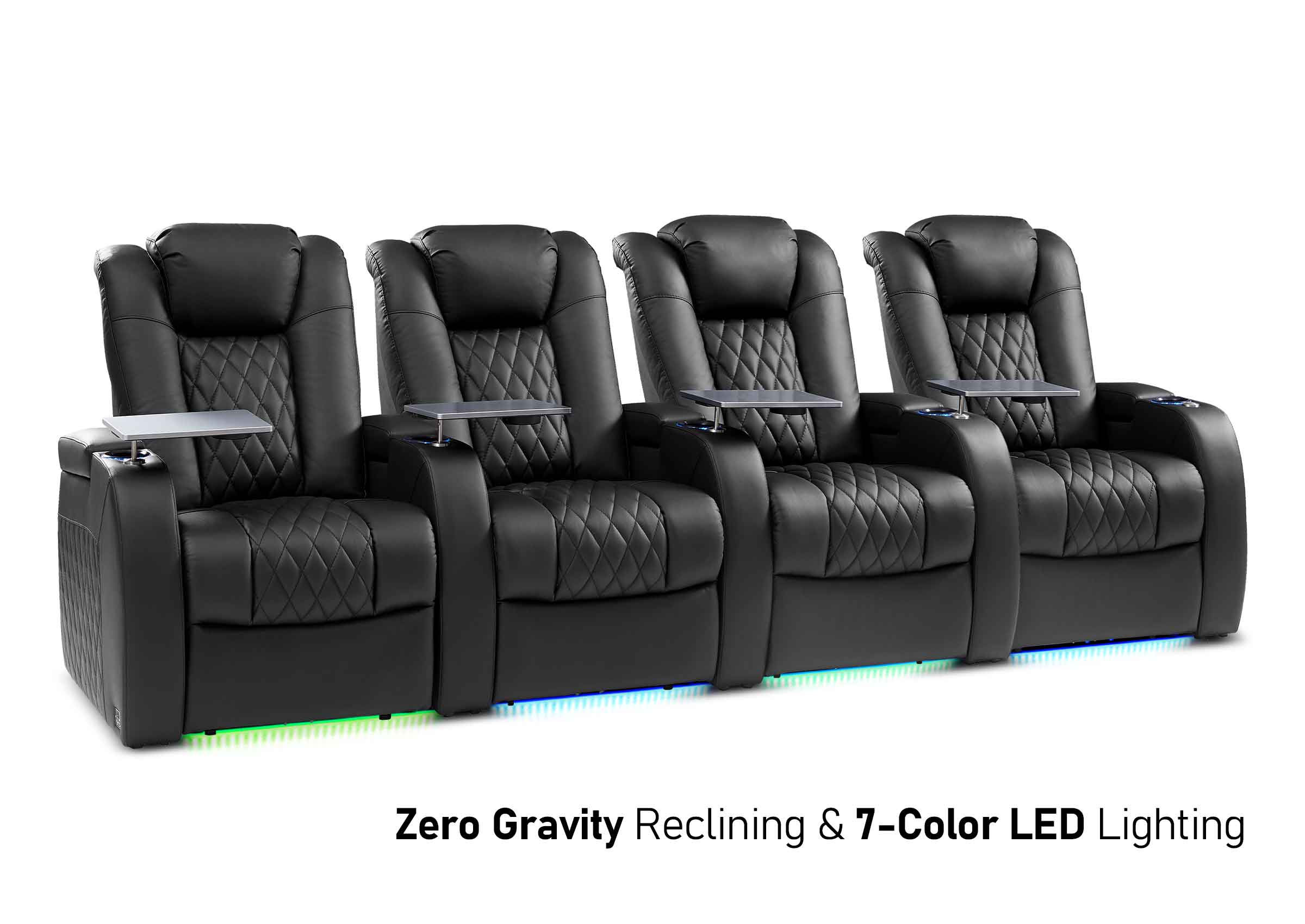
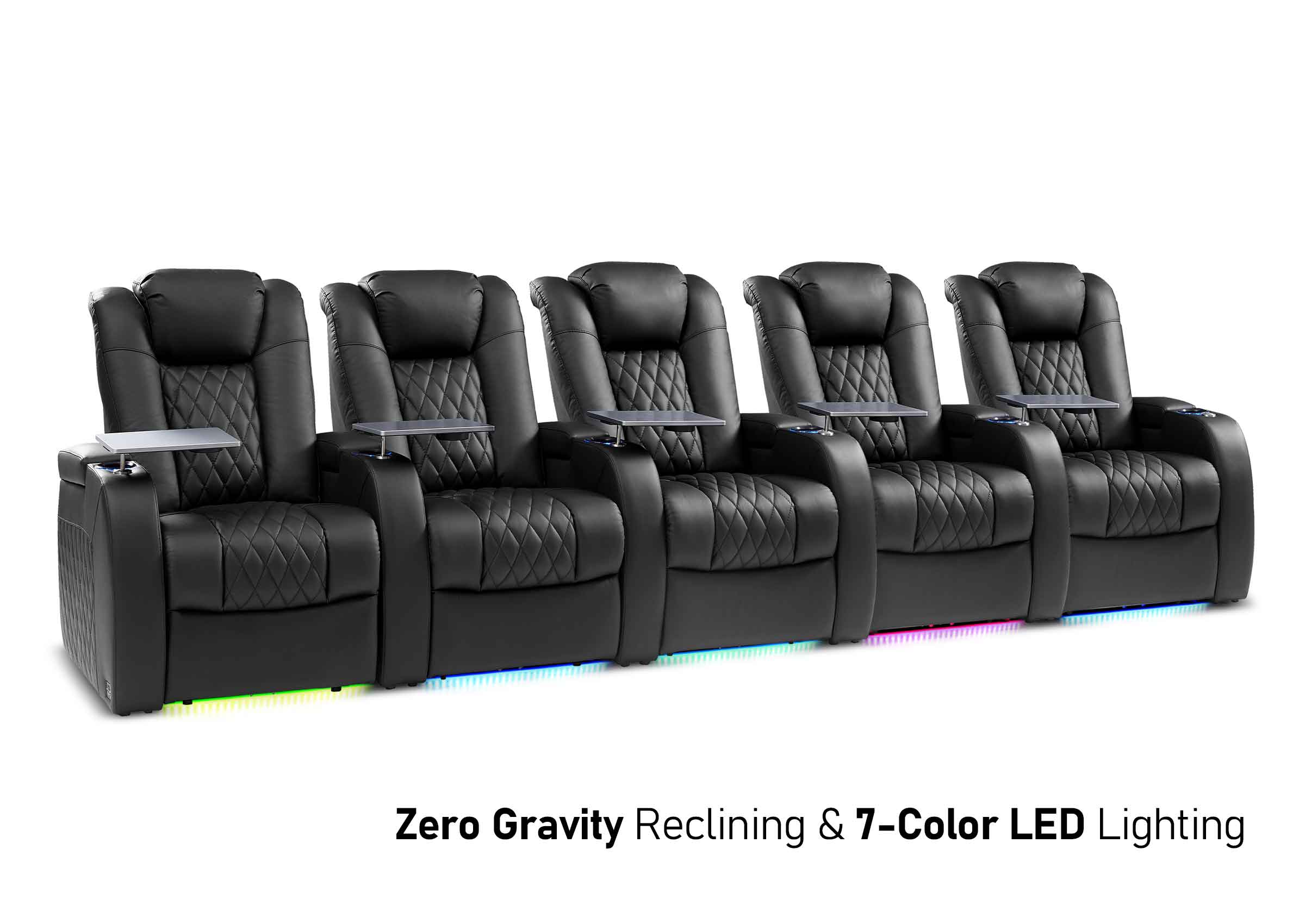
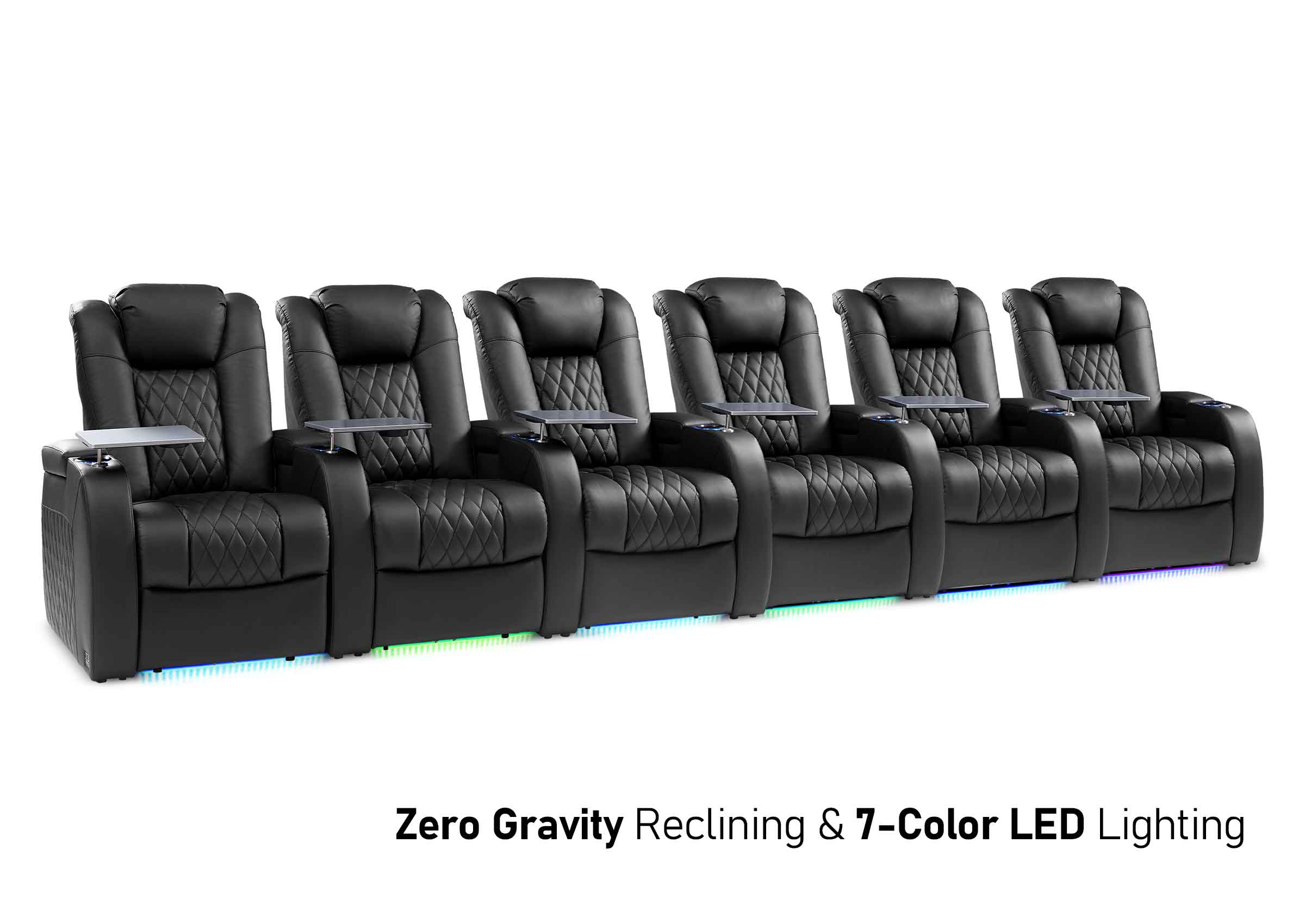
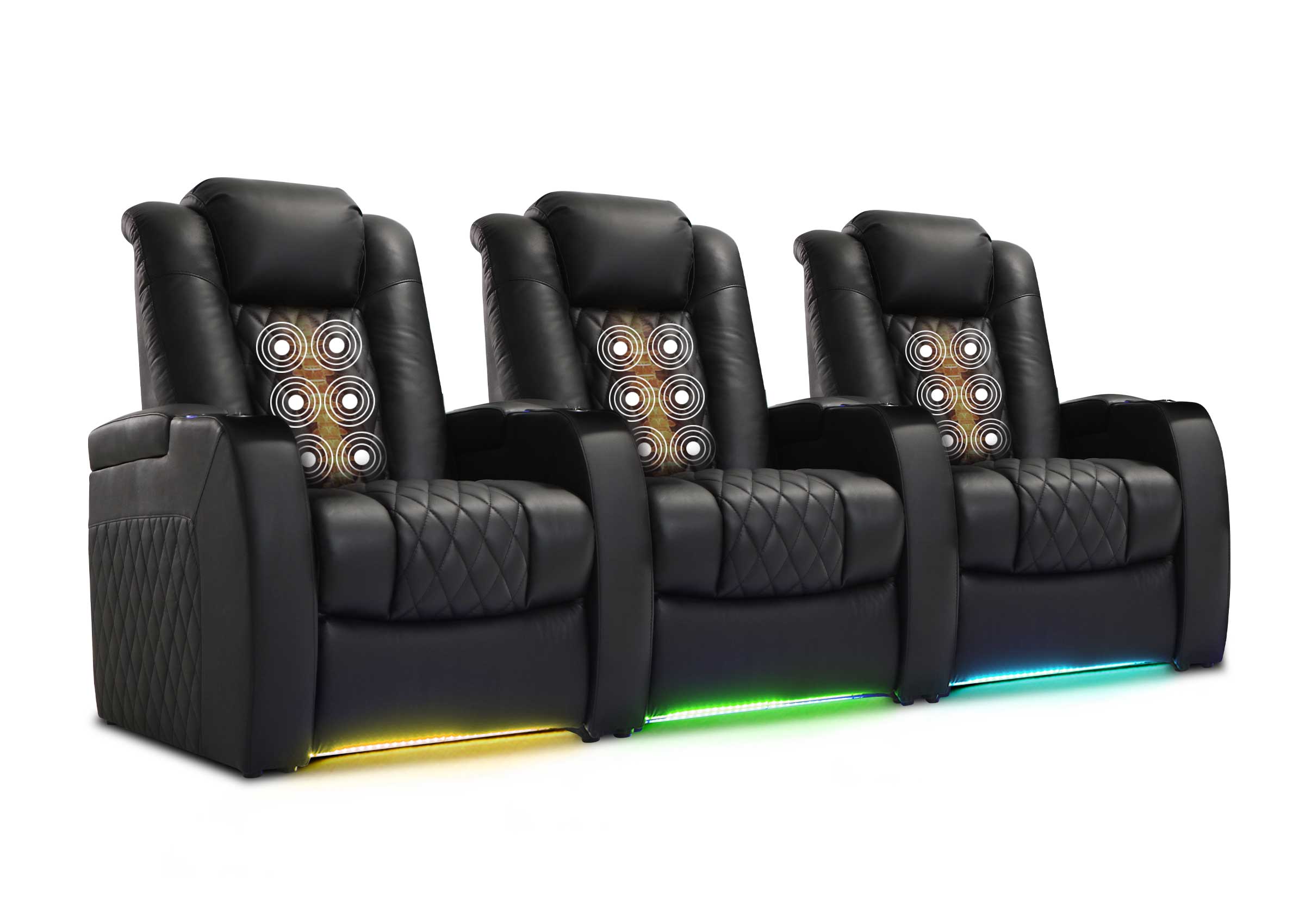

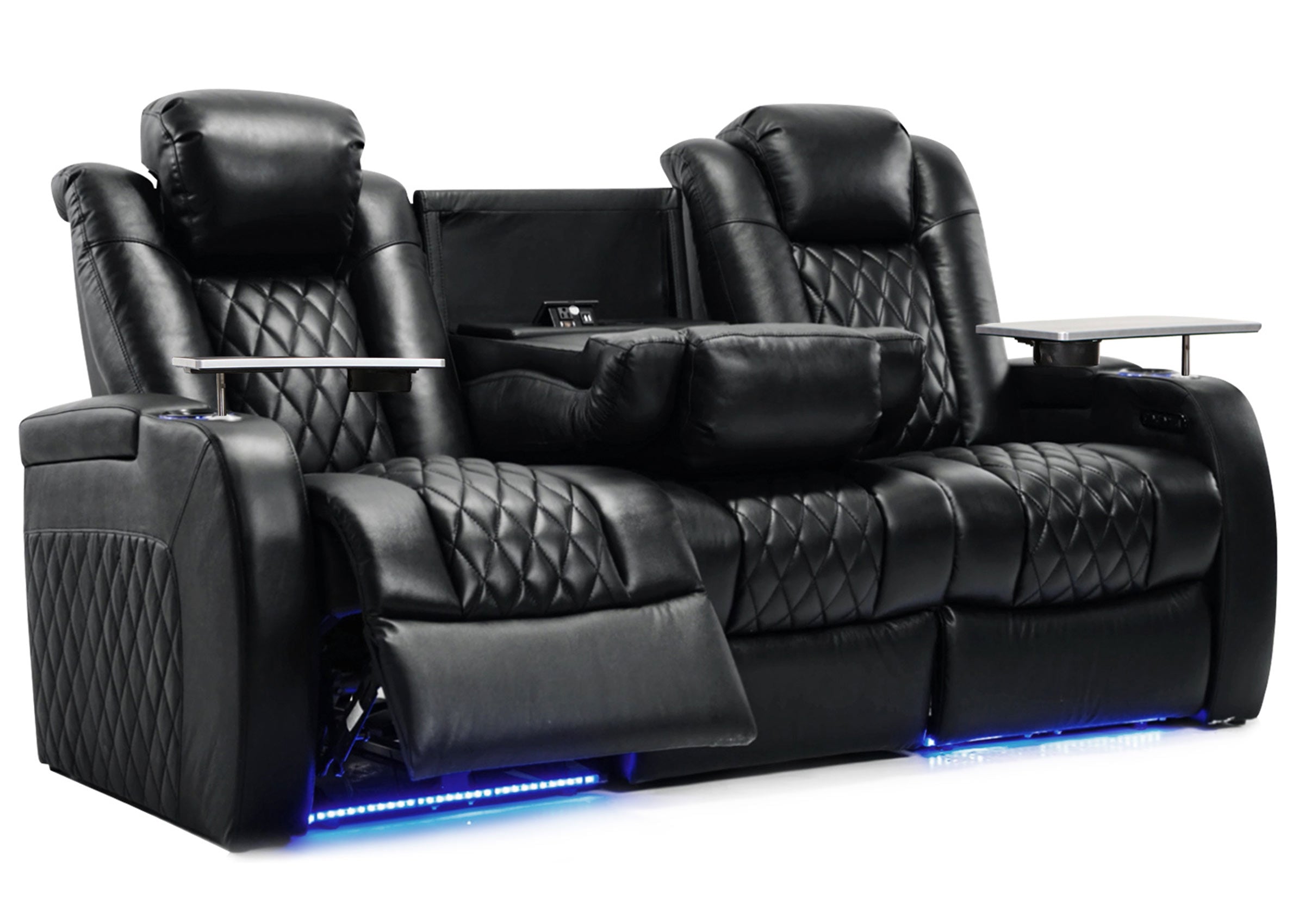
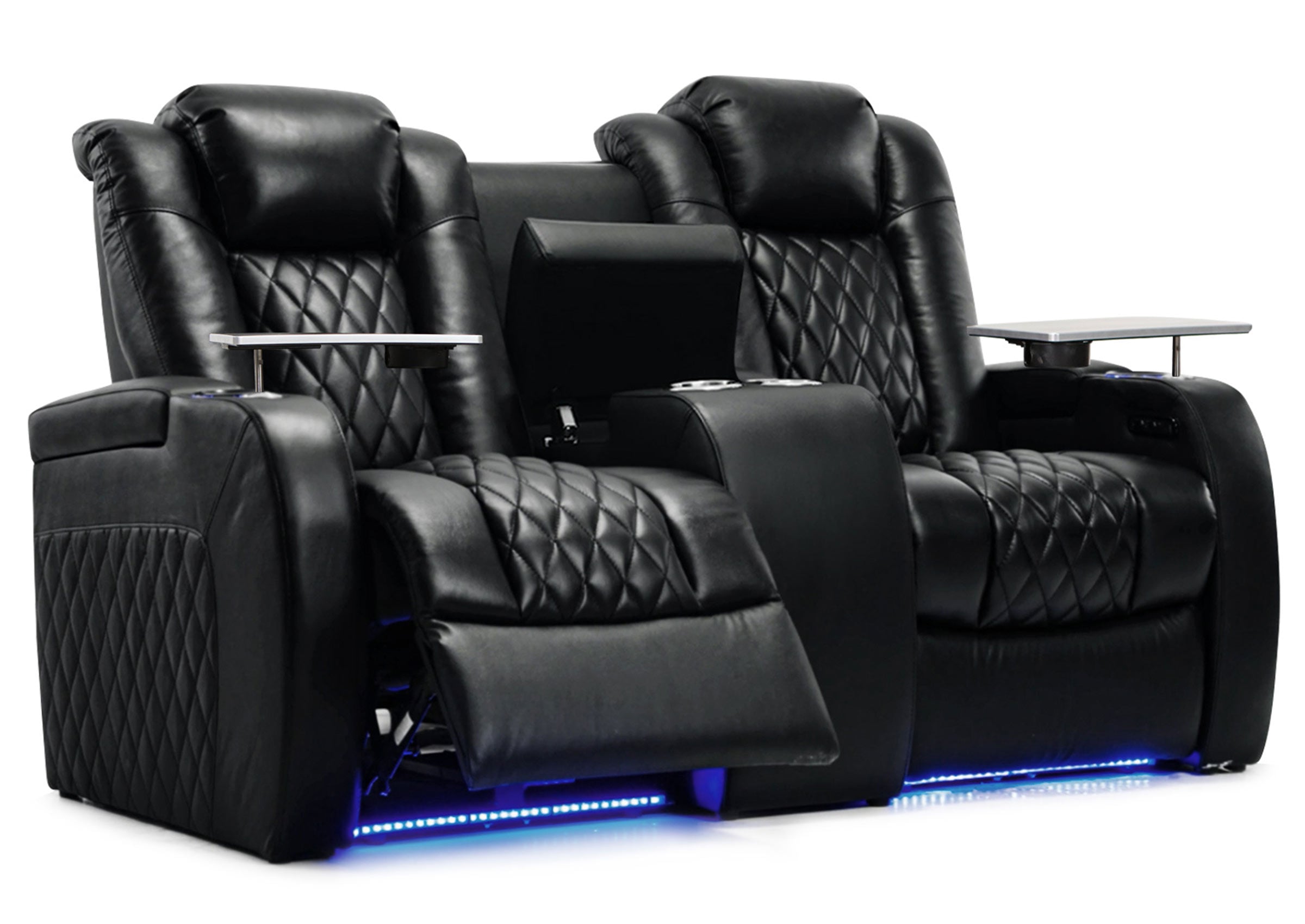

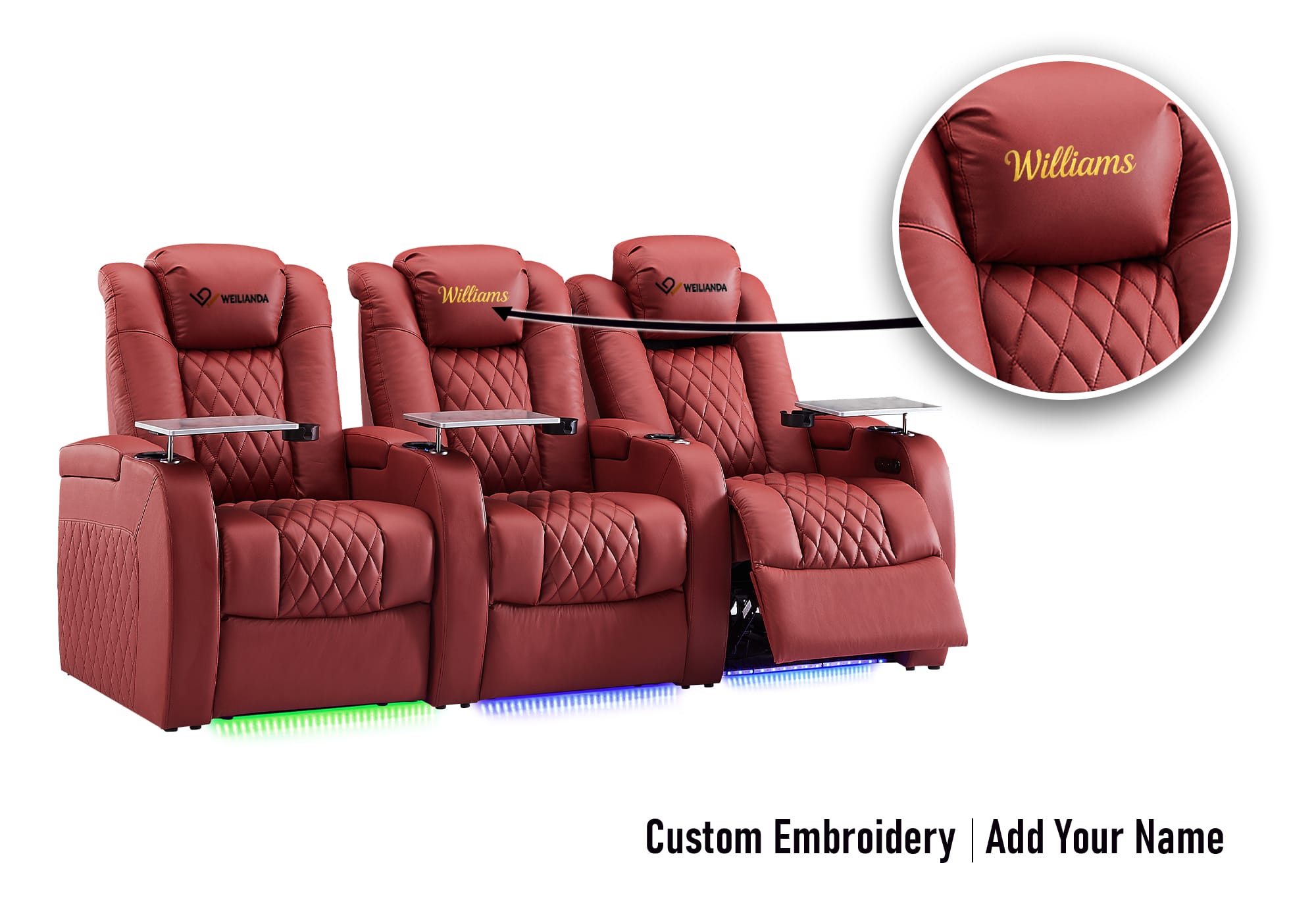

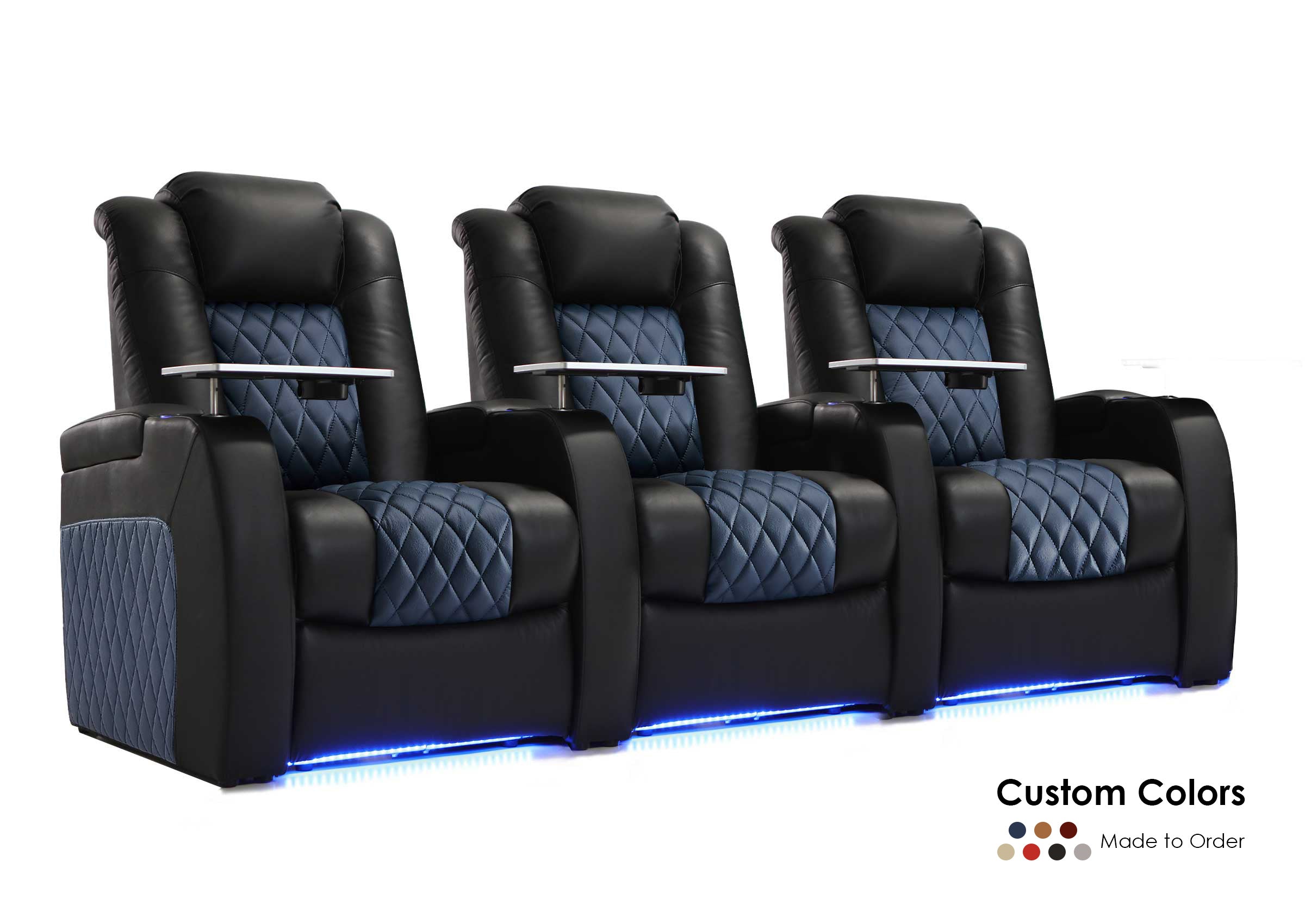

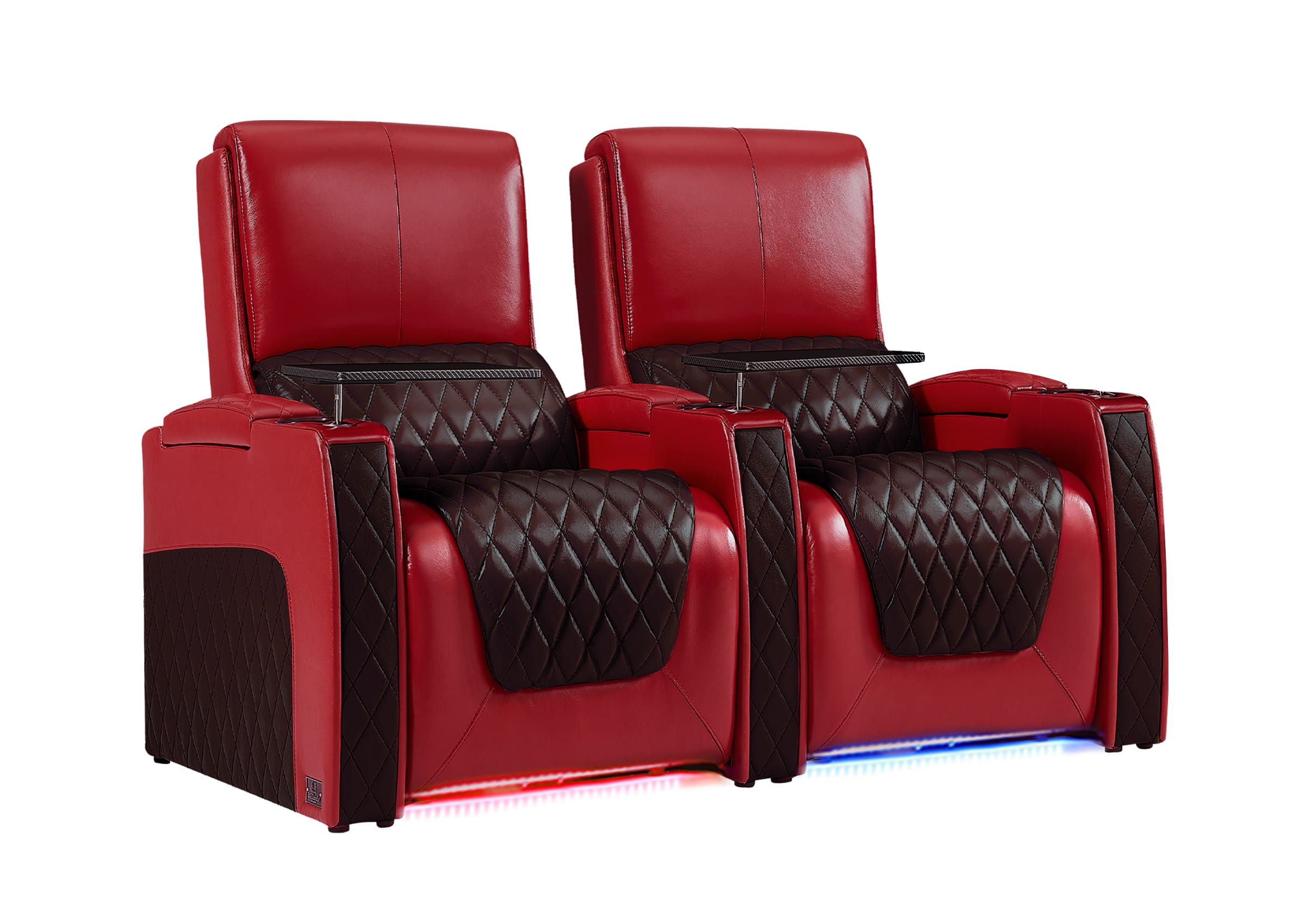
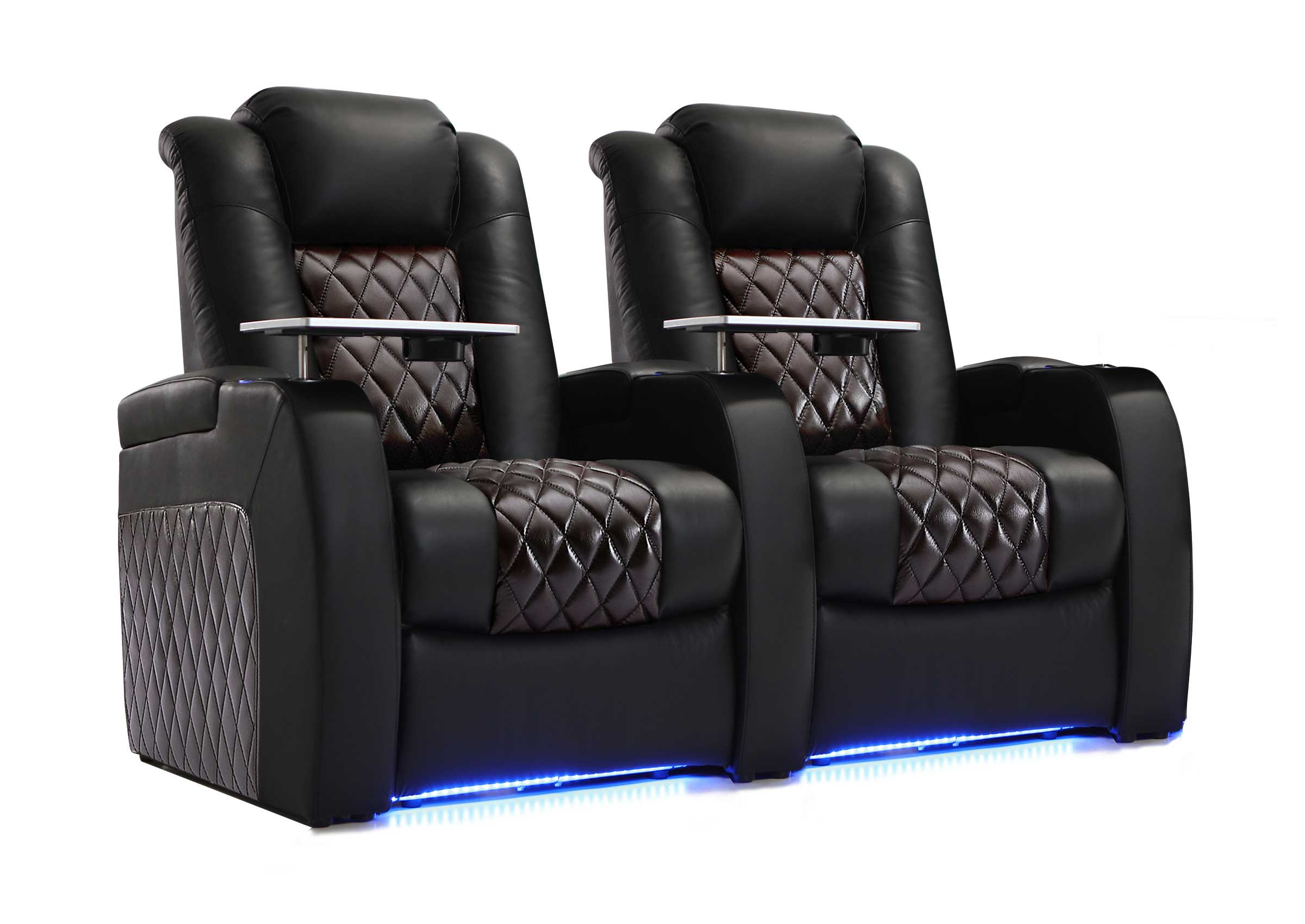
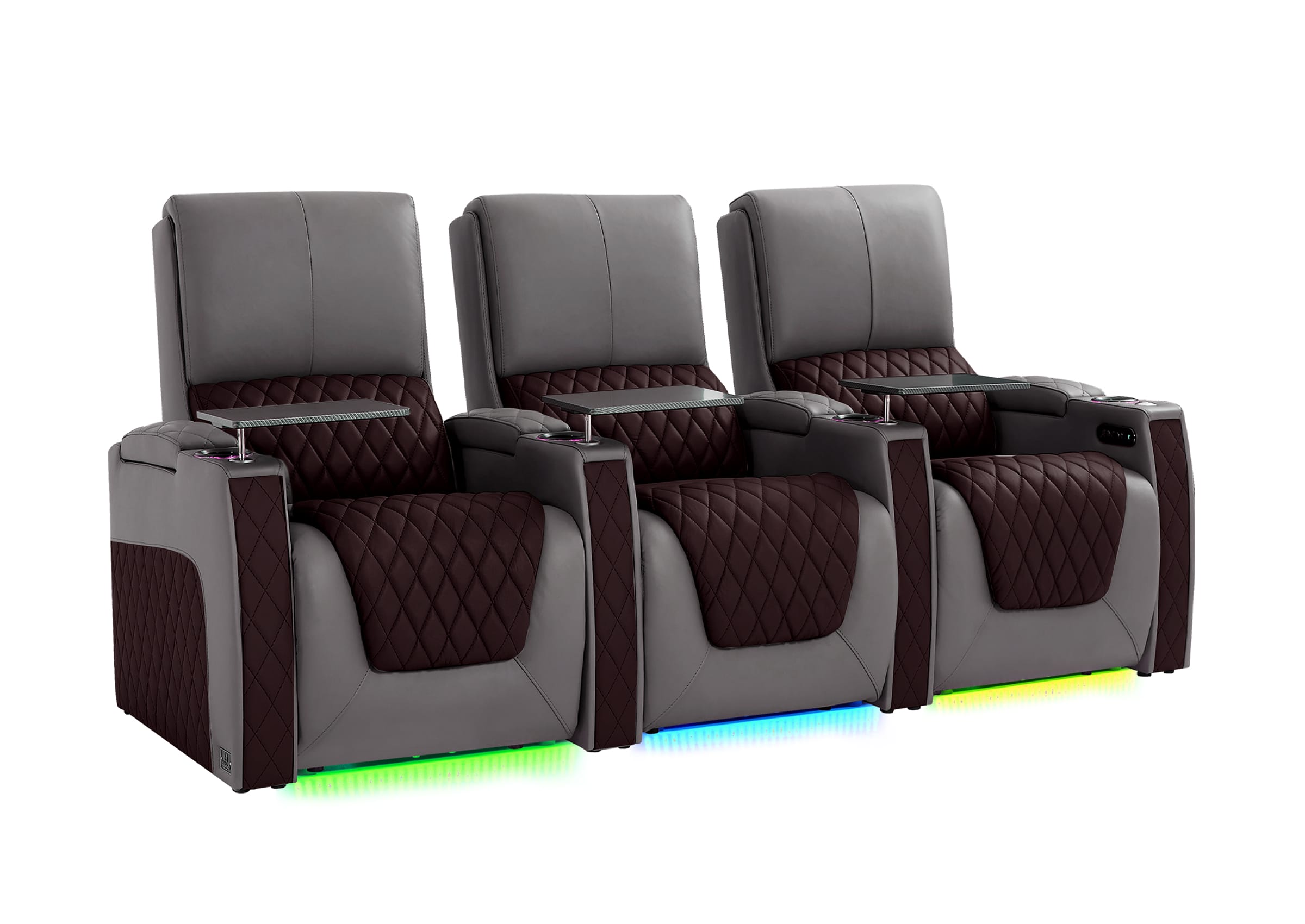
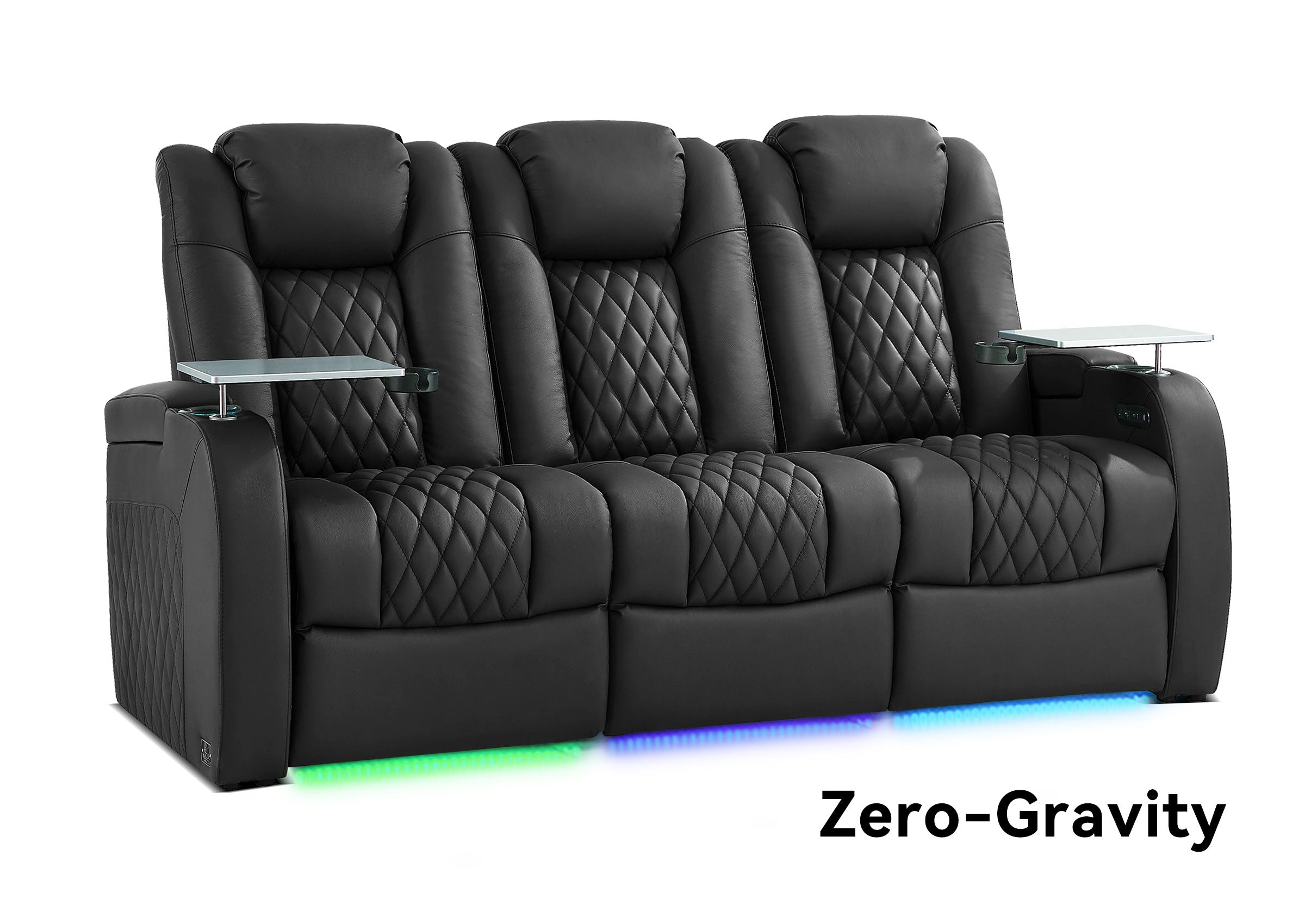


Planning a multi-row home theater is exciting, but the riser question trips up a lot of people. How high should each row sit? Do you need a riser at all? The answers depend on your room size, seating type, and how many rows you want.
Do You Even Need a Riser? Start Here
Before diving into measurements, it helps to ask a simple question: will your viewers be able to see the screen without a theater riser? If you only have one row of seating, the answer is almost always yes. A single row placed at the right distance from the screen gives everyone a clear sightline. No elevation needed.
The moment you add a second row, things change. The people sitting behind the first row need to see over the heads in front of them. That is where a home theater riser platform becomes essential.

When a Single Row Is Enough
A single row works well in smaller rooms or dedicated screening spaces where the audience sits close to the screen. If your room is under 14 feet deep, one row is likely your best option. You get a clean, simple layout with no construction required.
When You Need to Start Building
Once you plan for two or more rows of home theater seating, elevation becomes a structural necessity. Without it, the second row experience is frustrating. Viewers crane their necks, shift in their seats, or miss the bottom portion of the screen entirely.
A well-built riser solves all of that cleanly.

Two-Row Home Theater Riser Design
A home theater 2 row riser is the most common setup for residential theaters. It balances good sightlines with manageable construction and works in a wide range of room sizes.
In a two-row layout, only the second row needs elevation. The first row sits on the floor level. The raised platform lifts the back row high enough so viewers can see clearly over the heads in front of them.
How High Should the Second Row Be?
The standard recommendation for home theater second row elevation is between 12 and 18 inches. Most designers land around 14 to 16 inches as a practical middle ground.
The exact height depends on two things: the height of your first-row seats and the eye level of your viewers. Taller seats, like a fully reclined home theater power recliner, sit higher off the ground than standard chairs. That means the second row needs a bit more lift to clear the headrests.
Platform Depth and Seating Clearance
The platform itself should be deep enough to comfortably fit your seats with room to recline. For a home theater power recliner, plan for at least 48 to 60 inches of platform depth per row. This accounts for the seat footprint plus the extended footrest.
Also leave a clear walkway at the back of the platform. A minimum of 36 inches between the back of the seat and the rear wall keeps movement comfortable.

Three-Row Home Theater Riser Design
A home theater 3 row design is more ambitious, but it delivers a true cinema feel when done right. Each row after the first needs its own level of elevation, and the heights stack progressively.
Row one sits on the floor. Row two sits on the first platform. Row three sits on a second, higher platform. The challenge is keeping each step proportional so no single row feels too high or too low.
Staggering Heights Across Three Rows
A common approach is to use consistent step increments. If row two sits 14 inches above row one, then row three sits another 14 inches above row two, placing it 28 inches above the floor. This creates a uniform stadium-style feel.
Some designers prefer a slightly larger step between rows two and three to compensate for the increased distance from the screen. That is a valid adjustment, but keep the difference modest, typically no more than 2 to 4 inches per step.
Structural Considerations for Taller Platforms
At 28 inches or higher, the platform needs solid framing. Standard lumber framing with plywood decking works well, but the structure should be anchored to the wall or floor to prevent any movement. A wobbling platform is both annoying and unsafe.
How to Calculate Riser Height Per Row
The math behind riser height is straightforward once you know what you are solving for. The goal is to ensure each row's eye level clears the heads of the row in front.
Here is the basic formula:
Back-row seated eye height should clear the front-row headrest (or head) by a small buffer (typically 2–4 inches).
In practice, average seated eye level for an adult is roughly 44 to 48 inches from the floor. Headrests on recliners can add another 4 to 6 inches. So the second row often ends up with seated eye height in the mid-50s to low-60s inches, depending on seat and riser height.
| Row | Floor Height | Approximate Eye Level |
| Row 1 | 0 inches | 44 to 48 inches |
| Row 2 | 14 to 16 inches | 58 to 64 inches |
| Row 3 | 28 to 32 inches | 72 to 80 inches |
These are starting points. Always verify with your actual seat dimensions before finalizing any build.

Room Size Requirements by Row Count
The number of home theater riser rows you can fit depends heavily on your room's depth. Each row needs platform space, seating depth, and walkway clearance.
Minimum Room Depths
Here is a practical breakdown of minimum room depths by row count:
| Configuration | Minimum Room Depth |
| 1 row, no riser | 12 to 14 feet |
| 2 rows, one riser | 18 to 22 feet |
| 3 rows, two risers | 26 to 30 feet |
These figures assume standard recliner seating. Smaller seats can reduce these numbers slightly, but it is wise to build in a few extra feet of buffer wherever possible.
Ceiling Height Matters Too
With three rows, ceiling height becomes a real constraint. If your third row sits 28 to 32 inches off the floor and your viewers are 5 to 6 feet tall, you need at least 9 feet of ceiling clearance, preferably 10 feet, to avoid a cramped feel.
Rooms with 8-foot ceilings can support two-row setups comfortably, but three rows start to feel tight.
Build Your Best Theater Now
Riser design is one of those details that separates a good home theater from a great one. Whether you are planning a single elevated row or a full three-tier setup, the key is matching your platform heights to your actual seating dimensions and room depth. Get those numbers right, and every seat in the house becomes the best seat.
FAQs about home theater risers
Q1: Do You Need a Riser for a Single Row of Home Theater Seating?
No, a single row does not need a riser. With only one row of home theater seating, every viewer has a direct sightline to the screen without elevation. A riser becomes necessary when you add a second row and need to lift those viewers above the heads in front of them.
Q2: What Is the Standard Height for a Home Theater Second Row Elevation?
The standard range is 14 to 16 inches for most setups. Home theater second row elevation depends on the seat height and headrest profile of your front row. If you are using a home theater power recliner with a tall headrest, lean toward the higher end of that range.
Q3: How Deep Should a Home Theater Riser Platform Be?
A home theater riser platform should be at least 48 to 60 inches deep per row. This gives enough room for the seat itself plus full recliner extension. Adding a few extra inches of buffer at the back of the platform also makes entry and exit much easier.
Q4: Can a Home Theater 2 Row Riser Work in a Small Room?
Yes, but you'll typically want around 18 feet or more of room depth for two full rows of recliners. A home theater 2 row riser is feasible in moderately sized spaces as long as you account for seating depth, platform depth, and rear walkway clearance. Rooms shorter than 18 feet tend to feel cramped with two full rows of recliners.
Q5: How Tall Should the Ceiling Be for a Home Theater 3 Row Design?
A ceiling height of at least 9 feet is recommended, and 10 feet is preferable. In a home theater 3 row design, the back platform can sit 28 to 32 inches off the floor. Add seated viewer height, and a low ceiling quickly becomes a problem for comfort and sightlines.