






















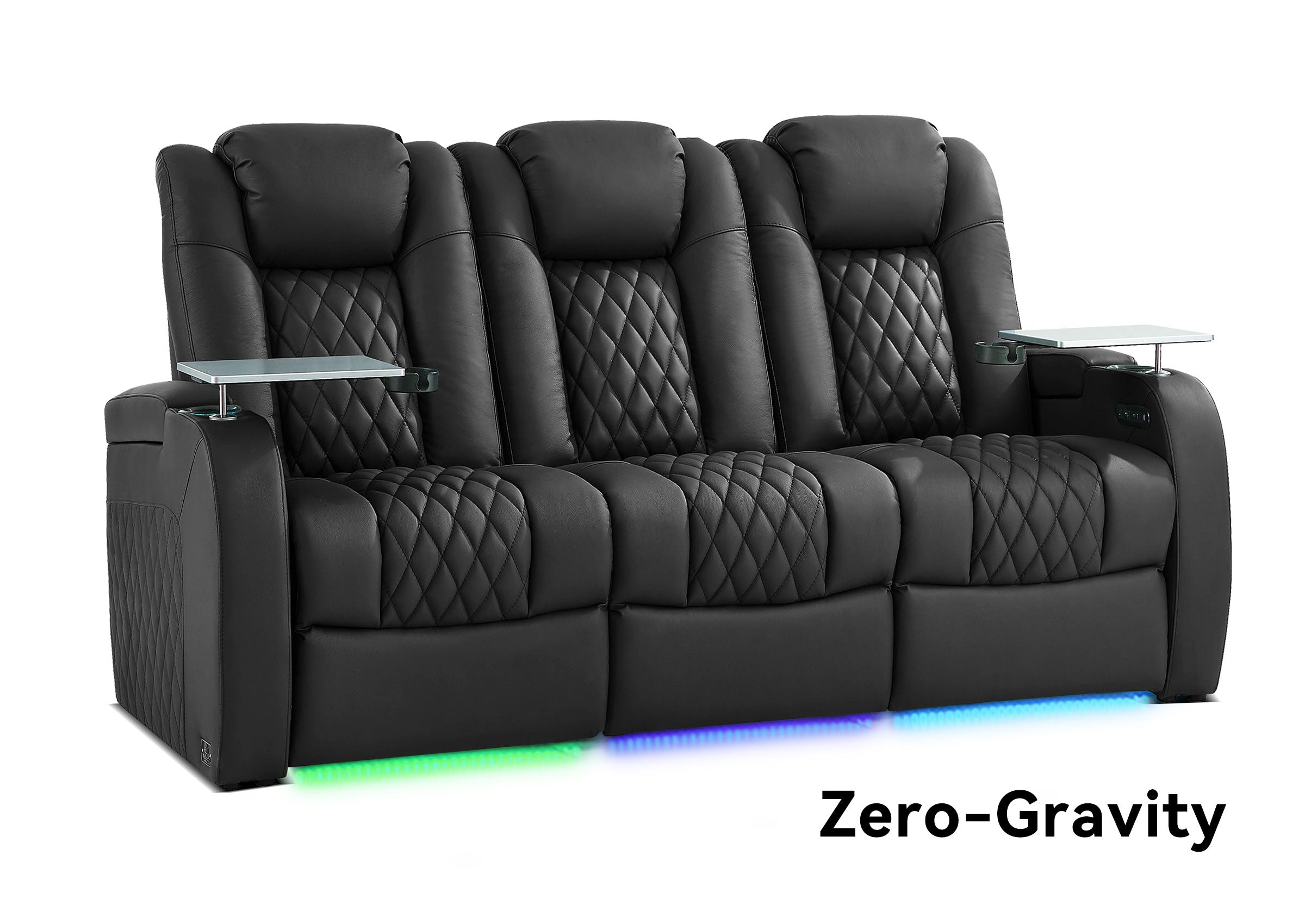


In a finished living room, a practical way to hide speaker wires is to follow the room’s perimeter in surface-mounted cable channels, then conceal the short runs to each speaker behind furniture or along a suitable stand. Plan doorways and open-floor crossings first: those gaps determine whether the route works without opening the walls.
This guide focuses on speaker wire connecting an amplifier or AV receiver to passive speakers. Powered speakers and subwoofers may also need electrical cords, which require their own routing plan.
Plan the Whole Route Before Buying Cable Covers
Start with the speakers where you want to listen to them. Move furniture into its everyday position, including the sofa, side tables, and speaker stands.
Trace each route from the receiver to its speaker using string. Follow the actual wall edges, corners, and rises instead of measuring straight across the room. Include enough accessible slack to reach the terminals without pulling on them when equipment moves.
Check the hardest gap first. A long baseboard run may be easy to conceal, but one doorway or a walkway behind the sofa can interrupt it.
| Part of the room | Practical starting point | What to check |
|---|---|---|
| Uninterrupted wall edge | Surface-mounted channel beside the baseboard | Cable capacity, corners, and mounting surface |
| Doorway or archway | Channel up one side, over the opening, and down the other | Continuous mounting path and clearance from moving doors |
| Speaker beside a wall | Short covered branch to a stand or furniture back | Cable exit position and access to connections |
| Speaker beside a floating sofa | Route to the nearest wall first, then assess the final approach | Walking space, cleaning access, and furniture movement |
A longer perimeter route needs a fresh cable-length check. Speaker-wire gauge depends on run length and speaker impedance; use your equipment’s guidance rather than choosing thinner wire solely because it fits a smaller cover. Polk’s wire-gauge guidance explains those variables.
Hide the Long Runs Along Baseboards
A surface-mounted raceway is an enclosed cable channel attached to a wall or trim. For a finished room, placing it beside the baseboard lets the route follow an existing visual line.
Choose a channel that accepts your actual cables and has compatible corner pieces. Where two speaker wires share a section, check them together. A lid that requires force to close is a reason to choose a larger channel.
Keep the branch to each speaker short and deliberate. A stand with a built-in cable passage can conceal the final rise; otherwise, a suitable cable clip along the rear may make that section less noticeable.
Raceways still need attachment. Adhesive does not mean damage-free removal, and screw mounting leaves holes. D-Line’s speaker-cable installation instructions specify a clean, dry surface for adhesive mounting and warn that the backing creates a strong bond.
For a rental or delicate finish, confirm the permitted attachment method before installing. Match the channel to the trim, or choose a paintable product and follow its finishing instructions.
How Do You Get Speaker Wire Past a Doorway?
For a doorway that interrupts a baseboard route, consider continuing the speaker-wire channel up the side, across the top, and down the other side. This keeps the cable off the threshold, provided there is a suitable mounting surface all the way around.

Check the full door swing, hinges, and opening before fastening anything. Keep the channel on the fixed surface, clear of moving parts. An archway may require a route around its outer edge rather than a straight line across the opening.
Do not pinch the cable beneath a closing door. If the route must cross the floor, use a floor cable protector designed for the cable dimensions and expected traffic. A wall channel is not a substitute for a floor protector.
D-Line’s floor-cover selection guidance distinguishes cable capacity and traffic levels, and calls for covering the entire exposed crossing.
A floor protector remains visible and raised. Check whether people, a walker, or a vacuum can pass comfortably; if the crossing becomes an obstacle, reconsider the route.
What if the Sofa Sits in the Middle of the Room?
A floating sofa creates a second problem: reaching speakers beside the seating after the wire has followed the walls. Plan this final approach separately.
If a speaker is near a side wall, a perimeter route may reach it directly. If it sits beside a sofa in the room’s center, look for an approach behind a stationary console or other furniture that does not cross a walkway.

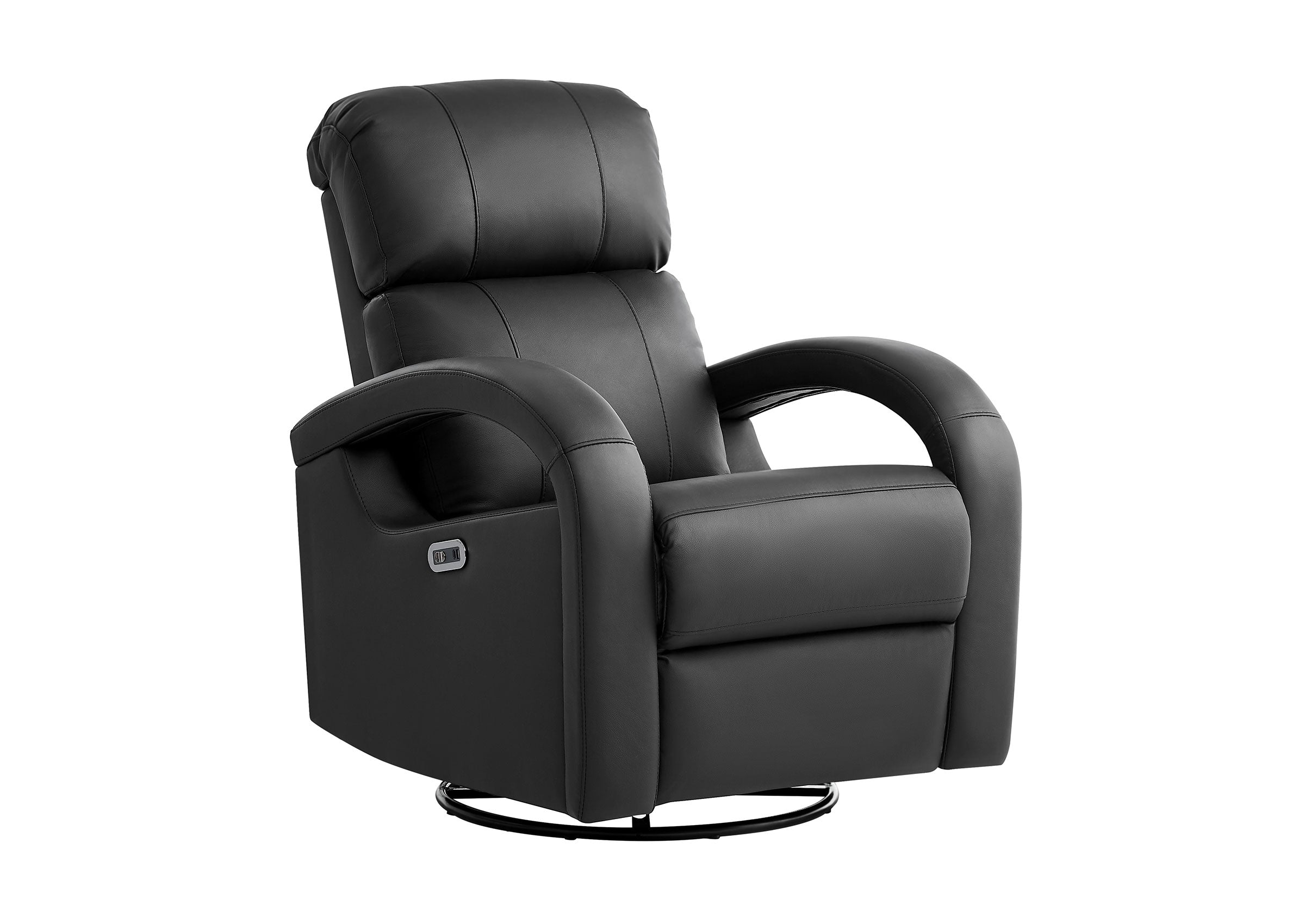
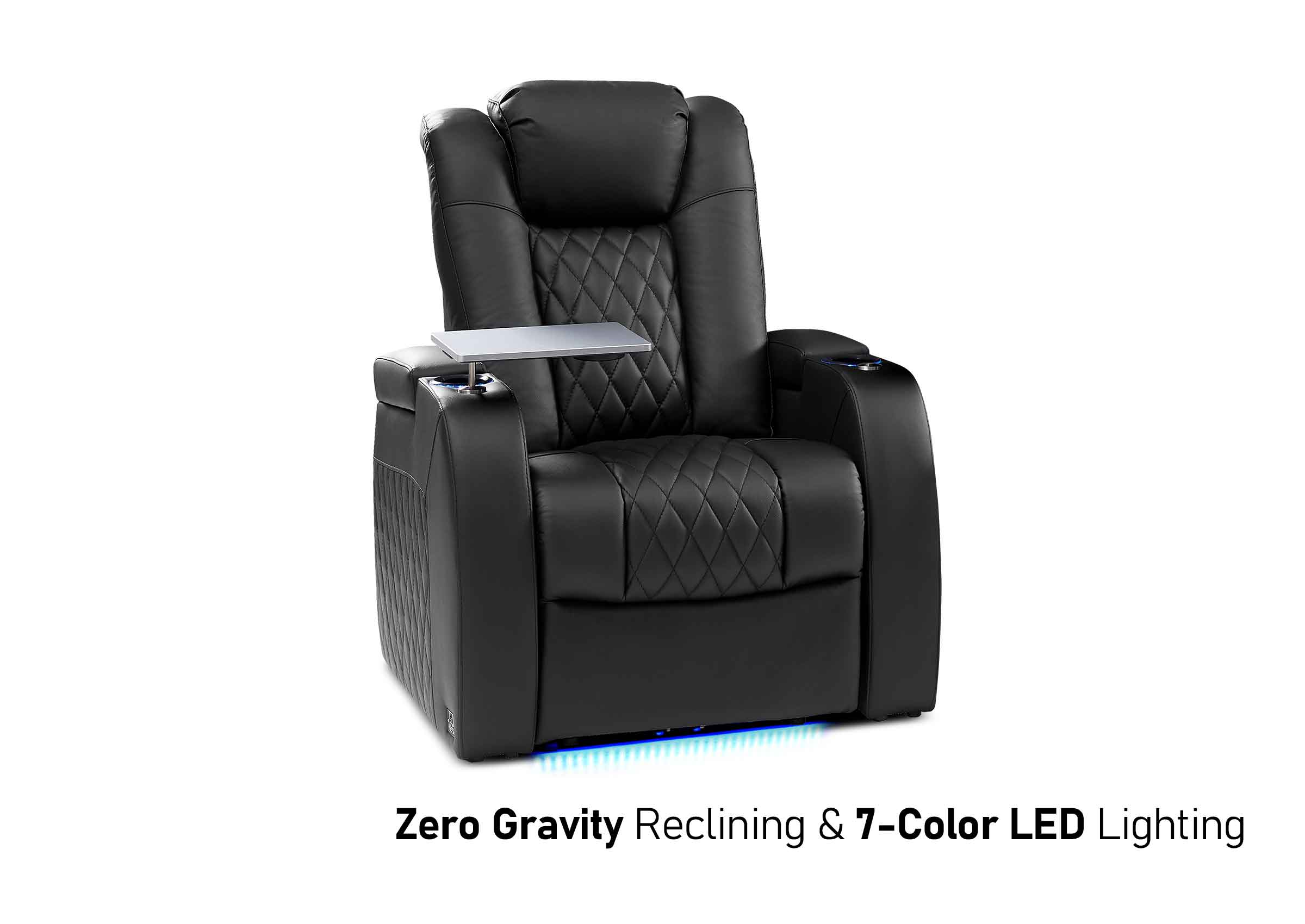
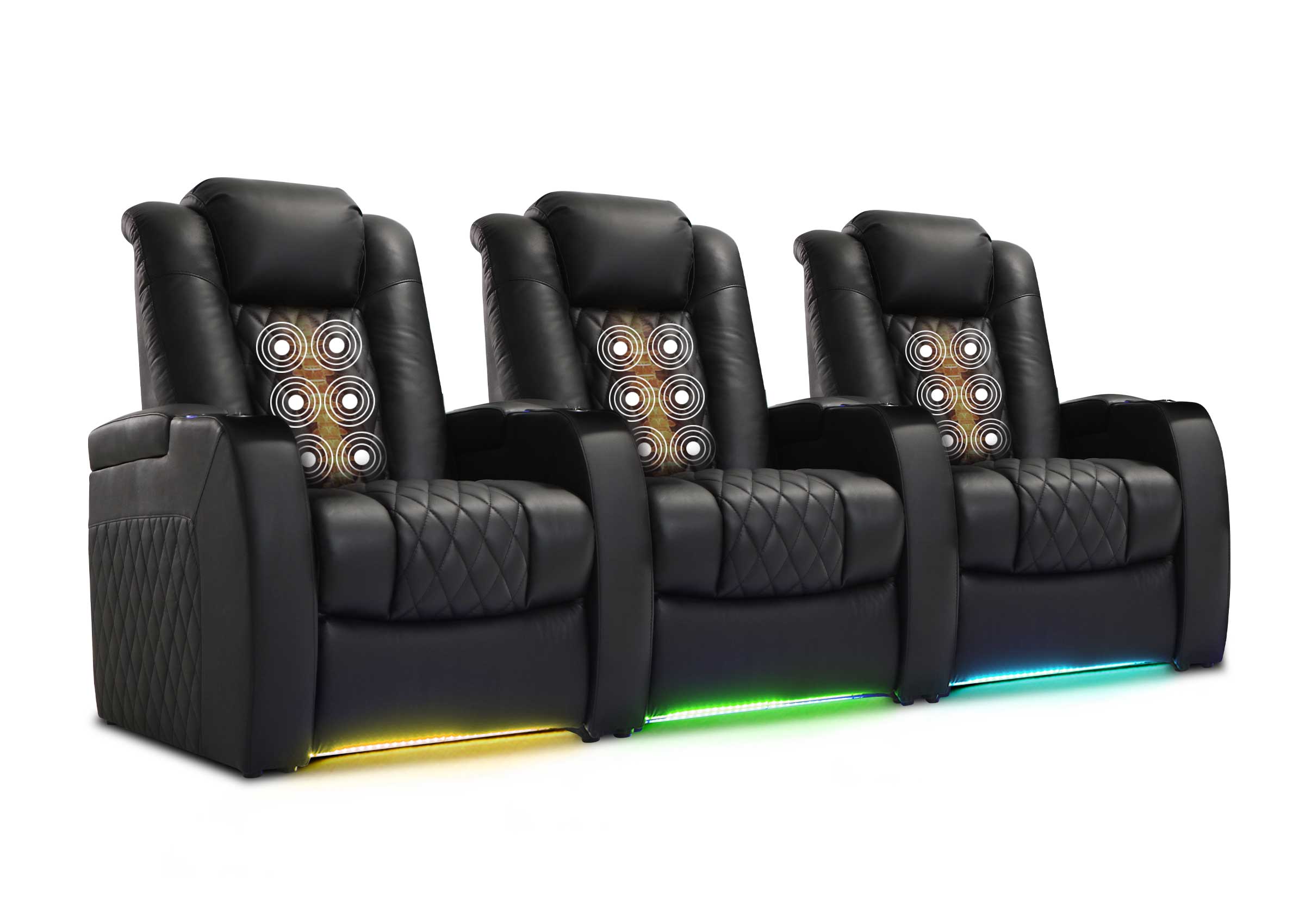
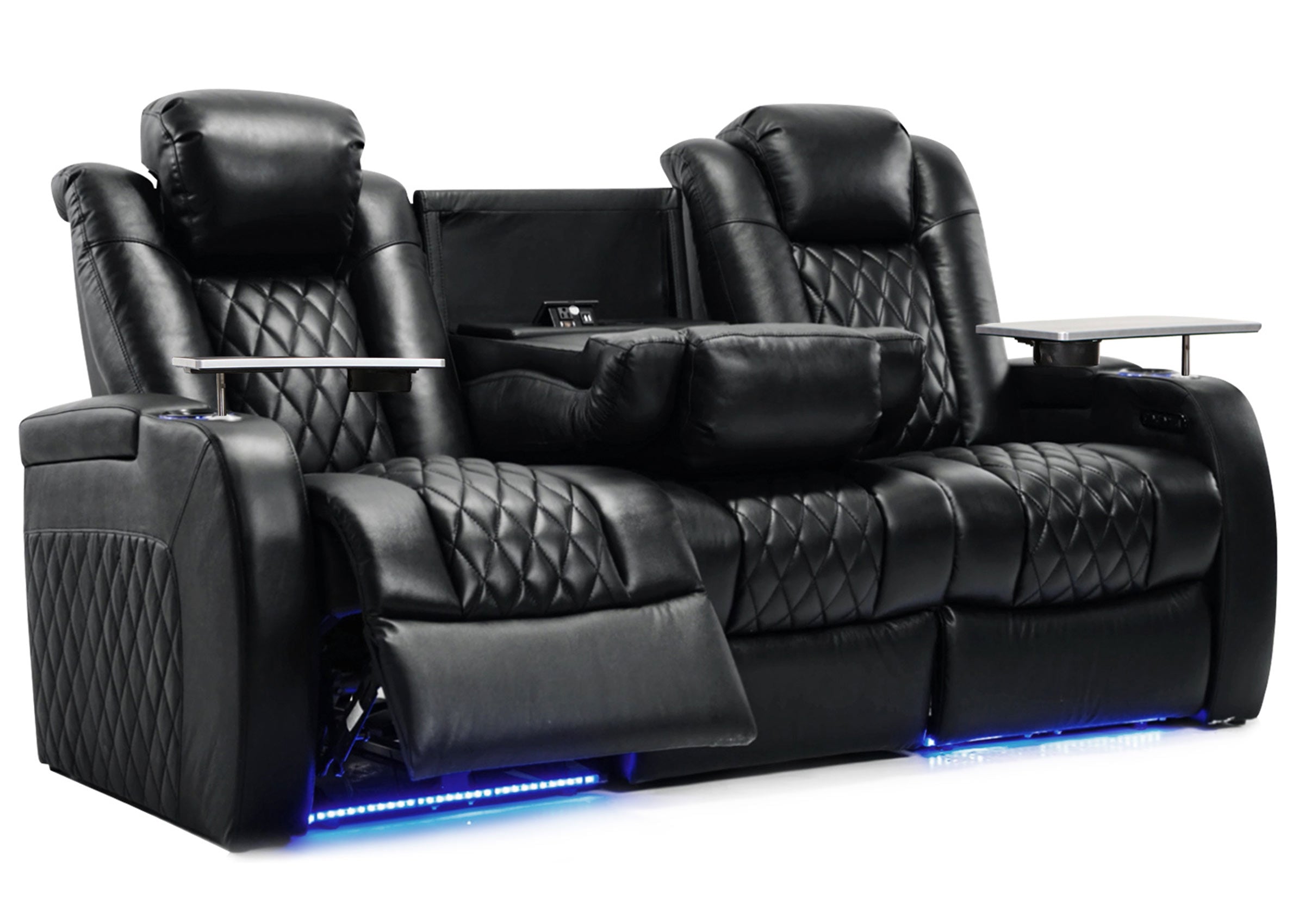
Furniture can conceal a route, but it should not press on the wire. Keep cables away from feet, casters, and reclining mechanisms. A rear-mounted cable clip may tidy a short section on fixed furniture; do not attach the route to moving seat components.
Avoid relying on an area rug to hide an ordinary loose speaker cable across a walking path. The cable remains exposed to pressure, and the rug makes it harder to inspect.
If a passive-speaker wire route cannot stay clear of walking and furniture movement, change the layout or seek an installer’s advice. Wireless alternatives also need a power check: for example, Sonos’s Era 100 setup instructions still require connection to power.
Install the Route in an Order You Can Check
Once the route works, gather the measured cable, compatible channels and fittings, suitable fasteners, labels, and the cutting tools specified by the channel manufacturer.
- Label and disconnect. Mark both ends by speaker channel. Turn off and unplug the receiver or amplifier before changing speaker connections. Denon’s connection instructions also warn against loose conductors touching each other or the rear panel.
- Dry-fit the channel sections. Count inside and outside corners, straight joins, and speaker branches. Position the channel pieces without fastening them. Confirm that lids can open and terminals remain reachable.
- Mount according to the product instructions. Prepare the surface, use the specified attachment method, and follow any adhesive waiting period. Before screw mounting, check for concealed services at the fixing points.
- Lay in the wire without crushing it. Avoid sharp folds, tight clips, and strained exits. Leave accessible slack where the receiver or speaker needs to move for servicing.
- Reconnect and test. Follow the equipment manuals for channel assignment, polarity, and termination. Use the receiver’s speaker test tones to confirm each connection before finishing the covers.
- Close the covers and restore the room. Check every join and exit, then return furniture to its usual position.
Keep the receiver end reachable rather than burying the extra wire behind the cabinet.
Check the Route During Everyday Use
Walk through the room, open the doors, and check the areas you normally vacuum. If you have reclining seating, operate it through its full range while someone watches the nearby cable route.
Before calling the work finished, confirm:
- Every speaker plays through the intended channel.
- No wire crosses an unprotected walking path.
- Doorways remain clear through the full door swing.
- Furniture legs and moving parts do not touch the cables.
- Covers stay closed without squeezing the wire.
- Speaker terminals and receiver connections remain accessible.
A successful speaker-wire route stays tidy when the room is used, cleaned, and rearranged.
Planning Seating Around the Speaker Route?
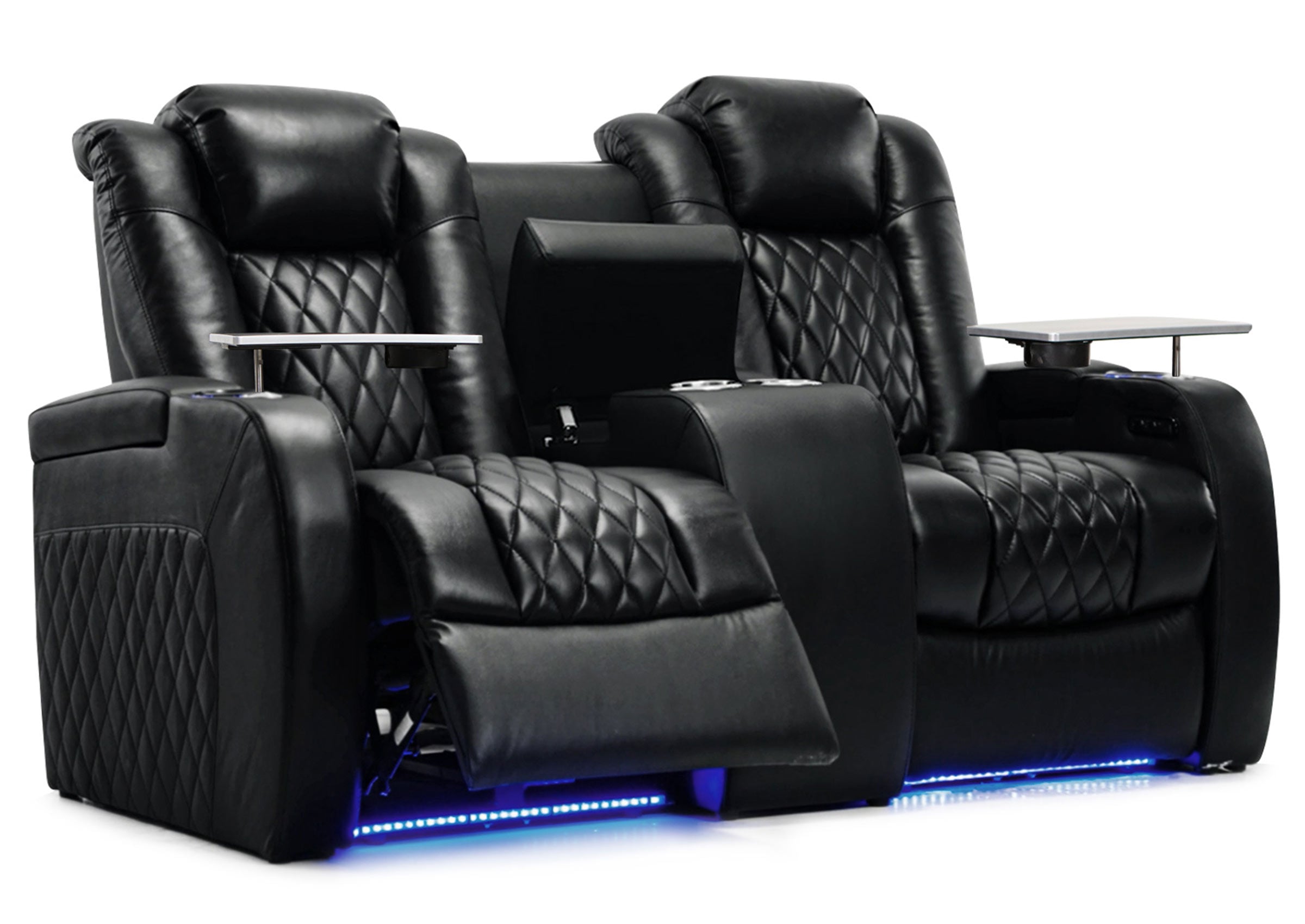
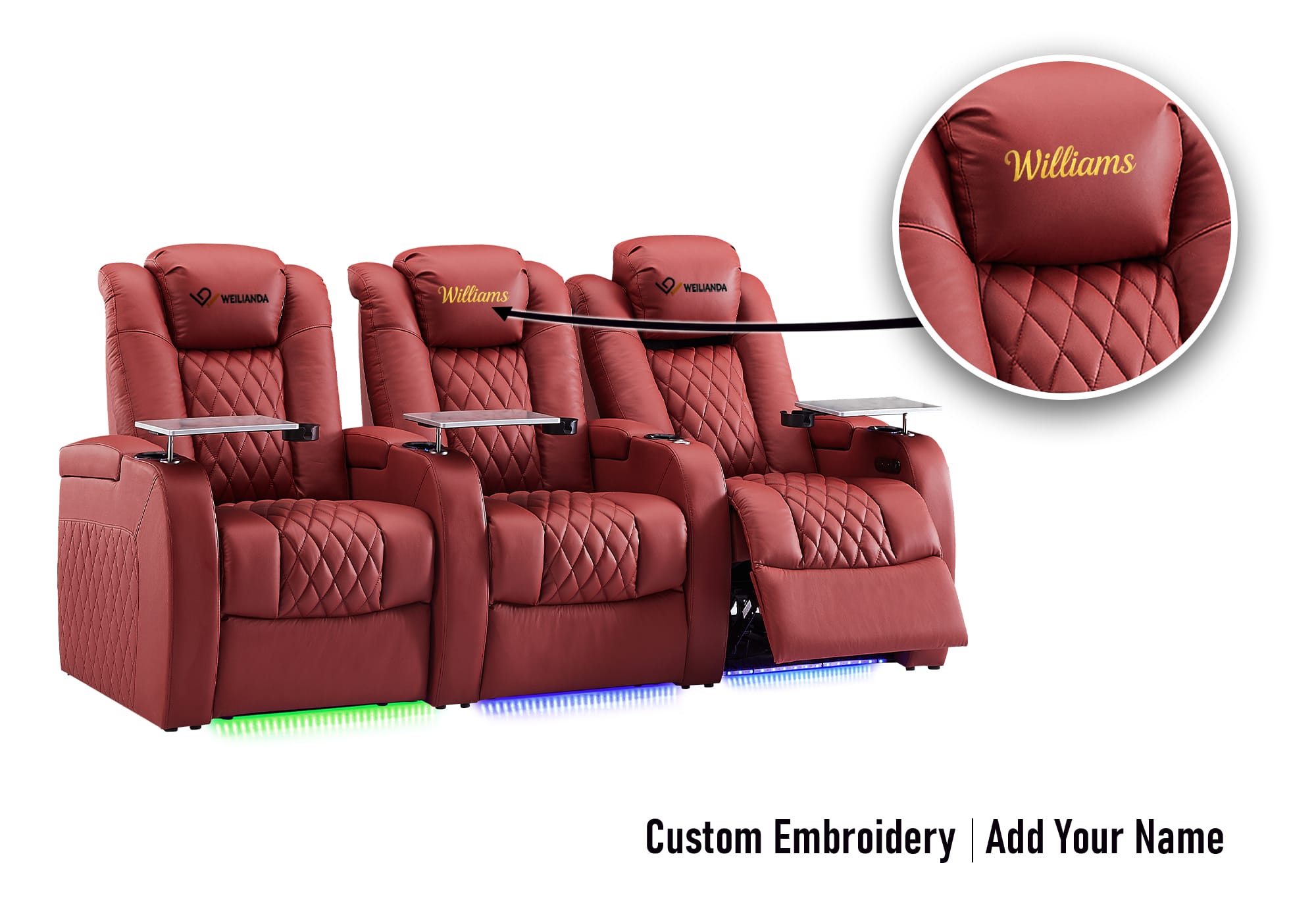
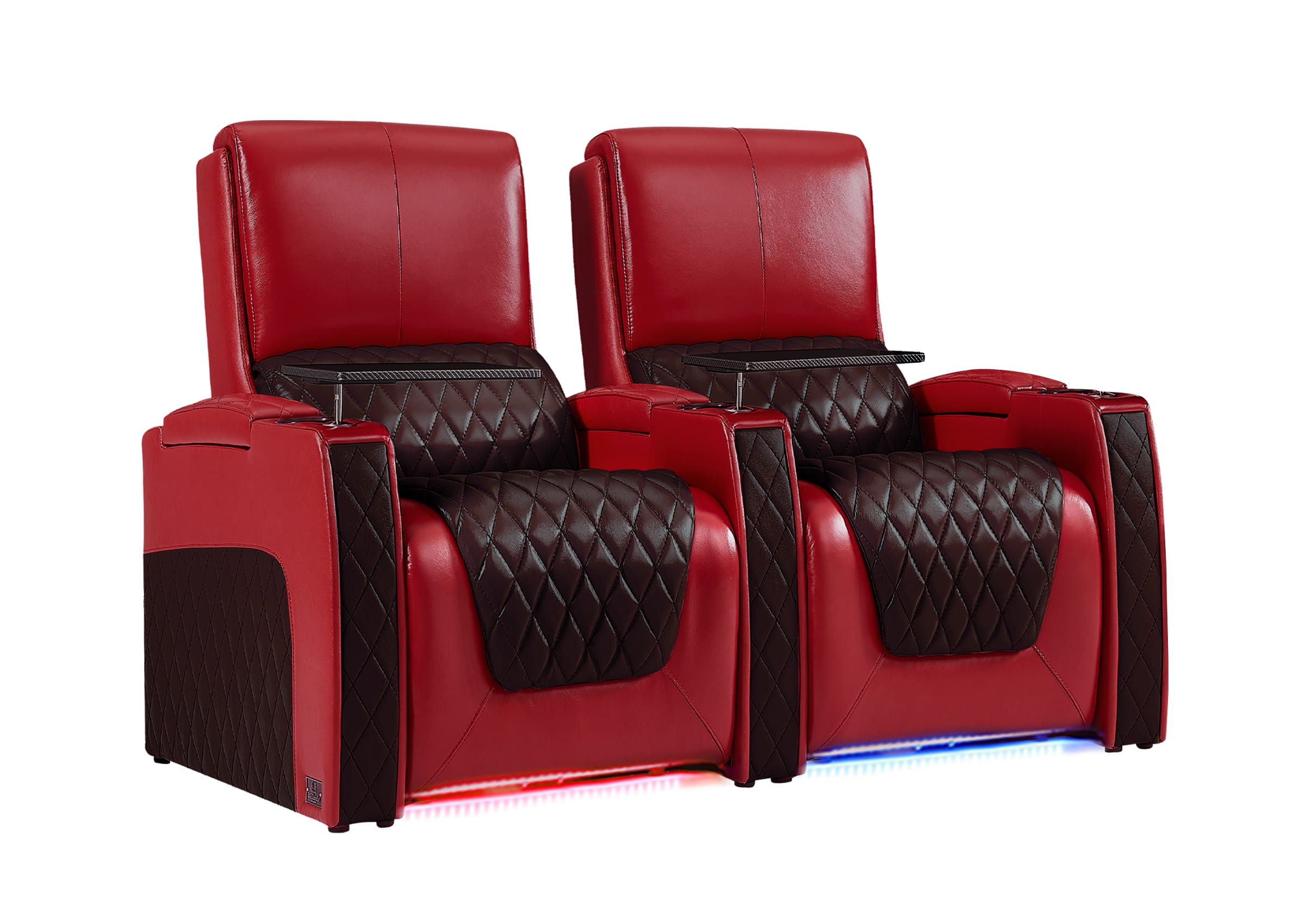
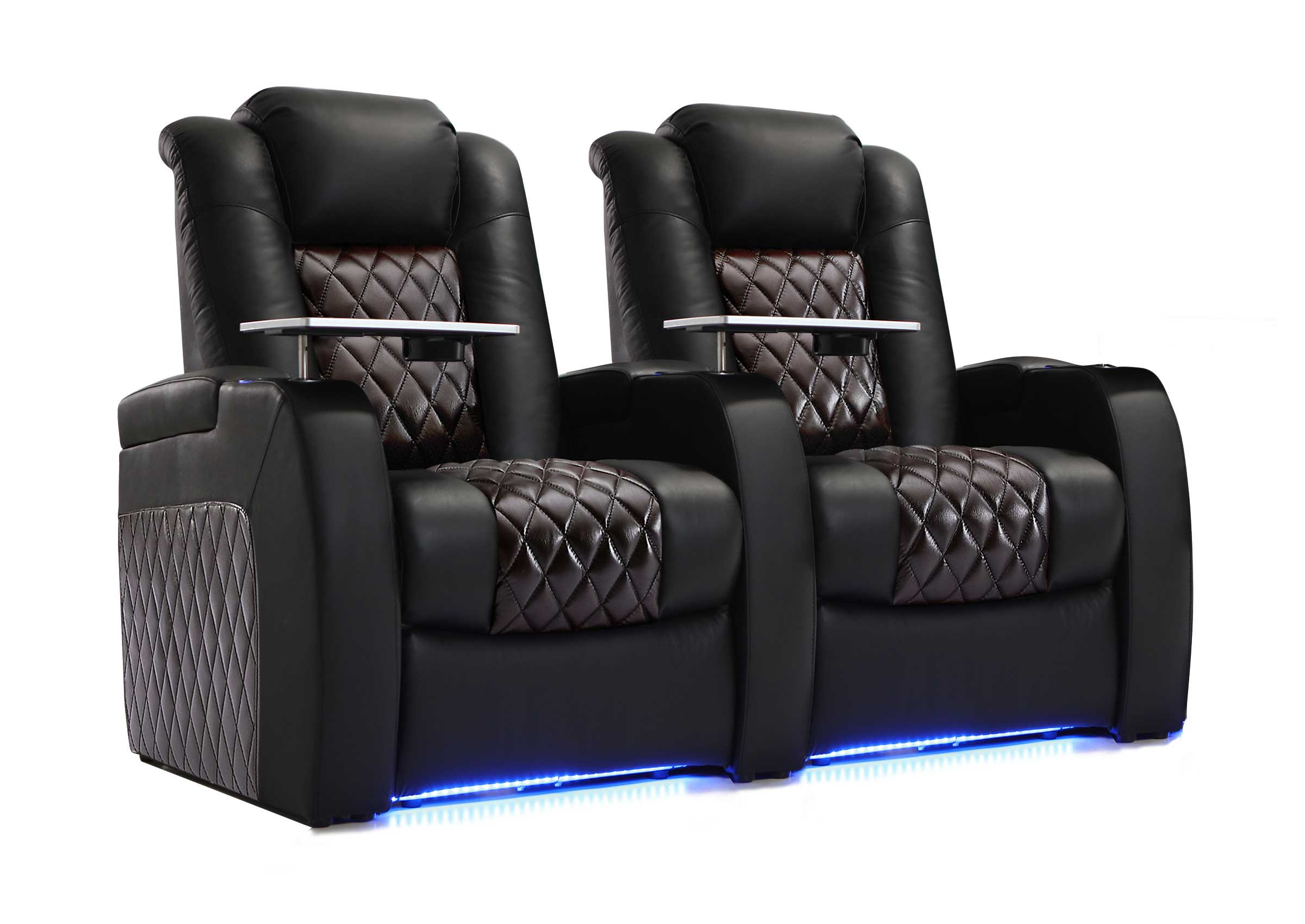
If you’re considering Weilianda seating for the room, ask about the specific model before finalizing nearby speaker-wire routes. Contact Weilianda Support or email leon@weiliandahome.com.