


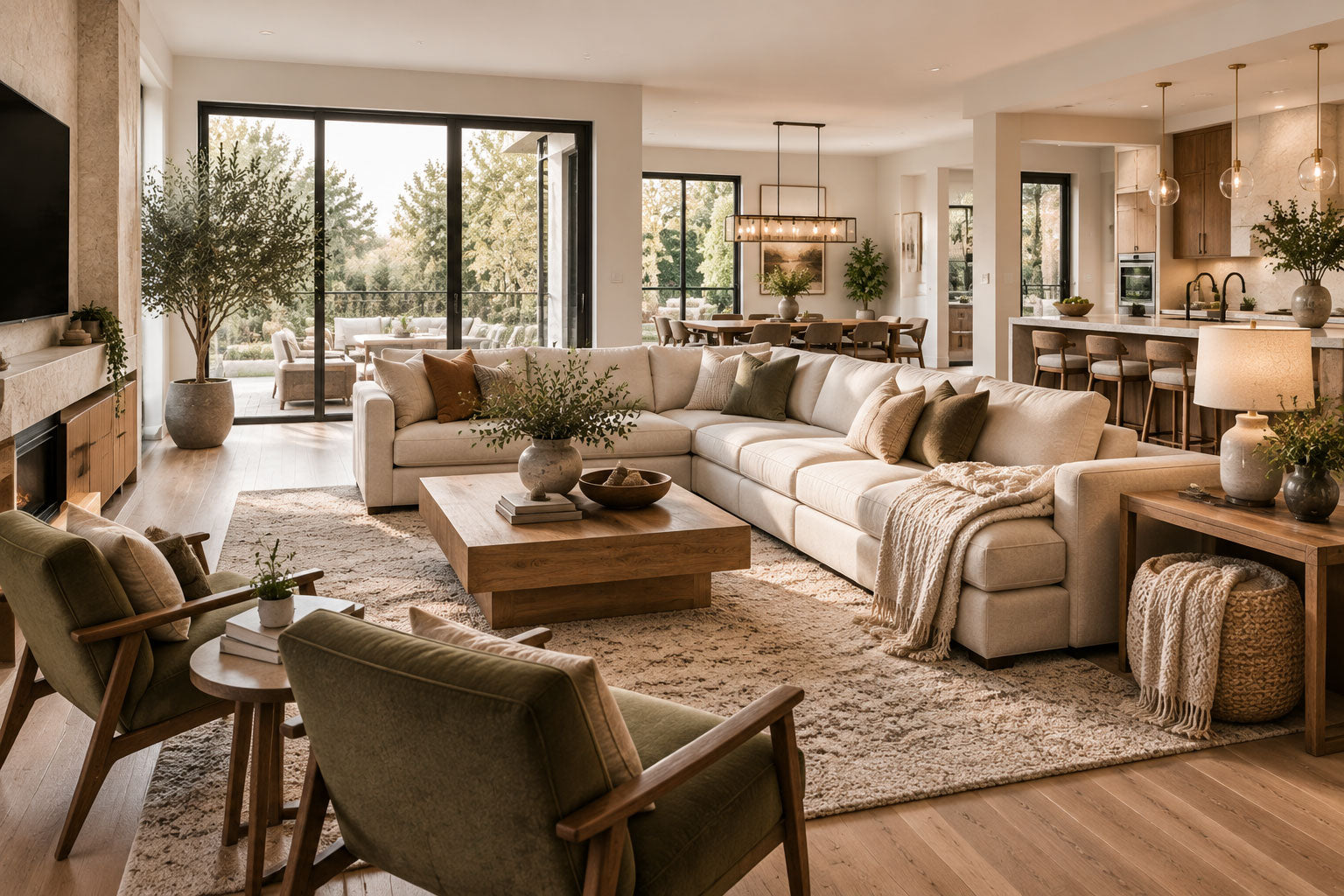





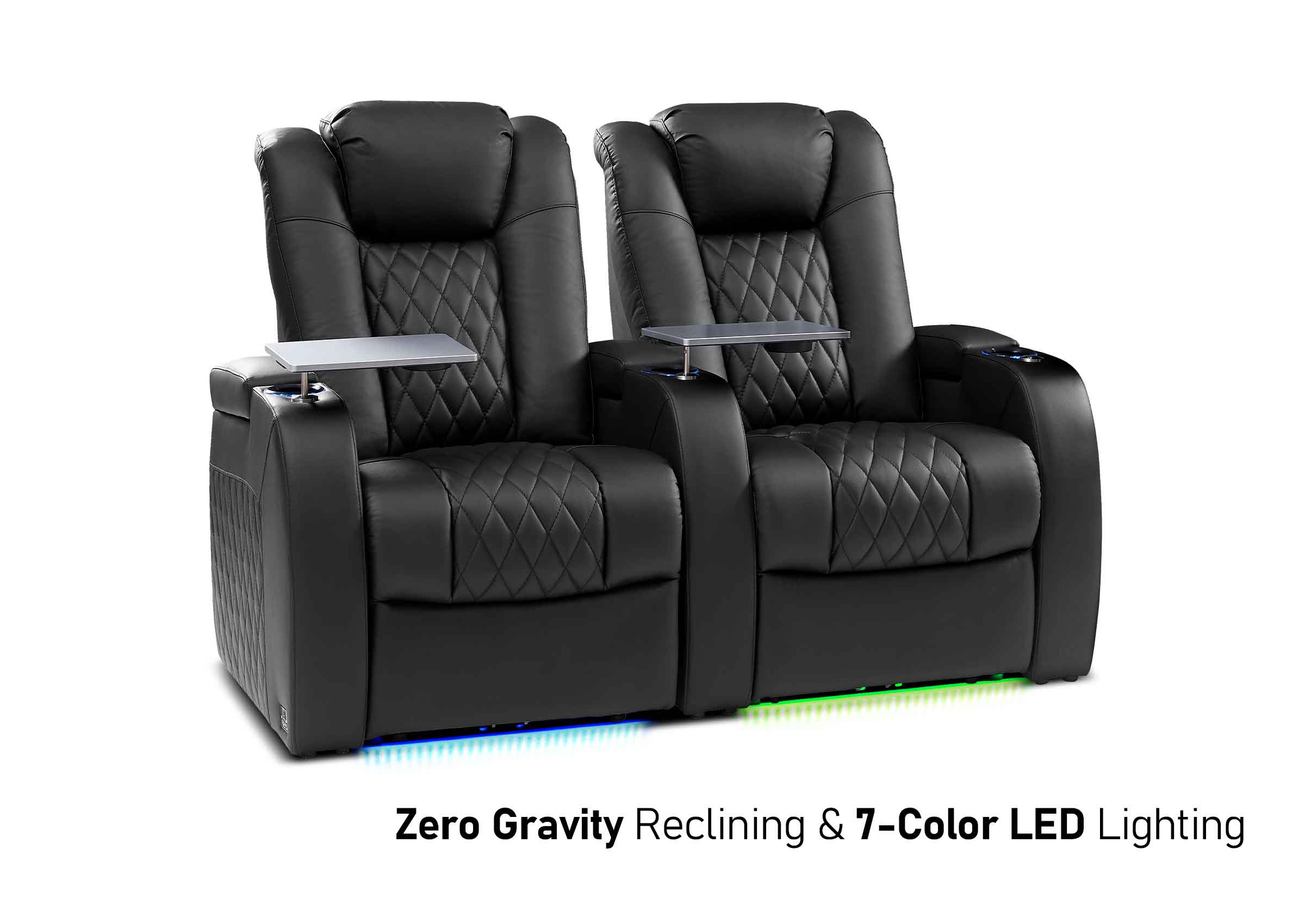
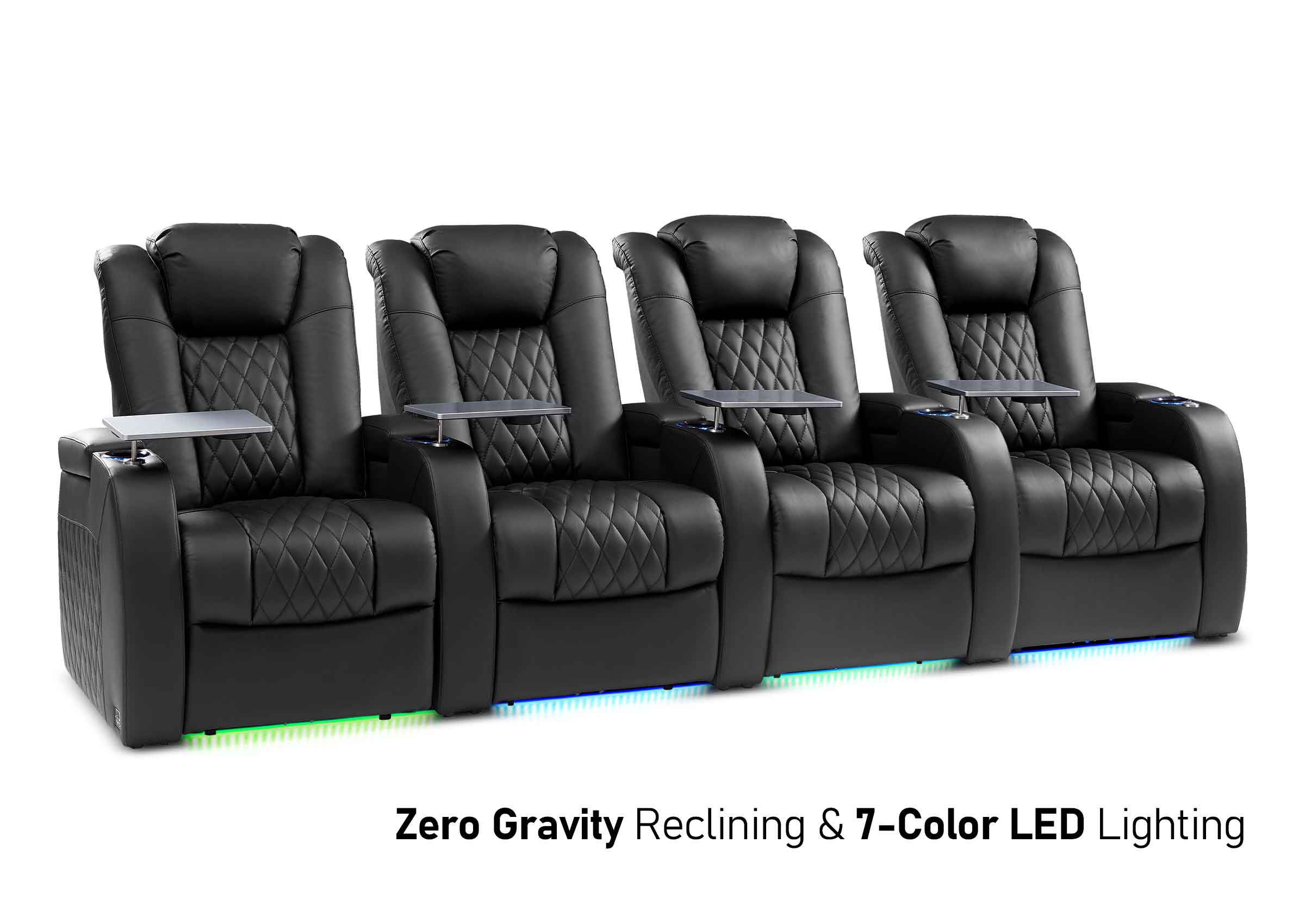
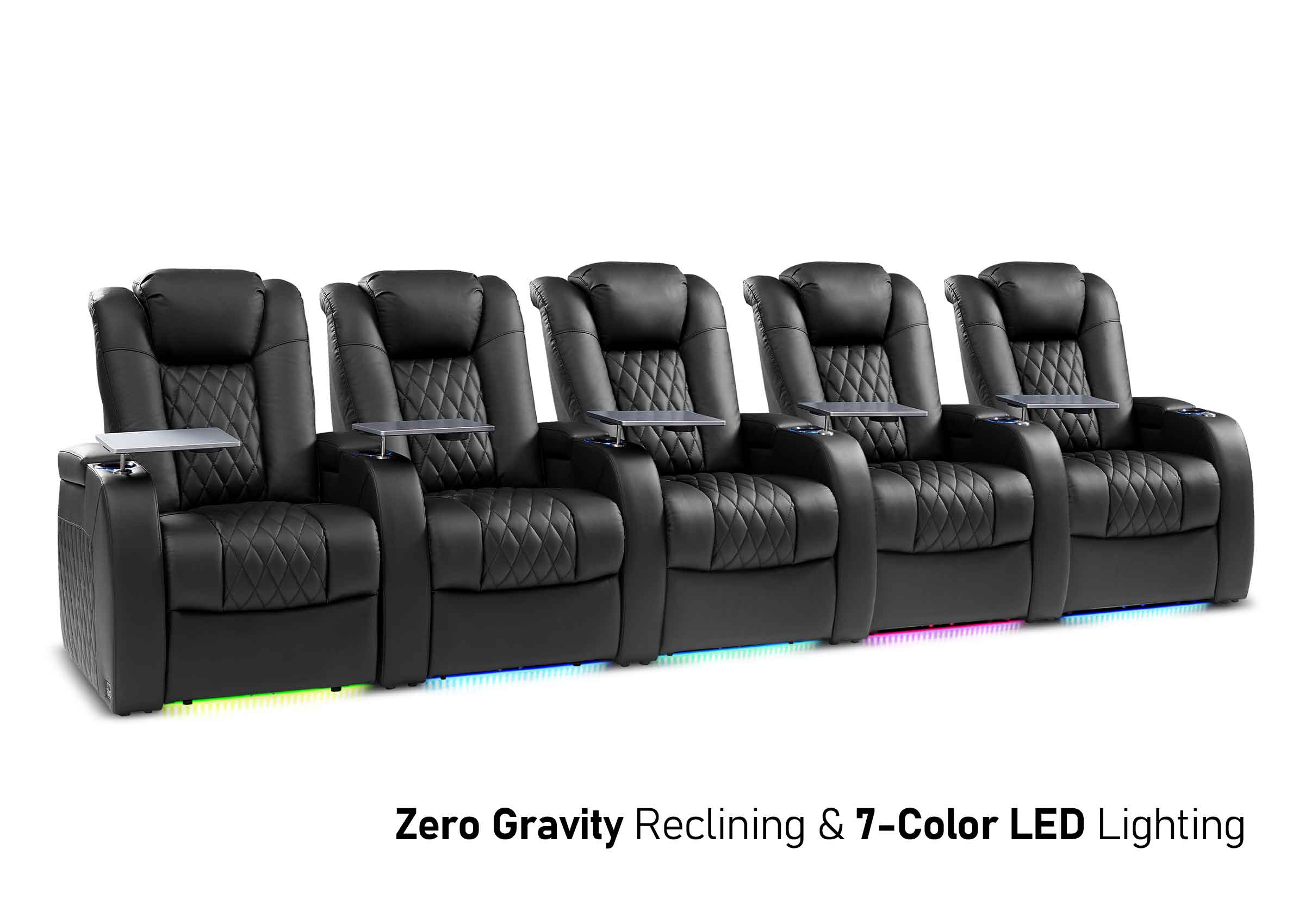
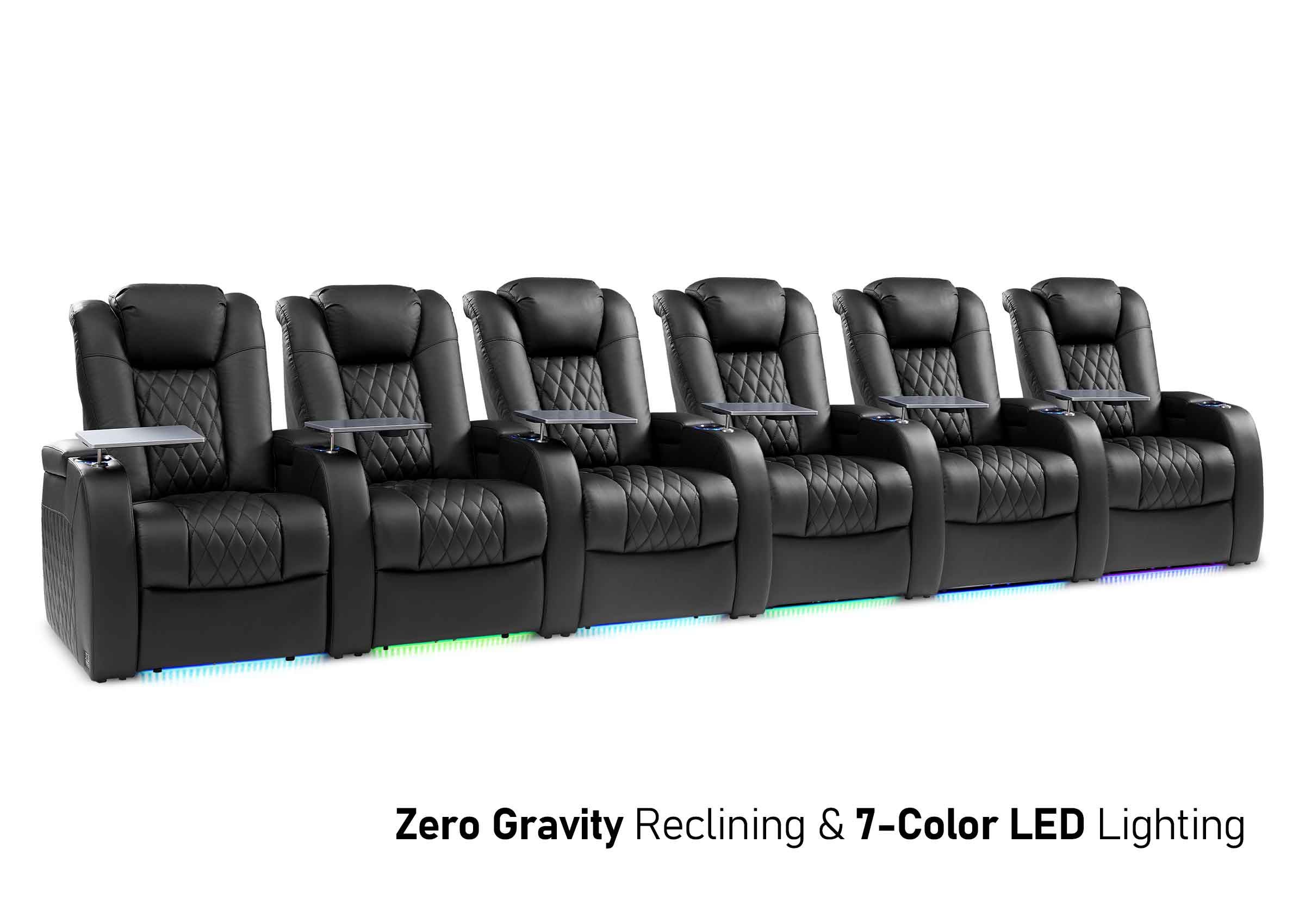



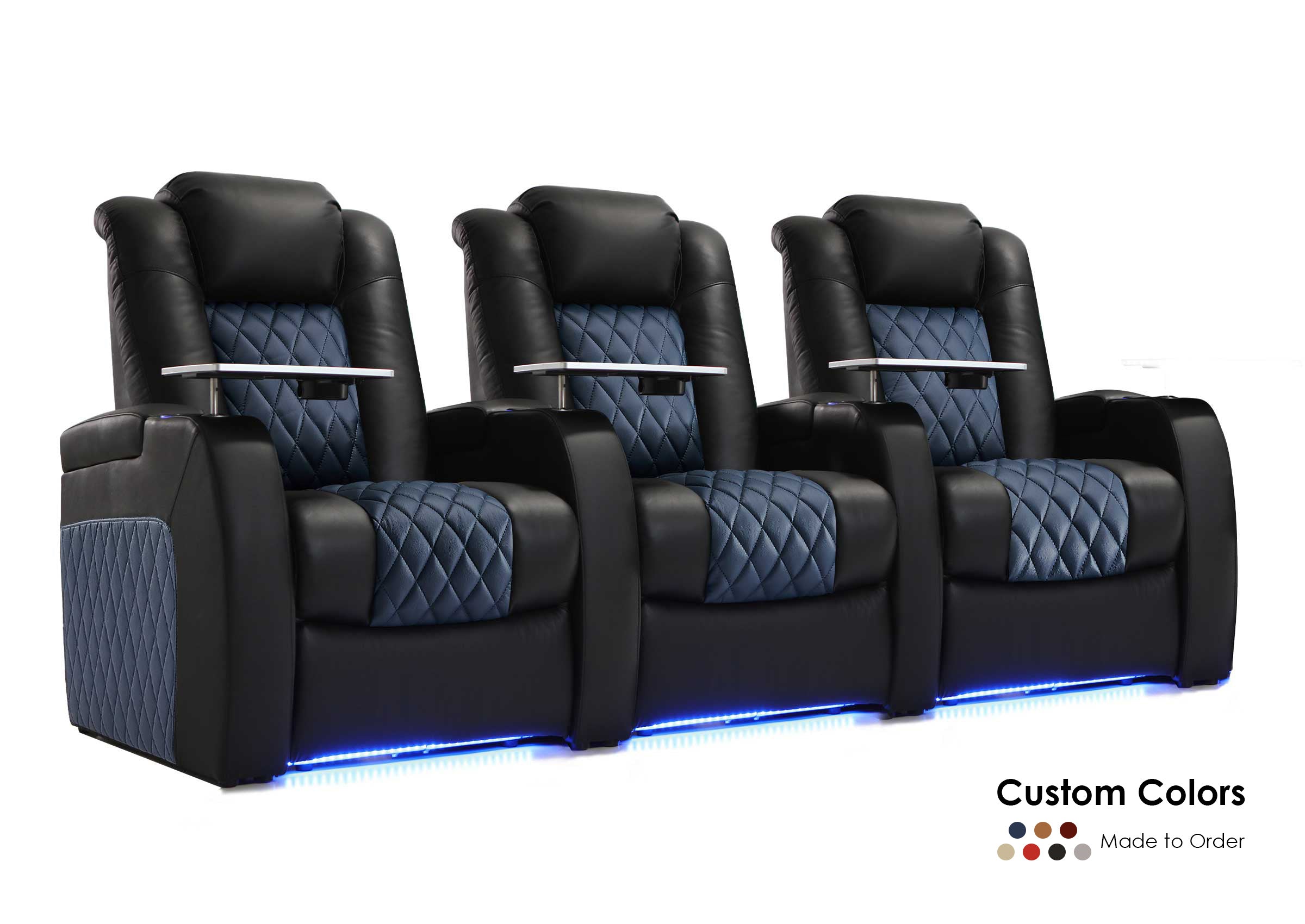

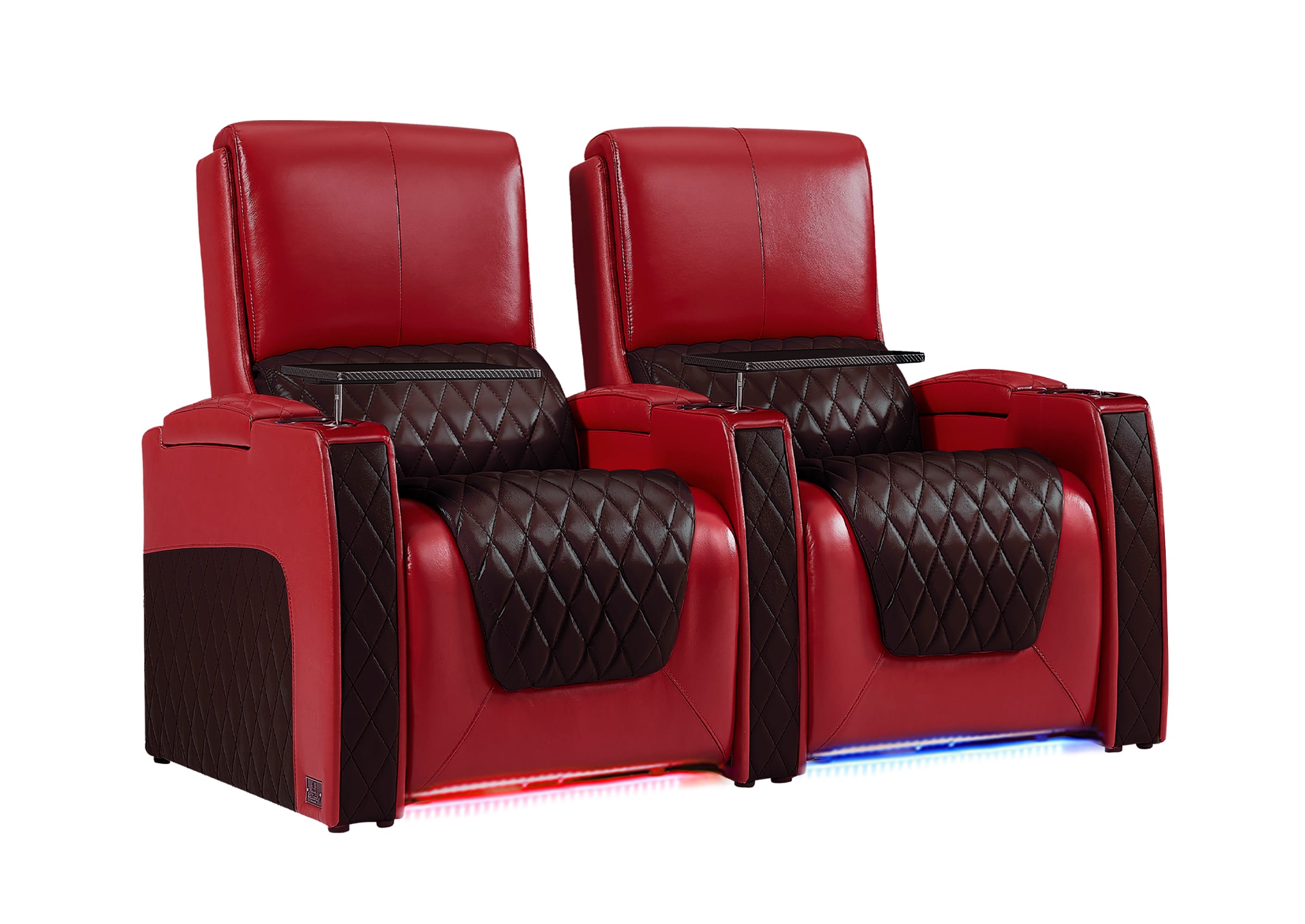
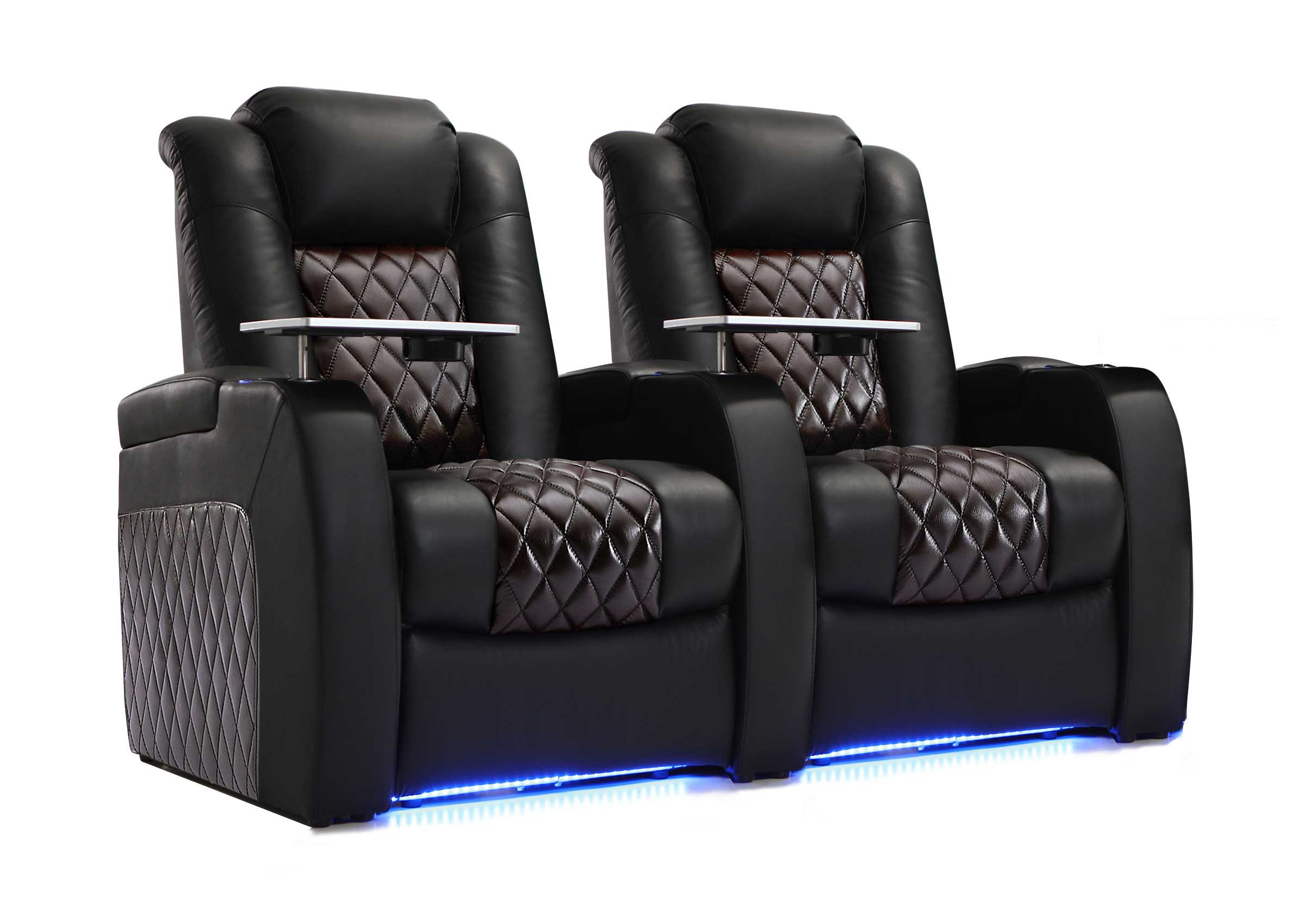
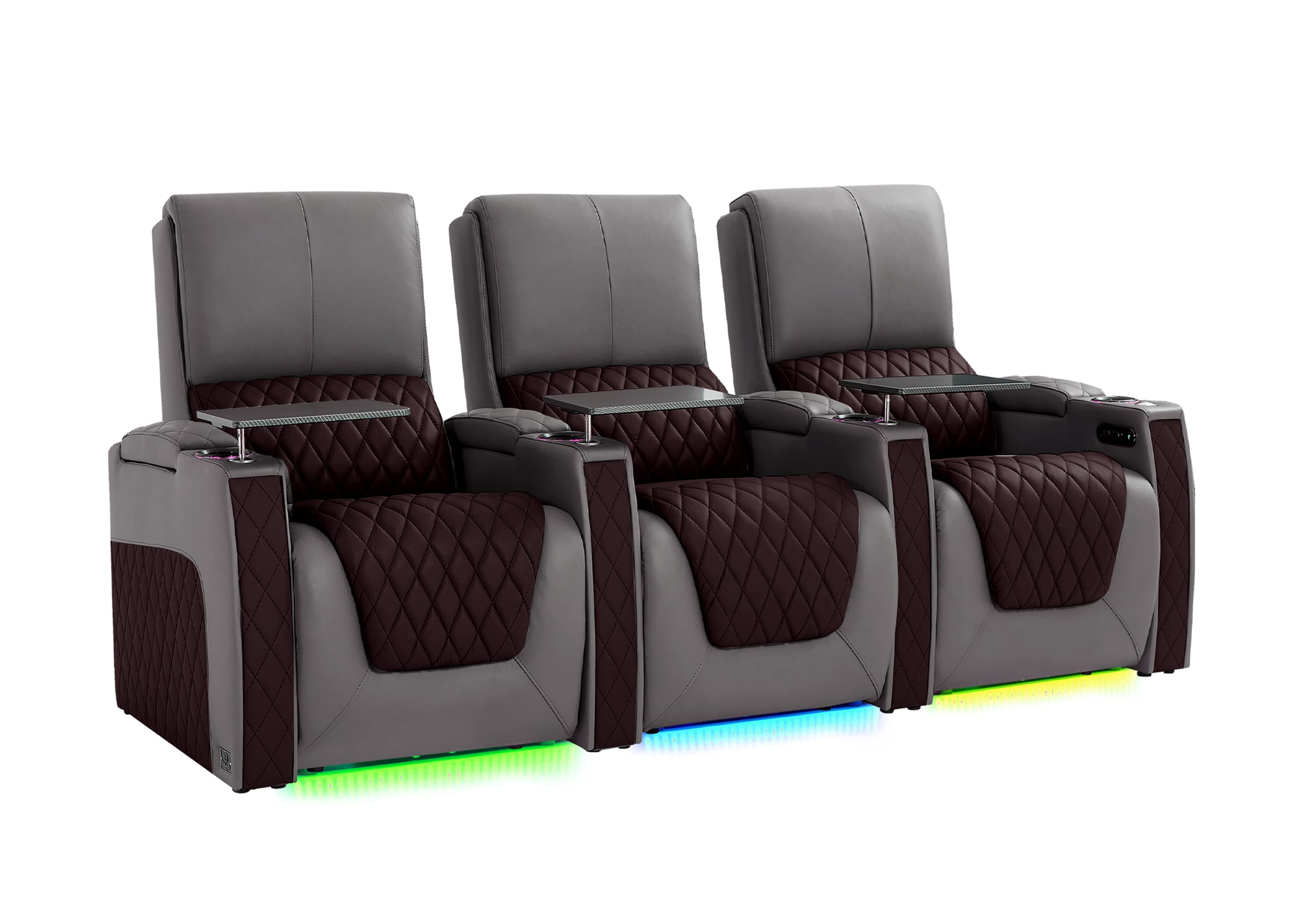
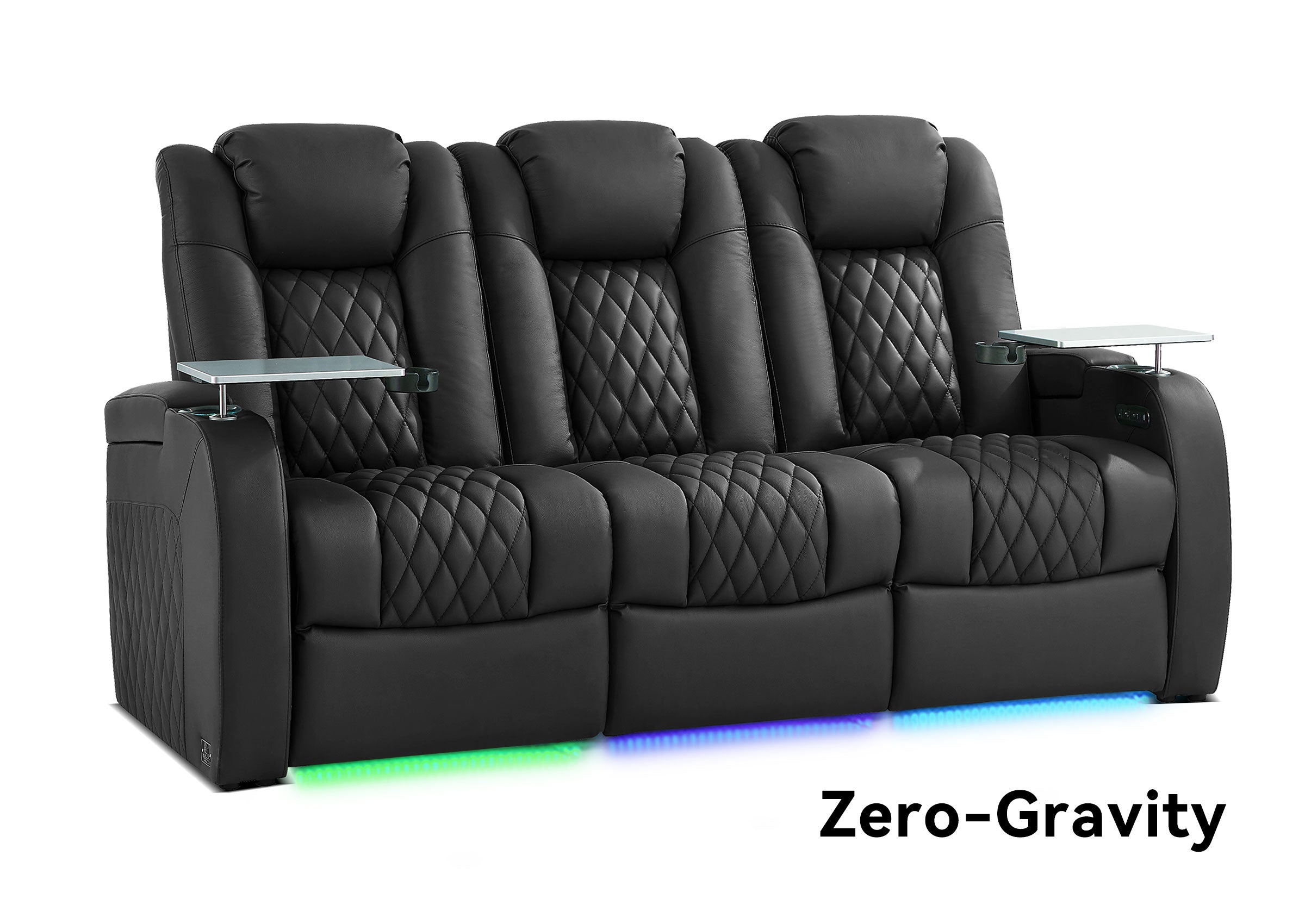
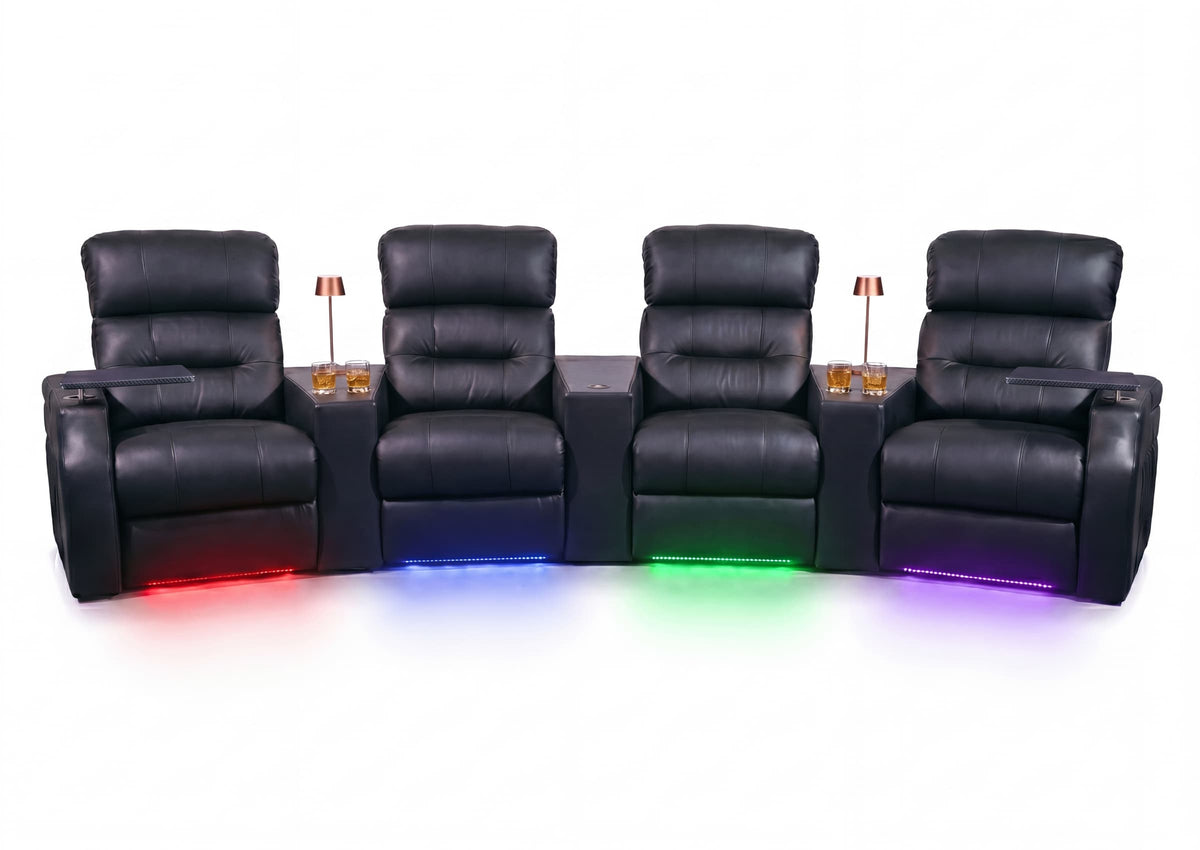
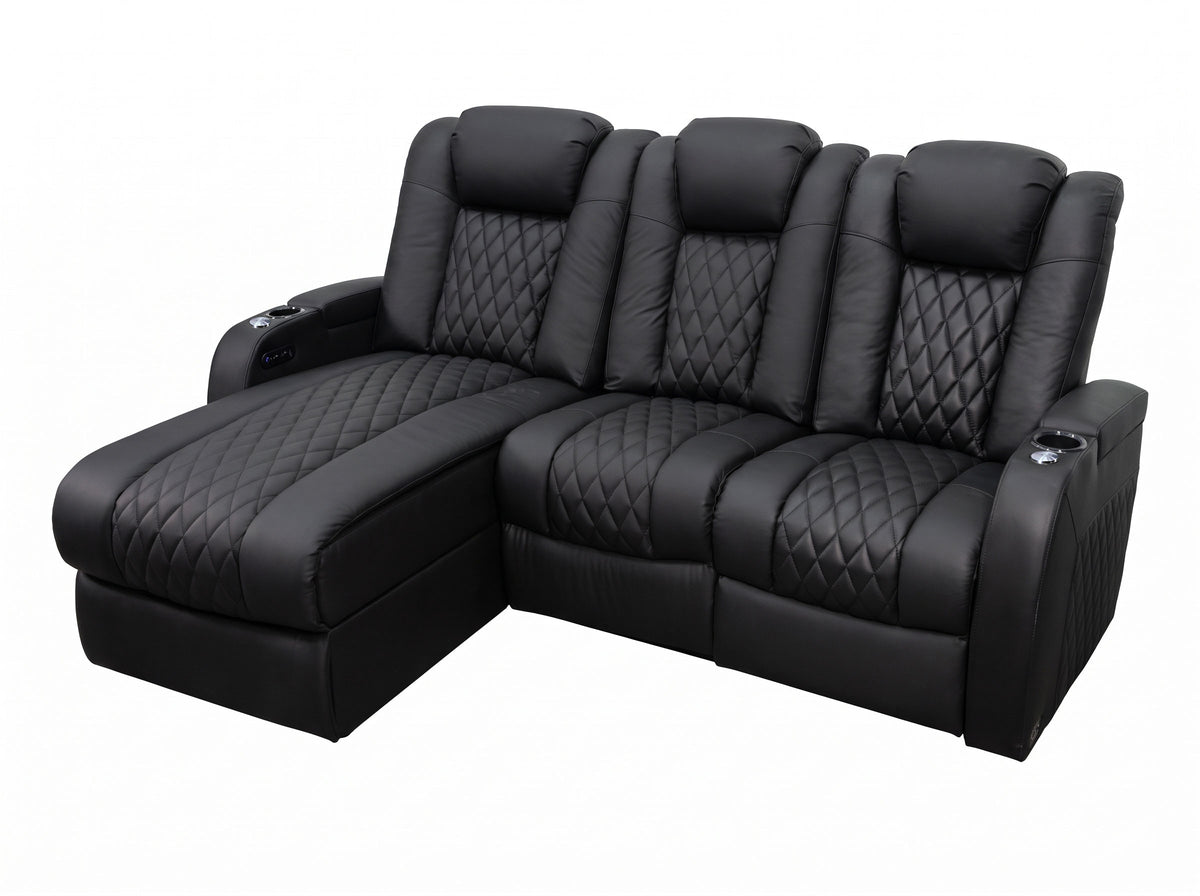
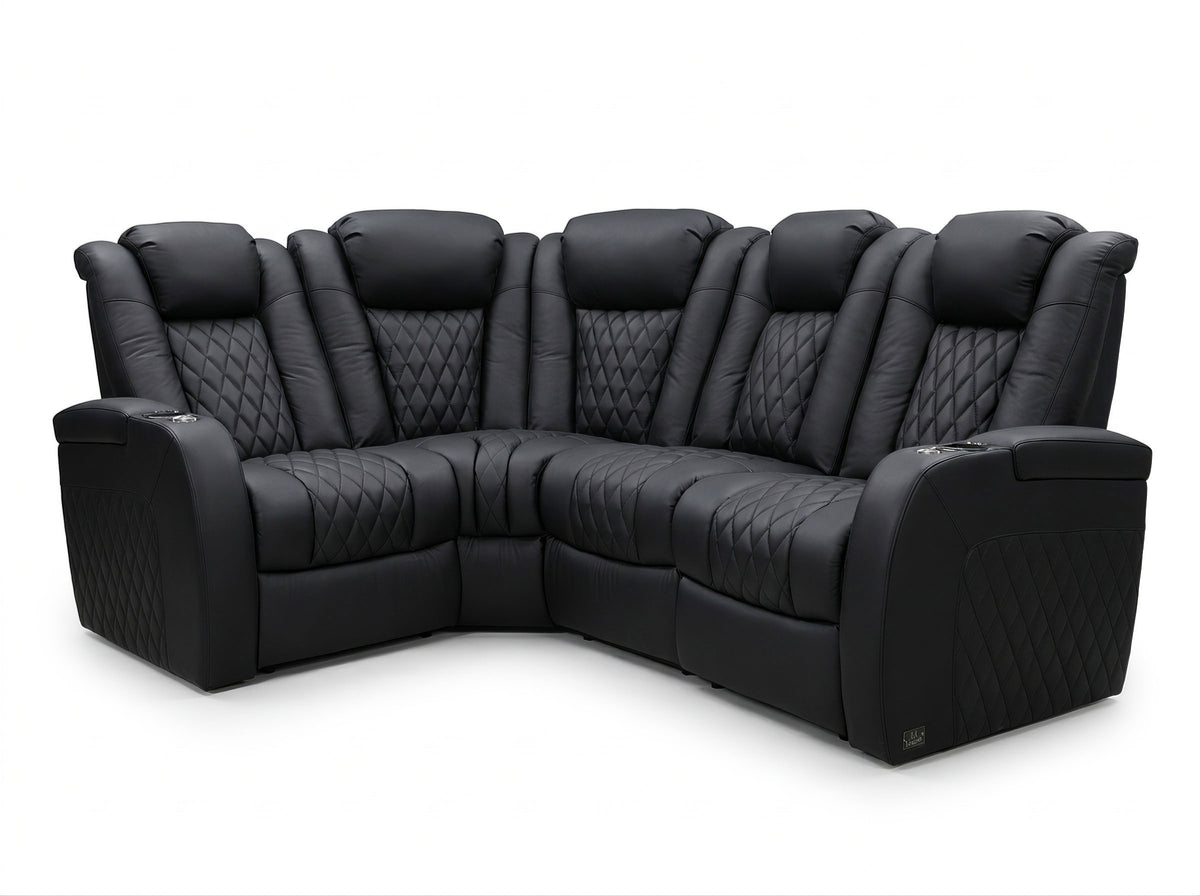


A living room that feels roomy on a normal evening can get tight as soon as two extra chairs go in. Start by counting how many guests need to sit at the same time for dinner, then work out where they’ll gather afterward. With a clear route from the door to the kitchen, you can see where a borrowed chair will help and where it would get in the way.
You may be able to add two seats by moving the coffee table and bringing in chairs you already own. If guests are happy to split between the sofa and the dining table after dinner, you can often use the layout you have.
Count Seats for Dinner and for Afterward
Include the people who live in the house when you count seats. For dinner, count everyone who needs to sit at a table at the same time and note how much room the table has when chairs are pulled out. For afterward, count the people who are likely to sit together for conversation, dessert, or a movie. Check whether everybody wants to join the same activity.
Work out the gap for each part of the evening. Say eight people will eat and six will watch a movie. A table with six usable seats falls two short at dinner. A living room with four good views falls two short for the movie. The same two borrowed chairs can fill both gaps if you can move them after the meal. Keep two places at the table for anyone who wants to stay there.
Count the Seats You Can Actually Use
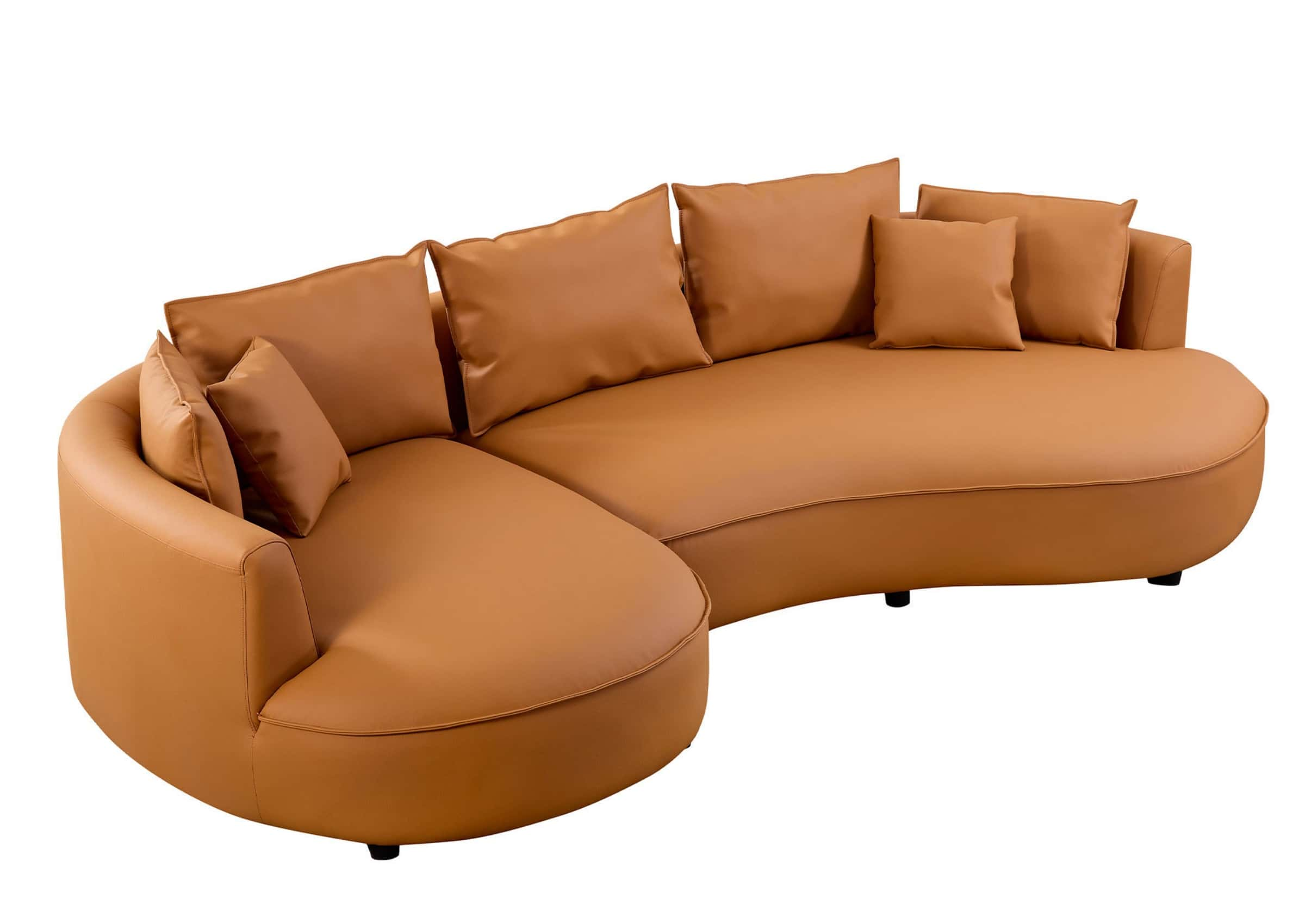
Sit in each spot you plan to count. Three sofa cushions may hold three adults comfortably. On a sectional, check whether the corner can be used when the seats on both sides are taken. Check the TV view from the end seats if you’ll all be watching. Clear blankets and bags before counting an armchair, and find a place for coats that leaves the doorway usable.
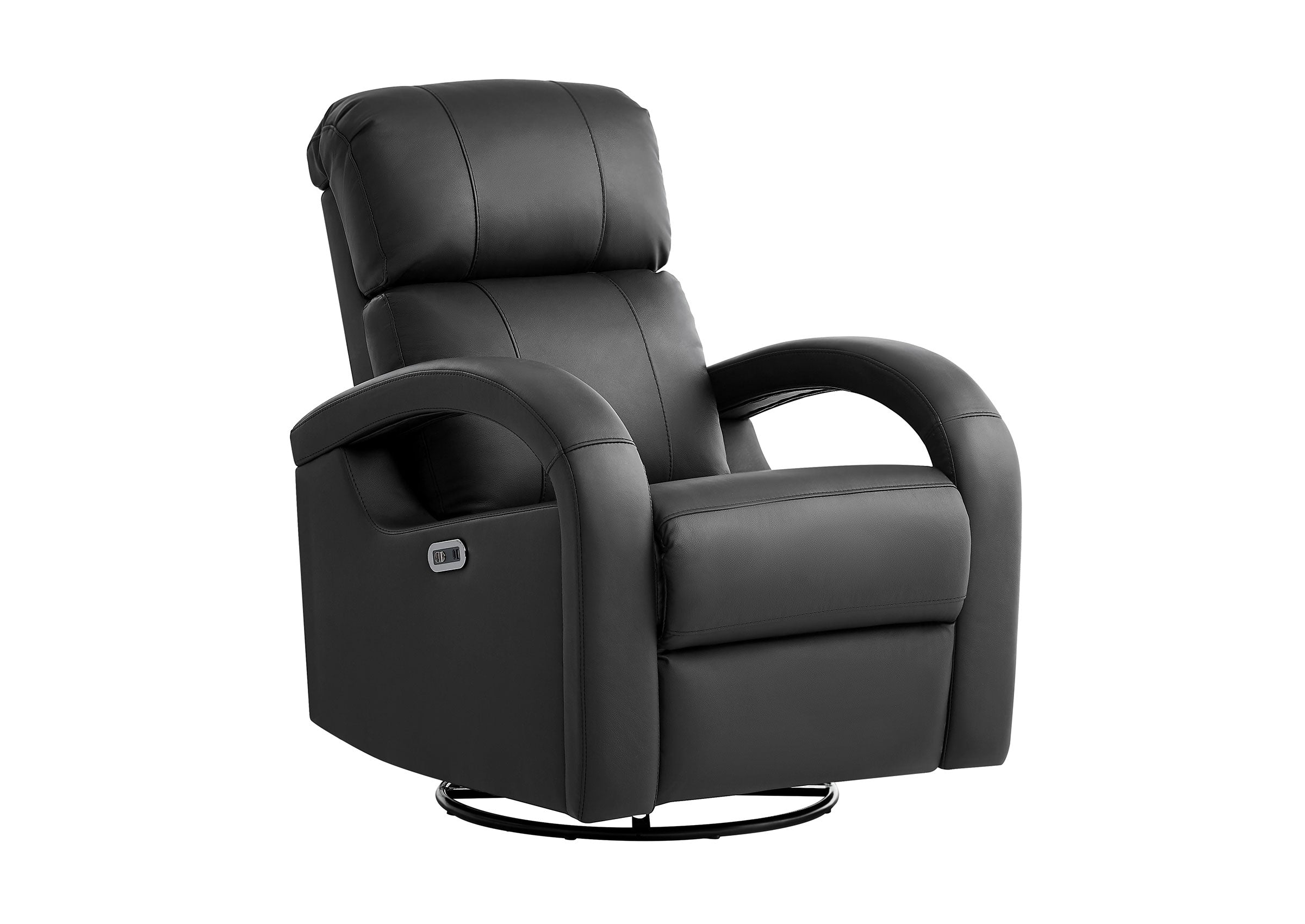
Offer the steadiest, easiest-to-reach seat to the guest who wants it. A firm seat with a back and sturdy arms is a sensible place to start if someone likes support when sitting down or getting up. Ask what works for them. A low ottoman, deep sofa corner, or backless bench may suit someone else. Make sure guests can get to their chairs without asking the whole room to stand.
Borrow or Bring Out Only the Seats You Need
Start with a dining chair, desk chair, or spare armchair you already have that suits the activity. If you’re still short, borrow, rent, or use folding chairs. Check how each one feels on the floor where you’ll use it and how easily you can carry it out afterward.
| Seat | Best use | Check before guests arrive |
|---|---|---|
| Dining chair | Dessert, games at a table, or a longer chat | Check the seat height at the table and where the chair lands when someone pulls it back. |
| Folding chair | One or two temporary places that can be put away quickly | Open it fully and engage any lock as directed. Check the feet and the manufacturer's load limit for that model. |
| Bench designed for seating | A shared place along one side of a table, with room to get in from the ends | Check the supported load, space per person, and how guests enter or leave when the other spots are occupied. |
| Ottoman or stool intended for sitting | A short stop in a conversation area | Check the maker's intended use and weight limit. Offer a backed chair to anyone who wants more support. |
If you can borrow two good chairs for one evening, you can decide later whether the extra seating comes out often enough to be worth storing.
Small Living Room Example: Make Six Seats Around the Sofa
Say three people can sit comfortably on your sofa and one can use a firm armchair. To make six conversation seats, move the coffee table to another room and bring in two dining chairs. Angle them inward near the open end of the sofa. Give the armchair an easy approach near the doorway while leaving room for the door to open and other people to get past.
Leave a route around the outside of the group, from the door toward the kitchen or hall. Try the chairs with someone sitting in them. If you have to brush past a chair back, turn the chairs a little or move one further along the edge of the group. Use a small side table beside the sofa for drinks where it won't take up the route.

Open-Plan Example: Reuse Two Chairs After Dinner
For eight at dinner, suppose your table can fit six everyday chairs and two borrowed ones. Place the borrowed chairs where they can come out easily after the meal. Leave the kitchen-to-hall route clear when the table is occupied. If the table can't fit eight without closing that route, set a second table where people can reach it easily and use chairs there.
After dinner, move the two borrowed chairs into the living area. With a three-seat sofa and an armchair, that gives six people a place to watch TV or chat. Leave two of the everyday chairs at the dining table for anyone who prefers to stay there. Keep the walkway between the two areas open. If everyone wants to watch, check the view from all eight spots and make a separate plan if the room can't seat eight comfortably around the screen.

Walk Through the Room With the Seats in Use
Do a quick run before the doorbell rings. Check the path with people seated and chairs pulled out. Ask someone to sit in a borrowed chair while you carry a plate from the kitchen to the living room. Then pull a dining chair back as far as someone would to get up. If that closes the route, shift a table-end seat to the other end if there is room, or use the second table. Check the front door and bathroom route too. If someone uses a mobility aid, ask what route works for them and keep it free of spare chairs and bags.
Then sit in the farthest chair. For conversation, see whether you can face the people you’re talking with. For a show, see whether you can look toward the screen without twisting around. A chair that works in one position may need to turn when the activity changes. Look at the route again after moving it.
Make It Easy to Put the Room Back
Take a quick photo of the usual layout. Decide where the coffee table will go during the gathering and where folded chairs will go when they come out of use. Pick one spot for borrowed chairs, away from doorways, so you can collect them for return after everyone has gone.
After dessert or the movie, fold or return the temporary chairs first. That gives you room to move the coffee table back and set the everyday seats where they belong. If you host often and always run up against the same narrow route or storage issue, use what you observed to plan a more flexible everyday layout.
Once everyone has a seat
Make Room for What You’ll Do Together
Plan a movie after dinner, or rethink the everyday layout if you run into the same seating and storage problem every time you host.
Frequently Asked Questions
How can I add seating for guests without buying furniture?
Count the comfortable seats you already have, then borrow as many chairs as you need to fill the gap. A pair of dining chairs can join the sofa after dinner. Try moving a coffee table first so the new seats have space around them.
Can an ottoman count as a guest seat?
Count it for a short visit if it’s designed to sit on, feels stable, and is suitable for the person using it. Seat someone who wants a back or armrests in a chair. Check the manufacturer’s guidance for the exact ottoman.
Where should extra chairs go in a narrow living room?
Try putting them at one end of the sofa, angled toward the group, and leave a route along one side. If the open door or someone passing through clips a chair, move it within the group or use a seat in an adjacent area.
How do I keep folding chairs comfortable for a longer visit?
Try sitting in one yourself and check its back support and seat height. Offer the sofa or a supported armchair to someone who expects to sit for most of the evening, and keep a folding chair available for shorter use or someone who prefers it.
What if I have enough seats but people are far apart?
Angle chairs toward the sofa and move them close enough for an ordinary conversation, keeping the path open. In an open plan, set up two smaller groups and give each a place for drinks. Guests can move between them during the evening.
Should I add more seating if every seat blocks a path?
Move the activity to a space with a usable route or plan two smaller groups. For a movie, see who actually wants to watch. For dinner, check whether a second table in an adjacent room gives everyone a place to eat with space to get in and out.
Try Your Holiday Layout Before Guests Arrive
Count your usable seats, add only what you need, and walk the busiest route before anyone arrives. If the same shortage comes up every time you host, note your guest count and the spot that gets crowded. You can share those details with Weilianda Support or email leon@weiliandahome.com to discuss a more flexible setup for your room.