


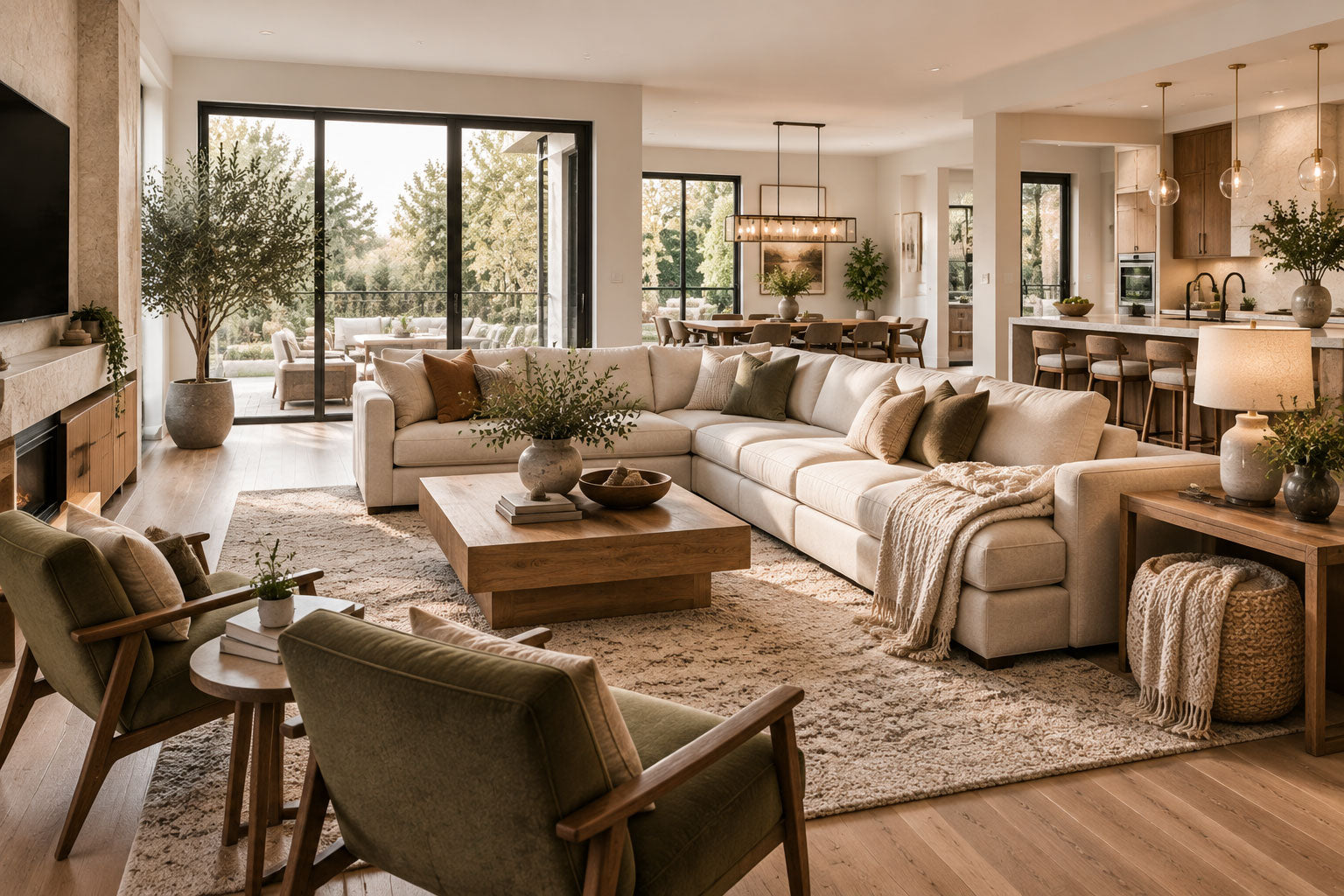

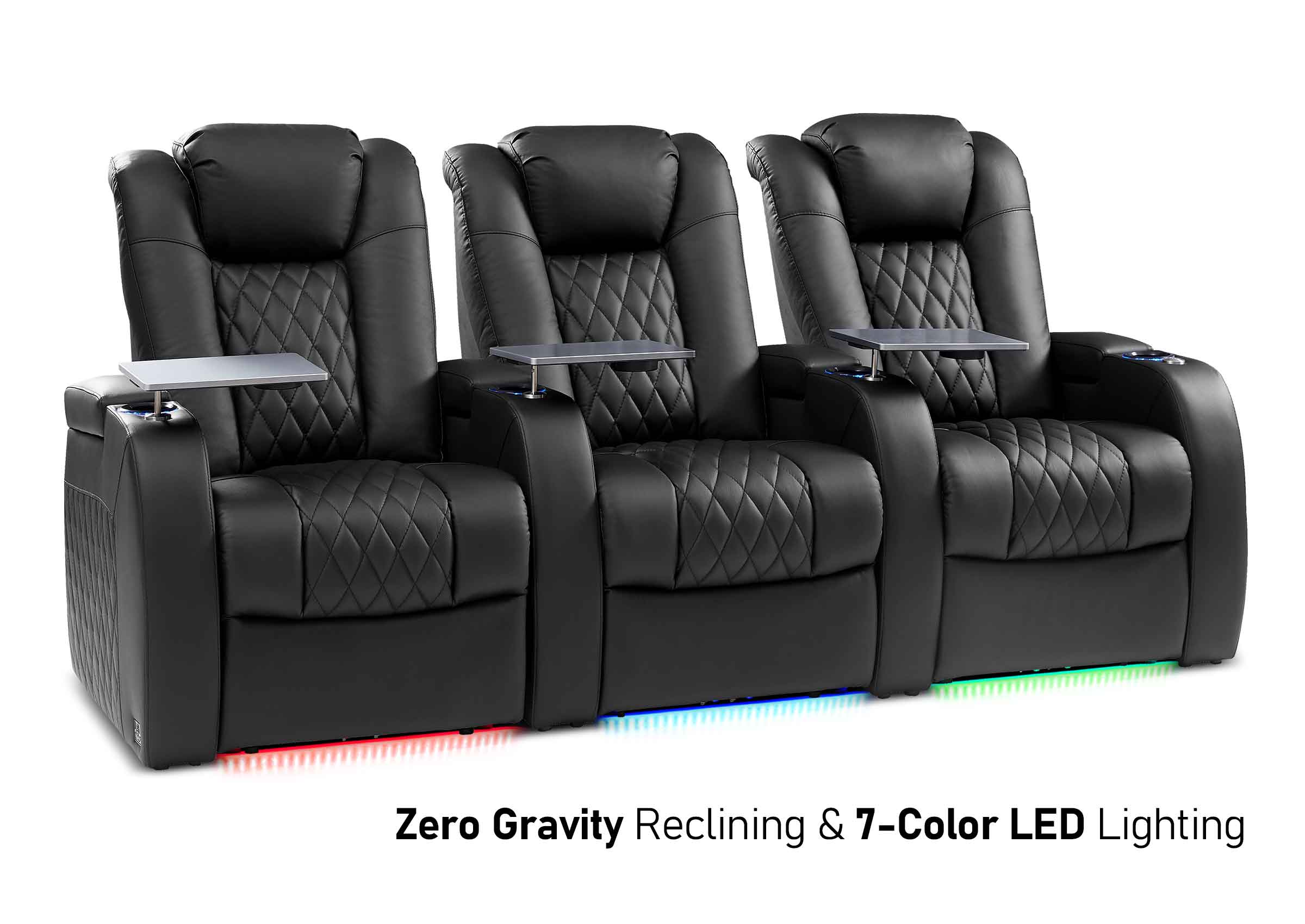
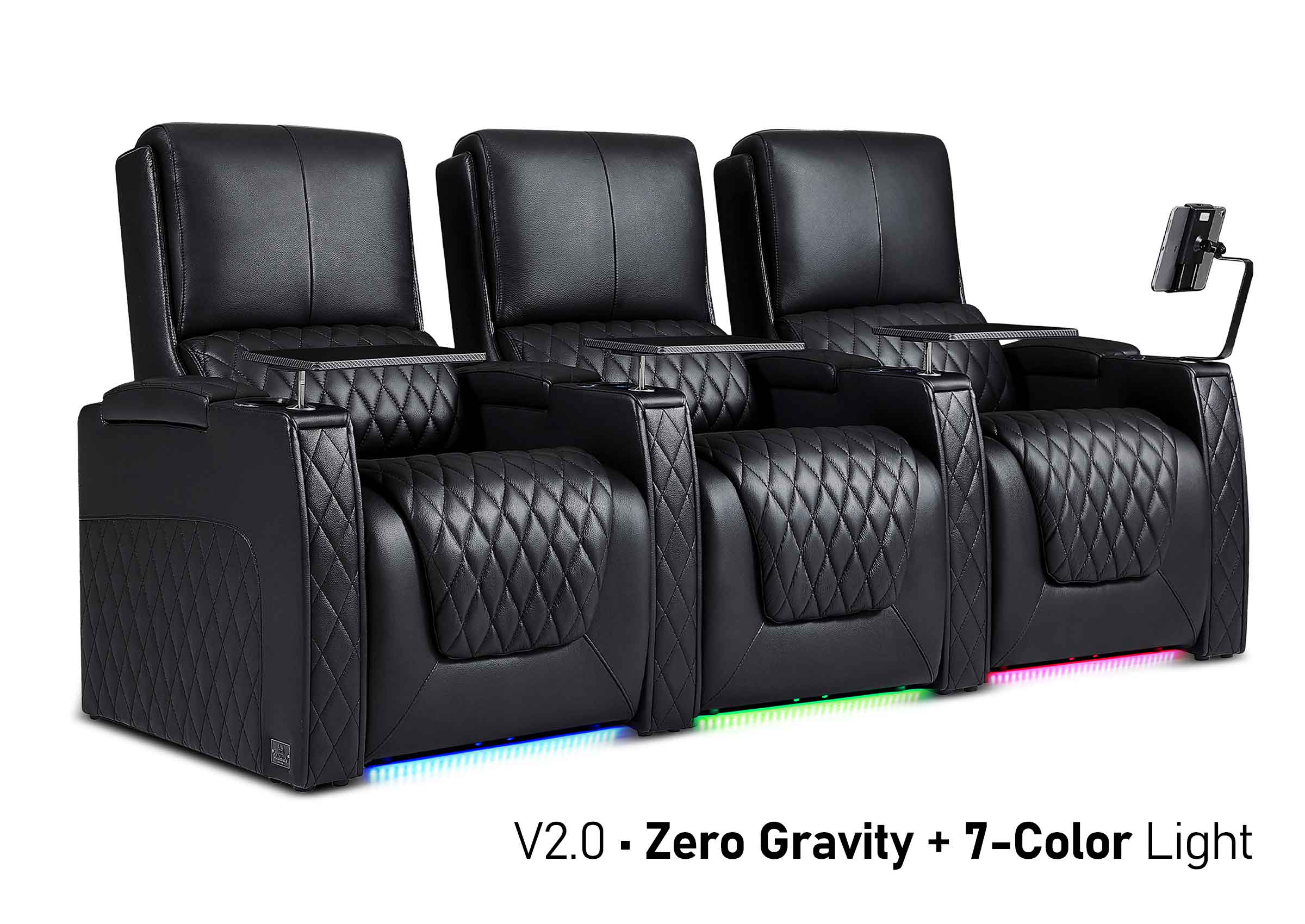
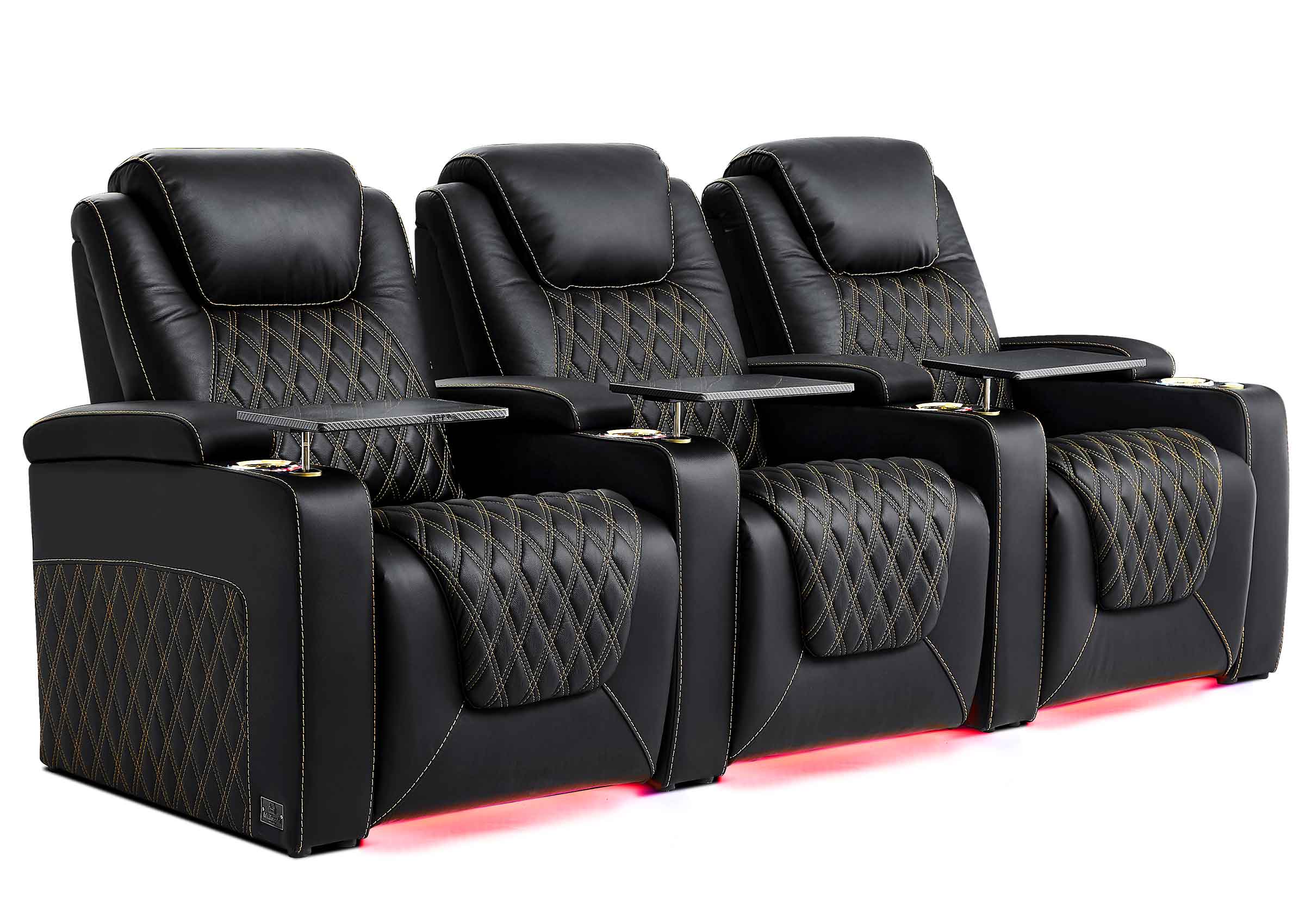
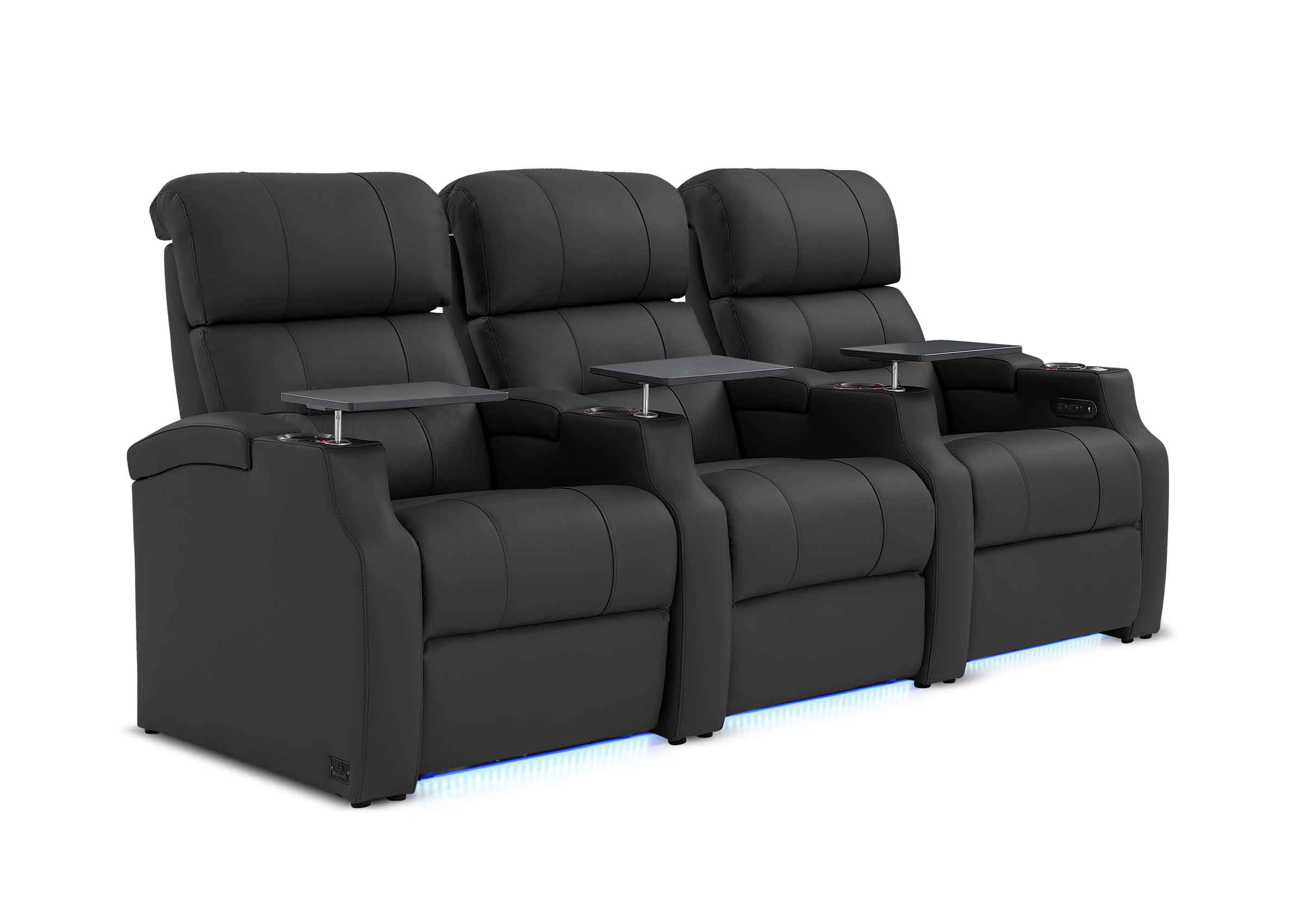
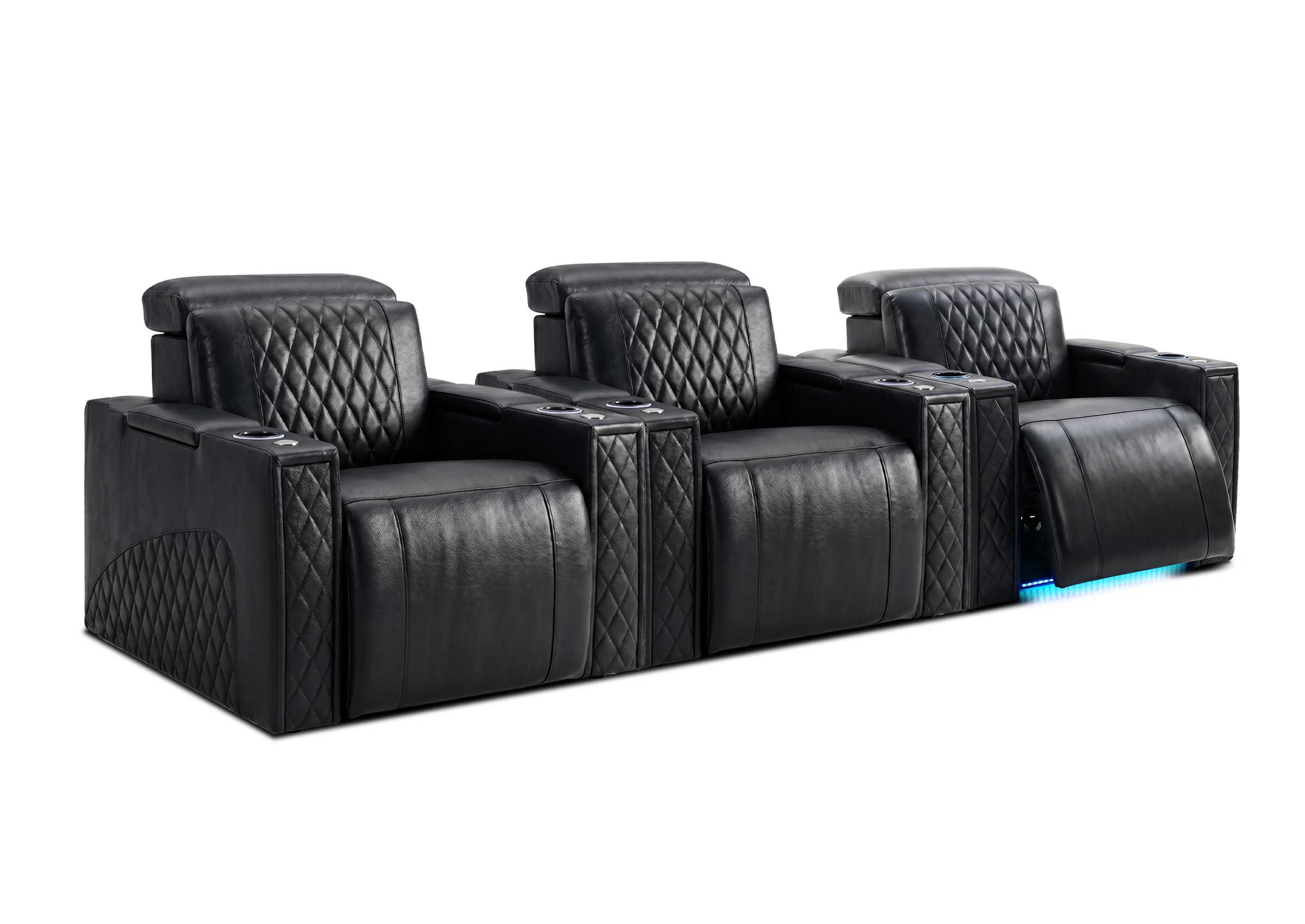

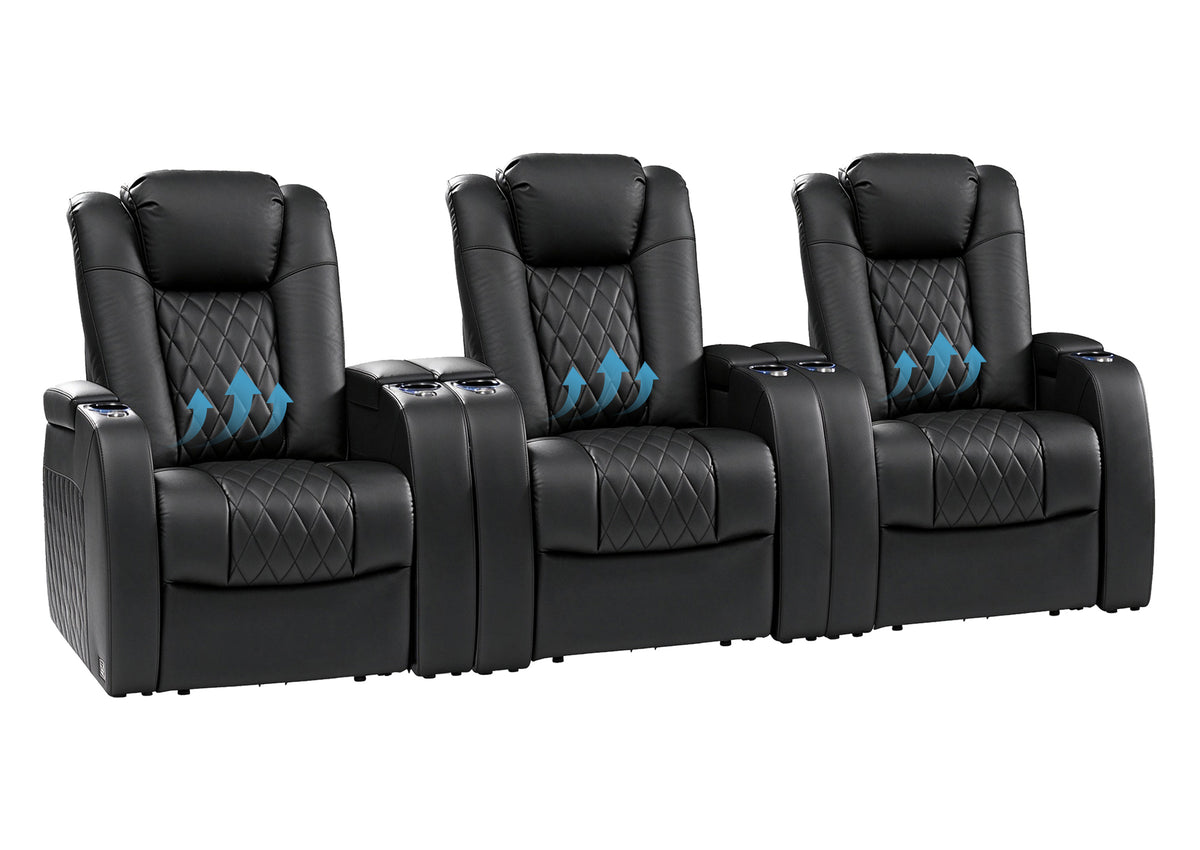
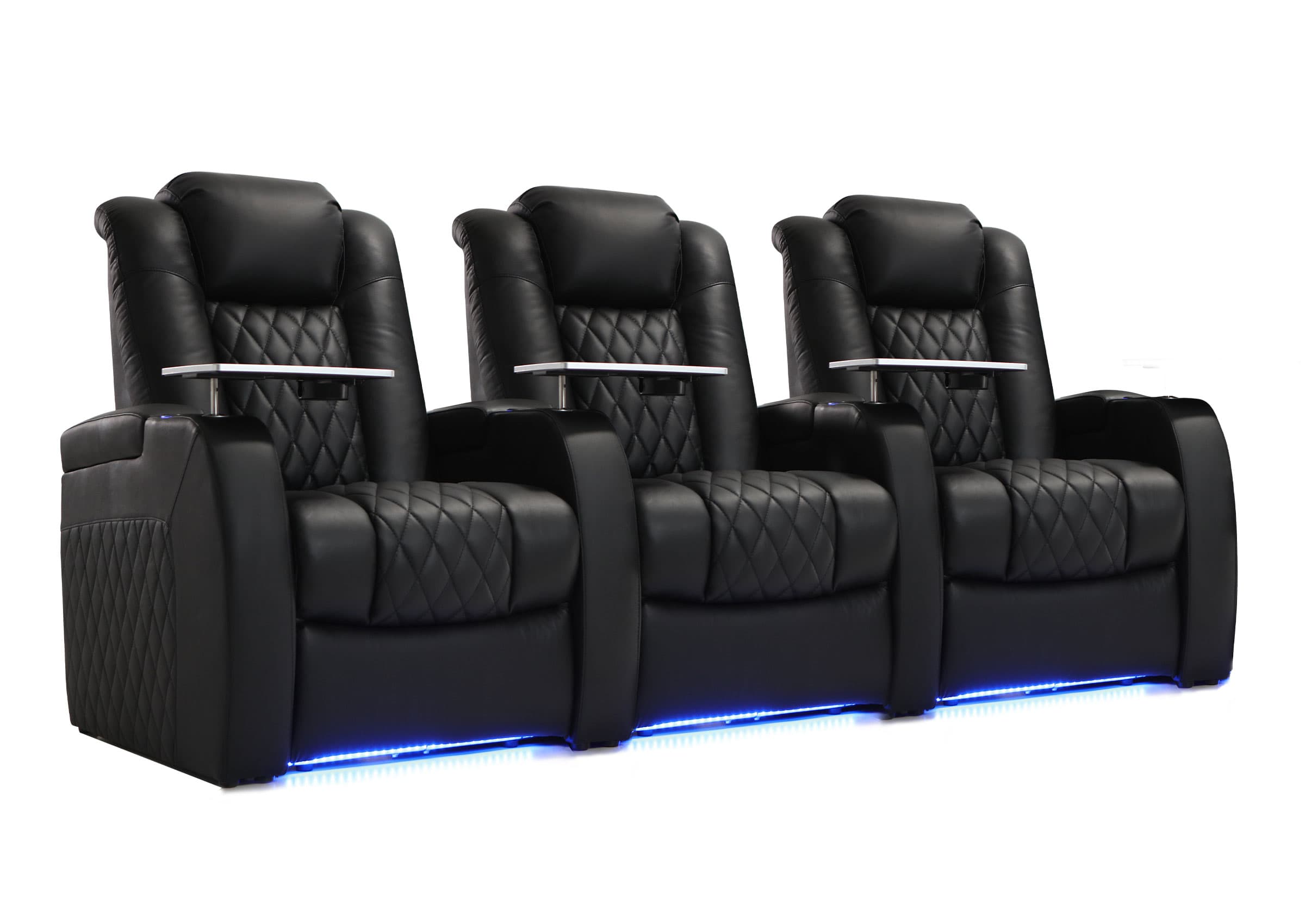
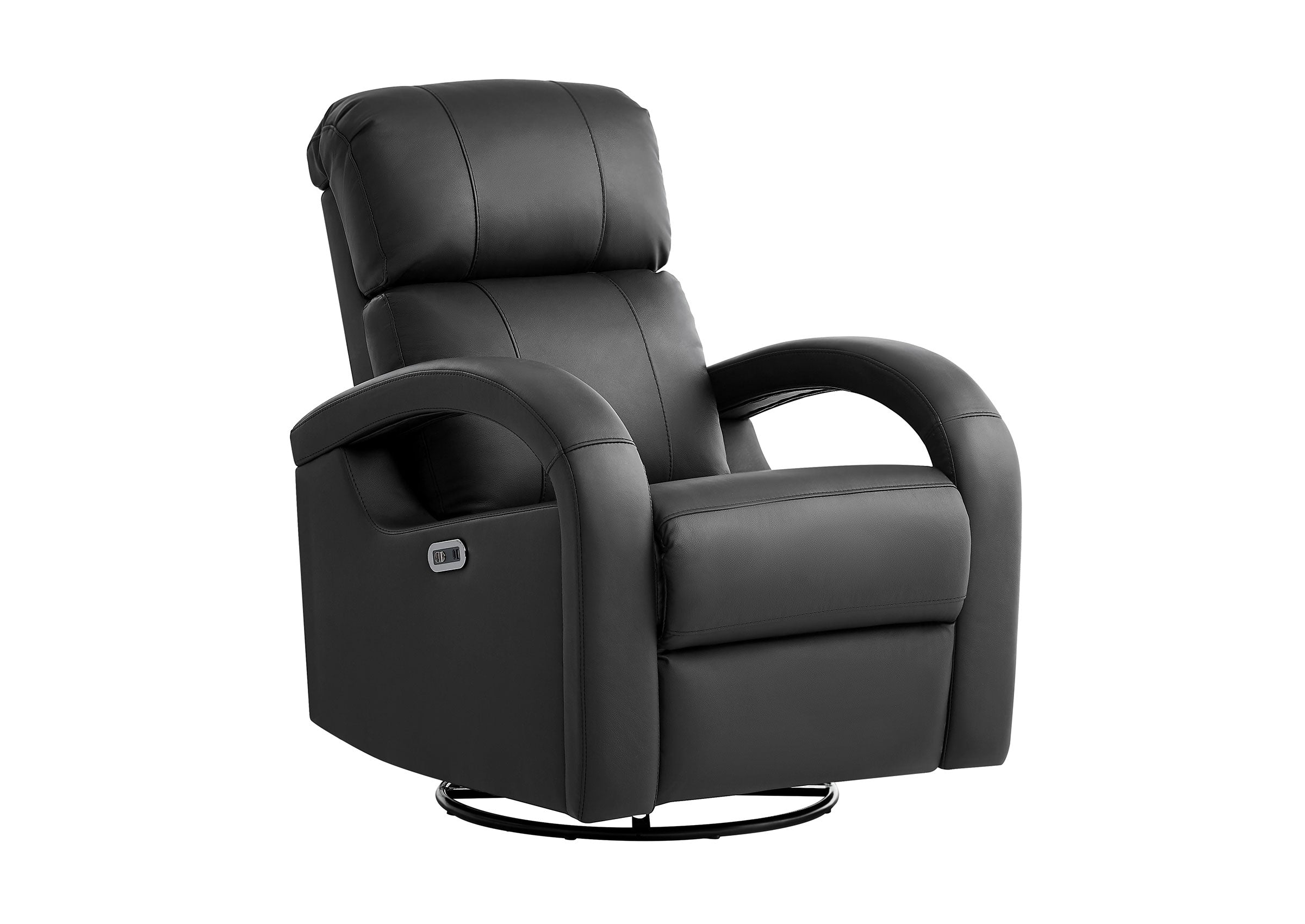
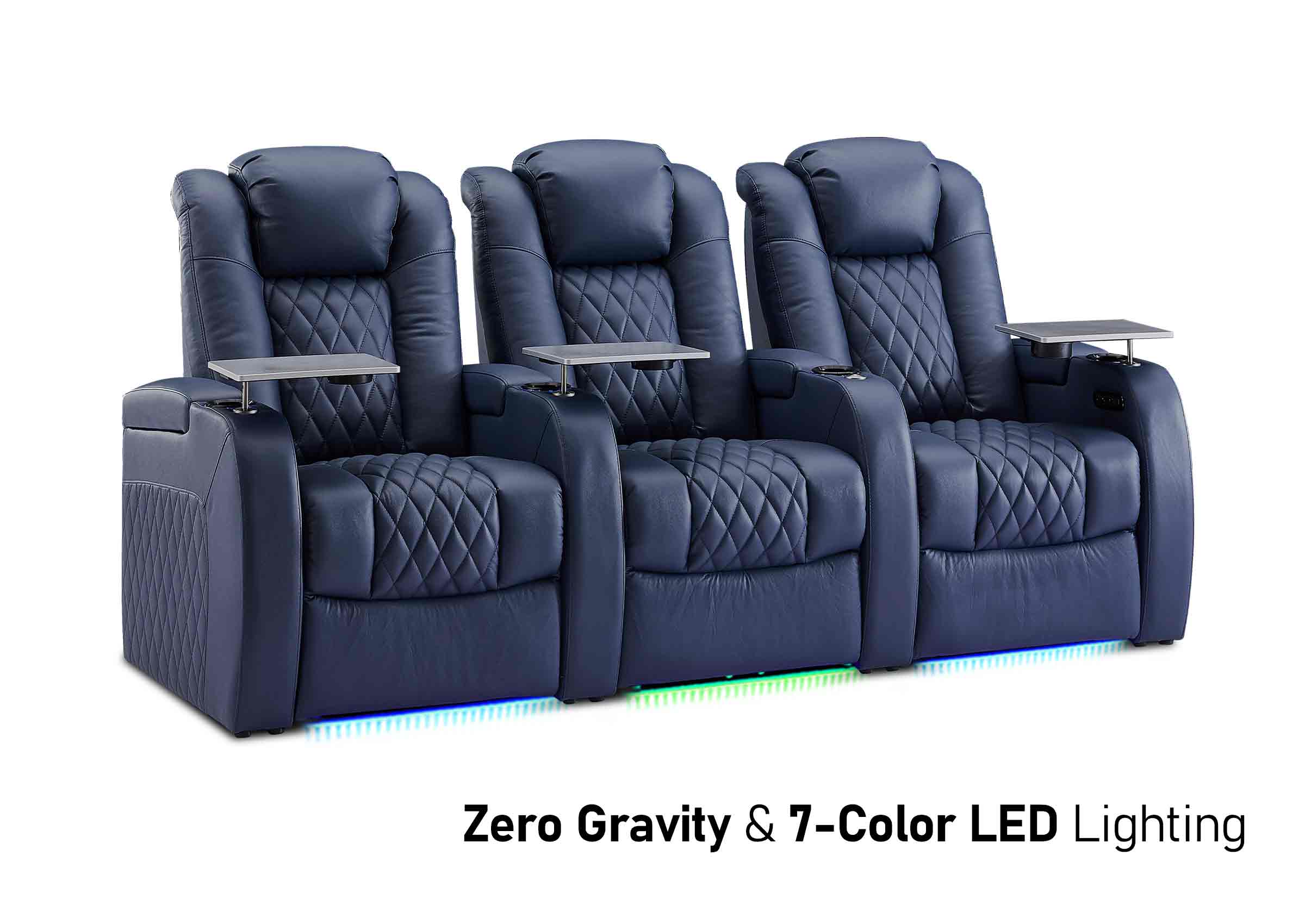
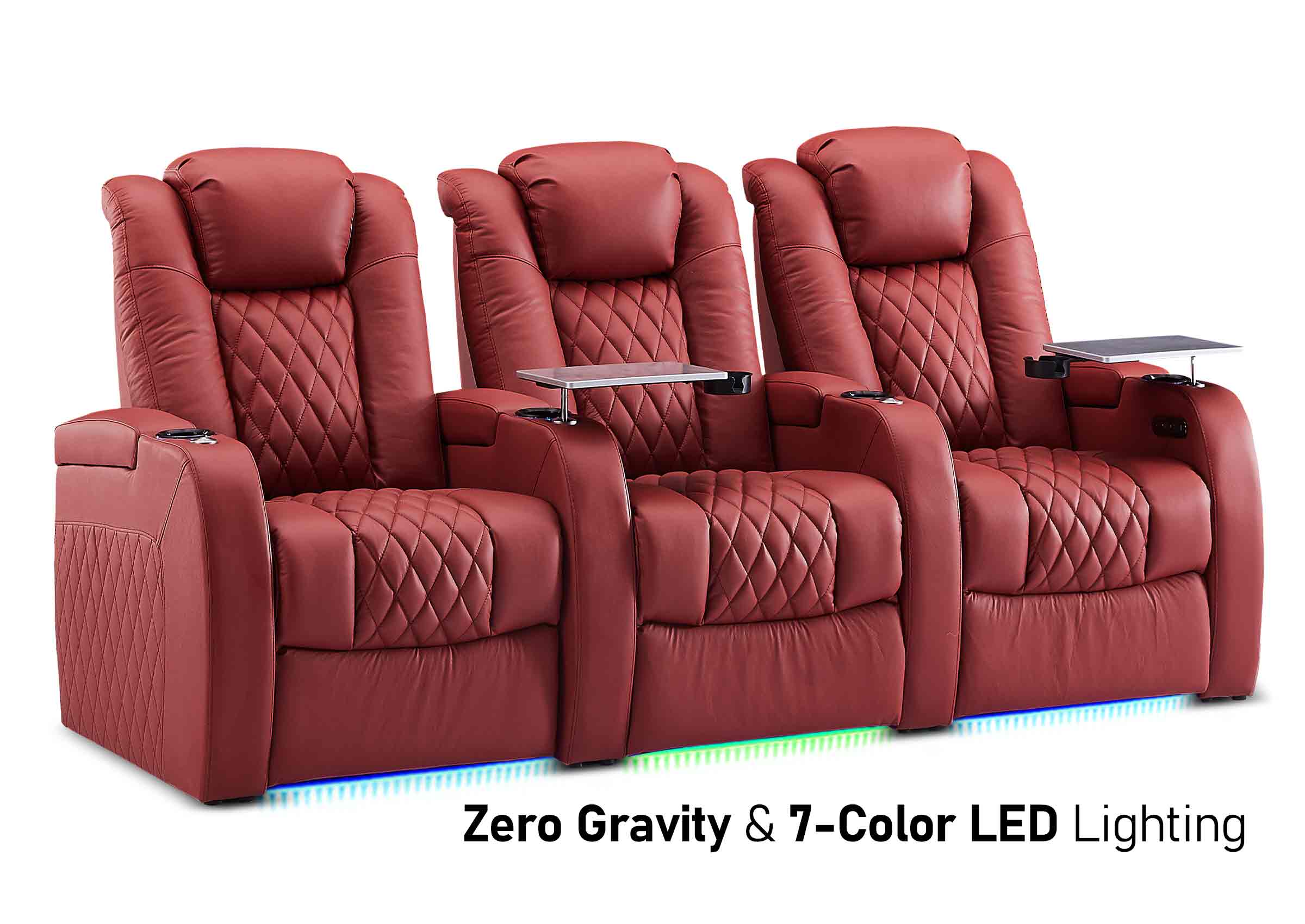
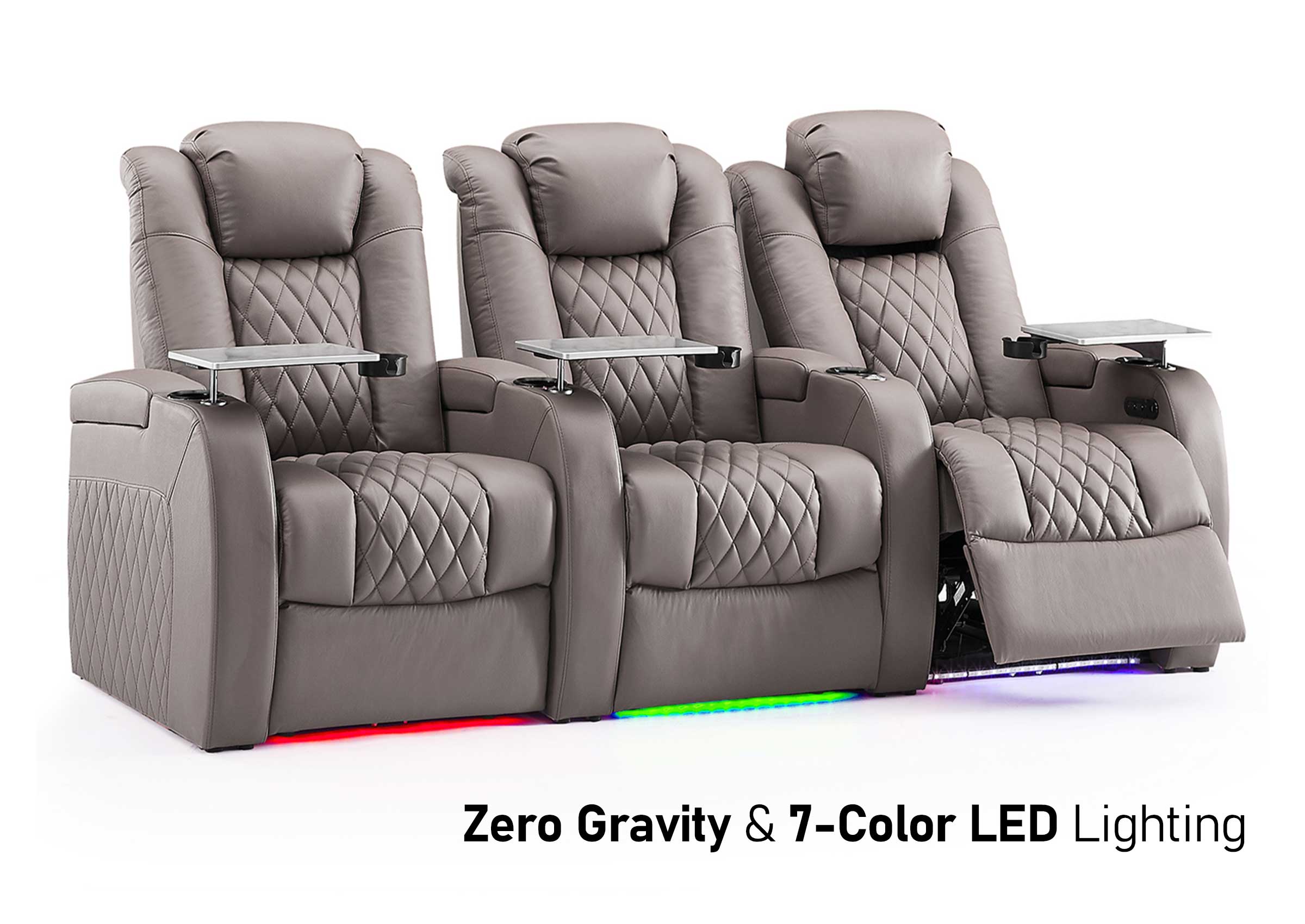
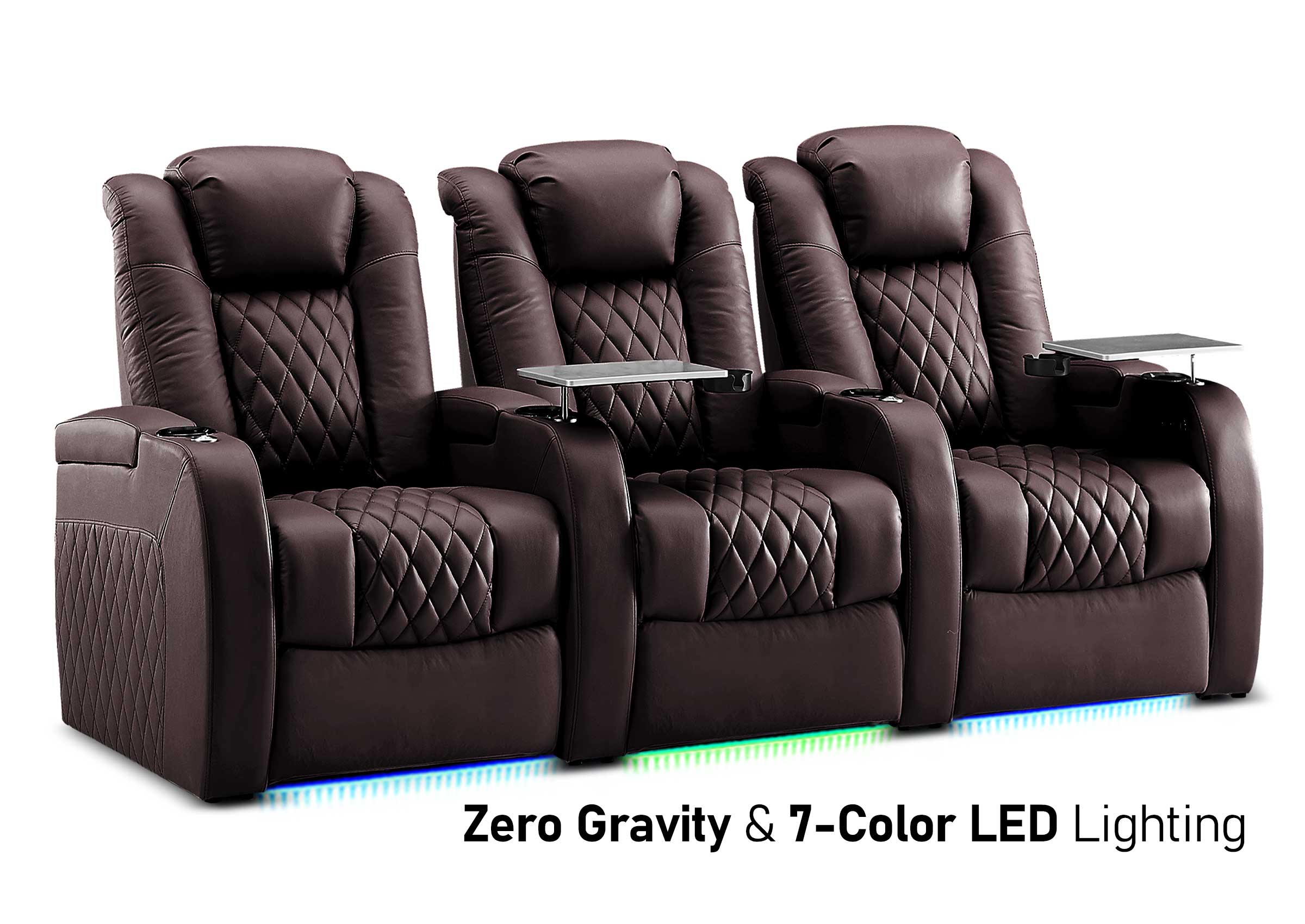

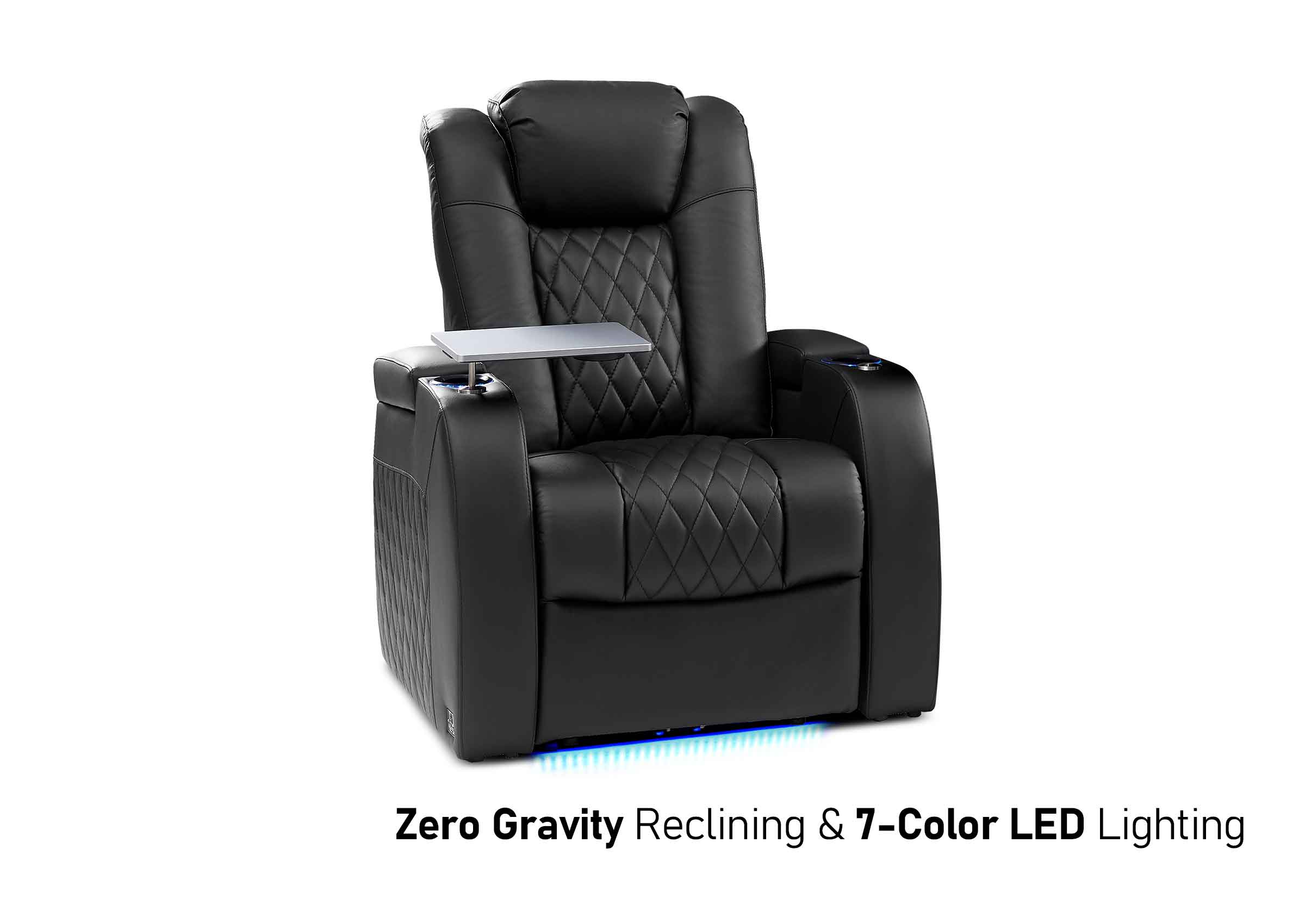
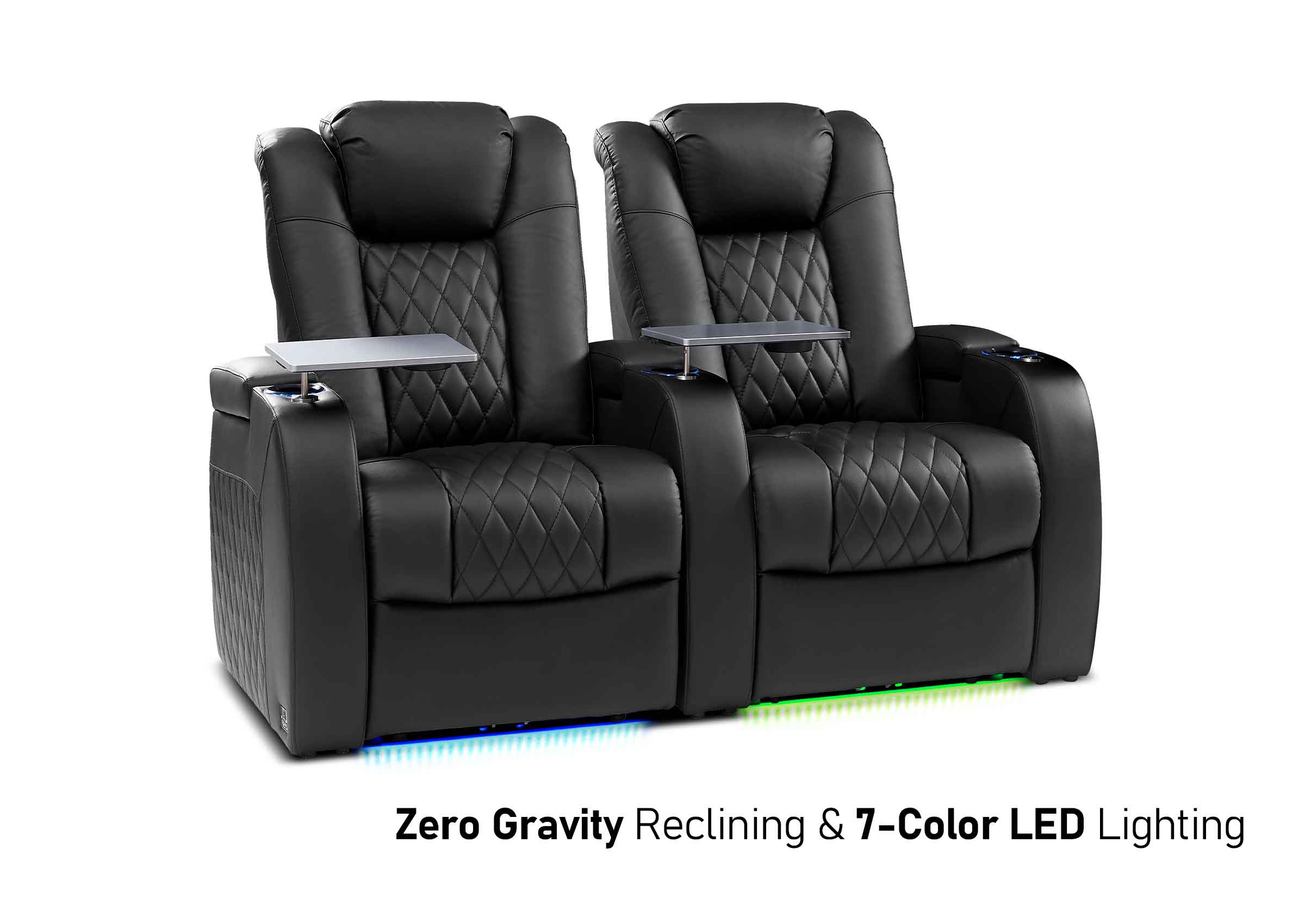
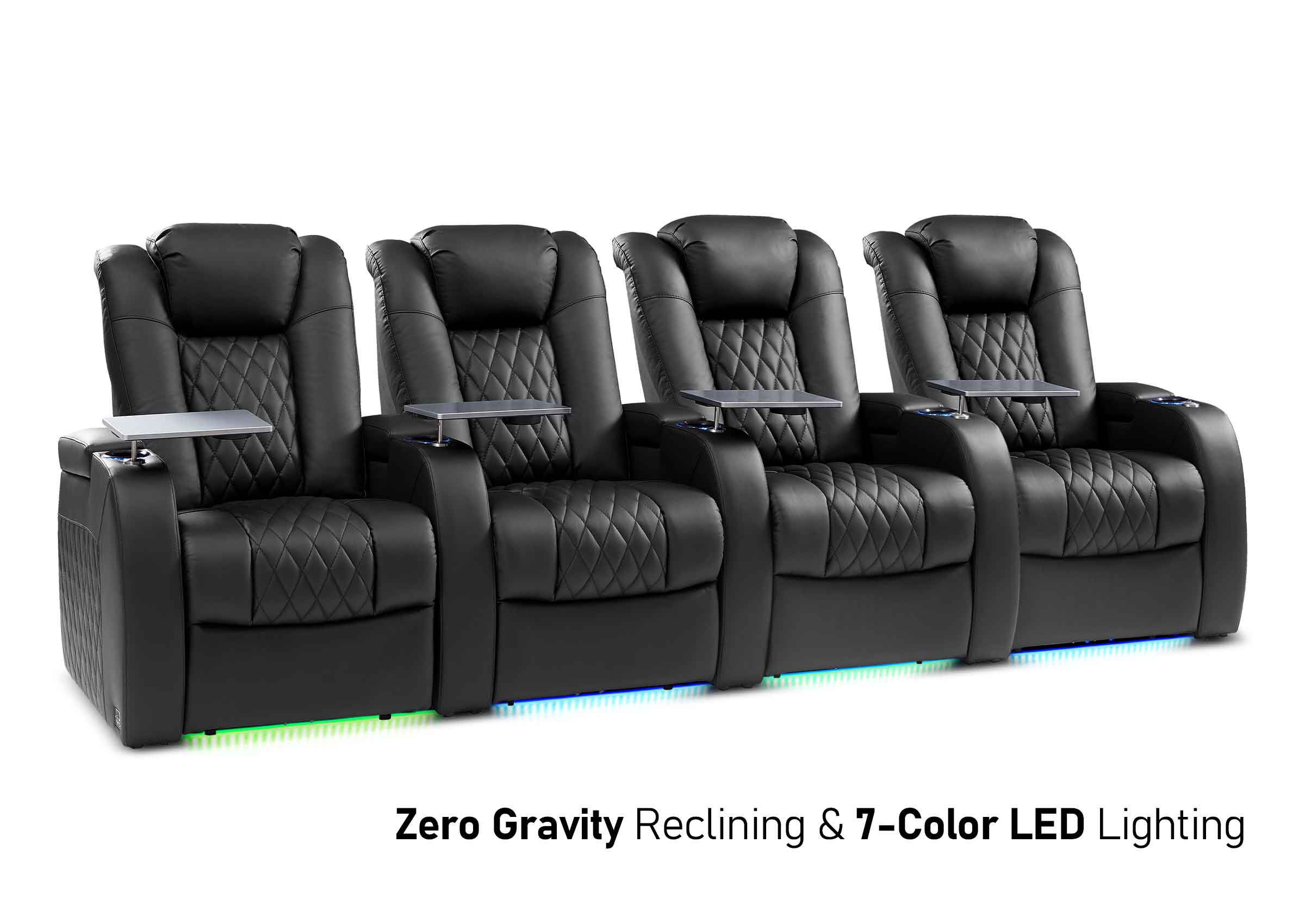
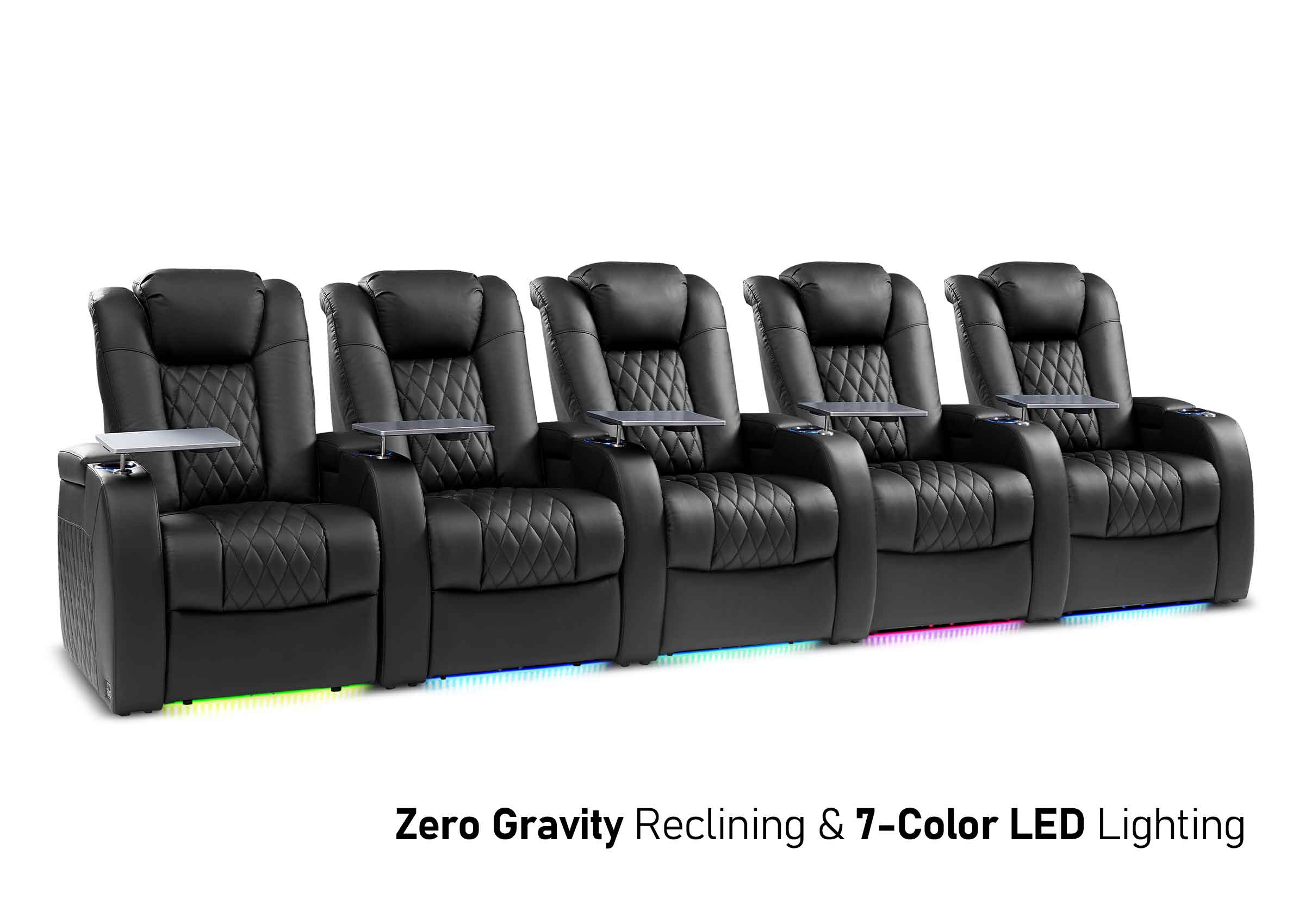
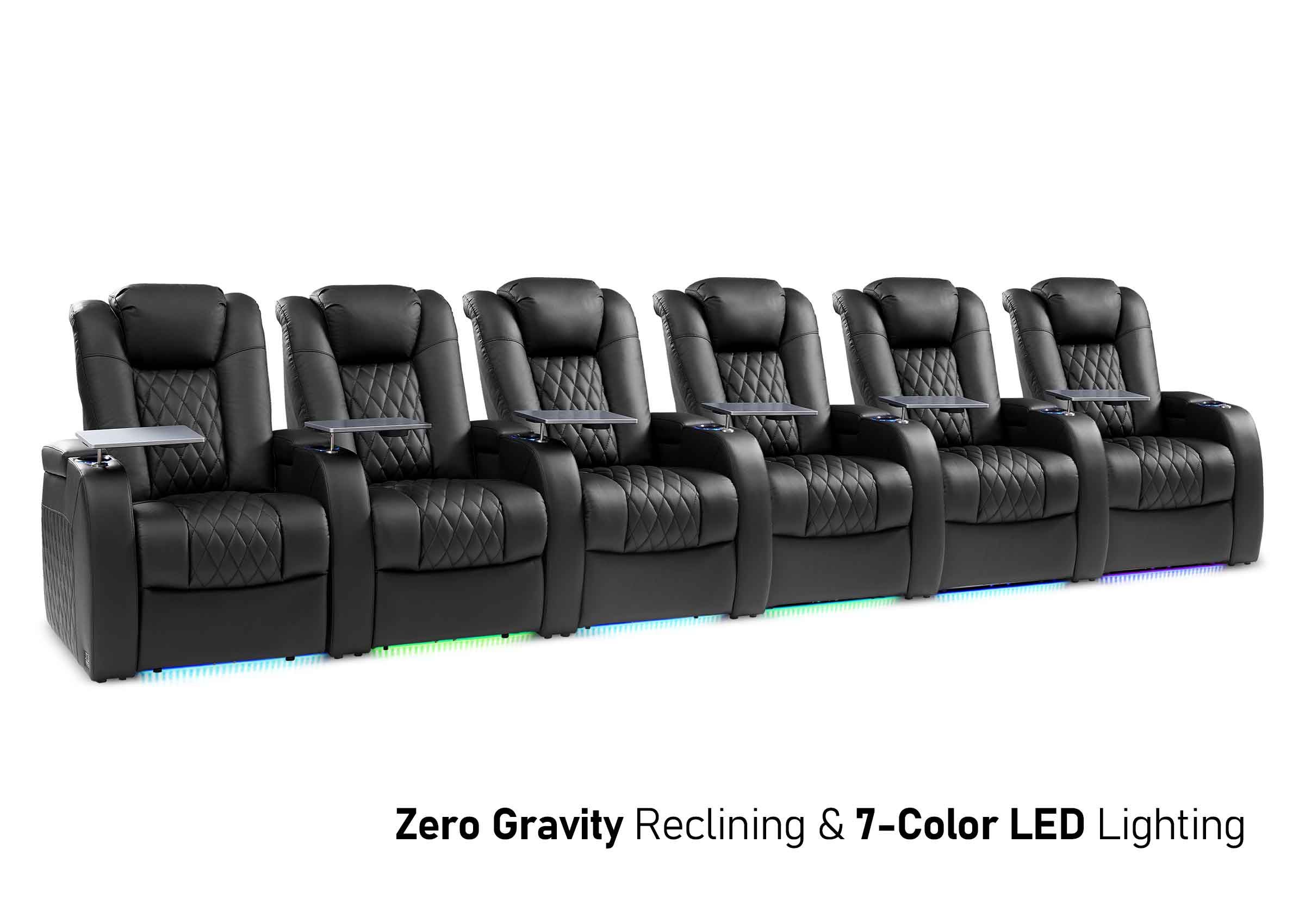
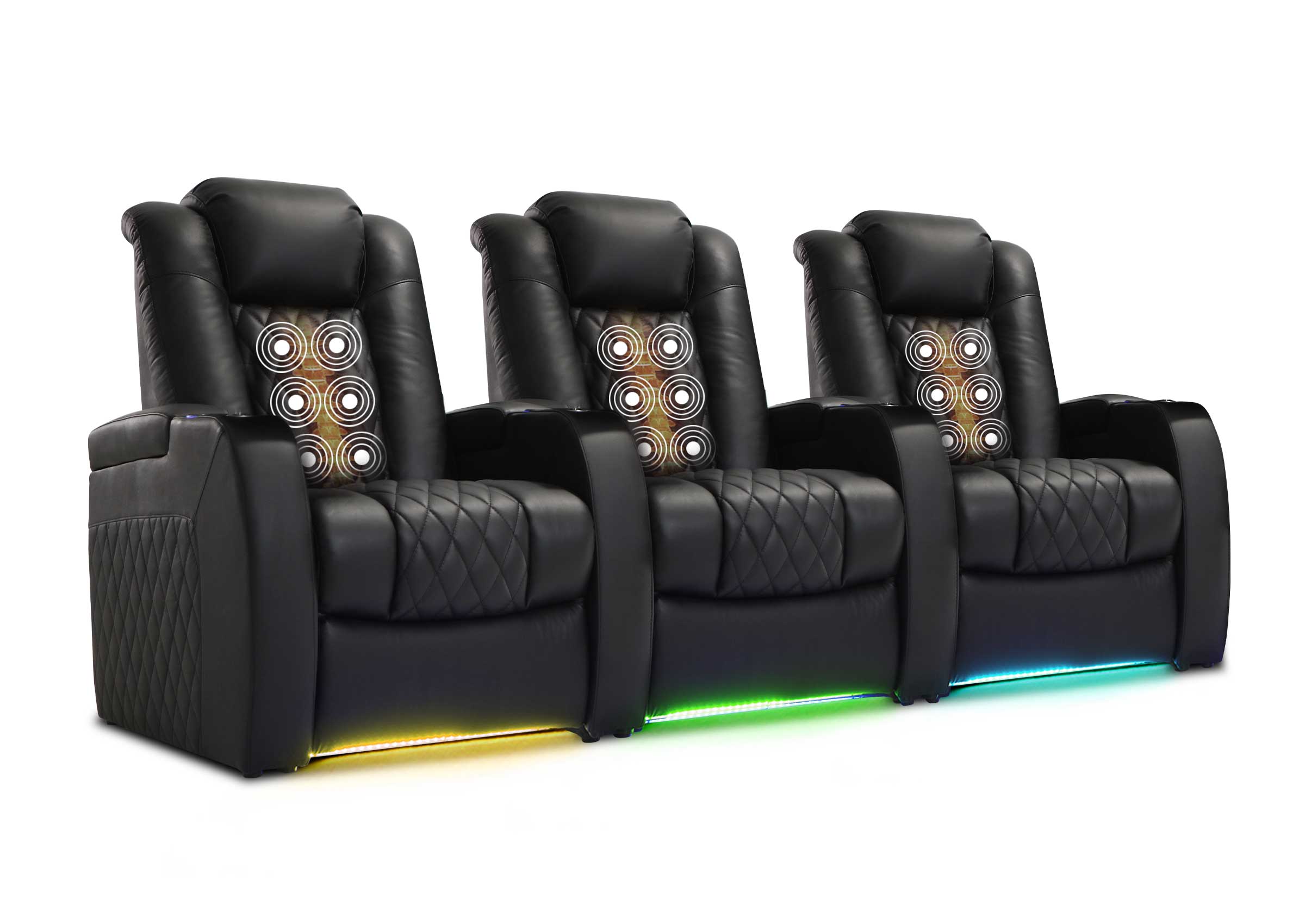
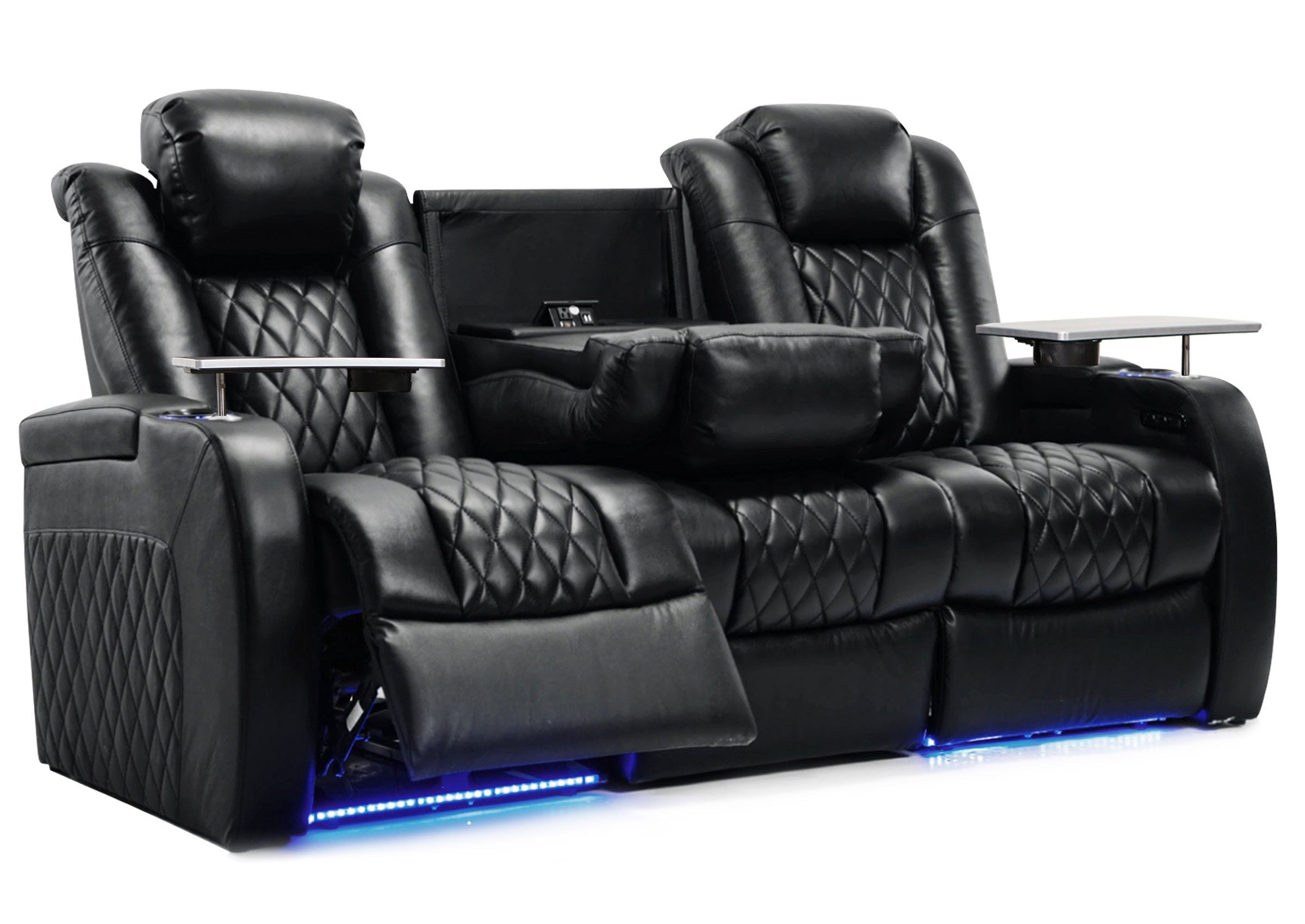




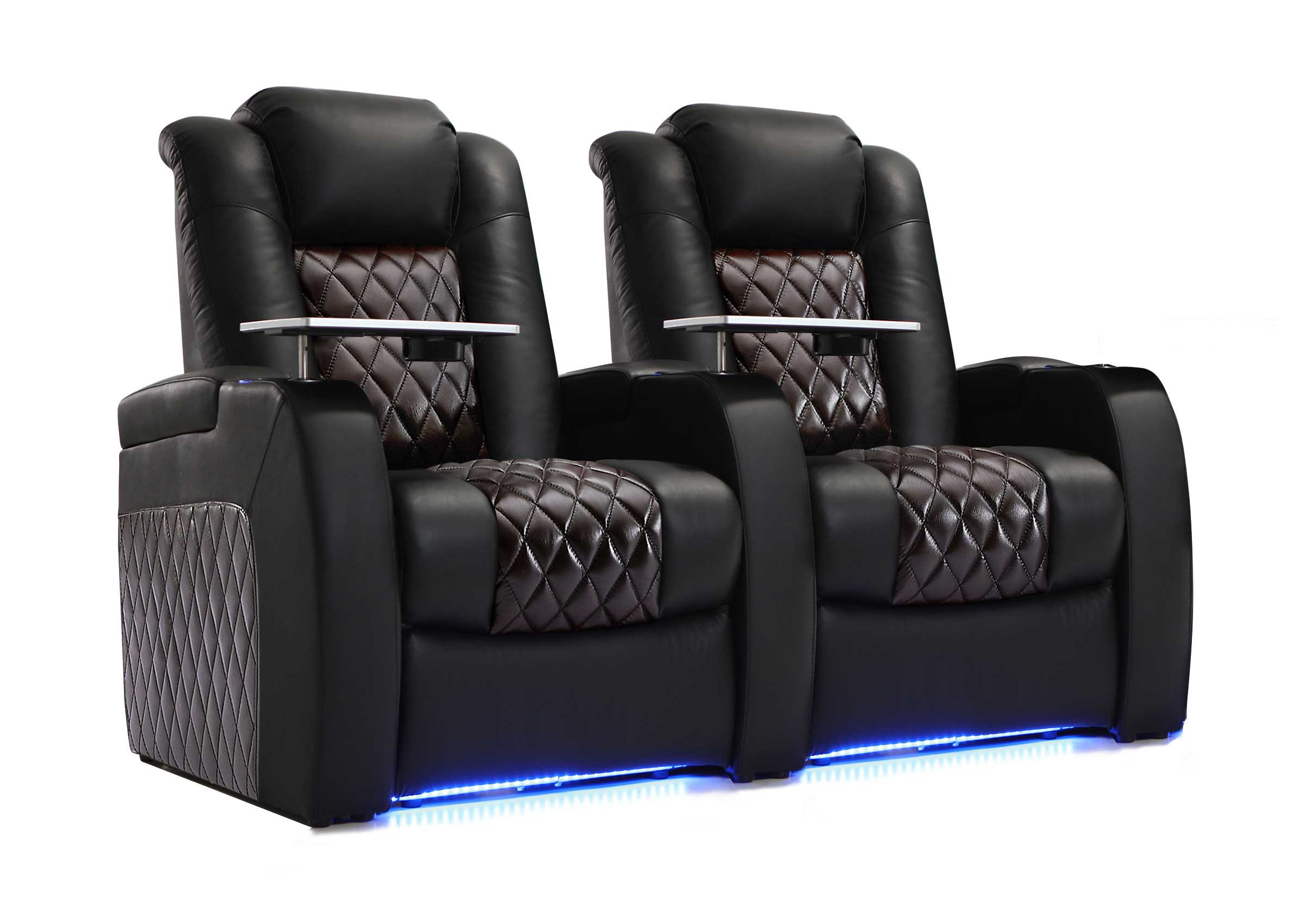
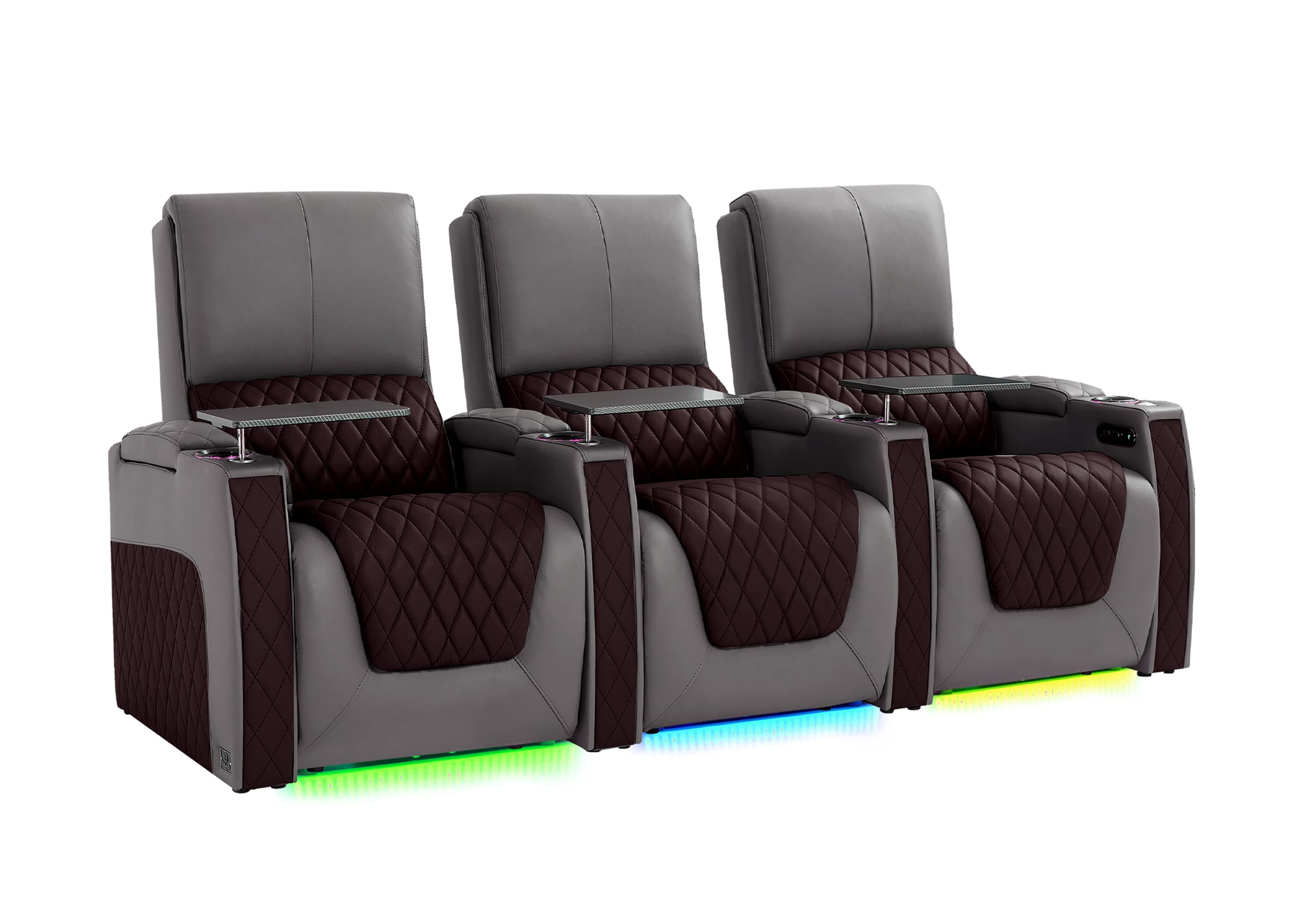
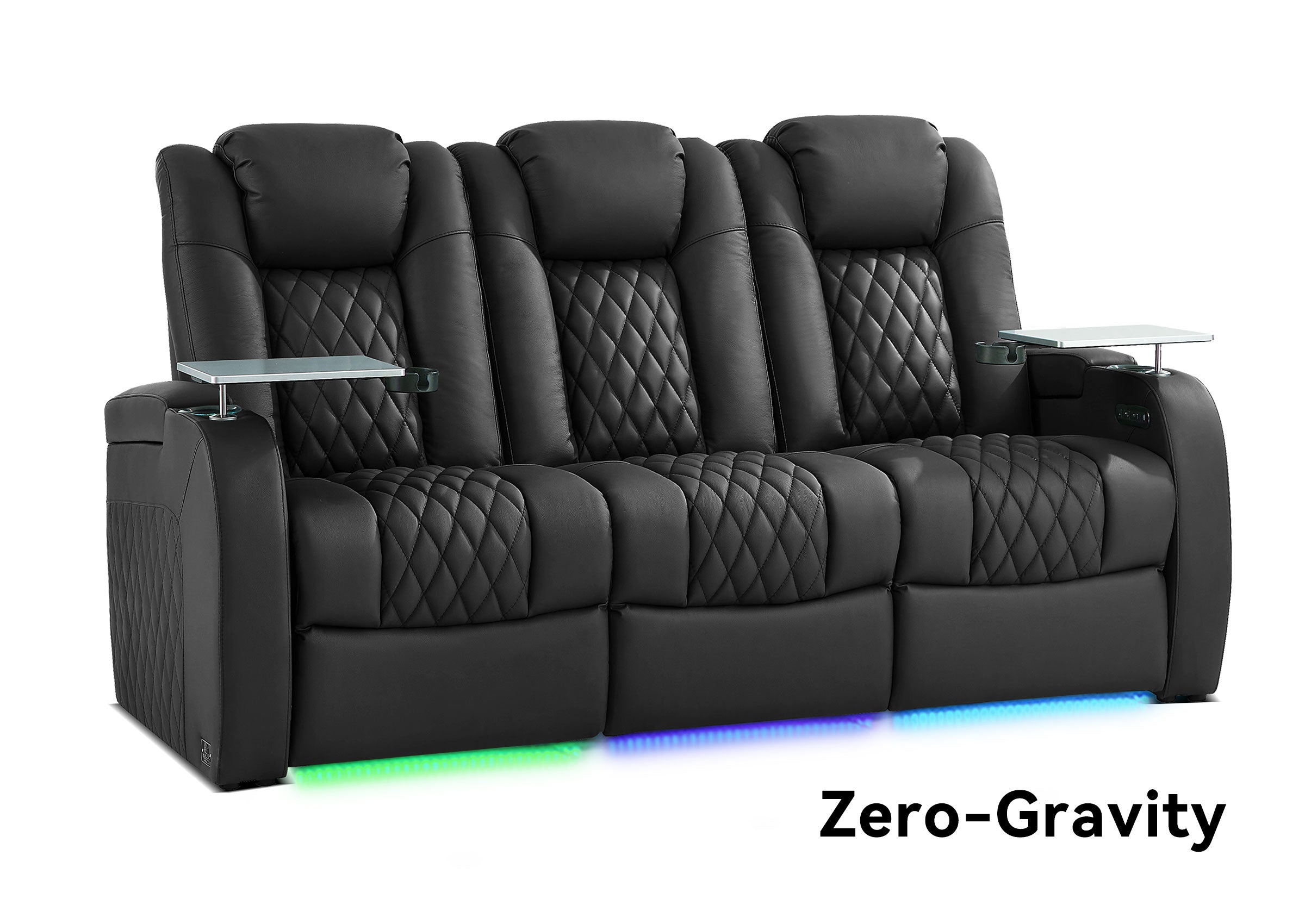
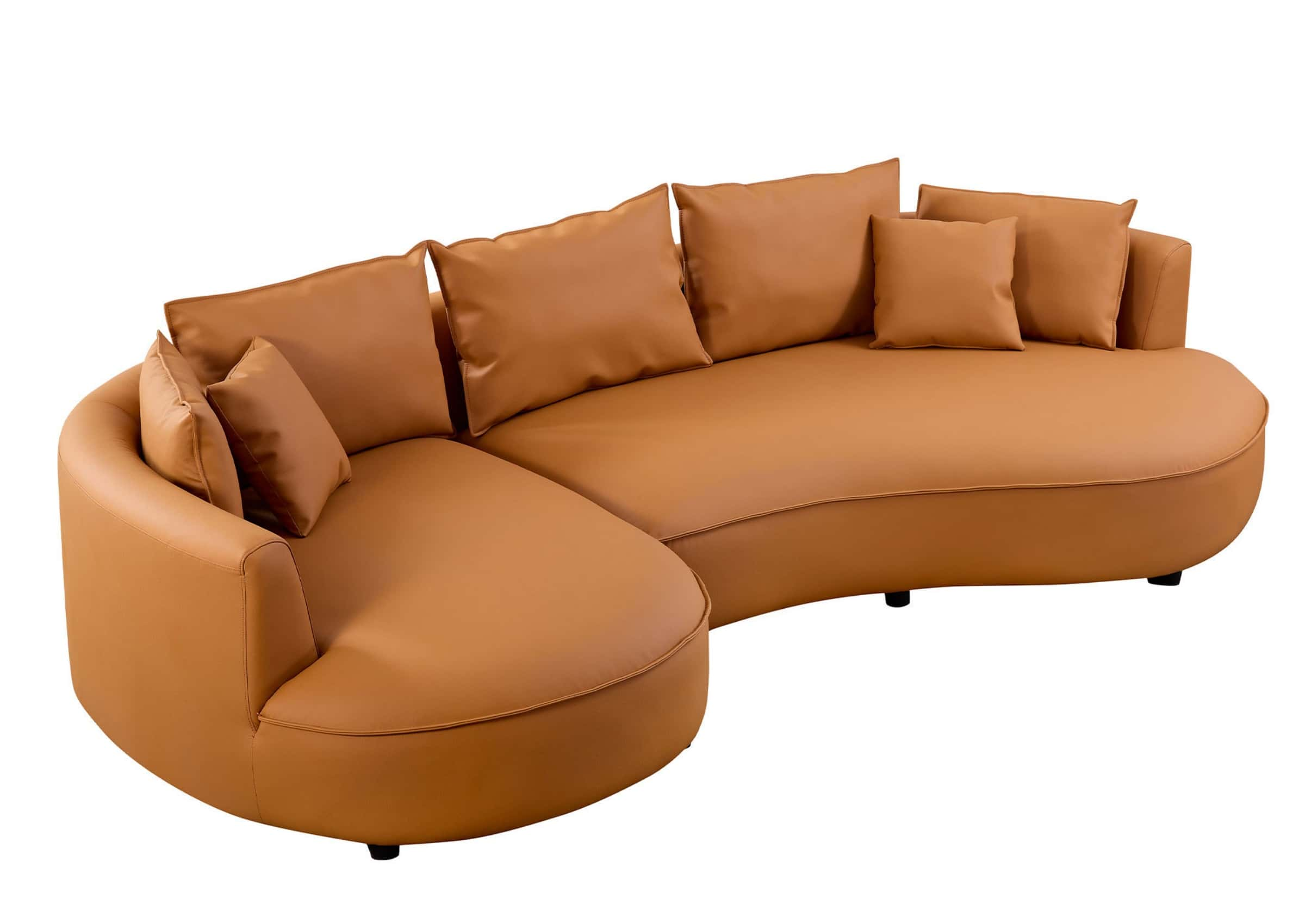


No, your sofa and loveseat do not have to match. They can come from different collections, use different upholstery, or have different shapes, provided the combination works for your room and the way you use it. Start with the piece you want to keep, choose a clear visual connection, and compare the two pieces' scale and comfort before buying.
Matching is one way to make that decision easier. Coordinating gives you more freedom, especially when you are replacing only one piece or need different functions. Neither approach fixes furniture that is uncomfortable or too large for the room.
Matching or Coordinating: Which Makes More Sense?
Choose a matching sofa and loveseat if you like their shared design and both pieces meet your needs. A set removes some decisions about upholstery, arms, legs, and detailing. It can be a useful starting point when you want a quiet, consistent seating group without comparing many combinations.
Check both pieces individually, though. Liking the sofa does not establish that the loveseat is the right size, gives you the seating you need, or suits its intended user. Buying the set can become a compromise if you accept an awkward second piece just because it belongs to the same collection.
Coordinating makes sense when you already own a comfortable sofa, want a different material on the second piece, or need a stationary sofa beside a reclining loveseat. Instead of repeating everything, decide what will connect the pair and what will deliberately differ.
For a relatively simple mix, keep a recognizable relationship in the shapes and vary the upholstery. For example, two tailored pieces with narrow arms can work in different colors. If you want a stronger style contrast, you will need to consider more of the room around them. The right choice is the combination you enjoy and can use, rather than a rule that every living room must look collected or perfectly matched.
Start With the Piece You Are Keeping
Make the existing sofa your starting point if it is staying. Record its upholstery color, arm shape, back height, visible legs, and overall dimensions. Also note what you like about sitting on it and what the second piece needs to do differently.
Describe what you can see rather than relying only on a style label. “Low back, square arms, exposed dark legs, warm brown leather” is more useful for comparing a loveseat than “modern.” Two products sold as modern can have very different proportions.
Next, identify the room elements that will remain: flooring, wall color, a rug you like, substantial wood furniture, or a fireplace. You are choosing a loveseat for that whole setting. A pair that works against a white showroom wall may feel different beside your existing wood tones and patterned rug.
Keep the priorities separate. An upright seat for conversation, space to stretch out, and a reclining position are functional needs. Matching a leg finish is a visual preference. If those conflict, retain the function and look for another way to connect the furniture.
If you are buying both pieces, choose the one with the harder requirements first. That might be the sofa that fits a narrow wall or the loveseat with the sitting position you prefer. Building around a clear starting point is easier than repeatedly changing both candidates.
Choose a Color Relationship You Can See in Your Room
The colors can be similar, contrasting, or connected through another part of the room. The useful question is whether you like them together in the lighting where they will be used.
Be careful with an almost-match that you have not compared in person. Two covers called beige may lean toward different underlying colors; two grays may look quite different beside the same floor. The result is not automatically wrong, but a small difference can be distracting if you expected them to look identical.
La-Z-Boy Ottawa and Kingston's furniture-mixing guide discusses this problem with attempted color matches and recommends comparing samples in the room under changing light. Use the actual upholstery options for your candidates rather than trying to recreate a screen color.
Place available samples beside the sofa and against the rug or flooring. View them in daylight and with your normal evening lamps on. Keep them together in the same light; photographs taken in different rooms make a poor comparison. If samples are unavailable, ask what other evidence or viewing options the seller can provide, and check the purchase terms before committing.
A contrasting loveseat can be easier to judge than a near-copy. Imagine a warm oatmeal sofa with a muted olive loveseat: the colors are clearly different, while a rug containing both tones can give them a connection. If the room already has a strong patterned rug, choose a loveseat color from that existing palette instead of introducing another unrelated statement.
These are possible combinations, not guaranteed color formulas. If you dislike the samples together, adding pillows later should not be the plan for making a major purchase acceptable.
Mix Materials and Shapes With a Clear Reason
A leather sofa and a fabric loveseat can belong in the same room. So can two fabrics with different textures. Consider how the surfaces look beside each other, how much pattern is already present, and how each covering suits its own users.
The following combinations are starting points to test, not descriptions of specific products or completed projects.
| Combination to try | What connects the pieces | What to check |
|---|---|---|
| Warm brown leather sofa and oatmeal woven loveseat | Warm colors and similarly restrained arms | The light fabric should work with the room's other pale finishes |
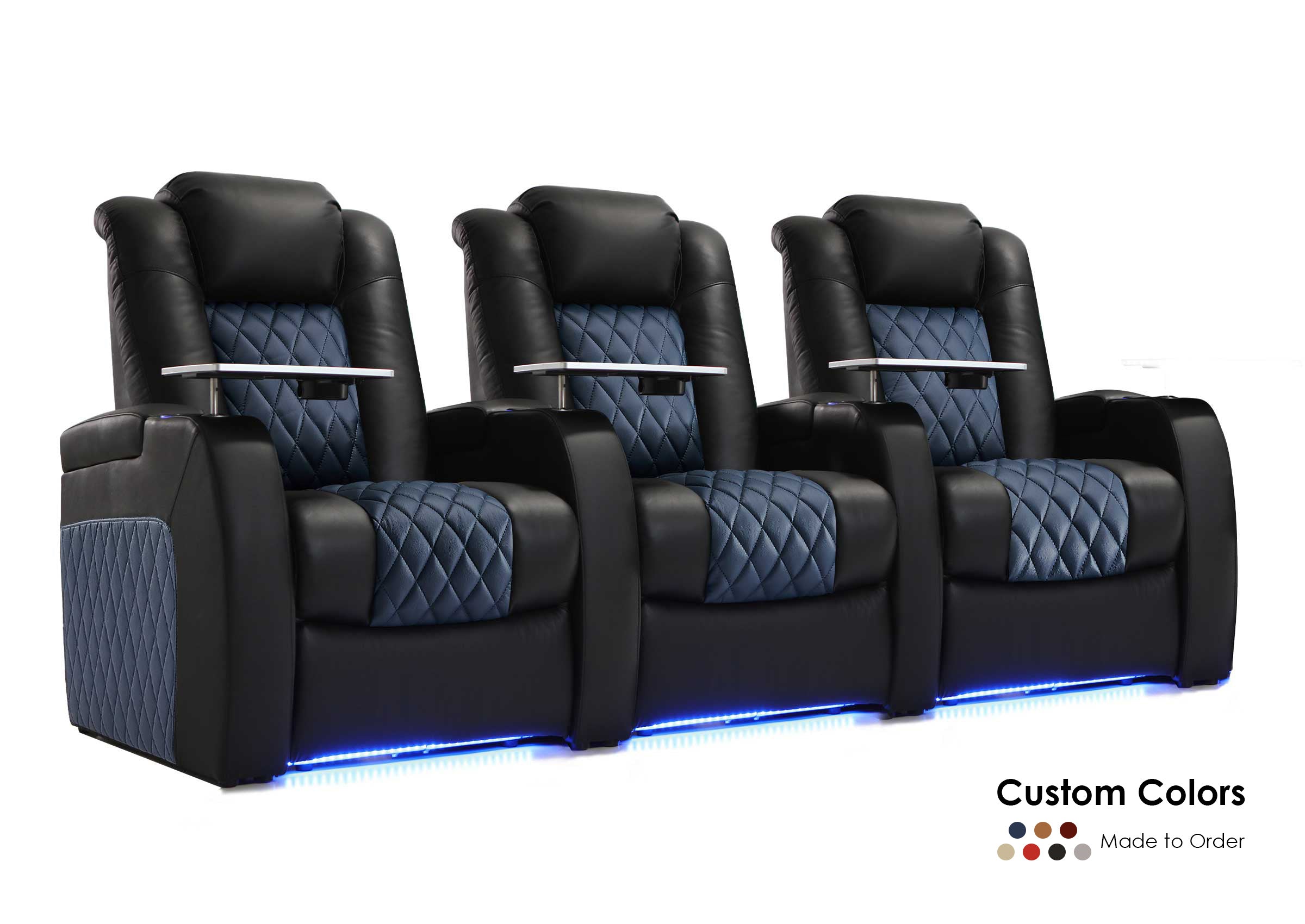
| Navy sofa and muted blue-gray loveseat | A blue-based palette with a visible difference in shade | Compare samples so the second piece does not read as an unsuccessful exact match |
| Plain sofa and patterned loveseat | A color from the sofa repeated in the pattern | View enough of the pattern repeat to judge its effect on a whole seat |
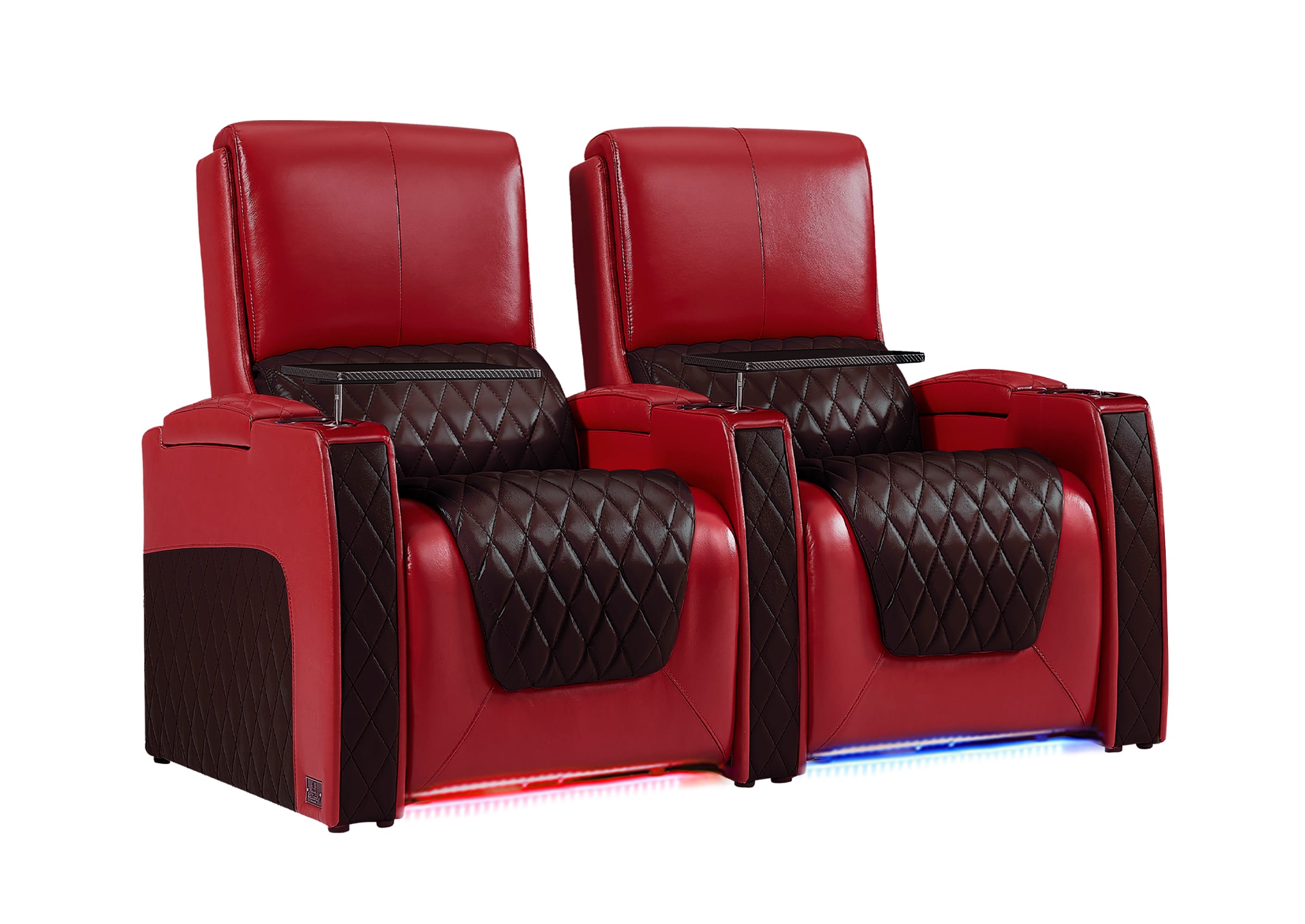
| Two pieces in the same upholstery family but different shapes | The covering provides continuity | Check back heights, arm bulk, and exposed legs so one does not overwhelm the other |
With a patterned loveseat, let the pattern have some breathing room. A plain sofa can provide a quieter companion, while a small repeat of one pattern color elsewhere helps explain the choice. If the rug, curtains, and sofa already carry strong patterns, a textured solid loveseat may be the easier addition.
Different shapes need a similar level of attention. A rounded loveseat beside a square-armed sofa can create a pleasing contrast. Look for another relationship, such as a related color or similar visual lightness, rather than expecting the shape contrast to do all the work.
A very formal, tightly upholstered sofa and a deeply slouchy loveseat may be a harder pairing if you want a calm room. You do not have to reject either style; decide which character you want to lead, then consider a companion with less competing detail.
Choose care requirements separately from appearance. A color match does not mean two coverings need the same cleaning method. Follow each product's care instructions rather than treating “leather” or “fabric” as a single maintenance category.

Compare Scale, Comfort, and Room Fit Together
A loveseat is usually shorter than a sofa, so equal width is not the goal. Compare the features that affect how the pieces sit together: back height, arm height and thickness, seat depth, visible base, and the amount of floor space each occupies.
Visual weight matters as much as a style name. A dark piece with broad arms and a base close to the floor can look more substantial than a pale piece raised on slim legs. Neither is wrong. The question is whether one makes the other look incidental when you see the full seating group.
Use dimensions rather than separately cropped product photos to compare the pair. On a simple elevation sketch, draw both backs and arms from the same floor line using the same scale. This reveals whether the loveseat is merely shorter or also much taller and bulkier. Then compare the usable sitting positions: a similar outside height can conceal a very different seat depth or cushion arrangement.
Seat heights do not have to be identical. Have the intended users try the seats where possible, then consider conversation, getting in and out, and access to a shared table. A taller back that someone wants for support is a reason to accept some visual difference. Keep the needed seat and connect the pair through color or finishes instead of forcing the heights to match.
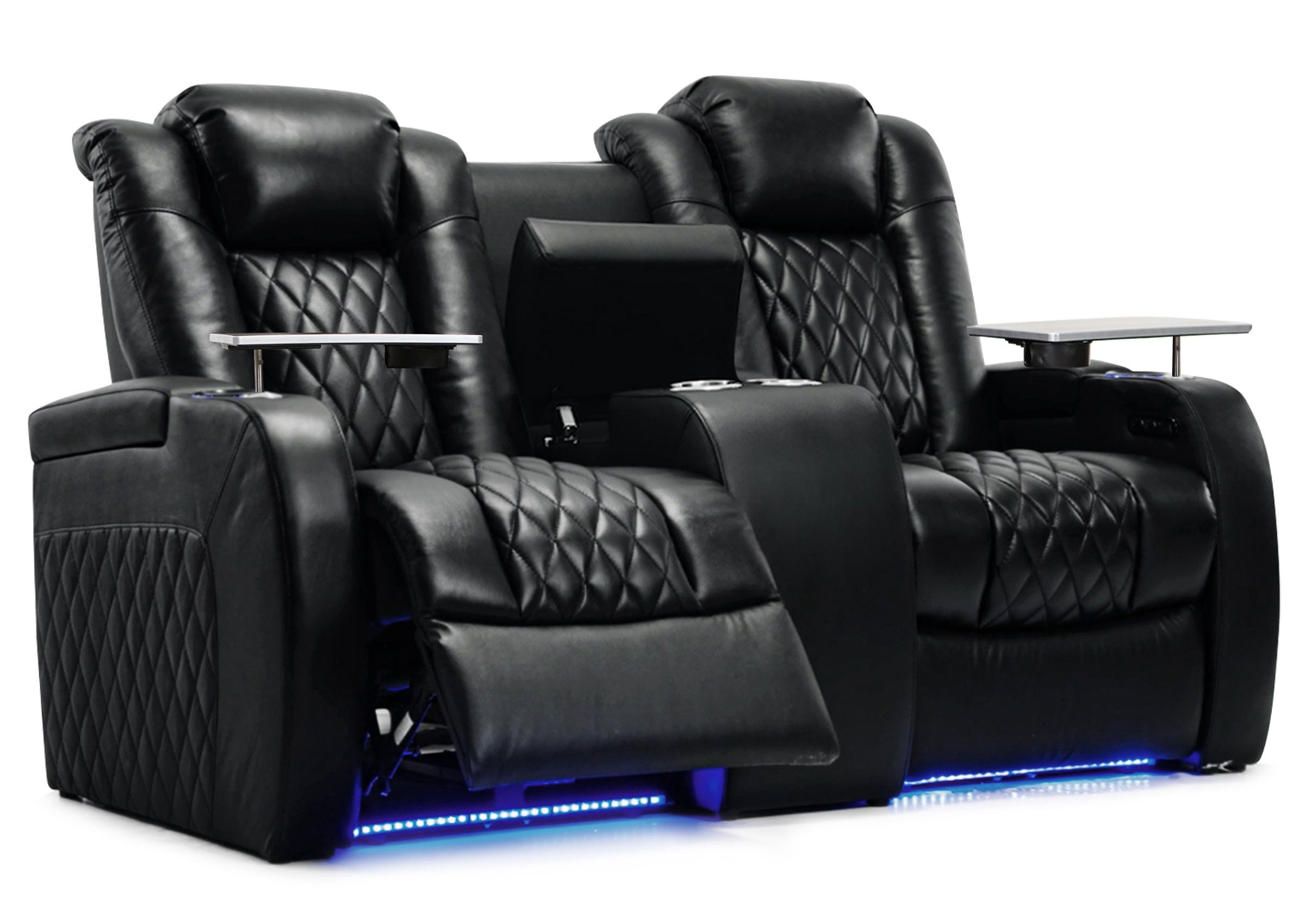
If one piece reclines, assess the arrangement with that seat in use. The extended footrest, the route around it, table access, and the specified clearances remain part of the layout. A matching stationary sofa does not need to copy a recliner's mechanism or upright silhouette. Preserve the needed function and coordinate a visible feature that does not interfere with it.
Mark each candidate's footprint on a measured room sketch. Include door swings, nearby storage, and the tables you intend to keep. If the loveseat only fits after you remove the walkway or block a cabinet, color coordination is no longer the problem to solve.
CHECK YOUR ROOM FIT
Check the Size of the Whole Seating Group
For a more detailed measurement check, use our sofa size guide alongside the dimensions of both candidates. Check the complete seating group rather than sizing each piece as though it will occupy the room alone.
Use the Room to Connect the Pair
A shared rug, a repeated accent color, or related table finishes can help two different seats feel like part of one arrangement. Choose a connection that is visible from the room's entrance and useful from the seats themselves.
For example, a plain navy sofa and a warm tan loveseat could share an ivory rug with restrained blue and tan details. A blue cushion on the loveseat can carry the sofa color across the group. You do not need an identical cushion arrangement on both pieces.
Repeat selectively. If the upholstery already shares a clear palette, matching every lamp, table, and pillow can add decisions without improving the result. If the upholstery is very different, one visible repeated color or finish may explain the relationship more clearly than several unrelated accessories.
Place a rug according to the actual furniture arrangement, not an assumed size. Check how it relates to both pieces and the surrounding route. A rug that visually gathers the seats is useful only if it also works with door movement and everyday access.
Keep surfaces within practical reach. Two seats can look connected across a coffee table while one person has nowhere convenient to put a drink. A small side table may solve that problem more directly than a larger centerpiece; choose its usable height from the adjacent seat, not just from its resemblance to the other table.
Balance does not require mirror-image placement. An L arrangement, two facing pieces, or an angled loveseat may suit the room. Try the normal activities in that layout before moving furniture solely to make the photograph look symmetrical.
Test the Pair Before You Commit
Gather the candidate's dimensions, covering information, and a sample or the best available color evidence. Compare them with the piece you are keeping and the room elements that will stay. A board showing full views and dimensions helps with selection; use the elevation sketch for relative size, since photographs on the board may use different scales.
Then check three things separately: Do you like the upholstery together? Do the shapes and proportions make sense as a group? Can the household comfortably use the arrangement? Separating those judgments helps you identify what actually needs changing.
If you already own a pair that feels wrong, work through the problem before replacing either piece.
- Remove distracting extras temporarily. Look at the sofa, loveseat, and fixed room finishes without several competing throws and cushions.
- Name the main conflict. Is it a near-match in color, a large difference in visual weight, a crowded placement, or an uncomfortable sitting position?
- Change one thing and reassess. Try a better furniture position or a textile that repeats an existing color. If the problem remains the scale or comfort of a major piece, more small accessories are unlikely to resolve it.
Do not replace a comfortable sofa just because its original matching loveseat is unavailable. A deliberately coordinated piece may be a better option. Equally, you do not have to keep an unsuitable purchase simply because mixed furniture is supposed to look relaxed.
If you cannot make two upholstered pieces work within the room, reconsider the arrangement. One or two separate chairs may offer useful alternatives, but compare their full footprints, required tables, and actual seating capacity. Smaller individual pieces do not automatically produce a smaller seating group.
Frequently Asked Questions
Can a Sofa and Loveseat Come From Different Brands?
Yes. A brand name does not determine whether two pieces will work together. Compare their actual upholstery, shape, dimensions, and sitting positions. Different sellers may also use different names for similar colors, so an identical color label is weak evidence of a match. Keep the details for each product rather than assuming the second purchase will duplicate the first.
Can I Mix a Gray Sofa With a Beige Loveseat?
You can, if you like the specific shades together in your room. Gray and beige cover a wide range of colors, so compare available samples beside your flooring and the existing seat. A rug or textile containing both shades can provide continuity, but it should support a combination you already like rather than conceal a color clash.
Can I Pair a Stationary Sofa With a Reclining Loveseat?
Yes. Decide whether the recliner provides the sitting position your household wants, then check its operating space beside the fixed sofa. Coordinate upholstery or detailing where useful, while accepting that the backs and bases may differ. Avoid sacrificing the recliner's required clearance or access merely to place both pieces on the same line.
Do the Seat Heights Need to Match?
No exact height match is required for a coordinated look. Compare the actual sitting positions and the users' comfort, then view the pair together. If one person feels awkwardly low during conversation, try another candidate or placement. A decorative rule about matching heights should not override a seat that fits its user.
Can I Replace Just the Loveseat From an Old Set?
Yes, provided the sofa you keep still serves you well. Use its current appearance as the reference; age and use may have changed how the covering looks. If an exact replacement cannot be verified, consider an intentionally different color or texture with a related shape. Check the new loveseat on its own merits before buying.
Are Matching Sofa and Loveseat Sets Outdated?
A matching set is a design choice, not an automatic sign that a room is outdated. If both pieces fit and you enjoy the look, you can change the room's character through layout, lighting, or textiles. Replace furniture because it fails your needs or preferences, rather than because every coordinated room is expected to mix collections.
Would Two Chairs Be Better Than a Loveseat?
They can be if separate positions or adjustable conversation angles matter more than a shared seat. Include both chairs' arms, the space between them, and any extra table in the comparison. A loveseat may still be better for sitting together. Choose using the whole room and the people who will use it, not a presumption that chairs always look less bulky.
Bring the Pair Together Before You Buy
Keep the piece that serves you best, choose a clear visual relationship, and test the complete arrangement. Matching can simplify the appearance; coordinating can accommodate different needs. Both should leave you with seats you like using.
For a Weilianda option you are considering, contact Support or email leon@weiliandahome.com. Share the candidate model, your existing furniture's dimensions, room photographs, and the functions you need so you can clarify the available configuration and upholstery information before ordering.