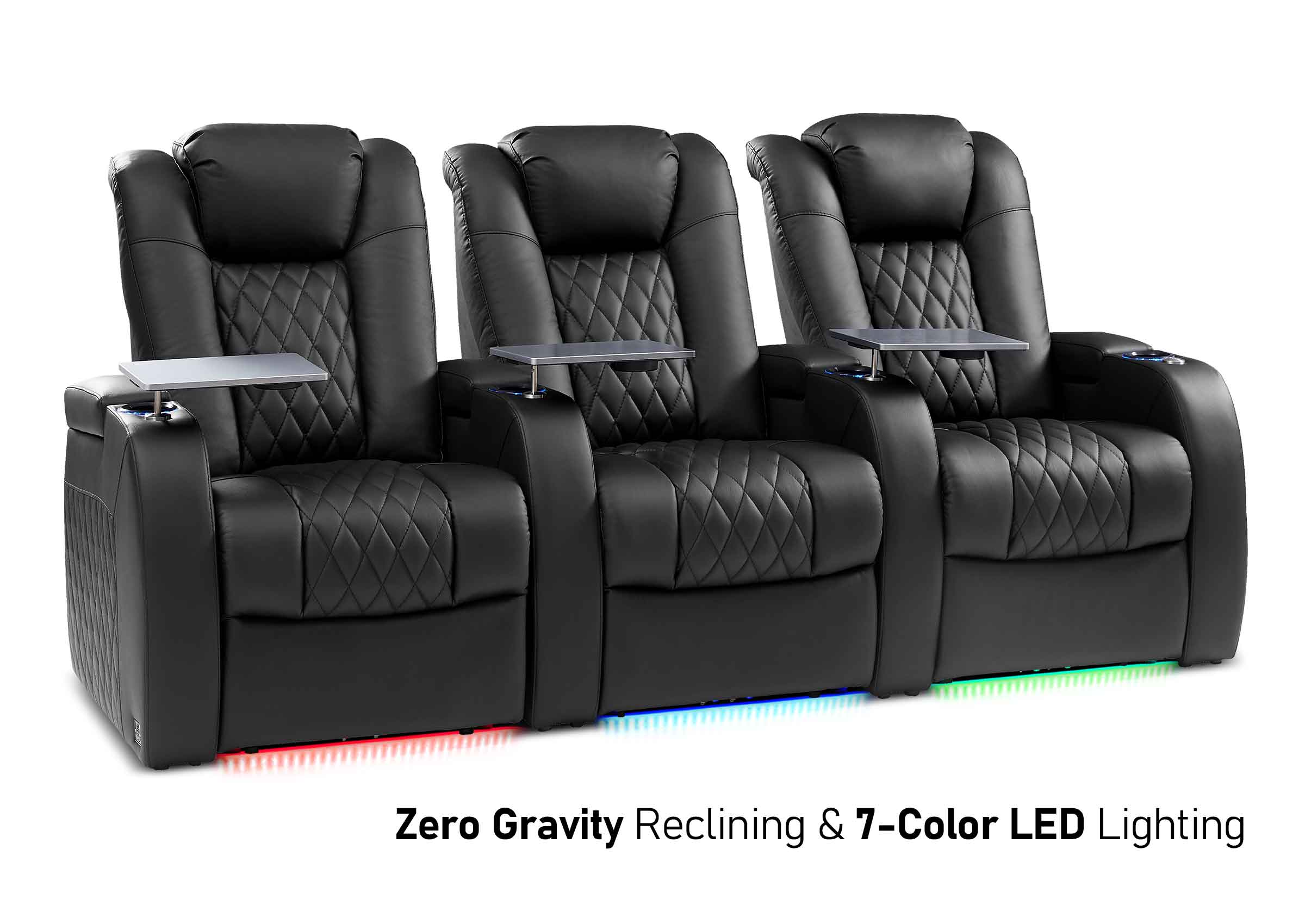
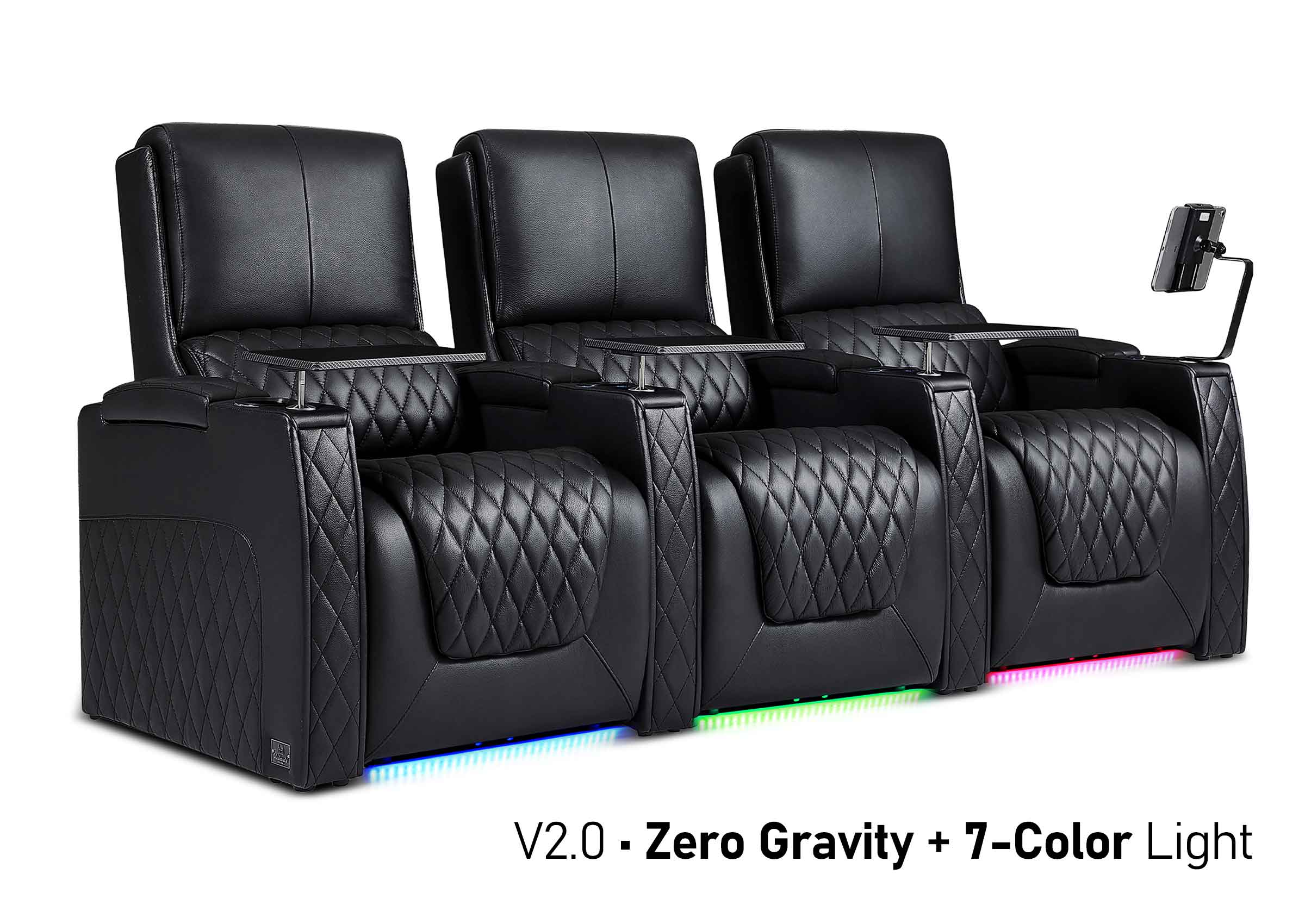
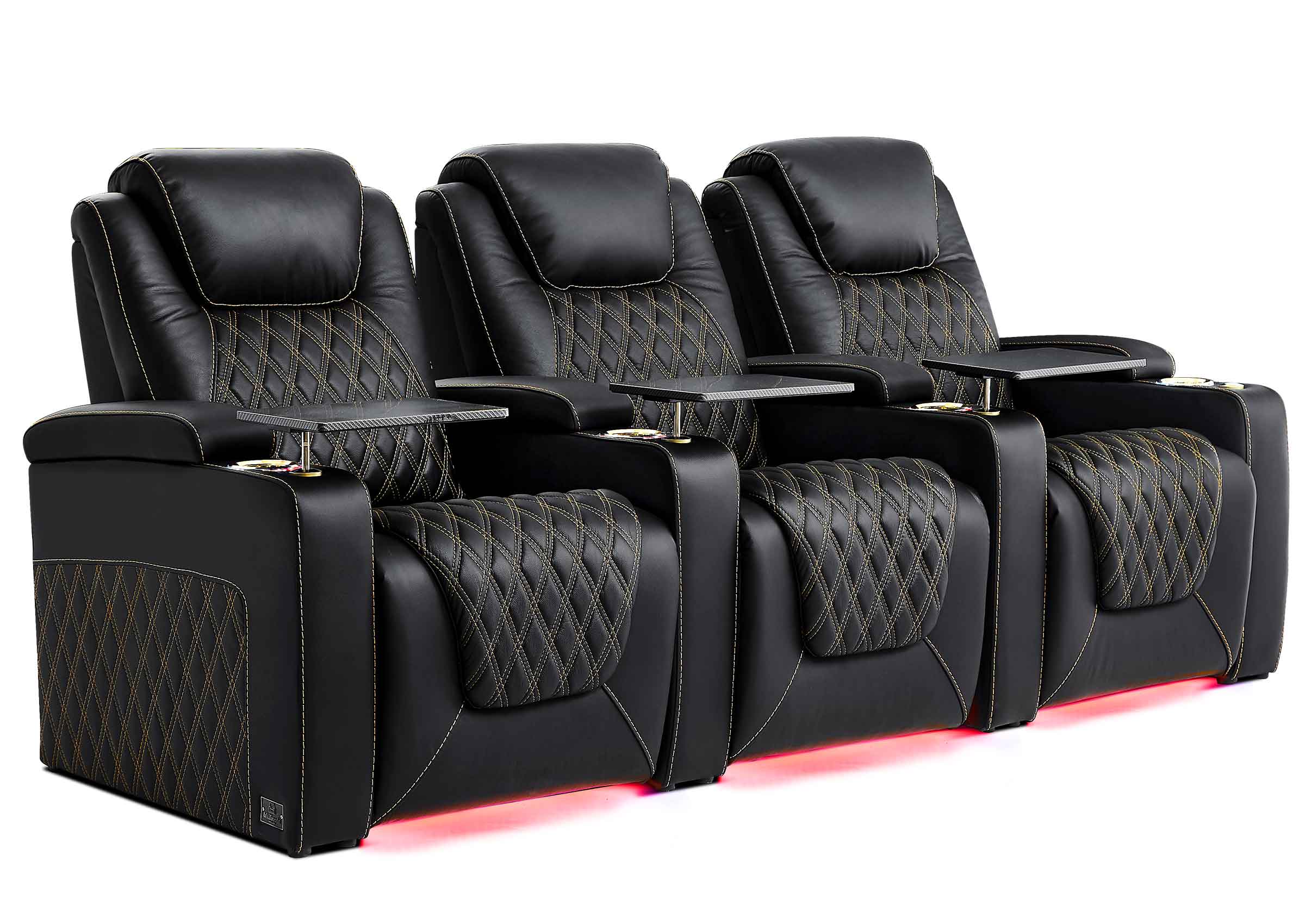
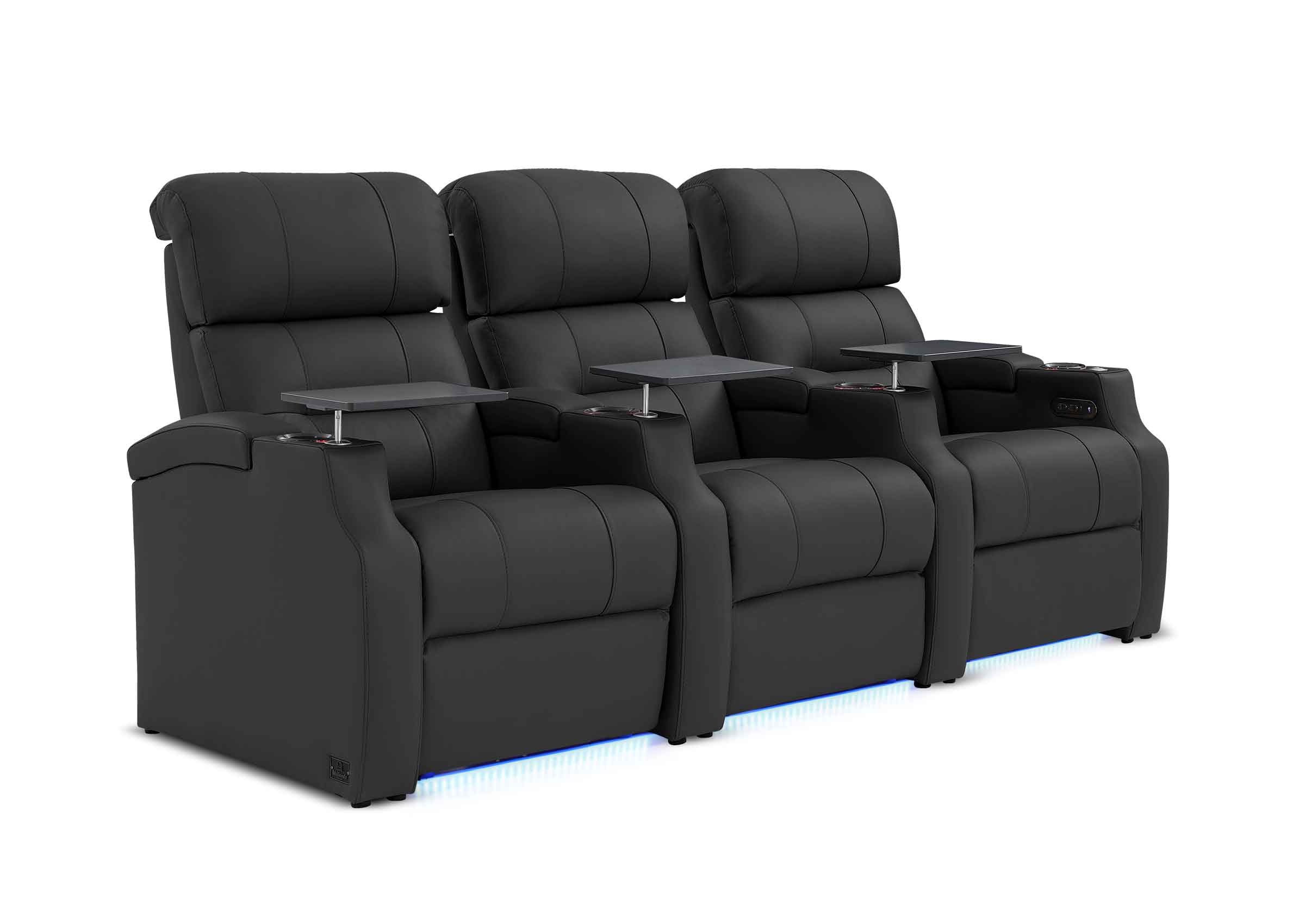
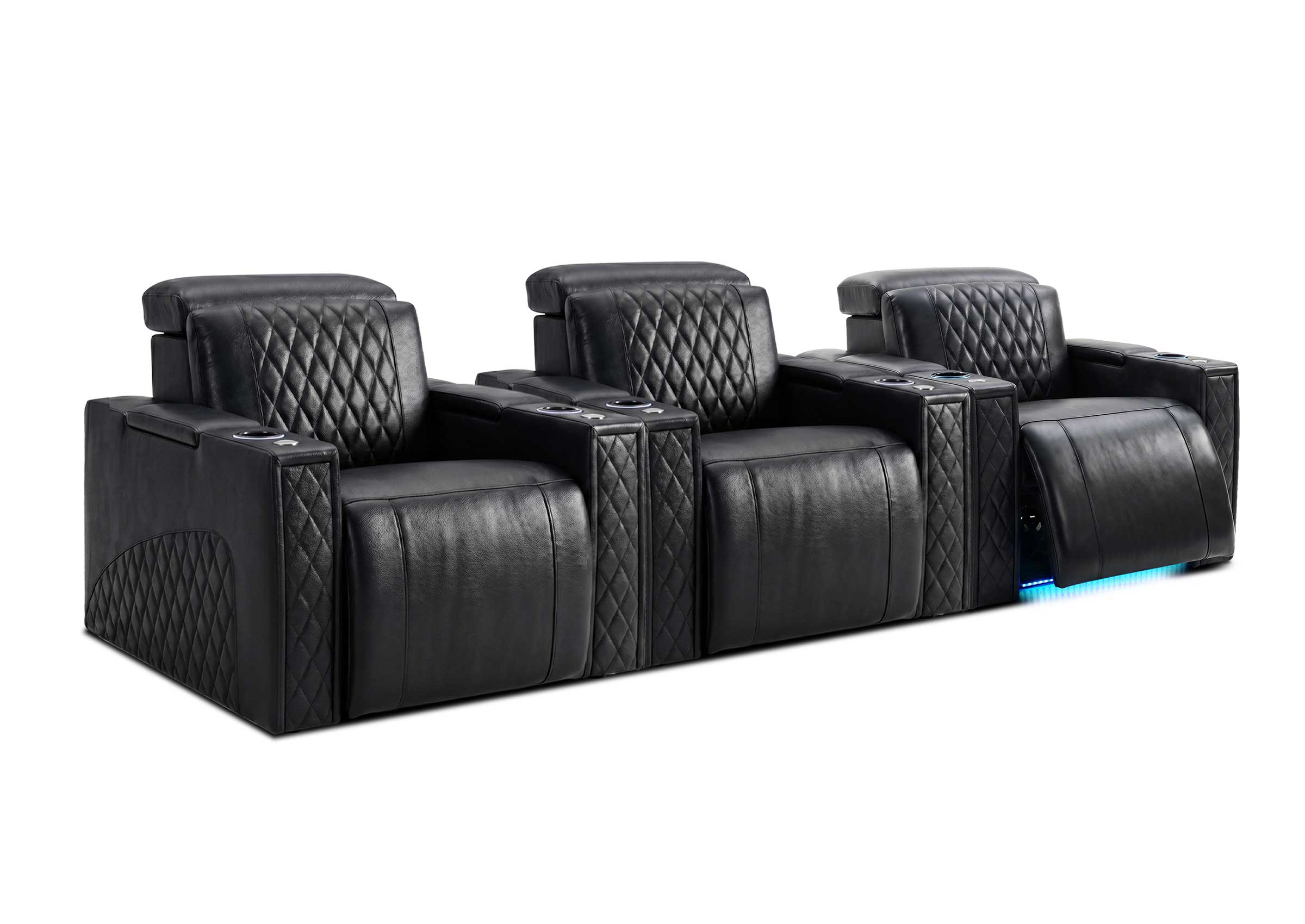

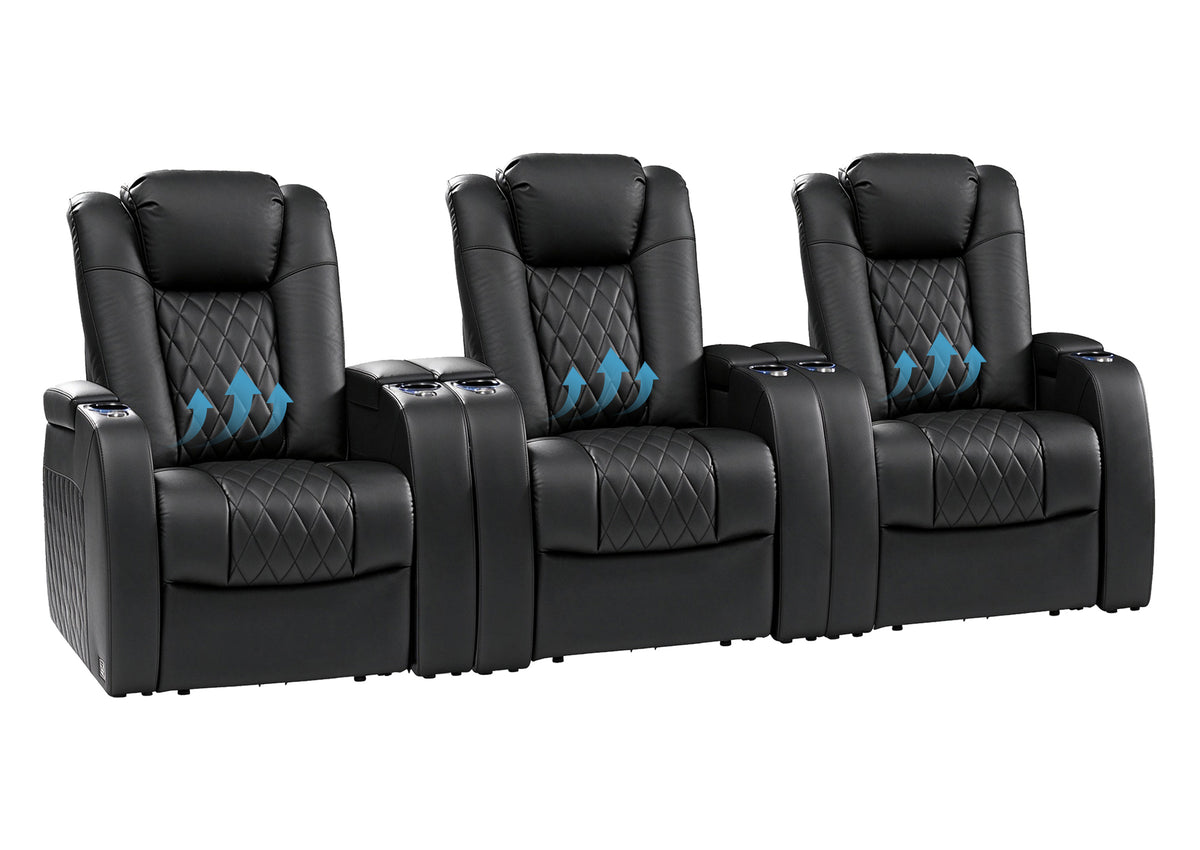
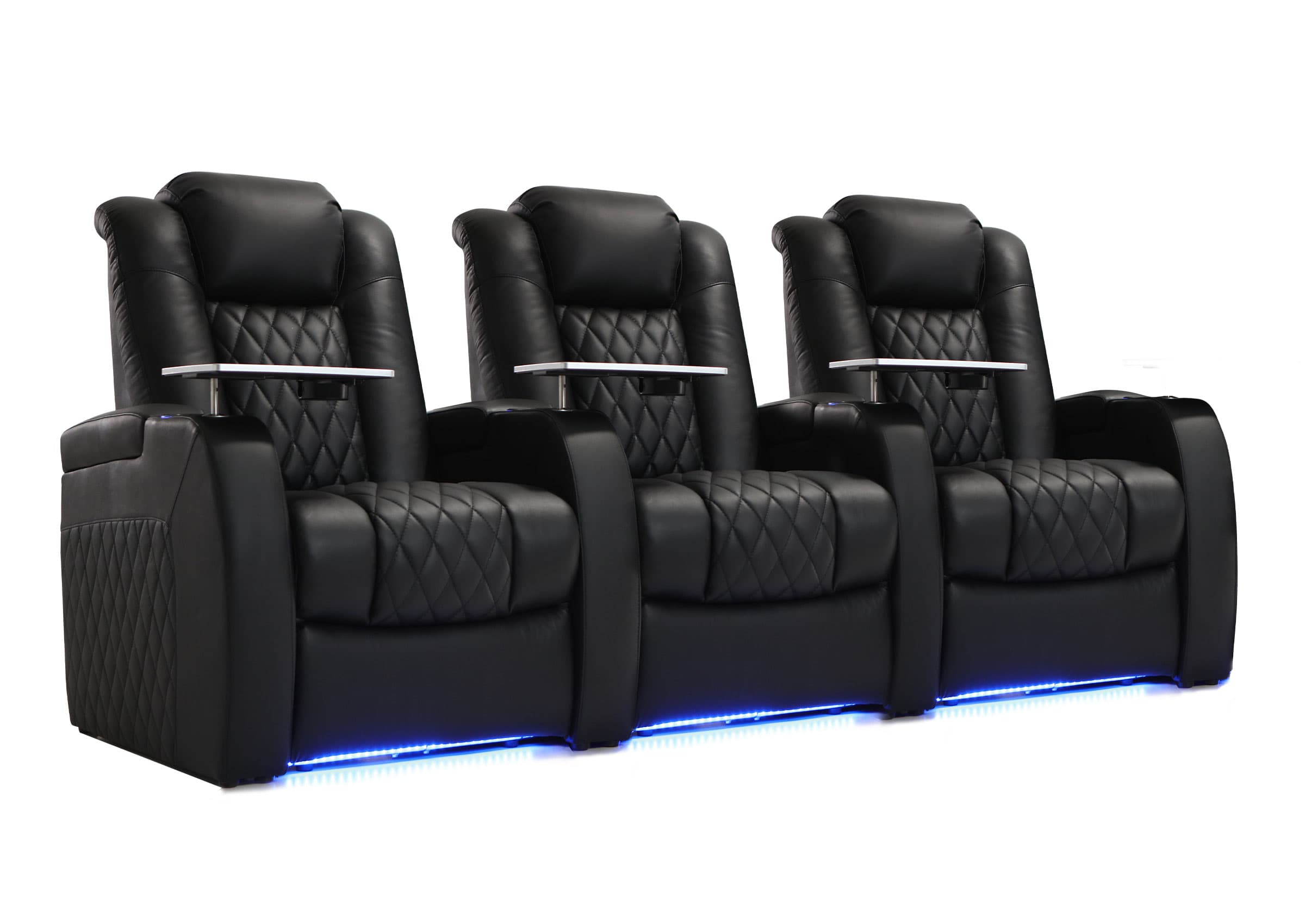
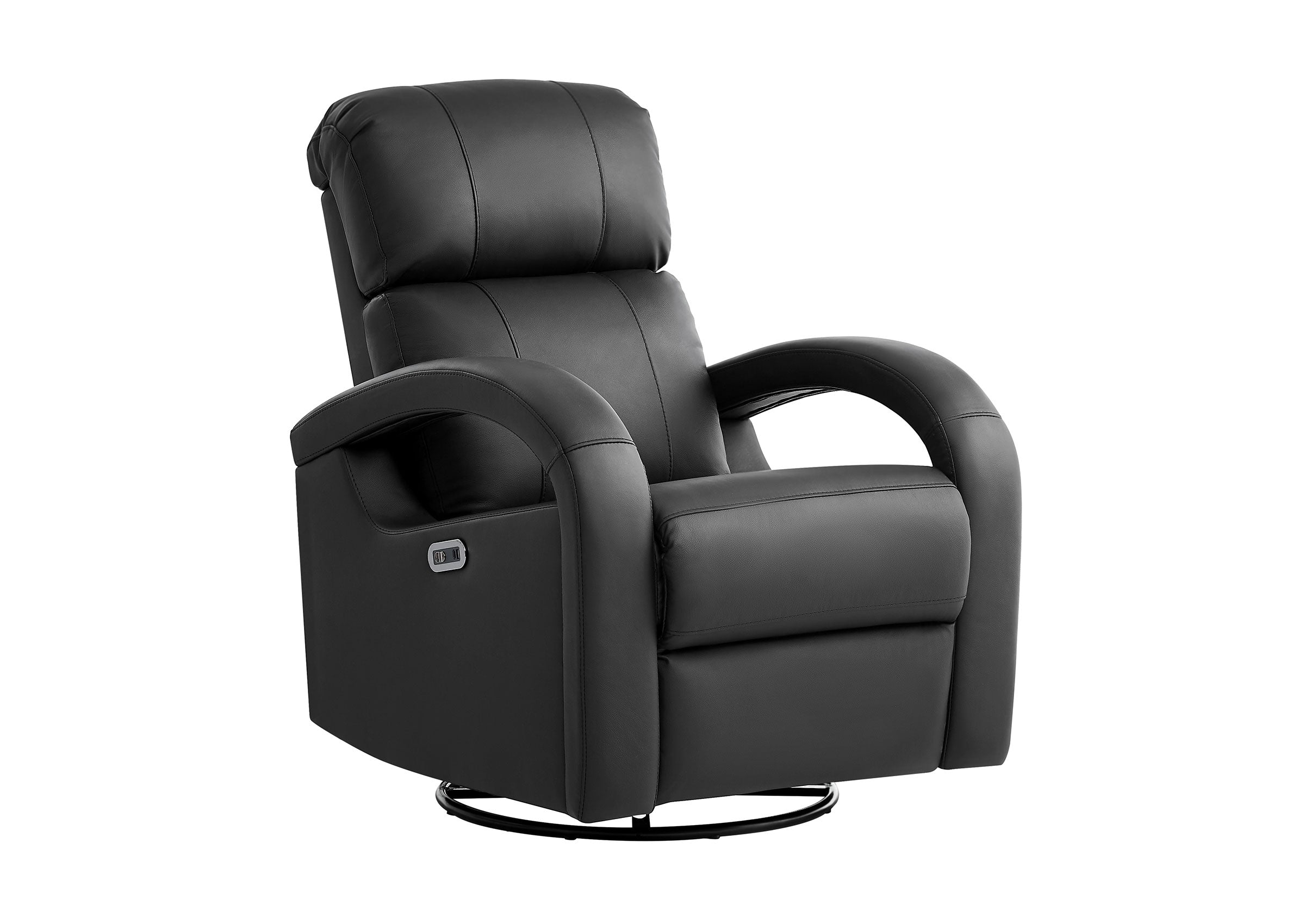
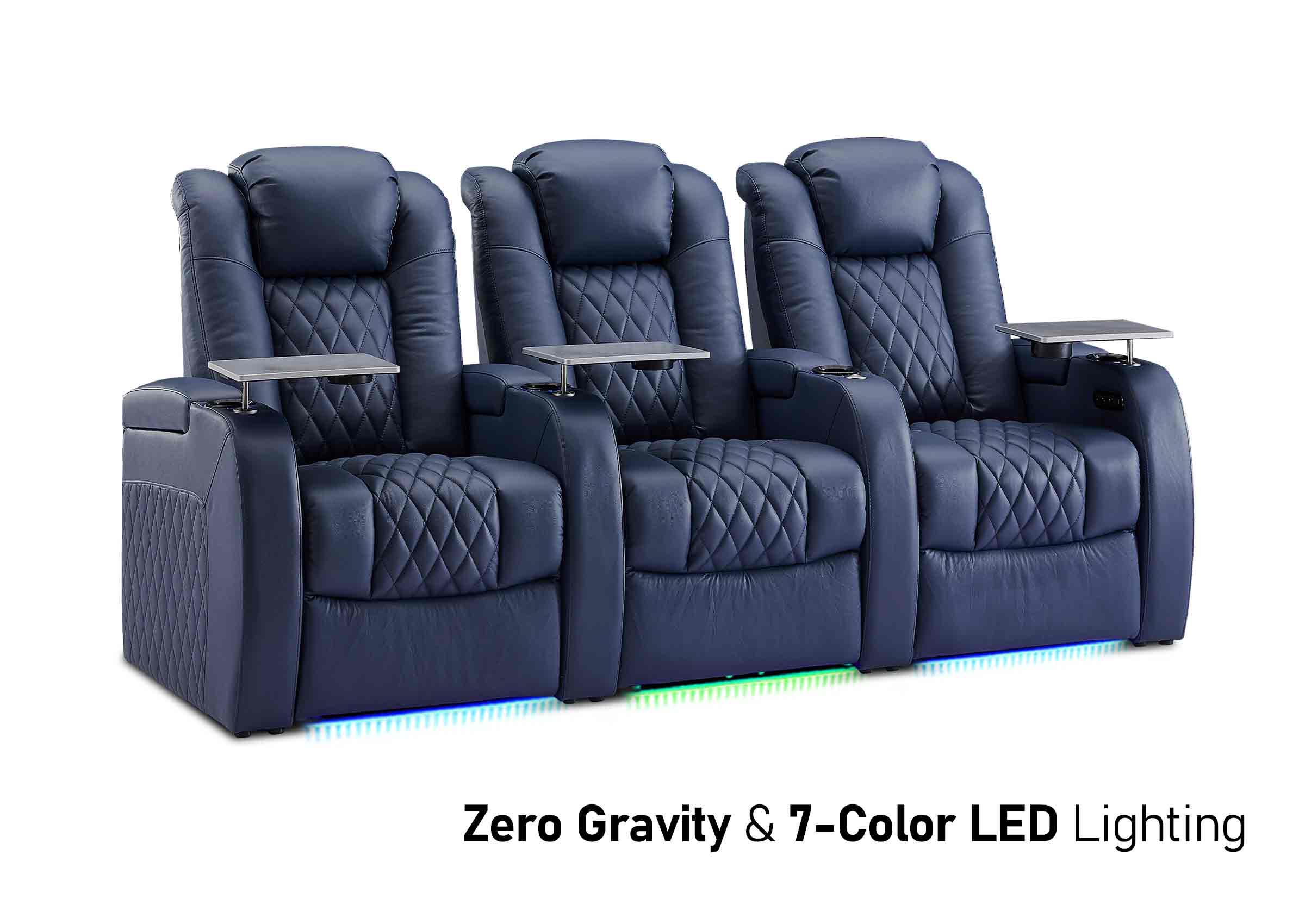
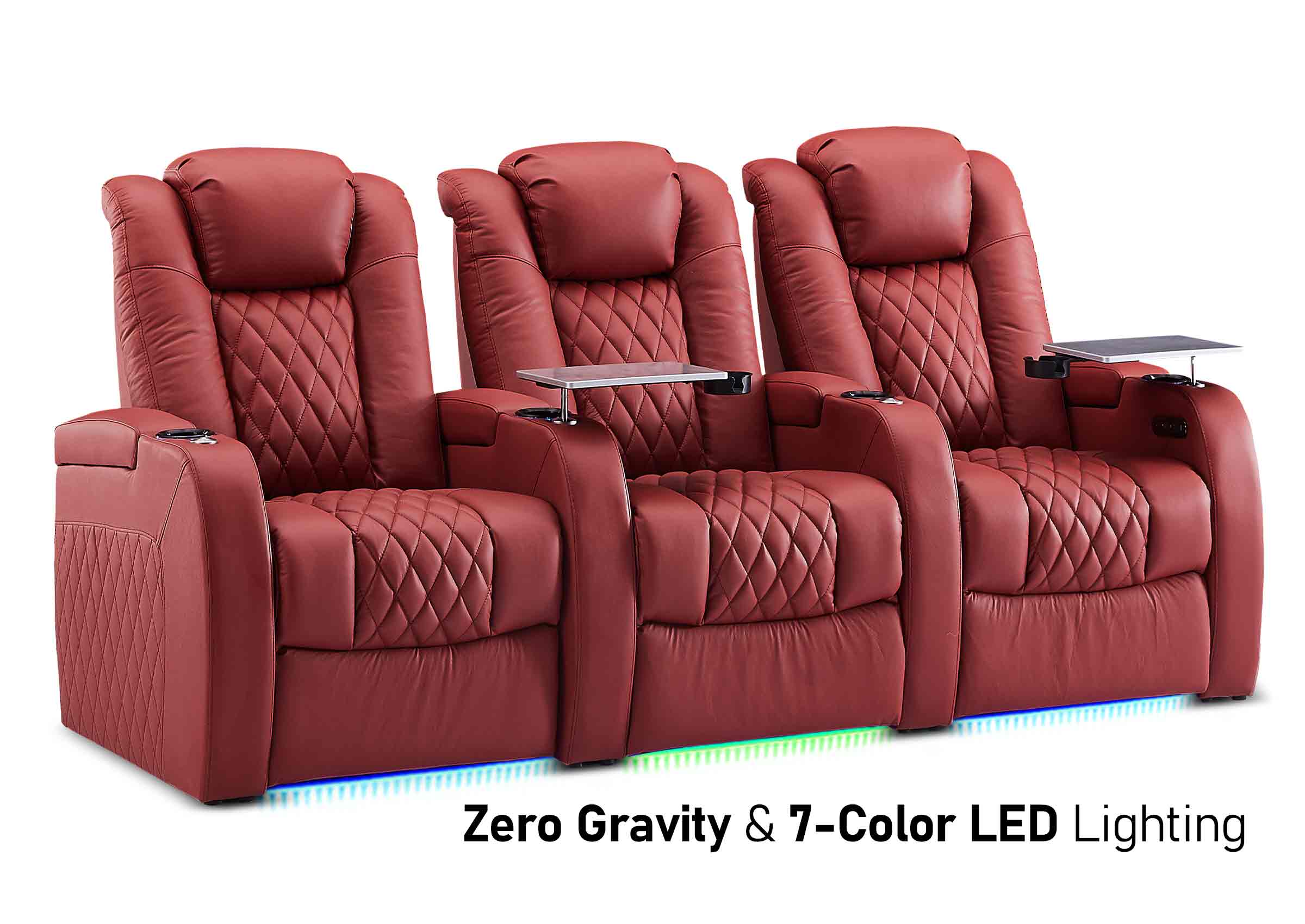
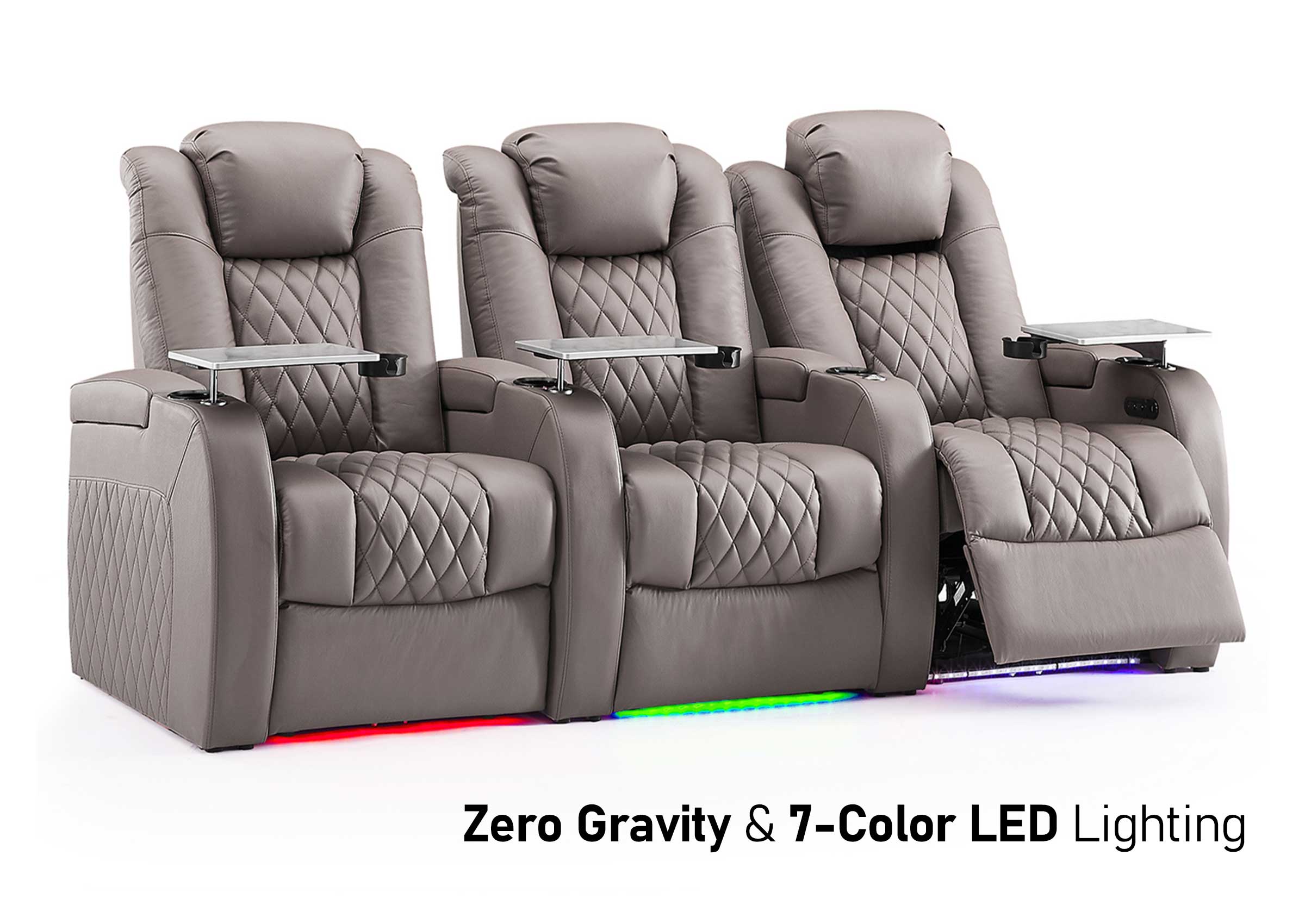
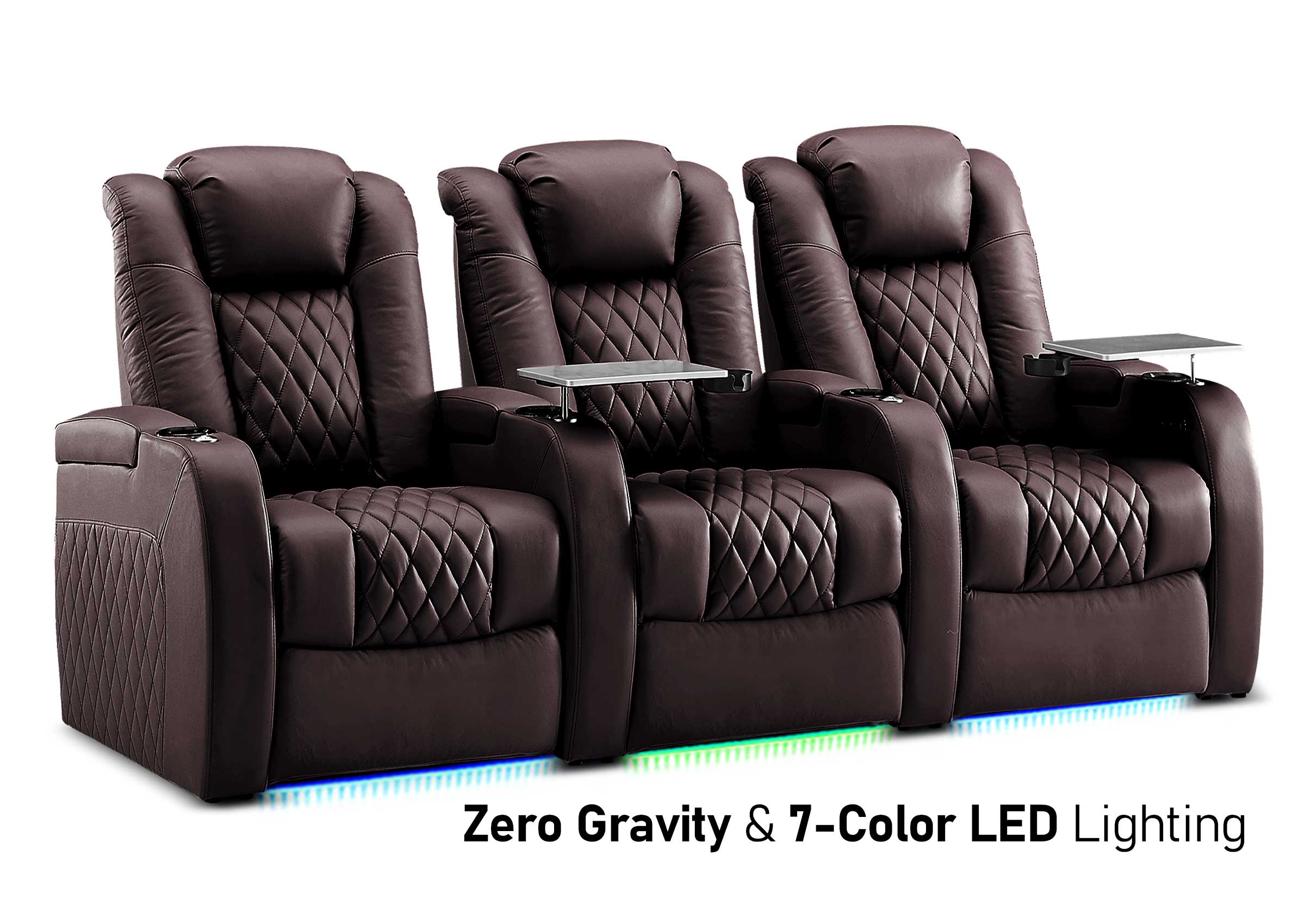

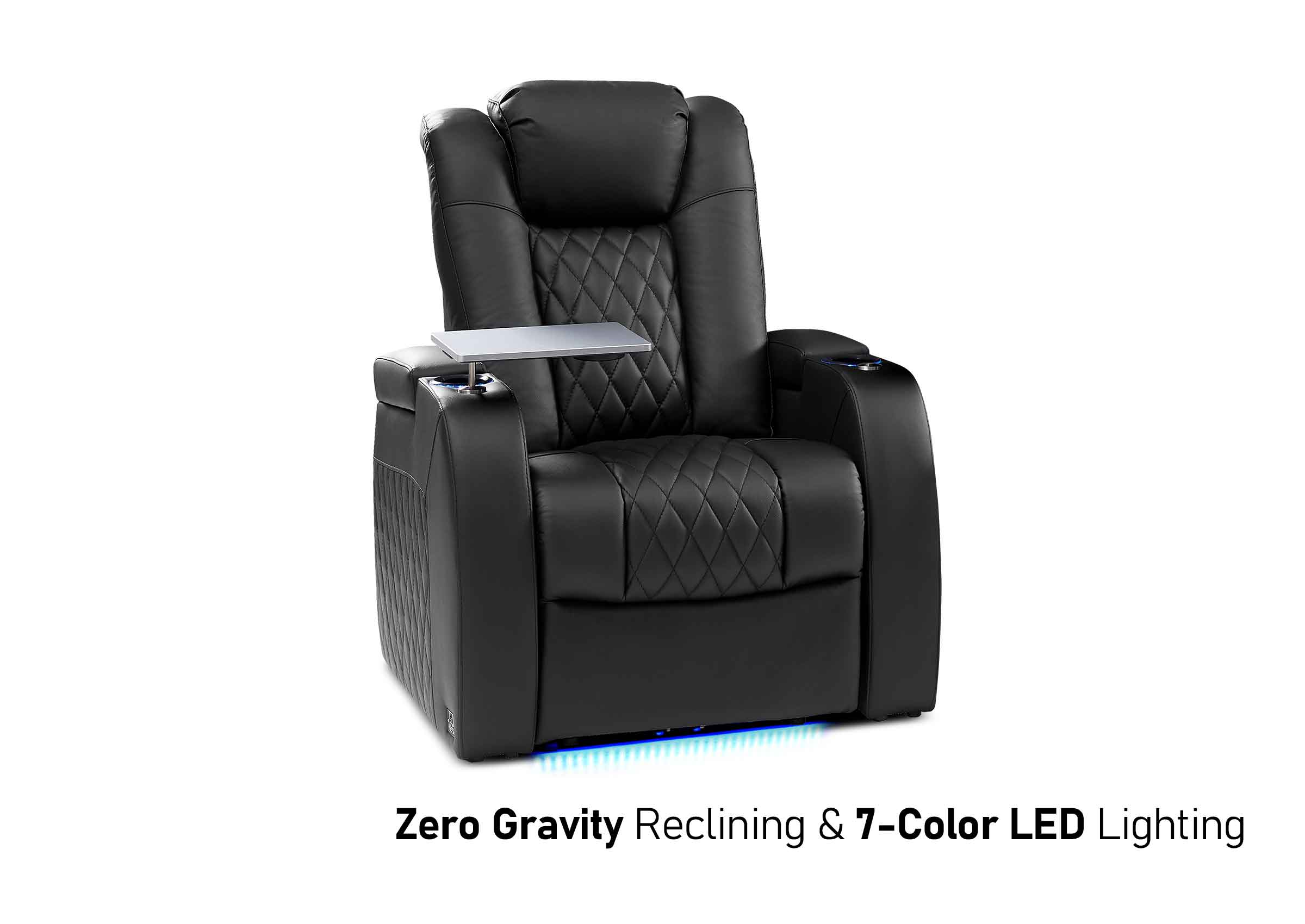
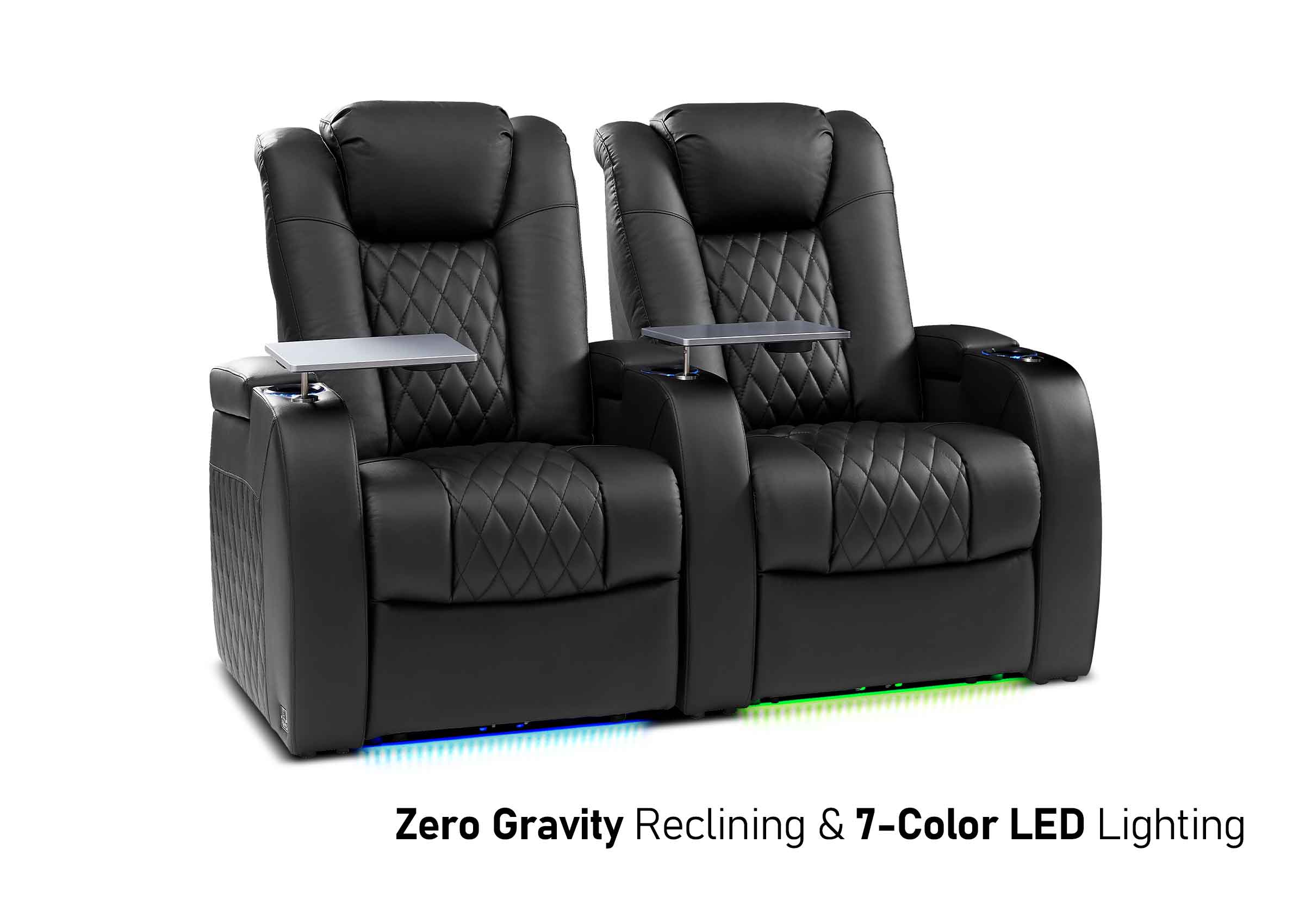
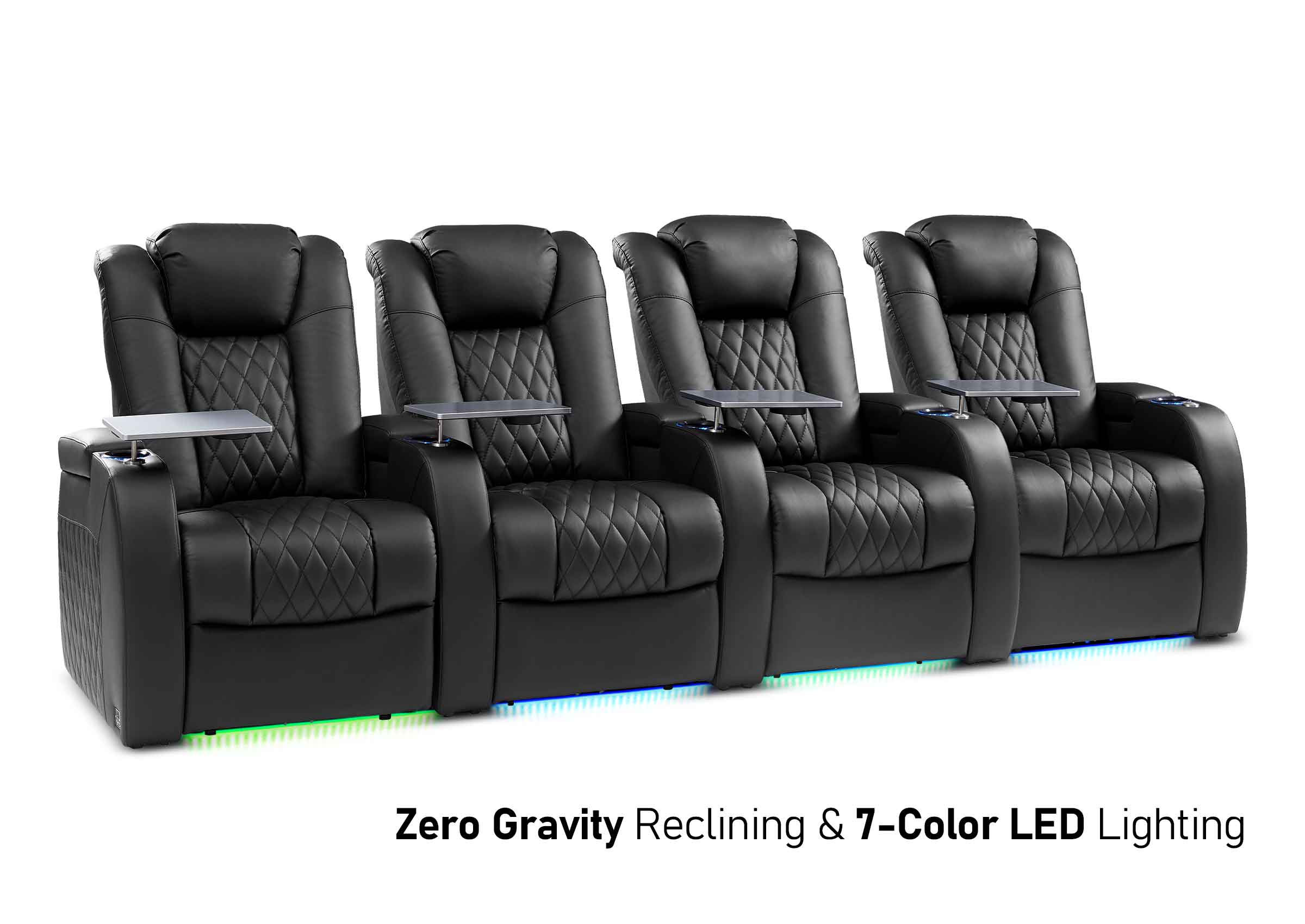
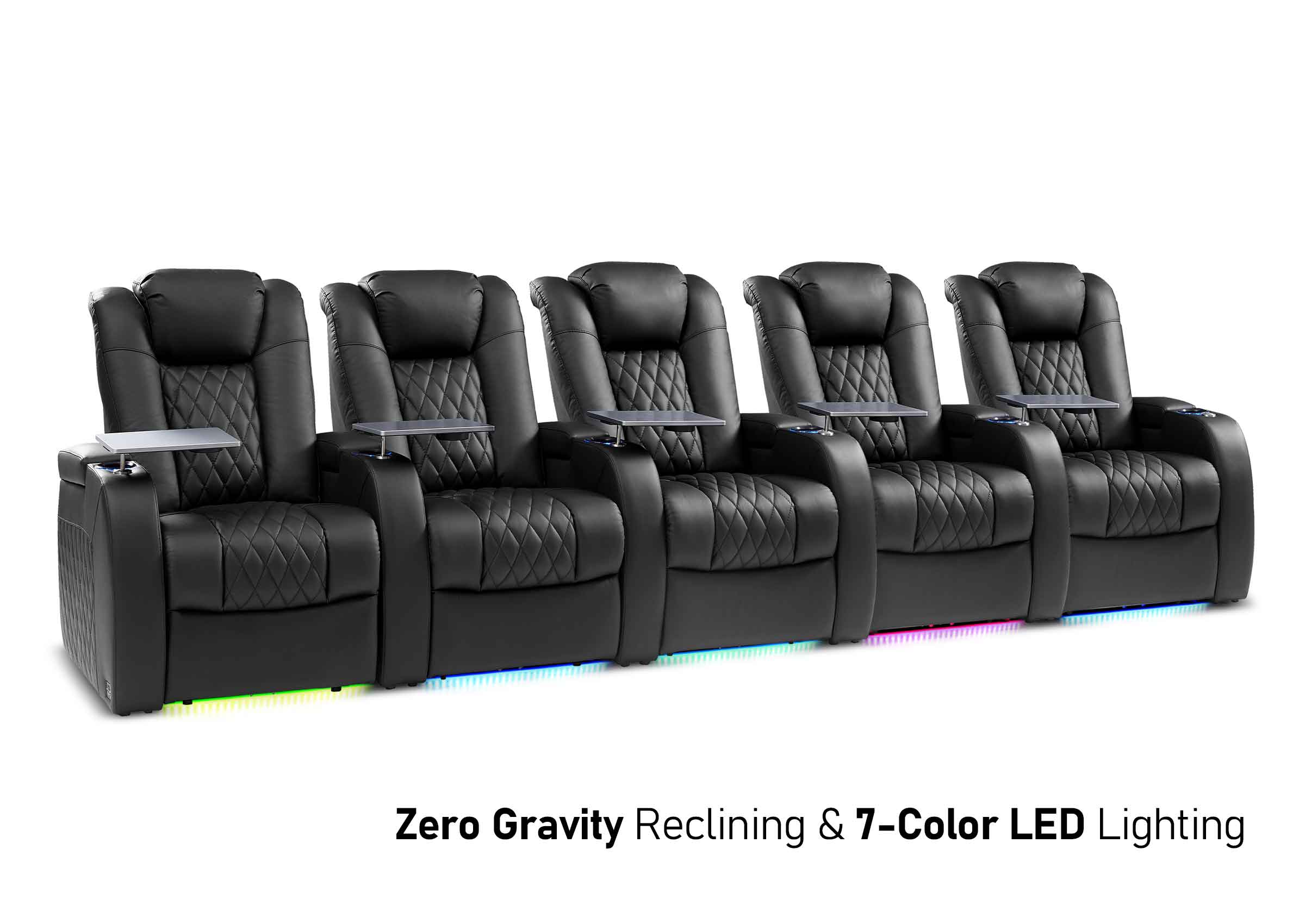
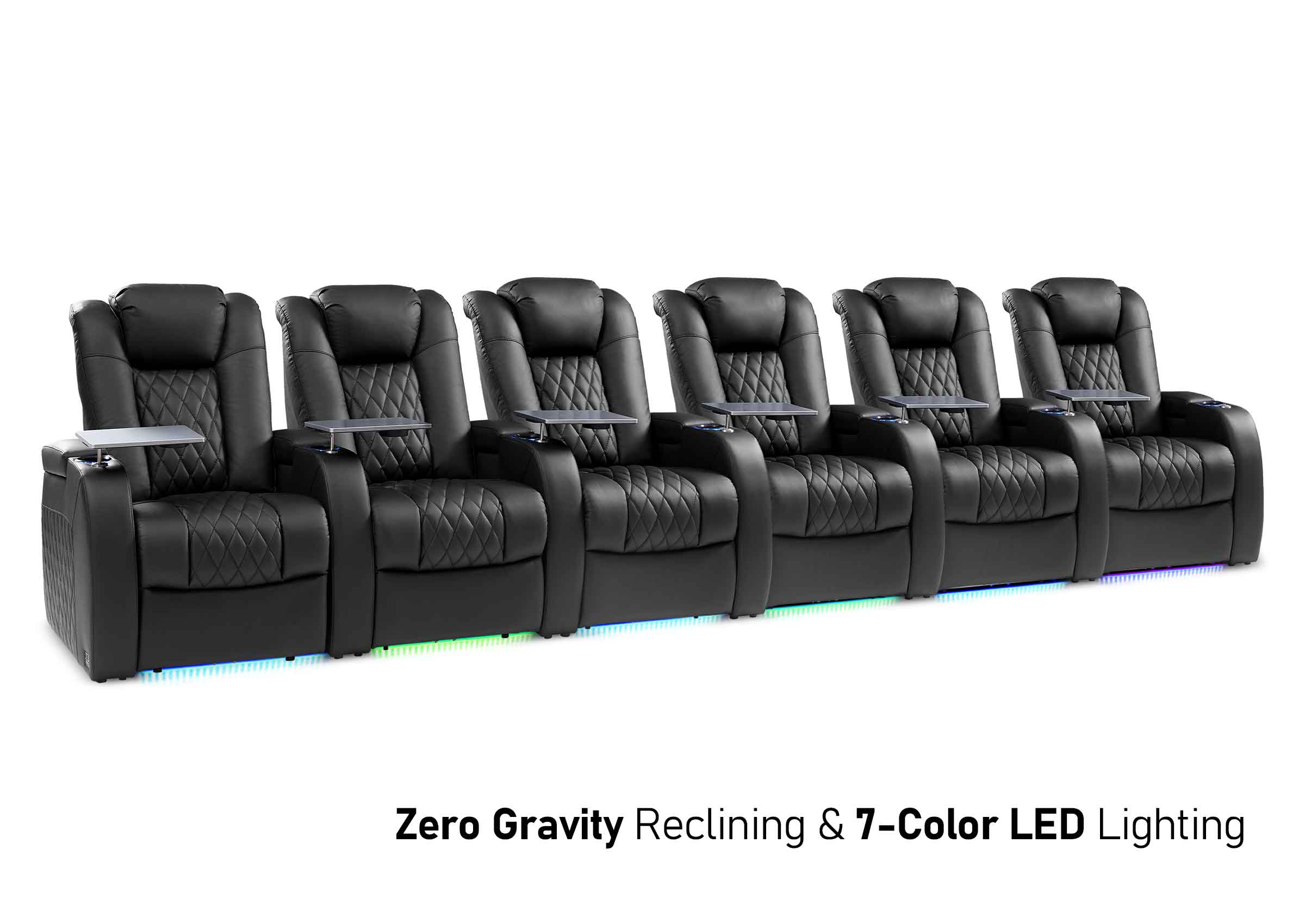
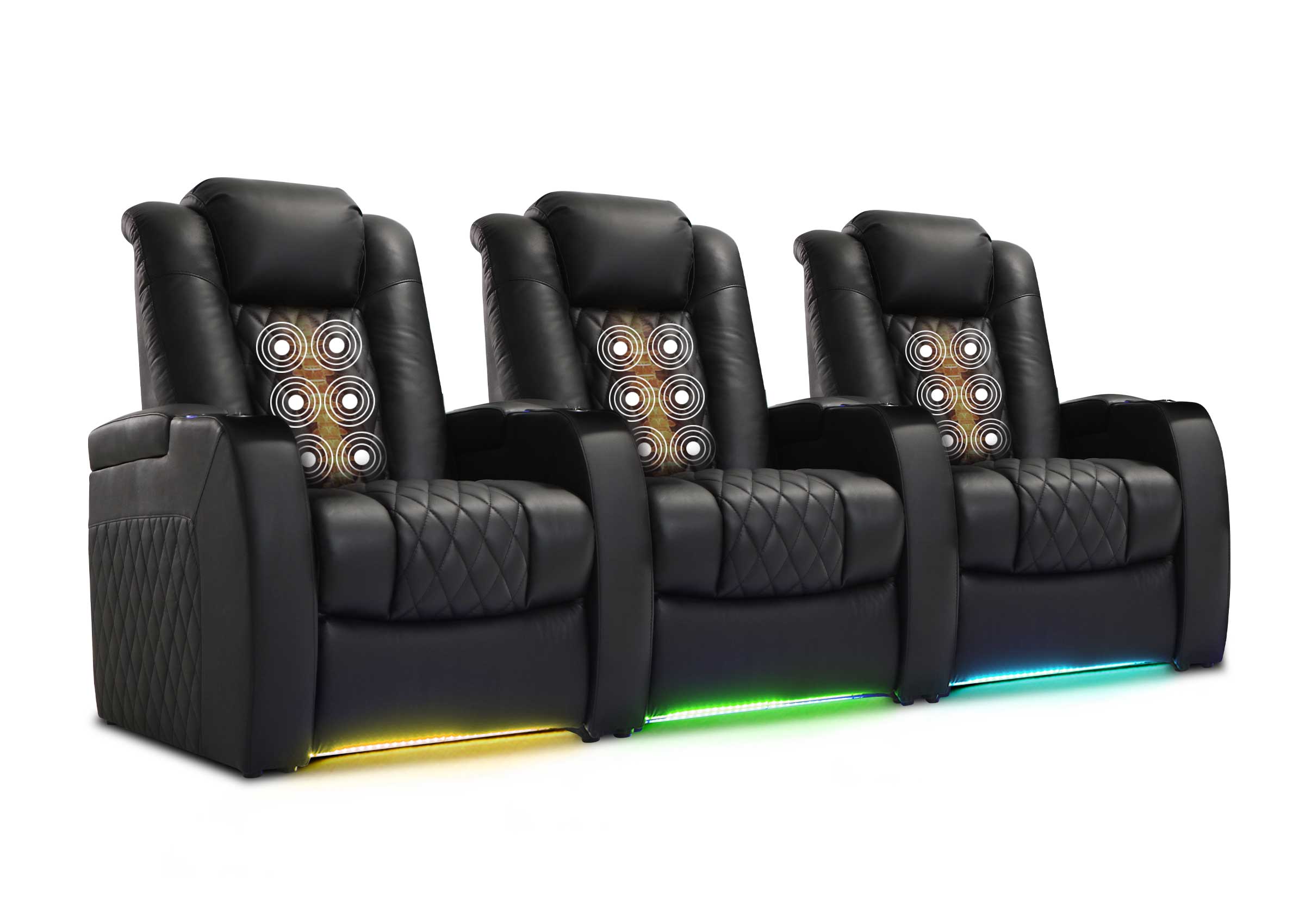

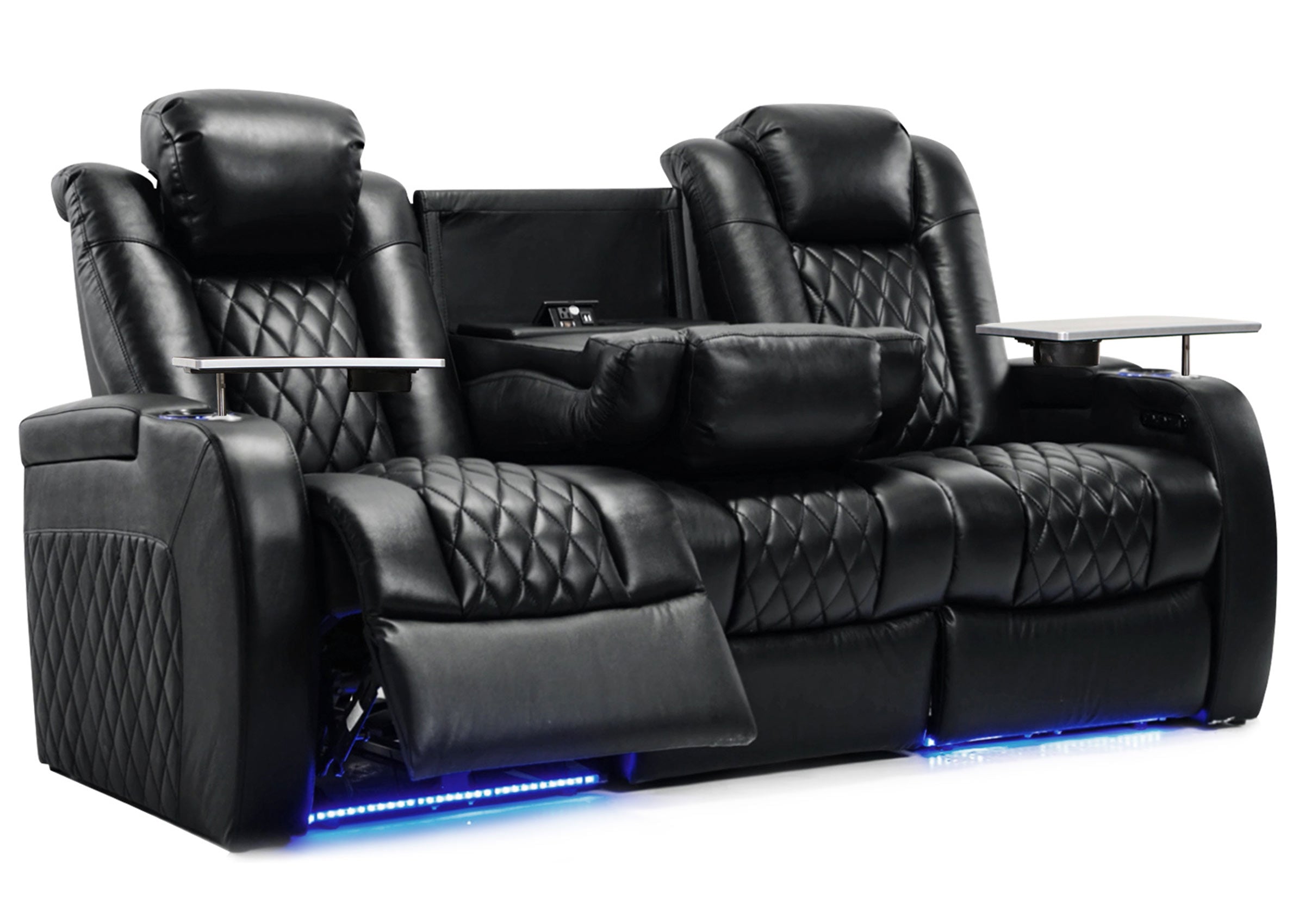
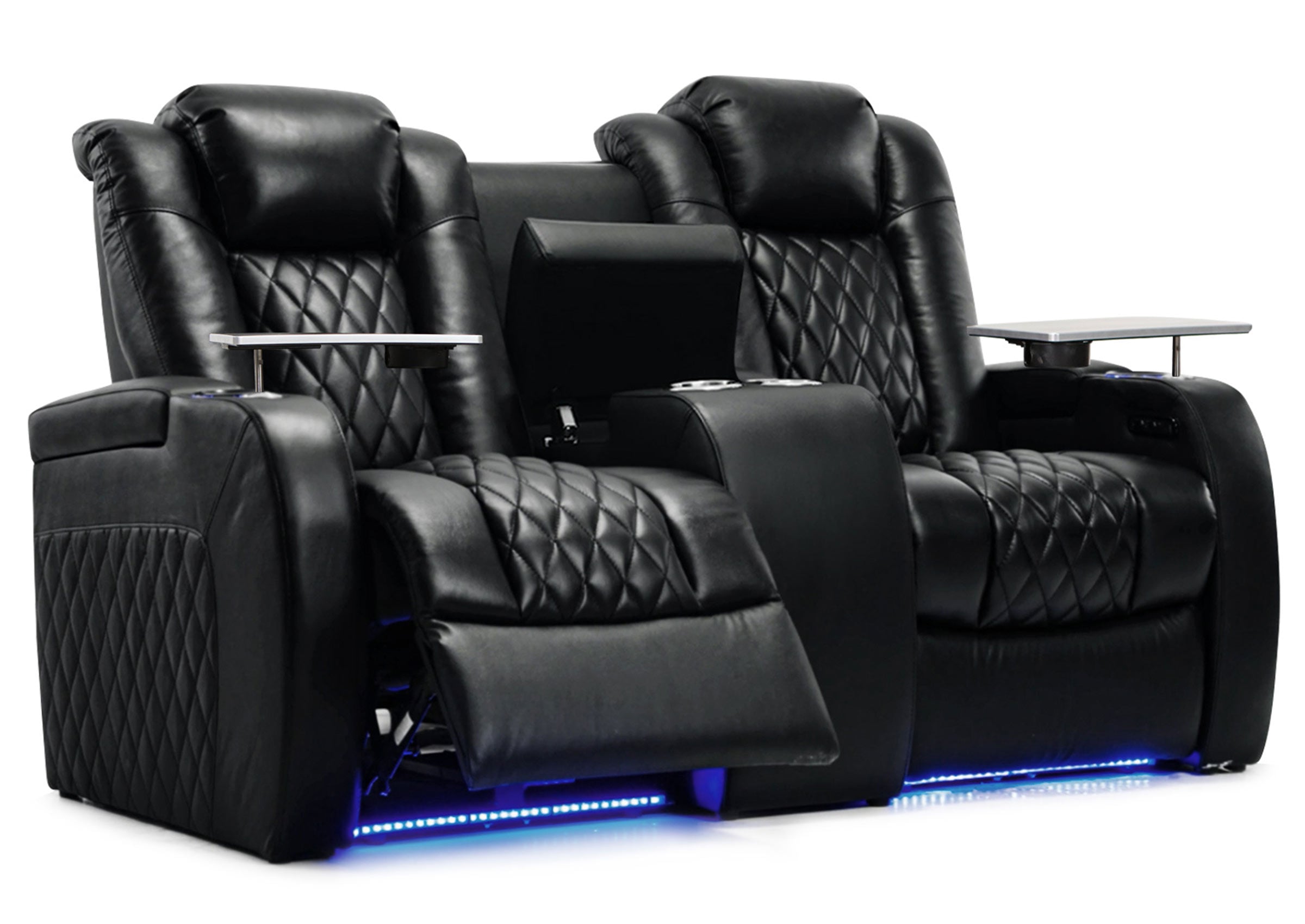

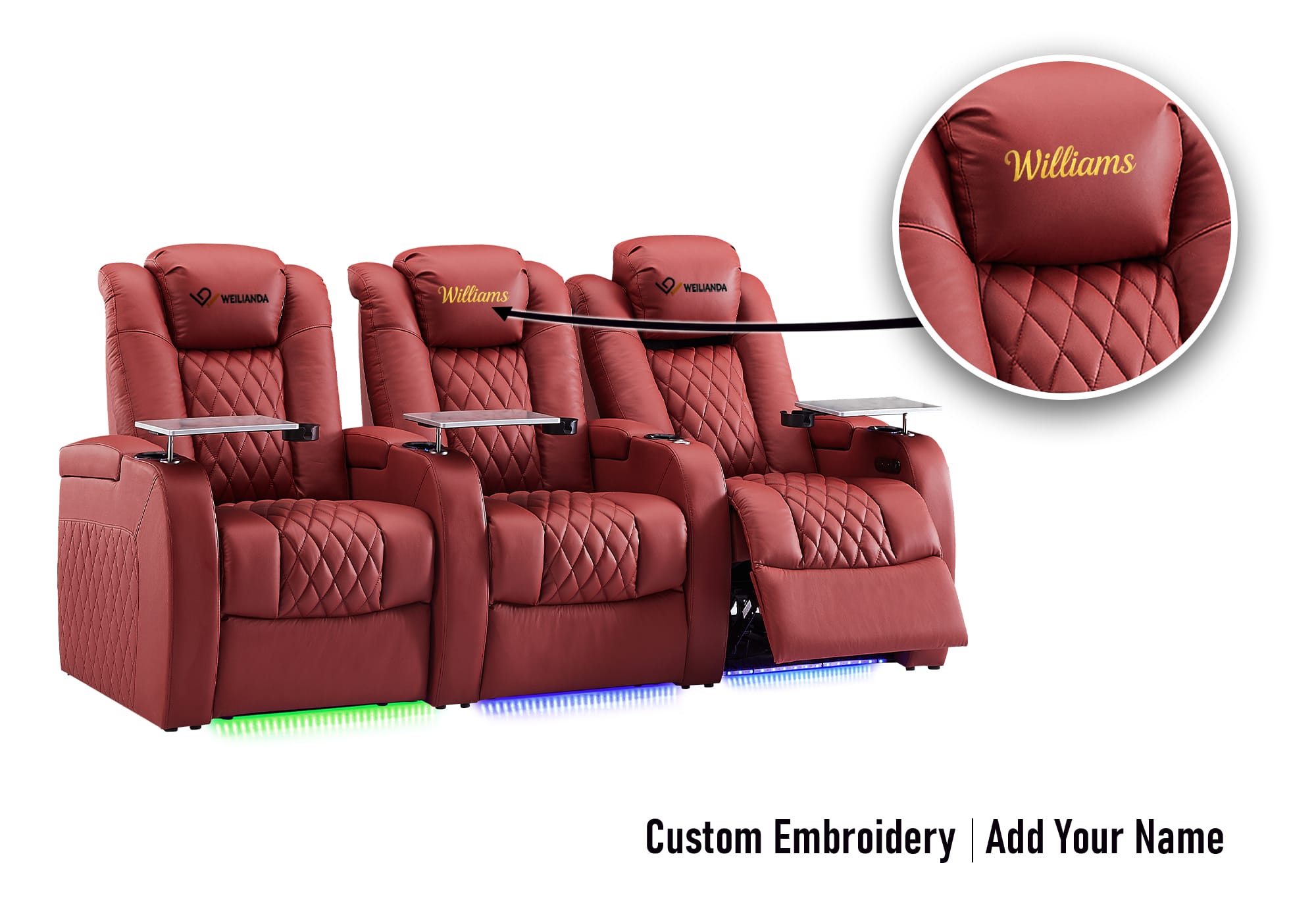

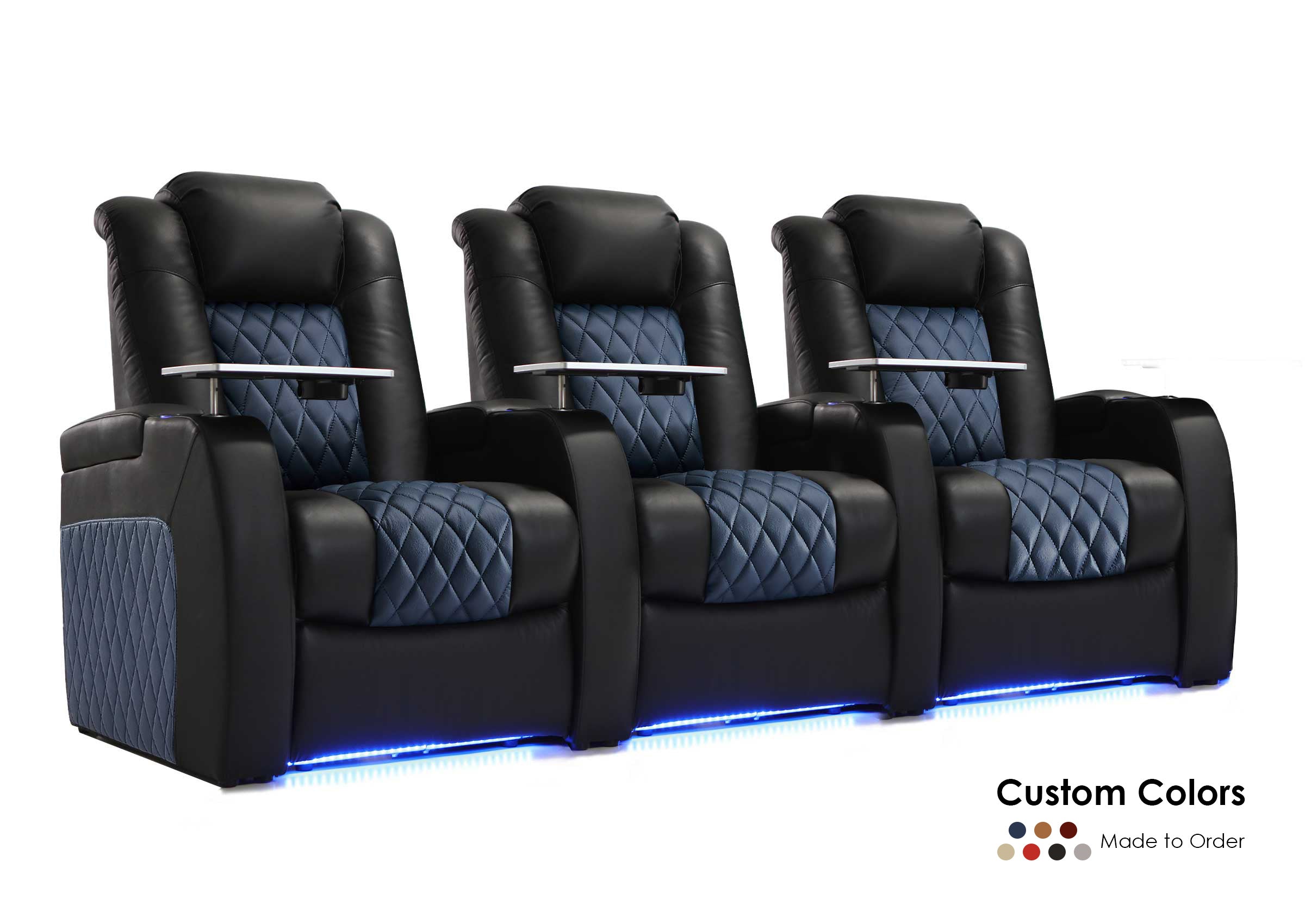

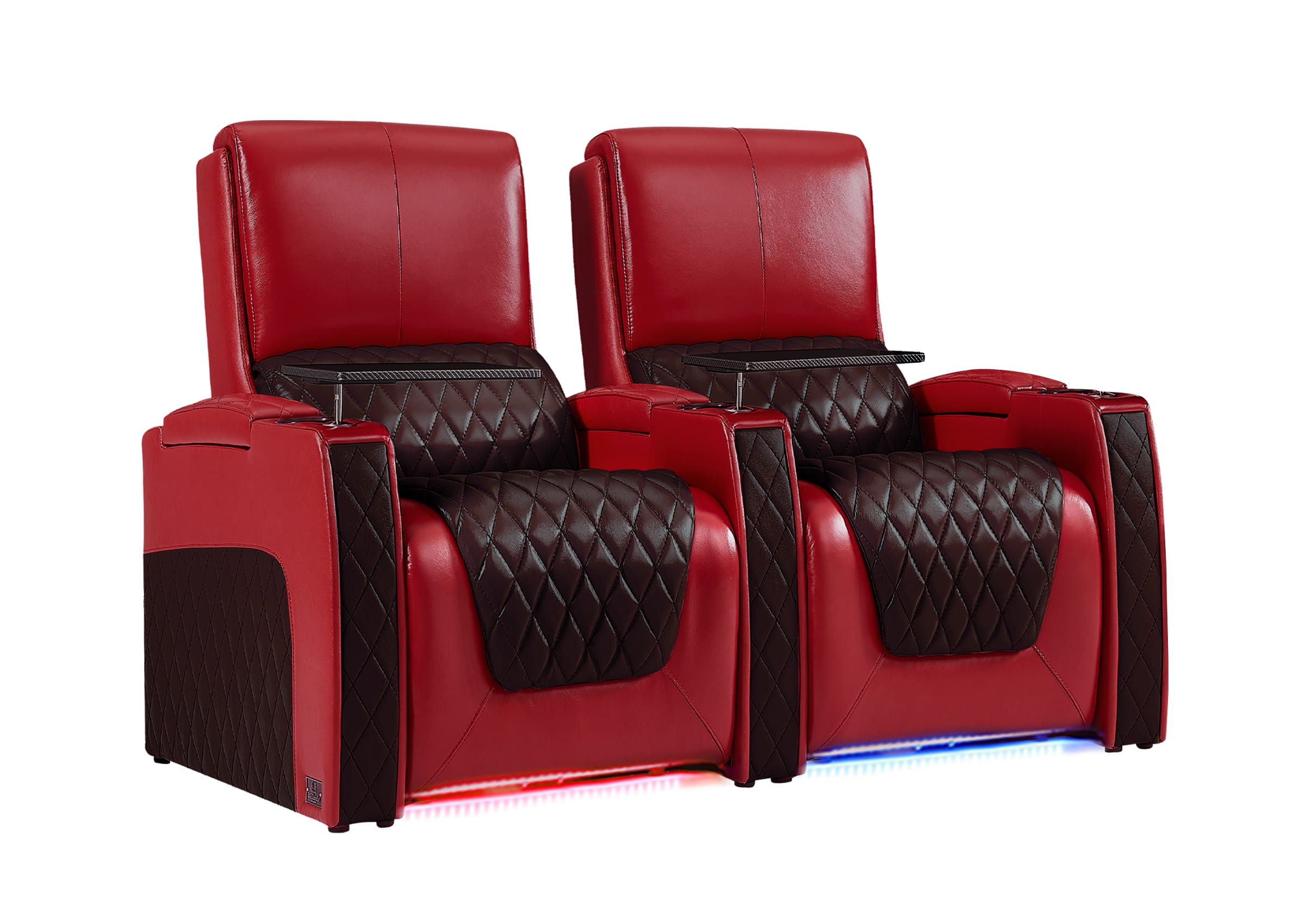
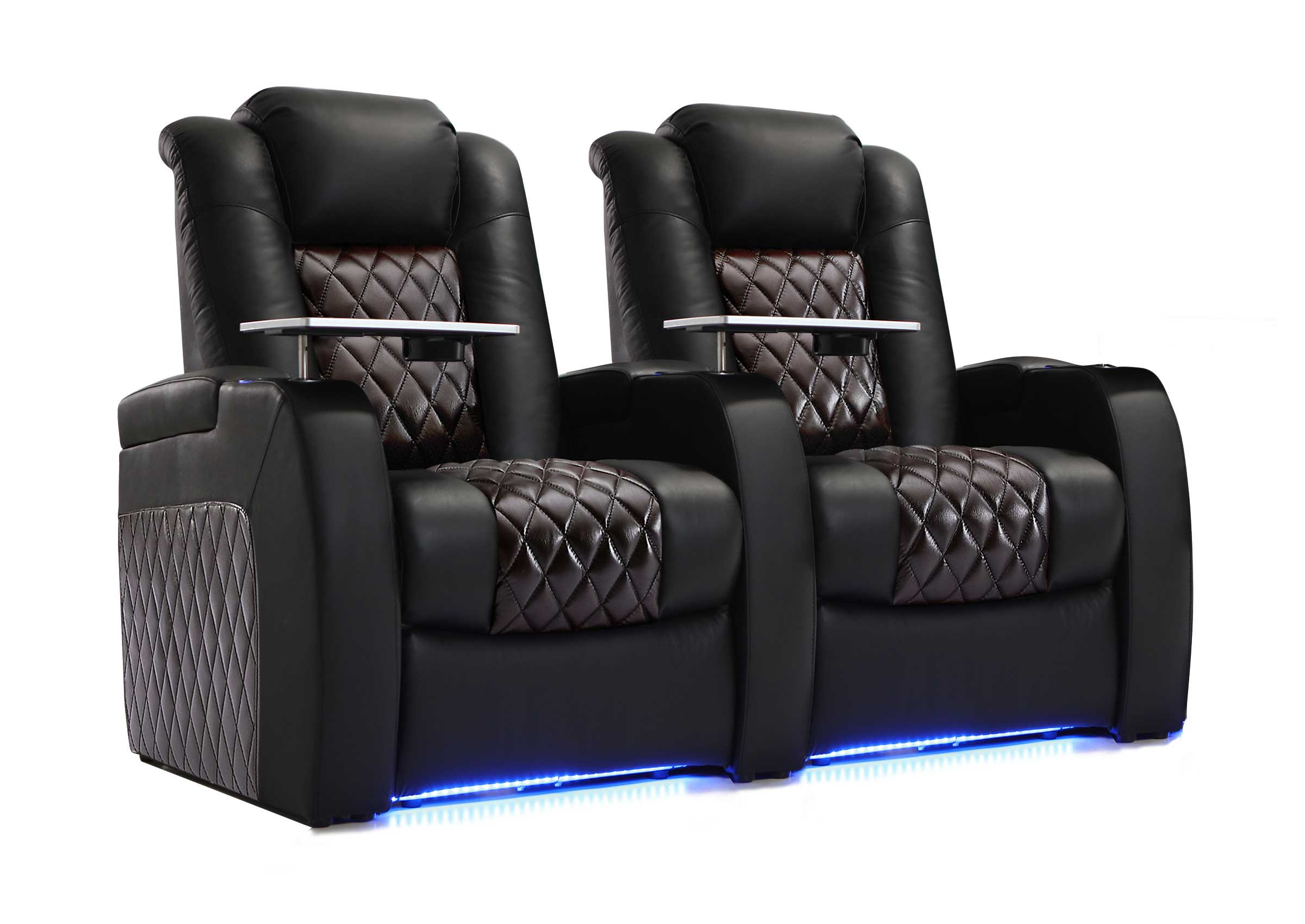
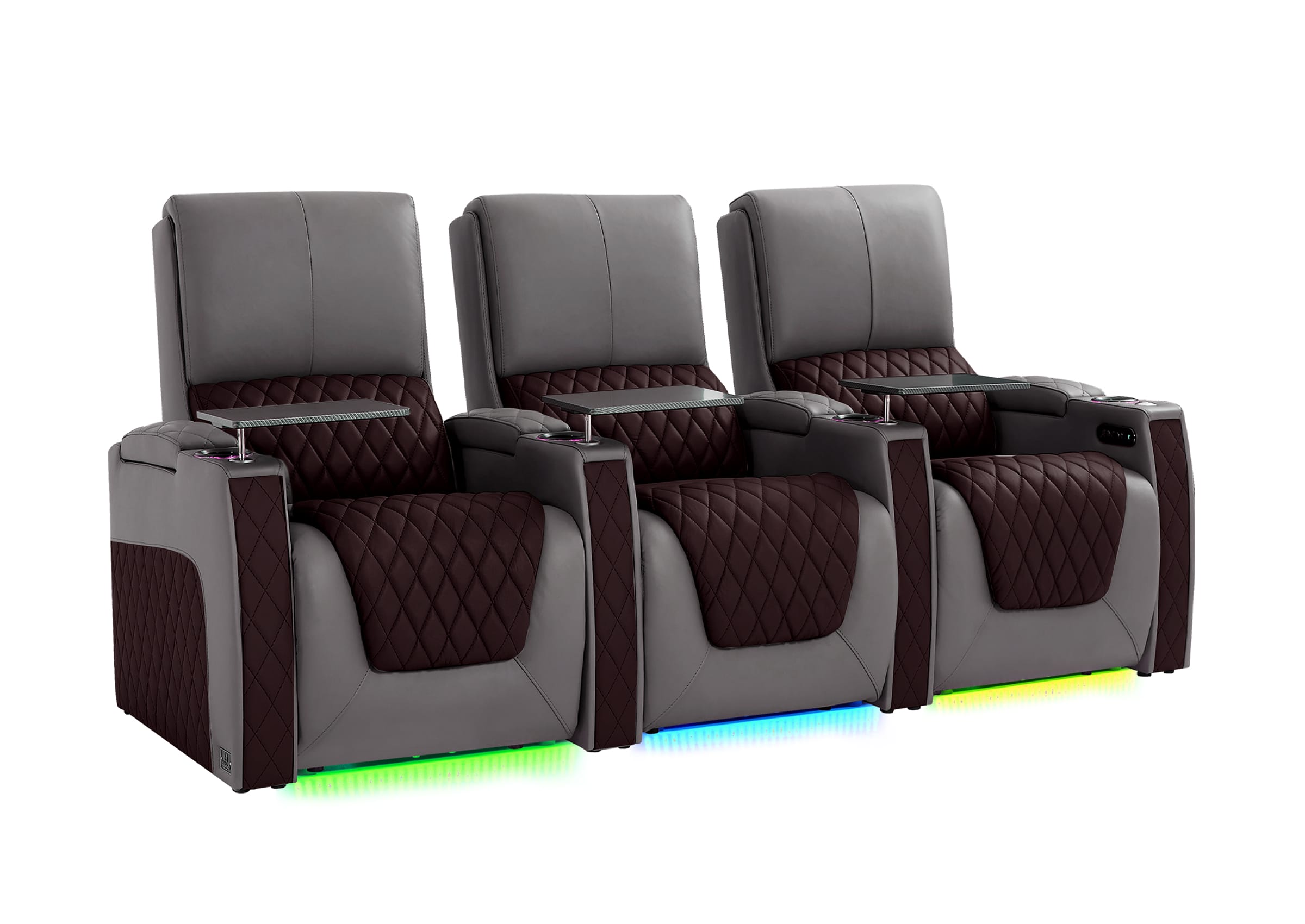
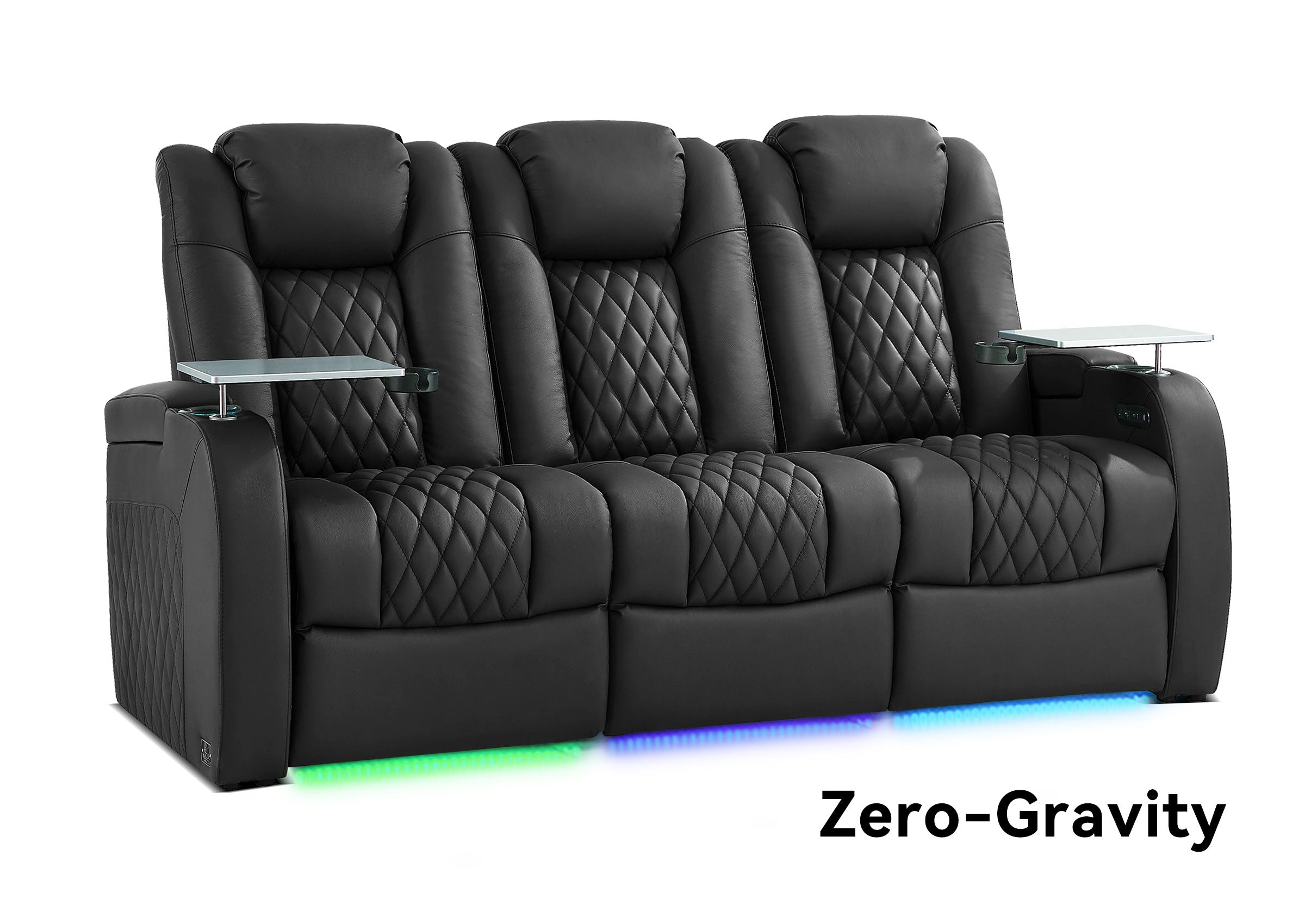


If you’re searching for a theater sofa, you’ve already realized that regular living room couches don’t cut it for serious movie nights or gaming marathons. A true home theater seating is built for long hours of seated comfort, better viewing angles, and features like powered recliners, cup holders, and modular layouts. But with so many options—from leather power sectionals to wall-hugger loveseats—choosing the wrong one leads to buyer’s regret. This guide helps you compare materials, layouts, and features so you buy once and enjoy it for years.
Quick Buying Answer: Which Theater Sofa Is Best for You?
The best theater sofa depends on your room size, who uses it, and how you watch. For small rooms, a wall-hugger reclining sofa saves space while still reclining fully. For families with kids or pets, top-grain leather beats fabric for easy cleaning. For dedicated media rooms, a powered reclining sectional with adjustable headrests gives you cinema-grade comfort. Skip cheap bonded leather—it peels within two years. Prioritize steel-reinforced frames and high-density foam cushions for long-term value.

Who Should Actually Buy a Theater Sofa?
A theater sofa makes sense if you regularly watch movies, play console games, or host sports viewing parties for more than two hours at a time. It’s also ideal for families who want dedicated media room seating without individual theater seats that isolate people. Homeowners upgrading a basement, bonus room, or luxury living room benefit from the clean look of a leather reclining sectional. If you rarely sit for longer than a standard TV episode, a regular sofa might be fine. But for immersion and fatigue-free viewing, theater seating is a genuine upgrade.
What Problems Does a Theater Sofa Solve?
Standard sofas cause neck strain (poor head positioning), fighting over armrests, and no place for drinks or snacks. A good theater sofa solves all three: powered recliners put your feet up without pushing the sofa away from the wall; built-in cup holders and storage consoles eliminate clutter; and modular designs let each person recline independently. Many buyers also regret buying sofas that don’t fit through basement doorways—modular reclining sofas come in pieces that solve that problem entirely.
Leather vs. Fabric: Which Material Survives Real Life?
This is the most common comparison buyers get wrong. Here’s what actually matters for your situation.
| Scenario | Best Material | Why It Works |
|---|---|---|
| Families with kids & pets | Top-grain leather | Spills wipe clean; pet hair doesn’t stick; no stains |
| Luxury home theater room | Top-grain or full-grain leather | Looks premium; ages well; adds resale value |
| Budget-friendly media room | High-performance polyester fabric | Lower cost; soft feel; wide color options |
| Gamers who eat/drink at seats | Top-grain leather | Easy to wipe Cheeto dust and soda spills |
| Cold basements (no HVAC) | Fabric with chaise | Feels warmer to the touch; leather gets cold |
| Home with direct sunlight | Fabric or protected leather | Sunlight cracks cheap leather over time |
Most homeowners find that top-grain leather offers the best long-term value—it lasts 10+ years with basic care. Avoid bonded leather (ground-up leather with polyurethane) because it flakes and cracks within two to three years. Buyers often regret choosing fabric when they have kids, then spend months scrubbing stains.
Powered Recliner vs. Traditional Sofa: Is the Upgrade Worth It?
A powered recliner sofa costs more upfront but solves three frustrations: manual levers that break, footrests that don’t lock, and the need for wall clearance. Power recliners use quiet motors, infinite positioning (stop anywhere, not just fully up or down), and USB ports for charging devices. Many power sectionals also include programmable memory positions for different family members.
Manual reclining sofas are cheaper but require 12–18 inches of wall clearance. Powered “wall hugger” recliners need only 3–6 inches, making them ideal for smaller living rooms or media rooms where you want the sofa close to a screen. For dedicated home theaters, powered recliners are worth the extra 300–300–600. For a guest room used twice a month, manual is fine.

Best Room Layouts for a Theater Sofa
Small living rooms (under 12ft wide): Use a 2-piece modular reclining sofa or a reclining loveseat. Avoid oversized sectionals—they swallow the room. Position the sofa perpendicular to the screen with a narrow console table behind it.
Dedicated home theater rooms: A three-seat power sectional with chaise on one end works well. Leave at least 30 inches between the sofa and back wall for recliner clearance unless you buy wall-hugger models.
Basement or bonus rooms: Go with an L-shaped reclining sectional sofa. Place the long side facing the TV, the short side against a wall. This creates a cozy, theater-like zone without feeling cramped.
Open-plan great rooms: Use a row of two theater sofas back-to-back (one facing the TV, one facing a fireplace or second screen). This works surprisingly well for large families with different viewing preferences.
What Features Actually Matter? (Ignore the Rest)
Many buyers get distracted by gimmicks. Focus on these five features for real-world usability:
-
Wall-hugger mechanism – Lets you recline fully while keeping the sofa close to the wall. Non-negotiable for rooms under 15 feet deep.
-
High-density foam cushions (1.8lb or higher) – Won’t sag after six months. Avoid “polyfill” or “feather blend” in theater sofas.
-
Steel frame – Hardwood frames crack over time in reclining sofas because of the torque. Steel lasts decades.
-
USBs in every seat – Family movie night means four devices needing charging. You’ll regret saving $100 on a model with only one port.

-
Removable back cushions – Makes moving the sofa through doorways possible. Many oversized recliner couches won’t fit otherwise.
Features that sound nice but don’t matter as much: lighted cup holders (they break), Bluetooth speakers (sound quality is poor), and massage functions (most are weak and fail within a year).
What Buyers Often Regret After Purchasing
The most common regret is buying a theater sofa that doesn’t fit through the basement stairwell. Always measure doors, landings, and corners before ordering. Second biggest regret: choosing bonded leather to save money. You’ll replace it in two years. Third: buying a fixed (non-modular) reclining sofa that can’t be reconfigured when you move or rearrange the room. Modular reclining sofas cost slightly more but adapt to new spaces.
Buyers also regret not testing recline depth. Some “full recline” positions only raise your feet to coffee-table height—barely useful. Look for models where the footrest reaches at least parallel to the seat cushion. And never skip extended warranties on powered mechanisms. Motor replacements cost 150–150–300, and they do eventually fail.
How to Choose the Right Size: A Simple Measurement Guide

Do this before you browse another theater sofa:
- Width per seat – Allow 22–24 inches per person for comfortable arm room. A three-seat theater sofa needs 66–72 inches minimum.
- Depth when reclined – Measure from wall to front of footrest. Most need 55–65 inches fully extended. Wall huggers need only 35–40 inches.
- Aisle clearance – Leave 18–24 inches in front of the sofa for walking past reclined seats.
- Doorway check – Remove the sofa’s back cushions and legs. The remaining frame must fit through your narrowest door, typically 29–32 inches.
If you have a small room, consider a two-seat reclining loveseat plus a standalone powered recliner chair. This gives you the same seating count with more layout flexibility.
Common Buying Mistakes That Cost You Money
- Buying a non-powered sofa for a home theater – Manually reaching down to pull a lever breaks immersion and annoys everyone mid-movie.
- Ignoring seat height – Low-profile sofas with a 17-inch seat height are hard for older adults or tall people to stand up from. Look for 19–21 inches.
- Forgetting about delivery – Many cheap online sofas ship in one giant box. You’ll need two people and a dolly. White-glove delivery is worth $100–$150.
- Choosing style over function – A sleek, low-back theater sofa looks great but kills your neck after 90 minutes. Prioritize head support.
- Not checking the return policy – Some “home theater seating” brands charge 30% restocking fees. Buy from companies with at least 30-day returns.
Best Real-Life Use Cases for a Theater Sofa
Home theater room: A 3-seat leather power sectional with cup holders, wall-hugger recline, and USB ports. Every person reclines independently without fighting over the footrest.
Gaming room: An oversized recliner couch with high-density foam and a center console for controllers. Gamers need armrests that don’t wobble—look for solid wood or steel construction.
Family movie nights: A modular reclining sofa that separates into two pieces. Parents take the chaise end; kids get individual recliners. No more fighting over who sits where.
Luxury living room: Top-grain leather theater sofa in a neutral color (charcoal, tan, or black) with hidden power controls and minimalist design. It replaces a standard sofa but adds function for Super Bowl parties.
Basement entertainment room: A 4-seat reclining sectional that fits against two walls. Add an LED strip behind the sofa for ambient bias lighting—huge upgrade for under $30.
Mini Query: Are Powered Recliners Worth It for Gamers?
Yes, absolutely. Gamers sit for 3–6 hour sessions, often leaning forward during intense moments and reclining during cutscenes. Powered recliners let you adjust the back angle independently from the footrest—manual sofas force you to recline both at once. Look for a power sectional with adjustable lumbar support. Many gamers also prefer fabric over leather because it breathes better during long summer gaming marathons.
Mini Query: Can an Oversized Theater Sofa Work in a Small Room?
Only if you choose a wall hugger powered recliner. Regular oversized recliner couches need 18+ inches behind them, which eats floor space. Wall huggers need just 4–6 inches. Also, skip the chaise attachment in small rooms—it blocks walking paths. Instead, get a straight 2-seat or 3-seat theater sofa with a center drop-down console. You’ll get cup holders and storage without losing square footage.
FAQ: Theater Sofa Buying Questions
How much wall clearance does a power recliner need?
Wall-hugger power recliners need 3–6 inches. Standard power recliners need 10–12 inches. Manual reclining sofas need 15–18 inches. Measure before buying.
What is the best leather for a reclining sofa?
Top-grain leather is the sweet spot between durability (lasts 10–15 years) and cost. Full-grain is even better but costs 40% more. Avoid bonded leather at all costs.
Are modular reclining sofas better than fixed sofas?
Yes for most buyers. Modular lets you rearrange when you move, replace single damaged seats, and fit through narrow doorways. Fixed sofas are cheaper but less flexible.
How long do powered theater sofas last?
Quality models with steel frames and high-grade, ultra-quiet motors last 7–10 years with normal use. The upholstery usually fails before the mechanism. For immersion, quiet operation matters more than brand names.
Can I mix a theater sofa with regular furniture?
Yes, but keep sightlines in mind. A large reclining sectional sofa will look out of place next to a delicate antique chair. Stick with similar visual weight and leather colors.
Your Next Step: Find the Right Theater Sofa for Your Room
Then compare two or three models that fit your specs before buying.
If you want factory-direct pricing without showroom markups, Weilianda offers customizable home theater seating with premium top-grain leather, powered recliner options, modular configurations, and fast shipping. Their team helps you choose the right layout and features for your specific room dimensions. Plus, dependable after-sales support means you’re not stuck with a broken motor or torn cushion.
Contact Weilianda for home theater seating, reclining sofa solutions, and media room furniture that lasts.
📧 Email: leon@weiliandahome.com
Get a free consultation on sizing, leather grades, and powered vs. manual before you buy something you’ll regret.