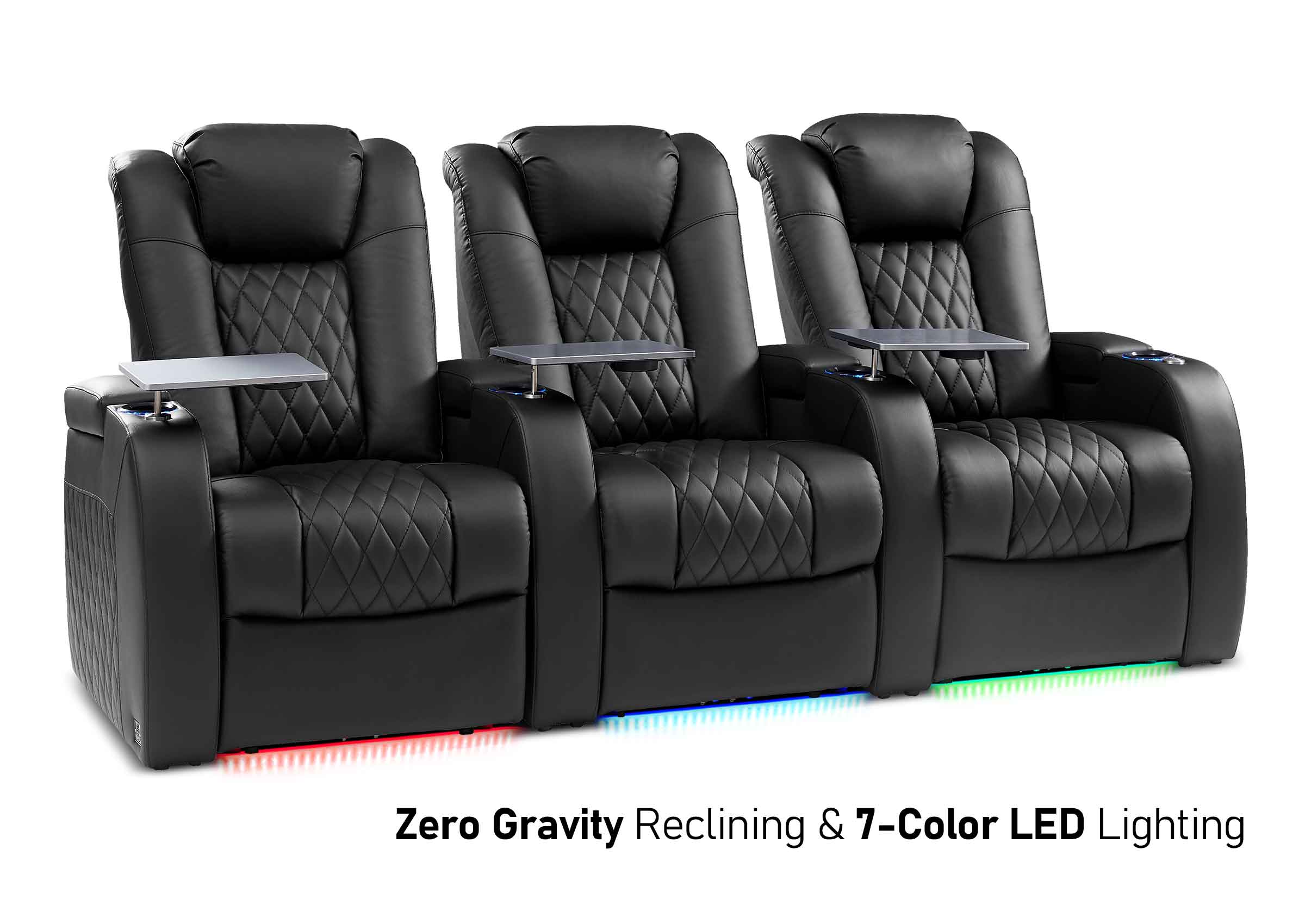
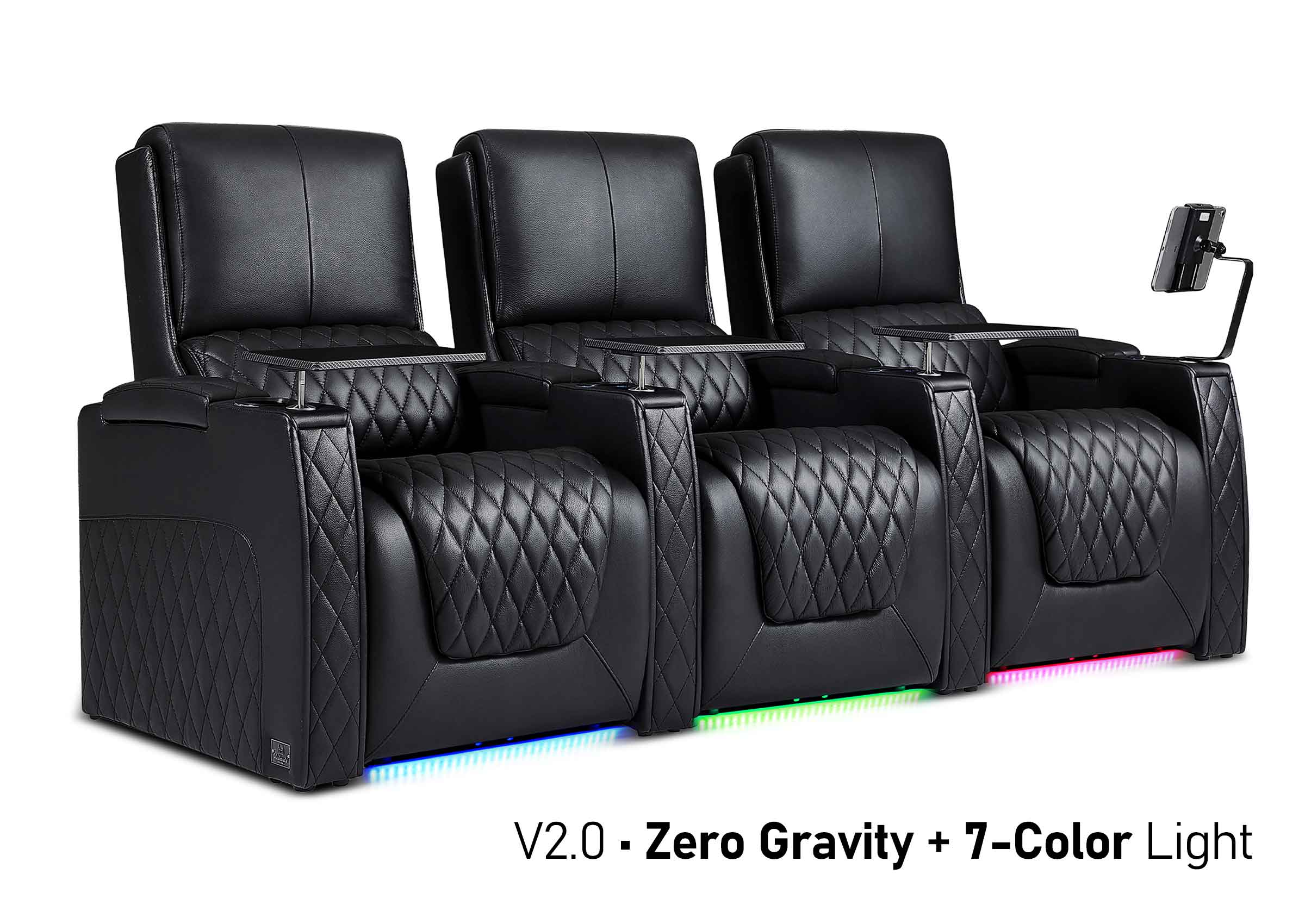
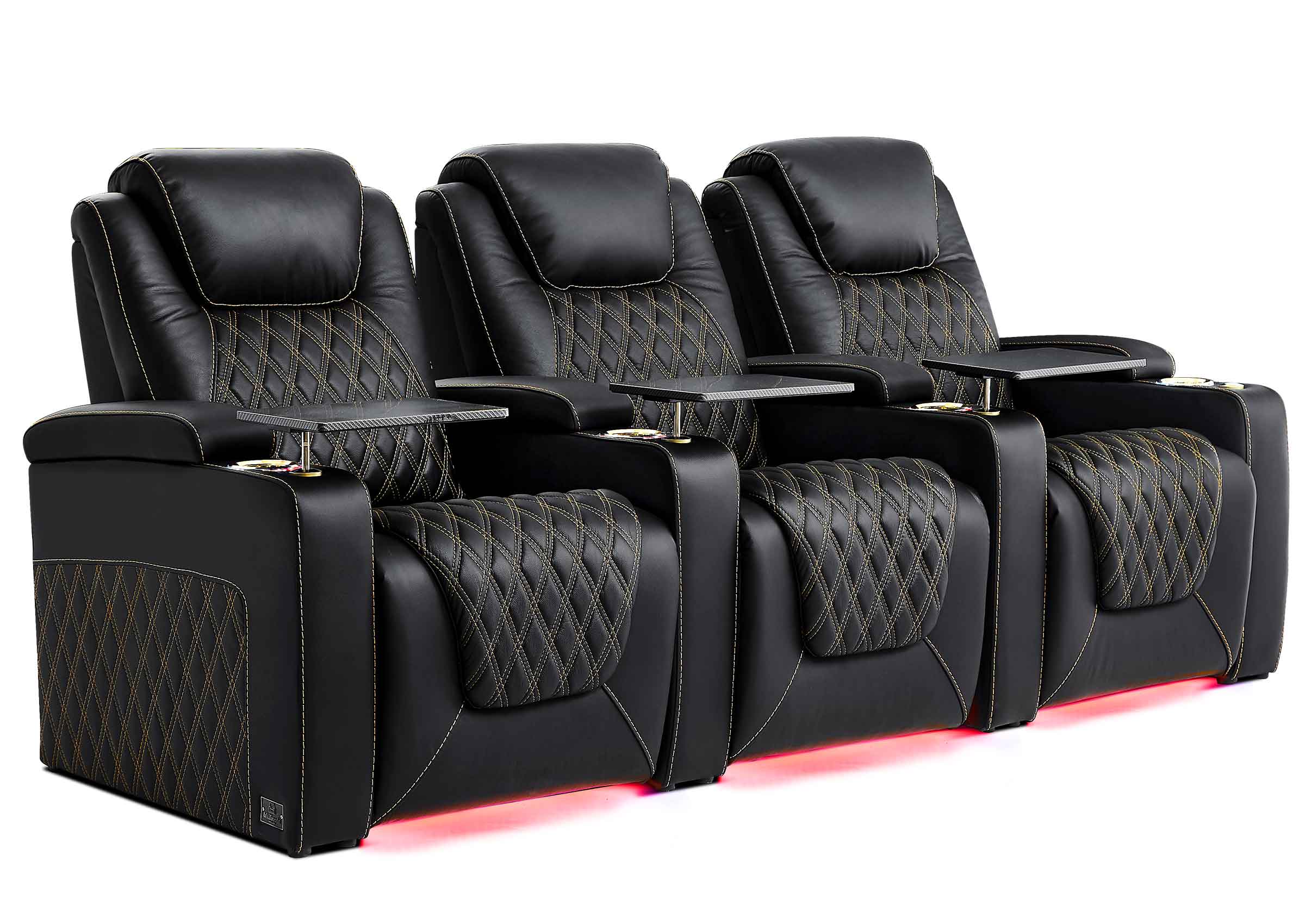
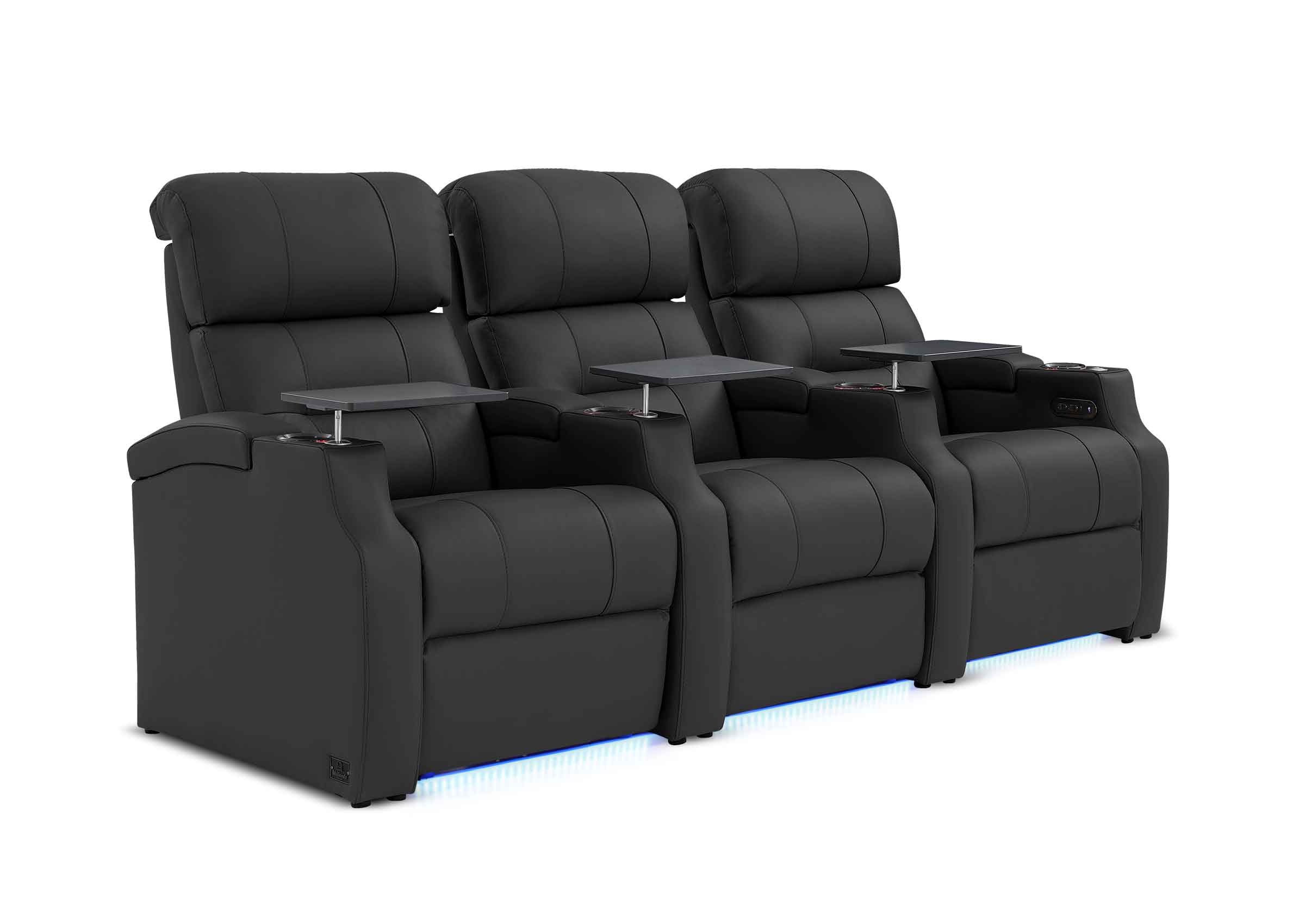
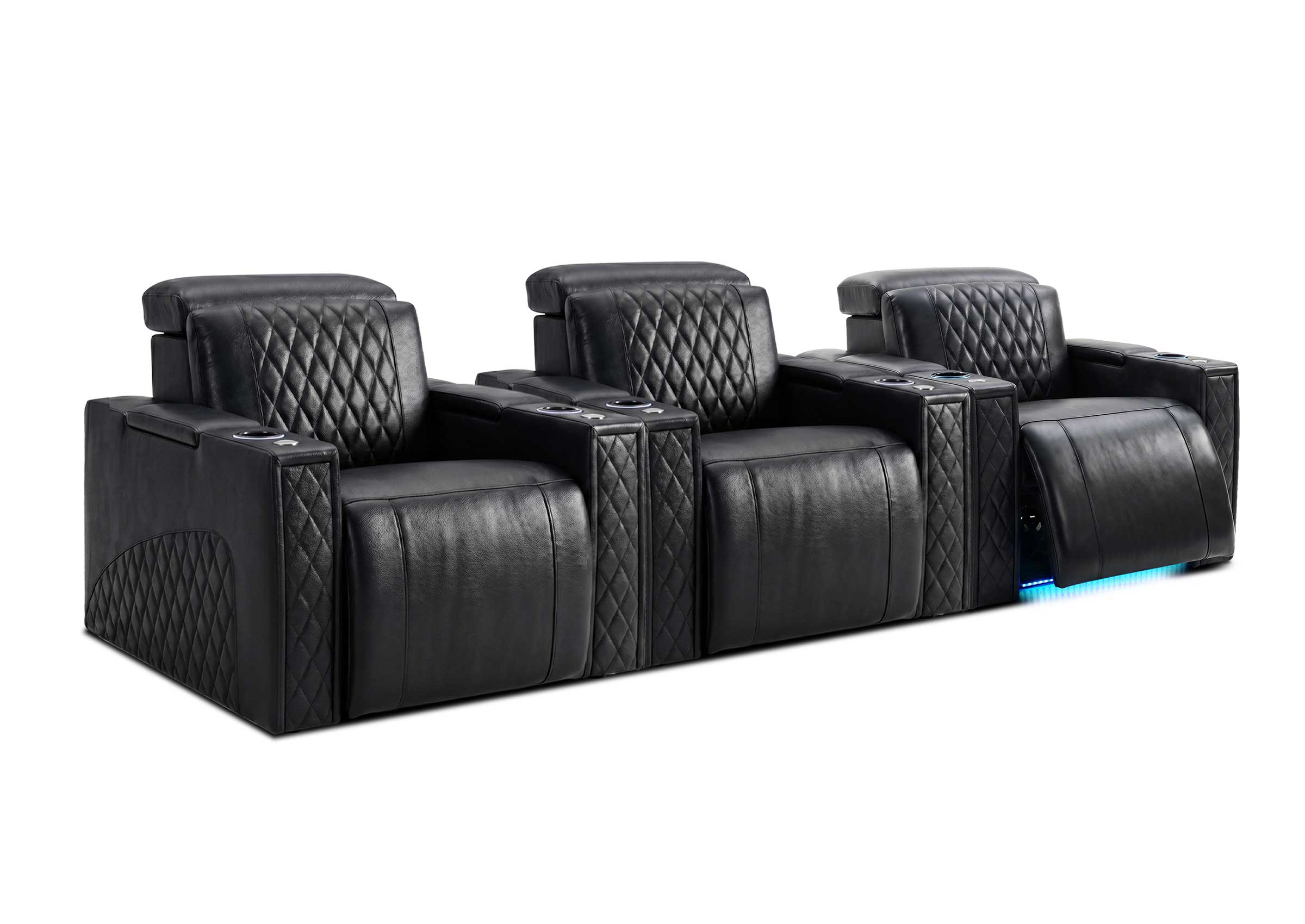

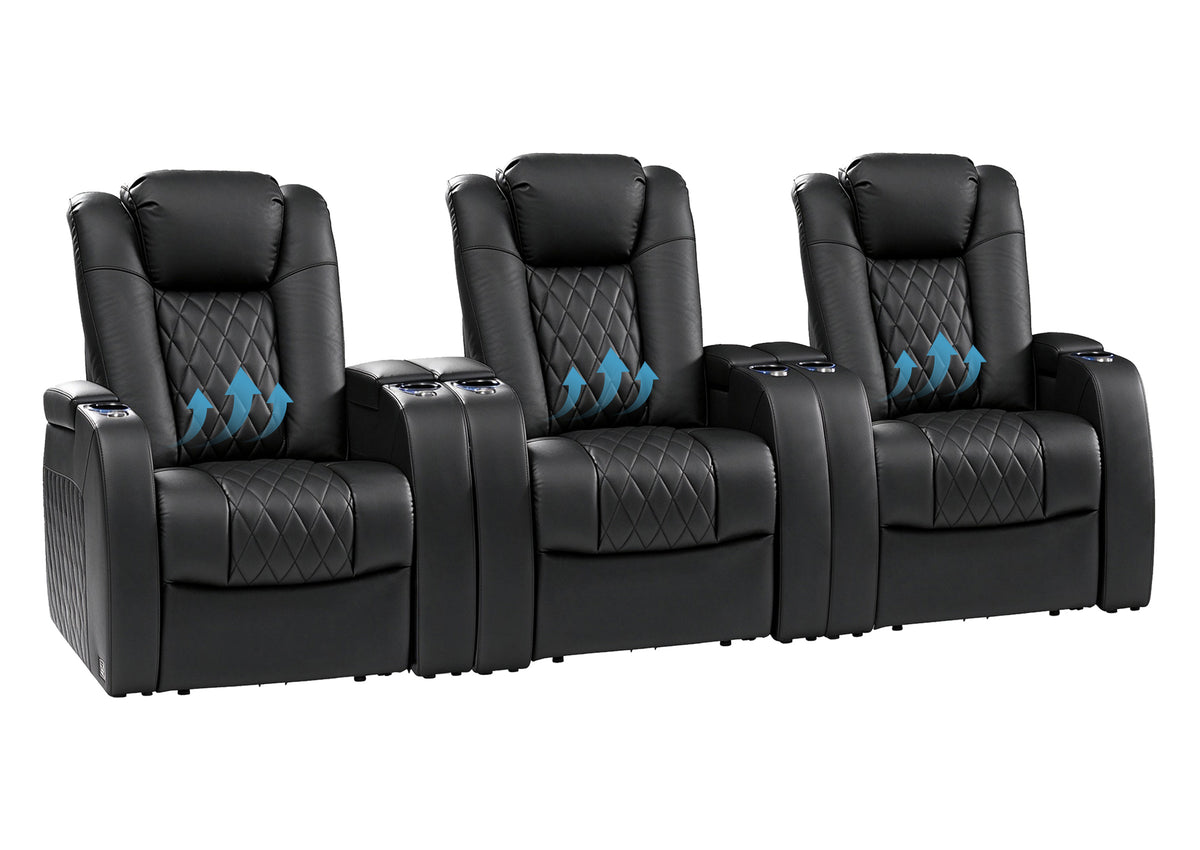
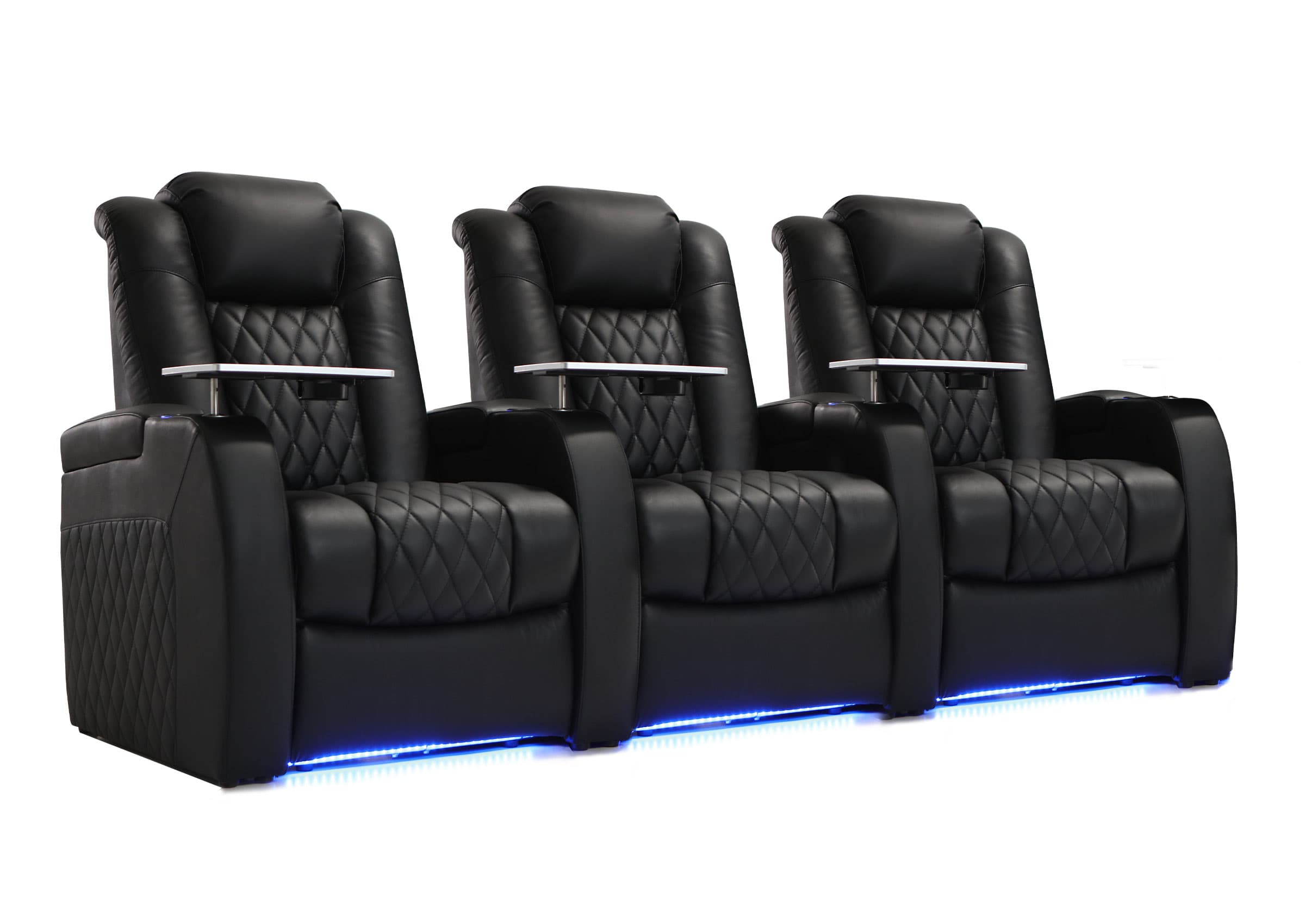
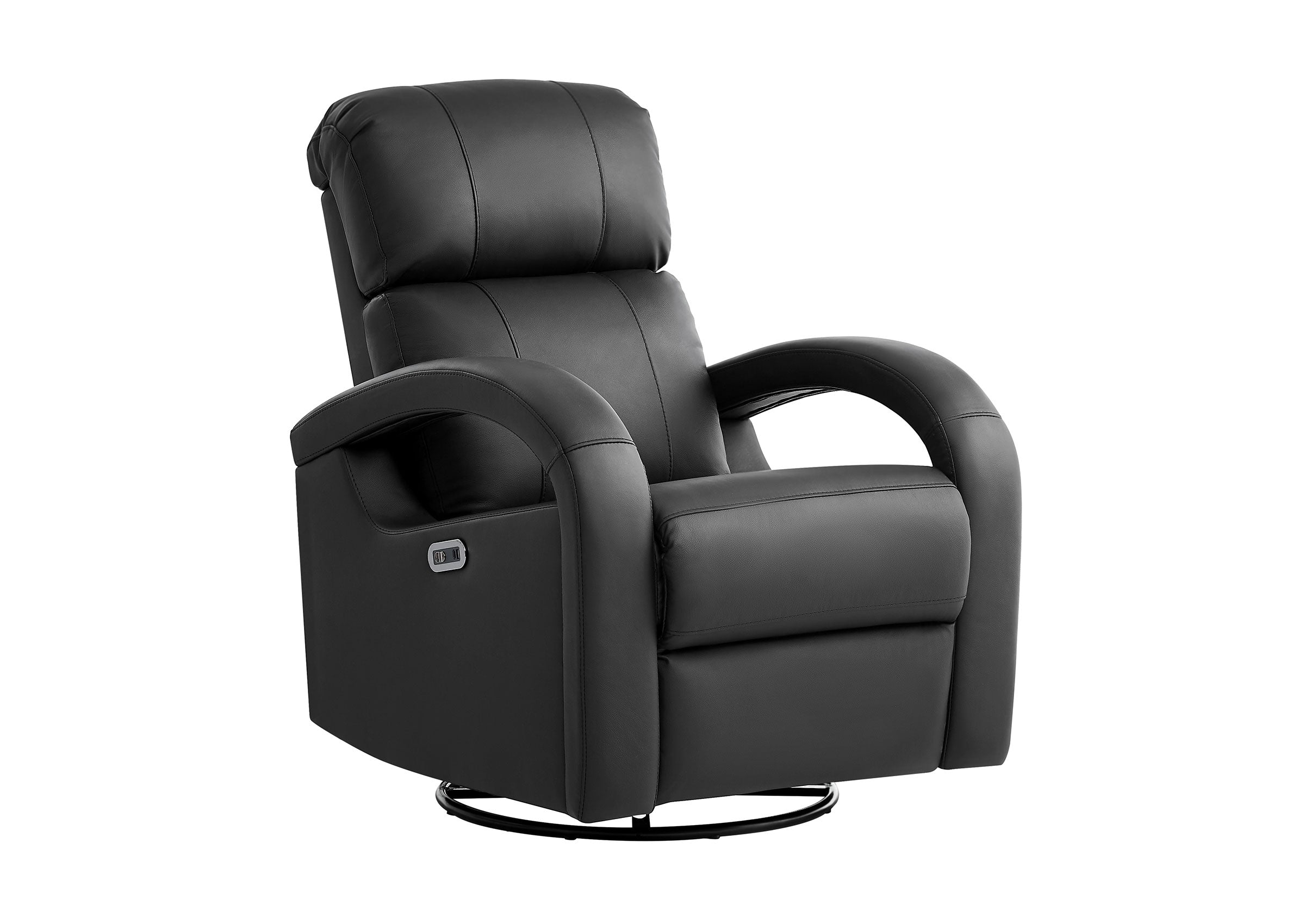
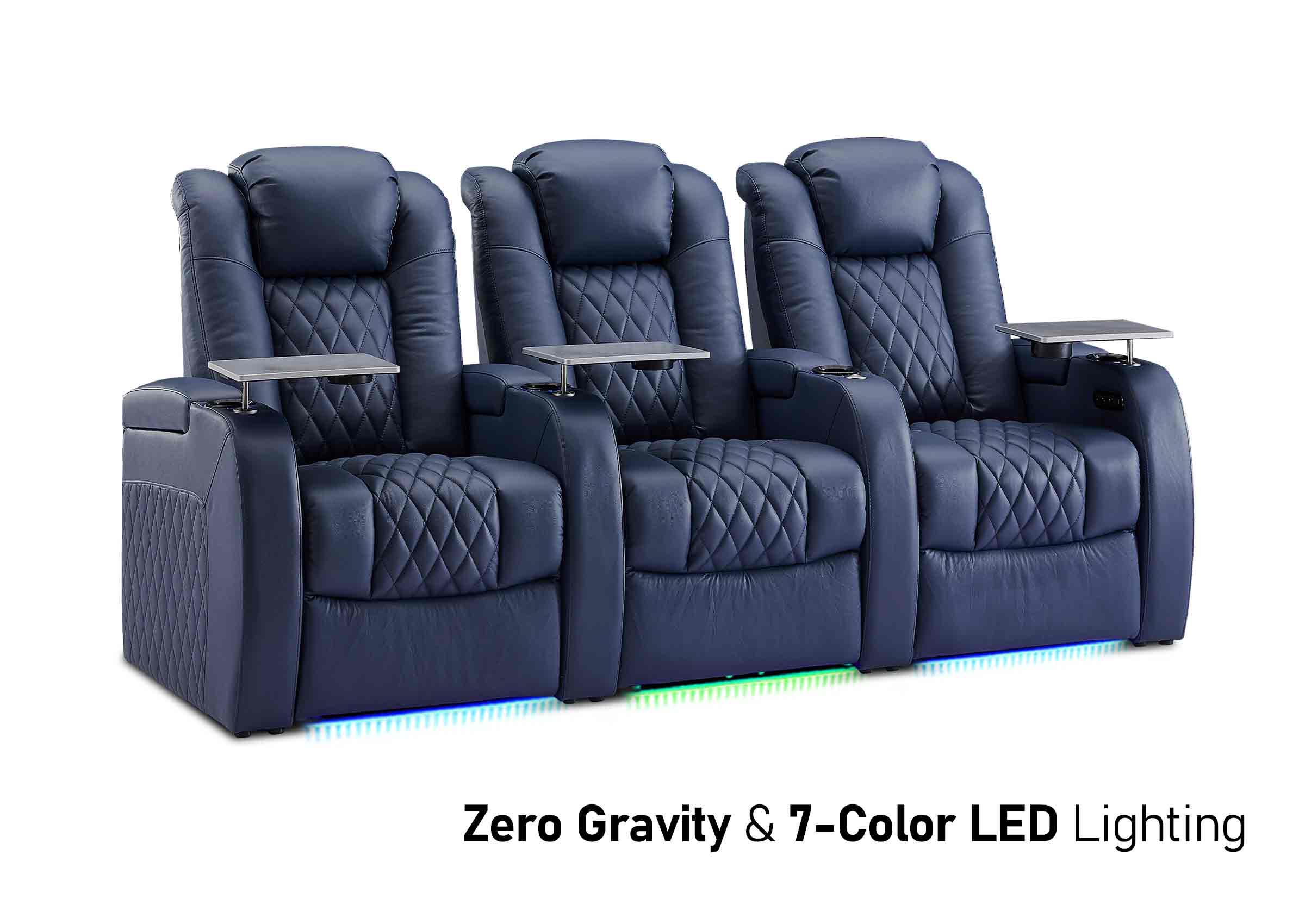
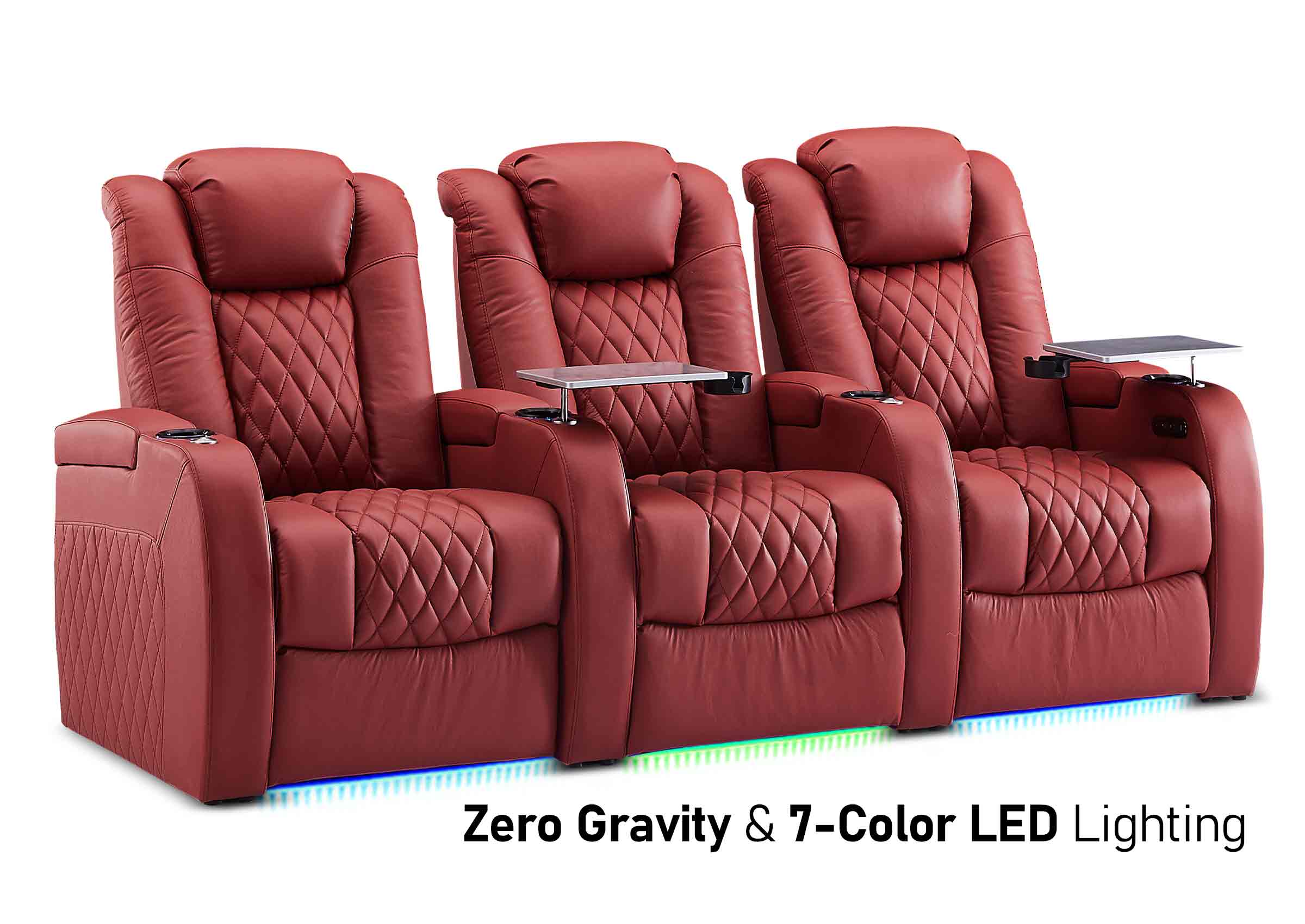
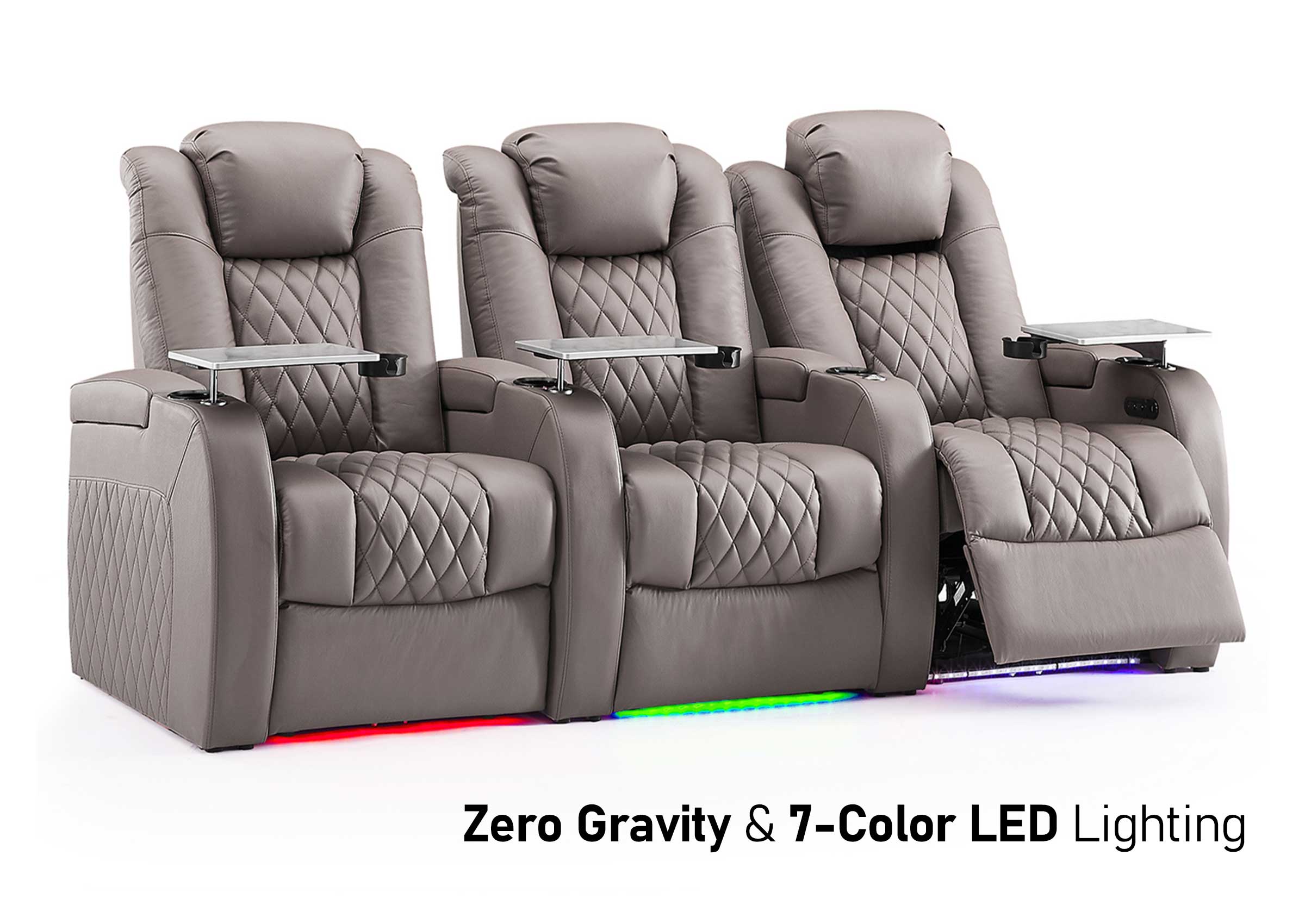
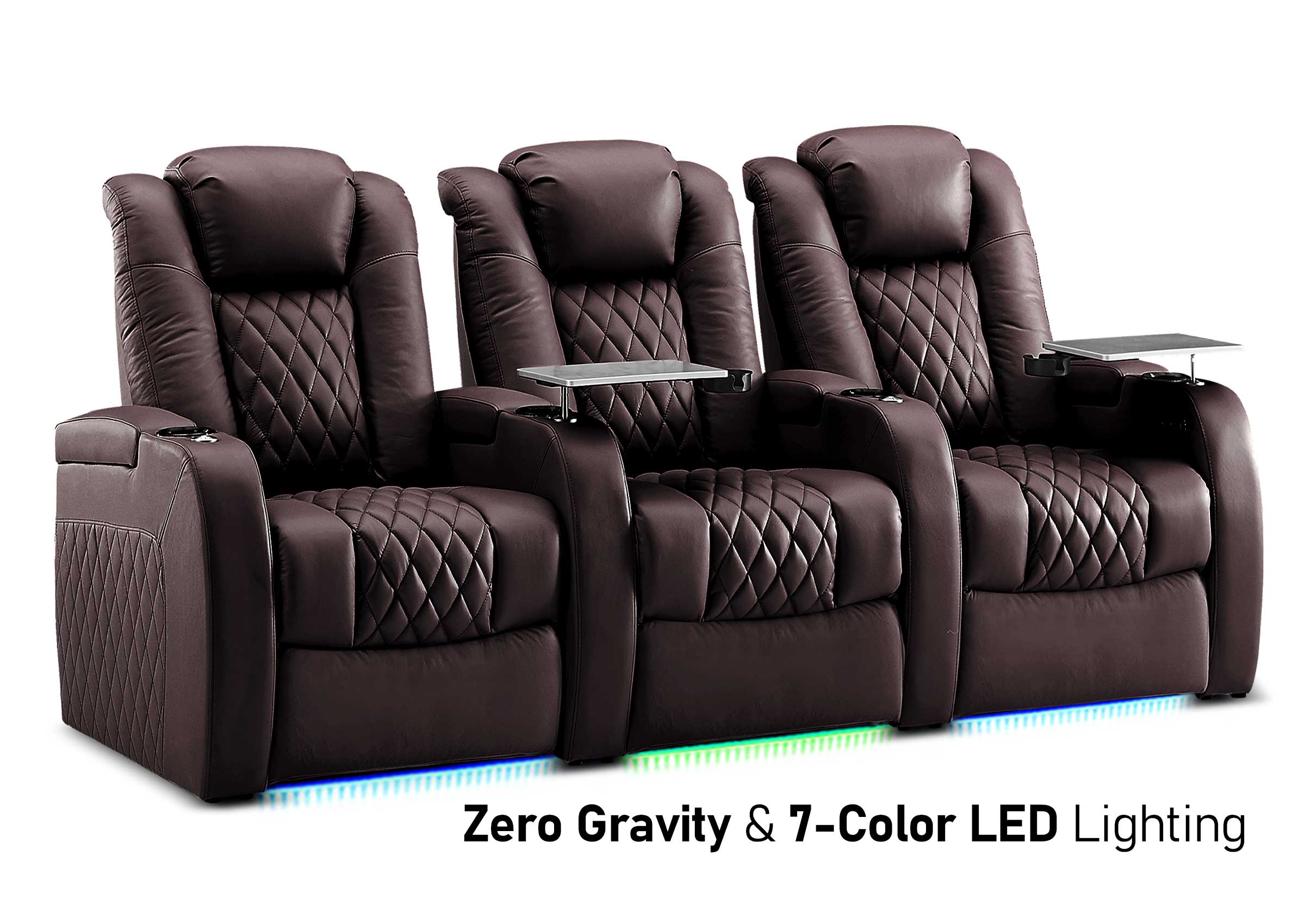

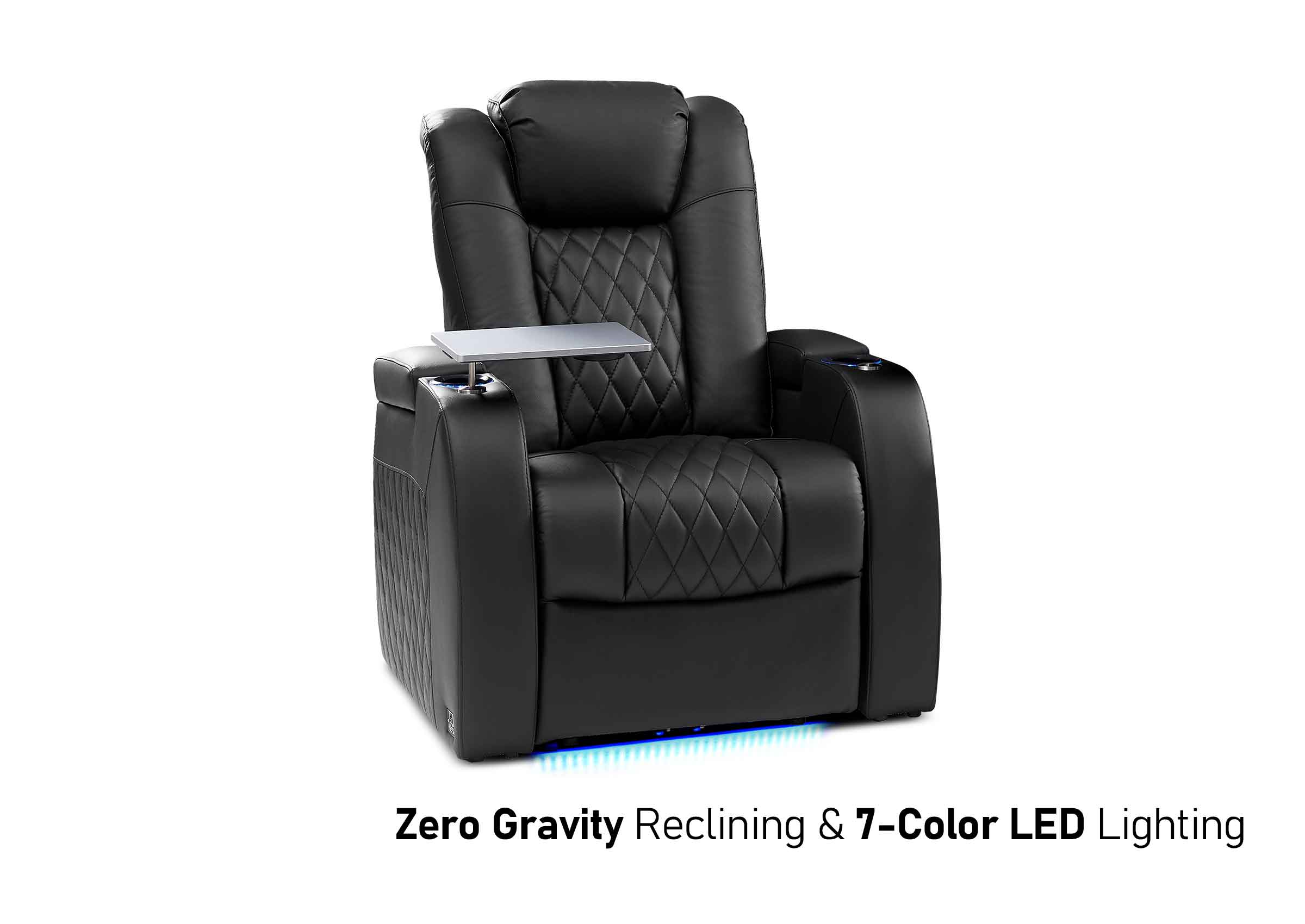
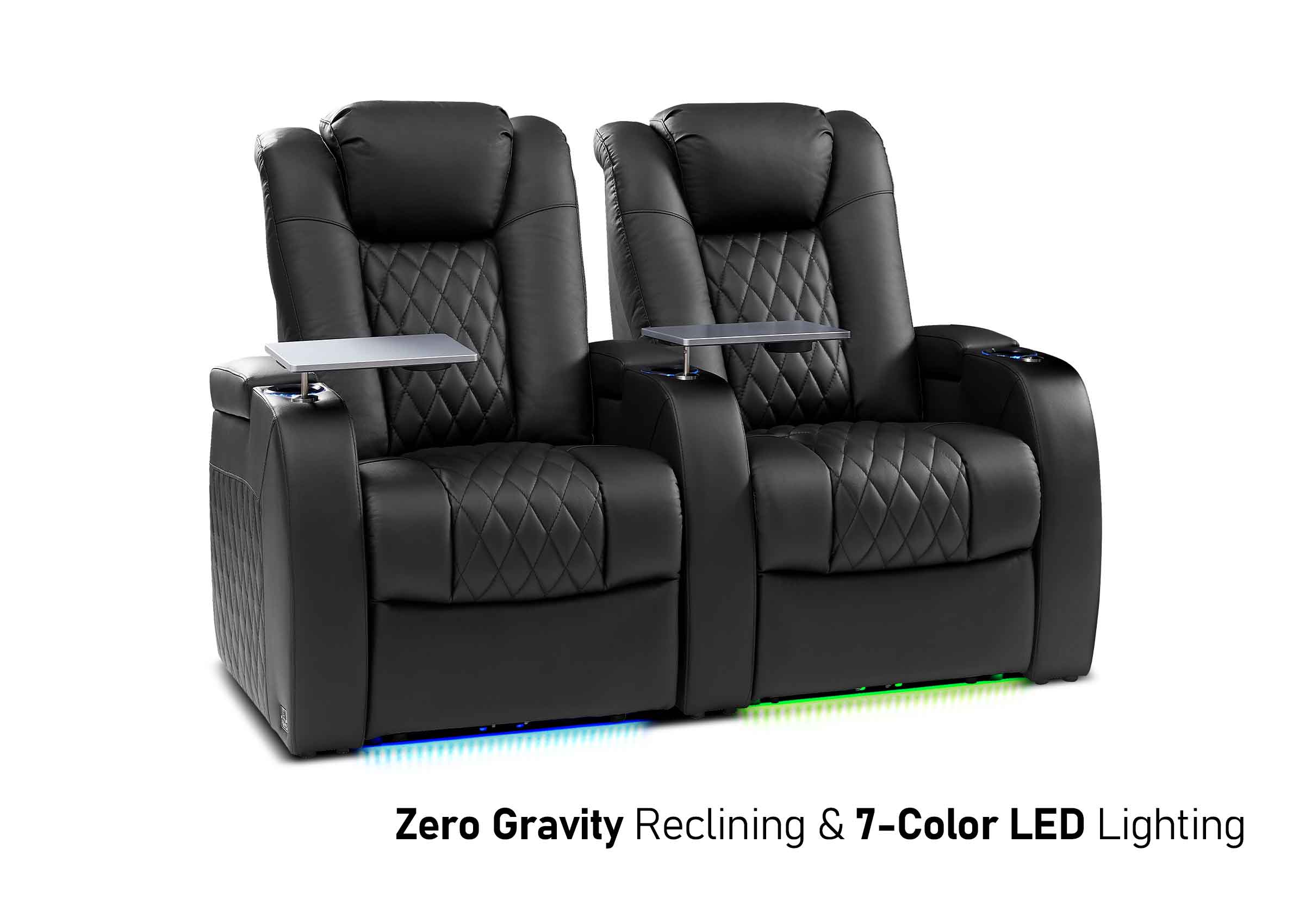
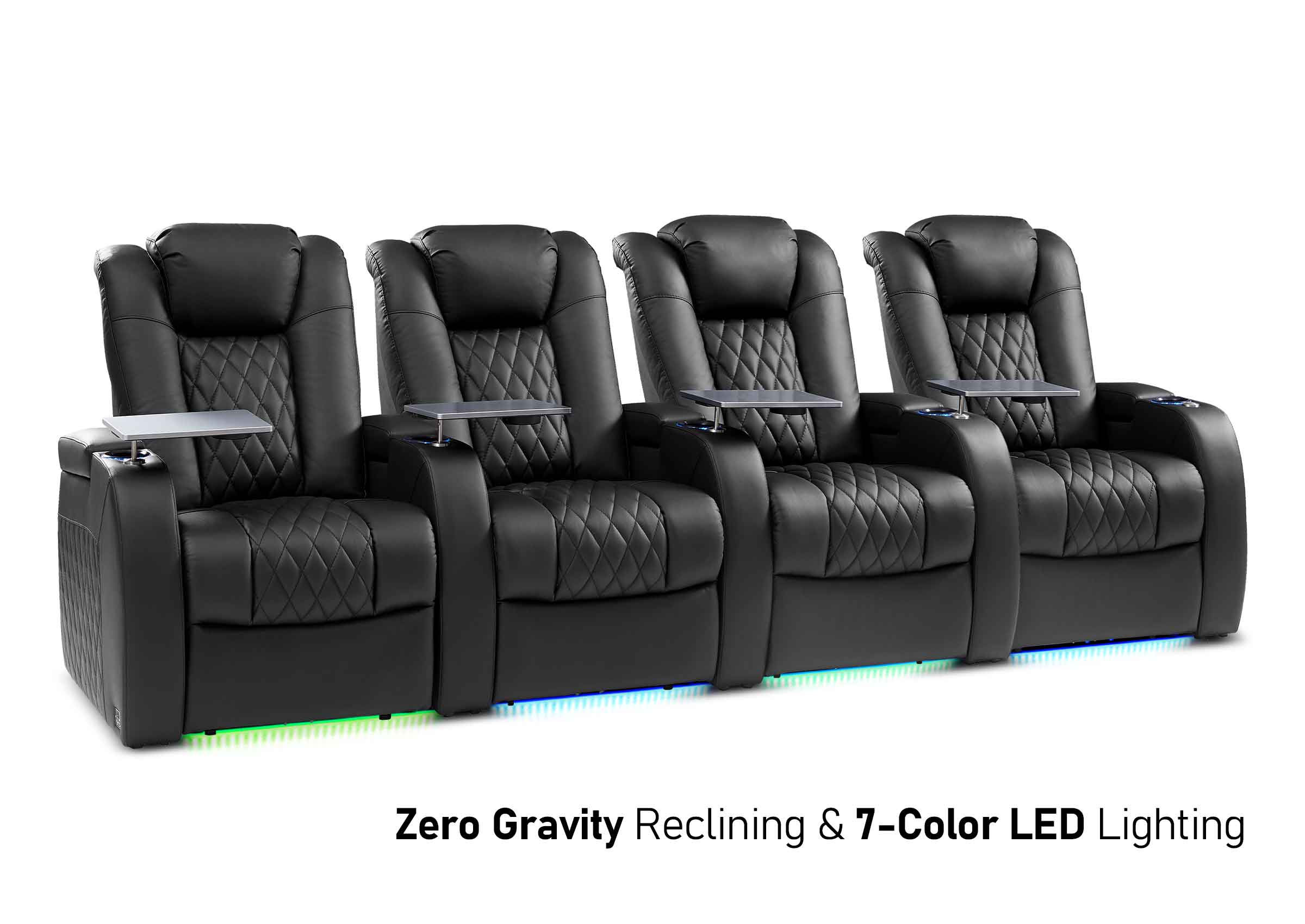
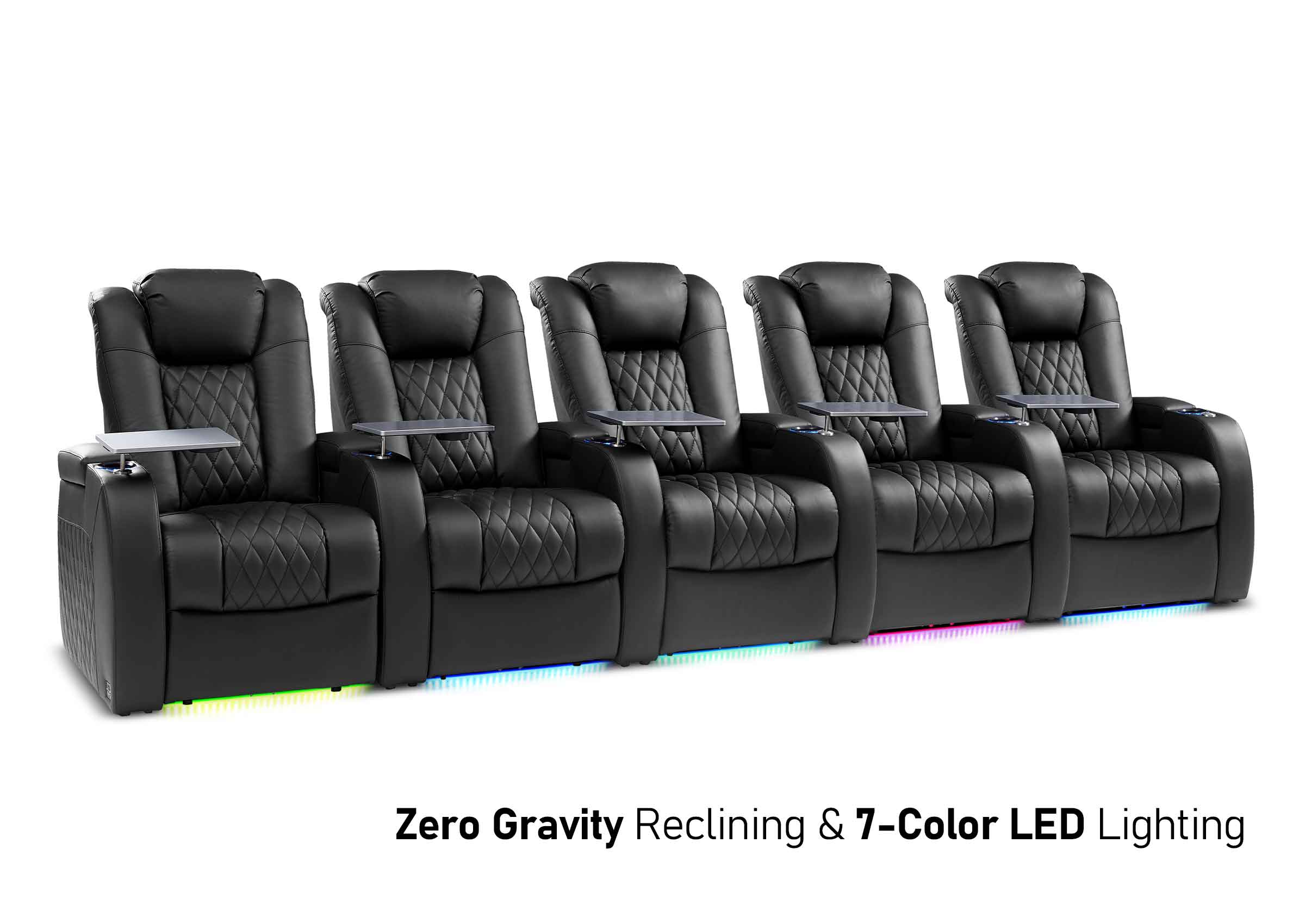
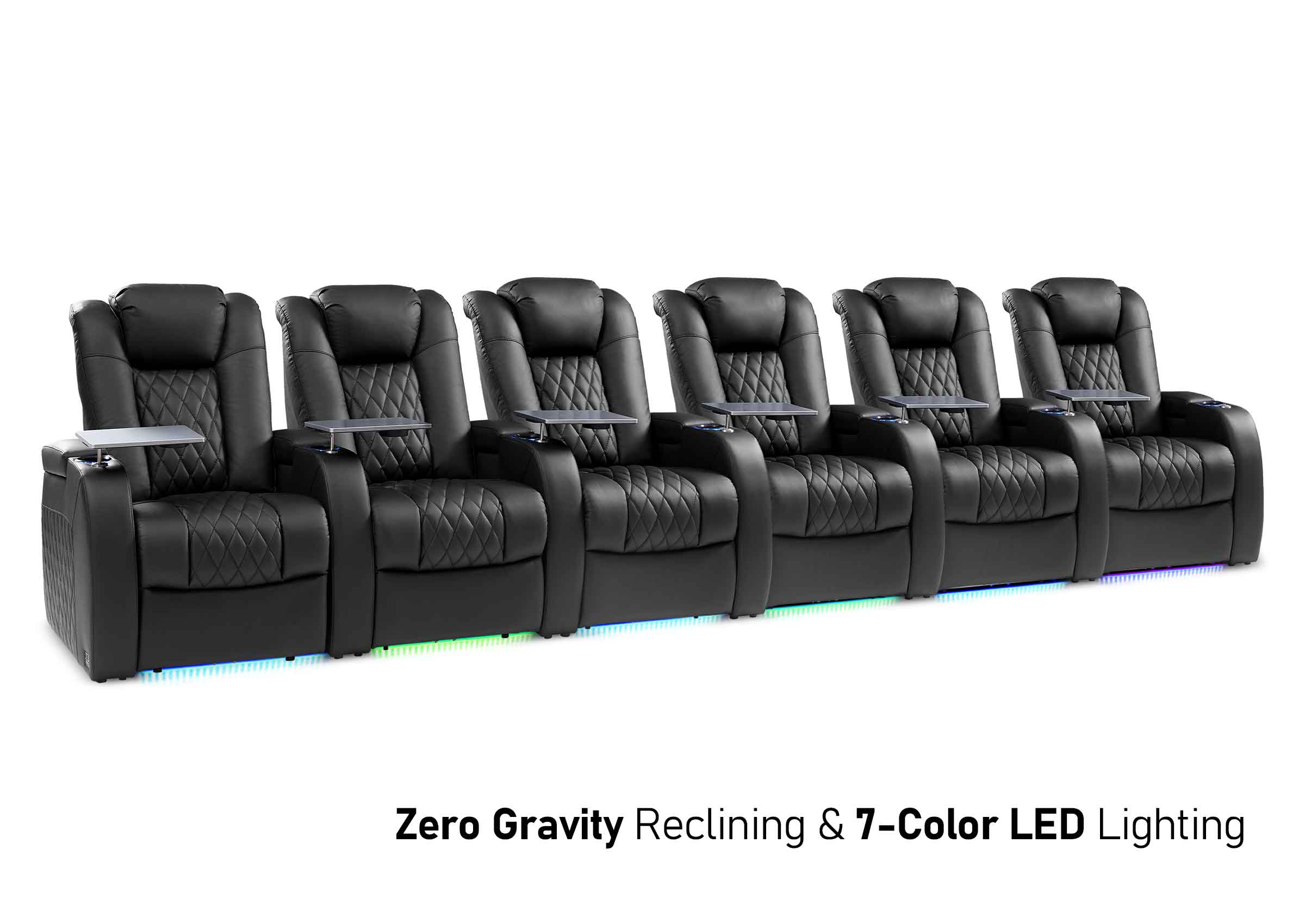
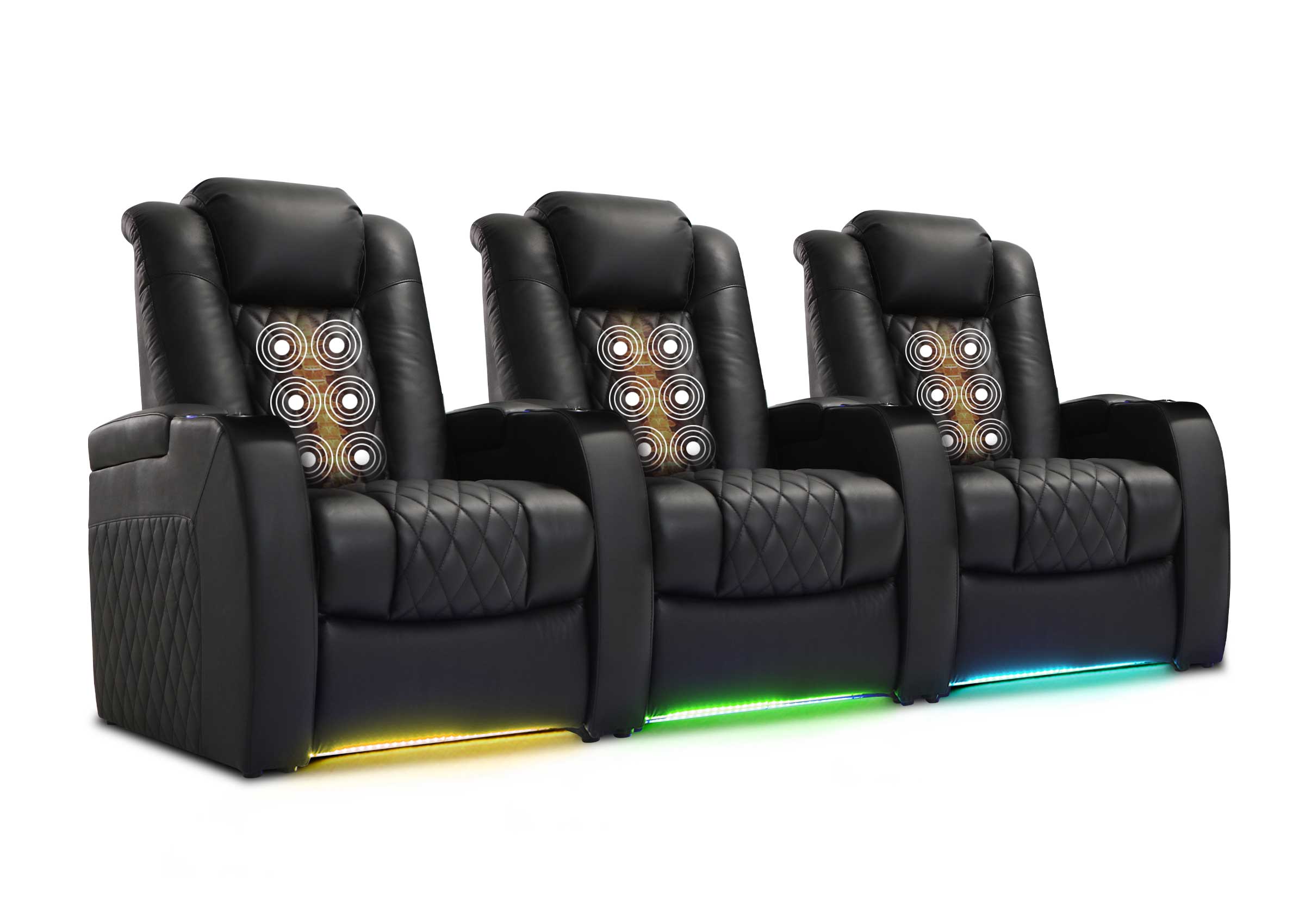

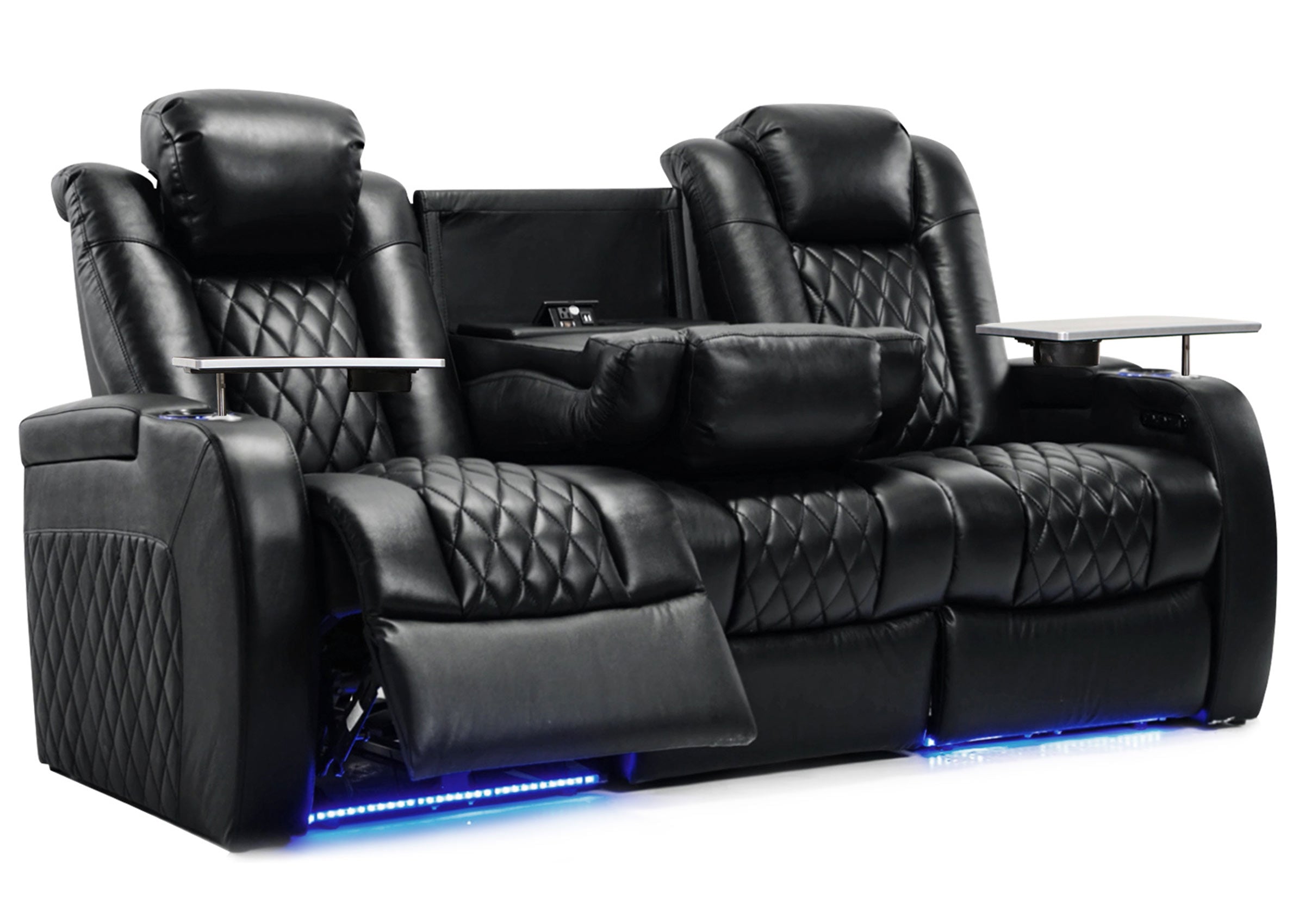
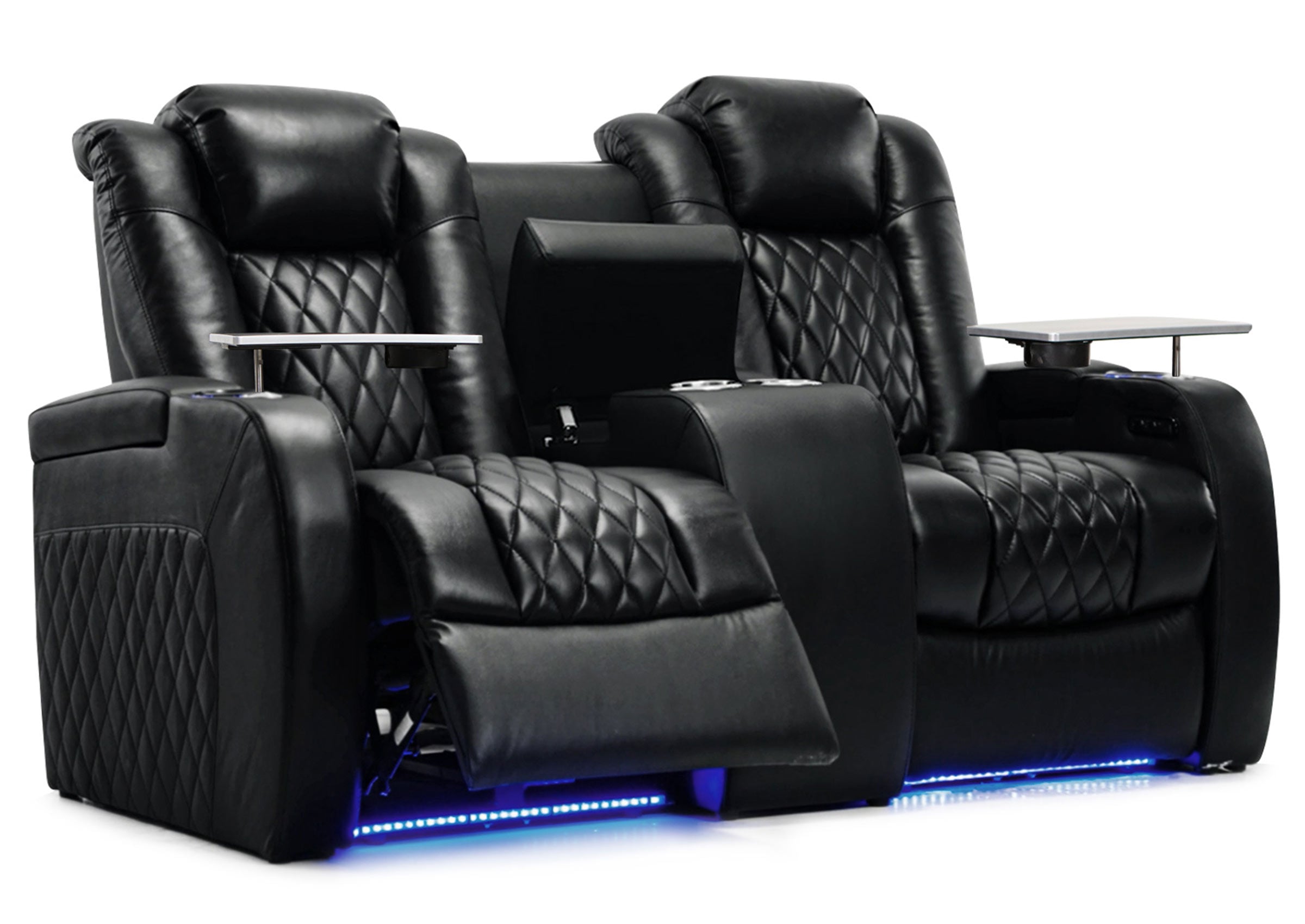



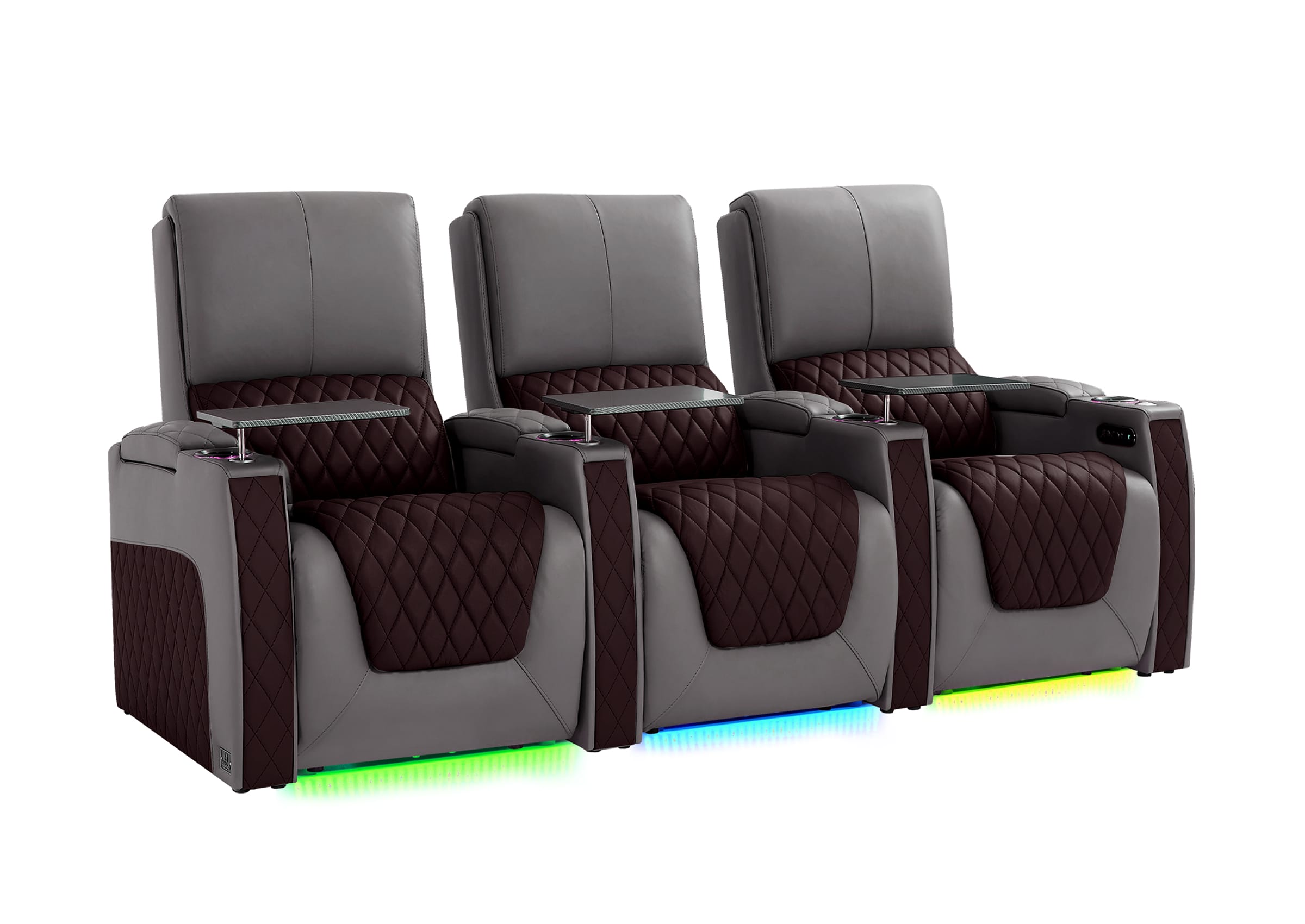
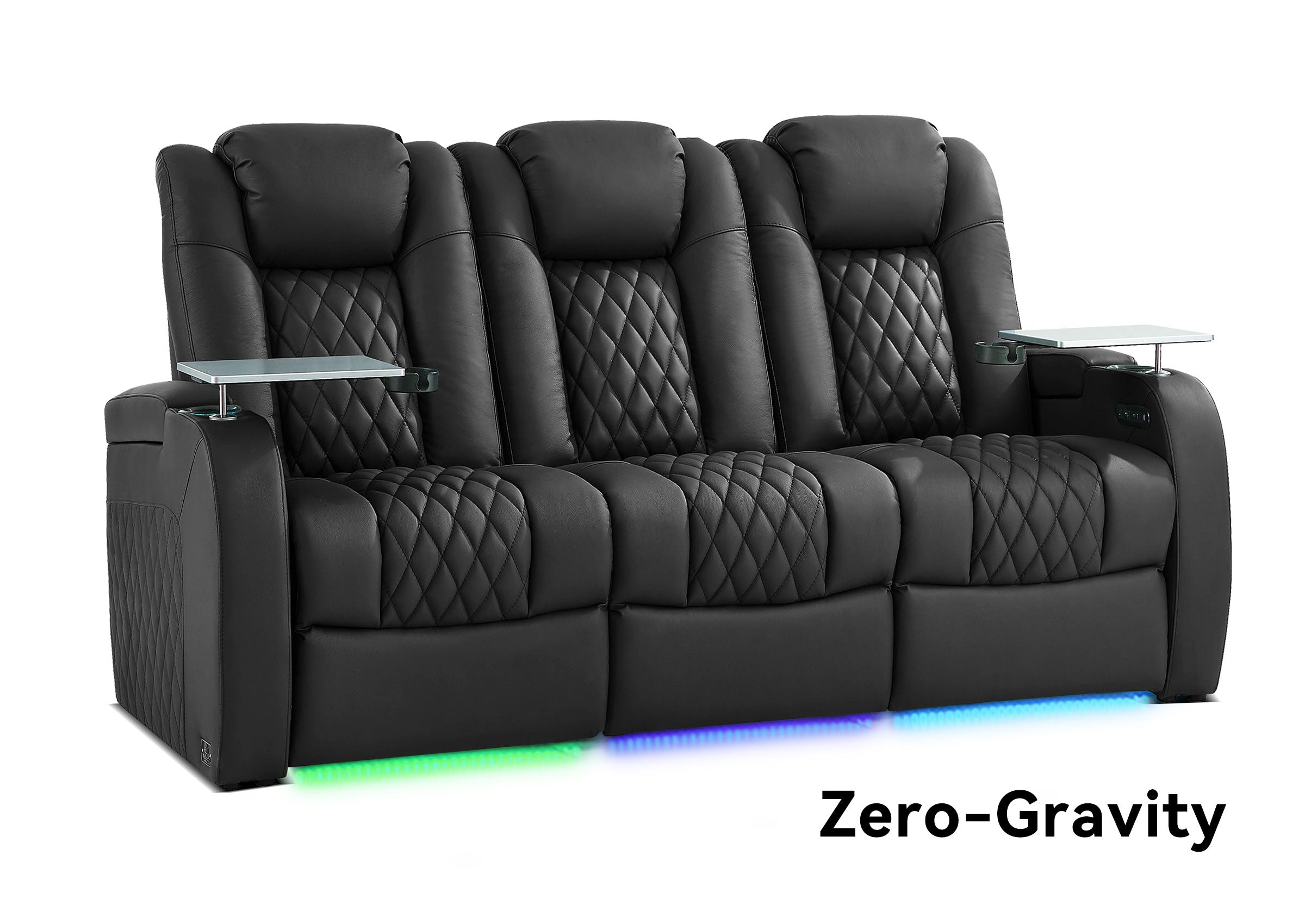


The best seating for media room use should make movies, sports, gaming, and family nights more comfortable without making the room feel crowded. The right choice depends on your room size, screen position, seating habits, material preference, and how often the space is used. The goal is simple: choose seating that fits your room, supports long viewing sessions, and still leaves the space easy to move through.
A media room is not just another living room. People sit longer, recline more often, eat snacks, charge devices, play games, and watch from the same position for hours. That means your seating needs to do more than match the décor. It should support the body, fit the room properly, keep walkways open, and make every seat feel like a good seat.
What Makes Seating Comfortable for Long Movie Nights?
The best seating is not always the largest, softest, or most expensive option. A good seat should work with the way the room is actually used.
For most homes, the right seating should meet five basic needs:
-
It should face the screen comfortably.
-
It should support long sitting sessions without neck or back fatigue.
-
It should leave enough room to recline, walk, and clean.
-
It should be made from material that fits your lifestyle.
-
It should include features you will actually use.
This is where many buyers make mistakes. A large sectional may look inviting, but if half the seats face the screen at an angle, it may not be ideal for movie watching. A deep recliner may feel luxurious, but if it blocks the walkway when opened, the room quickly becomes inconvenient.
The best choice is the one that feels comfortable after two hours, not just after two minutes.
Which Seating Type Fits Your Room and Viewing Style?
Different seating styles solve different problems. Before choosing a model, think about how your room is used most often.
| Seating Type | Best For | Why It Works | What to Check Before Buying |
|---|---|---|---|
| Recliner chairs | Movie lovers, personal comfort, smaller setups | Each person gets individual comfort and adjustable support | Make sure there is enough recline clearance |
| Reclining sofa | Families, casual media rooms, daily use | Feels like a sofa but adds movie-night comfort | Check total width, recline depth, and power outlet access |
| Modular theater sofa | Flexible rooms, basements, growing families | Can be arranged around the room and seating count | Avoid blocking walkways, doors, or speaker placement |
| Loveseat | Couples, apartments, compact entertainment rooms | Saves space while still feeling cozy | Check seat depth and armrest comfort |
| Theater row seating | Dedicated home theaters | Creates a clean cinema-style viewing setup | Requires careful row depth and sightline planning |
| Sectional sofa | Multipurpose rooms, gaming, lounging | Good for relaxed family use | Some seats may not face the screen directly |

For a dedicated movie room, recliners, reclining sofas, or theater rows usually work best because they keep viewers facing the screen. For a room that also works as a family space, a reclining sofa or modular setup may feel more natural.
If the room is used mostly for gaming, lounging, or casual TV, a sectional can work well. But if the main goal is a true theater-style experience, choose seating that keeps posture and sightlines in mind.
How Should Room Size Guide Your Seating Choice?
Room size should guide the seating choice before style does. Many seating regrets start with a simple measurement problem: the seat technically fits, but the room no longer feels comfortable.
Before buying, measure:
-
Room width and depth
-
Screen wall width
-
Doorway and stairway width
-
Distance from screen to seating
-
Recline depth when fully opened
-
Side walkway space
-
Outlet locations for power recliners
-
Space for side tables, consoles, or storage
| Room Situation | Better Seating Choice | Why |
|---|---|---|
| Small room under 150 sq ft | Loveseat, compact recliners, 2-seat reclining sofa | Keeps the room open and easier to move through |
| Medium room 150–250 sq ft | 3-seat reclining sofa or modular seating | Balances comfort, capacity, and walking space |
| Large room over 250 sq ft | Theater rows, modular sofas, multiple recliners | Allows more seats without crowding the screen area |
| Long narrow room | Straight sofa or recliner row | Keeps viewers aligned with the screen |
| Basement viewing room | Modular seating or separated recliners | Easier to move through stairs and tight entryways |
| Multipurpose family room | Reclining sofa or cleaner modular layout | Looks natural while still improving viewing comfort |
A useful rule is to leave the room slightly less full than you think. Empty space is not wasted space in an entertainment room. It allows people to recline, walk around, clean, bring snacks, and use the room without feeling boxed in.
If you are unsure between two sizes, choose the one that protects movement and viewing comfort. A slightly smaller seating layout often feels more premium than a larger setup that makes the room difficult to use.
How Much Space Do Recliners Really Need?
This is one of the most overlooked buying details. Many buyers measure only the sofa width, then discover later that the recliner blocks the walkway when opened.
When planning seating, think in two positions:
-
Closed position: how the sofa looks when no one is reclining.
-
Open position: how much space it uses during real movie watching.
If your room is small, a wall-hugger recliner or compact reclining sofa may be a better choice than a deep full-recline seat. Wall-hugger designs sit closer to the wall and move forward as they recline, helping preserve space behind the seat.

For larger rooms, full-recline seating can feel more relaxed, especially if the room has enough depth and the seats are not placed too close to the screen.
Also consider front clearance. When the footrest opens, it can affect coffee tables, ottomans, storage units, and walking paths. A viewing room should feel relaxed when everyone is seated, not only when the furniture is closed.
The key question is not “Will it fit?”
The better question is: Will it still feel comfortable when everyone is using it?
What Should You Check Before Ordering Large Seating?
Many online furniture regrets happen before the seating even reaches the room. A sofa may fit the floor plan but fail at the delivery path.
Before ordering, check:
-
Front door width
-
Hallway turns
-
Staircase width and angle
-
Elevator size if applicable
-
Basement entry clearance
-
Packaging dimensions
-
Whether the seating comes in modular sections
-
Whether seats can be moved separately

This is especially important for basement rooms, upstairs lofts, apartments, and narrow townhomes. Modular seating or separated recliner units can be easier to move than one oversized sofa.
If your space has tight turns or stairs, do not only check the final product size. Check how the seating will physically get into the room.
What Is the Most Comfortable Seating for Long Viewing Sessions?
Comfort in a home theater setup is different from comfort in a showroom. A seat can feel soft at first but become tiring after a full movie.
Look at these details before choosing:
Seat Depth
Seat depth affects how supported your legs and back feel. A deeper seat is good for lounging, but it may not suit shorter users. A shallow seat can feel upright and neat, but it may not feel relaxed enough for movie nights.
For family use, choose a balanced seat depth that works for different body types.
Backrest Support
A low-back sofa may look stylish, but it can leave the neck and upper back unsupported during long viewing. Seating for movies, sports, and gaming should support the back and shoulders well, especially if people watch for several hours.
Cushion Feel
Very soft cushions can feel comfortable at first, but they may flatten faster or make it harder to sit upright. Medium-firm cushioning is often better because it gives comfort without losing support.

Head and Neck Position
If the TV or projector screen is mounted higher, head support becomes more important. Adjustable headrests can help viewers keep a natural viewing angle without straining the neck.
Armrest Comfort
Armrests matter more than many people expect. They support the arms during long sessions and often hold cup holders, storage, or controls. If the armrest height feels awkward, the whole seat may feel less comfortable.
Recliner, Sofa, or Sectional: Which One Should You Buy?
The best choice depends on your viewing habits.
| Main Use | Best Seating Choice | Reason |
|---|---|---|
| Movie nights | Recliners or reclining sofa | Better body support and screen-facing comfort |
| Family TV room | Reclining sofa | Comfortable for daily sitting and entertainment |
| Gaming room | Modular sofa or recliners | Flexible seating positions and device-friendly features |
| Small apartment setup | Loveseat or compact recliner | Saves space without losing comfort |
| Dedicated home theater | Theater row seating | Creates a focused cinema-style layout |
| Casual lounge room | Sectional sofa | Good for relaxing, stretching out, and conversation |
A sectional is great when the room is about lounging and conversation. But if the room is centered around one screen, a straight reclining sofa or theater seating row often gives a better viewing experience.
The right choice should match the main activity, not just the room style.
What Material Works Best for Long-Term Home Theater Use?
Material affects comfort, cleaning, appearance, and long-term value. Since entertainment spaces often involve snacks, drinks, kids, guests, and long sitting time, upholstery choice matters.
Genuine Leather
Genuine leather works well because it offers a premium look, smooth touch, and easier surface cleaning. It is especially useful for homeowners who want the room to feel more polished and theater-like.
Quality also matters. Good leather seating should have clean stitching, supportive padding, consistent texture, and a frame that feels stable. These details affect how the seating feels after months and years of use.

Fabric
Fabric seating can feel softer and warmer. It also offers more color and texture options. For relaxed family rooms, fabric can be comfortable and inviting.
However, fabric may absorb spills, odors, dust, or pet hair more easily depending on the material. If the room is used often for snacks and drinks, cleaning needs should be considered before buying.
Faux Leather
Faux leather can be budget-friendly and easy to wipe at first, but quality varies. Lower-quality faux leather may peel, crack, or lose its surface finish faster. It can work for short-term or budget setups, but it may not offer the same long-term feel as genuine leather.
| Material | Best For | Strength | Possible Drawback |
|---|---|---|---|
| Genuine leather | Premium rooms, long-term use | Durable feel, easy surface cleaning, upscale look | Higher upfront cost |
| Fabric | Casual family rooms | Soft texture and more color options | Can stain or hold odors |
| Faux leather | Budget-friendly setups | Lower price and easy wipe-down | May wear faster depending on quality |
For buyers who want a long-term media room with a more refined appearance, genuine leather is usually the stronger choice.
Which Features Are Actually Worth Paying For?
Seating for entertainment rooms often comes with many features, but not all of them are equally important. The best features are the ones that solve real daily problems.
Features Worth Prioritizing
Power recline
Helpful if different people use the seating and want easy position adjustment.
Adjustable headrests
Useful when watching for long periods or when the screen is mounted higher.
Cup holders
Practical for movies, sports, gaming, and family nights.
Storage consoles
Good for remotes, controllers, charging cables, glasses, and small accessories.
USB or charging ports
Useful if people often use phones, tablets, or gaming devices in the room.
Wall-hugger design
Important for small rooms where every inch matters.

Features That Are Nice but Not Always Necessary
Heating, massage, LED lights, tray tables, and extra controls can make the room feel more premium, but they should not be the reason you choose a seat. If the seat is too large, poorly supported, or hard to clean, extra features will not fix the problem.
Choose in this order:
-
Room fit
-
Comfort
-
Material
-
Recline function
-
Practical features
-
Luxury extras
What Do Buyers Often Regret After Choosing Seating?
Most regrets are not about the color. They are about daily use.
Common regrets include:
-
The seating is too large for the room.
-
The recliner blocks the walkway when opened.
-
The sofa looked comfortable online but feels unsupportive during long movies.
-
The back row cannot see the screen clearly.
-
The material stains, peels, or is harder to clean than expected.
-
The seating does not fit through stairs, hallways, or doorways.
-
The room feels crowded instead of relaxing.
-
The seats are too close to the screen.
-
Power recliners are too far from outlets.
-
Extra features were added, but basic comfort was overlooked.
-
The room looks like a furniture showroom instead of a comfortable entertainment space.
The easiest way to avoid these regrets is to plan the seating from the room outward. Start with measurements, viewing position, delivery path, and how the room is used. Then choose the seating style, material, and features.
How Should You Arrange Seating for the Best Viewing Experience?
A good layout makes every seat feel intentional. Nobody should feel like they are sitting in a leftover corner.
For Small Rooms
Use one clean row facing the screen. A loveseat, two compact recliners, or a small reclining sofa usually works better than a large sectional. Keep the walkway open and avoid pushing the seating too close to the screen.
For Medium Rooms
A 3-seat reclining sofa or modular row is often the safest choice. Try to align the center of the seating with the center of the screen. If you add side seats, make sure they still have a comfortable viewing angle.
For Large Rooms
Large rooms can support theater rows, multiple recliners, or modular layouts. If you use two rows, check whether the back row needs a riser to see over the front row. Also consider aisle space, lighting, and where people will place drinks or remotes.
For Multipurpose Rooms
If the room also works as a living room, avoid seating that looks too bulky or overly commercial. A clean leather reclining sofa or modular setup can provide comfort while still fitting the home’s overall style.
The goal is simple: when someone walks into the room, the seating should make the screen easy to enjoy and the space easy to use.
How Much Should You Spend on Media Room Seating?
A media room seat is not just decoration. If the room is used often, the seating becomes part of your weekly routine.
| Budget Level | What You Usually Get | Best For |
|---|---|---|
| Entry level | Basic recliners or simple sofas | Occasional use, temporary rooms, budget setups |
| Mid range | Better cushioning, recline options, improved upholstery | Family rooms and regular movie nights |
| Premium | Genuine leather, stronger construction, custom layouts, advanced comfort features | Long-term rooms and dedicated home theaters |
A low price can be attractive, but the real value depends on how long the seating stays comfortable and usable. If cushions flatten quickly, the frame feels weak, or the material is difficult to maintain, the cheaper option may cost more over time.
For a frequently used media room, it is usually smarter to invest in better comfort, stronger construction, and a material that fits your lifestyle.
When Does Custom Seating Make Sense?
Custom seating is not necessary for every room, but it becomes valuable when standard sizes do not solve the problem.
Custom seating may be worth considering if:
-
Your room has unusual dimensions.
-
You need a specific number of seats.
-
You want a clean theater-style layout.
-
You are planning a basement entertainment room.
-
You need seating to match a projector, large TV, or wall layout.
-
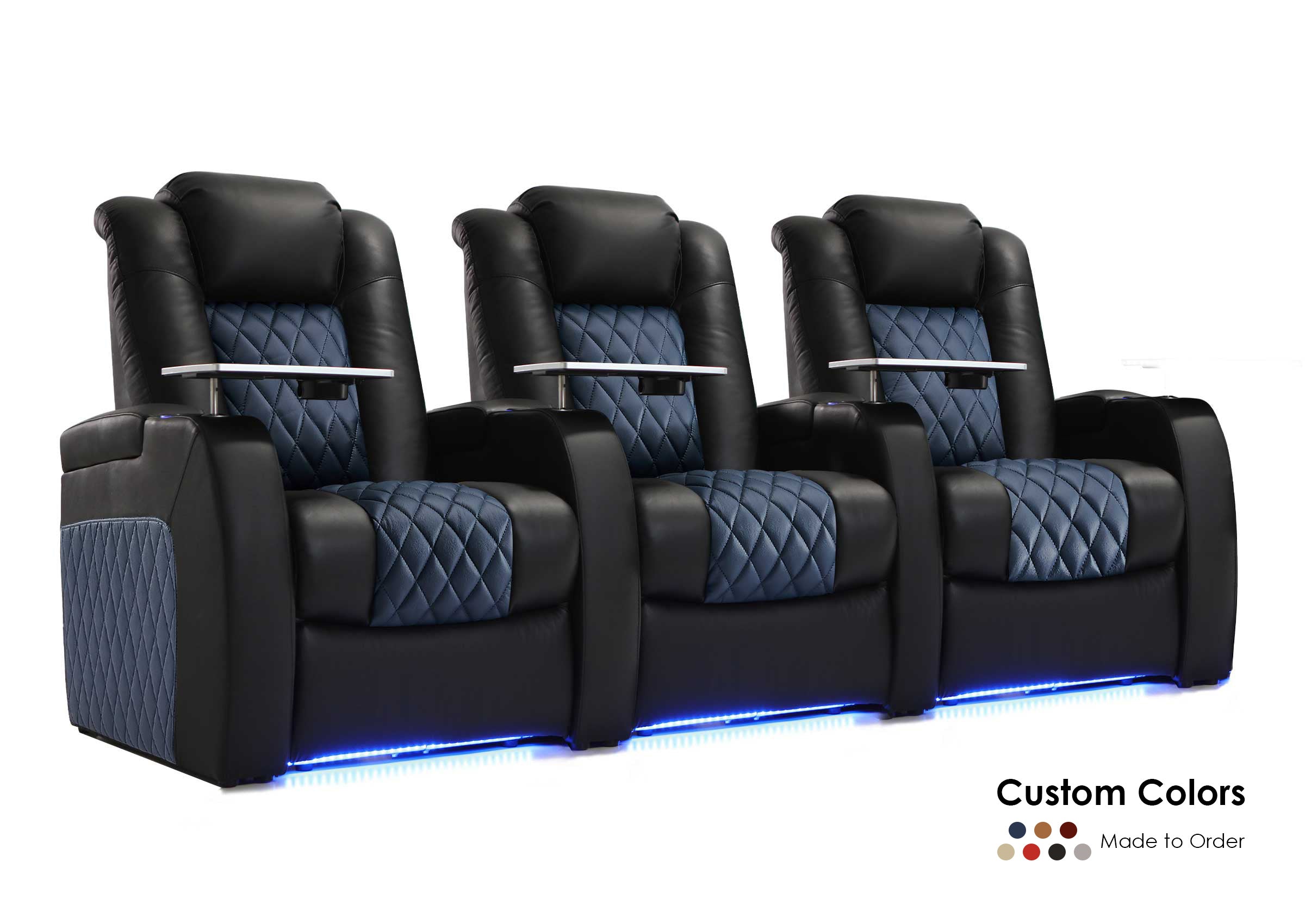
You want leather, color, function, or configuration options to feel more intentional.
-
You want the seating to work with doorways, outlets, lighting, and screen placement from the start.

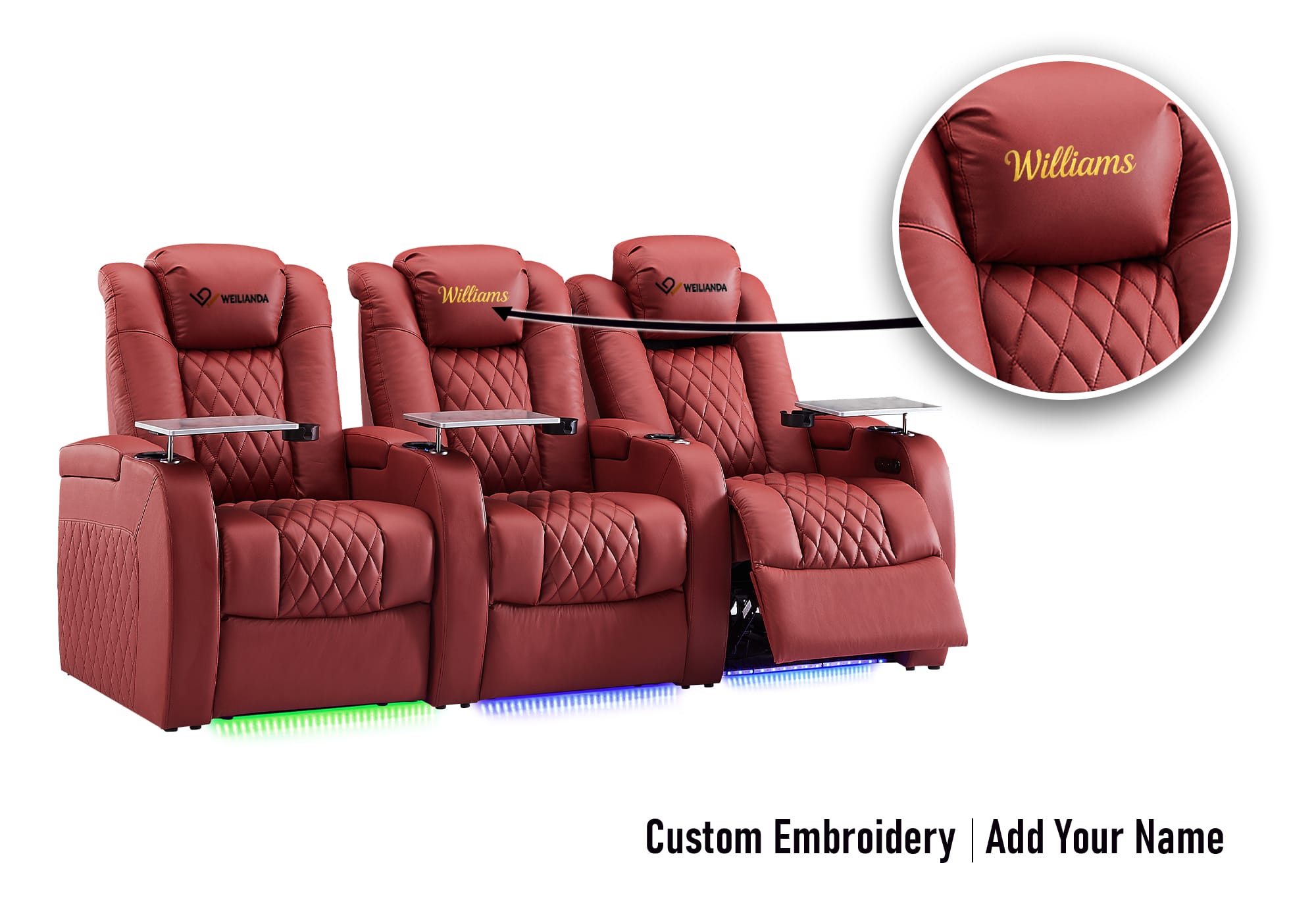
This is where Weilianda can be useful for homeowners who want more than a standard sofa. With whole-home theater customization, seating can be planned around the way the room is actually used, rather than forcing the room to fit a generic product size.
Why Material Quality and After-Sales Support Matter
Media room seating is a long-term purchase. It is used repeatedly, often by multiple people, and it needs to stay comfortable over time.
That is why details such as leather quality, stitching, cushion support, frame stability, and recline function should matter during the buying process. Good seating should not only look premium on the first day. It should continue to feel supportive and easy to live with after regular use.
Weilianda’s genuine leather workmanship is especially relevant for buyers who want a polished entertainment room that feels durable, comfortable, and easier to maintain. Complete after-sales support also gives buyers more confidence, especially when choosing larger seating pieces, custom layouts, or power reclining functions.
FAQ: Best Seating for Media Room Buyers
1. What is the best seating for a media room?
The best seating is usually a reclining sofa, modular theater sofa, or individual recliner setup that fits your room size, screen distance, and viewing habits. It should be comfortable for long sessions and still leave enough space to walk and recline.
2. Are recliners better than sofas for a media room?
Recliners are better for focused movie watching because they support adjustable body positions. Sofas are better if the room is also used for casual family sitting. A reclining sofa can offer a good balance between both.
3. Is a sectional good for a media room?
A sectional is good for lounging, gaming, and multipurpose rooms. For a dedicated screen-focused room, straight reclining rows or theater seating may provide better viewing angles.
4. Is leather or fabric better for media room seating?
Leather is usually better for a premium setup because it is easier to wipe clean and gives the room a more refined look. Fabric can feel softer and warmer, but it may require more care if the room is used for snacks, drinks, kids, or pets.
5. How much space should I leave around media room seating?
Leave enough space for people to walk, recline, and access side areas comfortably. The exact amount depends on the seat design, but you should measure the sofa in both closed and fully reclined positions before buying.
6. Do I need wall-hugger recliners?
Wall-hugger recliners are helpful in small rooms because they need less space behind the seat. If your seating must sit close to a wall, this feature can make the room much easier to use.
7. Are cup holders and USB ports necessary?
They are not necessary, but they are useful. Cup holders help during movie nights, while USB ports are convenient for phones, tablets, and gaming accessories. Comfort and size should still come first.
8. How many seats should I put in my media room?
Choose seating capacity based on room size, not just the number of people you want to fit. A smaller number of comfortable seats is usually better than too many seats in a crowded layout.
9. What should I measure before ordering media room seating?
Measure room width, room depth, screen distance, doorway width, hallway or stair clearance, recline depth, side walkway space, and outlet locations. These details help prevent delivery and layout problems.
10. What is the biggest mistake when buying media room seating?
The biggest mistake is choosing by appearance only. Media room seating should be selected based on comfort, room fit, viewing angle, material durability, and real daily use.
11. Is custom media room seating worth it?
Custom seating is worth it if your room has unusual dimensions, you want a specific layout, or you are building a dedicated home theater. It can help the seating fit the room more naturally and improve the viewing experience.
Make Your Media Room Easier to Enjoy
The right seating should make your space feel comfortable, organized, and easy to use. It should support long viewing sessions, fit your layout, match your lifestyle, and hold up well over time.
If you are comparing leather recliners, reclining sofas, or a custom home theater seating layout, Weilianda can help you choose seating that fits your room and long-term comfort needs. With genuine leather workmanship, whole-home theater customization, and complete after-sales support, Weilianda makes it easier to plan a media room with confidence.
For product questions or layout support, contact leon@weiliandahome.com.