



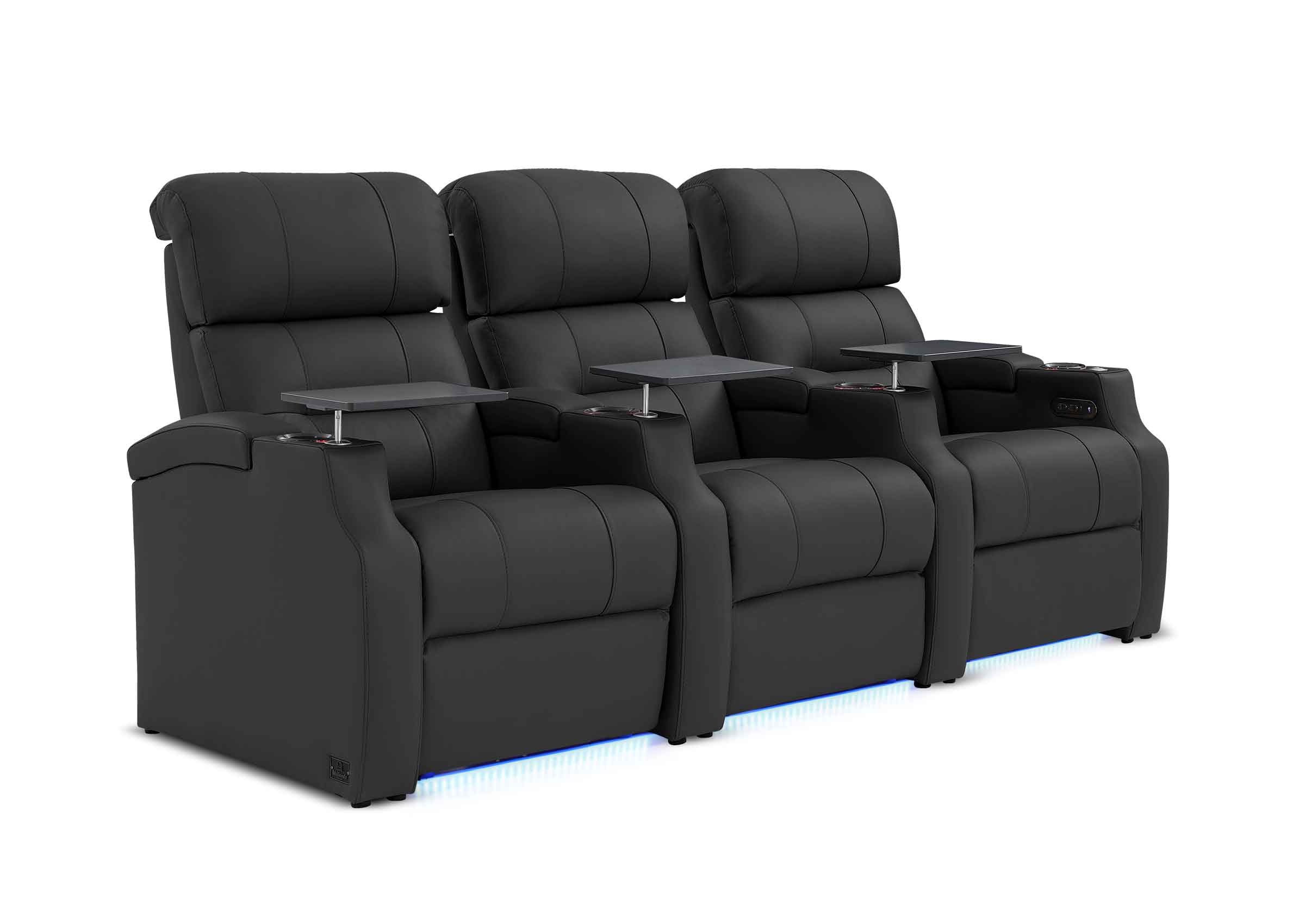
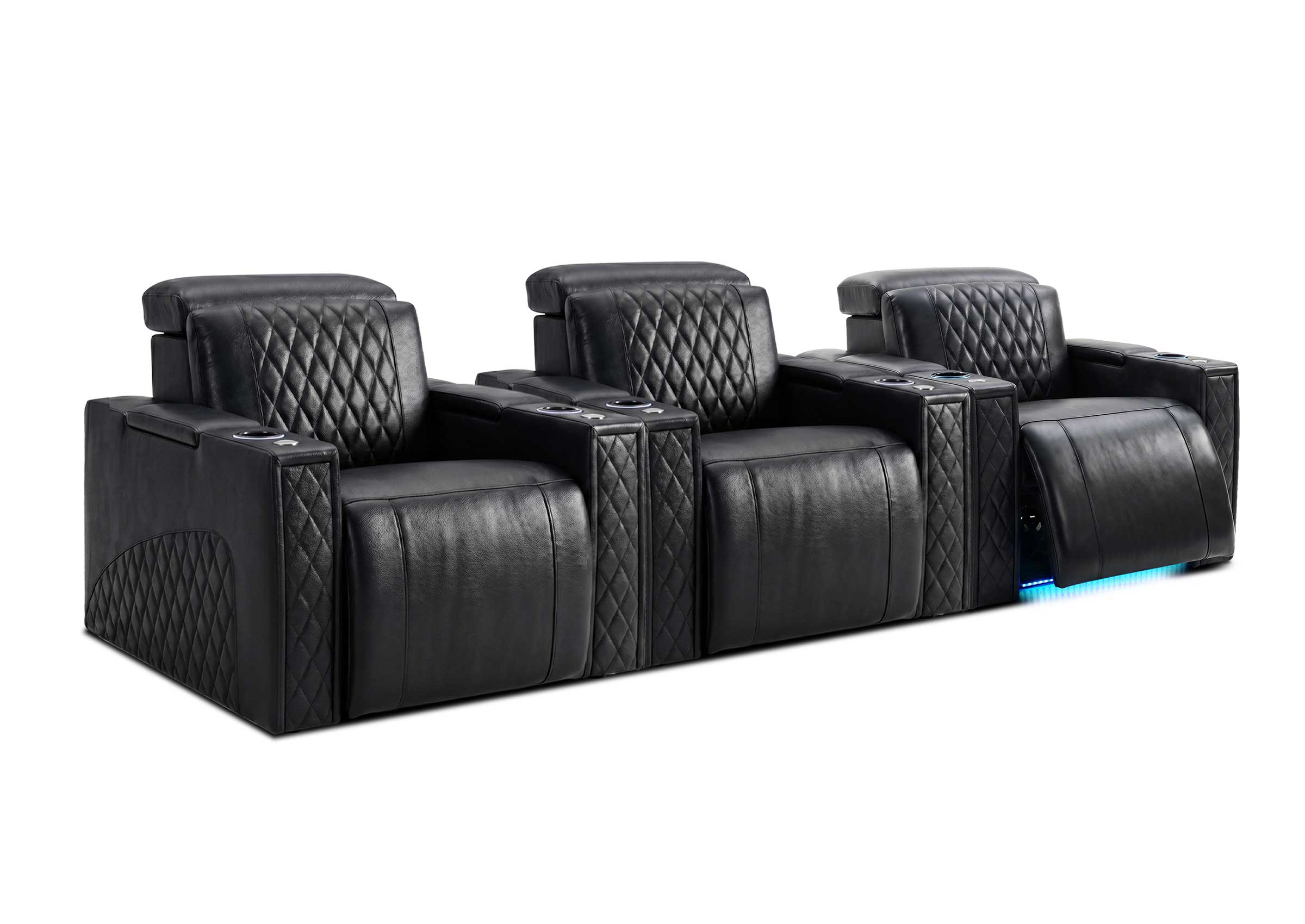

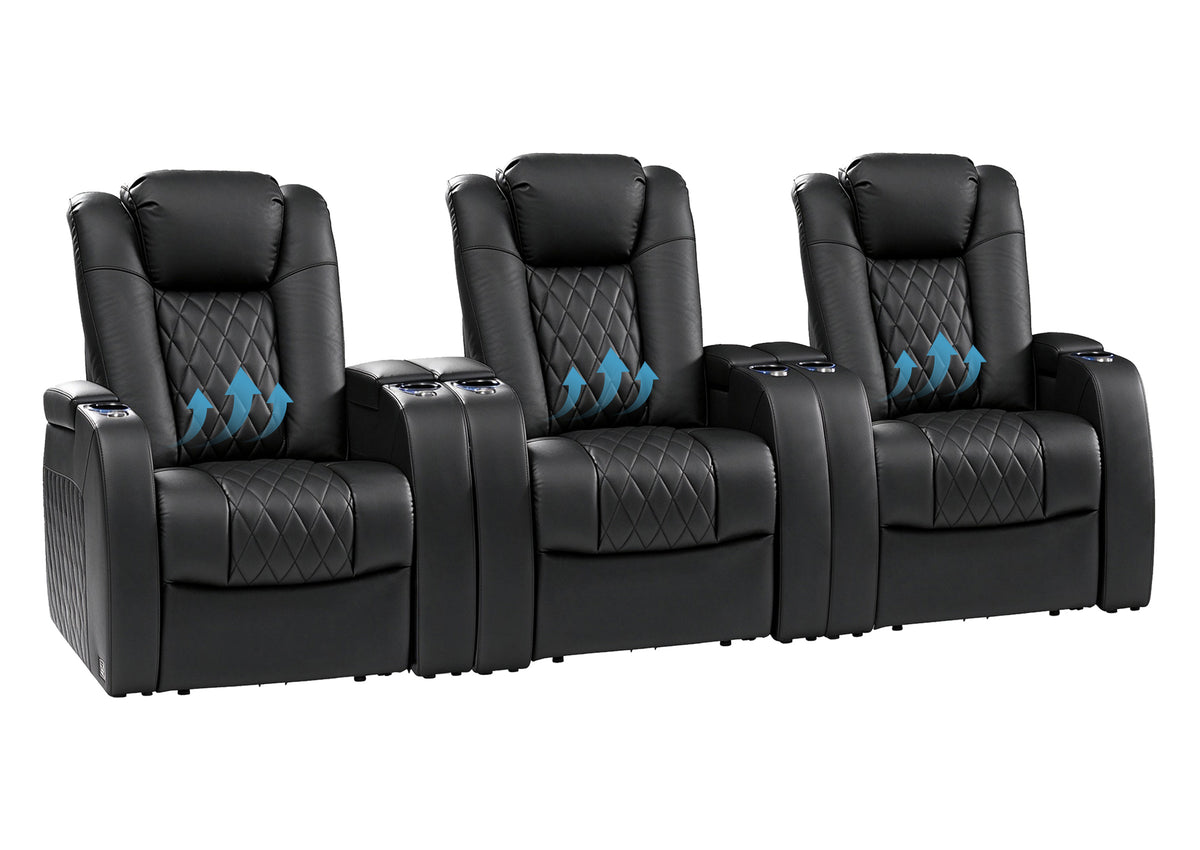
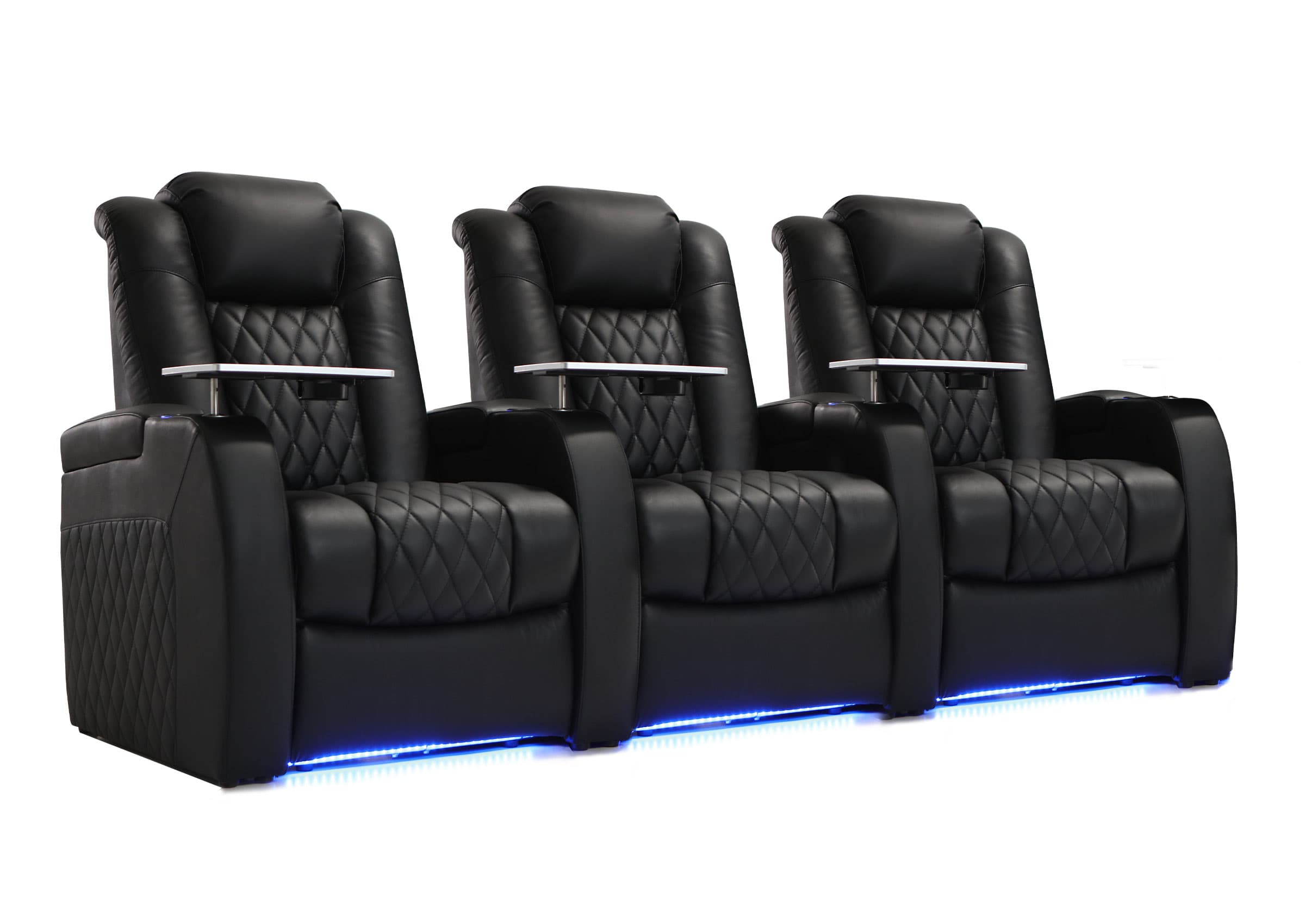
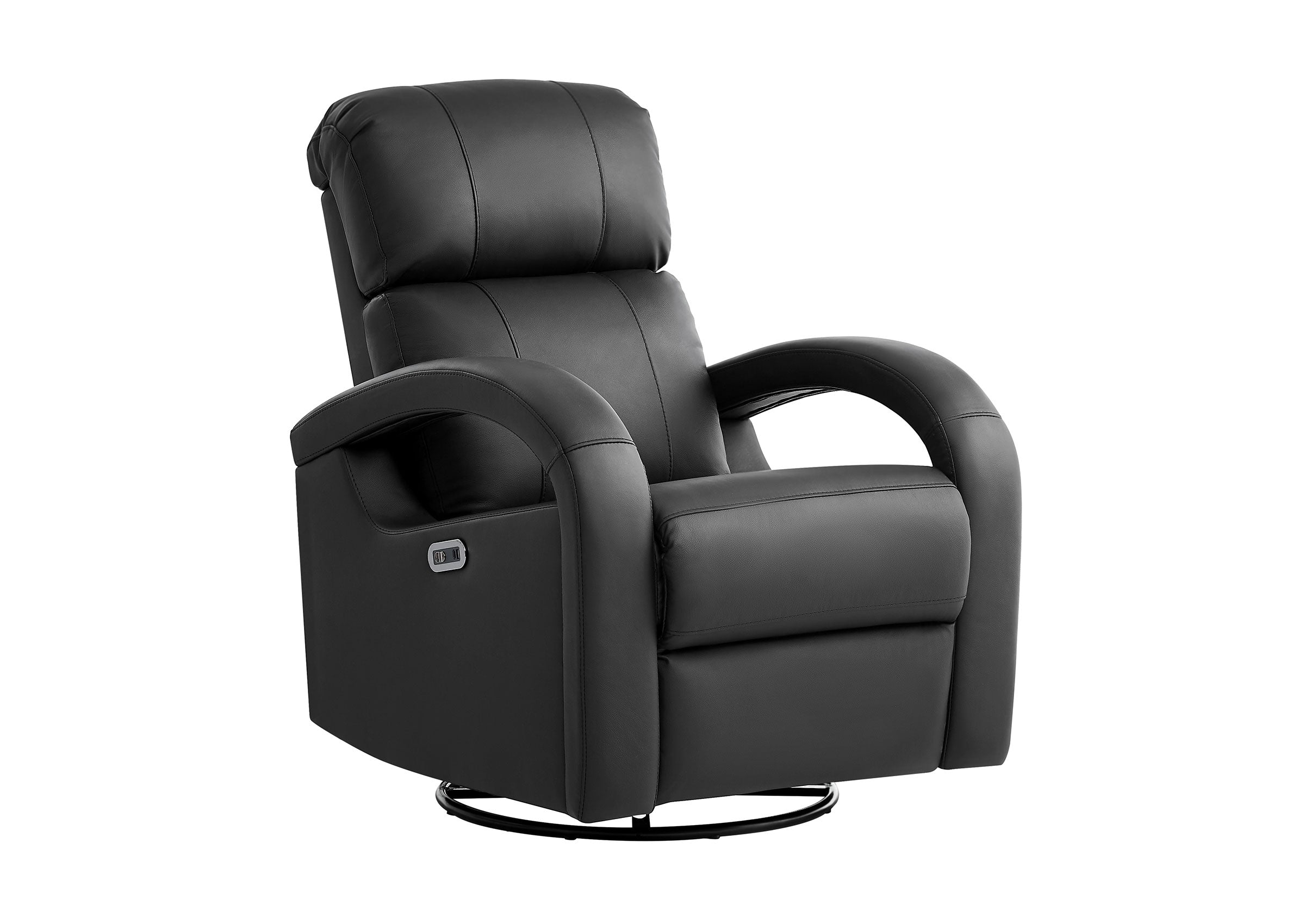
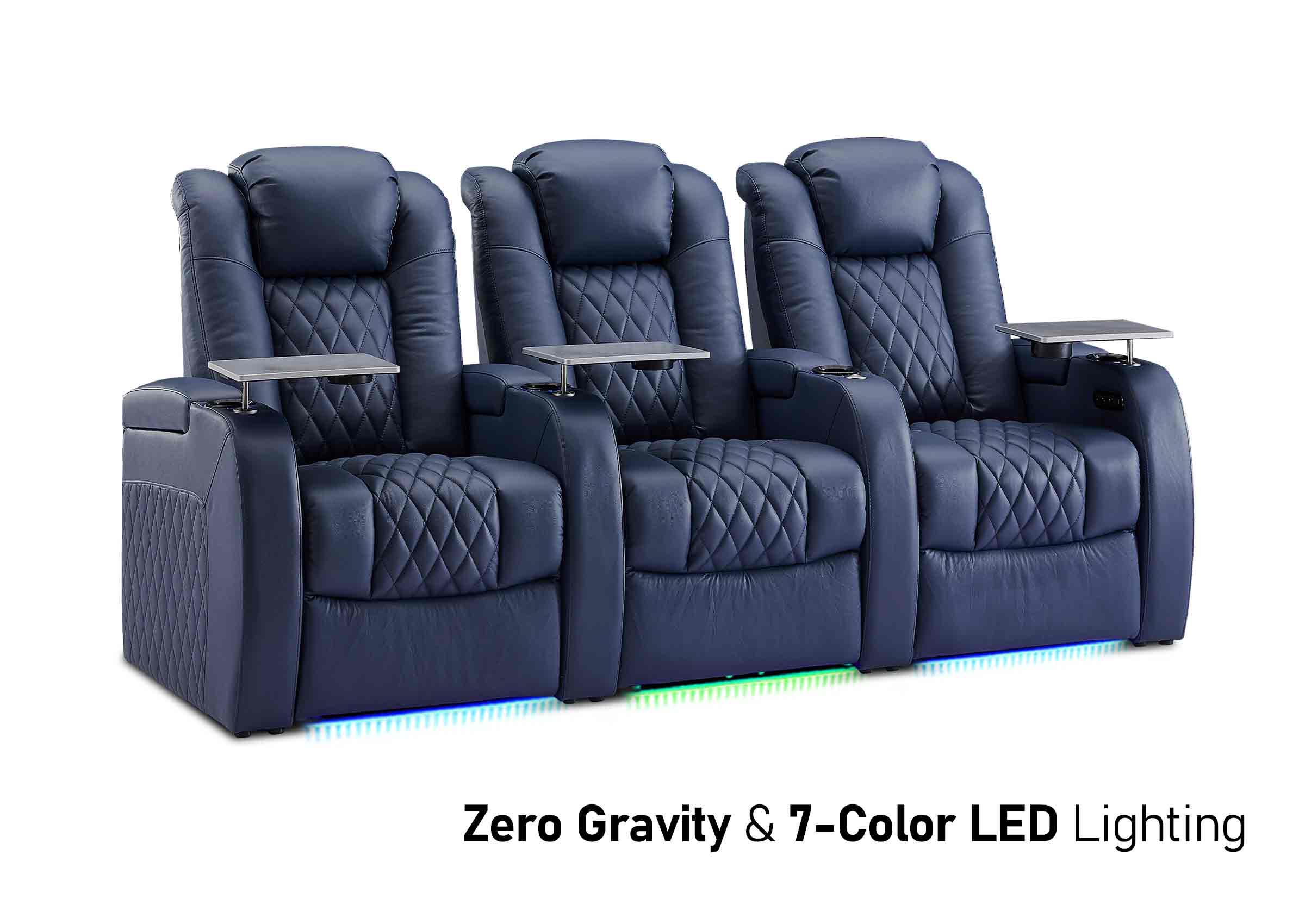
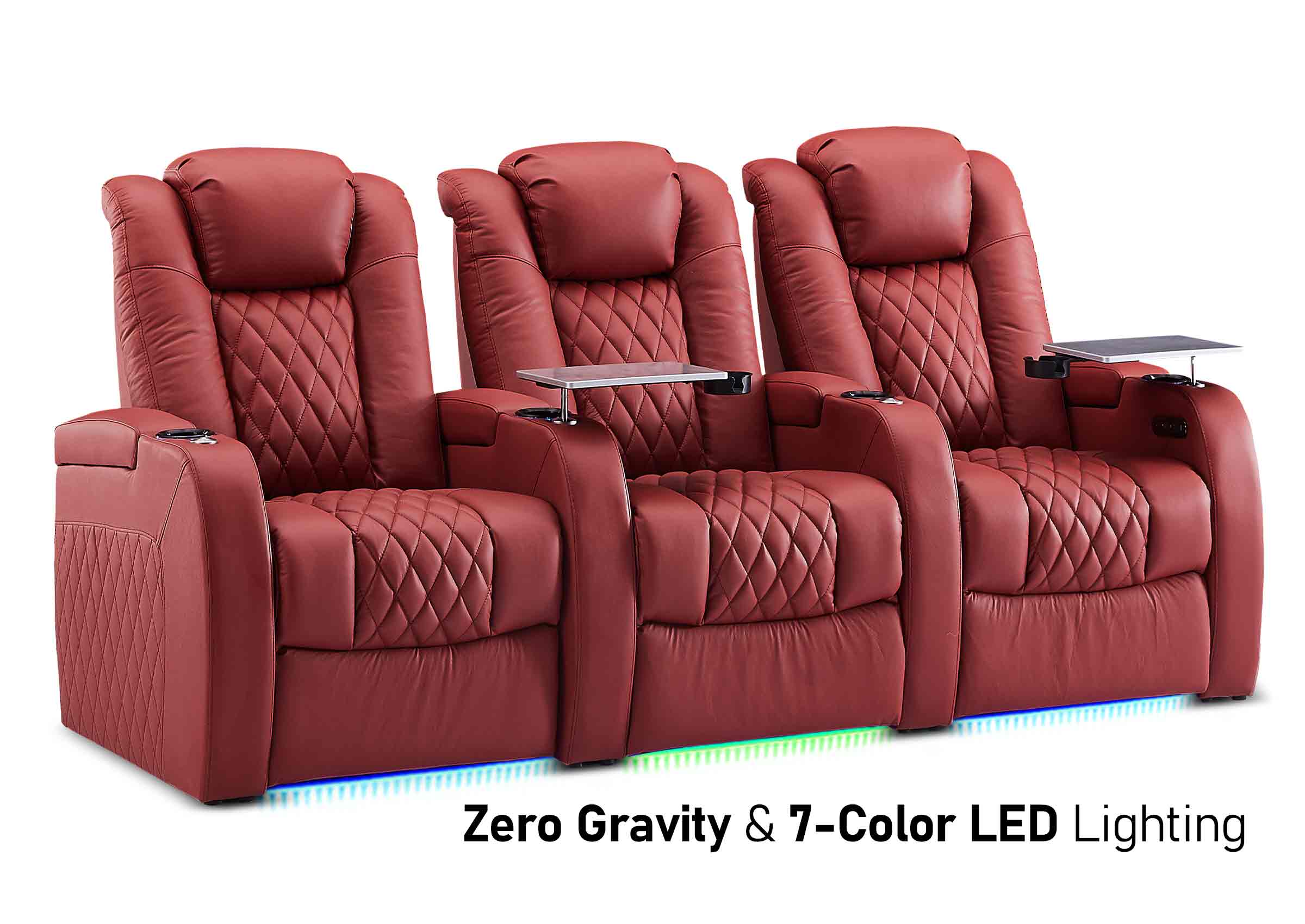
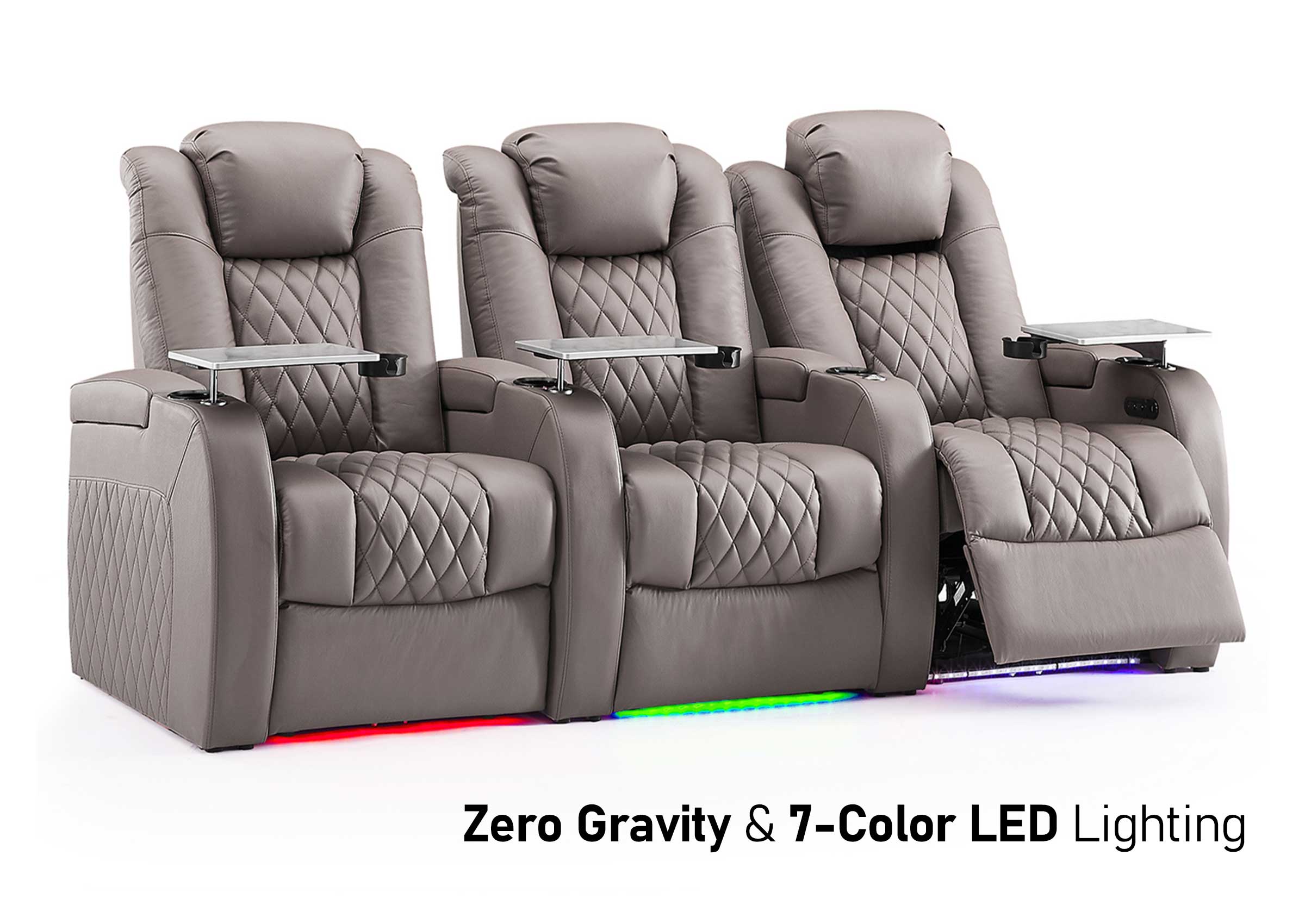
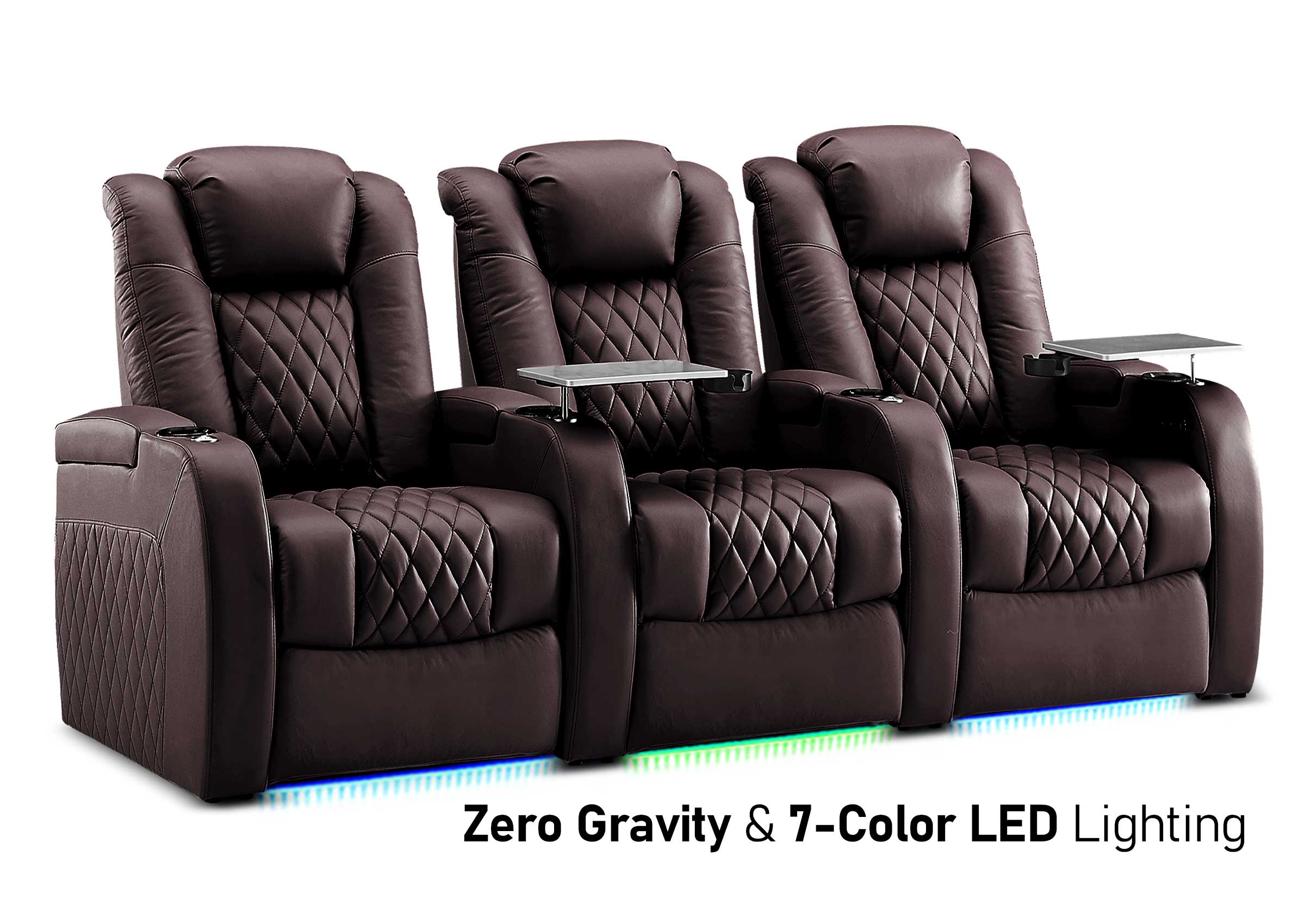

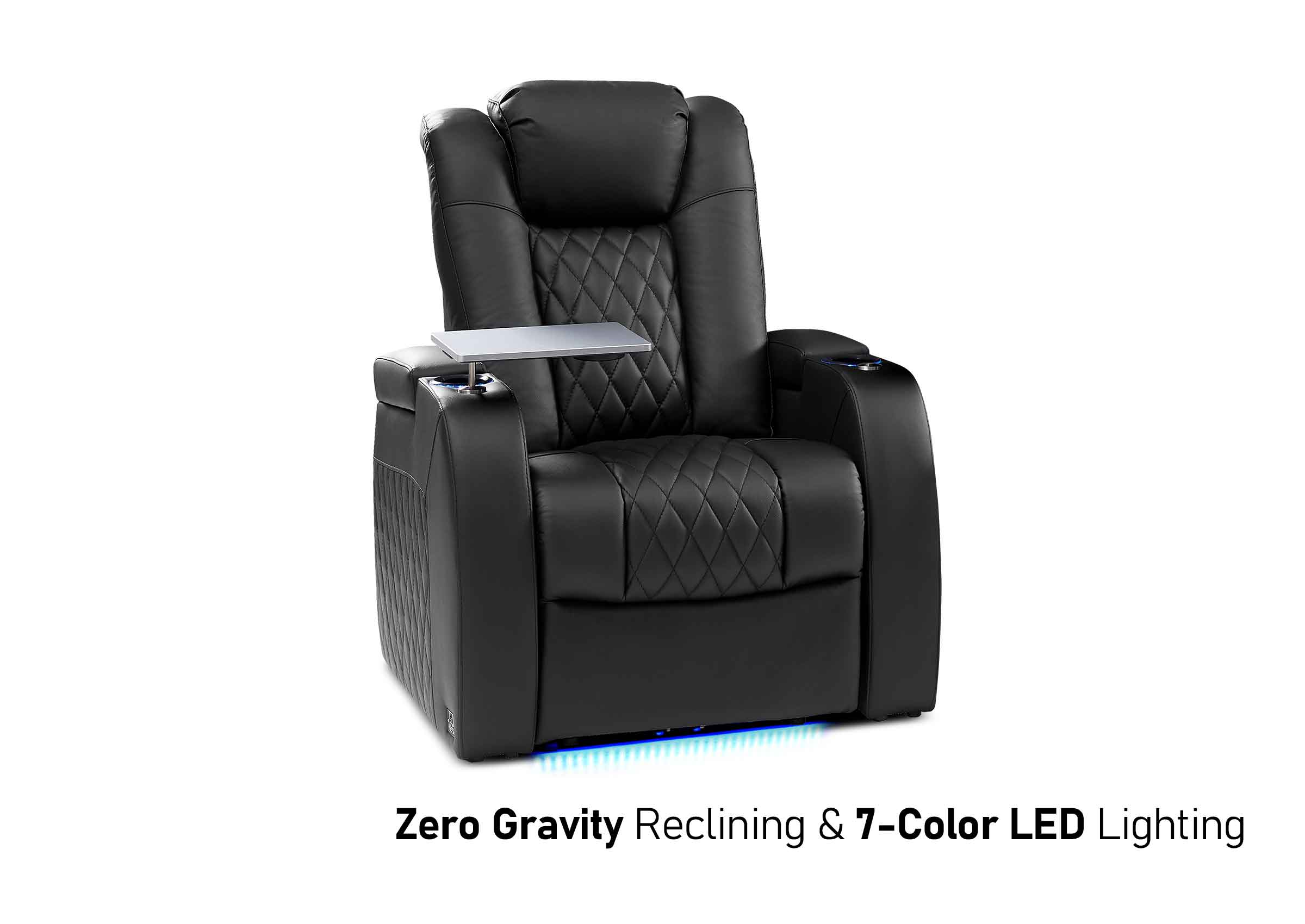
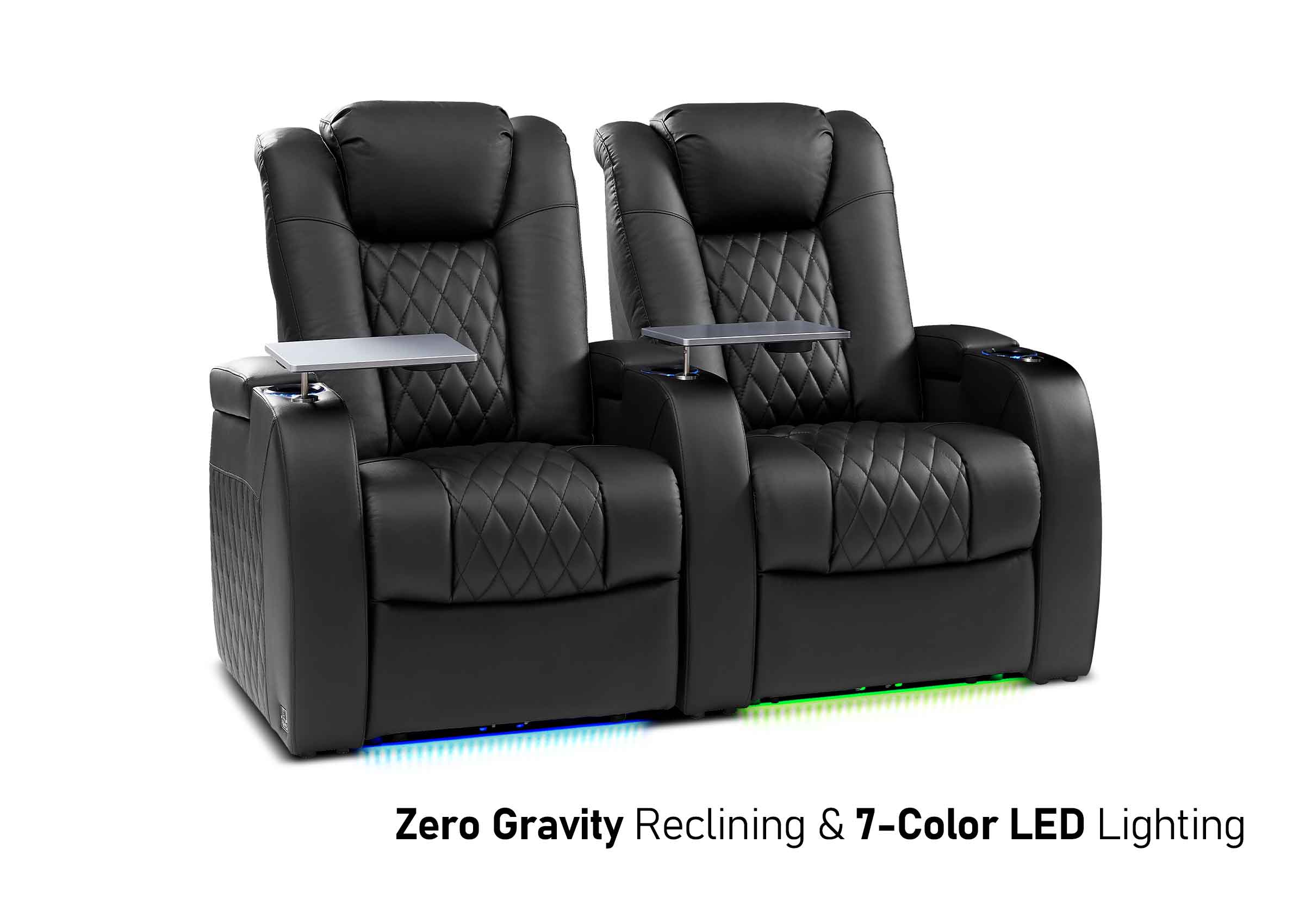
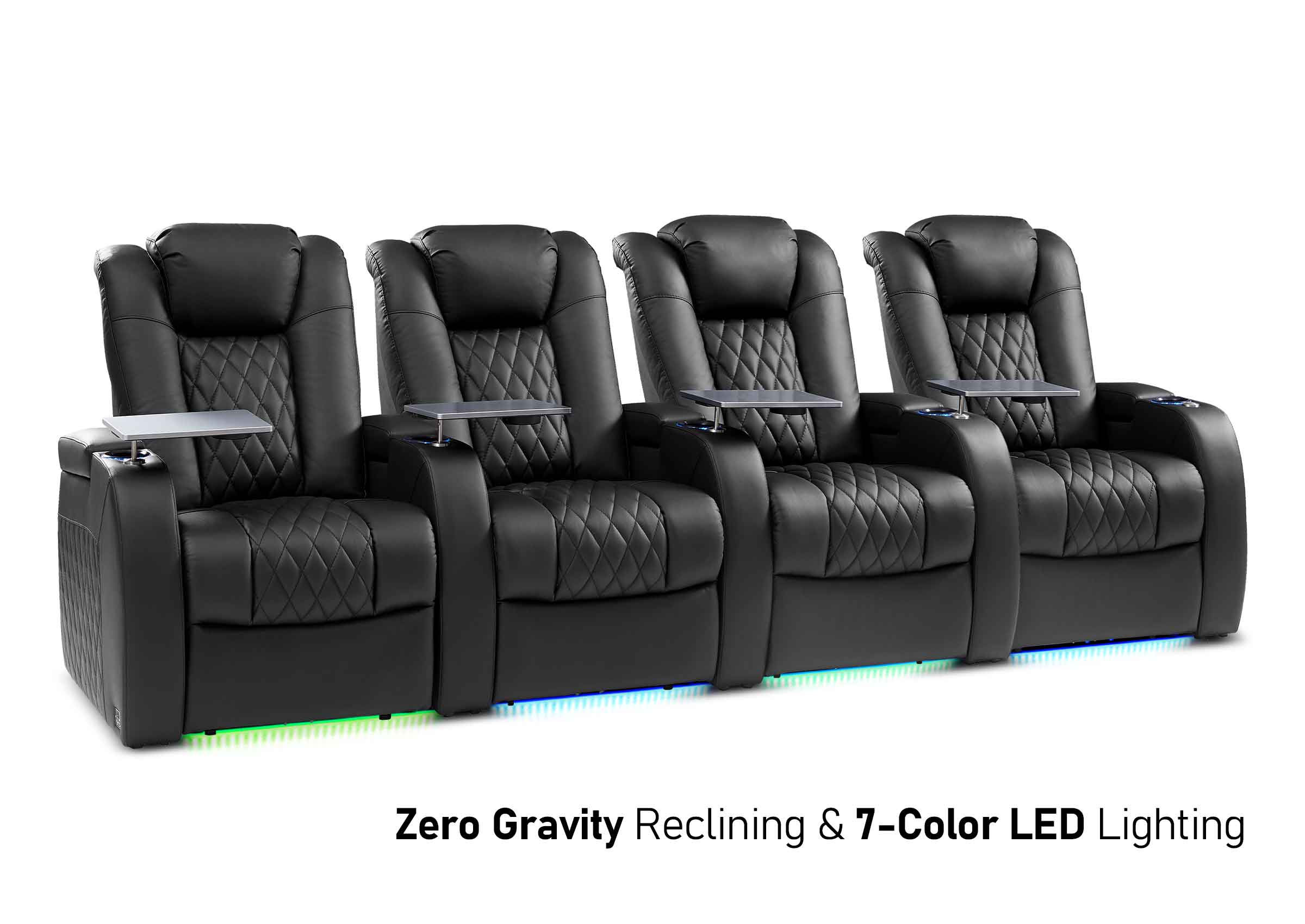
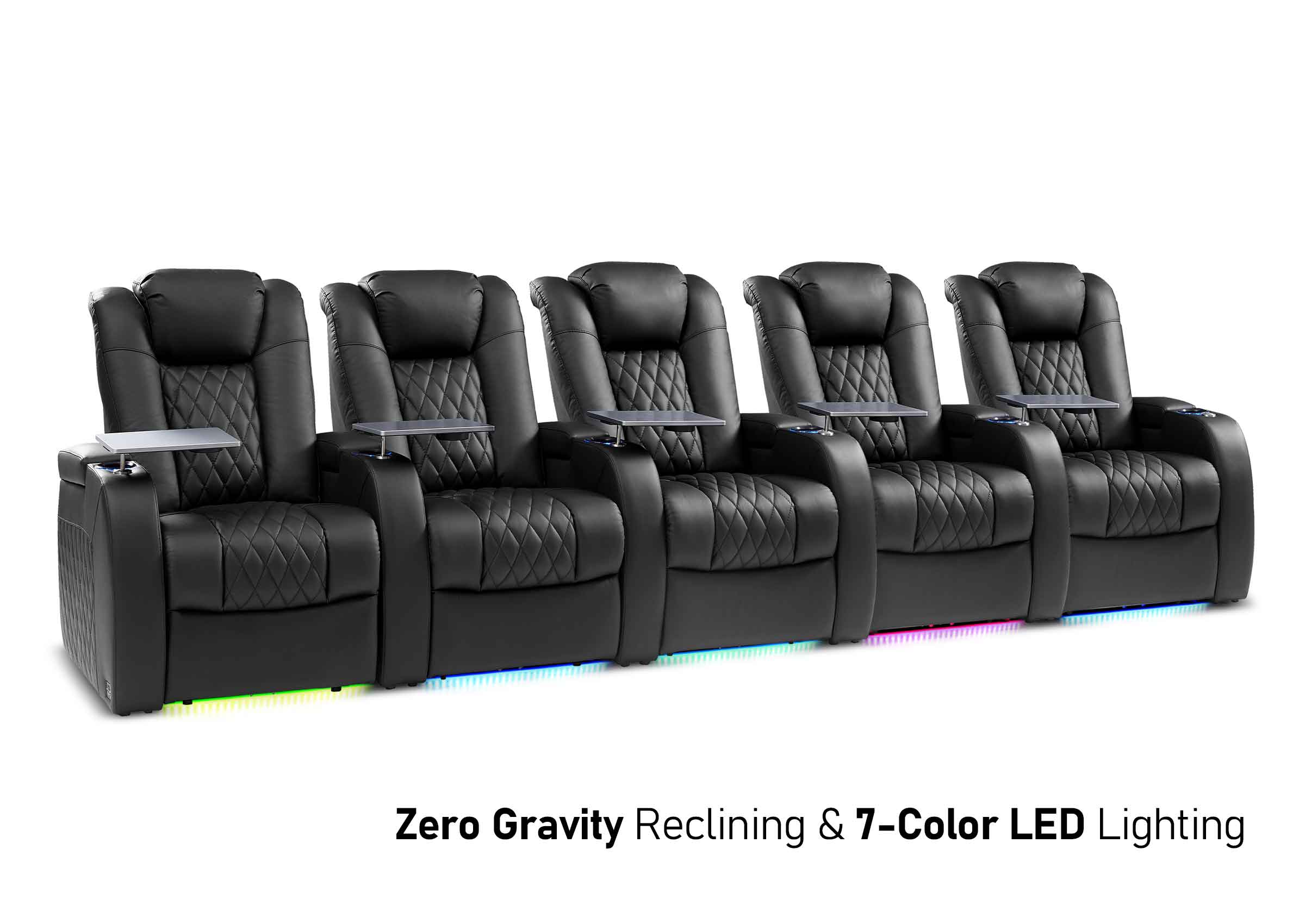
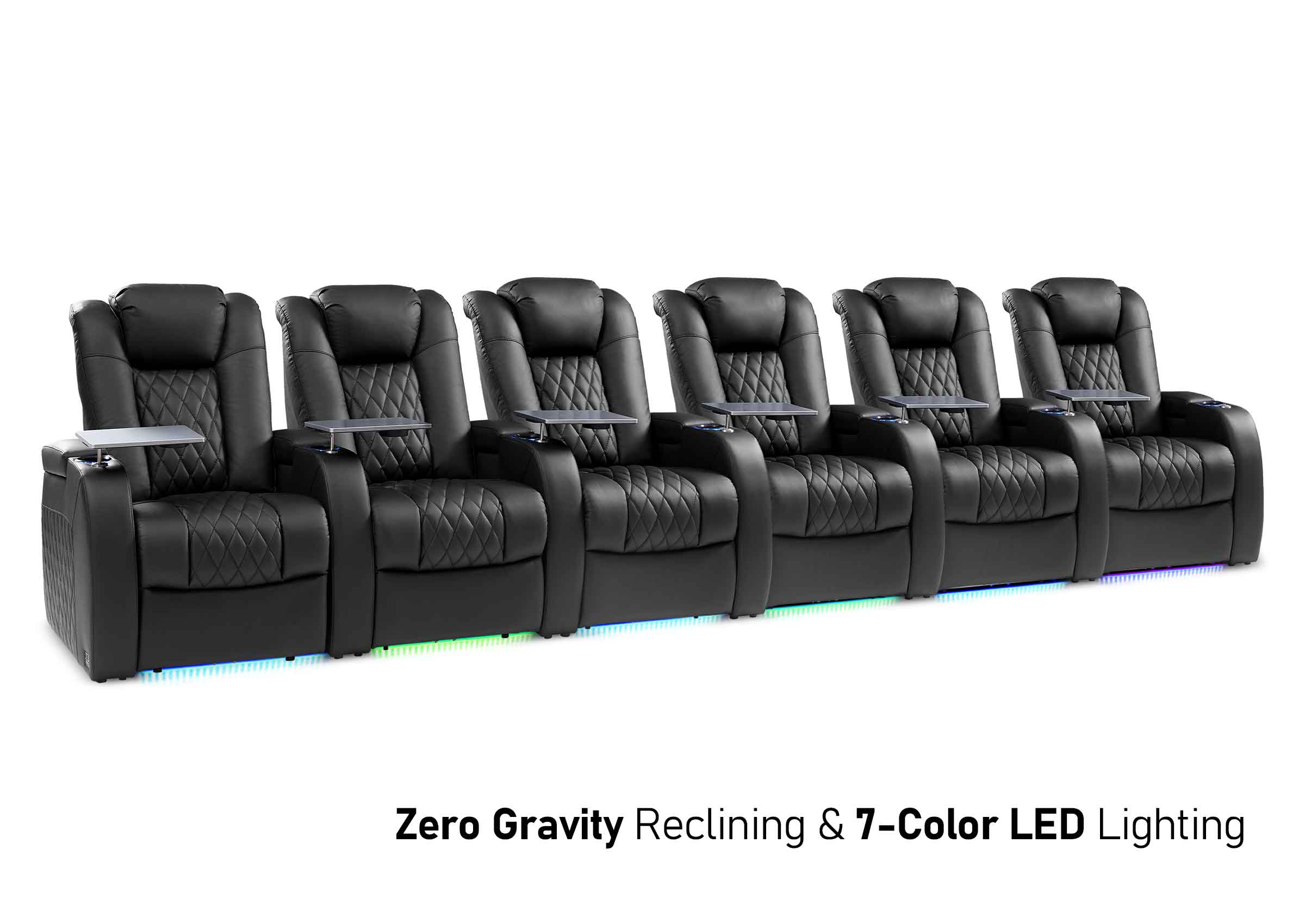
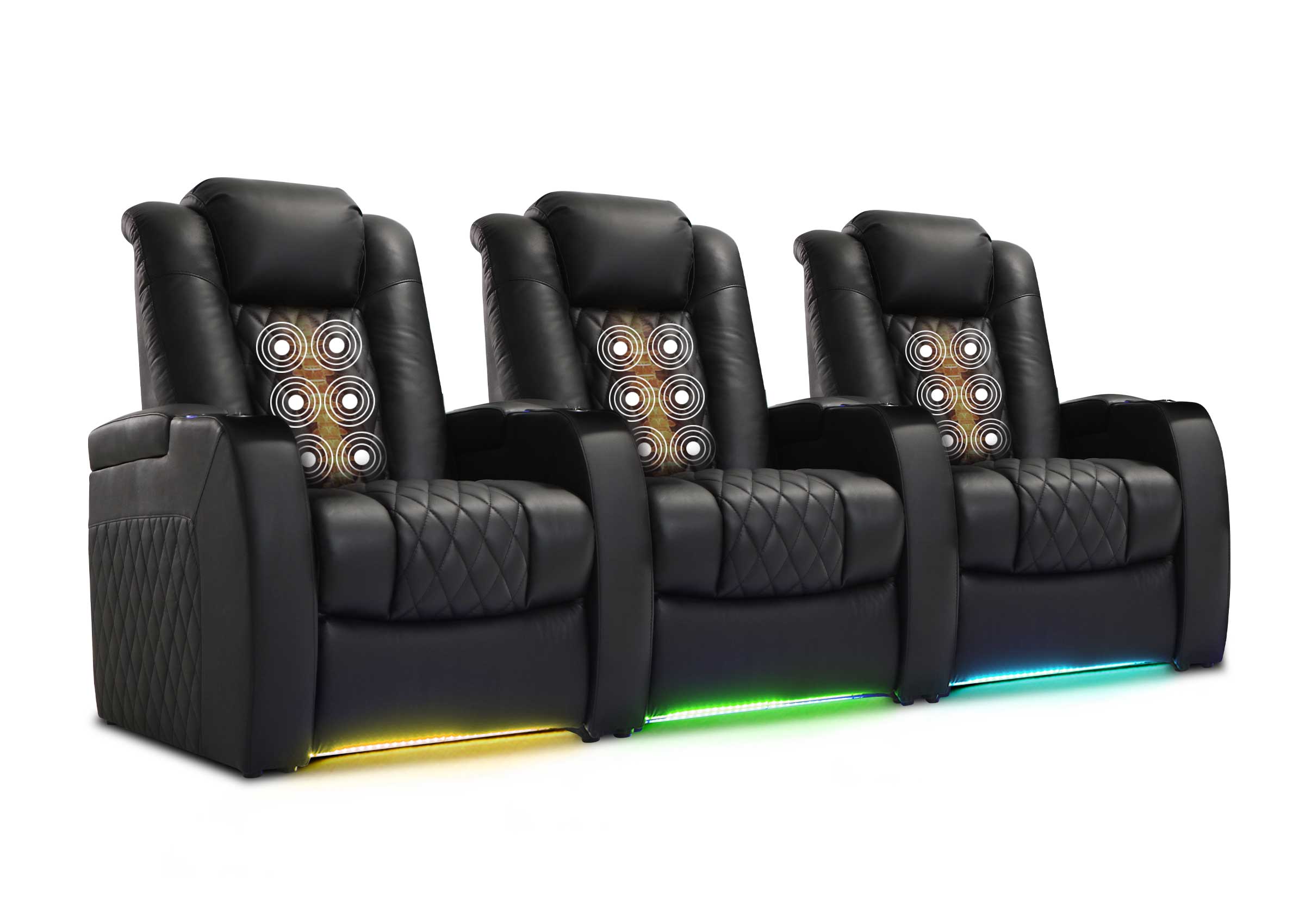
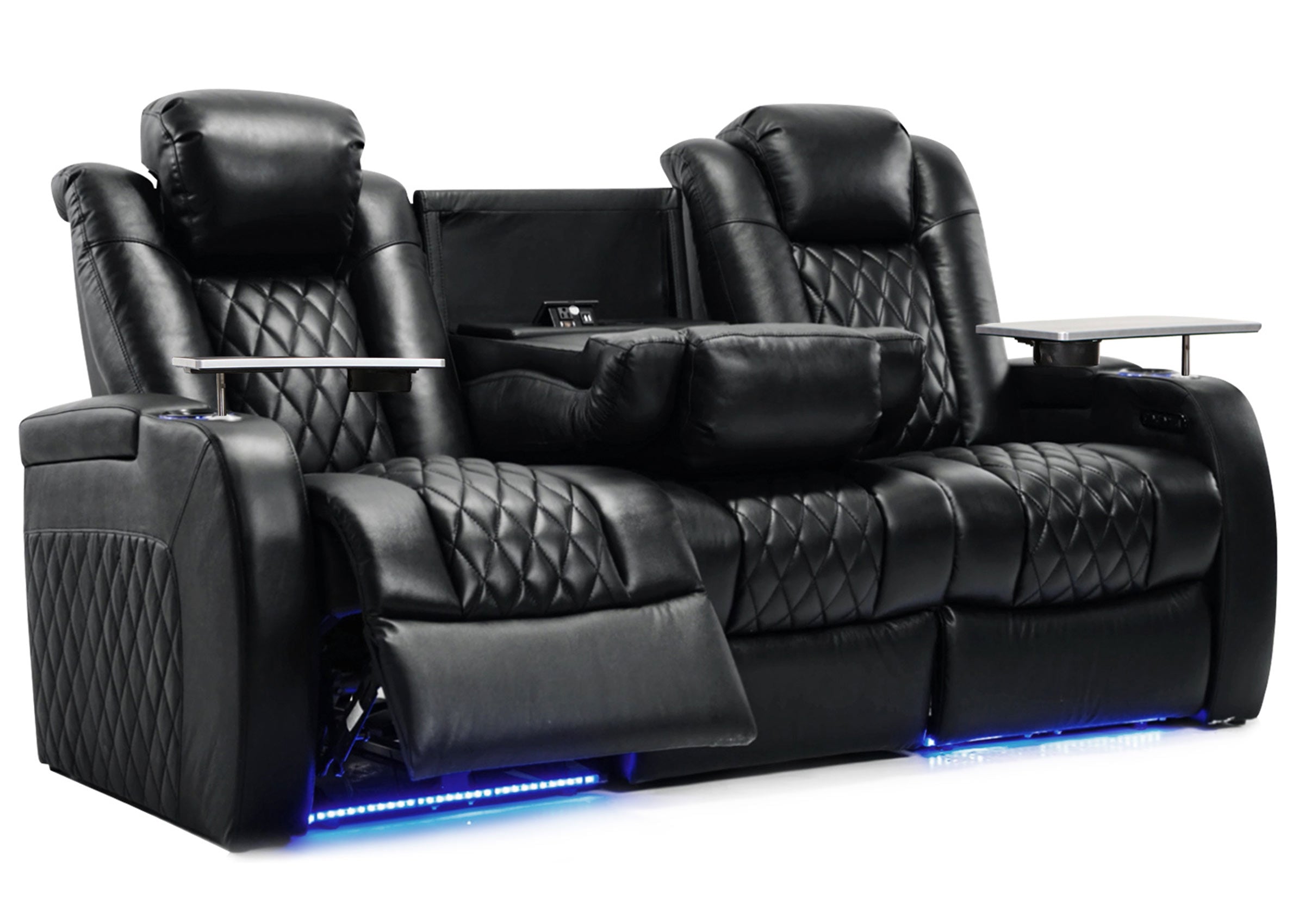
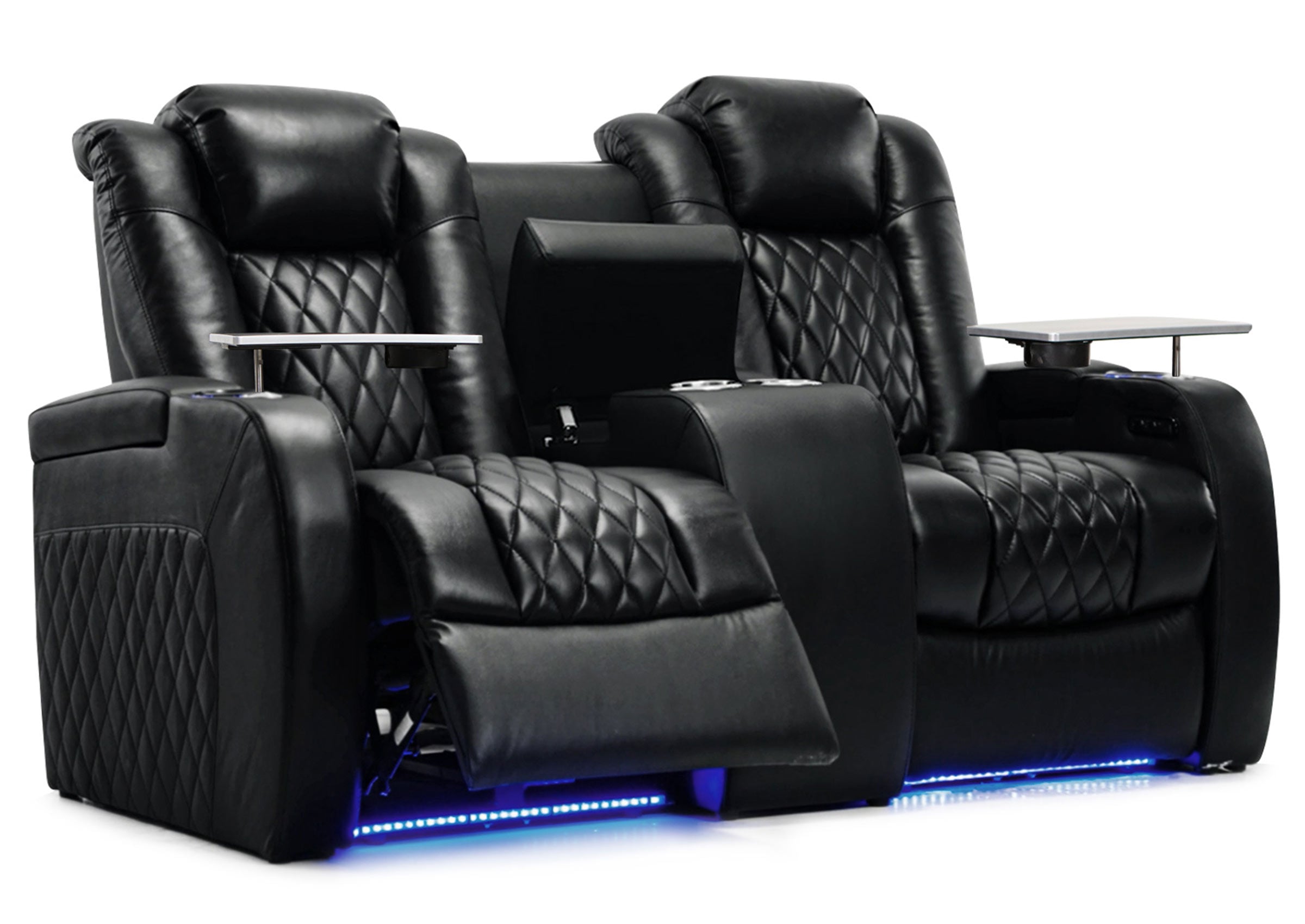


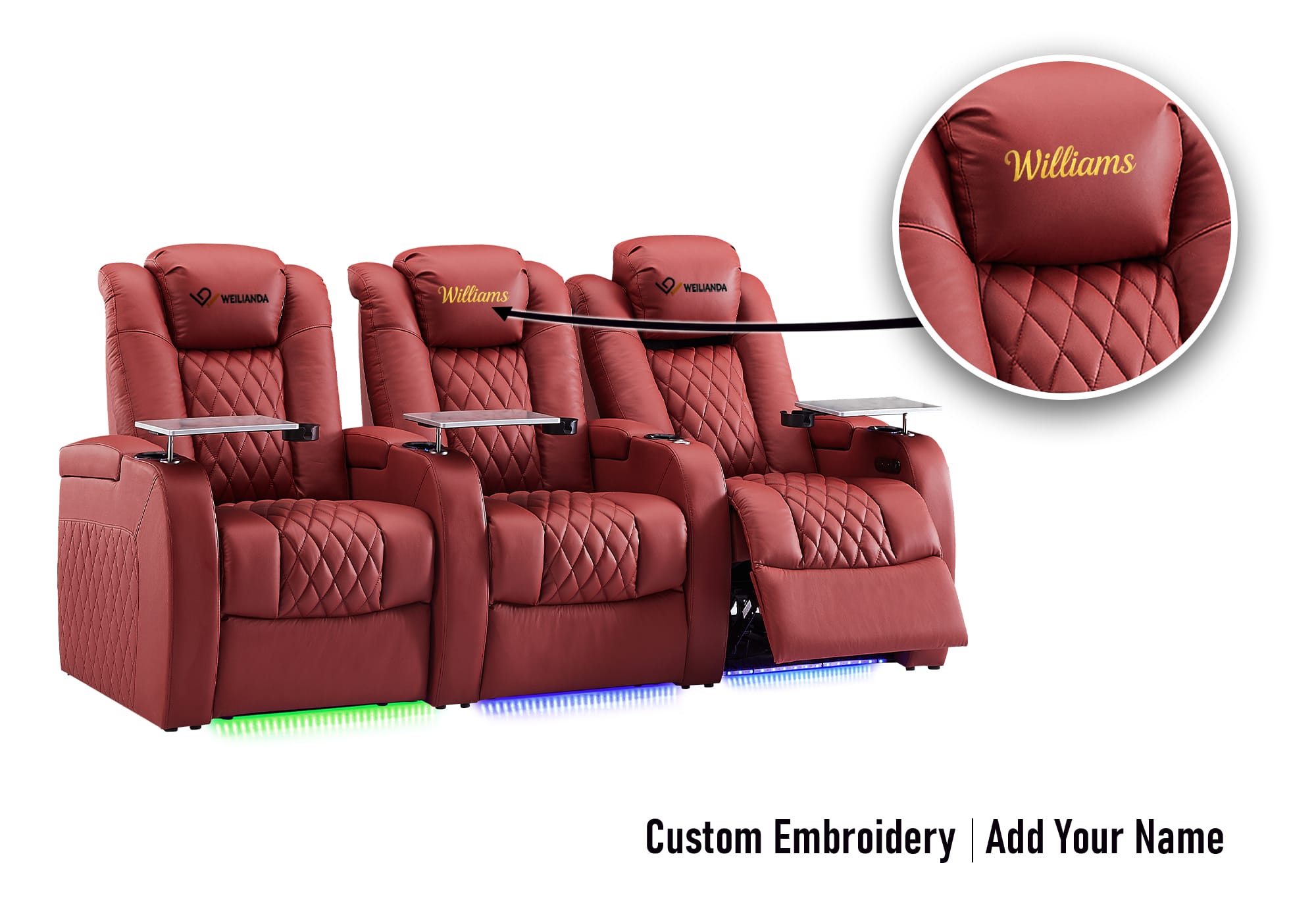

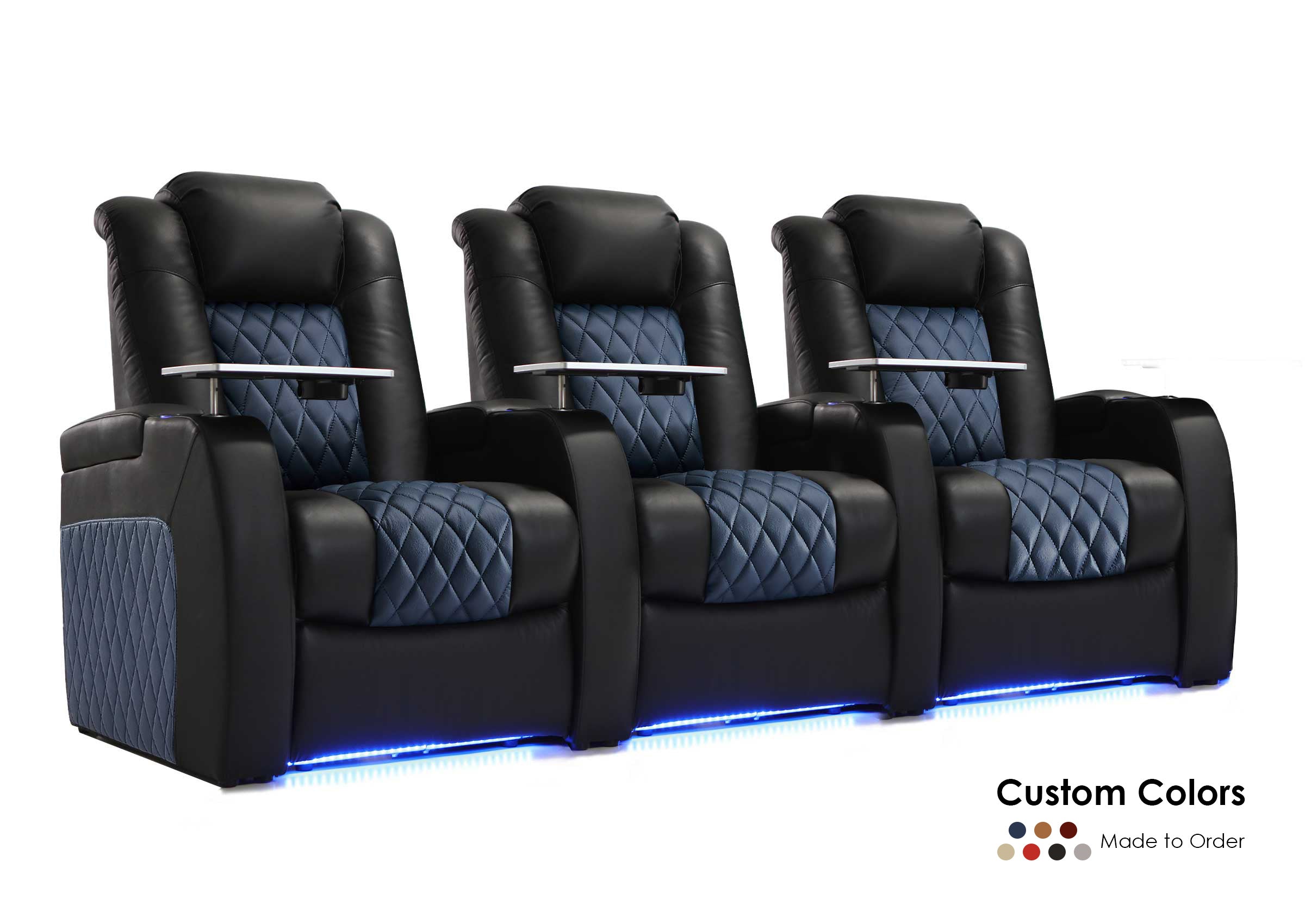

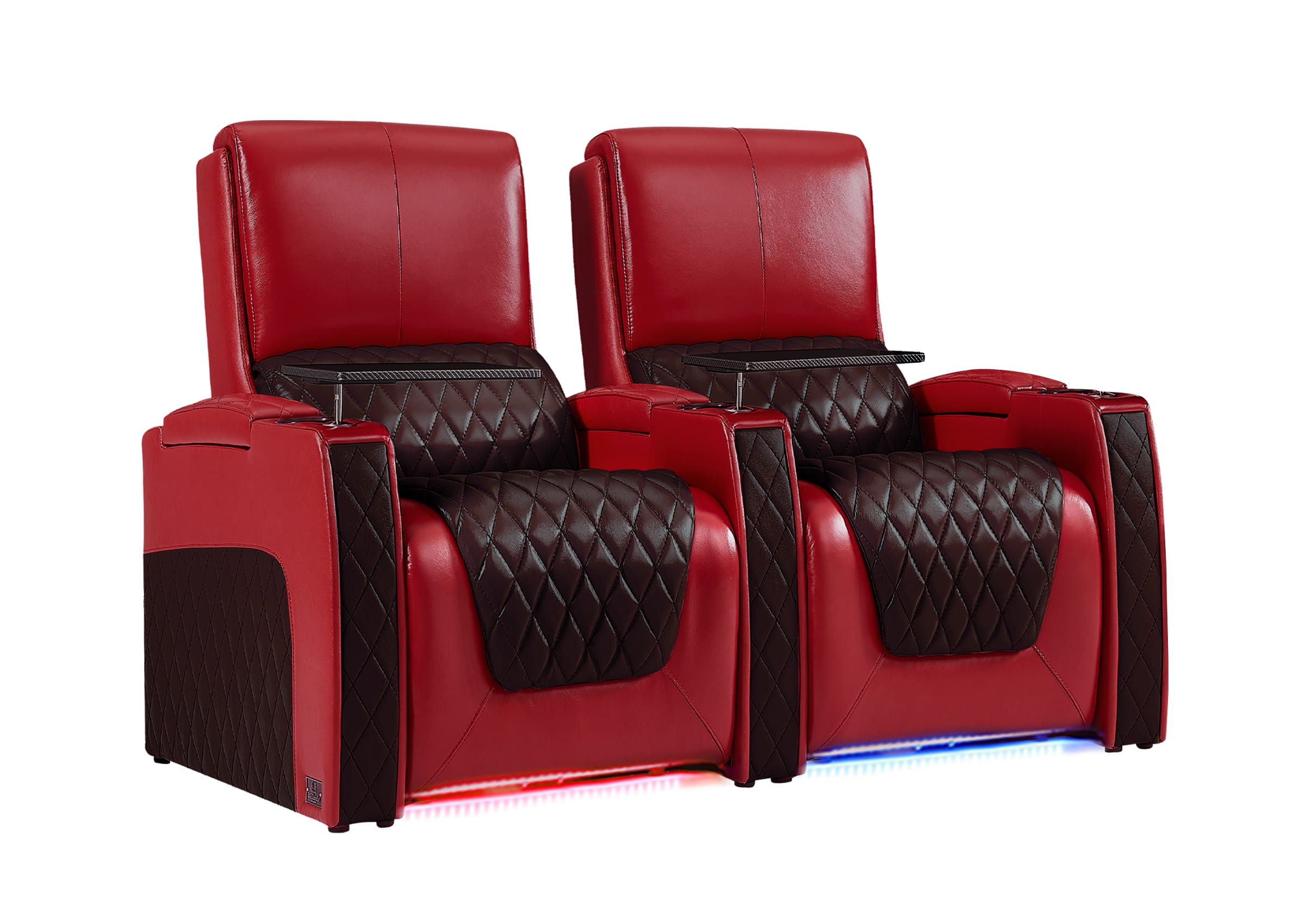
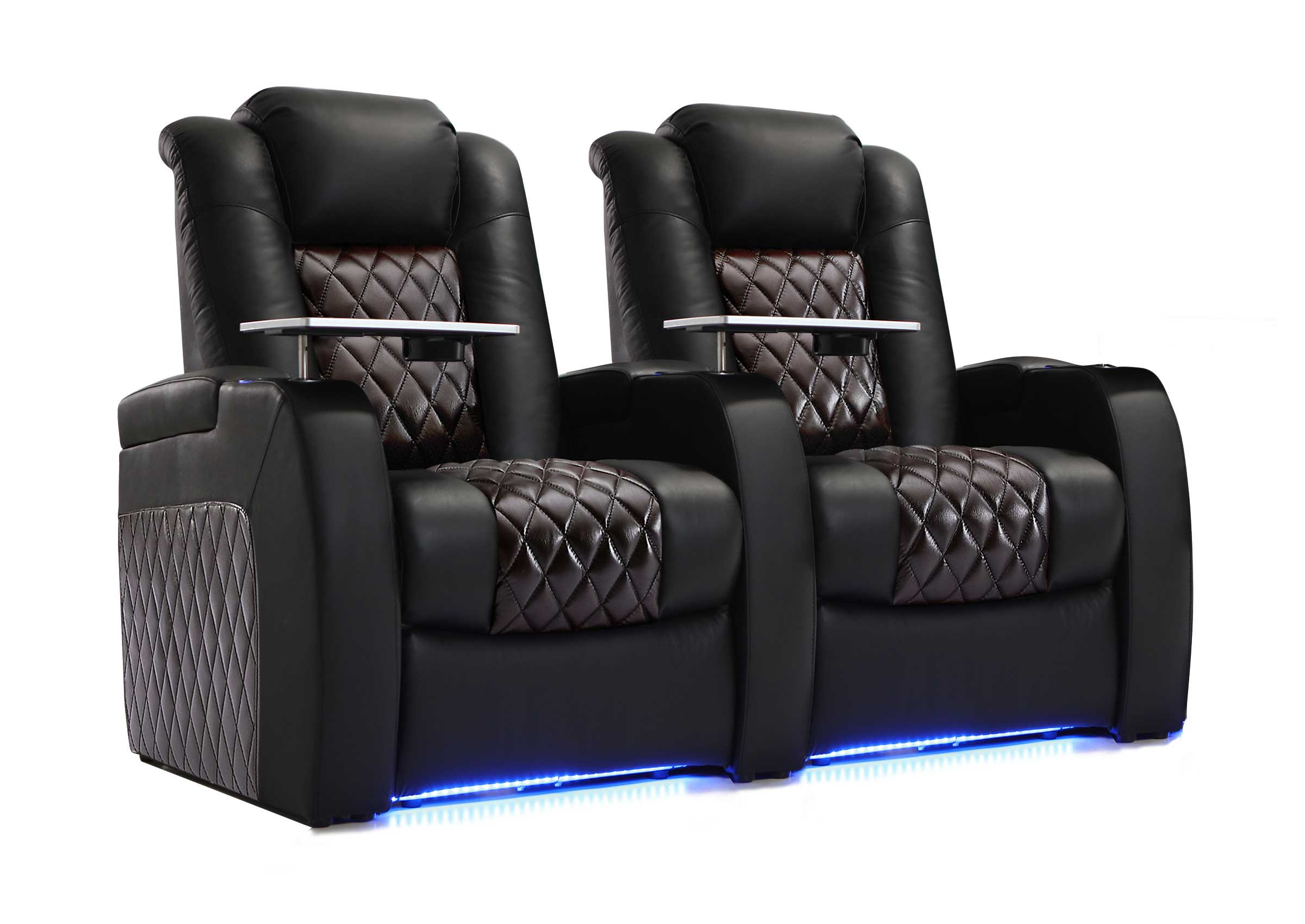
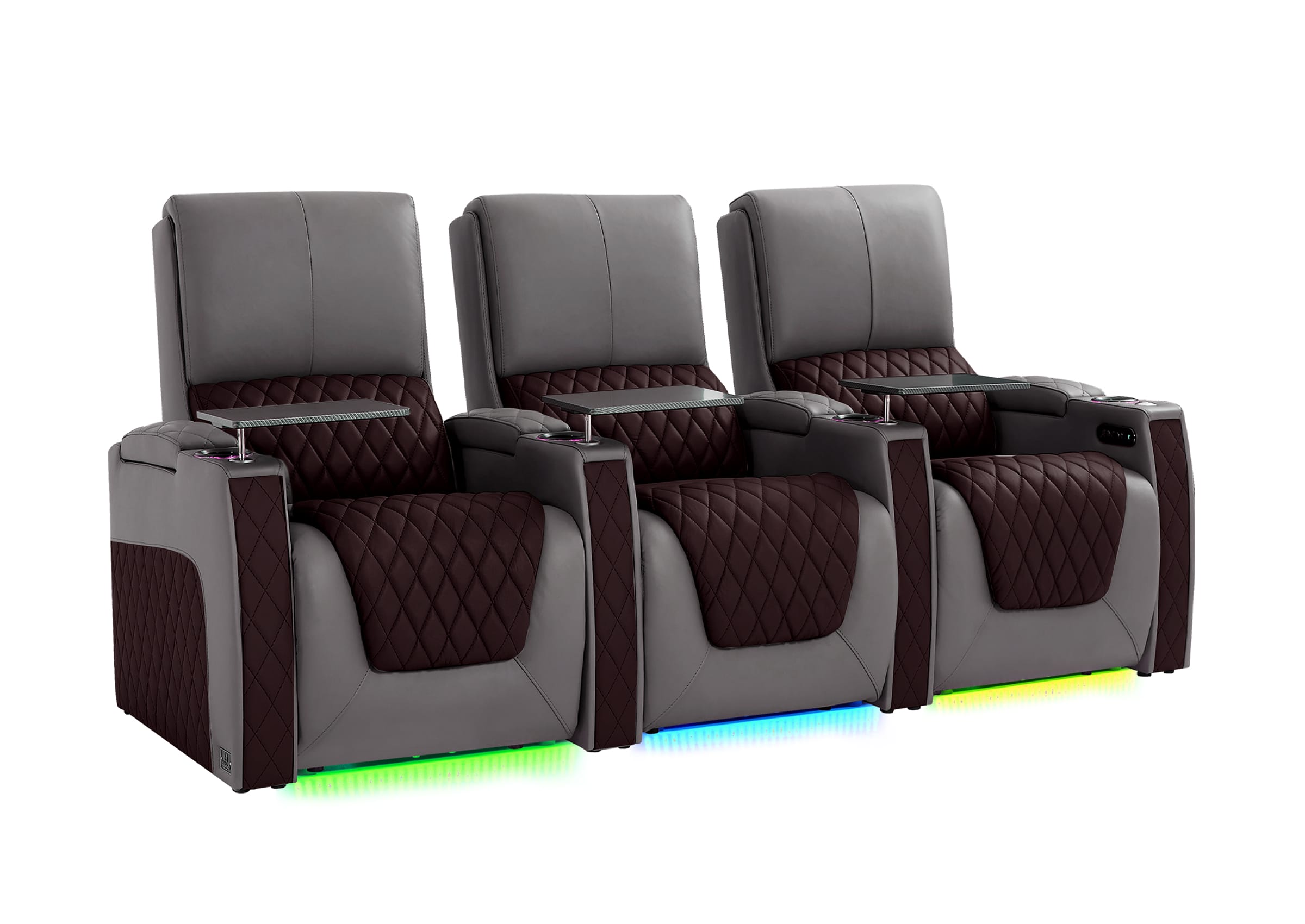
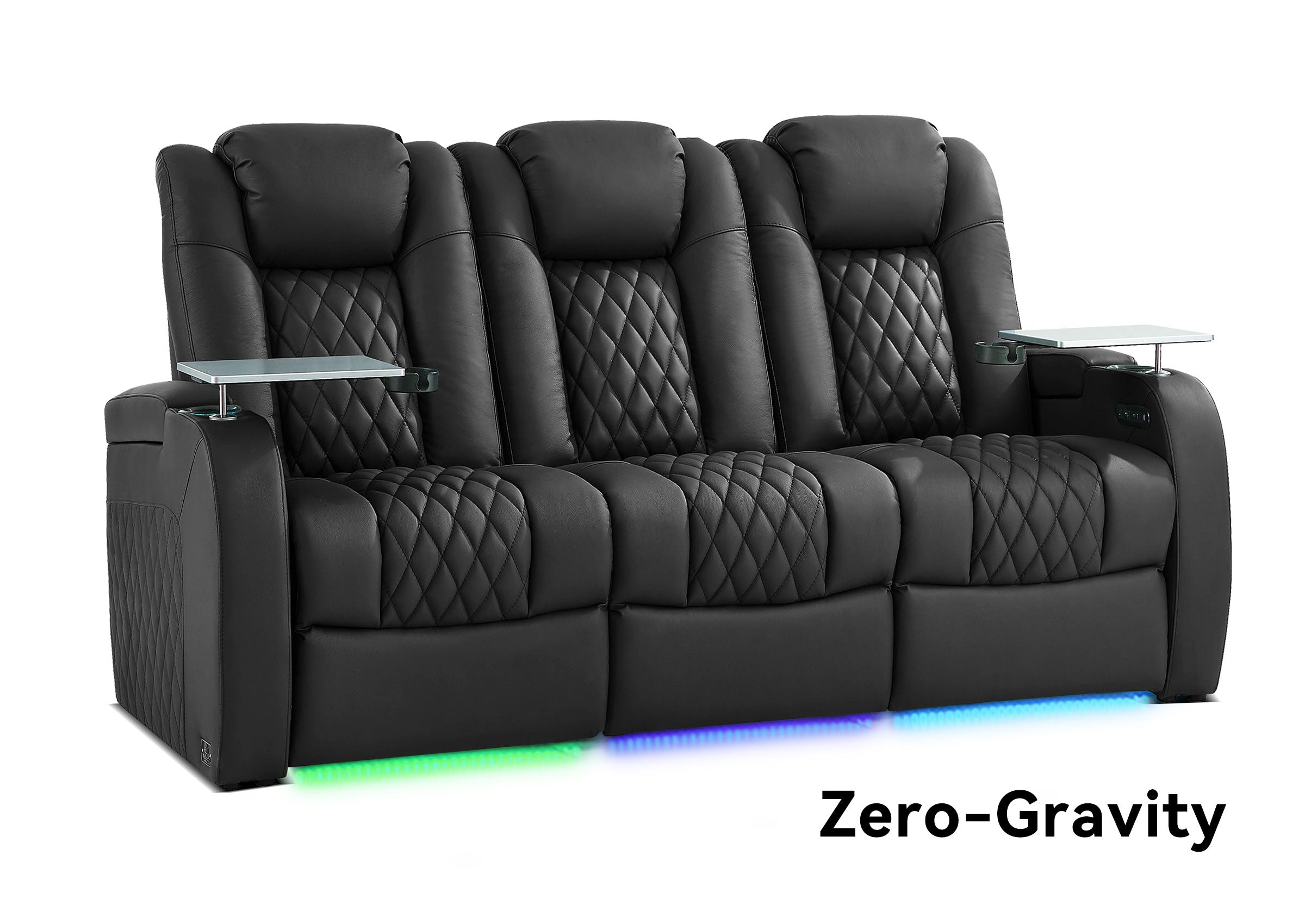
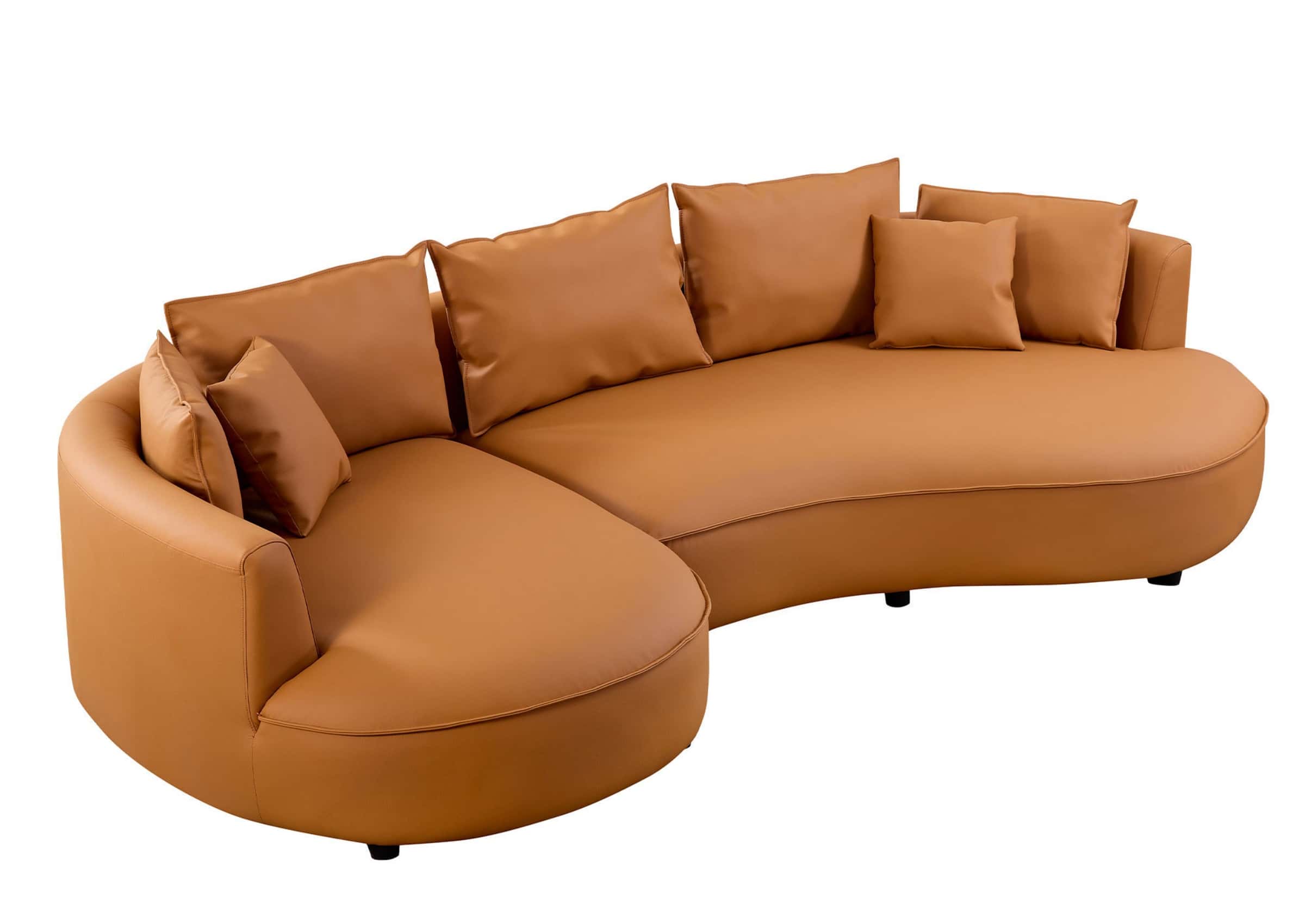


Home theater seating affects more than how your room looks. Seat width, recline depth, viewing distance, storage, and body support all shape how comfortable the room feels during movies, sports, gaming, and long family nights.
The best seating for home theater should fit your room, support long viewing sessions, and make everyday entertainment easier. Before choosing the most impressive-looking recliner or sofa, start with your space, screen position, and how your family actually uses the room.
What Is the Best Seating for a Home Theater?
The best seating for a home theater is seating that matches your room layout, viewing distance, comfort needs, and daily habits. For a dedicated theater room, individual reclining theater seats often work best. For a living room or media room, a reclining sofa, electric recliner couch, or modular seating layout may feel more natural.
There is no single best option for every home. A family basement theater, a luxury media room, and a small apartment entertainment corner all need different seating choices.
| Seating Type | Best For | Main Thing to Check |
|---|---|---|
| Home theater recliners | Dedicated theater rooms and basement cinemas | Recline depth and row spacing |
| Electric recliner couch | Living rooms, family rooms, casual media rooms | Full sofa footprint when reclined |
| Reclining sofa | Families who want comfort without a formal theater layout | Seat support and daily durability |
| Sectional sofa | Social spaces and large family rooms | Viewing angle for each seat |
| Wall-hugger recliner | Smaller rooms or seats near a wall | Actual wall clearance |
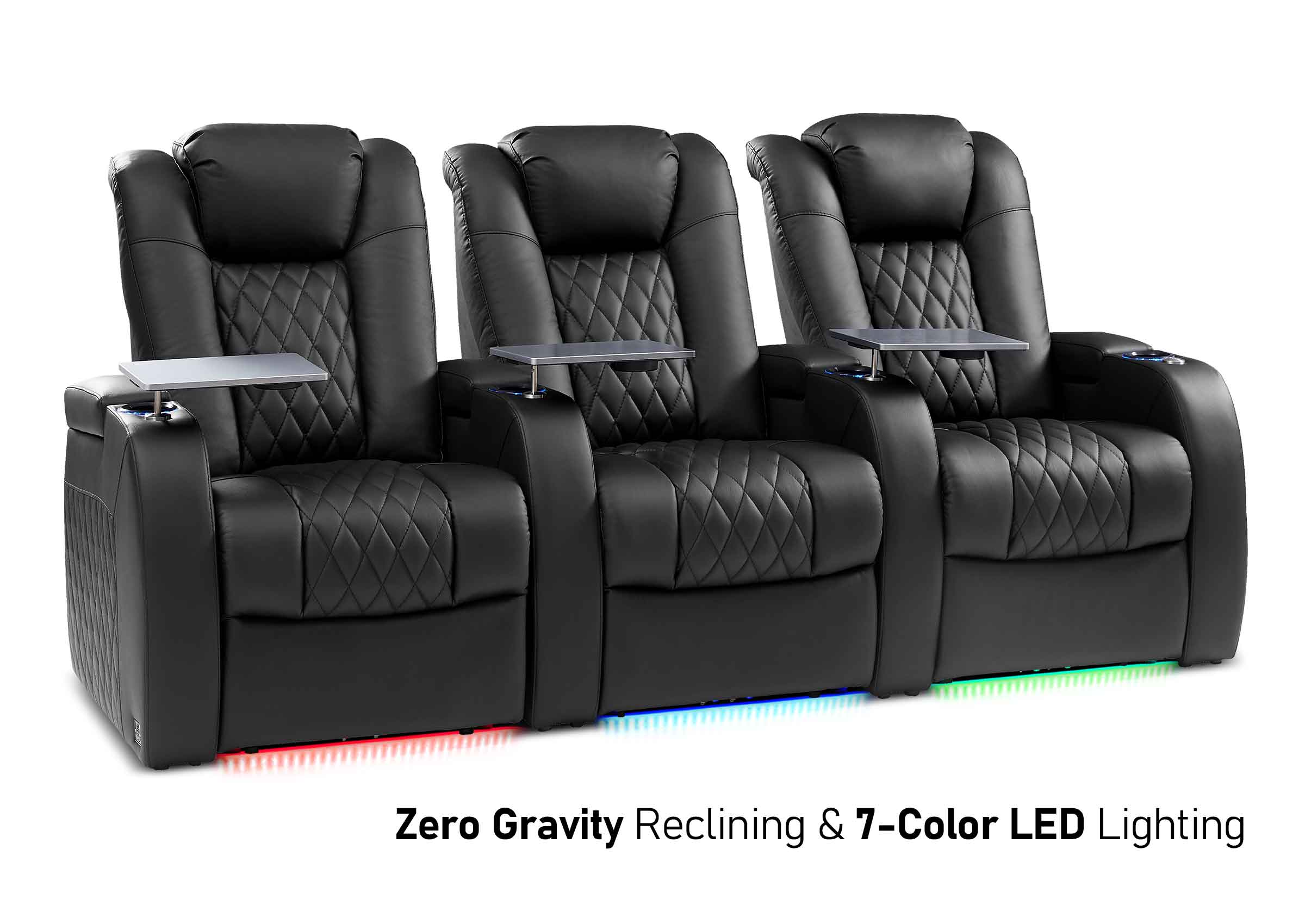
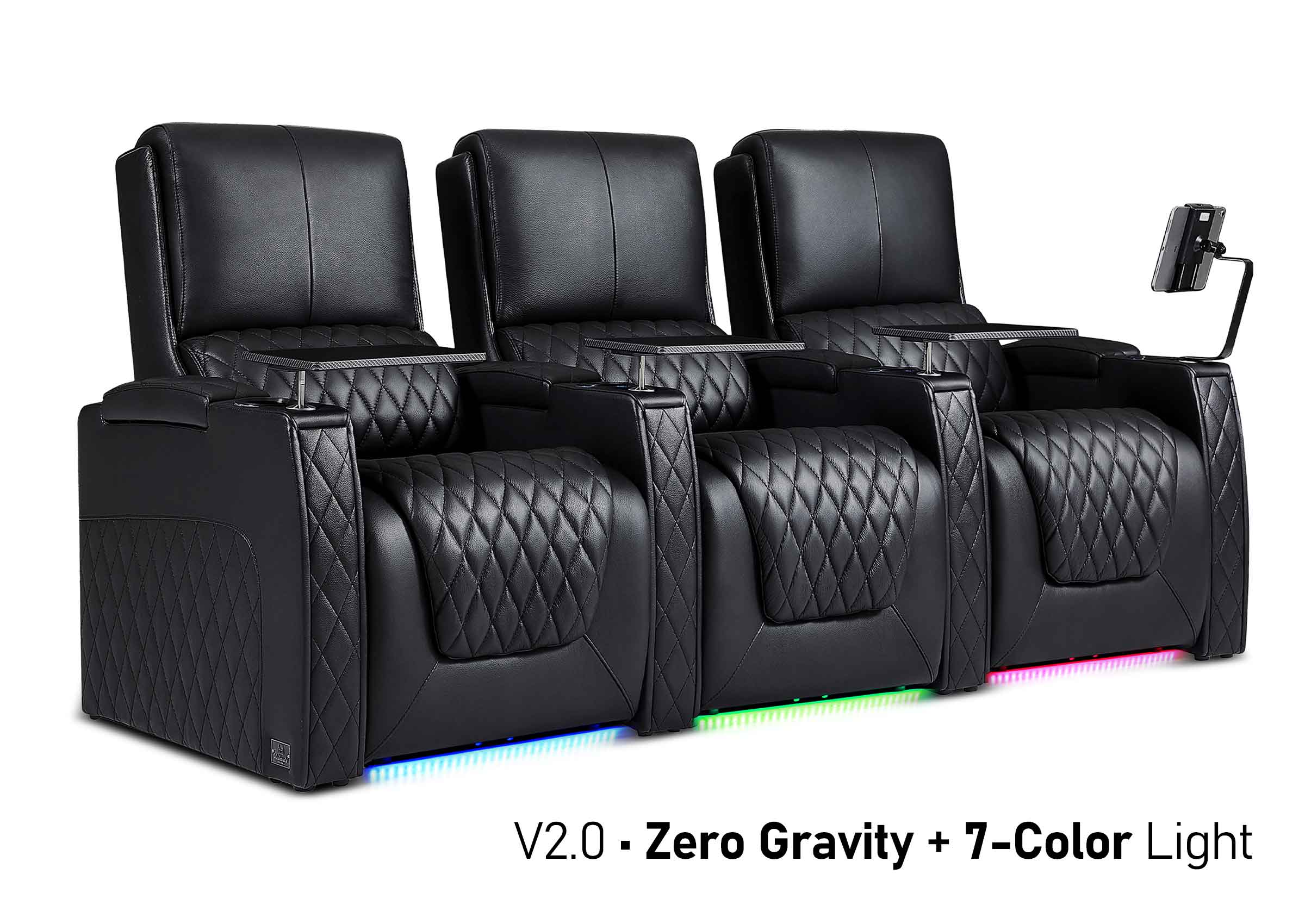
| Zero gravity theater seating | Long movies, sports, gaming, premium comfort | Recline angle and viewing position |
The right choice should feel comfortable after two hours, not just five minutes.
Start With the Room, Not the Seat Count
Many buyers ask how many seats they can fit. A better question is how many people can sit comfortably without making the room feel crowded.
The biggest mistake is choosing by seat count instead of real usable space. A row of five seats may look impressive online, but if it blocks walkways, doors, vents, or speaker placement, the room will feel frustrating in daily use.
Before buying seating, measure:
-
Room width
-
Room depth
-
Screen-to-seat distance
-
Door and walkway clearance
-
Recline depth
-
Wall clearance
-
Space around side tables, consoles, or cabinets
-
Speaker and screen position
A smaller number of comfortable seats often creates a better home theater than too many seats squeezed into the room.
Measure the Fully Reclined Footprint

Recliners can look compact when upright but take up much more room when fully extended. This is especially important for home theater seating because the footrest, backrest, and headrest all change the real footprint.
Always measure the fully reclined depth, not only the upright sofa size.
As a general planning reference, individual theater seats often start around 24–26 inches wide for comfortable planning. Standard recliners may need about 8–12 inches behind the backrest, while wall-hugger recliners may need about 2–6 inches depending on the design. Reclining rows often need about 60–70 inches between rows, and premium media rooms may benefit from 30–36 inches of aisle space where possible.
These numbers are planning references, not fixed product specifications. Always check the exact dimensions of the seating you are considering.
Match Seating Distance to Screen Size

Home theater seating should be planned around the screen, not placed randomly against the back wall. Sitting too close can feel tiring during long movies, while sitting too far can reduce immersion and make details harder to see.
General viewing distance ranges:
| Screen Size | Comfortable Viewing Distance |
|---|---|
| 55-inch TV | About 6.5–9 feet |
| 65-inch TV | About 8–10.5 feet |
| 75-inch TV | About 9.5–12.5 feet |
| 85-inch TV | About 10.5–14 feet |
| 100-inch projection screen | About 10–15 feet |
| 120-inch projection screen | About 12–18 feet |
Screen size, seat depth, recline angle, and row spacing should be planned together. Reclining seats can move your head position backward, so the fully reclined viewing position matters as much as the upright one.
Choose the Right Seating Type for Your Space
Different rooms need different seating solutions. The best home theater seating is not only about comfort; it is also about how the room is used.
Dedicated Home Theater Room
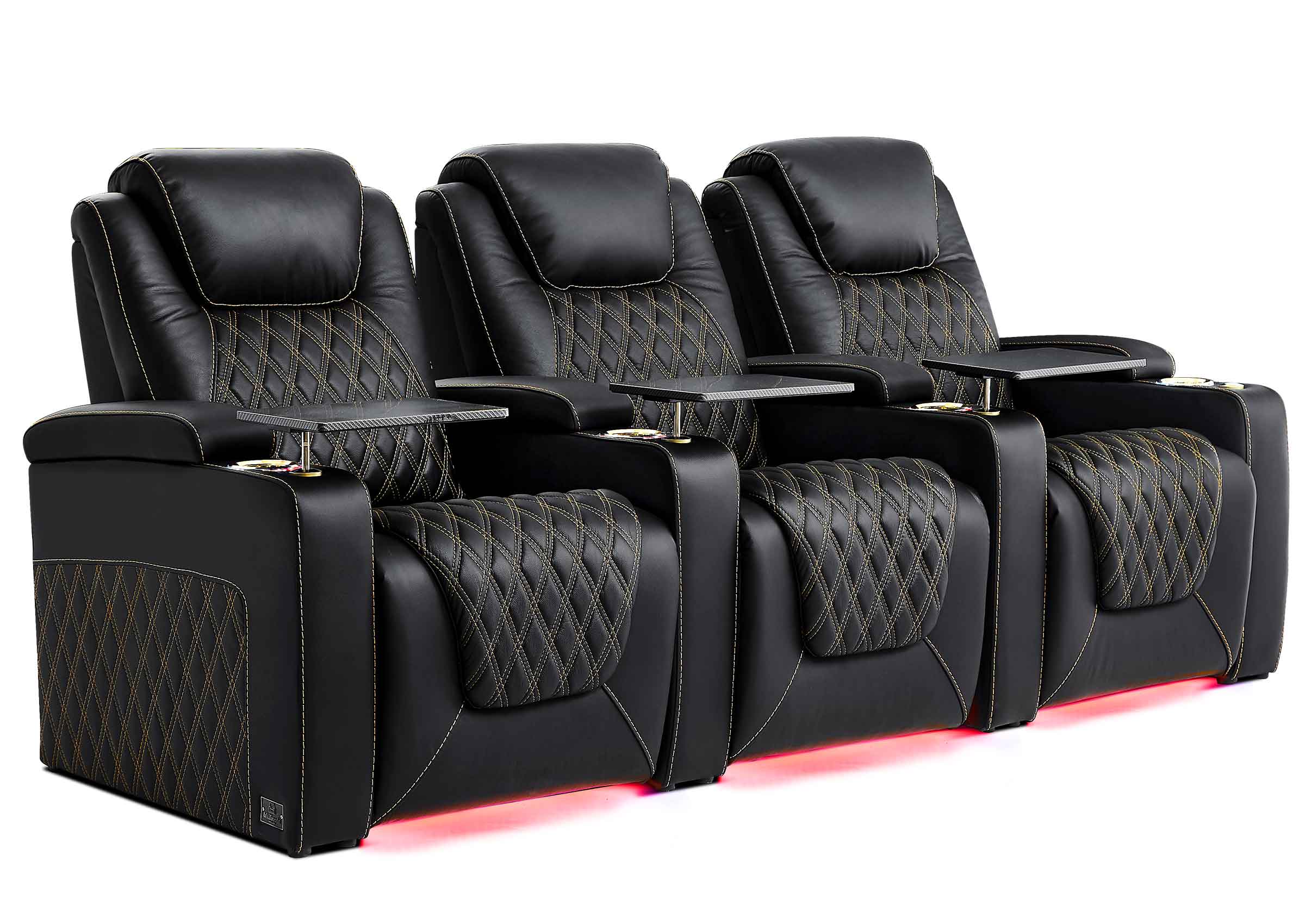
For a dedicated theater room, individual home theater recliners are usually the strongest choice. They give each viewer personal space, cup holders, recline control, and a more cinema-like layout.
Good features to look for include power recline, adjustable headrests, cup holders, storage consoles, USB charging, and optional LED ambient lighting.
Basement Theater
A basement theater often has more space but may also have support columns, low ceilings, or unusual wall shapes. Reclining rows, modular layouts, or sofa-style theater seating can work well if you plan walkways and screen height carefully.
Media Room
A media room usually supports movies, gaming, sports, streaming, and everyday lounging. For this type of space, a reclining sofa or electric recliner couch may feel more flexible than a formal row of theater chairs.
For multi-use media rooms, comfort and flexibility often matter more than a strict cinema layout.
Living Room Home Theater
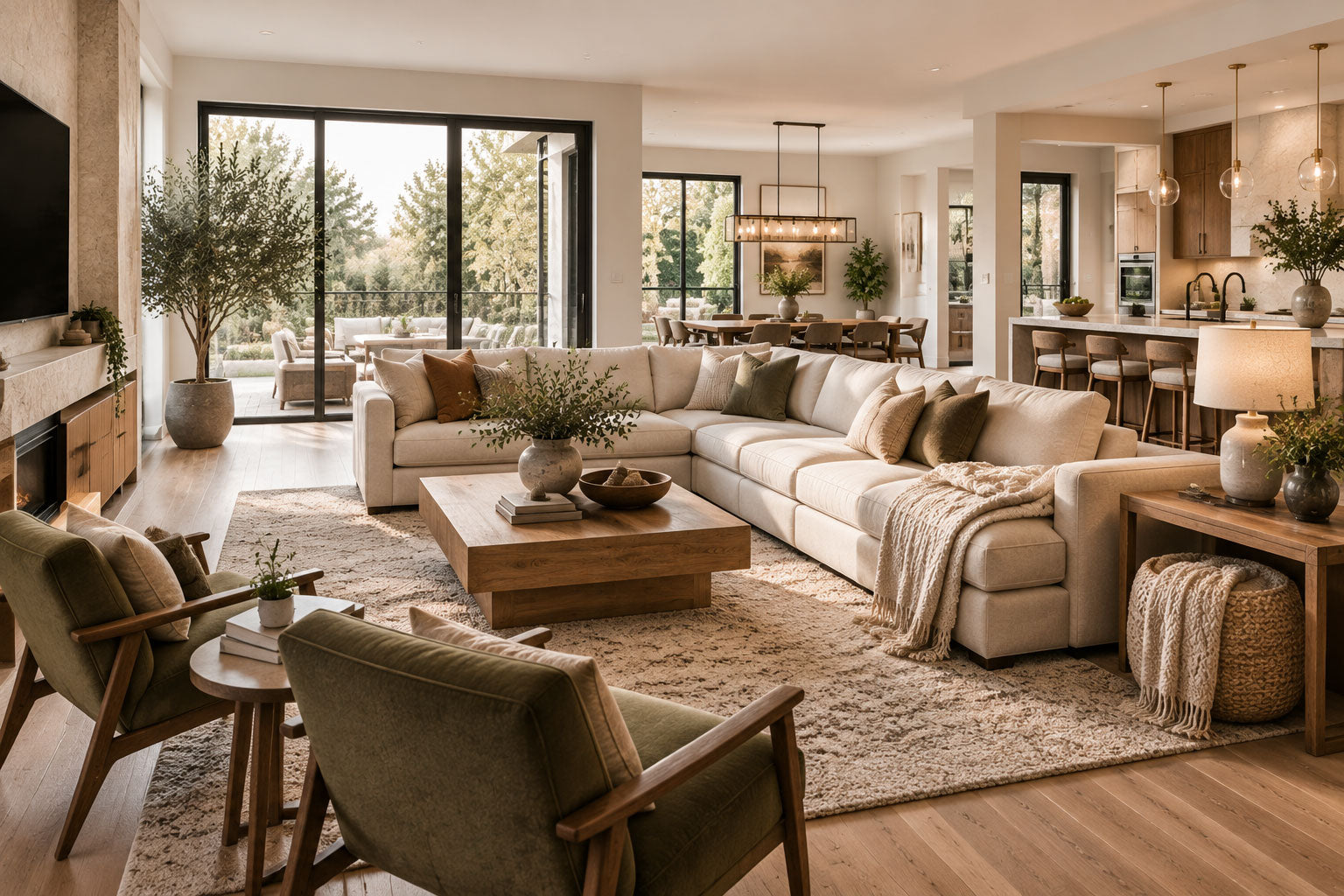
If your home theater setup is part of the living room, choose seating that looks good during the day and still supports long movie nights. Leather recliner sofas, power reclining couches, and modular reclining layouts can balance comfort and style.
Small Home Theater
Small rooms need careful planning. Wall-hugger recliners, compact loveseats, or fewer premium seats may work better than oversized rows.
Avoid bulky arms, deep consoles, or oversized sectionals if they make the room hard to move through.
Power Recline vs Manual Recline
Manual recliners can be simple and reliable, but power recline gives more control over your sitting position. This matters during long viewing sessions because most people do not sit in one position for an entire movie.
Power recline is especially useful for:
-
Long movies
-
Sports nights
-
Gaming sessions
-
Daily relaxation
-
Shared family rooms
-
Older users who prefer easier adjustment
A power recliner is worth considering if the seating will be used for long movies, sports, or daily lounging.
Power headrests are also valuable because they help keep your eyes at a natural screen angle while your body reclines. Without head support, a deep recline can sometimes make the screen feel too high or cause neck strain.
Is Zero Gravity Seating Good for Home Theaters?
Zero gravity-style seating can be a strong choice for long viewing sessions because it creates a more relaxed reclined posture and helps distribute body pressure more evenly. It is especially useful for movie marathons, sports, gaming, and premium primary seating rows.
However, zero gravity seating should still be planned carefully. The recline angle changes your eye level, ear height, and distance from the screen.
Use zero gravity as a comfort and posture-support feature, not as a medical claim. It can make long sessions feel more relaxed, but it still needs to fit the room properly.
Leather, Fabric, or Faux Leather?

Material choice affects comfort, cleaning, appearance, and long-term satisfaction.
| Material | Best For | Main Consideration |
|---|---|---|
| Top-grain leather | Premium media rooms, family theaters, easier cleaning | Usually costs more |
| Faux leather / PU leather | Budget-conscious setups and casual rooms | Quality can vary |
| Fabric | Softer, warmer living room feel | May be harder to clean after spills |
| Performance upholstery | Family rooms with kids, pets, or frequent use | Check care instructions |
Leather is often easier to clean than many fabric options, especially in rooms used for snacks and drinks. Darker leather colors can also hide daily wear better than very light upholstery.
If you choose leather seating, balance the room with rugs, curtains, acoustic panels, or soft wall materials. This helps prevent the space from feeling too hard or echo-prone.
Features That Actually Matter
Home theater seating can include many features, but the most useful ones are the features your family will use every week.
Important features include:
-
Power recline
-
Power headrests
-
Power footrests
-
Lumbar support
-
Cup holders
-
Built-in storage
-
Tray tables
-
USB-A or USB-C charging
-
Phone or tablet holders
-
Center storage console
-
Extra-wide armrests
Cup holders, storage, and USB charging are most useful when the room is used for long sessions. They reduce clutter from drinks, snacks, remotes, controllers, phones, and tablets.
LED ambient lighting can also improve the movie-night atmosphere, especially for night viewing or gaming. Keep it subtle. Lighting should support the room mood without distracting from the screen.

Budget Value: What Should You Expect?
You do not need to think only in terms of price. A better way to compare home theater seating is by value level and daily use.
| Value Level | Typical Features | Best For |
|---|---|---|
| Entry-level comfort | Basic reclining, simple cup holders, compact footprint | Occasional movie nights or small rooms |
| Mid-range daily use | Power recline, storage console, USB charging, better upholstery | Families and frequent entertainment use |
| Premium home theater setup | Power headrests, lumbar support, LED lighting, modular layouts, top-grain leather options | Dedicated theaters and long-session comfort |
The goal is not to buy every possible feature. The goal is to understand which features actually improve comfort, convenience, and room fit.
Common Home Theater Seating Mistakes
Even expensive seating can disappoint if it is chosen without proper planning.
| Mistake | Why It Causes Problems | Better Approach |
|---|---|---|
| Buying too many seats | Makes the room feel crowded | Choose fewer, better-spaced seats |
| Measuring only upright size | Recliners need more room when open | Measure the full recline footprint |
| Ignoring wall clearance | Seats may hit the wall | Check clearance before ordering |
| Choosing looks over support | Pretty seats may feel bad after two hours | Test or compare support features |
| Blocking walkways | Makes the room hard to use | Leave enough aisle space |
| Ignoring screen height | Can cause neck strain | Match seat height and screen position |
| Buying features you will not use | Adds cost without daily value | Focus on real habits |
Do not place recliners where they block doors, drawers, vents, speakers, or walkways. This simple check can prevent major buyer regret.
Best Seating by User Type
For Families
Families should prioritize easy cleaning, durable materials, cup holders, storage, and enough walking space. A reclining sofa or home theater row can both work, depending on room size.
For Movie Enthusiasts
Dedicated theater recliners with power recline, adjustable headrests, and strong support are usually the best fit. If the room has multiple rows, pay close attention to sightlines and row spacing.
For Gamers
Look for supportive recline, charging ports, tray tables, and storage for controllers and devices. Comfort matters because gaming sessions often last longer than a single movie.
For Small Rooms
Wall-hugger recliners, loveseats, or compact power recliners are usually better than oversized sectionals. Avoid filling every inch of the room.
For Premium Media Rooms
Top-grain leather options, zero gravity-style recline, LED ambient lighting, and modular layouts can create a more polished entertainment space without making the room feel crowded.
Buying Checklist Before You Choose
Before buying home theater seating, check:
-
Does the seating fit when fully reclined?
-
Is the viewing distance comfortable for your screen size?
-
Is there enough wall clearance?
-
Can people walk around the seats easily?
-
Will the footrest block doors, vents, drawers, or speakers?
-
Does the seat height work with the screen height?
-
Is the headrest comfortable while reclining?
-
Is the upholstery practical for snacks, drinks, kids, or pets?
-
Are cup holders, storage, and charging ports useful for your habits?
-
Does the seating match the way the room is used most often?
The right seating should fit your space, support your body, and make entertainment easier to enjoy.
Where Weilianda Fits In
Weilianda focuses on practical home theater seating for real homes, especially for shoppers who want comfort, useful features, and good value without unnecessary complexity. The brand has focused on home theater seating manufacturing since 2008 and offers options that may include power recline, power headrests, power footrests, lumbar support, cup holders, storage, tray tables, USB charging, LED ambient lighting, and top-grain leather options.
Weilianda can be a practical option for shoppers comparing home theater seating, reclining sofas, and media room seating for family movie nights, gaming, sports, and everyday relaxation.
For eligible in-stock U.S. orders, Weilianda’s U.S. warehouse support can help deliver products to the customer’s door in about 5–7 days. Weilianda also provides installation videos, pre-shipment confirmation, 24-hour online customer service, and after-sales support.
FAQ
What is the best seating for a home theater?
The best seating for a home theater depends on your room size, screen distance, comfort needs, and how the room is used. Dedicated theater recliners are often best for cinema rooms, while reclining sofas or electric recliner couches may work better for living rooms and media rooms.
Are theater recliners better than a regular sofa?
Theater recliners are usually better for long movie sessions because they offer individual support, recline control, cup holders, and storage. A regular sofa can work for casual viewing, but it may not provide the same viewing posture or long-session comfort.
How much space do I need for home theater seating?
You need enough space for seat width, full recline depth, wall clearance, walking paths, and viewing distance. Standard recliners may need about 8–12 inches behind the backrest, while wall-hugger recliners may need less. Always check exact product dimensions before buying.
Is an electric recliner couch good for a home theater?
An electric recliner couch is a good choice if you want easier adjustment, shared comfort, and a more living-room-friendly theater setup. It works especially well in family rooms, media rooms, and spaces used for both movies and daily relaxation.
Is zero gravity seating worth it for home theater use?
Zero gravity-style seating can be worth it for long movies, sports, gaming, and premium comfort. It creates a more relaxed reclined posture, but the recline angle must be planned around screen height, room depth, and viewing distance.
Should I choose leather or fabric home theater seating?
Leather is often better for a premium look and easier cleaning, especially in rooms where snacks and drinks are common. Fabric can feel softer and warmer, but it may require more care. The better choice depends on your room style, cleaning needs, and daily use.
Are cup holders and storage necessary?
Cup holders and storage are not required, but they are very useful in real home theater setups. They help organize drinks, remotes, phones, controllers, snacks, and small accessories, which makes the room easier to use during long sessions.
Can home theater seating work in a small room?
Yes, home theater seating can work in a small room if you choose compact layouts, wall-hugger recliners, loveseats, or fewer seats. The key is to avoid overcrowding and measure the full recline footprint before ordering.
What is the biggest mistake when buying home theater seating?
The biggest mistake is buying based only on appearance or seat count. Home theater seating must fit the room when fully reclined, match the screen position, leave enough walking space, and support long viewing sessions.
Find Media Room Seating That Fits Your Space and Lifestyle
The best seating for home theater is not simply the largest row or the most expensive recliner. It is the seating that fits your room, keeps viewers comfortable, works with your screen and speaker layout, and supports the way your family actually uses the space.
Choose seating that makes your home theater easier to use every day, not just more impressive in photos. Whether you are planning a dedicated cinema room, basement theater, media room, or living room movie setup, Weilianda offers home theater seating options designed around comfort, storage, recline support, and real home entertainment.