




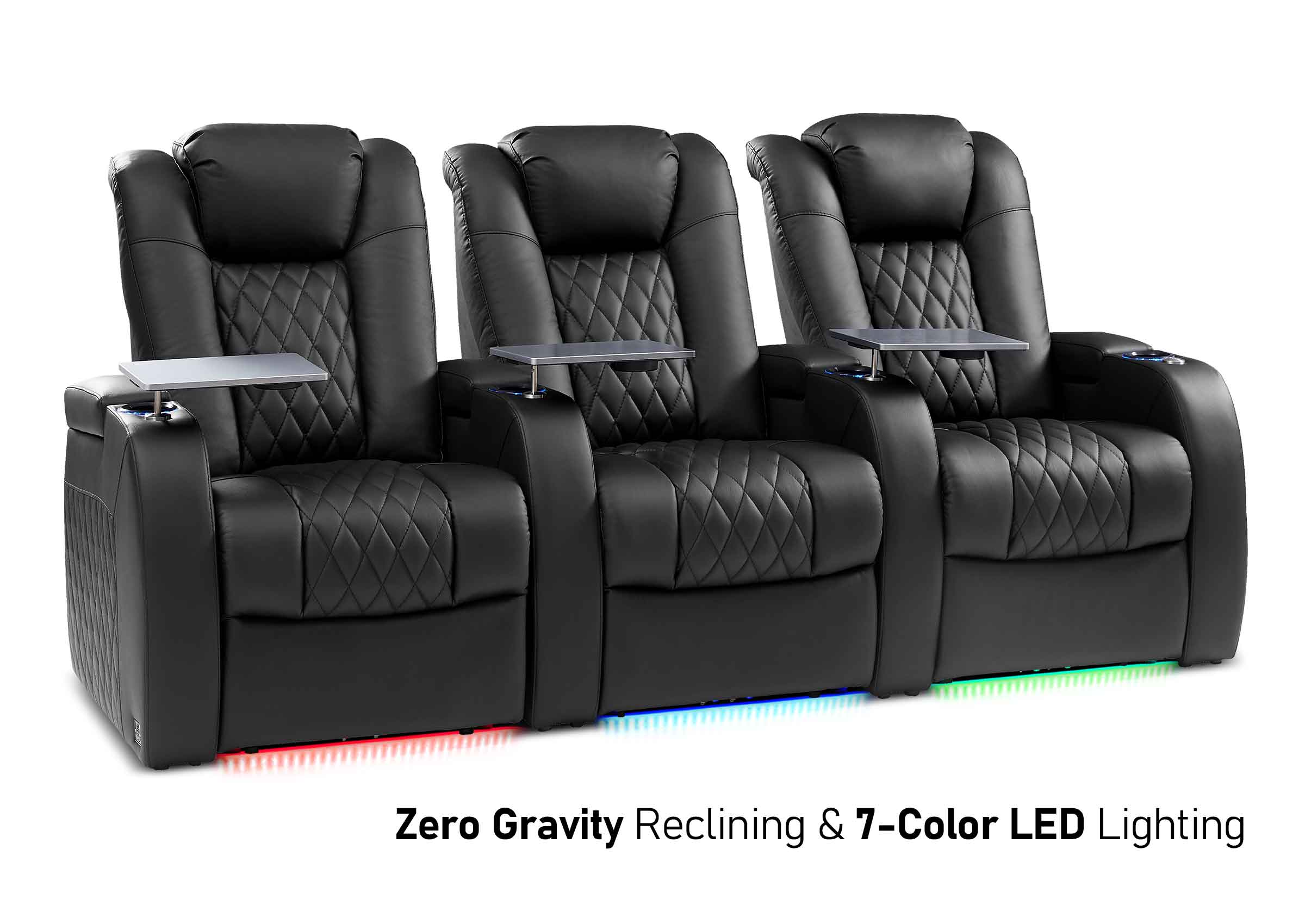
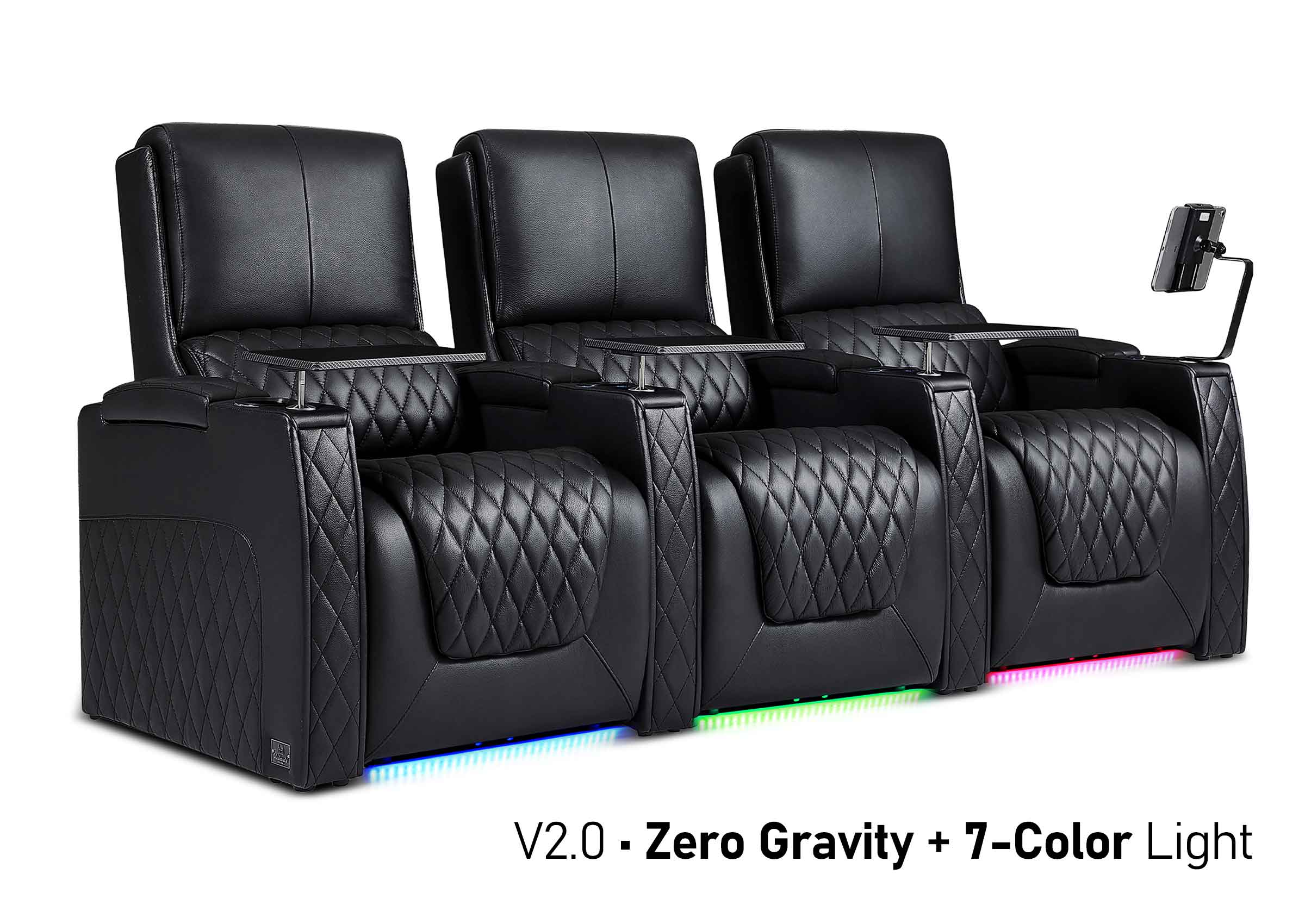
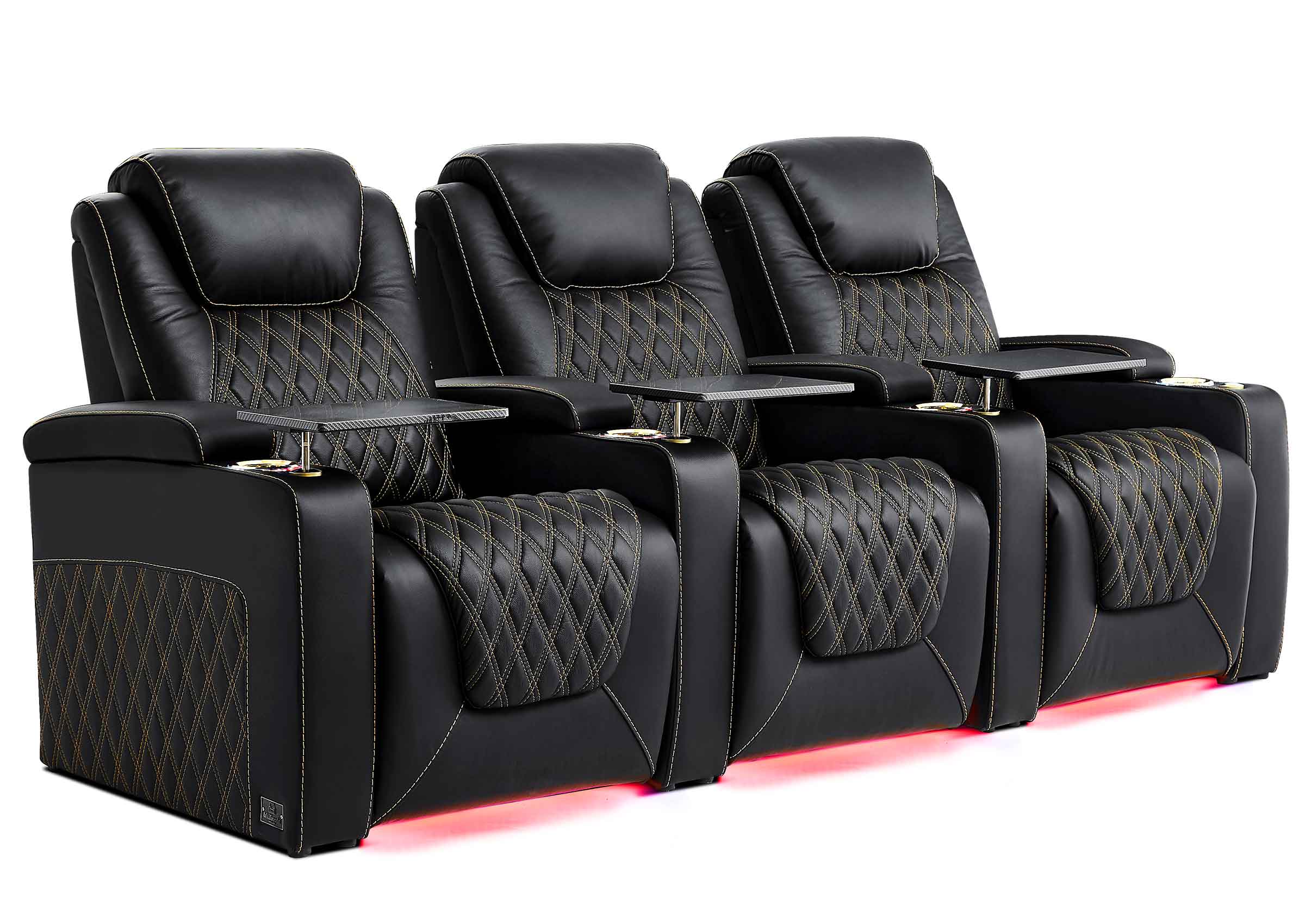
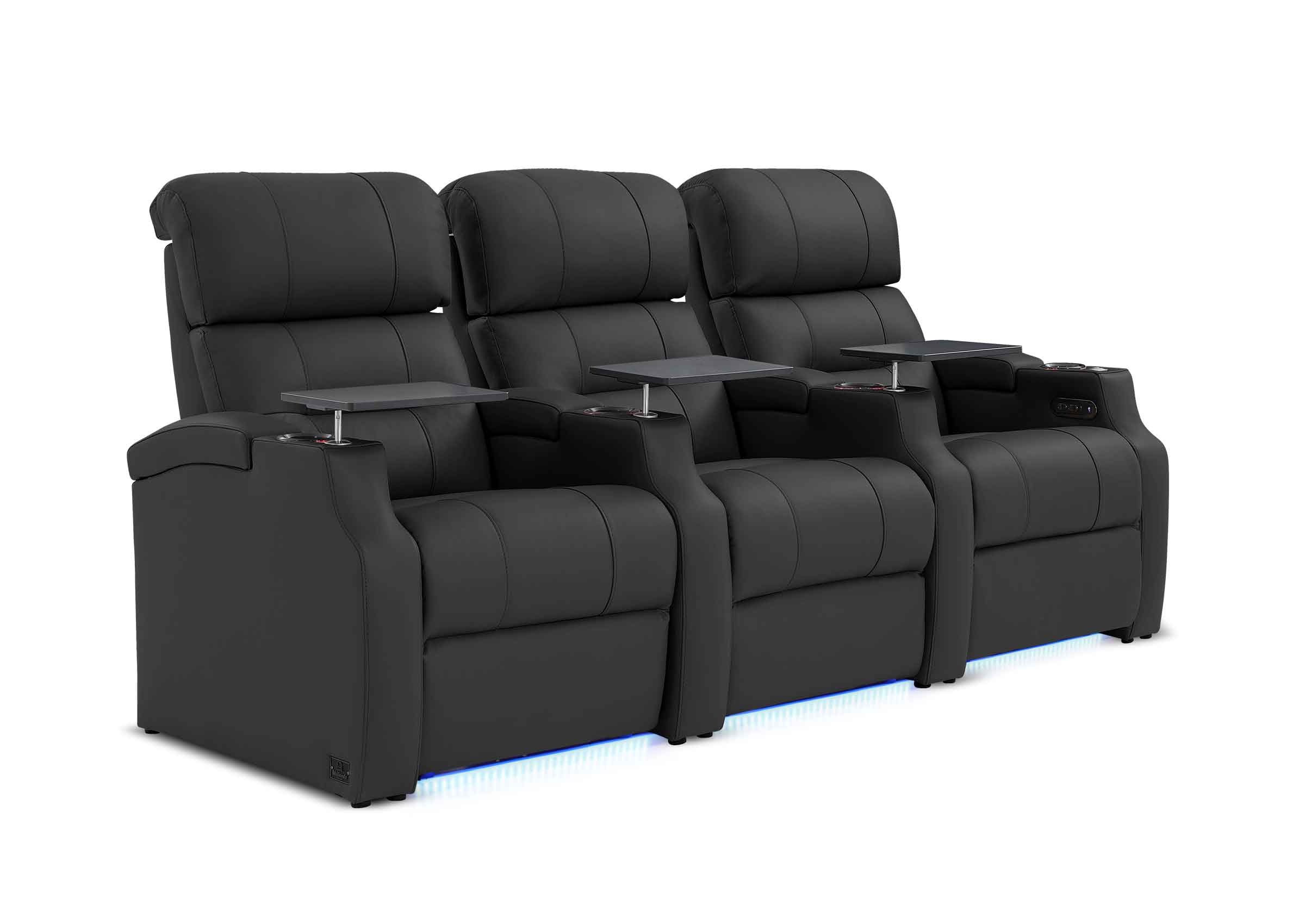
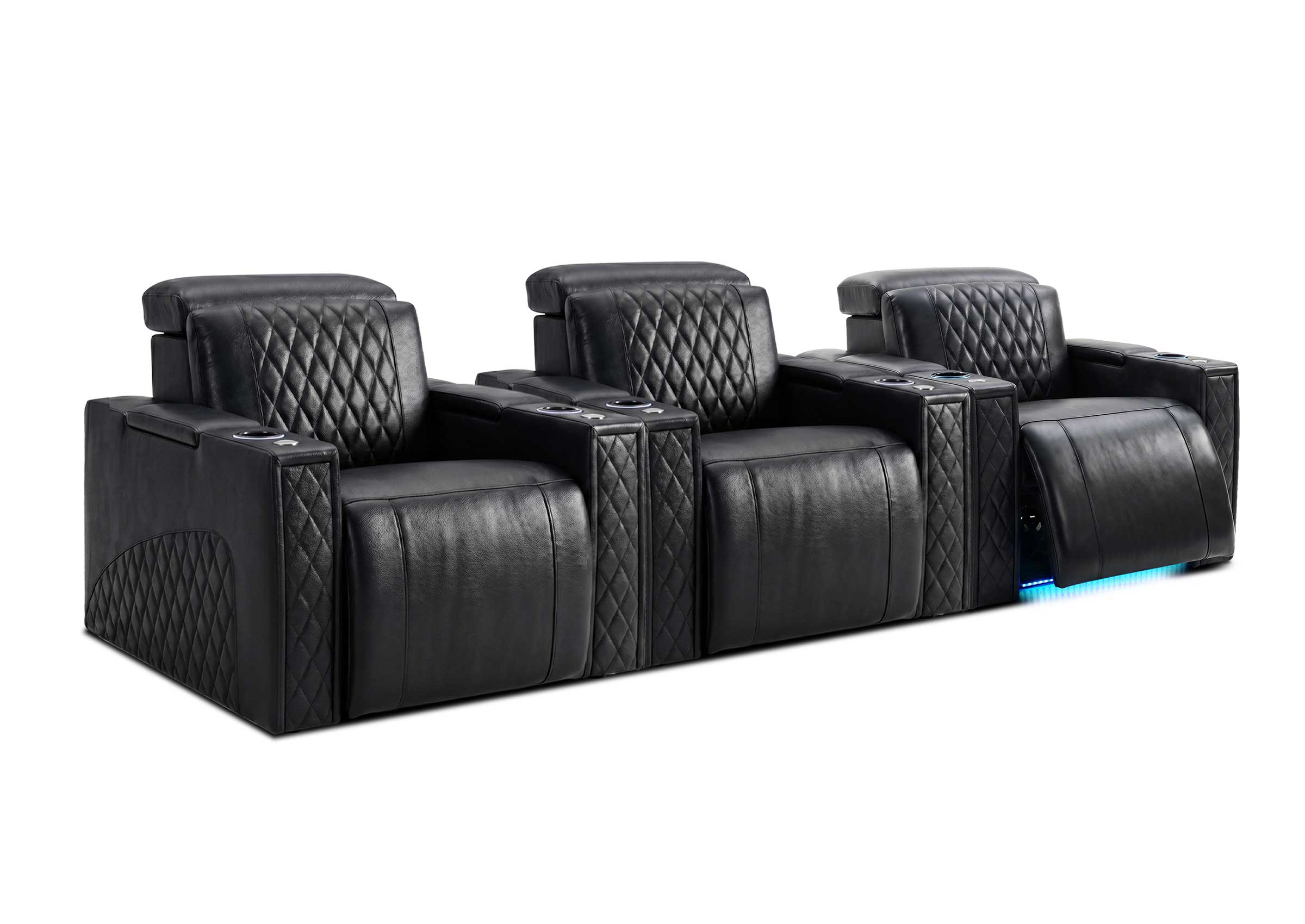

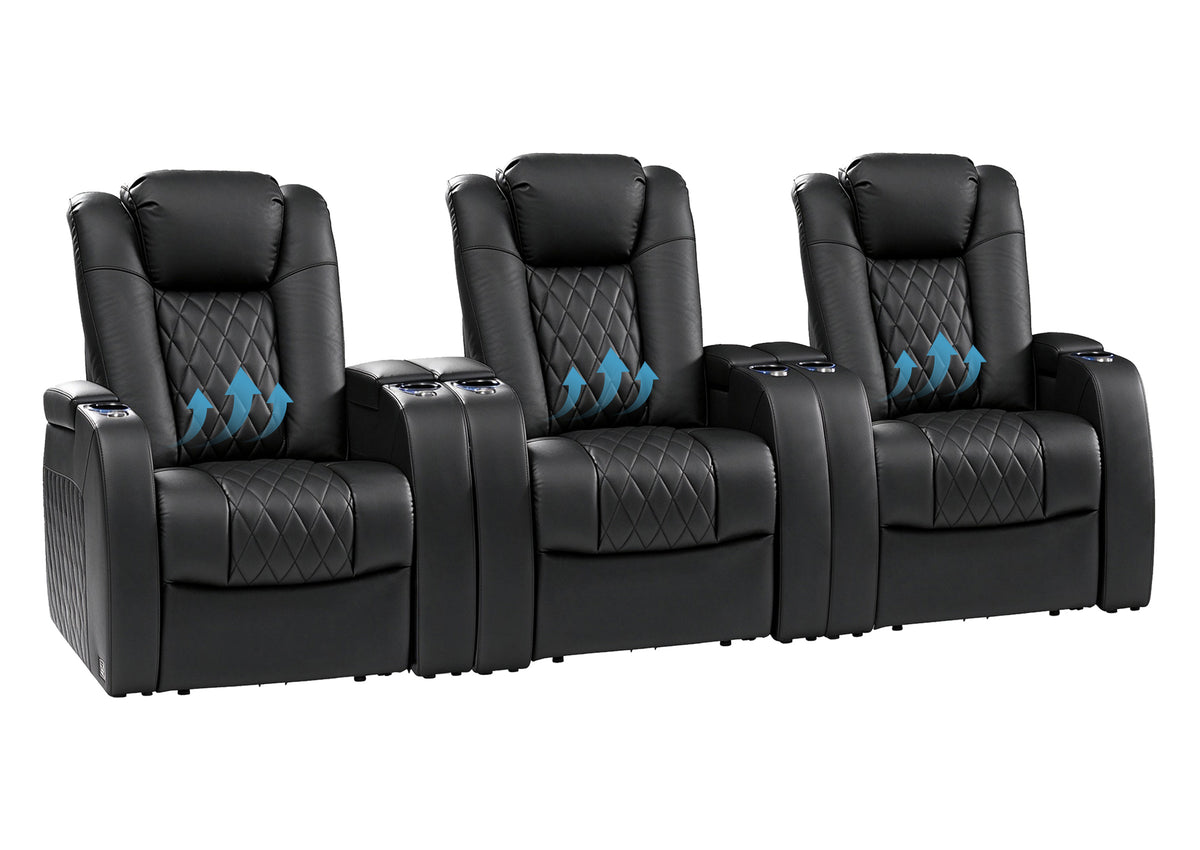
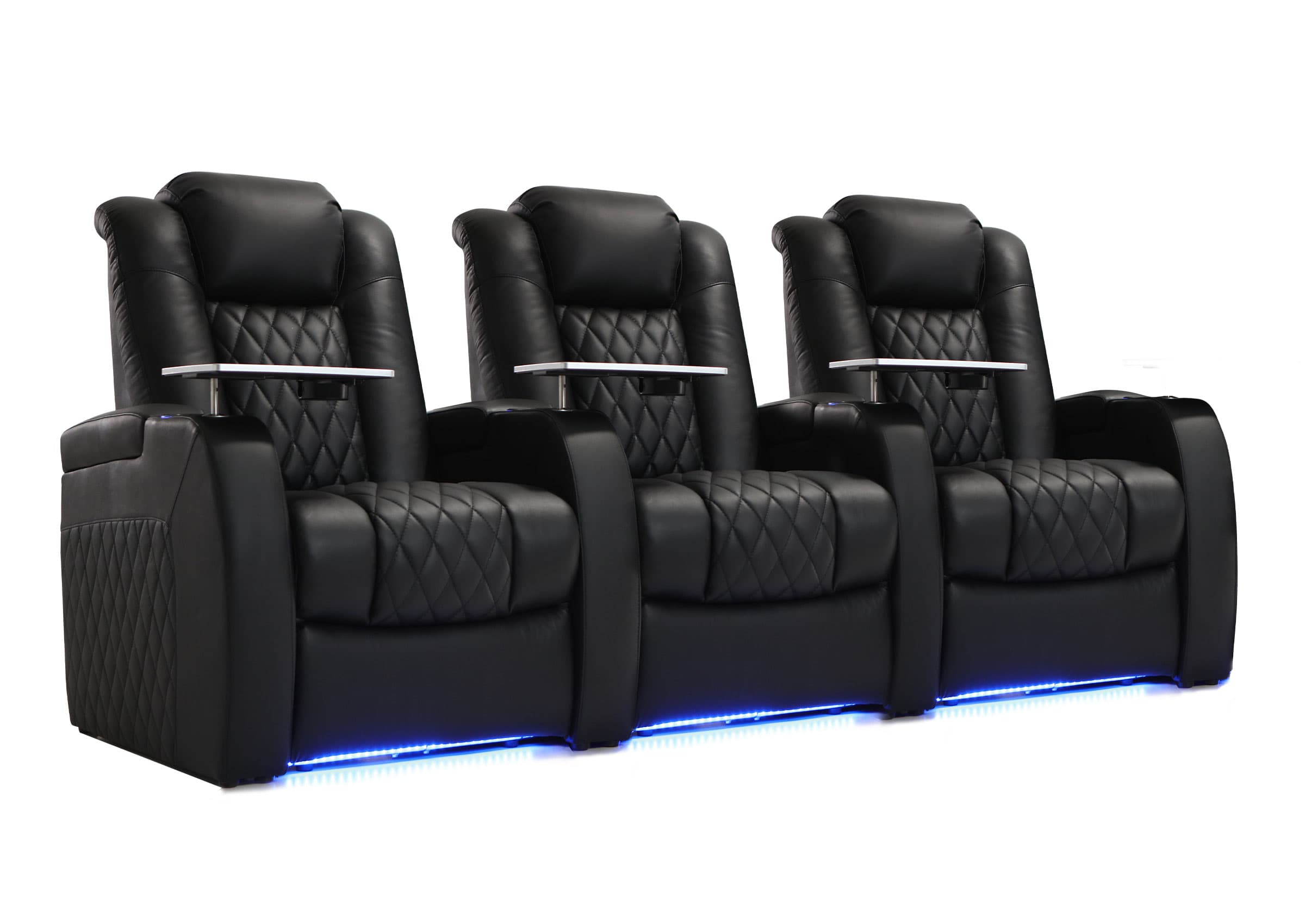
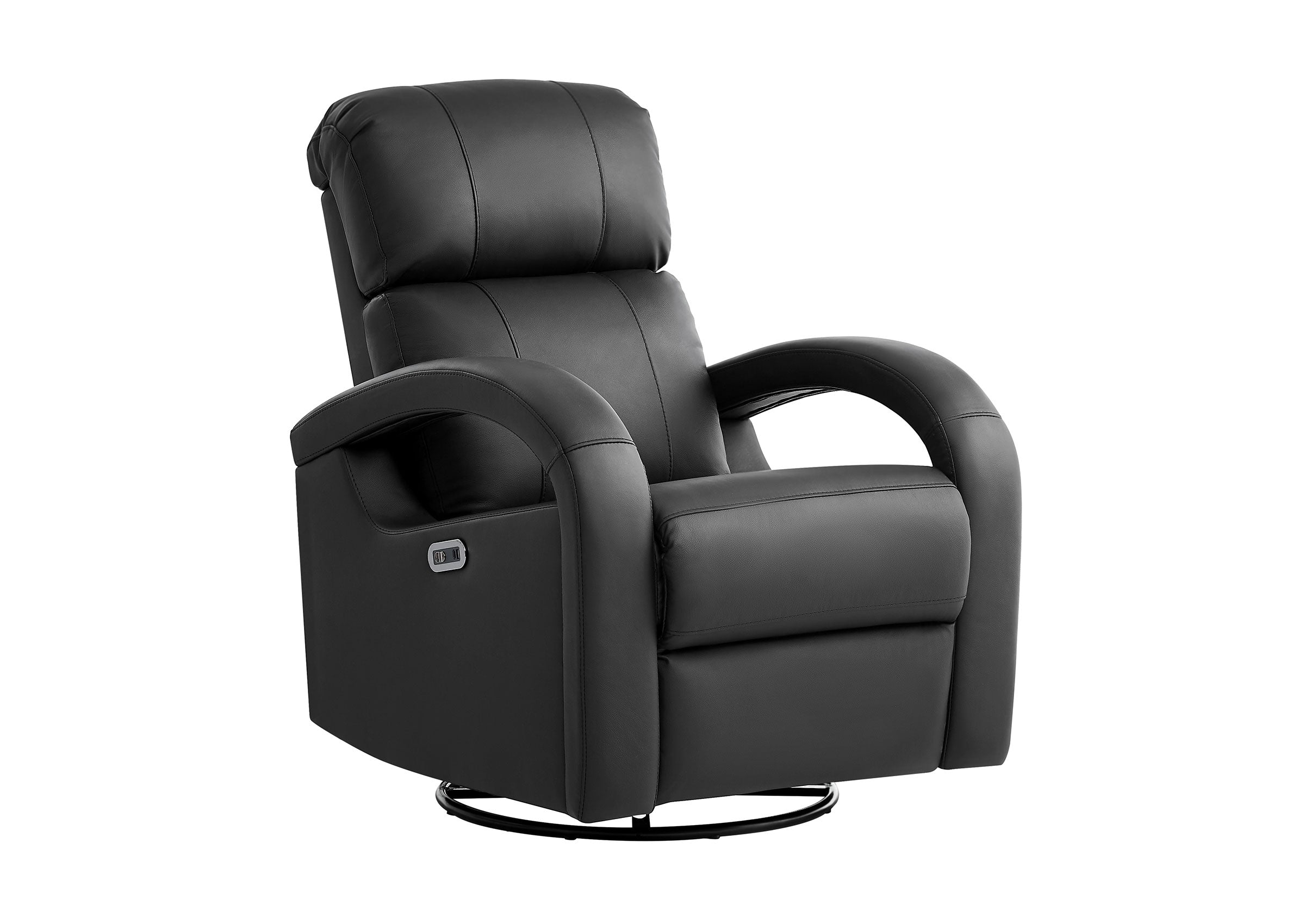
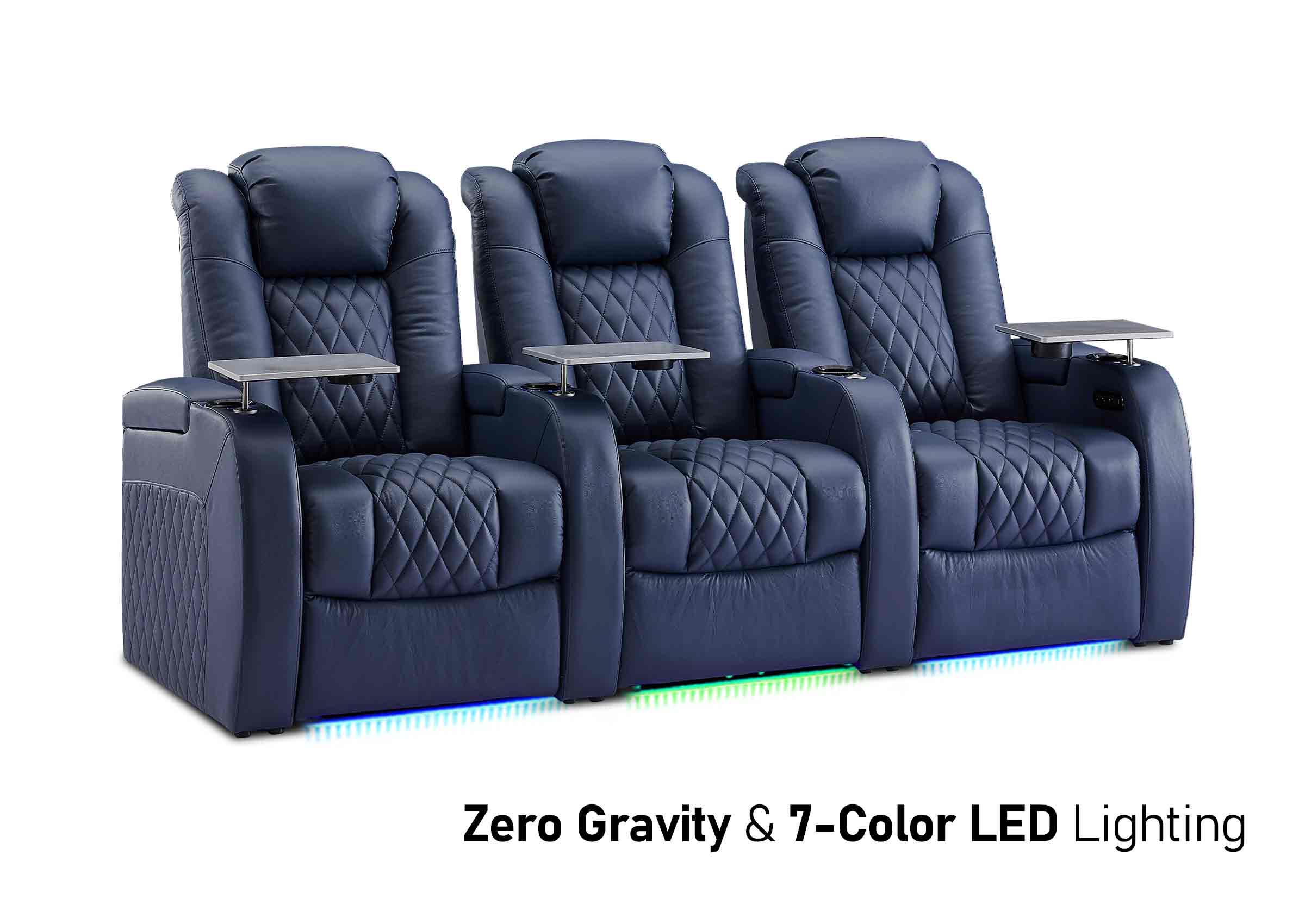
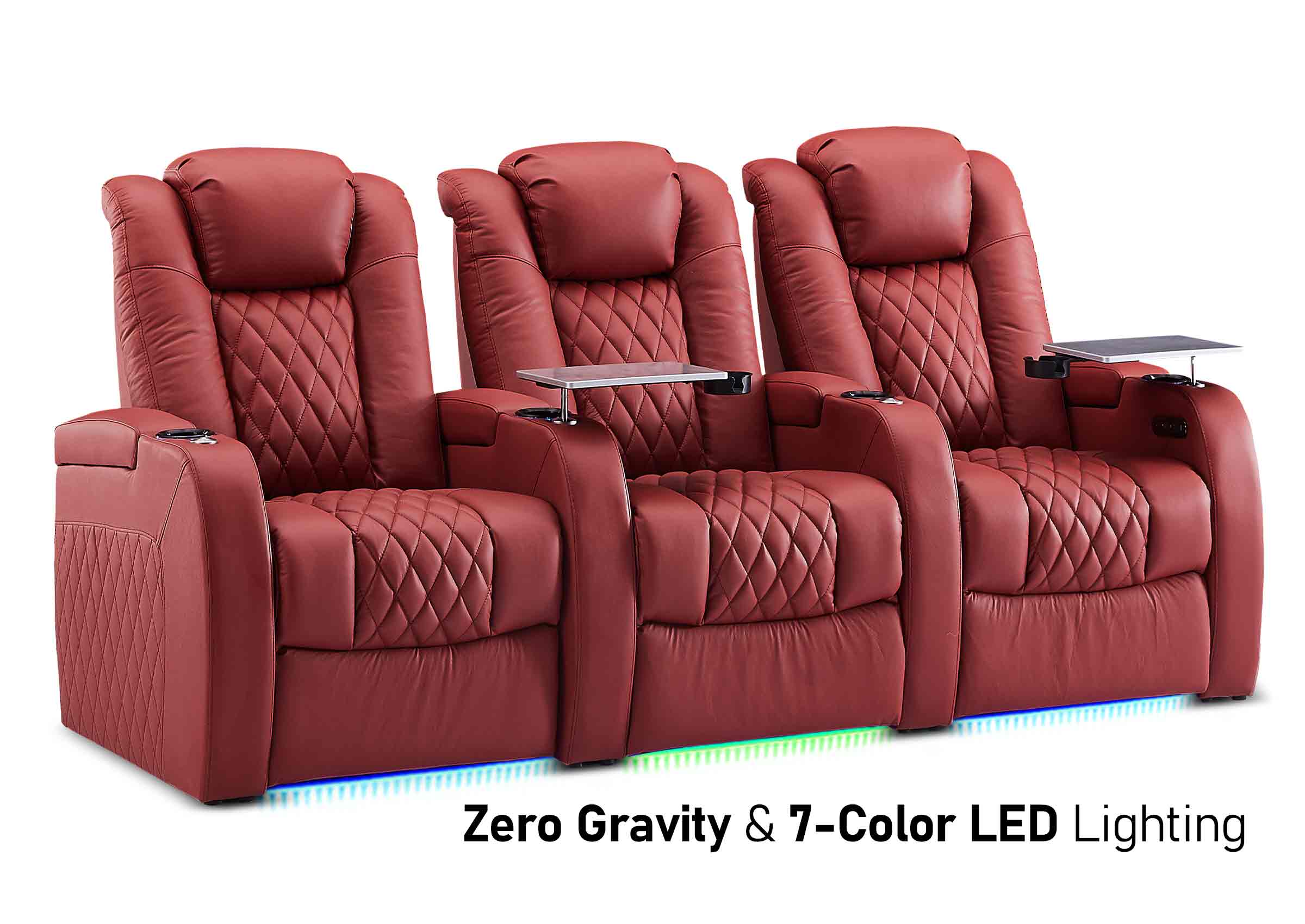
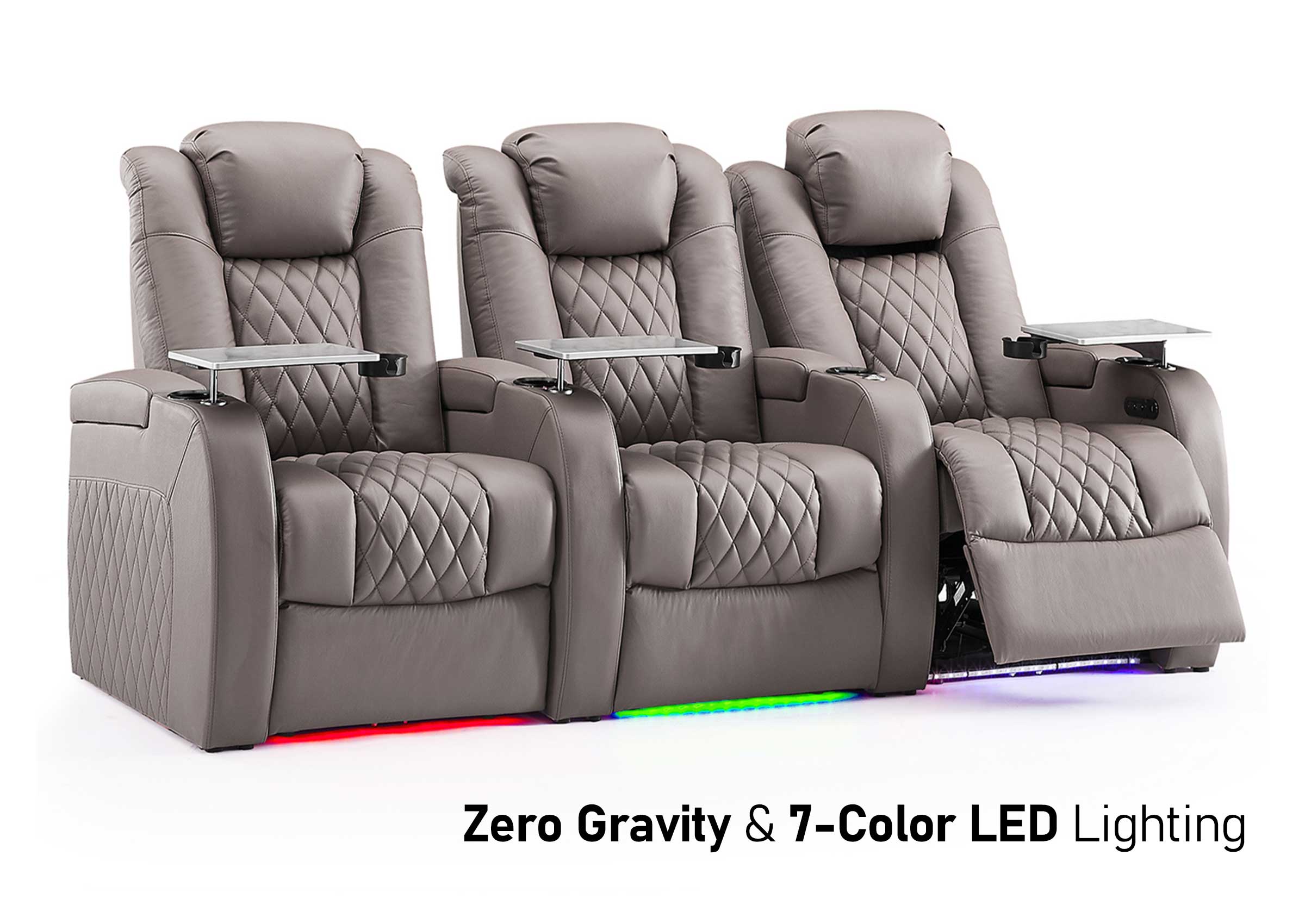
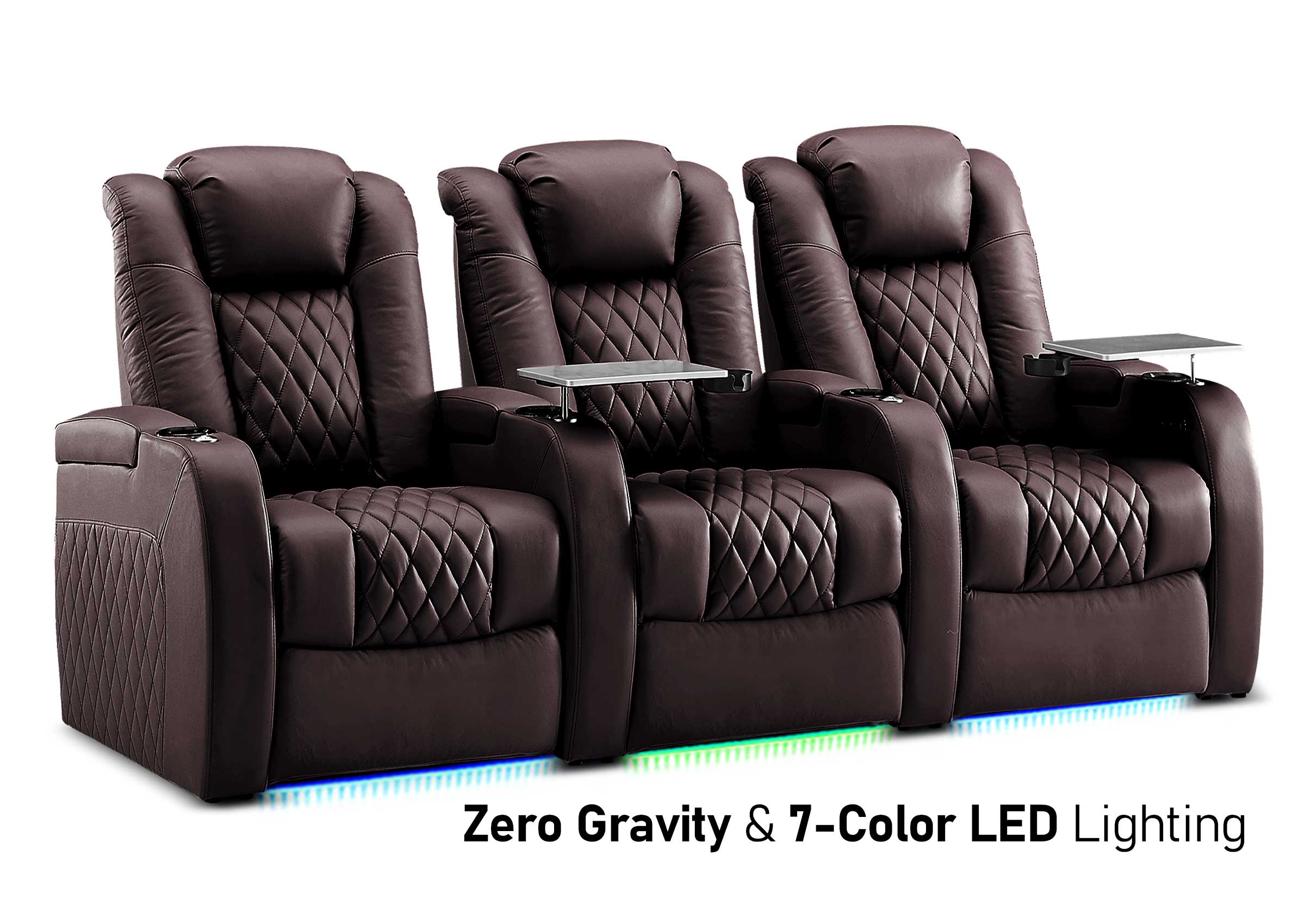

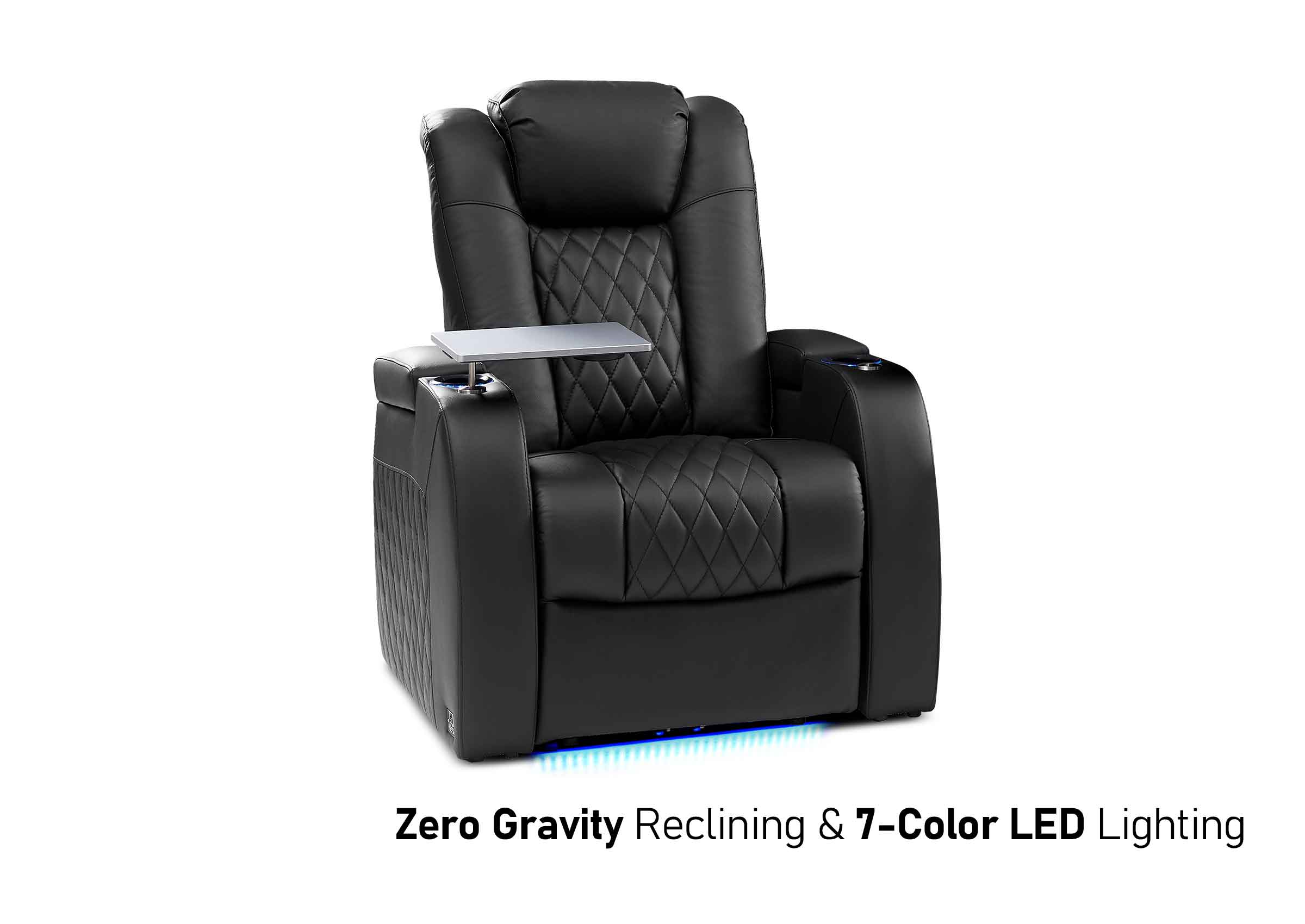
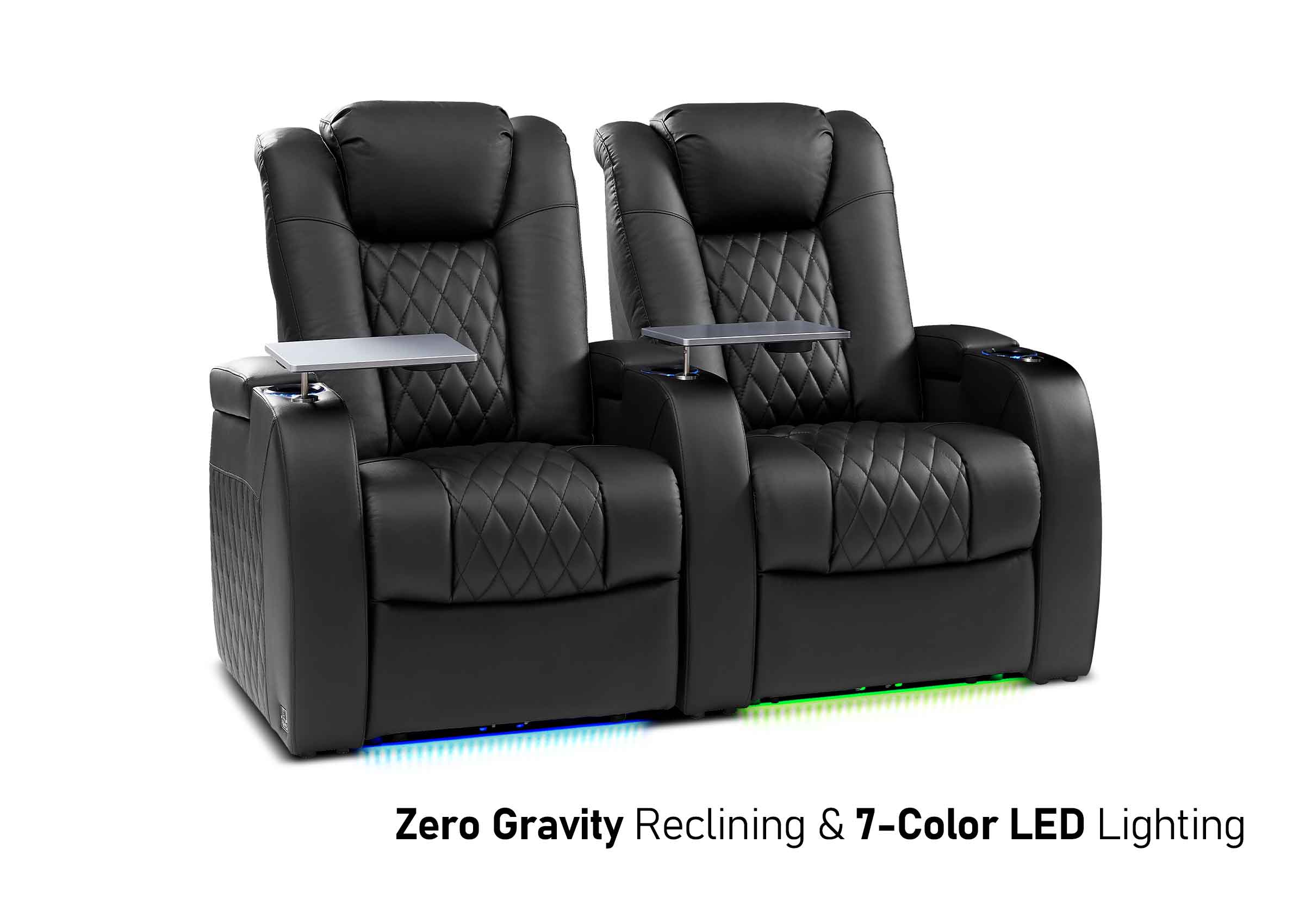
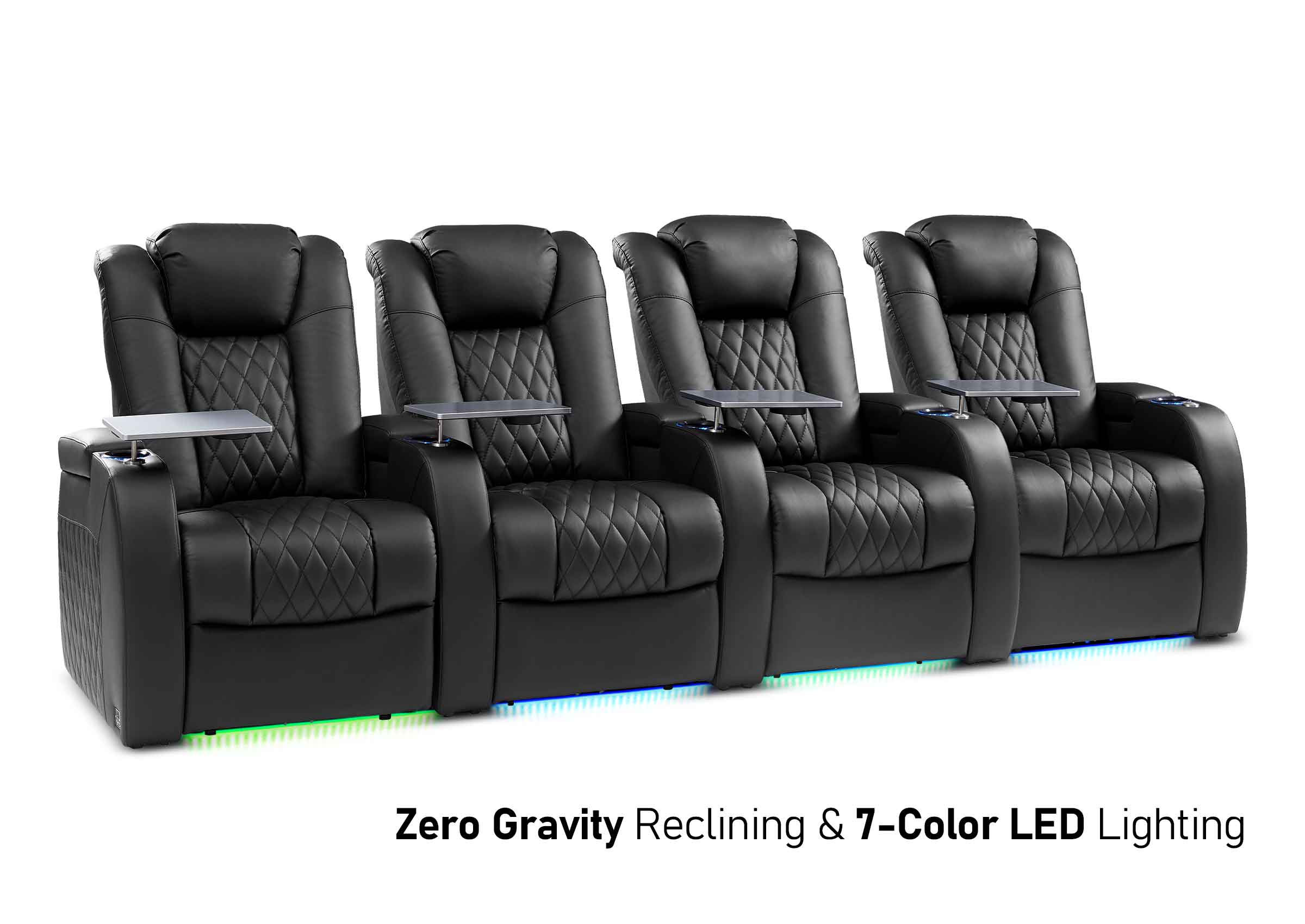
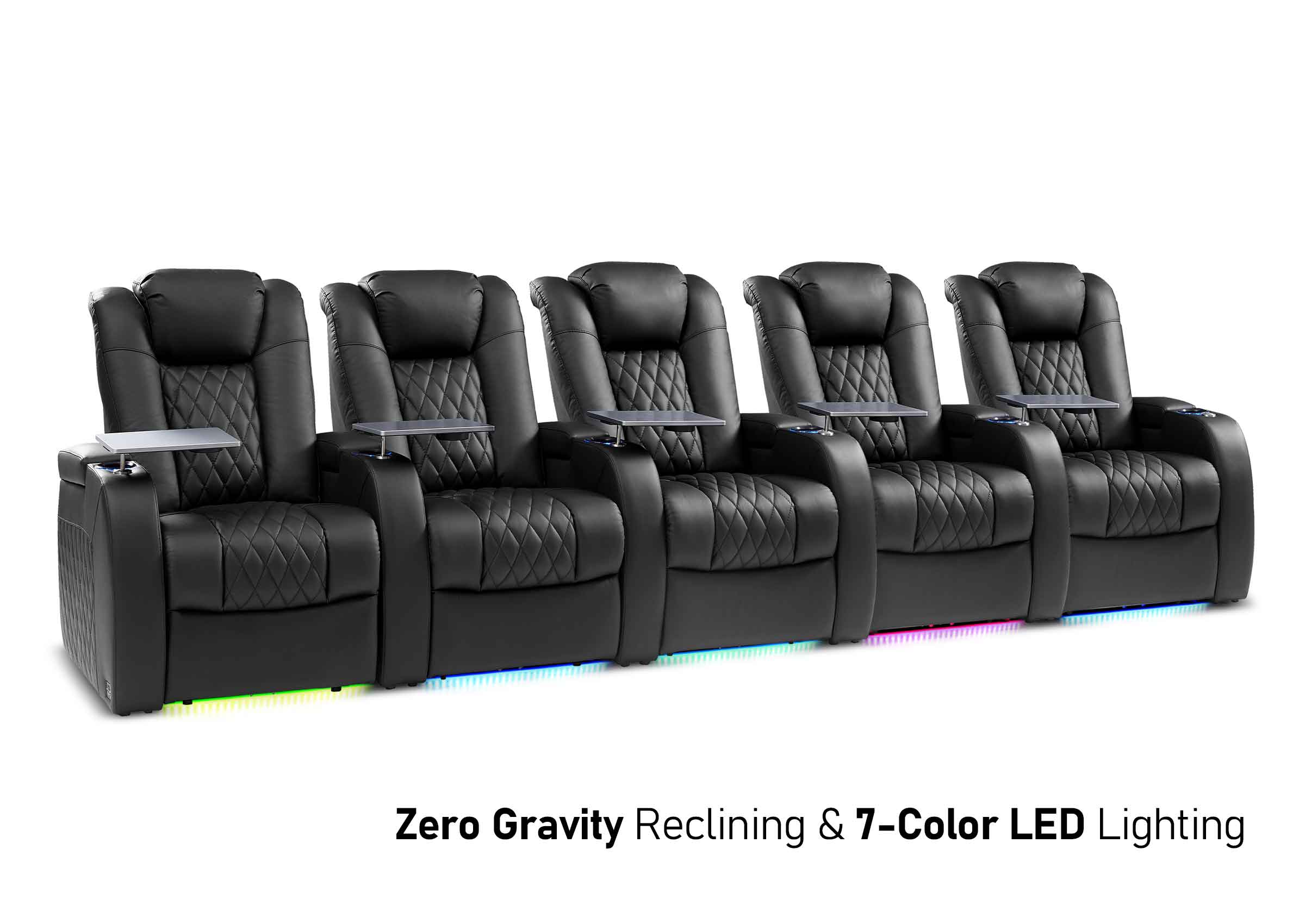
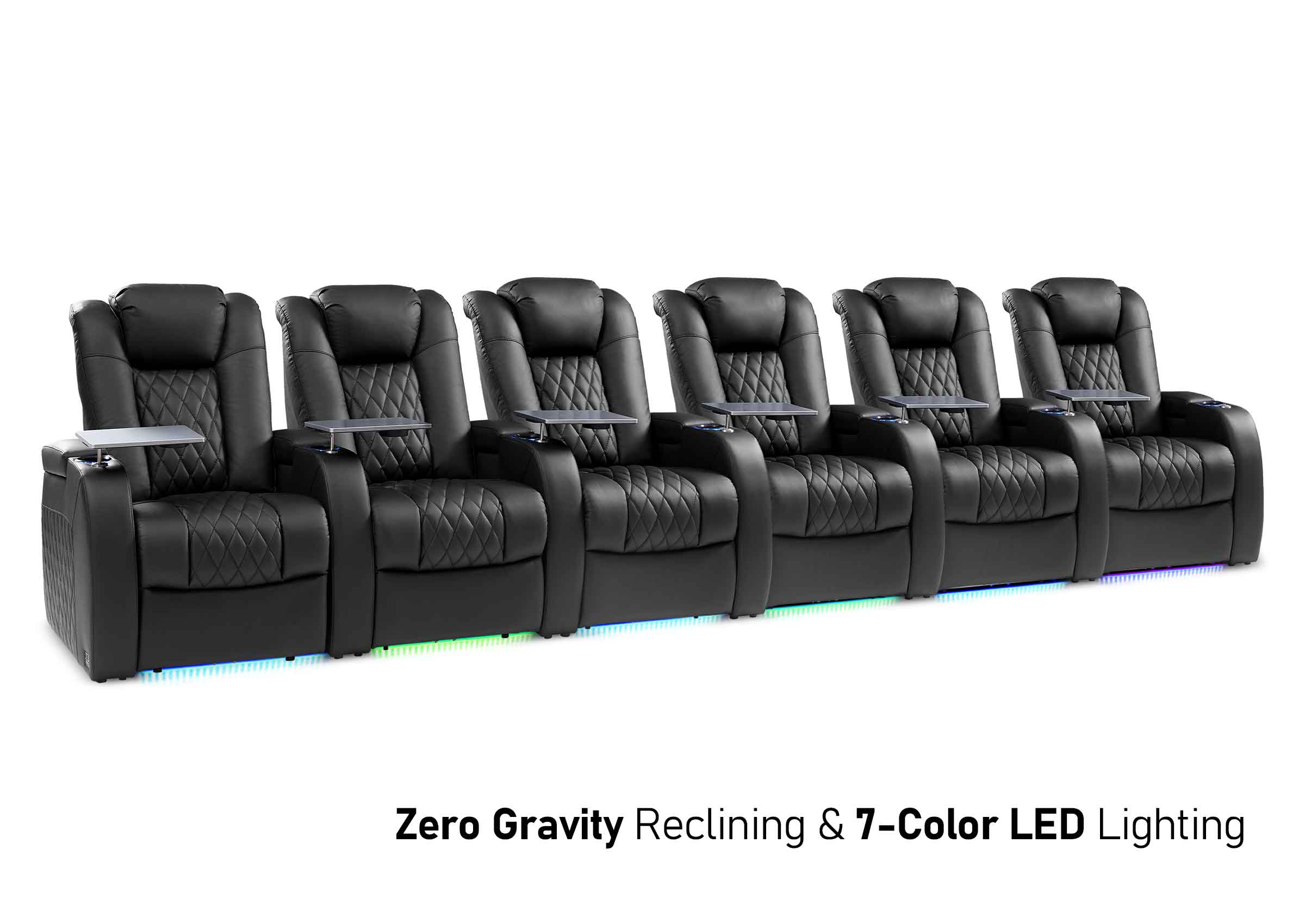
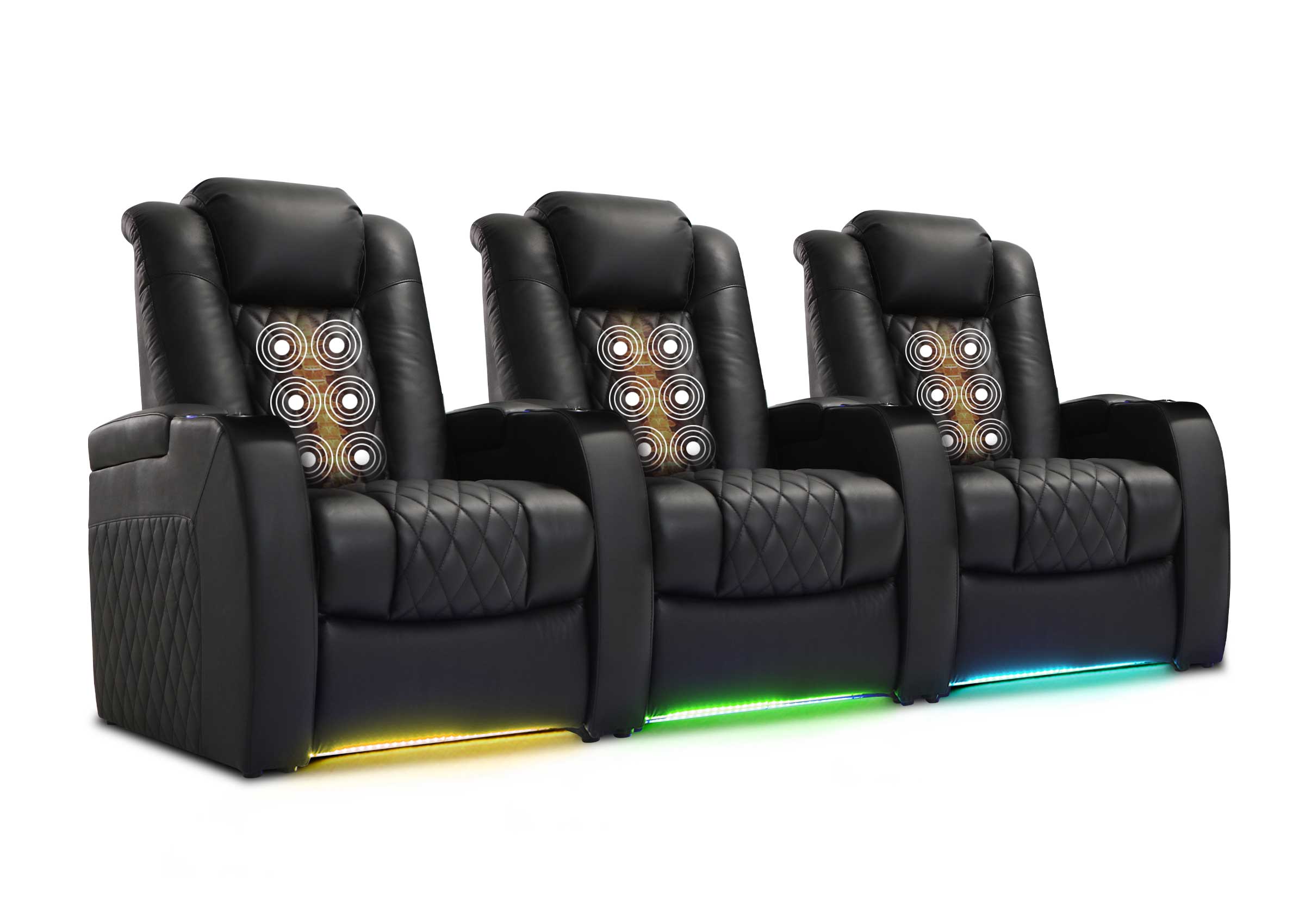
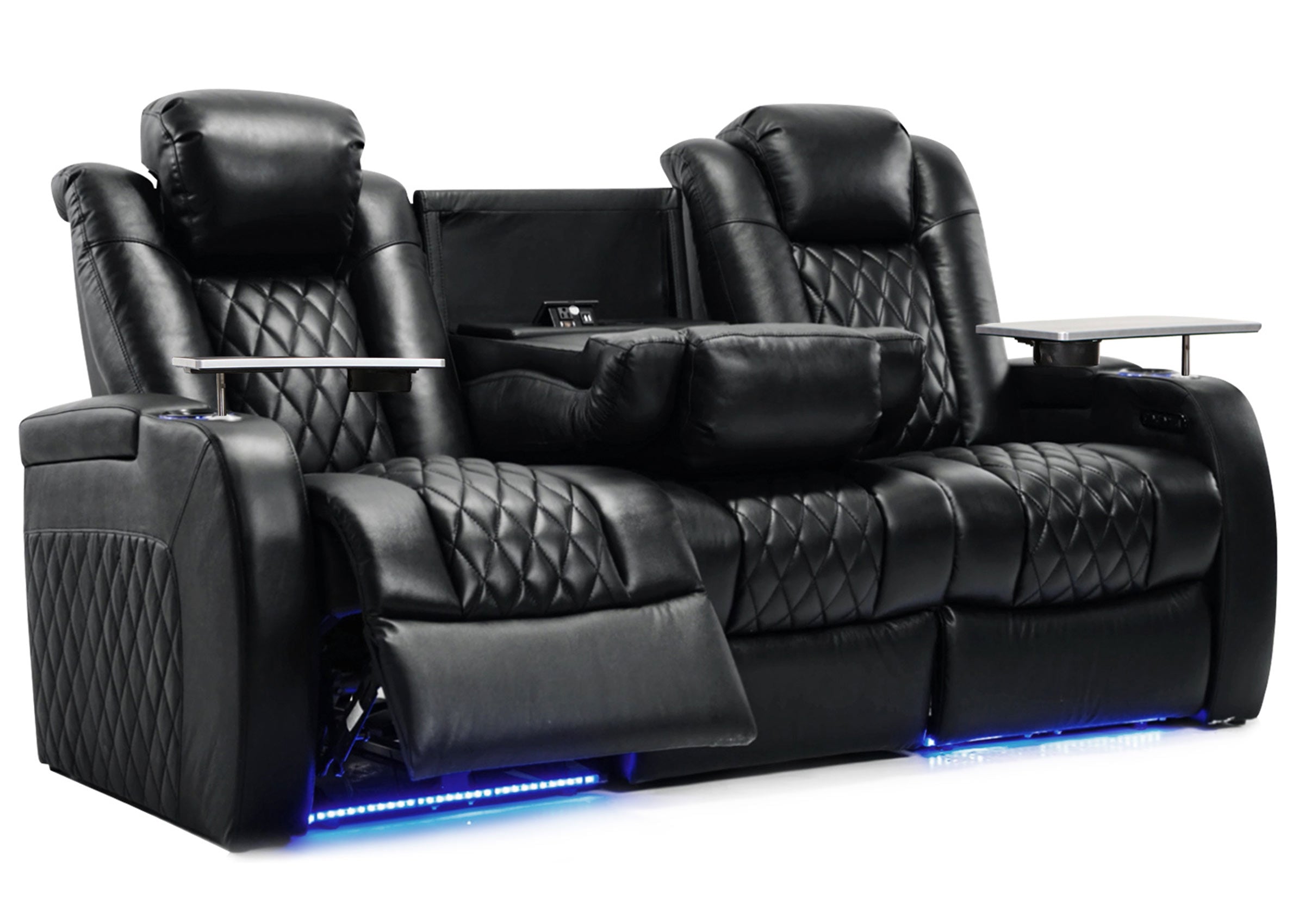
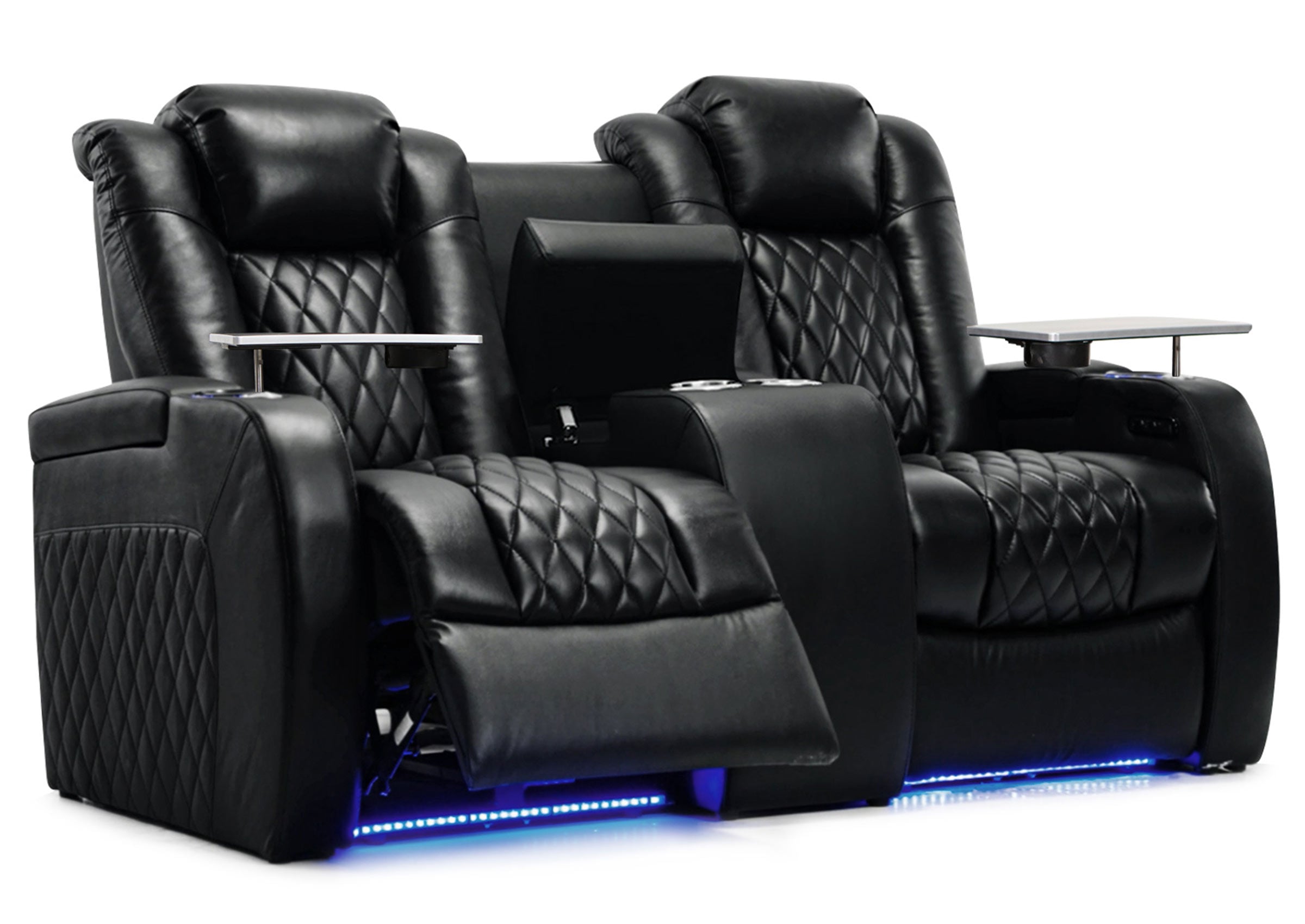


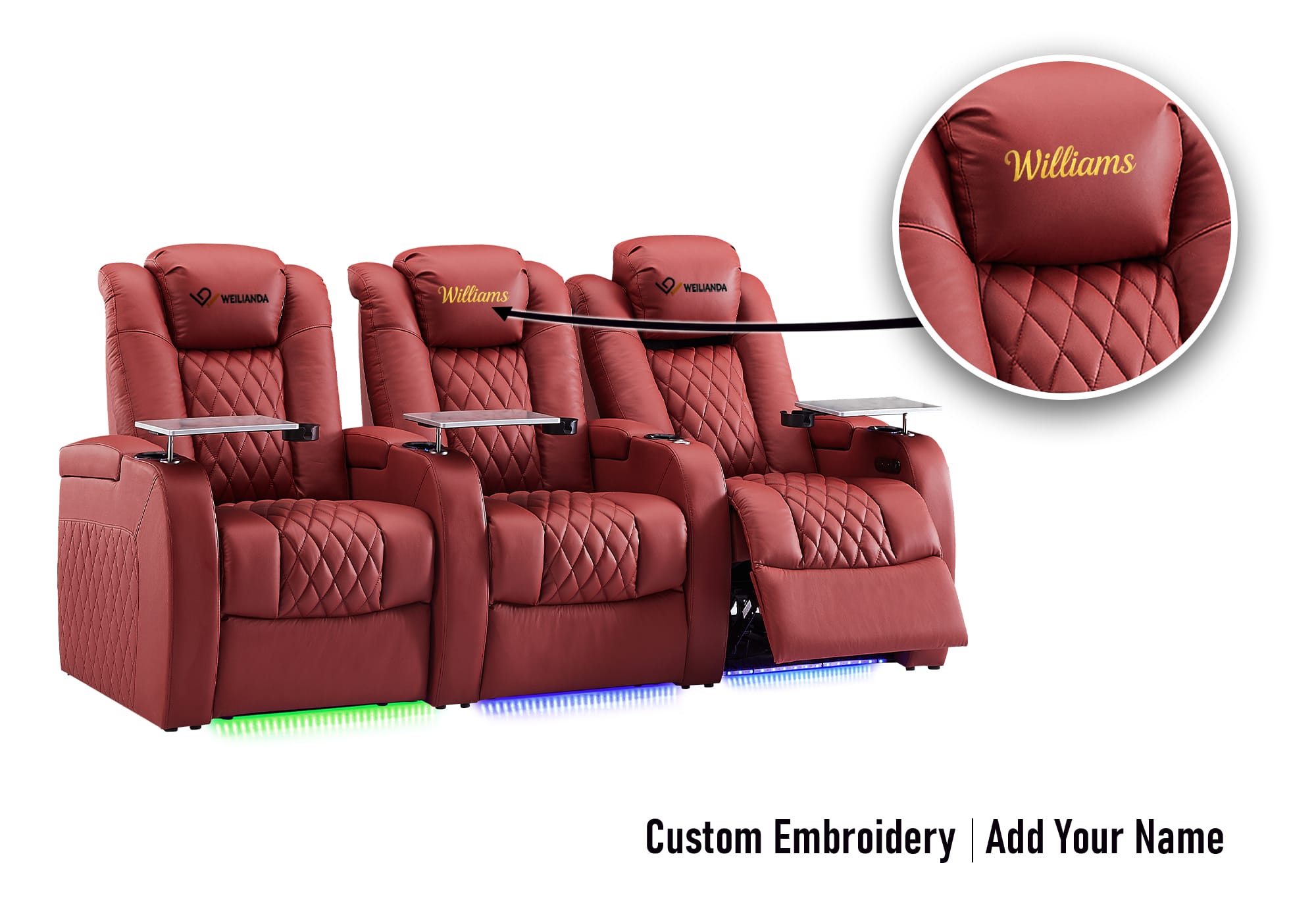

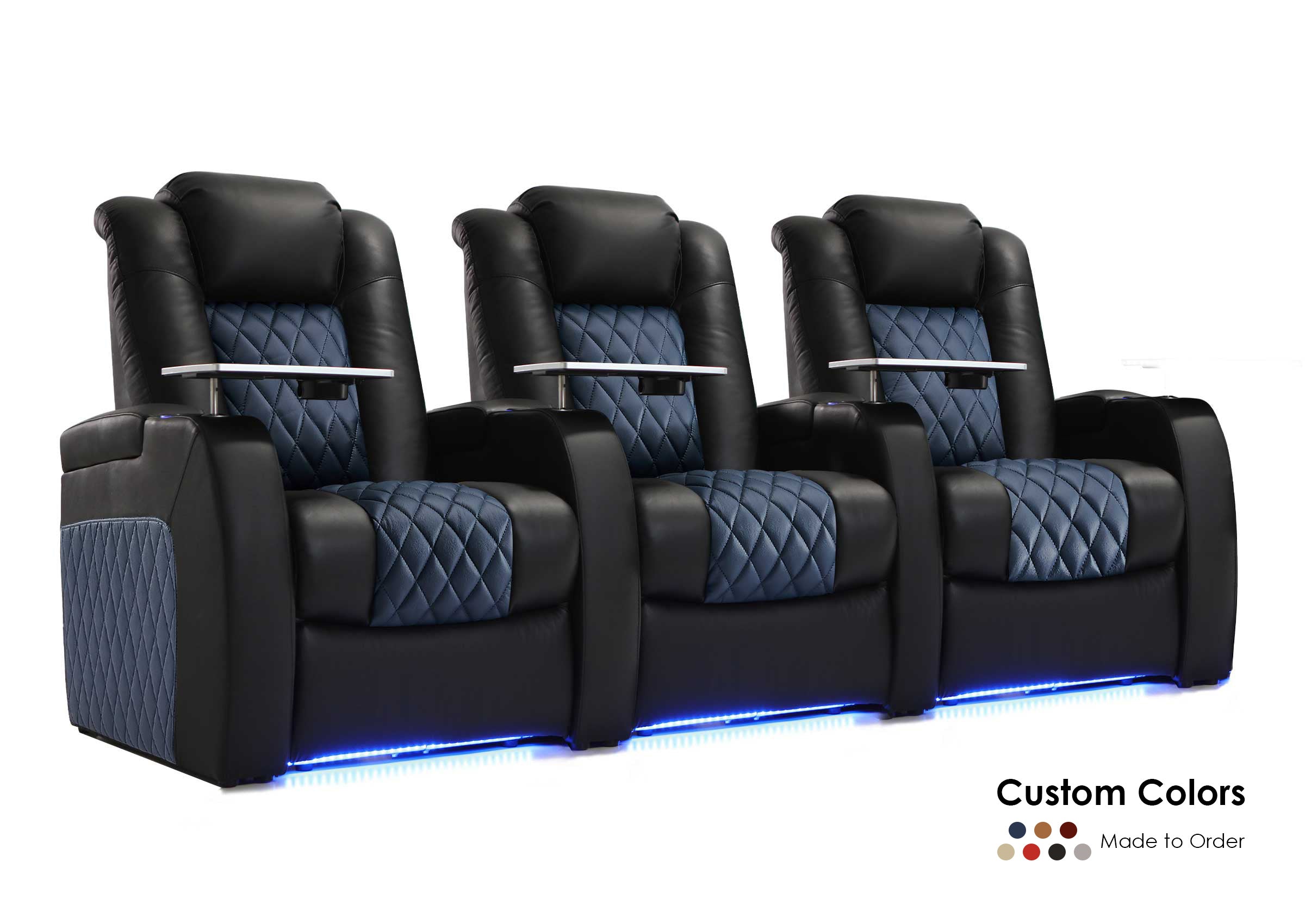

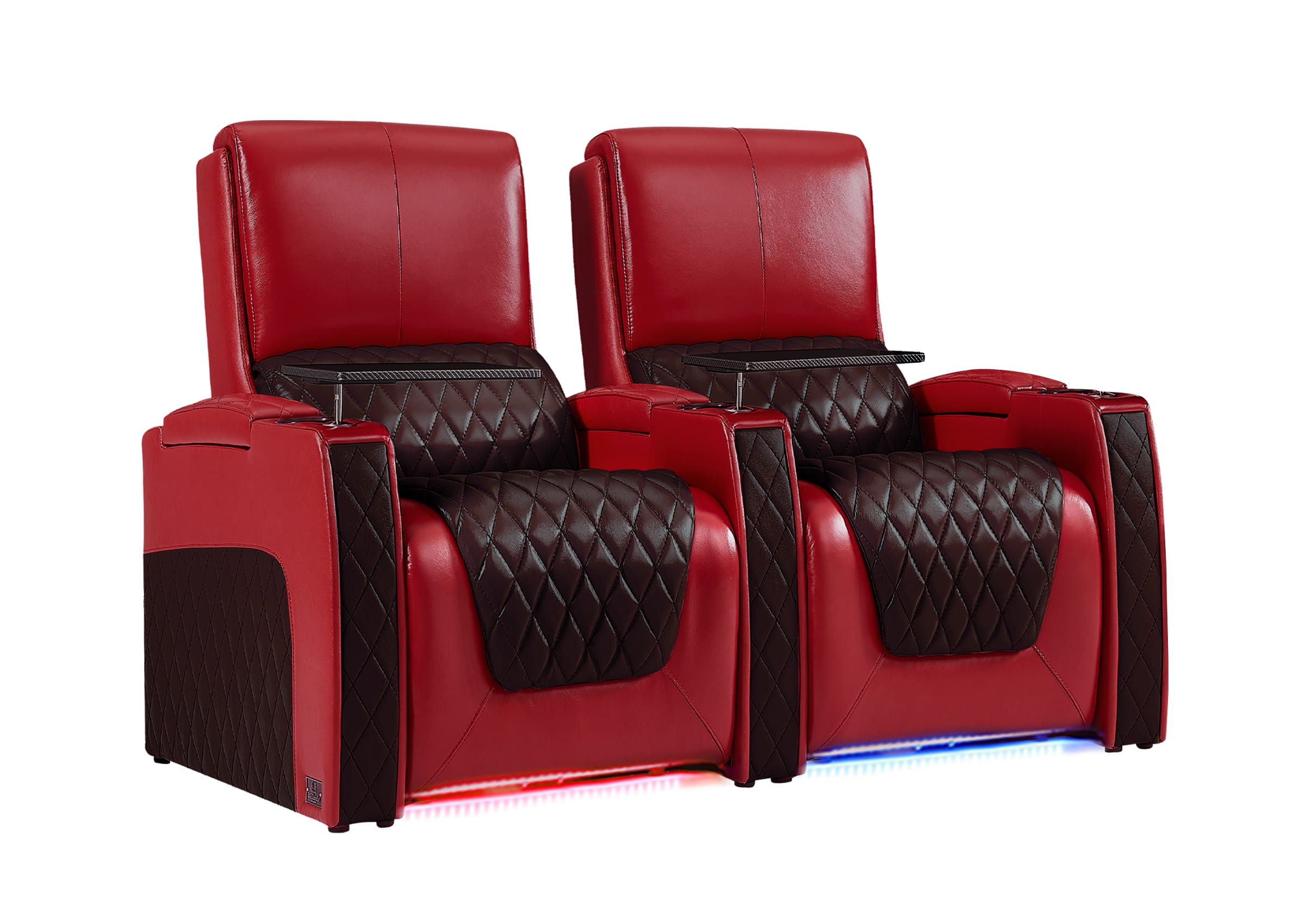
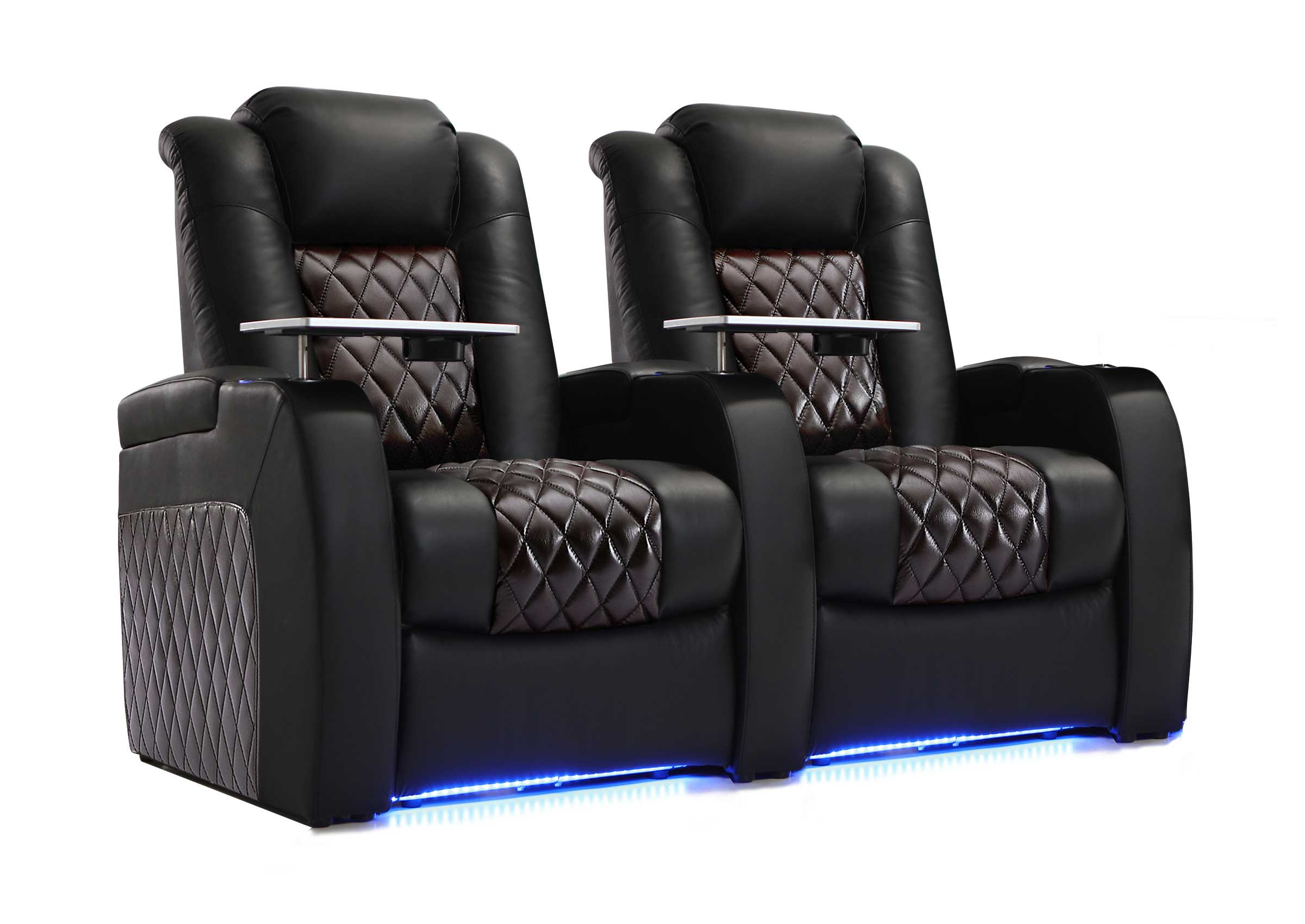
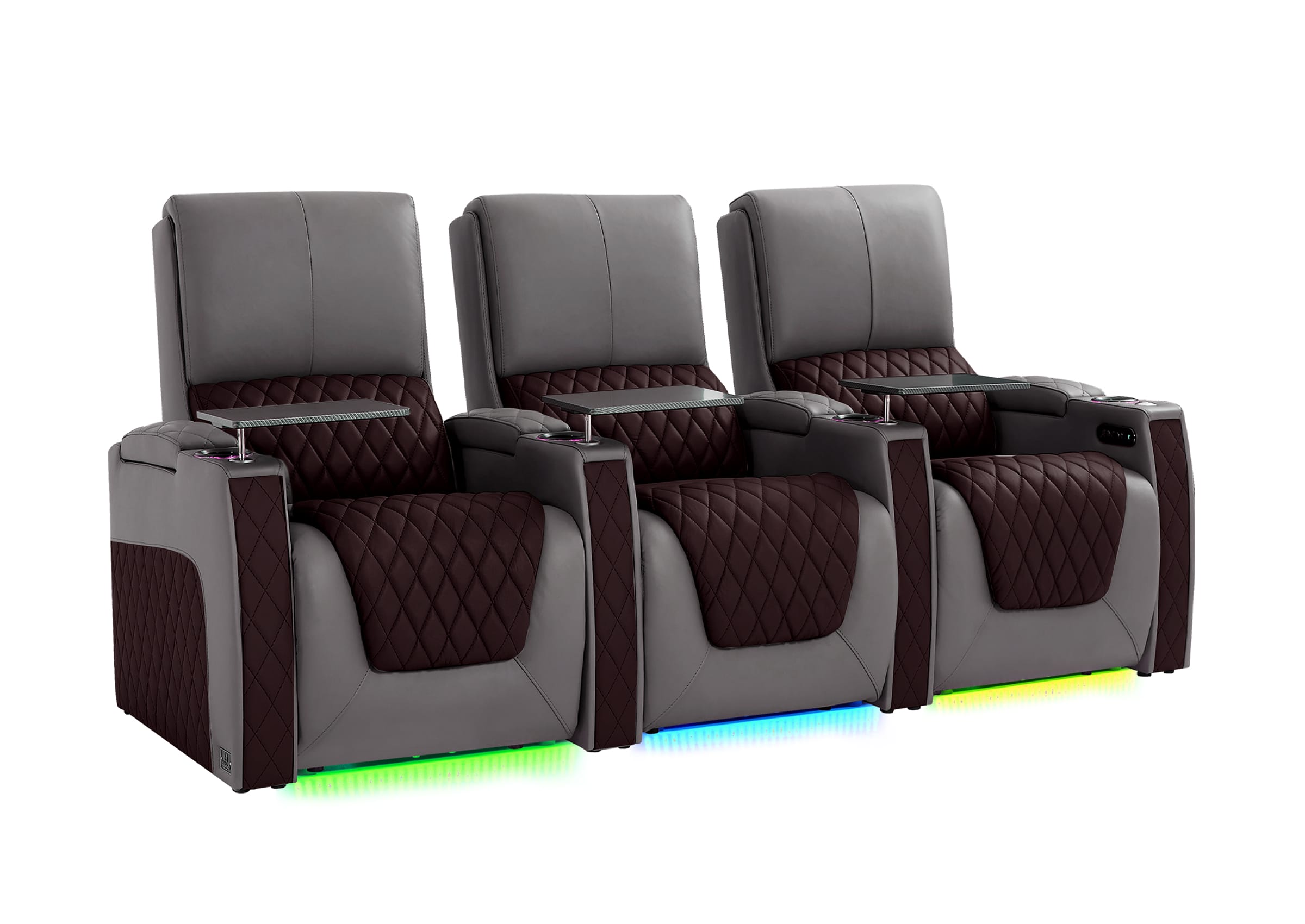
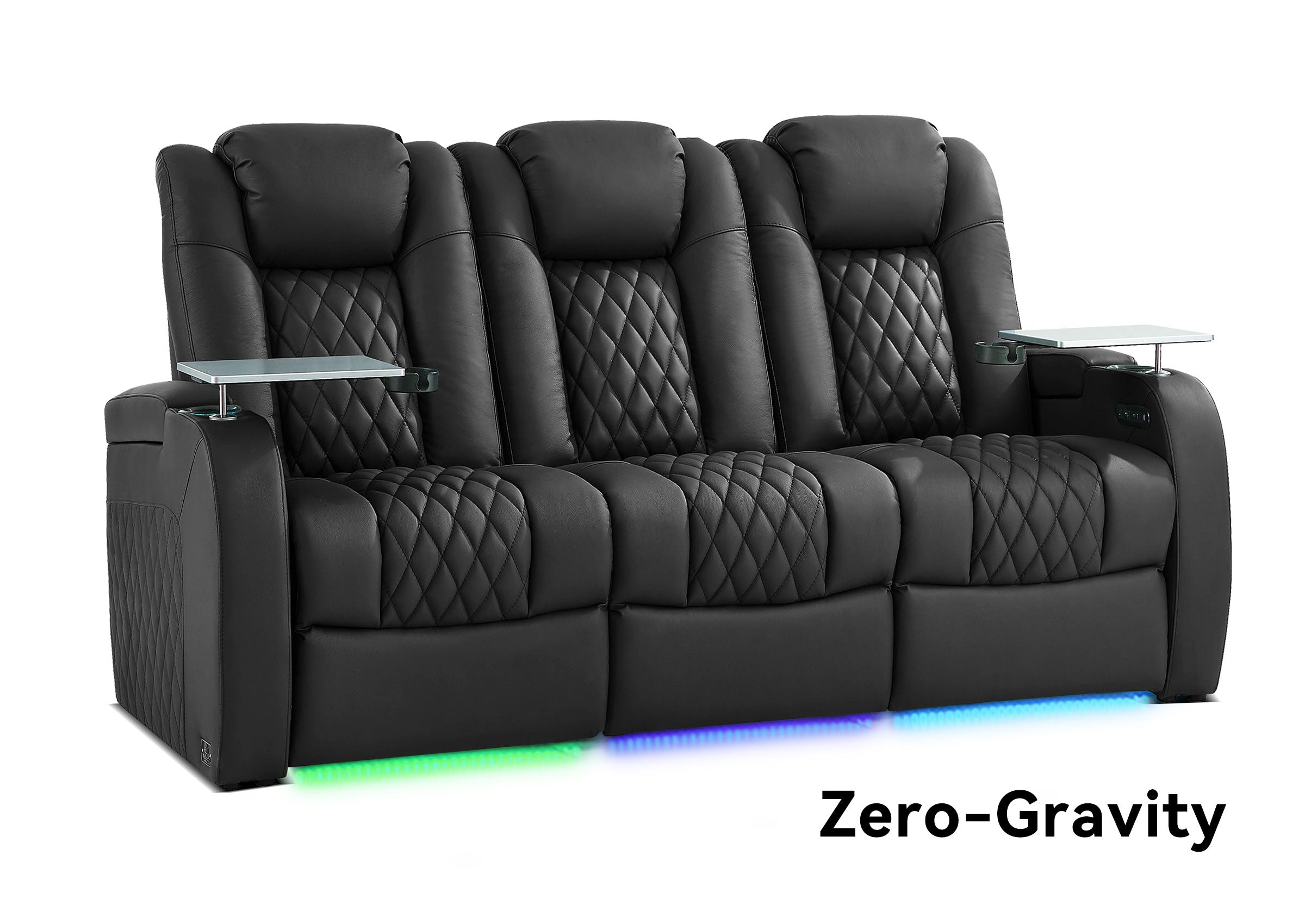


There is no single best home theater seating brand for every buyer. The right choice depends on whether a specific model fits your body, room, preferred configuration, and expectations after delivery—not simply which logo appears on the headrest.
Brands commonly worth comparing include Weilianda, Valencia, Seatcraft, HT Design, Octane Seating, and Palliser. They do not all serve the market in exactly the same way. Some emphasize ready-to-order theater recliners, some offer broad feature selections, and others are more relevant when upholstery choice or dealer-guided customization matters.
This guide is published by Weilianda, so it should not be mistaken for an independent laboratory ranking. We have not personally tested every current model from every company listed. Instead of declaring our own brand the winner, we will show you how to build a fair shortlist, which brands may deserve consideration for different priorities, and what you should verify before choosing a specific seat.
Which Home Theater Seating Brands Are Worth Comparing?
The following brands are reasonable starting points for many buyers researching purpose-built home theater seating. This is a comparison shortlist, not a first-to-last ranking.
| Brand | Worth Comparing If You Want | Verify Before Shortlisting |
|---|---|---|
| Weilianda | Feature-focused home theater recliners, reclining sofas, zero-gravity options, and direct brand support | Exact model dimensions, upholstery, included adjustments, configuration, stock status, and applicable service terms |
| Valencia | A large direct-to-consumer theater seating range with multiple product tiers and feature combinations | Series-specific dimensions, leather description, warranty level, delivery method, and return conditions |
| Seatcraft | A broad online selection spanning theater rows, loveseats, sofas, sectionals, and specialized configurations | Model-specific materials, control placement, row dimensions, delivery options, and applicable warranty or protection plan |
| HT Design | A focused theater-seating lineup with space-planning assistance and model-level component information | Upholstery type, seat fit, stock status, return restrictions, and the exact support path for the selected model |
| Octane Seating | A wide theater-seating catalog, including different styles, sizes, configurations, and accessories | Current model availability, dealer or seller terms, dimensions, upholstery, and warranty applicability |
| Palliser | Extensive upholstery and configuration possibilities, especially for buyers comfortable working through a dealer | Which residential theater collection and pieces are available locally, lead time, final dimensions, pricing, and who handles service |
This table tells you where to begin, not where to finish. Brand ranges, policies, stock, and features change. Always confirm the current product page and written order terms before paying.
Why Does the Model Matter More Than the Brand Name?
A reputable brand can still offer a model that is wrong for your body or room. Likewise, two seats from the same company may differ substantially in seat width, depth, back shape, upholstery, control layout, reclining movement, and required floor space.
The real unit of comparison is:
Brand + model + configuration + seller + support path
Leaving out any part of that equation can produce a misleading comparison.
For example, saying that one brand “has lumbar support” is not enough. You need to know whether the exact model and configuration you intend to buy includes it, whether it adjusts independently, where the control is located, and whether removing an armrest for a loveseat changes the controls or charging features.
The same rule applies to leather. A brand may sell several upholstery grades or use leather differently across collections. Compare the precise material description for the selected model, including where that material is used, rather than assigning one upholstery claim to the entire brand.
This is also why broad questions such as “Is Brand A better than Brand B?” rarely have a useful answer without two specific models and one real room plan.
How Should You Compare Theater Seating When You Cannot Try It in Person?
The inability to sit in a chair is one of the hardest parts of buying home theater seating online. Comfort words such as plush, supportive, oversized, and ergonomic are subjective. Dimensions are more useful, but only when you compare them with a chair you already understand.
Start with a recliner or chair at home that feels comfortable. Record:
- Usable seat width between the arms
- Seat depth from the front edge to the back cushion
- Seat height from the floor
- Back height relative to your shoulders and head
- Where the headrest meets your neck or head
- Whether your feet are supported when reclined
- How firm or soft the cushion feels to you
Then compare those observations with the published dimensions of each candidate model. Overall chair width is not the same as usable seat width, and overall depth does not tell you exactly how the seat will support your thighs.
If an important dimension is missing, ask the seller for it in writing. Give the support team useful context: the height and general build of the primary users, the dimensions of a chair they already like, their preferred sitting position, and whether they watch upright or reclined.
No remote recommendation can guarantee personal comfort. The purpose of this process is to replace vague marketing language with a better-informed comparison.
Before ordering, also investigate whether you can visit a showroom, receive a material sample, or review a clear return path. For large furniture, a return may involve original packaging, authorization, freight charges, restocking costs, or exclusions for custom orders. “Returnable” does not necessarily mean easy or free to return.

What Should You Compare Across Home Theater Seating Brands?
Use the same standards for every company—including Weilianda. Changing the criteria to favor one brand defeats the purpose of the comparison.
Body Fit and Room Fit
First confirm whether the seat fits both the user and the room. Check usable seat width and depth, back and head support, upright dimensions, fully reclined depth, wall clearance, and the total width of the exact row.
Do not calculate a row by multiplying the width of a single chair unless the manufacturer instructs you to do so. Shared arms, curved wedges, consoles, and armless loveseat positions can change the total measurement.
Room fit also includes the active space around the furniture. Doors, walkways, tables, risers, steps, cabinets, and other seats must still function while the seating reclines.
Model-Level Material Disclosure
Look for a precise upholstery description on the actual product page. Terms such as leather seating can be too broad on their own. Verify the named leather or synthetic material, where it appears on the chair, available color or sample options, and the care instructions that apply.
Material transparency is more useful than an impressive adjective. If two product descriptions cannot be compared on equal terms, ask each seller the same questions before deciding that one offers better value.
Configuration and Control Details
Confirm that the desired model is offered in the arrangement your room needs: a single chair, straight or curved row, loveseat, sofa, sectional, or a mix of connected and individual positions.
Then inspect what changes with the configuration. An armless middle seat may affect storage, cup holders, charging access, or the location of its controls. A curved row may improve the orientation of end seats but require more width or depth. A console may increase convenience while reducing closeness between viewers.
Do not assume that every feature shown in a collection image is included in every configuration. A separate guide can help you plan your home theater seating configuration by rows, loveseats, consoles, and modules.
Information Transparency
A useful brand comparison should reward clear information, not just attractive photography. Before shortlisting a model, see whether you can find:
- Exact chair and row dimensions
- Upright and reclined space requirements
- Material and feature descriptions by model
- Configuration diagrams or selectors
- Package, assembly, and delivery information
- Return and warranty terms
- A visible way to contact support
Missing information does not automatically prove poor product quality. It does increase the number of questions you must resolve before purchasing.
Delivery and Return Responsibility
Home theater seating is large, heavy furniture. Compare the complete delivery experience rather than treating “free shipping” as the end of the discussion.
Confirm whether delivery is curbside, threshold, room-of-choice, or white glove; who schedules the appointment; how many packages arrive; whether assembly is included; and what you must inspect before the driver leaves. Measure the access route through exterior doors, hallways, turns, stairs, elevators, and the final room.
For returns, identify the deadline, required authorization, packaging rules, nonreturnable items, freight responsibility, restocking costs, and whether custom or clearance configurations are excluded. Save the applicable policy with your order documentation because terms can change later.
Warranty Applicability
Do not rank brands by the largest warranty number shown on a page. First determine whether that number refers to the included manufacturer warranty or an optional paid protection plan.
Read which components are covered, when coverage begins, whether it is full or prorated, what exclusions apply, and whether labor, transportation, or shipping costs are included. Coverage may differ across the frame, upholstery, foam, reclining mechanism, motor, and controls.
Most importantly, save the exact terms that apply to the model, seller, location, and purchase date.
Support and Replacement-Parts Process
Warranty and support are related, but they are not the same.
A warranty describes contractual coverage. Support describes what happens when the chair stops responding, a package arrives damaged, or a part needs to be identified. Before choosing a brand or seller, ask:
- Who is the first contact after the sale?
- Does the brand, retailer, or protection-plan provider handle the issue?
- What proof of purchase, serial information, photos, or videos may be required?
- Are troubleshooting instructions available?
- Can model-specific replacement parts be identified and obtained?
- Who is responsible for labor, freight, or installation when coverage does not include them?
A shorter policy with a clear claim path may be more useful than a longer promise that is difficult to understand or use.
How Do the Main Home Theater Seating Brands Differ?
The following profiles explain why each brand may enter a shortlist. They use the same four fields so that Weilianda and competing brands are judged consistently. The observations are based on current public product and policy information, not hands-on testing of every model. Features, availability, and terms must still be verified for the exact model and purchasing channel.
Weilianda
Strengths: Weilianda offers purpose-built home theater recliners, reclining sofas, and zero-gravity seating across several comfort and feature directions. Depending on the model, options may include powered adjustments, headrest or lumbar support, cup holders, storage, charging, tray tables, lighting, and top-grain leather selections. The company has focused on home theater seating manufacturing since 2008 and also supports wholesale, custom, and multi-seat project inquiries.
Best fit: May suit buyers who want to compare feature-focused theater seating directly with the brand, including shoppers considering zero-gravity comfort, reclining rows, or sofas for a dedicated theater or media room.
Trade-offs: The breadth of features makes model-level checking essential. A visual similarity between two series does not mean they share the same dimensions, upholstery, adjustments, availability, or delivery conditions.
What to verify: Confirm the exact model dimensions, usable seat space, upholstery, included controls, row configuration, stock status, delivery method, warranty applicability, and support process. Use the same evidence standard you apply to every other brand. If Weilianda remains on your shortlist, compare Weilianda seating series at the model and feature level.
Valencia
Strengths: Valencia presents a broad direct-to-consumer theater seating range with multiple product tiers, configurations, feature combinations, and models aimed at different comfort or body-size preferences.
Best fit: May suit buyers who value a large online catalog and want to compare several levels of materials, comfort features, and configurations within one brand.
Trade-offs: A large range creates more variation between series. Warranty levels, materials, included functions, delivery options, and return eligibility may depend on the selected product and order type.
What to verify: Check the precise series, usable dimensions, upholstery coverage, included features, applicable warranty level, delivery service, original-packaging requirements, and return conditions for the intended order.
Seatcraft
Strengths: Seatcraft offers a wide theater-focused assortment that includes individual chairs, rows, loveseats, sofas, sectionals, space-saving designs, and specialized configurations. Its current site also provides model and support information for online buyers.
Best fit: May suit shoppers who want to compare many theater-specific formats and feature combinations, or who have access to one of the brand's showrooms and prefer to test seating in person.
Trade-offs: Configuration changes can affect total width, armrests, controls, charging, storage, and included accessories. Manufacturer coverage and optional protection plans also need to be distinguished.
What to verify: Confirm the model-level material description, exact row arrangement, control placement, delivery level, return restrictions, included manufacturer warranty, and whether any extended plan is optional and separately administered.
HT Design
Strengths: HT Design maintains a focused home theater seating lineup, publishes model dimensions and selected component details, and offers assistance with space planning and configurations.
Best fit: May suit buyers who prefer a specialist theater-seating seller, want model-level technical details, or can visit its showroom to compare options.
Trade-offs: Upholstery, mechanisms, dimensions, and features vary between models, while current ordering information places meaningful restrictions on seating returns and cancellations.
What to verify: Review the selected chair's usable dimensions, material, mechanism, stock status, delivery arrangements, warranty coverage, and current cancellation and return terms before placing an order.
Octane Seating
Strengths: Octane Seating presents a broad theater-specific catalog with multiple styles, sizes, row arrangements, accessories, and quick-ship possibilities.
Best fit: May suit buyers who want a wide selection of dedicated theater seating formats and prefer to narrow a large catalog by room size, styling, configuration, and accessories.
Trade-offs: The number of choices can make broad brand-level claims misleading. Catalog statements, warranty terms, availability, and seller responsibilities must be connected to the actual model and purchase channel.
What to verify: Confirm current availability, total row dimensions, upholstery, included accessories, delivery responsibility, authorized seller, and the warranty document applicable to the purchase date and model.
Palliser
Strengths: Palliser's residential theater collections are known for extensive upholstery choices and modular configuration possibilities, with detailed product specification sheets available for many models.
Best fit: May suit buyers who prioritize cover selection, coordinated furniture finishes, modular arrangements, and a dealer-guided ordering process.
Trade-offs: The dealer-based process can make availability, price, lead time, delivery, and service less uniform than a single direct online checkout. More choices also require a carefully documented final configuration.
What to verify: Request a written order showing every modular piece, final dimensions, selected cover, power options, expected delivery timing, applicable warranty, return or cancellation conditions, and the party responsible for after-sale support.
How Can You Build a Fair Three-Brand Shortlist?
Do not compare six entire companies indefinitely. Choose three brands, then choose one realistic model and configuration from each. A fair comparison should be specific enough that each column could become an actual order.
| Question | Candidate 1 | Candidate 2 | Candidate 3 |
|---|---|---|---|
| Brand, model, and configuration | |||
| Usable seat width and depth | |||
| Back and head support | |||
| Upright and reclined dimensions | |||
| Total row width | |||
| Exact upholstery and coverage | |||
| Included adjustments and controls | |||
| Delivery level and access needs | |||
| Complete delivered cost | |||
| Return deadline and responsibility | |||
| Included warranty | |||
| Support and parts contact |

Complete the table with current written information. If one seller cannot answer an important question, leave the cell visibly blank rather than filling it with an assumption. The blank itself becomes part of the decision.
Once the table is complete, remove any option that fails a nonnegotiable requirement such as body fit, room width, access, material preference, or return tolerance. Only then compare convenience features and price. Before committing to an order, review the questions to confirm before buying theater seating.
If you are choosing seating for an interior design, dealer, hospitality, or multi-seat project, brand comparison is only the first step. You should also evaluate manufacturing experience, customization boundaries, specification coordination, samples, delivery planning, and after-sale responsibility. See our theater seating manufacturer guide for the questions worth confirming before selecting a project partner.
COMPARE SPECIFIC MODELS
Is Weilianda on Your Three-Brand Shortlist?
Compare specific Weilianda series and configurations using the same fit, material, feature, delivery, and support questions you would ask any brand.
Which Home Theater Seating Brand Is Best for You?
The best brand for you is the one that offers a specific model you can verify, fit into your room, receive through your access route, and live with after the sale.
Choose by evidence rather than familiarity:
- Start with the measurements of your body, room, and comfortable reference chair.
- Compare one real model and configuration from each shortlisted brand.
- Treat materials and features as model-specific facts.
- Compare delivered cost, not just the displayed seat price.
- Read return and warranty terms before ordering.
- Know exactly who will help if something arrives damaged or stops working.
A brand name can help you decide where to look. It cannot make the final decision for you. When the comparison reaches the model level, the word “best” becomes more useful: not the most famous seat or the longest feature list, but the option whose fit, information, delivery, and support create the fewest unresolved risks for your home.
Ready to Compare a Specific Theater Seating Model?
A brand name can help you build a shortlist, but the final decision should come down to the model that fits your body, room, preferred configuration, and expectations after delivery.
Weilianda has focused on home theater seating manufacturing since 2008. Share the models you are comparing, your room dimensions, preferred row configuration, and comfort priorities. Our team can help you review the Weilianda options that may fit your needs and confirm relevant product and shipment details before you order.
For personalized guidance, contact Weilianda Support or email leon@weiliandahome.com.