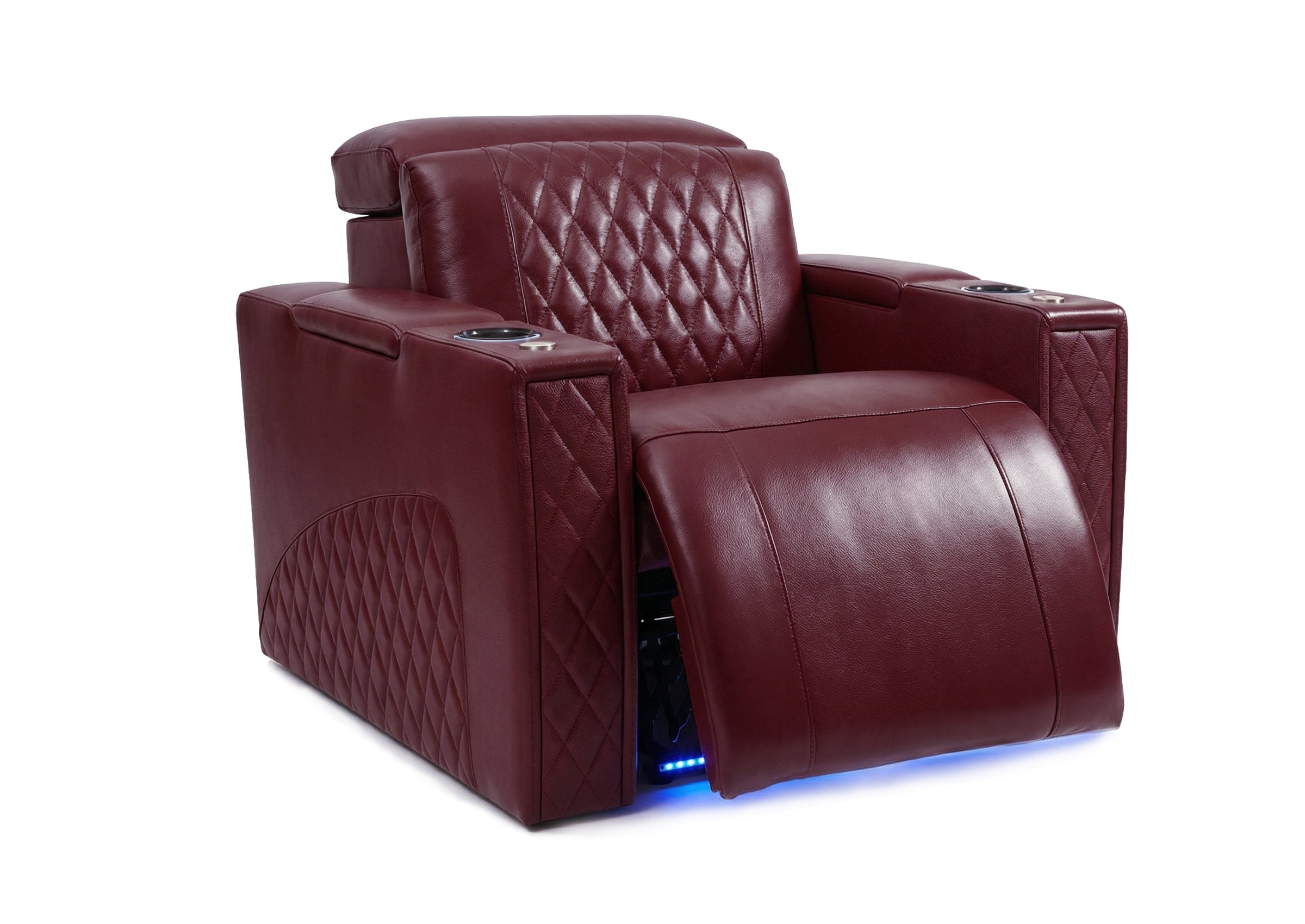

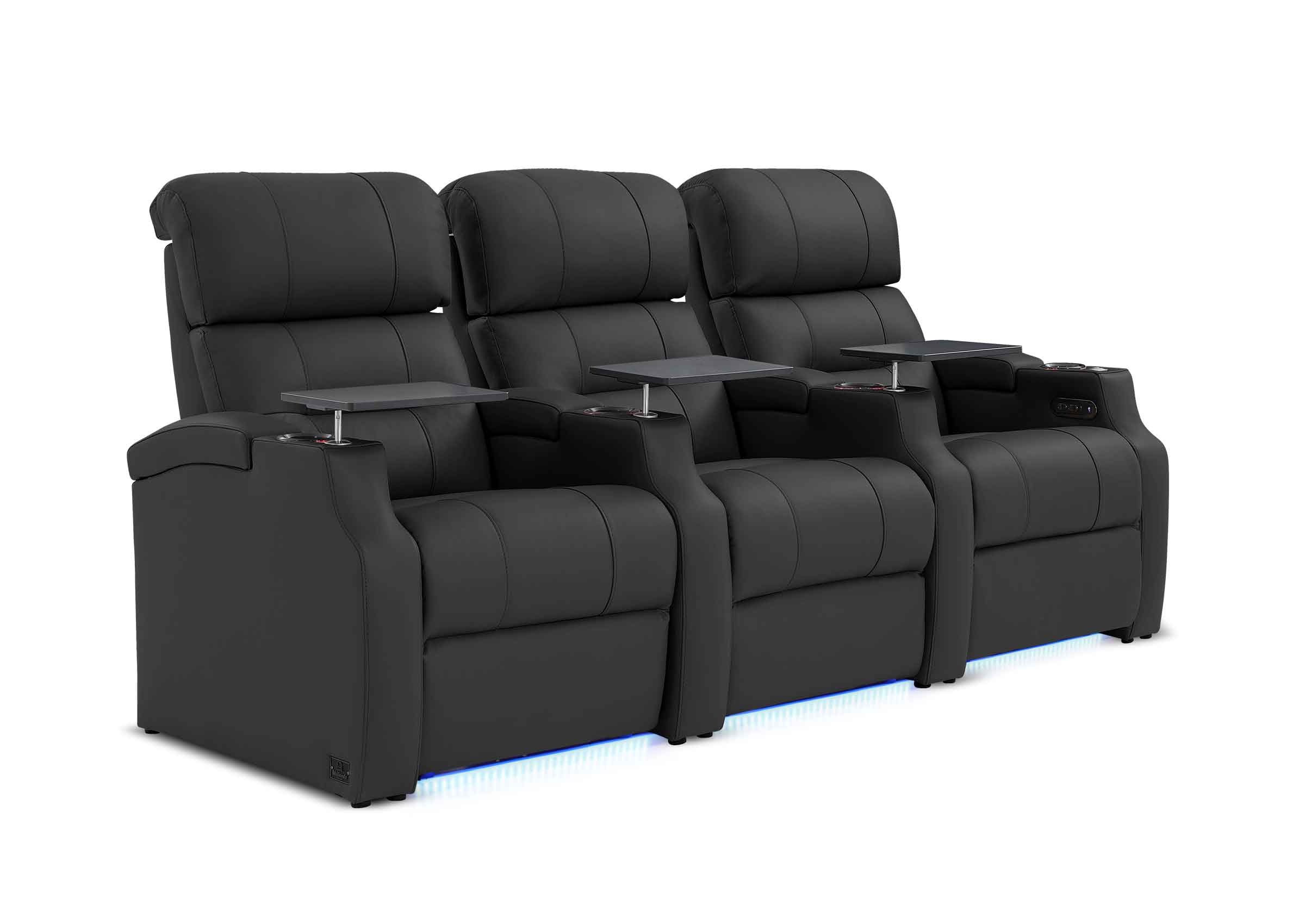
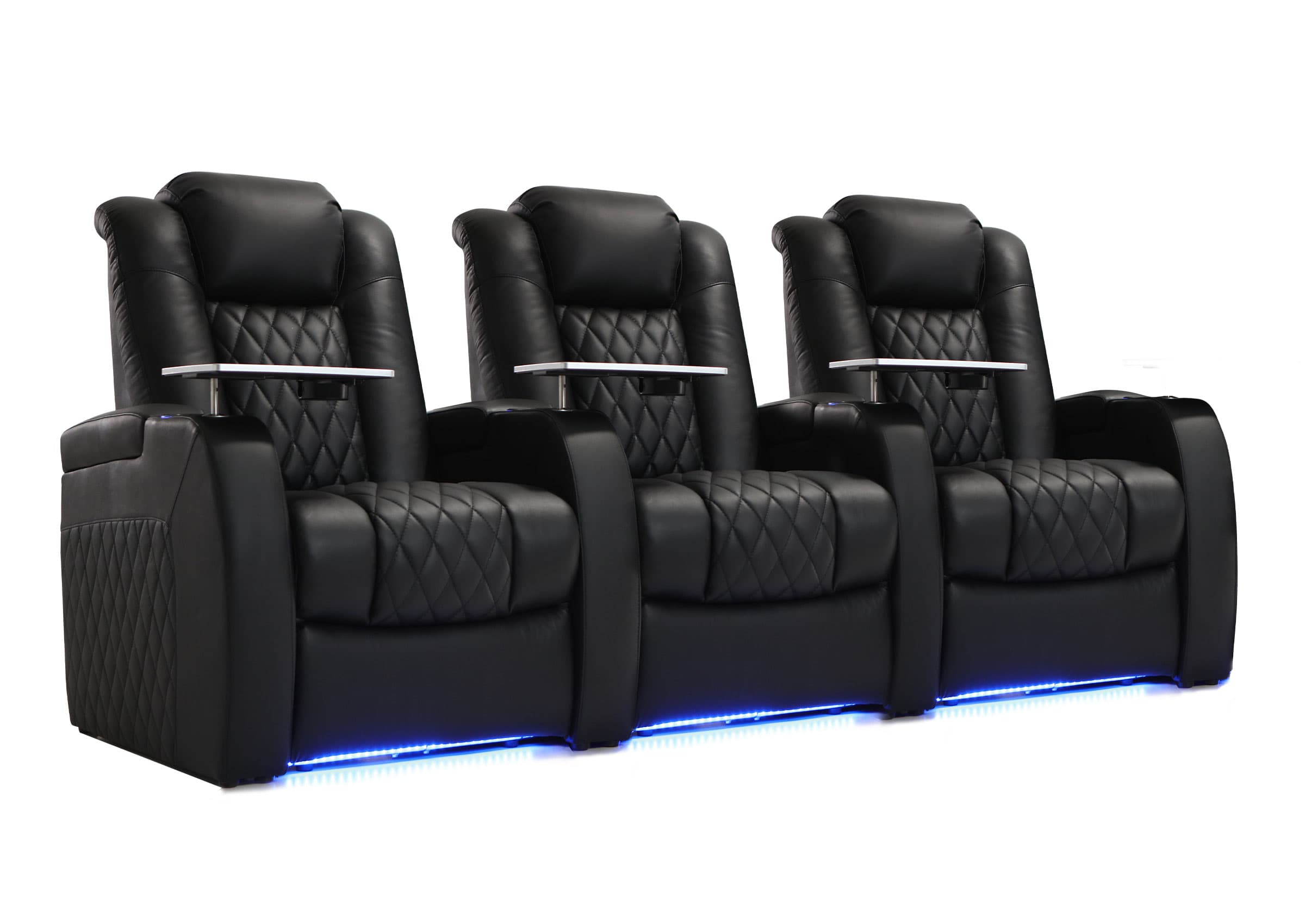

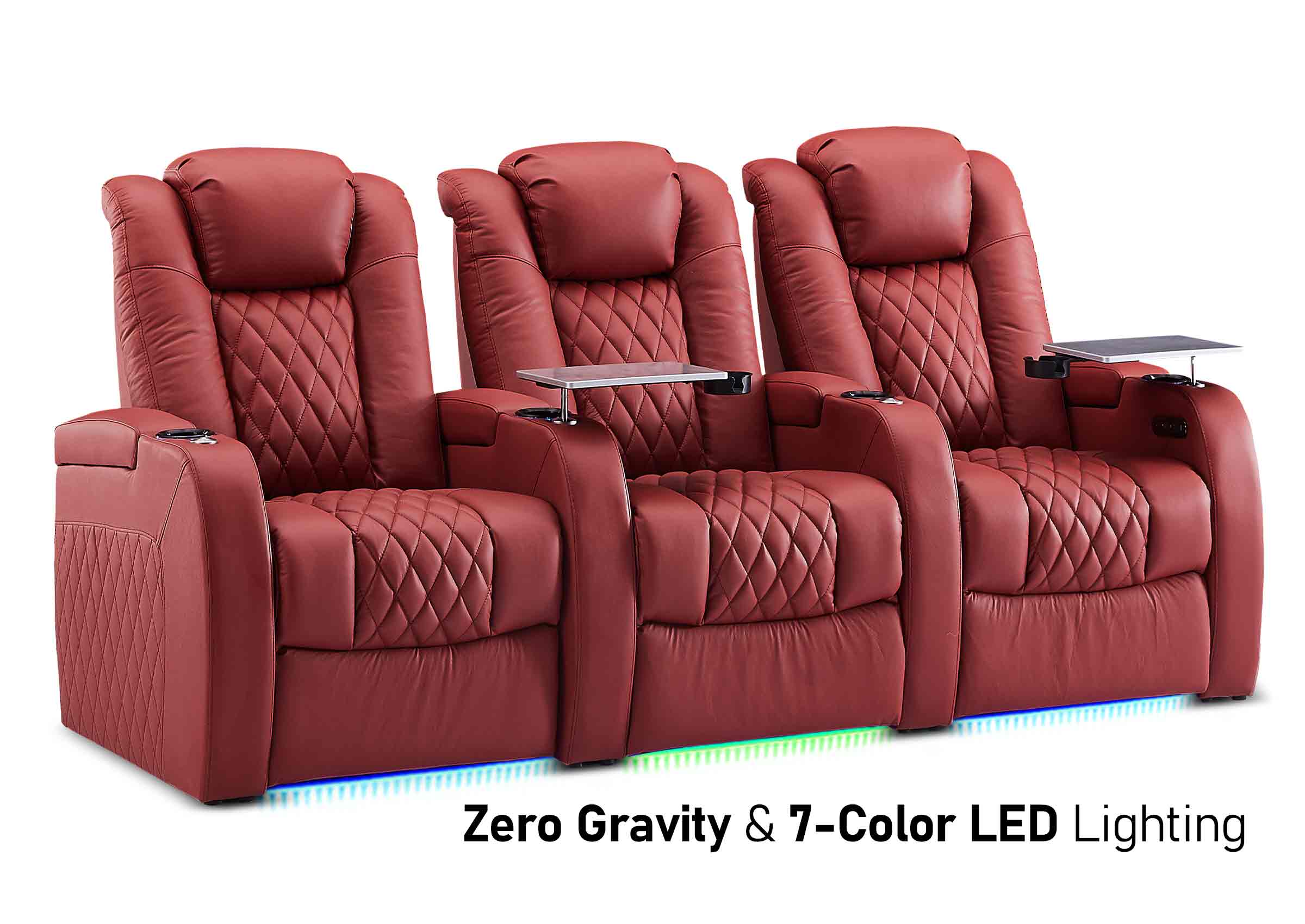

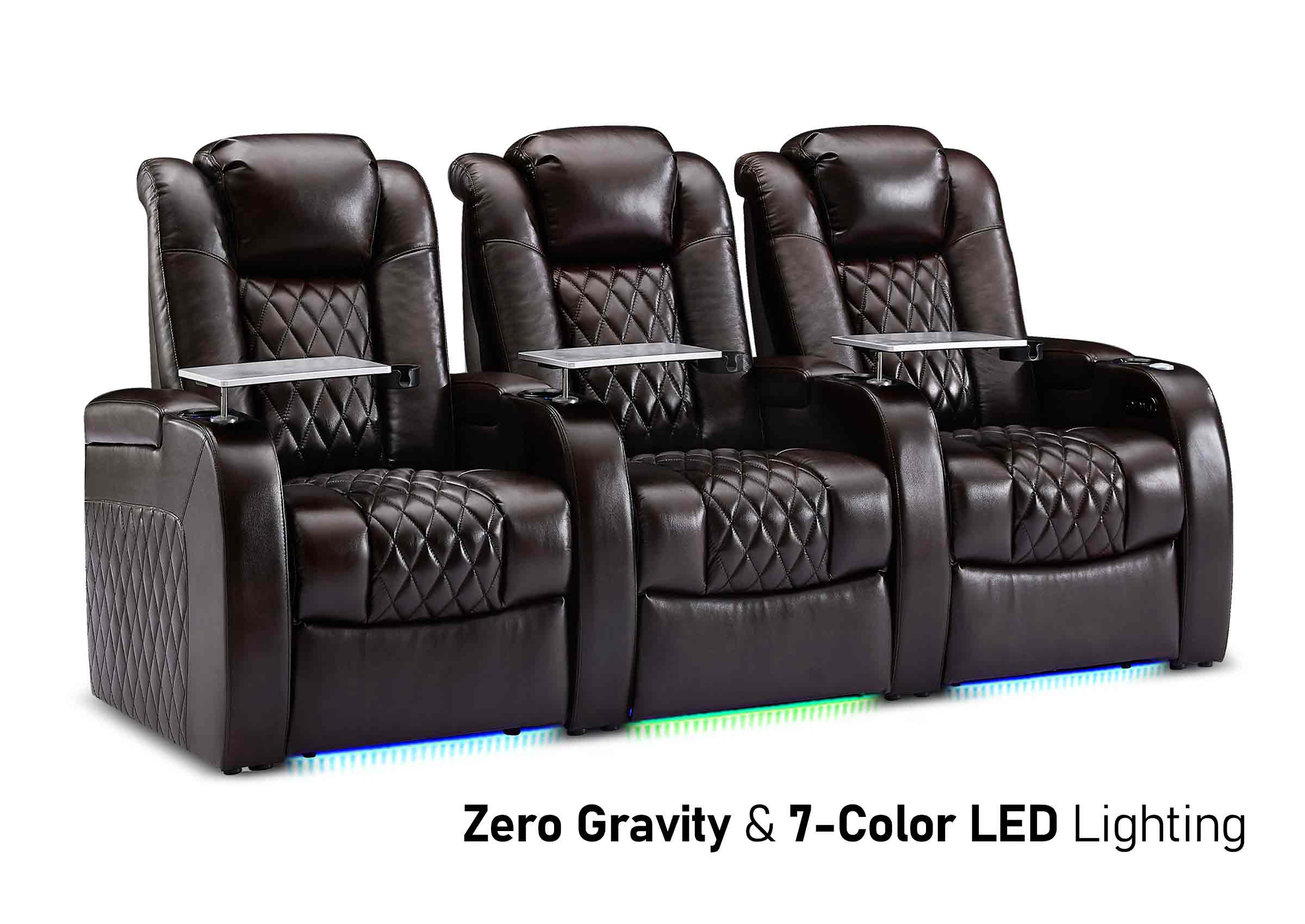

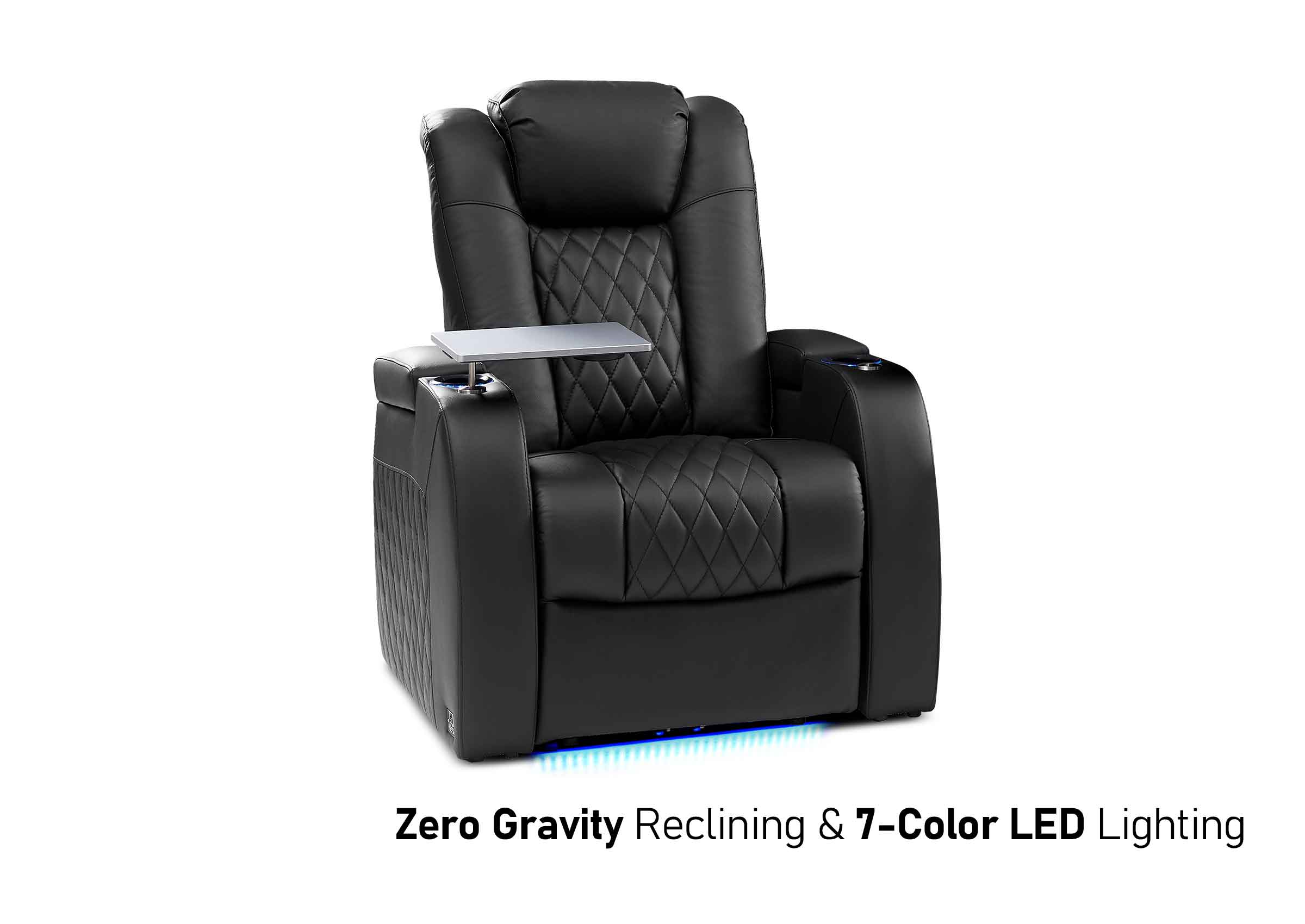
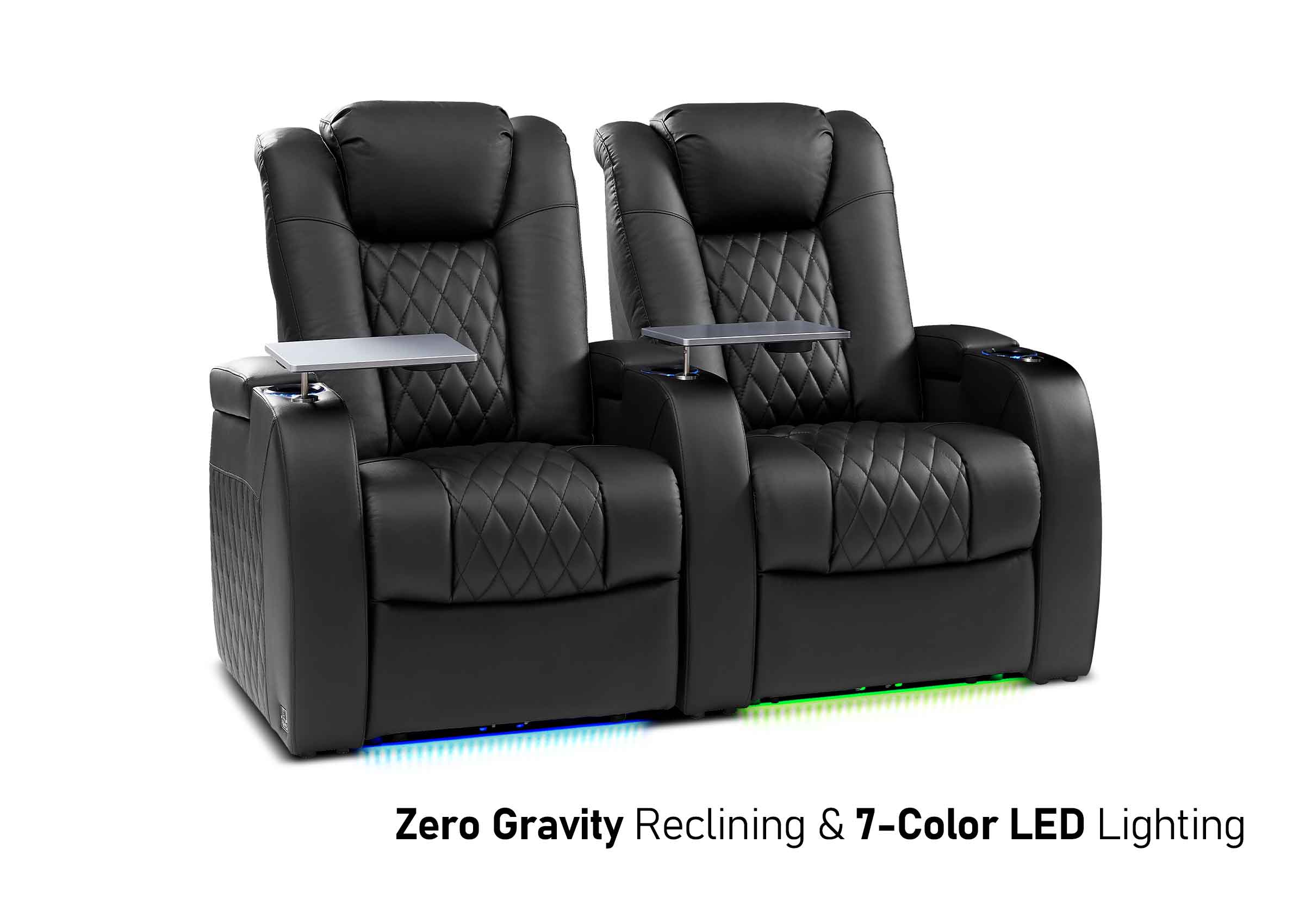






Getting the sound right in a home theater takes more than good speakers and comfortable home theater seating. The room itself shapes what you hear. Hard walls reflect sound in ways that muddy dialogue, blur bass, and create nulls in the response. Home theater acoustic treatment fixes these problems by controlling how sound behaves before it reaches your ears.

Why Acoustic Treatment Matters in a Home Theater Room
Even a high-end speaker system can sound disappointing in an untreated room. Sound waves bounce off walls, floors, and ceilings, arriving at your ears milliseconds after the direct sound. Those reflections stack on top of each other, causing echo, comb filtering, and uneven bass response.
The result is a room where some seats sound great and others sound muddy. Bass can boom in one corner and disappear in another. Dialogue loses clarity because reflected sound smears the original signal.
Home theater sound treatment addresses these issues by absorbing, scattering, or trapping sound energy. The goal is a balanced, controlled acoustic environment where every seat in the room, including the back row of your home theater seating, benefits from clear, accurate audio.

What Acoustic Panels Do for Your Room
Acoustic panels are the most common starting point for home theater acoustic treatment. They absorb mid and high-frequency sound waves, reducing reflections and echo.
How They Work
Panels are typically made from acoustic foam or fibrous materials like rockwool or fiberglass wrapped in fabric. When sound hits the panel, the material converts sound energy into a tiny amount of heat. The reflection is reduced or eliminated.
Thicker panels absorb lower frequencies. A 2-inch panel handles mid and high frequencies well. A 4-inch panel starts to pull in some upper bass, especially with an air gap behind it. For deep bass, you need something more specialized.

Where to Place Acoustic Panels
Placement matters as much as the panels themselves. The most effective spots are the first reflection points, the places on the walls and ceiling where sound bounces directly from your speakers to your ears.
Here is a simple way to find them: sit in your main listening position and have someone hold a mirror flat against the side wall. Wherever you can see a speaker reflected in the mirror, that is a first reflection point. Mark it and treat it.
Common placement locations include:
- Side walls at ear level
- The ceiling between the speakers and the main seat
- The front wall behind the screen (especially with an acoustically transparent screen)
- The rear wall behind the seating area
Treating these spots reduces the harshest reflections without making the room feel acoustically dead.
What Acoustic Diffusers Do for Your Room
Diffusers take a different approach. Rather than absorbing sound, they scatter it in multiple directions. This breaks up strong reflections without removing the sense of space and liveliness from the room.
When to Use Diffusers
A room with too much absorption can feel unnatural and fatiguing to listen in. Diffusers help maintain a sense of air and dimension in the sound while still controlling flutter echo and harsh reflections.
They work best on the rear wall behind the seating area and on side walls further from the speakers. In the acoustic panels vs diffusers debate, the answer is rarely one or the other. Most well-treated home theaters use both.
Diffuser Placement Tips
Diffusers need space to work properly. They should be mounted at least 3 to 4 feet away from the listening position. Placing them too close reduces their effectiveness because the scattered sound waves do not have enough distance to spread out.

What Bass Traps Do for Your Room
Bass is the hardest part of the frequency spectrum to control. Low-frequency sound waves are long, and they interact with room dimensions in complex ways. This creates bass buildup in corners and uneven bass response across the room.
Bass traps home theater setups rely on are typically thick, broadband absorbers (often rigid fiberglass/mineral wool) or large, purpose-built corner traps. Corners are where bass energy concentrates most, making them the most efficient place to treat low-frequency problems.
Corner Placement
Floor-to-ceiling corner placement is the most effective approach. The more surface area a bass trap covers, the better it performs. Partial corner treatment helps, but full-height traps make a more noticeable difference.
Bass Traps vs Acoustic Panels
Bass traps are a type of absorber, but they are designed specifically for low frequencies. Standard acoustic panels do not absorb bass effectively. If your room has boomy, uneven bass, adding more panels will not solve it. Bass traps are the right tool for that job.
Acoustic Panels vs Diffusers vs Bass Traps: Quick Comparison
Here is a side-by-side look at how each treatment type functions and where it fits best.
| Treatment Type | Frequency Range | Primary Function | Best Placement |
| Acoustic Panels | Mid to high frequencies | Absorb reflections | First reflection points, front wall |
| Diffusers | Mid to high frequencies | Scatter sound | Rear wall, side walls (far field) |
| Bass Traps | Low frequencies | Absorb bass buildup | Floor-to-ceiling corners |
No single treatment type handles everything. A balanced room uses all three in the right proportions.
How to Treat a Home Theater Room Step by Step
With the basics covered, here is a practical sequence for approaching home theater sound treatment from scratch.
Start With the Corners
Bass problems are usually the most noticeable issue in untreated rooms. Place bass traps in all four floor-to-ceiling corners first. This gives you a cleaner, more even low end before you address anything else.
Treat the First Reflection Points
Once the bass is under control, move to the side walls and ceiling. Identify the first reflection points and place acoustic panels there. This step makes the biggest difference in dialogue clarity and imaging.
Add Rear Wall Treatment
The rear wall behind your home theater seating is the next priority. A mix of diffusers and absorption works well here. Diffusers maintain some liveliness while panels prevent harsh echo from bouncing back toward the screen.
Fine-Tune With Listening Tests
Walk around the room and clap sharply. Listen for flutter echo, which sounds like a metallic ringing or rapid repetition. If you hear it, add more absorption to the surfaces involved. Trust your ears as much as any formula.

How Much Acoustic Treatment Does a Home Theater Need?
There is no single answer, but a common starting point is treating around 25 to 35 percent of the total wall surface area. Smaller rooms with parallel walls may need more. Larger rooms with irregular shapes may need less.
The goal is a balanced room, not a silent one. Over-treating a room removes too much high-frequency energy, leaving the sound dull and lifeless. Under-treating leaves too many reflections, making the sound muddy and confused.
A practical approach is to start with the minimum, listen carefully, and add treatment incrementally until the room sounds right.
Start Treating Your Home Theater Today
Good acoustic treatment transforms how a home theater sounds. It makes dialogue clearer, bass more even, and the overall listening experience more enjoyable for everyone in the room. Start with bass traps in the corners, move to first reflection points, and build from there. Small, targeted changes add up quickly.
FAQs about home theater acoustic treatment
Q1: Do Acoustic Panels Make a Noticeable Difference in a Home Theater?
Yes, acoustic panels make a clear and immediate difference, especially for dialogue clarity and echo reduction. Treating the first reflection points on the side walls and ceiling is one of the most cost-effective improvements you can make to a home theater room.
Q2: Where Should You Place Acoustic Panels in a Home Theater?
The first reflection points are the highest priority. These are the spots on the side walls, ceiling, and front wall where sound bounces directly from your speakers to your listening position. Treating these areas first gives you the most noticeable improvement in sound quality.
Q3: Can You Use Acoustic Panels Instead of Bass Traps?
No, standard acoustic panels cannot replace bass traps. Panels absorb mid and high frequencies effectively, but they have little impact on low-frequency buildup. Bass traps are specifically designed for corner placement and low-end control. Both are needed for a fully treated home theater.
Q4: How Many Bass Traps Does a Home Theater Room Need?
At minimum, treat all four floor-to-ceiling corners. Most rooms have four vertical corners, and covering all of them gives you a solid foundation for even bass response. Rooms with persistent bass problems may benefit from additional traps along wall-to-ceiling edges as well.
Q5: What Is the Difference Between Acoustic Panels and Diffusers?
Acoustic panels absorb sound energy and reduce reflections. Diffusers scatter sound in multiple directions without removing it from the room. Panels are better for controlling harsh reflections and echo. Diffusers are better for maintaining a natural sense of space. Most home theaters benefit from using both.